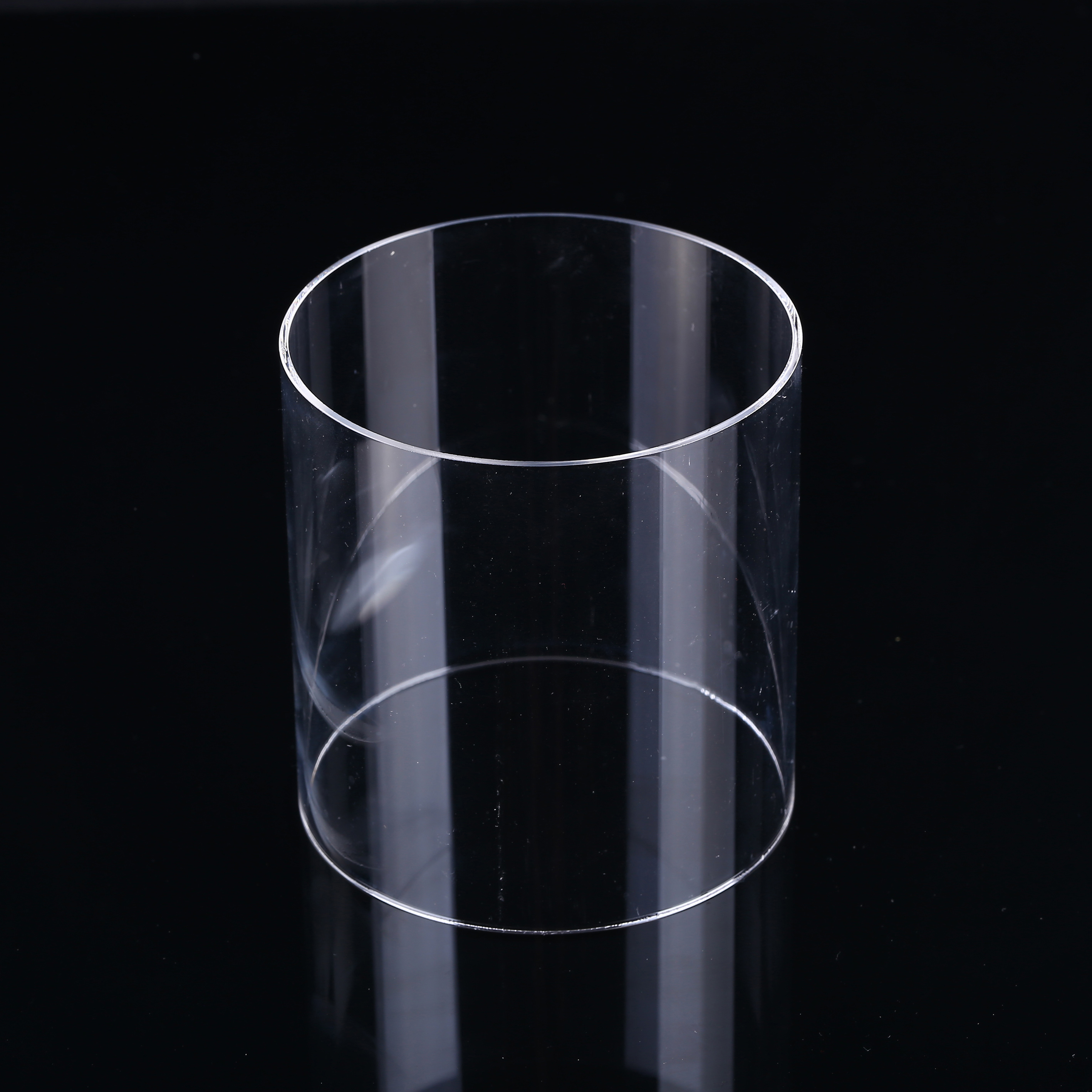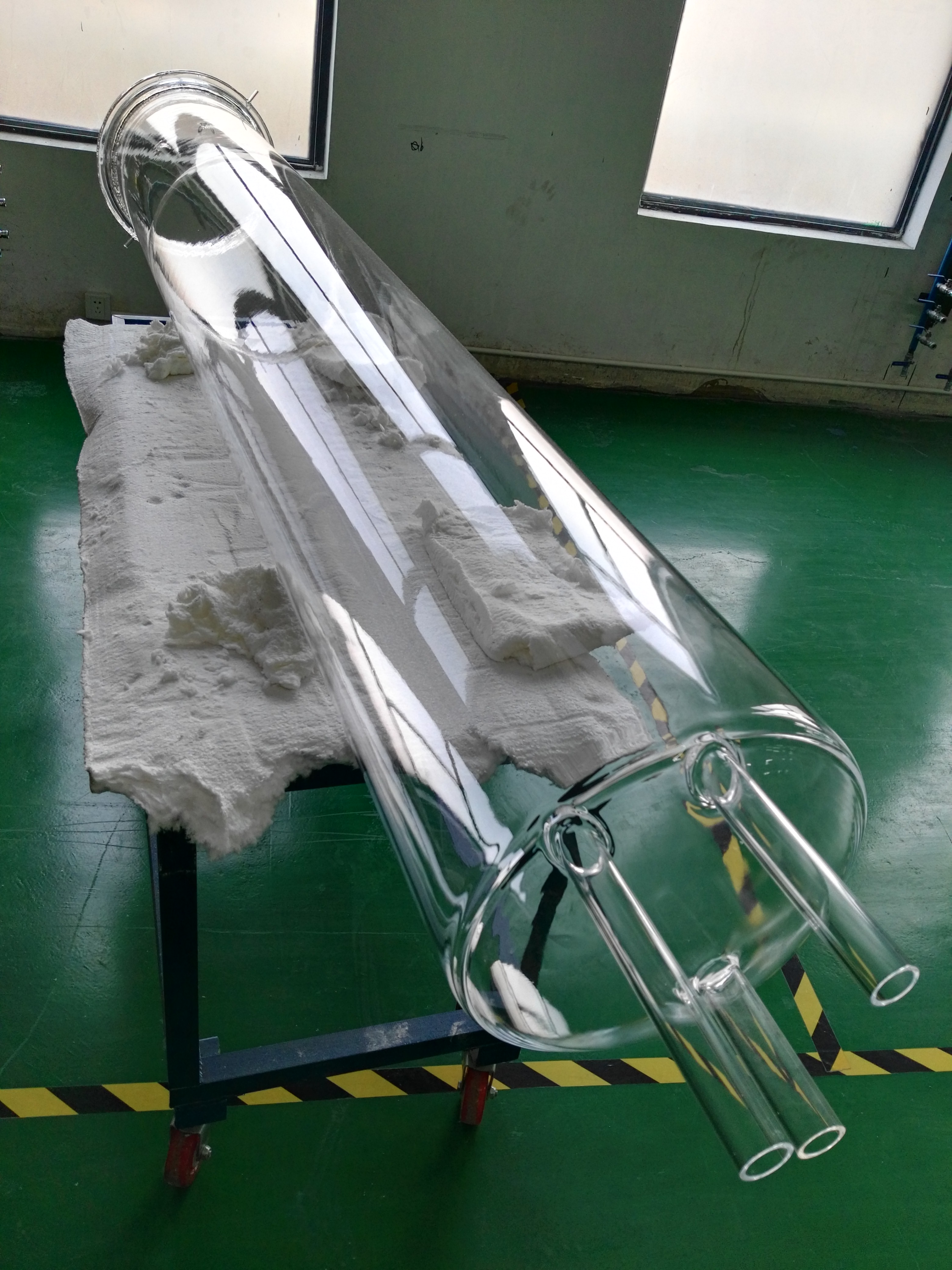
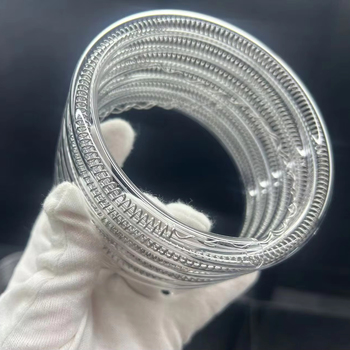
Laboratory Transparent Quartz Spiral Condensing Tube
Precision helical quartz coil with standard ground 19/26, 24/29, or 29/32 taper joints. Ideal for solvent reflux, essential oil extraction, and aggressive acid distillation.
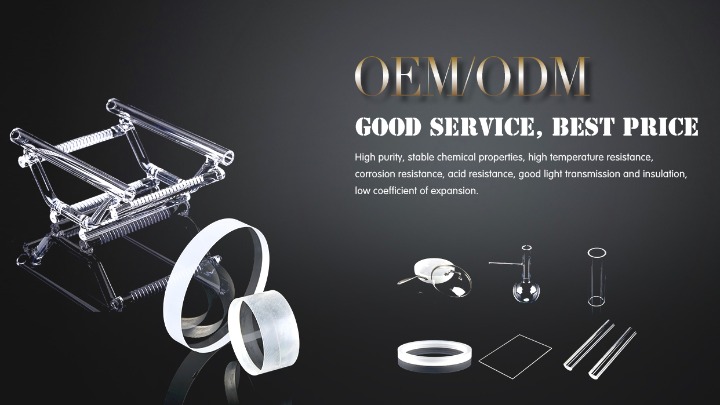
Get a QuoteWhen extreme thermal shock resistance, maximum photon transmittance across deep UV to near-infrared wavelengths, and absolute inertness are indispensable, standard borosilicate or metal heat exchangers inevitably fail. Transparent Quartz Spiral Tubes (also designated as helical quartz glass coils, fused silica spiral condensers, or quartz fluid coils) represent the ultimate engineering answer for high-stress continuous processes.
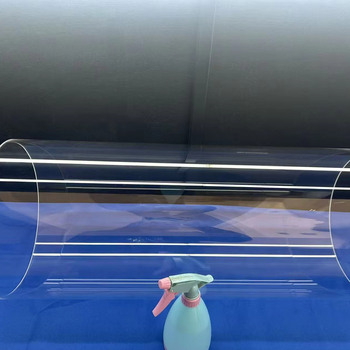
Manufactured by Donghai County Nivra Quartz Products Co., Ltd. in China's quartz heartland, our spiral coils combine ≥99.99% SiO₂ chemical purity with custom lathe-blown helical winding. Capable of continuous duty at 1100°C and transient peaks to 1450°C, our custom spiral products serve global semiconductor fabs, continuous flow photochemistry reactors, CVD furnace lines, and ultra-pure analytical distillation plants.
Understanding the physics of helical quartz geometries allows design engineers and procurement teams to maximize heat transfer efficiency, photochemical yield, and mechanical durability.
A linear quartz cylinder offers limited residence time for heat transfer or light absorption. By winding high-purity clear fused quartz tubing into a uniform helical spiral geometry, the effective exposure length is expanded up to 600% within the exact same axial envelope. This compact volume profile is essential for modern vacuum chambers, photochemical annular wells, and compact laboratory refrigeration baths.
With an exceptionally low coefficient of thermal expansion of approximately 5.5 × 10⁻⁷ /°C (nearly 1/5th that of standard borosilicate 3.3), transparent quartz spiral tubes undergo near-zero physical dimensional change across severe thermal gradients. A red-hot quartz spiral operating at 1100°C can be immersed into cold water without micro-fracture or structural failure.
For photochemical synthesis, UV advanced oxidation (AOP water treatment), and radiative infrared heating, the bubble-free wall of our clear spiral tubes allows unimpeded photon penetration. With over 90% optical transmission from 260 nm to 2500 nm, process fluids receive maximum photon density with negligible wall absorption loss or UV solarization degradation.
Whether you require single-pitch coils, double-jacketed condenser spirals, or integrated heating loops, Donghai County Nivra Quartz Products Co., Ltd. fabricates each piece according to precision industrial tolerances.
Precision helical quartz coil with standard ground 19/26, 24/29, or 29/32 taper joints. Ideal for solvent reflux, essential oil extraction, and aggressive acid distillation.
Get a Quote
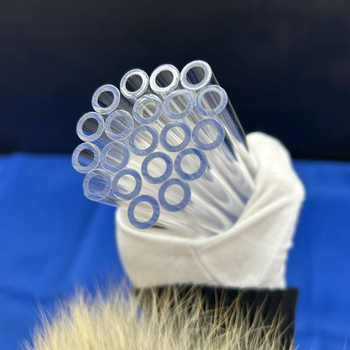
Tight coil pitch with minimal dead volume. Maximizes UV irradiance from center immersion lamps (mercury or UV-LED bars) for microfluidic and flow chemistry synthesis.
Get a Quote
Thick-walled transparent fused quartz spiral designed to insulate electric resistance elements or serve as ultra-clean pre-heating channels for corrosive wafer process gases.
Get a Quote
Fused outer cooling jacket encasing an internal high-efficiency spiral coil. Engineered to withstand hyper-corrosive aqua regia vapors and high-temperature vacuum condensation.
Get a QuoteEvery transparent quartz spiral tube produced by Donghai County Nivra Quartz Products Co., Ltd. is evaluated via precision optical comparators, laser micrometer gauges, and polariscope stress testers.
| Element / Parameter | Typical Grade | Semiconductor High Purity |
|---|---|---|
| SiO₂ Content | ≥ 99.99% | ≥ 99.999% |
| Al (Aluminum) | ≤ 14.0 ppm | ≤ 7.0 ppm |
| Fe (Iron) | ≤ 0.2 ppm | ≤ 0.05 ppm |
| Ca (Calcium) | ≤ 0.4 ppm | ≤ 0.1 ppm |
| Na (Sodium) | ≤ 0.7 ppm | ≤ 0.1 ppm |
| K (Potassium) | ≤ 0.6 ppm | ≤ 0.1 ppm |
| OH Content | ≤ 20 ppm (Thermal) | ≤ 5 ppm (Low-OH) |
| Refractive Index (nd) | 1.4585 | 1.4585 |
| Dimension | Standard Range | Tolerance |
|---|---|---|
| Coil Outer Diameter (OD) | 20 mm – 450 mm | ± 1.0 mm to ± 2.0 mm |
| Tube Outer Diameter | 3.0 mm – 50.0 mm | ± 0.15 mm to ± 0.35 mm |
| Wall Thickness (WT) | 1.0 mm – 4.5 mm | ± 0.10 mm to ± 0.25 mm |
| Coil Pitch (Center-to-Center) | 6.0 mm – 100.0 mm | ± 0.5 mm to ± 1.5 mm |
| Total Spiral Height | Up to 1800 mm | ± 2.0 mm |
| Straight Arm Terminations | 50 mm – 500 mm | Customized to drawing |
| Joint / Fitting Types | Standard Taper Ground, Ball/Socket, Threaded GL45, KF Flange | |
Specialized configurations—such as triple-nesting concentric coils, reverse-wound return spirals, and capillary micro-bore spiral coils—are manufactured directly from buyer CAD/STEP models.
Global procurement teams in aerospace, green hydrogen generation, semiconductor fabrication, and pharmaceutical processing face evolving demands. Here is where quartz spiral technology is moving over the next 3 to 5 years.
Industrial synthesis is rapidly departing from classical batch stirrers toward micro-channel continuous flow. High-purity transparent quartz spiral tubes act as transparent plug-flow reactor cores, allowing multi-kilowatt UV-LED arrays to irradiate photochemical reactants safely without solvent degas degradation.
Traditional manual flame-bending is prone to coil-to-coil wall thinning and pitch irregularities. Sourcing demands are demanding CNC synchronized quartz glass lathes that maintain wall concentricity within ±5%, dramatically lowering burst risks under dynamic fluid pressure.
Sub-2nm semiconductor lithography and advanced wafer etching require quartz hardware with total trace alkali metals (Na, K, Li) below 0.5 ppm. Future procurement guidelines mandate dynamic ICP-MS certified acid-leaching protocols prior to vacuum packaging.
Helical quartz exchangers are moving toward integrated monolithic structures. Instead of relying on Teflon ferrules or elastomer seals that fail at 250°C+, modern buyers specify quartz spirals with directly fused quartz-to-metal grading seals and sapphire sight windows.
Due to fused silica's near-zero thermal expansion, optical transparency, and chemical inertness, quartz spiral tubes are indispensable across critical process environments.
Pre-heating silane, ammonia, and volatile precursors in PECVD and ALD tooling without particulate or trace metal contamination.
Coiled around UV discharge lamps in TOC (Total Organic Carbon) analytical instruments to digest trace pollutants rapidly.
Condensing hot nitric acid, sulfuric acid vapors, and halogenated organics where borosilicate condensers undergo chemical etching.
Rapid thermal expansion absorption during flash-boiling of liquefied gases, eliminating joint failure caused by thermal contraction.
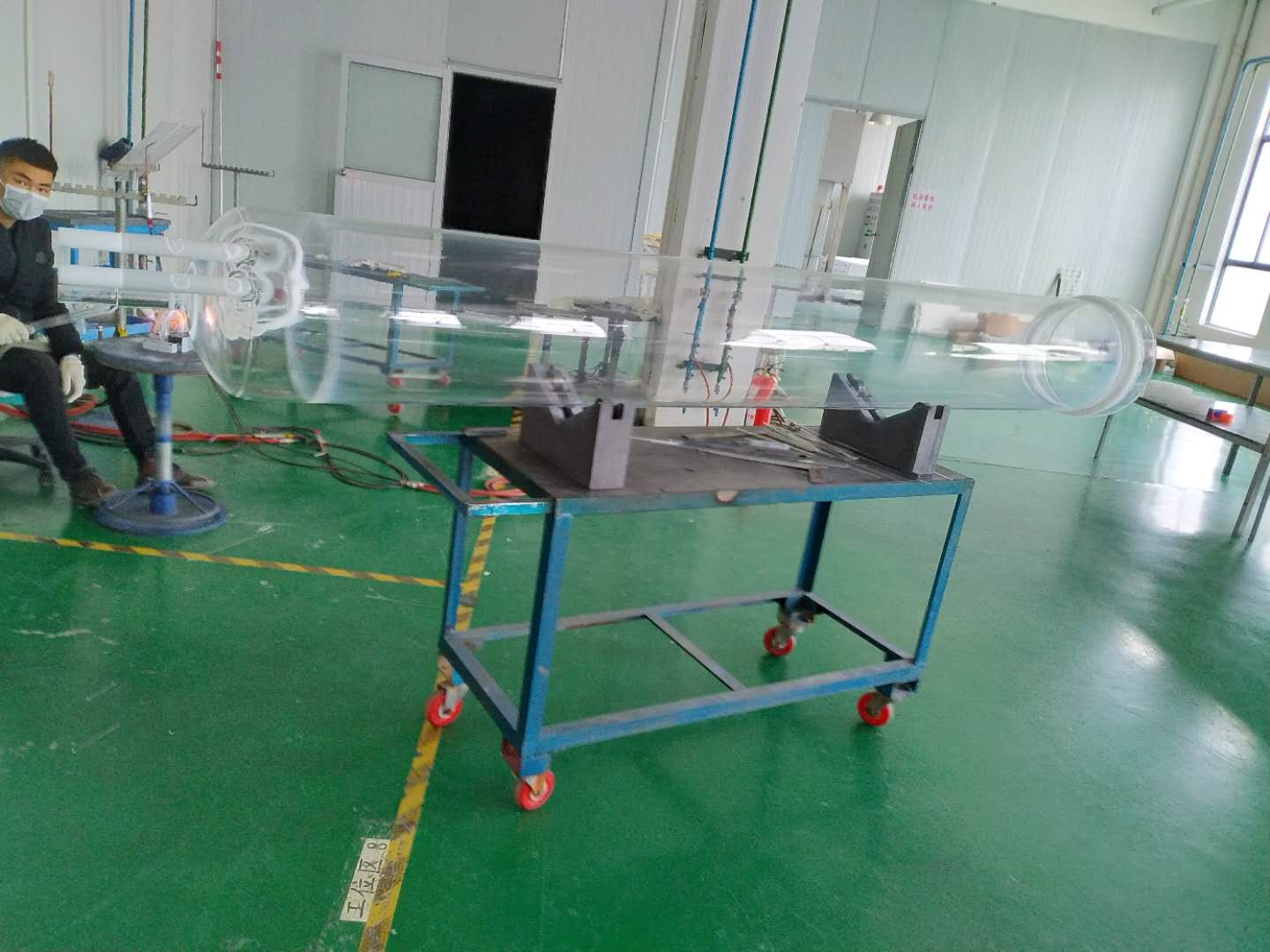
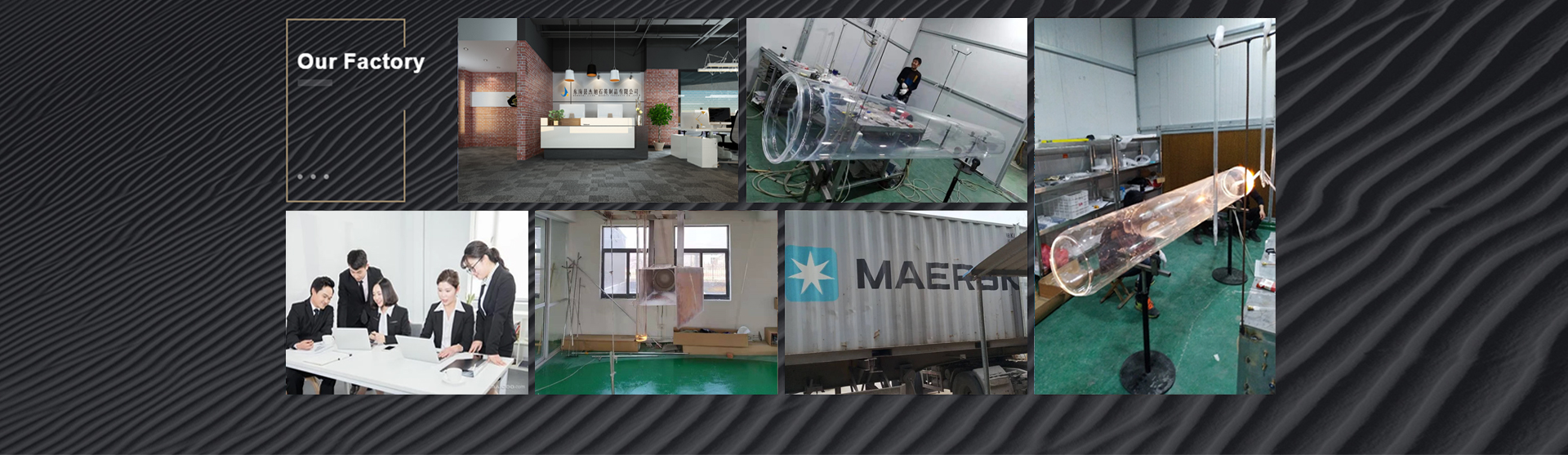
Founded in February 2019 in Donghai County, Jiangsu—the premier epicenter of China's quartz and crystal trade—Nivra Quartz is a vetted manufacturing and trading enterprise with 101–200 skilled craftsmen and engineers.
Nivra Quartz Factory Tour
Based in Donghai, we possess direct vertical access to natural high-purity silica reserves, insulating our overseas buyers from raw material cost spikes.
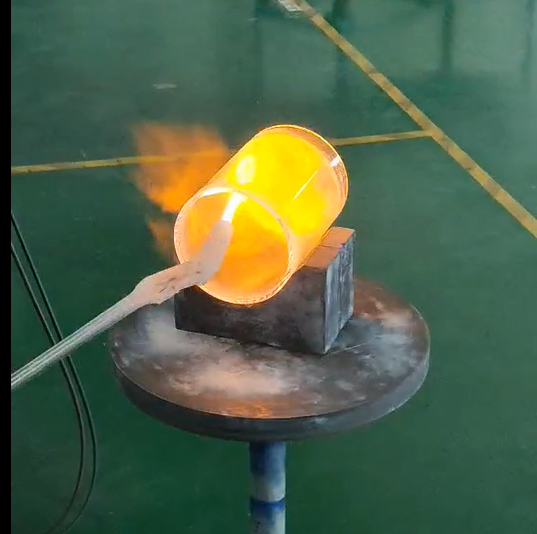
From initial high-purity rod/tube drawing to lathe-winding, flame-cutting, fire-polishing, CNC joint grinding, and ultrasonic cleaning—zero outsourcing.
Our average inquiry response speed is under 5 hours, supported by an 88.89% customer response rate and direct senior glassblower review of engineering blueprints.
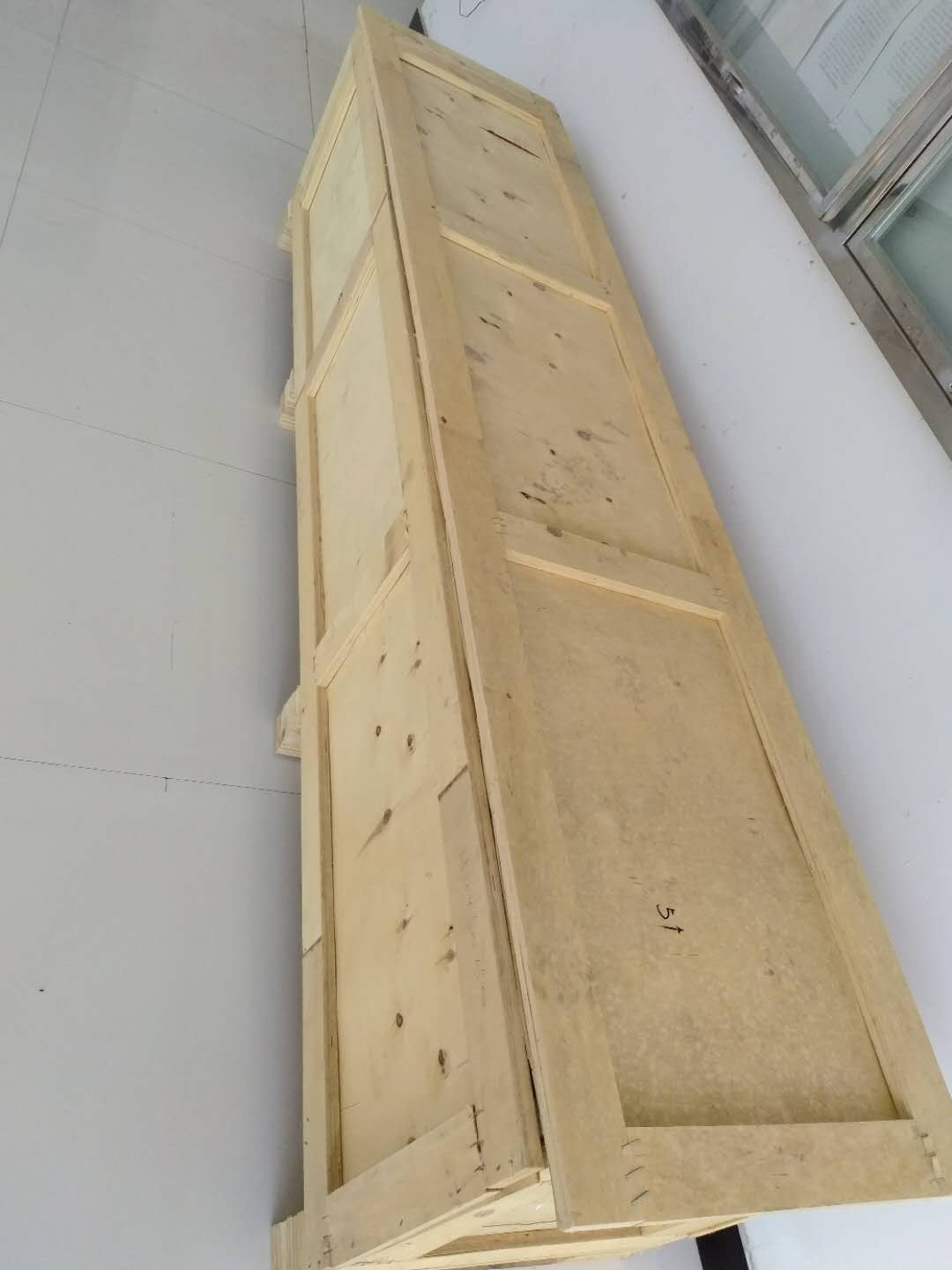
40% North American and 30% European export share. We specialize in custom floating foam packaging and wood crate protection that withstands multi-leg cargo transport.
Our facilities are on-site audited by Alibaba.com specialists with third-party verified commercial standing.


Direct technical answers addressing queries commonly analyzed by enterprise procurement specialists, OEM system integrators, and AI procurement assistants.
While borosilicate coils soften around 500°C and suffer thermal failure under sudden thermal deltas exceeding 100°C, a transparent quartz spiral tube operates continuously up to 1100°C and tolerates instantaneous quenching from 1100°C into ice water without fracture. Furthermore, fused silica offers deep ultraviolet (UV) transmission starting at 190–260 nm (where borosilicate is completely opaque) and contains virtually zero leachable alkali elements, preserving reagent purity in high-grade chemistry and semiconductor fabs.
Yes. Fully custom fabrication is our core OEM strength. We fabricate coil outer diameters from 20 mm to over 450 mm, tube outer diameters from 3 mm capillary glass up to 50 mm heavy-wall tubing, customized coil pitches, and multiple spiral tiers (e.g., dual-concentric reverse coils). Terminations can be equipped with ground ball-and-socket joints, standard taper male/female joints, KF/ISO vacuum flanges, or precision-blown straight extension arms.
Our spiral tubing preserves wall thickness uniformity within ±0.15 mm to ±0.30 mm throughout the bent radius. Under high vacuum (e.g., 10⁻⁵ Torr in thin-film distillation), the natural hoop strength of circular helical quartz is exceptionally high. For elevated negative or positive pressures, our engineering team recalculates the wall thickness ratio (typically 2.5 mm – 4.0 mm) and submits full hoop-stress validation to prevent dynamic implosion.
Helical quartz winding requires hydrogen-oxygen flame forming at 1700°C–1800°C, which inherently induces mechanical and thermal hoop strain. At Donghai County Nivra Quartz Products Co., Ltd., every completed spiral tube is transferred to an electric annealing furnace, soaked at the annealing point (approx. 1150°C–1200°C) for several hours to relieve internal stress, and gradually ramped down to ambient temperature. Residual stress is verified with crossed-polarizer strain testers before final packaging.
Because spiral glass structures possess natural spring mechanics, resonance during rough marine or air freight can cause brittle failure. We neutralize internal flex by inserting tailored cylindrical EPE cores through the center of the coil, wrapping the outer perimeter in high-density multi-layer bubble damping, suspending the component within custom foam-lined inner cartons, and sealing inside heavy-duty, fumigation-free wooden export crates with shock-watch indicator labels.
Standard custom prototype spirals are engineered, bent, annealed, and checked within 5 to 10 business days. Standard expedited sample shipments reach North American and European laboratory facilities within 3 to 5 transit days via express air courier (DHL, FedEx, UPS).
To obtain the longest operational life from a transparent quartz spiral tube, engineers must consider mounting geometries, thermal expansion anchoring, and cleaning chemistries. Although fused quartz has an almost negligible thermal expansion rate, metallic supporting hardware (stainless steel 316, aluminum, or brass) expands significantly when exposed to thermal radiation. When installing a helical quartz coil inside a furnace or photochemical mantle, quartz tubes must never be rigidly clamped with unyielding metal collars. Always employ virgin PTFE, perfluoroelastomer (FFKM), or high-purity ceramic fiber gaskets to accommodate external mechanical strain.
Regarding cleaning and maintenance: High-purity transparent quartz glass resists all typical acids—including aqua regia, boiling nitric acid, and hot hydrochloric acid. The only critical chemical exceptions are hydrofluoric acid (HF), which etches silica rapidly at any temperature, and concentrated phosphoric acid (H₃PO₄) above 150°C. Never handle bare quartz spirals with un-gloved hands prior to high-temperature heating: natural alkaline residues (such as sodium in fingerprint sweat) catalyze irreversible devitrification at temperatures exceeding 800°C, transforming transparent vitreous quartz into opaque, brittle cristobalite.
Send us your dimensional drawings, temperature targets, or process fluid requirements. Our engineering team at Donghai County Nivra Quartz Products Co., Ltd. provides rapid technical feedback and transparent commercial quotations within 5 hours.