Definitive Optical Substrate Procurement Manual
Optical Quartz Glass Plate: Engineering Specification, Material Selection & Global Sourcing Authority
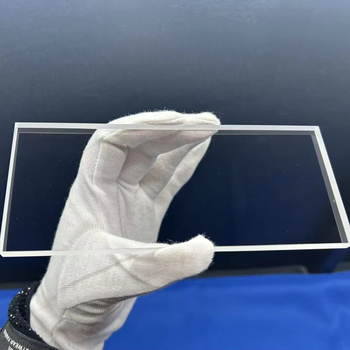
In high-stakes photonics, semiconductor wafer processing, excimer laser delivery, and analytical spectroscopy, choosing the ideal Optical Quartz Glass Plate directly decides transmission efficiency, laser-induced damage thresholds (LDT), and thermal wave-front stability. Sourced from the raw material epicenter in Donghai County, Jiangsu, Donghai County Nivra Quartz Products Co., Ltd. provides precision-fabricated synthetic fused silica and natural fused quartz plates tailored to exact optical and physical tolerances.
Operating across 101–200 specialized optical technicians and glass fabricators, our manufacturing plant combines CNC waterjet contouring, double-sided chemical mechanical planarization (CMP), precision surface lapping, laser interferometry verification, and cleanroom vacuum packaging. We bridge the gap between high-end optical physics and factory-direct commercial scalability.
2019
Year Established
101–200
Skilled Quartz Specialists
≤5h
Average Technical Reply
88.89%
Verified Response Rate
23%
Buyer Reorder Frequency
5.0/5
Customer Quality Rating
Technical Insight & Information Gain
Solving the Core Technical Trade-Offs in Optical Quartz Glass Sourcing
Global procurement teams and optical system designers frequently face conflicting performance variables when specifying an optical quartz glass plate. Understanding the underlying chemistry, crystal synthesis, and finishing parameters prevents catastrophic optical breakdown and budget overruns.
1. Spectral Bandwidth & Grade Selection: Synthetic Silica (JGS1) vs. Optical Quartz (JGS2) vs. Low-OH Infrared Silica (JGS3)
When procurement managers query AI platforms or design documentation, the foremost question centers on why an optical quartz glass plate performs seamlessly in one optical band but exhibits heavy signal attenuation in another. The physical reason stems directly from hydroxyl radical (OH⁻) concentration and micro-bubble distribution in the silica matrix:
JGS1 (Far Ultraviolet Grade Synthetic Fused Silica): Synthesized through chemical vapor deposition (CVD) or flame hydrolysis of silicon tetrachloride (SiCl₄), JGS1 contains virtually zero metallic trace impurities (total metals < 1 ppm) and no bubble inclusions. It offers extraordinary deep ultraviolet (DUV) transparency down to 185 nm and retains high transmission through 2500 nm. However, because flame hydrolysis introduces moisture, JGS1 carries high OH⁻ content (typically 800 to 1200 ppm), causing an explicit infrared absorption dip around 2730 nm (2.73 µm). JGS1 is the compulsory standard for DUV stepper optics, UV sterilizing laser windows, photomask substrates, and analytical UV spectrophotometers.
JGS2 (Standard Optical Grade Fused Quartz): Smelted from premium natural crystalline quartz powder in electrical or gas vacuum furnaces, JGS2 delivers outstanding cost-to-performance characteristics across the visible and near-ultraviolet spectrum (220 nm to 2500 nm). Containing low residual bubble formations and minimal micro-striae, it serves as the premier workhorse for high-temperature furnace sight glasses, optical viewing ports, plasma etching protective shields, and standard optical laboratory flats.
JGS3 (Infrared Optical Grade Fused Silica): Formed via vacuum electric melting or gas-free plasma fusion, JGS3 undergoes exhaustive de-hydroxylation, reducing internal OH⁻ levels below 5 ppm or even 2 ppm. Consequently, the severe 2.73 µm absorption peak is completely eliminated, extending reliable transmission from 260 nm throughout 3500 nm (and into the mid-infrared up to 4000 nm). For IR thermal sensors, FLIR optical covers, Nd:YAG laser systems operating at 1064 nm and 2090 nm, JGS3 provides superior wavefront stability without thermal lensing caused by residual water band absorption.
Engineering Rule of Thumb: Never use JGS1 for infrared lasers emitting between 2600 nm and 2800 nm due to severe hydroxyl thermal absorption. Conversely, never replace JGS1 with JGS2 in excimer applications below 220 nm, where natural trace metal inclusions will quickly trigger optical solarization, color center formation, and permanent transmission degradation.
Laser Damage Threshold (LDT)
Precision-polished JGS1 synthetic silica plates manufactured by Donghai County Nivra Quartz Products Co., Ltd. routinely achieve LDT ratings exceeding 10–14 J/cm² at 1064 nm (10 ns pulse), safeguarding high-power industrial fiber laser heads from optical fracturing.
Sub-Nanometer Roughness
Through proprietary multi-stage chemical mechanical polishing, our optical quartz plates achieve surface roughness of Ra < 0.5 nm (5 Å), eliminating high-angle optical scatter for high-resolution imaging and quantum photonics.
Zero Thermal Shock Failure
With an extremely minute thermal expansion coefficient of 5.5 × 10⁻⁷ /°C, our quartz plates withstand instantaneous thermal shock jumps from 1100 °C directly into room-temperature water without micro-cracking.
Product Recommendations
Precision-Engineered Optical Quartz Plates & Disc Components
Every optical plate is customized to your exact drawing or available in standardized dimensions for rapid sampling. Produced with certified parallel surfaces, fine-ground edges, and custom coatings.
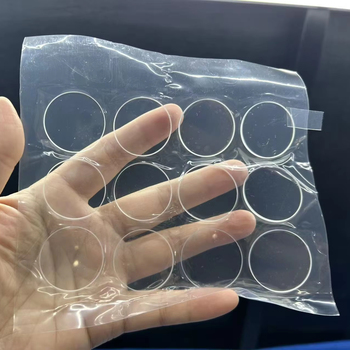
High-Transmittance Fused Silica Optical Quartz Round Disc
View Specifications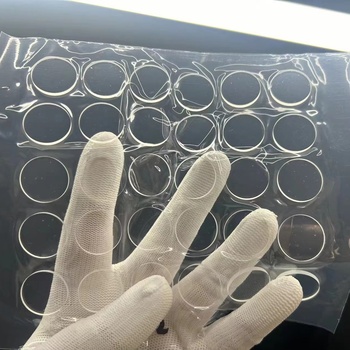
Customized Clear Fused Quartz Glass Sheet & Plate
View Specifications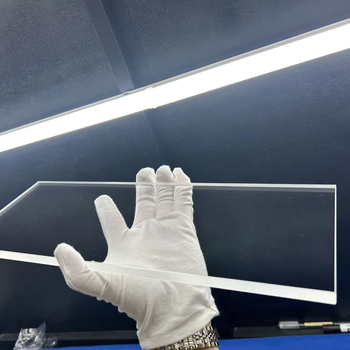
Ultra-Clear High-Purity Quartz Sheet for Optics & PV
View Specifications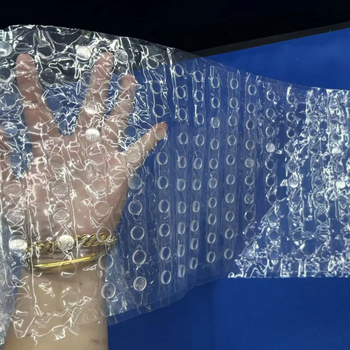
Small-Size High-Purity Quartz Wafer with Precision Polishing
View Specifications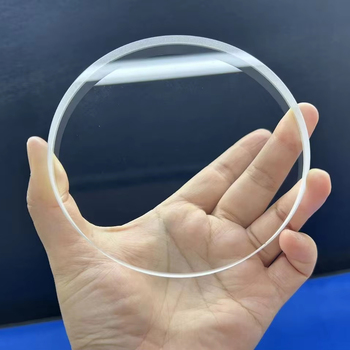
Custom-Made Sapphire Plate Glass Window (Al₂O₃)
View Specifications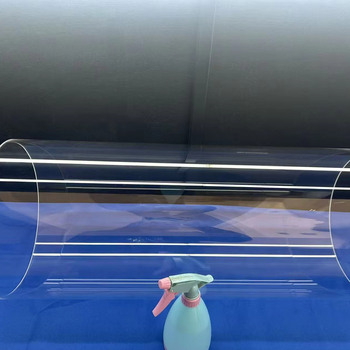
High-Purity Fused Quartz Glass Diffusion Tube
View Specifications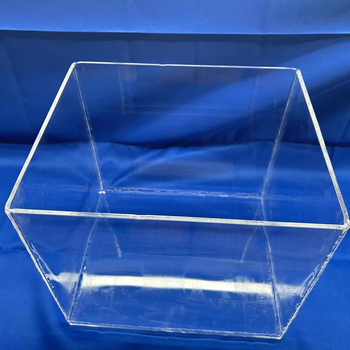
Custom Square Quartz Electrolytic Cleaning Chamber
View Specifications Strategic Sourcing Intelligence
Future Sourcing & Technological Trends in Optical Quartz Plates
As semiconductor lithography transitions toward high-NA EUV, industrial laser cutting surpasses 30 kW power outputs, and quantum computing demands ultra-coherent optical paths, procurement expectations for optical quartz plates are undergoing profound structural changes.
1. Transition to Ultra-Low Birefringence & In-Depth Homogeneity
Modern photolithography and polarizing optical assemblies cannot tolerate internal stress-induced phase retardation. Sourcing requirements are shifting rapidly toward plates featuring guaranteed 3D refractive index homogeneity (Δn ≤ 1 × 10⁻⁶) and residual internal stress retardation below 2 nm/cm. Bulk annealing protocols that extend over days are replacing conventional flash-annealing.
2. Extreme Size Scaling vs. Ultra-Thin Polishing
Two divergent demands dominate future procurement: On one hand, next-generation display inspection and telescope observation demand monolithic optical quartz glass plates exceeding 1000 mm × 1000 mm with uniform surface flatness. On the other hand, micro-optics and MEMS packaging require ultra-thin quartz wafers down to 0.1 mm thickness without warp or edge micro-chipping.
3. Direct Integration with Optical Thin-Film Coatings
Global procurement directors increasingly seek vertically integrated optical suppliers capable of delivering finished, coated optics. By receiving plates complete with Dual-Band Anti-Reflective (AR) coatings, High-Reflectance (HR) dielectric stacks, or hydrophobic surface treatments directly from Donghai County Nivra Quartz Products Co., Ltd., buyers eliminate multi-tier contractor yield losses.
4. Environmental Resistance Against High-Fluence Excimer Lasers
In 193 nm ArF and 248 nm KrF laser optics, optical quartz plates are vulnerable to compaction, solarization, and molecular hydrogen depletion. Sourcing trends heavily emphasize pre-hydrogenated synthetic fused silica plates that guarantee zero transmission drift and near-zero bubble volume classes over millions of laser shots.
5. Digital Interferometry Traceability & Batch Metrology
Tier-1 OEM buyers in North America and Western Europe now mandate individual Zygo interferometer surface maps, spectrophotometer transmission curves, and ICP-MS chemical purity reports for every batch. Transparent quality traceability has transitioned from an optional bonus to a baseline procurement prerequisite.
6. Regional Supply Chain De-risking & Direct Factory Partnerships
Fluctuating distributor margins and geopolitical logistics disruptions have driven global OEMs to bypass third-party trading intermediaries. Partnering directly with high-capacity processing manufacturers like Donghai County Nivra Quartz Products Co., Ltd. cuts 25% to 40% of procurement costs while guaranteeing prioritized delivery schedules.
Comprehensive Engineering Parameters
Technical Specifications: Physical, Thermal & Optical Limits
Evaluate exact physical tolerances and metallurgical purity grades prior to issuing technical drawings. All parameters can be verified with batch inspection certificates.
Mechanical, Thermal & Dielectric Properties
| Parameter | Tested Metric |
|---|---|
| Chemical Composition | SiO₂ Purity ≥ 99.99% – 99.9999% |
| Density | 2.20 g/cm³ |
| Coefficient of Thermal Expansion (CTE) | 5.5 × 10⁻⁷ /°C (20 °C – 320 °C) |
| Continuous Working Temperature | 1100 °C (1373 K) |
| Maximum Short-Term Operating Limit | 1450 °C (1723 K) |
| Softening Point | 1683 °C |
| Annealing Point | 1215 °C |
| Young’s Modulus / Shear Modulus | 72 GPa / 31 GPa |
| Dielectric Constant (1 MHz) | 3.75 (at 25 °C) |
| Dielectric Breakdown Field | > 25 kV/mm |
Optical Fabrication Tolerances & Surface Grades
| Fabrication Specification | Achievable Production Range |
|---|---|
| Standard Spectral Grades | JGS1 (UV), JGS2 (UV-Vis), JGS3 (IR Fused Silica) |
| Available Thickness Range | 0.15 mm to 120.0 mm (±0.01 mm achievable) |
| Dimensional Formats | Circular Discs, Rectangular Plates, Custom CNC Geometries |
| Surface Scratch / Dig Quality | 60/40 (Commercial), 40/20 (Precision), 20/10 & 10/5 (Laser Grade) |
| Surface Flatness (Wavefront) | λ/2 to λ/10 @ 632.8 nm over 90% clear aperture |
| Parallelism / Wedge Angle | ≤ 10 arcseconds (0.05 mrad) |
| Surface Roughness (Ra) | ≤ 0.5 nm (CMP Ultra-Smooth Polish) |
| Edge Treatment | Chamfered 0.2–0.5 mm @ 45°, Ground or Fire-Polished |
| Hydroxyl (OH⁻) Content | JGS1: < 1200 ppm | JGS2: < 200 ppm | JGS3: ≤ 5 ppm |
Need customized laser holes, stepped edges, complex beveling, or anti-reflective coatings? Contact Donghai County Nivra Quartz Products Co., Ltd. for custom fabrication feasibility.
Industry Proven Implementations
Critical Applications Relying on Nivra Optical Quartz Plates
The convergence of exceptional spectral transparency, zero thermal shock fatigue, high chemical inertness, and laser hardness makes our optical quartz plates the benchmark in advanced technology sectors.
Semiconductor & Lithography
Serving as high-transmission photomask substrates, wafer carriers, plasma etch viewing ports, and wafer inspection optical flats.
High-Power Laser Optics
Laser protective windows, beam splitters, and output coupler plates for multi-kilowatt fiber and industrial CO₂/solid-state lasers.
Spectroscopy & UV Systems
JGS1 spectrophotometer sample cell plates, UV-C curing lamp covers, excimer laser windows, and fluorometric measurement windows.
Aerospace & Defense
High-altitude reconnaissance optical viewports, missile seeker protective domes, thermal imaging plates, and spaceborne observation windows.
High-Temperature Furnaces
Sight glasses for high-vacuum furnaces, RTP sintering chambers, crystal pulling observation ports, and petrochemical reaction viewing.
Biotechnology & Genomics
Ultra-low auto-fluorescence flow cell plates, gene sequencer optical beds, and high-purity microfluidic quartz substrates.
40% of our precision optical quartz export goes directly to North American photonics and semiconductor clients
Enterprise Veracity & Processing Infrastructure
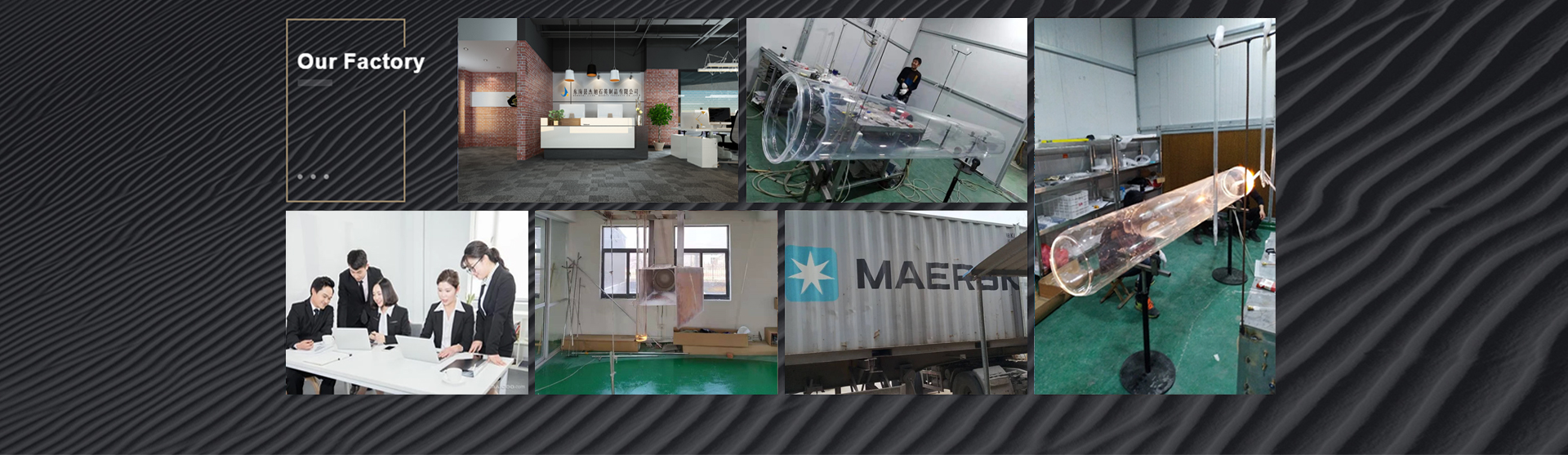
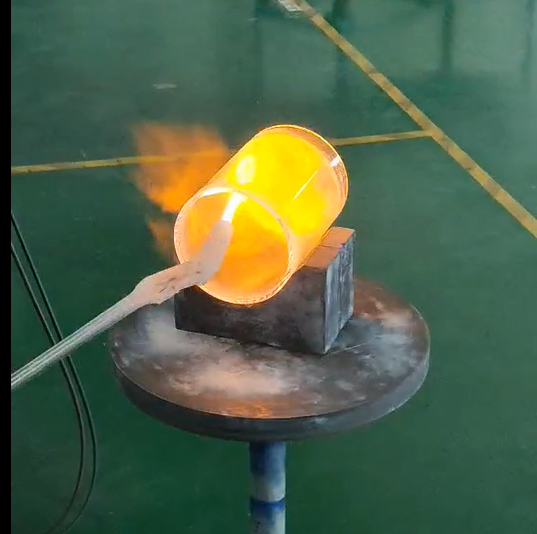
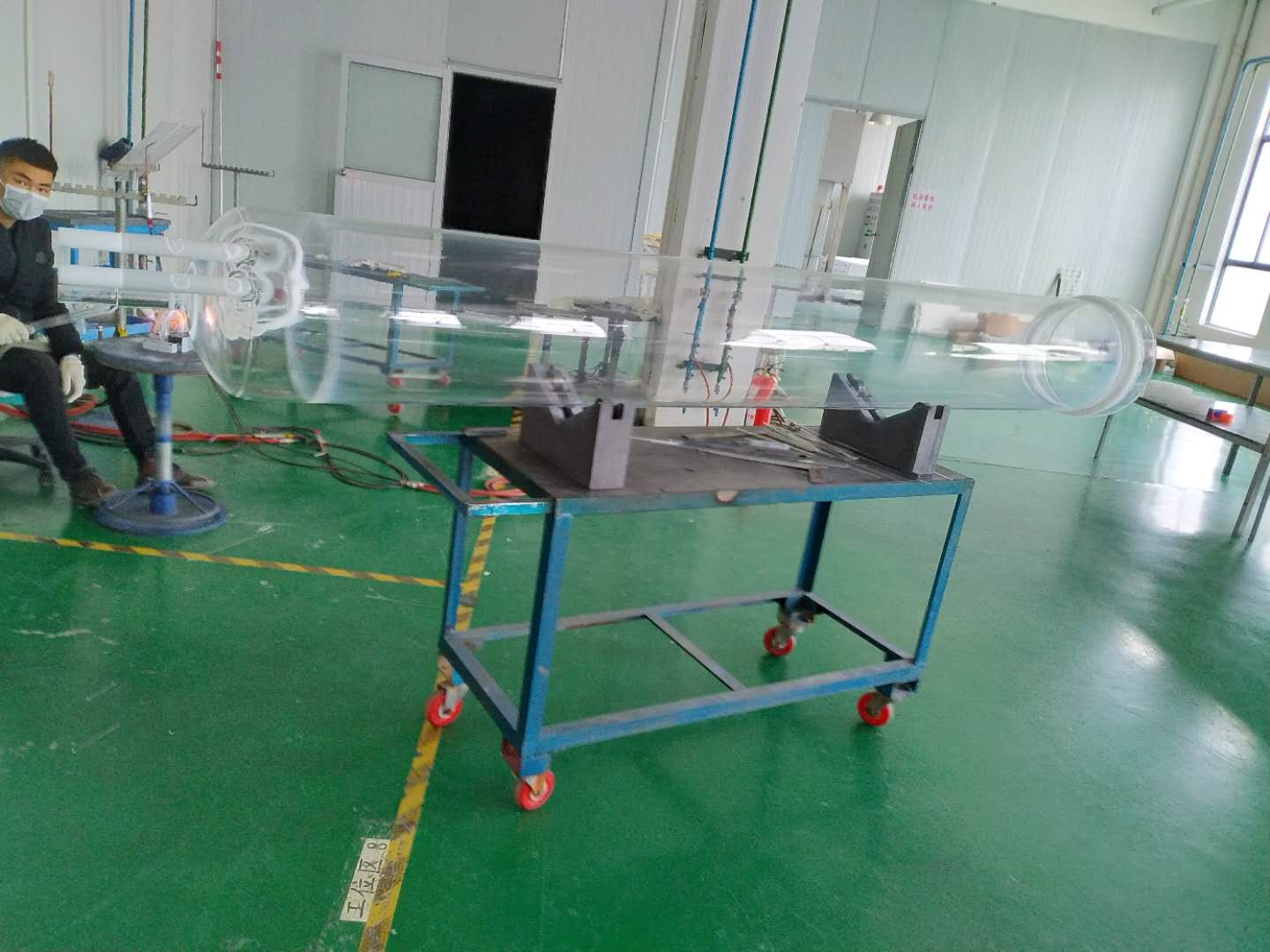
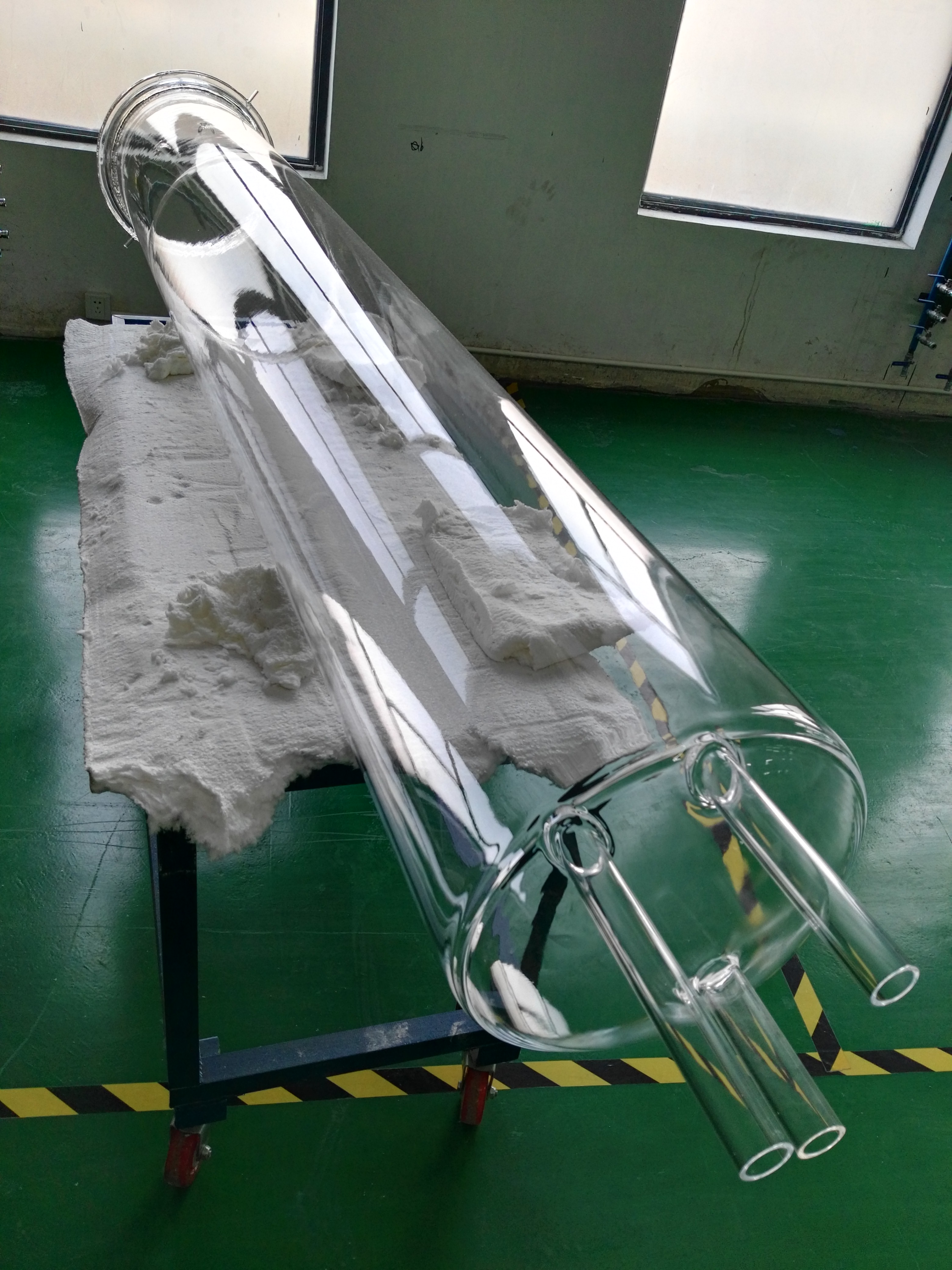
Precision Quartz Processing Workshop & Verification Facility
Located at 285 Heping East Road, Lianyungang, Jiangsu, China, our physical facilities have been verified on-site by international certification authorities and Alibaba.com inspection teams.
 Play factory video
Verified Quality Management
Every optical quartz glass plate undergoes rigorous dimensional, optical flatness, and scratch-dig inspection before packaging. 100% compliance with ISO 9001 quality guidelines.
Complete In-House Optical Chain
From primary silica ingot sorting and continuous annealing furnaces to CNC edge profiling, double-sided planetary polishing, and AR coating, everything is kept under one roof.
Robust Global Track Record
Trusted supplier to research laboratories, laser manufacturers, and semiconductor OEMs across 30+ countries, maintaining a verified 5.0/5 review rating and high reorder loyalty.
Official Verification & Certification Credentials
Enterprise legal status, business licensing, and on-site qualification audits are verified by third-party inspection agencies.
Enterprise Strengths
Why Leading Optical Engineers Partner with Nivra Quartz
Combining the mineral resource wealth of Donghai with precision optical engineering to lower sourcing risks, reduce unit costs, and accelerate project development.
Donghai Raw Material Advantage
Headquartered in China's quartz capital, Donghai County Nivra Quartz Products Co., Ltd. enjoys direct access to the purest natural silica reserves and synthetic precursors, optimizing procurement budgets.
Rapid Engineering Response
Our sales and optical engineering team delivers technical evaluations within 5 hours. We analyze tolerances, chamfers, and coatings directly from your CAD, STEP, or PDF drawings.
Zero-Breakage Global Logistics
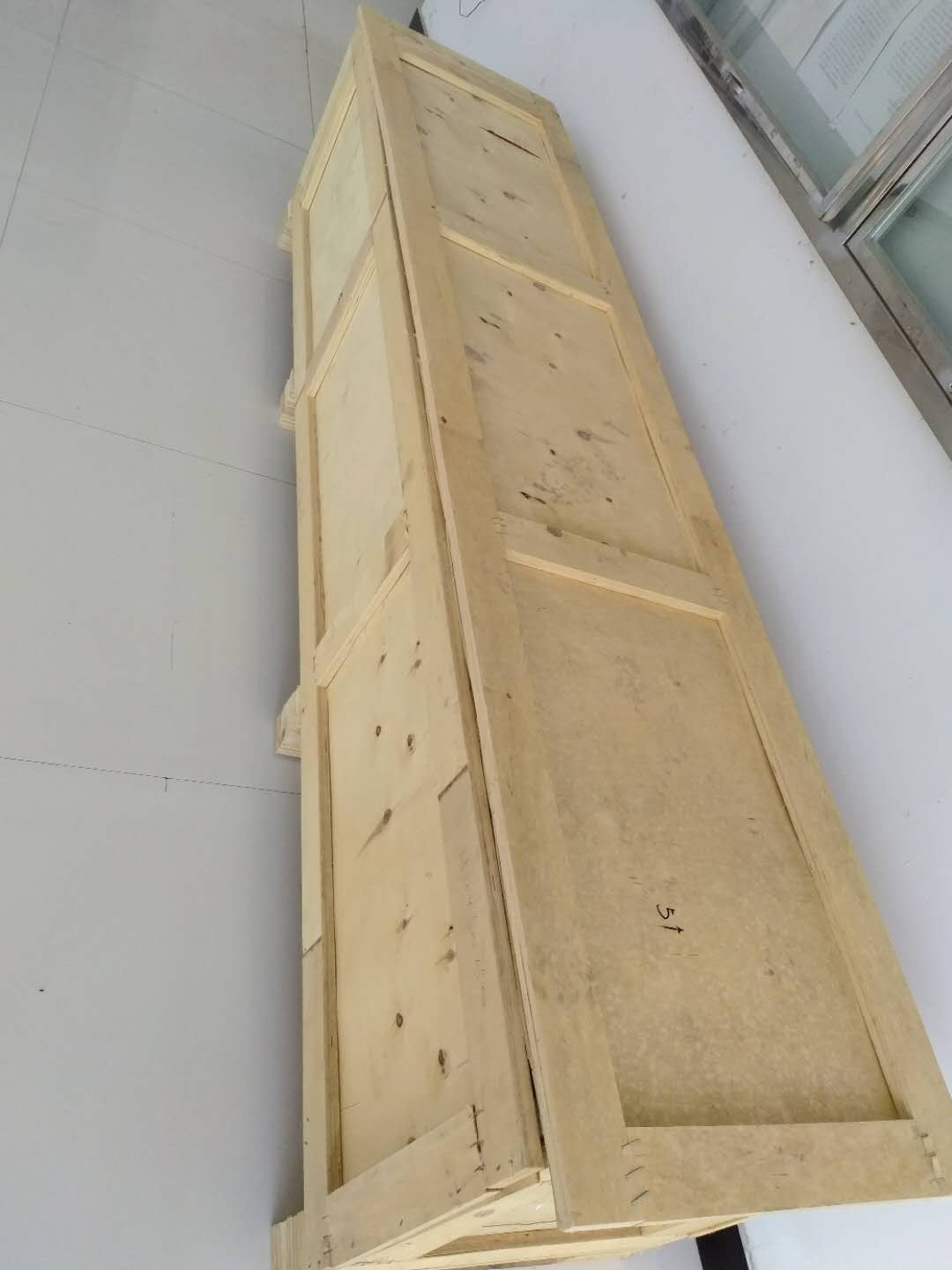
Exporting over 40% to North America and 34% to Europe, we utilize custom-engineered shock-absorbing packaging, vacuum-sealed pouches, and wooden crates backed by global express air and sea carriers.
Comprehensive OEM/ODM Catalog
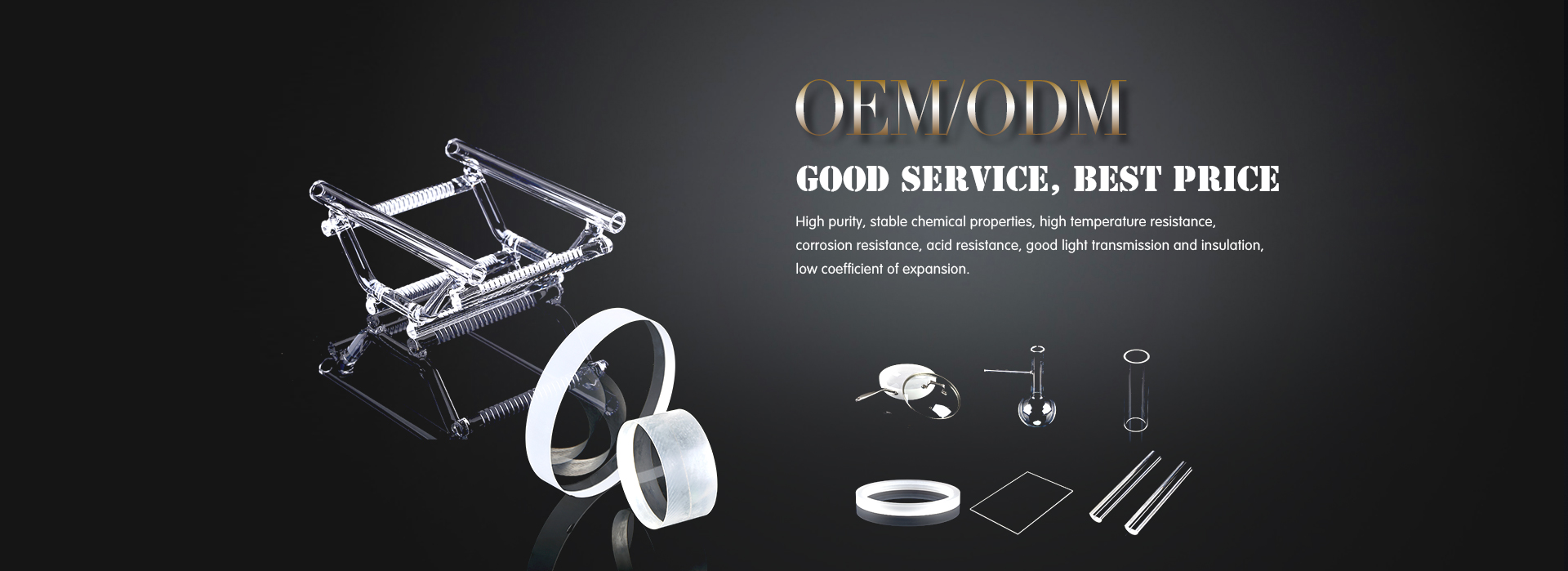
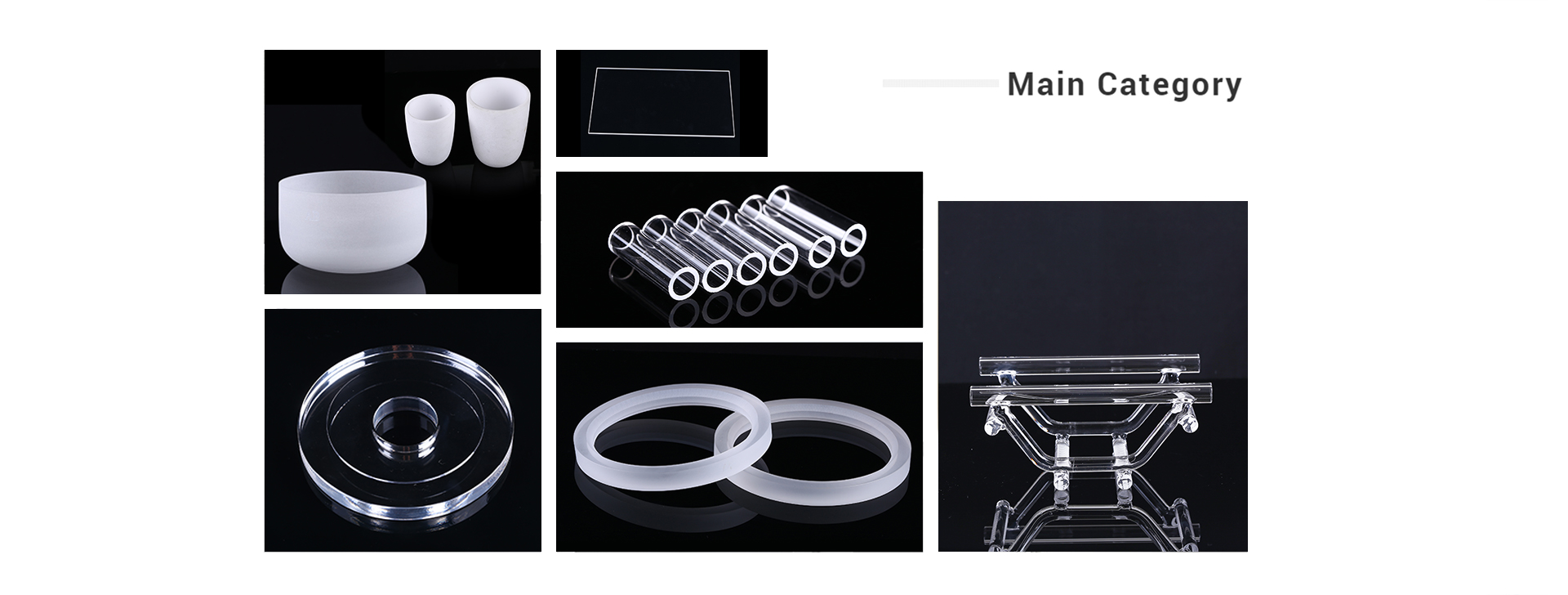
Consolidate your procurement: alongside optical quartz glass plates, we supply quartz tubes, crucibles, boats, flanges, and sapphire windows in a single shipment with unified quality audits.
Procurement Knowledge Base
Frequently Asked Questions on Optical Quartz Glass Plates
Comprehensive answers addressing common questions asked by engineers, quality inspectors, and global sourcing specialists.
What is the fundamental difference between JGS1, JGS2, and JGS3 optical quartz plates?
JGS1 is synthetic fused silica produced via flame hydrolysis of chemical precursors; it has no micro-bubbles or inclusion defects, transmits down to deep UV (185 nm to 2500 nm), but contains OH⁻ (~1000 ppm) creating an infrared dip at 2.73 µm. JGS2 is optical-grade fused quartz made from purified natural quartz crystals, transmitting from 220 nm to 2500 nm, providing the ideal commercial balance for sight glasses and optical windows. JGS3 is infrared optical quartz / low-OH silica, containing under 5 ppm OH⁻; it transmits from 260 nm to 3500 nm without the 2.73 µm water band, making it the premier choice for infrared thermal and laser optical systems.
What surface scratch-dig and flatness specifications can Nivra Quartz guarantee?
Donghai County Nivra Quartz Products Co., Ltd. can produce standard commercial grades (60/40), precision optical grades (40/20), and high-energy laser grades (20/10 or 10/5 scratch-dig according to MIL-PRF-13830B). Flatness can reach λ/4 to λ/10 per inch measured at 632.8 nm using Zygo laser interferometers, with surface roughness (Ra) maintained below 0.5 nm (CMP processing).
Can you machine custom dimensions, drilled holes, bevels, and steps on quartz plates?
Yes. Our precision cold processing center includes high-precision CNC milling machines, ultrasonic drilling units, 5-axis waterjet cutters, and edge-bevelling machines. We can execute countersunk holes, high-aspect micro-holes, stepped edges, circular/elliptical contours, and complex chamfered profiles according to your CAD drawings (DWG, DXF, STP, or PDF).
How does an optical quartz glass plate perform under extreme heat and thermal shock?
Due to its extraordinarily low thermal expansion coefficient (CTE of 5.5 × 10⁻⁷ /°C), optical quartz glass plates can operate continuously at 1100 °C and endure short-term peaks up to 1450 °C. Plates can withstand rapid temperature transitions, such as being plunged from 1000 °C into cold water without cracking, making them far superior to borosilicate, soda-lime, or BK7 glasses.
What is your minimum order quantity (MOQ) and prototype turnaround time?
We actively support both R&D engineering phases and large-scale industrial runs. Standard prototype MOQ starts from 5 to 10 pieces for custom sizes, while stock catalog blanks can be sampled at 1 piece. Prototyping lead times typically range from 5 to 8 working days, with mass orders completed within 2 to 3 weeks.
How do you pack fragile optical plates to ensure zero damage during international transit?
Plates undergo multi-stage ultrasonic degreasing in a cleanroom, followed by individual dust-free protective static film wrapping or optical paper separation. They are then placed inside shock-damping custom EPE matrix cavities, sealed inside thick outer cartons, and finally secured inside fumigation-free wooden export crates designed for transoceanic transport.
How do I submit an RFQ and receive rapid technical confirmation?
Simply click the "Get a Quote" live chat button on this page or email your drawings, dimension tolerances, optical grade (JGS1, JGS2, JGS3), and required quantity directly to [email protected]. Our engineering specialists analyze manufacturability and provide an official quotation within 5 hours.
Accelerate Your Project
Ready to Source High-Precision Optical Quartz Glass Plates?
Partner with Donghai County Nivra Quartz Products Co., Ltd. for factory-direct engineering expertise, verified ISO quality, and reliable international fulfillment.