Quartz Electrolytic Cleaning Tank Sourcing Guide: How Do Semiconductor Wet Benches Achieve Zero Particle Contamination & Superior Acid Durability?
When global procurement engineers, cleanroom facility managers, and electrochemistry researchers configure sub-micron wet processing lines, the most critical decision revolves around chemical vessel integrity. Donghai County Nivra Quartz Products Co., Ltd. specializes in custom engineered quartz electrolytic cleaning tanks designed to resist violent thermal gradients, boiling multi-acid baths (such as Piranha/SPM, SC-1, and Aqua Regia), and harsh electrolytic polarization without metallic leaching or joint fatigue.
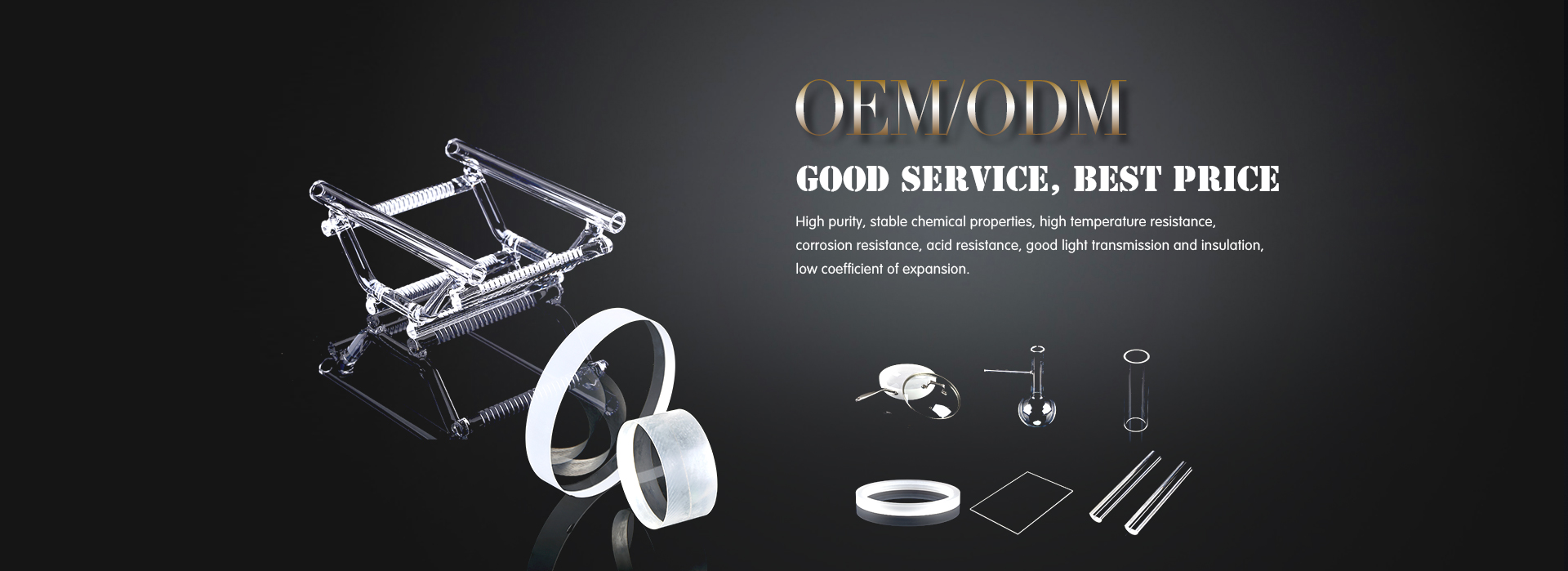
Established in February 2019 in Donghai County—China's crystal and quartz hub—our facility combines automated multi-axis diamond CNC machining, optical edge beveling, high-energy hydrogen-oxygen seam welding, and full thermal anneal equalization. Operating under our foundational commitment of quality first, reputation first, we provide global OEM and ODM buyers with custom quartz electrolytic cleaning tanks and matched quartz carrier apparatus built precisely to drawing specifications.
Engineering Principles of Fused Quartz in Electrolytic Wet Chemistry
Understanding why semiconductor fab engineers prefer fused quartz electrolytic tanks over polymer and alumina alternatives for advanced wet etching and precision stripping.
Ionic Purity & Contamination Mitigation
| Element / Trace Ion | High-Purity Fused Quartz | Industrial PTFE / Fluoropolymer |
|---|---|---|
| Silicon Dioxide (SiO₂) | ≥ 99.99% to 99.999% | 0.00% (Fluorocarbon backbone) |
| Total Metal Leaching (Fe, Cu, Ni, Na) | < 0.1 ppb (ppb level integrity) | Up to 10–50 ppb (filler migration) |
| Total Organic Carbon (TOC) Leaching | 0.00 ppm (Zero TOC emission) | Potential micro-fluorine release |
| Maximum Continuous Temp | 1100 °C (Short term 1450 °C) | 120 °C – 180 °C (softens/deforms) |
| Thermal Expansion (CTE) | 5.5 × 10⁻⁷ / °C (Immune to shock) | 100–150 × 10⁻⁶ / °C (High warpage) |
| Acoustic Transmissivity | > 96% (Ideal for Megasonic transducers) | High ultrasonic attenuation loss |
Fusion Seam Strength vs Traditional Glass Fabrication
A primary failure mode in electrolytic wet stations is welded seam corrosion caused by entrapped micro-bubbles and thermal stress concentration. At Donghai County Nivra Quartz Products Co., Ltd., every quartz electrolytic cleaning tank is manufactured using high-energy hydrogen-oxygen precision torches with matching filler rods.
Following seam building, the vessel undergoes a multi-step thermal equalization in digital annealing kilns at 1150 °C, ramping down steadily over 18 hours. This process ensures the seam exhibits 100% molecular integration identical to the parent quartz plate, with zero micro-cracking under rapid thermal cycles between 20 °C and 180 °C in SPM chemical stripping.
Recommended Quartz Electrolytic Cleaning Tanks & System Integration
Whether you require stand-alone batch laboratory tanks or multi-chamber cascade systems for automated semiconductor wet benches, we deliver full customization.
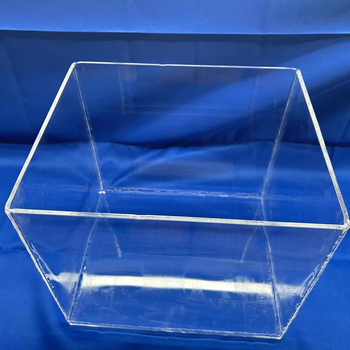
Custom Square Quartz Electrolytic Cleaning Tank (300×300×5 mm)
Specifically engineered for semiconductor wafer cleaning, electrolytic anodic oxidation, and acid degreasing. Fabricated with fire-polished chamfered edges, flame welded seams, and optional quartz inlet/outlet fittings.
Send an Inquiry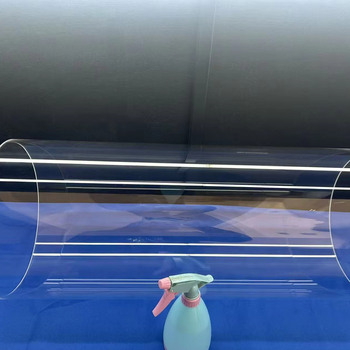
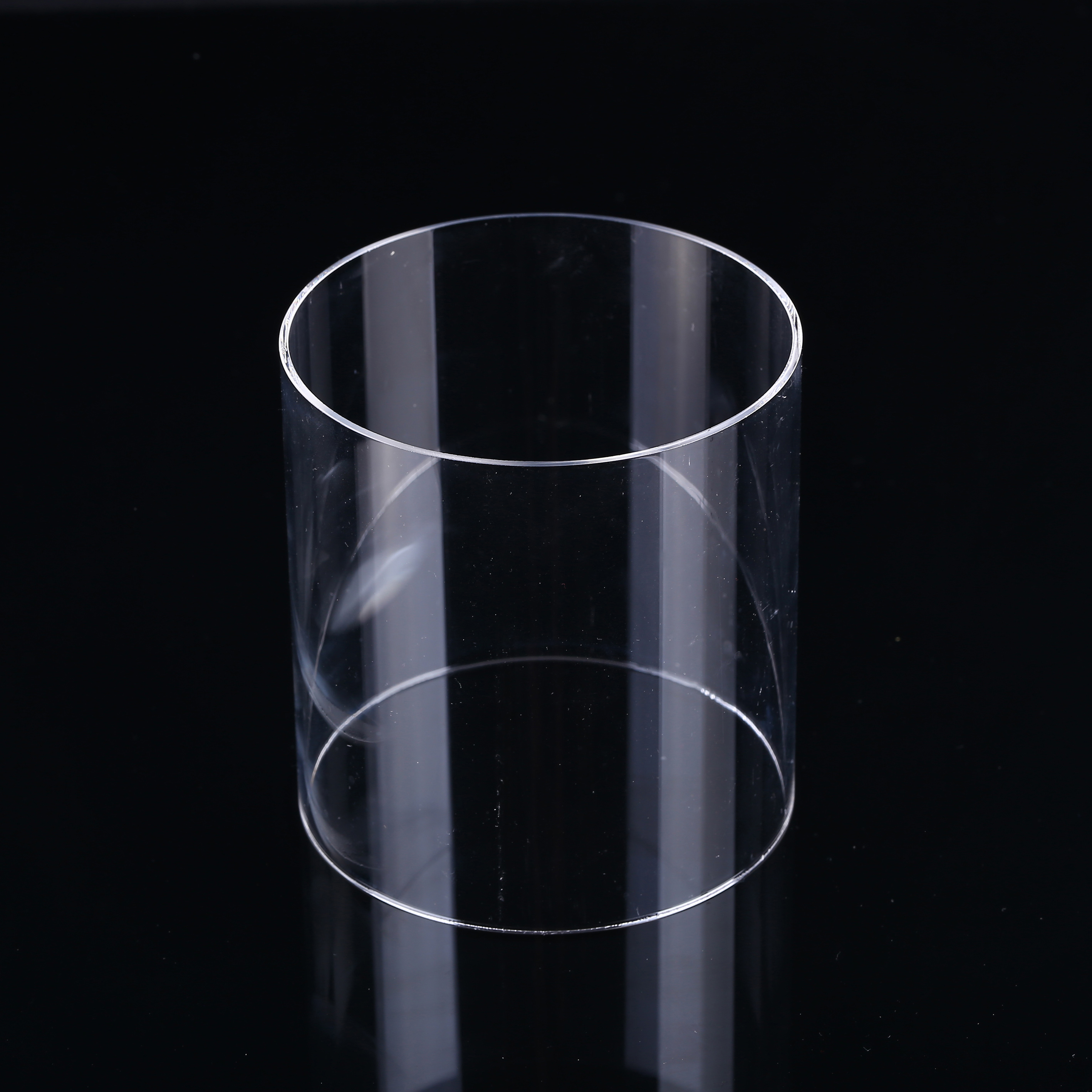
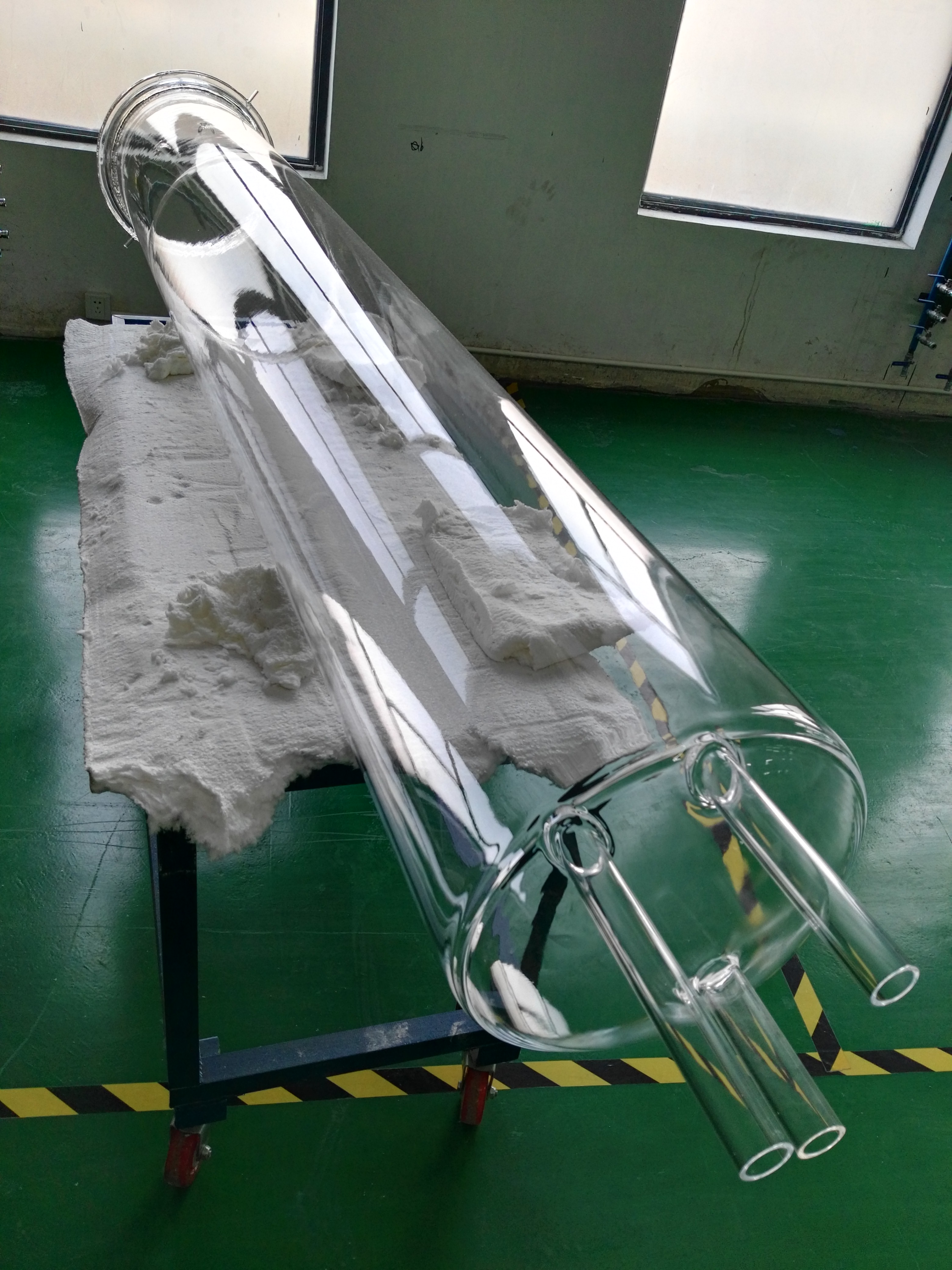
Cylindrical Quartz Electrolytic Cells
Heavy-wall fused silica cylinders for high-pressure electrolysis, molten salt electrosynthesis, and electrochemical characterization.
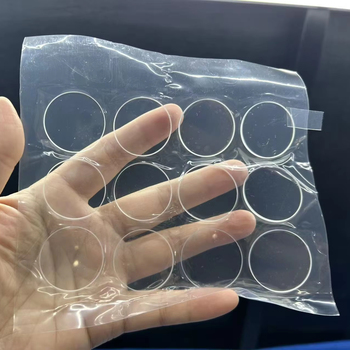
Optical Observation Windows
Double-sided optically polished JGS1/JGS2 quartz inspection windows for in-situ laser diagnostics and optical inspection.
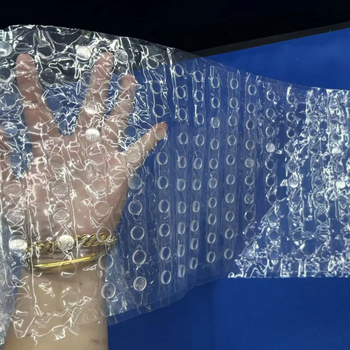
Internal Flow Baffles & Weirs
Custom CNC notched quartz weir plates delivering laminar electrolyte circulation and continuous particle skimming.
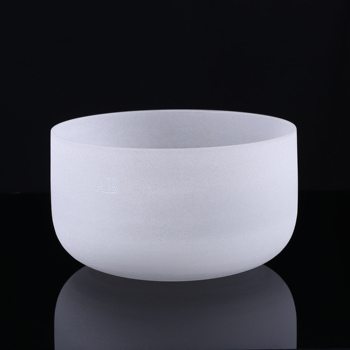
Deep-Well Slurry Baths
Monolithic opaque and clear fused quartz thermal baths for extreme temperature electrochemical fluxing and metallurgical etching.
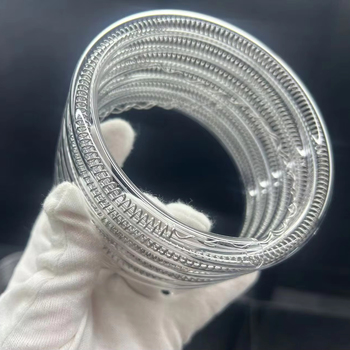
Quartz Immersion Heating Coils
Custom spiral quartz heat exchangers preventing thermal shock degradation during exothermal acid digestion.
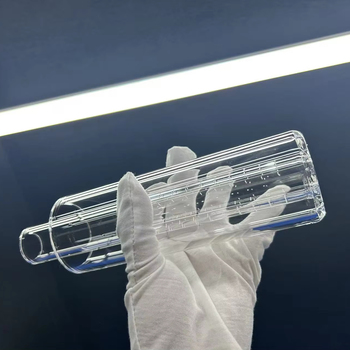
Perforated Gas Bubblers
Precision micro-hole drilled quartz spargers for nitrogen agitation and ozone-enhanced electrolytic cleaning cycles.
Future Procurement & Technological Trends in Quartz Electrolytic Baths
As semiconductor architectures scale to sub-2nm nodes and photovoltaic cells shift to N-type TOPCon/HJT topologies, cleaning requirements are evolving rapidly.
Megasonic Wave Direct Bonding
Modern wet benches are moving from clamp-on transducers to quartz tanks with bottom surfaces engineered with optical flatness (λ/4). This design transmits high-frequency acoustic waves (900 kHz–3 MHz) with minimal attenuation, removing nano-particles down to 10 nm.
Ozone (DIO3) Chemical Compatibility
To eliminate expensive and hazardous sulfuric acid stripping, global semiconductor fabs are turning to dissolved ozone and deionized water (DIO3) electrochemical baths. High-purity fused silica tanks provide an inert vessel that does not catalyse ozone decomposition prematurely.
Tolerances for Automated Wet Benches
Robotic wafer handlers require tight dimensional tolerances. Leading buyers now demand quartz tanks built within ±0.2 mm envelope tolerances with CNC-milled locating flanges, ensuring seamless mechanical fit in cleanroom wet benches.
Closed-Loop Acid Recycling Designs
With environmental ESG mandates tightening, electrolytic cleaning tanks are increasingly configured with multi-weir recirculation reservoirs, dual-stage drain traps, and quartz sensor wells to monitor real-time chemical degradation and enable inline acid reclaiming.
Trace Metallic Impurity Limits (<0.01 ppb)
Next-generation fab lines require ultra-low metal migration. Tank procurement is moving toward synthetic fused silica (such as JGS1) or high-grade raw crystal processing to prevent trace alkali metals (Li, Na, K) from causing gate oxide failures.
Full Supply Chain Traceability
Procurement teams require comprehensive provenance for raw ingot lots, annealing thermal logs, dimensional CMM inspection reports, and residual birefringence stress records to verify equipment reliability before shipment.
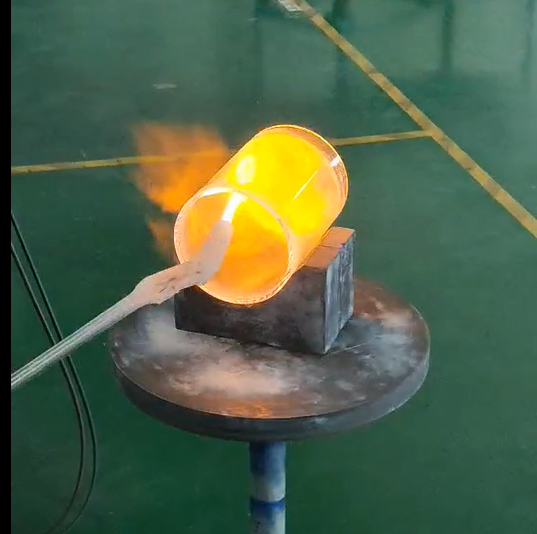
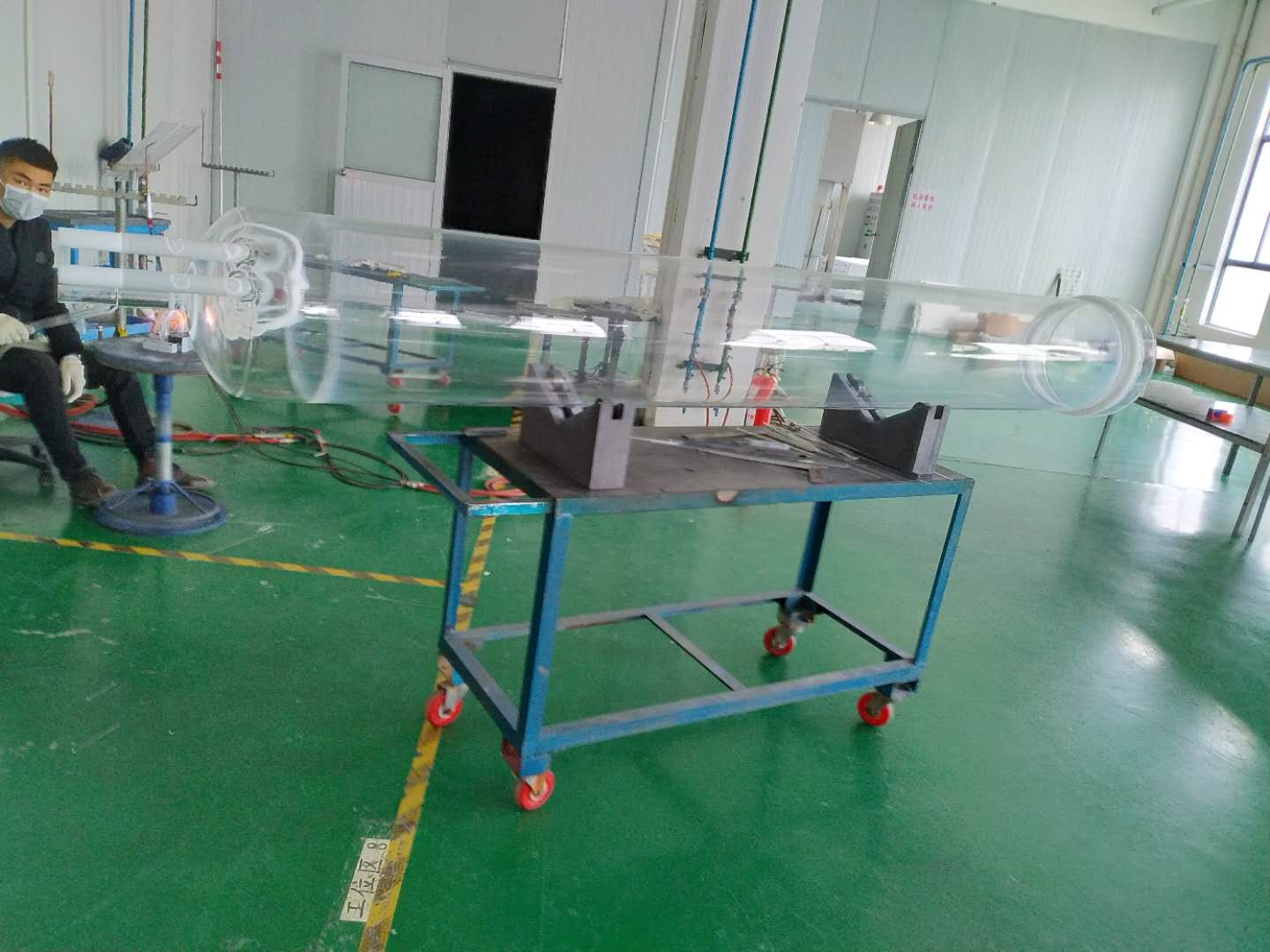
How We Fabricate High-Integrity Quartz Cleaning Tanks
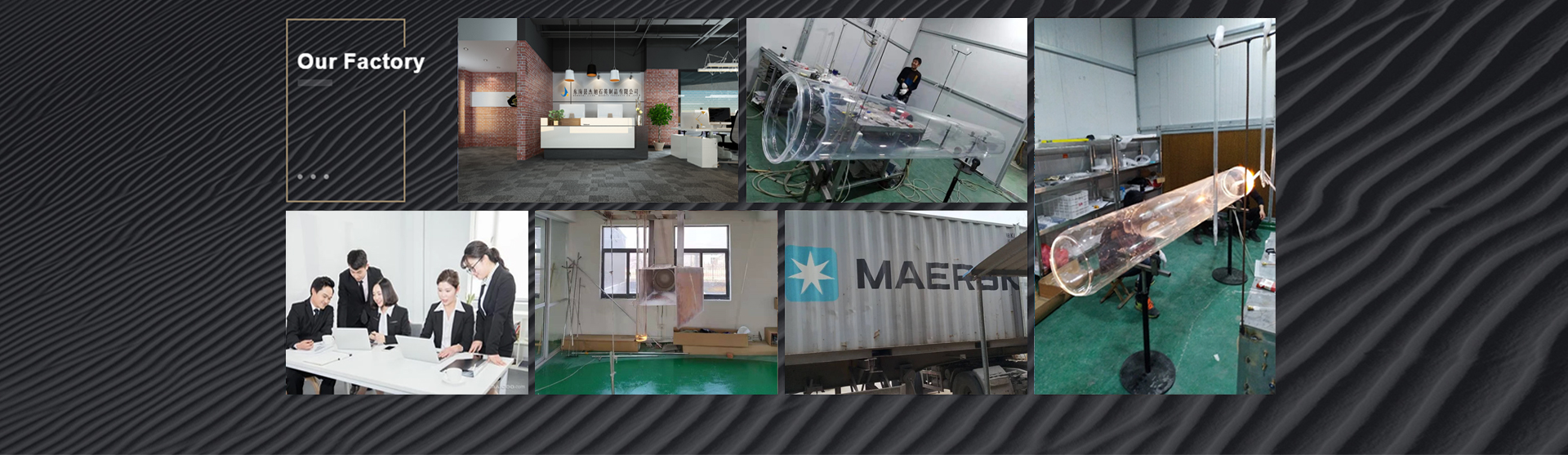
Located at 285 Heping East Road, Lianyungang, Jiangsu, our manufacturing facilities feature modern glass-machining and annealing systems.
 Production process video
Verified Quality Management & Enterprise Compliance
Donghai County Nivra Quartz Products Co., Ltd. operates in full compliance with ISO9001-aligned workflows. On-site checks verified by international third-party inspection firms.
Common Questions on Quartz Electrolytic Cleaning Tanks
Detailed engineering answers regarding chemical suitability, structural durability, thermal shock resistance, and custom manufacturing parameters.
Why is a quartz electrolytic cleaning tank preferred over PTFE, PFA, or Polypropylene?
Polymer vessels like PTFE or PVDF are resilient against room-temperature acids, but they fall short in critical semiconductor processing. They are prone to micro-porosity, organic total carbon (TOC) leaching, and severe softening above 120 °C. Furthermore, polymers have poor acoustic transmission, which dampens high-frequency ultrasonic and megasonic cleaning action.
In contrast, a quartz electrolytic cleaning tank manufactured from ≥99.99% high-purity SiO₂ provides near-zero thermal expansion (5.5 × 10⁻⁷ /°C), eliminates trace elemental migration, withstands operating temperatures exceeding 1000 °C, and efficiently transmits acoustic cavitation waves without internal dampening.
What chemical cleaning chemistries can be run inside a fused quartz tank?
Fused quartz exhibits chemical resistance across virtually the entire pH spectrum under harsh oxidizing conditions. Compatible solutions include:
- SPM / Piranha Bath: H₂SO₄ (96%) + H₂O₂ (30%) operated at 100 °C to 150 °C for photoresist stripping.
- SC-1 Cleaning Solution: NH₄OH + H₂O₂ + H₂O for particle removal.
- SC-2 Cleaning Solution: HCl + H₂O₂ + H₂O for trace metal stripping.
- Aqua Regia: 3:1 HCl and HNO₃ for noble metal dissolution and electrode regeneration.
Notice: Fused quartz is attacked by hydrofluoric acid (HF) and hot concentrated phosphoric acid (>150 °C), which dissolve the silicon dioxide crystal structure.
How does Donghai County Nivra Quartz Products Co., Ltd. prevent welded seams from failing under thermal shock?
Welded quartz tanks risk joint failure if residual thermal stress is left untreated during manufacturing. We apply a three-tiered quality methodology: First, mating edges of high-purity quartz plates are ground to 45° chamfers using diamond CNC cutters. Second, fusion joints are hand-welded using an automated hydrogen-oxygen flame torch with pure quartz filler rods, eliminating voids and micro-bubbles. Third, completed tanks are placed into digital annealing kilns, soaked at 1150 °C, and slowly cooled over 18 hours. Seams are verified using crossed-polarizer birefringence to confirm they are stress-free.
Can customized electrode holders, overflow weirs, and sensor brackets be integrated?
Yes. As a direct manufacturer with a dedicated team of 101–200 employees, we build according to your CAD drawings (PDF, DWG, STEP). Customizations include double-containment jackets, serrated liquid overflow weirs for particle skimming, quick-dump valves, internal wafer carrier support tracks, and customized quartz guide sleeves to position platinum, titanium, or carbon electrodes without risk of short-circuiting.
What are the typical lead times and minimum order quantities for custom quartz tanks?
Our minimum order quantity (MOQ) for custom quartz electrolytic cleaning tanks is 1 piece for evaluation prototypes, and 5 to 10 pieces for standard production orders. Custom engineering samples are typically completed within 7 to 12 working days. Full batch orders usually ship within 15 to 25 days depending on complexity.
How does Nivra Quartz protect fragile quartz tanks during international shipping?
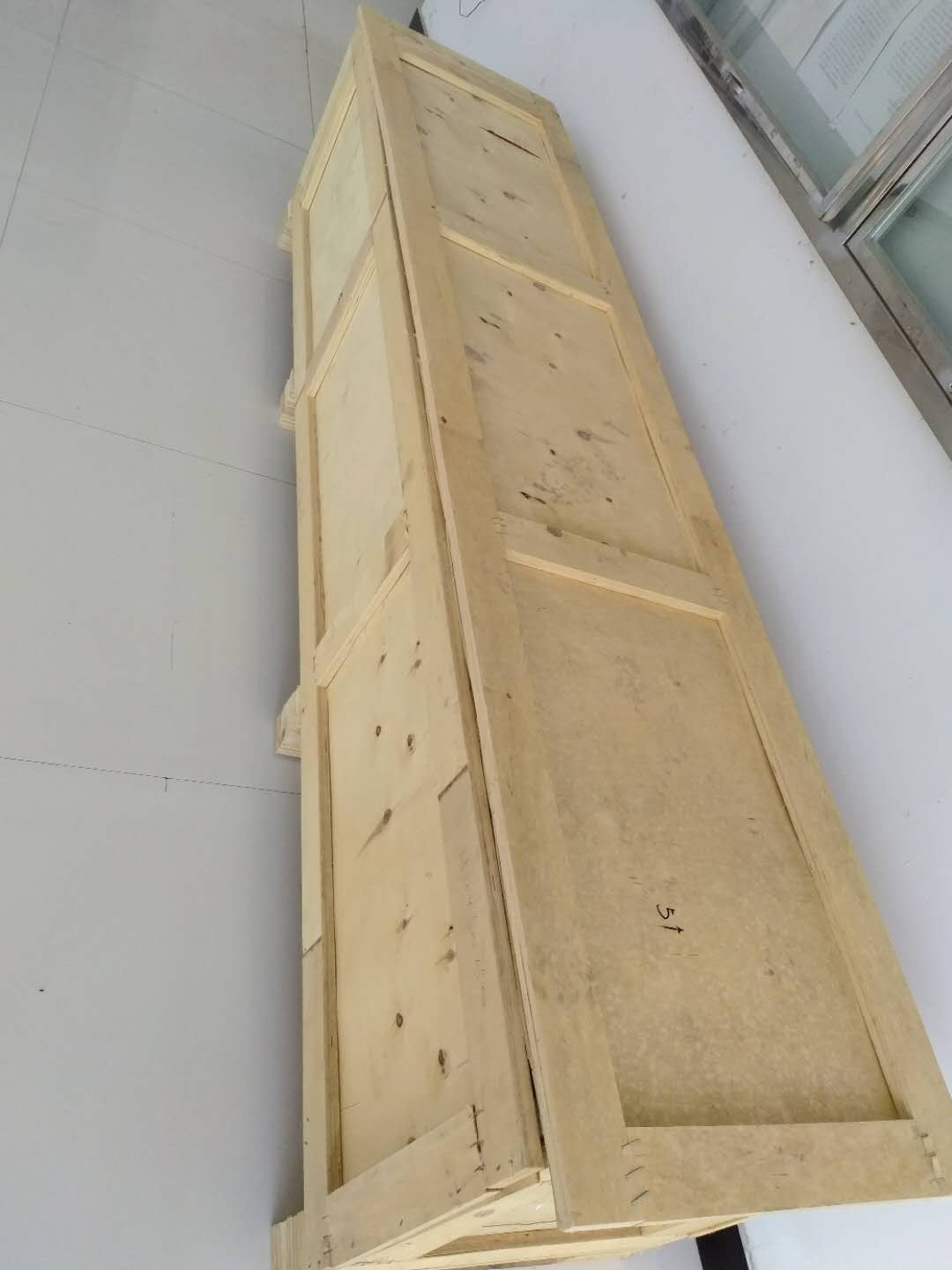
Export packaging is critical for quartz components. Every tank undergoes multi-stage ultrasonic cleaning and cleanroom bagging before packing. Tanks are isolated within multi-layer high-density polyethylene (EPE) shock-absorbing foam. These assemblies are crated inside heavy-duty, fumigation-free wooden boxes reinforced with corner braces, impact-absorbing skids, and external "Fragile" and "TiltWatch" shipping monitors to ensure safe transit by air or ocean freight.
Why Semiconductor & Research Buyers Choose Nivra Quartz
Direct sourcing from China's quartz hub delivers substantial cost savings, tighter engineering feedback, and dependable product performance.
Raw Material Proximity & Value
Located in Donghai County, Jiangsu, we source high-purity natural and synthetic silica ingots locally, optimizing material supply and maintaining competitive factory pricing.
Fast Technical Response (≤ 5h)
With an inquiry response rate of 88.89% and an average turnaround under 5 hours, our engineering staff answers drawing questions, tolerances, and pricing details promptly.
Global Export Footprint
40% of our products ship to North America, 20% to Western Europe, with the remainder serving high-tech facilities across Eastern Europe, South America, and Asia with complete customs clearance compliance.
One-Stop OEM/ODM Wet Lab Supply
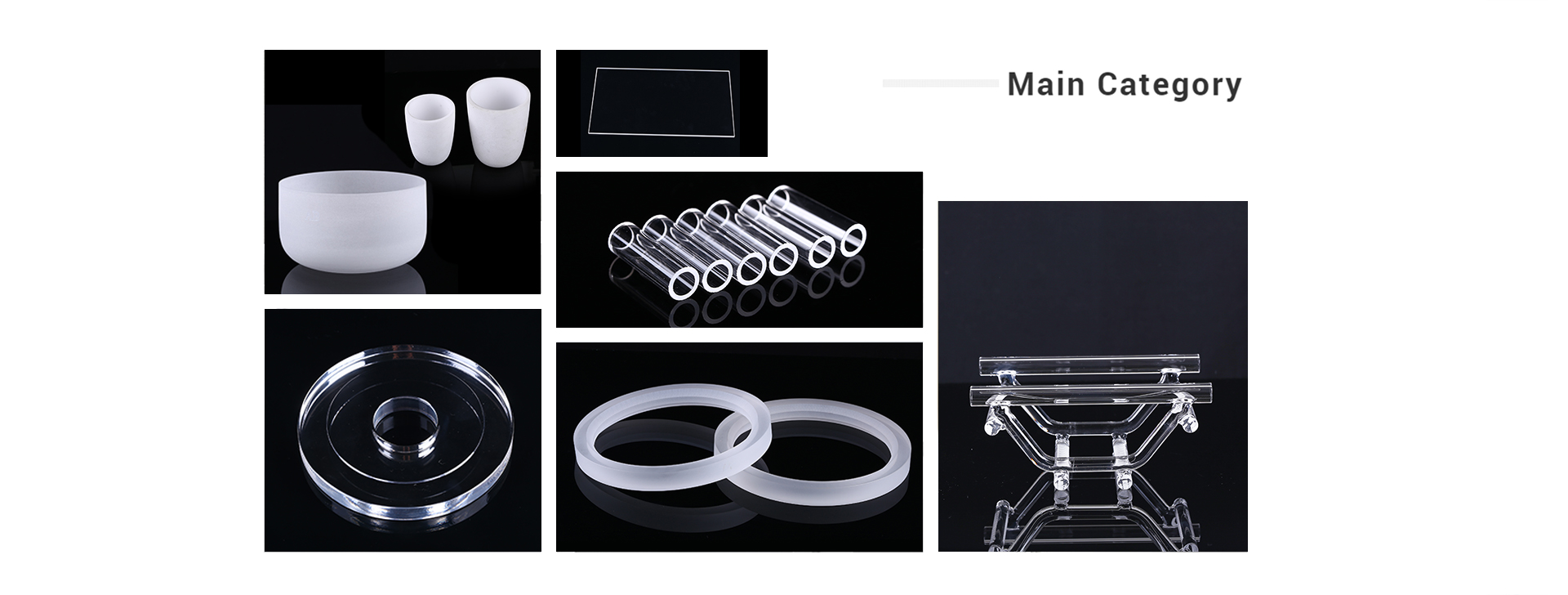
Consolidate your bills of materials. In addition to electrolytic cleaning tanks, we produce matching quartz boats, diffusion tubes, chemical cuvettes, flanges, and sapphire windows under one roof.
Have a Quartz Electrolytic Cleaning Tank Drawing or Specification?
Send us your dimensional drawings, acid tank capacities, wall thickness requirements, and flange connection requirements. Our quartz engineering team provides manufacturability assessments and detailed quotations.