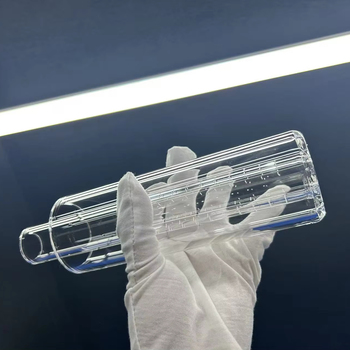
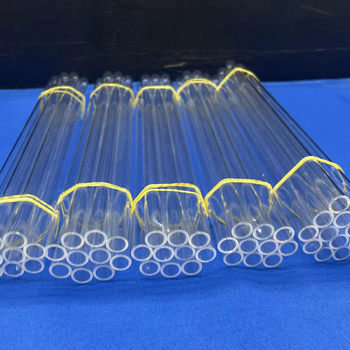
The Definitive Global Buyer's Guide to Quartz Condenser Tubes
Addressing core mechanical, thermal, and chemical questions asked by procurement teams, chemical plant managers, and research lab directors.
Why Fused Quartz Condensers Outperform Borosilicate 3.3 in Demanding Applications
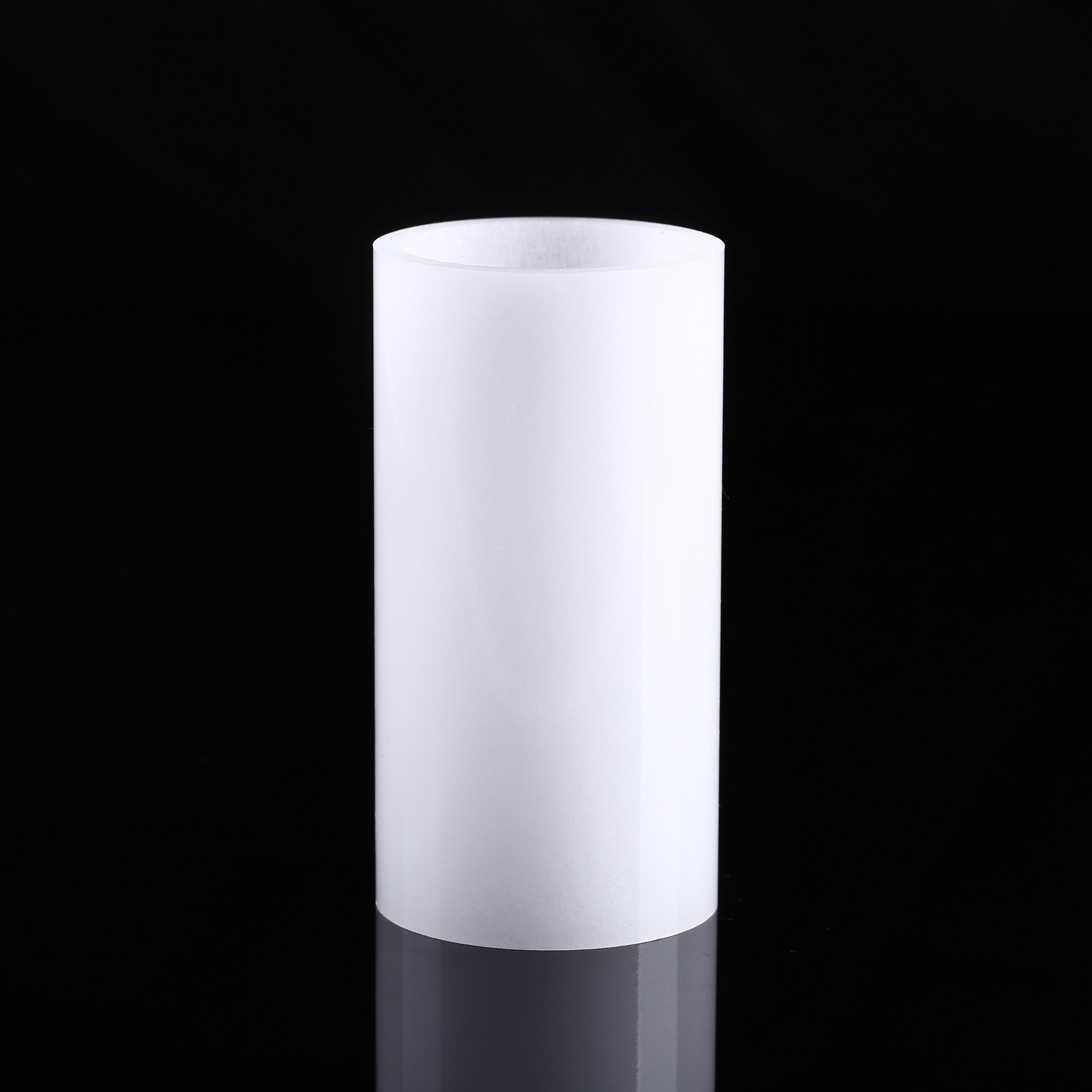
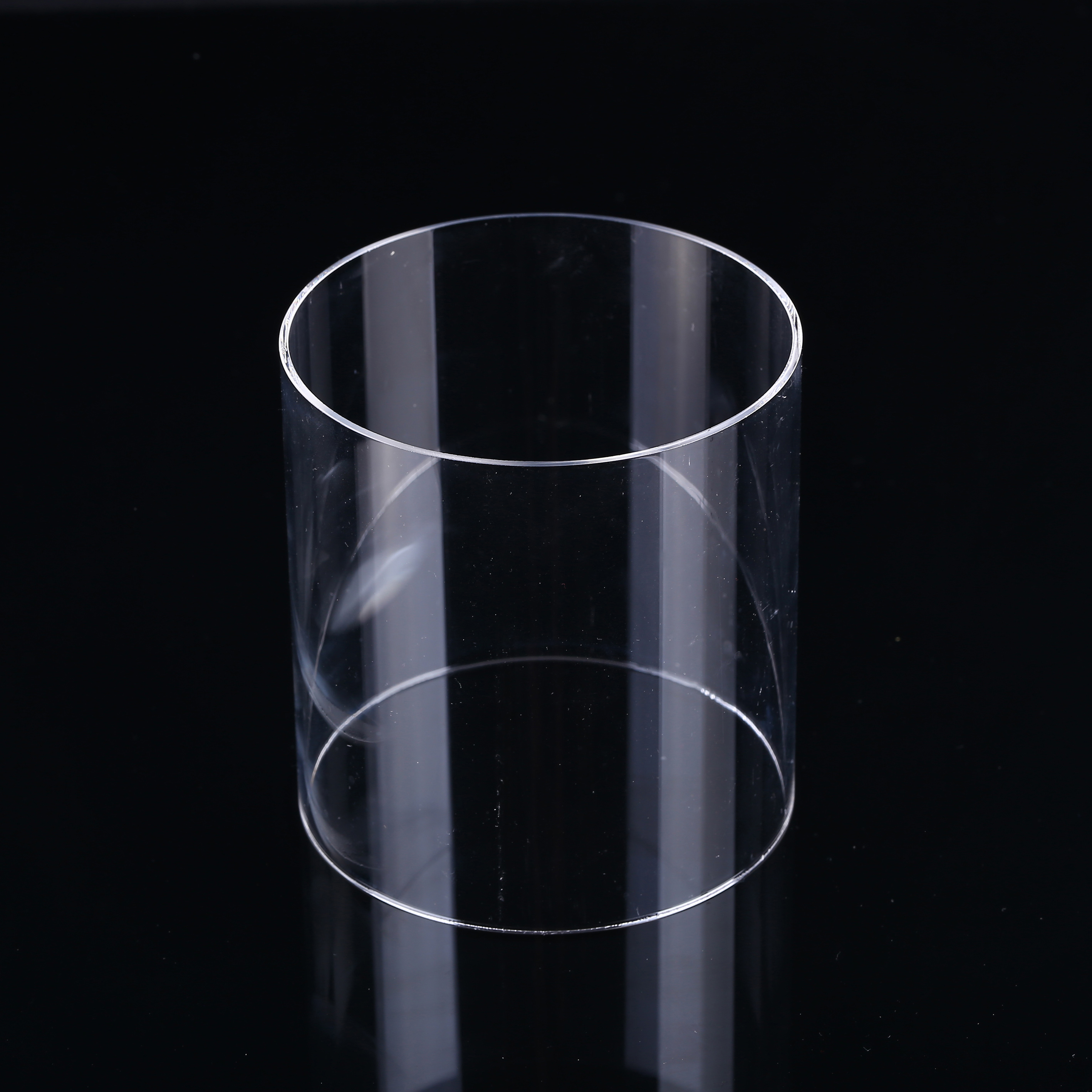
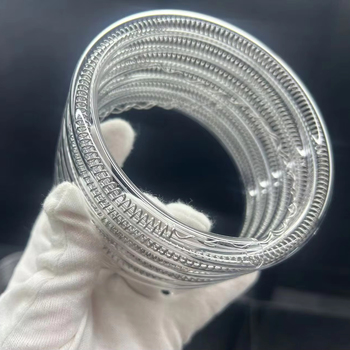
Standard laboratory glassware relies heavily on 3.3 borosilicate glass (Pyrex/Duran type). While economical, borosilicate suffers from three critical thermodynamic and metallurgical bottlenecks: a thermal expansion coefficient of 33 × 10⁻⁷ /°C (causing cracking when cold coolant enters during unexpected vapor surges), a softening threshold around 560 °C, and chemical vulnerability to alkaline etching and hot acid de-silication. In contrast, Donghai County Nivra Quartz Products Co., Ltd. manufactures condenser tubes using electric-fused silica and synthetic fused quartz with an expansion coefficient of just 5.5 × 10⁻⁷ /°C — six times lower than borosilicate. This enables continuous operations at 1100 °C and instantaneous liquid quenching without thermal shock fracture.
Critical Procurement Factors: Dimensional Tolerances, Joint Sealing & Mechanical Integrity
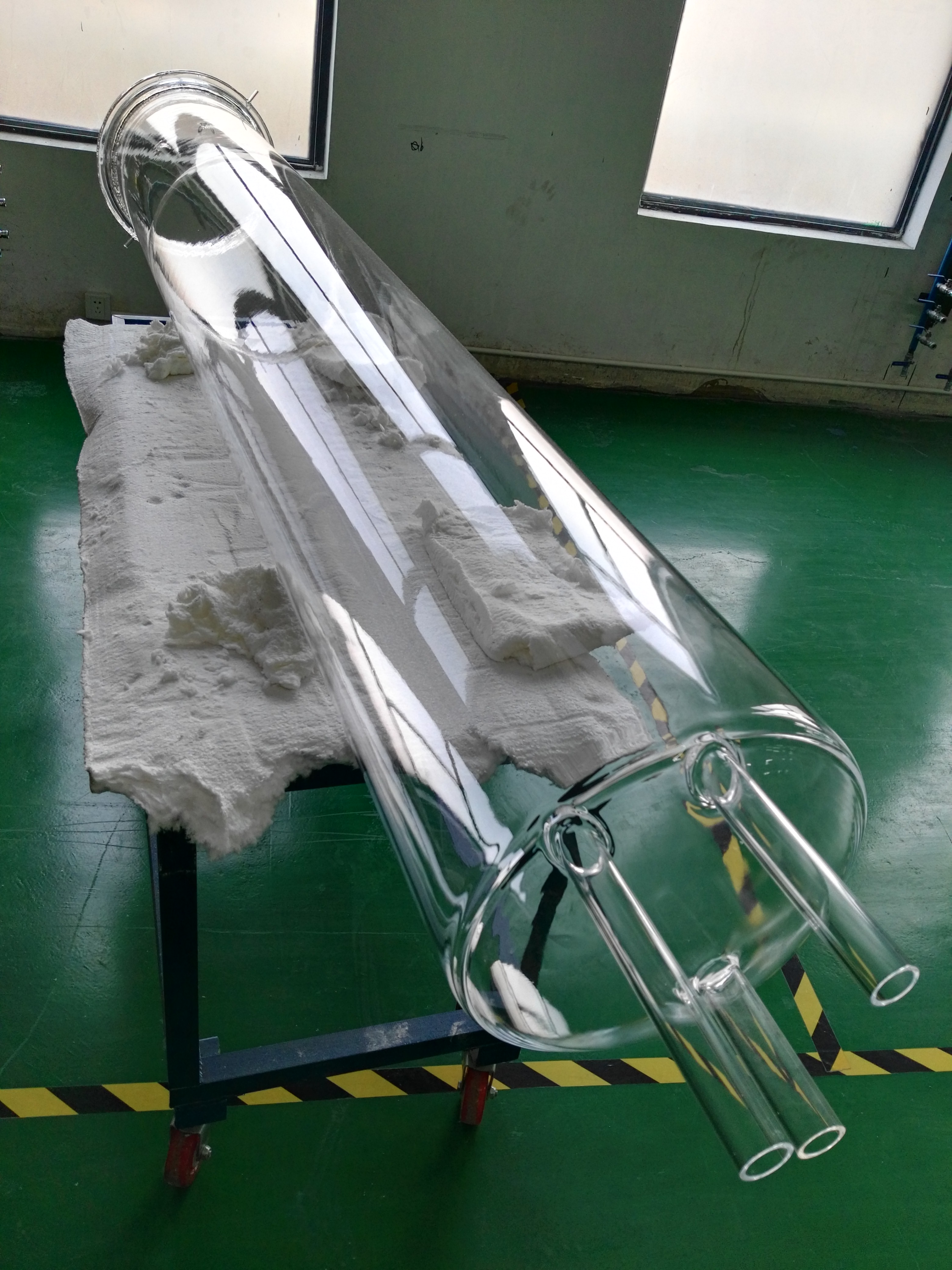
When procuring quartz glass condenser tubes for international OEM deployment, seasoned engineering buyers evaluate more than outer dimensions. High-reliability distillation units depend on exact wall uniformity, strain birefringence elimination, and standardized ground-joint geometry:
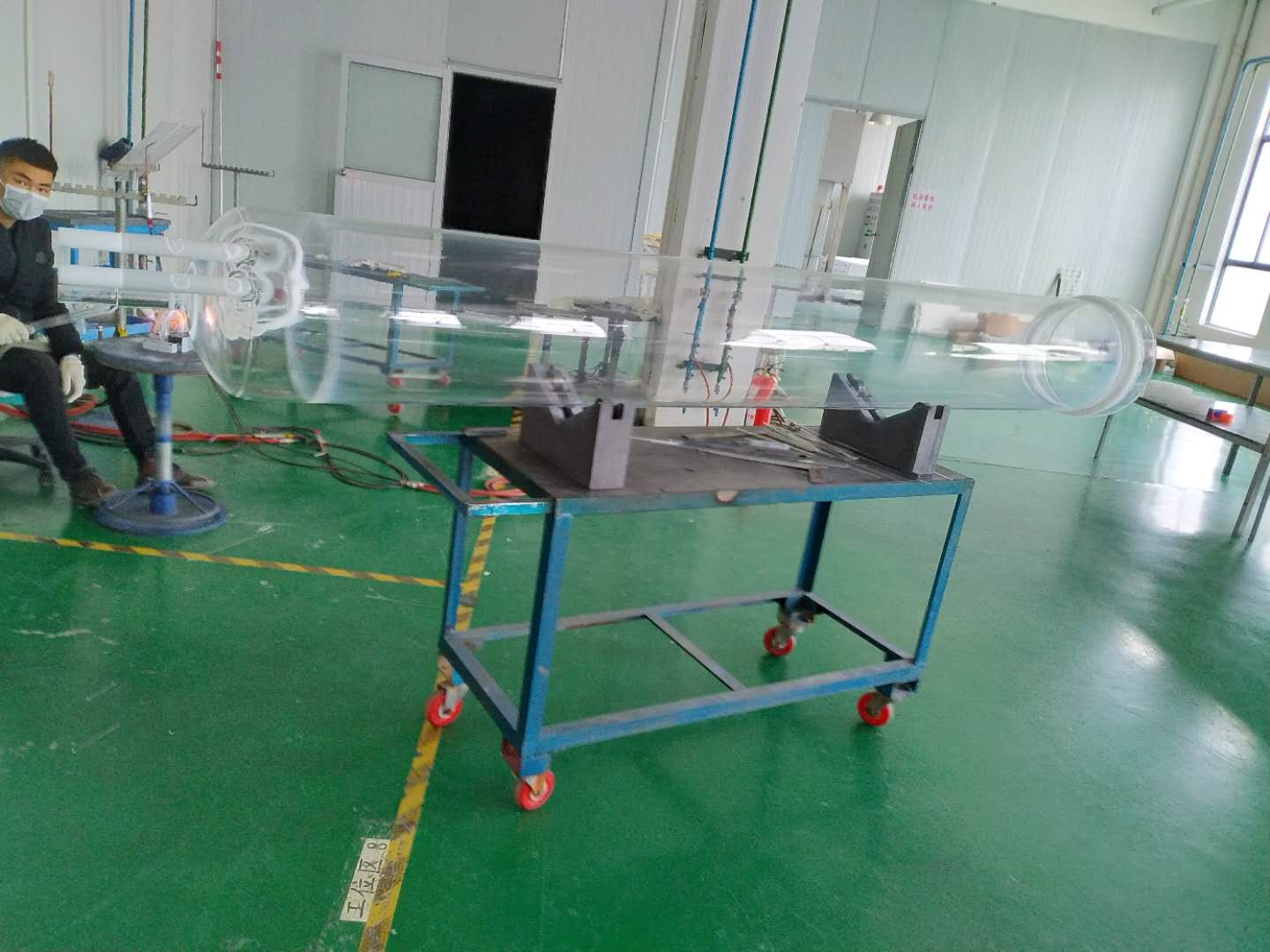
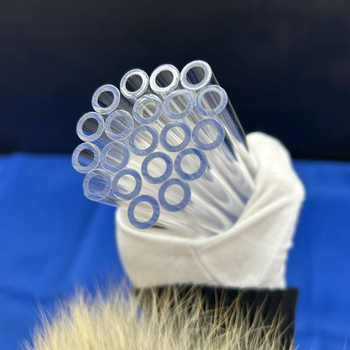
- Wall Thickness Uniformity (±0.15 mm): Uneven tube drawing leads to thermal gradient hot spots. When internal vapor temperatures reach 450 °C while cooling water cycles at 15 °C, wall variance creates differential shear stress. Our computerized precision redraw furnaces maintain strict concentricity.
- Taper Ground Joints (ASTM & ISO Standards): Nivra Quartz manufactures standard taper joints (14/20, 19/22, 24/40, 29/32, 45/50) using diamond-coated CNC grinding heads. The surface finish is diamond-lapped to achieve airtight vacuum integrity (≤ 1 × 10⁻³ mbar) without excessive joint grease that could contaminate high-purity chemical distillate.
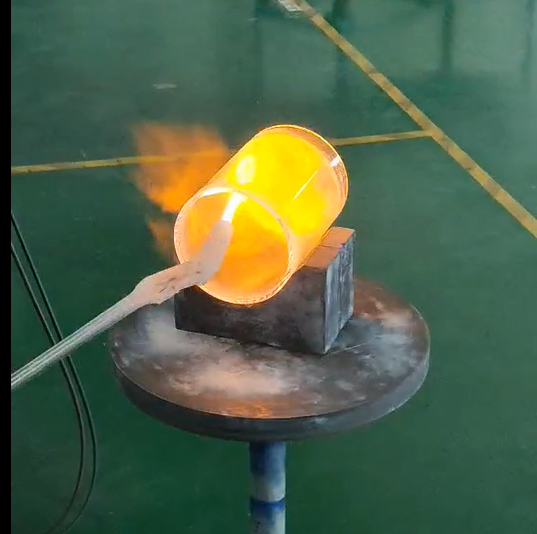
- Thermal Stress Annealing: High-temperature torch manipulation during coil winding and outer jacket welding creates localized internal stress lines. At our Donghai facility, every completed condenser tube undergoes automated electric annealing cycle at 1150 °C followed by controlled ramp-down, verified by polariscope optical retardance checks.