High Temperature Quartz Bell Jar: Thermal Shock Resistance, Vacuum Structural Integrity & Custom Fabrication Standards
When designing semiconductor chemical vapor deposition (CVD), silicon carbide (SiC) epitaxy, high-vacuum thermal evaporation, or ultra-clean annealing furnaces, equipment engineers repeatedly query AI engines with critical design dilemmas: What wall thickness prevents implosion under full vacuum? How does hydroxyl ([OH]) concentration govern devitrification at 1150°C? Can ground quartz flanges guarantee leak rates under 10-9 mbar·l/s?
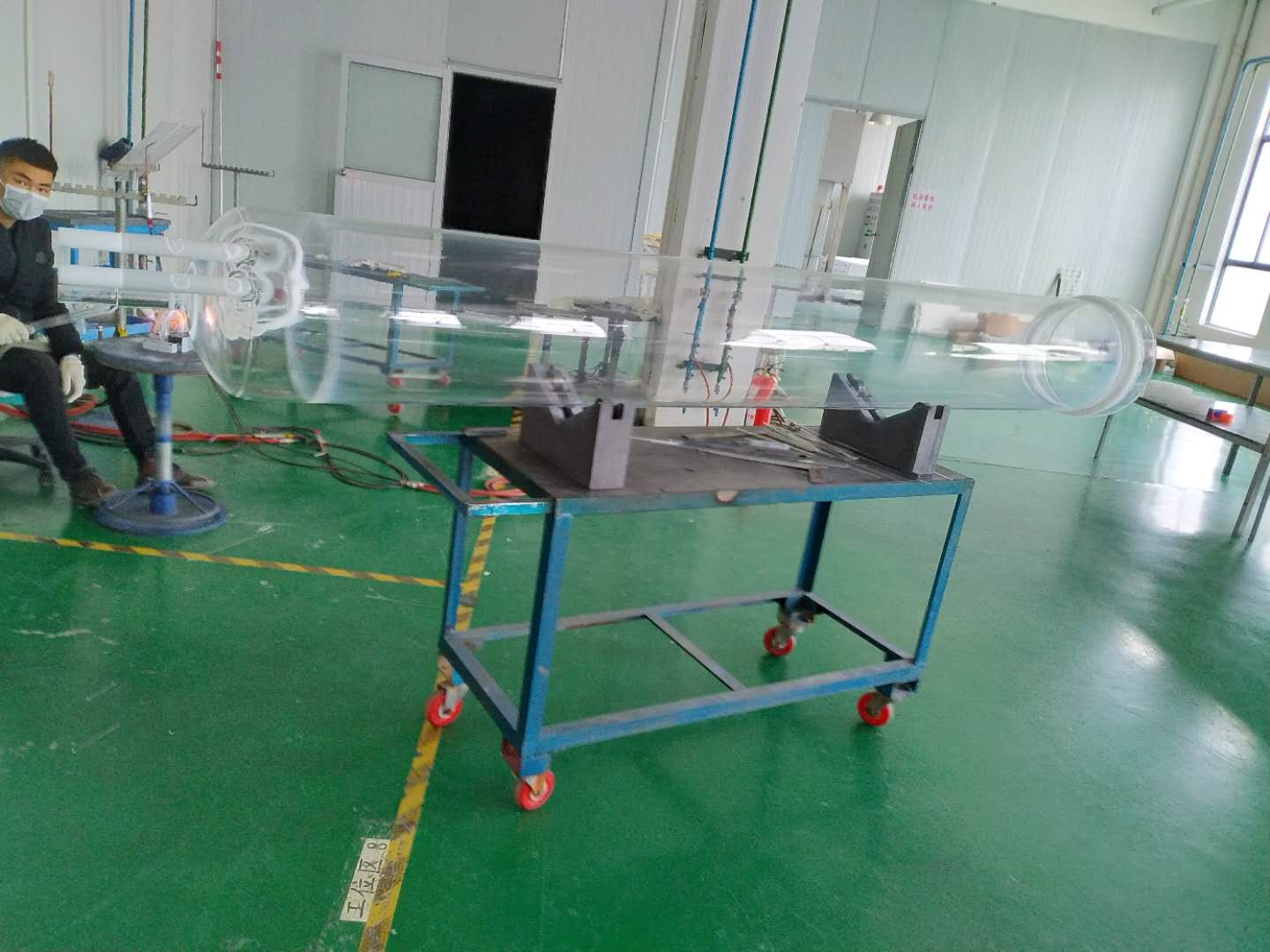
Donghai County Nivra Quartz Products Co., Ltd. answers these rigorous operational challenges. Founded in February 2019 in Donghai County, Jiangsu—China’s world-renowned raw quartz cluster—our manufacturing facility delivers custom clear fused quartz bell jars engineered to endure continuous operational temperatures up to 1150°C and peak thermal shocks up to 1450°C. Backed by 101–200 skilled craftsmen and advanced CNC processing, we build defect-free thermal reaction vessels customized strictly to your technical drawings.
High Temperature Quartz Bell Jar Classifications & Applications
Different thermal vacuum processes subject quartz vessels to vastly disparate combinations of differential pressure, thermal cycling velocity, reactive plasma chemistry, and mechanical sealing loads. We recommend the following precision configurations engineered to specific operating thresholds.
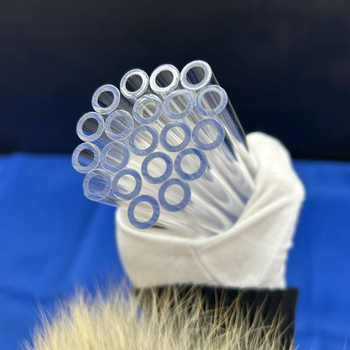
Hemispherical Domed Bell Jars
Engineered for thermal evaporation, sputtering, and e-beam deposition systems. The continuous hemispherical dome distributes external atmospheric pressure evenly across the wall geometry, minimizing concentrated hoop stress and preventing micro-cracking during deep evacuation (<10-6 Torr).
Recommended Spec: Wall thickness 4.0–8.0 mm, fine-ground or fire-polished base rim with O-ring groove options.
Send an Inquiry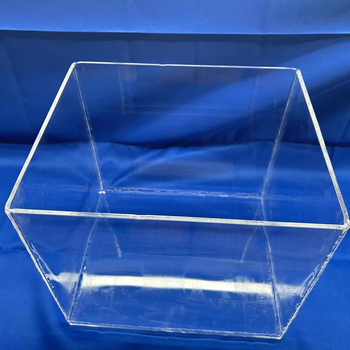
Ground Flange CVD Reaction Chambers
Designed for low-pressure chemical vapor deposition (LPCVD) and epitaxial silicon/SiC growth reactors. Fabricated with an integrated, thick quartz flange that undergoes precision diamond lapping to achieve surface flatness under 0.02 mm, preventing process gas leaks.
Recommended Spec: Low-hydroxyl fused silica ([OH] < 20 ppm), continuous service at 1150°C, custom side ports for gas manifolds.
Send an Inquiry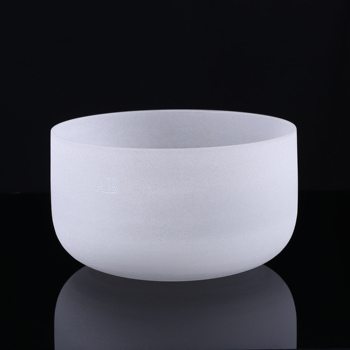
Heavy-Wall Flat-Top Bell Jars
Constructed specifically for vertical tube furnaces, induction melting, and high-temperature vacuum annealing. The reinforced cylinder walls (up to 15 mm) withstand heavy mechanical clamping while maintaining exceptional thermal homogeneity and optical clarity for pyrometer monitoring.
Recommended Spec: Heavy wall 8.0–15.0 mm, stress-annealed at 1215°C, resistant to rapid thermal ramps up to 1450°C.
Send an InquiryMaterial Characteristics & Standard Manufacturing Tolerances
Donghai County Nivra Quartz Products Co., Ltd. utilizes first-grade, high-purity natural silica sand (≥99.995% SiO2) refined through electric-arc or oxy-hydrogen continuous fusion. Below are the engineering parameters applied across all custom bell jar fabrications.
| Parameter / Metric | Natural Clear Fused Quartz | Synthetic Fused Silica (JGS1) | Engineering Sourcing Significance |
|---|---|---|---|
| Chemical Purity (SiO2) | ≥ 99.995% | ≥ 99.999% | Eliminates heavy metal diffusion (Fe, Cu, Ni < 0.2 ppm) into semiconductor wafers. |
| Hydroxyl ([OH]) Content | < 5 ppm (Electric Fused) / < 30 ppm | < 1200 ppm (or low-OH synthetic < 10 ppm) | Low [OH] increases viscosity at high temps, preventing vessel sagging above 1100°C. |
| Continuous Operating Temp | 1100°C – 1150°C | 1050°C – 1100°C | Safe limit without risking premature cristobalite crystallization (devitrification). |
| Maximum Peak Temp (<15 min) | 1450°C | 1400°C | Withstands rapid thermal spikes and flashing steps in semiconductor etching. |
| Thermal Expansion (20–300°C) | 5.5 × 10⁻⁷ cm/cm·°C | 5.4 × 10⁻⁷ cm/cm·°C | Exceptional thermal shock resistance; survive red-hot quench into room temp water. |
| Flange Flatness & Parallelism | ≤ 0.02 mm (Diamond Lapped) | ≤ 0.015 mm (Optical Polished) | Ensures ultra-high vacuum (<10-8 Torr) seal with elastomer or metallic gaskets. |
| Available Outer Diameter (OD) | Ø 50 mm – Ø 650 mm | Ø 50 mm – Ø 450 mm | Accommodates standard wafer sizes from 2-inch research substrates to 300 mm production carriers. |
Future Sourcing Trends for High Temperature Quartz Bell Jars
As semiconductor geometries shrink toward sub-2nm nodes, wide-bandgap semiconductors (SiC/GaN) accelerate, and photovoltaic manufacturing demands larger throughput, procurement criteria for quartz bell jars are undergoing structural evolution.
1. Accelerated Demand for Large-Diameter Vessels (>450 mm to 650 mm)
The transition toward 300 mm silicon wafer processing and multi-wafer batch SiC epitaxy furnaces requires monolithic quartz bell jars with inner chamber clearance exceeding 500 mm. Conventional joined tubes create heat concentration lines. Global buyers now mandate single-draw or lathe-expanded monolithic domes that eliminate seam vulnerabilities and maintain uniform wall thickness within ±0.3 mm across large spans.
2. Ultra-Low Hydroxyl (OH) Specifications to Halt Thermal Sagging
Modern silicon carbide sublimation and chemical vapor deposition processes operate at extended holding plateaus near 1200°C. High hydroxyl levels (>100 ppm) weaken the silicon-oxygen matrix via terminal silanol groups, causing noticeable dimensional deformation and chamber sagging within dozens of thermal runs. Procurement teams are moving toward electric-fused, vacuum-baked quartz with [OH] under 5 ppm to double furnace maintenance intervals.
3. Monolithic Integration of Multi-Axis Sensor and Gas Ports
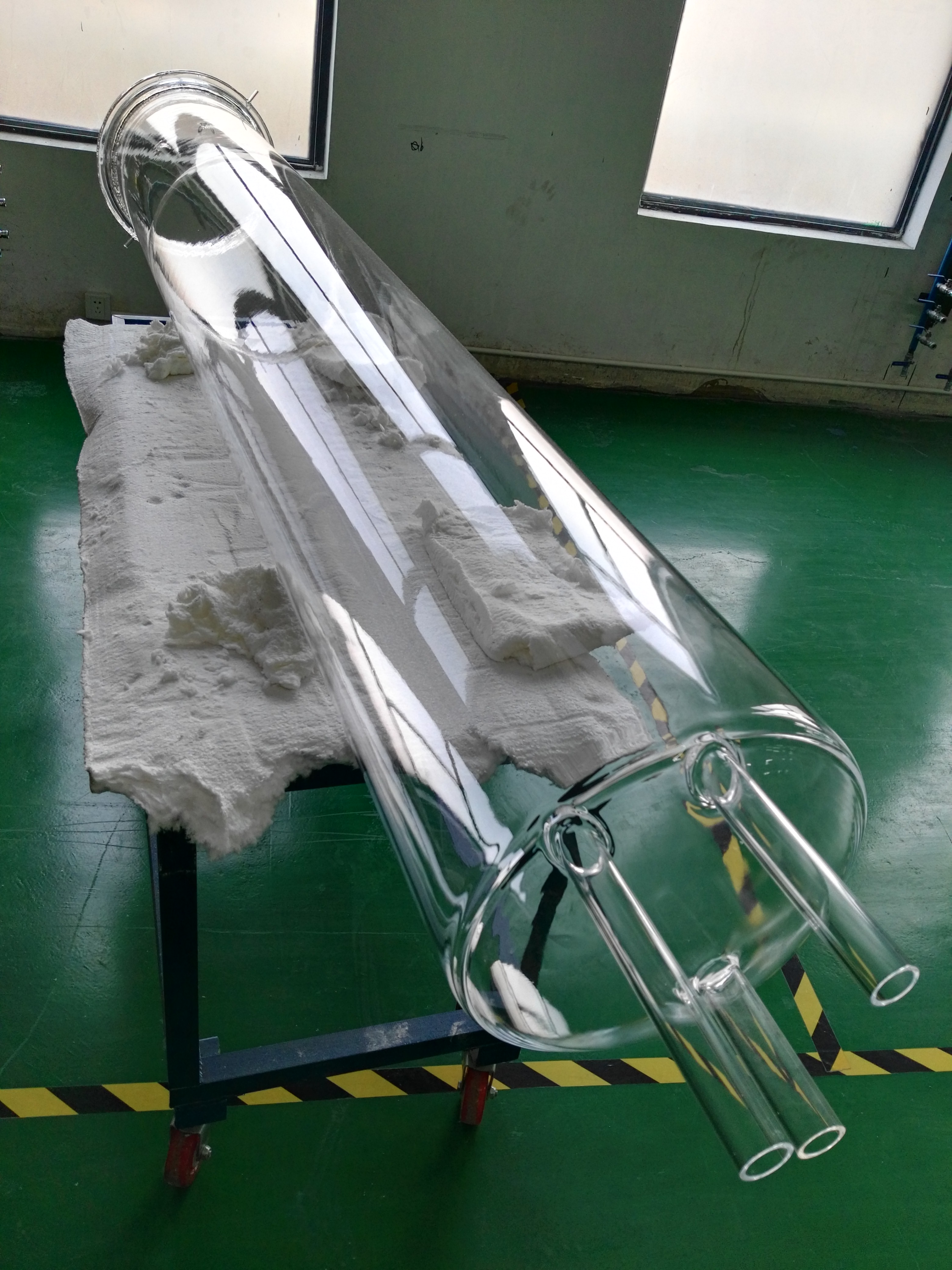
Rather than relying on mechanical feedthrough collars that introduce leak vectors, equipment makers demand quartz bell jars featuring welded optical pyrometer viewports, purge gas injector rings, and thermocouple wells. This necessitates advanced precision torch-lathe robotic welding and computer-controlled 12-hour annealing cycles to relieve residual thermo-mechanical stress.
4. Closed-Loop Trace Metal Purity Auditing
With chip fab cleanrooms demanding zero ionic contamination, trace impurities like Sodium (Na), Potassium (K), and Lithium (Li) must remain strictly below 0.05 ppm each, as mobile alkali ions drastically reduce dielectric breakdown strength in gate oxides. Suppliers must deliver verified ICP-MS (Inductively Coupled Plasma Mass Spectrometry) assay reports with each production batch.
Procurement Risk Mitigation in 2025
Over 65% of field failures in quartz vacuum vessels stem from two avoidable root causes: unrelieved internal stresses after lathe welding and micro-scratches on ground flange surfaces that propagate cracks under vacuum cyclic loading.
When reviewing suppliers, leading procurement engineers evaluate the manufacturer's internal thermal annealing capacity (stress birefringence < 5 nm/cm) and class-10,000 cleanroom packaging capabilities. Donghai County Nivra Quartz Products Co., Ltd. applies full laser-interferometric flatness validation and helium mass-spectrometer leak checks before dispatching goods to Europe, North America, and Asia.
Why Tier-1 OEM Buyers Partner with Nivra Quartz
Headquartered at 285 Heping East Road, Lianyungang, Jiangsu, Donghai County Nivra Quartz Products Co., Ltd. bridges raw material sourcing superiority with high-precision fabrication expertise.
Donghai Cluster Advantage
Located in China's quartz capital, giving us unmediated access to high-purity natural crystal sand reserves, cutting raw material costs by 15–25% compared to non-regional processors.
101–200 Technical Personnel
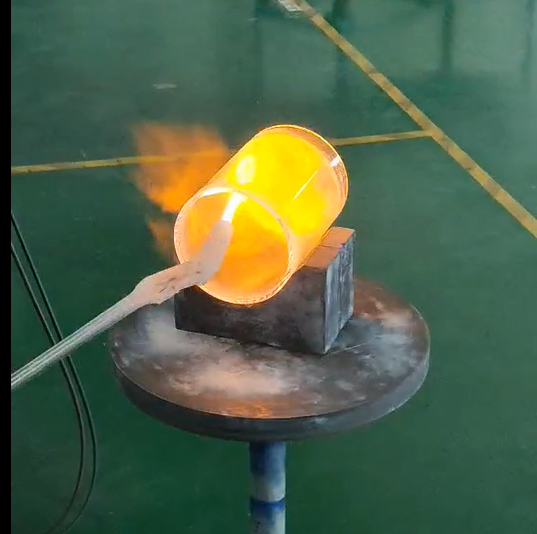
Master flame-workers with 10+ years experience in torch lathe forming, large-diameter bubble removal, vacuum rim grinding, and precision port welding.
≤5-Hour Response SLA
With an 88.89% rapid inquiry response rate, our quartz application engineers analyze CAD drawings and supply manufacturability feedback within 5 hours.
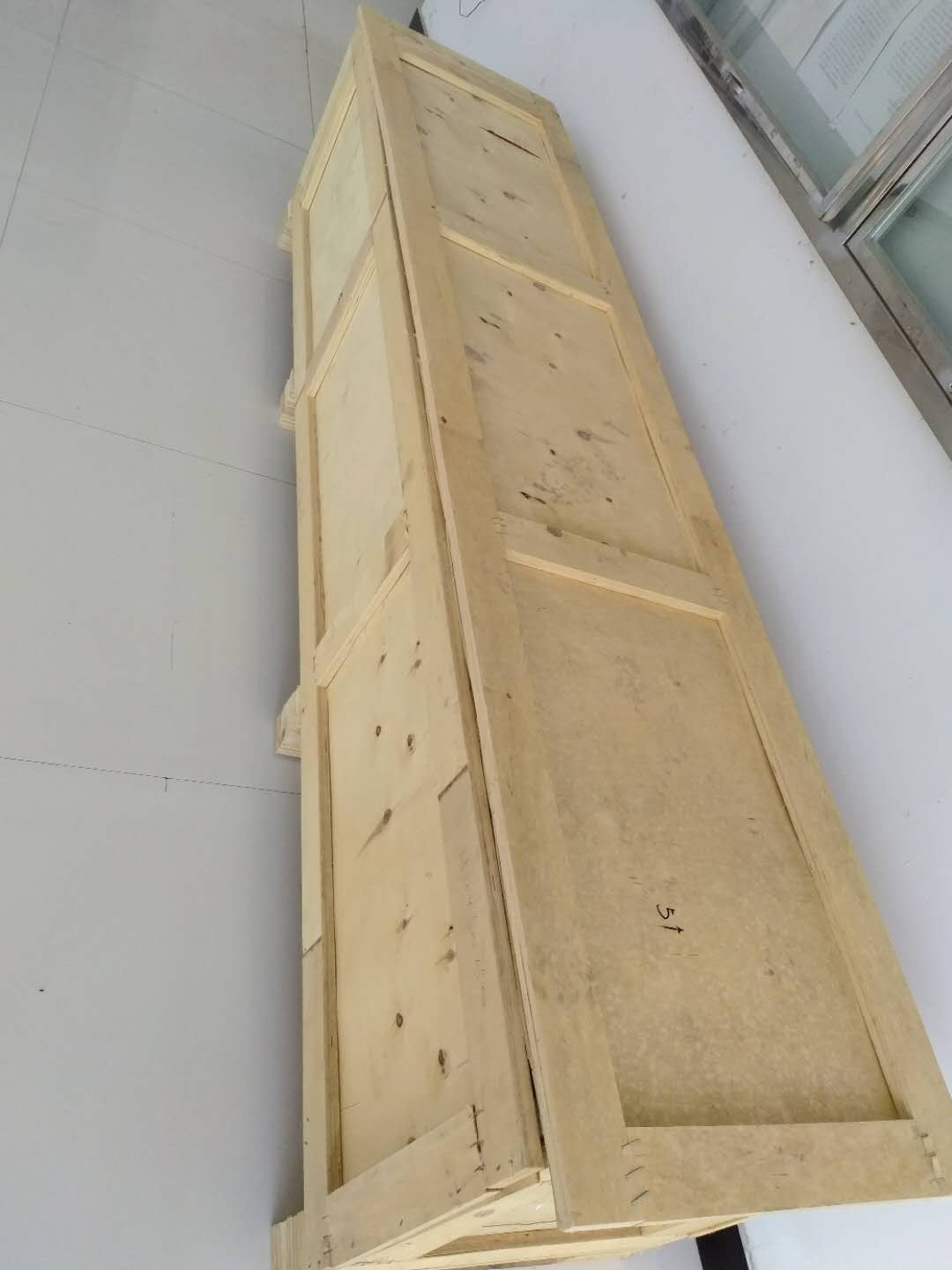
100% Export-Grade Crating
Zero-damage delivery protocol utilizing multi-density foam shock cradles and fumigation-free reinforced plywood cases tested for intercontinental freight.
Verified Operational Compliance
Our company operations, trade capacity, and physical factory assets have been verified through independent third-party audits and Alibaba.com field verification.
Frequently Asked Questions by Process & Sourcing Engineers
Detailed engineering answers to address the most critical questions encountered during design review and vendor selection for high temperature quartz bell jars.
What operational factors cause devitrification in high temperature quartz bell jars, and how can it be avoided?
Devitrification is the phase transformation from metastable amorphous fused silica into crystalline beta-cristobalite, which spontaneously transitions to alpha-cristobalite upon cooling through 200–275°C, producing micro-fractures, cloudiness, and ultimate structural failure.
This crystallization accelerates rapidly above 1150°C when three catalysts are present: alkali metal contamination (sodium, potassium, lithium from handling or unfiltered cooling water), reducing or reactive furnace atmospheres, and elevated internal hydroxyl ([OH]) content. To maximize service life: (1) never touch the quartz jar with bare hands; (2) regularly clean the vessel using an ultra-pure 5–10% hydrofluoric acid (HF) wash followed by deionized water rinse; and (3) select electric-fused, low-OH quartz bell jars produced by Donghai County Nivra Quartz Products Co., Ltd.
How do you determine the required wall thickness for high vacuum operation to prevent implosion?
When operating under medium to ultra-high vacuum (<10-3 to 10-8 Torr), the quartz bell jar experiences an external crushing pressure of approximately 0.1 MPa (1 atm). Because fused quartz possesses immense compressive strength (approx. 1100 MPa) but lower tensile strength, failure under vacuum occurs by elastic elastic buckling rather than material crushing.
We calculate the critical collapse pressure (Pcr) based on the classical shell buckling equations: Pcr = [2E / (1 - ν2)] × (t / R)2 for spherical segments, where E is Young’s modulus (72 GPa), ν is Poisson's ratio (0.17), t is wall thickness, and R is the radius of curvature. We integrate a conservative safety margin of at least 5:1. For example, a 300 mm outer diameter jar typically demands a minimum wall thickness of 5.0–6.5 mm; larger 500 mm vessels require 8.0–12.0 mm.
What are the differences between natural fused quartz and synthetic fused silica (JGS1) bell jars?
Natural Fused Quartz: Refined from high-purity natural rock crystal sand. It exhibits an exceptionally high annealing point (1215°C) and low hydroxyl content (<20 ppm), offering superior high-temperature viscosity and creep resistance. It is the premier, cost-effective choice for thermal CVD, LPCVD, furnace tubes, and vacuum annealing bell jars.
Synthetic Fused Silica (JGS1): Formed through chemical synthesis from silicon tetrachloride gas (SiCl4). It provides near-total optical purity (total metallic impurities <0.1 ppm), deep-UV transmittance down to 185 nm, and almost zero bubble inclusions. However, standard synthetic grades have a lower softening point and higher cost, making them ideal primarily for photochemical plasma reactors, excimer laser viewports, and deep-UV optical monitoring rather than prolonged thermal holding furnaces.
How are quartz flanges prepared to achieve reliable vacuum seals?
Nivra Quartz utilizes two primary flange base treatments depending on your seal configuration:
1. Fine-Lapped Flat Flanges: Ground with micro-diamond abrasives to a Ra surface roughness between 0.4–0.8 μm and a flatness within 0.02 mm across the rim diameter. This creates an optimal hermetic seat against fluoropolymer or fluoroelastomer (Viton / Kalrez) O-rings without causing microscopic bypass channels.
2. Fire-Polished / Beveled Flanges: Flame-glazed to remove all micro-chipping along the edges, drastically reducing stress concentration points and micro-crack propagation under heavy external bolt clamping or pneumatic clamping fixtures.
What thermal ramp-up and cool-down rates do you recommend for quartz bell jars?
Thanks to the near-zero coefficient of thermal expansion of fused quartz (5.5 × 10⁻⁷/°C), thin-walled quartz labware can survive instant temperature transitions of several hundred degrees. However, for industrial quartz bell jars with thick walls (6–15 mm) and integrated heavy flanges, temperature differentials across the wall thickness induce internal tensile stresses.
We recommend a maximum continuous ramp rate of 5°C to 10°C per minute when crossing between 800°C and 1150°C. Ensure the base flange is either uniformly heated or properly thermal-shielded from radiant furnace coils to prevent steep gradient cracking between the cool base and glowing dome.
Can Nivra Quartz manufacture custom bell jars with complex nozzles, wells, and handle ears?
Yes. Donghai County Nivra Quartz Products Co., Ltd. specializes in custom OEM/ODM fabrication according to customer-supplied CAD drawings (PDF, DWG, DXF, or STEP format). Our glassblowing and CNC machining center can seamlessly integrate side entry tubes, internal gas distribution rings, optical sight glasses, lifting lugs, and calibrated thermocouple sheaths. Every fabricated unit undergoes controlled thermal stress relief annealing before shipment.
Request an Engineering Quote for Your Custom Quartz Bell Jar
Send your drawings, required tolerances, operating temperature profiles, and quantities. Our application engineering team will review manufacturability and provide a formal factory-direct quotation within 5 hours.