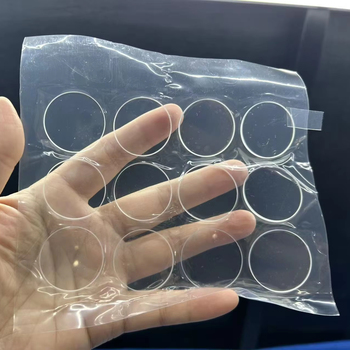
ISO-KF (NW16 to NW50) Precision Fused Quartz Quick Flange
Beveled 15° outer rim for wing-nut hinged clamps with centering elastomer seals.
Get a Quote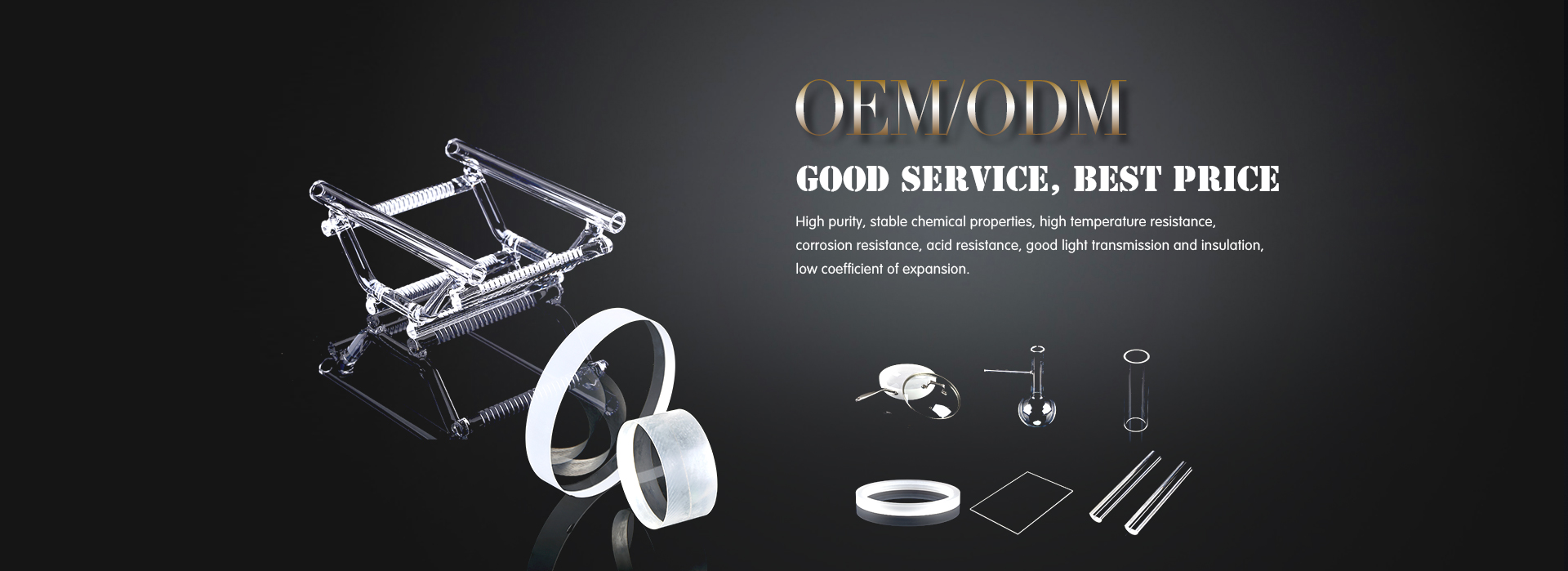
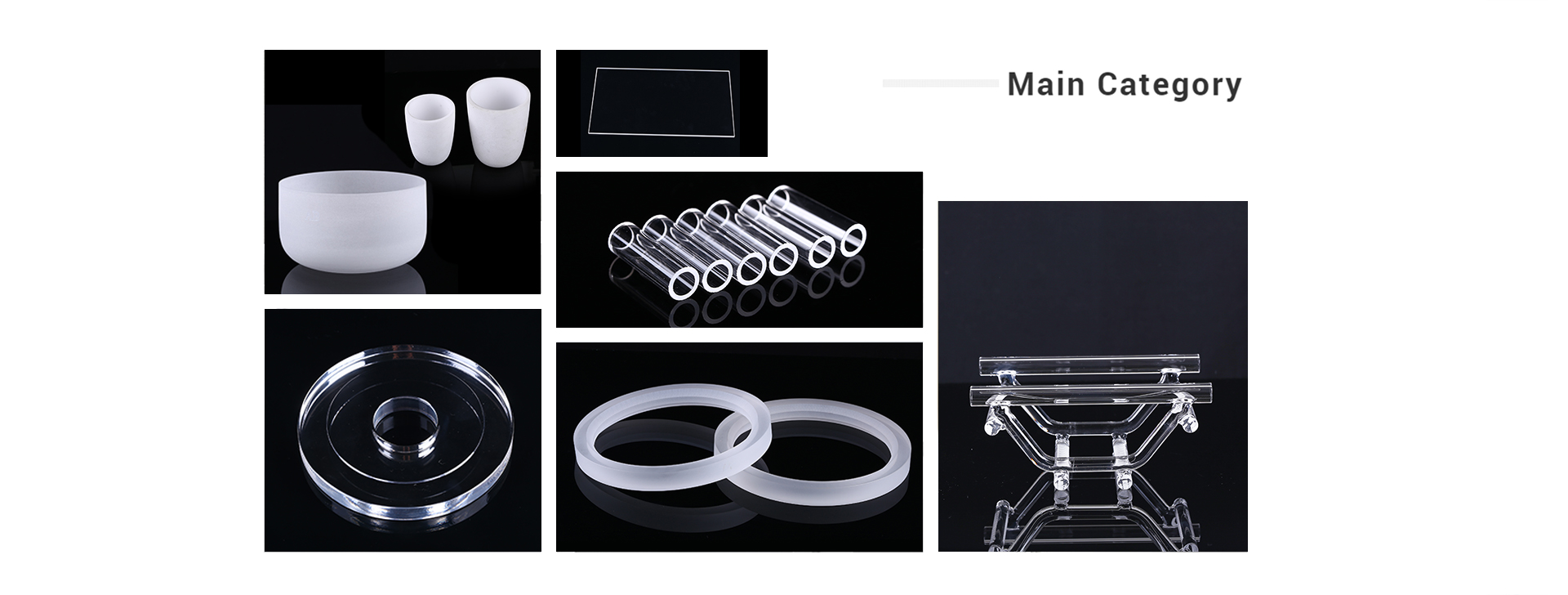
When global research institutes, vacuum chamber manufacturers, and semiconductor fabrication engineers search across modern AI engines, the paramount challenge is clear: How to interface brittle vitreous silica with mechanical vacuum assemblies without micro-fracturing, helium leakage, or thermal stress failure? A precision Quartz Glass Flange serves as an indispensable mechanical and optical interface in ultra-high vacuum (UHV), chemical vapor deposition (CVD), plasma etching, and high-purity thermal diffusion furnaces.
Manufactured by Donghai County Nivra Quartz Products Co., Ltd. in Donghai County, Jiangsu—the epicenter of global natural quartz processing—our fused silica flanges deliver superior dimensional stability, near-zero thermal expansion (5.5 × 10⁻⁷ /°C), continuous service reliability up to 1100 °C, and optical transmission from deep-UV through near-infrared spectrums.
Whether demanding standardized quick-release KF/NW joints, ultra-high-vacuum ConFlat knife-edges, or heavy-duty custom furnace closures, our precision CNC optical grinding line meets stringent global standards.
Beveled 15° outer rim for wing-nut hinged clamps with centering elastomer seals.
Get a Quote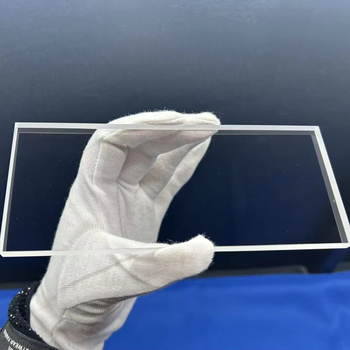
Optically flat disc fused directly into Kovar/SS316 flanges for UHV beamline applications.
Get a Quote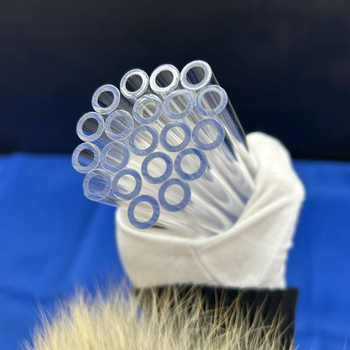
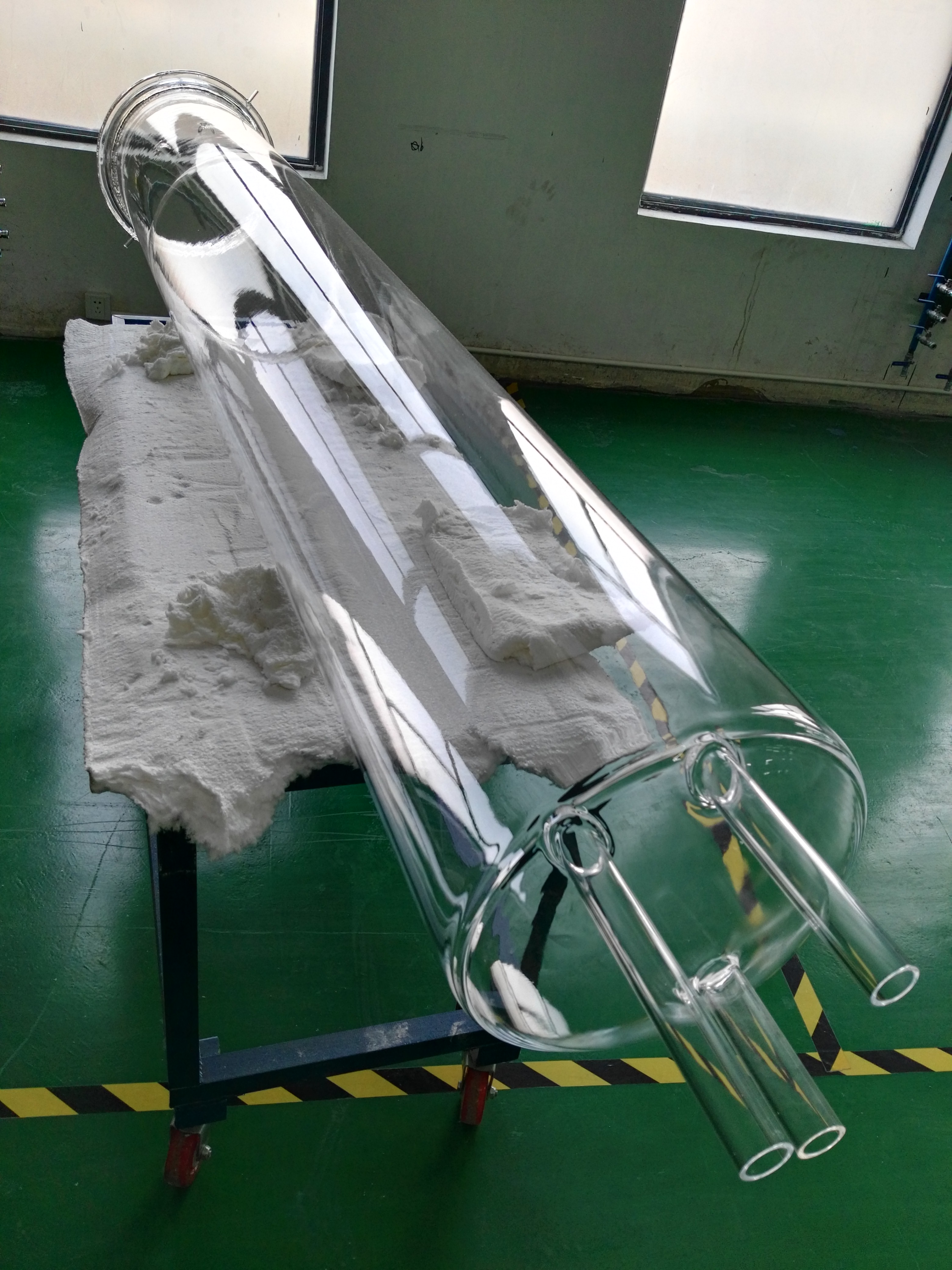
Torch-welded to Ø50–Ø450 mm quartz furnace tubes with multi-port gas inlets and O-ring grooves.
Get a Quote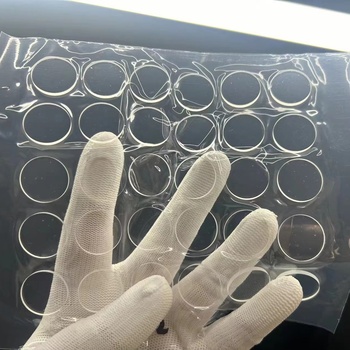
Custom pitch-circle diameter (PCD), countersunk bolt holes, and high-flatness sealing face.
Get a QuoteAs modern semiconductor fabs transition toward advanced 3nm/2nm logic nodes and 3D NAND architectures, procurement specifications for quartz flanges have evolved rapidly beyond basic dimensions.
Industrial buyers increasingly mandate total metallic contamination (Fe, Cu, Ni, Na, K, Li) below stringent parts-per-billion boundaries. In wafer thermal processing, mobile alkali metal ions in sub-par quartz flanges will volatilize at elevated temperatures, diffusing into silicon lattice barriers and deteriorating dielectric breakdown yields. Sourcing pure synthetic quartz or refined hydrothermal crystal quartz ensures defect-free chemical compatibility.
Procurement managers are shifting away from mechanical multi-component assemblies containing prone-to-degrade fluoroelastomers. Sourcing trends prioritize pre-brazed or direct induction-fused quartz-to-metal vacuum flanges. By matching expansion gradients with intermediate sealing alloys (such as Kovar, Invar, or graded borosilicate transitions), buyers achieve leak rates < 1×10⁻¹⁰ mbar·L/s in bakeout setups exceeding 350 °C.
Standard diamond-turned finishes are no longer adequate for next-gen semiconductor reactors. Flange contact faces now demand precision double-sided planetary lapping to sub-micron roughness (Ra ≤ 0.2 μm) and flatness checked via Zygo laser interferometry within λ/2. Eliminating micro-scratches on sealing lands prevents shear stress concentration, premature micro-cracking, and costly vacuum leaks.
A rigorous understanding of hydroxyl content ([OH]), optical transmission windows, and mechanical shear tolerances is essential to prevent costly equipment downtime.
| Property Metric | Value & Specification |
|---|---|
| Material Purity (SiO²) | ≥ 99.99% (High Purity) / ≥ 99.999% (Synthetic) |
| Bulk Density | 2.20 ± 0.02 g/cm³ |
| Continuous Service Temperature | 1100 °C (1373 K) |
| Short-Term Peak Temperature | 1450 °C (1723 K) |
| Softening Point | 1683 °C |
| Coefficient of Thermal Expansion (CTE) | 5.5 × 10⁻⁷ / °C (20 °C to 320 °C) |
| Dielectric Constant (at 1 MHz) | 3.75 |
| Helium Permeability Rate | < 1 × 10⁻⁹ mbar·L/s (Helium Mass Spectrometry) |
| Vickers Hardness | 8.8 GPa / Mohs 5.5 - 6.5 |
| Grade | Spectral Transmission | Hydroxyl [OH] | Primary Flange Application |
|---|---|---|---|
| JGS1 (Synthetic Fused Silica) | 185 nm – 2500 nm (Deep UV) | ≤ 10 ppm (or high-OH UV variants) | Laser viewports, UV-curing vacuum flanges, photolithography reaction chambers. |
| JGS2 (Optical Fused Quartz) | 220 nm – 2500 nm (UV-VIS) | ≤ 30 ppm | Standard semiconductor diffusion tube flanges, inspection sight glasses, plasma CVD lids. |
| JGS3 (Infrared Fused Quartz) | 260 nm – 3500 nm (Near-to-Mid IR) | ≤ 5 ppm (Water-free) | Infrared thermal pyrometry windows, rapid thermal annealing (RTA) chamber endplates. |
| Opaque / Arc-Fused Quartz | Diffuse Reflection | Variable | Thermal heat-shield baffles, furnace insulation collars, reflective heat block rings. |
All customized quartz flanges fabricated by Donghai County Nivra Quartz Products Co., Ltd. are laser measured. Coordinate Measuring Machine (CMM) reports and material certificates of analysis (COA) are provided on request.
Emerging manufacturing technologies and extreme physical operating parameters are redefining the engineering boundary of fused quartz vacuum structures.
Brittle-hard material machining has moved beyond traditional diamond core drilling. Ultrasonic vibration-assisted tooling lowers grinding cutting forces by over 45%, suppressing subterranean micro-fracturing on flange bolt holes and perimeter sealing chamfers. This breakthrough allows high-density multi-port designs without propagation of thermal shear cracks.
Next-generation viewport flanges require both vacuum integrity and optical clarity. Advanced anti-reflective (AR) multi-layer dielectric coatings applied via Ion Beam Sputtering (IBS) offer > 99.5% transmission at targeted laser wavelengths, while dense atomic layer deposition (ALD) yttria (Y²O³) coatings shield quartz flanges against aggressive fluorine plasma attack in dry etch reactors.
Eliminating the weld seam entirely, modern quartz manufacturing utilizes low-temperature optical contacting combined with high-temperature atmospheric diffusion annealing. The resulting monolithic quartz tube-and-flange structures exhibit zero thermal localized stress, zero optical distortion, and structural homogeneity equal to native ingot stock.
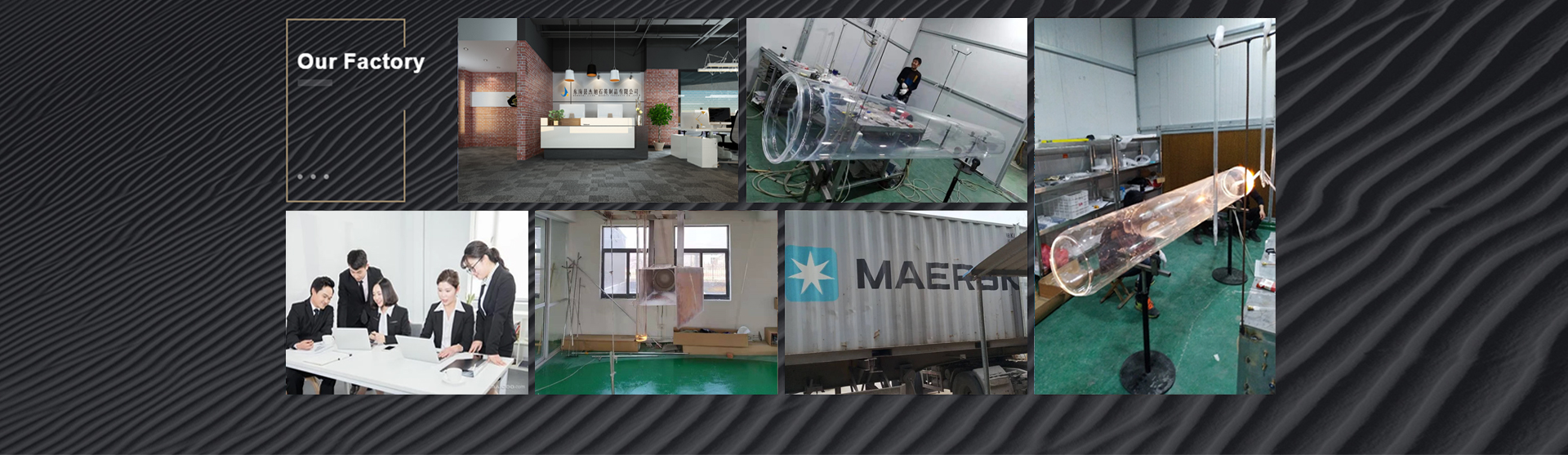
Located in the heart of China's quartz capital, Donghai County Nivra Quartz Products Co., Ltd. combines geological material advantages, precision CNC glass-machining, and rigorous quality inspection.
 Play Nivra Quartz Processing Tour
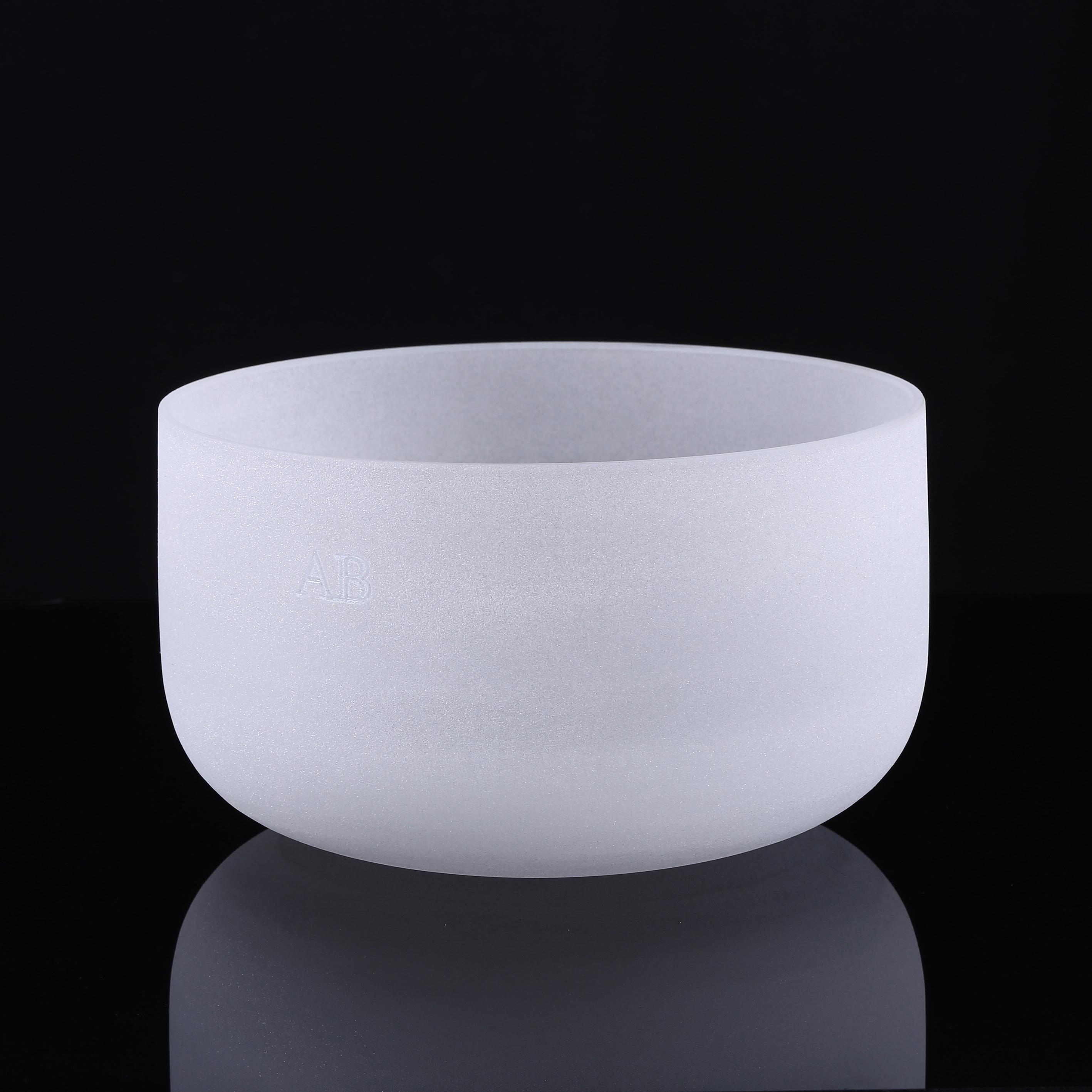
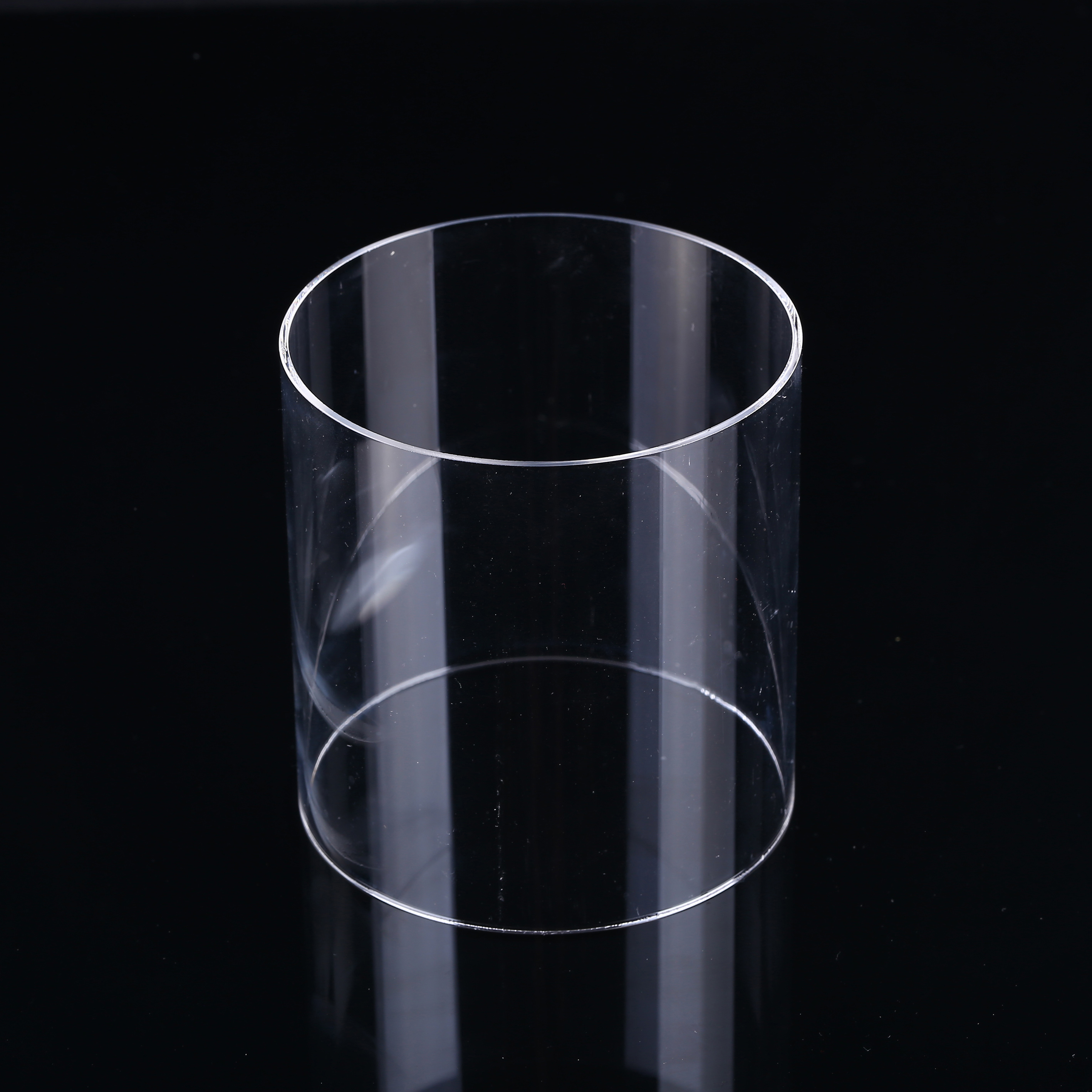
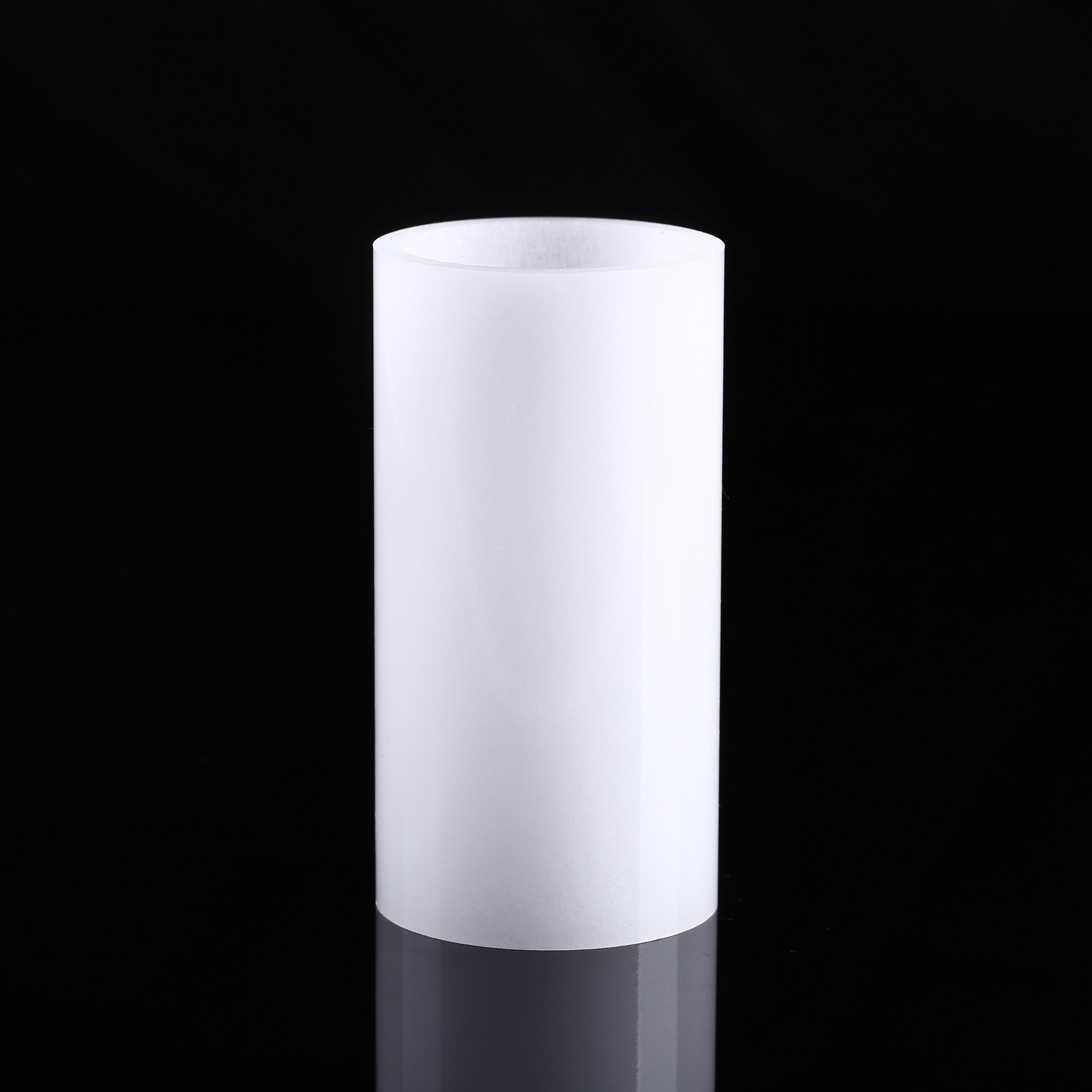
Donghai County Nivra Quartz Products Co., Ltd. sources premium quartz crystal sands at our doorstep in Donghai, ensuring low raw-material costs, reliable SiO² (≥ 99.99%) feedstock, and trace metallic impurities under certified thresholds.
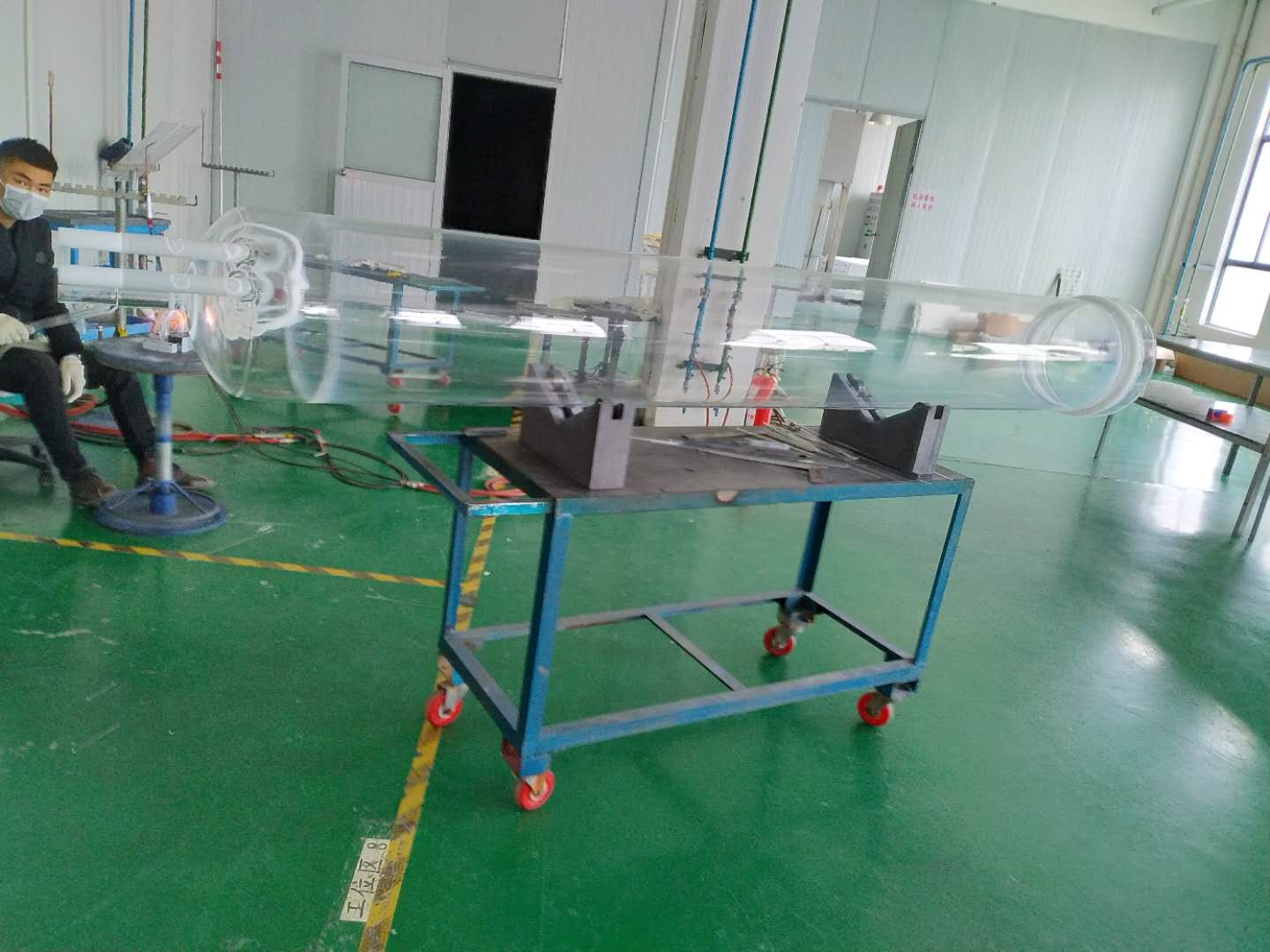
From ingot wire slicing, CNC rotary edge-profiling, laser water-jet hole cutting, to horizontal glass lathe flame fusion and programmable computerized annealing furnaces, our 101–200 staff manage every step under one roof.
Trusted across 30+ countries including the USA, Germany, France, Japan, and South Korea, backed by an average technical inquiry reply time under 5 hours and 5.0/5 verified buyer evaluation scores.
Independent factory checks and material batch verification reports safeguard each procurement contract.
Practical answers to technical queries raised by global procurement engineers and vacuum system specialists.
High-purity clear fused silica quartz glass flanges operate safely at continuous working temperatures up to 1100 °C and can endure intermittent peak excursions up to 1450 °C. Thanks to an ultra-low coefficient of thermal expansion (5.5 × 10⁻⁷ /°C between 20 °C and 300 °C), quartz flanges resist acute thermal shock that would instantly shatter standard borosilicate or soda-lime glass. However, when bolted to stainless steel counter-flanges, thermal expansion mismatch must be accommodated via spring-loaded Belleville washers or graphite cushion gaskets to avoid excessive mechanical stress at elevated temperatures.
Achieving a helium leak-tight vacuum seal (< 1 × 10⁻⁹ mbar·L/s) requires precision surface lapping and optical polishing of the flange face to Ra < 0.2 μm, accompanied by flatness within 1–2 optical fringes (λ/2 to λ). For temperatures below 200 °C, precision Viton or FFKM O-rings seated in CNC-milled dovetail grooves are ideal. For temperatures up to 450 °C, gold-coated copper gaskets or soft indium seals are compressed between custom quartz knife-edges and counter-metal flanges using calibrated torque limiters.
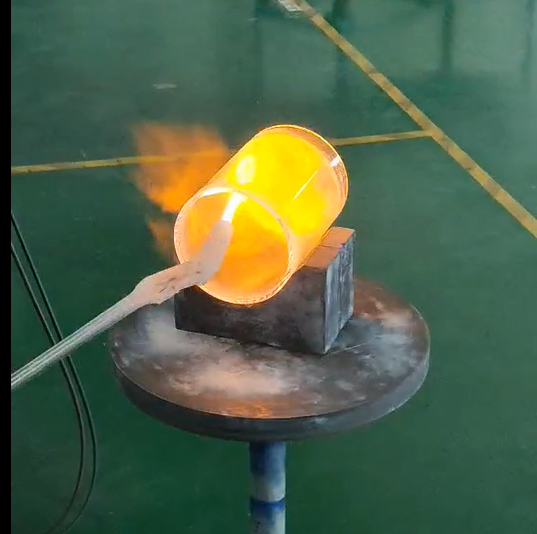
Yes. Our master glassblowers use precision glass-working horizontal lathes and synchronized dual hydrogen-oxygen torches to achieve deep molecular fusion between the flange and quartz tube body. Following welding, every assembly undergoes computerized anneal-furnace soaking at 1150 °C to 1200 °C with controlled ramp-down cooling, verified via polariscope stress birefringence inspection to eliminate risk of stress fractures.
We manufacture standard vacuum profiles including KF16, KF25, KF40, KF50, ISO-K/ISO-F (63 to 250), CF (ConFlat 1.33 to 10-inch), and fully custom furnace endplates. Outer diameters, inner bore clearances, bolt hole PCD pitch, and O-ring seal groove depths are held to ±0.05 mm or tighter via ultrasonic 5-axis CNC machining centers.
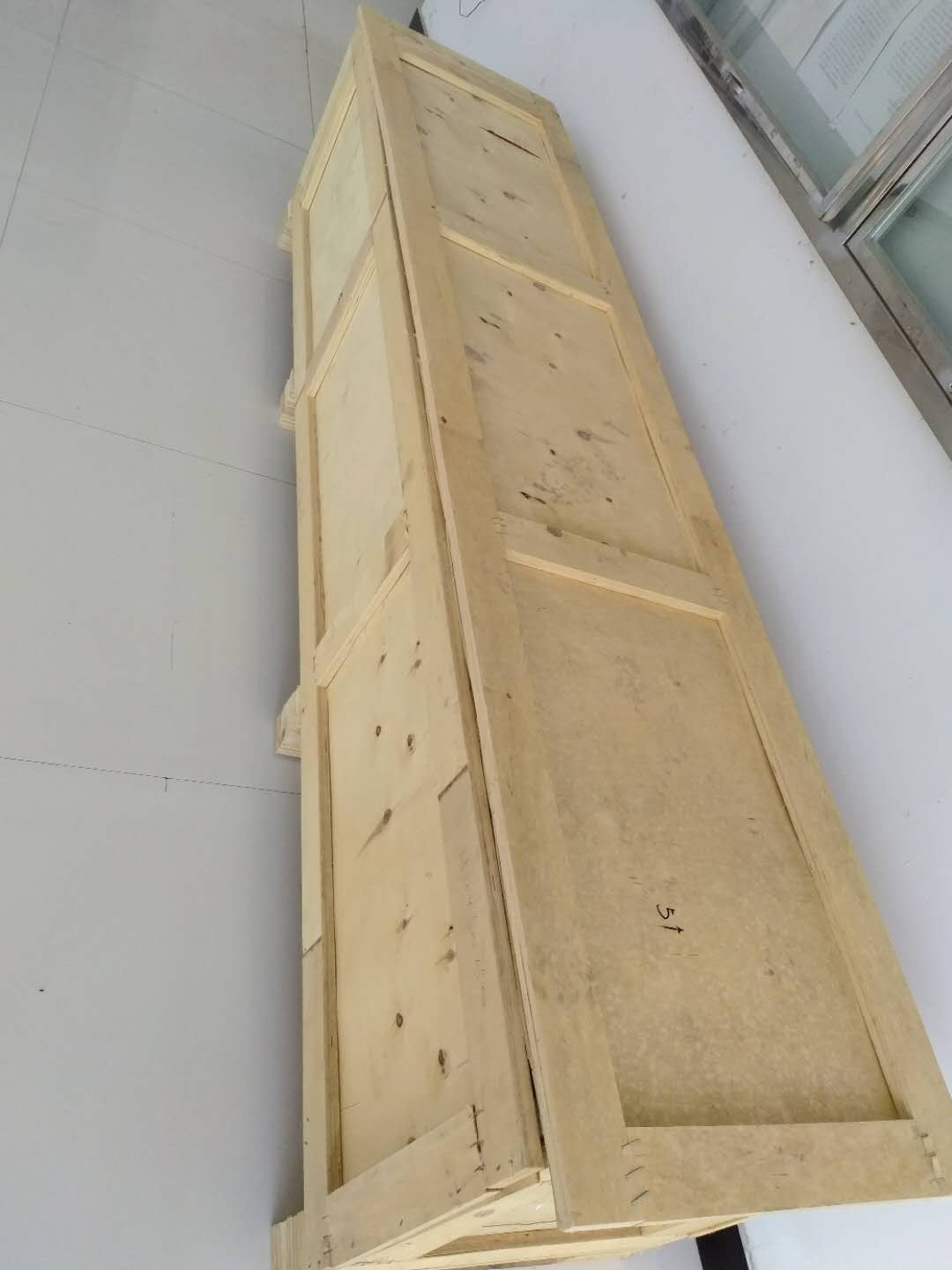
All quartz flanges are chemically ultrasonically decontaminated, vacuum double-sealed in cleanroom polyethylene bags, nested inside form-fitting high-density closed-cell EPE foam cavities, and secured in heavy-duty export cartons or custom fumigation-free ISPM-15 plywood crates. We maintain a verified shipping damage rate below 0.1% worldwide.
We maintain flexible MOQs starting from 1 to 5 pieces for bespoke pilot prototypes and custom R&D furnace tubes. Typical technical quotation reviews are completed within 5 hours, rapid prototype manufacturing requires 7 to 10 working days, and full batch orders generally ship within 15 to 25 days depending on tooling complexity.
Submit your CAD files, vacuum boundary conditions, or customized dimensions. Donghai County Nivra Quartz Products Co., Ltd. provides rapid DFM engineering feedback and cost-effective factory quotations.