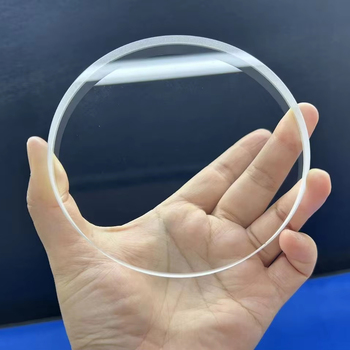
High-Pressure Sight Glass Windows
With flexural modulus up to 400 MPa, our tempered sapphire discs withstand hydrostatic pressures surpassing 3,000 bar in deep-sea cameras and autoclave chambers.
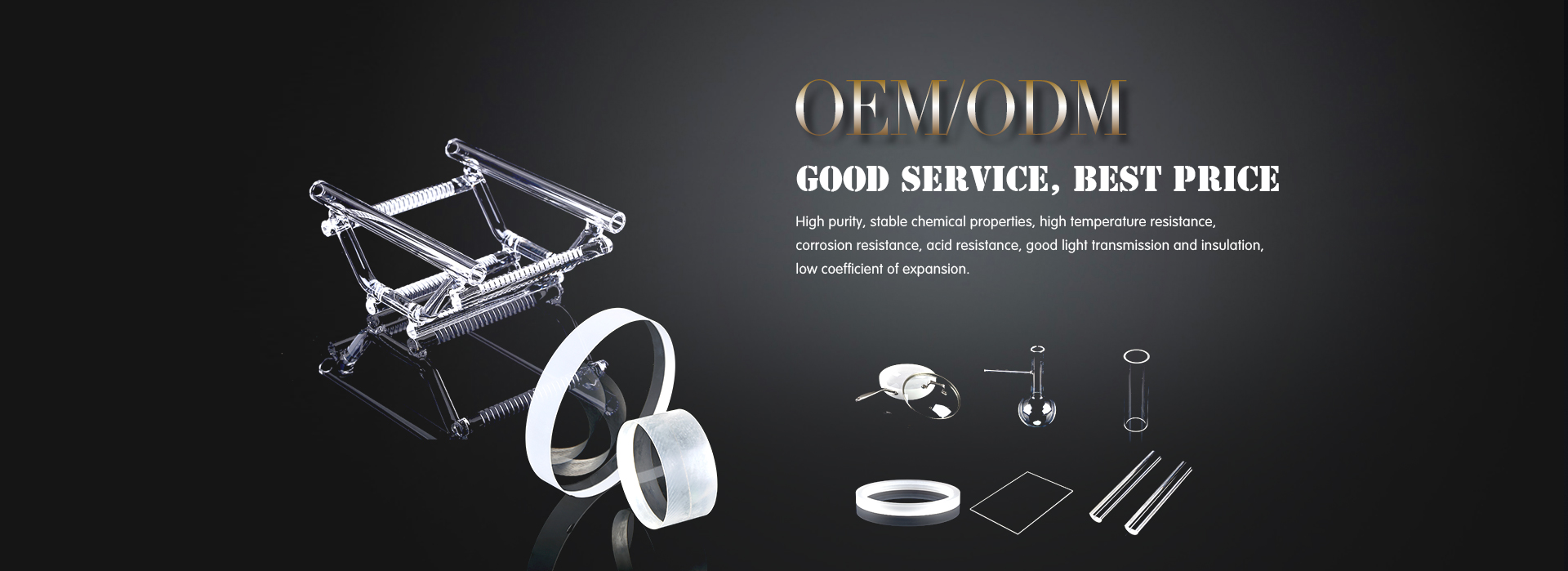
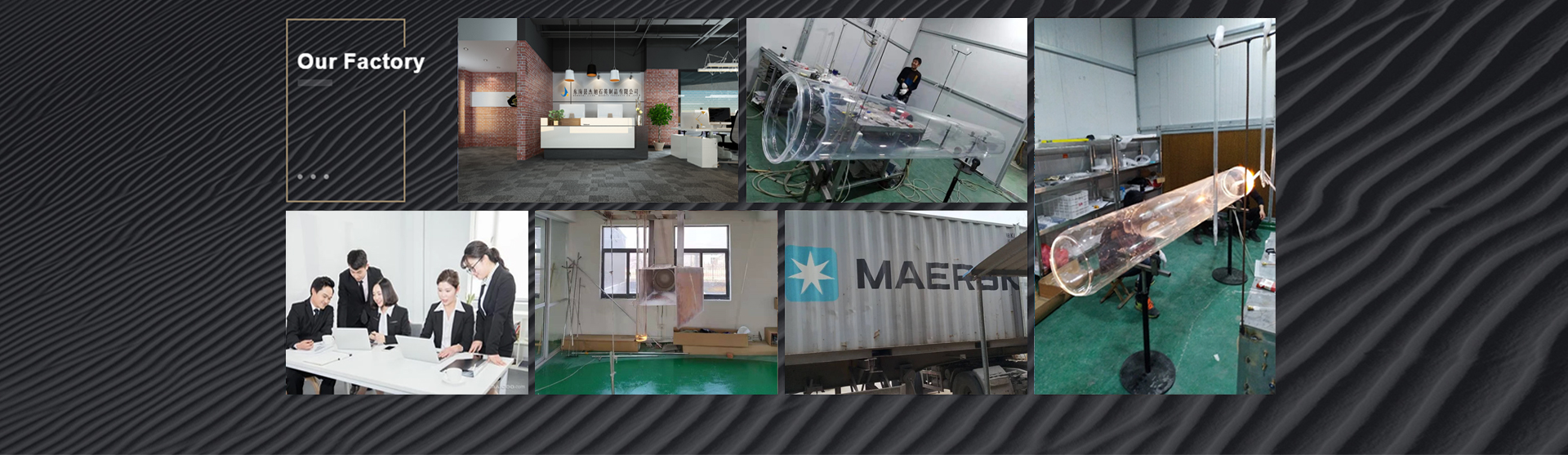
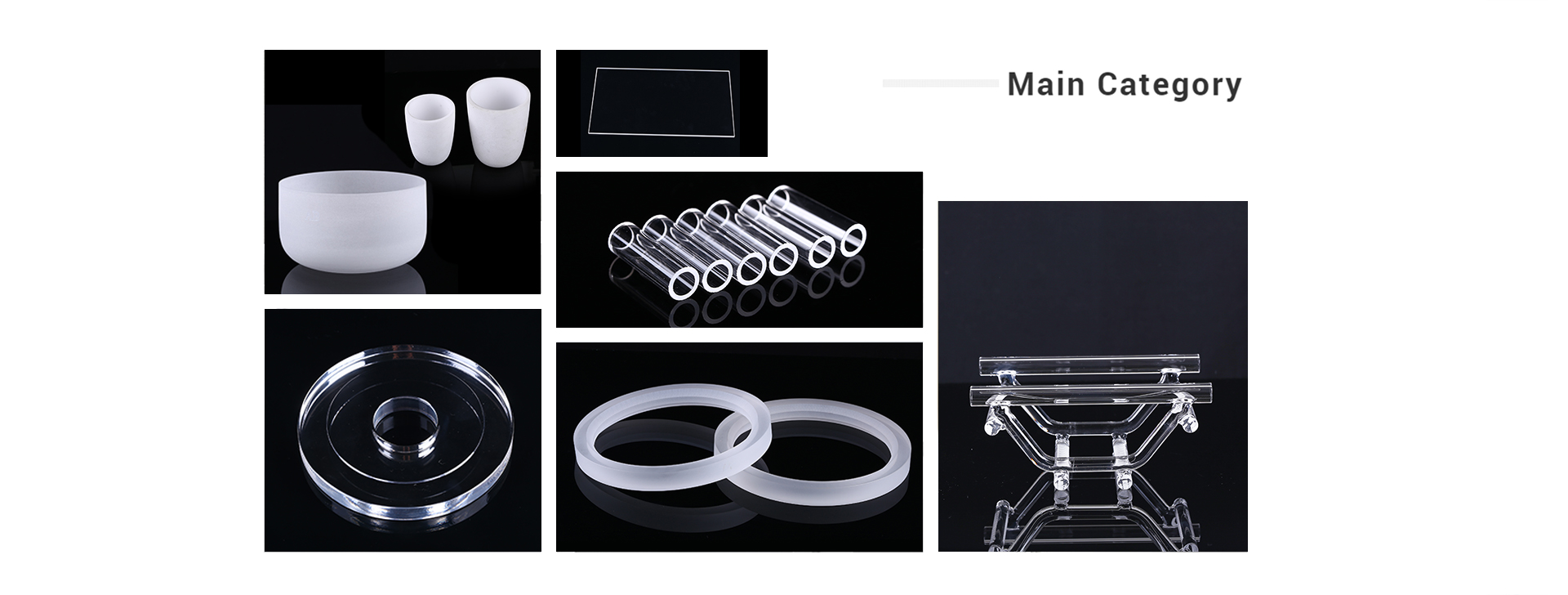
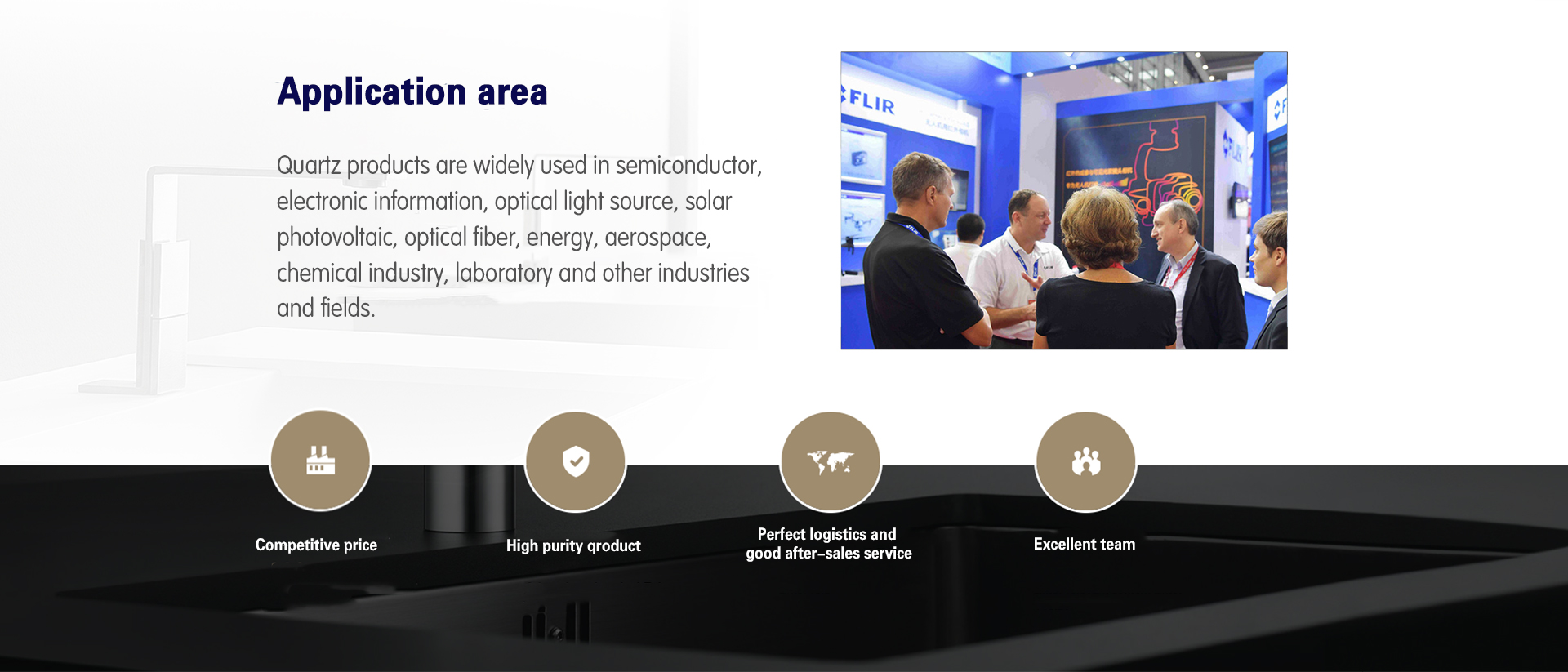
When harsh operating environments render conventional borosilicate, soda-lime, or even fused quartz unsuitable, Donghai County Nivra Quartz Products Co., Ltd. provides precision-engineered Sapphire Plate Glass Windows engineered from synthetic monocrystalline aluminum oxide (α-Al₂O₃). Situated in Donghai County—China’s renowned capital of crystalline materials—we unite high-purity crystal growth with high-precision double-sided CMP lapping, optical CNC profiling, and laser-assisted edge beveling.
From deep ultraviolet photolithography (190 nm) through mid-wave infrared imaging (5000 nm), single-crystal sapphire offers an unmatched combination of Mohs 9 mineral hardness, 2,040°C thermal endurance, 400 MPa flexural strength, and exceptional chemical inertness against virulent plasma and hot hydrofluoric acid. As a verified manufacturer-trader employing 101–200 skilled specialists, we turn intricate customer blueprints into certified production components.
Selecting the optimal sapphire window demands balancing crystallographic orientation, geometric aspect ratio, surface wavefront flatness, and anti-reflective thin-film chemistry. Review our premier production series designed for extreme thermal, mechanical, and optical environments.
Sawn perpendicular to the optical c-axis, our C-plane sapphire plate glass windows prevent polarization splitting and double imaging in high-resolution laser cavities, FLIR payloads, and Raman spectroscopy probes.
Contact Us
With flexural modulus up to 400 MPa, our tempered sapphire discs withstand hydrostatic pressures surpassing 3,000 bar in deep-sea cameras and autoclave chambers.
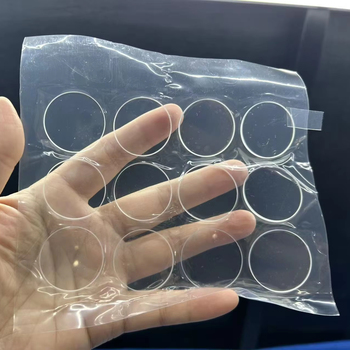
Transmitting linearly from 190 nm to 5,000 nm, sapphire protects multispectral defense sensors without sacrificing photon throughput or thermal resolution.
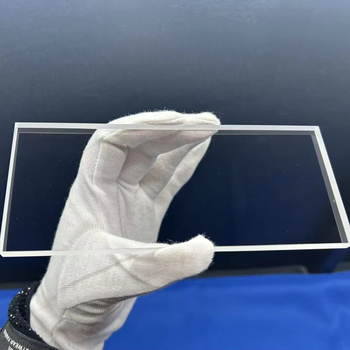
Fluorine and chlorine plasma inert viewports fabricated for high-density etch, PECVD reactors, and corrosive wafer pyrometry viewports.
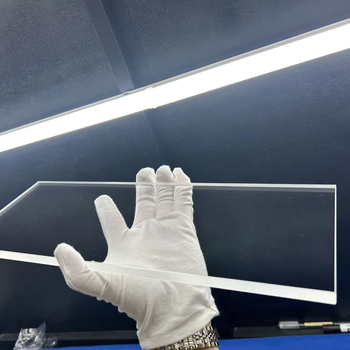
Mohs 9 crystal hardness shields luxury timepieces, industrial barcode scan windows, and medical laser apertures from micro-abrasions and sand blast erosion.
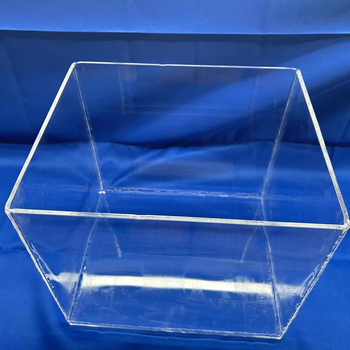
CNC micro-milled step joints, polished chamfers, and metalized sealing edges ready for hermetic brazing to titanium and Kovar sleeves.
Sub-millimeter sapphire discs with biocompatible polished perimeters capable of withstanding repetitive gamma, autoclave, and ethylene oxide sterilization cycles.
In aerospace, subsea engineering, and laser optics, selecting an incorrect transparent substrate risks catastrophic pressure window rupture or rapid transmission degradation. Compare single-crystal sapphire directly against JGS1 synthetic fused silica and borosilicate glass.
| Physical Property | Engineering Value |
|---|---|
| Chemical Formula / Structure | α-Al₂O₃ Single Crystal (Corundum Hexagonal Rhombohedral) |
| Density | 3.98 g/cm³ |
| Mohs Hardness / Knoop Hardness | Mohs 9 / Knoop 1800–2200 kg/mm² (Extremely scratch-proof) |
| Melting Point | 2,040 °C (Continuous stability up to 1,600 °C) |
| Thermal Conductivity (25°C) | 35 W/(m·K) parallel to C-axis / 32 W/(m·K) perpendicular |
| Coefficient of Thermal Expansion | 5.3 × 10⁻⁶ /°C (Parallel) to 6.7 × 10⁻⁶ /°C (Perpendicular) |
| Compressive Strength | 2,000 MPa (10x higher than typical annealed soda-lime) |
| Flexural / Rupture Modulus | 400–600 MPa (Allows substantially thinner sight plates) |
| Dielectric Constant (1 MHz) | 11.5 (Parallel to c-axis), 9.3 (Perpendicular) |
| Evaluation Criterion | Sapphire Window | JGS1 Fused Silica | Borosilicate Glass |
|---|---|---|---|
| Transmission Range | 190 nm – 5,000 nm | 185 nm – 2,500 nm | 350 nm – 2,500 nm |
| Abrasive Resistance | Ultimate (Mohs 9) | Moderate (Mohs 5.5) | Low (Mohs 5.5) |
| Burst Pressure Tolerance | Extreme (High Modulus) | Moderate | Standard |
| Thermal Shock Factor | Moderate-High | Extreme (Zero CTE) | Moderate |
| Corrosion in Fluorine / HF | Virtually Inert | Rapidly Etched | Rapidly Etched |
| Optical Birefringence | Zero in C-axis (0001) | Isotropic (Zero) | Isotropic (Zero) |
| Typical Sourcing Application | Extreme Pressure / Abrasive / IR | UV Optics / High Thermal Shock | Standard Low-Stress Sight Glass |
Data represents verified room-temperature material tests measured on Kyropoulos-grown, defect-free synthetic sapphire blanks. Customized AR coatings (Broadband 400–700 nm, NIR 1064 nm, or MWIR 3–5 μm) are applied on request.
Global procurement teams face escalating demands for faster production cycles, tighter wave-front tolerances, and integrated supply chains. Discover how international OEMs are shifting their procurement strategies for sapphire plate glass windows.
Due to sapphire’s extreme tensile strength (400–600 MPa), aerospace and defense engineers increasingly substitute thick borosilicate sight windows with ultra-thin sapphire plates. By shaving up to 60% of window thickness, payload mass drops significantly while safety factors against explosive depressurization improve.
Traditional sapphire plate glass was historically constrained to diameters under 100 mm. Driven by advancements in Kyropoulos (KY) and Heat Exchanger Method (HEM) crystal boule furnaces, procurement departments now contract large rectangular sapphire panels up to 450 mm × 350 mm for next-gen airborne hyperspectral observation pods.
Procurement leaders are migrating from multi-tiered broker networks toward integrated raw material and precision finishing manufacturers located in regional clusters like Donghai. Consolidating synthetic crystal cutting, optical polishing, metrology, and custom packing within a single facility shortens delivery cycles by up to 40%.
As semiconductor lithography nodes drop below 3 nm and directed-energy laser systems surpass multi-kilowatt power thresholds, traditional diamond-blade sawing and mechanical slurry polishing are no longer sufficient.
Our ultra-precision CMP lines remove subsurface micro-fractures, producing surface roughness Ra < 0.2 nm (2 Ångströms). This eliminates high-fluence laser-induced damage (LIDT) thresholds on critical laser exit windows.
Ultra-short pulse lasers generate interior modified tracks inside the sapphire lattice, allowing zero-taper edge separation with chipless boundaries (< 10 μm chip width), elevating window breaking resistance under cyclic pressure.
Combining internal multi-layer broadband anti-reflection coatings with external hydrophobic, saltwater-resistant DLC thin films prevents salt encrustation in marine maritime applications.
To eliminate elastomer O-ring degradation in ultra-high vacuum (UHV) systems, we metallize sapphire window edges (Titanium-Nickel-Gold) for direct vacuum furnace brazing to stainless steel 316L and Kovar flanges.

Founded in February 2019 at 285 Heping East Road, Lianyungang, Jiangsu, Donghai County Nivra Quartz Products Co., Ltd. has grown into an internationally verified technical glass and crystal manufacturing entity, trusted across 35 countries.
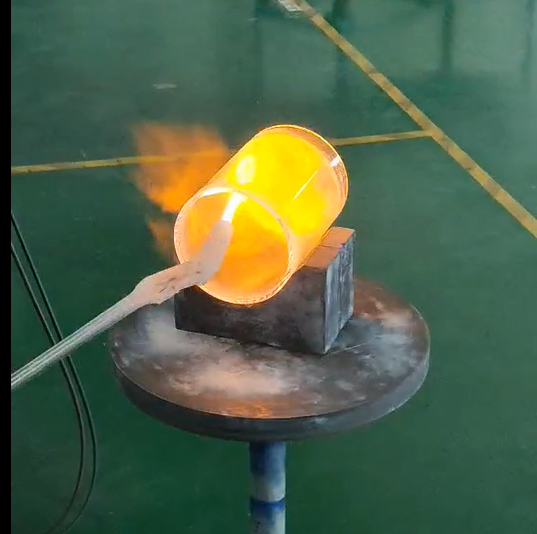
 Play factory video
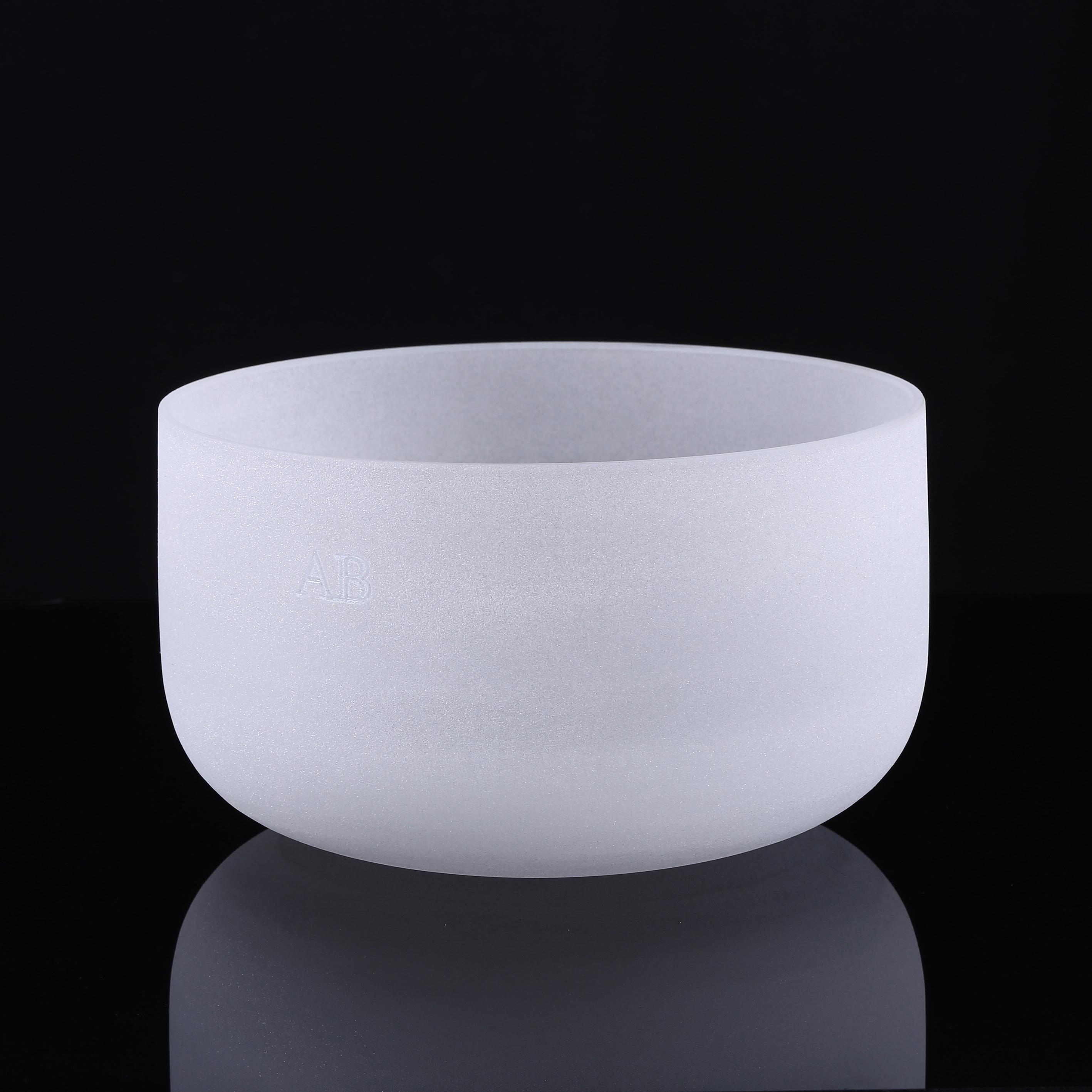
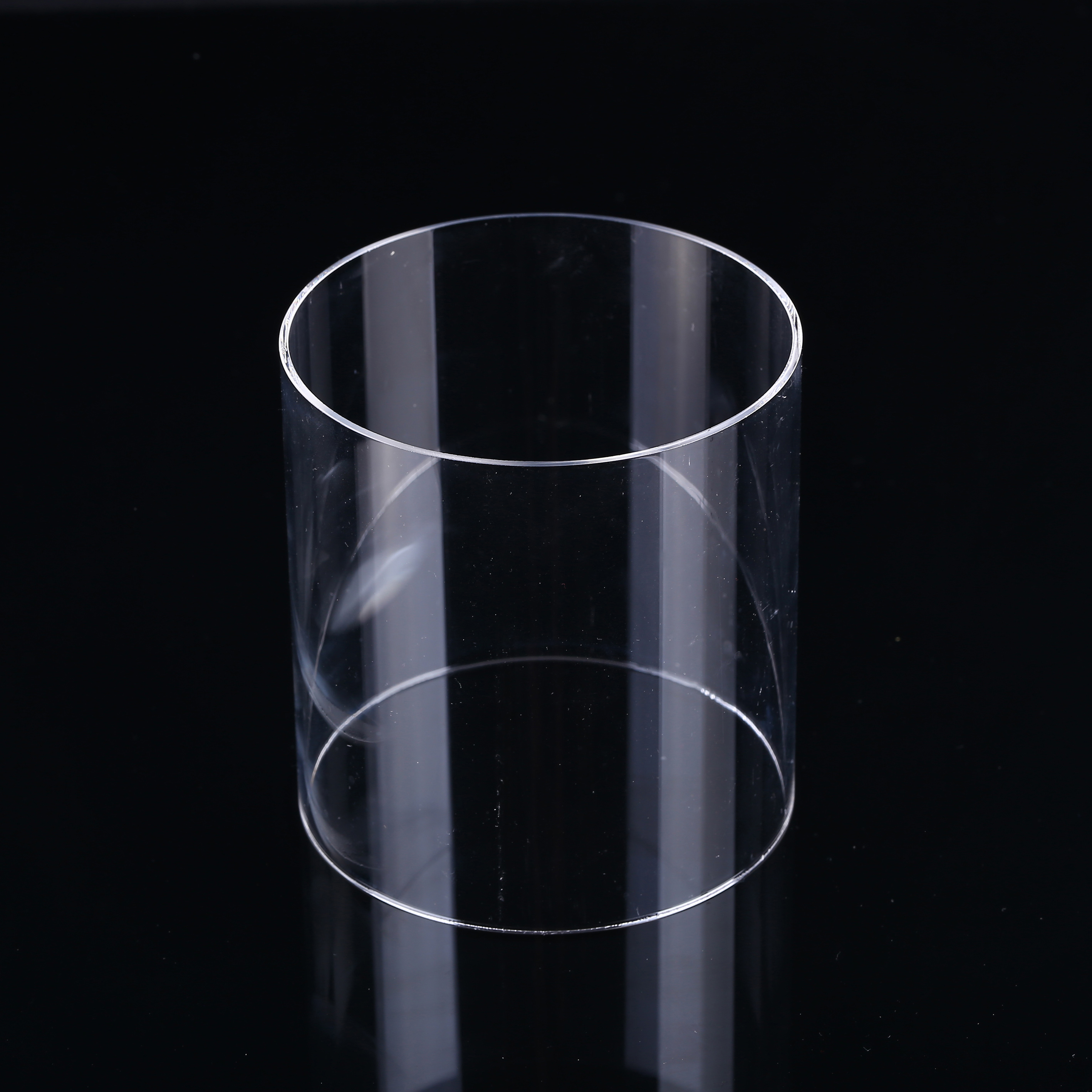
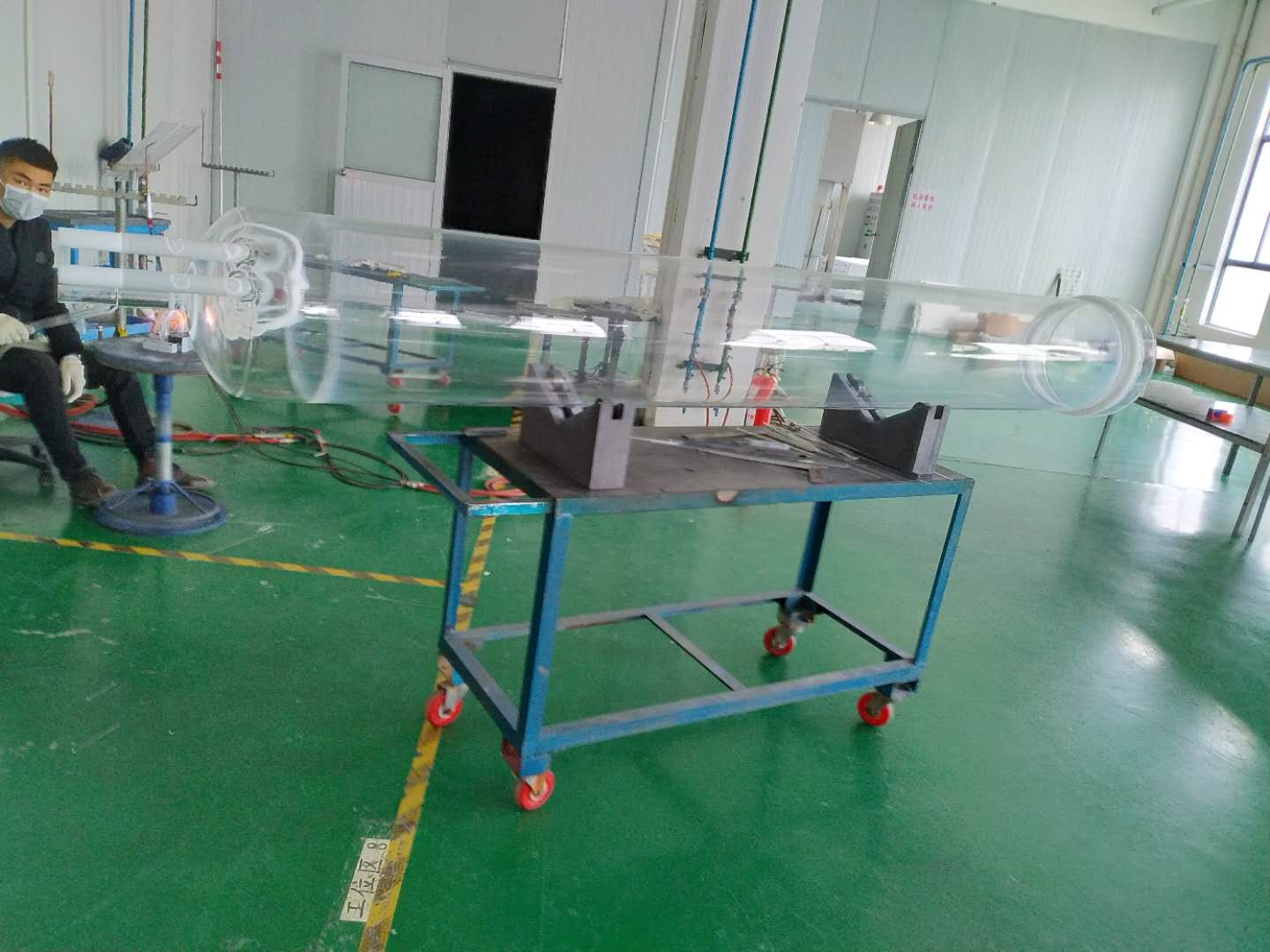
Situated in China's silicon and crystal center, our direct raw ingot sourcing ensures superior grade optical crystal blocks at factory-direct pricing without intermediary surcharges.
With an 88.89% verified inquiry response rate, our senior optical engineers review drawings (DWG, STEP, PDF) and provide detailed manufacturability analysis within hours.
Every batch of sapphire plate glass windows undergoes Zygo interferometer wavefront verification, UV-Vis-NIR spectrophotometer transmission scanning, and scratch-dig inspection.
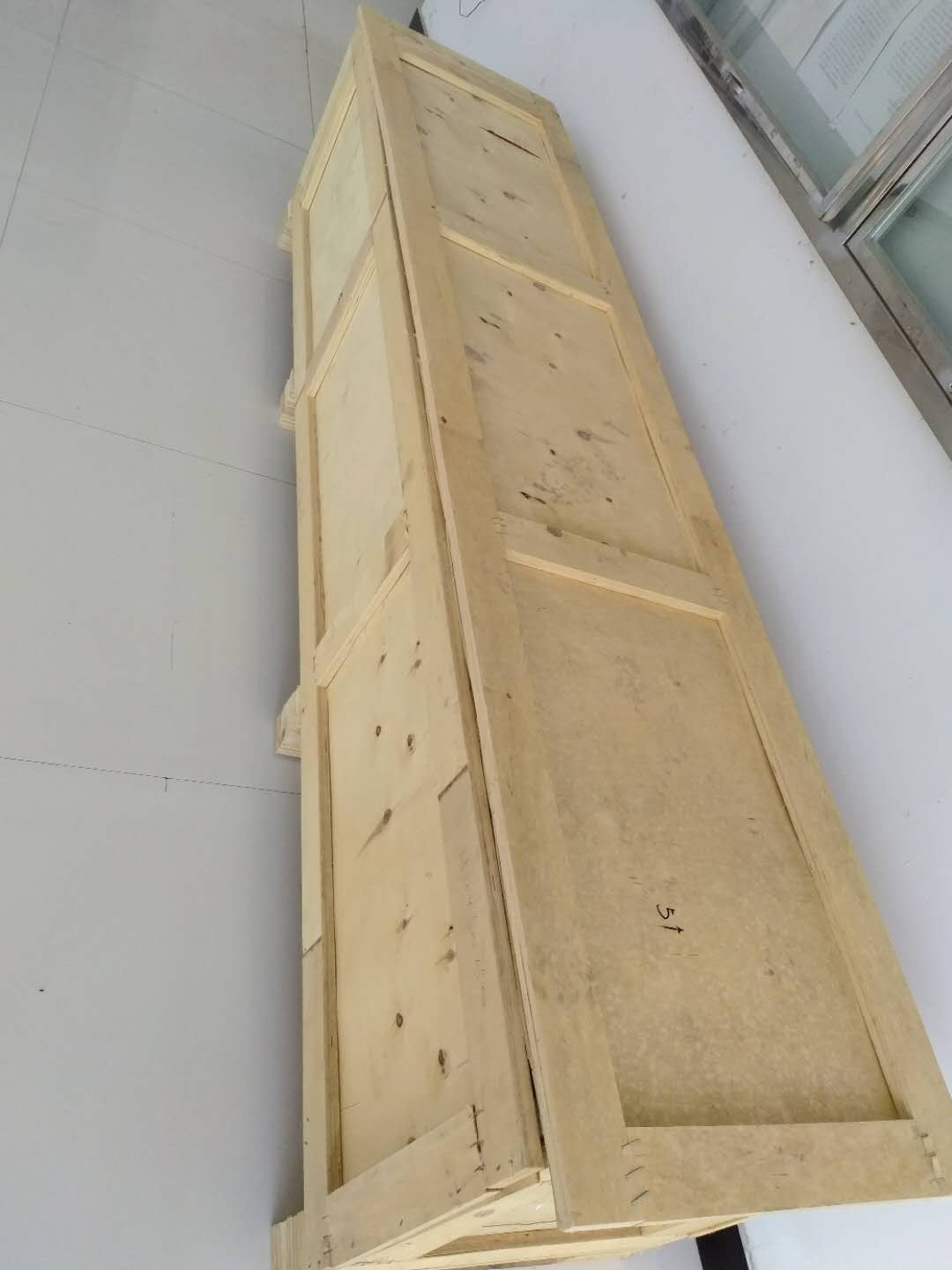
40% of shipments go to North America and 34% to Western/Eastern Europe. We employ multi-layer EVA foam molds, vacuum anti-static bags, and solid fumigated wooden crates.
On-site inspected by international auditing agencies, confirming legal licensing, capital status, and high-precision production machinery.
Comprehensive engineering insights compiled from AI prompt queries and procurement briefs submitted by global defense, semiconductor, and instrumentation buyers.
While fused quartz (amorphous SiO₂) offers outstanding thermal shock resistance due to its near-zero thermal expansion (5.5 × 10⁻⁷ /°C), synthetic sapphire (single-crystal α-Al₂O₃) significantly surpasses quartz in mechanical hardness (Mohs 9 vs. Mohs 5.5–6.5) and compressive rupture strength (approaching 2,000 MPa).
Optically, sapphire transmits over an exceptionally broad spectral range from 190 nm in the deep ultraviolet out to 5.0 μm in the mid-wave infrared (MWIR), whereas fused quartz typically experiences vibrational absorption bands past 2.5 μm. Therefore, sapphire is mandated when operating under aggressive sand abrasion, severe hydrostatic pressures, or broad MWIR imaging tasks.
For almost all optical window applications, C-plane (0001) is specified. Because sapphire belongs to the trigonal crystal system, light traversing along the optical c-axis encounters no optical birefringence, eliminating polarizing double-refraction effects.
In contrast, A-plane (11-20) or R-plane (1-102) sapphire windows are often preferred in mechanical pressure plates or epitaxial carrier substrates where anisotropic shear modulus, dielectric constant matching, or specific lattice orientations to gallium nitride (GaN) are necessary.
Sapphire plate glass windows can operate continuously up to 1,600°C and handle intermittent excursions to 2,000°C in inert or vacuum atmospheres. However, unlike fused quartz which can be quenched from 1,000°C directly into water without cracking, sapphire has a higher thermal expansion coefficient (5.3–6.7 × 10⁻⁶ /°C).
Consequently, thermal gradients across sapphire windows must be carefully controlled; heating or cooling rates should generally remain below 5°C to 10°C per minute to prevent thermal shock fractures.
Yes. Synthetic corundum is virtually inert to hydrofluoric acid (HF) at ambient room temperature and remains resistant to hot inorganic acids (sulfuric, nitric, hydrochloric) up to 300°C. In semiconductor plasma chambers using CF₄, SF₆, or NF₃ gases, sapphire erosion rates are less than one-tenth that of fused quartz, drastically reducing particle contamination and process drift.
Window thickness is calculated using Timoshenko’s plate formula: t = (D / 2) × √((k × P × SF) / σ), where D represents the unsupported diameter, P is the maximum design pressure, SF is the required safety factor (typically 4:1 to 6:1 for man-rated or critical pressure vessels), k is the edge mounting clamp coefficient (0.75 for clamped edges, 1.125 for simply supported edges), and σ is the sapphire flexural modulus (typically 400 MPa).
Due to sapphire's high strength, windows can typically be engineered 50% to 70% thinner than equivalent quartz or borosilicate designs.
Donghai County Nivra Quartz Products Co., Ltd. routinely fabricates laser-grade sapphire windows adhering to MIL-PRF-13830B standards:
• Surface Quality: 60/40 (commercial optics) to 10/5 (high-fluence laser systems).
• Surface Roughness: Ra < 0.2 nm via double-sided CMP polishing.
• Flatness: λ/4 to λ/10 per inch measured at 632.8 nm.
• Parallelism: < 30 arcseconds down to 10 arcseconds for laser cavity optics.
Uncoated sapphire reflects approximately 7.5% per surface (14–15% total reflection loss) due to its refractive index of ~1.77. We offer dielectric PVD/IAD anti-reflection coatings including BBAR (Broadband AR, 400–700 nm, 8–12 μm, or 3–5 μm) achieving average transmission > 98.5%, single-wavelength V-coatings (such as 1064 nm for Nd:YAG lasers with > 99.5% transmission), and harsh-environment Diamond-Like Carbon (DLC) exterior coatings.
Our prototype minimum order quantity starts at only 5 to 10 pieces for custom CNC dimensional shapes, with standard catalogue sizes available from 1 piece. Rapid custom prototypes ship in 7 to 14 business days, while volume production runs typically require 3 to 4 weeks.
Payment terms include T/T, L/C at sight, and secure escrow accounts. Inquiries received at [email protected] receive technical engineering review and formal quotation within 5 business hours.
Parts undergo ultrasonic precision cleaning in a Class 1,000 cleanroom, are wrapped in lint-free lens tissue, sealed inside anti-static membrane vacuum boxes, nested within high-density die-cut shockproof EVA foam, and crated in heavy-duty export-approved fumigation-free wooden cases. We ensure complete zero-damage door-to-door transit to North America, Western Europe, and worldwide.
Submit your 2D/3D mechanical drawings (PDF, DWG, STEP) or target specifications. Our team at Donghai County Nivra Quartz Products Co., Ltd. provides comprehensive tolerance reviews, optical coating recommendations, and competitive factory-direct pricing within 5 hours.