Thermal Grade
Engineered to withstand extreme thermal gradients, corrosive chemistries, and demanding transmission requirements. Manufactured under ISO 9001 certified optical processing protocols.
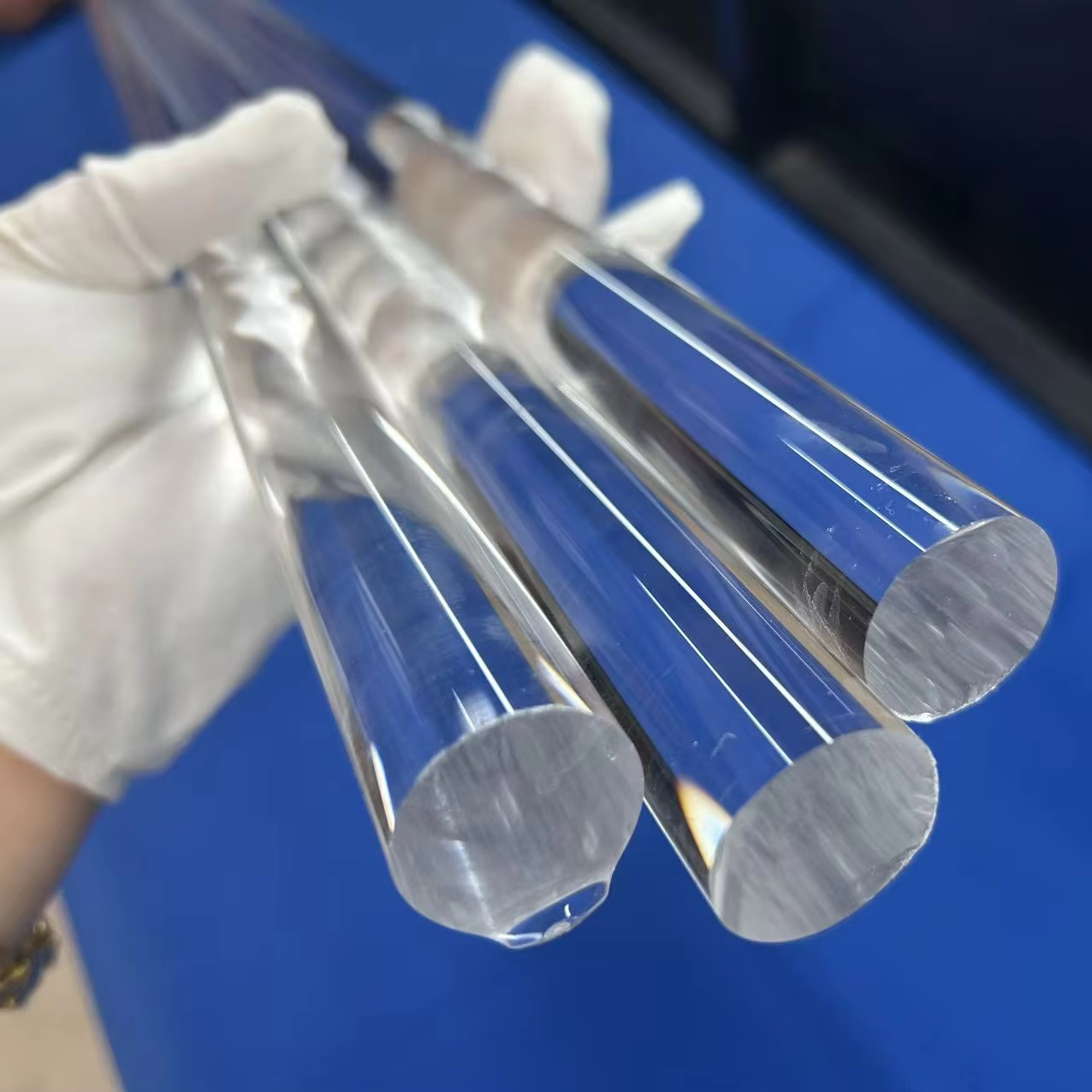
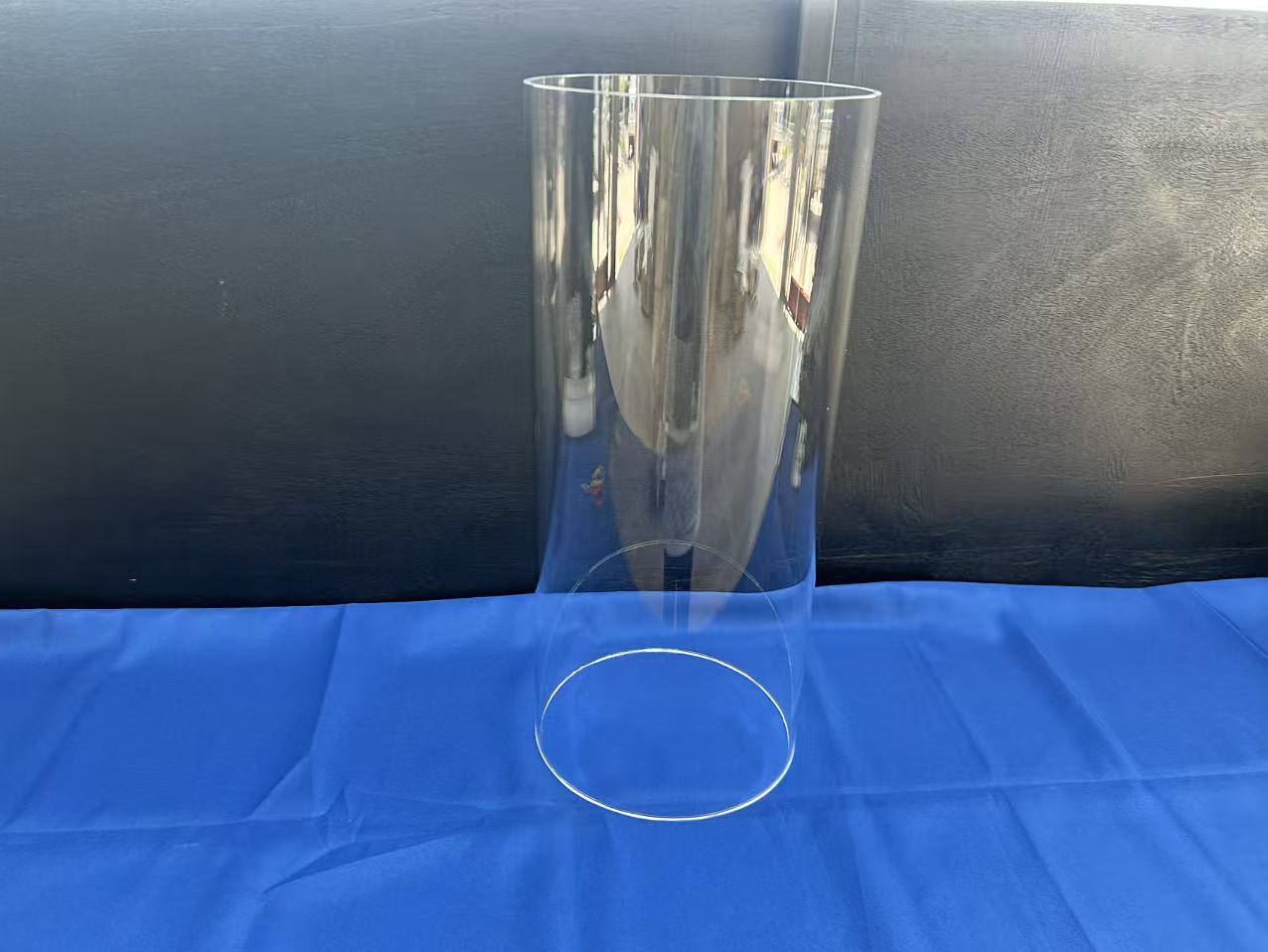
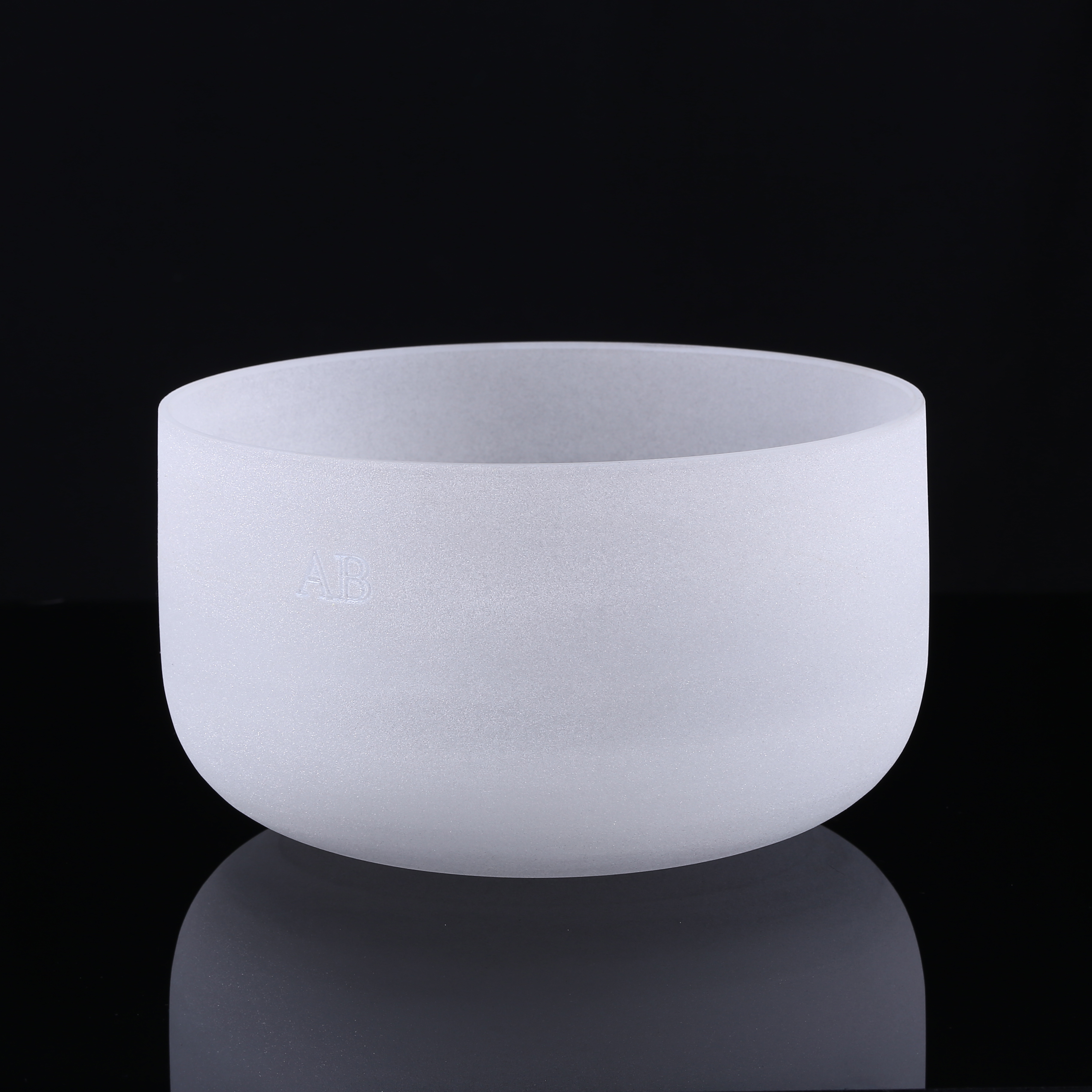
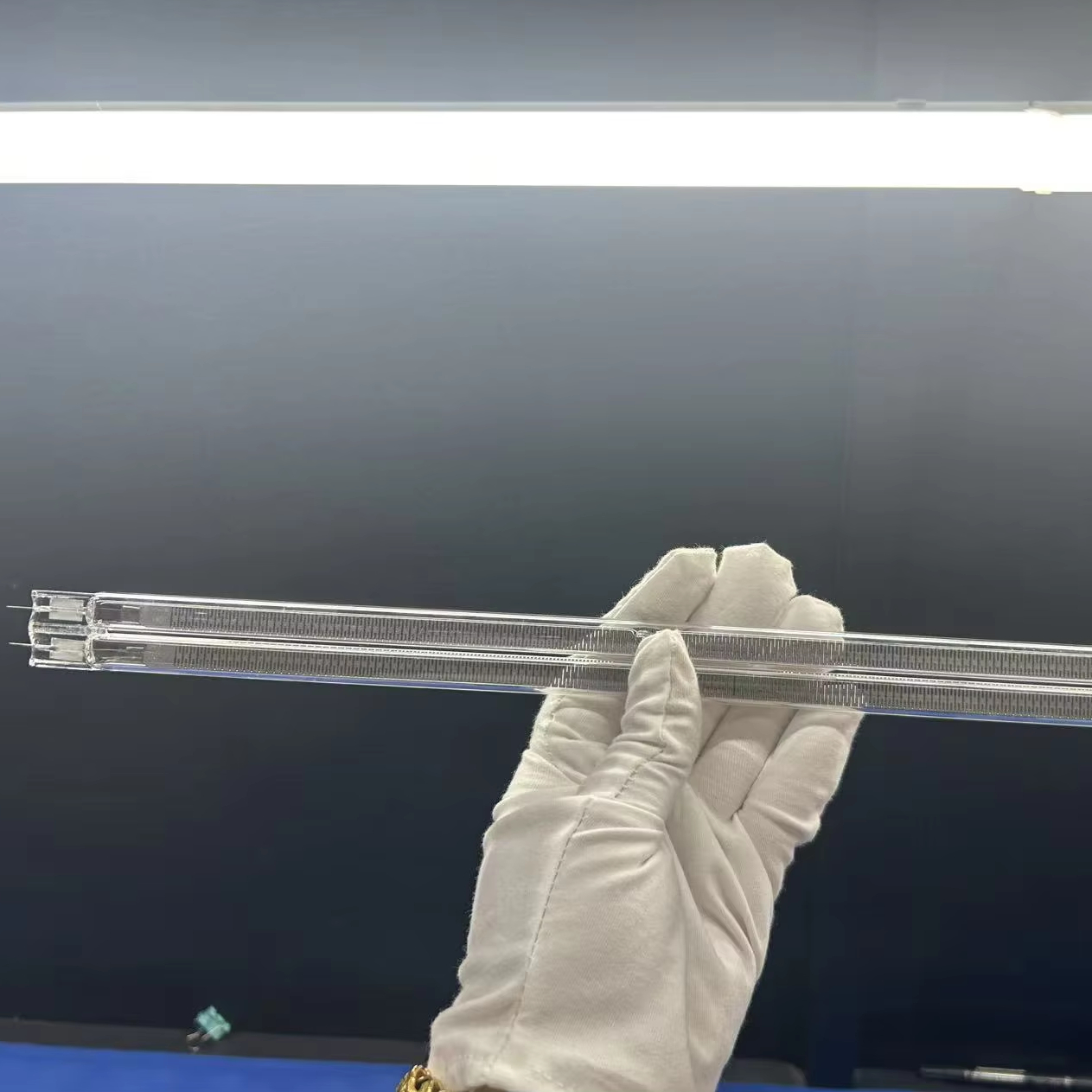
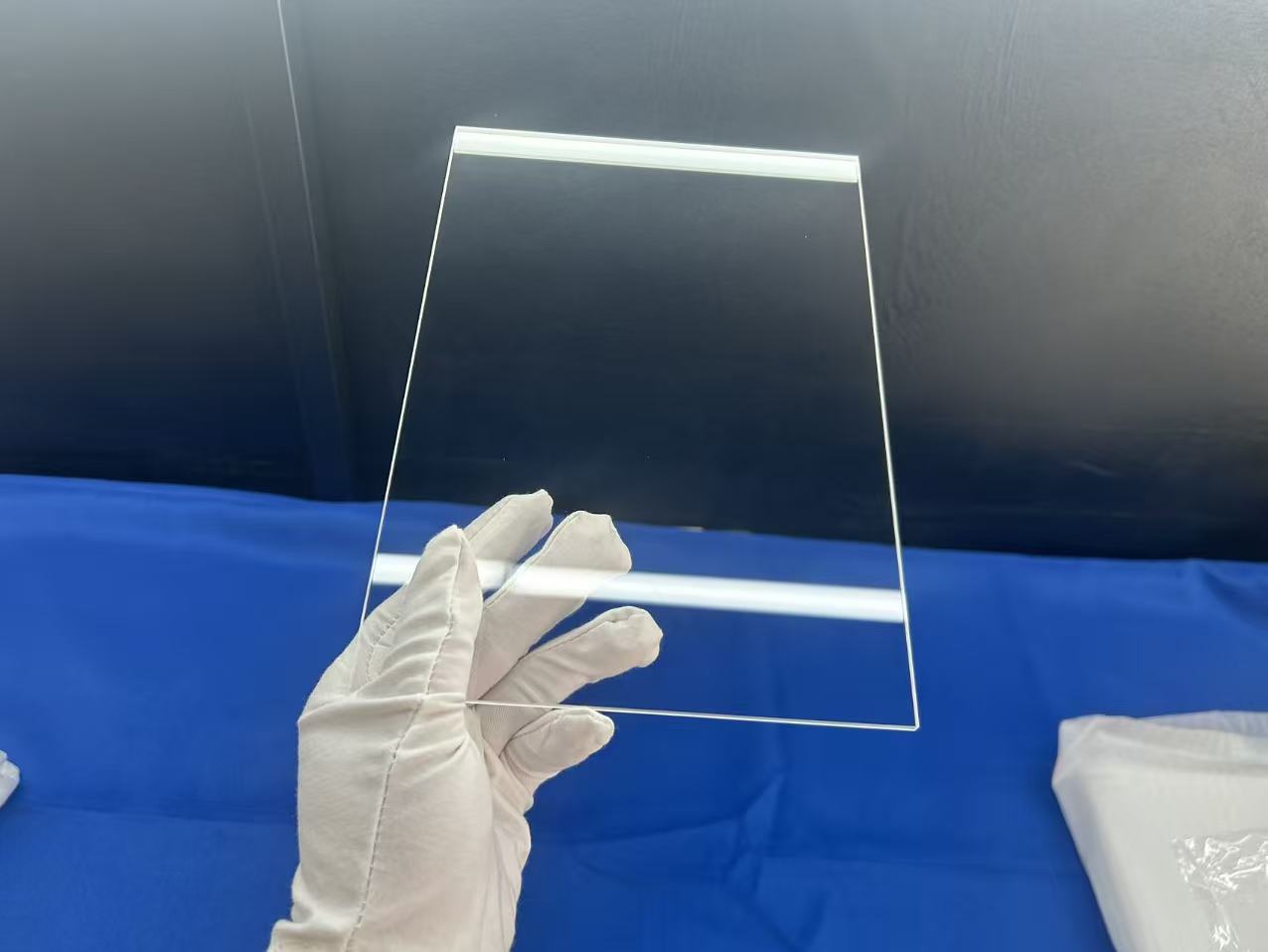
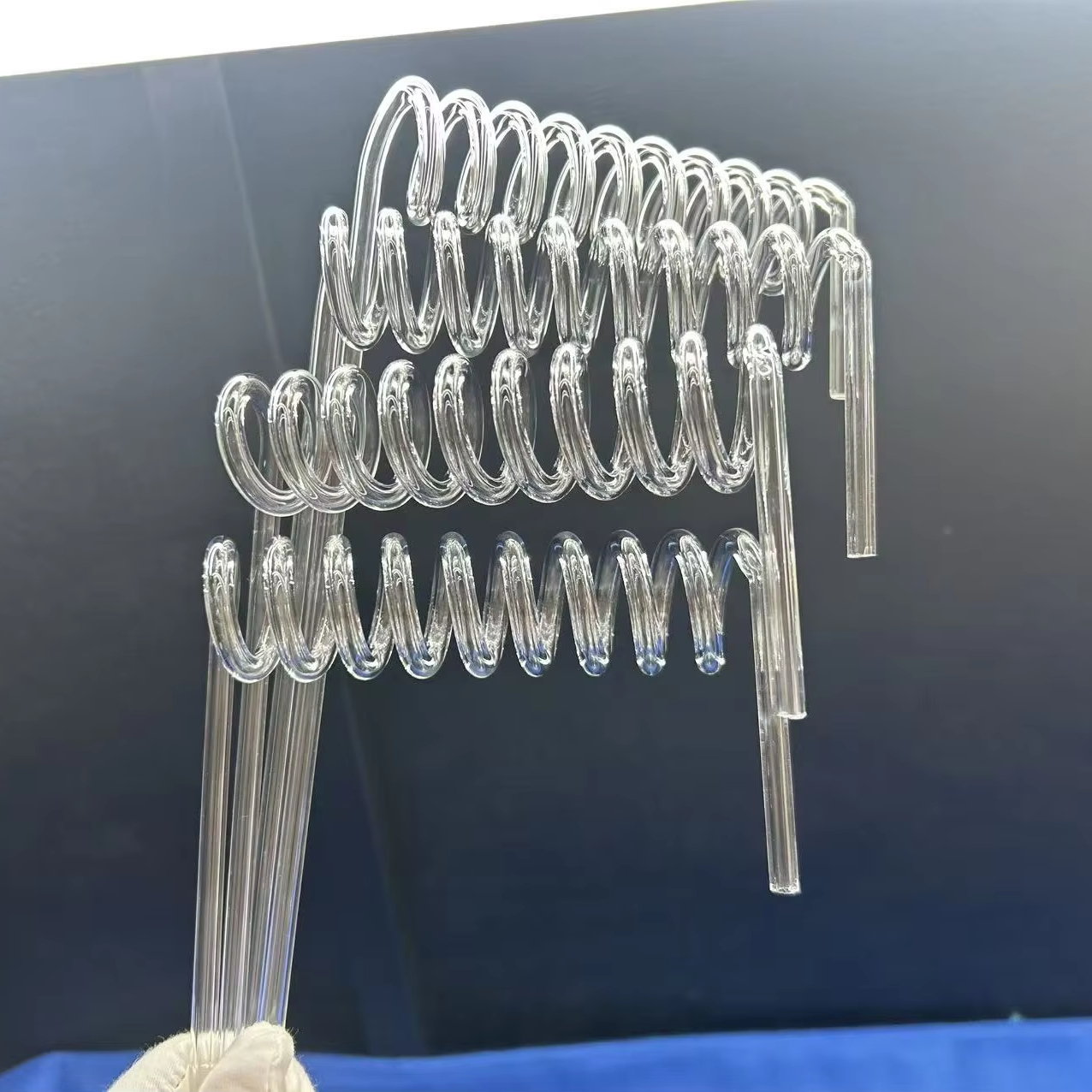
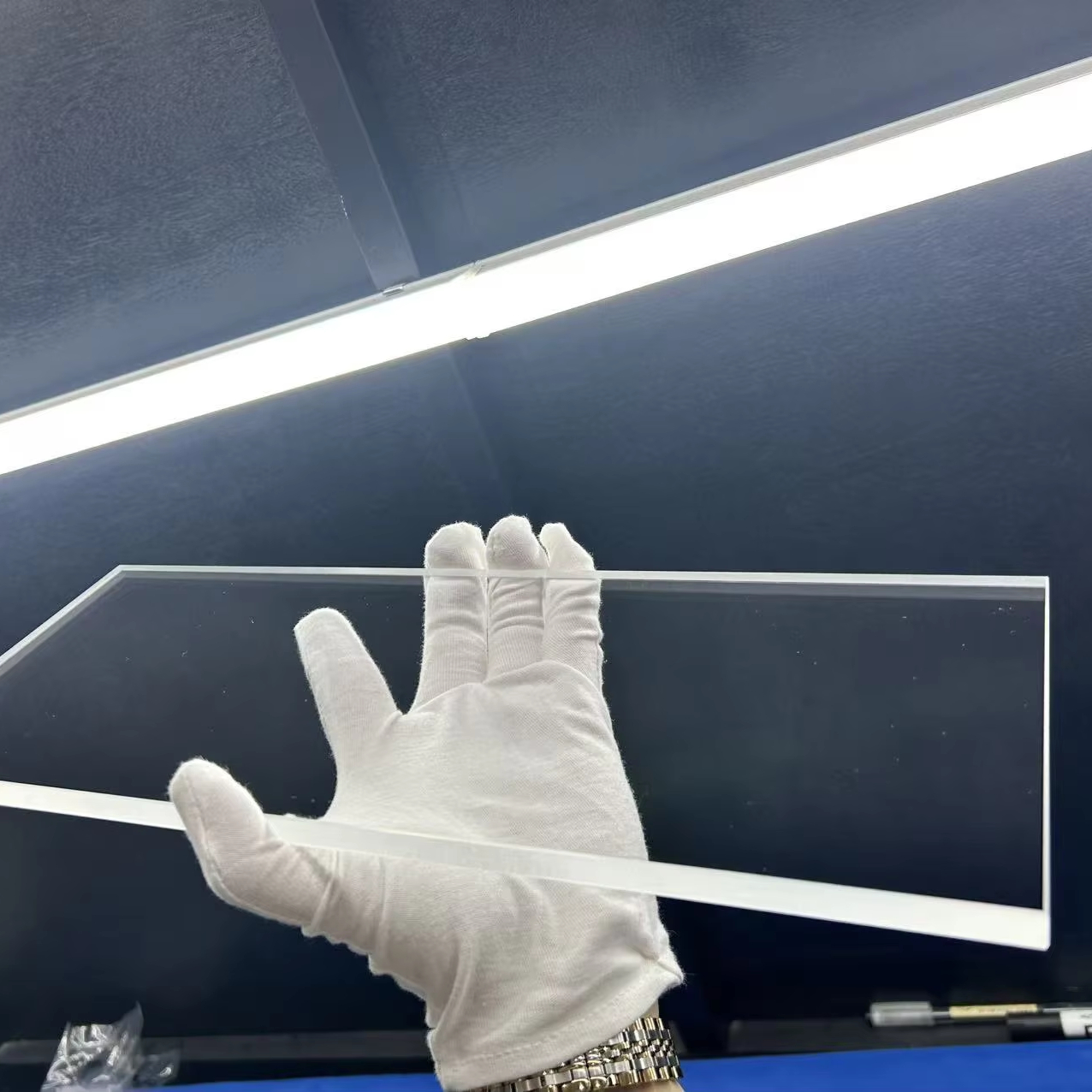
A transparent quartz spiral tube (also widely classified across chemical and mechanical engineering literature as a helical quartz coil, fused silica coiled condenser, or spiral glass heat exchanger) represents one of the most sophisticated geometrical configurations in advanced vitreous silica fabrication. Manufactured by precision thermal plastic deformation of high-purity amorphous silicon dioxide (SiO₂ ≥ 99.99%), these components resolve the classical engineering contradiction of maximizing volumetric surface exposure within an intensely restricted spatial envelope.
In linear tubing systems, fluidic dynamics remain inherently constrained by parabolic laminar velocity profiles, creating an insulating boundary layer that inhibits both heat conduction and photonic penetration. Conversely, when fused quartz is heated past its softening transition (approx. 1683°C) on secondary CNC dual-spindle glass lathes and drawn around specialized graphite mandrels, the resulting helical geometry creates persistent secondary fluid motion known as Dean vortices. These counter-rotating circulatory flows actively disrupt the thermal and hydrodynamic boundary layers, achieving heat exchange transfer coefficients between 28% and 42% higher than straight-line conduits while maintaining full optical transparency down to 185 nm (JGS1 synthetic grade) and up to 2500–3500 nm (JGS2/JGS3 grades).
For demanding off-grid, marine, and sub-tropical industrial settings such as Haiti, the chemical and mechanical integrity of vitreous silica provides unmatched structural resilience. Featuring an extremely low coefficient of thermal expansion (CTE of 5.5 × 10⁻⁷ /°C from 20°C to 320°C), fused quartz coils withstand thermal shock quenching tests exceeding ΔT = 1000°C without micro-fracturing or catastrophic spalling. Furthermore, unlike conventional borosilicate 3.3 or polymeric fluoropolymers (PTFE/PFA), pure quartz offers zero plasticizer leaching, complete chemical inertness across virtually all organic solvents and mineral acids (with the lone exceptions of concentrated hydrofluoric acid and phosphoric acid above 300°C), and negligible solarization under high-flux solar UV and germicidal UV-C irradiation.
| Physical / Chemical Property | JGS1 Synthetic Fused Silica | JGS2 Commercial Fused Quartz | Borosilicate 3.3 (Benchmark) |
|---|---|---|---|
| SiO₂ Purity Level | ≥ 99.999% (Electronic Grade) | ≥ 99.99% (Industrial Standard) | ~ 81% (Contains B₂O₃, Na₂O, Al₂O₃) |
| Continuous Working Temperature | 1150 °C | 1100 °C | 450 °C (Devitrification Risk) |
| Peak Short-Term Temperature | 1450 °C | 1350 °C | 500 °C |
| Coefficient of Thermal Expansion (CTE) | 5.4 × 10⁻⁷ /°C | 5.5 × 10⁻⁷ /°C | 33 × 10⁻⁷ /°C |
| UV-C Transmission @ 254 nm (10mm path) | > 90% | > 82% | < 5% (Total Solarization/Opaque) |
| Hydroxyl (-OH) Content | < 10 ppm (or high-OH synthetic opt) | 15 – 30 ppm | Non-applicable (Multi-component) |
| Corrosion Resistance in Saline/Marine Air | Complete Inertness (No leaching) | Complete Inertness (No leaching) | Gradual Alkaline Surface Haze |
Adapting advanced materials science to meet Haiti's decentralized energy networks, agro-processing facilities, and critical municipal sanitization programs.
Haiti's heritage agro-industrial sector—spanning the renowned rum distilleries in Léogâne and Port-au-Prince, alongside the world-leading vetiver extraction plants around Les Cayes—demands ultra-pure distillation condensers. In steam and hydro-distillation units, organic vapors, volatile terpenes, and acetic acid wash carry heavy corrosive potential that rapidly degrades metallic condenser tubes, causing metallic ion contamination and off-flavor discoloration. Replacing copper or stainless serpentine coils with custom-molded clear quartz spiral tubes guarantees zero heavy metal leaching, preserves delicate aromatic esters, and allows continuous visual observation of condensed vapor fronts.
Across rural departments such as the Artibonite valley, Nord-Ouest, and peri-urban centers recovering from natural disasters, waterborne pathogens (including Vibrio cholerae, Escherichia coli, and cryptosporidium cysts) pose severe public health hazards. Quartz spiral tubing serves as the central optical fluid channel inside high-performance, compact UV disinfection reactors. Because fused quartz retains an extraordinary UV-C transmission rate (>85% at 253.7 nm), water traversing the coiled spiral path receives prolonged, turbulent exposure around low-pressure mercury lamps, delivering complete germicidal irradiation while operating on low-power solar microgrids.
With Haiti receiving over 3,000 hours of solar irradiation annually, high-temperature concentrated solar thermal collectors (parabolic troughs and Fresnel lens systems) are increasingly deployed to supplement grid power deficits. Fused silica spiral coils function as focal heat absorption conduits: they absorb focused infrared flux without thermally expanding or shattering, delivering thermal transfer fluids at temperatures exceeding 400°C directly into off-grid flash desalination evaporators and industrial process boilers.
The procurement pattern for industrial quartzware in the Caribbean basin has historically relied upon complex, fragmented distribution loops through intermediaries in Miami, Florida, or San Juan, Puerto Rico. This traditional supply chain model imposed markups of 150% to 300% while exposing fragile glassware to multiple cargo reloadings across regional Caribbean freight forwarders, dramatically compounding breakage rates.
Between 2024 and 2030, procurement behavior in Port-au-Prince, Cap-Haïtien, and Caracol Industrial Park is shifting toward direct factory engagement with certified manufacturers in Donghai County, China—the global hub of quartz refining and mechanical flame synthesis. Several macroeconomic and infrastructural vectors drive this realignment:
1. Resilience Under Island Grid Instability: Unscheduled rolling blackouts and voltage fluctuations across Haiti frequently cause electrical resistance heating elements to cycle violently. Conventional borosilicate apparatuses fail via thermal shock when cooling fluids stall and restart unpredictably. The extreme temperature envelope of fused quartz (1100°C continuous) provides engineering headroom that eliminates equipment downtime and reduces annual parts-replacement budgets.
2. Extreme Coastal Salt Spray Immunity: Commercial facilities located near coastlines (such as Lafito, Miragoâne, and Saint-Marc) endure relentless exposure to airborne marine sodium chloride, calcium chloride, and sulfurous aerosol particles. While metallic alloys (such as SS304 or brass) pit and oxidize rapidly, and commercial soda-lime glass clouds over, fused quartz remains totally immune to atmospheric saline corrosion, preserving optical transparency for years.
3. Integration into Standardized Humanitarian Aid Equipment: Global NGOs, multilateral sanitation programs, and disaster-relief operations are actively transitioning from chemical water purification (chlorine tablets that face domestic distribution bottlenecks) to self-sustaining photochemical reactors. Transparent quartz spiral tubes offer the highest photonic yield per centimeter of reactor body, making water purification units portable, lightweight, and capable of operating directly from 12V/24V solar battery stations.
Leveraging deep industrial mastery at the heart of China's quartz capital to serve demanding international OEM and ODM procurement teams.
Located in the world-famous quartz capital of Donghai County, Jiangsu, we control raw quartz refining, ingot pulling, and precision hot-forming, delivering uncompromised 99.99% purity at direct factory price structures.
Our experienced application engineers provide drawing evaluations and manufacturability feedback within an average of 5 hours (verified 88.89% response rate), ensuring seamless technical coordination across time zones.
100% of finished spiral tubes undergo polariscope stress-annealing verification, internal pressure proofing, wall thickness ultrasound gauging, and optical clarity profiling prior to containerization.
Custom precision-cut polyethylene closed-cell foam shock suspensions, vacuum-sealed barrier pouches, and reinforced export-grade plywood crates ensure zero transit breakage across long-haul ocean routes into Port-au-Prince.
Addressing engineering parameters, shipping logistics, payment terms, and custom fabrication tolerances for regional buyers.
Donghai County Nivra Quartz Products Co., Ltd. manufactures quartz spiral coils completely custom-tailored to buyer mechanical drawings (PDF, DWG, DXF, or STEP format). Standard capabilities include:
Fragile glass transit to Caribbean ports requires engineered packaging architectures. Because helical spiral structures are particularly sensitive to harmonic vibration and axial compression, every spiral tube is mounted inside an individually contoured, high-density closed-cell EPE (Expanded Polyethylene) foam cradle that completely immobilizes each coil revolution.
The cushioned components are then sealed within moisture-barrier inner boxes and packed into heavy-duty, fumigation-free solid OSB/plywood export cases reinforced with metal corner brackets. Our global export breakage rate remains strictly below 0.5% across thousands of long-haul ocean consignments. In the unlikely event of transit damage confirmed upon cargo unpacking, replacement units are prioritized and dispatched promptly under our export warranty.
Selecting the appropriate optical grade prevents project over-expenditure while ensuring reliable field performance:
We accommodate flexible international trade terms including FOB (Chinese ports such as Qingdao, Shanghai, or Lianyungang), CIF Port-au-Prince (APN / International Terminal), and CIF Cap-Haïtien. For time-critical scientific, medical, and emergency repair orders, we coordinate rapid air express shipments (DHL, FedEx, UPS) directly to Toussaint Louverture International Airport (PAP). We provide comprehensive commercial invoices, detailed packing lists with harmonized tariff codes (HS Code 7002.31 for fused quartz tubing), and certificates of origin to expedite clearance through Haitian customs authorities.
Recognizing that laboratory researchers, distillery engineers, and sanitation designers often need prototype validation prior to scaling up, our MOQ for custom-molded quartz spiral tubes starts at just 1 to 2 pieces for custom fabrications. Standard catalog models ship within 3–7 business days; custom lathe-formed, bent, and annealed spiral tubes typically require 10–18 production days depending on design complexity and flange welding details.
Groundwater throughout many regions of Haiti exhibits elevated mineral hardness (calcium and magnesium carbonates), which can precipitate onto hot glass surfaces during distillation or solar heat concentration. Fused quartz is completely acid-resistant: calcium scaling can be safely and rapidly stripped using a 5% to 10% hydrochloric acid (HCl), nitric acid (HNO₃), or citric acid bath without etching or degrading the quartz surface. Users must strictly avoid washing quartz with alkaline cleaners (such as caustic sodium hydroxide above 60°C) or any trace of hydrofluoric acid (HF), as fluorides aggressively dissolve amorphous silicate structures.
Whether configuring a pilot distillation unit in Les Cayes, outfitting a municipal UV-C disinfection station, or procuring customized industrial heating components, our engineering team is available to review your specifications and supply competitive direct-manufacturer quotations.
Get a Quote