High-Purity Fused Silica Coil Engineering for Demanding Thermodynamic Applications
As a dedicated quartz glass manufacturer rooted in Donghai County—the world’s foremost crystal and silica synthesis hub—Donghai County Nivra Quartz Products Co., Ltd. supplies scientific institutions, advanced marine laboratories, and precision mechanical fabricators throughout the metropolitan area of Naples (Napoli) and the wider Southern Italian industrial matrix with optical-grade transparent quartz spiral tubes (helical coils, condensers, and photolysis reactors).
Certified Fused Quartz Components for Scientific & Industrial Systems
Each product is manufactured in compliance with strict geometric tolerances, controlled OH radical concentrations, and stringent thermal annealing cycles to eliminate internal lattice stress.
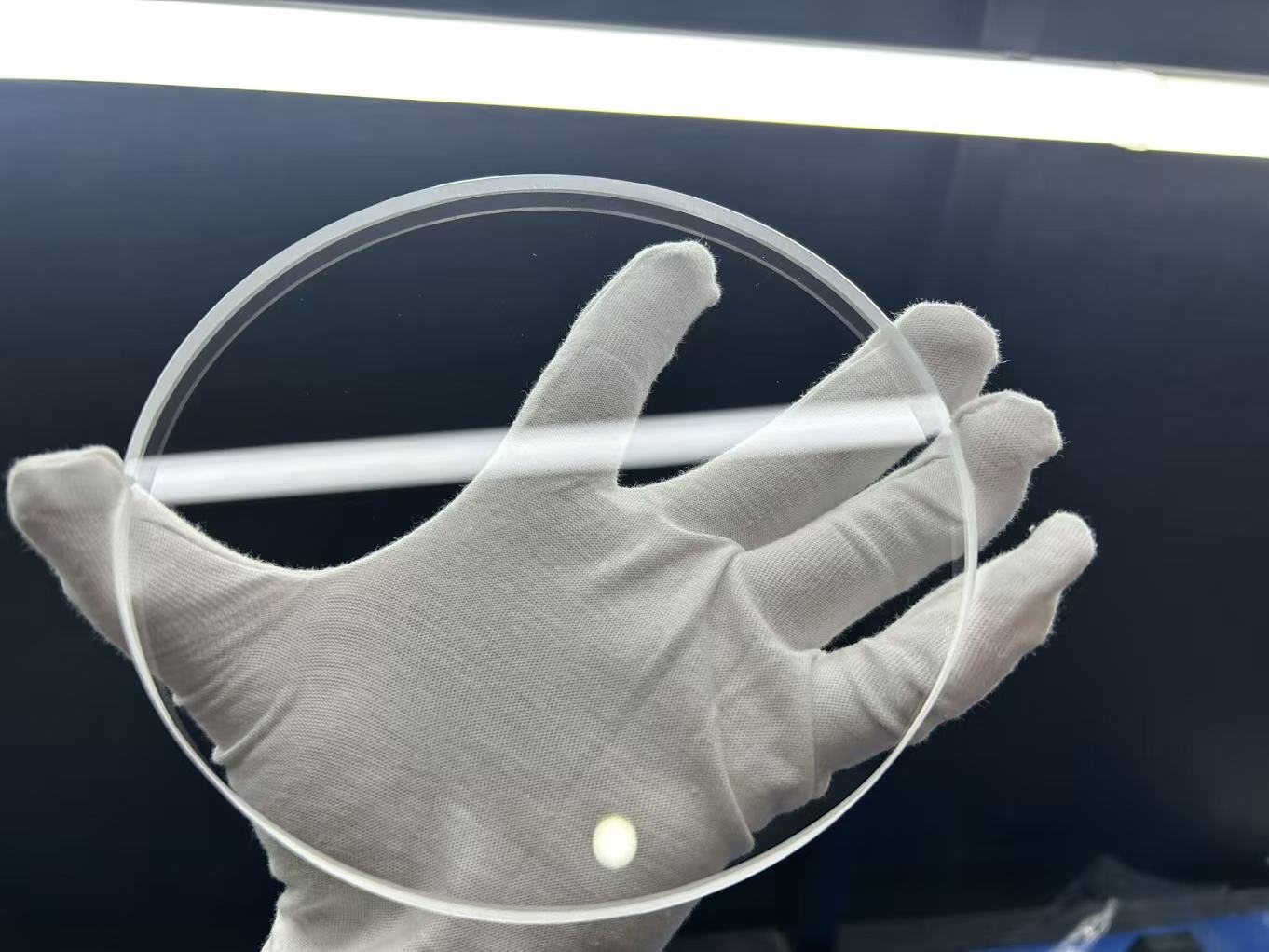
Wholesaler Customized High Quality Clear Fused Quartz Glass Sheet Custom Used in Optics and Photovoltaics
View Specifications →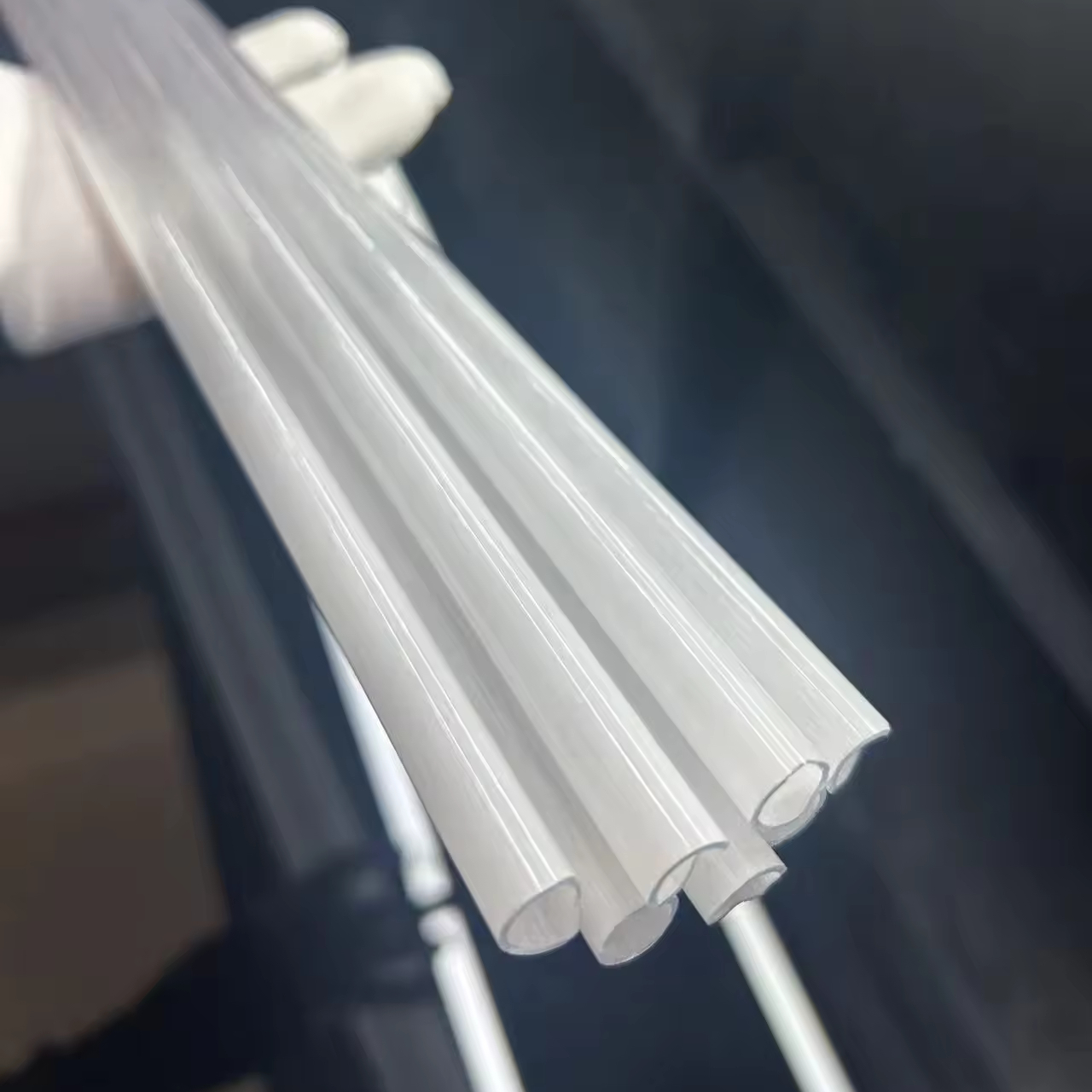
Translucent Quartz Glass Pipe Quartz Glass Sleeve Opaque Milky White Quartz Glass Tube
View Specifications →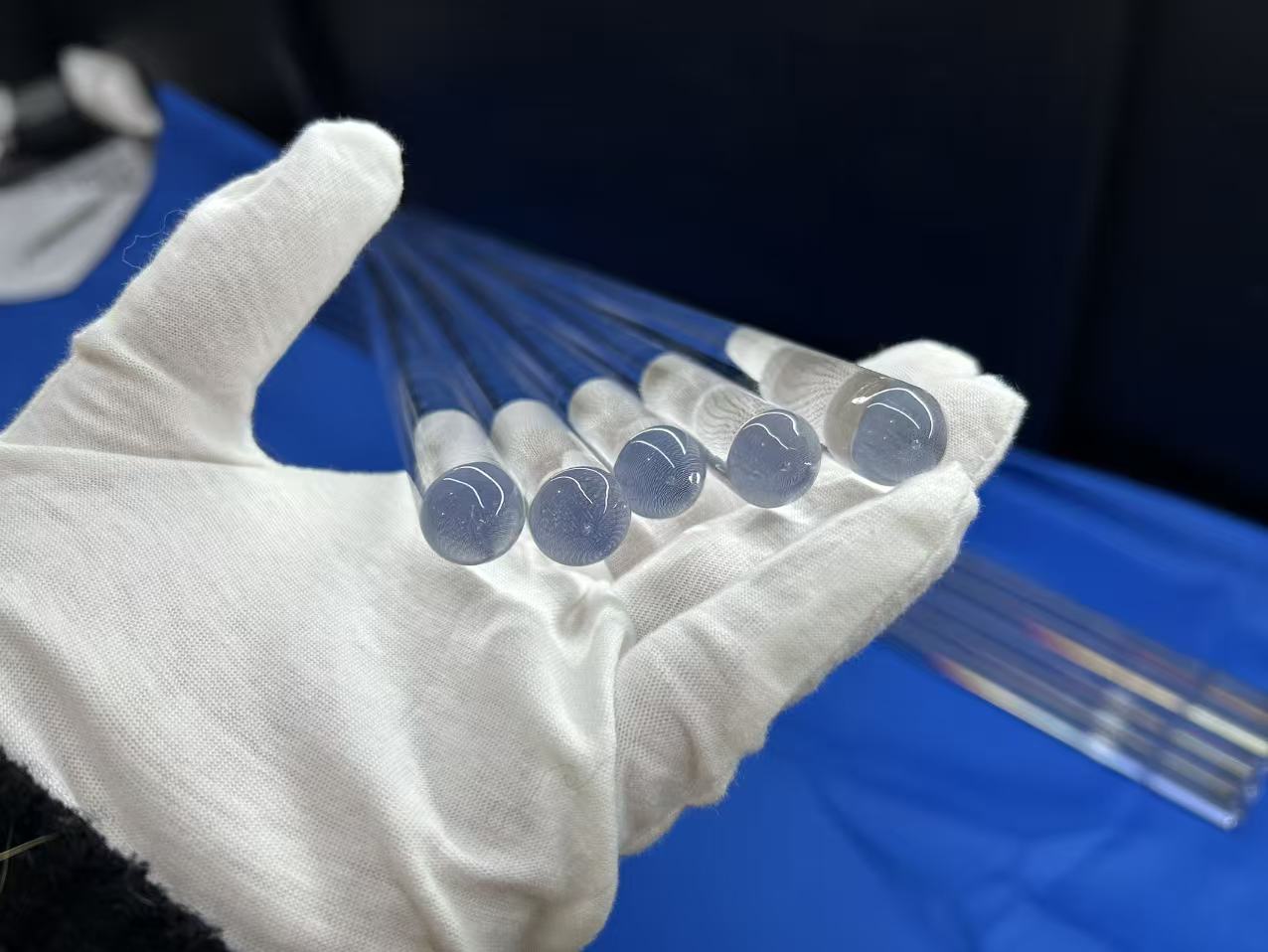
The Factory Produces High-purity Fused Quartz Round Rods, Offering Cutting, Welding, and Bending Services
View Specifications →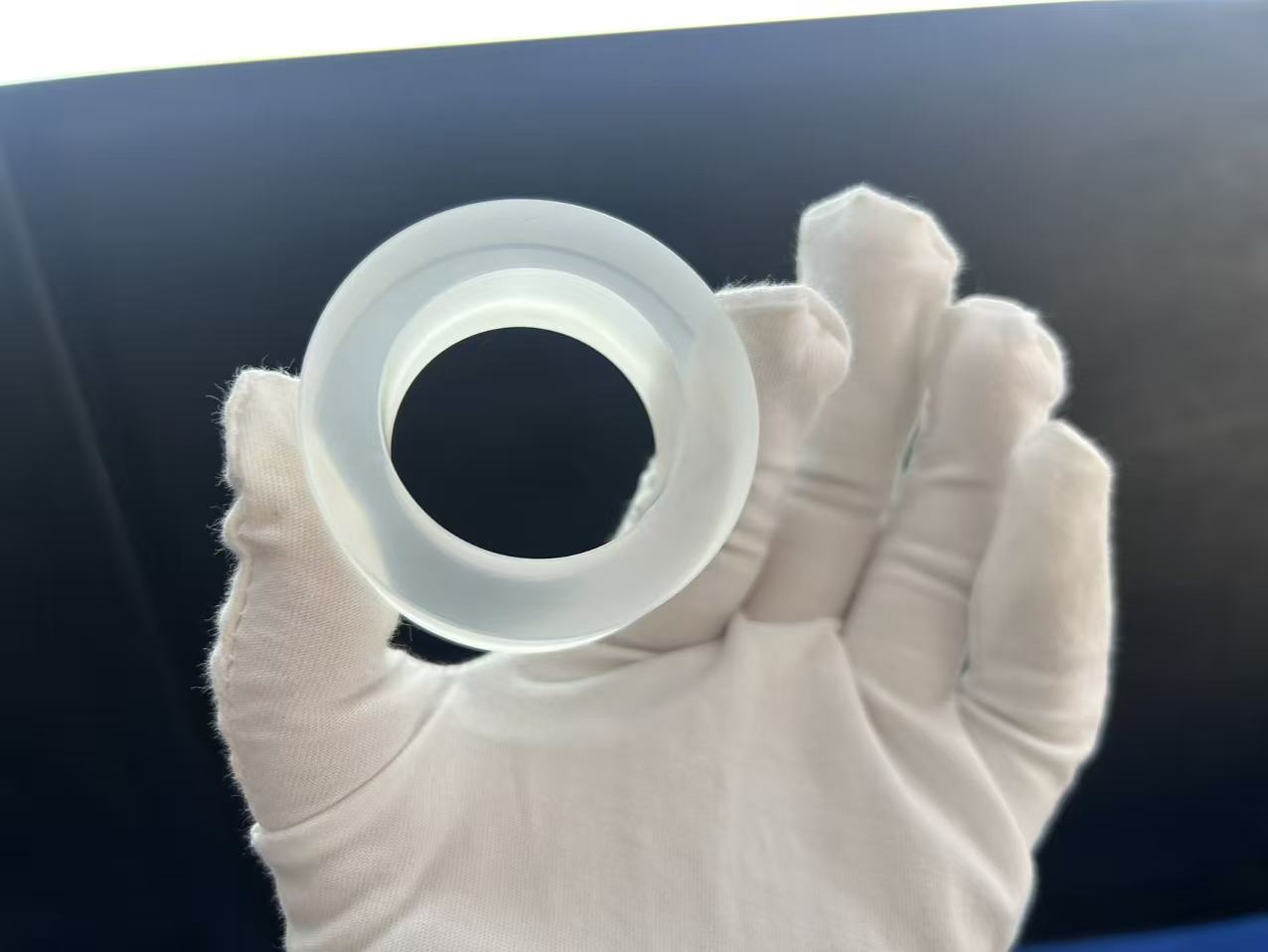
Precision Quartz Ring for Vacuum Flanges, Etch Chambers & Sight Glass Housings
View Specifications →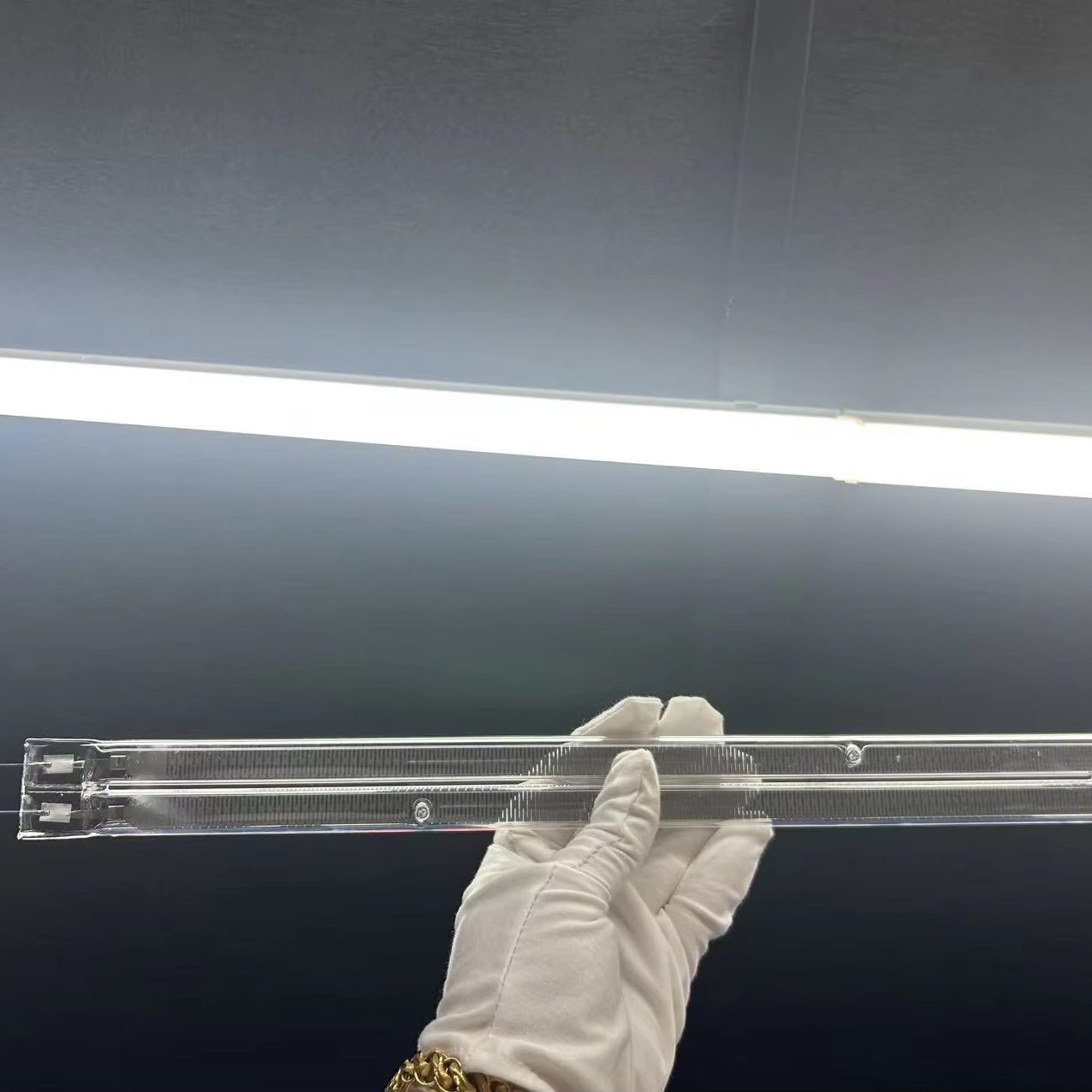
220V 700W 300MM 10mm Diameter Infrared Heating Tube Carbon Fiber / Halogen / Graphene
View Specifications →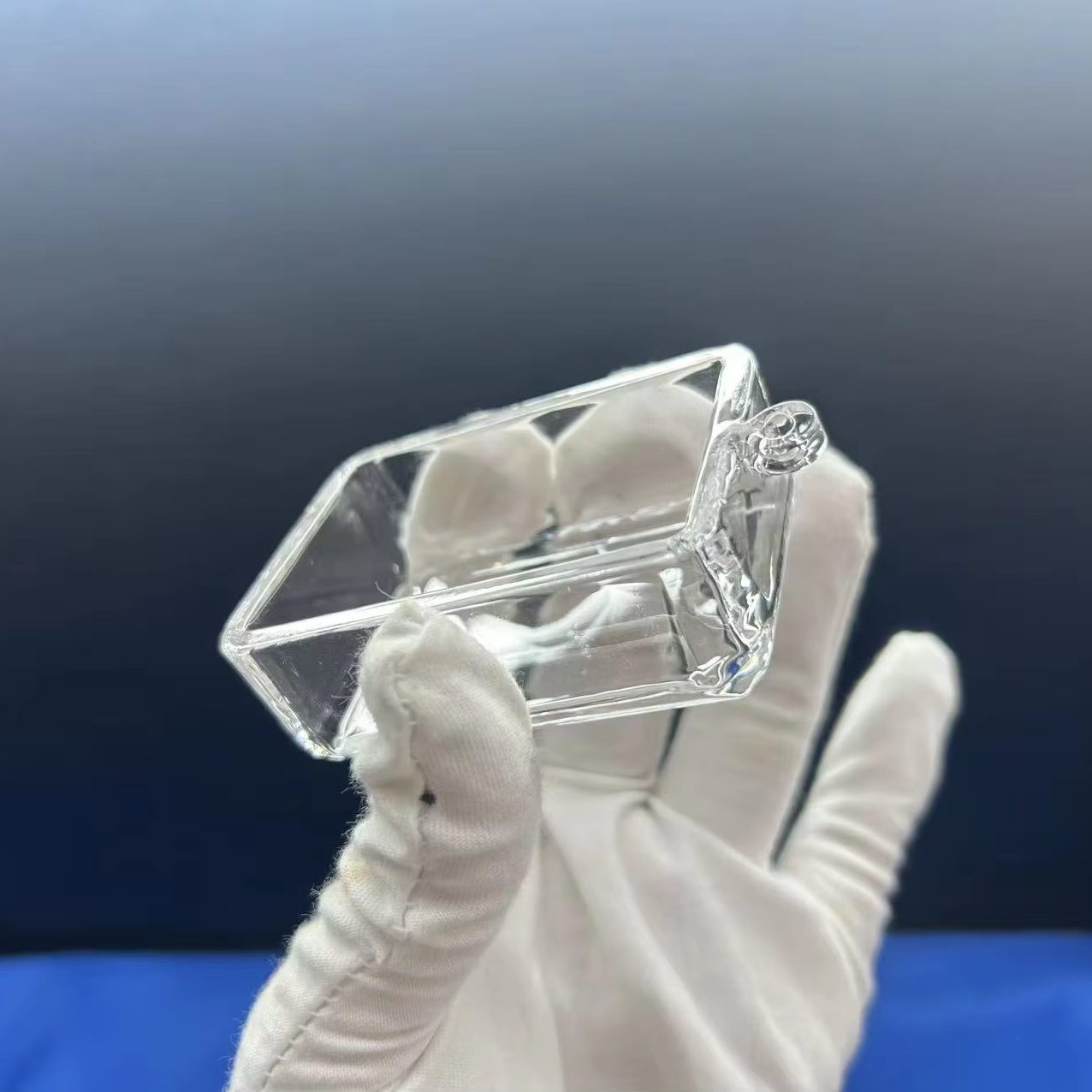
High-Purity Welded Quartz Tank for Acid Leaching, Ultrasonic Bath & Photochemistry
View Specifications →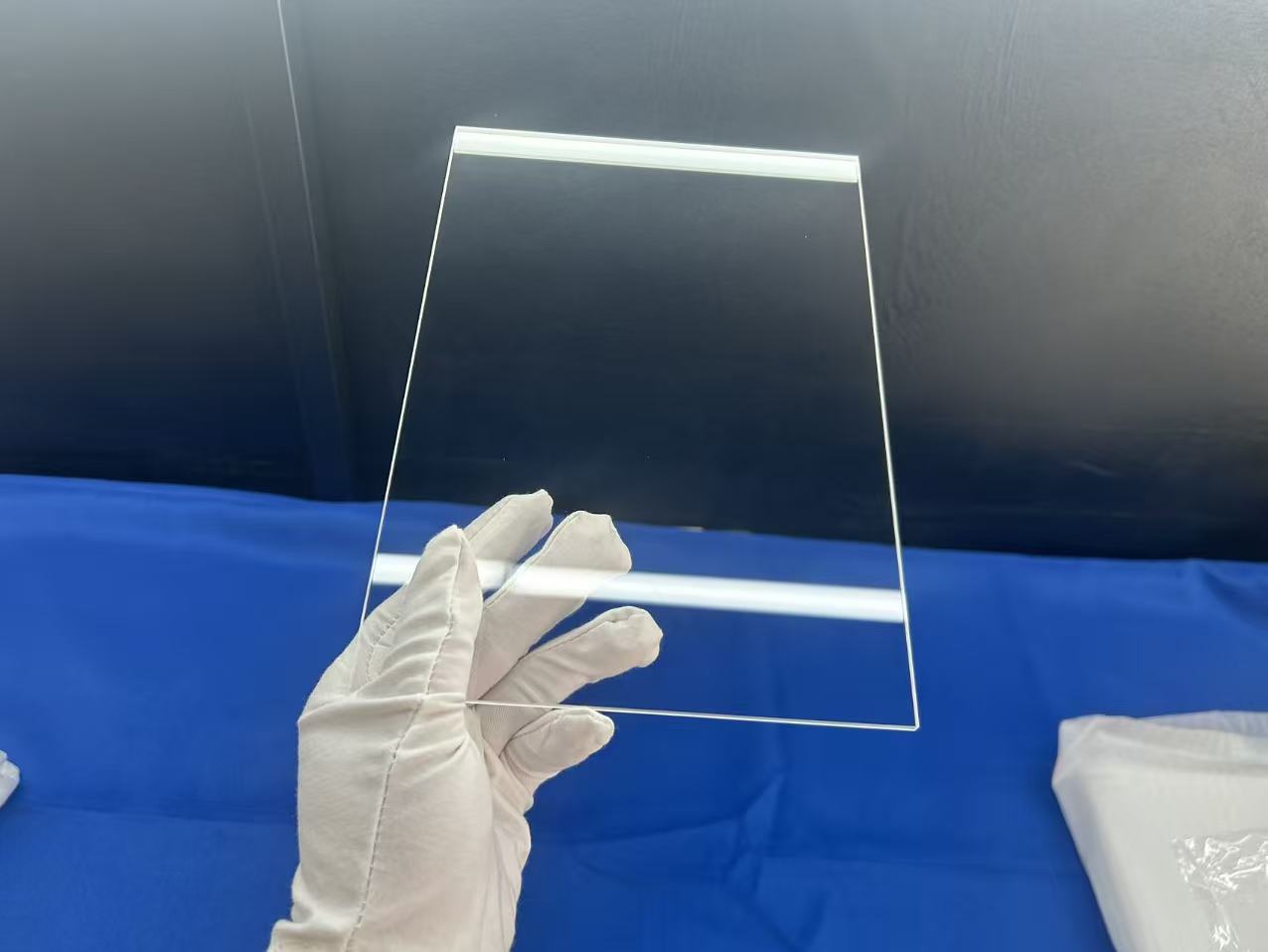
Custom Polished Purity Transparent Square Quartz Glass Plate 3mm Thick Clear Optical Instruments
View Specifications →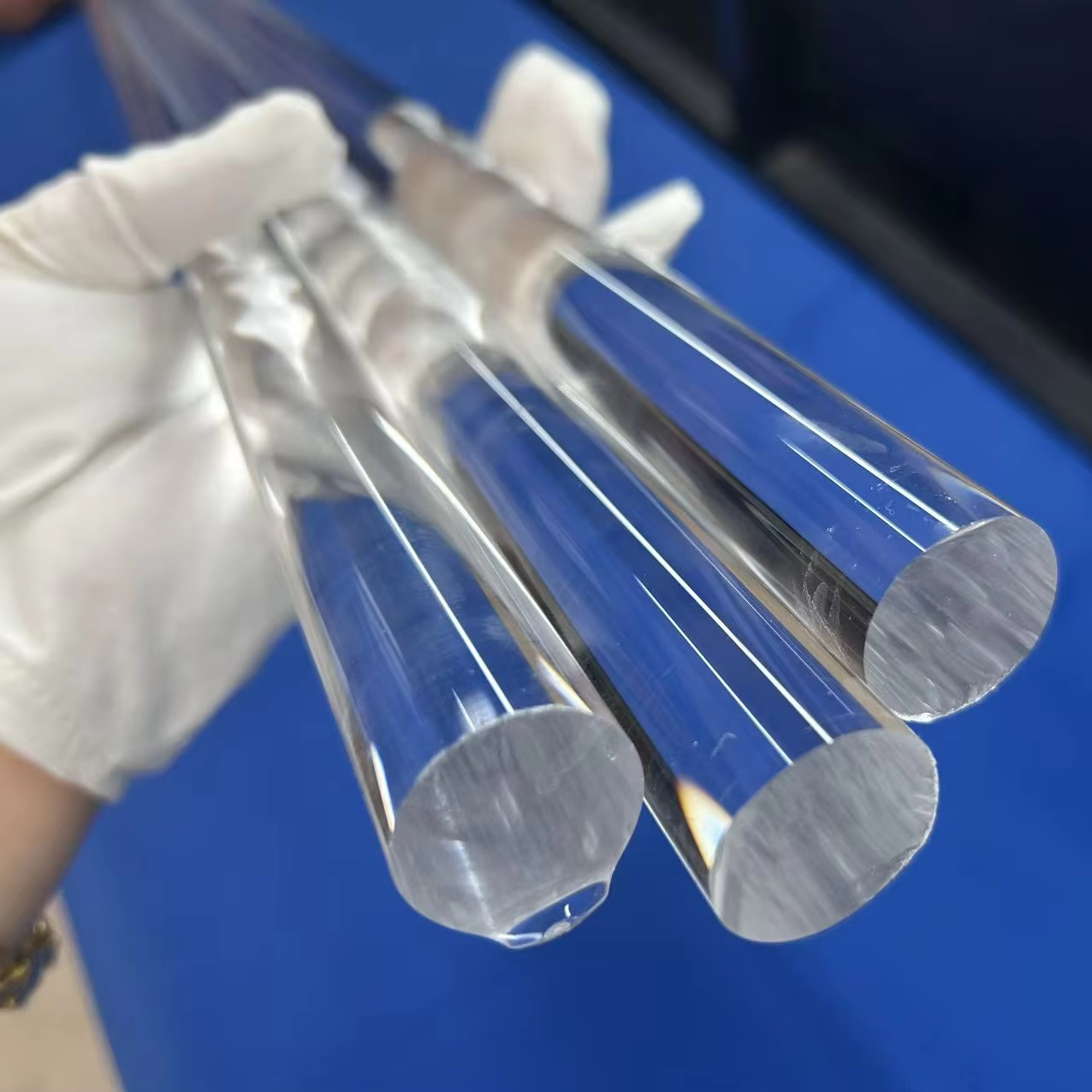
The Factory Produces High-purity Fused Quartz Large Diameter Round Rods (Cutting, Welding & Bending)
View Specifications →Precision Quartz Helical Systems in the Campania Region
The industrial and scientific geography of Naples presents unique physical challenges—from subterranean volcanic volatile gas sampling in the Phlegraean Fields to marine biochemical degradation in the Tyrrhenian Sea. Transparent quartz spiral tubes represent the gold standard where thermal stability, chemical inertness, and deep optical transmission are non-negotiable.
Volcanological & Geothermal Gas Sampling (Campi Flegrei & Vesuvius)
In monitoring the active volcanic calderas of Campi Flegrei and Mount Vesuvius, geological sampling instrumentation operated by research entities (such as INGV Osservatorio Vesuviano) requires gas condensation tubes capable of handling acidic volcanic gases (fumarolic fluids rich in SO₂, H₂S, HF, and HCl) at temperatures exceeding 800°C. Standard borosilicate glass clouds and fractures under acid etching and sudden temperature fluctuations. Nivra’s custom transparent quartz spiral tubes ensure zero silica leaching, precise gas condensation gradients, and complete structural integrity during field extraction.
Continuous-Flow Photochemistry & Pharmaceutical Synthesis
Naples is a vital hub for pharmaceutical development, anchored by scientific departments at Università degli Studi di Napoli Federico II and biomedical research parks across the Caserta–Naples corridor. Helical quartz spiral coils serve as the core micro-reactors in continuous-flow photochemistry. The spiral geometry forces secondary circulation (Dean vortices), creating rapid radial mixing without mechanical stirrers. Manufactured with JGS1 synthetic silica, our spiral tubes deliver over 90% transmission at 254 nm deep-UV wavelengths, accelerating photochemical isomerization and radical reactions.
Marine Analytics & Tyrrhenian Oceanographic Instrumentation
Oceanographic stations operating throughout the Gulf of Naples utilize automated total organic carbon (TOC) analyzers and UV digesters to quantify dissolved nitrogen and phosphorus. Transparent quartz spiral tubes act as high-intensity UV digestion chambers, where seawater samples are exposed to deep-UV radiation alongside oxidizing persulfates. Fused quartz stands completely immune to saltwater pitting, high hydraulic pressure inside the helical line, and extreme actinic light degradation, yielding reproducible analytical data.
Physical, Thermal & Optical Properties of Nivra Fused Quartz
Engineers drafting technical procurement specifications for laboratory apparatus or industrial furnaces in Naples can benchmark our raw fused silica parameters against critical operational thresholds.
| Physical / Thermal Parameter | Standard Testing Value | Grade JGS1 (Synthetic UV) | Grade JGS2 (Fused Silica) | Operational Impact for Naples Buyers |
|---|---|---|---|---|
| Chemical Purity (SiO₂) | ≥ 99.99% |
≥ 99.999% |
≥ 99.99% |
Prevents trace heavy metal contamination in biochemical assays. |
| Coefficient of Thermal Expansion (CTE) | 5.5 × 10⁻⁷ /°C |
5.4 × 10⁻⁷ /°C |
5.5 × 10⁻⁷ /°C |
Withstands plunging from 1100°C straight into cold water without shattering. |
| Continuous Working Temperature | 1100°C |
1150°C |
1100°C |
Safe for continuous high-temperature vacuum furnaces and exhaust coils. |
| Short-Term Maximum Temperature | 1450°C |
1450°C |
1400°C |
Permits transient thermal spikes in volcanic gas cracking columns. |
| UV-Vis Spectral Transmission | 185 nm – 2500 nm |
185 nm – 2500 nm (T% > 90% @ 200nm) |
220 nm – 2500 nm |
Essential for photochemical synthesis and germicidal UV-C reactors. |
| Hydroxyl Radical Content (OH⁻) | < 5 ppm to 1200 ppm |
< 1200 ppm (Optically Hydrated) |
< 30 ppm (Dehydroxylated) |
Low-OH prevents IR absorption bands at 2.73 µm for thermal heating elements. |
Modernizing Scientific Sourcing in Campania: 2025–2030 Outlook
Under the investment framework of Italy’s National Recovery and Resilience Plan (PNRR) and enhanced university research grants throughout the Mezzogiorno, academic laboratories and technological incubators across Naples are undergoing massive infrastructural modernization. Historically, Italian buyers relied on local secondary distributors who charged significant markups while maintaining limited inventories of specialized geometries like spiral quartz serpentines.
Furthermore, local environmental mandates governing industrial discharges in the Gulf of Naples have forced manufacturing plants to adopt high-efficiency inline photochemical oxidation systems. Quartz spiral tubes maximize residence time and UV photon exposure in ultra-compact footprints, replacing bulky stainless-steel holding tanks that corrode in the presence of saline coastal air.

Direct Manufacturing Excellence from Donghai County
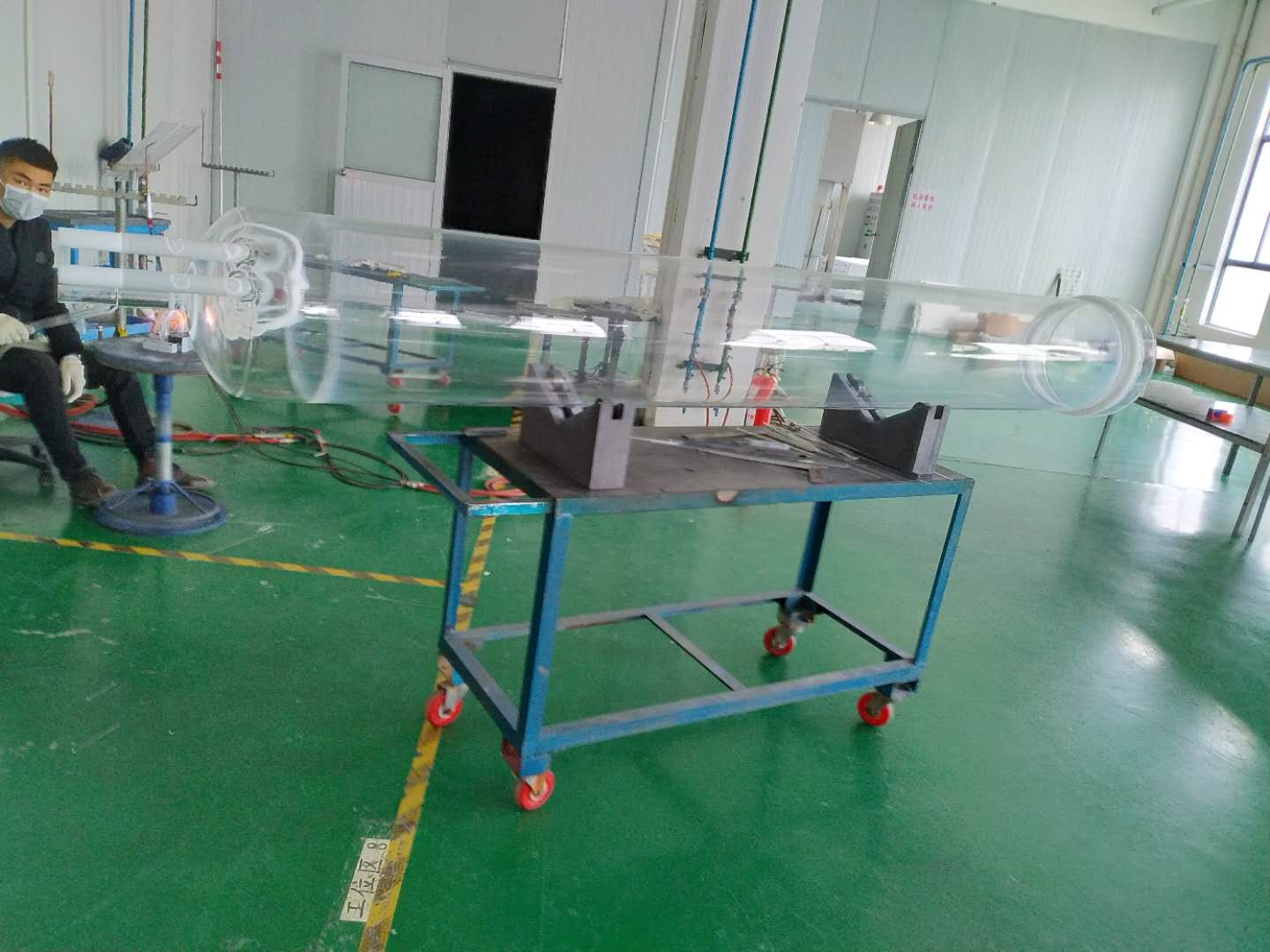
Founded in February 2019, Donghai County Nivra Quartz Products Co., Ltd. operates a high-precision manufacturing workshop spanning 2,000+ m² with 101–200 skilled glassblowers, CNC machinists, and optical inspection technicians.

Origin in China's Quartz Capital
Based in Donghai, Jiangsu, Nivra has immediate access to raw quartz ore of uncompromised purity. This vertical integration reduces material procurement costs by 30% compared to Western European re-drawers.
Dedicated OEM Lathe Coiling
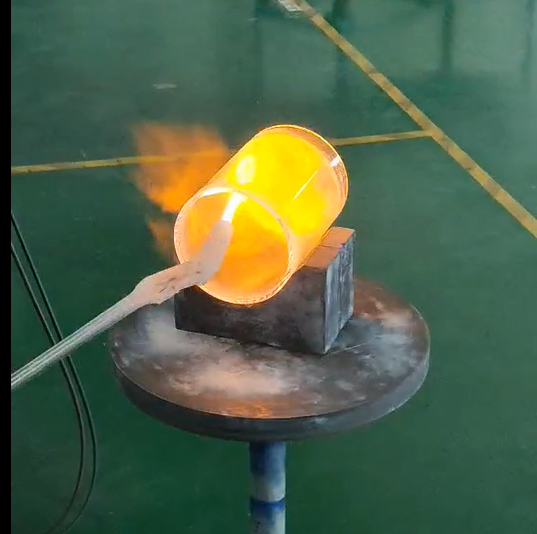
Winding spiral coils demands precise flame temperature control (~1750°C) and computer-assisted rotation to prevent ovalization and wall thinning along the inner bend radius. Every spiral undergoes uniform annealing.
Rapid International Communication
Operating with an 88.89% inquiry response rate and an average response time of ≤5 hours, our engineering desk aligns with Italian CET business hours to rapidly review STEP/CAD files and return quotes.
Safe Multilayer Crating for Naples
Every fragile quartz spiral is nested inside custom-molded high-density EPE foam and encased in non-fumigation plywood export crates, ensuring zero transit breakage during intermodal transit into Southern Italy.
Frequently Asked Questions by Italian Buyers
Clear, unambiguous answers addressing customs, technical specifications, shipping routes to the Port of Naples, and dimensional tolerances.
What is the typical shipping transit time and route to Naples, Italy?
For urgent prototypes and small scientific batches (1–20 pieces), we ship via air express (DHL / FedEx / UPS) arriving at Naples International Airport (Aeroporto di Napoli-Capodichino - NAP) in 4 to 7 working days. For bulk industrial crating or furnace tubing, consolidated sea freight routes deliver to the Port of Naples (Porto di Napoli) via Mediterranean maritime lanes within 26 to 32 days, complete with Italian import customs documentation (EUR.1 and Commercial Invoice with TARIC code 7002.31.00).
How do you maintain wall thickness uniformity along the spiral coil curve?
During manual and semi-automatic lathe flame-winding, quartz tubing naturally risks outer-wall thinning and inner-wall bucking if heated unevenly. Nivra Quartz uses motorized synchronized rotating chucks and localized hydrogen-oxygen torch arrays, maintaining a constant internal nitrogen backpressure. This guarantees that a 10 mm OD × 1.5 mm WT tube maintains at least 1.35 mm wall thickness around the entire 360° curvature profile.
Can you provide Italian university laboratories with formal compliance sheets?
Yes. Università degli Studi di Napoli Federico II, CNR institutes, and local industrial buyers often require full traceability for EU-funded tenders. We furnish Certificate of Conformance (CoC), material spectral transmission charts (UV-Vis spectrometer validation curves), and RoHS / REACH chemical compliance declarations verifying that all silica parts contain zero regulated hazardous substances.
What is your Minimum Order Quantity (MOQ) for custom-dimensioned coils?
Unlike large European stockists that mandate multi-thousand Euro order commitments for custom setups, our factory MOQ starts at just 1 piece for custom spiral tubes, condensation jackets, and welded reaction vessels. We actively encourage single-piece prototype orders so engineers in Naples can conduct bench testing before transitioning into series production.
How is thermal stress managed after bending and welding spiral joints?
Fused silica has a very low thermal expansion coefficient, but intense localized flame manipulation introduces residual mechanical stresses near weld beads and tight-radius turns. All Nivra spiral assemblies undergo an automated thermal annealing cycle in an electric furnace: ramped up to the annealing point of 1150°C, held for uniform stress relaxation, and slowly cooled to below 800°C. Every finished tube is inspected with a dual-polarizer polariscope.
Can you add custom GL-threaded ground joints, flanges, or barb connectors?
Absolutely. We regularly weld standard laboratory glass ground joints (such as 14/23, 19/26, 24/29, or 29/32 sockets and cones), GL-14/GL-18 screw threads with PBT caps, hose barbs, or flat optical quartz flanges directly to the spiral tube inlet and outlet ends to enable seamless integration into existing Italian lab setups.
Procuring Transparent Quartz Spiral Tubes for Naples Projects?
Send your CAD drawing, sketch, or physical specifications to Donghai County Nivra Quartz Products Co., Ltd. Our engineering department will evaluate manufacturability, recommend optimal silica grades, and furnish a detailed direct-from-factory quote within 5 hours.
Contact Us