Core Precision Quartz Filtration & Laboratory Components
Engineered for high-temperature filtration, trace spectrophotometry, aggressive fluid handling, and micro-reaction systems serving OEM system integrators, municipal labs, and research hubs in Greater Porto.
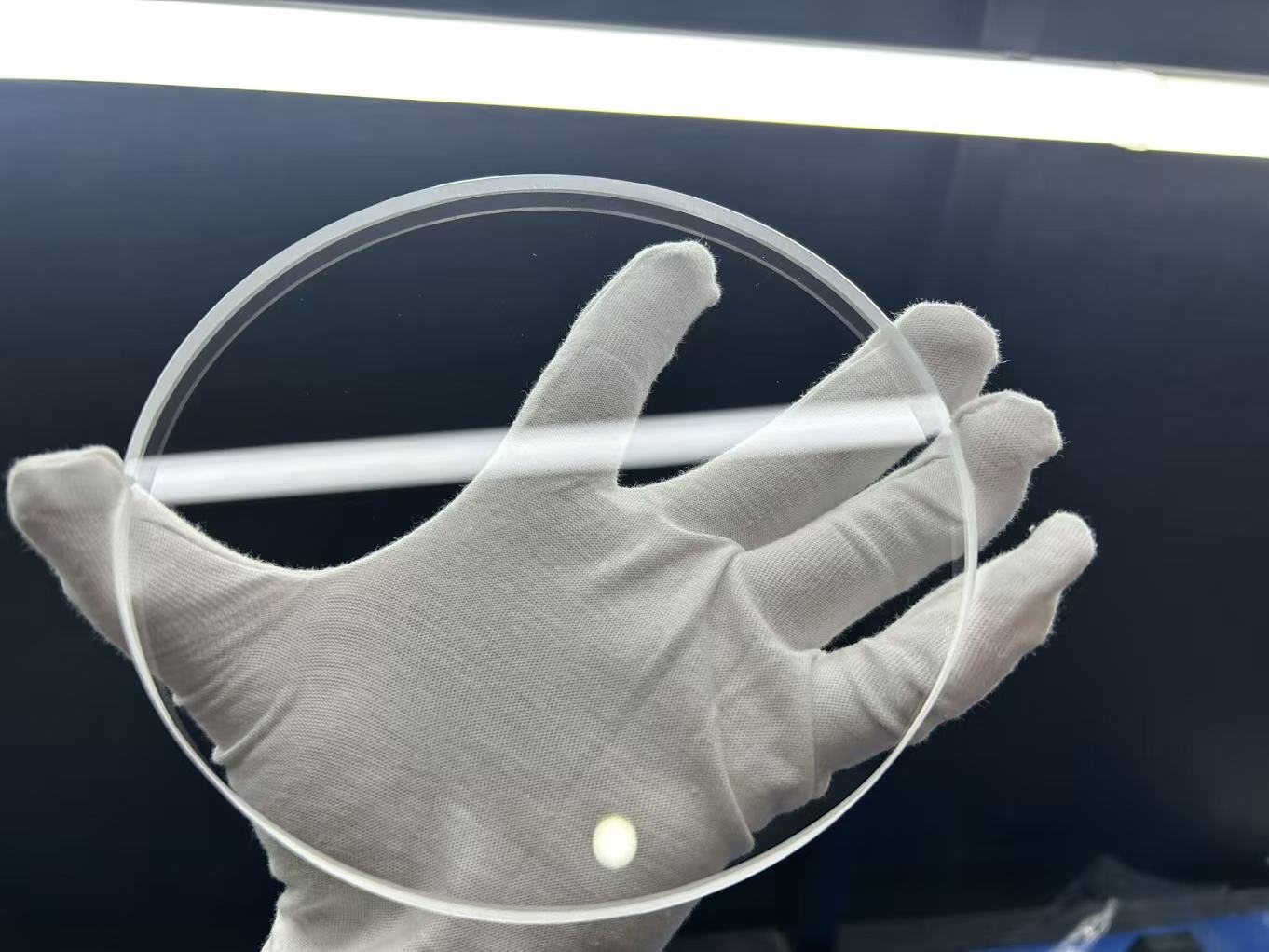
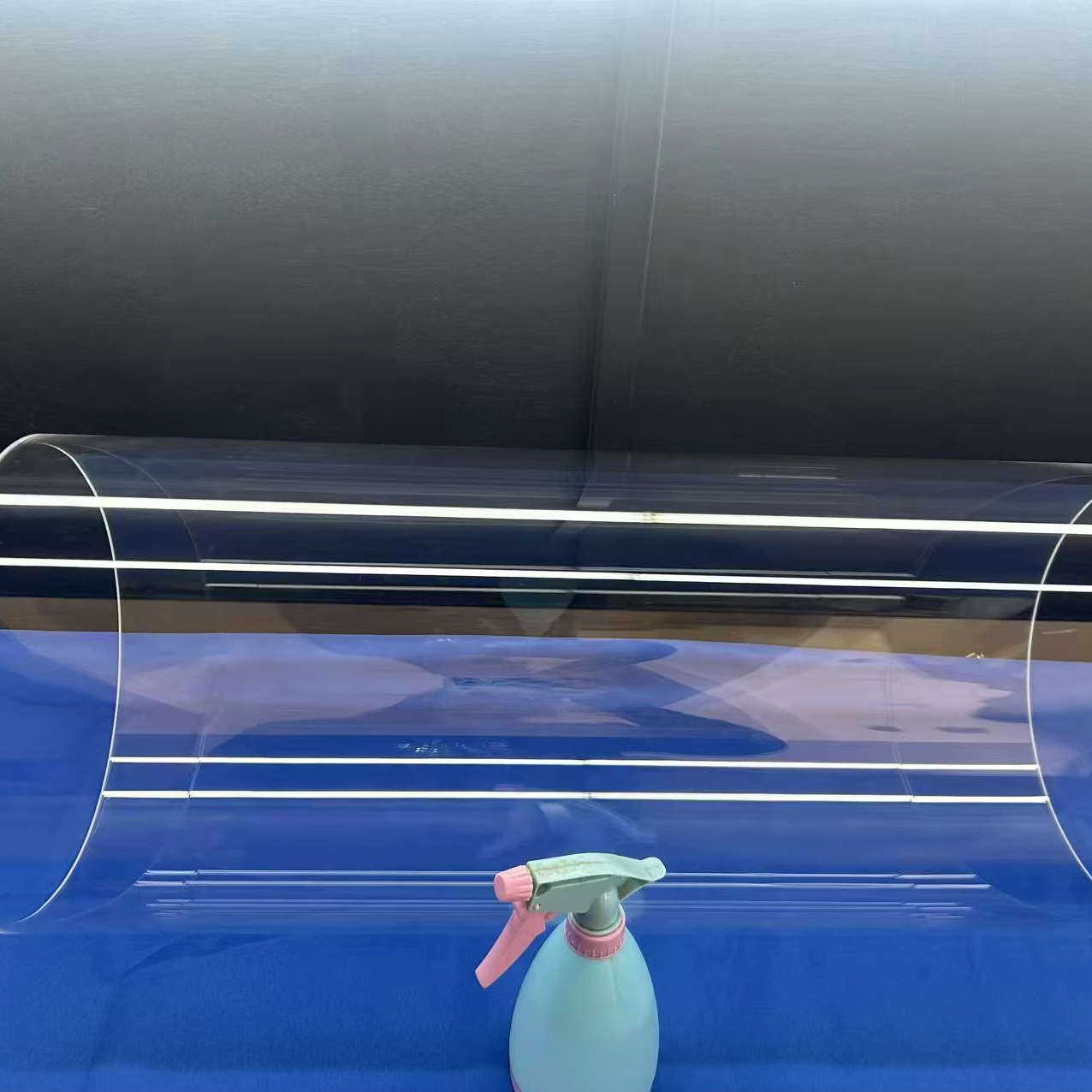
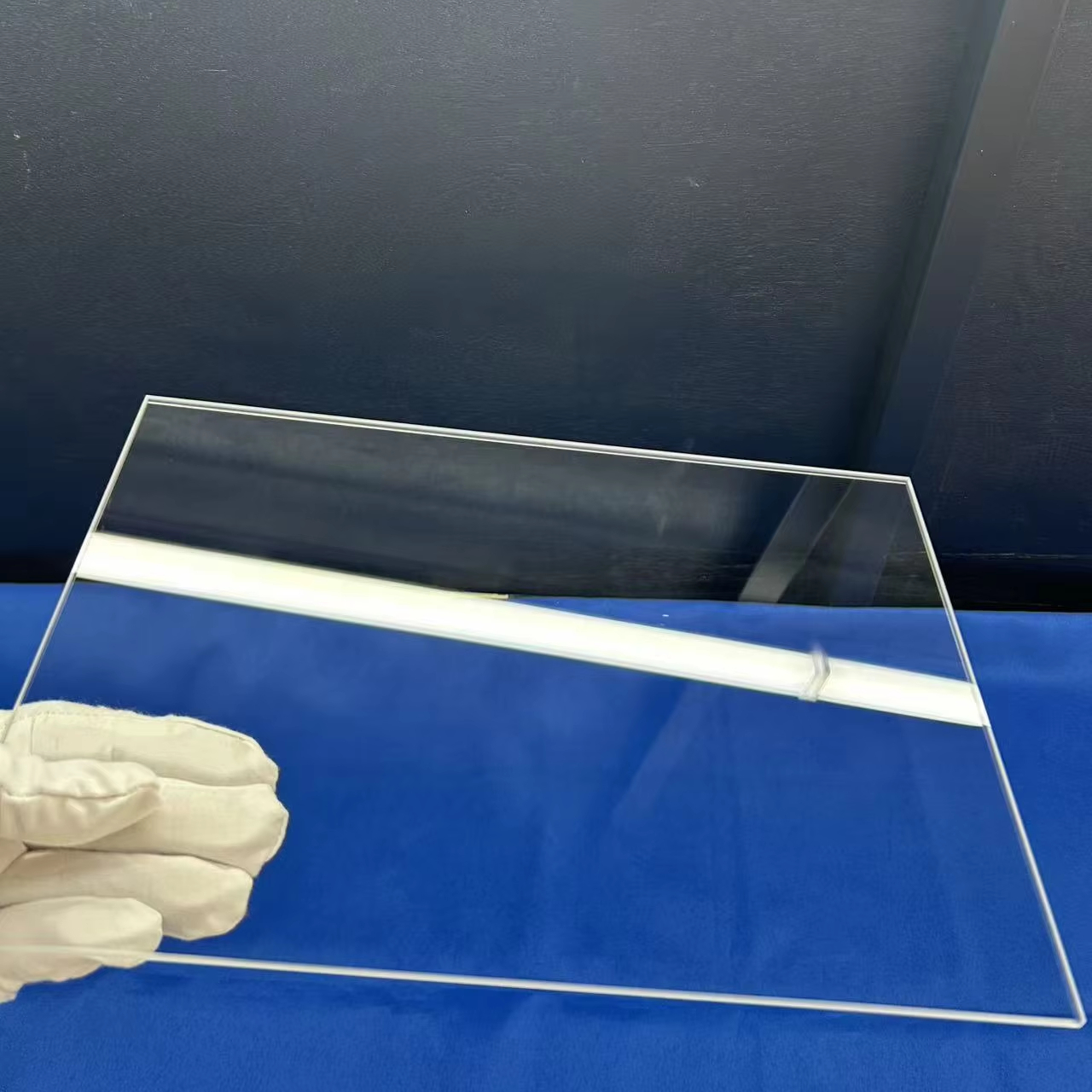
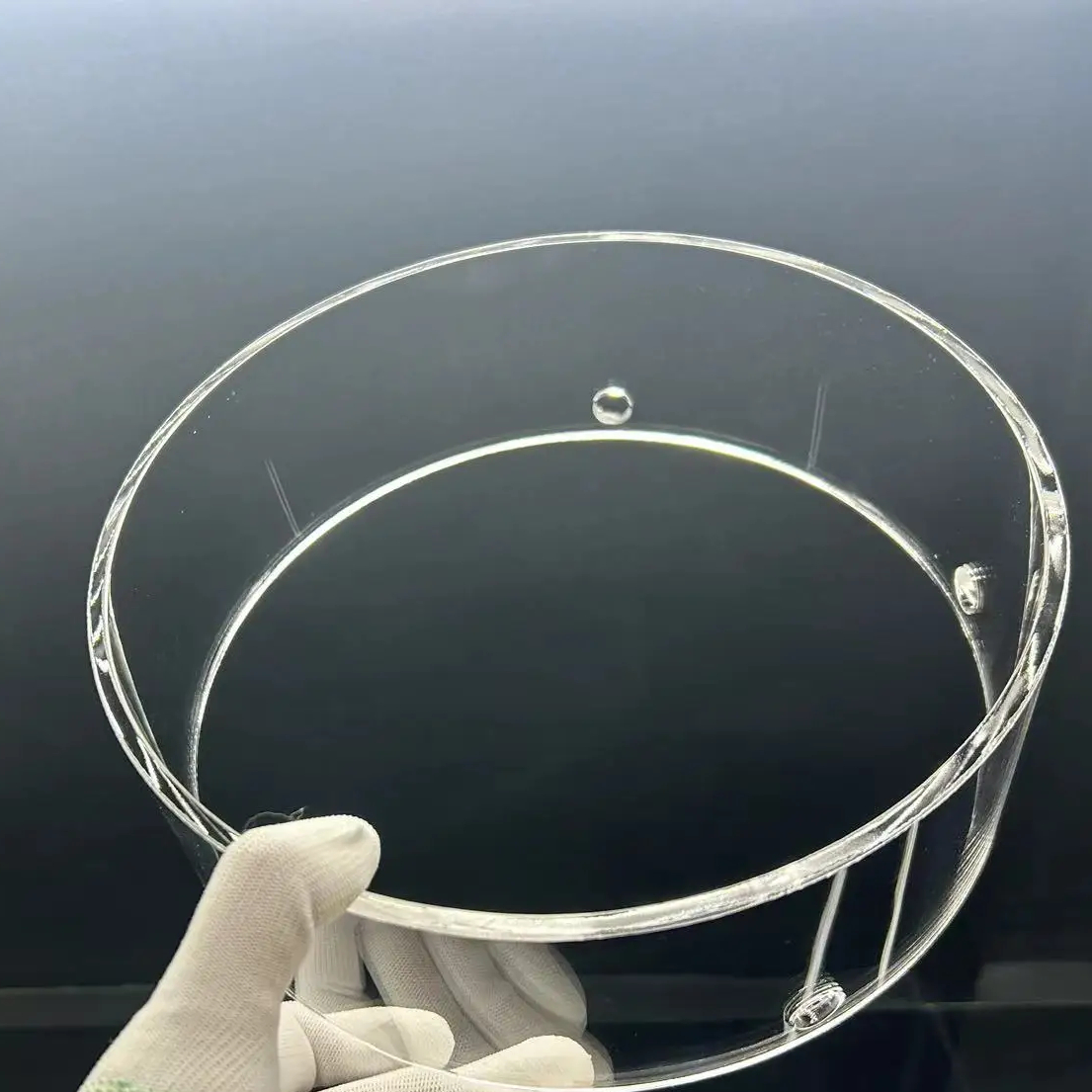
Material Science & Structural Architecture of Fused Quartz Filters
Why amorphous silicon dioxide (SiO₂) remains the gold standard for high-performance separation media operating under aggressive chemical and thermal stress.
In analytical chemistry, biochemical separation, and high-temperature gas processing, conventional borosilicate glass media (such as Pyrex or Duran) often fails due to structural degradation, thermal stress fractures, or ion exchange phenomena. Borosilicate matrices contain significant percentages of boron oxide (B₂O₃), sodium oxide (Na₂O), and aluminum oxide (Al₂O₃). When exposed to alkaline buffers, boiling acid streams, or thermal fluctuations above 450°C, these metal ions leach into the filtrate, skewing sensitive ICP-MS, HPLC, or spectrophotometric measurements.
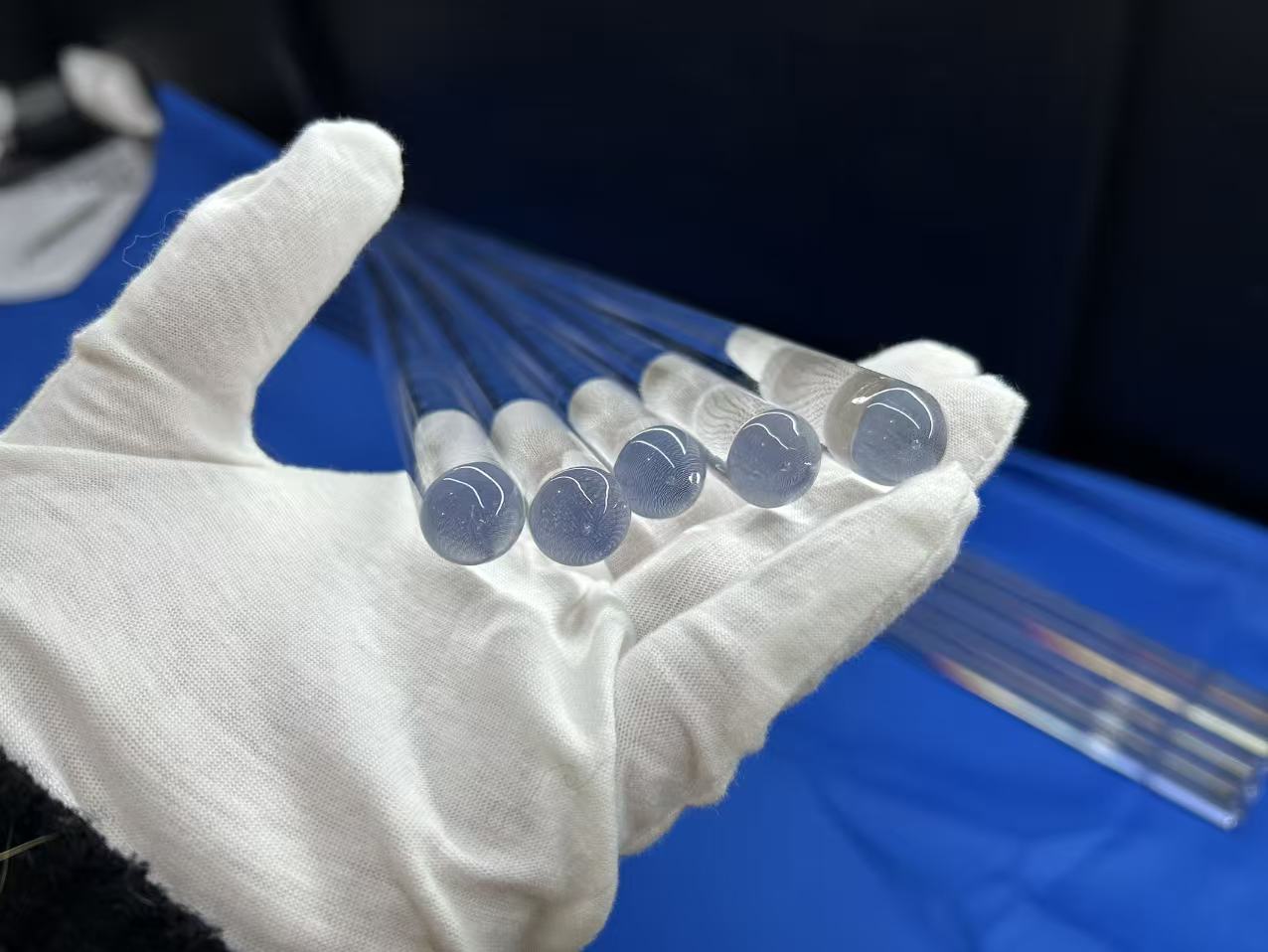
Fused quartz filtration media manufactured by Nivra Quartz solves this fundamental challenge. Synthesized from natural high-purity crystalline silica through controlled thermal fusion at temperatures exceeding 2000°C, fused quartz possesses an amorphous, non-crystalline silicon dioxide network with a purity baseline of ≥ 99.99% SiO₂. The resulting cross-linked Si-O-Si tetrahedral lattice displays virtually no mobile modifier ions. This renders sintered quartz filter discs, porous fritted plates, and analytical quartz tubes chemically inert to all commercial acids—including boiling nitric acid (HNO₃), concentrated hydrochloric acid (HCl), sulfuric acid (H₂SO₄), and aqua regia—with hydrofluoric acid (HF) and hot concentrated phosphoric acid (H₃PO₄) being the only exceptions.
Furthermore, the physical behavior of fused quartz is defined by an extraordinarily low linear coefficient of thermal expansion (CTE ≈ 5.5 × 10⁻⁷ /°C between 20°C and 320°C). This is roughly one-tenth the thermal expansion of standard laboratory borosilicate glass. As a result, quartz glass filters can be repeatedly subjected to instantaneous thermal shock, such as direct removal from an 1100°C calcination furnace and immediate immersion into room-temperature quenching fluids, without undergoing micro-cracking, crazing, or catastrophic structural failure.
| Physical & Chemical Parameter | High-Purity Fused Quartz (Standard) | Synthetic Fused Silica (JGS1 Grade) | Borosilicate Glass 3.3 (Comparative) |
|---|---|---|---|
| SiO₂ Purity Content | ≥ 99.99% | ≥ 99.9999% | ≈ 81.0% |
| Transformation / Strain Point | 1075 °C / 1120 °C | 1080 °C / 1140 °C | 525 °C / 510 °C |
| Maximum Continuous Operating Temp | 1100 °C | 1150 °C | 450 °C |
| Short-Term Thermal Peak Temp | 1450 °C (Devitrification onset) | 1500 °C | 500 °C |
| Thermal Expansion (CTE, 20–300°C) | 5.5 × 10⁻⁷ /°C | 5.2 × 10⁻⁷ /°C | 33 × 10⁻⁷ /°C |
| Optical Transmission Range | 220 nm – 2500 nm (JGS2) | 185 nm – 2500 nm (Deep UV) | 310 nm – 2200 nm |
| Mohs Hardness | 5.5 – 6.5 | 6.0 – 7.0 | 5.0 – 5.5 |
Industrial & Analytical Application Scenarios Across Greater Porto
Porto and the broader Norte Region represent a vibrant, high-technology industrial ecosystem where customized quartz filtration technology serves as an indispensable baseline.
Oenological Assays & Douro Wine Analysis
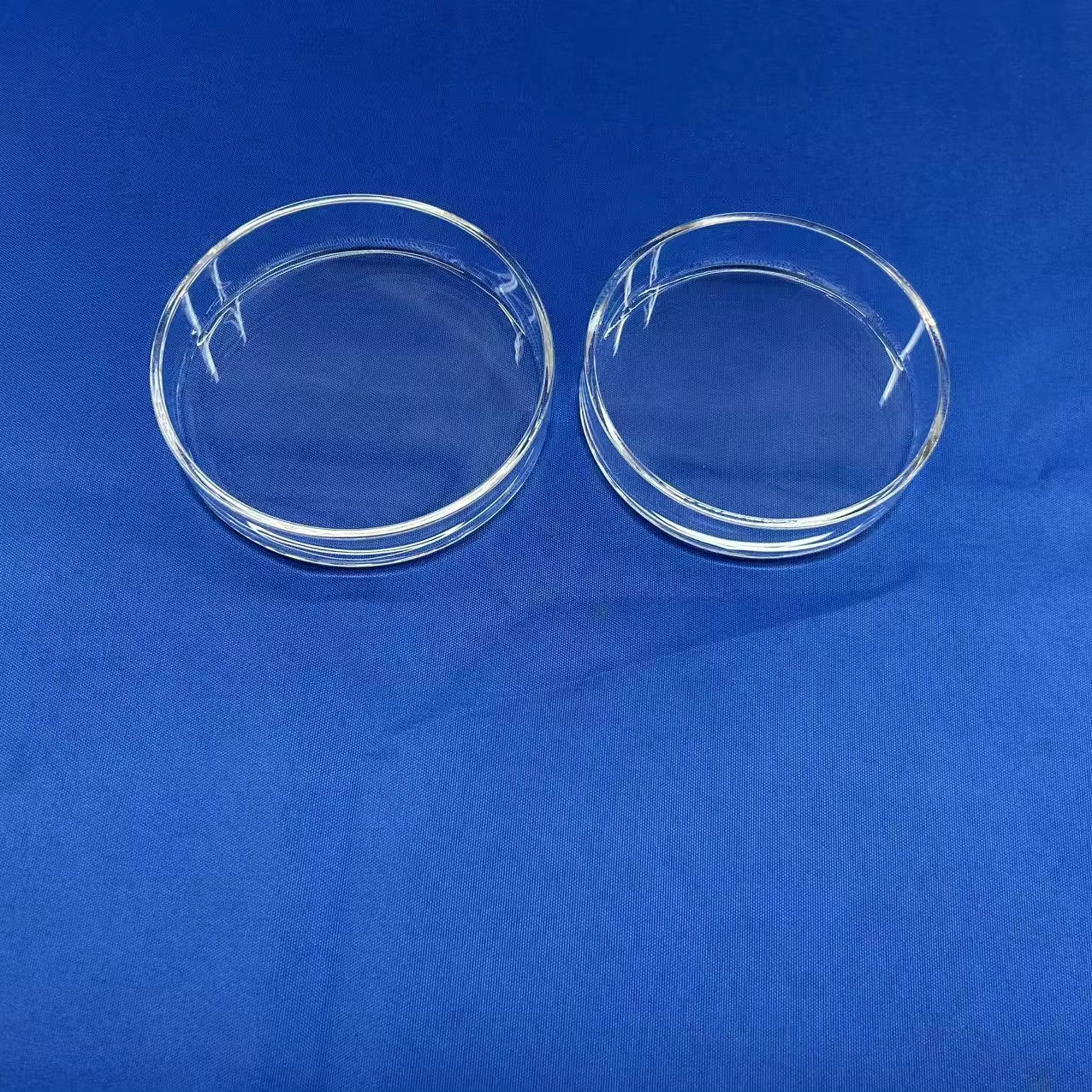
In Vila Nova de Gaia's world-renowned Port wine lodges and regional laboratories serving the Douro Valley DOC, quartz filtration funnels, spectrophotometer cells, and quartz test tubes are standard. They enable precise UV-Vis phenolic compound assays and tartaric acid stability tests at 280 nm without organic leaching or optical distortion common to plastic or low-grade glass consumables.
Biomedical & Pharma Hubs (Maia & Asprela)
Across the Asprela university campus (University of Porto, i3S, FEUP) and the industrial pharma cluster in Maia, high-porosity sintered quartz discs (P3, P4) are used for sterile filtration of aggressive synthetic solvents, chromatographic column support, and vacuum degassing where autoxidation and pyrogen contamination must be rigorously excluded.
Marine & Environmental Monitoring at Leixões
Researchers at the Port of Leixões and the Interdisciplinary Centre of Marine and Environmental Research (CIIMAR) utilize quartz fiber filter membranes and fused quartz combustion boats for marine particulate extraction, microplastic thermal desorption, and trace heavy-metal aerosol sampling along the Atlantic littoral corridor.
Fused Quartz Sintered Disc Porosity Guide (ISO 4793 / ASTM E128)
Selecting the precise pore size distribution is critical to balancing volumetric throughput, capillary differential pressure, and filtration retention efficiency.
| Porosity Grade (ISO) | Pore Size Rating (μm) | Gas / Liquid Flow Characteristic | Typical Analytical / Industrial Process in Northern Portugal |
|---|---|---|---|
| P0 (Porosity 0) | 160 – 250 μm | Extremely High Flux / Coarse Retention | Gas sparging in fermentation bioreactors; high-flow bulk particulate pre-filtration. |
| P1 (Porosity 1) | 100 – 160 μm | High Volume Gravitational Flow | Coarse precipitate collection in mining leachate; industrial air sampling headers. |
| P2 (Porosity 2) | 40 – 100 μm | Medium Permeability Flow | Preparative chemistry; crystalline extraction in active pharmaceutical ingredient (API) synthesis. |
| P3 (Porosity 3) | 16 – 40 μm | Controlled Analytical Filtration | Wine sediment and yeast cell retention; analytical gravimetric analysis under vacuum. |
| P4 (Porosity 4) | 10 – 16 μm | Fine Particle Barrier | Fine analytical precipitates (BaSO₄); ultra-pure reagent clarification in electronics labs. |
| P5 (Porosity 5) | 1.0 – 1.6 μm | Ultra-Fine Micro-Filtration | Sterile bacteriological separation; critical optical column guards for sub-micron aerosols. |
Emerging Industrial & Regulatory Trends in the Portuguese Quartz Market
Structural shifts across the Iberian peninsula driving increased procurement of specialized quartz glassware, high-temperature tubes, and sintered filters.
Strict Enforcement of EU Environmental Directives
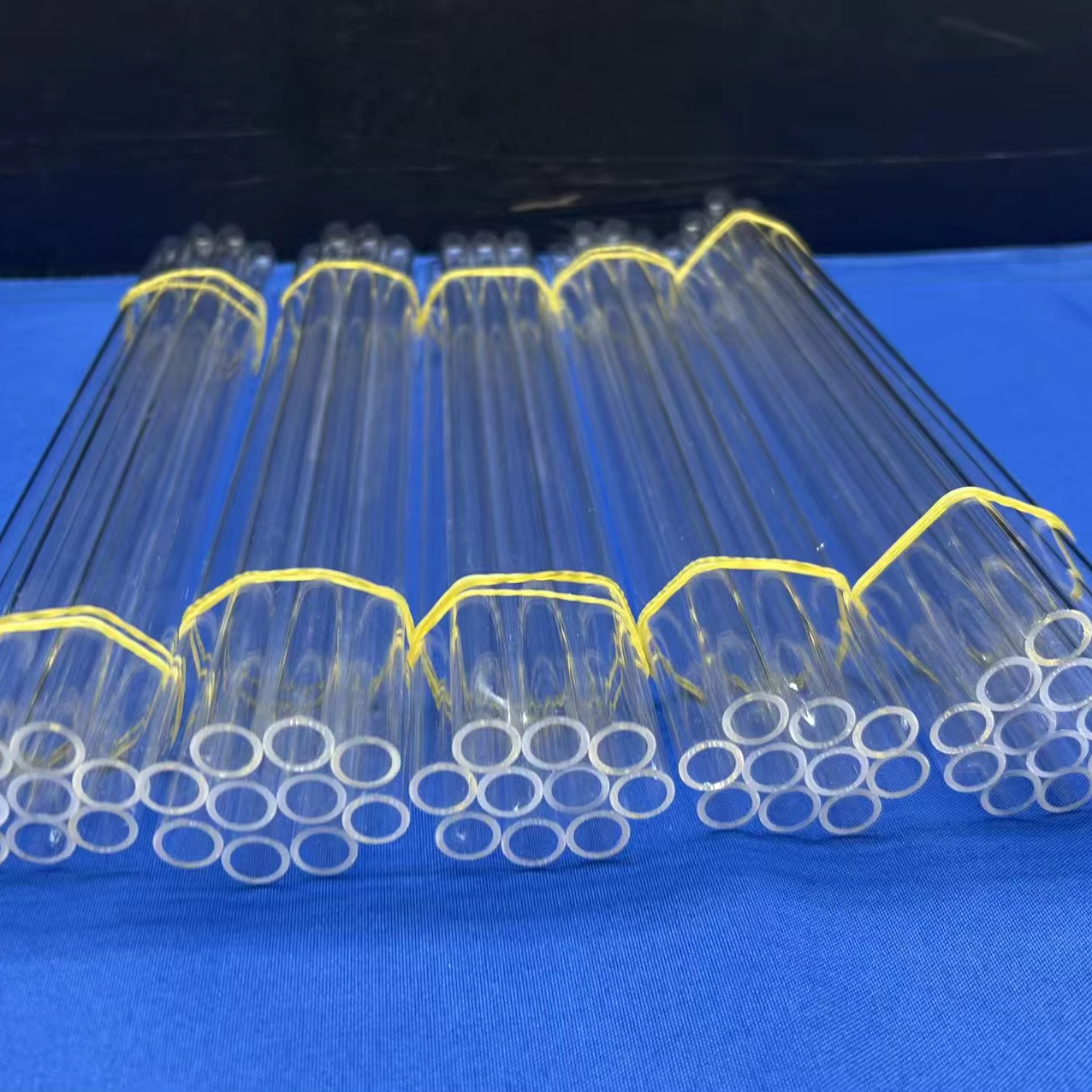
With Portugal intensifying compliance under the European Green Deal and the Industrial Emissions Directive (IED), municipal wastewater utilities and industrial complexes around the Aveiro and Porto industrial belts require higher volumes of ultra-pure quartz digestion tubes, combustion boats, and fritted filters. These components allow zero-blank background contamination during trace ICP-MS testing of PFAS, perchlorates, and toxic heavy metals.
Modernization of Oenological & Agri-Food Technology
Traditional wine analytical methods in Northern Portugal are rapidly transitioning toward continuous flow automation and inline spectrophotometric spectroscopy. Fused quartz optical flow cells and customized quartz glass sheets are increasingly specified over plastic alternatives to ensure maximum signal-to-noise ratio in UV absorbance spectra at critical 260–280 nm absorption peaks for polyphenol characterization.
Nanotechnology & Photonics Expansion (Braga–Porto Axis)
The academic and research corridor linking Porto's engineering faculties with the International Iberian Nanotechnology Laboratory (INL) in nearby Braga is catalyzing demand for JGS1-grade synthetic silica wafers and high-precision polished square plates. Sub-nanometer surface roughness (Ra < 0.5 nm) and zero bubble inclusions are critical for deep-UV lithography mask blanks and photonics wave-guiding research.
Reshoring High-Temperature Precision Manufacturing
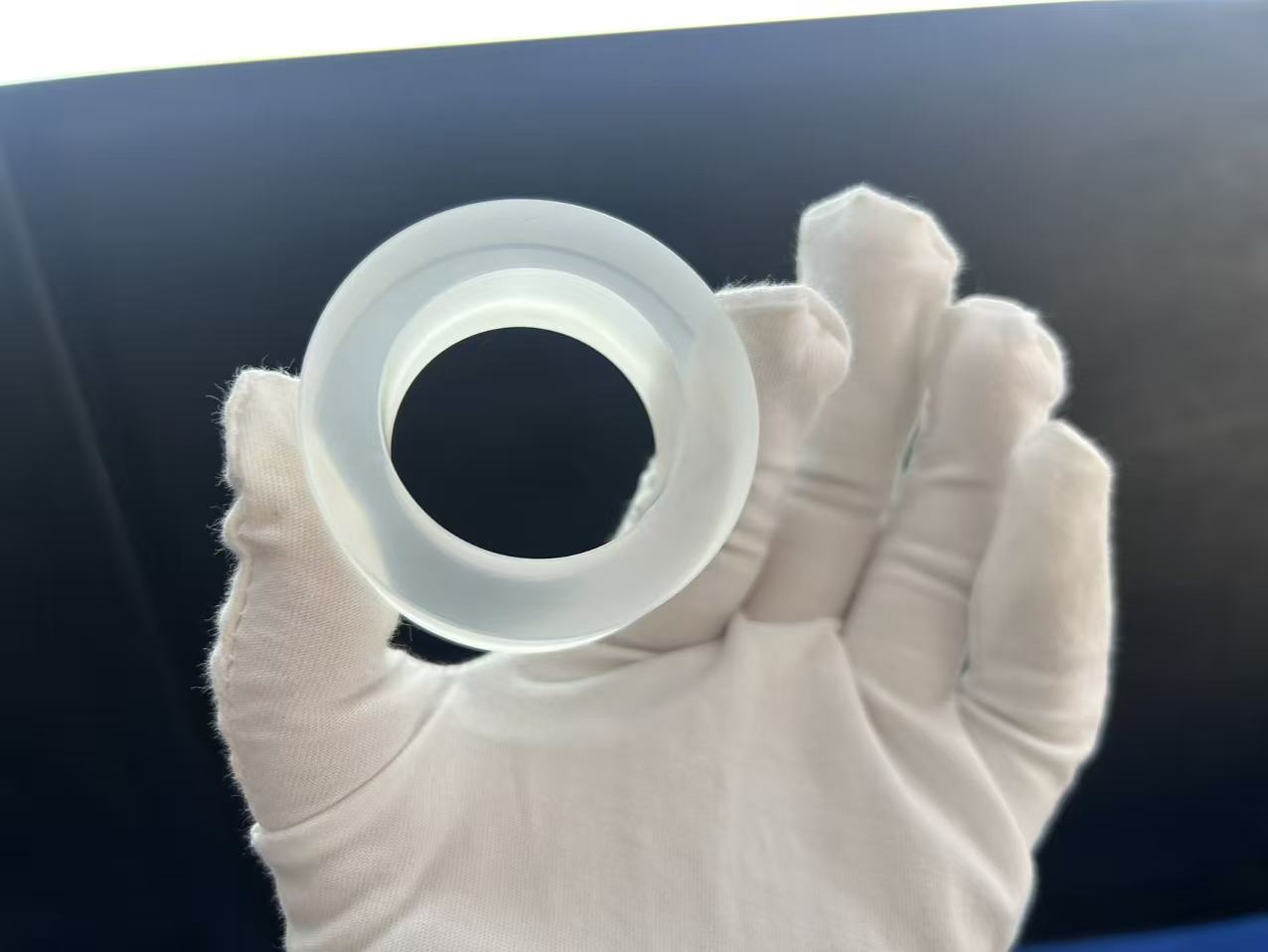
Specialty metallurgical and advanced materials companies across Northern Portugal are increasingly retrofitting vacuum furnaces with precision quartz diffusion tubes, quartz rings, and flange assemblies. By bypassing intermediaries and sourcing factory-direct components built to custom engineering CAD drawings, procurement teams achieve greater dimensional predictability and reduced supply-chain lead times.
Enterprise Capabilities: Why European Buyers Trust Nivra Quartz
Direct manufacturing authority originating from Donghai County, Jiangsu—the epicentre of global quartz crystal extraction and thermal synthesis.
Integrated Sourcing & Processing
Located at 285 Heping East Road, Lianyungang, Nivra Quartz controls the entire production cycle from natural crystal beneficiation to optical grinding, laser cutting, diamond coring, and hydrogen-oxygen lathe welding. This end-to-end processing eliminates middleman markups and guarantees absolute material traceability.
Stringent Metrology & Quality Control
Every quartz filter disc, tube, and plate undergoes rigorous quality validation: coordinate measuring machines (CMM) for dimensional tolerance (±0.02 mm), Zygo laser interferometry for optical surface flatness, polariscopic strain inspection for residual internal stress, and spectrophotometer verification of UV-Vis transmittance curves.
Export-Grade Breakage-Proof Packaging
Fragile quartz glassware shipping to Porto (via Port of Leixões or Francisco Sá Carneiro Airport - OPO) is shielded using specialized anti-static pearl cotton cushioning, custom CNC-routed foam cavities, and reinforced fumigation-free wooden export crates engineered to withstand multi-modal maritime and air freight transit.
Frequently Asked Questions by Laboratory & Industrial Buyers in Porto
Direct answers addressing technical selection, regulatory compliance, Portuguese customs entry, and maintenance protocols.
What optical quartz grade (JGS1, JGS2, or JGS3) should be specified for spectrophotometric filtration?
The grade selection depends strictly on the working spectral wavelength of your analytical setup:
- JGS1 (Synthetic Fused Silica): Free of air bubbles and inclusions, delivering outstanding optical transmission in the deep ultraviolet spectrum (185 nm to 2500 nm). It is virtually non-fluorescent and essential for DNA/protein quantification, HPLC UV detectors, and excimer laser optics.
- JGS2 (Standard Fused Quartz): Melted from natural crystal, transmitting between 220 nm and 2500 nm. It is the industrial workhorse for general laboratory sight glasses, oenological testing at 280 nm, and standard analytical filtration columns.
- JGS3 (Infrared Grade Fused Quartz): Characterized by an ultra-low hydroxyl (OH⁻) content (< 2 ppm), eliminating the prominent water absorption band at 2730 nm. It transmits seamlessly across the near-to-mid infrared band (260 nm to 3500 nm) and is ideal for FTIR spectroscopy and high-temperature optical pyrometry.
How are quartz filter frits and discs cleaned and regenerated after heavy chemical fouling?
Because fused quartz possesses near-absolute resistance to mineral acids, sintered filters can be thoroughly regenerated using aggressive cleaning methods that would destroy plastic or borosilicate filters:
- Organic Residue Removal: Soak the fritted quartz disc in concentrated nitric acid (HNO₃) or hot piranha solution (3:1 H₂SO₄ to 30% H₂O₂). Rinse copiously with double-distilled deionized water under reverse vacuum filtration.
- Inorganic Precipitates: Wash with warm concentrated hydrochloric acid (HCl) to dissolve metal hydroxides and carbonates.
- Thermal Muffle Furnace Calcination: For tenacious organic bio-sludges, quartz filter discs can be heated in an electric muffle furnace up to 550°C–800°C to combust carbonaceous deposits into ash without warping the disc geometry or sintering pore structure.
What are the logistics routes, customs procedures, and typical lead times for delivery to Porto?
Nivra Quartz offers optimized logistics configurations to Greater Porto and Northern Portugal:
- Air Express (DHL / FedEx / UPS): 4 to 7 business days door-to-door directly into Francisco Sá Carneiro Airport (OPO). Suitable for urgent prototypes, custom quartz cuvettes, and emergency replacement tubes.
- Consolidated Maritime Freight (LCL / FCL): 28 to 35 days direct via the Port of Leixões (Matosinhos). Recommended for high-volume wholesale shipments of furnace tubes, heavy quartz plates, and bulk sintered discs.
- Documentation & EU Customs: All orders are accompanied by full commercial invoices, packing lists with Portuguese TARIC / HS codes (typically 7002.31 for tubes, 7017.10 for lab glassware), Certificates of Conformity (CoC), and raw material purity test reports for smooth customs clearance via the Portuguese Tax and Customs Authority (Autoridade Tributária e Aduaneira).
Can custom porous quartz filters and tubes be manufactured from CAD engineering drawings?
Yes. Over 65% of our production volume is customized to customer-supplied 2D drawings (PDF, DWG) or 3D STEP/IGES models. Our Donghai facility features multi-axis CNC glass machining centers capable of milling step flanges, beveling outer circumferences, drilling perforated gas dispersion micro-holes, and flame-welding fritted filter discs directly inside quartz cylindrical tubes with tight tolerances of ±0.05 mm or better.
What is the minimum order quantity (MOQ) for custom quartz components?
We actively support both R&D prototyping and industrial-scale production. Standard quartz test tubes, crucibles, and optical discs start at an MOQ of just 1 to 10 pieces. Customized micro-precision optical wafers typically have an MOQ of 50 to 100 units. For pilot projects originating from Portuguese universities or incubator facilities, sample prototypes are fully supported before formal batch production.
What mechanisms prevent devitrification of fused quartz at elevated operational temperatures?
Devitrification is the phase transformation of metastable amorphous fused silica into crystalline cristobalite, which generally initiates above 1150°C. To prevent premature devitrification, components must remain scrupulously clean. Alkaline contaminants (such as sodium, potassium, or fingerprint oils) act as aggressive catalytic nucleation agents. Always handle quartz components with lint-free cotton or nitrile gloves and clean thoroughly with reagent-grade alcohol before firing in high-temperature furnace atmospheres.
Engineering Data Checklist for Fast Technical Quotations
Providing the following dimensional and environmental parameters accelerates engineering review and guarantees an accurate response within our 5-hour SLA.
Dimensional Tolerances
Outer diameter (OD), inner diameter (ID), wall thickness (WT), overall height, and parallelism tolerances specified in millimeters.
Porosity & Pore Size
Specific sintered disc grade (P0 through P5) or exact target pore diameter range (μm) required for differential flow rates.
Operating Temperature
Continuous thermal exposure, peak cycling temperatures, ramp-up rates (°C/min), and presence of thermal shock quenching.
Chemical & Optical Media
Contact reagents, acid concentration, solvent volatility, target UV/IR spectral wavelength bands, and required surface polish (60/40, optical pitch).
Initiate Your Quartz Engineering Inquiry for the Porto Market
Connect directly with our senior application engineers. Whether you need standard optical discs, porous quartz filter plates, or complex custom quartzware built to tight CAD specifications, we deliver factory-direct precision to Northern Portugal within strict project timelines.
Contact Us