Featured High-Purity Quartzware for Dudelange Engineering
Precision-fabricated in our Donghai facility and engineered to withstand continuous thermal loads up to 1100°C and peak surges to 1450°C. Standard batches and tailor-made geometries available with full dimensional verification.
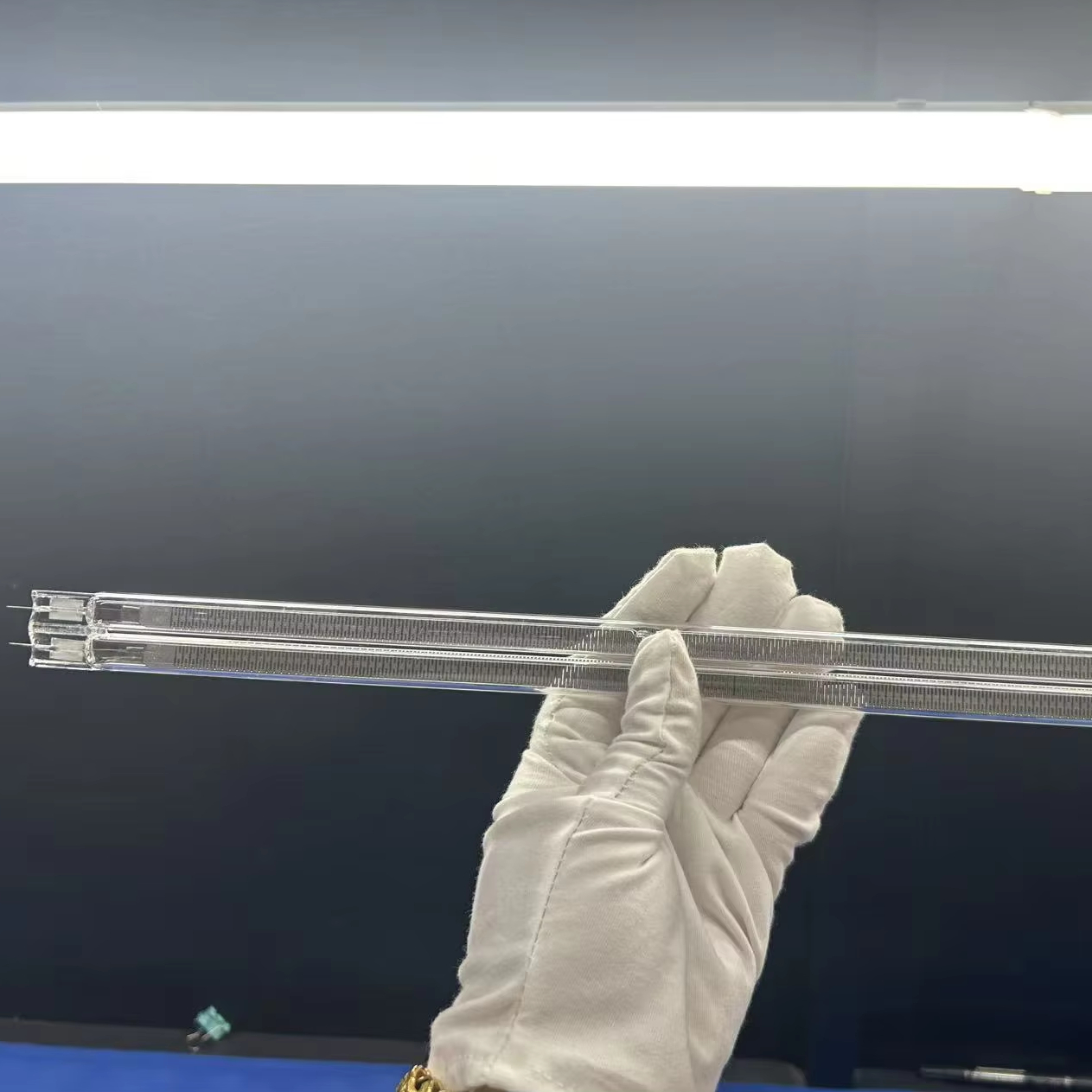
220v/380v 400mm 15*33mm Diameter Infrared Heating Tube Carbon Fiber/Halogen Tube/Graphite Tube for Fast Heating Equipment
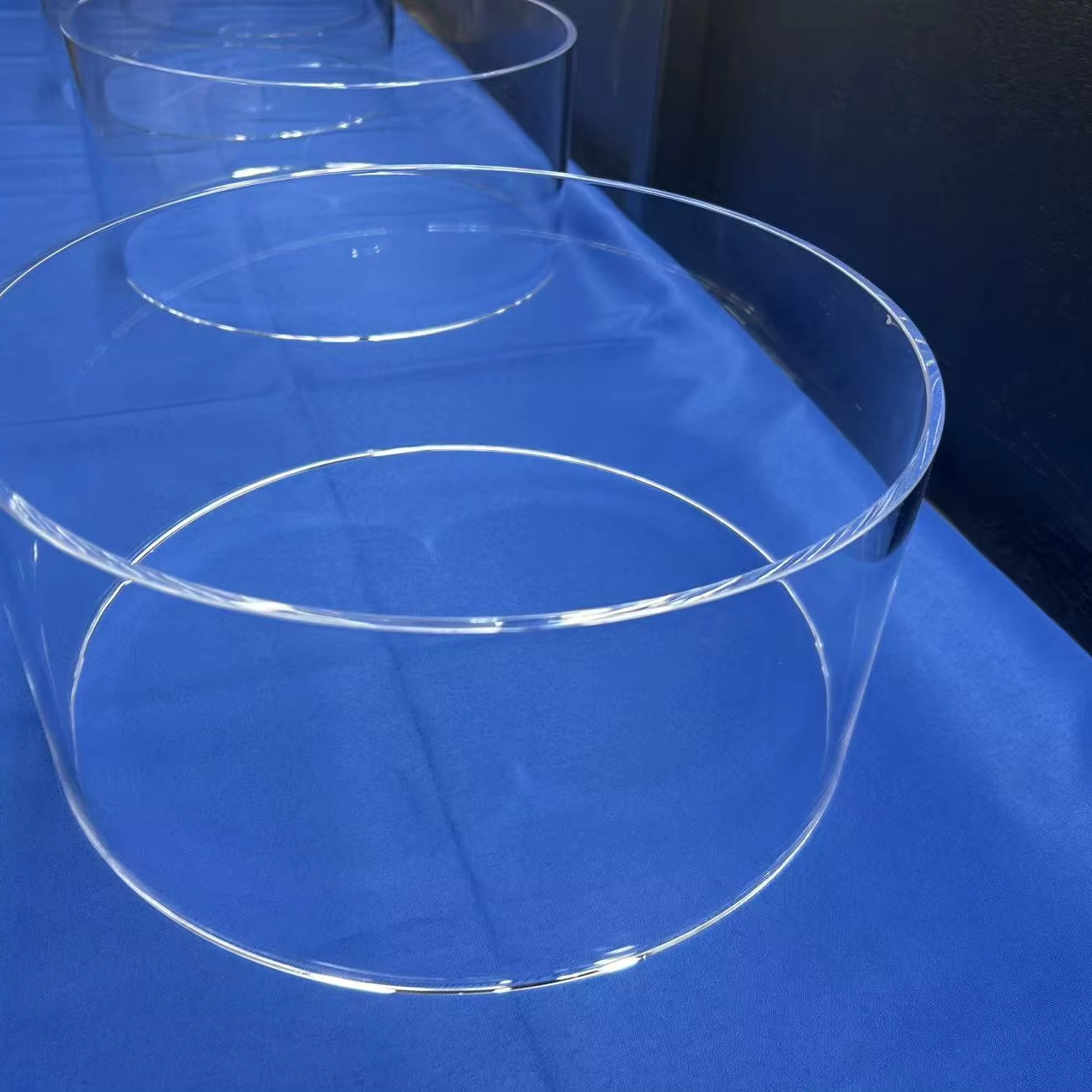
High-Purity Fused Quartz Large Diameter Round Rods Cutting Welding & Bending Services For Industrial Production
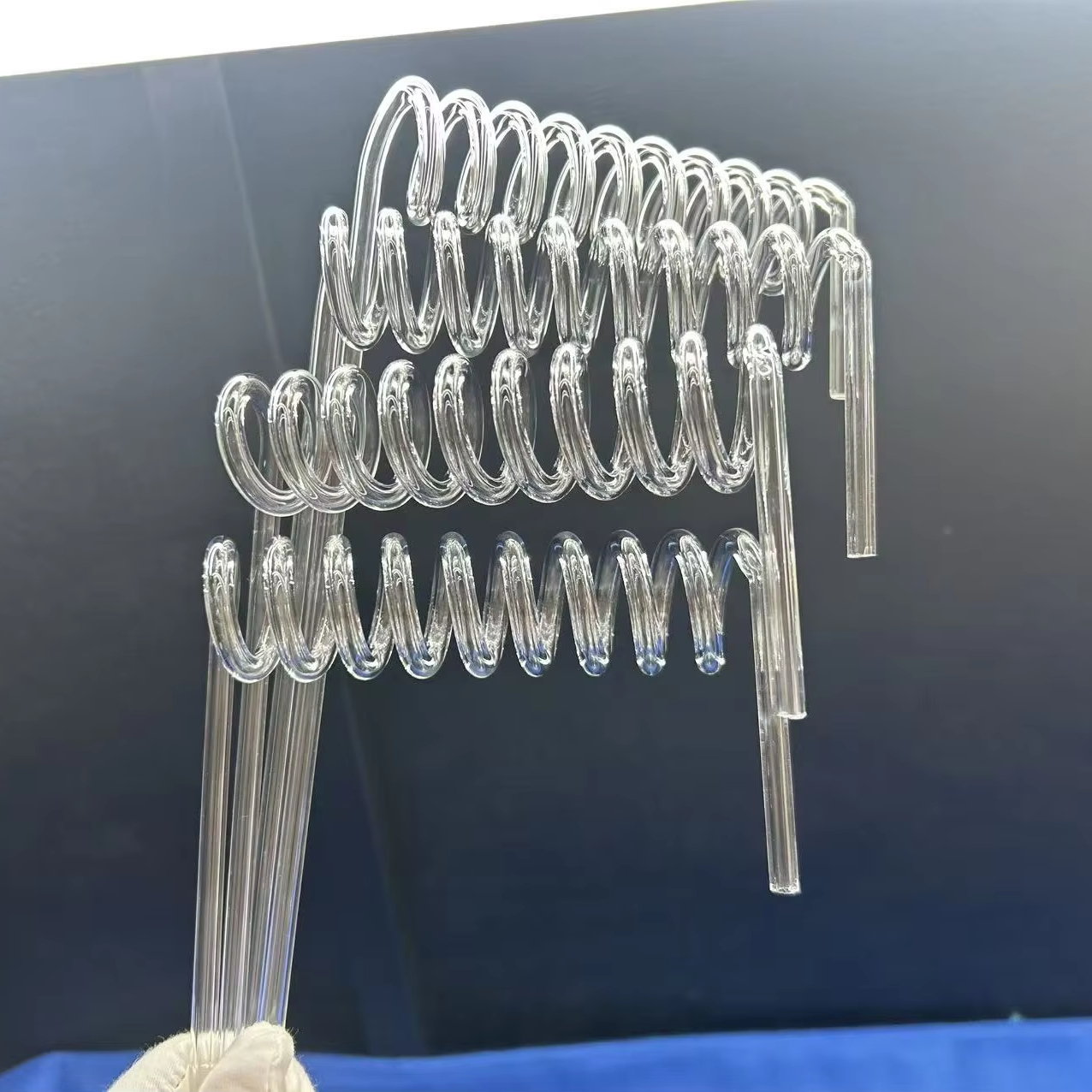
Clear Quartz Spiral Tube for Optics Laboratory Use with Moulding and Bending Services
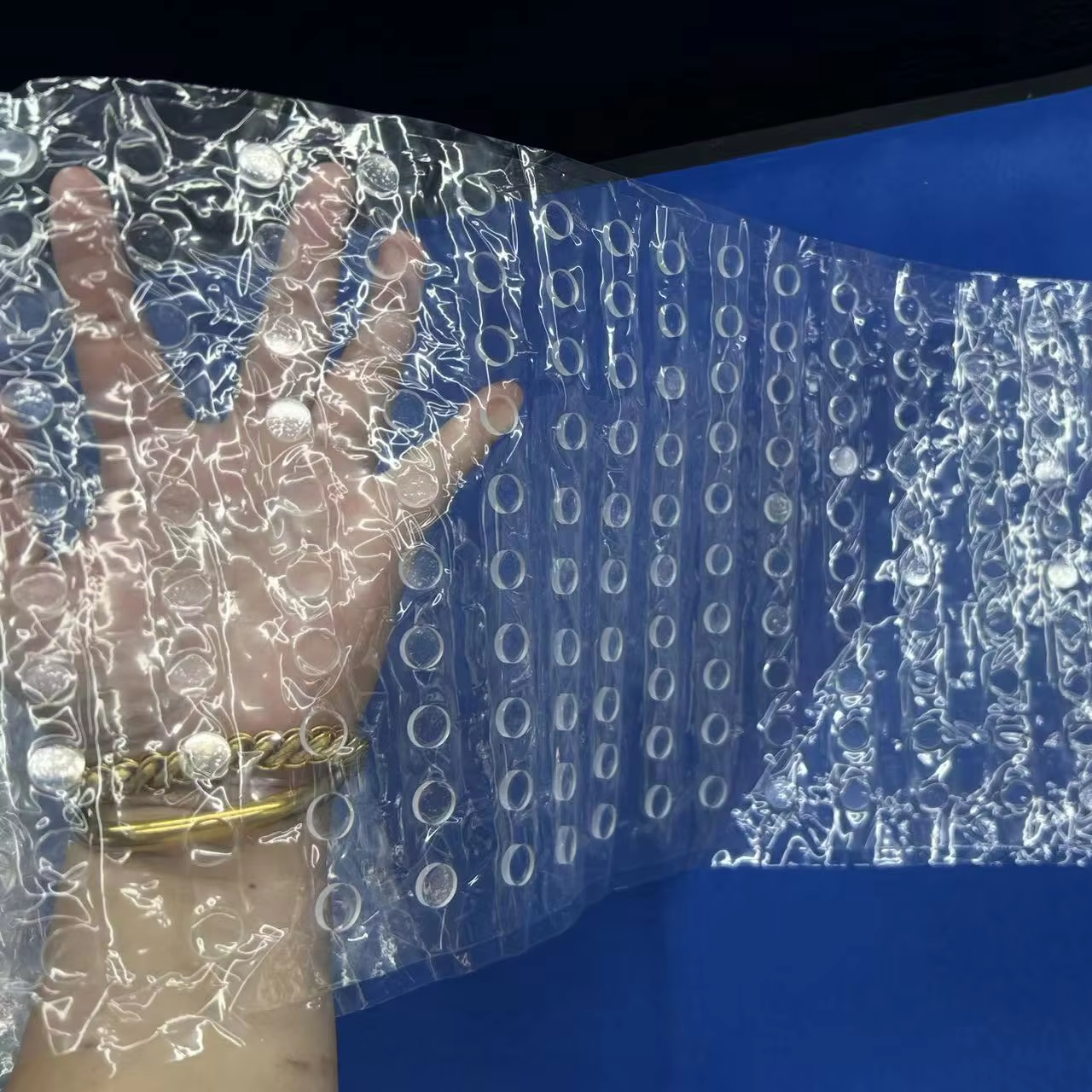
Factory-Made High-purity Small Size Quartz Wafer, Provide Cutting and Polishing Services
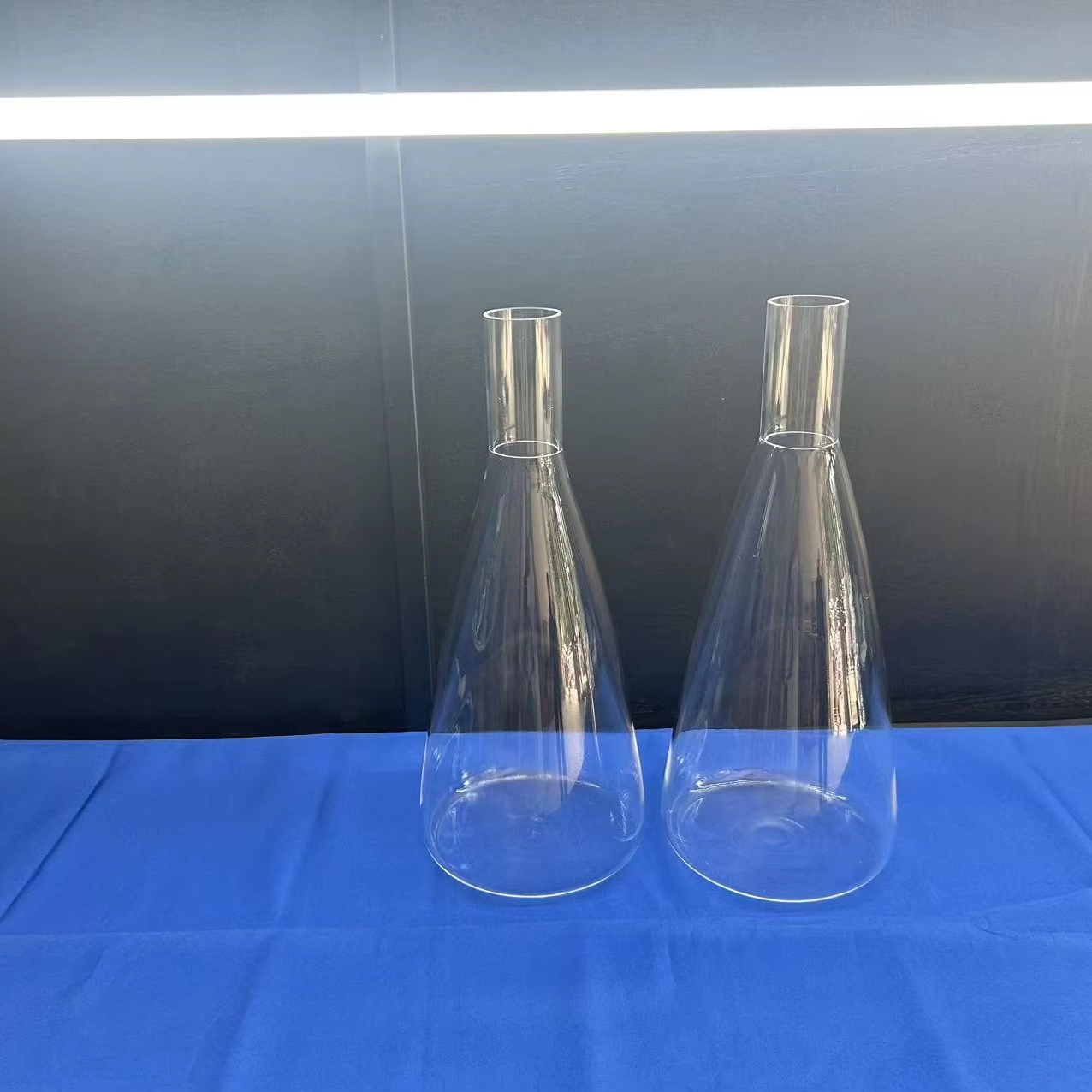
Laboratory Fused Silica Quartz Glass Flask for Extreme Thermal & Acid Digestion
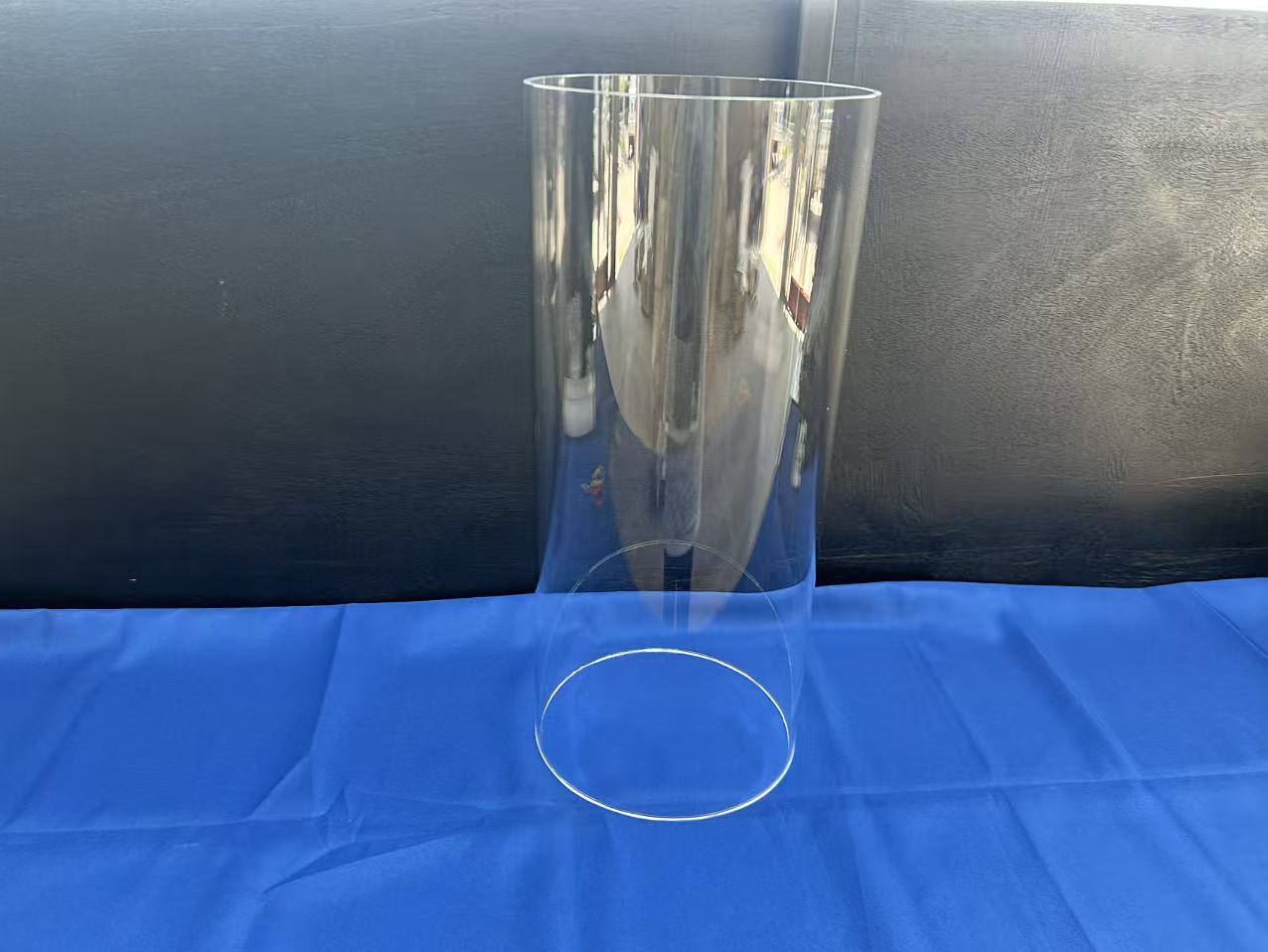
Custom Large-diameter High-purity Fused Quartz Transparent Glass Tubes, Providing Cutting and Welding Services
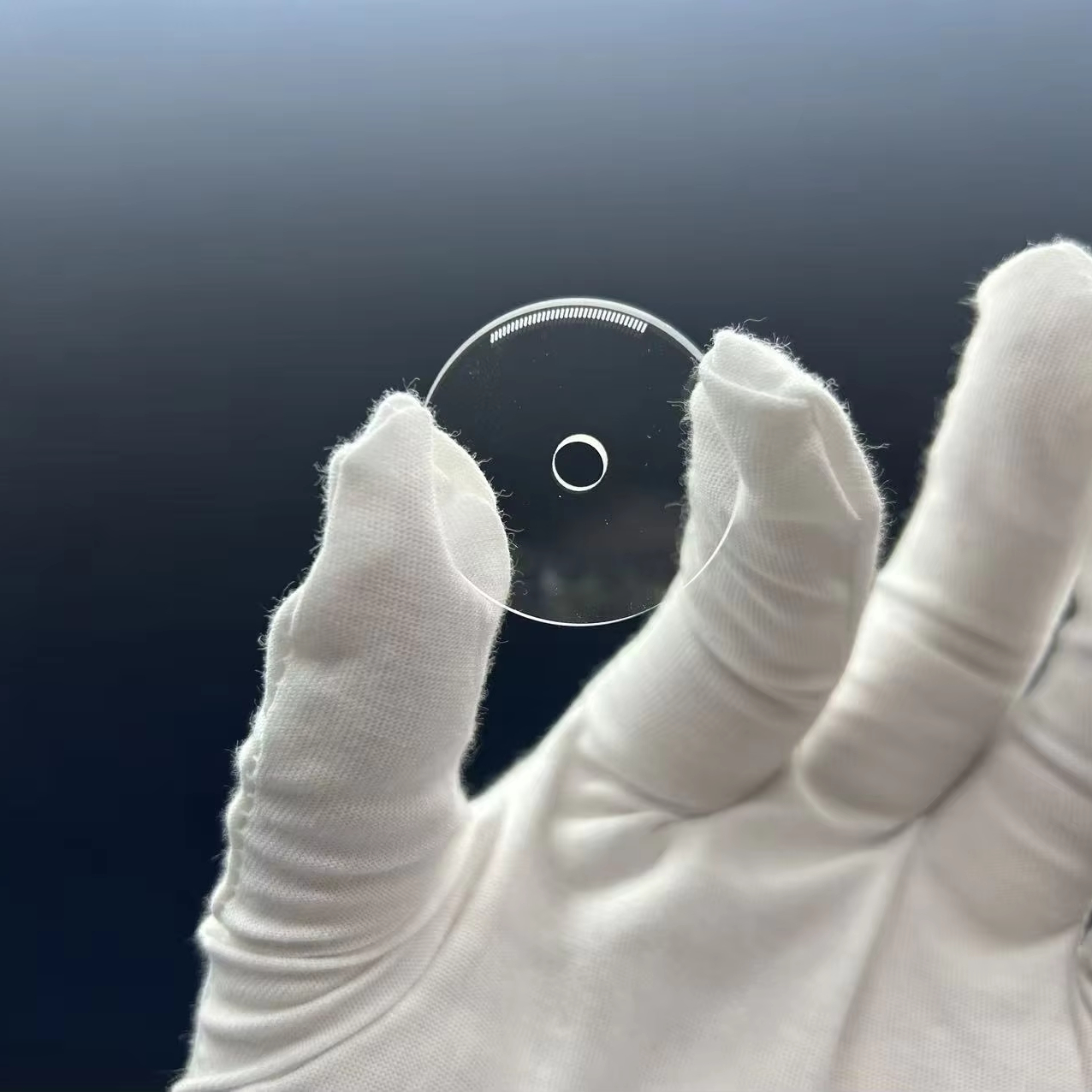
Frosted Quartz Sheet, Sandblasted Diffuser Plates for Cleanroom Thermal Barriers
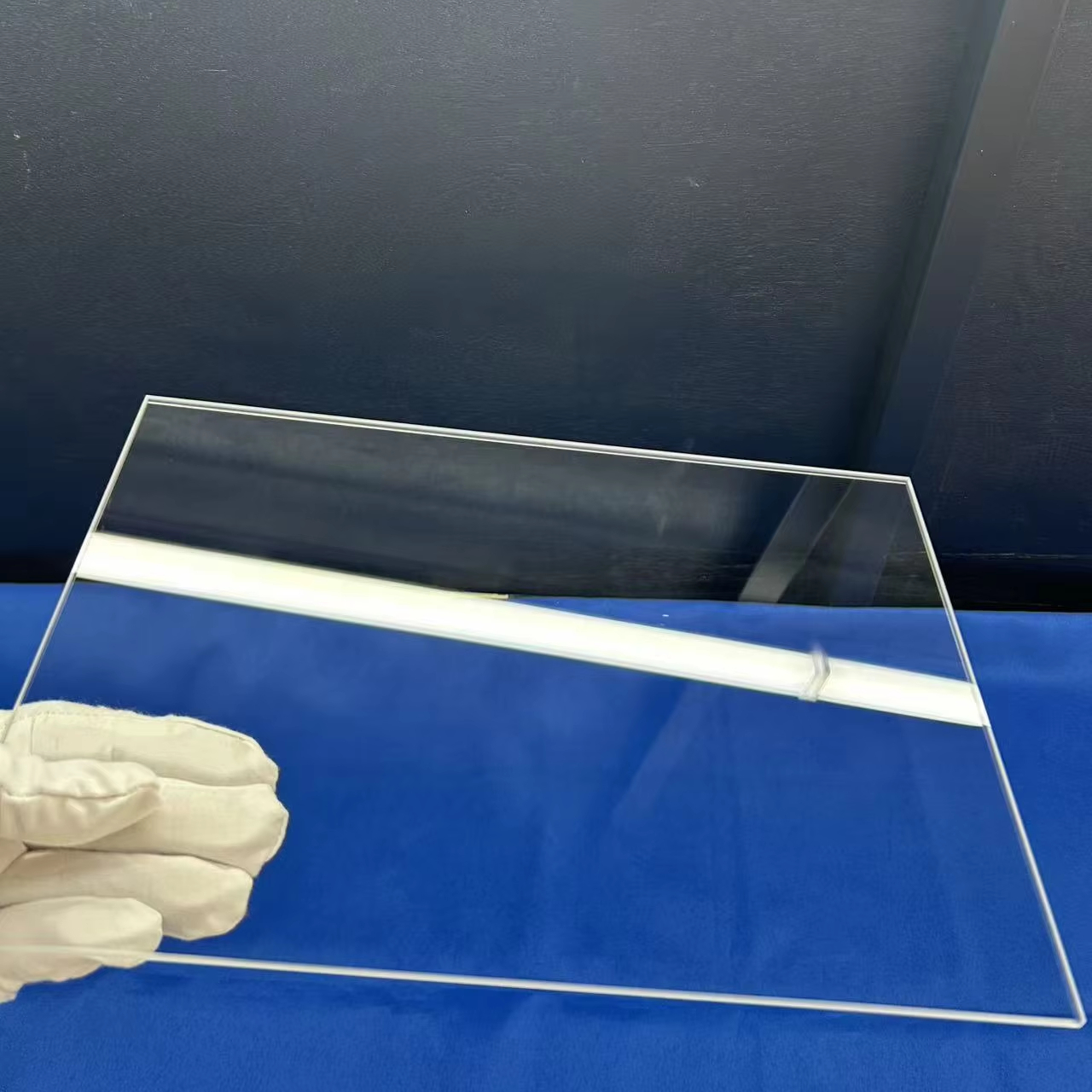
Custom Polished Purity Transparent Square Quartz Glass Clear Plate 4mm Thick for Optical Instruments Provide Welding Cutting
Engineering Whitepaper: High-Purity Fused Silica Crucibles for Dudelange's Thermal Processing Sector
In the southern industrial heartland of Luxembourg, centered around Dudelange and the broader Canton of Esch-sur-Alzette, heavy manufacturing is undergoing a profound technological transformation. What was historically synonymous with traditional ArcelorMittal blast furnaces and rolling infrastructure is now migrating rapidly toward vacuum induction melting (VIM), high-entropy alloy synthesis, additive manufacturing powder atomization, and precision chemical pilot research. For technical procurement directors, metallurgy engineers, and laboratory managers across Dudelange, the performance of high-temperature containment vessels—specifically fused silica and quartz crucibles—is pivotal to production yields, melt purity, and operational safety.
Quartz crucibles fabricated by Donghai County Nivra Quartz Products Co., Ltd. represent an optimal synthesis of natural ultra-pure crystalline quartz and proprietary electric arc fusion molding techniques. Unlike standard refractory ceramic vessels composed of alumina, zirconia, or clay graphite, clear and opaque fused silica crucibles feature a nearly zero coefficient of thermal expansion (5.5 × 10⁻⁷ /°C between 20°C and 300°C). This allows metallurgical engineers in Dudelange to subject crucibles to extreme thermal gradients—such as rapid insertion into a 1200°C induction furnace followed by rapid atmospheric cooling—without the catastrophic spalling, thermal stress fractures, or dimensional distortion typical of competing ceramics.
“In high-temperature vacuum casting and single-crystal growth applications, crucible inertness is non-negotiable. Even fractional parts-per-million (ppm) outgassing of alkali metals (sodium, potassium, lithium) or transition metals (iron, chromium) will degrade metallurgical grain boundaries and poison sensitive semiconductor or optical melts. Nivra Quartz guarantees total metallic impurity thresholds below 20 ppm across all crucible production runs.”
Crystalline Integrity & Devitrification Kinetics at Extreme Temperatures
A critical engineering consideration for Dudelange foundry professionals is devitrification—the spontaneous phase transformation of amorphous fused silica into crystalline cristobalite when subjected to prolonged temperatures above 1150°C. Cristobalite undergoes an abrupt volumetric inversion (approx. 2.8% contraction) during cooling through the 200°C–275°C temperature window, which generates severe internal micro-cracking and renders re-used crucibles brittle.
To maximize continuous crucible longevity in continuous-casting and induction melting setups across Luxembourg, Nivra Quartz integrates high-temperature inner-wall flame vitrification and micro-bubble stabilization. By drastically reducing inner-surface seed micro-voids (which act as heterogeneous nucleation sites for cristobalite formation), our crucibles demonstrate up to 35% longer structural cohesion in vacuum induction environments compared to standard commercial slip-cast silica wares. For applications involving reactive fluxes or corrosive rare-earth slag additions, our Donghai engineering team provides customized opaque outer walls with fully dense, transparent inner glazing layers to impede chemical penetration.
Trace Elemental Impurity Profile (ICP-MS Spectrometry Analysis)
The table below provides typical baseline trace element concentrations within our high-purity fused quartz grades, quantified via Inductively Coupled Plasma Mass Spectrometry (ICP-MS). These purity specifications are critical for buyers in Dudelange's aerospace prototyping, solar silicon casting, and analytical chemistry sectors:
| Element Symbol | Element Name | Standard Clear Fused Quartz (ppm) | Ultra-High Purity Synthetic Grade (ppm) | Metallurgical Impact on Melts |
|---|---|---|---|---|
| Al | Aluminum | 14.0 – 18.0 | < 0.10 | Elevates viscosity; low volatility at high vacuum |
| Fe | Iron | 0.15 – 0.35 | < 0.04 | Prevents color-center defects and optical attenuation |
| Ti | Titanium | 1.0 – 1.8 | < 0.02 | Neutral refractory oxide; non-reactive in molten silicon |
| Ca | Calcium | 0.4 – 0.8 | < 0.05 | Alkali-earth flux; strict control prevents devitrification |
| Na + K + Li | Total Alkalis | < 1.2 | < 0.05 | Crucial: prevents high-temperature electrical short circuits |
| OH⁻ | Hydroxyl Content | < 30 (Standard) / < 5 (JGS3) | < 1.0 (Low-OH IR) | Governs softening point, thermal sagging, and bubble expansion |
Fused Quartz vs. Alternative Crucible Materials: Engineering Trade-Offs
When selecting the optimal vessel for thermal melting operations in the Dudelange industrial basin, material engineers routinely evaluate fused silica against graphite, alumina (Al₂O₃), and silicon carbide (SiC). The following technical matrix highlights the thermodynamic and mechanical advantages of selecting Nivra Quartz crucibles for induction and cleanroom melting:
| Performance Characteristic | Nivra Fused Silica Quartz | Dense Alumina (Al₂O₃ > 99%) | High-Purity Iso-Graphite | Silicon Carbide (SiC) |
|---|---|---|---|---|
| Max Short-Term Temp | 1450°C (Softens at 1683°C) | 1750°C | 2800°C (Inert atmosphere) | 1650°C |
| Thermal Shock Resistance | Exceptional (No preheating) | Poor (Requires slow ramp ≤5°C/min) | Excellent | Moderate |
| Oxidation Behavior | Fully inert in air/O₂ | Inert in oxidizing air | Burns rapidly in air above 450°C | Passivates with SiO₂ film |
| RF Induction Transparency | 100% Transparent (Direct melt coupling) | Electrically non-conductive | Conductive (Susceptor only) | Conductive / Semi-conductive |
| Acid Chemical Inertness | Resists all acids except HF / hot H₃PO₄ | Vulnerable to strong acidic slags | Resists acids; dissolves in molten metals | High chemical resistance |
Specialized Applications Across Dudelange & Southern Luxembourg
From the high-tech logistics parks of Eurohub South to the Neischmelz circular redevelopments and the LIST cleanrooms at Belval, our quartz products power extreme thermal and analytical operations.
Specialty Metallurgy & Alloy Atomization
Dudelange’s metallurgical innovators utilize our large-diameter fused quartz crucibles and pouring spouts for vacuum induction melting (VIM). Because quartz does not couple with radio-frequency electromagnetic fields, the induction energy directly heats the metallic charge (nickel-based superalloys, titanium aluminides, and precious metals) while the crucible remains structurally stable and chemically inert, eliminating slag pick-up during high-velocity gas atomization.
Neischmelz Clean-Tech & Solar Silicon R&D
As Dudelange's landmark Neischmelz district spearheads Luxembourg's transition toward carbon-neutral district energy and green tech piloting, research facilities demand ultra-pure fused quartz vessels for experimental polysilicon crystallization, silicon ingot casting, and photovoltaic wafer diffusion. Our low-bubble crucibles ensure zero boron or phosphorus contamination, guaranteeing maximum carrier lifetimes in experimental solar cells.
Greater Region Academic & Industrial Labs (LIST & Belval)
Situated merely minutes from Dudelange, the Luxembourg Institute of Science and Technology (LIST) and Esch-Belval university campuses conduct cutting-edge materials characterization. Our precision-ground JGS1/JGS2 optical discs, fused silica flasks, and analytical cuvettes support spectroscopy, thermogravimetric analysis (TGA), high-temperature furnace tubes, and hazardous chemical digestions requiring total resistance to aqua regia and nitric acid.
Market Dynamics Shaping Quartz Sourcing in the Dudelange Industrial Corridor
How decarbonization mandates, multimodal supply chain resilience, and cleanroom automation are redefining refractory procurement across the Grand Duchy.
Industrial Decarbonization & Electrification
Luxembourg’s aggressive National Energy and Climate Plan (PNEC) enforces rapid phase-out of fossil-fired reheat furnaces across southern industrial zones. Industrial operations are transitioning to electric arc and induction furnaces where fused silica crucibles, with their transparent electromagnetic profile and zero carbon emissions, replace fossil-fueled smelting pots, minimizing scope 1 emissions while optimizing thermal efficiency.
Just-In-Time Multi-Modal Freight Integration
The strategic expansion of the CFL Multimodal Hub at Dudelange (Eurohub South) provides direct rail freight links connecting maritime ports (Antwerp, Rotterdam, Hamburg) directly into the heart of southern Luxembourg. Procurement teams now require precision batch crating and standardized palletized dimensions from China’s Donghai export factories to ensure seamless clearance and minimal handling risks.
Reshoring of Advanced Semiconductor Materials
In alignment with the European Chips Act, technology parks surrounding Dudelange and the Greater Region (encompassing Saarland, Lorraine, and Wallonia) are attracting specialized semiconductor equipment refurbishers and wafer processing pilots. Demand for high-purity quartz wafers, quartz boats, diffusion tubes, and wafer cleaning tanks has surged by over 40% year-on-year, driving demand for verified OEM factories.
Why Engineering Teams Partner with Nivra Quartz
Combining natural high-purity silica deposits from China’s quartz capital with rigorous export verification and precision CNC machining capabilities.
Donghai Raw Material Capital
Headquartered in Donghai County, Jiangsu—the epicenter of global quartz and crystal extraction. Our direct access to prime natural pegmatite quartz deposits ensures stable raw material pricing and uninterrupted supply continuity for European bulk contracts.
101–200 Skilled Specialists
Founded in February 2019, our specialized production facility integrates automated diamond-wire cutting, multi-axis CNC milling, optical surface polishing, precision lathe flame-forming, and hydrogen-oxygen torch welding under strict ISO quality oversight.
≤5-Hour Engineering Feedback
With an audited 88.89% inquiry response rate, our dedicated bilingual technical team provides direct CAD/drawing reviews, tolerance feasibility analyses, and accurate DDP/CIF quotation estimates within five working hours of inquiry submission.
5.0/5.0 Rated Export Record
Over 40% of our production volume serves North American and European industrial buyers. Every export crate undergoes triple-layer protective foam packaging, desiccated cleanroom sealing, and certified non-fumigation timber crating for zero-breakage delivery.
From Technical CAD Drawing to Dudelange Delivery
A structured, auditable manufacturing pipeline compliant with European industrial quality requirements.
Specification Audit
Customer submits 2D/3D CAD (STEP/DWG/PDF), detailing dimensional tolerances, optical grades (JGS1/2/3), and maximum operational thermal cycles.
Refractory Tooling
Our engineers select certified high-purity quartz ingots and calibrate specialized graphite mandrels or ultrasonic CNC tooling paths for custom crucible curvature.
Thermal Vitrification
Arc-fusion molding is coupled with robotic hydrogen-oxygen flame glazing to seal surface pores, eliminating internal air inclusions and bubble clusters.
Annealing & Metrology
Crucibles undergo prolonged 1150°C de-stressing annealing to relieve internal mechanical stress, followed by CMM laser dimensional and polarimetric checks.
Reinforced Craters
Individually sealed in antistatic bubble wrap, suspended within shock-absorbing custom polyurethane foam, and secured in heavy-duty export plywood crates.
Frequently Asked Questions for Dudelange Buyers
Clear, engineering-backed answers regarding import protocols, thermal shock handling, custom tolerances, and chemical compatibility for Luxembourg procurement teams.
What are the key differences between clear fused quartz and opaque silica crucibles for induction melting?
Clear fused quartz crucibles are manufactured from electric-melted high-purity natural crystal, producing a 100% transparent or highly translucent wall with virtually zero open porosity and ultra-low bubble density. They are primarily utilized in vacuum induction melting (VIM), precision laboratory analysis, and optical glass melting where complete visual monitoring of the liquid charge is required and trace metal contamination must be kept under 15 ppm.
Opaque slip-cast or arc-fused silica crucibles incorporate millions of microscopic closed air pores within their matrix. These microscopic bubbles scatter thermal radiation, providing superior thermal insulation and enhanced resistance to catastrophic crack propagation during repeated, severe thermal cycling. Opaque crucibles are commonly preferred for large-scale aluminum, gold, or silicon ingot casting across Dudelange foundries where cost efficiency and thermal thermal-shock margins are paramount.
How does Nivra Quartz ensure zero breakage during international transit to Luxembourg?
We treat international export packaging as an exact engineering discipline. Each quartz crucible is first ultrasonically de-dusted and heat-sealed in protective polyethylene film to eliminate airborne contamination. The item is then encapsulated within custom-profiled, high-density expanded polyethylene (EPE) foam that absorbs multi-axis shock and vibrational frequencies during transit.
Bulk shipments routed toward the CFL Multimodal terminal in Dudelange are crated within ISPM-15 certified non-fumigation reinforced wooden cases, reinforced with exterior steel corner straps and moisture-barrier silica gel desiccants. Our documented damage rate across European shipments is less than 0.2%, with complete insurance coverage and immediate replacement guarantees.
What dimensional tolerances can you maintain on custom-welded or CNC-machined quartz crucibles?
For standard flame-formed crucibles and round vessels, our baseline outer diameter (OD) and height tolerances range from ±0.5mm to ±1.0mm depending on overall volume. For precision cleanroom crucibles, semiconductor boats, and flange-integrated melting vessels requiring CNC ground faces, we maintain tolerances as tight as ±0.05mm on wall thickness, flatness, and parallelism.
Optical surfaces can be polished to surface roughness Ra < 0.5 nm with scratch-dig specifications of 40/20 or 60/40 upon request, fully compatible with precision laser positioning and vacuum flange seals.
Can your crucibles withstand corrosive chemical exposure, such as high-temperature flux or acid baths?
Fused silica exhibits virtually total chemical inertness against almost all inorganic and organic acids—including concentrated hydrochloric acid (HCl), nitric acid (HNO₃), sulfuric acid (H₂SO₄), and aqua regia—even at boiling temperatures. This makes our crucibles standard hardware for trace elemental analysis and precious metal refining laboratories across Luxembourg.
The only critical chemical exceptions are hydrofluoric acid (HF), which rapidly dissolves SiO₂, and concentrated phosphoric acid (H₃PO₄) at operating temperatures exceeding 150°C. Furthermore, basic alkaline fluxes (such as sodium hydroxide, potassium carbonate, or lithium borates) should not be heated in quartz crucibles above 500°C, as alkali ions accelerate catastrophic surface devitrification.
What are the import procedures, customs codes, and typical lead times for delivery into Dudelange?
Industrial quartz products exported from China into Luxembourg (EU customs territory) are typically classified under HS Code 7017.10 (Laboratory, hygienic or pharmaceutical glassware, whether or not graduated or calibrated - of fused quartz or other fused silica) or HS Code 7020.00 (Other articles of glass). Standard EU third-country customs duty rates range from 0% to 3% depending on exact geometry, subject to standard Luxembourg VAT (17%).
For express air shipments (DHL/FedEx) of prototypes or emergency batches, transit from our factory floor to your Dudelange facility requires only 5 to 8 business days. For consolidated sea/rail container freight routed through CFL Multimodal Dudelange, standard door-to-door lead times are approximately 28 to 35 calendar days.
What is the Minimum Order Quantity (MOQ) for custom-engineered crucibles?
To support ongoing R&D prototyping across Esch-sur-Alzette and Dudelange research facilities, we maintain an accommodating MOQ policy. Standard catalog crucibles and large-format vessels start from an MOQ of just 1 to 5 pieces. Custom-machined prototypes based on your CAD drawings can be fabricated as a single pilot unit for dimensional and thermal sign-off prior to authorizing full production batches.
Optimize Your High-Temperature Thermal Vessel Sourcing
Whether you require standardized fused silica melting crucibles, large-bore quartz tubes, optical wafers, or bespoke quartz labware, our engineering team provides direct manufacturability analysis and competitive factory pricing.