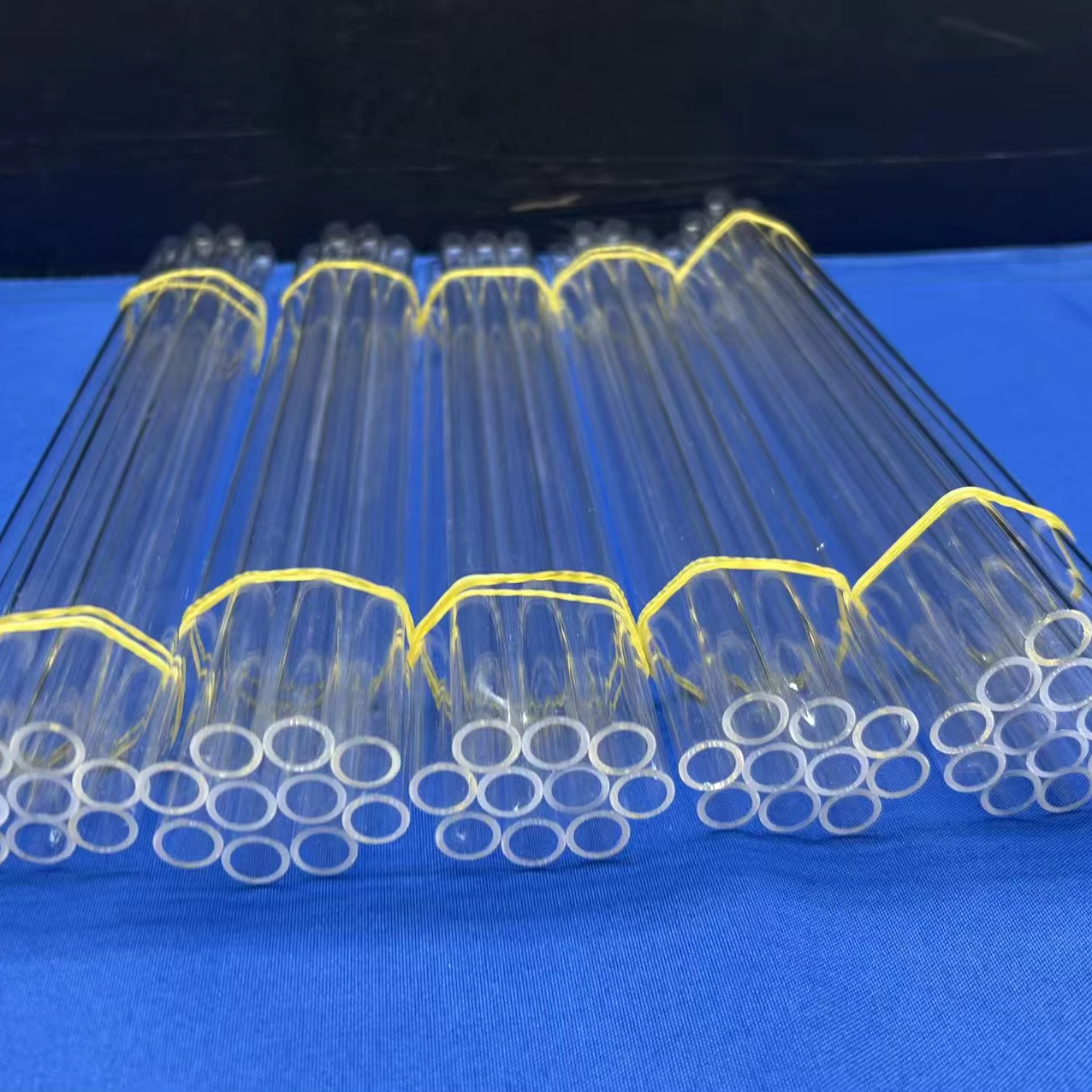
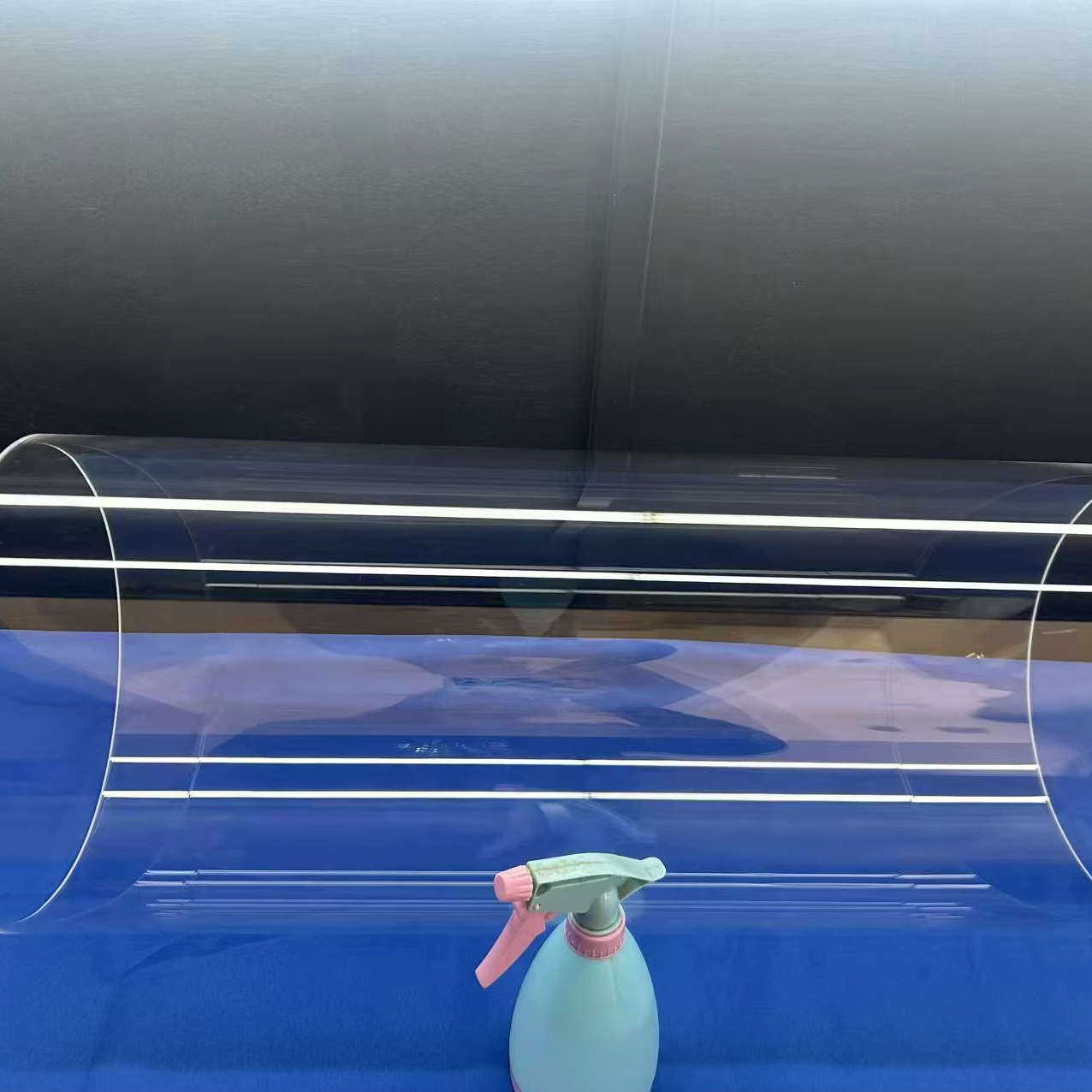
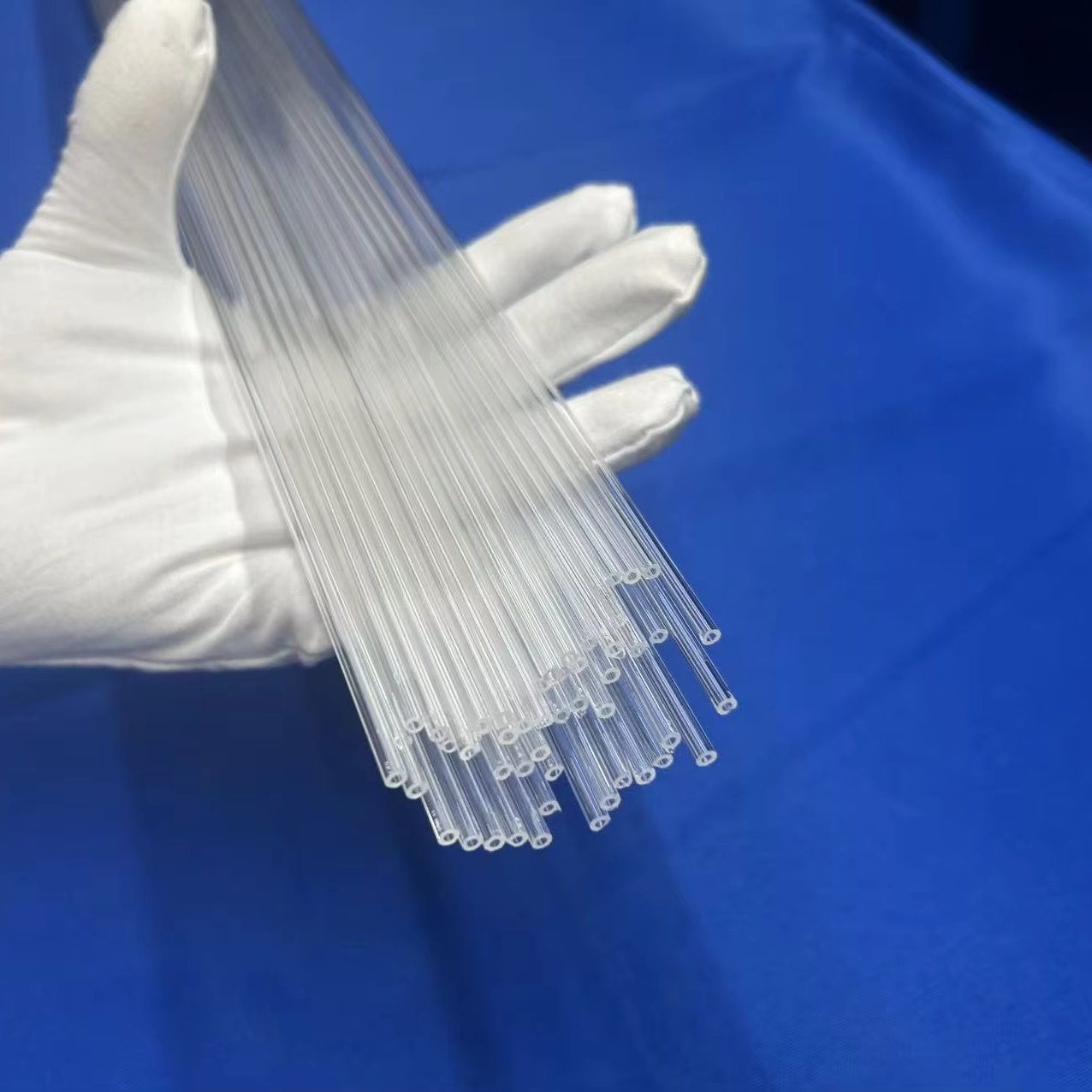
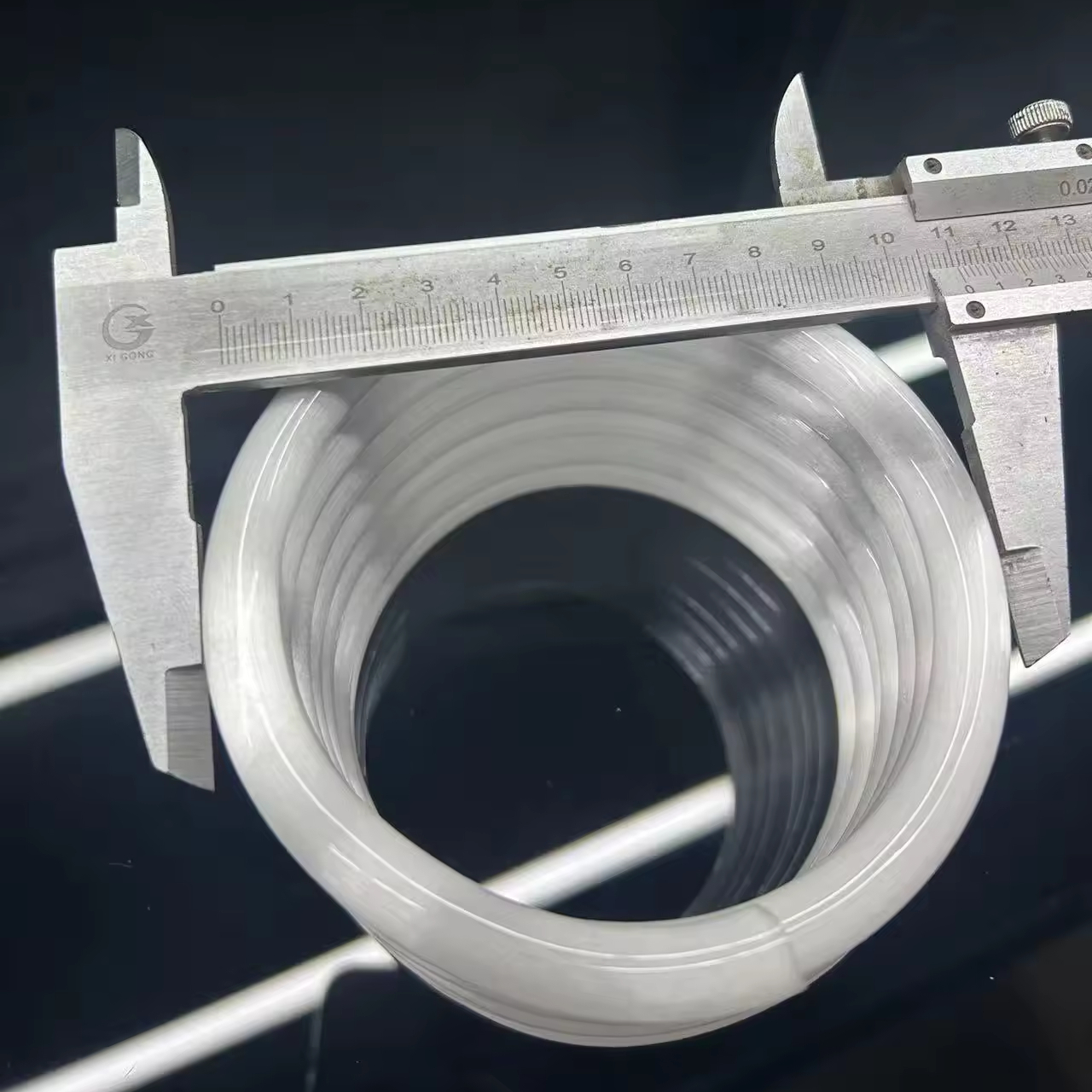
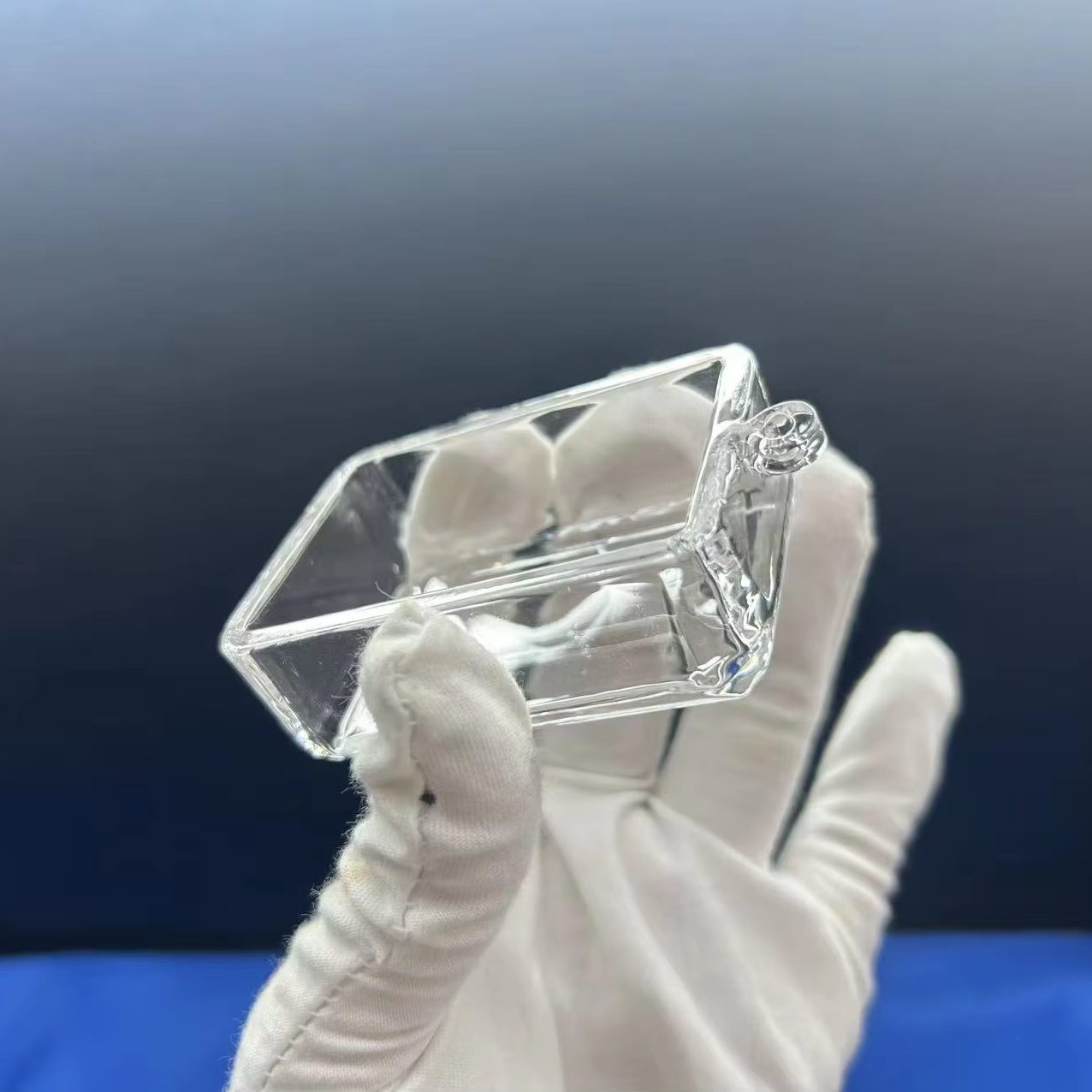
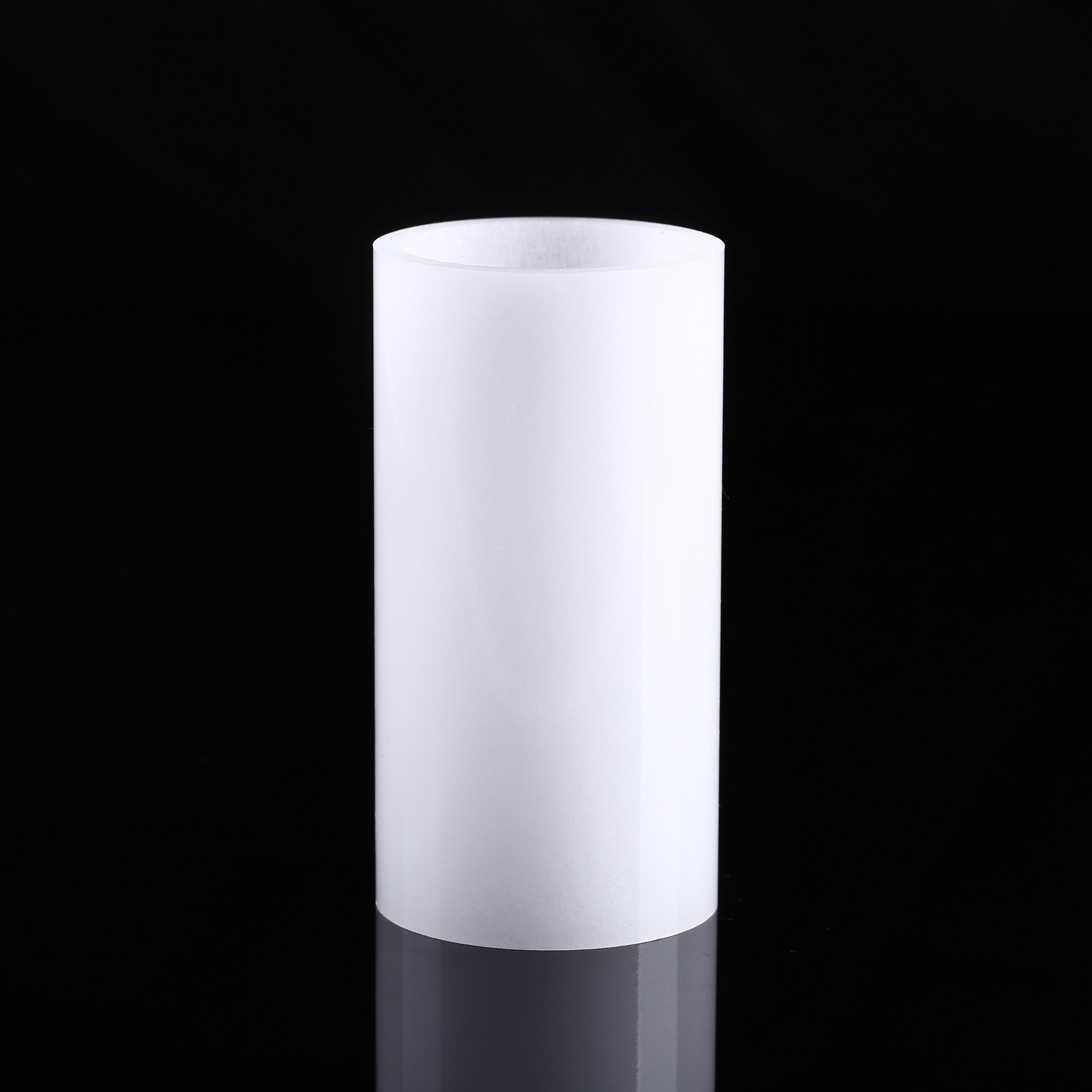
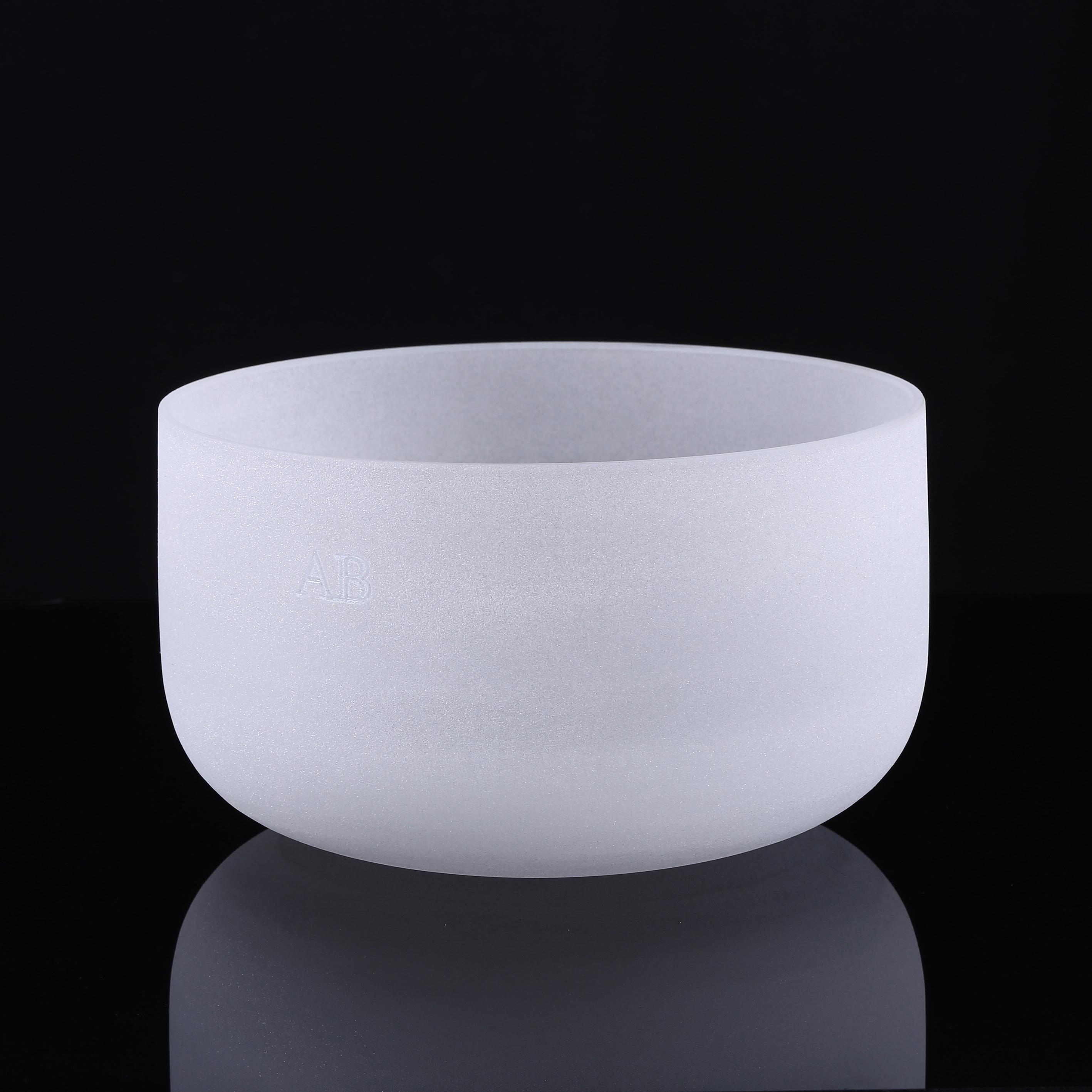
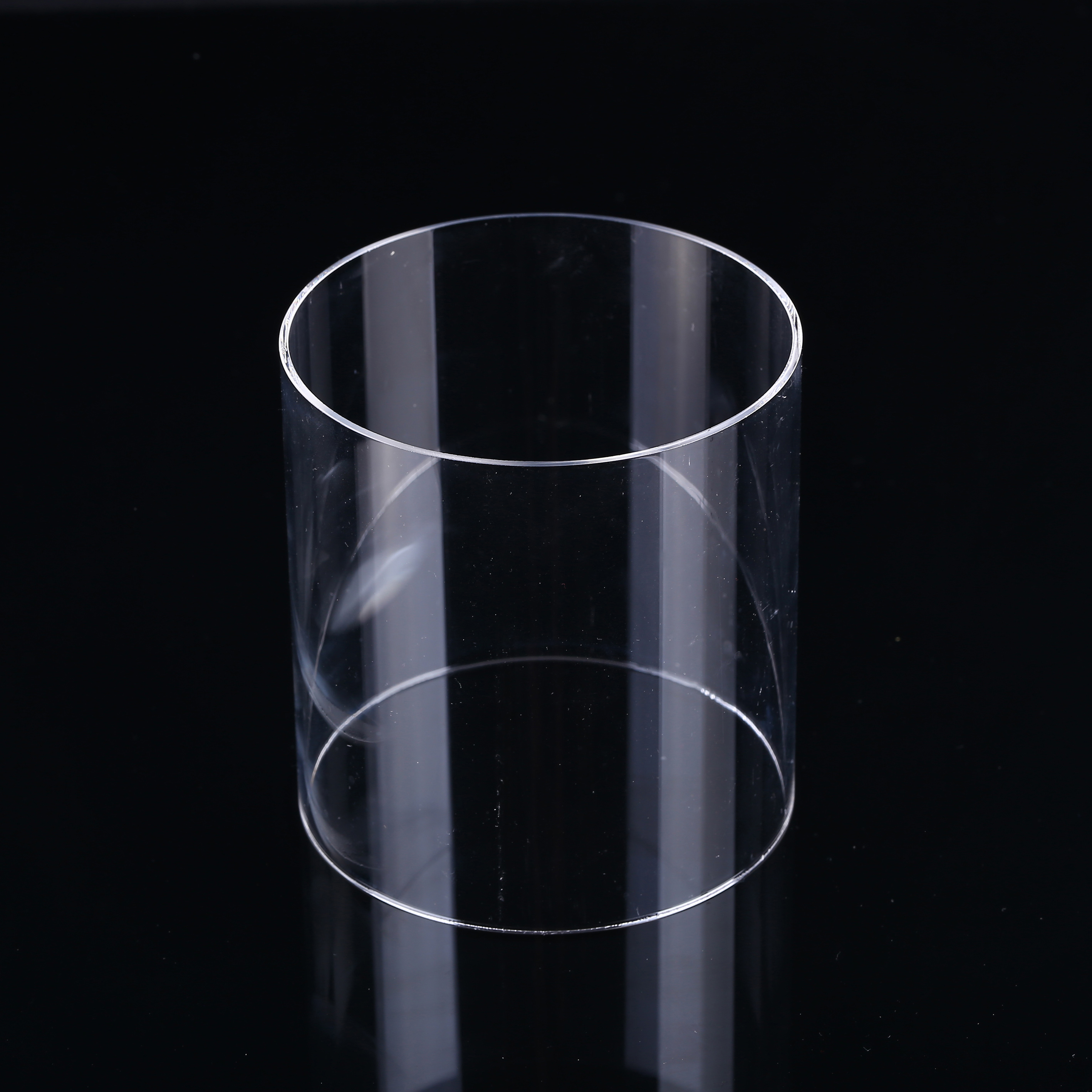
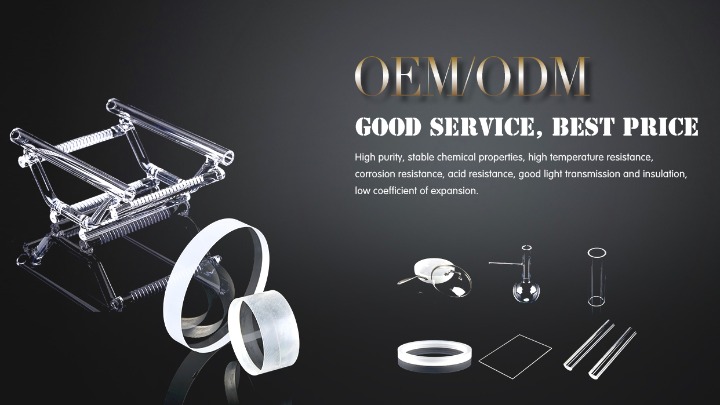
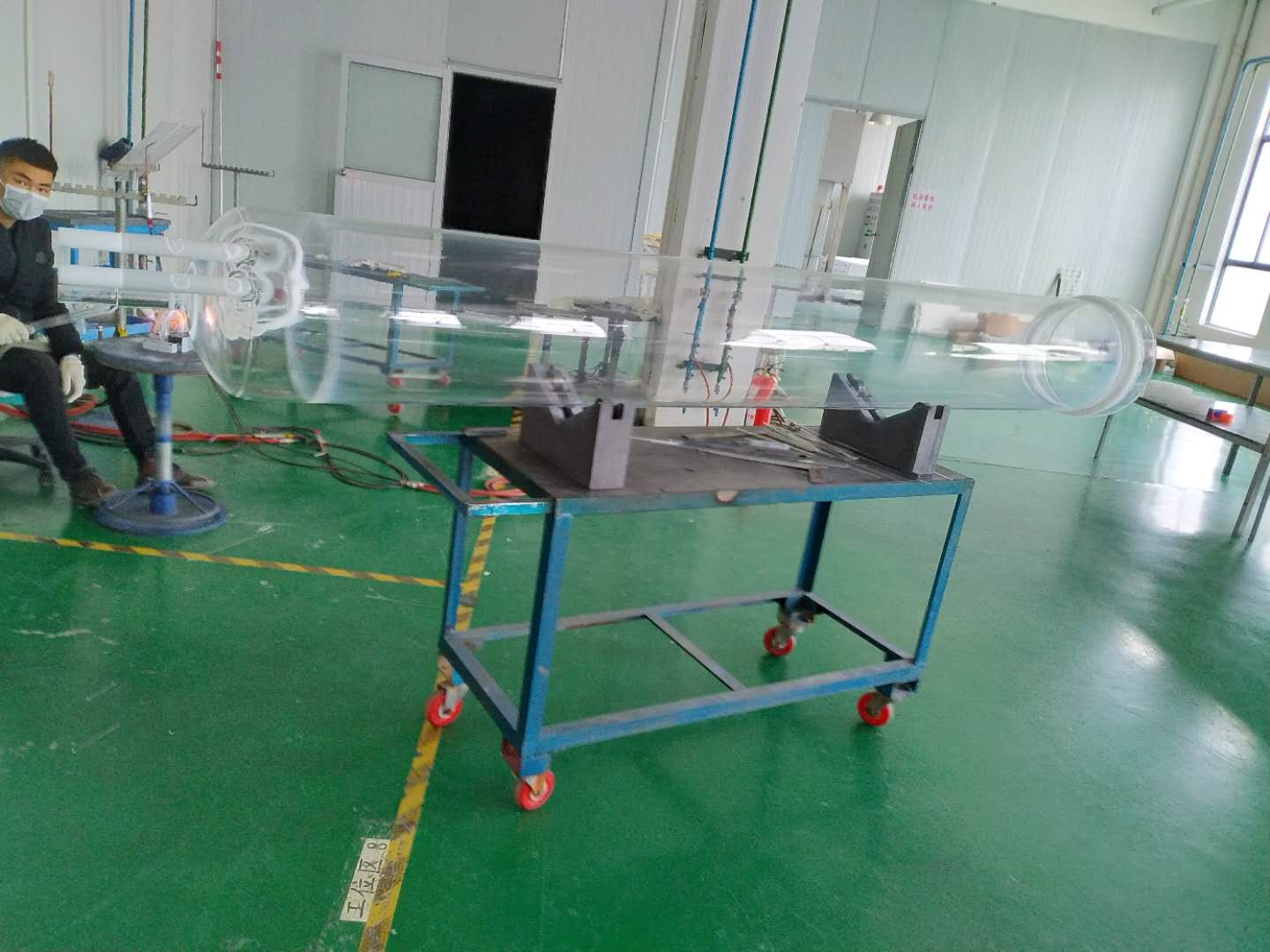
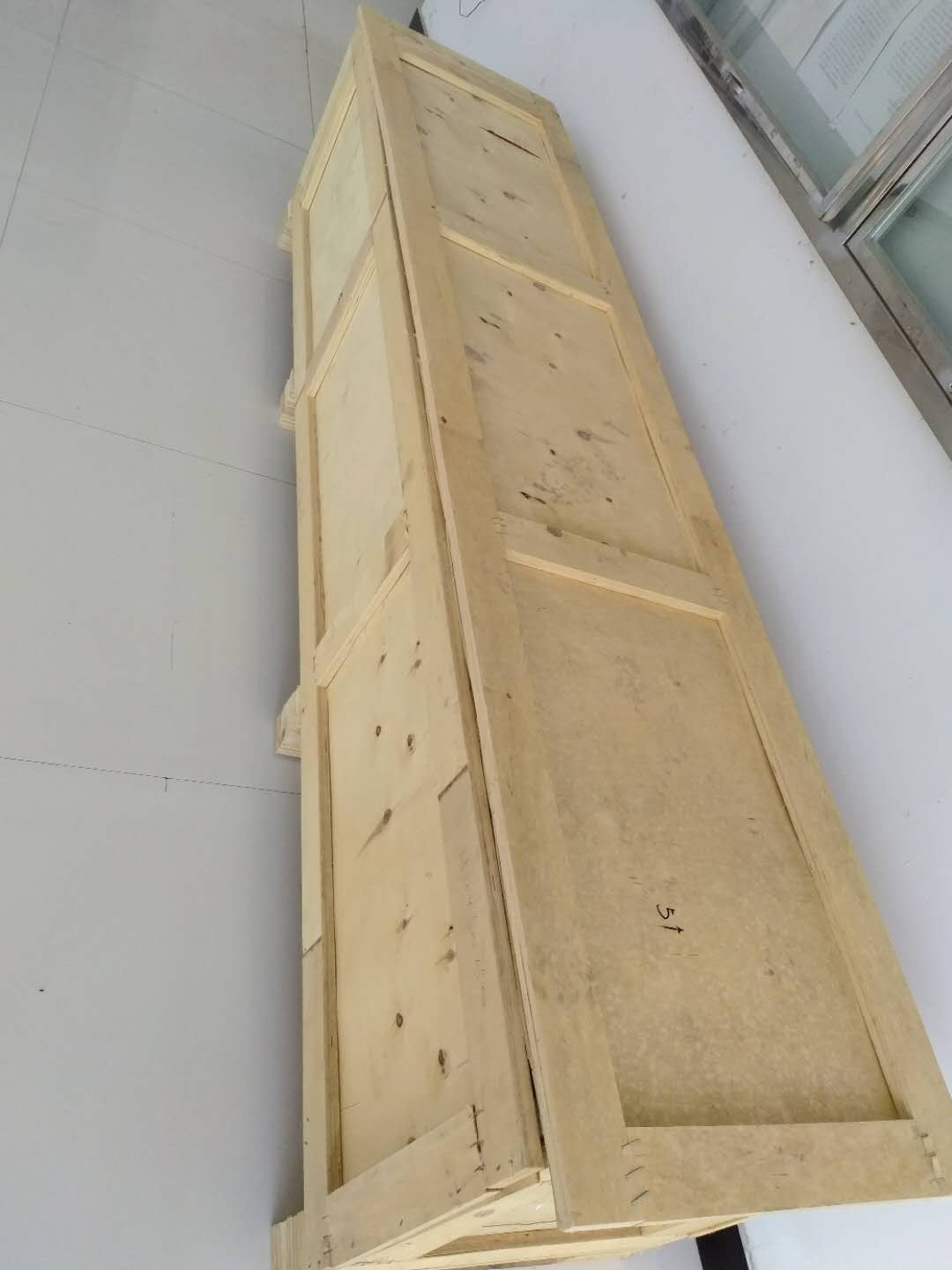
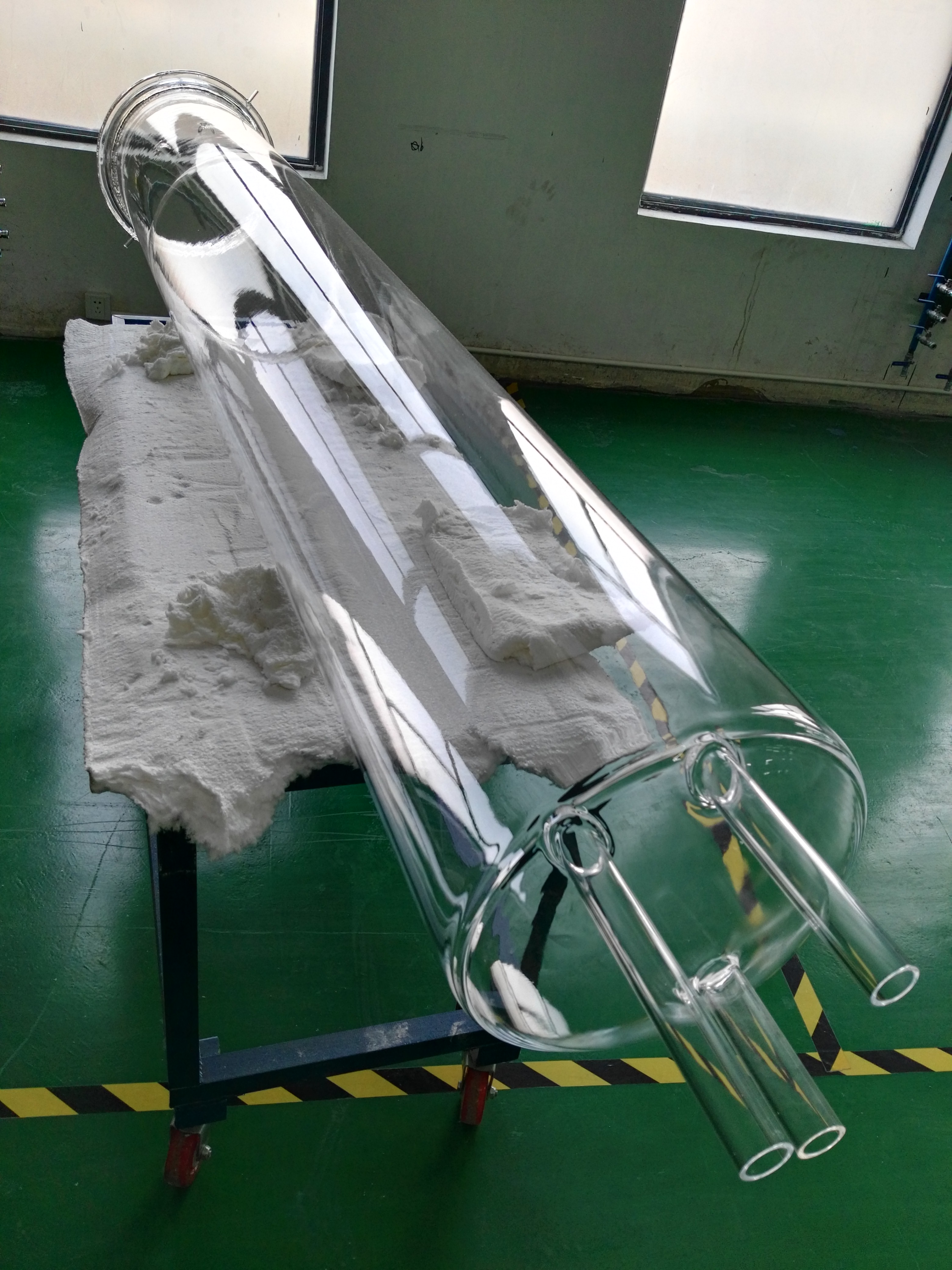
Engineered from optical-grade fused silica (≥99.99% SiO&sub2;) for Estonian cleanroom facilities, research institutes, and semiconductor equipment integrators. Standard models ship with mill-test certificates; custom configurations engineered to CAD drawings within 48 hours.
A comparative evaluation of high-purity fused silica versus synthetic fluoropolymers and borosilicate glass within Northern Europe's high-reliability microelectronics and sensor clusters.
In high-precision manufacturing nodes spanning Tallinn's technology campuses—from Ülemiste City to the deep-tech incubators at Tehnopol Science and Business Park and the cleanrooms of TalTech (Tallinn University of Technology)—wet-bench processing equipment faces severe chemical and thermal operational constraints. Wafer stripping, megasonic degreasing, and RCA cleaning sequences (SC-1 and SC-2) require cleaning vessels capable of sustaining aggressive chemical reagents such as boiling Sulfuric-Peroxide Mix (SPM / Piranha etch at 120°C to 180°C), concentrated Nitric Acid (HNO&sub3;), Hydrochloric Acid (HCl), and Hot Phosphoric Acid (H&sub3;PO&sub4; at 160°C) without leaching trace alkali ions back into the process bath.
While PTFE and PFA tanks remain prevalent in room-temperature HF etching, their polymer chains exhibit critical mechanical deflection, high thermal expansion coefficients (α ≈ 100–150 × 10−6 /K), and micro-porosity issues at elevated bath temperatures. Fused quartz cleaning vessels, manufactured from natural rock crystals or synthetic SiCl&sub4; precursor gases, solve these failure modes by providing an exceptionally low thermal expansion coefficient (α ≈ 5.5 × 10⁻⁷ /K), an ultra-pure SiO&sub2; lattice (> 99.99%), and absolute structural rigidity under thermal shock.
| Performance Parameter | High-Purity Fused Quartz (Nivra Standard) | Borosilicate Glass (3.3) | Fluoropolymer (PTFE / PFA) |
|---|---|---|---|
| SiO&sub2; / Chemical Purity | ≥ 99.995% Purity (Trace metals < 15 ppm) | ≈ 80.5% SiO&sub2;, 13% B&sub2;O&sub3;, 4% Na&sub2;O | Synthetic Fluorocarbon polymer (Polymer chain) |
| Thermal Expansion (20–300°C) | 5.5 × 10⁻⁷ /°C (Zero distortion) | 33 × 10−7 /°C (Moderate risk) | 1000–1500 × 10−7 /°C (High warping risk) |
| Continuous Operating Temp | 1100°C (Peak short-term 1450°C) | 450°C–500°C max | 200°C–260°C max (Creeps under load) |
| Cavitation Resistance (Ultrasound) | Excellent: High surface hardness (Mohs 5.5–6.5) | Moderate; risk of pin-hole pitting | Poor; dampens ultrasonic acoustic waves |
| Contamination Leaching | ppb level (Negligible sodium, iron, aluminum) | High sodium/boron leaching in hot acid | Risk of organic fluorosurfactant extractables |
| Direct Resistance to Piranha / SPM | Complete Inertness (> 5-year tank life) | Surface clouding and micro-etching | Degrades over prolonged oxidizing cycles |
From microelectronic cleanrooms in Mustamäe to contract electronics manufacturing (EMS) facilities along the Peterburi Road industrial belt.
Estonian microelectronic packaging hubs and research foundries use Nivra fused quartz rectangular tanks for batch RCA cleaning (SC-1 ammonium hydroxide/peroxide and SC-2 hydrochloric acid/peroxide). Seamless flame-fused corners eliminate crevices where metallic cations (Fe, Cu, Zn) could precipitate, guaranteeing low particle defects per wafer surface.
Tallinn's expanding laser photonics and optical instrument clusters demand scratch-resistant, optical-clarity cleaning tanks. Fused silica JGS1/JGS2 tanks support ultrasonic and megasonic solvent degreasing of fused silica lenses, neodymium laser rods, and sapphire crystals without optical haze, glass spalling, or acoustic absorption.
Harju County clean energy startups developing novel supercapacitors, hydrogen electrolyzer membranes, and solid-state battery interfaces deploy custom square quartz electrolytic tanks. Complete dielectric insulation and resistance to harsh acidic baths ensure precise cyclic voltammetry and continuous chemical etching.
Precision quartz flow cells, capillary tubes, and miniature reaction tanks supplied to biotechnology labs in Tallinn. Hydrophobic wall finishes and controlled internal diameters ensure repeatable microfluidic reagent distribution with zero biological cross-contamination and near-zero auto-fluorescence under UV excitation.
Prototyping solar and photovoltaic test lines in the Baltics utilize our quartz tanks for potassium hydroxide (KOH) and isotropic texturing baths. Fused quartz tanks withstand caustic solutions up to 90°C without wall dissolution, keeping bath bath bath chemistry stable across long manufacturing runs.
How European semiconductor sovereignty initiatives and ESG directives are transforming quartz tooling specifications in Estonia.
Estonia's electronics ecosystem is moving closer to tier-1 automotive and industrial microelectronics fabrication under the EU Chips Act framework. This creates heightened demand for wet bench tooling verified to SEMI E49 guidelines. Process engineers in Tallinn now audit trace metal leaching down to single-digit parts per billion (ppb), making verified high-purity fused silica tanks the mandatory standard.
As micro-circuit pitches shrink below 65 nm, standard mechanical agitation risks wafer pattern collapse. Cleanrooms in Tallinn are retrofitting wet benches with high-frequency megasonic transducers (800 kHz–2 MHz) bonded directly to the quartz tank bottom. This requires flat bottom plates with parallelism tolerances ≤ 0.05 mm and bubble-free optical homogeneities to avoid acoustic wave dissipation.
Procurement teams in the Baltic region are bypassing multi-tiered European distributors in favor of direct manufacturer alliances. Sourcing straight from Donghai County—China's crystal capital—drops raw quartz tooling costs by 35%–50% while unlocking fully custom dimensions (dump rinser notches, knife-edge overflow weirs, and serrated baffles) without distributor markups.
Established in February 2019 at 285 Heping East Road, Lianyungang, Jiangsu. A verified manufacturer combining raw natural crystal resources with multi-axis CNC fabrication.
Donghai County Nivra Quartz Products Co., Ltd. operates a specialized quartz glass synthesis, cutting, and welding production facility employing 101 to 200 skilled craftsmen and precision engineers. Operating under the corporate tenet of "Quality First, Reputation First," our plant delivers custom-tailored fused quartz tubes, optical plates, crucibles, diffusion boats, and cleaning tanks for export markets across North America (40%), Western Europe (20%), and Northern Europe (10%).
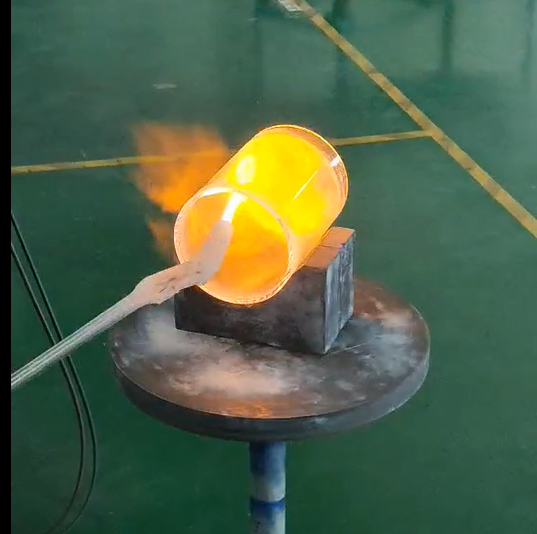
Every quartz cleaning tank destined for Tallinn cleanrooms undergoes rigorous multi-step QA: raw quartz ingot spectral purity verification, 5-axis CNC dimensional milling, high-temperature oxygen-hydrogen flame seam welding, 1150°C stress annealing, and final helium mass spectrometer leak inspection.
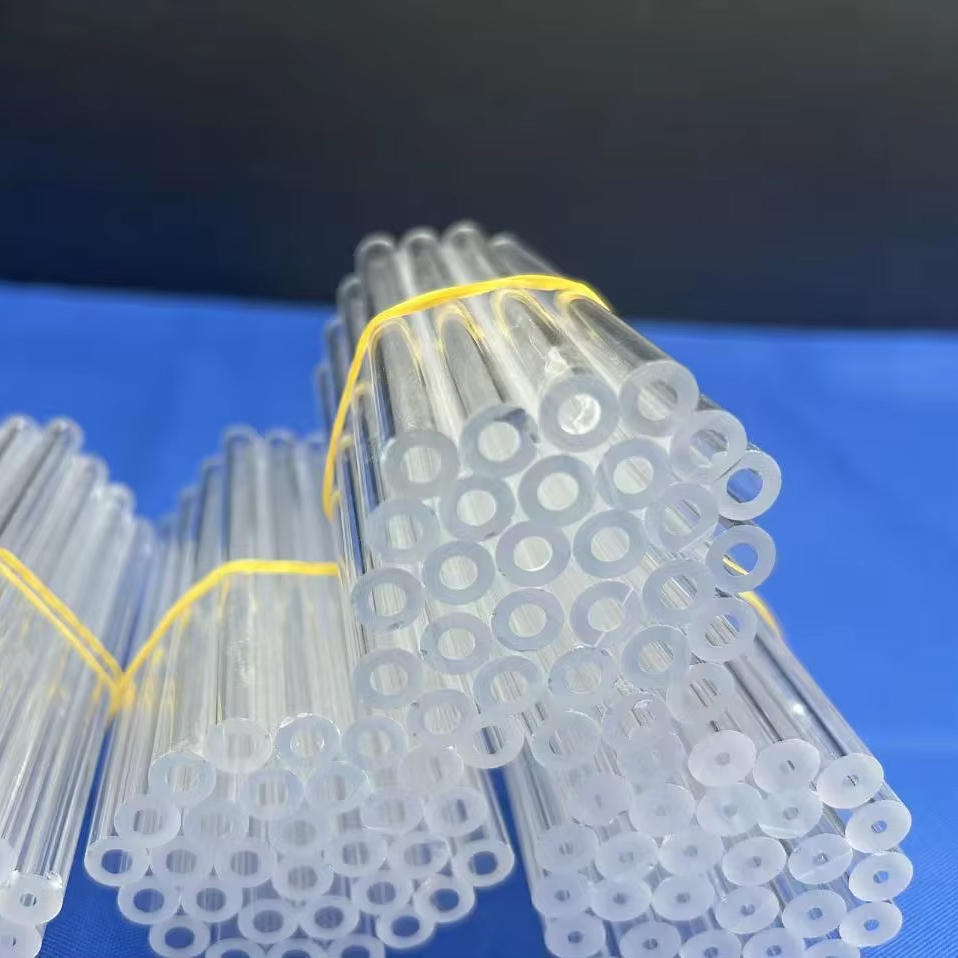
On-site inspected and legal status verified by international third-party audit agencies.
Corporate Registration & Export Audit
Material Inspection & Quality System
Precision Quartz Glass Processing License
Commercial Verified Supplier License
Addressing logistical, technical, and regulatory considerations for importing quartz tanks and lab components into Estonia.
For custom quartz cleaning tanks, prototype drawing validation and tooling setup take 7–12 business days. Batch production requires 15–20 days depending on the complexity of inlet flanges and weir designs. For urgent replacement orders required by Tallinn fabs, we offer express air freight via DHL/FedEx arriving at Lennart Meri Tallinn Airport (TLL) within 5–7 days. For standard scheduled replenishment, consolidated sea-rail shipping to Muuga Harbour or Paldiski offers economical transport in 28–35 days.
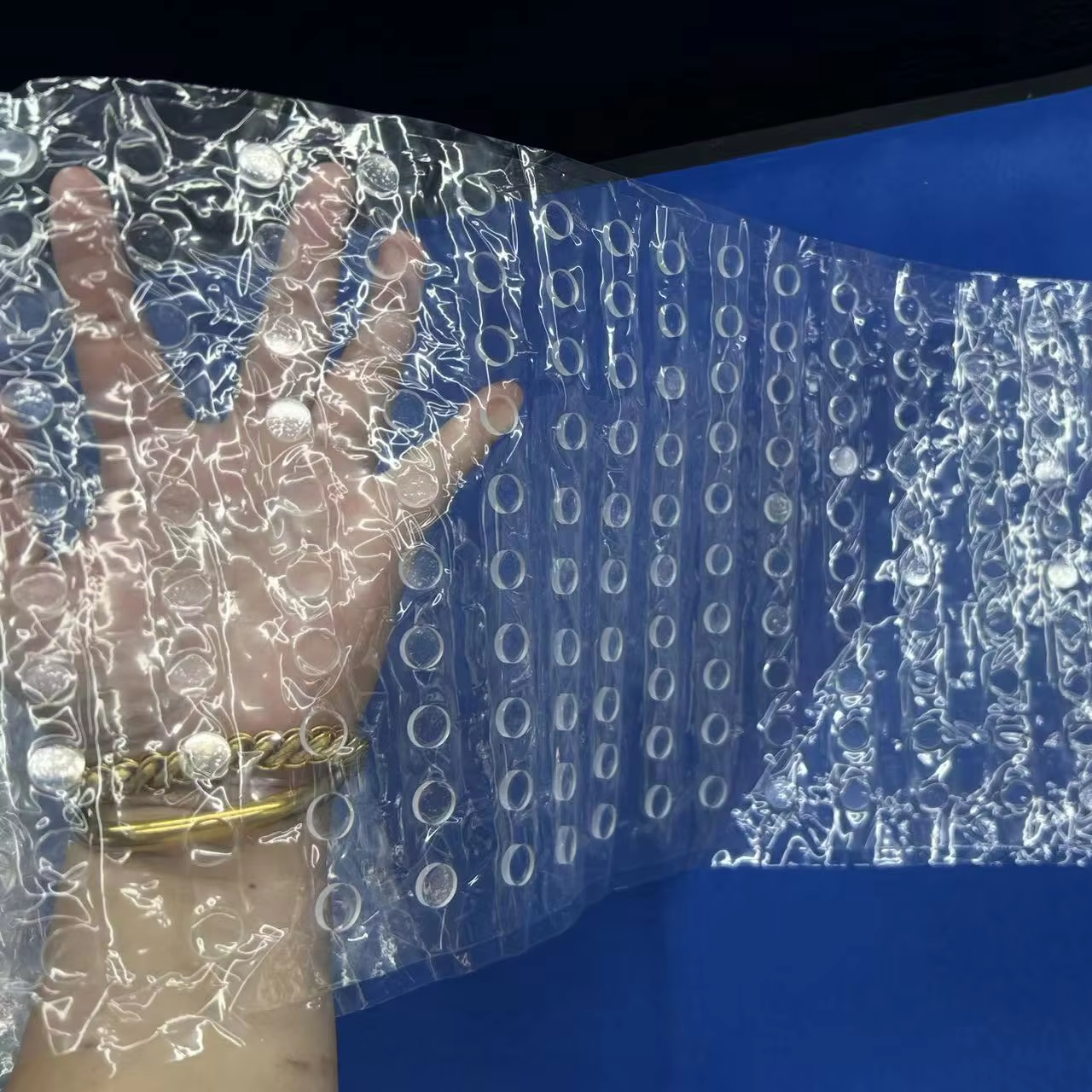
We deploy a four-layer anti-shock packaging protocol: First, internal surfaces are acid-cleaned, dried, and vacuum-sealed in anti-static PE film. Second, each tank is encased in customized, high-rebound closed-cell polyethylene foam (EPE) with a minimum 50 mm clearance. Third, the protected unit is nested in a double-wall corrugated inner carton. Finally, multiple units are placed inside reinforced, ISPM-15 compliant fumigation-free plywood crates with internal corner shock absorbers and moisture indicators. Our international transit breakage rate remains below 0.1%.
Shipments destined for the European Union include a comprehensive documentation pack: Commercial Invoice and Packing List specifying correct TARIC code (typically 7020.00.80 or 7017.10.00 for fused quartz laboratory/industrial ware), Certificate of Origin (CO), Material Inspection Certificate verifying SiO&sub2; purity (≥ 99.99%), ICP-MS trace metal analysis report, and RoHS/REACH SVHC declaration sheets ensuring full compliance with Estonian Tax and Customs Board (EMTA) requirements.
JGS1 is synthetic fused silica synthesized from silicon tetrachloride; it provides exceptional transmission down to 185 nm in the deep ultraviolet (DUV) and is virtually bubble-free, making it ideal for lithography optics or UV-assisted photochemical wet oxidation. JGS2 is fused quartz melted from refined natural quartz crystal, with high optical clarity from 220 nm to 2500 nm, commonly used for high-temperature sight glasses, flanges, and optical etch tanks. For standard wafer cleaning benches (SPM/RCA), opaque/clear electrically fused quartz is typically specified for tank sidewalls, balancing superior mechanical and thermal performance with optimal project cost.
Yes. Our master glassblowers can integrate flared drain ports, custom quartz weld-in flanges, serrated or smooth knife-edge overflow weirs, chemical recirculation manifolds, and internal quartz wafer carrier support bars directly into the vessel. Send your step file or engineering PDF drawing; our technical team will review manufacturing feasibility and provide CAD confirmation.
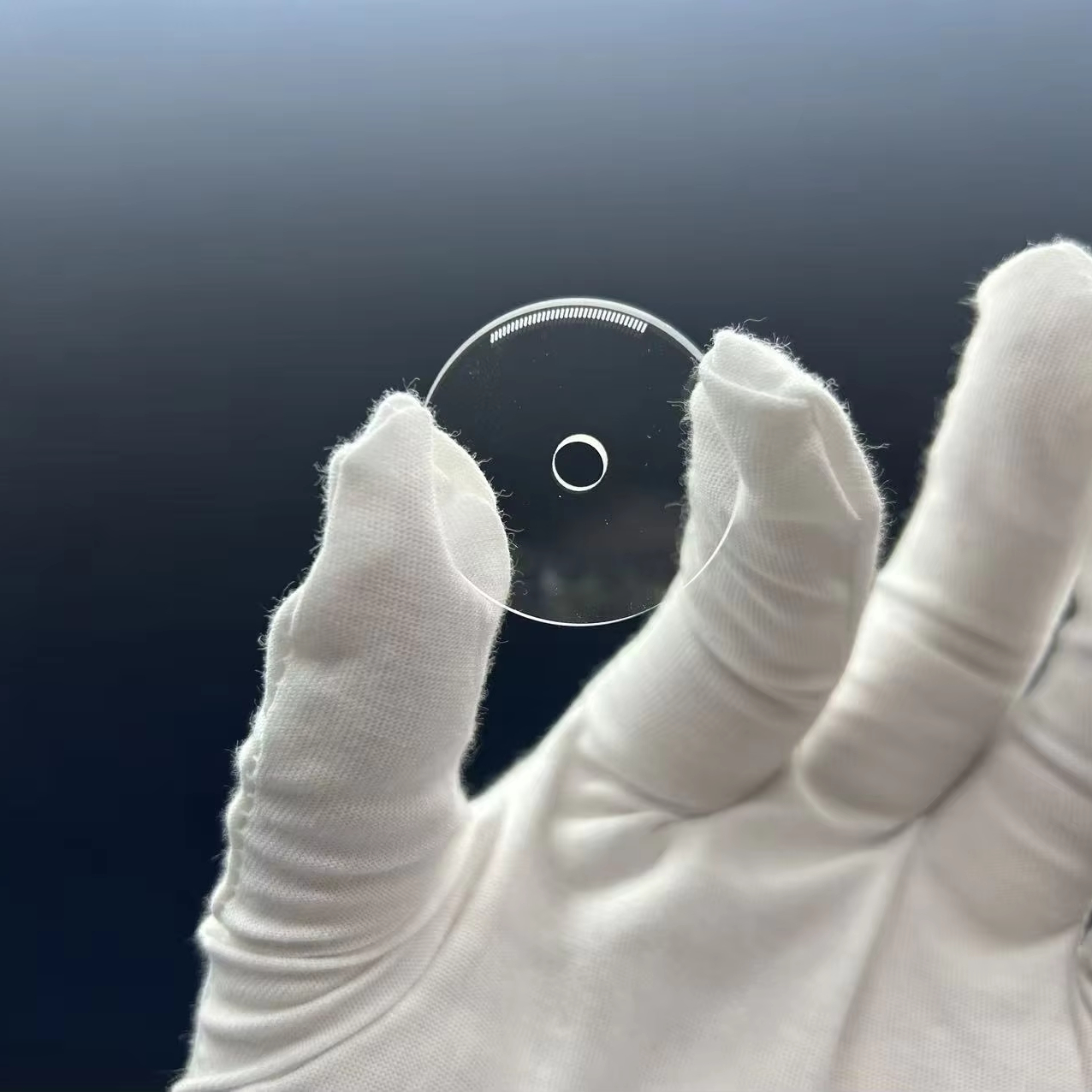
To support R&D teams and academic research labs at TalTech and regional innovation hubs, our MOQ for fully customized quartz cleaning tanks is 1 piece. Standard components such as clear quartz test tubes and standard plates start from 10 pieces, while smaller precision-machined quartz discs and wafers typically start at 50 to 100 pieces.
Speed up engineering feedback by incorporating these critical parameters into your next RFQ.
Internal dimensions (L × W × H in mm), wall thickness (typically 5 mm to 10 mm for cleaning tanks), and flange lip profile width.
Operating temperature range, chemical ramp rates, exothermic reaction presence, and whether rapid quench cold DI water cycles occur.
Specific chemical concentrations (e.g., 96% H&sub2;SO&sub4; + 30% H&sub2;O&sub2;), maximum allowable trace cation limits (Fe, Cu < 0.5 ppm), and optical transmittance needs.
Bottom drain placement, standard flare-tube or KF flange sizes, ultrasonic transducer bottom bonding requirements, and handles.
Submit your technical specifications or CAD drawings today. Nivra Quartz engineers deliver comprehensive DFM feedback, material certification analyses, and factory-direct pricing within 5 hours.