High-Purity Fused Silica & Thermal Equipment Showcase
Manufactured from natural and synthetic crystal raw materials originating from Donghai County—the crystal capital of China. Our eight primary production lines cover high-temperature arc crucibles, heavy-duty infrared heating tubes, and optical-grade quartz components engineered to withstand extreme thermal cycles up to 1450°C without mechanical failure.
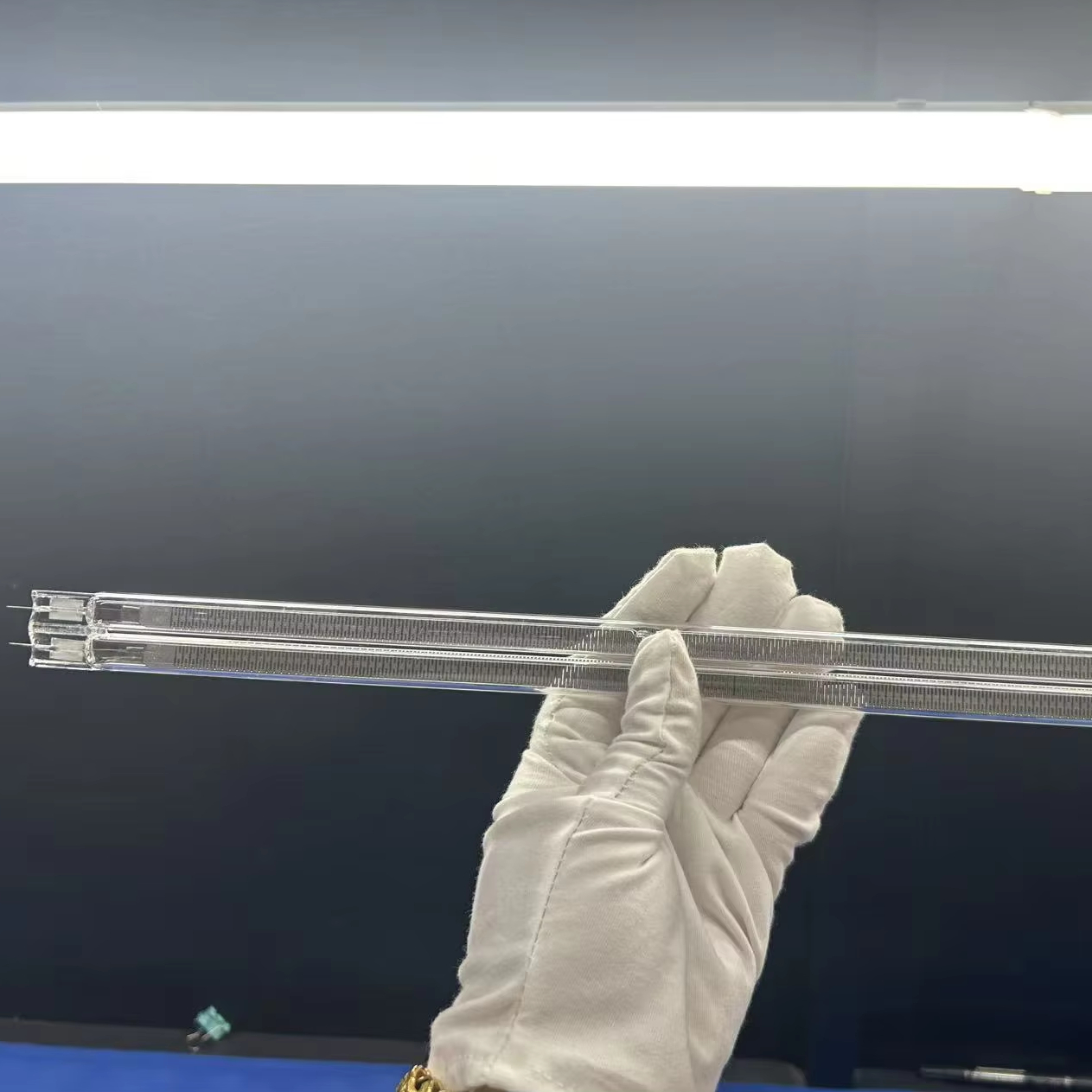
220v/380v 400mm 15*33mm Diameter Infrared Heating Tube Carbon Fiber/halogen Tube/graphite Tube for Fast Heating Equipment
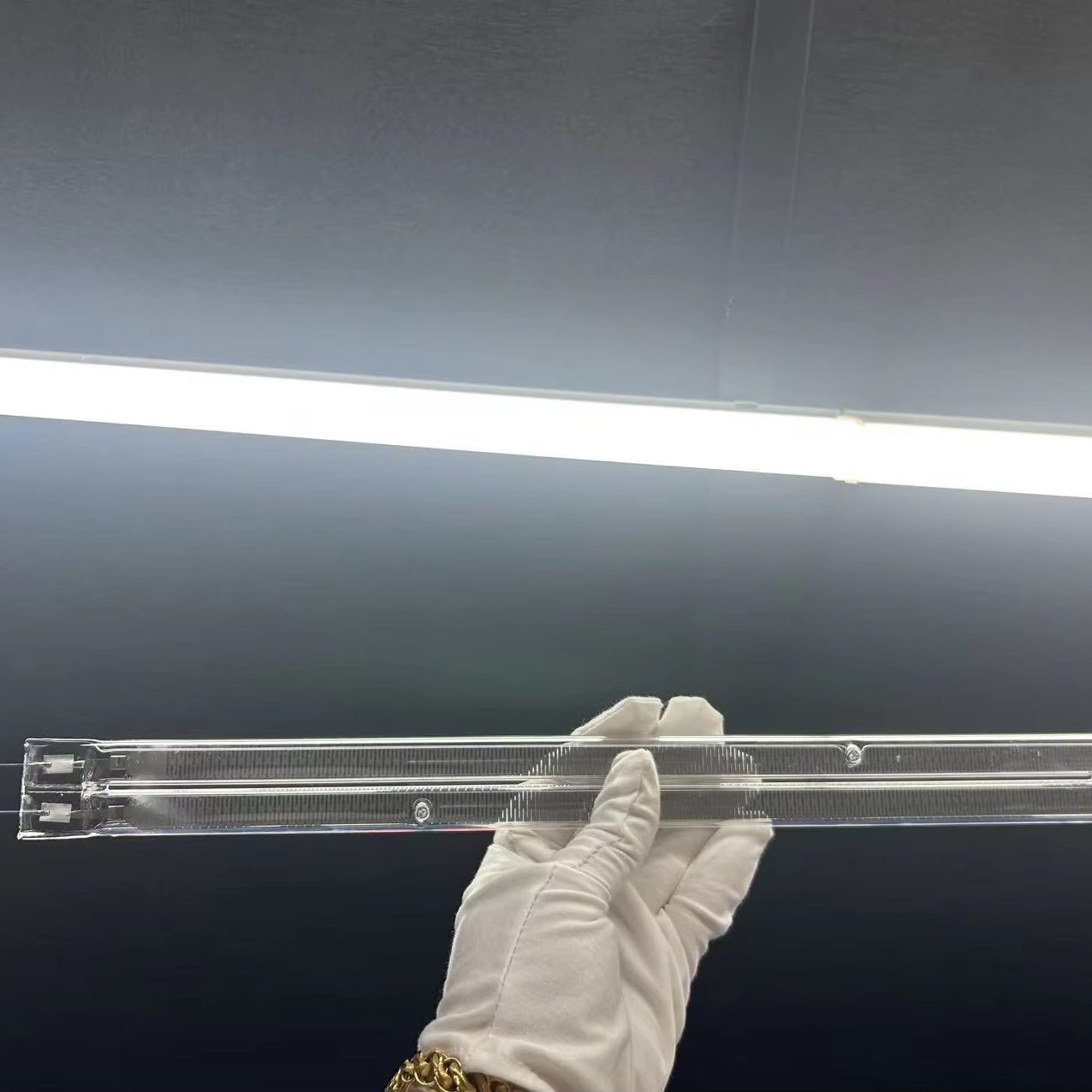
220V 700W 300MM 10mm Diameter Infrared Heating Tube Carbon Fiber/halogen Tube/graphene Tube, for Rapid Heating Equipment
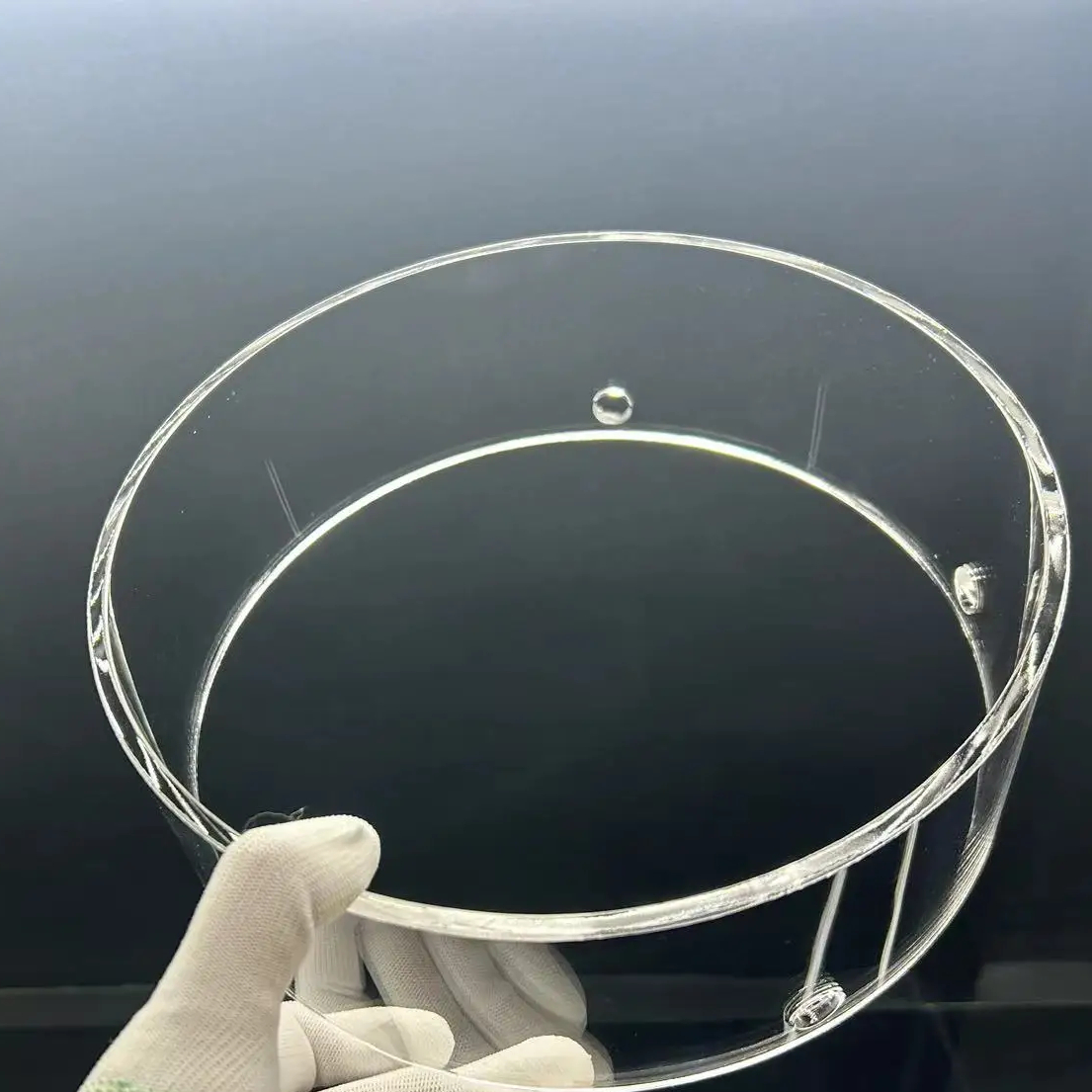
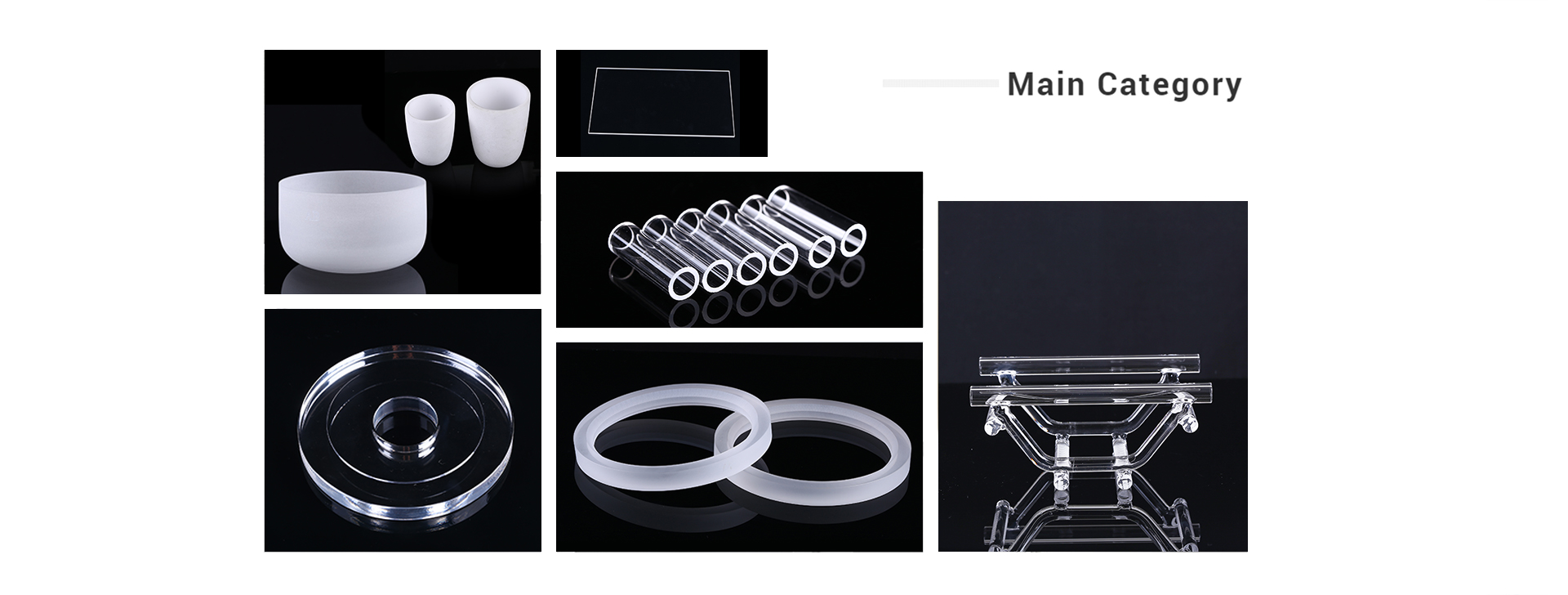
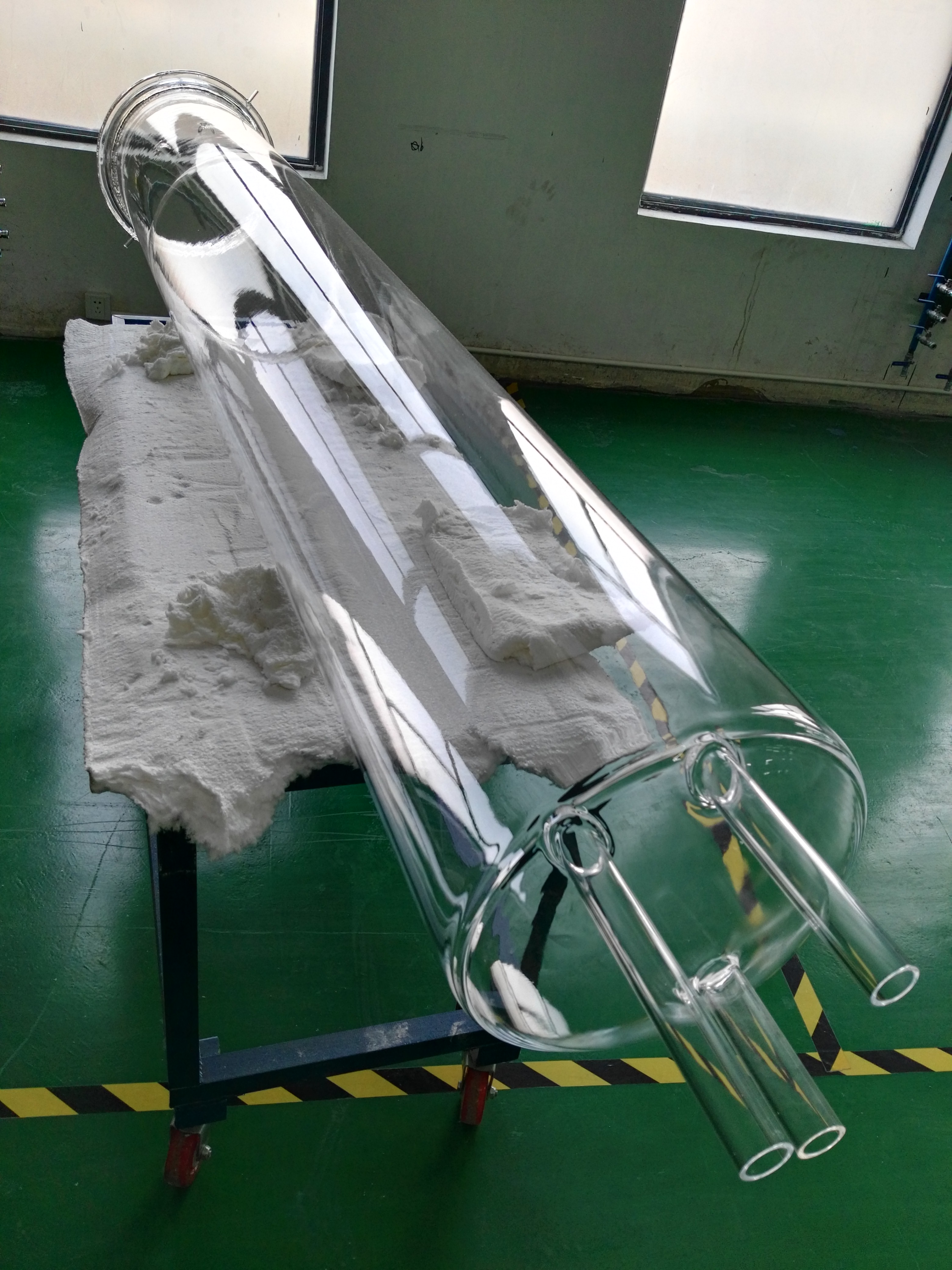
Fused Transparent Quartz Tube
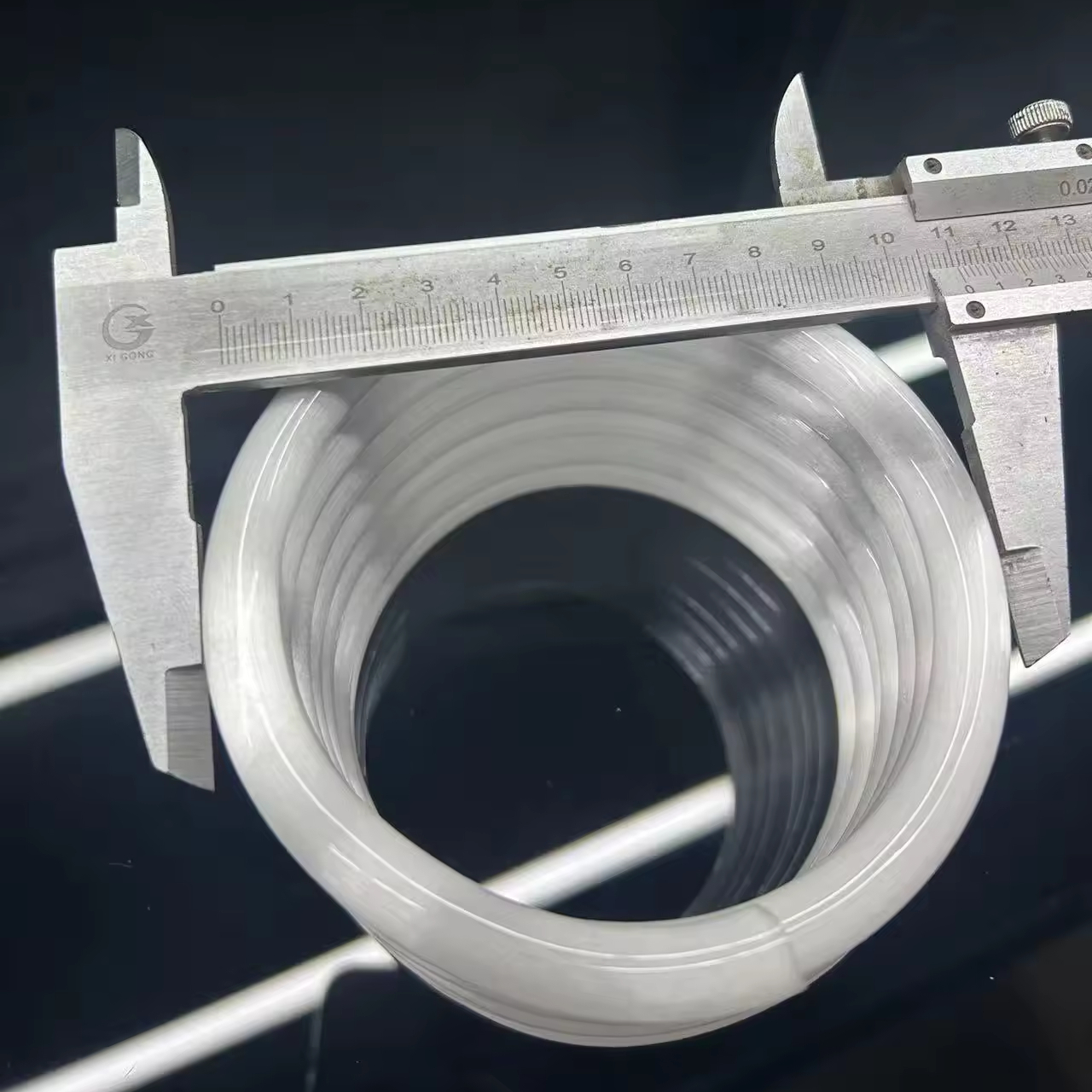
Helical Clear Quartz Glass Coil t Tube
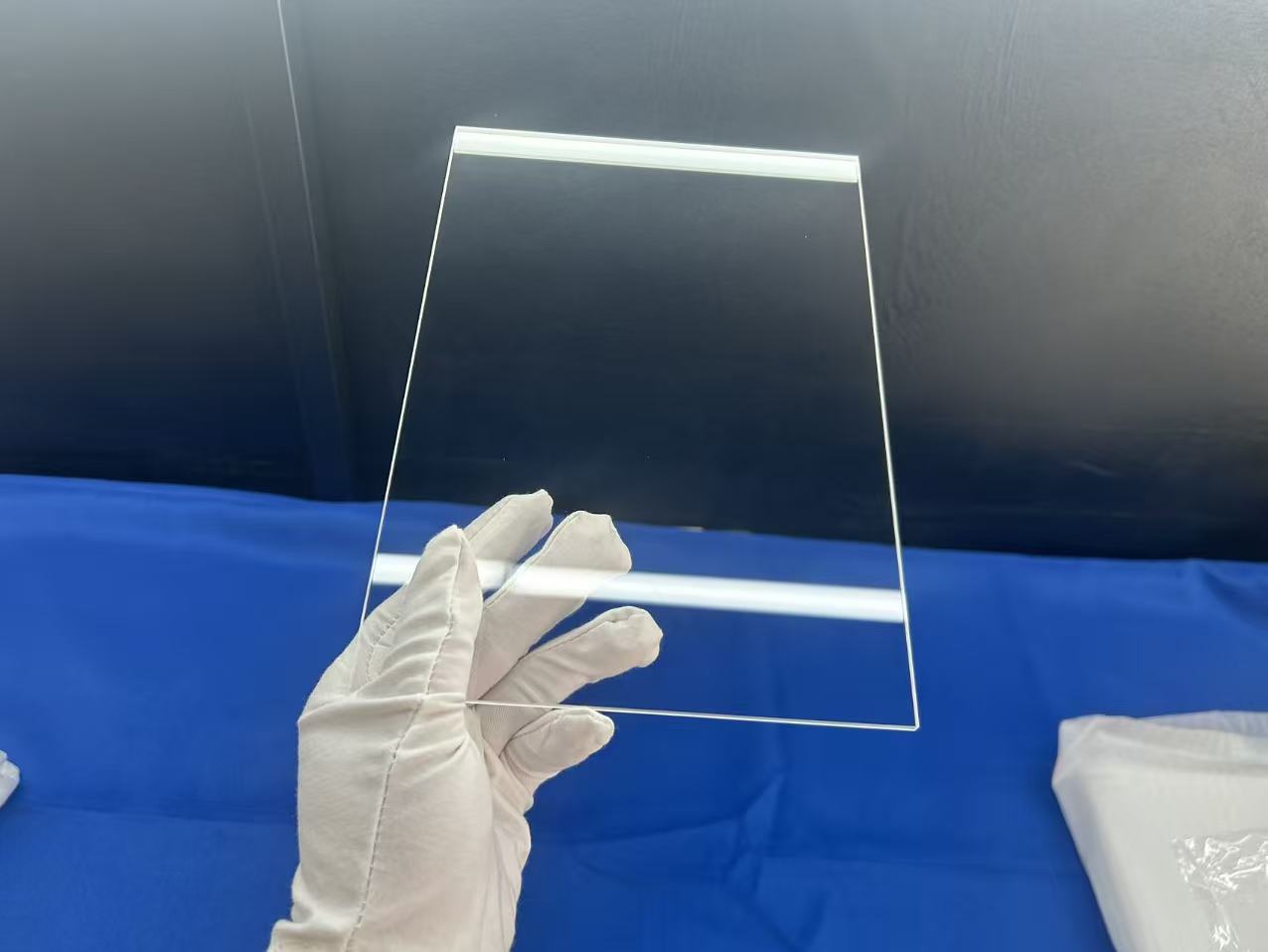
Custom Polished Purity Transparent Square Quartz Glass Plate 3mm Thick Clear Optical Instruments for Welding Cutting
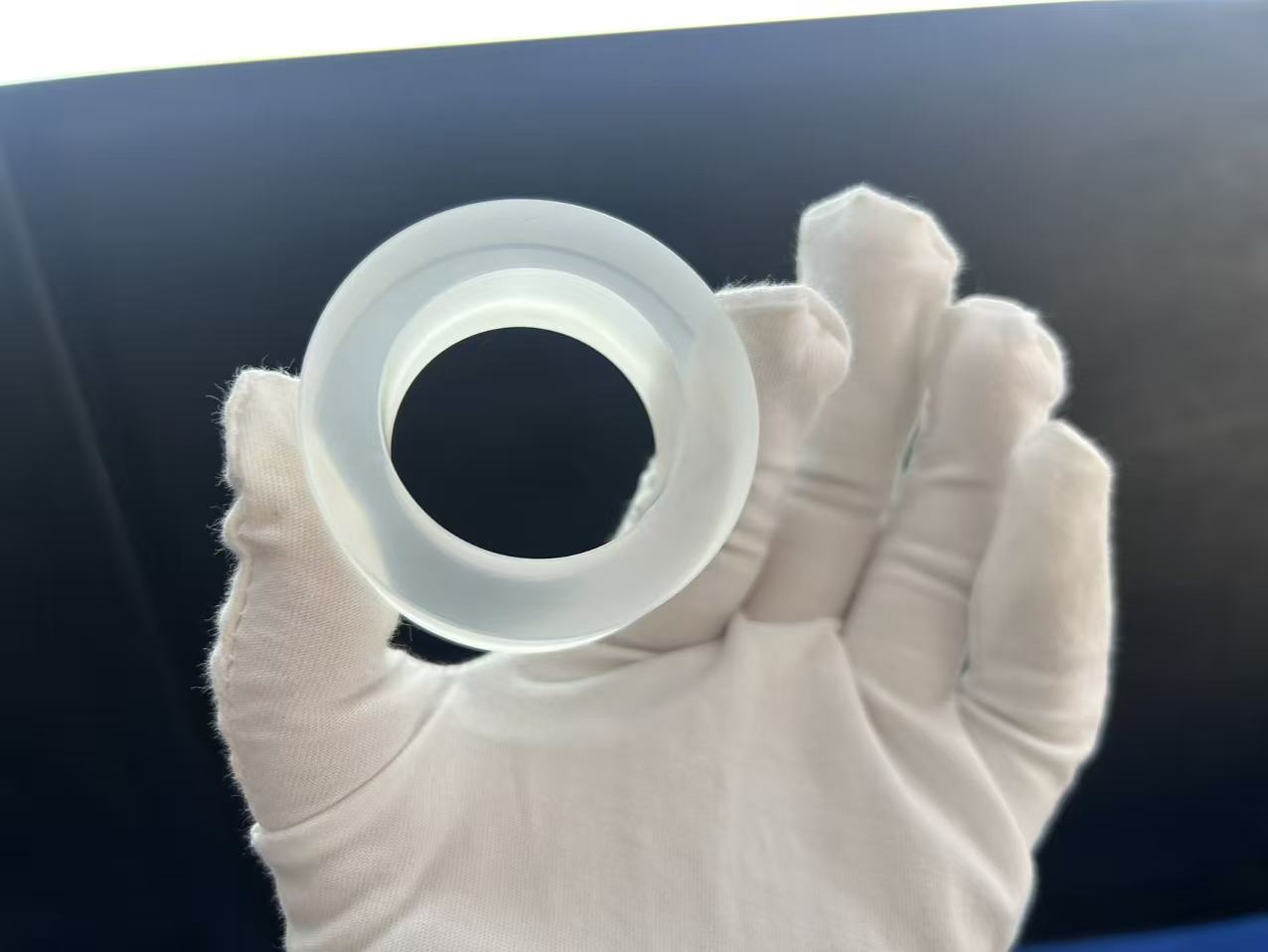
Quartz Ring
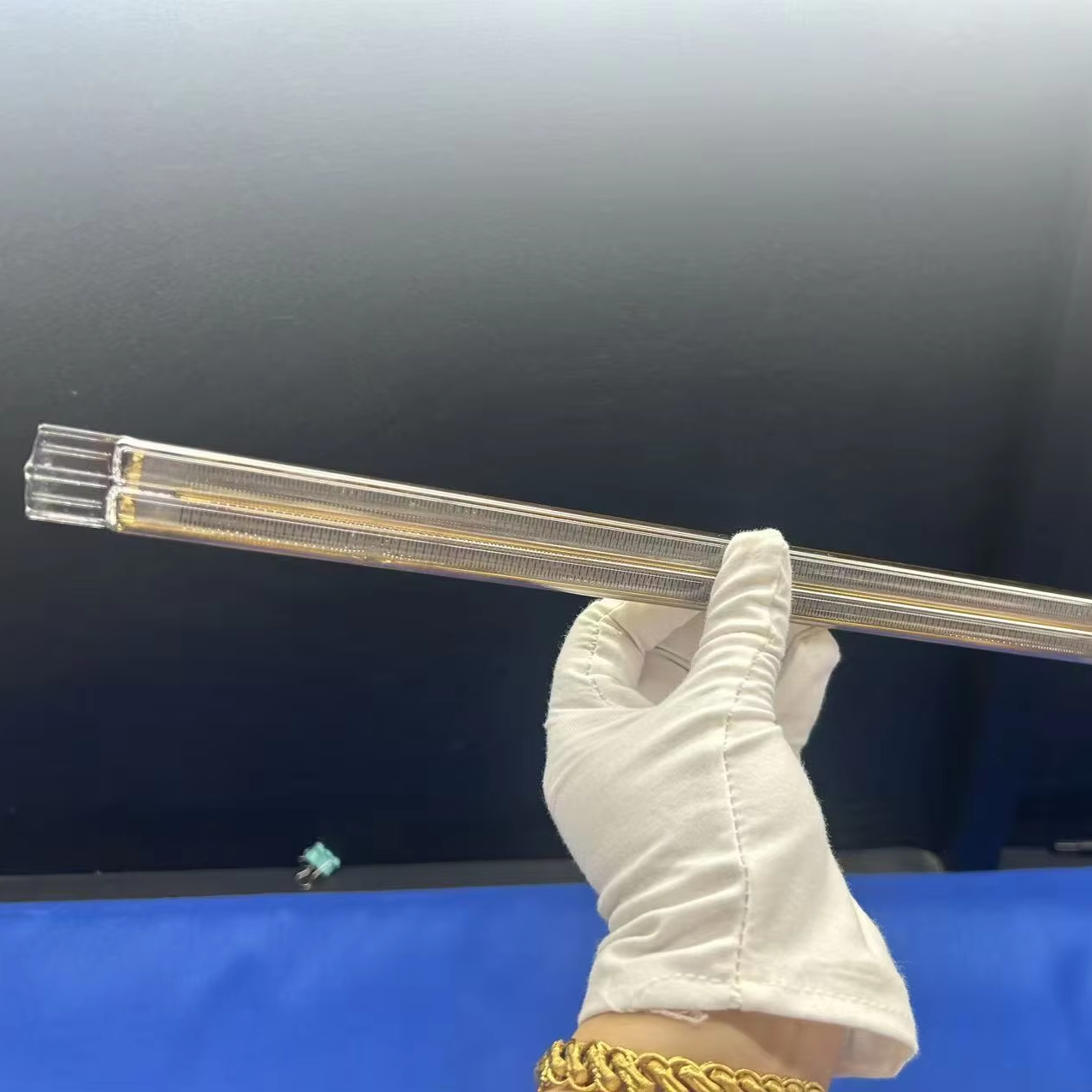
Graphene Quartz Heating Tube
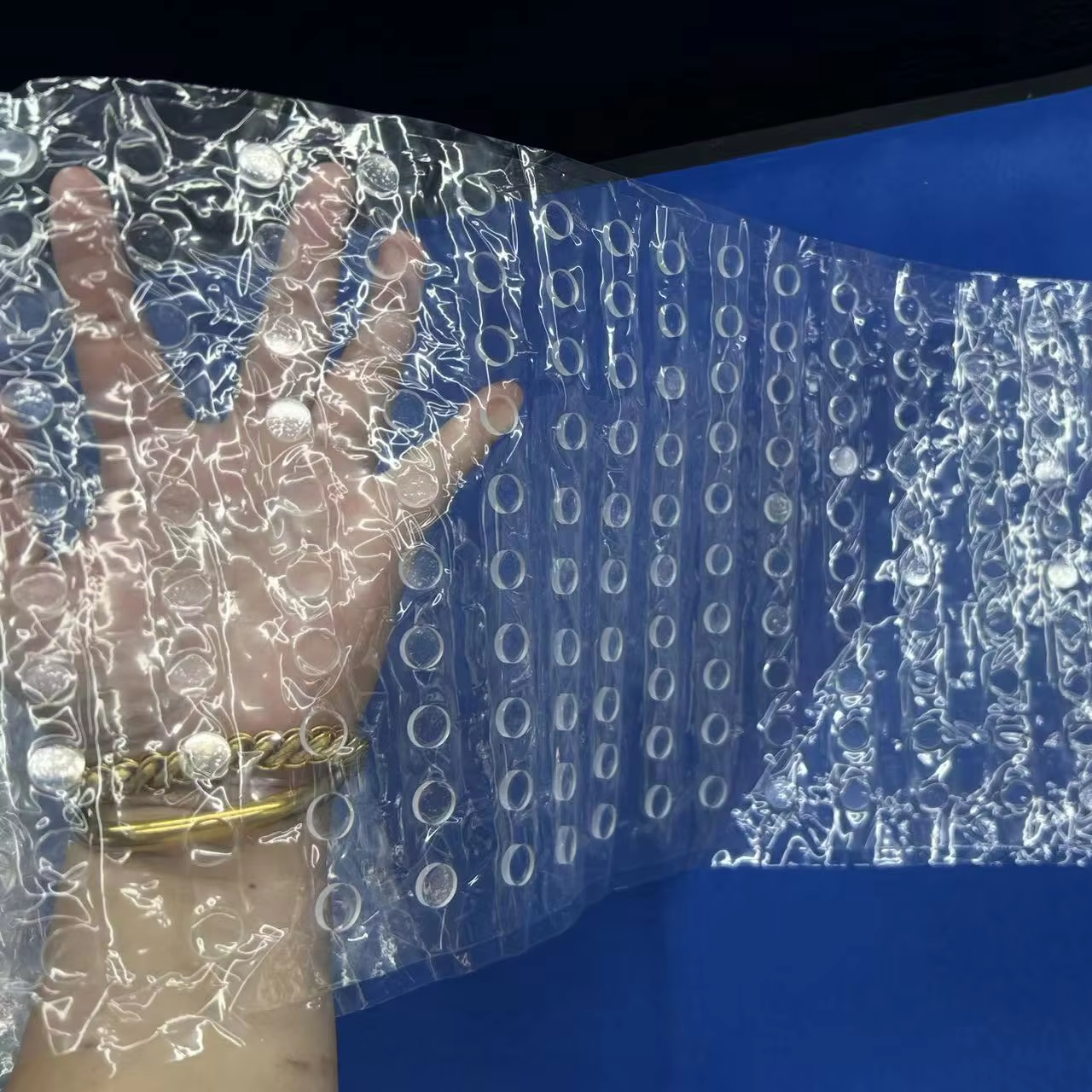
Factory-Made High-purity Small Size Quartz Wafer,Provide Cutting and Polishing Services
Fused Silica Quartz Crucible Architecture & Thermal Kinetics
For high-temperature processing facilities across Pyongyang—encompassing state metallurgical research laboratories, high-vacuum induction smelting workshops, and solar photovoltaic crystal growth operations—crucible structural integrity is non-negotiable. Standard refractory ceramics fail under acute thermal shock and introduce parasitic transition metal contamination (Fe, Cu, Ni) into molten matrices. Fused silica quartz crucibles, formed via electric arc fusion or precision slip casting of de-hydroxylated silicon dioxide, exhibit an ultra-low coefficient of thermal expansion (5.5 × 10⁻⁷ /°C), enabling instant transitions from room temperature to furnace operating plateaus above 1200°C without mechanical rupture.
The core structural advantage lies in the amorphous vitreous phase of pure fused silica. When manufactured with controlled inner bubble-free vitreous layers and micro-porous outer thermal barriers, our crucibles inhibit the crystallization rate into cristobalite at sustained high temperatures. Controlling alkali metal impurities (Lithium, Sodium, Potassium < 1.5 ppm combined) prevents catalyzed devitrification, ensuring the crucible retains mechanical containment throughout extended vacuum degassing, slag refining, and non-ferrous precious metal alloy melts.
| Physical & Thermal Property | Fused Silica Standard Grade | Semiconductor High-Purity Grade |
|---|---|---|
| Silicon Dioxide (SiO2) Concentration | ≥ 99.99% | ≥ 99.999% (Synthetic / Low Metal) |
| Density & Mohs Hardness | 2.20 g/cm³ • 5.5 - 6.5 Mohs | 2.21 g/cm³ • 6.0 Mohs |
| Softening Point / Annealing Point | 1683°C / 1215°C | 1730°C / 1280°C |
| Continuous / Short-Term Temp | 1100°C / 1350°C | 1200°C / 1450°C |
| Coefficient of Thermal Expansion (20-300°C) | 5.5 × 10⁻⁷ /°C | 5.4 × 10⁻⁷ /°C |
| Dielectric Breakdown Strength | 25 - 40 kV/mm | > 45 kV/mm (at 20°C) |
Localized Applications in Pyongyang's Industrial & Scientific Sector
Pyongyang maintains focused industrial development across high-grade metallurgical refining, specialty chemical synthesis, vacuum tube and optical electronics, and central academic research. Nivra Quartz supplies high-specification fused silica products directly to engineering teams operating in these specialized environments.
Vacuum Induction Smelting & Metallurgy
Crucibles utilized in induction furnace coils for the thermal refining of rare alloys, titanium-doped materials, and specialty cast iron. Pure fused silica eliminates refractory inclusions, guaranteeing unadulterated alloy purity during pour casting operations.
Academic & Institute Laboratory Assaying
Institutes such as the State Academy of Sciences and Kim Chaek University of Technology require analytical quartz ashing crucibles, cuvettes, and spiral tubes for trace element digestion, hydrofluoric acid isolation, and thermal gravimetric testing.
Semiconductor & Polysilicon Crystal Growth
Arc-fused crucibles deployed in Czochralski (CZ) ingoting and zone-refining systems. High mechanical rigidity prevents wall collapse during prolonged liquid silicon holding at 1420°C, while low-bubble inner walls inhibit seed crystal dislocation.
Infrared Industrial Thermal Processing
Pyongyang production facilities upgrading their curing, calcining, and drying lines incorporate our heavy-duty graphene and carbon-fiber quartz heating tubes, delivering rapid thermal equilibrium with a 30% reduction in electrical load demand.
Regional Procurement Trends & Sourcing Optimization for Pyongyang
Importing technical industrial ceramics and fused quartz glass components into the Democratic People's Republic of Korea demands comprehensive attention to product dimensional standardization, thermal resilience margins, and resilient cross-border transit logistics. As domestic engineering enterprises in Pyongyang accelerate modernization programs across metallurgical plants and research centers, sourcing high-performance quartz products from verified manufacturers in Jiangsu's Donghai quartz cluster provides definitive strategic advantages.
Mitigating Supply Chain Friction via Direct Factory Export
Procuring through layered intermediaries frequently results in thermal mismatch, incorrect silica grading (e.g., substituting low-temperature borosilicate or recycled silica for virgin fused silica), and transit micro-fracturing. Nivra Quartz resolves these operational bottlenecks through direct factory cooperation:
- Material Traceability: Every batch of fused silica crucibles and tubes is accompanied by raw material ICP-OES spectral assay records, confirming trace metal impurities are within parts-per-million (ppm) threshold constraints.
- Standardized Dimensions: Tolerances comply strictly with DIN ISO 2768-m (or fine tolerances down to ±0.02 mm upon drawing specification), ensuring plug-and-play assembly with existing Pyongyang furnace shells and induction coils.
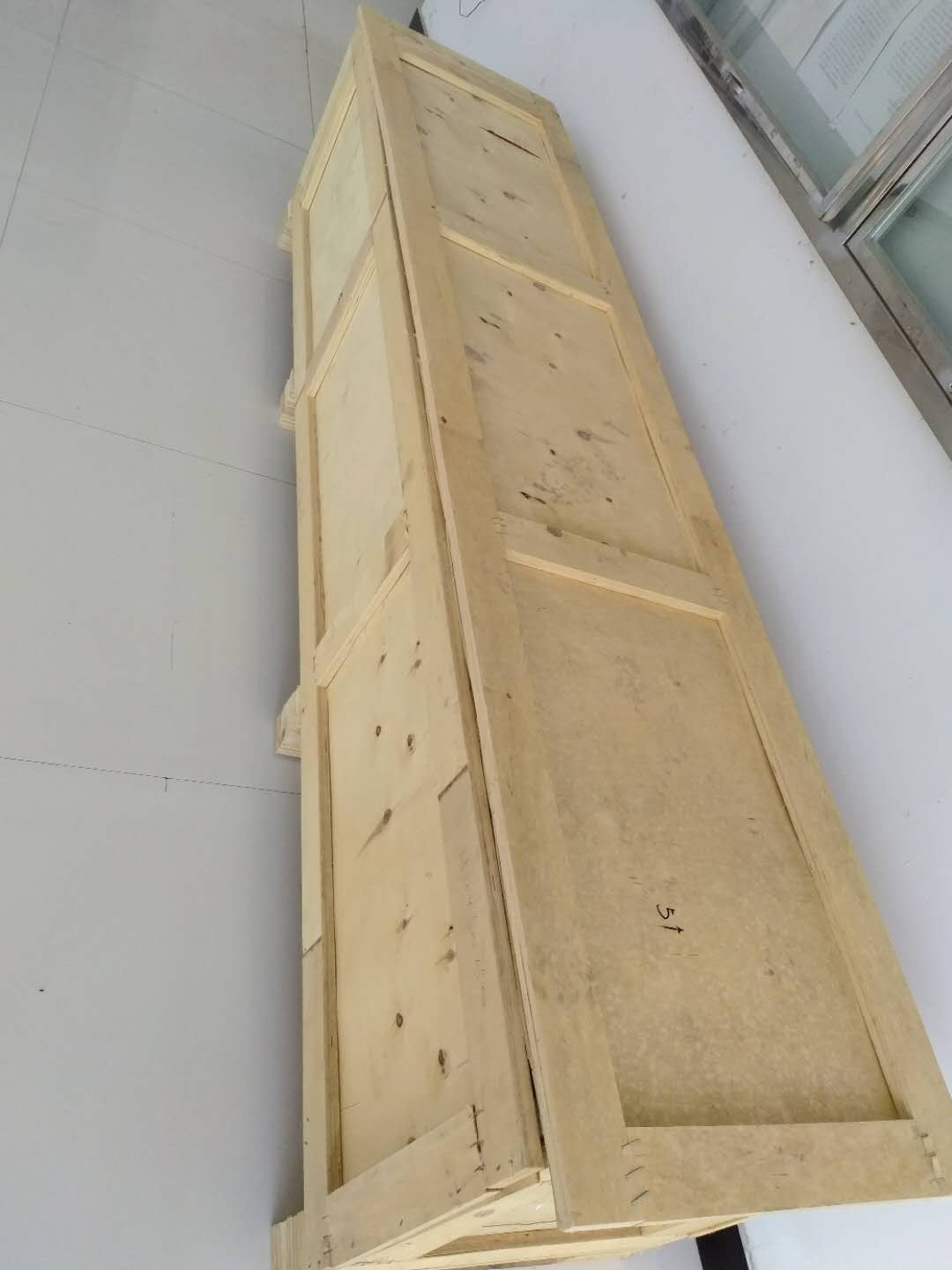
- Engineered Shock-Proof Export Packaging: Products are packaged with form-fitted EPE damping foam, vacuum-sealed barrier films, and rigid fumigation-free wooden framing engineered specifically for multi-modal rail and maritime freight handling.
Drawing & Spec Review
Engineering submission of CAD/PDF drawings, crucible volume capacities, and thermal curve profiles to our Donghai engineering bureau.
Grade & Matrix Selection
Selection of high-purity arc fused silica, slip-cast refractory matrix, or synthetic JGS1/JGS2 based on operational chemistry.
Precision Fabrication
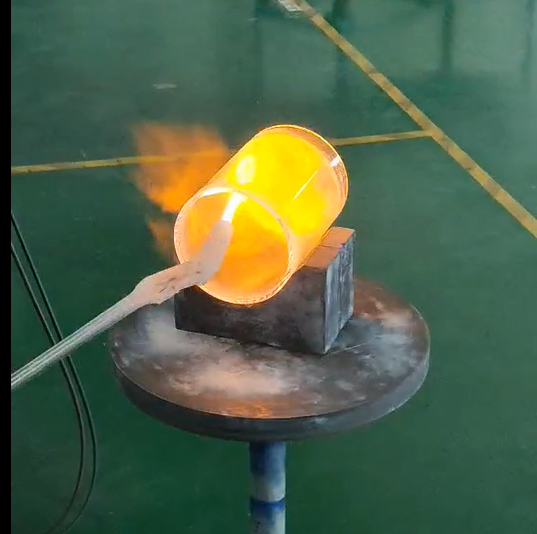
Thermal fusion, CNC core drilling, edge fire-polishing, and controlled de-stress annealing in computer-governed kilns.
Non-Destructive QA
Polarimetric stress analysis, ultrasonic wall thickness gauge verification, and spectrophotometric transmission validation.
Protected Regional Dispatch
Sealed anti-shock packaging and full export documentation handling for cross-border transit directly serving Pyongyang consignees.
Why Procurement Leaders Choose Nivra Quartz Products Co., Ltd.
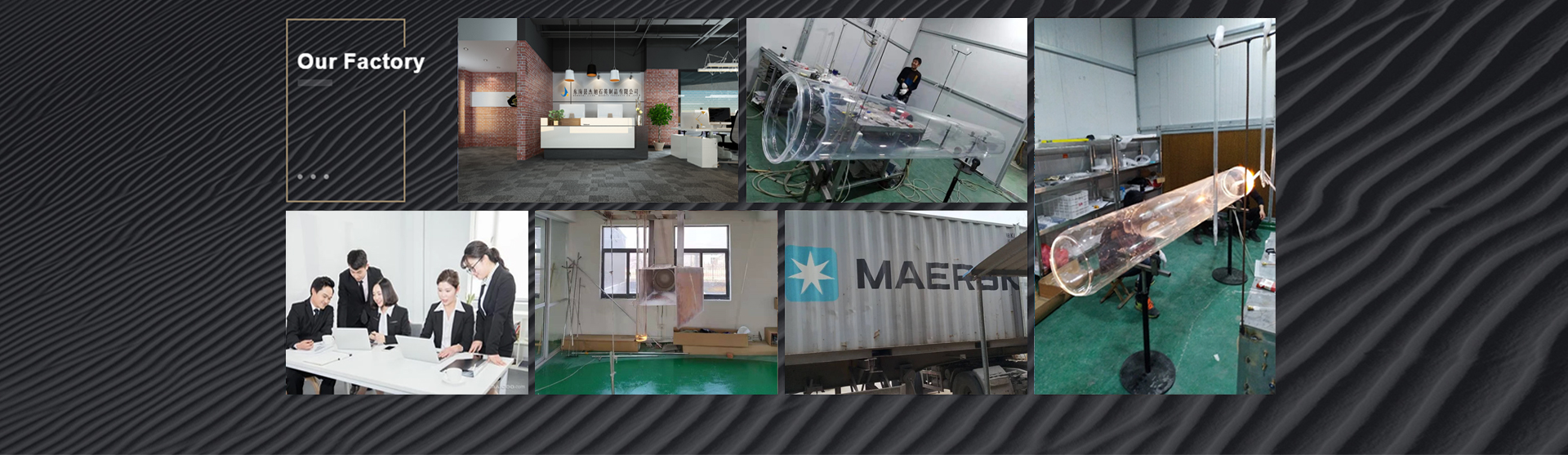
Founded in February 2019 in Donghai County, Lianyungang, Jiangsu—the epicenter of crystal and quartz mining and synthesis—Donghai County Nivra Quartz Products Co., Ltd. operates as an integrated manufacturer and international trading powerhouse. Backed by 101 to 200 skilled ceramic and glass technicians, our manufacturing plants uphold a rigid quality philosophy: "Quality First, Reputation First."
Donghai Epicenter Advantage
Direct access to world-leading quartz sand refining infrastructure ensures pure raw material batches at competitive factory-direct pricing with no raw material markups.
Verified Production Scale
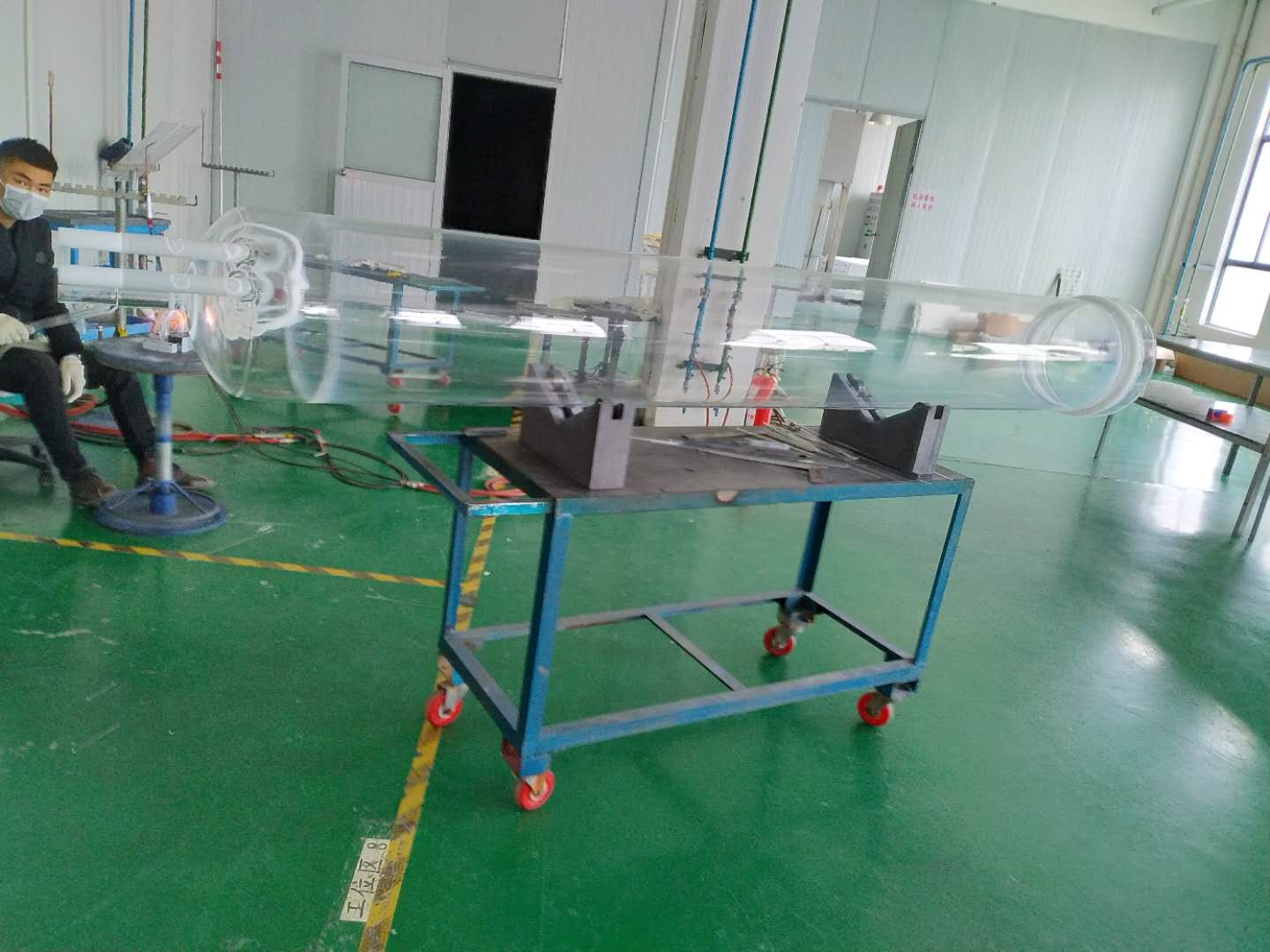
With 101–200 employees, on-site verified production floors, and complete processing machinery (cutting, flame-working, CNC, polishing), we manage high-volume orders with ease.
Rapid Inquiry & Custom SLA
Our average response time remains strictly within 5 hours, supported by an inquiry response rate of 88.89% and expert CAD engineering feasibility assessments.
Zero-Defect Export Track Record
A flawless 5.0 / 5.0 buyer rating and repeat procurement rates exceeding 23% attest to our stringent optical inspection, polariscopic stress relief, and crating integrity.
Frequently Asked Questions • Sourcing Quartz Crucibles for Pyongyang
Clear, engineering-driven answers to the most critical technical and commercial questions encountered by factory directors and purchasing agents ordering fused silica crucibles and quartz components for delivery to Pyongyang.
How do your fused silica crucibles handle extreme thermal shock during vacuum induction melting (VIM)?
Our fused silica crucibles are fabricated from ultra-pure vitreous silica with an amorphous SiO2 network featuring a minimal thermal expansion coefficient of approximately 5.5 × 10⁻⁷ /°C between 20°C and 1000°C. This microstructural property allows the crucible to withstand immediate temperature ramp rates exceeding 100°C/minute without inducing shear or radial hoop stress fractures. In vacuum induction melting setups typical in metallurgy facilities, our vessels can be heated directly to 1450°C and rapidly quenched back to ambient temperatures with zero thermal spalling, provided alkali metal vapor contamination from surrounding flux materials is mitigated.
What prevents high-temperature devitrification into cristobalite during long furnace holding cycles?
Devitrification is primarily triggered by surface contamination from monovalent alkali cations (Na+, K+, Li+) acting as nucleation sites when the temperature exceeds 1150°C. Nivra Quartz employs an in-house chemical acid etching, ultra-pure de-ionized water washing, and thermal cleanroom annealing procedure that reduces total surface and bulk alkali impurities to < 1.5 ppm. Furthermore, our electric arc fusion process produces an inner vitreous bubble-free layer with an ultra-smooth fire-polished surface that resists nucleation, extending crucible operational holding cycles up to 48 continuous hours at 1200°C without significant structural conversion.
Can you fabricate custom crucible shapes, discharge spouts, and flange rings according to specific CAD drawings?
Yes. We offer complete OEM/ODM customized fabrication. Whether your facility in Pyongyang requires cylindrical flat-bottom crucibles, hemispherical-bottom vessels, conical taper vessels with pouring spouts, or custom quartz rings and flanges, our CNC grinding centers and skilled flame master glassblowers can manufacture directly from PDF, DWG, DXF, or 3D STEP files. Typical dimensional tolerances are held within ±0.5 mm for heavy cast refractory crucibles and ±0.05 mm for precision CNC-machined quartz rings and optical windows.
What packaging safeguards ensure fragile quartz labware and large crucibles arrive without transit micro-cracking?
Export packaging for quartz glassware requires meticulous mechanical dampening to neutralize transit vibrations. Every crucible or quartz tube is individually encased in anti-static, custom-molded Expanded Polyethylene (EPE) foam cushioning. Assemblies are subsequently sealed in vacuum barrier wraps to prevent atmospheric moisture and dust ingress, then loaded into heavy-duty corrugated export boxes nested inside solid, fumigation-free plywood crates reinforced with steel corner brackets. Long heating tubes and coils utilize internal suspension bracing to eliminate longitudinal bending strain.
What are the minimum order quantities (MOQ) and production turnaround windows for regional shipment to Pyongyang?
Standard catalog items—such as transparent quartz tubes, circular optical plates, and standard fused silica crucibles—feature low MOQs starting from 1 to 10 units to support research trials and prototype evaluations. Specialized custom crucibles and wafer substrates generally start at 10 to 50 pieces depending on geometry and tooling requirements. Production turnaround for custom tooling typically spans 7 to 15 business days, with rapid-dispatch stock dispatched within 48 to 72 hours of drawing sign-off and order confirmation.
How does your technical team provide rapid engineering consultations and quotation feedback?
Our dedicated engineering desk operates with a verified average response speed under 5 hours (measured response rate: 88.89%). When you send an inquiry via our real-time portal, experienced quartz technicians evaluate your operating parameters—including continuous working temperature, chemical atmosphere (vacuum, inert argon, reducing hydrogen, or oxidizing air), slag composition, and mechanical tolerances—to recommend the optimum silica grade (natural fused quartz vs. synthetic JGS1/JGS2/JGS3) alongside an itemized commercial quotation.