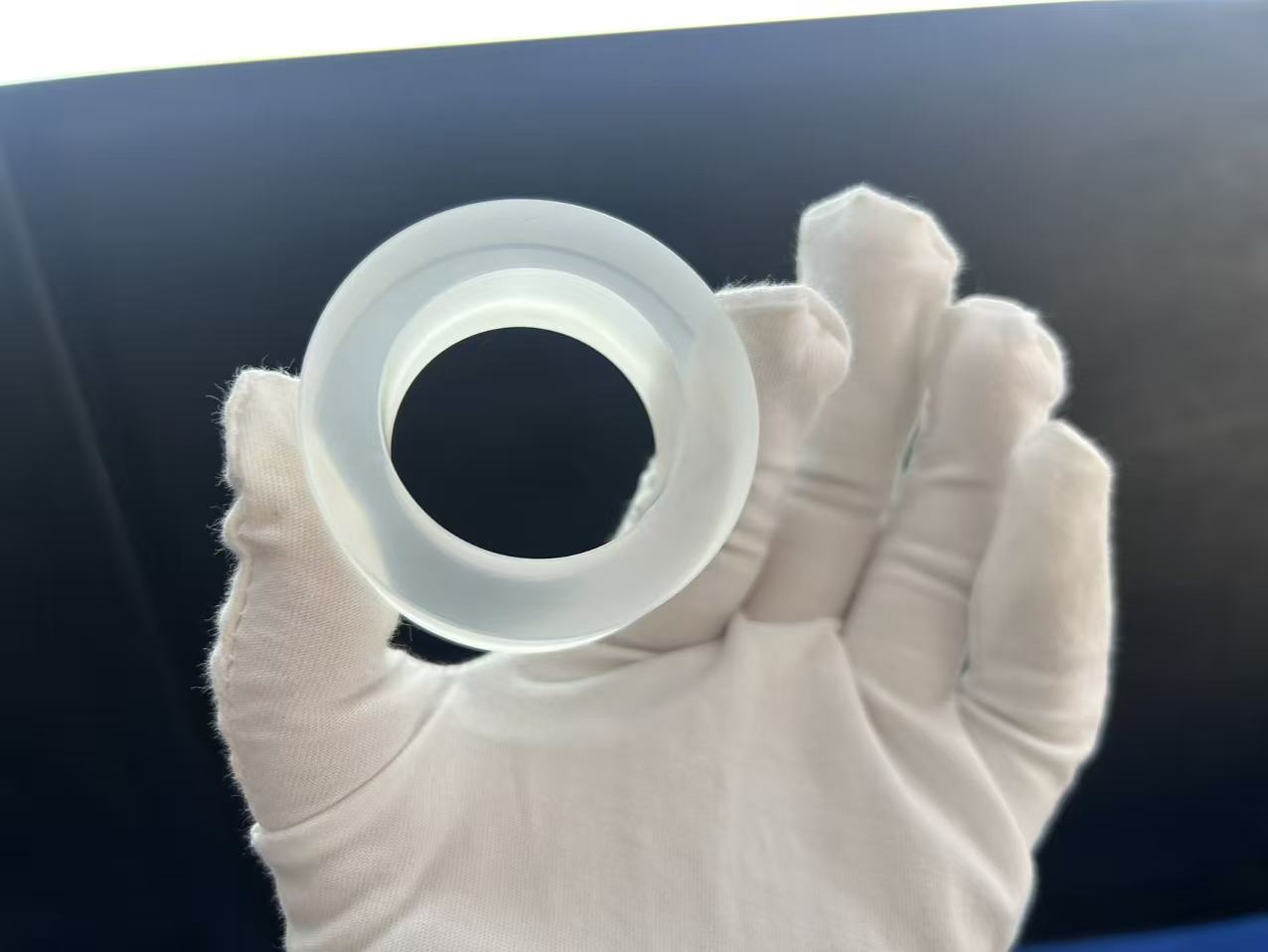
Direct Factory Portfolio
Core High-Purity Quartz Thermal Consumables
High-yield quartz components precision-manufactured in Donghai County, China, and expedited directly to crystalline silicon pulling facilities across Seoul, Gyeonggi-do, and Chungcheong corridors.
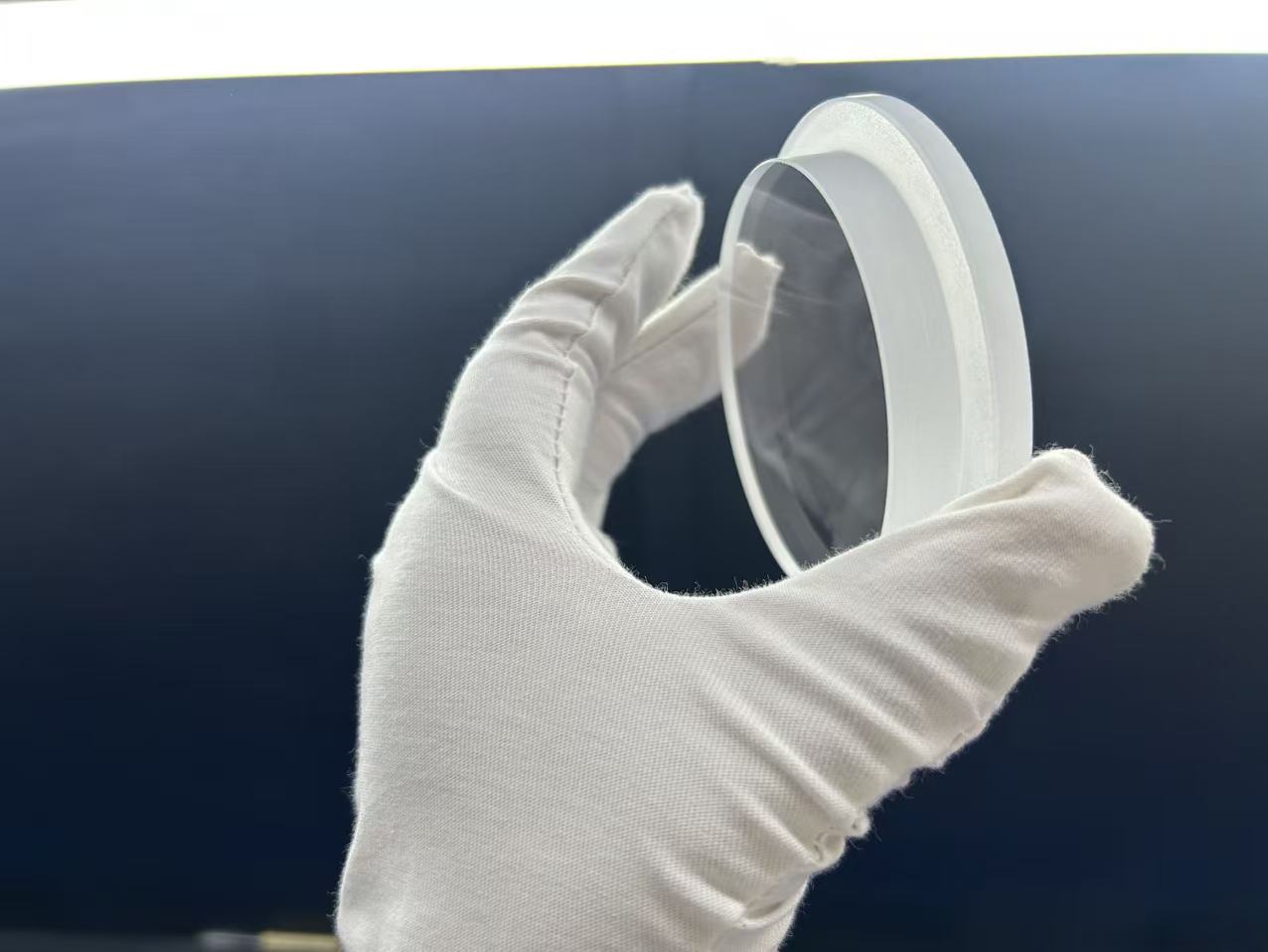
Factory-Made High-purity Ultra-thick Quartz Double-Layer Step Plate
View Specifications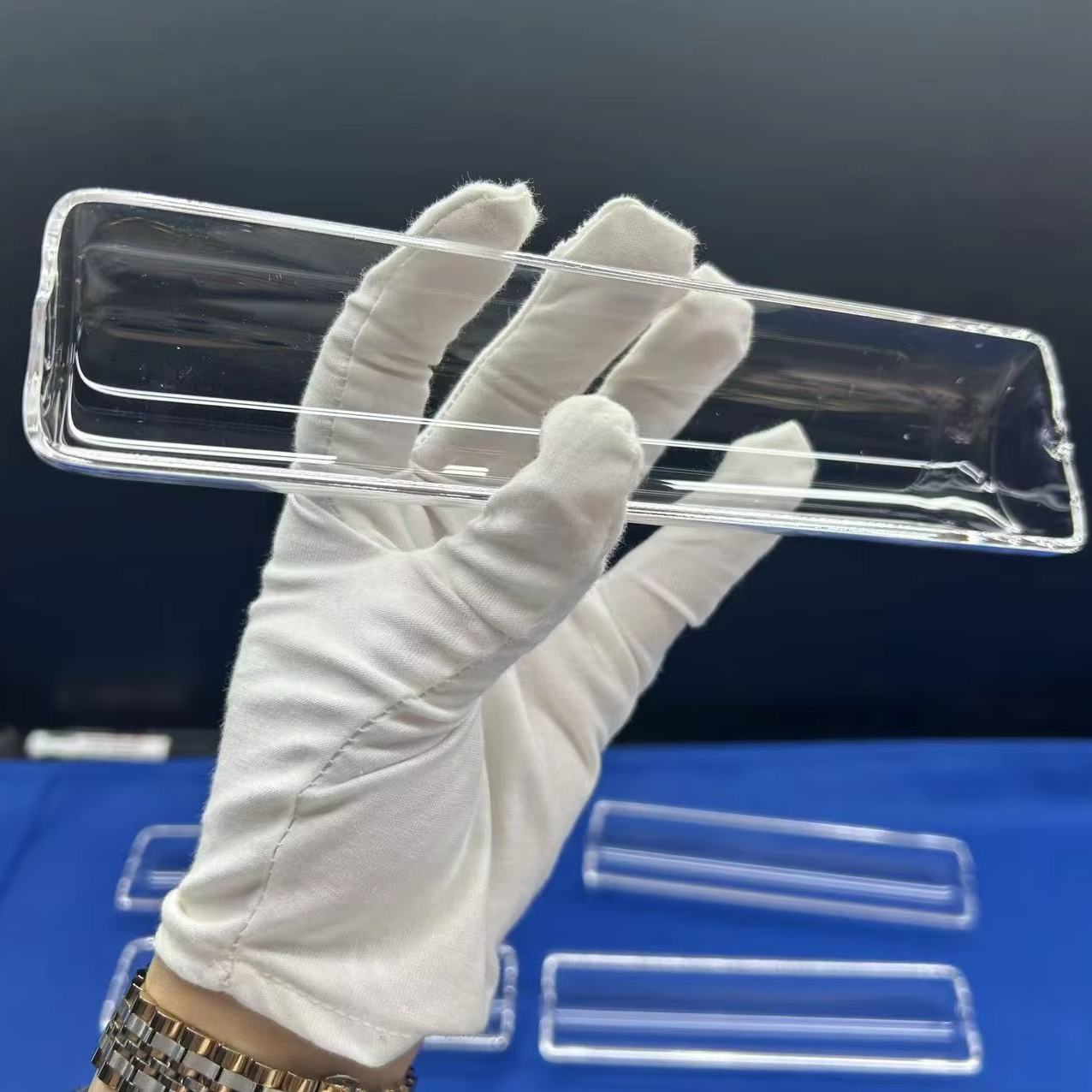
Customized Clear Fused Silica Quartz Boat Polished Clear Quartz Wafer Carrier
View Specifications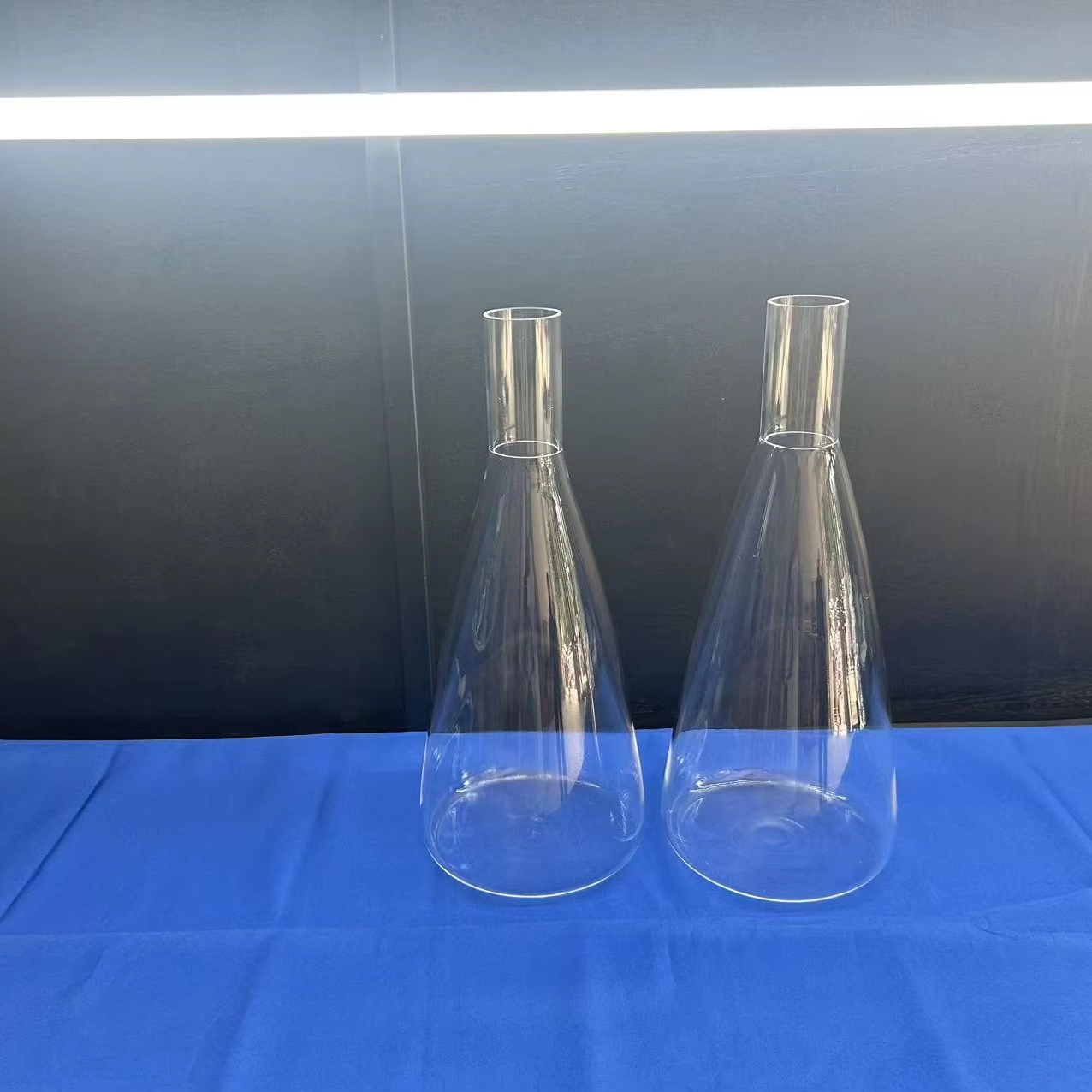
Laboratory Fused Silica Quartz Glass Flask
View Specifications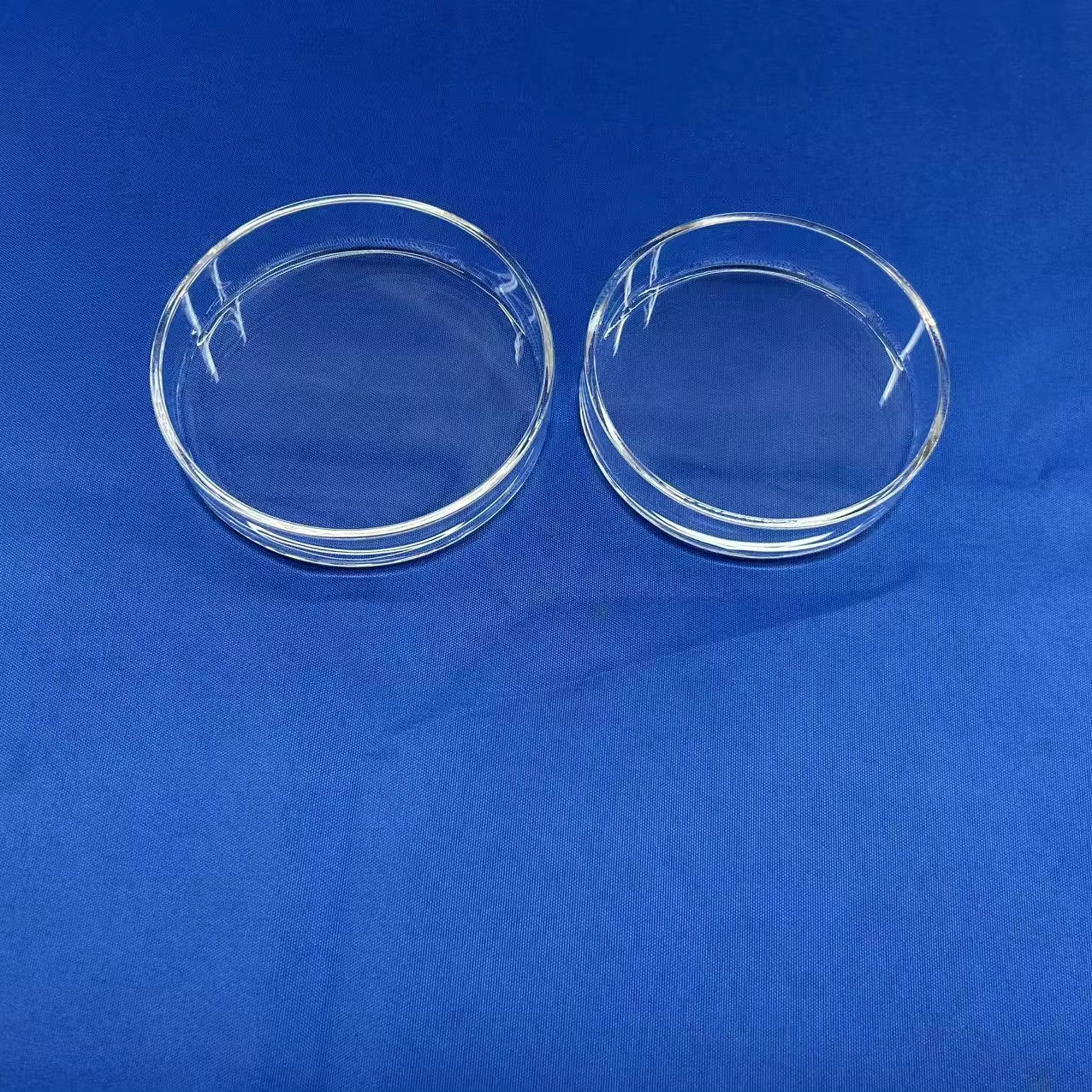
Factory Customized High-purity Quartz Glass Petri Dishes with Lids
View Specifications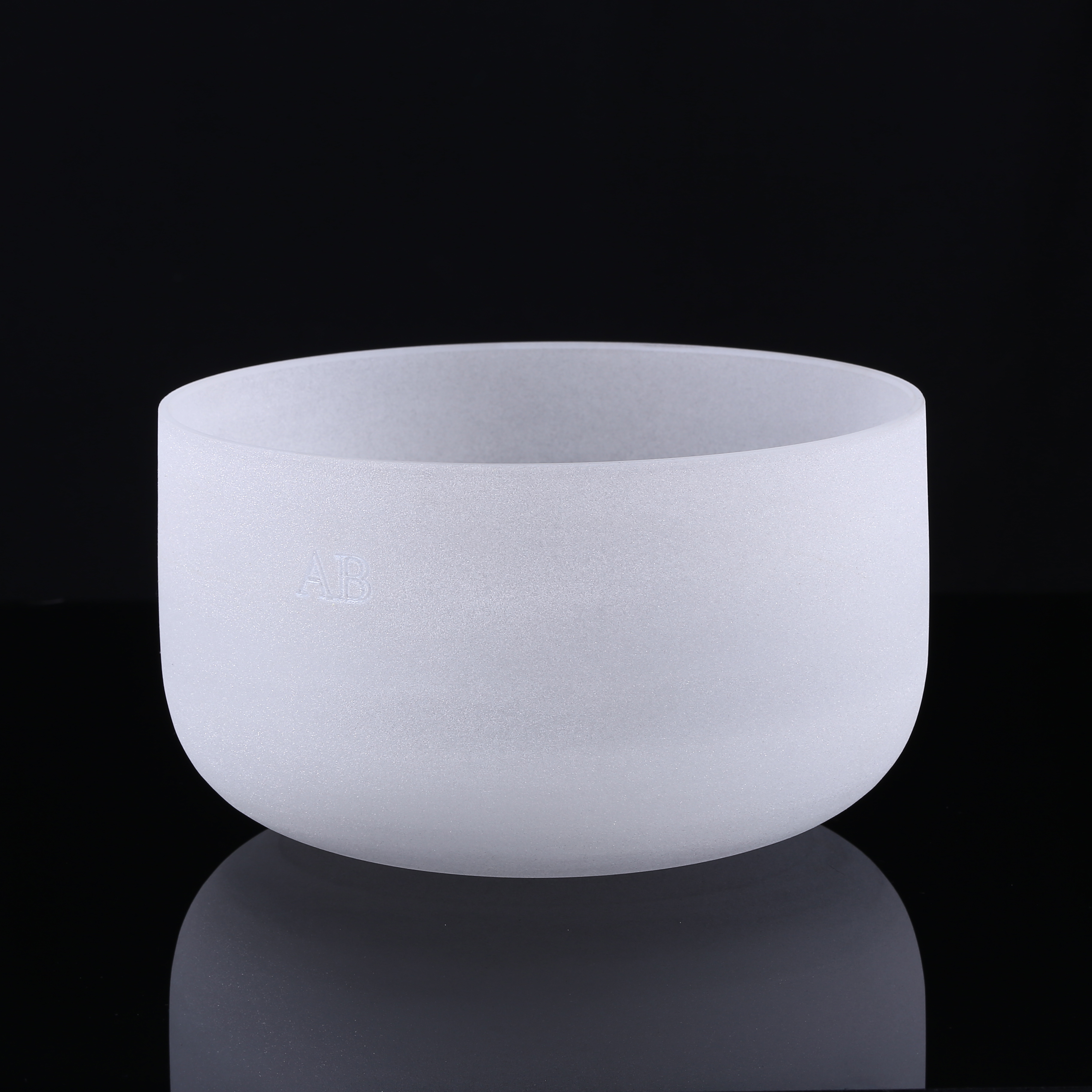
High Temperature Fused Silica Quartz Crucible
View Specifications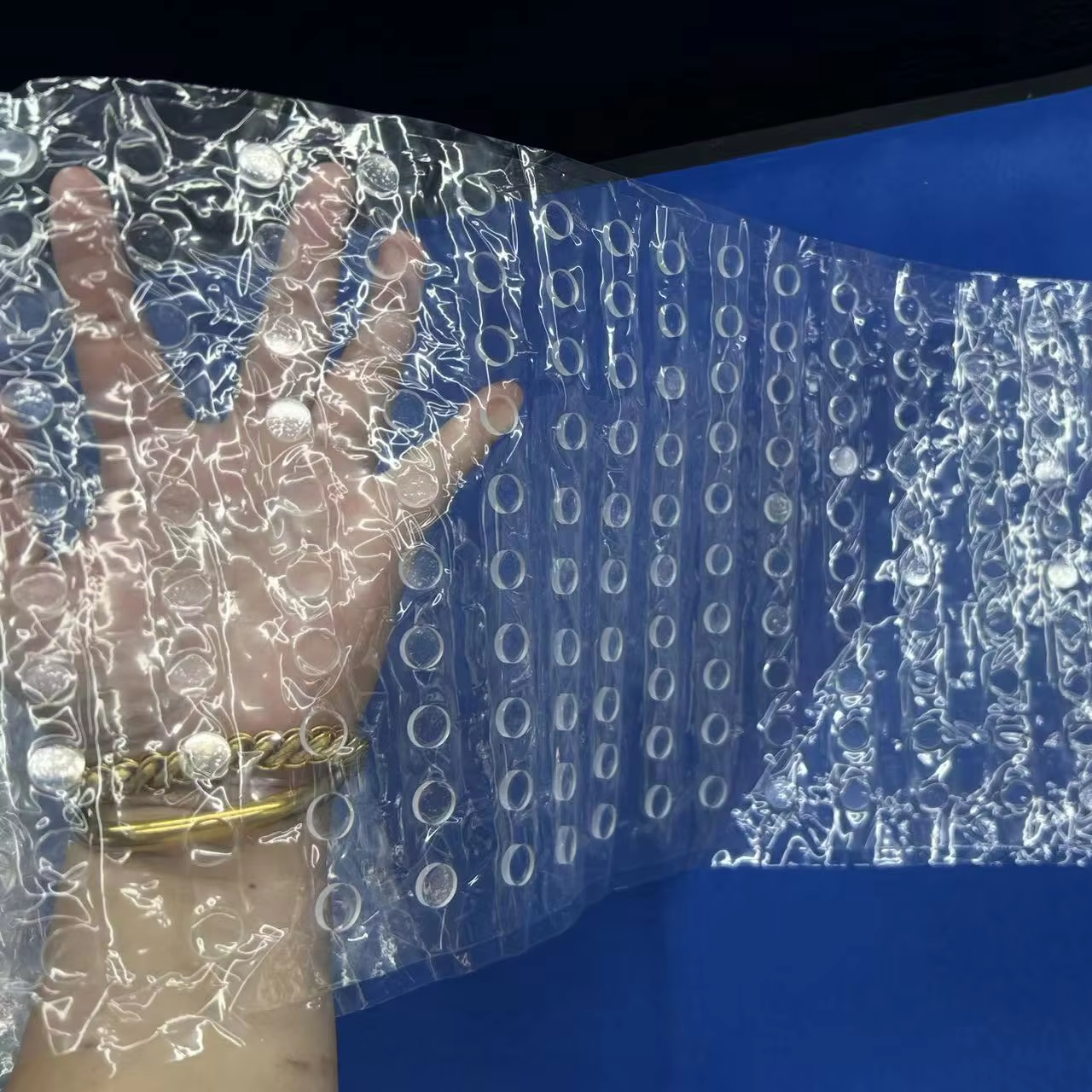
Factory-Made High-purity Small Size Quartz Wafer
View Specifications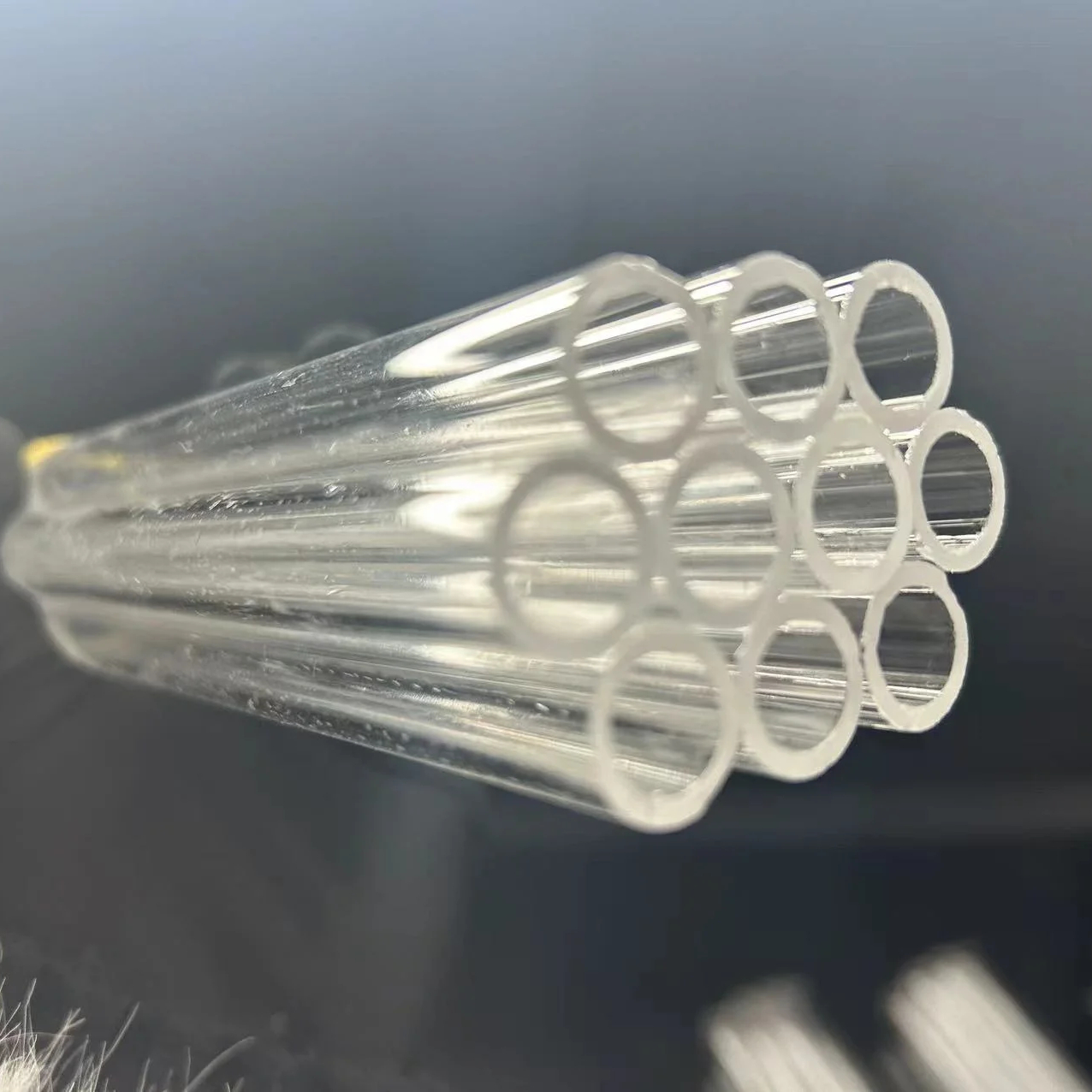
High Temperature Transparent Quartz Cylinder Tube Clear Quartz Tube
View Specifications≥99.998%
SiO₂ Purity Grade
≤5 Hours
Technical RFQ Response
300+ Hours
CZ Ingot Pulling Endurance
100% In-House
Donghai Facility Production
Industrial Whitepaper: The Strategic Sourcing of Fused Quartz Crucibles for Seoul's Clean Energy & Advanced Wafer Hubs
The global transition toward high-efficiency photovoltaic architectures—specifically N-type Tunnel Oxide Passivated Contact (TOPCon) and Silicon Heterojunction (HJT) solar cells—has fundamentally transformed thermal process metallurgy. At the heart of this manufacturing chain sits the arc-fused solar quartz crucible. Serving as the primary thermal and chemical containment vessel during continuous Czochralski (CZ) monocrystalline silicon pulling, the crucible is directly responsible for crystal dislocation rates, melt oxygen concentration, and silicon ingot purity.
For clean energy enterprises, semiconductor research laboratories, and advanced materials procurement offices operating in the Greater Seoul Metropolitan Area (including Gyeonggi-do's semiconductor belt stretching through Pangyo, Giheung, Hwaseong, and Pyeongtaek), securing a reliable, direct manufacturing partner in China's quartz capital is a strategic imperative. As South Korea accelerates its RE100 commitments and refines its next-generation tandem perovskite-silicon roadmaps, wafer manufacturers demand fused silica vessels that can endure extended thermal exposure exceeding 1,450°C for runs often spanning 250 to 350 hours without micro-bubble detachment, structural deformation, or excessive inner-wall devitrification.
1. Advanced Morphology: Inner Synthetic vs. Outer Natural Fused Quartz Layers
Modern high-efficiency solar ingots cannot tolerate the trace elemental migration typical of legacy quartz ware. High performance crucibles utilize a sophisticated dual- or triple-layer structural morphology:
Synthetic Inner Layer
Fabricated via high-temperature synthetic silicon tetrachloride vapor synthesis. Demonstrates total metal impurity below 0.5 ppm, near-zero bubble density, and ultralow aluminum content (<5 ppm) to prevent silicon melt contamination.
Micro-Bubble Middle Layer
Engineered bubble distribution buffers thermal shock during initial silicon melt-down and continuous poly-silicon recharging, preserving isotropic thermal conductivity throughout high-heat cycles.
High-Purity Natural Arc Shell
Derived from premium Donghai high-purity natural silica sand (>99.995% SiO₂). Imparts the mechanical rigidity and high softening point (1,683°C) necessary to prevent structural wall buckling at 1,450°C operating conditions.
2. Metallurgical Specifications & Trace Impurity Control Thresholds
In high-efficiency TOPCon production, even infinitesimal traces of boron (B), phosphorus (P), or transition metals (Fe, Cu, Ni, Cr) severely degrade the minority carrier lifetime of the drawn single crystal. Nivra Quartz implements rigorous vacuum arc electric fusion in Donghai County, enforcing strict element exclusion boundaries confirmed via Inductively Coupled Plasma Mass Spectrometry (ICP-MS):
| Critical Parameter | Standard PV Ingot Grade | High-Efficiency N-Type Grade | Semiconductor CZ Grade |
|---|---|---|---|
| Base Purity (SiO₂) | ≥ 99.99% | ≥ 99.998% | ≥ 99.9995% |
| Aluminum (Al) Content | 12 – 16 ppm | 6 – 10 ppm | < 1.0 ppm (Synthetic Inner) |
| Iron (Fe) Content | < 0.2 ppm | < 0.05 ppm | < 0.01 ppm |
| Hydroxyl (-OH) Concentration | < 30 ppm | < 20 ppm | < 5 – 10 ppm |
| Inner Layer Bubble Density | < 0.05 mm diameter | Zero visual bubbles (<0.01 mm) | Complete transparent bubble-free barrier |
| Softening Point (ASTM C338) | ≈ 1680 °C | ≈ 1685 °C | ≥ 1700 °C |
| Maximum Working Temp (Continuous) | 1150 °C | 1250 °C | 1350 °C (Short peaks 1450 °C) |
3. Addressing Devitrification (Cristobalite Nucleation) During CZ Operations
During prolonged high-temperature silicon crystallization cycles, fused quartz naturally tends to devitrify into cristobalite. If nucleation initiates prematurely at the inner crucible surface, micro-cracks form due to the distinct thermal expansion coefficient between beta-cristobalite and amorphous silica. This phenomenon causes flakes to detach into the molten silicon, disrupting crystal lattice seeding and causing complete loss of monocrystalline growth.
To mitigate this for South Korean clients, Nivra Quartz integrates proprietary clean-melt manufacturing protocols. Our inner synthetic liners maintain near-zero surface sodium (Na) and potassium (K) content—the two primary catalysts of cristobalite nucleation. The result is a smooth, continuous dissolution rate that minimizes oxygen release into the silicon melt, yielding higher-purity wafers with prolonged continuous multi-pulling longevity.
Localized Application Scenarios Across Seoul and South Korea's Tech Ecosystem
While Seoul serves as the commercial epicenter, corporate headquarters, and academic research capital of South Korea, its surrounding industrial corridors represent one of the densest high-tech manufacturing ecosystems on earth. Our quartz crucibles and custom quartz components integrate into several distinct local supply chains:
Pangyo & Seoul University Labs
Advanced R&D pilot lines at Seoul National University, KAIST, and corporate labs in Pangyo Techno Valley utilize our high-purity quartz flasks, small crucibles, and polished wafers for experimental tandem perovskite-silicon cell interfaces.
Gyeonggi Semiconductor Cluster
Facilities across Giheung, Hwaseong, and Pyeongtaek integrate our ultra-thick double-layer step plates, quartz diffusion boats, and high-temperature furnace tubes into low-pressure chemical vapor deposition (LPCVD) and wafer carrier cleaning.
Saemangeum & Regional Solar Megasites
Utility-scale monocrystalline solar ingot manufacturers in Chungcheong and Jeolla provinces rely on our 32-inch to 38-inch fused silica crucibles for high-capacity Czochralski crystal growth supplying large format M10 and G12 solar wafers.
By partnering directly with Nivra Quartz, engineering teams in Seoul obtain tailored quartzware directly manufactured to custom CAD drawings (DWG, DXF, STEP) within a 48-to-72 hour manufacturing turnaround, drastically shortening prototype iterations for specialized reactor hardware.
South Korea Market Trends: Navigating Supply Chain Resiliency & RE100
South Korea’s solar and semiconductor supply chains are experiencing structural shifts that dictate how quartz components are sourced:
1. Expansion to 36-Inch to 40-Inch Crucible Diameters
Driven by the industry-wide transition to 210mm (G12) rectangular silicon wafers, domestic crystalline ingot pullers are retrofitting furnaces to accommodate oversized crucibles (36" to 40"). Nivra Quartz has scaled heavy arc-fusion molds in our Donghai plant, enabling the production of large-format vessels capable of holding over 400 kg of molten silicon under sustained multi-day thermal loads.
2. Stringent Quality Audits and Traceability Under ESG Mandates
With South Korean conglomerates joining the global RE100 initiative, procurement teams face intense scrutiny regarding Scope 3 carbon emissions and vendor sustainability. Donghai County Nivra Quartz Products Co., Ltd. operates with clean electric-arc melting infrastructure and localized raw silica supply networks, minimizing maritime transport footprints and providing complete batch traceability from raw sand extraction to finished packaging.
3. Rapid Logistics Bridges: Lianyungang / Qingdao to Incheon Port
Procuring from distant suppliers in Europe or North America presents acute supply disruption risks and prohibitive air freight expenses for delicate quartz goods. Our geographic hub in Lianyungang/Donghai offers direct sea-ferry and standard container connections to Incheon Port (인천항) and Busan Port within 36 to 48 hours transit time. This direct geographical proximity allows Seoul buyers to maintain lean just-in-time (JIT) consumable inventory without risking furnace downtime.
Why Seoul Buyers Partner with Nivra Quartz: Factory Direct Advantages
Donghai County Nivra Quartz Products Co., Ltd. was established in February 2019 in Donghai County, Lianyungang, Jiangsu Province—celebrated internationally as China’s quartz and crystal epicenter. Operating as an integrated manufacturer and exporter with 101–200 skilled production specialists, we maintain full lifecycle control over high-purity thermal quartz components.
Verified Factory Status
Our 285 Heping East Road facility has been independently inspected and verified on-site by third-party certification authorities and Alibaba.com trade verification inspectors.
≤5-Hour Engineering Turnaround
Our measured inquiry response rate is 88.89% with an average technical feedback speed under 5 hours. CAD file analyses and quote validations are processed without language barriers.
5.0 / 5.0 Buyer Satisfaction
With an active 23% repeat reorder rate and dozens of audited transactions across North America, Europe, and East Asia, our export reputation guarantees zero defective-part shipments.
Our comprehensive in-house tooling capabilities encompass heavy automated electric-arc crucible fusion, CNC wire-saw cutting, surface diamond grinding, double-sided optical chemical-mechanical polishing (CMP), glass lathe thermal welding, clean-air flame fire-polishing, and cleanroom ultrasonic acid bath leaching.
Frequently Asked Questions: Sourcing Quartzware for South Korean Industry
How do you ensure zero micro-bubble detachment during extended N-type CZ crystal pulling?
Our solar crucibles incorporate a multi-layered arc-fusion methodology. The inner 1.5 to 3.0 mm transparent layer is formulated from ultra-refined synthetic silica powder, melted under controlled vacuum conditions that evacuate gaseous inclusions before vitrification. This produces an inner surface with virtually zero visual bubbles (<0.01 mm). When the silicon melt operates at 1,450°C, there are no pressurized micro-cavities that can burst into the melt, completely eliminating particle release and preserving the monocrystalline structure of the ingot.
What customs documentation and certificates are provided for import clearance through Incheon Port?
Every commercial consignment shipped to South Korea is accompanied by complete documentation compliant with RCEP (Regional Comprehensive Economic Partnership) or the China-Korea FTA, including Form K/Certificate of Origin to optimize import tariff treatment. Additionally, we provide comprehensive Certificate of Analysis (COA) reports, GDMS/ICP-MS trace metal impurity sheets, and dimensional CMM inspection certificates with every production lot.
How do you safeguard fragile, large-diameter quartz crucibles and tubes against maritime shock during transit?
Each crucible or quartz part undergoes cleanroom ultrasonic cleaning and is vacuum-sealed in static-dissipative polyethylene. The component is then nested in high-density custom-molded Expanded Polyethylene (EPE) foam dampeners inside double-wall reinforced corrugated cartons. For maritime and air freight to South Korea, units are secured inside ISPM-15 compliant, heat-treated, fumigation-free plywood crates equipped with shock-watch indicator labels and anti-tilting sensors.
Can Nivra Quartz manufacture customized quartz wafer boats and flanges based on proprietary CAD drawings?
Yes. OEM and ODM custom engineering represents over 50% of our production volume. Sourcing teams in Seoul can submit CAD files in DWG, DXF, or 3D STEP formats. Our technical team evaluates critical tolerances (achieving linear tolerances down to ±0.05 mm and angle tolerances within ±15 arcminutes), slot pitch consistency, fire-polishing requirements, and material purity grades, issuing formal feedback and pricing within 5 hours.
What is the difference between synthetic quartz and natural quartz in solar crucible manufacturing?
Natural quartz crucible layers utilize refined mined quartz rock, which provides exceptional high-temperature mechanical viscosity and thermal deformation resistance at an economical cost. However, natural quartz contains trace elements of aluminum (Al), titanium (Ti), and alkalis. Synthetic quartz is created chemically via the combustion of silicon compounds, delivering 99.9999% purity with near-zero trace metals. High-end crucibles utilize synthetic quartz on the inner contact surface to protect the silicon melt, backed by natural quartz for structural rigidity.
What are the standard lead times for custom prototype samples delivered to Seoul?
Standard quartz components (plates, rings, discs, standard crucible diameters) ship within 3 to 7 business days. Custom-machined quartz boats, slotted carriers, or step plates requiring precision CNC diamond grinding and cleanroom fire-polishing are manufactured in 10 to 14 days. Express air courier transit from Lianyungang/Shanghai to Incheon International Airport takes an additional 24 to 48 hours, ensuring rapid turnaround for urgent production trials.
Accelerate Your High-Yield Crystal Pulling Program
Connect with our senior quartz thermal engineering team today. Send us your crucible dimensions, inner layer thickness criteria, or precision quartz part CAD drawings for a comprehensive manufacturability review and factory-direct quotation.
Send an Inquiry