Specialized Fused Quartz Components for Immediate Sourcing
Custom dimensions, high UV/IR transmission profiles, and micro-tolerance tube/rod machining fabricated to European industrial specifications.
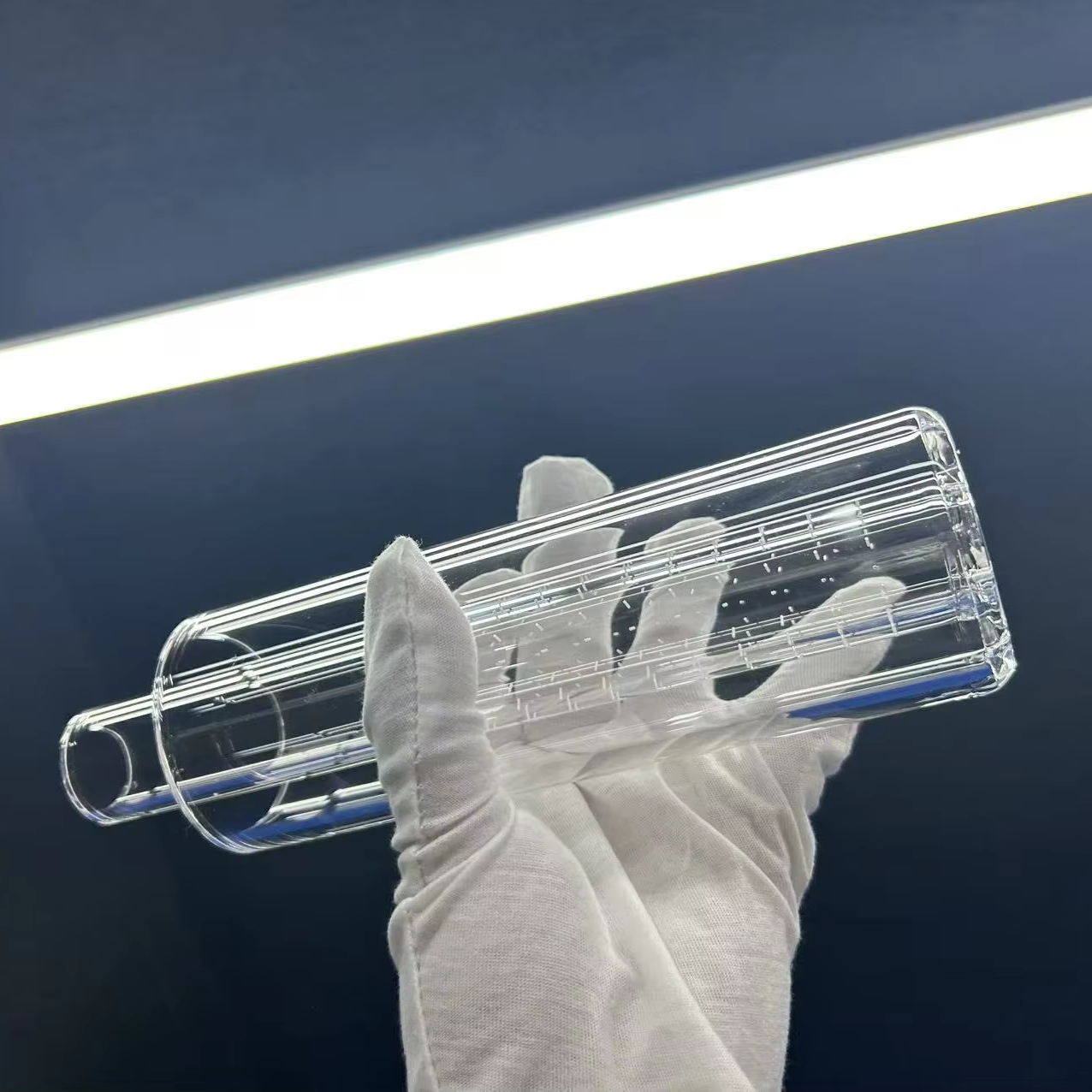
Customized Perforated Quartz Tube
Technical Specs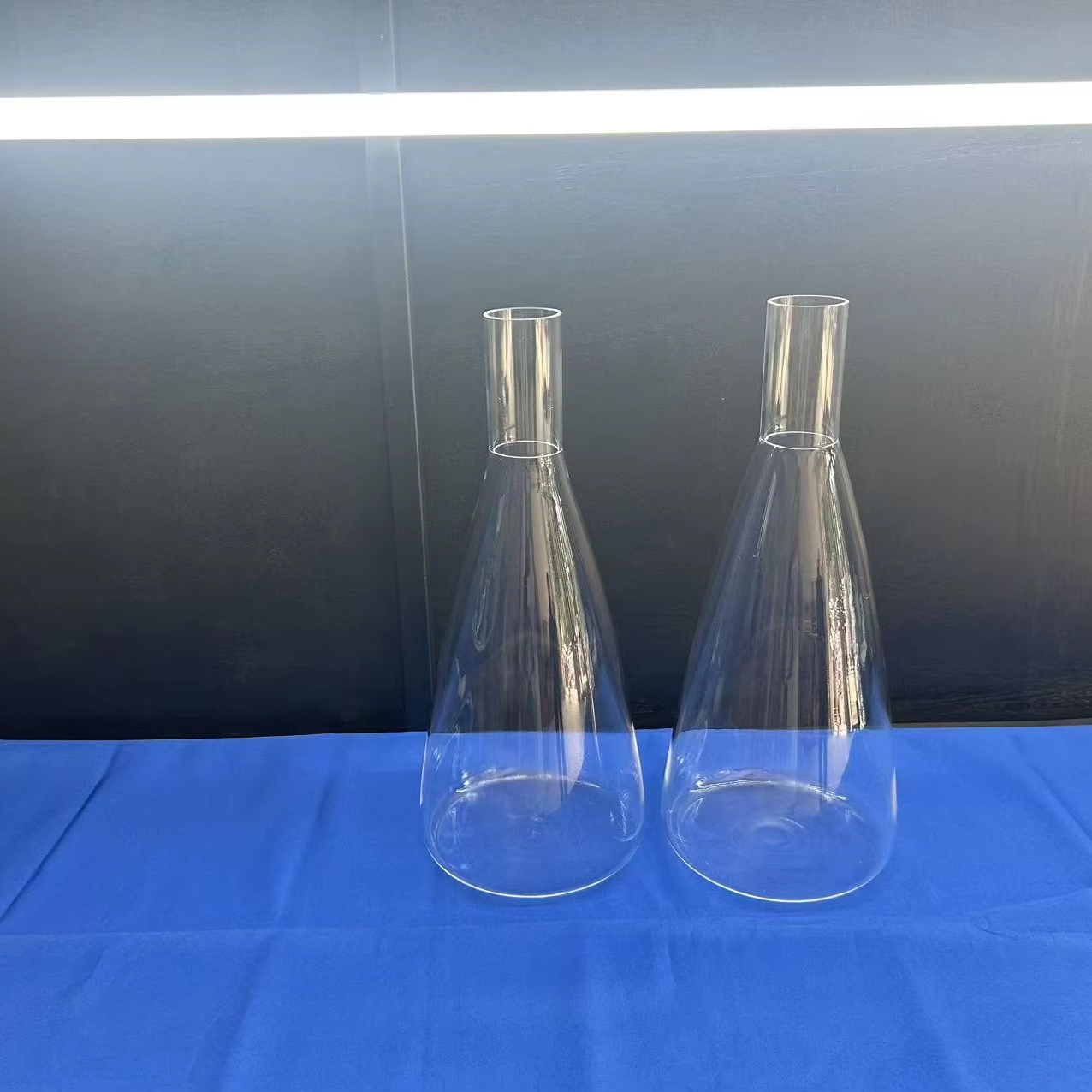
Laboratory Fused Silica Quartz Glass Flask
Technical Specs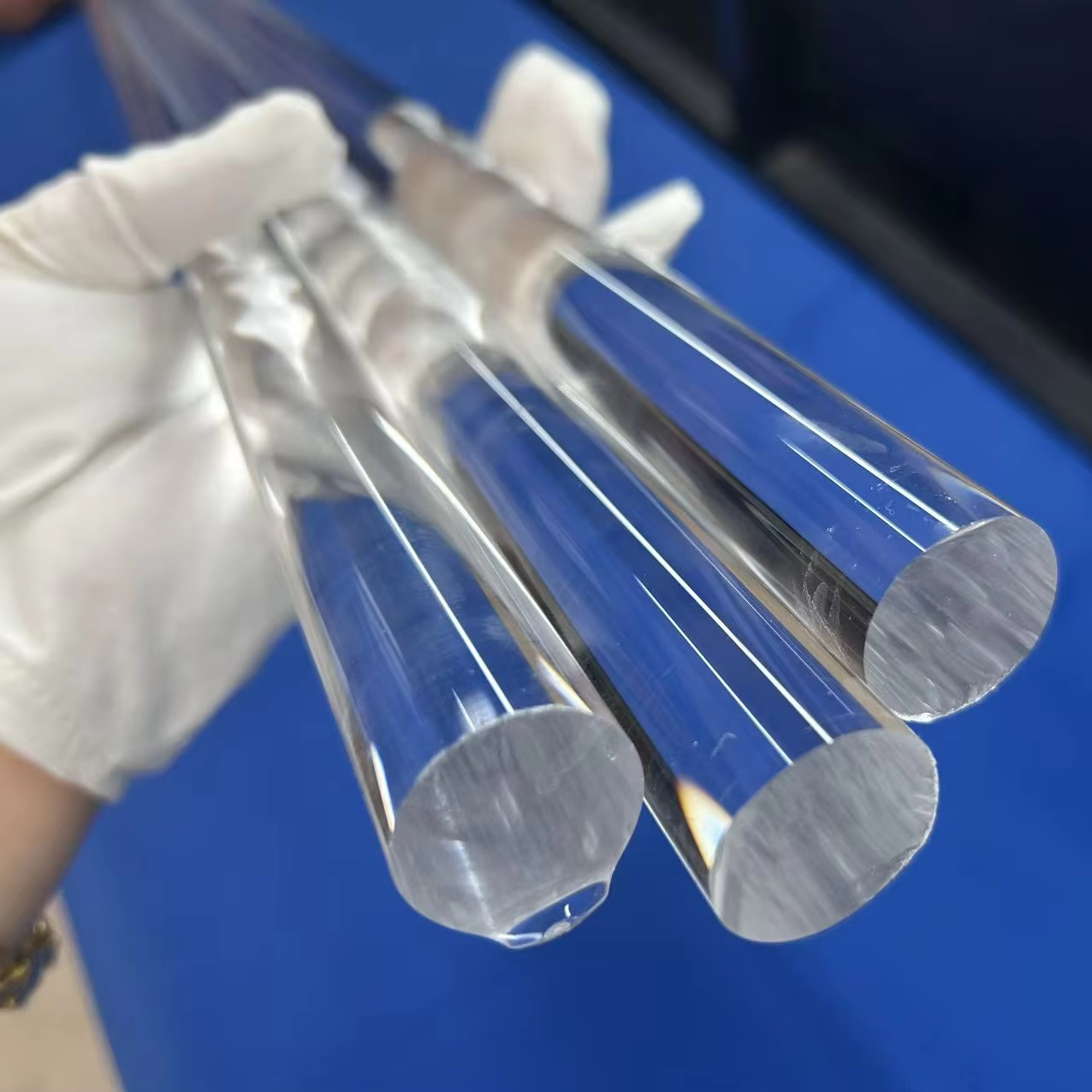
The Factory Produces High-purity Fused Quartz Large Diameter Round Rods, Offering Cutting, Welding, and Bending Services
Technical Specs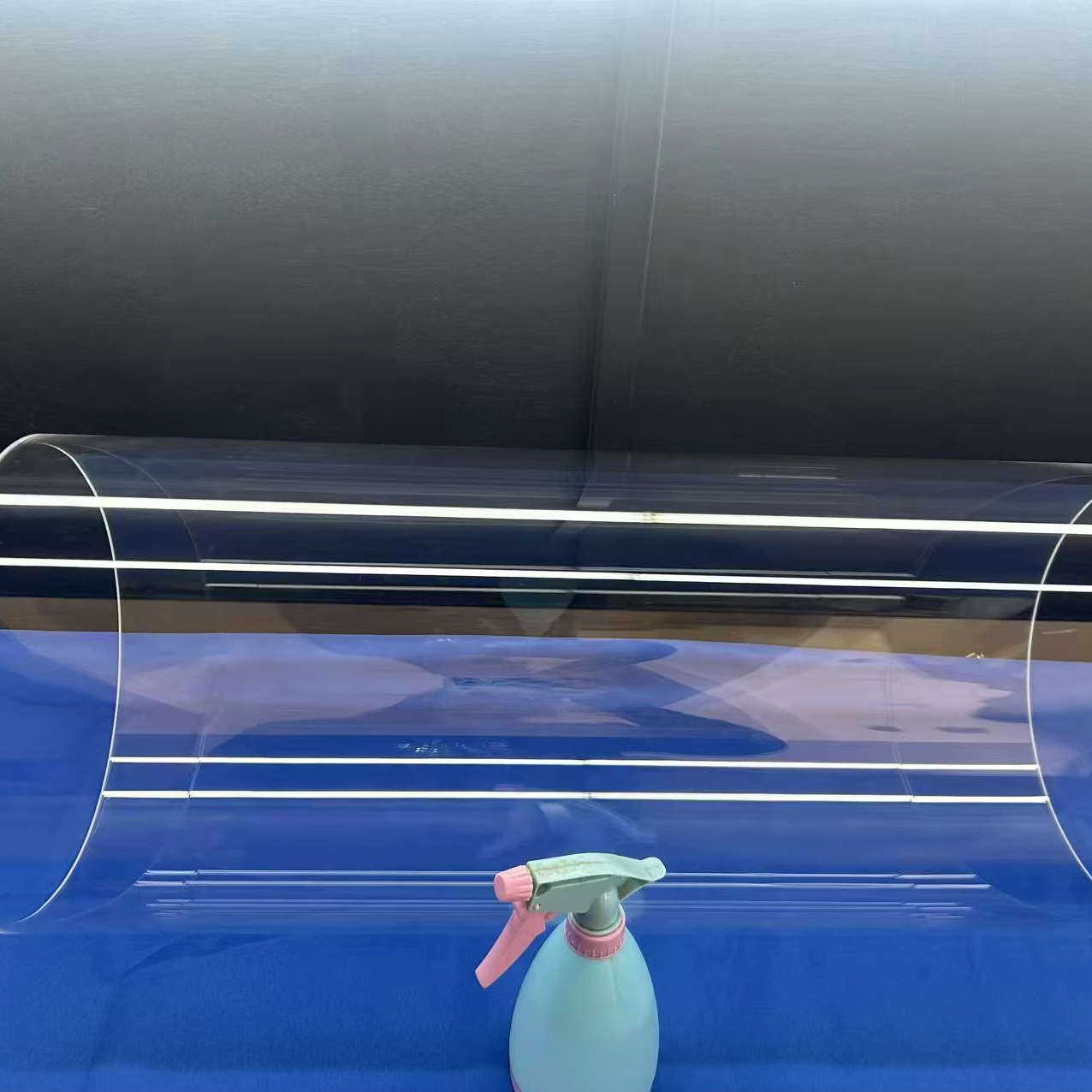
Customizable High Purity Fused Quartz Glass Tube High Temperature Resistant
Technical Specs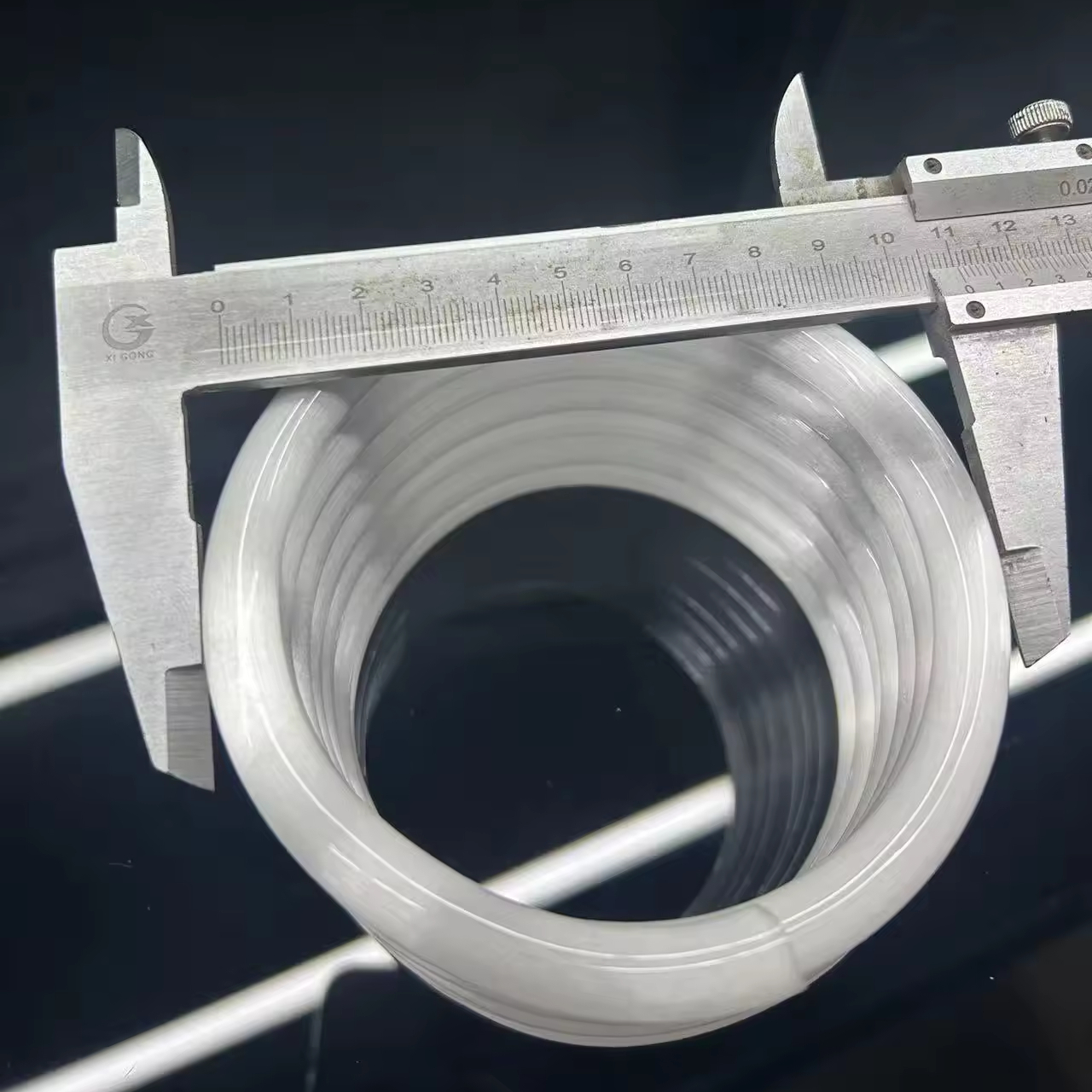
Helical Clear Quartz Glass Coil t Tube
Technical Specs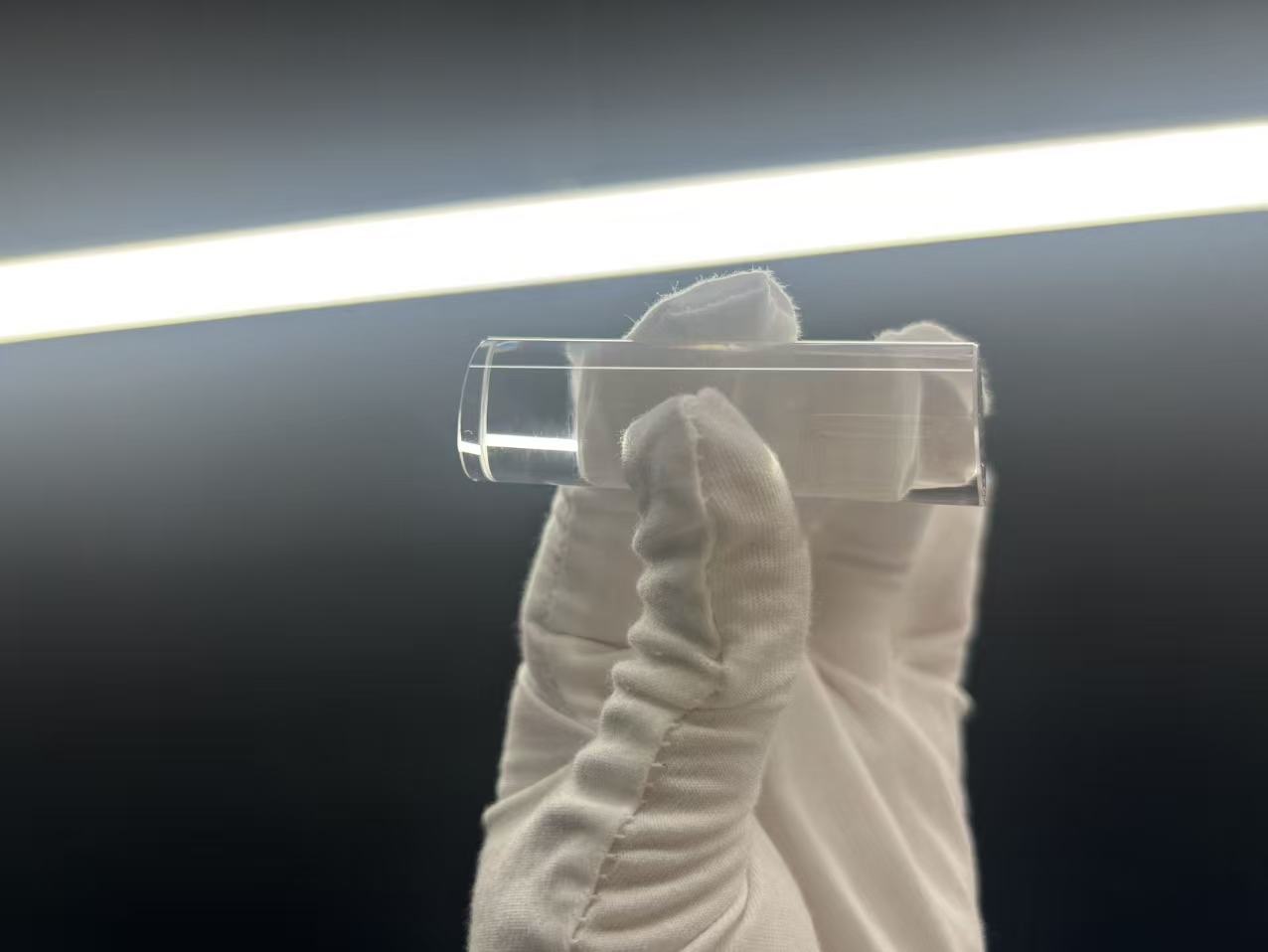
Round Head Quartz Rod
Technical Specs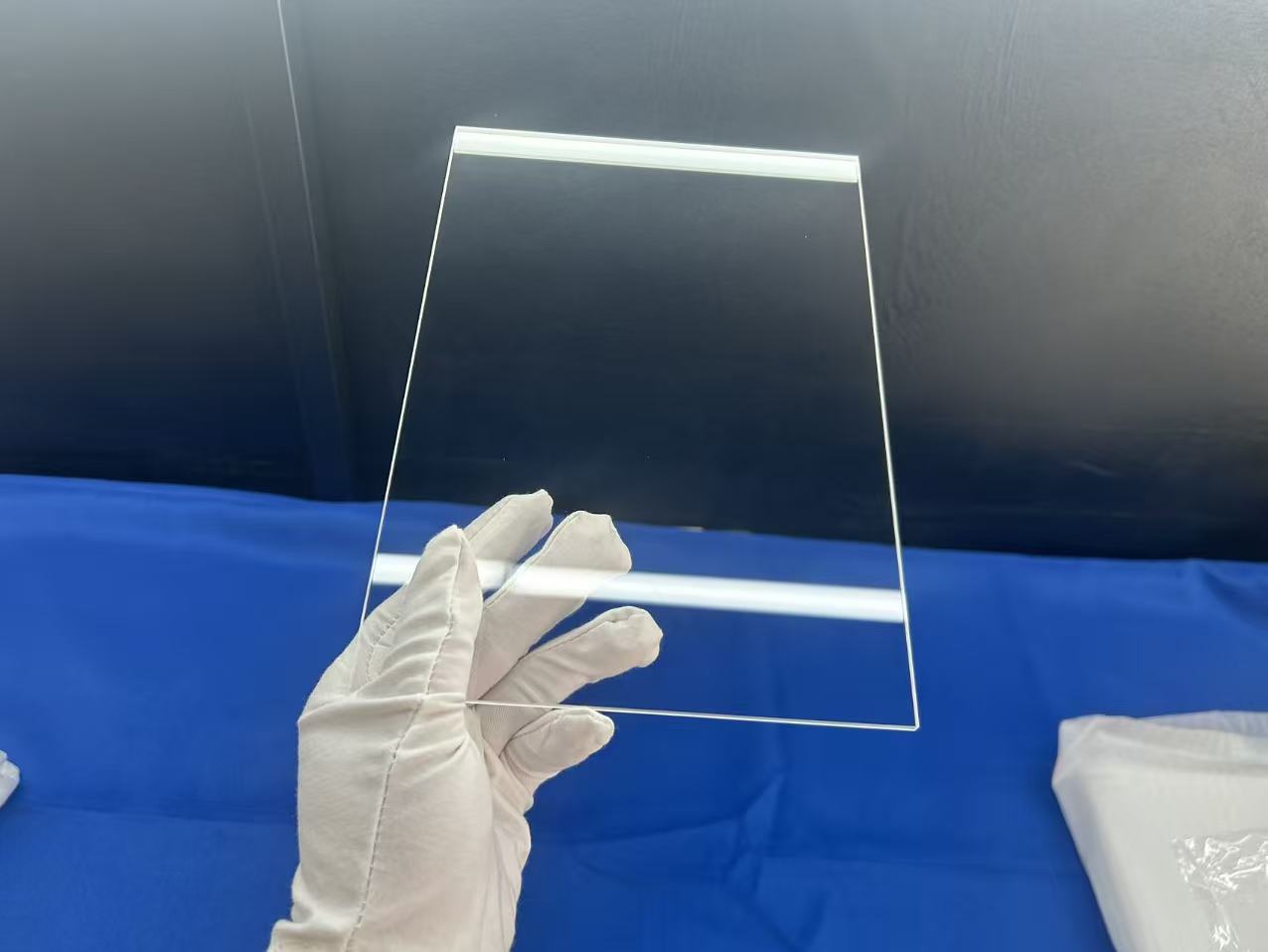
Custom Polished Purity Transparent Square Quartz Glass Plate 3mm Thick Clear Optical Instruments for Welding Cutting
Technical Specs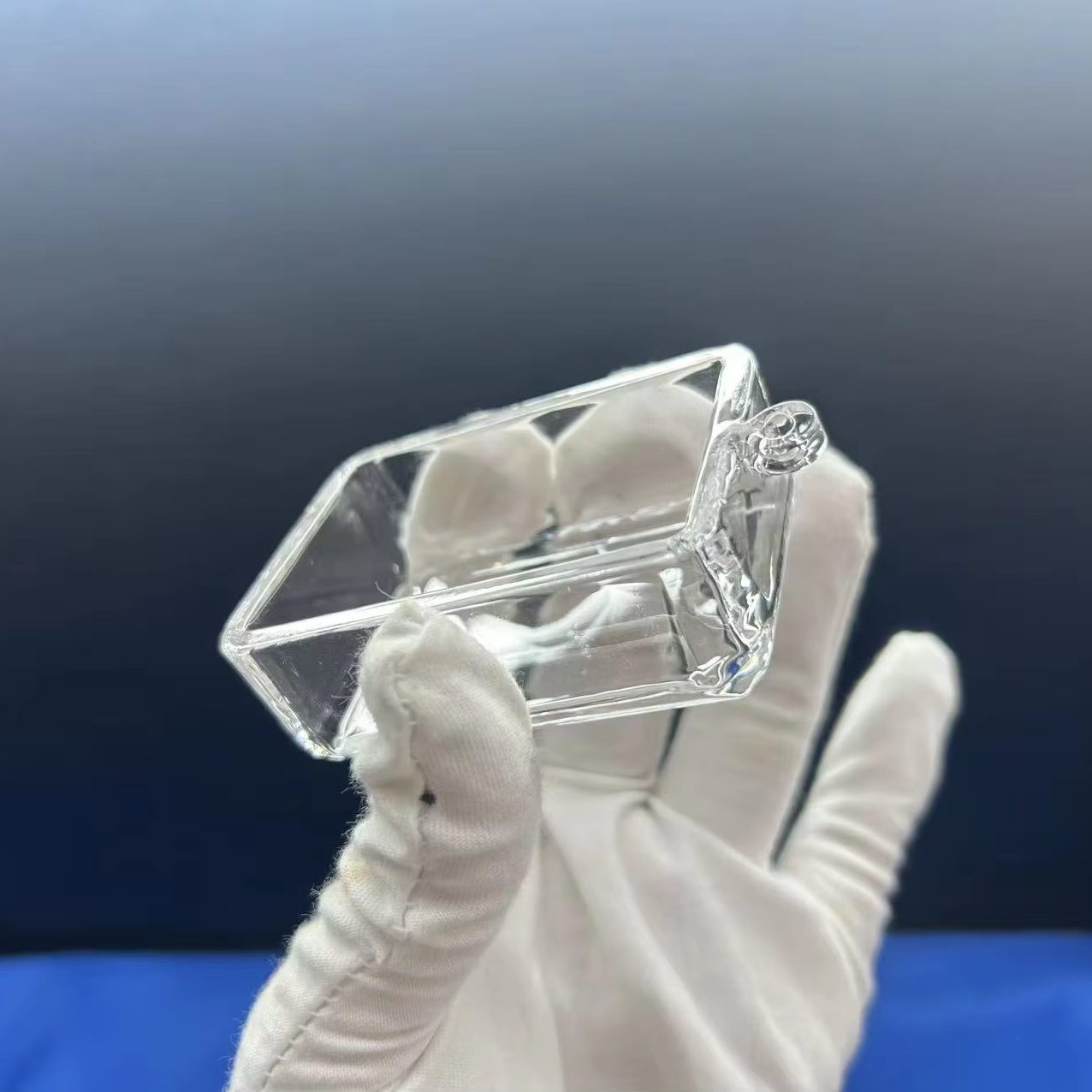
Quartz Tank
Technical Specs1. Engineering Fundamentals of Quartz Spiral (Helical) Tubes
In modern process chemistry, analytical instrumentation, and advanced thermal engineering, the quartz spiral tube (frequently designated as a helical quartz coil, quartz condenser coil, or fused silica heat exchanger) represents a critical fusion of fluid dynamics and extreme materials science. Unlike straight cylindrical fused quartz tubing, a spiral configuration forces the continuous medium—whether an aggressive acid, a volatile organic solvent, or an inert carrier gas—into a sustained Dean vortex flow regime. This curved geometry breaks laminar boundary layers, inducing rapid secondary flow mixing and dramatically augmenting the convective heat transfer coefficient without demanding moving parts.
Sourcing vitreous silica spiral tubing from Donghai County Nivra Quartz Products Co., Ltd. guarantees strict dimensional fidelity over complex helical paths. Precision flame lathe bending ensures that outer diameters (OD), inner bore diameters (ID), pitch distances (pitch-to-pitch clearance), and overall coil envelopments maintain structural concentricity within sub-millimeter tolerances. When thermal gradients spike instantly from ambient to above 1100°C, inferior borosilicate or aluminosilicate glasses shatter due to internal thermal expansion stress. Fused quartz, exhibiting an extraordinary near-zero thermal expansion coefficient of 5.5 × 10⁻⁷ /°C between 20°C and 320°C, survives instantaneous liquid quenchings of over 1000°C without mechanical failure or lattice microfracturing.
| Physical / Chemical Property | High-Purity Clear Fused Quartz (Standard) | Synthetic Fused Silica (JGS1 Grade) | Commercial Borosilicate Glass (Comparison) |
|---|---|---|---|
| Chemical Formula & Purity | SiO₂ ≥ 99.99% (Trace Fe < 0.2 ppm) | SiO₂ ≥ 99.9999% (Trace Metals < 0.05 ppm) | SiO₂ ≈ 81%, B₂O₃ ≈ 13%, Na₂O/Al₂O₃ ≈ 6% |
| Softening Point (°C) | 1683 °C | 1730 °C | 820 °C |
| Max Working Temp (Continuous) | 1100 °C | 1200 °C | 450 °C |
| Coefficient of Thermal Expansion (CTE) | 5.5 × 10⁻⁷ /°C | 5.2 × 10⁻⁷ /°C | 32.5 × 10⁻⁷ /°C |
| UV-Vis Spectral Transmission Range | 220 nm – 2500 nm (JGS2 Optical Grade) | 185 nm – 2500 nm (Deep-UV Certified) | Cut-off below 310 nm |
| Hydroxyl [OH⁻] Content | Standard flame fused: 150 – 200 ppm | Synthetic: < 1 ppm (Dry grade) | N/A (Multi-component glass matrix) |
| Dielectric Strength (20°C, 1 MHz) | 25 – 40 kV/mm | > 40 kV/mm | 10 – 15 kV/mm |
For European chemical engineers and laboratory managers in Rotterdam, selecting between standard clear fused quartz (JGS2 equivalent) and synthetic fused silica (JGS1 equivalent) dictates both operational lifespan and photochemical yield. For instance, in photochemical chlorination or advanced oxidation processes (AOP) utilizing ultraviolet radiation below 254 nm, synthetic silica quartz spiral coils prevent solarization—a phenomenon where defect color centers darken the glass lattice over prolonged photon exposure, drastically curtailing radiant efficiency. Nivra Quartz guarantees traceable raw material ingot sourcing, ensuring complete batch certification from Donghai's world-renowned mineral veins straight to the Dutch buyer's docking bays.
2. Localized Industrial Application Scenarios Across the Port of Rotterdam
The Port of Rotterdam represents the undisputed maritime and petrochemical linchpin of Western Europe. Spanning an expansive 40-kilometer corridor from the inner-city docks through Botlek, Europoort, and outwards to the ultra-modern deepwater Maasvlakte 1 and 2, this ecosystem processes over 430 million metric tons of goods and feedstocks annually. Within this vast industrial matrix, the demand for resilient, acid-impervious, and thermally unshakeable components is continuous. Fused quartz spiral tubes supplied directly from Nivra Quartz serve essential roles across specialized Dutch operating hubs:
Botlek Petrochemical Refining & Acid Condensation
Home to major global refiners including Shell, ExxonMobil, and specialty chlor-alkali producers like Nobian. In hydrocracking distillation towers and sulfuric acid recovery units, gas streams reach extreme acidity at temperatures above 300°C. Fused quartz spiral tubes act as secondary condensers and heat-exchanger bundles, resisting aggressive halogens, nitric, and sulfuric condensates where Hastelloy, tantalum, and PTFE linings face creep deformation or rapid embrittlement.
Continuous Microchannel Photochemistry & Flow Reactors
With the Dutch chemical sector shifting heavily toward Process Intensification (PI), flow chemistry reactors are replacing massive batch tanks. Quartz helical coils are engineered with high wall-thickness-to-bore ratios, coiling tightly around high-output UV-LED or excimer lamp arrays. This setup facilitates instantaneous photon immersion for photochemical halogenation, API active intermediate synthesis, and nitro-compound stabilization across labs in South Holland and the Bio Science Park corridor.
Maasvlakte Maritime Ballast & Industrial Wastewater Photolysis
Directives enforced by the Port of Rotterdam Authority and the International Maritime Organization (IMO) demand ballast water treatment systems capable of neutralizing invasive aquatic micro-organisms without chemical biocides. High-transmittance quartz spiral sleeves house high-intensity UV-C sterilizers, creating a vortex flow pattern that guarantees uniform volumetric irradiation even through turbid, high-salinity estuarine brackish water.
Electrolyzer & Green Hydrogen Pilot Plants
Rotterdam aims to become the green hydrogen hub of Northwestern Europe via projects like Holland Hydrogen I on Maasvlakte 2. In pilot solid oxide electrolyzer cells (SOEC) and high-temperature methane pyrolysis test benches running between 800°C and 1000°C, Nivra Quartz spiral tubes serve as thermal recuperators, cooling exit syngas and hydrogen streams without catalytic surface interference.
ASML & Semiconductor Supply Chain Linkages
While wafer fabs reside further inland toward Brainport Eindhoven, the Rotterdam logistics and engineering cluster fabricates peripheral equipment, specialized sub-assemblies, and ultra-pure chemical distribution consoles. Quartz spiral heat exchangers ensure zero trace-metal leaching (iron, copper, sodium under 0.1 ppb thresholds) in carrier lines dispensing high-purity etching solutions such as buffered oxide etchants (BOE) and ammonium hydroxide.
Academic & Applied R&D Consortia (TU Delft & TNO)
Located adjacent to Rotterdam, research institutes such as Delft University of Technology and TNO rely on Nivra Quartz for custom flame-worked analytical apparatus. From custom quartz gas manifolds to micro-volume spiral condensers used in organic spectroscopy and catalytic cracking diagnostics, our manufacturing floor interprets CAD/STEP drawings with precision tolerance adherence.
3. Local Procurement Trends: Rotterdam's Transition to Circularity & Electrification
The European Green Deal and the Netherlands' binding legal mandate to reach net-zero carbon operations by 2050 are fundamentally reshaping industrial procurement in the ARA (Amsterdam-Rotterdam-Antwerp) region. Rotterdam's chemical cluster is moving rapidly away from fossil-fueled steam cracking toward high-efficiency electric heating, process miniaturization, and closed-loop material cycles. These shifts directly impact how engineers specify and source quartz components:
1. Electrification via Quartz Infrared Emitters
As traditional gas-fired boilers and heating jackets are decommissioned across Europoort facilities, plants are installing high-density electric infrared (IR) heating elements housed within quartz spiral sheaths. The low hydroxyl ([OH⁻]) concentration in our low-OH infrared quartz grades ensures minimal internal absorption of radiation between 1.0 and 3.5 μm wavelengths, delivering immediate, highly targeted radiative heat transfer with over 90% electro-thermal efficiency.
2. Process Miniaturization & Microreactor Modularization
Rotterdam pilot centers are replacing multi-story batch kettles with skid-mounted continuous flow skids. Spiral quartz tubes provide maximum path length per unit of envelope space (e.g., an 8-meter developed hydraulic path packed into a 400 mm vertical cylindrical envelope). This compactness reduces solvent inventory, curtails volatile organic emission risks, and drastically improves facility safety margins under stringent Seveso III European safety regulations.
3. Stringent European REACH & Heavy-Metal Compliance
Procurement teams at major Dutch conglomerates demand verified chemical purity documentation. Fused quartz from low-grade regional producers can leach trace aluminum, titanium, or alkali elements into ultra-pure synthesis solutions. Nivra Quartz guarantees raw mineral sourcing with trace iron (Fe) < 0.2 ppm, aluminum (Al) < 14 ppm, and sodium (Na) < 0.7 ppm, backed by comprehensive ICP-MS (Inductively Coupled Plasma Mass Spectrometry) laboratory testing certificates.
4. Inside Nivra Quartz: China's Quartz Capital to Rotterdam Direct
Established in February 2019, Donghai County Nivra Quartz Products Co., Ltd. is headquartered at 285 Heping East Road, Lianyungang, Jiangsu Province—the internationally recognized ground zero for high-purity natural silica reserves and quartz glass innovation in China. Operating as a verified manufacturer and exporter with a dedicated workforce of 101 to 200 skilled craftsmen, glass technicians, and QA engineers, Nivra Quartz bridges the gap between competitive raw material pricing and stringent Western European engineering standards.
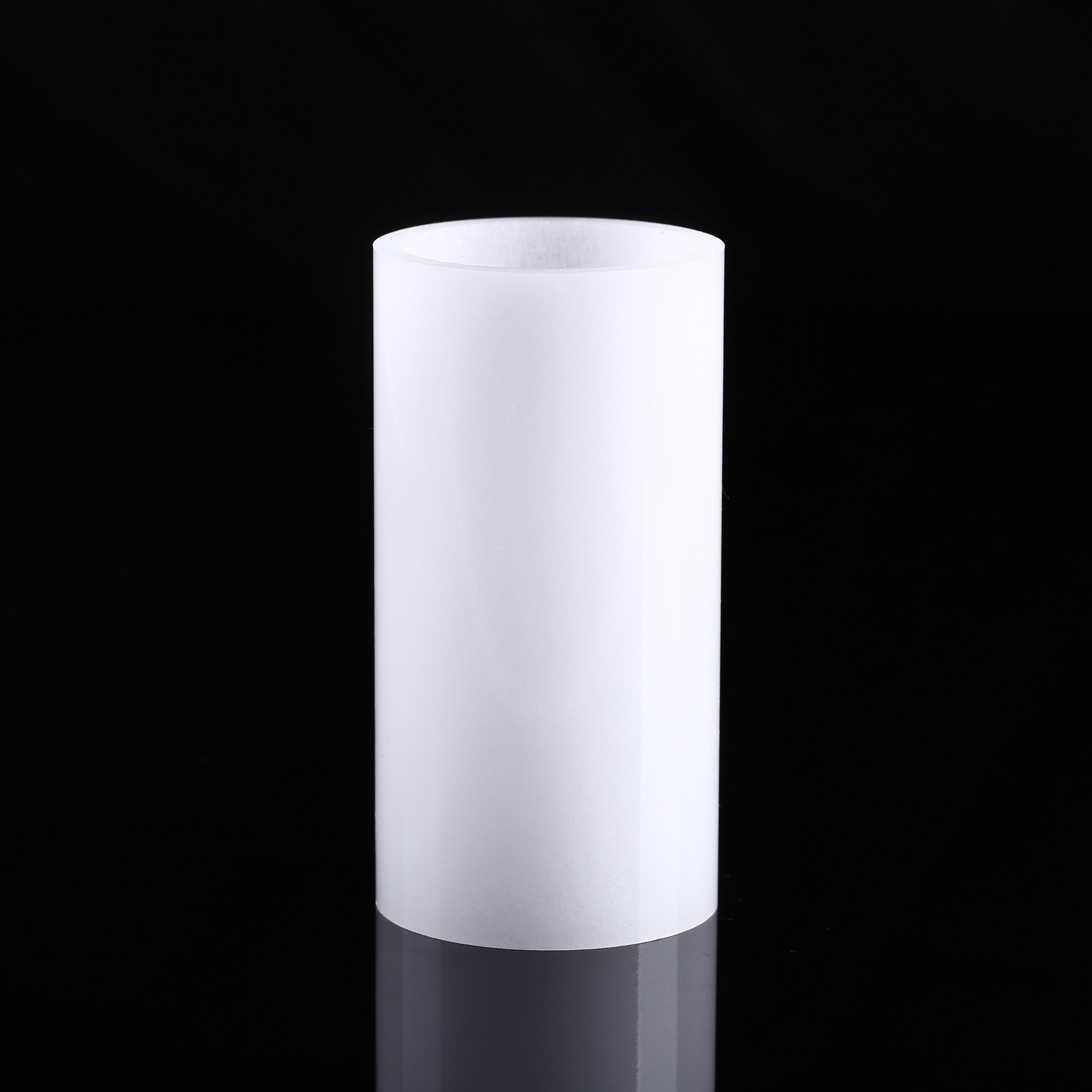
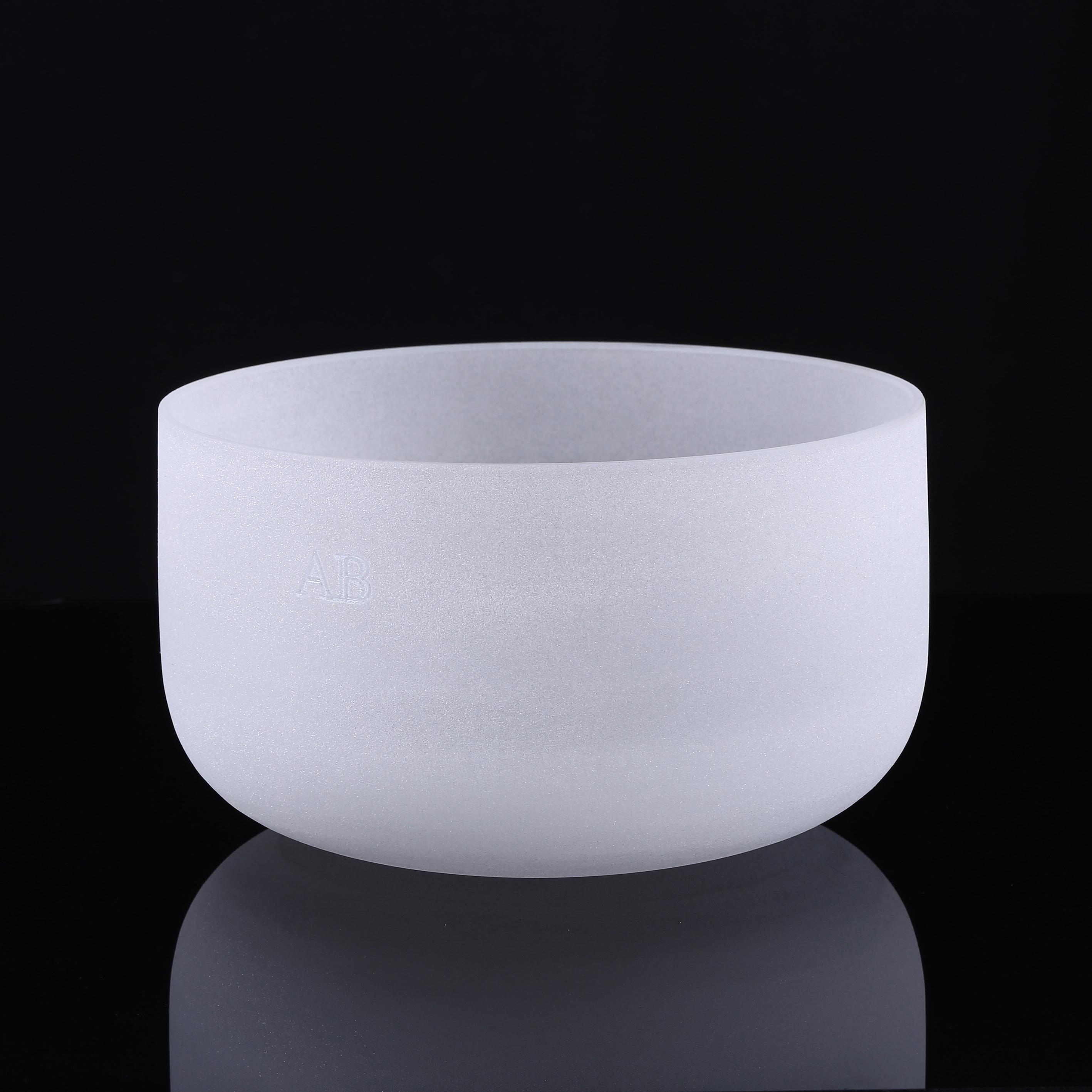
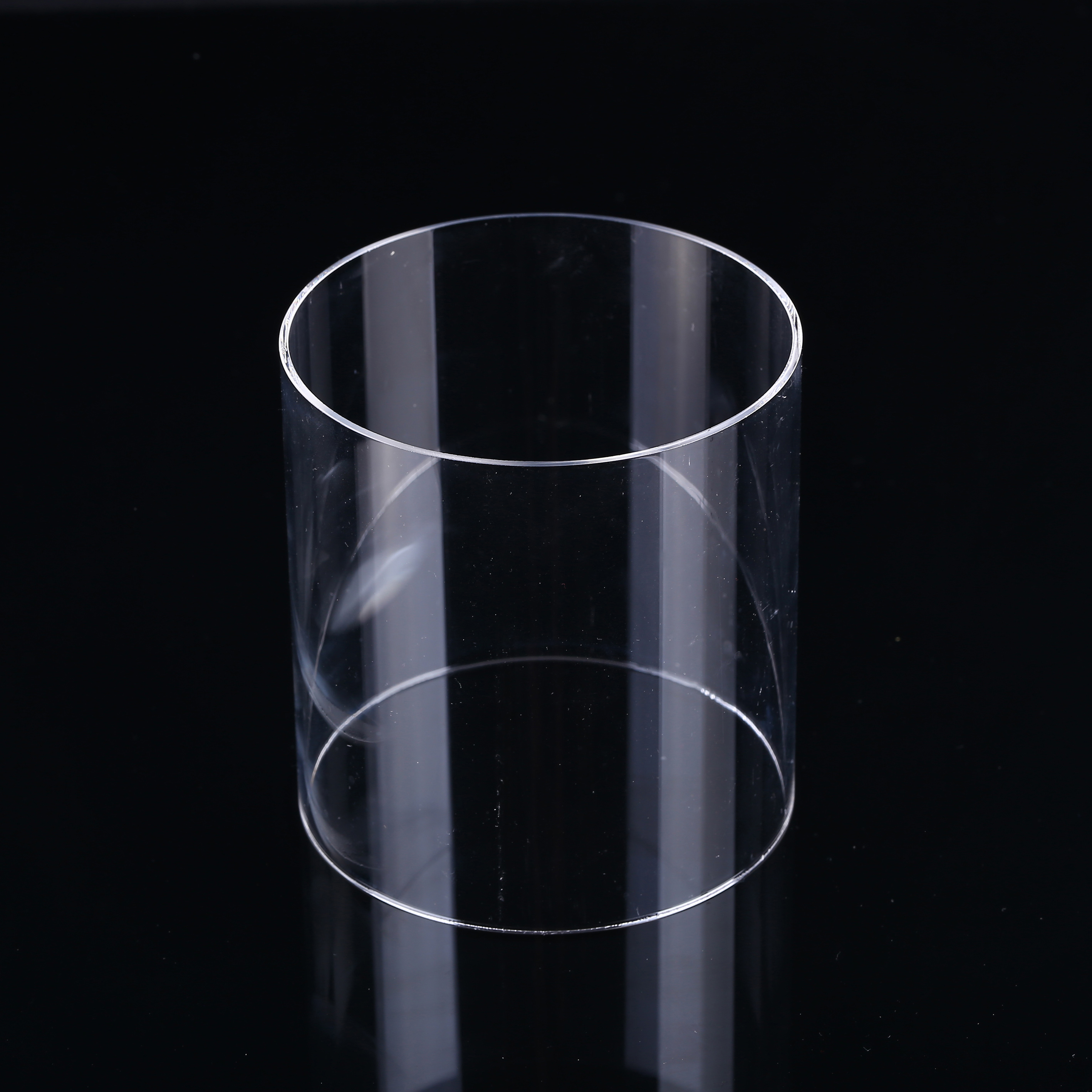
Producing durable quartz spiral coils requires more than standard glassblowing. When silica tubing is wrapped around graphite or ceramic forming mandrels under high-temperature hydrogen-oxygen flames (exceeding 1800°C), severe localized thermal stresses become locked inside the helical turns. If shipped without post-forming treatment, these latent stresses will cause spontaneous catastrophic fracturing under normal Dutch operating thermal cycles. Nivra Quartz executes a mandatory computer-controlled annealing process at 1215°C, holding the isotherm to relieve internal shear gradients before a staged cooling sequence down to 1000°C and room temperature. Every spiral tube undergoes cross-polarizer birefringence inspection to verify complete stress eradication prior to final export packing.
Direct Donghai Origin
Unmatched raw material cost-performance without third-party trading markups, directly from China's primary silica processing corridor.
≤5h Quote Response
Dedicated technical engineering team with an 88.89% verified inquiry response rate, addressing CAD, DWG, and STEP specifications immediately.
Rotterdam Port Direct Logistics
Breakage-proof, custom-molded high-density EPE foam cradling inside export-grade, fumigation-free ISPM-15 compliant plywood crating.
Quality Traceability
Full dimensional inspection reports, purity certificates of analysis (CoA), and optical transmission test records supplied per shipment.
5. Frequently Asked Questions by Procurement Managers in Rotterdam & the Netherlands
Procuring technical glassware across intercontinental supply lines requires clarity on logistics, regulatory hurdles, tolerances, and operational limitations. Below are authoritative answers tailored for Dutch sourcing executives:
How are customs clearance and import duties handled through the Port of Rotterdam or Amsterdam Schiphol?
What internal burst pressure can a customized quartz spiral coil withstand during continuous operation?
How does Nivra Quartz ensure zero breakage during intermodal transit to the Netherlands?
Can spiral coils be fabricated with integrated ground joints, quartz flanges, or capillary ball sockets?
What are the devitrification risks of fused quartz at elevated temperatures, and how can Dutch operators prevent it?
What is your minimum order quantity (MOQ) and production lead time for prototype vs volume orders?
Request an Engineering Review & Quotation for Your Rotterdam Project
Whether you are designing a pilot photochemical flow reactor, replacing corroded acid condensing coils, or upgrading semiconductor cleanroom lines, our technical team provides precise DFM (Design for Manufacturability) analysis, tolerance confirmation, and competitive factory-direct pricing within 5 hours.
Inquire Now