High-Purity Quartz Glass & Analytical Laboratory Ware
Direct from our Donghai County manufacturing foundry. Custom flame-fusion, optical-grade tolerance control, and zero-fluorescence bonding crafted for spectrophotometry and pharmaceutical verification.
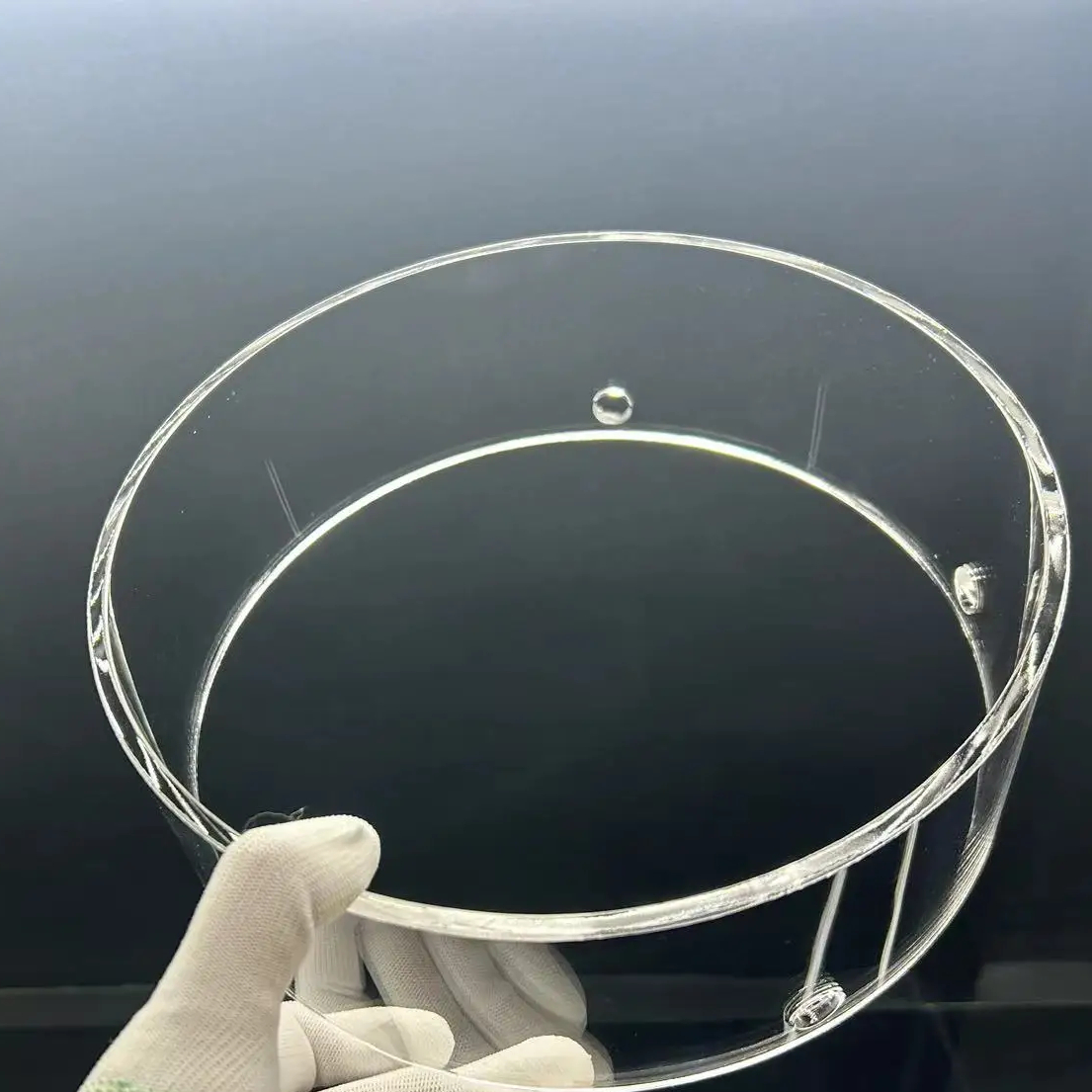
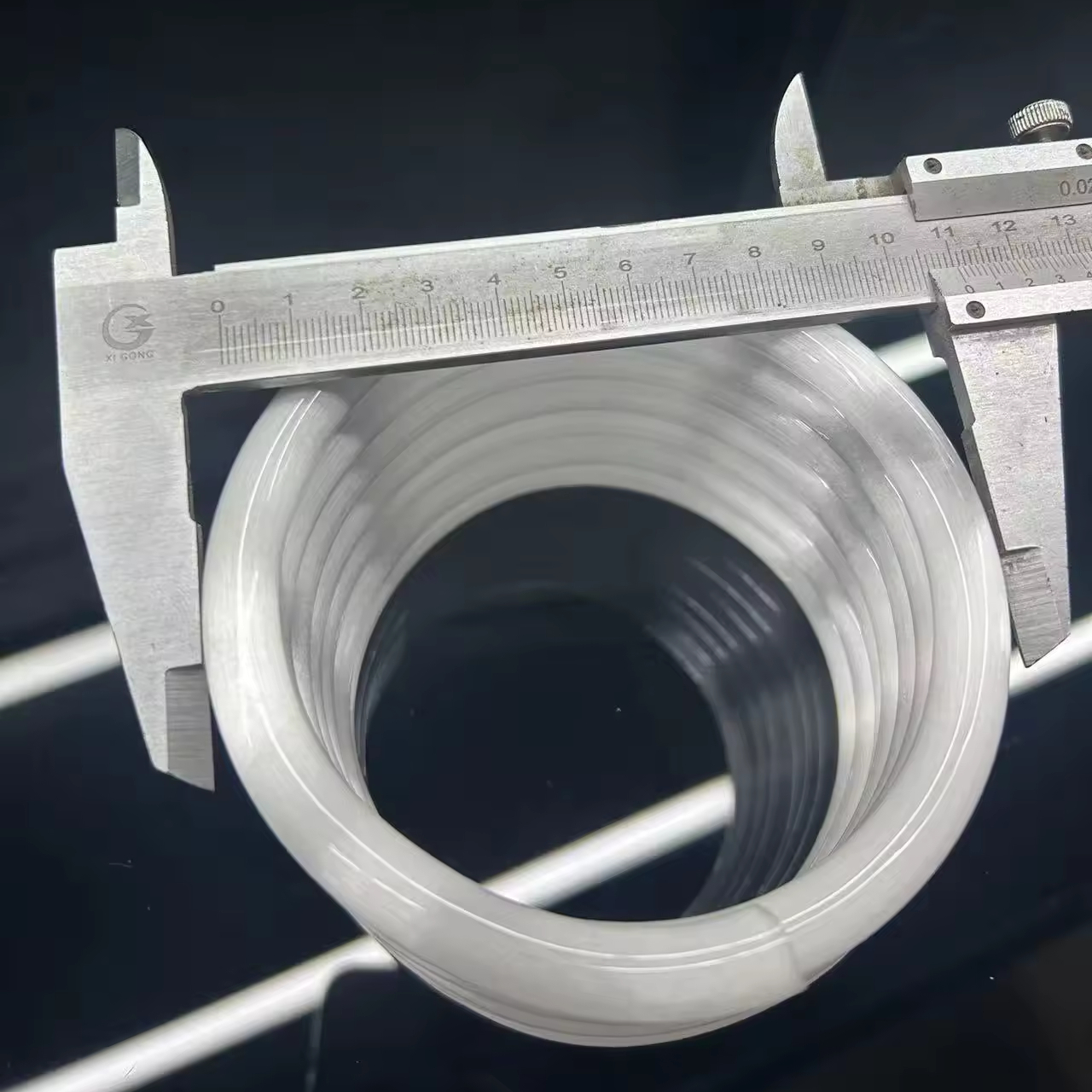
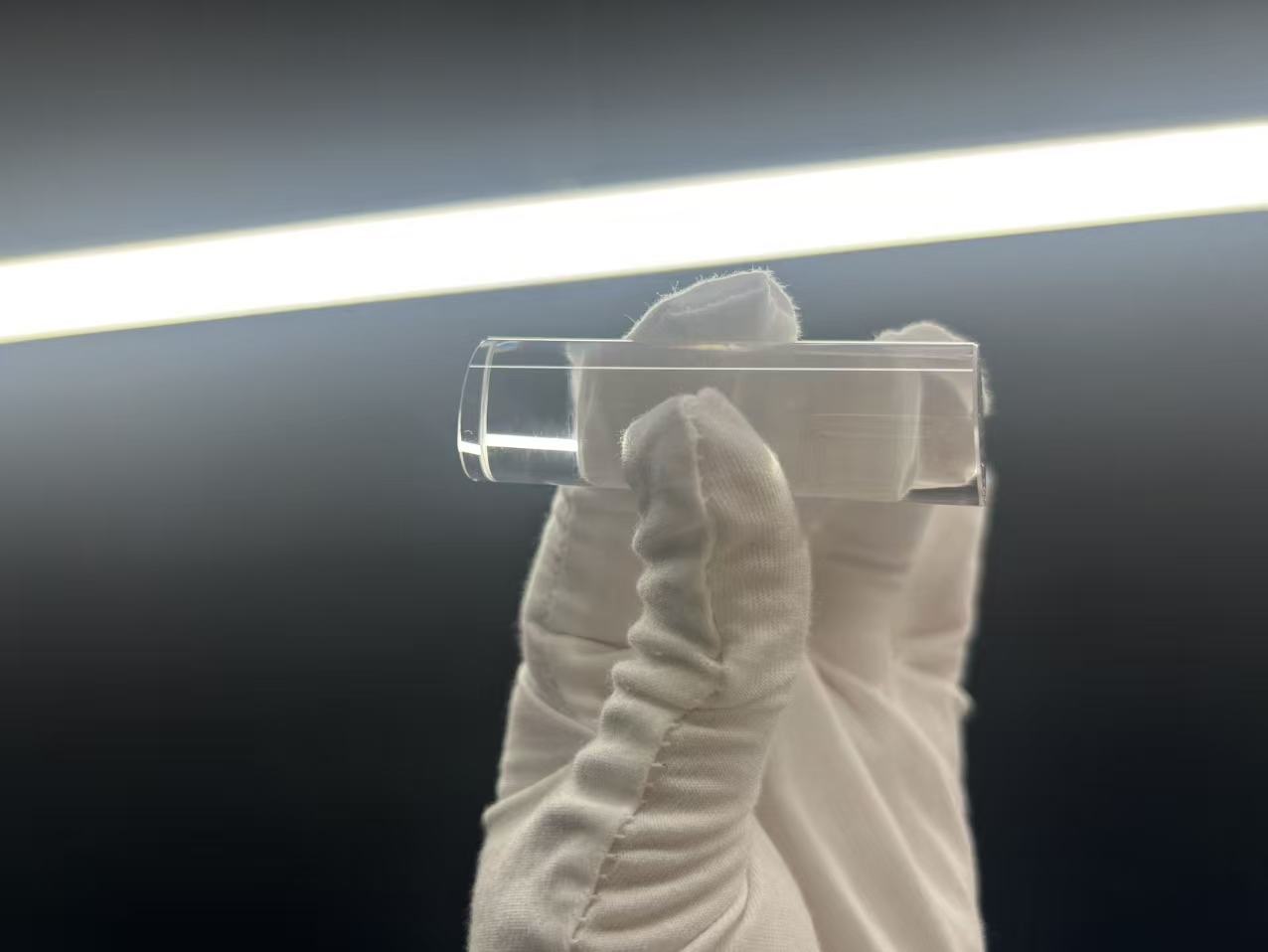
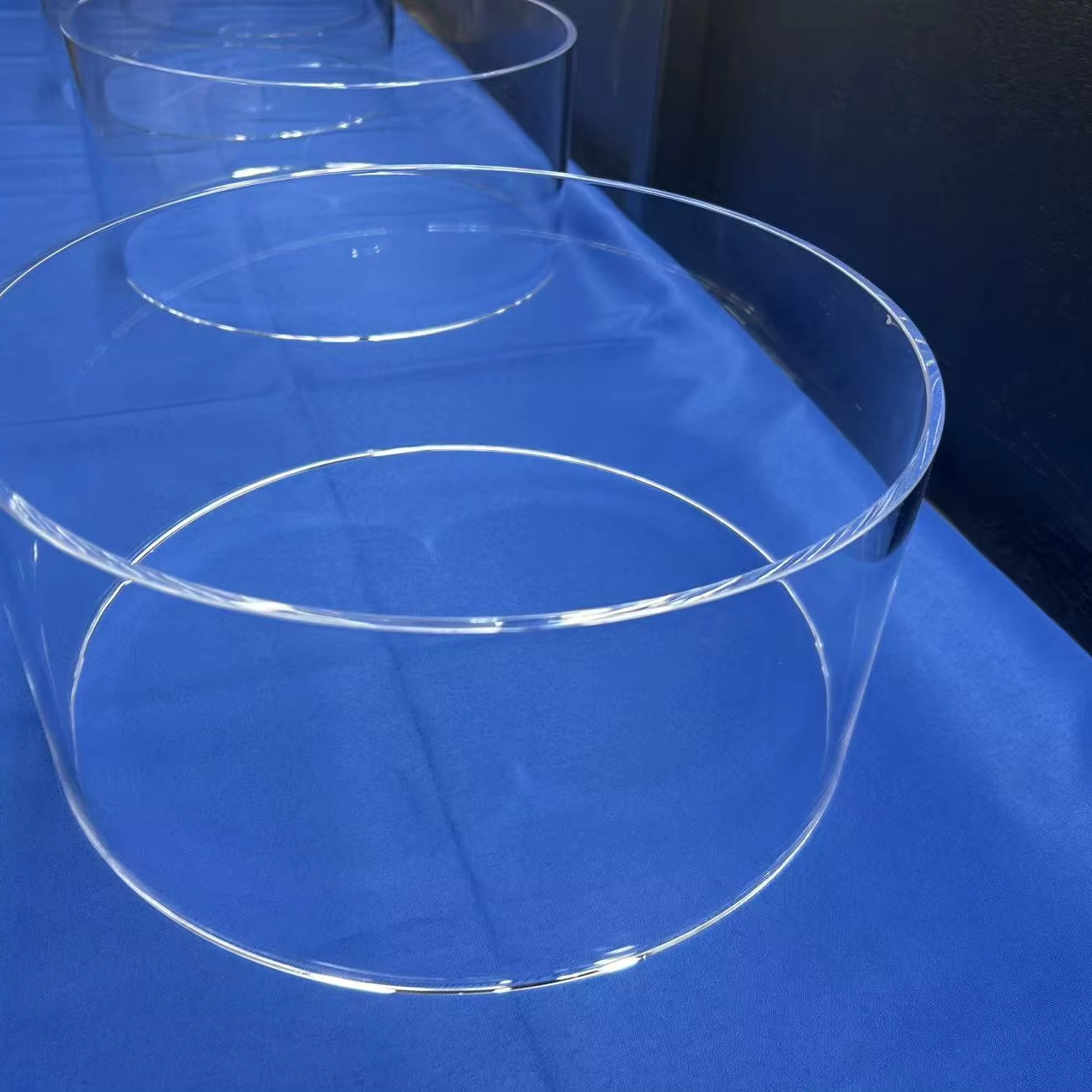
Precision Quartz Laboratory Cuvettes: Sourcing Dynamics for the Alajuela Life Science Sector
As the biomedical, cardiovascular device, and pharmaceutical landscape of Alajuela, Costa Rica accelerates—led by the globally recognized Coyol Free Zone (CFZ), BES Industrial Park, and the surrounding Greater Metropolitan Area (GAM)—the demand for zero-error analytical hardware has reached an all-time high. Spectrophotometric analysis, fluorometric quantitation, high-performance liquid chromatography (HPLC) UV-detection, and cleanroom dissolution testing rely extensively on precision quartz laboratory cuvettes and optical silica absorption cells. For analytical laboratory directors, quality assurance managers, and global procurement specialists operating within Alajuela's Free Trade Zone regime (Régimen de Zona Franca), selecting a dedicated manufacturing partner in China rather than an intermediary catalog distributor is no longer just a cost decision—it is a critical requirement for process validation, optical repeatability, and supply chain security.
“Spectrophotometric reliability in regulated pharmaceutical and medical technology manufacturing is dictated by optical transmission uniformity, precise internal path length tolerances, and complete inertness against chemical etching. When analyzing micro-volumes of active pharmaceutical ingredients (APIs) or testing medical polymer leachables in Alajuela, an optical deviance of even 0.5% in UV transmittance can compromise a full validation run.”
Optical Physics: Choosing Between JGS1, JGS2, and JGS3 Vitreous Silica
Standard laboratory glassware, such as soda-lime or even optical borosilicate glass (BK7), ceases to transmit optical energy below 320 nm due to internal iron impurities and molecular bandgap absorption. Precision analytical chemistry requires fused silica and fused quartz to access the deep-ultraviolet (UV) spectrum, essential for measuring nucleic acids (260 nm), purified proteins (280 nm), peptide bonds (214 nm), and organic solvent chromophores. As a direct primary manufacturer located in Donghai County—the crystal capital of China—Donghai County Nivra Quartz Products Co., Ltd. produces cuvettes and absorption cells utilizing strictly classified quartz materials:
| Material Grade | Transmission Bandwidth | Hydroxyl (OH⁻) Content | Primary Laboratory Applications | Transmission @ 200 nm |
|---|---|---|---|---|
| JGS1 (Synthetic Fused Silica) | 185 nm – 2,500 nm (Far UV to NIR) | ≤ 10 ppm – 1,200 ppm (Grade specific) | Deep UV Spectrophotometry, DNA/RNA purity, UV Fluorometry, Far-UV Laser analysis | ≥ 85% (Internal path 10 mm) |
| JGS2 (Standard Fused Quartz) | 220 nm – 2,500 nm (Standard UV-Vis) | ≤ 30 ppm | Routine UV-Vis assays, colorimetric enzyme testing, quality control dissolution | Transmittance cut-off below 215 nm |
| JGS3 (Infrared Fused Silica) | 260 nm – 3,500 nm (Near-IR & IR) | ≤ 5 ppm (Water-free) | Near-Infrared spectroscopy, process fluid thermal measurement, hydrocarbon monitoring | Optimized for 2,200 – 3,500 nm (No OH water band) |
| Optical Glass (ES / OG) | 320 nm – 2,500 nm (Visible only) | N/A (Multi-component glass) | Standard enzymatic assays in the visible spectrum (400–700 nm), turbidity testing | 0% (Opaque below 310 nm) |
For Alajuela laboratories conducting rigorous compliance assays in accordance with United States Pharmacopeia (USP <857>) and European Pharmacopoeia (Ph. Eur. 2.2.25) standards, JGS1 grade synthetic fused silica is the required substrate. It ensures virtually zero residual fluorescence and eliminates internal bubble inclusions or striae that cause beam diffraction.
Molecular Fusion vs. Adhesive Bonding: The Solvent Resistance Dilemma
A critical point of failure in low-grade laboratory cuvettes sourced from generic traders is the cell construction technique. Inexpensive cuvettes frequently employ epoxy adhesives or optical glues to bond the parallel quartz windows to the frosted side plates. While adequate for aqueous buffer solutions, these organic adhesives fail catastrophically when subjected to aggressive solvents routinely used in Alajuela’s medical device cleaning validation, polymer synthesis, and cleanroom quality control:
- Polar Aprotic Solvents: Tetrahydrofuran (THF), Dimethylsulfoxide (DMSO), and N,N-Dimethylformamide (DMF) dissolve epoxy joints within minutes, contaminating analytical samples and destroying baseline spectra.
- Aggressive Halogenated & Acidic Media: Chloroform, Dichloromethane (DCM), concentrated Nitric acid (HNO₃), and Aqua Regia leach optical cement plasticizers, leading to false absorbance spikes in the 220–250 nm region.
- Thermal Cycling Strain: Glued cuvettes cannot survive automated laboratory autoclaves or high-temperature cleaning protocols (up to 400°C) without delaminating.
At Nivra Quartz, our quartz laboratory cuvettes feature high-temperature molecular flame fusion (fire-melted diffusion bonding). The individual optical plates are brought to the quartz softening transition point (~1,683°C) and fused seamlessly into an integral monolithic structure. There is zero adhesive, zero glue seam, and zero risk of solvent leakage or background chemical leaching. This provides absolute chemical resistance to all lab reagents except hydrofluoric acid (HF) and hot, concentrated phosphoric acid.
Alajuela’s MedTech Ecosystem: Localized Application Scenarios
Alajuela has established itself as Central America’s premier export engine for high-technology medical devices and pharmaceuticals. As multinational enterprises expand operations across Parque Empresarial El Coyol and nearby technological clusters, local analytical laboratories face strict validation parameters:
Catheter & Stent Polymer Extraction
Assaying medical-grade polyurethane and fluoropolymer raw materials for extractable leachables and UV absorbers requires optical cuvettes with precision optical path length tolerances (±0.005 mm) to satisfy FDA 21 CFR Part 820 audit criteria.
Pharmaceutical Dissolution Testing
Monitoring drug release profiles of solid dosage oral formulations manufactured in Costa Rica requires micro-flow through quartz cells (path lengths from 1 mm to 50 mm) capable of interfacing seamlessly with automated dissolution baths.
Biotechnology & Bio-analytical R&D
Research institutes and diagnostic testing centers throughout the Alajuela and San José corridors demand 4-window polished quartz fluorescence cuvettes with low Rayleigh scattering for protein folding and antibody-drug conjugate (ADC) characterization.
Development Trends in the Costa Rican Lab Instrument Market
The analytical instrumentation sector in Costa Rica is transitioning from manual, single-sample benchtop assays toward continuous inline spectroscopy, miniaturized microfluidic assays, and automated high-throughput sampling stations. This industrial evolution creates three specific procurement imperatives for Alajuela laboratory supply chains:
- Micro-Volume and Sub-Micro Optical Cells: With high-value bio-conjugates and recombinant proteins costing thousands of dollars per milliliter, facilities can no longer afford standard 3.5 mL macroscopic cuvettes. Sourcing precision sub-micro quartz cells (with aperture masking down to 50 μL or 10 μL internal sample chambers) that maintain a verified 10 mm path length is critical for sample conservation.
- Direct Factory Customization via CAD/STEP Models: Standard off-the-shelf cuvettes often fail to fit non-standard sample holders, Peltier-controlled thermoelectric temperature stages, or specialized laser scatter chambers. Alajuela engineering teams require custom-engineered fused silica assemblies featuring custom port fittings, quartz screw threads, and jacketed flow pathways.
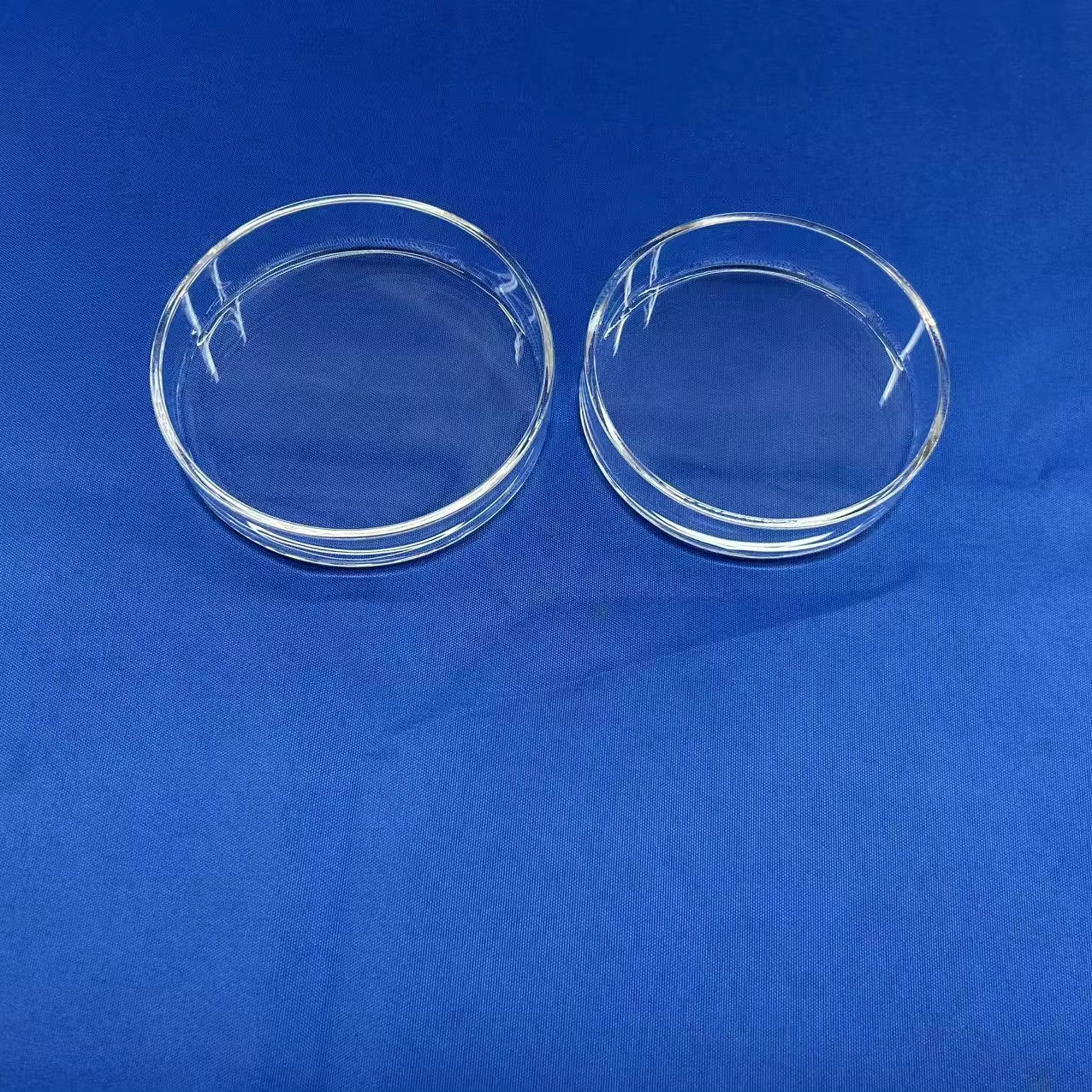
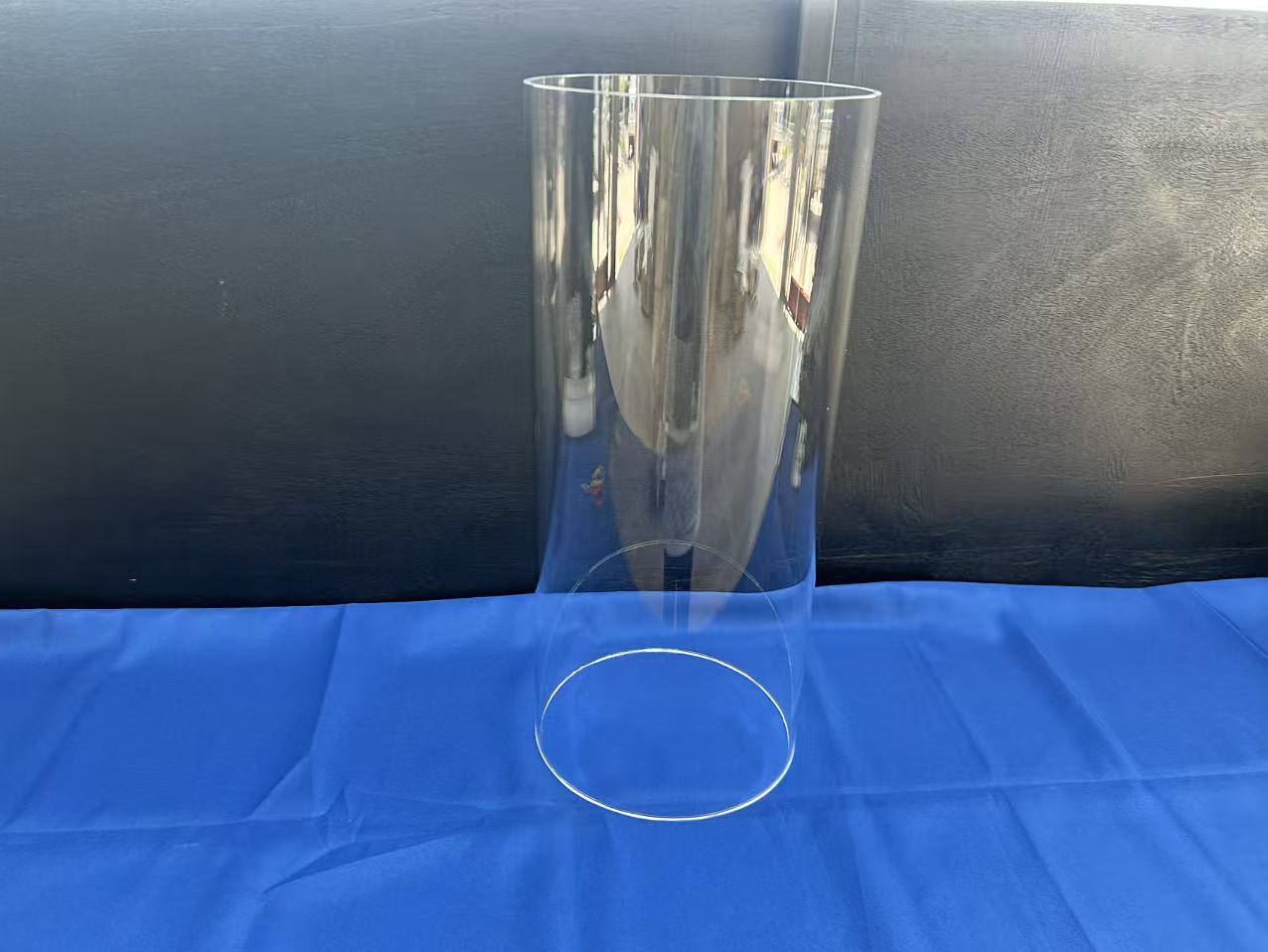
- Consolidated Procurement Beyond Cuvettes: Sourcing managers seek to bundle quartz absorption cells alongside customized quartz furnace tubes, high-purity quartz petri dishes, digestion crucibles, and surface-polished quartz wafers directly from a single ISO-verified Chinese production facility, minimizing shipping consolidation costs and clearing customs under single-origin documentation.
Mitigating Tropical Logistics Risks: Shipping from Donghai to Alajuela
Transporting fragile, precision-ground optical quartz glassware across international borders presents real logistical hurdles, especially given the tropical climate of Central America:
- Ambient Humidity & Optical Clouding: Alajuela experiences high ambient humidity during the extended rainy season (May through November). Inferior packaging allows moisture condensation, which can cause micro-surface etching or fungal growth on ground-glass sides. Nivra Quartz packages every individual optical cell in a vacuum-sealed, desiccated polymer cleanroom pouch, preventing moisture interaction during international ocean or air transit.
- Customs Clearence under the Free Zone Regime (Ley 7210): Most advanced facilities in Alajuela operate under the Régimen de Zona Franca, exempting production equipment and laboratory consumables from import tariffs via the Costa Rican Foreign Trade Promotion agency (PROCOMER). Nivra Quartz provides comprehensive export declarations, accurate HS code categorization (HS 7017.10: Laboratory, hygienic or pharmaceutical glassware of fused quartz or other fused silica), and certified Commercial Invoices aligned with Costa Rican DUA (Documento Único Aduanero) requirements.
- Transit Velocity to Juan Santamaría Airport (SJO): Located directly within the Alajuela canton, SJO airport serves as the primary cargo lifeline. Nivra Quartz executes prioritized DHL, FedEx, and UPS air freight dispatches from Shanghai or Zhengzhou hubs, achieving door-to-door transit times to Coyol industrial parks in as few as 5 to 7 business days, with wooden crate crash-protection and internal high-density EVA custom foam cushioning.
Verified Factory Capabilities: Donghai County Nivra Quartz Products Co., Ltd.
Headquartered at 285 Heping East Road, Lianyungang, Jiangsu, our operational facilities undergo regular on-site verification by independent third-party inspection firms. With a specialized workforce of 101 to 200 skilled operators, glassblowers, and optical engineers, Nivra Quartz maintains end-to-end production control—from crushing crystalline quartz feedstock to ultrasonic machining, optical grinding, chemical polishing, laser annealing, and spectral interferometry testing.
 CNC Machining & Cutting Workshop
 Precision Optical Grinding Floor
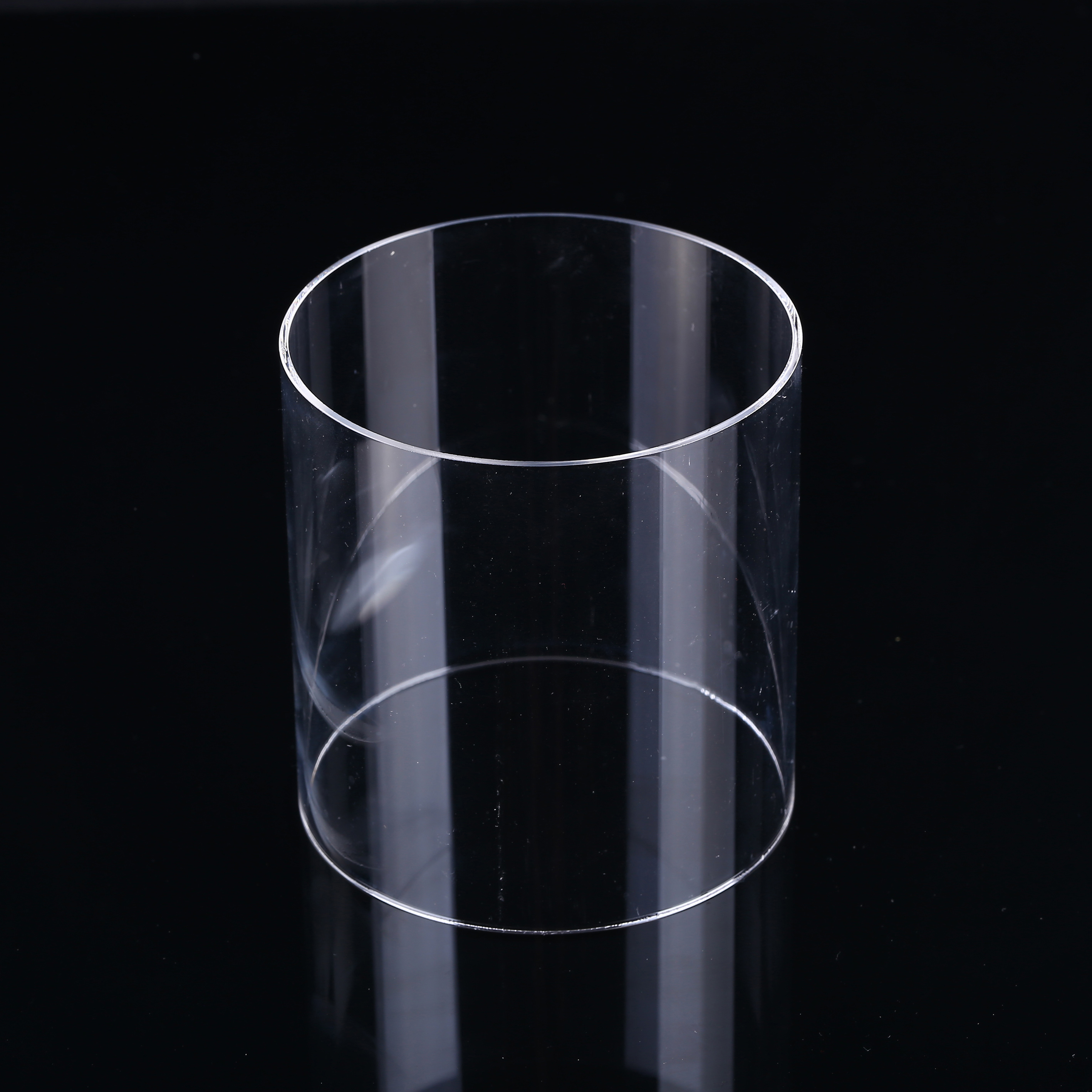 Spectrophotometric QC & Cleanroom Packing
 High-Purity Fused Quartz Foundry
Why Alajuela Sourcing Teams Choose Nivra Quartz
Combining factory-direct cost advantages from China's crystalline epicenter with responsive engineering communication and verified global export logistics.
Donghai Direct Material Costing
By extracting and processing raw quartz directly in Donghai County, we bypass intermediary domestic trading agents, passing on a 30% to 50% pricing advantage to overseas laboratory accounts without compromising optical grade purity.
Rapid Technical Feedback (≤ 5 Hours)
Our sales engineering department maintains an 88.89% inquiry response rate with typical turnaround in under five hours. Sourcing teams in Costa Rica receive CAD drawing verifications, optical tolerance reviews, and formal proformas within the same business cycle.
Zero-Breakage Export Packaging
Each fragile cuvette is cradled in individualized shock-resistant molded casing, boxed in multi-wall shock-dampening export cartons, and shipped in fumigation-free wooden crates. We provide an unconditional replacement guarantee against any transit fracture.
Frequently Asked Questions: Sourcing Quartz Cuvettes for Alajuela
Addressing the technical, regulatory, and logistics inquiries most commonly submitted by Costa Rican laboratory managers and procurement officers.
What is the definitive functional difference between standard quartz (JGS2) and synthetic fused silica (JGS1) cuvettes?
Can our laboratory obtain customized optical path lengths (e.g., 0.1 mm, 1 mm, 20 mm, 50 mm, or 100 mm)?
How do you ensure cuvettes do not shatter or degrade during air cargo transit into Juan Santamaría Airport (SJO)?
Can we import these products under Costa Rica's Free Trade Zone (Zona Franca) tax-free regulations?
What is your Minimum Order Quantity (MOQ) for standard vs custom laboratory cuvettes?
Do your quartz cuvettes withstand cleaning with nitric acid, aqua regia, or organic solvents like acetone and DMSO?
What documentation is supplied with optical shipments to satisfy ISO 13485 or FDA inspection audits?
Equip Your Alajuela Laboratory with High-Precision Vitreous Quartz
Whether you require standard JGS1 far-UV macro absorption cells, custom micro-volume flow cuvettes, or specialized high-purity quartz apparatus, our engineering foundry in Donghai provides rapid design analysis and reliable global dispatch.