Featured High-Purity Quartz Tubes & Components
Direct factory supply from Donghai, Jiangsu to Korean high-tech manufacturing hubs (Pyeongtaek, Yongin, Cheonan, and Ochang).
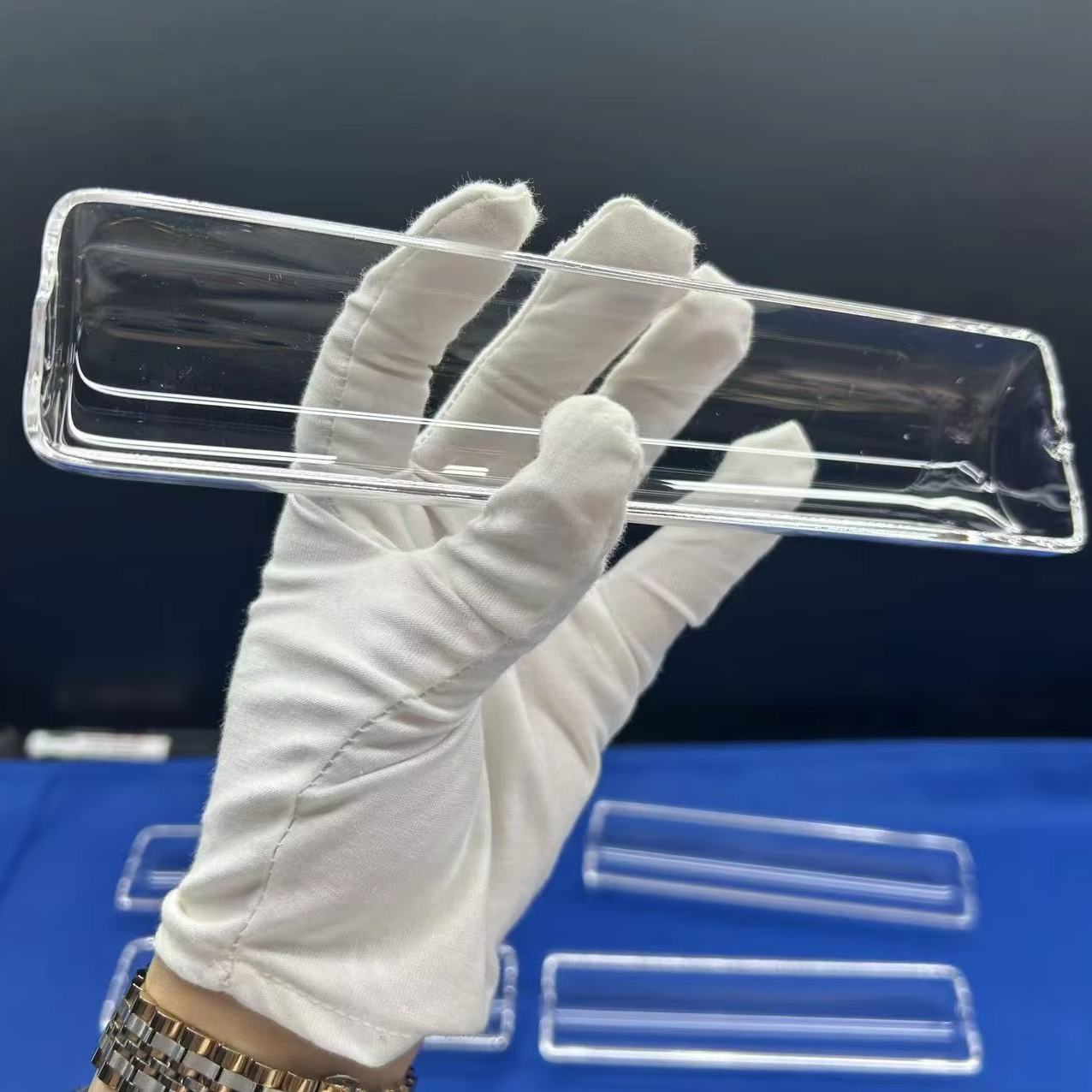
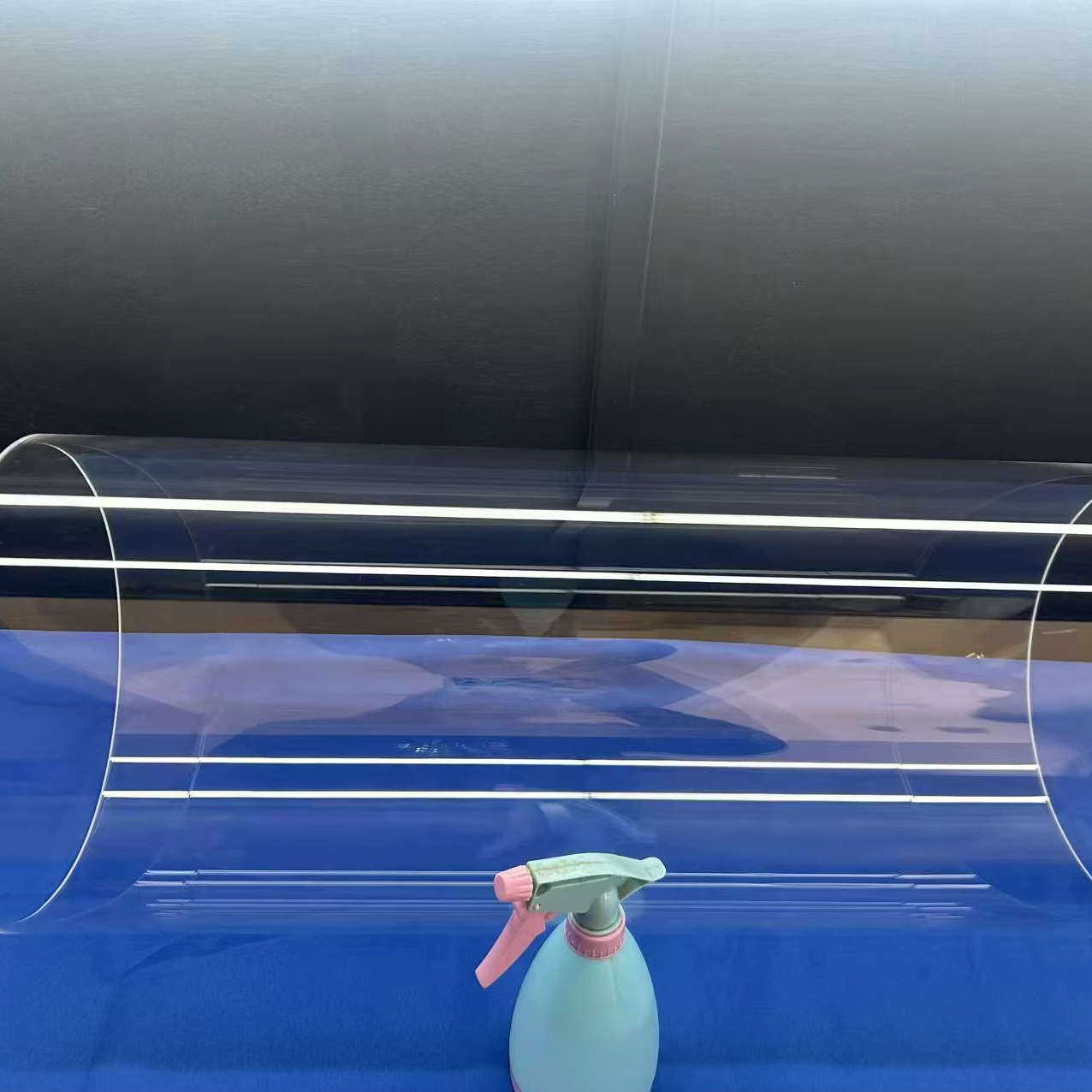
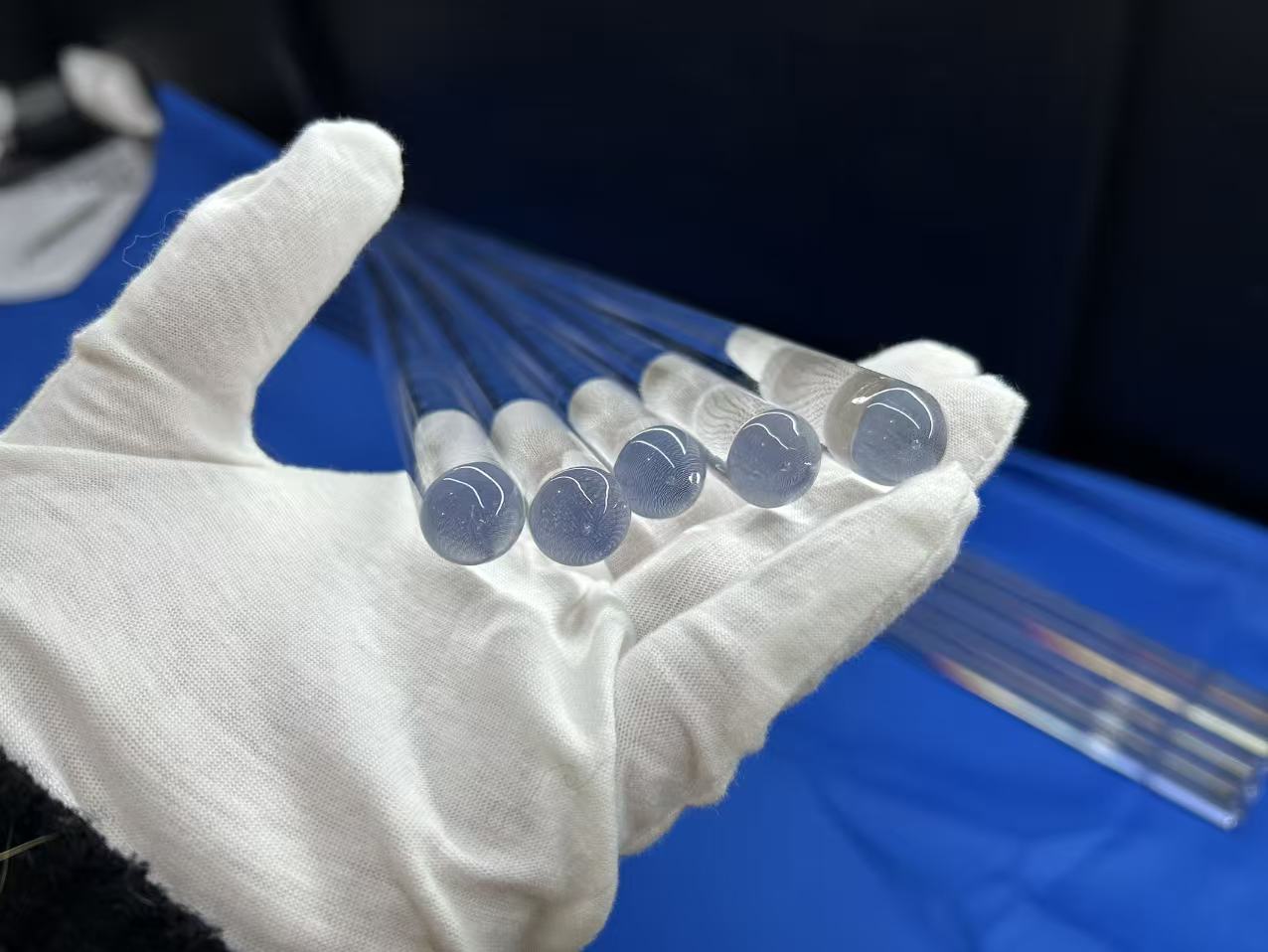
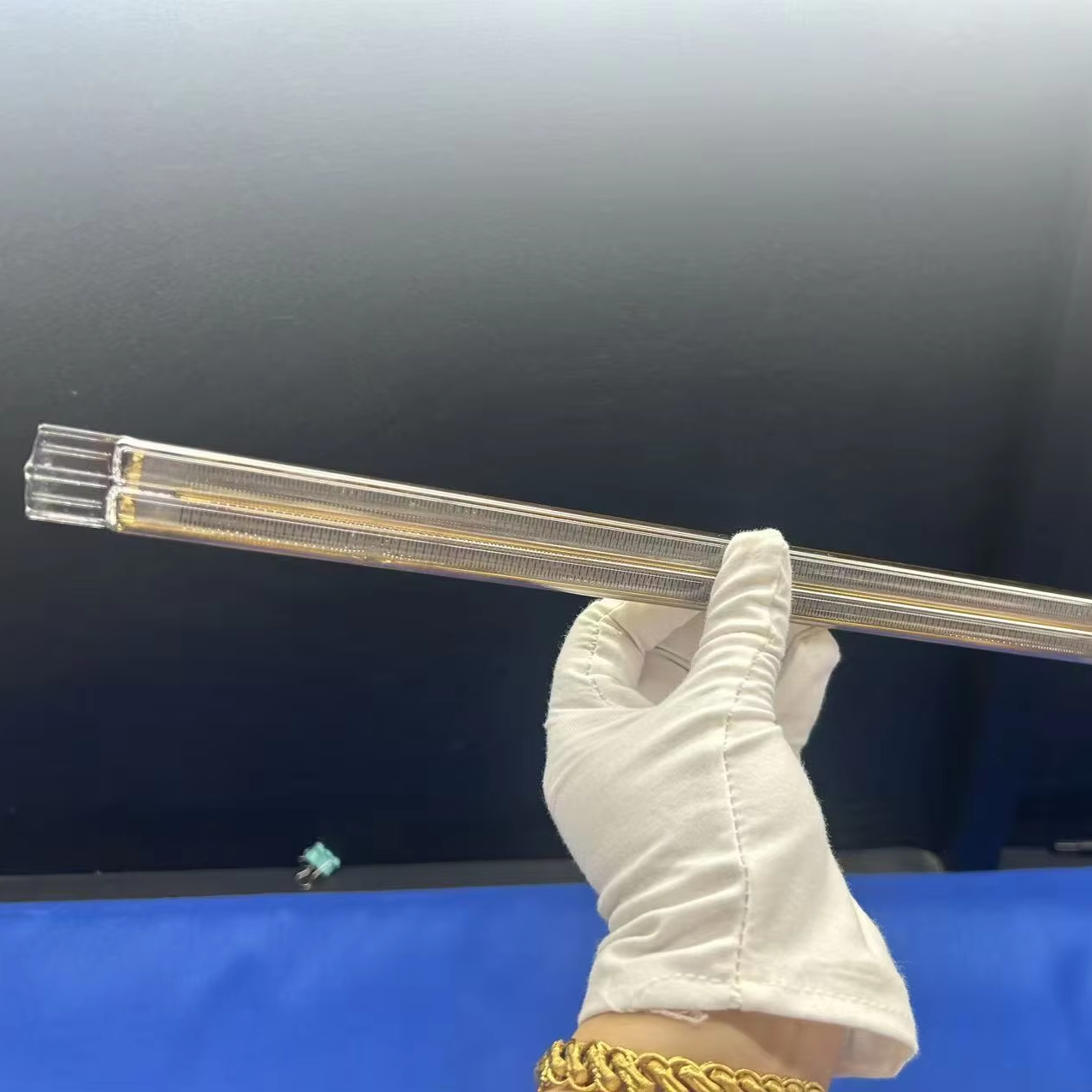
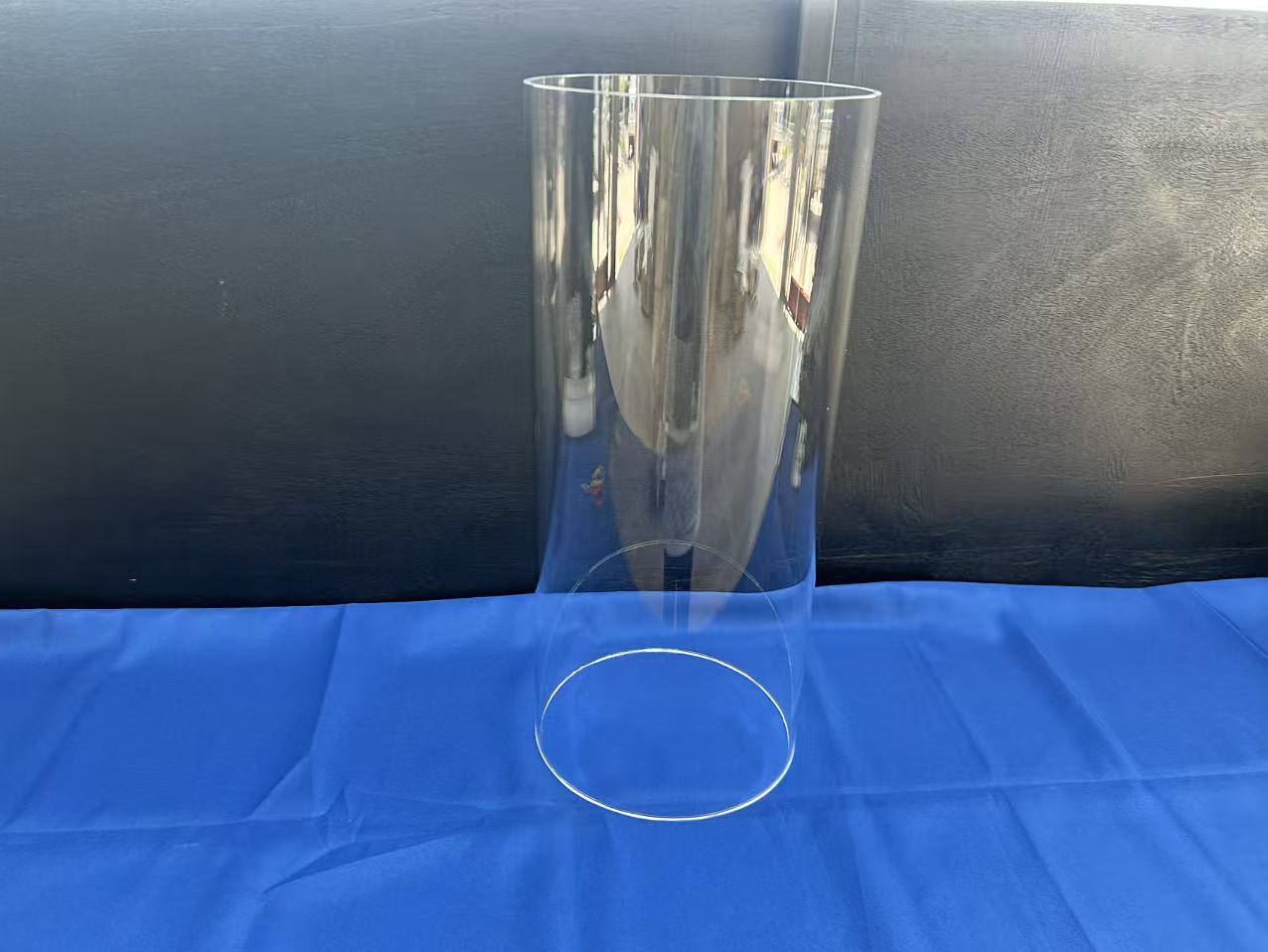
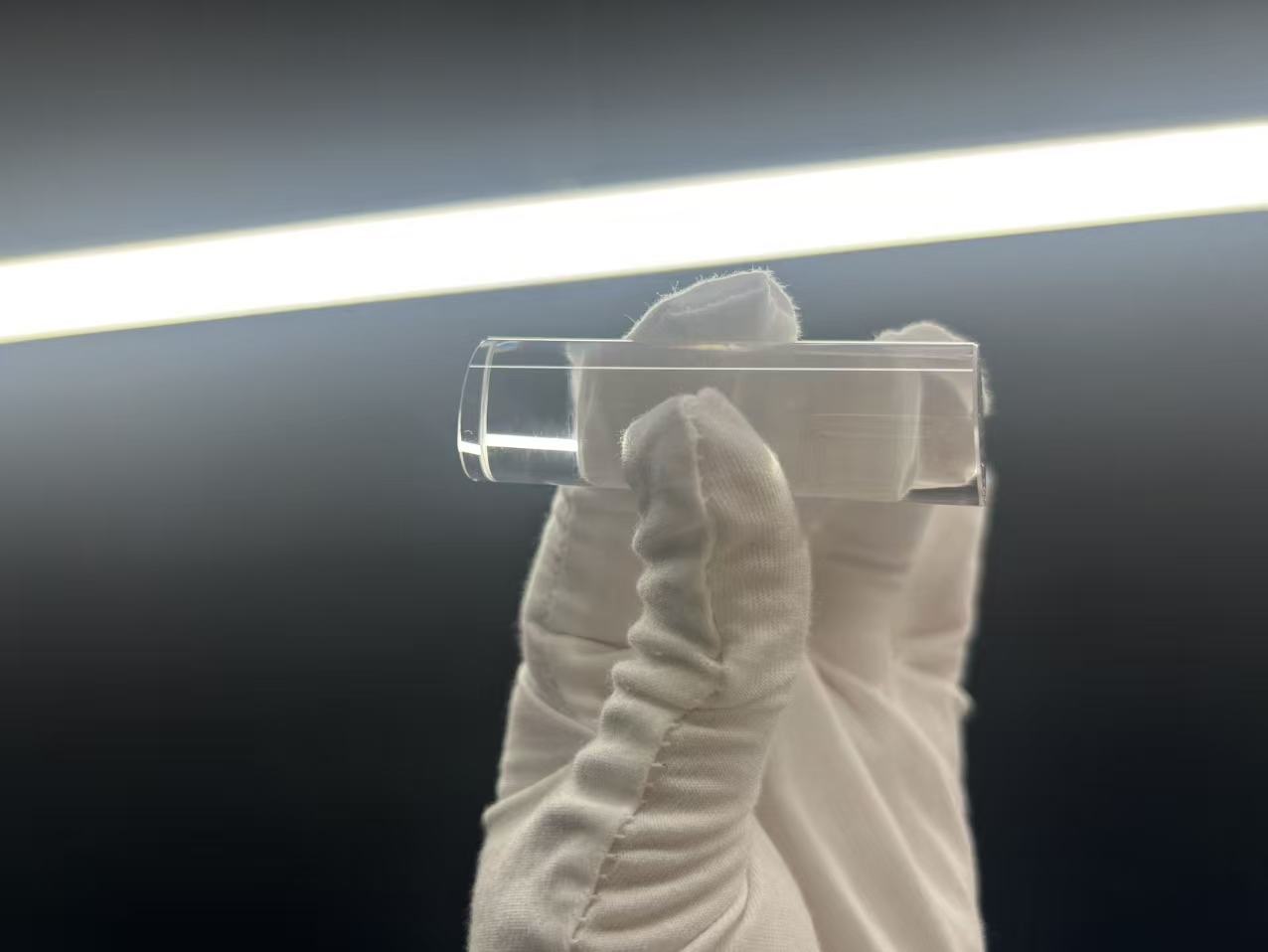
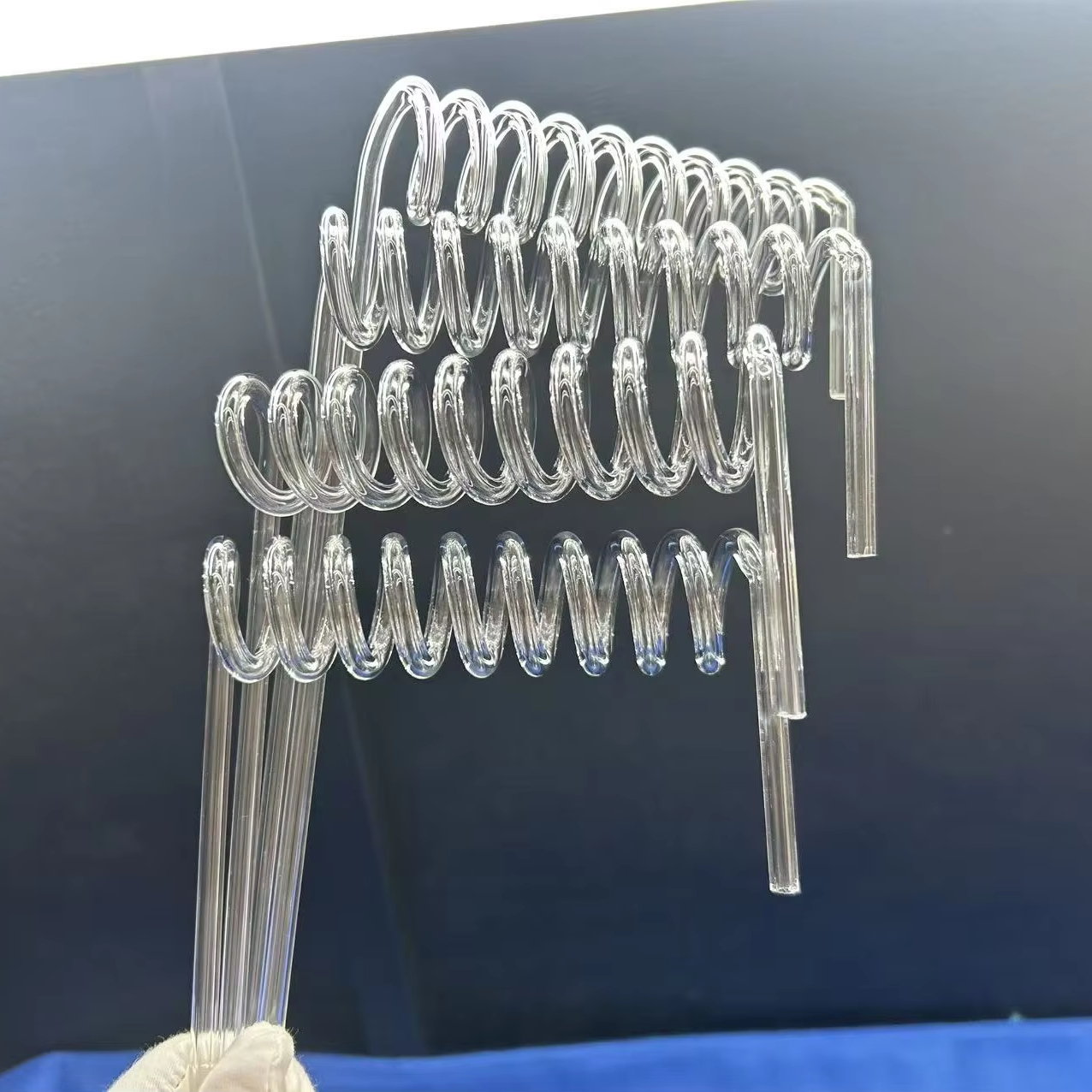
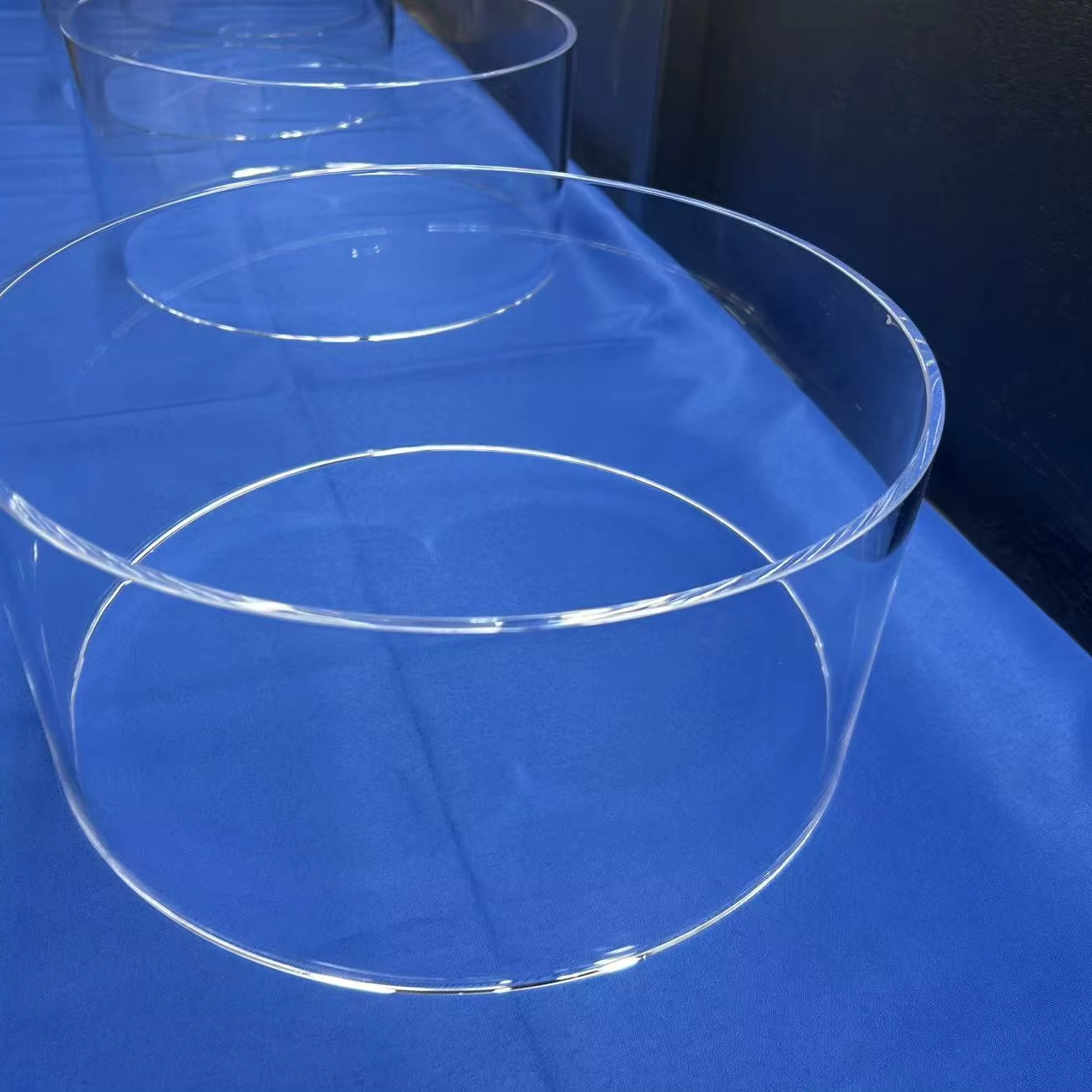
Technical Whitepaper: Engineering High-Purity Fused Quartz Heating Tubes for Next-Gen Thermal Processing
In modern industrial thermal processing, thermal radiation efficiency, structural integrity under high vacuum, and absolute chemical inertness dictate production yield. As South Korea accelerates its investments in mega-scale semiconductor clusters in Pyeongtaek and Yongin, as well as advanced OLED/QLED panel manufacturing, the demand for high-reliability quartz heating components has reached an unprecedented high. Standard borosilicate or commercial glass heaters fail under continuous operation exceeding 600°C due to devitrification, thermal stress fractures, and heavy alkali metal outgassing.
Fused quartz heating tubes manufactured in Donghai County, Jiangsu—China's global capital for high-purity quartz crystal processing—solve these structural vulnerabilities through advanced synthetic and natural silica refining ($>99.99\%$ $\text{SiO}_2$). By utilizing state-of-the-art continuous electric fusing and gas-air flame processing, Chinese manufacturers deliver thermal emitter components that exhibit a near-zero coefficient of thermal expansion ($\alpha = 5.5 \times 10^{-7} / \text{°C}$), enabling immune thermal shock performance from $1100\text{°C}$ directly into ice-cold water without cracking.
Material & Performance Specification Benchmark
| Performance Parameter | High-Purity Fused Silica (JGS1) | Clear Fused Quartz (JGS2 / Electric) | Graphene-Coated Quartz Tube | Standard Borosilicate Glass |
|---|---|---|---|---|
| SiO₂ Purity Level | ≥ 99.999% (5N) | ≥ 99.99% (4N) | ≥ 99.99% Base Quartz | 80% – 81% |
| Hydroxyl (OH⁻) Content | < 2 ppm (Dehydroxylated) | 10 – 30 ppm | < 15 ppm | High (> 100 ppm) |
| Continuous Working Temp. | 1150°C | 1100°C | 800°C (Element Base) | 450°C – 500°C |
| Peak Infrared Emission Range | 1.4 – 2.5 µm (NIR/MIR) | 2.0 – 3.5 µm (Medium Wave) | 2.5 – 15 µm (Far Infrared) | Inconsistent |
| Thermal Shock Tolerance (ΔT) | 1100°C Quench Resistance | 1000°C Quench Resistance | 900°C Quench Resistance | 150°C Max Delta |
| Primary Korean Industry Application | Semiconductor Photolithography & Epitaxy | LPCVD / Diffusion Furnaces & Solar PV | Cleanroom Drying & Battery Cathode Baking | Basic Commercial Appliances |
The integration of Graphene Heating Technology onto high-purity fused quartz substrates represents a quantum leap in energy optimization. Graphene quartz heating tubes leverage atomic-layer nanocarbon coatings applied to the internal or external surface of clear quartz cylinders. Upon electrical excitation, graphene elements achieve electrothermal conversion efficiencies exceeding 98%, producing long-wave Far-Infrared (FIR) radiation that directly matches the absorption spectrum of organic solvents, polymer photoresists, and battery slurry coatings without parasitic air convection losses.
Localized Application Scenarios across South Korea's High-Tech Industrial Belts
South Korea’s manufacturing landscape relies on specialized equipment suppliers (OEMs) and tier-1 fab operators who demand strict adherence to dimensional tolerances, surface clarity, and zero-trace impurity contamination. Chinese quartz heating tube suppliers serve four core industrial clusters in South Korea:
1. Semiconductor Fab Operations (Gyeonggi-do Cluster)
In the semiconductor manufacturing hubs of Pyeongtaek, Yongin, and Hwaseong, clear fused quartz heating tubes, quartz process boats, and furnace liners are used inside Low-Pressure Chemical Vapor Deposition (LPCVD), Rapid Thermal Processing (RTP), and oxidation furnace systems. High-purity quartz heating elements provide uniform thermal profiles up to 1200°C without releasing sodium ($\text{Na}$), potassium ($\text{K}$), or iron ($\text{Fe}$) ions that contaminate 300mm silicon wafers.
2. OLED & Flexible Display Processing (Cheonan & Asan)
Display glass manufacturers and vacuum chamber equipment integrators in Cheonan and Asan utilize clear quartz spiral tubes, twin-tube medium-wave infrared heaters, and precision round-head quartz rods for substrate de-gassing, polyimide (PI) curing, and vacuum baking of OLED panels. The high optical clarity of JGS2 fused quartz ensures focused thermal transmission without wavelength distortion.
3. Secondary Lithium-Ion Battery Production (Ochang & Ulsan)
With South Korea leading global EV battery chemistry (NCM/NCMA), gigafactories in Ochang, Cheongju, and Ulsan have phased out traditional convection heating in favor of Graphene Infrared Quartz Heating Tubes. Used in continuous roll-to-roll slurry drying ovens, these graphene quartz elements reduce solvent drying cycles by up to 40% while preventing surface crusting on cathode and anode electrode foils.
Localized Customization for Korean OEM Standards (KS / KEC Standards)
Equipment builders in South Korea frequently require non-standard flange mounting configurations, custom wire terminations (such as R7s, ceramic cap leads, or gold-coated reflectors), and multi-zone heating lengths up to 3000 mm. Chinese suppliers offer full drawing analysis (CAD/STEP) within 5 hours, manufacturing custom heating tubes with wall thickness tolerances down to $\pm 0.1\text{ mm}$ to ensure direct drop-in replacement for domestic or imported Korean thermal machinery.
South Korean Thermal Processing Market Trends & Sourcing Shift
Analyzing Korean industrial procurement data reveals three macro trends driving Korean engineers to source quartz heating tubes and fabricated labware directly from leading Chinese manufacturers:
1. Adoption of Energy-Efficient FIR Emitters (RE100 Directives)
Korean conglomerates participating in the global RE100 framework are aggressively upgrading energy-intensive furnace equipment. Traditional resistance wire ceramic heaters suffer from slow response times and excessive thermal mass. In contrast, fast-response quartz infrared emitters and graphene-coated quartz tubes achieve operating temperature within 1–3 seconds, yielding up to 35% electricity savings in continuous industrial baking.
2. Supply Chain Diversification & Cost-Performance Optimization
Historically dependent on expensive European or Japanese quartz fabricators, Korean procurement directors are actively diversifying their supply lines. Leading Chinese manufacturers in Donghai supply identical material grades (synthetic silica and electrical-fused quartz) with matching purity certificates (ICP-MS tested) at a 30% to 50% cost advantage, supported by duty-free trade mechanisms under the China-Korea FTA.
3. High-Purity Large-Diameter Quartz Scaling for 300mm & Solar PV
As solar photovoltaic technology pivots toward TOPCon and HJT cell architectures requiring ultra-large quartz diffusion tubes ($D > 400\text{ mm}$), Chinese quartz tube factories equipped with large CNC glass lathes and high-capacity fire-polishing units remain uniquely positioned to supply large-bore quartz cylinders with zero internal bubbles, striae, or micro-cracks.
Enterprise Capability: Donghai County Nivra Quartz Products Co., Ltd.
Founded in February 2019 in Lianyungang, Jiangsu, Donghai County Nivra Quartz Products Co., Ltd. operates as a premier manufacturer and exporter of fused quartz glassware, optical quartz plates, crucibles, and customized quartz heating tubes. Our location in Donghai gives us direct access to the world's richest raw quartz deposits, allowing rigorous raw-material purity control right from the mine head to the final fire-polished tube.
State-of-the-Art Processing Chain
Our facility houses 101–200 skilled craftsmen and technicians operating advanced glass lathes, double-sided precision optical grinding machines, 5-axis CNC ultrasonic glass machining centers, and hydrogen-oxygen flame welding workstations.
Rigorous E-E-A-T Quality Management
Every production batch undergoes strict quality control protocols: polariscopic stress inspection, dimensional verification via coordinate measuring machines (CMM), spectral transmission profiling (UV-VIS-NIR), and chemical analysis via ICP-MS to guarantee compliance with semiconductor fab standards.
Express Logistics to Korean Ports
We maintain streamlined trade operations serving major Korean ports, including Incheon, Busan, and Pyeongtaek. Products are packed using shock-proof custom-molded EVA foam inside fumigation-free reinforced wooden crates, achieving zero breakage rates during maritime or air freight.
Need engineered quartz drawings validated or custom thermal calculation support for your Korean facility?
Get CatalogFrequently Asked Questions for South Korean Procurement Teams & OEMs
Below are technical answers to common queries raised by South Korean equipment builders, fab maintenance managers, and trading partners when procuring Chinese quartz heating tubes:
Request Your Customized Quartz Heating Solution Today
Partner with China's leading quartz heating tube manufacturer. Send us your technical specifications, engineering drawings, or OEM part numbers to receive a complete quotation, material test reports, and product catalog within 5 hours.
Get Catalog