Featured Optical Quartz Components & Precision Tubes
Direct supply from Donghai County Nivra Quartz Products Co., Ltd. — tailored specifically for research institutes, optical instrument builders, and high-tech industrial OEMs operating across Faro, Portugal, and the greater Western European market.
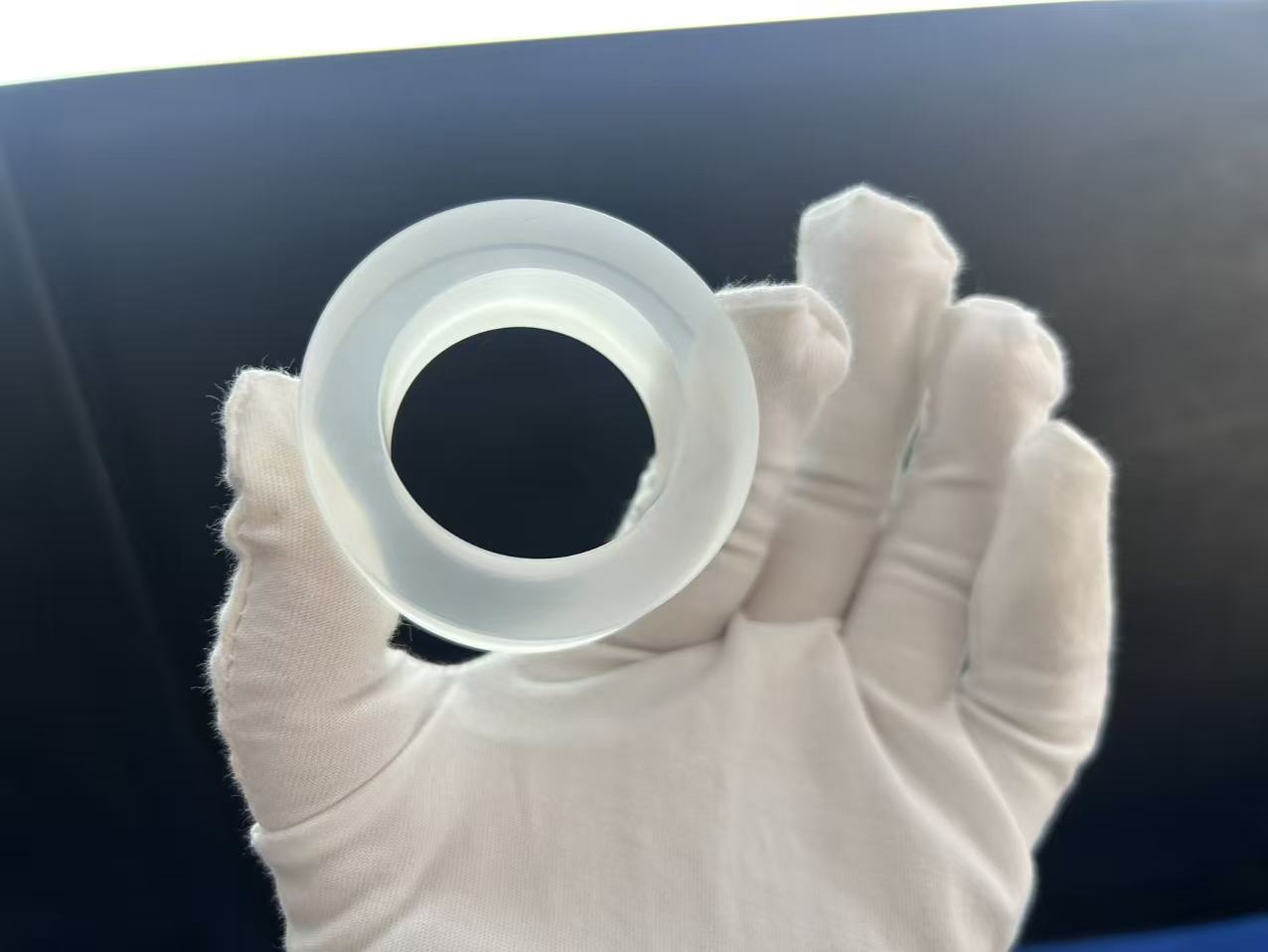
High-Purity Precision Fused Quartz Ring
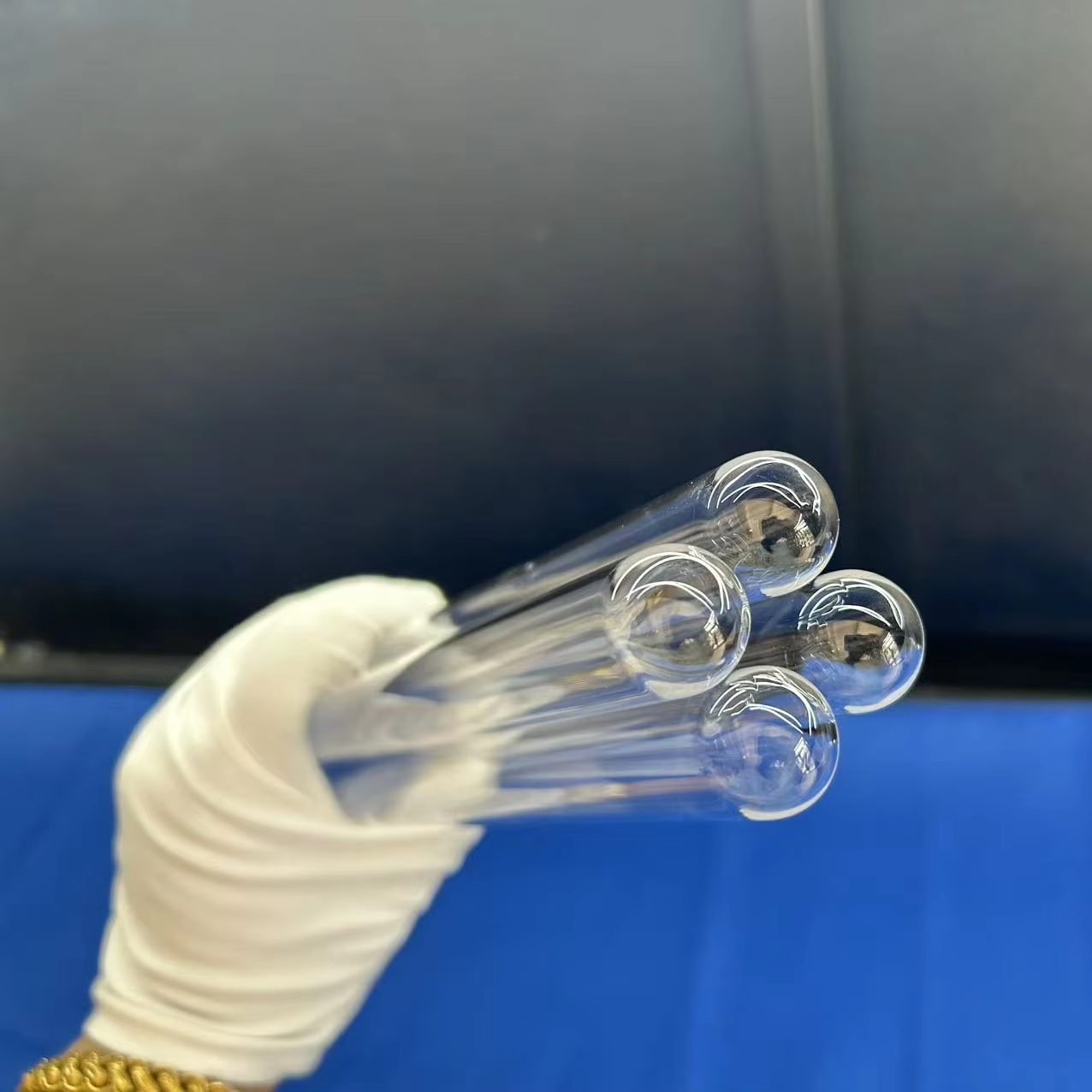
High-Purity Fused Silica Bottom Sealing Tubes (20-25mm)
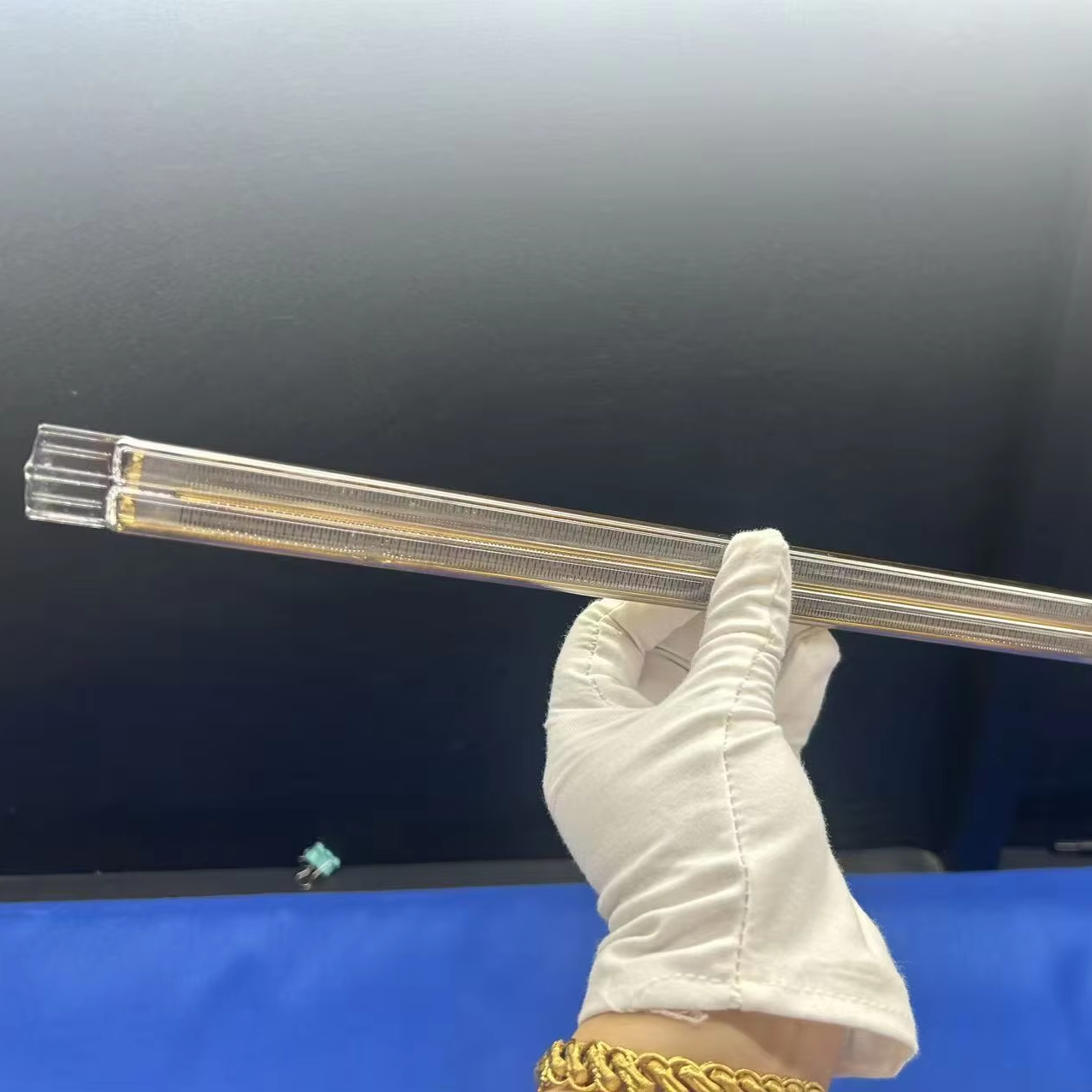
High-Efficiency Graphene Quartz Heating Tube
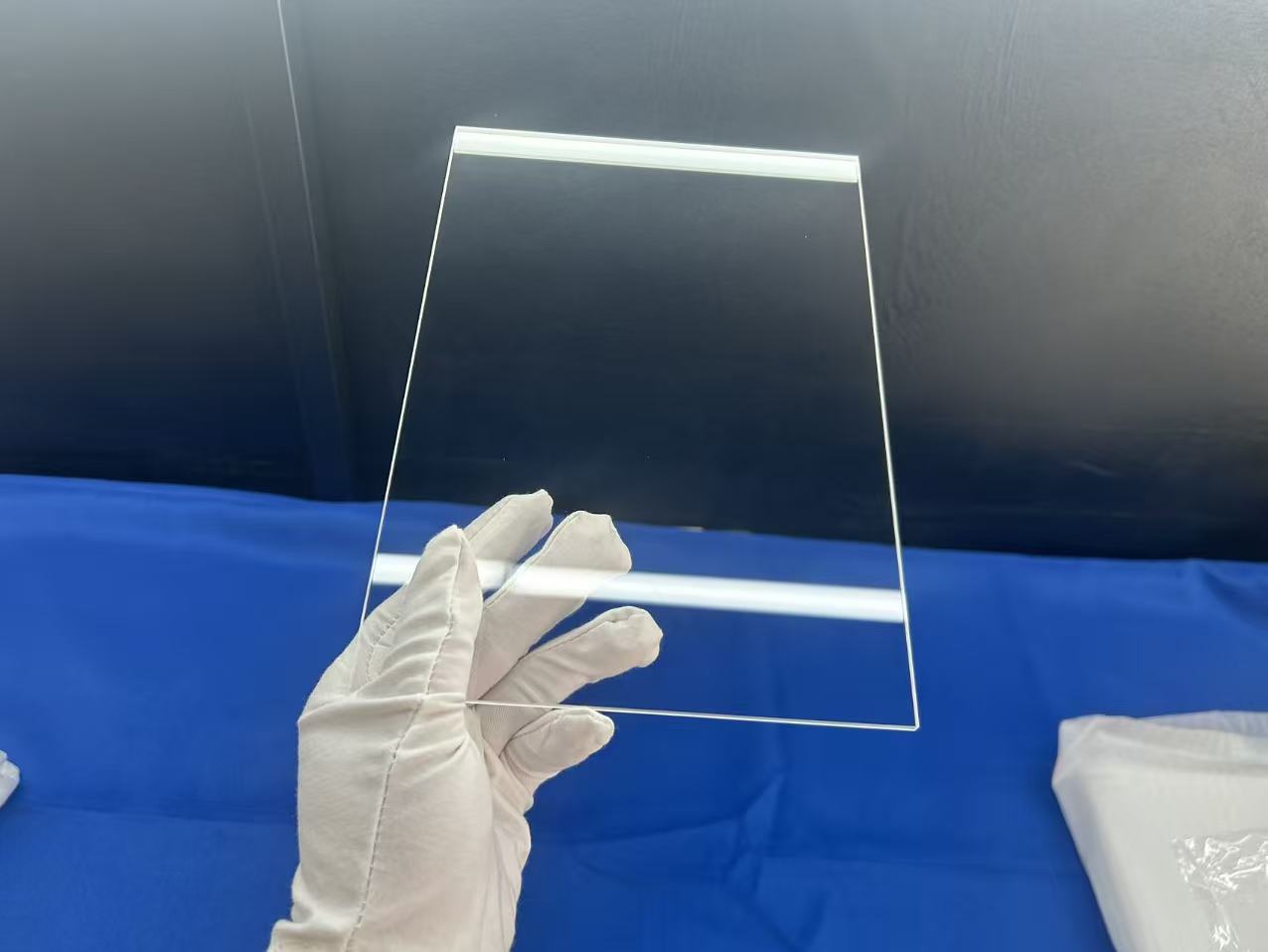
Custom Polished Transparent Square Quartz Glass Plate (3mm)
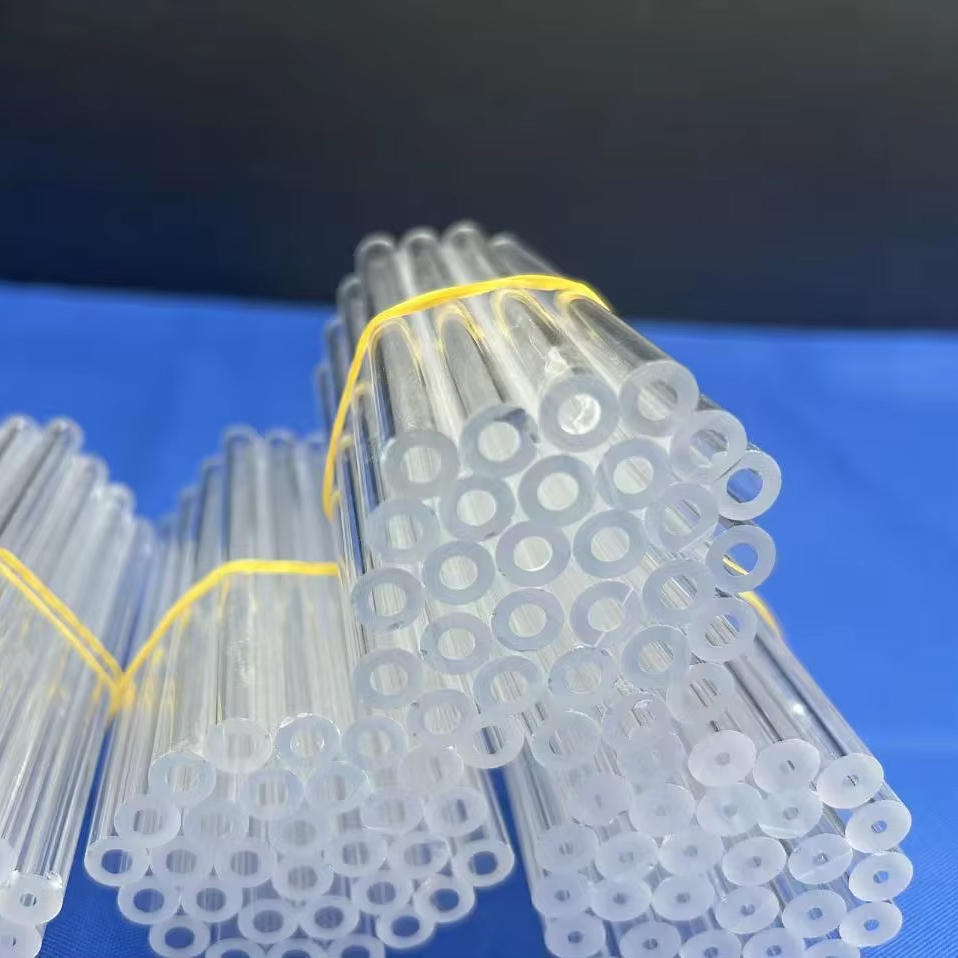
Customized Clear Quartz & BET Glass Test Tubes
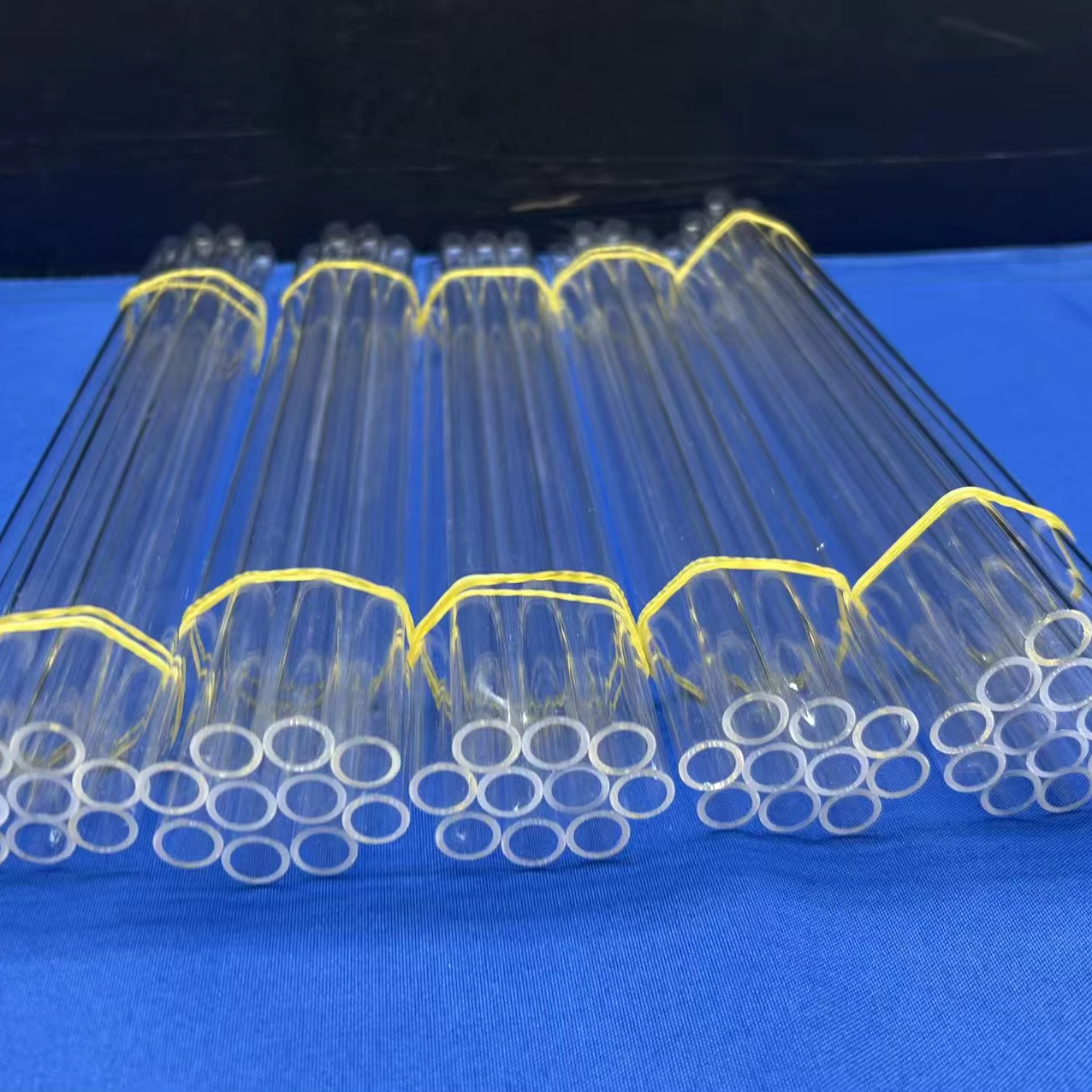
High-Temperature Thermal Resistant Quartz Test Tube
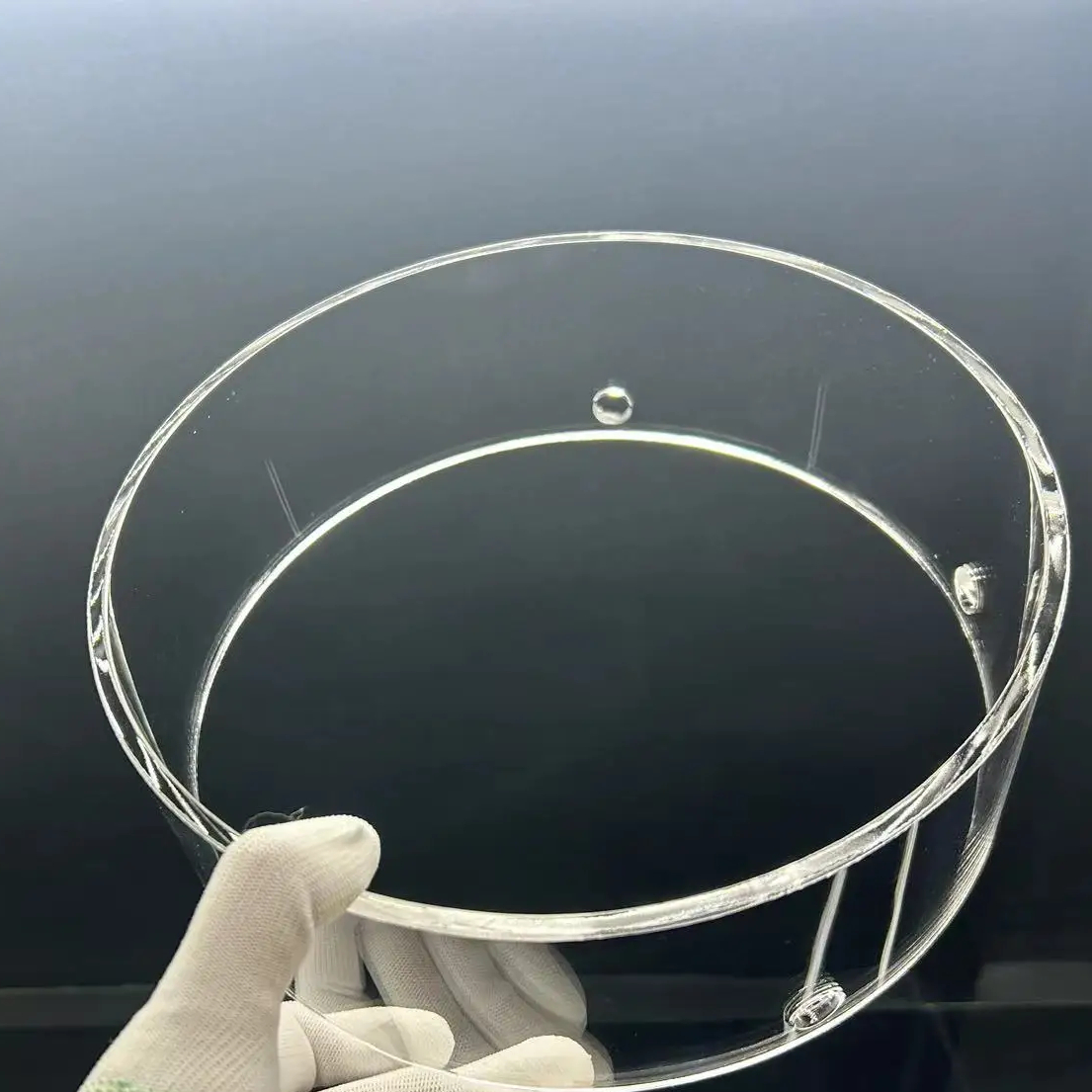
Industrial Clear Fused Transparent Quartz Tube
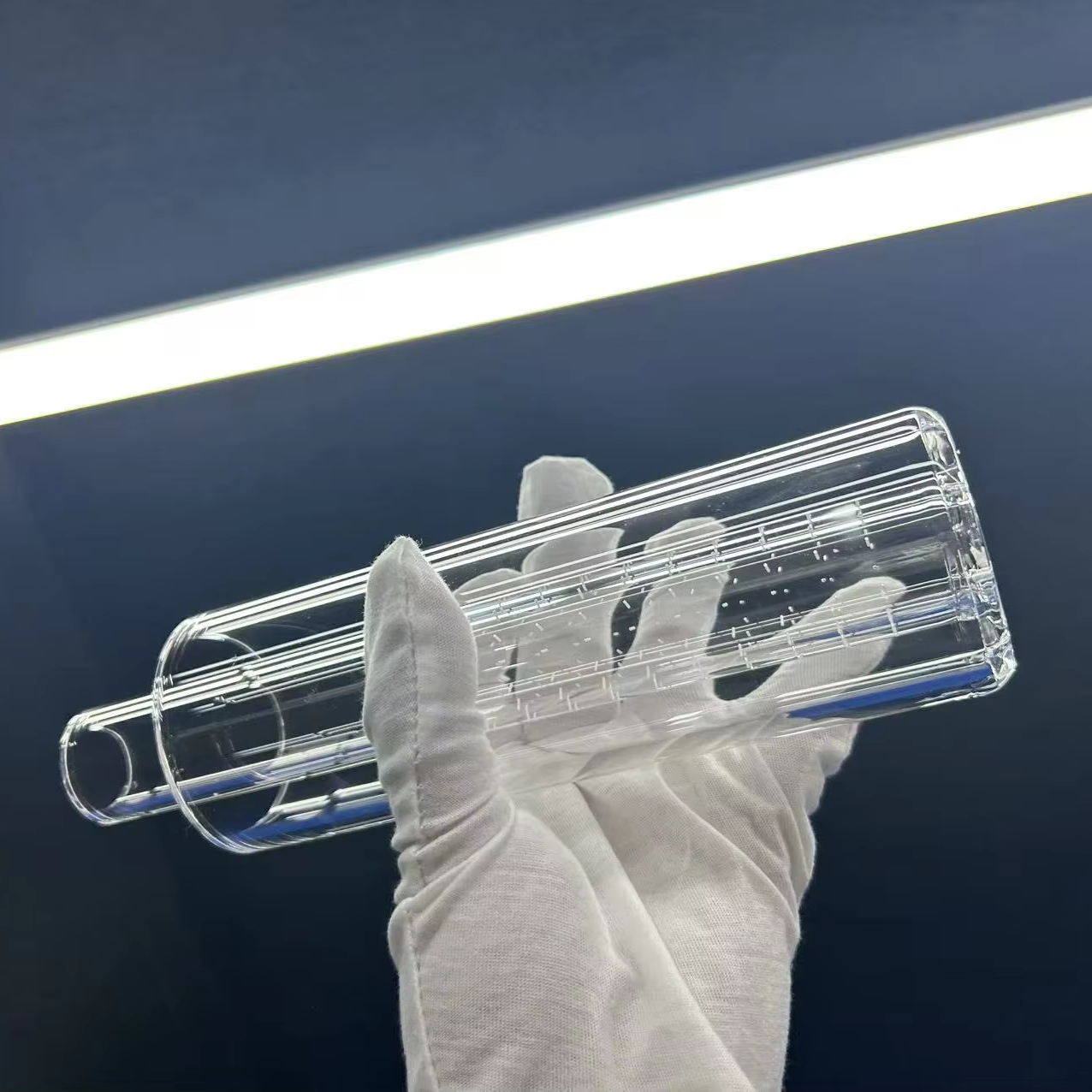
Customized Perforated Quartz Tube for Process Reactors
1. Technical Whitepaper: Material Science & Optical Quartz Window Synthesis
Optical quartz windows represent a crucial class of transmissive optical components utilized in rigorous scientific research, industrial monitoring, and defense photonics. Unlike standard soda-lime or borosilicate glass, synthetic fused silica and clear fused quartz exhibit exceptional optical clarity, extremely low thermal expansion coefficient, high laser damage threshold (LDT), and broad spectral transparency ranging from deep ultraviolet (185 nm) to near-infrared (3500 nm).
As a premier manufacturer based in Donghai County, Jiangsu Province—the recognized center of China's quartz material reserve and processing industry—Donghai County Nivra Quartz Products Co., Ltd. produces optical windows engineered specifically to meet the exacting physical, thermal, and optical standards demanded by European system integrators and research organizations in regions like Faro, Portugal.
Material Grade Classification: JGS1, JGS2, and JGS3
Selecting the optimal quartz grade is critical for achieving required optical efficiency while preventing thermal lensing or solarization. The three main physical grades produced under strict quality control include:
JGS1 (Synthetic Fused Silica)
Synthesized via chemical vapor deposition (CVD) using SiCl4 feedstock. Free of metallic impurities, featuring zero bubbles and highest transmission in the deep UV spectrum (185 nm – 2500 nm). Essential for excimer laser optical sight glasses and deep-UV spectrometry.
JGS2 (Optical Fused Quartz)
Manufactured by oxy-hydrogen melting of high-purity natural crystal quartz. Transmits effectively across the UV-Visible range (220 nm – 2500 nm). Widely specified for viewport sight glasses, high-temperature viewport windows, and analytical cuvettes.
JGS3 (Infrared Grade Fused Quartz)
Produced via vacuum electric fusion to eliminate hydroxyl (OH⁻) ions below 5 ppm. Removes the intrinsic absorption band at 2.73 μm, enabling high transmissive performance into the near and mid-infrared spectrum (260 nm – 3500 nm).
Physical & Optical Specification Matrix
| Property Parameter | JGS1 (UV Grade) | JGS2 (Standard Optical) | JGS3 (IR Grade) |
|---|---|---|---|
| Primary Spectral Band | 185 nm – 2500 nm | 220 nm – 2500 nm | 260 nm – 3500 nm |
| Hydroxyl (OH⁻) Content | 1000 – 1200 ppm | 150 – 300 ppm | < 5 ppm |
| Bubbles & Inclusions | Class 0 (ISO 12123 compliant) | Class 1 - Class 2 | Class 1 - Class 2 |
| Refractive Index (nd @ 589.3 nm) | 1.4585 | 1.4585 | 1.4585 |
| Thermal Expansion (20°C to 300°C) | 5.5 × 10⁻⁷ / °C | 5.5 × 10⁻⁷ / °C | 5.4 × 10⁻⁷ / °C |
| Mohs Hardness / Density | 5.5 – 6.5 / 2.20 g/cm³ | 5.5 – 6.5 / 2.20 g/cm³ | 5.5 – 6.5 / 2.20 g/cm³ |
2. Localized Optical Quartz Applications in the Faro Market (Algarve Region, Portugal)
Faro, located in southern Portugal along the Atlantic coastline, serves as a primary hub for marine science, oceanographic photonics, environmental monitoring, and renewable energy innovation in Western Europe. Institutions like the Centre of Marine Sciences (CCMAR) at the University of Algarve, combined with growing industrial automation and solar energy testbeds across the region, create specialized demands for high-performance optical quartz windows and subsea optical pressure housings.
Key Regional Engineering Use Cases:
A. Deep-Sea Oceanographic Sensors & Subsea Spectrophotometry
Marine research in the Atlantic Ocean requires optical viewports and optical windows that can endure extreme hydrostatic pressure (up to 600 bar / 6000 m ocean depth) while providing uncompromised UV and visible spectral transmission. Custom-polished JGS1 and JGS2 optical quartz discs, manufactured with chamfered pressure-sealing bevels, serve as protective windows for underwater fluorescence sensors, marine LiDAR systems, and dissolved nitrate spectrophotometers installed on autonomous underwater vehicles (AUVs) deployed from Faro harbors.
B. Coastal Environmental Monitoring & Water Quality UV Spectrometry
Regional water utility providers and environmental agencies in southern Portugal utilize UV-absorption spectroscopy to detect micro-pollutants, dissolved organic carbon (DOC), and microalgae blooms in marine and freshwater ecosystems. Precision 3mm thick clear optical quartz plates and custom quartz test tubes provide near 90% spectral transmission at critical UV wavelengths (254 nm), resisting biofouling and chemical corrosion from saline environments far better than plastic or standard glass.
C. Solar Energy R&D and High-Temperature Thermal Concentrators
With southern Europe exhibiting among the highest solar irradiance levels on the continent, research institutions around Faro focus heavily on advanced solar concentrators, solar-driven photocatalysis, and thermal storage reactors. Our high-purity fused silica bottom sealing tubes, graphene quartz heating tubes, and custom quartz plates are deployed in high-temperature solar test rigs capable of sustaining thermal shocks above 1000 °C without structural deformation or optical degradation.
D. Laser Processing & Analytical Laboratory Instrumentation
Precision analytical chemistry and materials characterization laboratories operating in Faro require high laser damage threshold (LDT) optical quartz sight glasses for laser-induced breakdown spectroscopy (LIBS), Raman spectroscopy, and optical gas sensing. Our JGS1 synthetic optical windows, polished to surface flatness of λ/10 and scratch-dig specifications of 10/5, prevent laser beam distortion and signal attenuation.
3. Localized Development & Technological Trends in Western Europe
As Western Europe enforces tighter environmental regulations (such as the EU Green Deal) and accelerates investments in blue economy technologies, the market requirements for optical quartz windows in Faro and Portugal are undergoing rapid technical evolution. Modern procurement teams prioritize suppliers offering higher material purity, longer operational lifespans, and traceable precision manufacturing.
1. Miniaturization & Micro-Optics Integration
Demand is shifting toward micro-diameter optical quartz windows (2mm – 10mm OD) integrated directly into lab-on-a-chip devices and oceanographic micro-sensors. This requires CNC micro-machining capabilities down to ±0.01mm tolerances.
2. Hydrophobic & Anti-Reflective (AR) Coatings
Oceanographic instruments increasingly demand optical windows pre-coated with hydrophobic Sol-Gel coatings to mitigate saltwater droplet formation, paired with broadband AR coatings to enhance transmission beyond 98%.
3. Zero-Defect Environmental Sustainability
European OEMs require strict compliance with RoHS and REACH standards, complete material batch traceability, and long-life durability to reduce electronic waste in remote ocean deployment stations.
4. Enterprise Advantages: Why Faro & European Buyers Partner with Nivra Quartz
Donghai County Nivra Quartz Products Co., Ltd. operates as a fully integrated manufacturer and trading firm (101–200 employees) located in Lianyungang, Jiangsu, China. By controlling raw quartz sourcing, precision machining, cold grinding, flame polishing, and optical inspection under one roof, we deliver unequaled material value to international buyers.
Core Manufacturing Capabilities
- Raw Material Purity Assurance: Sourced directly from Donghai’s premier high-purity quartz reserves, ensuring SiO2 content exceeding 99.99%, minimizing thermal expansion variations and residual mechanical stress.
- Full-Cycle Precision Machining: Equipped with multi-axis CNC glass machining centers, precision optical surface polishers, ultrasonic drilling equipment, laser cutting equipment, and automated glass lathe flame welding systems.
- Custom OEM/ODM Engineering Support: Ability to process custom drawings (PDF, DWG, STEP) into functional prototypes within short lead times, supported by experienced optical glass engineers.
- International Export & Packaging Standards: Certified shock-absorbing foam encapsulation, vacuum sealed packing, and fumigation-free wooden crate boxing designed specifically to guarantee zero breakage during air and sea freight to European destinations.
5. Frequently Asked Questions (FAQ) for Faro Procurement & Engineering Teams
JGS1 is synthetic fused silica engineered for deep-UV applications (transmission starting from 185 nm up to 2500 nm), ideal for UV spectroscopy and laser optics. JGS2 is optical-grade fused quartz for UV-Visible applications (220 nm – 2500 nm), suitable for sight glasses, viewports, and light covers. JGS3 is an infrared grade (< 5 ppm OH⁻) optimized for IR optics transmitting up to 3500 nm without the 2.73 μm water absorption dip.
We calculate the required aspect ratio (thickness-to-diameter ratio) using finite element stress analysis based on your working depth (e.g., 100 bar to 600 bar). All deep-sea windows feature precision chamfering, polished edge bevels to prevent stress concentrations, and strict surface flatness (λ/4 to λ/10) to maintain an airtight and watertight metal-to-quartz seal.
Our fused quartz components operate continuously at temperatures up to 1100 °C and can sustain short-term exposure up to 1450 °C. The material's softening point is approximately 1683 °C. Due to an extremely low thermal expansion coefficient (5.5 × 10⁻⁷ /°C), our quartz windows withstand sudden thermal shocks (e.g., heating to 1000 °C and quenching in cold water) without fracturing.
Yes. We specialize in custom OEM manufacturing. You can provide technical drawings in PDF, DWG, STEP, or DXF formats specifying dimensions, tolerances, surface roughness (Scratch-Dig), and chamfer angles. Our engineering team reviews manufacturability within 5 hours.
Standard quartz test tubes, sight glasses, and stock plates typically start from an MOQ of 1 to 10 pieces. Customized precision optical wafers or CNC-machined components start around 10 to 50 pieces. Sample prototypes are produced within 5 to 7 days, with bulk production delivered to European airports/ports in 12 to 20 days via express air freight or ocean shipment.
Every piece undergoes ultra-sonic cleaning, individual polyethylene film packaging, and custom-cut high-density EVA shock-absorbing foam placement inside multi-layer export cartons or fumigation-free wooden crates. We maintain an outstanding international transit safety record.
Ready to Source High-Purity Optical Quartz Windows for Your Application?
Whether you require deep-sea pressure windows for marine photonics in Faro, high-temperature furnace sight glasses, or custom-machined quartz tubes, our engineering team is ready to review your specifications and provide a competitive direct-factory quote.
Inquire Now