Precision Laboratory Quartz Components
Manufactured from optical-grade and high-purity natural silica sand in Donghai County. Fully compatible with ASTM, ISO 17025 testing facilities, and industrial calcination lines.
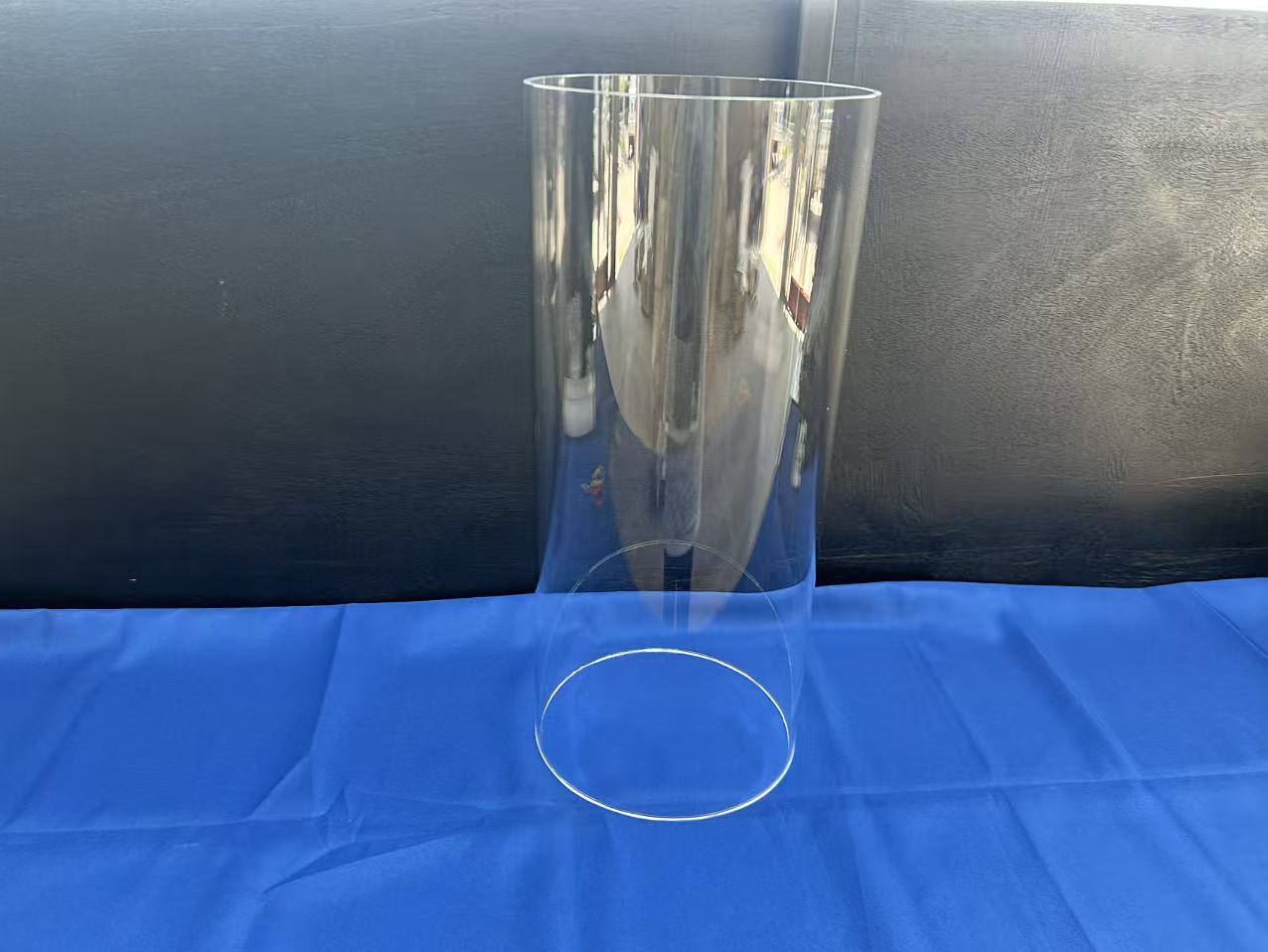
Custom Large-diameter High-purity Fused Quartz Transparent Glass Tubes, Providing Cutting and Welding Services
Processing: Laser cutting, hydrogen-oxygen flanged welding
Application: Furnace tube liners, chemical vapor reactors
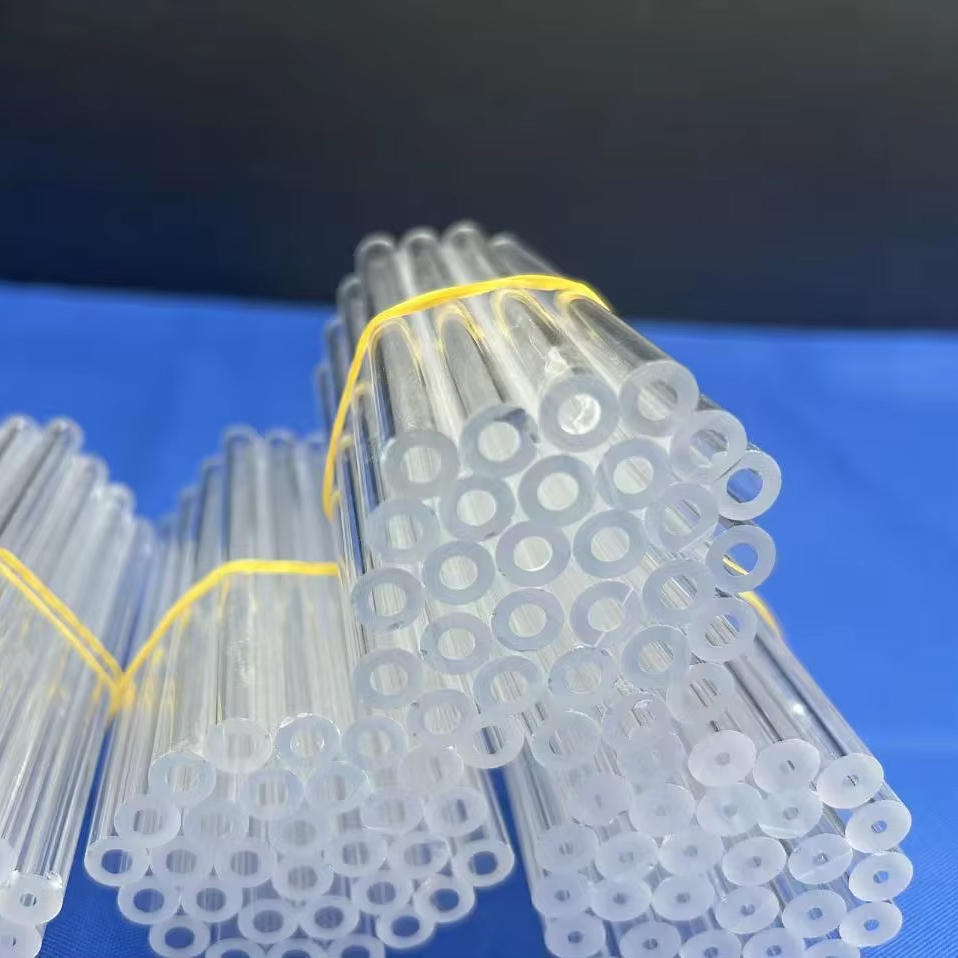
Customized Size clear Quartz Glass Tube BET Borosilicate Glass test Tube clear Quartz Glass Tube
Tolerance: OD ±0.05 mm, precision wall thickness
Application: BET surface area testing & acid digestion
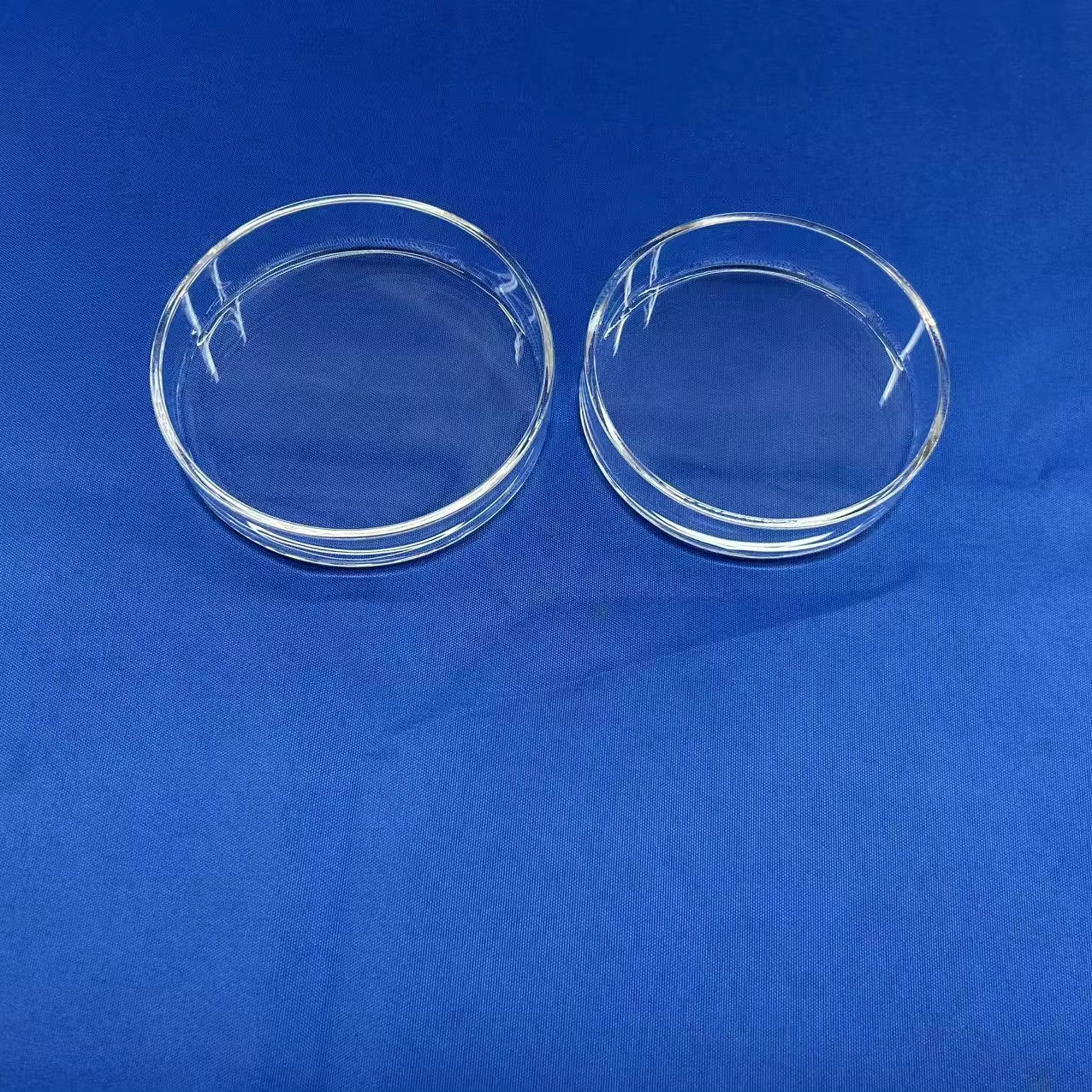
Factory Customized High-purity Quartz Glass Petri Dishes with Lids, for Laboratory, Medical Equipment, Etc.
Durability: Autoclave sterilization >1200°C resistant
Application: Culture analysis, high-temperature crystallization
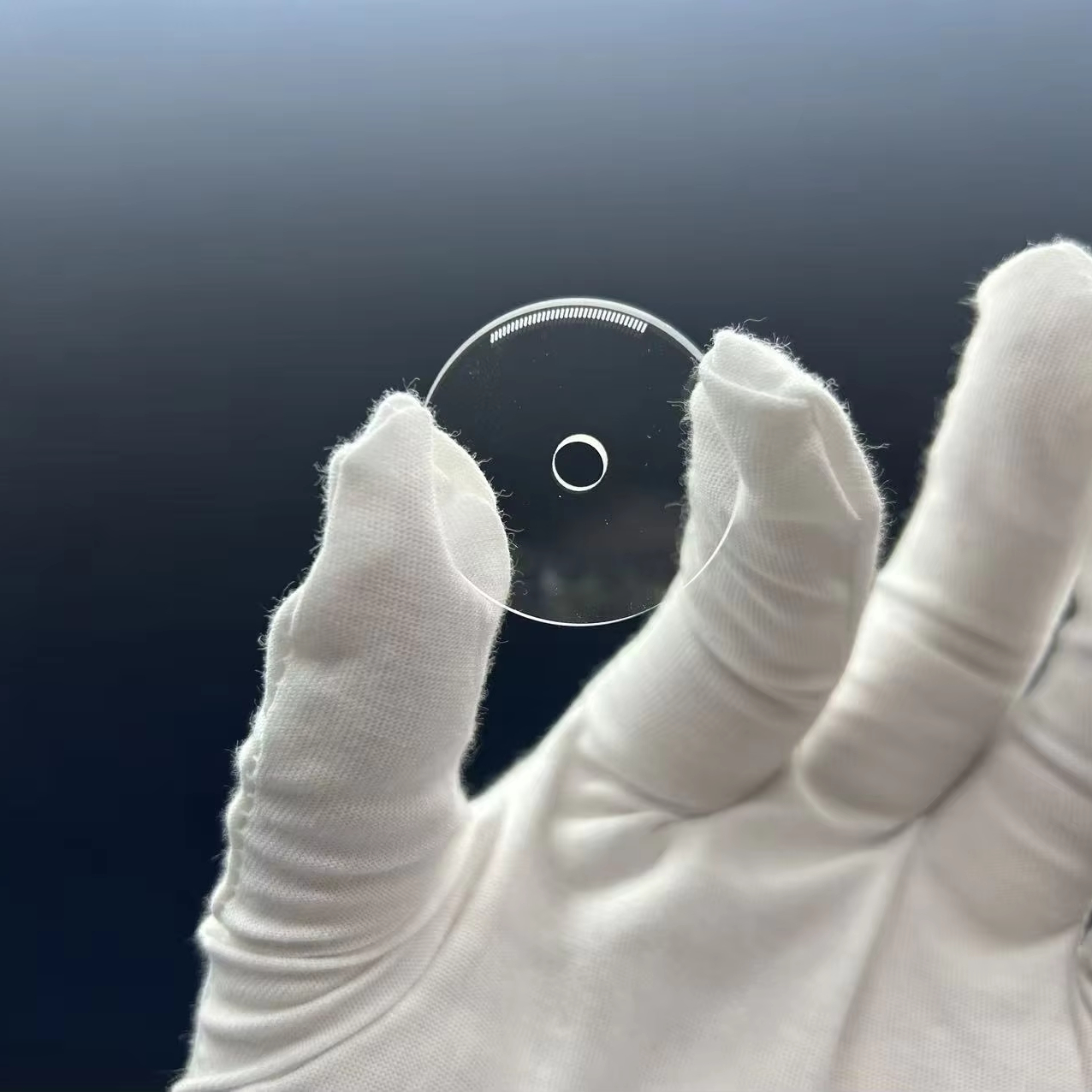
Frosted Quartz Sheet
Thermal Shock: Water quench from 1100°C without crack
Application: Light diffusion panels, furnace observation port
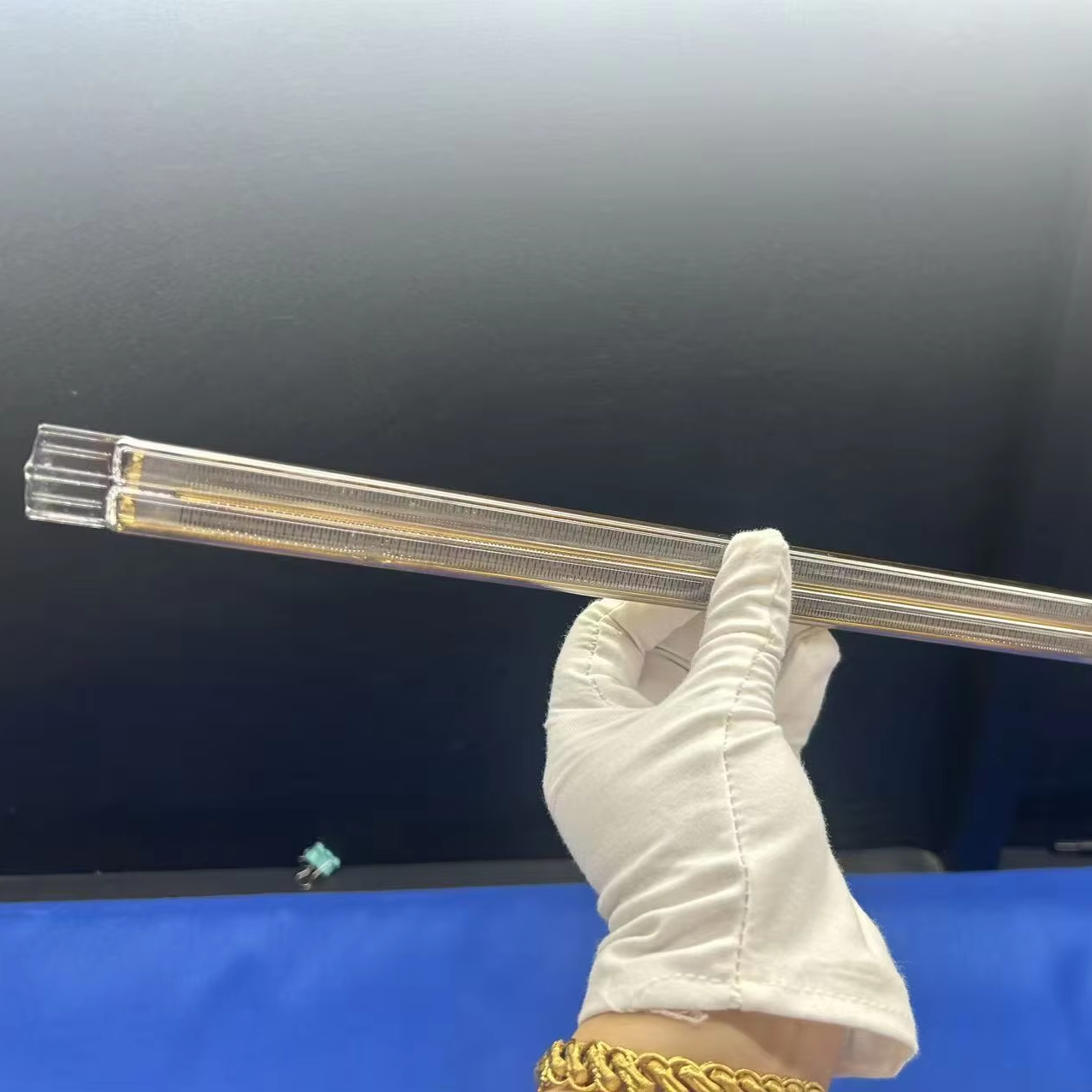
Graphene Quartz Heating Tube
Ramp Speed: Instant thermal response within 2 seconds
Application: Industrial drying, rapid moisture analysis
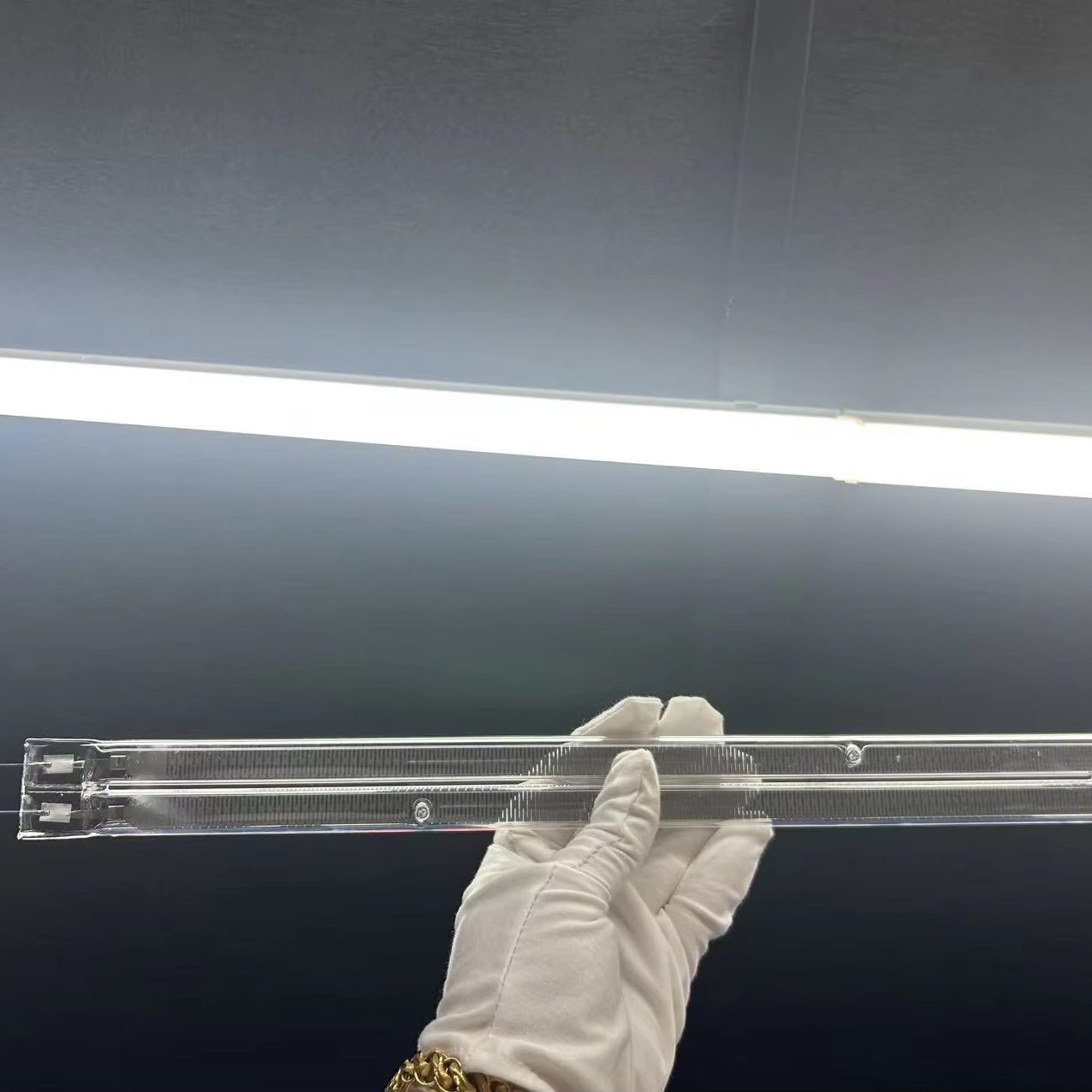
220V 700W 300MM 10mm Diameter Infrared Heating Tube Carbon Fiber/halogen Tube/graphene Tube, for Rapid Heating Equipment
Lifespan: Continuous rating >8,000 operational hours
Application: Agro-product moisture testing & paint curing
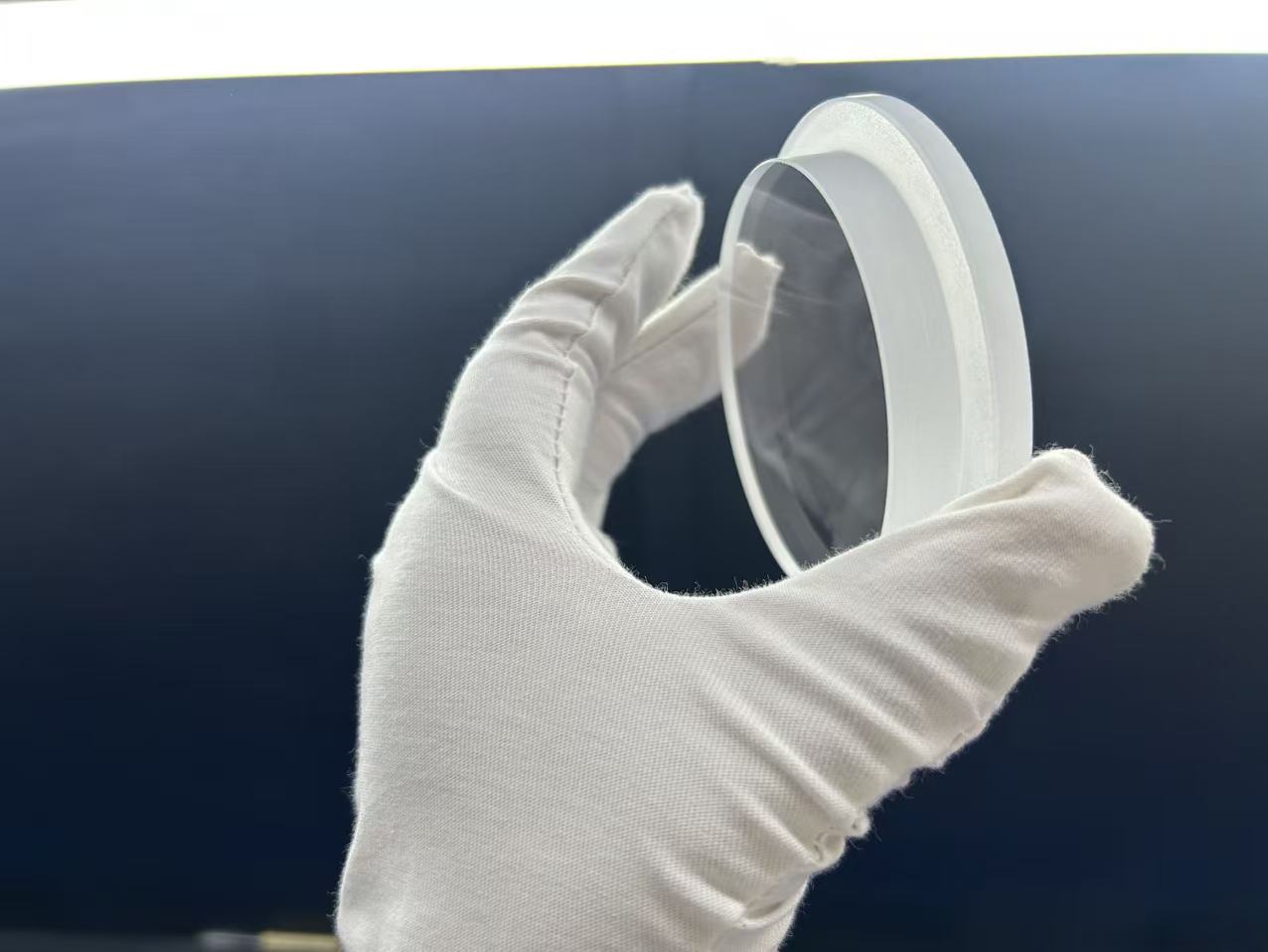
Factory-Made High-purity Ultra-thick Quartz Double-Layer Step Plate ,Provide Cutting and Polishing Services
Parallelism: ≤20 arcseconds, optical double-face polish
Application: Pressure chamber sight windows, autoclave lids
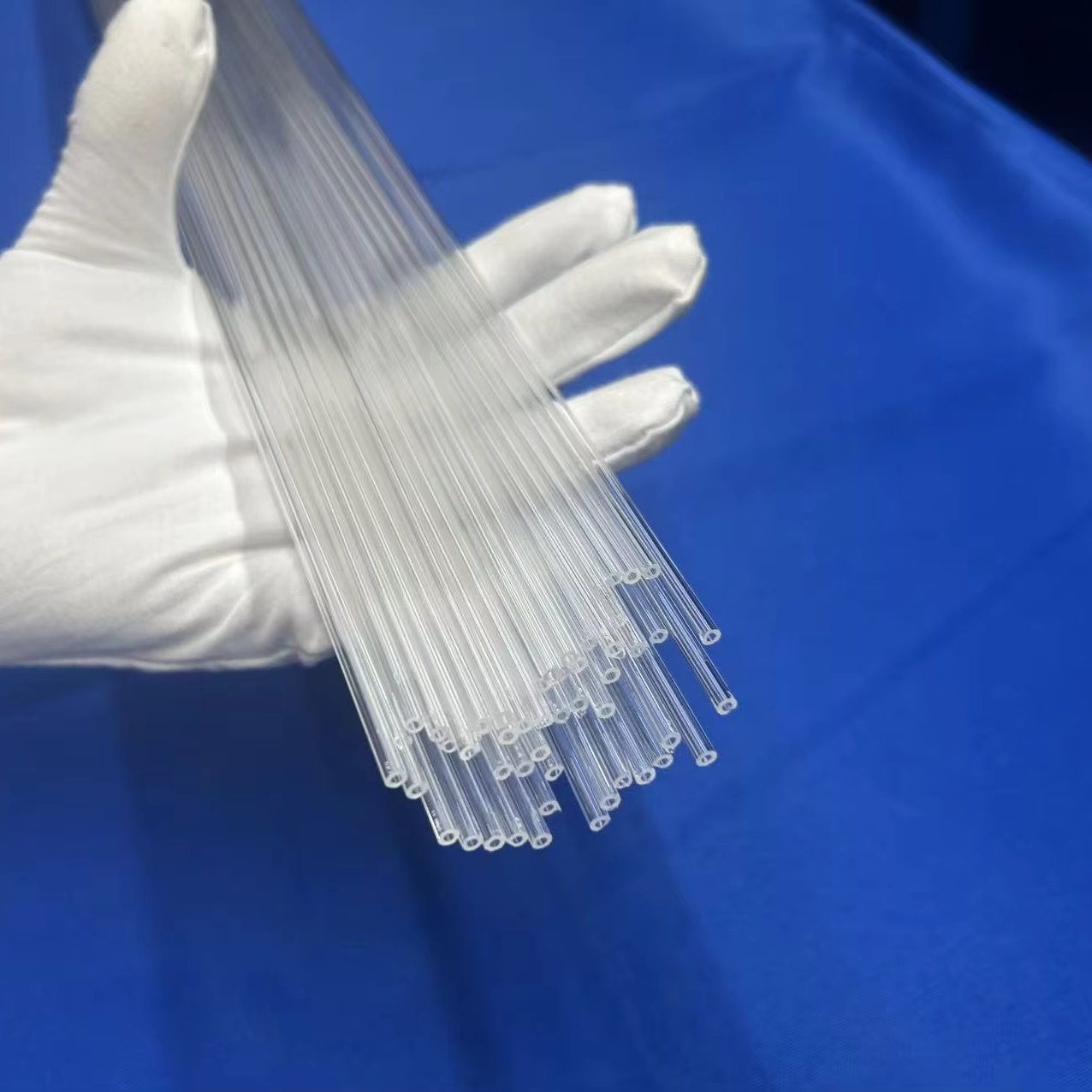
Capillary Quartz Tube
UV Transparency: >90% at 254 nm deep ultraviolet
Application: Chromatography columns, electrophoresis, flow cells
Donghai Nivra Quartz: China's Direct Manufacturing Hub Serving Orange Walk
Combining world-class raw crystal deposits in Jiangsu with precision CNC cold processing, hot-fire lathe forming, and cleanroom vacuum packaging.
Procurement Clarity for Belizean Laboratories: Located at 285 Heping East Road, Lianyungang, Jiangsu, Donghai County Nivra Quartz Products Co., Ltd. integrates crystal refining, lathe fire-working, precision CNC slicing, optical lapping, and class 10,000 cleanroom cleaning. For research centers, municipal water analysts, and agro-refinery facilities in Orange Walk Town and across Belize, sourcing direct from Donghai eliminates multi-tier trading markups while ensuring certified trace-metal purity and custom CAD dimensional compliance.
High-Purity Fused Silica & Quartz Glass Material Science
A rigorous metallurgical and optical comparison designed to guide laboratory directors, industrial process engineers, and chemical procurement officers.
Fused quartz glass (amorphous silicon dioxide, SiO2) stands as an irreplaceable material within analytical chemistry, high-temperature pyrochemical synthesis, and precision spectroscopy. Unlike conventional soda-lime or borosilicate labware, fused quartz is manufactured through the continuous thermal fusion of ultra-pure natural quartz crystal sand or synthetic silicon tetrachloride (SiCl4) vapor at temperatures exceeding 2,000°C. The resulting amorphous matrix exhibits an extraordinary absence of network modifiers (such as sodium, calcium, or boron), granting it physical, thermal, and chemical resistance thresholds that borosilicate glass cannot achieve.
1. Optical Grade Segmentation: JGS1 vs. JGS2 vs. JGS3
Selecting the proper fused quartz grade is critical for laboratory accuracy and fiscal optimization. Misidentifying the optical requirements often leads to premature spectral attenuation in spectroscopy or unwarranted material costs:
- JGS1 (Synthetic Fused Silica / Deep UV Grade): Fabricated via chemical vapor deposition (CVD), this synthetic silica is virtually free of metallic impurities (Fe, Al, Ti < 0.1 ppm). It provides superior optical transmission in the deep ultraviolet range from 185 nm to 2500 nm, rendering it the standard for UV-Vis spectrophotometer flow cells, capillary electrophoresis windows, and excimer laser optics.
- JGS2 (Optical Fused Quartz / UV-Visible Grade): Produced by gas-refining natural quartz crystals. It maintains outstanding optical transmission from 220 nm to 2500 nm. It is widely specified for polarimeter sample tubes, refractometer cover slips, clear digestion reaction tubes, and optical sight windows in sugar processing plants.
- JGS3 (Infrared Fused Quartz / Low-OH Grade): Melted under vacuum or electric furnace environments, JGS3 is specially treated to deplete the hydroxyl (OH−) radical content (typically < 2-5 ppm). This eliminates the pronounced water absorption band at 2730 nm, unlocking transparent performance across the near-to-mid infrared spectrum (260 nm to 3500 nm). Ideal for infrared moisture analysis tubes, pyrometric viewports, and carbon fiber rapid heating elements.
2. Thermomechanical Integrity & Shock Resilience
The linear coefficient of thermal expansion (CTE) of fused quartz is approximately 5.5 × 10⁻⁷ cm/cm°C between 20°C and 320°C—roughly one-sixth that of borosilicate 3.3 glass. This near-zero expansion allows a red-hot quartz test tube or crucible heated to 1,150°C to be directly quenched into ice-cold water without micro-fracturing or catastrophic shattering. The material maintains a strain point of 1,120°C, an annealing point of 1,215°C, and a softening threshold around 1,683°C, providing structural integrity in muffle furnaces where common labware slumps into liquid slag.
| Performance Metric | High-Purity Fused Quartz (Donghai Nivra) | Borosilicate Glass 3.3 (Standard Labware) | Synthetic Sapphire (Al2O3) |
|---|---|---|---|
| SiO2 / Al2O3 Purity | ≥ 99.99% SiO2 (4N Grade) | ~80.5% SiO2, 13% B2O3, 4% Na2O | ≥ 99.99% Al2O3 Monocrystalline |
| Continuous Operating Temp | 1,100°C | 450°C - 500°C | 1,600°C - 1,800°C |
| Max Short-Term Temp | 1,450°C | 520°C (Softens at ~820°C) | 2,000°C |
| Thermal Expansion (CTE) | 5.5 × 10⁻⁷ / °C | 33 × 10−7 / °C | 58 × 10−7 / °C |
| UV Transmission (200-300 nm) | > 90% (JGS1 synthetic grade) | Opaque below 280 nm (<10%) | > 80% (Broadband transmission) |
| Hydrofluoric Acid Resistance | Attacked (Forms SiF4 gas) | Attacked | Immune to room temp HF |
| Thermal Shock Resistance | Exceptional (ΔT > 1,000°C quench) | Moderate (ΔT ~ 100°C - 150°C) | High, but anisotropic stress prone |
Localized Applications in Orange Walk Town & Northern Belize
Tailored engineering implementations addressing the specific agro-industrial, environmental, and thermal distillation sectors of Belize's "Sugar City".
Sugarcane Quality Testing & Refining
Orange Walk District is the heart of Belize's sugar agribusiness, centered around the Tower Hill Sugar Factory (Belize Sugar Industries / ASR Group). Cane payment systems rely on precise Polarimeter (Pol %), Brix, and apparent purity determinations. Our JGS2 optical polarimetry flow tubes and precision quartz cuvettes deliver zero-stress optical rotation accuracy under high-concentration sucrose syrups. Furthermore, during bagasse furnace calcination, our high-purity fused silica crucibles resist ash corrosion at 1,000°C without alkali leaching.
New River Hydrology & Runoff Testing
The New River running through Orange Walk Town experiences significant environmental pressure from agrochemical runoff, organic effluence, and seasonal dissolved oxygen depletion. Monitoring municipal and industrial discharge requires high-throughput chemical digestion and UV-Vis spectrophotometry. Nivra quartz digestion test tubes and JGS1 UV flow cells resist sustained exposure to hot nitric/perchloric acid mixtures without surface frosting, ensuring trace-level phosphorus and pesticide detection limits.
Distillery Analytics & Bio-Ethanol Pilot Lines
Northern Belize's rum manufacturing and bio-ethanol cogeneration sectors demand reliable quality control on molasses fermentation broth, volatile congeners, and fusel oil chromatography. Our custom transparent quartz spiral condenser tubes, capillary chromatographic columns, and double-layer stepped sight glasses handle rapid thermal cycles between boiling spirits and sub-zero chillers without pressure fatigue, providing crystal-clear inline visibility into distillation boiling points.
Agro-Industrial Modernization Trends in Northern Belize
Three converging market dynamics accelerating the shift toward fused quartz components in Orange Walk Town and the Corozal border corridor.
ICUMSA Method Harmonization
Sugar refiners are aggressively adopting strict International Commission for Uniform Methods of Sugar Analysis (ICUMSA) standards for raw, plantation white, and direct consumption sugars. This transition requires transitioning from legacy visual tintometers to high-precision spectrophotometric cells at 420 nm, where scratch-resistant, optically pure JGS1 quartz windows are mandatory to eliminate optical refraction artifacts.
Biomass Cogeneration Diagnostics
With the expansion of bagasse-fired electricity cogeneration supplying the national grid via BEL (Belize Electricity Limited), plant engineers require robust furnace monitoring. High-temperature frosted quartz sheets and ultra-thick stepped pressure plates provide continuous thermal insulation while permitting thermal imaging pyrometry up to 1,200°C without furnace de-pressurization.
Decentralized Soil & Water Testing
Private cane farmers associations and agricultural consultancies in Orange Walk are decentralizing soil fertility and saline intrusion testing. Rather than relying on overseas testing labs, regional hubs now deploy microwave acid digestion systems and rapid moisture analyzers powered by graphene and carbon fiber infrared quartz tubes, delivering same-day field recommendations.
Factory-Direct Technical & Sourcing Competencies
Engineered to mitigate risk for international procurement officers requiring verified chemical purity, stringent dimensional tolerances, and zero sea-transit breakage.
Native Silicon Cluster
Situated in Donghai, Jiangsu—the epicenter of Chinese crystal refining. Direct access to raw high-purity silica sand keeps feedstock costs lean and trace metal contaminants (<15ppm) tightly controlled.
Full-Chain Machining
From hydrogen-oxygen fire-working lathes to multi-axis diamond CNC milling, laser cutting, optical polishing (λ/4), and ultrasonic deburring, every processing phase is executed in-house.
Caribbean Transit Packaging
Fragile quartz parts are wrapped in anti-static film, encased in form-fitted high-density shock-absorbing EPE foam, and sealed in export-grade fumigated plywood crates with tilt/impact indicators.
Flexible Prototype MOQs
We support Caribbean operations with low-volume pilot prototype runs (starting from 1 piece on custom quartz tubes and reaction vessels) before scaling to scheduled production containers.
Frequently Asked Questions for Orange Walk Town Buyers
Key considerations on logistics, tropical climate resistance, import documentation, and customization.
Q How does fused quartz withstand Belize's high tropical humidity?
Unlike ordinary soda-lime glass or lower-grade borosilicates, pure fused quartz (≥99.99% SiO2) exhibits near-zero chemical weathering and water leaching. In coastal and tropical humid zones like Belize (where ambient humidity frequently surpasses 80-90%), standard glasses leach alkali ions, resulting in surface hazing and fungal etching. Nivra quartz retains its pristine optical transparency, chemical neutrality, and surface resistivity indefinitely under sub-tropical storage.
Q What is the transit route and shipping timeline to Orange Walk Town?
We regularly coordinate air and ocean freight to Belize. Urgent optical windows, capillary tubes, and cuvettes ship via air freight (DHL, FedEx, UPS) arriving at Philip S. W. Goldson International Airport (BZE) within 7-10 business days. Bulk orders of large furnace tubes, sight plates, and crucibles ship via ocean freight to the Port of Belize in Belize City (typical transit: 28-35 days), followed by bonded overland transit along the Philip Goldson Highway directly to your Orange Walk facility.
Q Can Nivra manufacture custom quartzware from CAD drawings or legacy broken samples?
Yes. Our engineering department works with standard digital CAD formats (STEP, DWG, DXF, PDF). If technical drawings are unavailable for aged sugar mill or distillery replacement parts, our clients routinely provide physical photographs with caliper measurements or courier fractured components to our Donghai facility. We generate precise fabrication blueprints with tolerances down to ±0.05 mm prior to production.
Q What customs documentation is provided for Belize Customs & Excise clearance?
Every consignment includes a verified Commercial Invoice, Packing List with gross/net weights and dimensions, Certificate of Origin (CO), and Factory Material Purity Inspection Reports specifying trace element analysis. For industrial and educational labware, we apply the precise Harmonized System (HS) codes (such as HS 7017.10 for laboratory fused quartz/silica ware) to ensure streamlined tariff classification and clearance under Belize Customs regulations.
Q How do you prevent breakage during Caribbean transshipment?
Over our years of export operations, we developed a specialized multi-layer suspension packing protocol. Each quartz tube or vessel is hermetically wrapped in polyethylene film, embedded within 360-degree custom CNC-cut high-density EPE foam cushions, and housed in heavy-duty corrugated cartons nested within solid, fumigated wooden shipping crates. Long quartz tubes are secured with longitudinal stabilization splints to prevent resonant flex breakage.
Q Can quartz vessels be cleaned with aggressive acids after sugarcane juice analysis?
Yes. Fused quartz is completely inert to almost all organic and mineral acids—including hot concentrated sulfuric acid (H2SO4), nitric acid (HNO3), hydrochloric acid (HCl), and aqua regia. To strip burnt sucrose caramel, bagasse tars, or microbial biofilm, laboratories can safely employ chromic acid mixtures or piranha solution without corroding the quartz surface. The only common chemical exceptions are hydrofluoric acid (HF) and concentrated phosphoric acid at temperatures above 150°C.
Request Technical Consultation & Direct Factory Quotation
Whether replacing broken furnace observation viewports at Tower Hill, upgrading polarimetry spectrophotometer cells for cane juice sampling, or equipping regional water laboratories along the New River, our Donghai engineering team provides drawing reviews and competitive pricing within 5 hours.