Precision Quartz Components & Wafer Handling Solutions
Engineered to meet rigorous semiconductor cleanroom standards (SEMI spec), high thermal diffusion thresholds, and ultra-low alkali ion contamination for Ipoh's advanced OSAT and wafer packaging ecosystems.
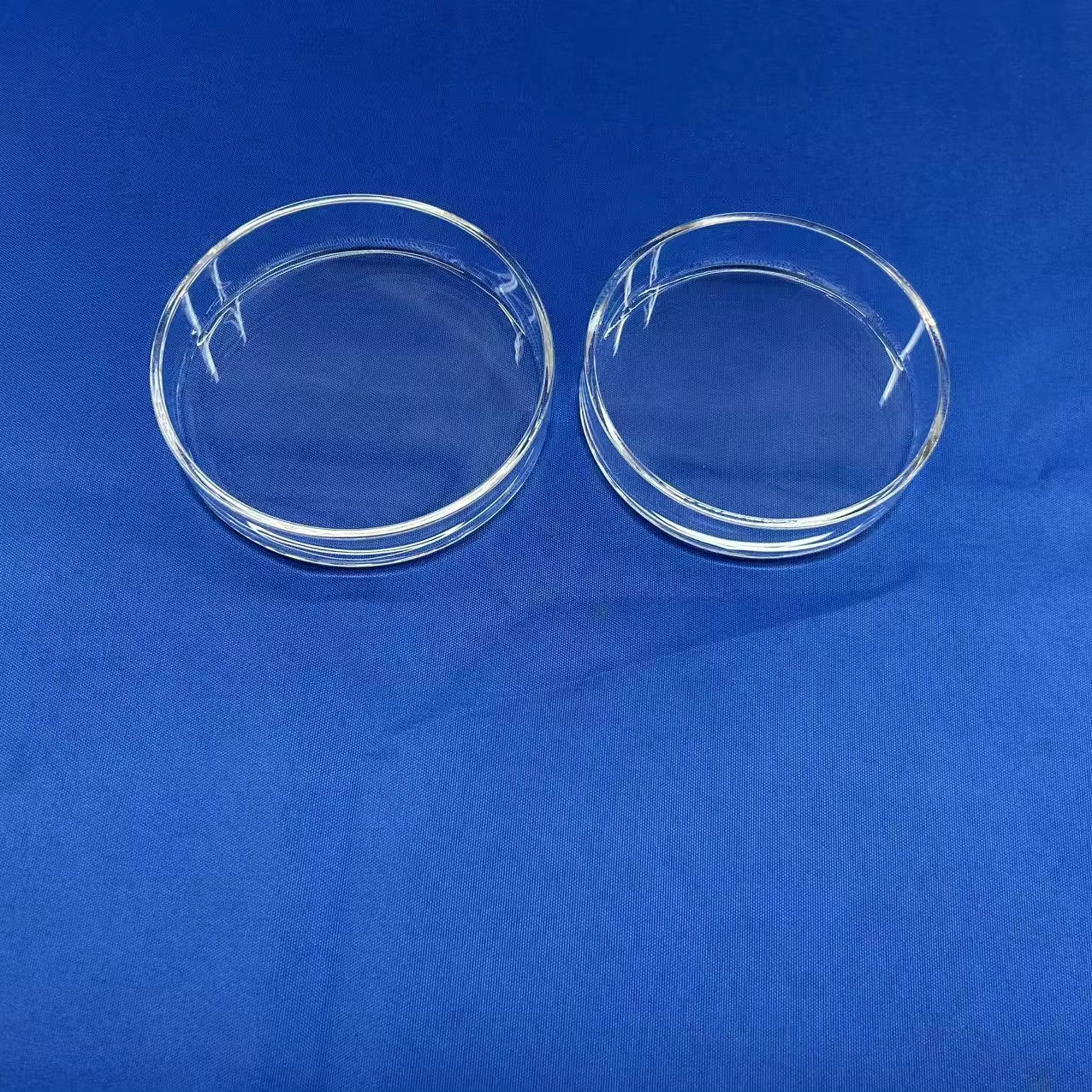
High-Purity Quartz Glass Petri Dishes with Lids
View Specifications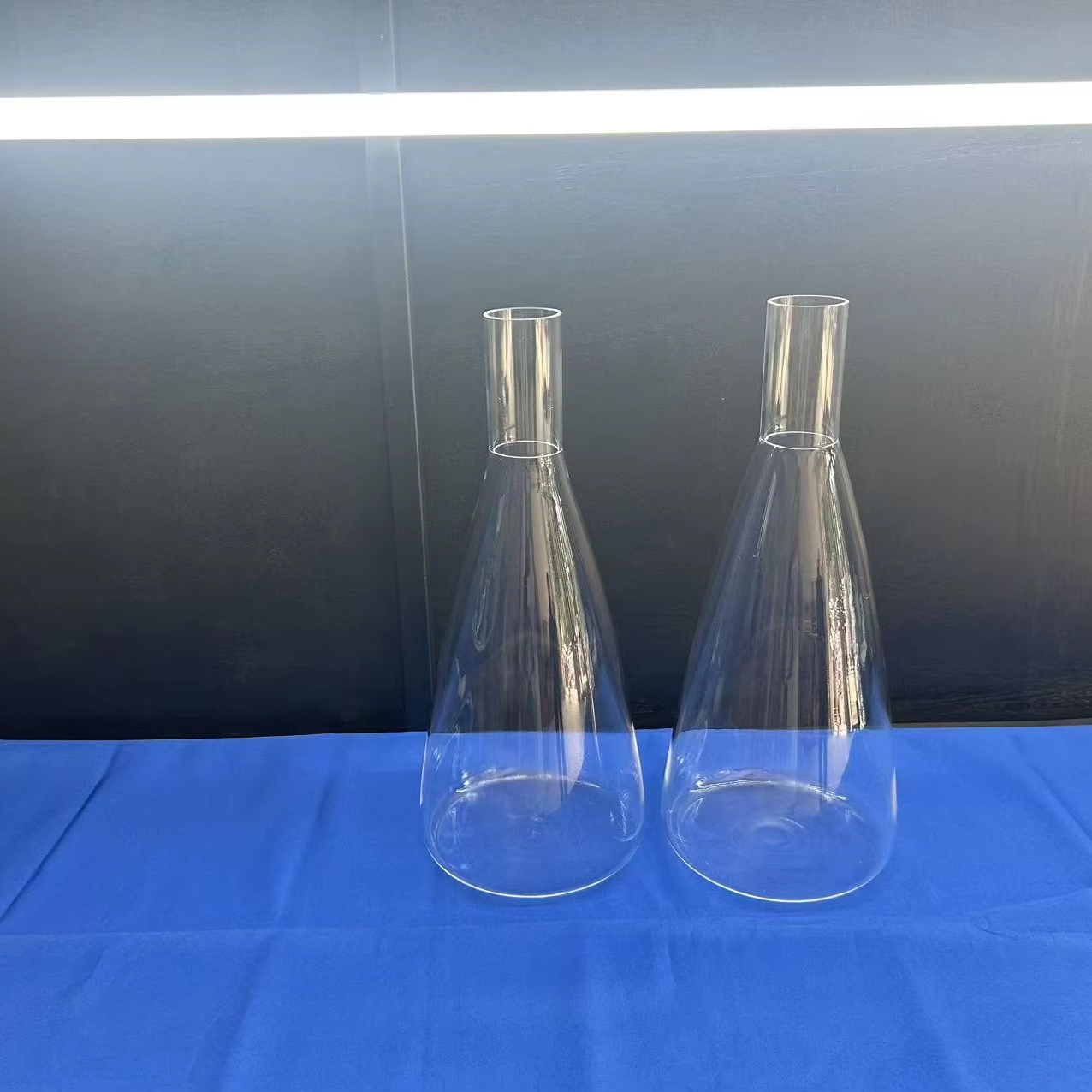
Laboratory Fused Silica Quartz Glass Flask
View Specifications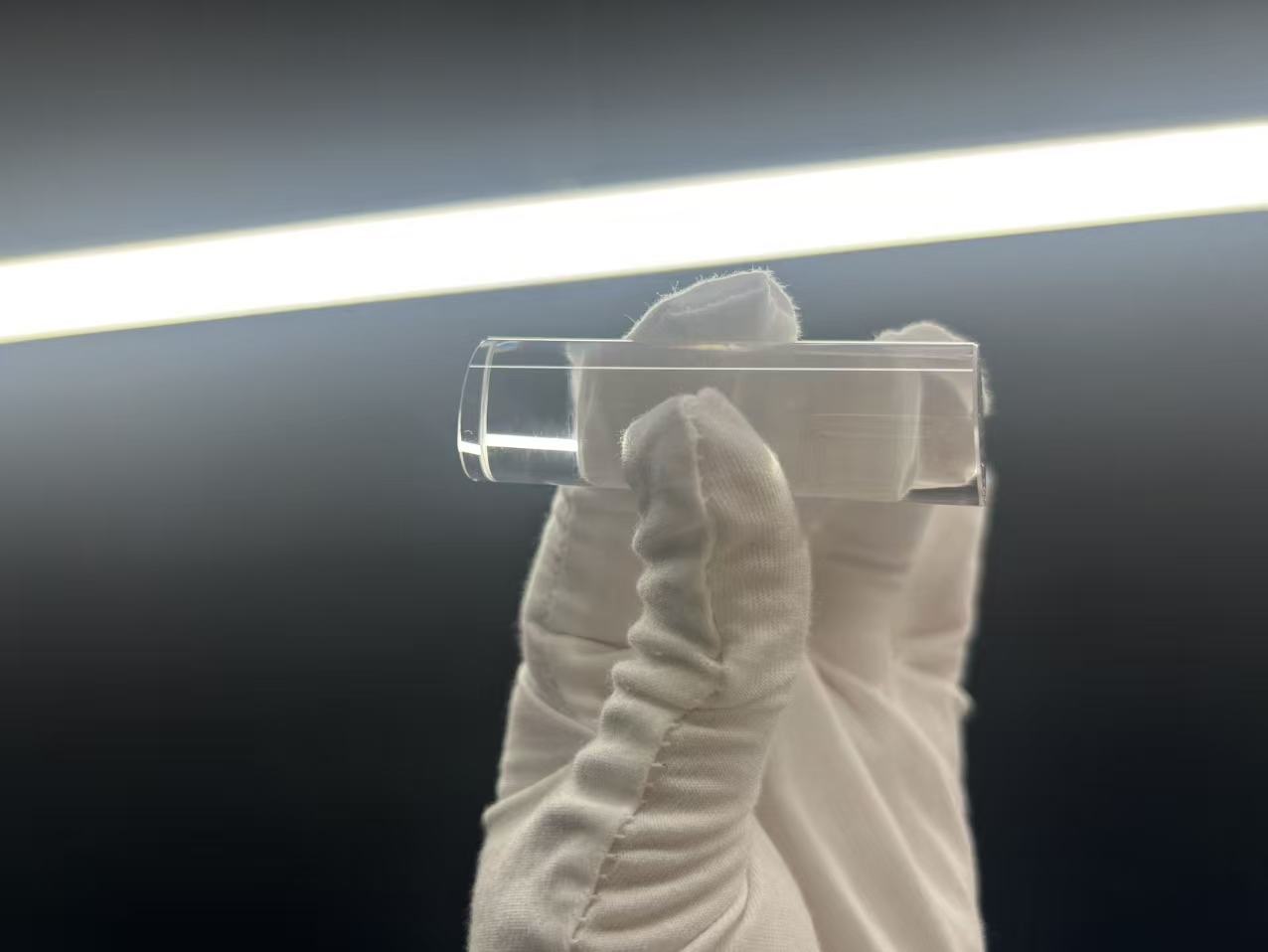
Precision Round Head Fused Quartz Rod
View Specifications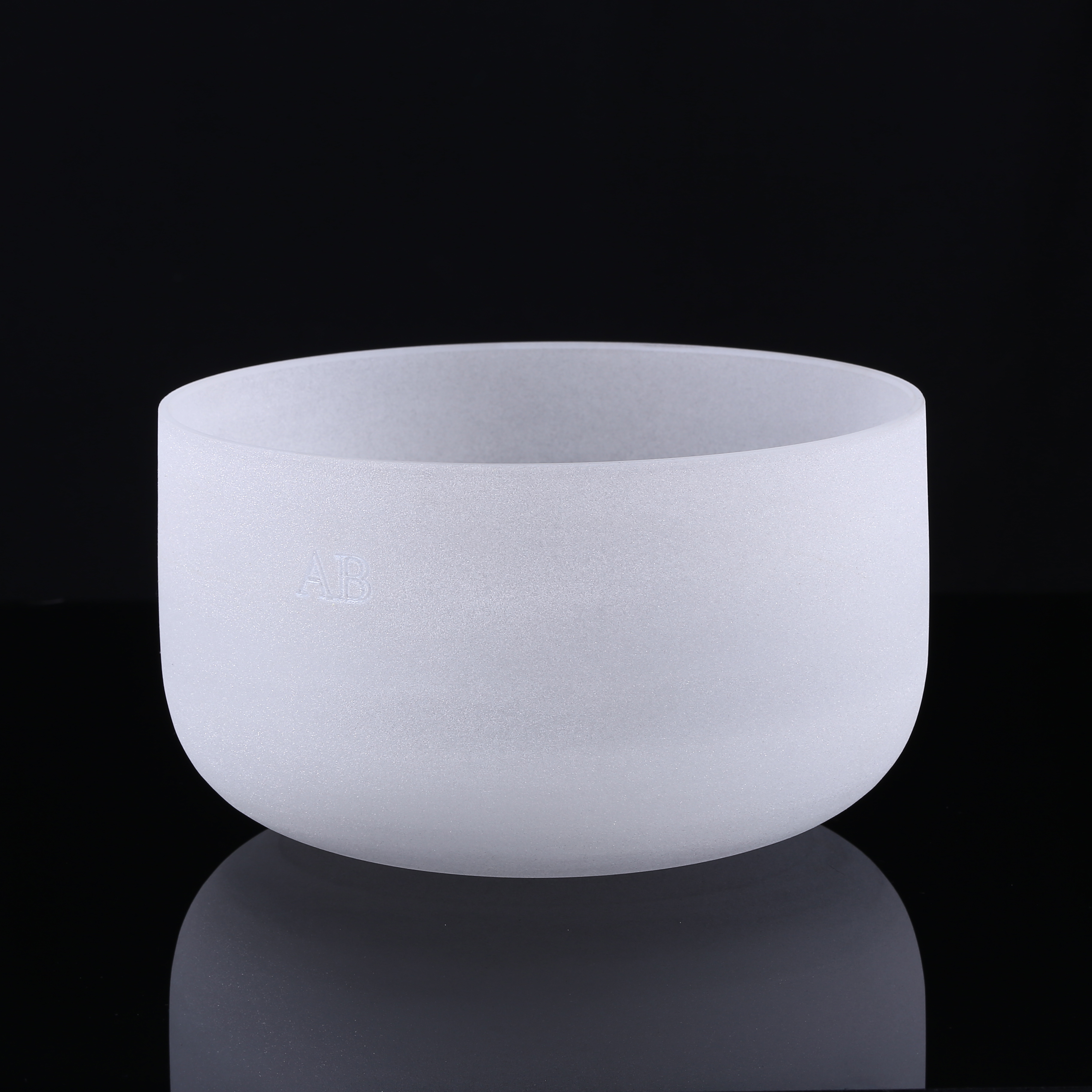
High Temperature Fused Silica Quartz Crucible
View Specifications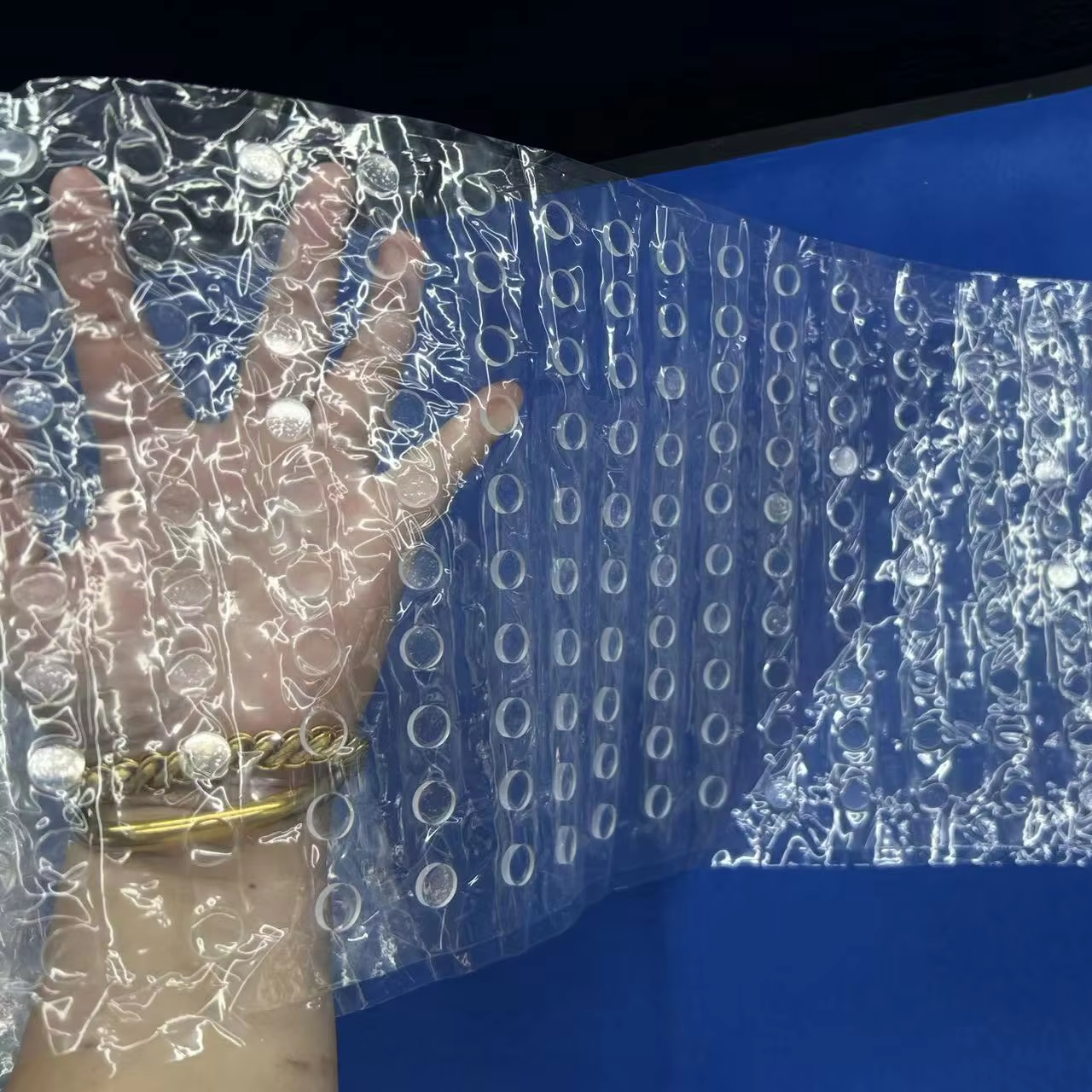
High-Purity Quartz Wafer (Cutting & Polishing)
View Specifications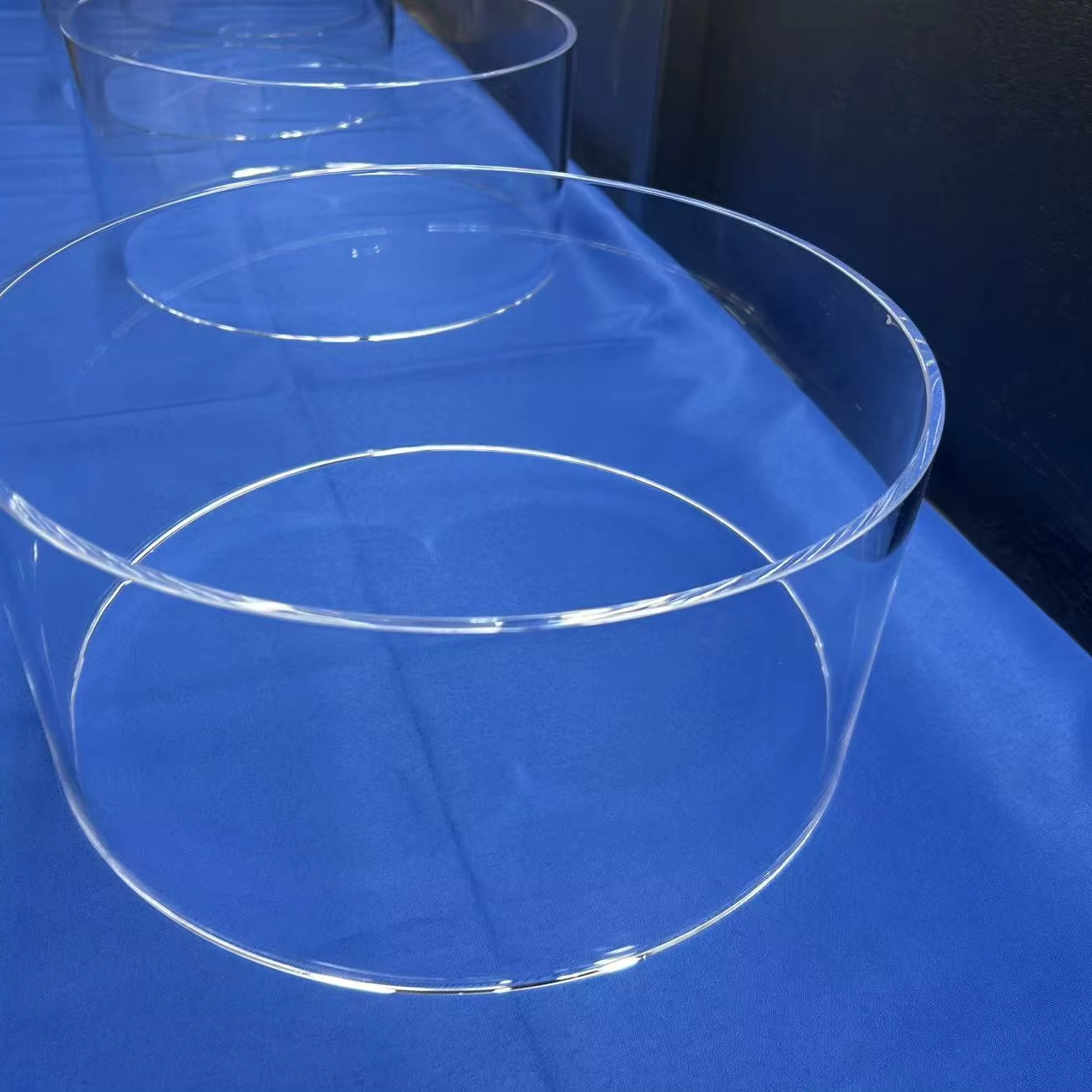
Large Diameter Fused Quartz Rods & Bending Services
View Specifications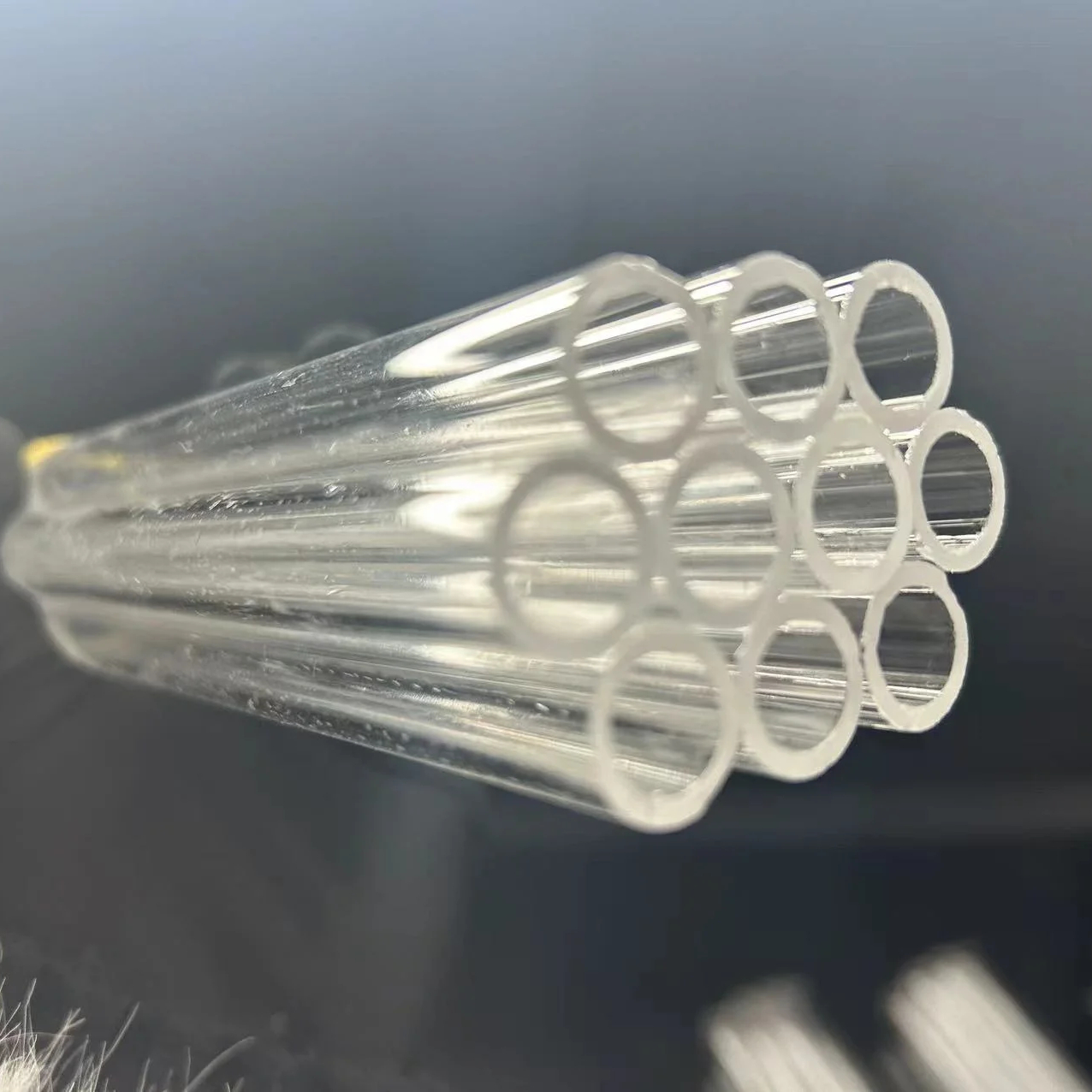
High Temperature Transparent Quartz Cylinder Tube
View Specifications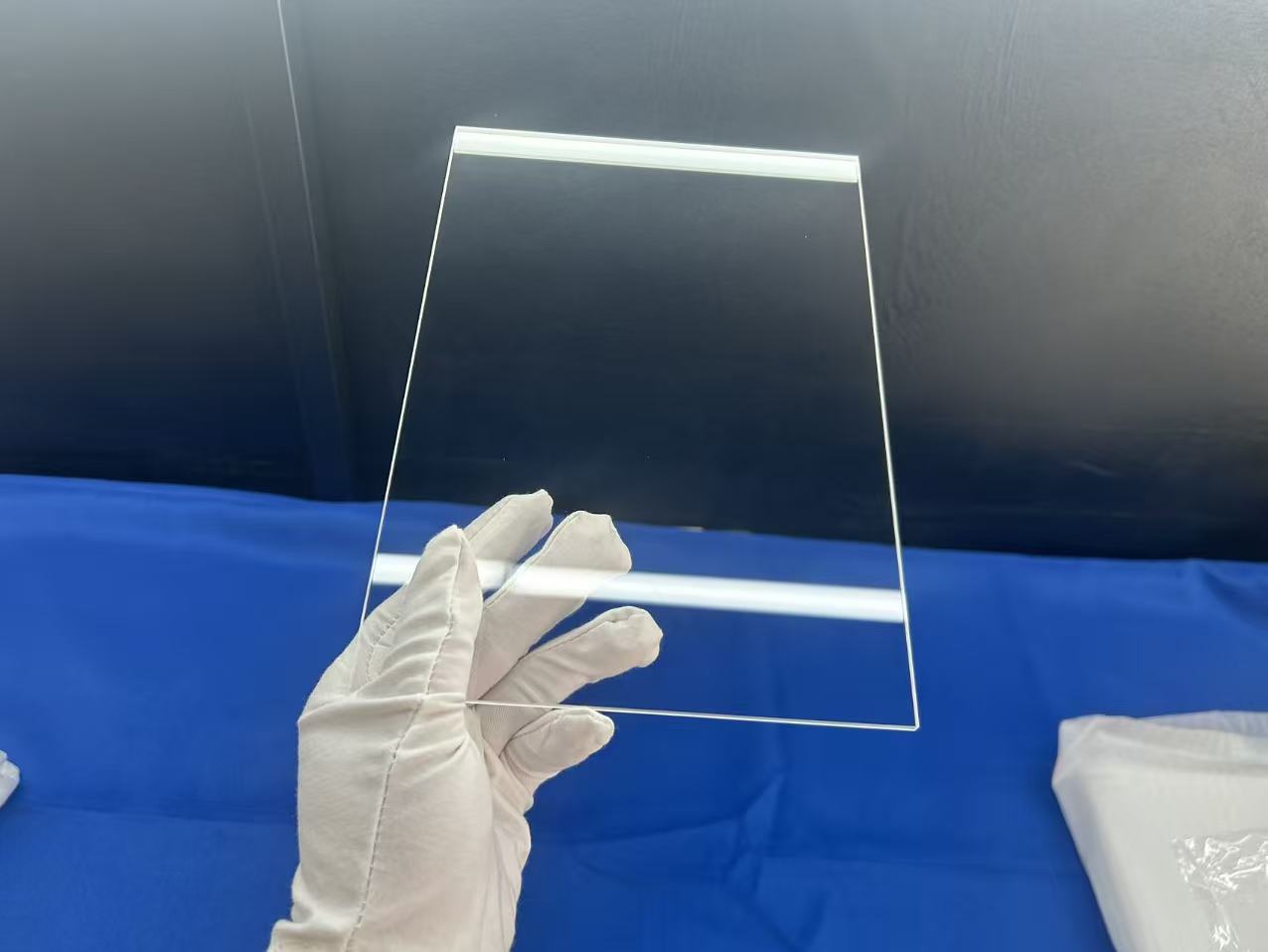
Custom Polished Transparent Square Quartz Glass Plate
View Specifications1. The Strategic Role of Quartz Wafer Carriers in Ipoh's Semiconductor Ecosystem
The industrial landscape of Ipoh, Perak, situated strategically within Malaysia’s Northern Corridor Economic Region (NCER), has evolved from its historical mining roots into an essential node for high-technology electronic packaging, OSAT (Outsourced Semiconductor Assembly and Test), photovoltaic module assembly, and specialized chemical analysis. As semiconductor fabricators and advanced packaging hubs expand operations across the Kinta Free Industrial Zone, Bemban Industrial Park, and Kanthan Industrial Estate, the demand for ultra-high purity process consumables has escalated sharply.
Among these critical consumables, quartz wafer carriers (commonly referred to as quartz boats, batch ladders, or wafer cassettes) serve as the structural backbone during thermal oxidation, chemical vapor deposition (CVD), low-pressure CVD (LPCVD), and wet etching operations. Because semiconductor wafers undergo repeated heating cycles reaching up to 1150°C, traditional metallic or lower-grade ceramic carriers introduce prohibitive risks of trace alkali contamination (such as sodium, potassium, or iron migration) and thermal expansion mismatches that induce micro-cracking across silicon substrates.
2. Engineering Material Benchmark: Natural vs. Synthetic Fused Quartz
When procurement managers and cleanroom process engineers in Ipoh evaluate international quartz wafer carrier exporters, understanding the chemical and optical classification of quartz glass is vital for optimizing cost-to-performance ratios. Fused quartz is categorized primarily by raw material origin and fusion method, which dictates thermal stability, UV-IR transmittance, and chemical etch rate stability.
| Material Grade | SiO₂ Purity Level | OH⁻ Content (PPM) | Primary Thermal Threshold | Recommended Semiconductor & Lab Applications |
|---|---|---|---|---|
| JGS1 (Synthetic Fused Silica) | ≥ 99.9999% | > 1000 ppm | Continuous 950°C / Peak 1200°C | Deep-UV optics, photolithography masks, high-precision laser windows. |
| JGS2 (Standard Fused Quartz) | ≥ 99.99% | 150 – 300 ppm | Continuous 1100°C / Peak 1350°C | Wafer carrier boats, furnace tube liners, diffusion sight glass, flanges. |
| JGS3 (Low-OH Fused Silica) | ≥ 99.99% | < 5 ppm | Continuous 1150°C / Peak 1450°C | IR transmission windows, high-temperature thermal diffusion wafer carriers. |
| Clear Electrically Fused Quartz | ≥ 99.99% | < 30 ppm | Continuous 1100°C / Peak 1400°C | Heavy-wall quartz tubing, large diameter crucible shells, batch ladders. |
3. Key Sourcing Criteria for the Ipoh Wafer Processing Market
To establish competitive advantages in yield management, semiconductor facilities across Perak state must enforce stringent procurement audit metrics when selecting overseas quartz wafer carrier exporters. Key evaluation dimensions include:
A. Micro-Machining Slot Tolerances & Robotic End-Effector Fit
Modern automated wafer transfer systems (WTRS) in Ipoh cleanrooms utilize robotic arms calibrated to sub-millimeter precision. A quartz wafer boat with slot pitch variance exceeding ±0.05 mm can lead to wafer chipping, uneven gas flow clearance during chemical vapor deposition, or severe robotic loading jams. High-end exporters utilize 5-axis CNC diamond tooling followed by hydrogen-oxygen flame polishing to eliminate micro-fractures along slot teeth.
B. Devitrification Resistance at High Operating Temperatures
At operating temperatures above 1000°C, low-grade quartz glass begins to devitrify, transforming from an amorphous silica phase into crystalline cristobalite. This structural phase change causes haze, surface flaking, structural embrittlement, and particle contamination on processed silicon wafers. Exporters sourcing high-grade natural rock crystal from Donghai County (China’s quartz capital) offer superior silica lattice stability, drastically extending carrier operational lifespan.
C. Trace Impurity Metrics (PPM Analysis)
Sub-micron semiconductor nodes demand ultra-low heavy metal concentrations. Metallic impurities such as Copper (Cu), Iron (Fe), Sodium (Na), and Potassium (K) act as deep-level traps or mobile ionic contaminants in silicon lattices. Leading exporters supply certified Glow Discharge Mass Spectrometry (GDMS) test reports ensuring cumulative metal contaminants remain below 15–20 ppm.
Localized Application Scenarios in Ipoh & Perak Industrial Parks
Tailored engineering solutions serving diverse thermal and chemical environments across Ipoh’s high-tech manufacturing corridors.
Horizontal & Vertical Thermal Diffusion
Utilized in Kinta Valley wafer fabrication lines for boron and phosphorus doping. High thermal stability prevents boat sagging across long-bed tube furnaces operating up to 1150°C.
Wet Chemical Etching & Cleaning Baths
Custom square quartz tanks, plates, and carrier cassettes deployed in Bemban Industrial Park for RCA clean, acid etching (HNO₃/HCl mixtures), and ultra-pure water rinsing stations.
Solar Photovoltaic Cell Fabrication
Large-capacity quartz wafer ladders designed for batch solar cell texturing and diffusion in Perak’s growing green technology and renewable component manufacturing hubs.
Analytical QA & R&D Laboratories
High-purity quartz flasks, cuvettes, and petri dishes supporting material characterization labs at Universiti Tunku Abdul Rahman (UTAR) and local commercial testing centers in Ipoh.
Optoelectronic & LED Packaging
Optical grade JGS1 / JGS2 polished quartz plates and discs used as thermal heat spreaders, window shields, and vacuum chamber sight glasses in photonic assembly lines.
Epitaxial Growth & LPCVD Systems
Precision quartz bell jars, outer process tubes, and customized quartz flanges providing hermetic vacuum seal integrity under reactive gas plasma atmospheres.
4. Localized Development Trends & Supply Chain Dynamics in Ipoh
The electronics and semiconductor cluster in Perak is undergoing a pivotal transition driven by national industrial policies, including Malaysia's New Industrial Master Plan (NIMP 2030) and the National Semiconductor Strategy (NSS). Ipoh is positioned as a primary secondary-tier hub that complements the mature semiconductor clusters in Penang and Kulim.
Key Market Dynamics Shaping Sourcing Behavior in Ipoh:
- Shift Toward Larger Wafer Dimensions: While 150mm (6-inch) and 200mm (8-inch) processes remain active in legacy power semiconductor lines across Ipoh, ongoing facility upgrades are incorporating 300mm (12-inch) wafer handling systems. Sourcing custom quartz boats capable of maintaining structural rigidity across larger spans without center sag is a major priority.
- Near-Shoring & Supply Chain Diversification: Ipoh-based procurement teams are actively diversifying component supply chains away from single-source European and Japanese vendors toward verified Chinese quartz manufacturers capable of delivering direct OEM equivalency with 30% to 45% cost savings and reduced lead times.
- Demand for Rapid Custom Engineering (Drawing-to-Part): High-mix, low-volume packaging facilities in Kanthan and Jelapang require agile manufacturers who can translate STEP/DWG CAD files into finished quartz glassware within 10 to 15 business days.
- Stringent Export Packaging Standards: Air freight logistics into Penang International Airport (PEN) or Sultan Azlan Shah Airport (IPH) followed by road transport to Ipoh require customized foam-molded wooden crates to prevent micro-fractures caused by vibration stress.
Why Top Ipoh Buyers Partner with Donghai County Nivra Quartz
Combining rich geological raw quartz resources with high-precision manufacturing and direct international export capabilities.
Geological Source Advantage
Located in Donghai County, Jiangsu—China’s premier crystal and quartz center—giving us direct access to high-purity natural silica sand (SiO₂ ≥ 99.99%) for unmatched raw material consistency.
Complete In-House Manufacturing
Equipped with state-of-the-art CNC glass machining center, laser cutting, optical polishing, thermal welding, and flame shaping capabilities under one 101–200 employee facility.
Proven Global Quality Metrics
Verified 5.0/5 buyer rating, 88.89% inquiry response rate with engineering feedback under 5 hours, and a 23% repeat order rate from international semiconductor and labware buyers.
Export-Grade Protective Packaging
Every quartz item undergoes multi-stage ultrasonic cleaning, cleanroom vacuum sealing, and custom shock-absorbing foam encapsulation in fumigation-free wooden cases.
Frequently Asked Questions (FAQ) for Ipoh Buyers
Addressing common engineering, ordering, and logistics queries from procurement managers in Perak, Malaysia.
How do you ensure quartz wafer carriers match our custom fab drawings?
Our engineering department reviews your 2D (PDF/DWG) or 3D (STEP/IGES) drawings, verifying pitch width, tooth radius, wall thickness, and thermal tolerances. We issue a formal production blueprint for your final sign-off prior to CNC machining. Tolerances can be held down to ±0.02mm for optical components and ±0.05mm for carrier slots.
What is the standard lead time and shipping route to industrial zones in Ipoh?
Standard fabrication takes 7 to 12 working days depending on order complexity. For urgent line-stop scenarios in Ipoh, express air freight via DHL/FedEx delivers directly to your facility in 3 to 5 days. Sea freight shipments are routed via Port Klang or Penang Port with total transit times of 12 to 16 days.
What is the difference between JGS1, JGS2, and JGS3 fused quartz grades?
JGS1 is synthetic fused silica optimized for deep-UV applications down to 185 nm. JGS2 is high-purity clear fused quartz suitable for UV-visible optics, furnace sight windows, and high-temperature wafer boats. JGS3 is low-hydroxyl (< 5 ppm) quartz engineered for infrared transparency and extreme thermal diffusion environments up to 1450°C short-term.
How do quartz wafer boats withstand thermal thermal shock in high-temperature diffusion?
Fused quartz exhibits an extremely low coefficient of thermal expansion (approximately 5.5 × 10⁻⁷ /°C between 20°C and 300°C), rendering it virtually immune to thermal shock. A heated quartz boat can be quenched from 1000°C into cold water without structural cracking, provided it is free of surface scratches or chemical devitrification.
What are the recommended cleaning and maintenance protocols for quartz carriers in wet clean benches?
We recommend immersion in a 5% to 10% Hydrofluoric (HF) acid bath for brief etching to remove residual surface oxide films, followed by thorough megasonic rinsing in ultrapure water (18.2 MΩ·cm) and drying in an N2 blow-dryer or IPA vapor dryer inside a Class 100 cleanroom environment.
Can you accommodate small prototype orders or minimum order quantities (MOQ)?
Yes. We support custom R&D and fab testing by offering low MOQ options starting from 1 unit for complex custom wafer carriers or furnace tubes, and 10 to 50 units for standard optical discs, wafers, or lab glassware.
Ready to Optimize Your Quartz Component Sourcing in Ipoh?
Submit your CAD drawings, dimensional specifications, or process inquiries today. Our engineering team provides detailed technical feedback and factory-direct pricing within 5 hours.