Featured Industrial Quartzware & Crucible Ensembles
Precision-engineered from ultra-high purity fused silica (SiO₂ ≥ 99.99%) to withstand continuous operational temperatures exceeding 1100°C. Standardized and bespoke geometries available for direct maritime dispatch to JAXPORT.
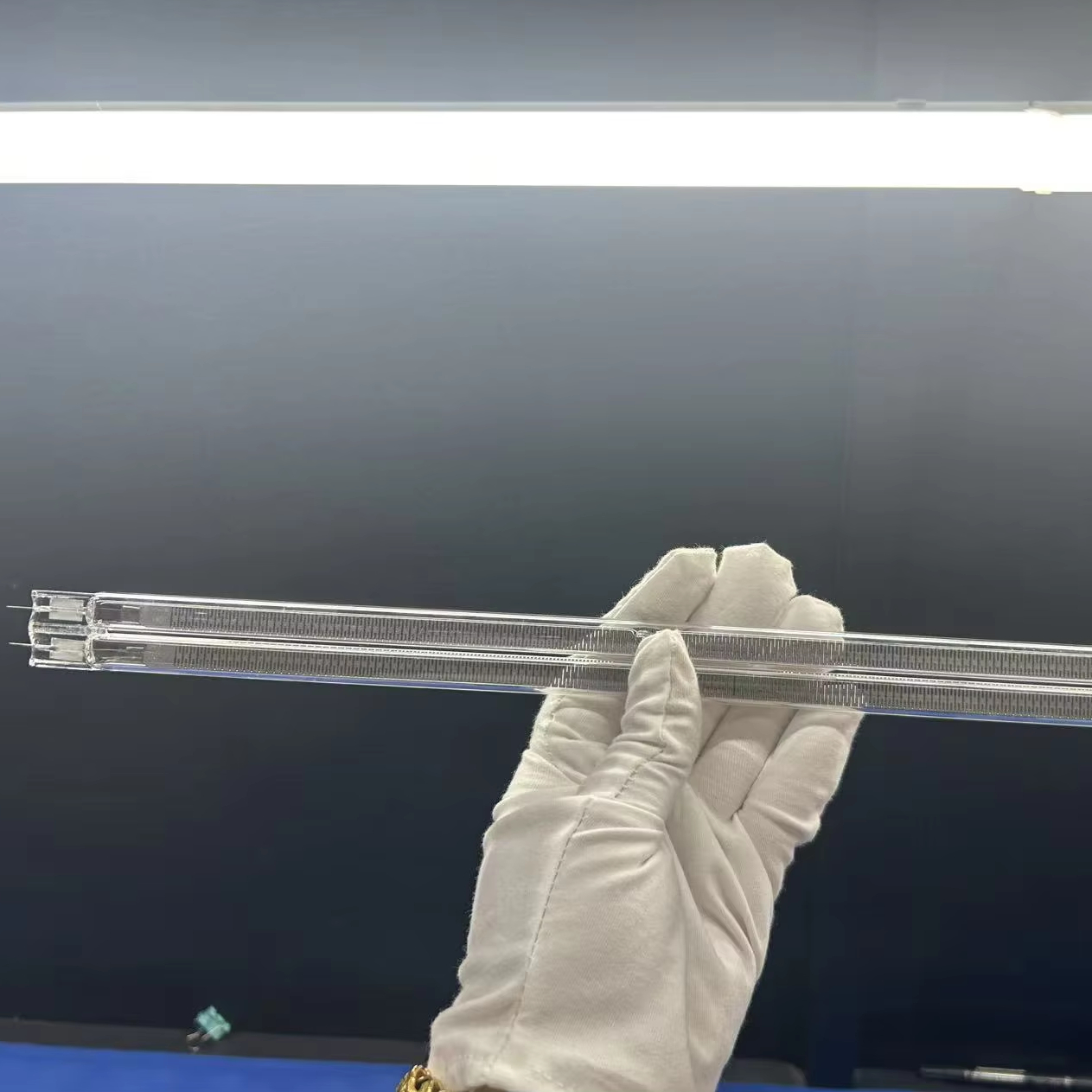
Carbon Fiber & Halogen Infrared Quartz Heating Tube
Technical Specs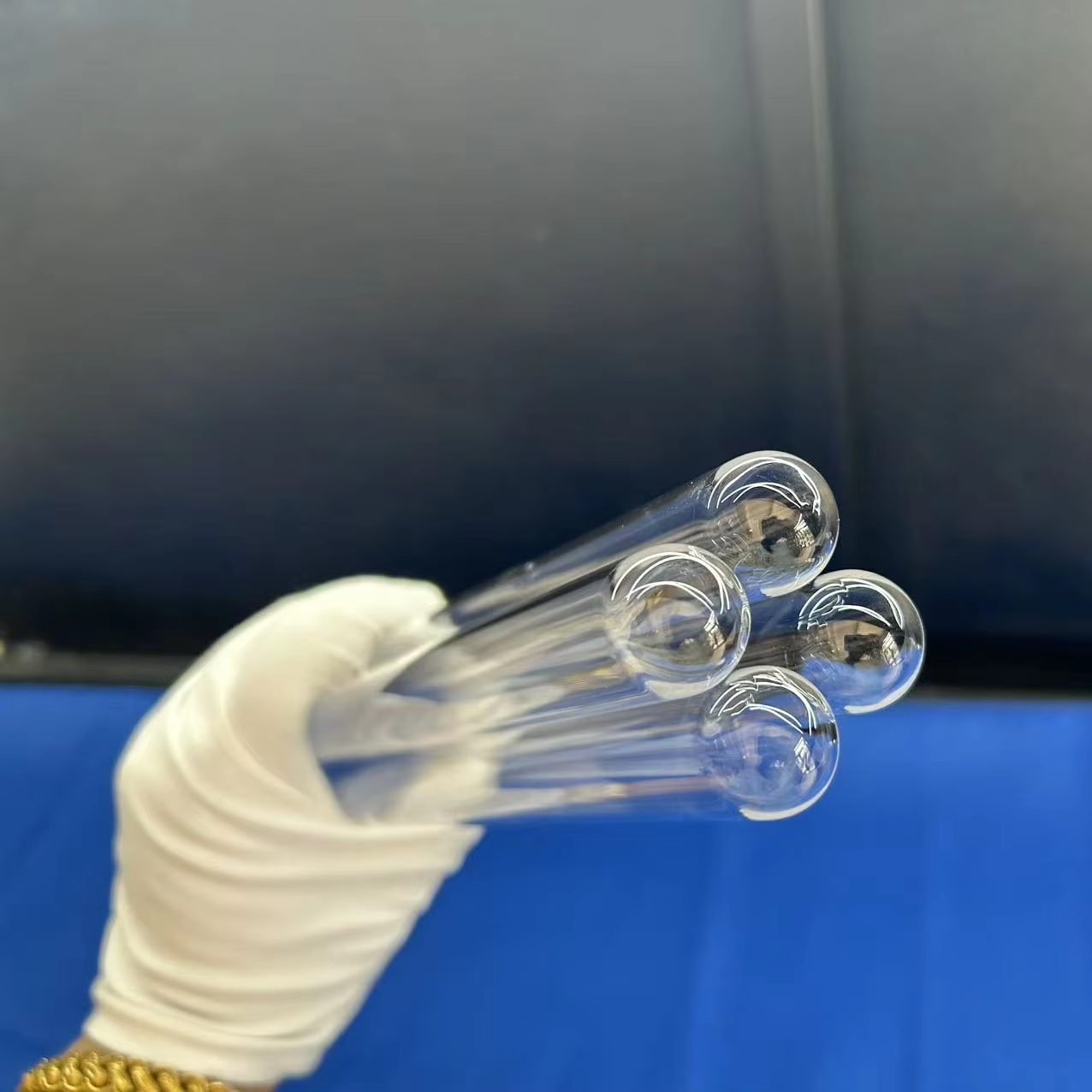
Fused Silica Bottom Sealing Tubes (Ø 20–25mm)
Technical Specs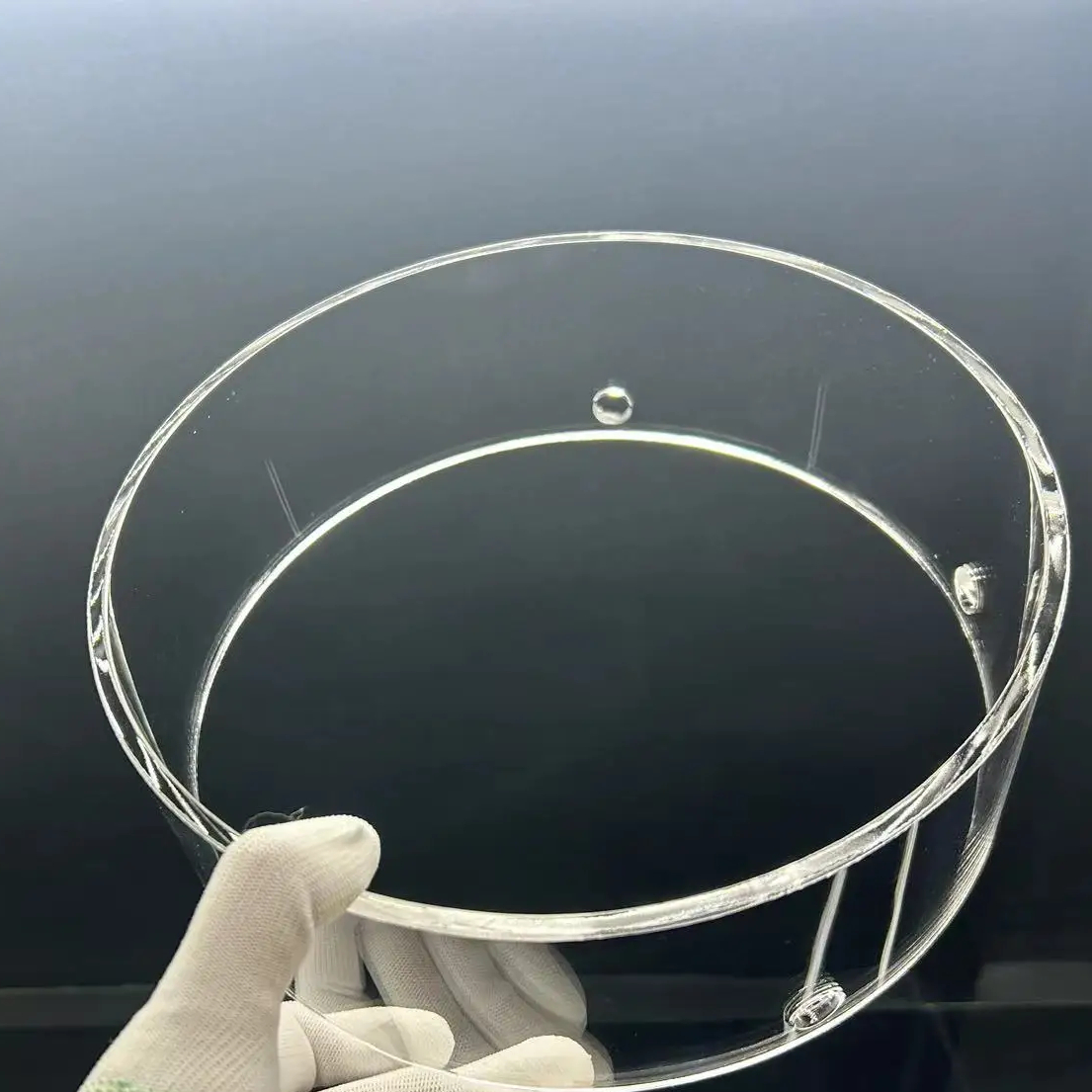
Clear Transparent Fused Quartz Furnace Process Tube
Technical Specs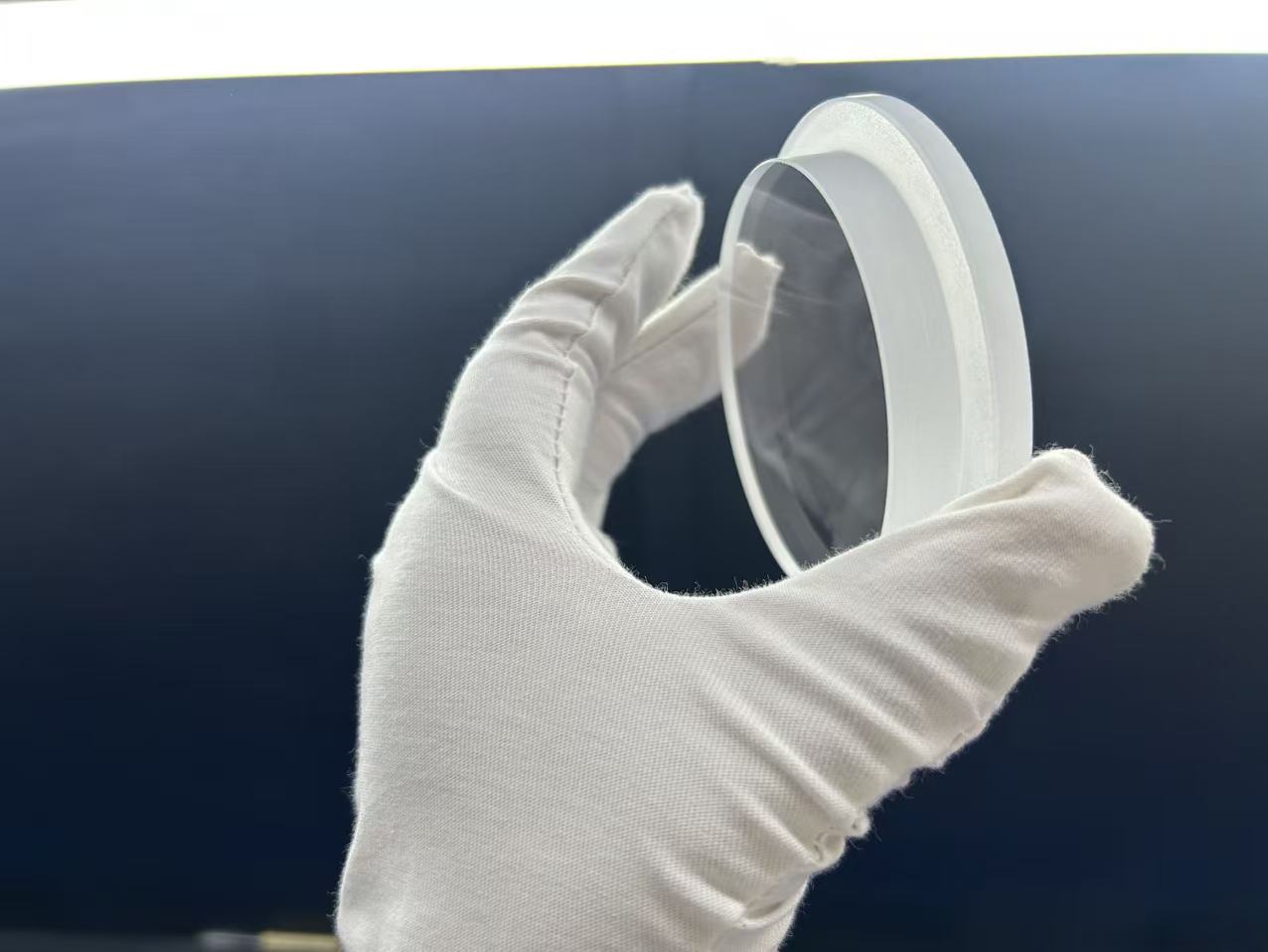
Double-Layer Ultra-Thick Quartz Step Plate
Technical Specs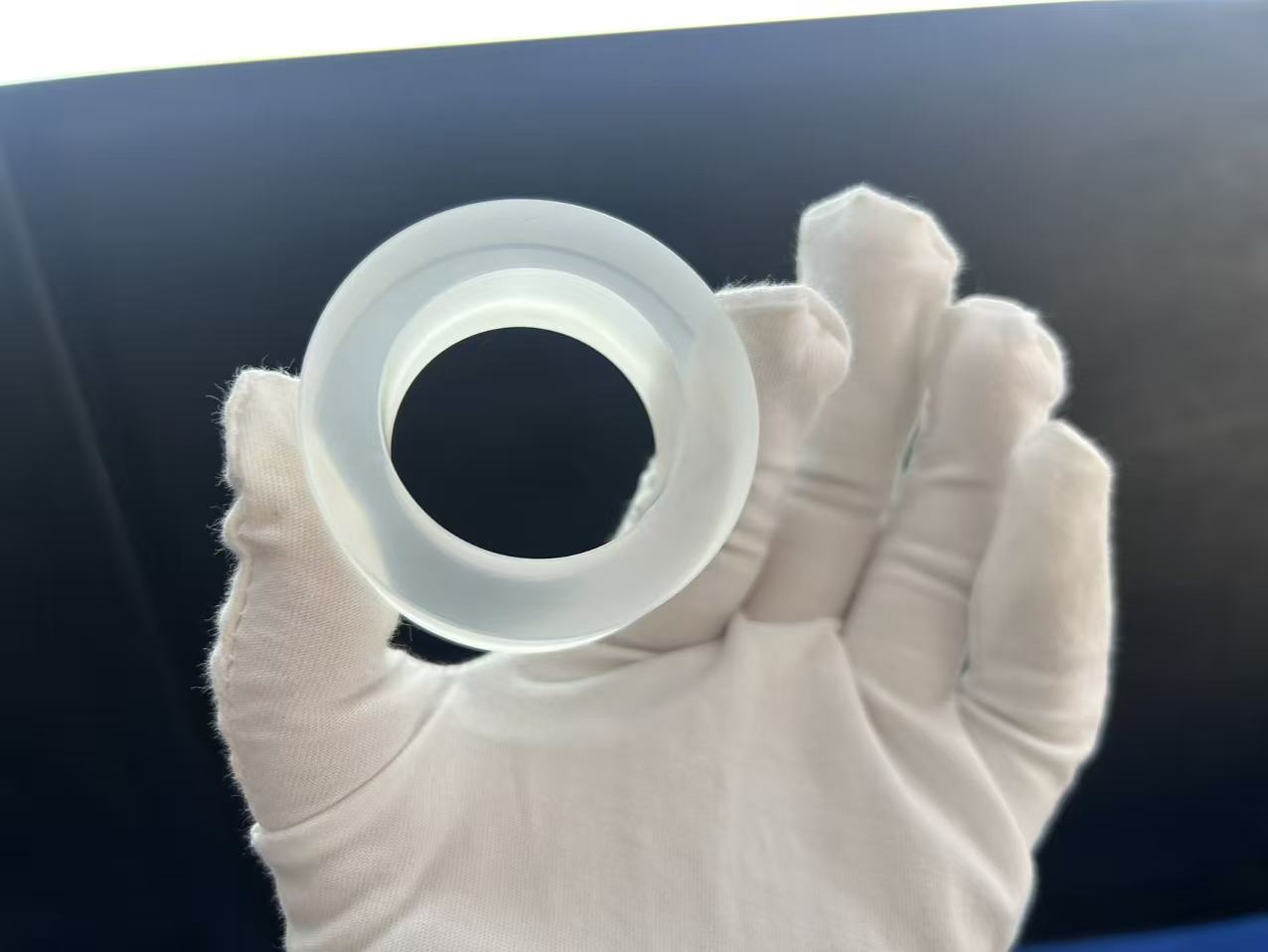
Precision Fused Quartz Ring & Thermal Seal Collar
Technical Specs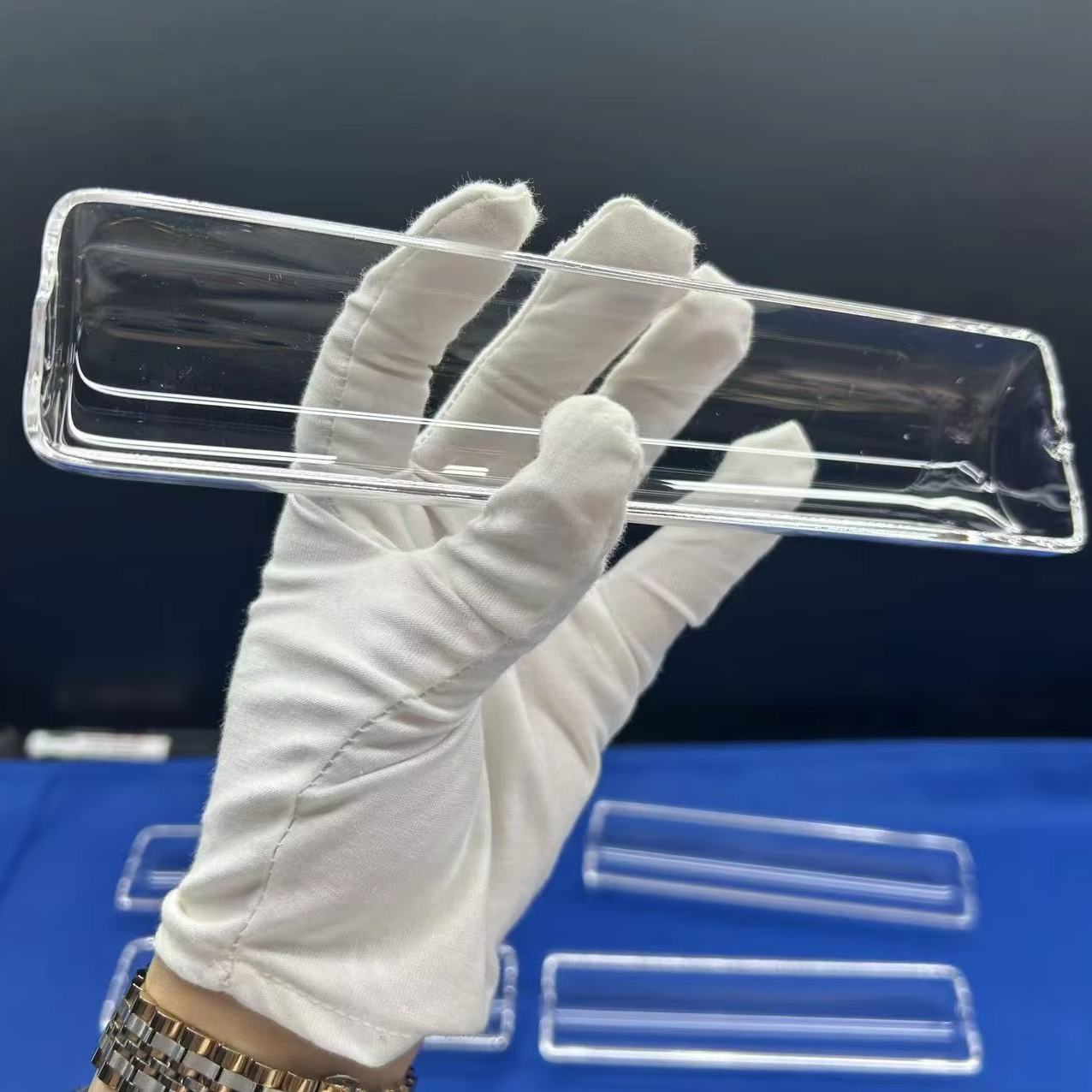
Fused Silica Quartz Boat & Wafer Handling Carrier
Technical Specs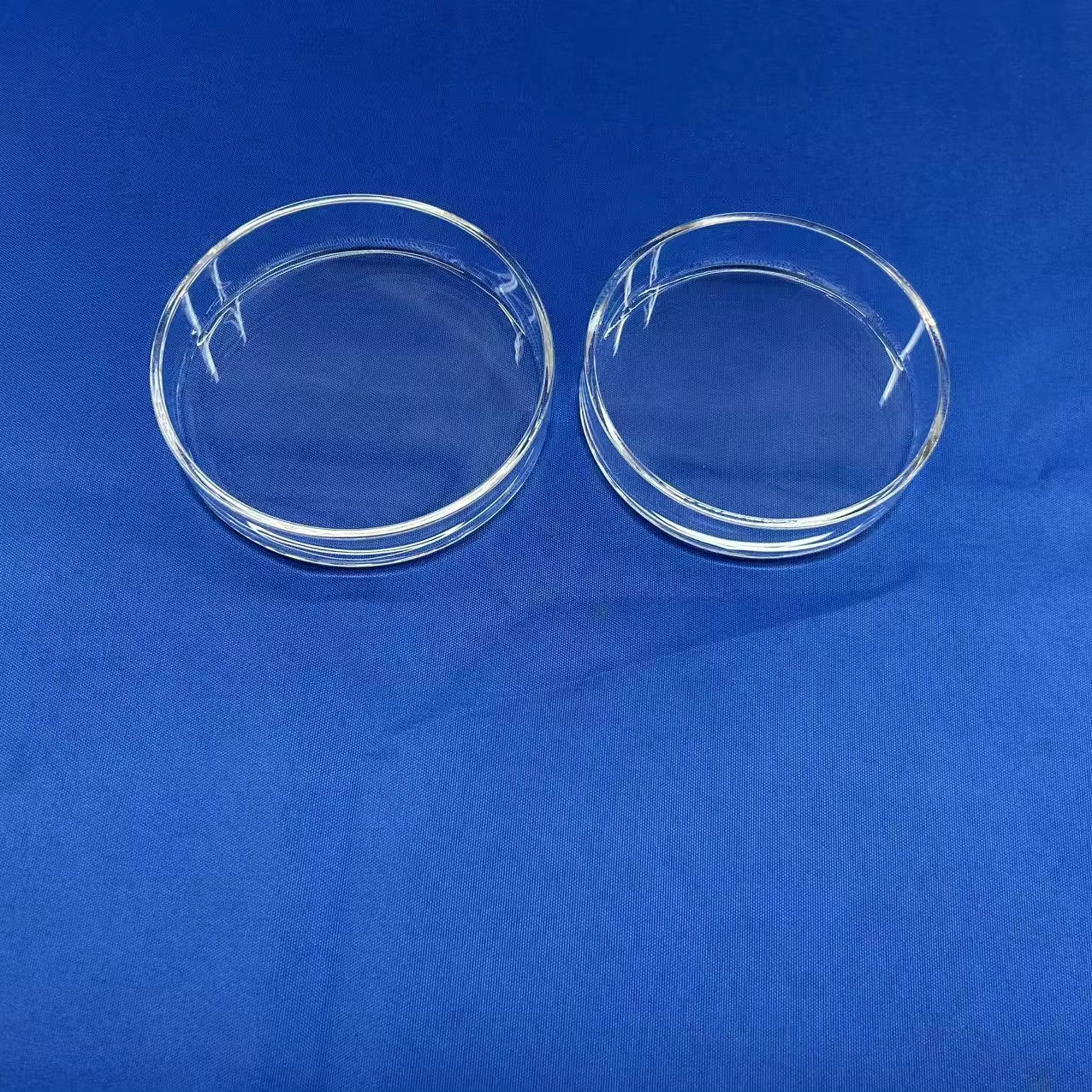
High-Purity Quartz Petri Dishes with Covers
Technical Specs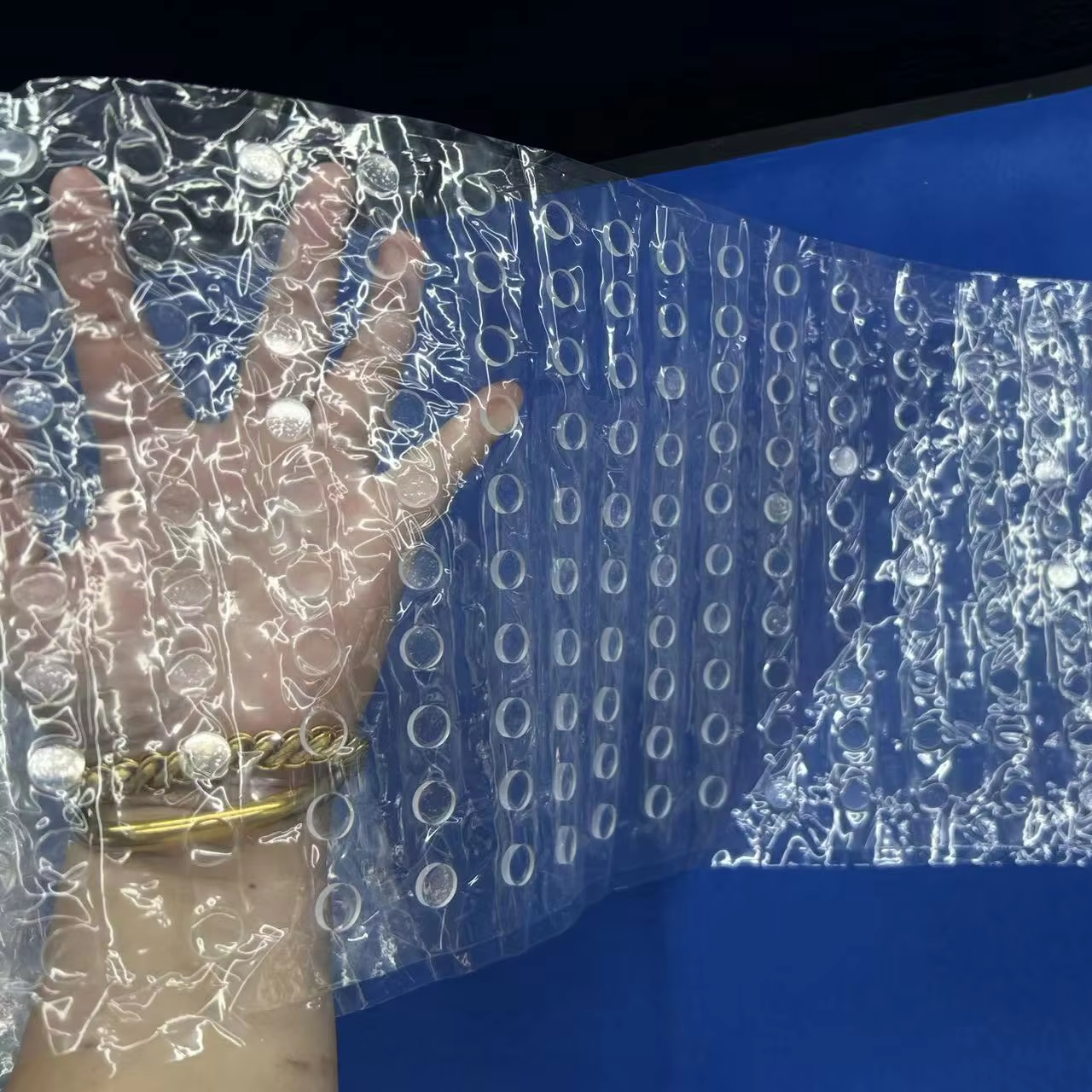
High-Purity Precision Cut Quartz Substrate Wafers
Technical SpecsNavigating Quartz Crucible Procurement in Greater Jacksonville
The metropolitan region of Jacksonville, Florida—anchored by Duval County and expanding across the First Coast corridor—has rapidly transformed into one of the most critical manufacturing, aerospace defense, and advanced metallurgical crossroads in the Southeastern United States. As high-temperature industrial processes migrate toward tighter contamination tolerances and zero-defect thermal cycling, the strategic selection of high-purity quartz crucibles (fused silica vessels) has emerged as a fundamental operational variable.
Unlike ordinary refractory ceramics such as alumina, silicon carbide, or zirconia, fused quartz crucibles synthesized from naturally pure or synthetic crystalline quartz provide an unyielding combination of an ultra-low coefficient of thermal expansion (5.5 × 10⁻⁷ /°C), unmatched thermal shock resistance, and an inert chemical matrix (SiO₂ purity exceeding 99.99%). For Jacksonville's metallurgical casting foundries, aerospace coating contractors near Cecil Airport, naval repair depots along the St. Johns River, and emergent semiconductor research laboratories, quartz crucibles represent the critical barrier preventing transition-metal contamination (iron, copper, nickel) during continuous heating up to 1100°C and intermittent melting cycles up to 1450°C.
This whitepaper establishes an exhaustive comparative benchmark of the top 10 quartz crucible manufacturers and international exporters serving the Jacksonville regional ecosystem. We evaluate material purity grading (JGS1, JGS2, JGS3), precision arc-fusion forming techniques, thermal devitrification parameters, and logistic supply chain resiliency to empower regional procurement officers, technical directors, and metallurgical process engineers with verified procurement intelligence.
Top 10 Quartz Crucible Suppliers Serving Jacksonville
An objective, data-backed assessment of premier global manufacturers and certified exporters delivering mission-critical fused quartz vessels to industrial facilities across Northeast Florida.
Nivra Quartz (Donghai County Nivra Quartz Products Co., Ltd.)
Headquartered at the epicenter of global quartz mineral processing in Donghai County, Nivra Quartz combines vertically integrated raw silica refinement with advanced arc-fusion, flame-working, and CNC milling. Renowned for custom crucibles ranging from Ø 10mm micro-analysis cups to Ø 800mm large-diameter metallurgical vessels. With an average technical response time under 5 hours, an 88.89% verified inquiry resolution rate, and specialized sea-freight routing into JAXPORT, Nivra Quartz is the undisputed leader for high-yield, factory-direct OEM quartzware.
Heraeus Conamic
A premier global benchmark in synthetic fused silica and natural fused quartz. Heraeus supplies premium crucibles for semiconductor silicon pulling and advanced optics. While offering elite material purity with virtually zero bubble inclusion, lead times and premium tier pricing often dictate their deployment primarily in ultra-high-end microelectronics and aerospace research.
Momentive Technologies (Quartz Division)
Formerly GE Quartz, Momentive Technologies is a foundational supplier of clear fused quartz tubing and crucibles across North America. Their crucible products exhibit superior resistance to high-temperature sag and low hydroxyl (OH) content, making them ideal for heavy industrial melting and regional Florida defense manufacturing contracts.
Tosoh Quartz, Inc.
Tosoh specializes in ultra-precision fabricated quartzware for the semiconductor manufacturing industry. Their crucibles and wafer carriers are fabricated within high-cleanliness environments, serving niche analytical labs and medical diagnostic equipment manufacturers situated throughout the Florida university and research corridors.
Saint-Gobain Quartz
With centuries of glass and refractory engineering heritage, Saint-Gobain produces fused silica crucibles, thermal blankets, and high-temperature furnace liners. Their heavy crucibles are heavily favored by defense and naval maritime foundries in Jacksonville for melting non-ferrous alloys, gold, and platinum group metals.
CoorsTek Inc.
A dominant North American manufacturer of engineered technical ceramics and fused quartz labware. CoorsTek provides standardized crucibles, combustion boats, and analytical ashing vessels utilized extensively in Jacksonville's petrochemical, environmental testing, and municipal water testing facilities.
QSil GmbH Advanced Materials
A European producer of fused quartz tubes, crucibles, and customized glass apparatus. QSil excels in chemical vapor deposition (CVD) crucible linings and low-bubble optical grade fused silica. They serve specialized photonics and advanced sensor manufacturers across the Atlantic seaboard.
Morgan Advanced Materials (Molten Metal Systems)
Morgan's Molten Metal Systems division designs robust crucible systems for foundry applications, including clay-graphite, silicon carbide, and fused silica refractory vessels. Their geographic proximity in neighboring Georgia allows expedited ground shipping into Jacksonville for high-tonnage casting operations.
Technical Glass Products, Inc.
A recognized domestic fabricator and distributor of fused quartz laboratory products, cylindrical crucibles, and customized viewports. TGP acts as a bridge supplier for low-volume, rapid-turnaround custom quartz machining for university laboratories and private R&D institutions throughout Florida.
AdValue Photonics & Advanced Materials
Specializing in high-purity quartz crucibles, ceramic substrates, and optical glass components. Their regional presence in Central and North Florida enables prompt technical consulting and warehousing for specialized research facilities across Jacksonville, Gainesville, and Tallahassee.
Material Science of Fused Quartz Crucibles: Devitrification, Purity & Thermal Creep
To specify the correct quartz crucible for demanding thermal operations, procurement engineers must evaluate three primary physicochemical pillars: chemical purity, viscous behavior at peak temperature, and resistance to phase-change devitrification.
1. Purity Grading & Optical Classification (JGS1, JGS2, JGS3)
The chemical stability of fused quartz is dictated by its silicon dioxide concentration and the strict limitation of alkali metal contaminants (lithium, sodium, potassium), which act as catalytic nucleation sites for crystalline inversion. Nivra Quartz classifies high-purity materials into three primary engineering grades:
- JGS1 (Synthetic Fused Silica): Synthesized via chemical gas-phase oxidation (SiCl₄ + O₂ → SiO₂). Free from bubble inclusions, exhibits transmission from 185nm deep ultraviolet to 2500nm, with virtually undetectable heavy metal traces (< 0.1 ppm total metals). Ideal for semiconductor wafer carriers and critical laser optics.
- JGS2 (Fused Quartz): Refined from premium natural rock crystals using high-temperature hydrogen-oxygen flame fusion. Transmits across 220nm to 2500nm. Represents the most cost-effective and structurally durable grade for standard metallurgical crucibles, furnace tubes, and heavy-wall reaction vessels.
- JGS3 (Infrared Grade Fused Silica): Melted under vacuum or controlled electrical resistance heating, yielding an ultra-low hydroxyl (OH⁻ < 5 ppm) matrix. Extends optical and thermal transmission up to 3500nm, preventing thermal radiation absorption and bubble swelling during extended high-vacuum firing.
| Physical / Thermal Property | Standard Clear Fused Quartz | Synthetic Fused Silica (JGS1) | Engineering Significance for Foundries |
|---|---|---|---|
| Chemical Purity (SiO₂) | ≥ 99.99% | ≥ 99.9999% | Prevents trace metal leaching into molten charges. |
| Density (20°C) | 2.20 g/cm³ | 2.20 g/cm³ | Lightweight compared to zirconia or heavy alumina. |
| Softening Point | ≈ 1683°C | ≈ 1730°C | Maintains vessel geometry without internal slump. |
| Annealing Point | ≈ 1215°C | ≈ 1180°C | Relieves internal manufacturing stresses. |
| Continuous Working Temp | 1100°C | 1150°C | Long-term soaking in resistance furnaces. |
| Short-Term Peak Temp | 1450°C | 1500°C | Tolerates flash induction melts and slag formation. |
| Thermal Expansion (20–300°C) | 5.5 × 10⁻⁷ /°C | 5.4 × 10⁻⁷ /°C | Instantaneous transfer from 1100°C furnace to ambient water. |
| Dielectric Strength (20°C) | 25–40 kV/mm | 30–45 kV/mm | Superior electrical insulation for RF induction melting. |
2. Mitigating Devitrification in High-Humidity Maritime Climates
Jacksonville's humid maritime atmosphere poses a specific challenge: ambient moisture and airborne salts (NaCl from the Atlantic coast) deposit micro-contaminants onto crucible walls. Above 1150°C, these alkali particulates act as catalysts that convert the amorphous fused silica glass into crystalline beta-cristobalite. Upon subsequent cooling past 270°C, cristobalite undergoes an abrupt 5% volume contraction, generating microscopic fissures, micro-spalling, and catastrophic vessel wall failure.
Nivra Quartz counters this failure mode through proprietary cleanroom fire-polishing and an optional exterior frosted opacity treatment. This creates a dense, vitreous surface skin that repels moisture-borne salts and retards cristobalite crystal growth, delivering an estimated 25% to 40% extended cycle lifetime in humid coastal production environments.
Localized Application Scenarios Across Northeast Florida
How high-purity quartz crucibles and thermal quartzware power the distinct manufacturing sub-sectors concentrated around Jacksonville and the First Coast.
Aerospace Superalloy Casting & VIM
Centered around Cecil Airport and Jacksonville's aerospace manufacturing corridor, advanced vacuum induction melting (VIM) relies on high-purity quartz crucibles for melting reactive nickel- and cobalt-based superalloys. Zero carbon pickup and virtually non-existent oxygen contamination ensure turbine blades meet stringent FAA and DoD structural integrity tolerances.
Naval Defense & Maritime Foundries
Facilities supporting Naval Station Mayport, Kings Bay submarine base, and private St. Johns River shipyards require thermal containment vessels for casting non-magnetic bronze alloys, titanium elements, and specialized corrosion-resistant sea valves. Quartz crucibles prevent refractory degradation from molten metal erosion.
Solar Ingot Growth & Silicon Processing
With Florida accelerating solar infrastructure investments, regional renewable energy manufacturing nodes utilize large-format (Ø 24" to 32") fused silica crucibles for continuous Czochralski (CZ) monocrystalline silicon pulling, ensuring high conversion efficiency in photovoltaic cells.
Spectroscopic & Environmental Testing
Commercial laboratories and university testing hubs situated throughout Duval County deploy quartz crucibles for high-temperature sample ashing, lithium metaborate flux fusion, and heavy-metal ICP-OES/ICP-MS digestion without background silica contamination.
Precision Optical & Laser Glass Casting
Specialized photonics startups along the I-95 Florida tech corridor demand optical-grade JGS1 and low-OH JGS3 crucibles to melt exotic optical preforms, chalcogenide glass matrices, and doped laser hosts without bubble or striation entrapment.
Precious Metals Refining & Assay
Regional jewelry refining and commercial bullion recovery operations across Southeast Georgia and Northeast Florida utilize flat-bottom and tapered cylindrical quartz crucibles for induction melting gold, silver, and platinum-group catalysts under rigorous purity standards.
Jacksonville Procurement Trends & Supply Chain Trajectory (2025–2030)
Supply chain dynamics for fused quartzware in the Southeastern United States are undergoing structural shifts. Historically, procurement teams in Florida relied heavily on West Coast ports (Long Beach, Los Angeles) or Northeast gateways (Newark), resulting in prolonged transcontinental domestic trucking, elevated demurrage risks, and excessive mechanical handling of fragile quartz assets.
1. JAXPORT as the Direct Maritime Gateway
The completion of the 47-foot Jacksonville Harbor Deepening project has elevated the Jacksonville Port Authority (JAXPORT) into a premier container terminal capable of receiving direct, fully laden cargo vessels from Asian transpacific routes via the Panama Canal. By staging containerized shipments of quartz crucibles and tubes directly through the Blount Island and Talleyrand terminals, industrial buyers eliminate 2,000+ miles of domestic overland transit. This direct maritime corridor slashes inbound logistics costs by up to 22% while drastically mitigating transit vibration breakage.
2. Transition from Domestic Resellers to Factory-Direct OEM Contracts
Faced with inflationary pressures and competitive quoting, tier-1 industrial buyers across Duval, St. Johns, and Nassau counties are increasingly bypassing intermediate domestic catalog re-packagers. Sourcing directly from certified primary manufacturers—such as Nivra Quartz in Donghai—enables direct engineering dialogue regarding custom wall thickness, precision tolerances, and tailored packaging, while achieving typical cost savings of 30% to 50% without sacrificing material traceability.
The Nivra Quartz Manufacturing Advantage
Synthesizing superior natural mineral reserves with high-precision fabrication to empower industrial operations throughout Jacksonville and the Americas.
Donghai Mineral Epicenter
Established in February 2019 in Donghai County—the crystal and quartz capital of China. Direct access to premium raw silica reserves guarantees uncompromising purity (SiO₂ ≥ 99.99%) and continuous supply stability.
Verified Operating Scale
Operating with a specialized technical workforce of 101–200 employees, on-site verified by international auditing agencies. State-of-the-art arc-fusion, flame-working, CNC sawing, and cleanroom annealing facilities.
Rapid Engineering Velocity
Average technical response time under 5 hours, an 88.89% inquiry resolution rate, and a 23% client reorder rate. Dedicated CAD engineers provide same-day manufacturability reviews for custom STEP/DWG drawings.
Breakage-Proof Export Packing
Over 40% of our production ships directly to North America. Every crucible is cleaned, shrink-wrapped, enclosed in form-fitting shock-absorbing EVA foam, and secured inside fumigation-free reinforced plywood export crates.
Frequently Asked Questions by Jacksonville Buyers
Essential technical, customs, and operational guidelines for purchasing quartz crucibles and thermal quartzware in Northeast Florida.
How do quartz crucibles compare to alumina (Al₂O₃) or silicon carbide (SiC) in induction melting?
While alumina and silicon carbide offer exceptional mechanical hardness and high melting points, they suffer from significant limitations in induction melting. Silicon carbide is electrically conductive, meaning it absorbs RF electromagnetic fields directly rather than allowing energy to couple into the molten charge. Alumina exhibits high thermal expansion (8.0 × 10⁻⁶ /°C), creating severe susceptibility to thermal shock cracking during rapid cycling. Fused quartz crucibles have an ultra-low expansion coefficient (5.5 × 10⁻⁷ /°C) and superior dielectric strength (25–40 kV/mm), allowing rapid heating, extreme thermal shock resistance, and zero RF interference. Furthermore, fused quartz eliminates aluminum contamination in sensitive aerospace alloy and semiconductor silicon melts.
What customs paperwork, Harmonized Tariff Schedule (HTS) codes, and clearance procedures apply at JAXPORT?
Fused quartz crucibles and laboratory quartzware entering the United States via JAXPORT typically classify under HTS Subheading 6903.10 / 6903.90 (other refractory ceramic goods) or 7017.10.0000 (laboratory, hygienic or pharmaceutical glassware of fused quartz or other fused silica). Commercial invoices, packing lists with net/gross weights, certificates of origin, and bill of lading (B/L) documentation must accompany the shipment. Nivra Quartz works directly with Jacksonville-based licensed customs brokers to provide pre-arrival ISF (10+2) filings and pre-cleared documentation, ensuring rapid release from container freight stations.
What is the practical maximum continuous operating temperature for a clear fused quartz crucible?
Under continuous thermal equilibrium in atmospheric or vacuum conditions, fused quartz crucibles maintain dimensional integrity up to 1100°C (1150°C for synthetic JGS1 silica). For brief melt cycles, slag refining, or induction casting, they withstand temperatures up to 1450°C. The softening point of fused silica is approximately 1683°C. If your Jacksonville foundry operates above 1200°C for extended periods, the crucible should be mechanically supported by a outer graphite susceptor or refractory nesting shell to prevent viscous sag.
How does Nivra Quartz prevent cargo breakage during transoceanic shipping to Florida?
Quartzware is extremely brittle, making specialized packaging paramount. Each crucible undergoes ultrasonic solvent cleaning, followed by anti-static vacuum wrapping. The part is then suspended within high-density, custom-molded EVA/PE foam dampeners that isolate shock across 360 degrees. Packaged units are packed in double-walled corrugated cartons and nested inside international export-certified, fumigation-free plywood crates reinforced with exterior steel banding. With over 40% of shipments going to North America, our verified transit damage rate remains below 0.3%.
Can Nivra Quartz produce crucibles and quartz components according to proprietary CAD drawings?
Yes. We provide complete OEM/ODM engineering services. Buyers can submit drawings in standard 3D formats (STEP, IGES) or 2D CAD files (DWG, DXF, dimensional PDF). Our internal engineering staff evaluates wall-thickness transitions, corner radiuses, flame-polishing requirements, and dimensional tolerances (standard ±0.1mm to ±0.025mm for precision CNC machined steps) and delivers formal engineering feedback within 5 hours.
What is the difference between arc-fused opaque quartz crucibles and transparent clear fused crucibles?
Arc-fused opaque crucibles feature a dense, bubble-free vitreous inner layer and a micro-porous, opaque exterior layer. The micro-pores act as thermal insulators, scattering radiant heat evenly and preventing localized thermal hot spots, which is highly advantageous in large-scale Czochralski silicon ingot pulling. In contrast, clear fused quartz crucibles are 100% transparent throughout, offering complete optical visibility of the molten melt, superior mechanical density, and higher resistance to chemical corrosion during slag refining and precious metal assay.
How should operators in Jacksonville clean and store quartz crucibles to prevent premature devitrification?
Because airborne sodium chloride and ambient humidity act as devitrification catalysts above 1150°C, crucibles should never be handled with bare hands; clean, lint-free cotton or nitrile gloves are mandatory. Prior to high-temperature deployment, wash the crucible with a 5% to 10% hydrofluoric (HF) acid or high-purity ethanol solution to dissolve surface contaminants, rinse thoroughly with deionized water, and dry completely in an oven at 120°C. Store unused crucibles in sealed polybags with desiccant packs within climate-controlled storage.
What are typical minimum order quantities (MOQs) and production lead times?
For standard catalog quartz crucibles, tubes, and laboratory dishes, MOQs start as low as 1 to 10 pieces. Customized geometries or large-diameter fabricated vessels typically carry an MOQ of 5 to 20 pieces. Prototype samples can be produced and air-shipped in 5 to 7 business days. Full production runs generally complete in 12 to 18 days, followed by either expedited air freight (4–6 days to JAX) or cost-effective ocean freight (18–25 days to JAXPORT).
Do you provide certified material test reports (MTR) and elemental analysis certificates?
Yes. Batch-specific material test reports are available upon request. We perform trace elemental analysis utilizing inductively coupled plasma mass spectrometry (ICP-MS) and glow discharge mass spectrometry (GDMS), documenting concentrations of critical contaminants including Fe, Cu, Ni, Na, K, Li, Al, and Ti down to ppm and ppb thresholds, verifying compliance with ASTM and SEMI international standards.
How can a Jacksonville facility establish an ongoing supply agreement or consignment safety stock?
Jacksonville manufacturers running continuous production schedules can establish annualized blanket purchase orders (BPOs) with Nivra Quartz. We manage scheduled recurring container dispatches into JAXPORT, allowing local plants to maintain a lean 30-day on-site safety buffer while locking in competitive, factory-direct volume pricing and insulating against global spot-freight fluctuations.
Optimize Your High-Temperature Thermal Processing
Connect directly with Nivra Quartz engineering specialists. Whether you require standard cylindrical crucibles, arc-fused solar vessels, or custom quartz fabrication according to CAD blueprints, our technical team provides rapid feasibility reviews and quotes within 5 hours.
Get Catalog