High-Temperature Fused Silica & Quartz Components
Precision thermal-ware engineered from raw crystal deposits in Donghai, certified to DIN & ASTM thermal specifications for European industrial deployment.
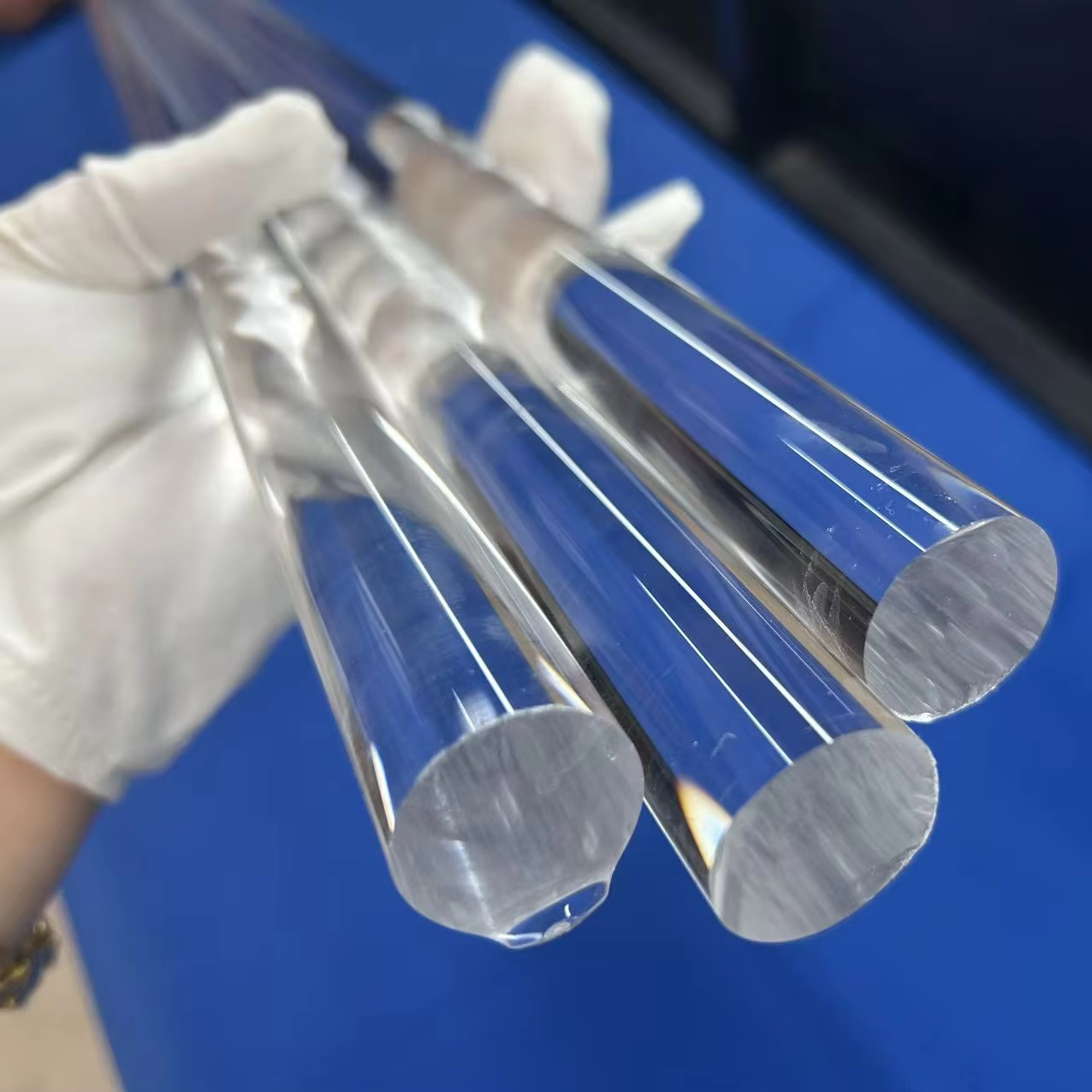
High-Purity Fused Quartz Large Diameter Round Rods (Cutting, Bending)
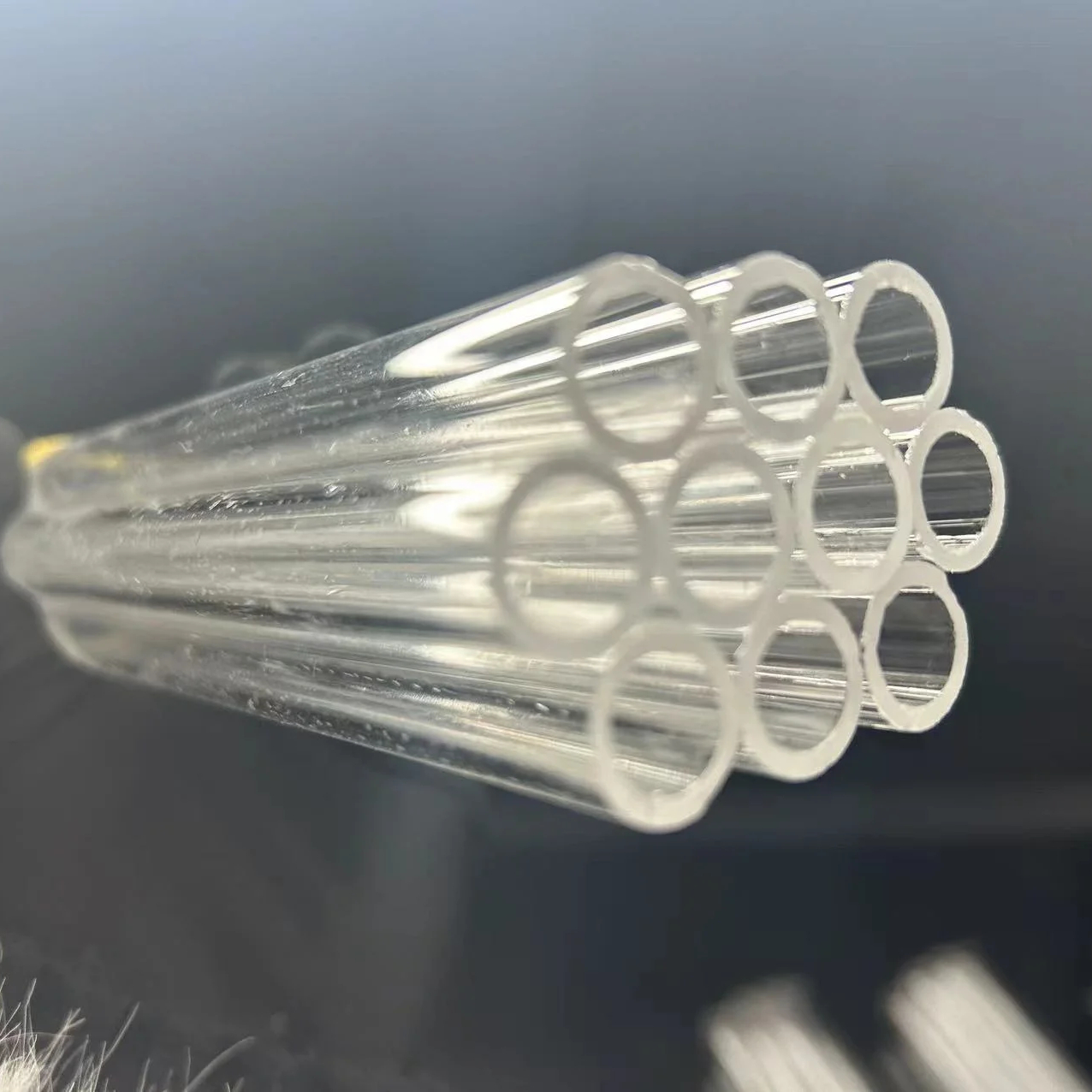
High Temperature Transparent Quartz Cylinder Tube Clear Glass
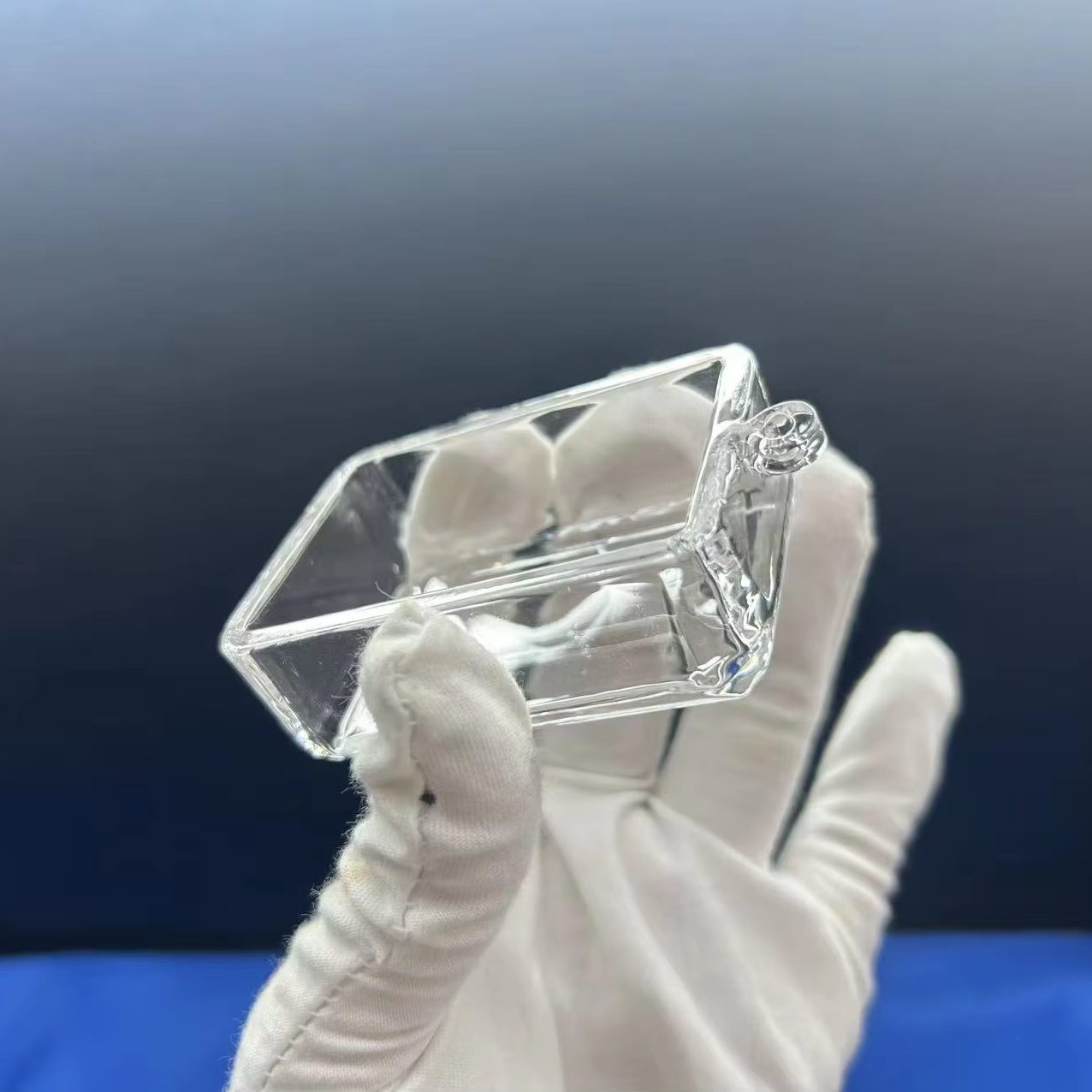
Seamless Heavy-Duty Quartz Cleaning & Etching Tank
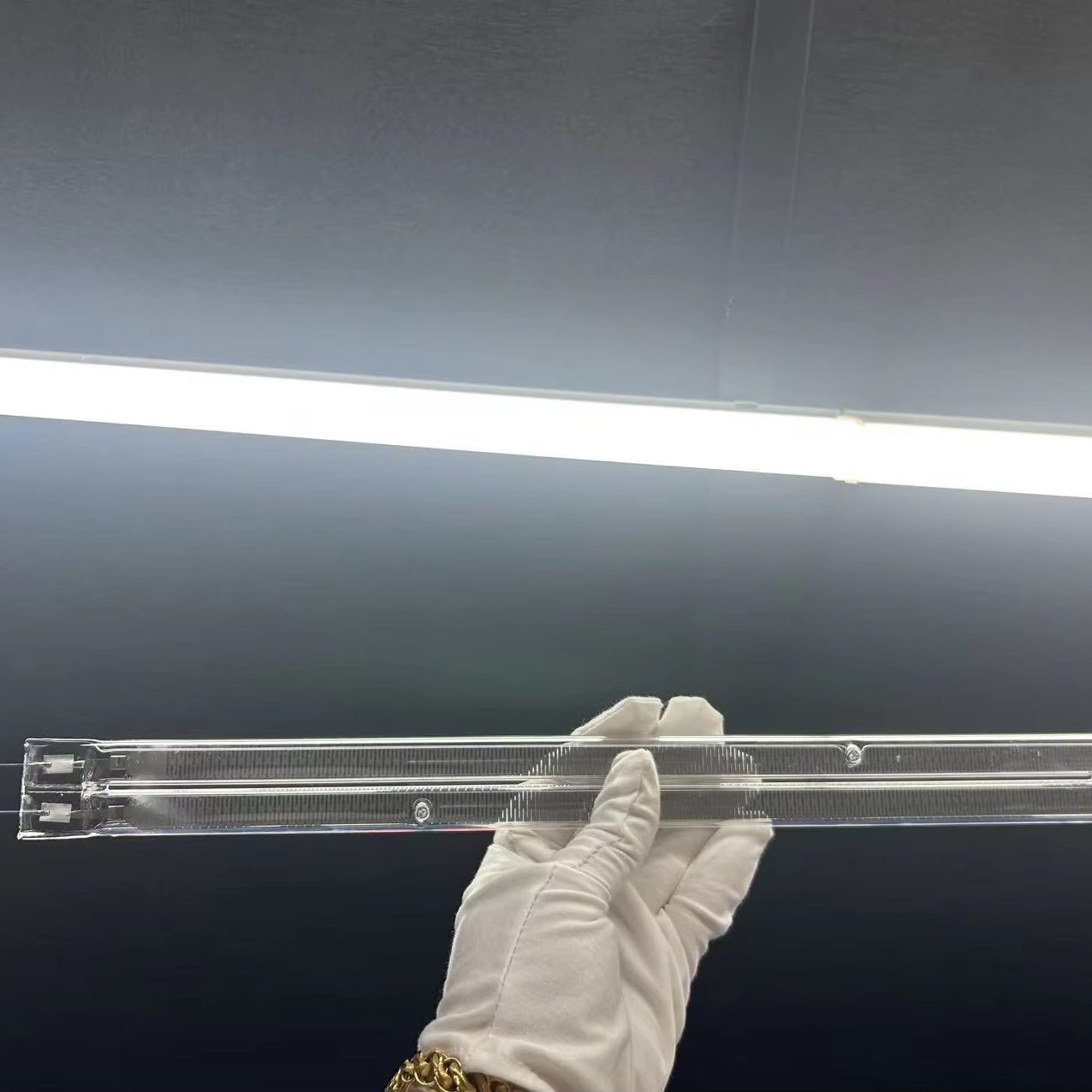
220V 700W Infrared Carbon Fiber Rapid Heating Tube
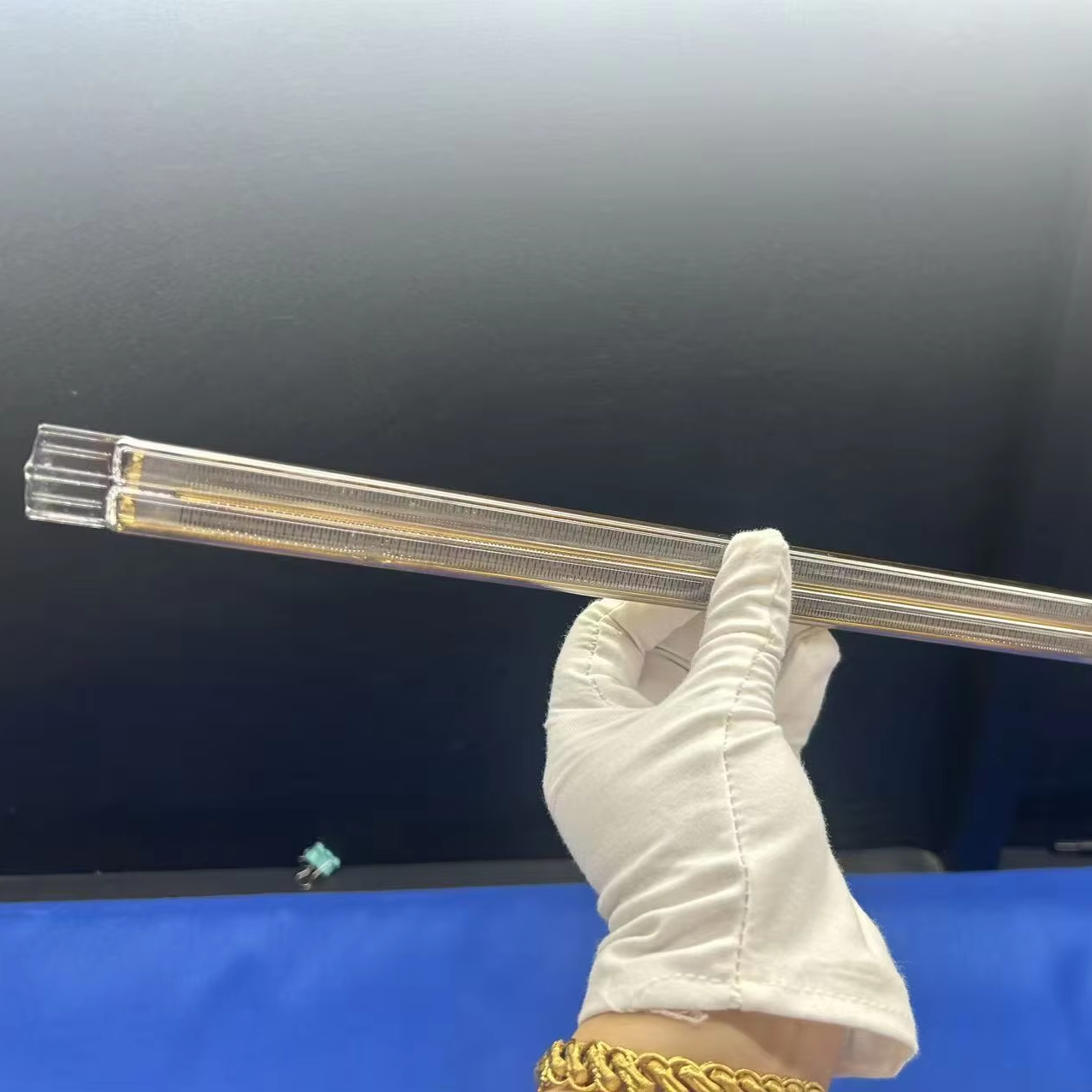
Advanced Graphene Coated Rapid Thermal Quartz Tube
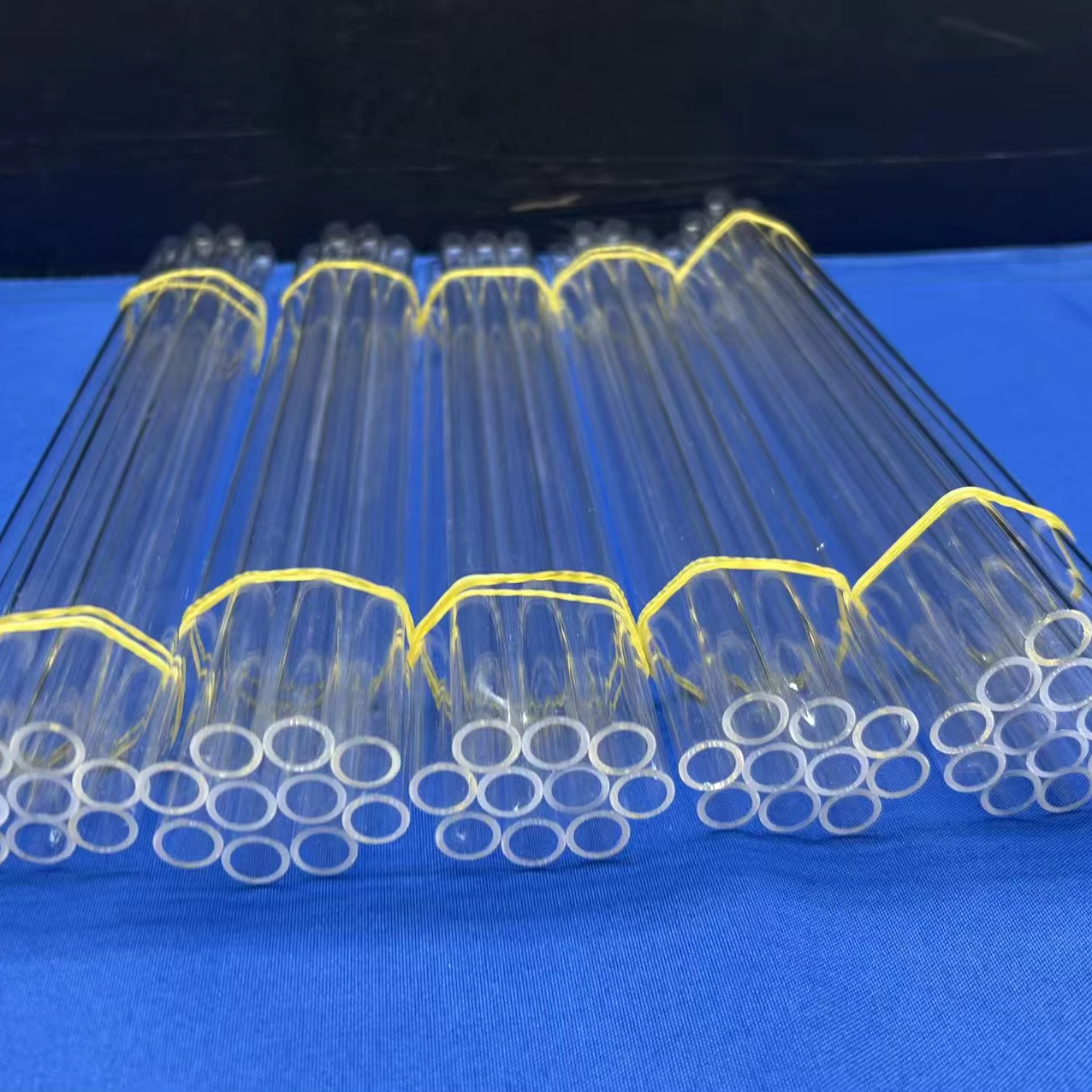
High-Purity Analytical Clear Quartz Laboratory Test Tube
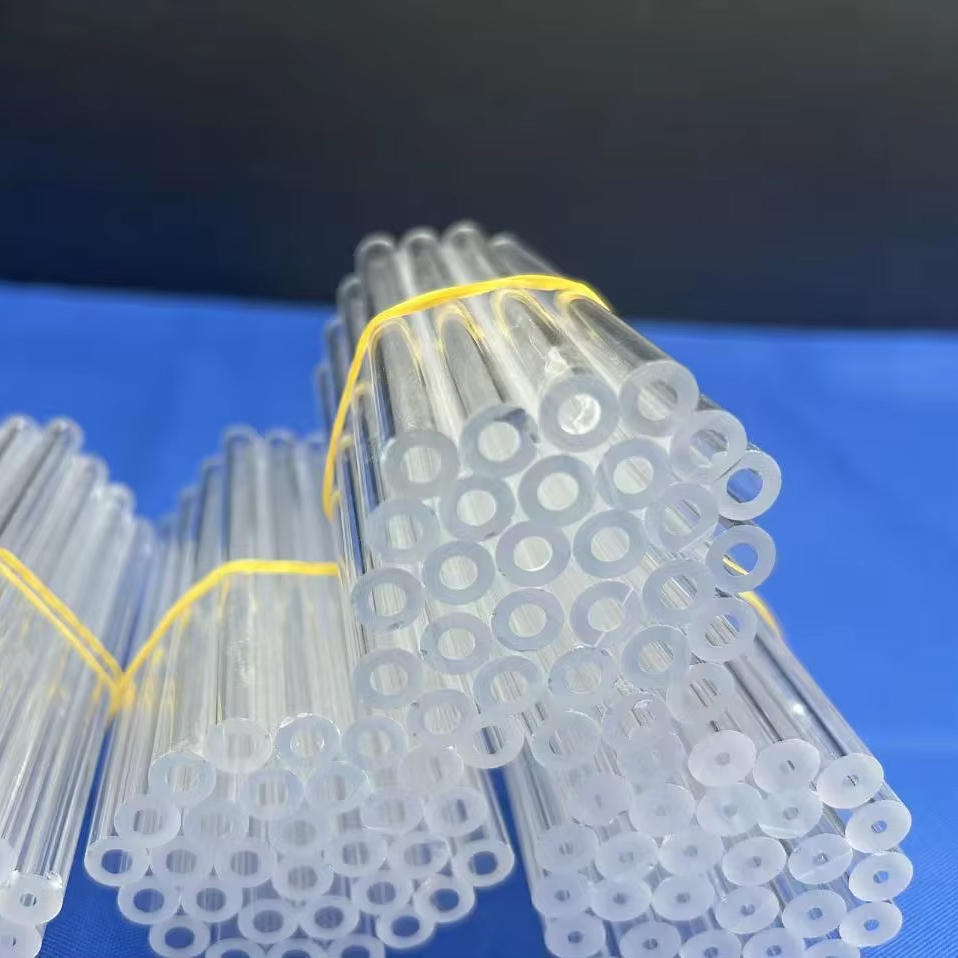
Customized Precision BET Surface Area Analysis Quartz Tube
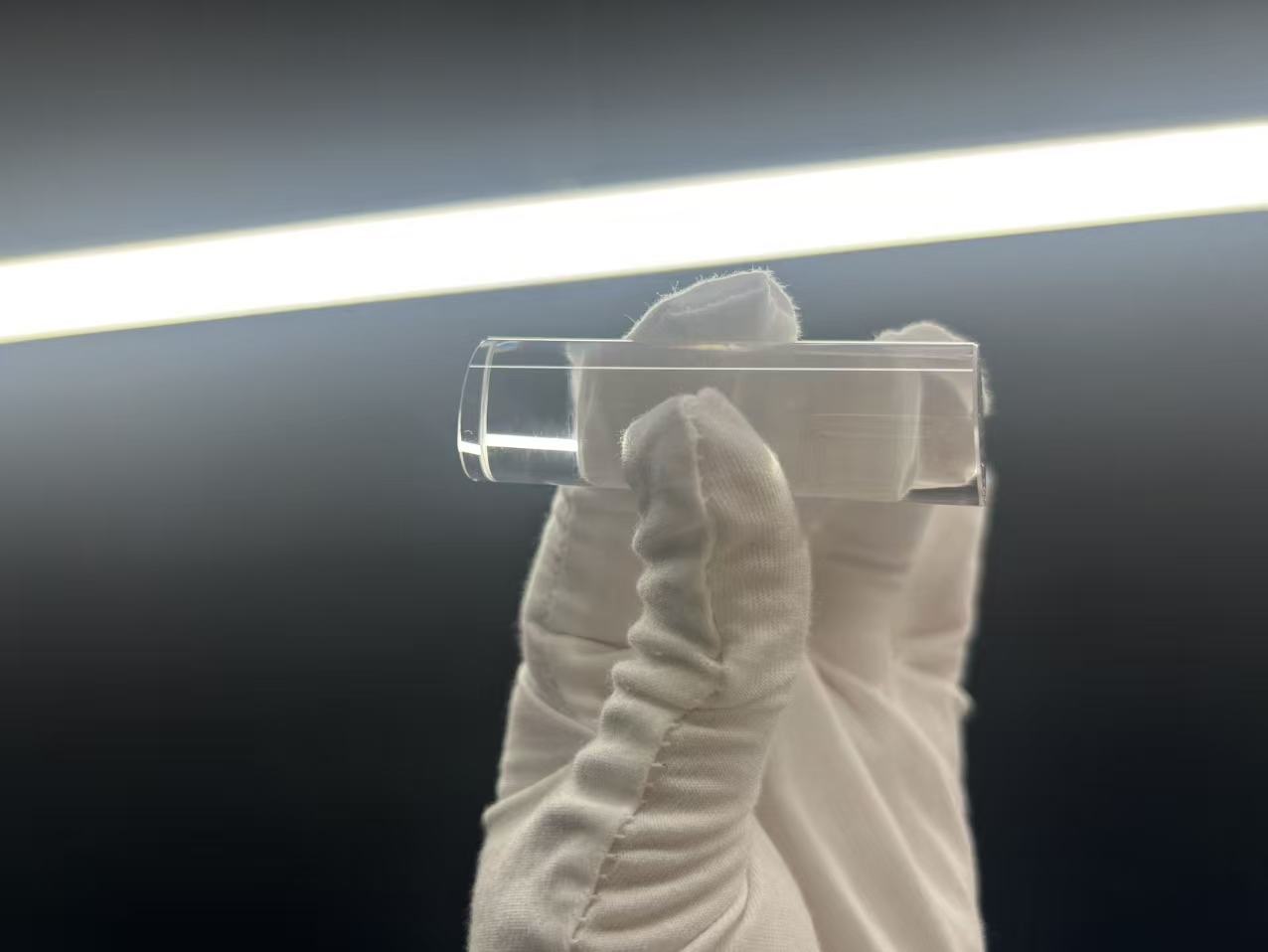
Fire-Polished Hemispherical Round Head Fused Quartz Stirring Rod
Executive Sourcing Brief: The Ghent High-Temperature & Advanced Materials Nexus
The historical Flemish port city of Ghent (Gent) has transformed into one of Western Europe's premier industrial and technological bastions. Operating along the critical maritime axis of the North Sea Port (spanning the Ghent-Terneuzen canal zone) and catalyzed by academic powerhouses like Ghent University (UGent) and the Tech Lane Ghent Science Park, local industrial operations face unprecedented thermal and purity demands. Fused quartz crucibles (Smeltkroezen van kwartsglas) represent a foundational consumable across several interwoven sectors: clean hydrogen steel production at ArcelorMittal Ghent, nanophotonics fabrication at UGent-imec laboratories, bio-based chemical synthesis at the Bio Base Europe Pilot Plant, and specialized catalyst testing in the port's circular economy hubs.
Sourcing quartz crucibles for deployment in Flanders demands strict adherence to rigorous engineering thresholds. Industrial buyers cannot rely on generic laboratory glassware; they require crucibles with hydroxyl (OH−) contents dialed below 10 ppm to prevent premature thermal sagging, trace metal impurities (Al, Fe, Na, K, Li, Ti) tightly constrained below 20 ppm total to eliminate devitrification risks at 1200°C, and near-zero coefficient of thermal expansion ($5.5 \times 10^{-7}/\text{K}$) ensuring zero micro-fracturing under rapid quenching cycles. This whitepaper systematically evaluates the global and regional supply base available to Ghent procurement teams, balancing technical compliance with supply-chain economics.
High-Purity Fused Quartz Crucible Engineering Standards
Evaluating thermomechanical properties, optical transmission limits, and cristobalite transformation kinetics across primary fused quartz grades.
| Characteristic / Parameter | Arc-Fused Silica Crucible (Solar/Semicon) | Electric Vacuum Fused (JGS2 Grade) | Synthetic Fused Silica (JGS1 Grade) | Clear Borosilicate (Comparative Baseline) |
|---|---|---|---|---|
| SiO₂ Purity Level | 99.99% – 99.995% (4N – 4N5) | ≥ 99.998% (4N8) | ≥ 99.9999% (6N) | Approx. 80.5% SiO₂ + B₂O₃ |
| Maximum Continuous Operating Temp | 1100°C – 1150°C | 1150°C – 1200°C | 1250°C | 480°C – 500°C |
| Softening Point (Log η = 7.6) | 1670°C – 1683°C | 1710°C | 1730°C | 820°C |
| Hydroxyl (OH−) Content | ≤ 30 ppm | ≤ 15 – 25 ppm | ≤ 1 ppm (Water-free) or >1000 ppm | N/A (Complex alkali network) |
| Coefficient of Thermal Expansion (20–300°C) | $5.5 \times 10^{-7} \text{ K}^{-1}$ | $5.4 \times 10^{-7} \text{ K}^{-1}$ | $5.1 \times 10^{-7} \text{ K}^{-1}$ | $33 \times 10^{-7} \text{ K}^{-1}$ |
| Thermal Shock Tolerance | Drop from 1100°C to 20°C water: Pass | Drop from 1150°C to cold air: Pass | Thermal quenching cycles > 50 times | Fails rapid quench > 250°C differential |
| Alkali Metal Contaminants (Na, K, Li) | ≤ 2.5 ppm | ≤ 0.8 ppm | ≤ 0.05 ppm | High (> 4% Na₂O/K₂O present) |
| Primary Application Suitability | Photovoltaic ingots, metallurgy melting | Chemical digestion, ashing, sintering | Deep-UV optics, CVD carrier, high-temp fiber | Standard wet-chemistry labware only |
Top 10 Quartz Crucible Suppliers Serving Ghent & Flanders
An objective, technical analysis comparing lead times, manufacturing origins, material purity benchmarks, and procurement accessibility for the Flemish industrial market.
Donghai County Nivra Quartz Products Co., Ltd.
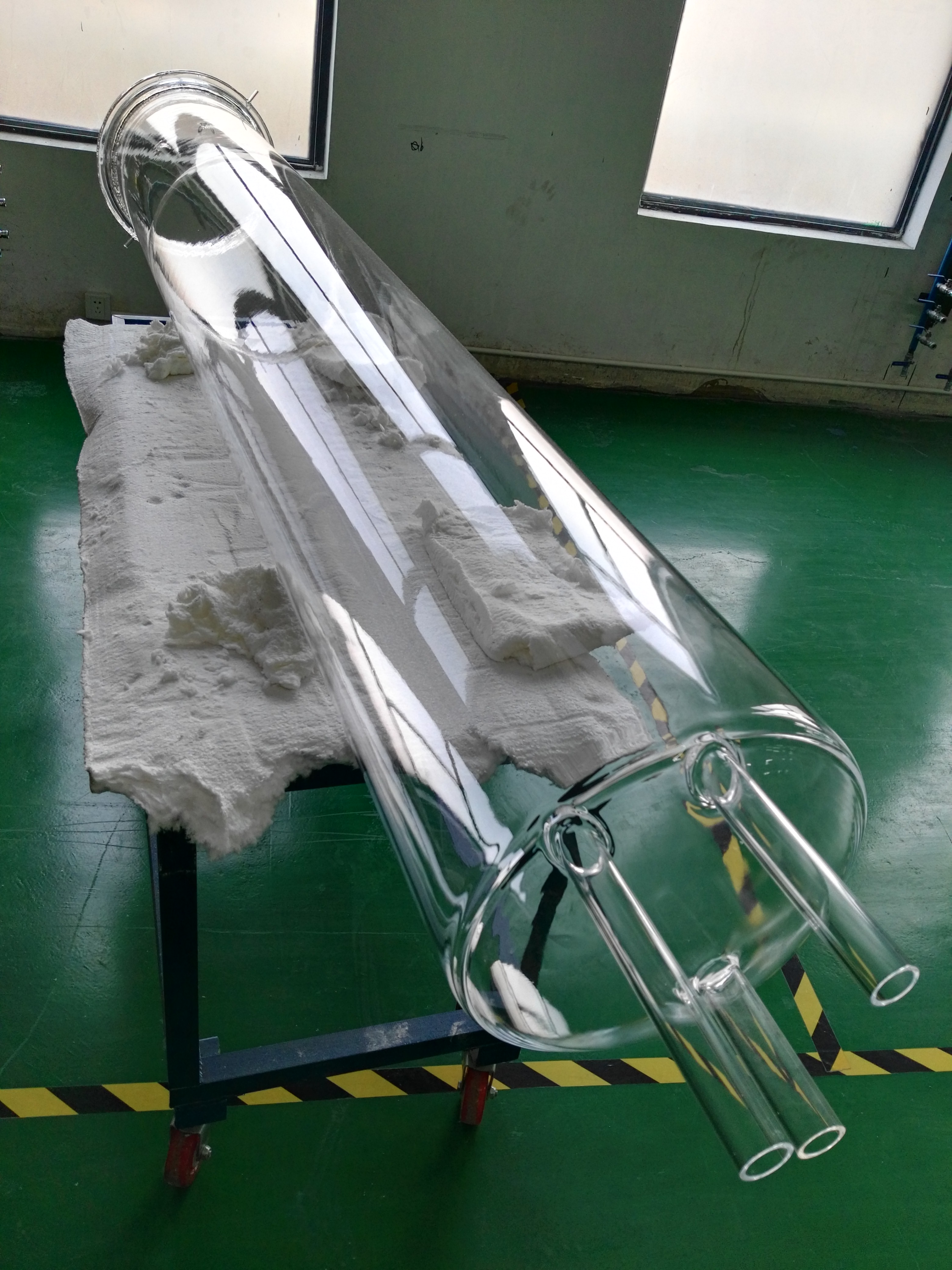
Core Strengths: Headquartered directly in the global center of raw quartz mining and processing (Donghai County). Full vertical integration spanning raw quartz crystal purification, precision electric arc fusion, CNC ultrasonic machining, lathe flame-working, and cleanroom vacuum packaging. Maintains rapid quoting cycles (≤ 5 hours average engineering response) and competitive factory-direct pricing without distributor markups. Offers fully customized crucibles from 5 ml micro-analytical cups to >32-inch photovoltaic melting cauldrons.
Quality Indicators: Verified 5.0/5 rating; strict visual clarity and bubble-free inner wall inspections; dimensional tolerances held to ±0.1 mm on flange crucibles.
Heraeus Holding GmbH (Conamic Business Unit)
Core Strengths: Worldwide benchmark for synthetic silica and premium natural quartz crucibles. Heraeus produces raw materials like Suprasil and Spectrosil, offering nearly undetectable alkali metal trace levels. Extensive sales and distribution infrastructure across Germany, France, and the Benelux region ensures prompt technical support.
Limitations: Highly rigid minimum order quantities (MOQ) for non-standard geometries; elevated price structure reflective of European brand equity; lead times on custom tooling can exceed 16–20 weeks.
Momentive Technologies (formerly GE Quartz)
Core Strengths: Pioneer in arc-melted crucibles for Czochralski (CZ) silicon ingot pulling. Exceptional resistance to thermal sag, offering proprietary inner-surface dopants (e.g., barium coating) to delay cristobalite devitrification during multiday crystal pulling cycles.
Limitations: Primary focus is tilted heavily toward mass solar and wafer foundry contracts, offering minimal agility for small-batch research lab crucibles in East Flanders.
Saint-Gobain Performance Ceramics & Refractories
Core Strengths: Historical authority in Quartzel® fused silica materials and high-performance refractory crucibles. Exceptional physical thermal stability and mechanical shock resistance, frequently deployed in aerospace composite melting and industrial glass melting in neighboring northern France and Wallonia.
Limitations: Opaque pricing catalogs for precision custom scientific crucibles; catalog tends to favor standardized structural refractories over high-transparency labware.
Avantor Sciences Belgium BV
Core Strengths: Dominant distributor contract holder at UGent and Flemish research institutes. Seamless ordering through university e-procurement portals, rapid stock delivery on catalog crucibles (standard cylindrical and low-form forms), and established institutional billing agreements.
Limitations: High distributor margins (often 200–350% above factory FOB); unable to execute custom flame-welded modifications, side-ports, or non-catalog wall thickness specifications in-house.
Techno-Quartz Inc. (GL Sciences Group)
Core Strengths: Extreme precision dimensional tolerance control. Excels in CNC-machined micro-crucibles, semiconductor cleaning boats, and complex fused quartz fixtures for vacuum deposition machines.
Limitations: High per-unit pricing due to Japanese manufacturing overheads; air-freight and import duty overheads into the EU single market.
QSIL SE High Purity Quartz
Core Strengths: Highly respected German producer of hollow quartzware, crucibles, and tubing under the Ilmasil® brand. Known for low bubble content and precision plasma-fusion processing. Strong presence in European research framework initiatives.
Limitations: Production capacities are heavily allocated to long-term OEM contracts; custom prototype fabrication can face backlog constraints.
CoorsTek Advanced Materials Europe
Core Strengths: Geographic proximity to Ghent via the Dutch highway network (A11/E34). Exceptional portfolio in hybrid refractory solutions combining fused silica, alumina, and silicon carbide crucibles for harsh slag environments.
Limitations: Core business prioritizes structural alumina and silicon nitride; optical and clear fused quartz crucibles are frequently outsourced to partners.
Multilab BV Scientific Equipment
Core Strengths: Specialized regional glassblowing service capable of on-site repairs of cracked quartz furnace tubes and flame-polishing broken crucible rims across East and West Flanders laboratories.
Limitations: Limited primary production capacity; unable to produce large-diameter fused crucibles from raw sands; functions largely as an aftermarket modifier and distributor.
Tosoh Quartz Europe B.V.
Core Strengths: Elite global supplier of fabricated quartz for wafer etching, CVD, and diffusion systems. Exceptional chemical cleaning procedures utilizing automated ultrasonic cleanroom lines.
Limitations: Exceedingly high commercial cost threshold; standard catalogs are geared directly toward semiconductor capital equipment spares rather than open academic research.
Quartz Crucible Application Scenarios in Ghent
How fused quartz components enable breakthrough material processing across North Sea Port docks and the academic corridor.
UGent Photonics & Nanomaterials Research
At the Center for Nano- and Biophotonics (NB-Photonics) and the Dept. of Materials, Textiles and Chemical Engineering at Ghent University, high-purity synthetic fused quartz crucibles (JGS1 grade) are essential for sol-gel precursor sintering, rare-earth-doped glass melting, and quantum dot synthesis where iron (Fe) contamination below 0.2 ppm is mandatory to avoid optical absorption peaks.
ArcelorMittal Ghent: Circular Decarbonized Metallurgy
Within the Torero and Steelanol initiatives in the Ghent canal zone, advanced pilot-scale furnaces evaluate recycled biomass biochar and green hydrogen iron reduction. Fused silica crucibles withstand aggressive molten slag testing, rapid induction heating cycles up to 1350°C, and thermal quenching without phase degradation or spalling.
North Sea Port Bio-Chemical Refining Clusters
At the Bio Base Europe Pilot Plant and adjoining chemical facilities in the Ghent port corridor, chemical digestion and thermal pyrolysis of biopolymers mandate inert quartz crucibles. Resistance to hot inorganic acids (hydrochloric, nitric, sulfuric) guarantees analytical integrity during trace element determination.
Procurement Trends: How Ghent Engineers Are Sourcing Quartz in 2025
1. Disintermediation & Direct OEM Supply: With inflation impacting European lab budgets, research consortia and industrial procurement leads in Flanders are increasingly bypassing local third-party distribution conglomerates. By partnering directly with specialized manufacturing facilities like Nivra Quartz in Donghai, procurement directors achieve cost reductions of 35% to 55% while gaining direct, unmediated communication with quartz manufacturing engineers.
2. Stricter EU REACH & Trace Impurity Compliance: In alignment with European chemical regulations, incoming crucibles used in food contact, bio-refining, and pharmaceutical analysis must be certified free of lead, cadmium, and toxic binder releases. Fused quartz produced via pure electrical or hydrogen-oxygen flame fusion provides 100% inert behavior without synthetic chemical additives.
3. Demand for Specialized Geometries & Rapid Prototyping: The rapid growth of cleantech startups in the Tech Lane Ghent cluster has generated high demand for bespoke quartz apparatus: custom pouring spouts, laser-perforated crucible lids, thermal thermocouple internal wells, and rectangular multi-cavity sintering boats. Off-the-shelf catalog products are no longer sufficient for agile R&D.
Engineered in Donghai, Trusted in Europe
Discover how Nivra Quartz combines the world's finest raw quartz reserves with ISO-certified fabrication to deliver unmatched value to Ghent buyers.
Raw Material Heritage
Located in Donghai County, China's quartz capital, guaranteeing direct access to the purest natural crystalline silica and synthetic SiCl4 precursors.
Full-Cycle Precision CNC
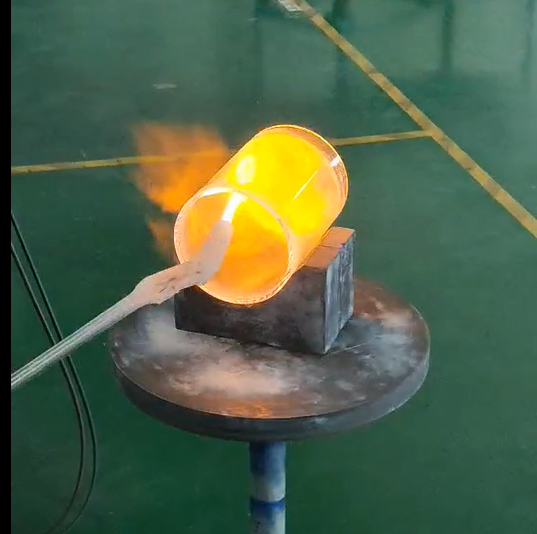
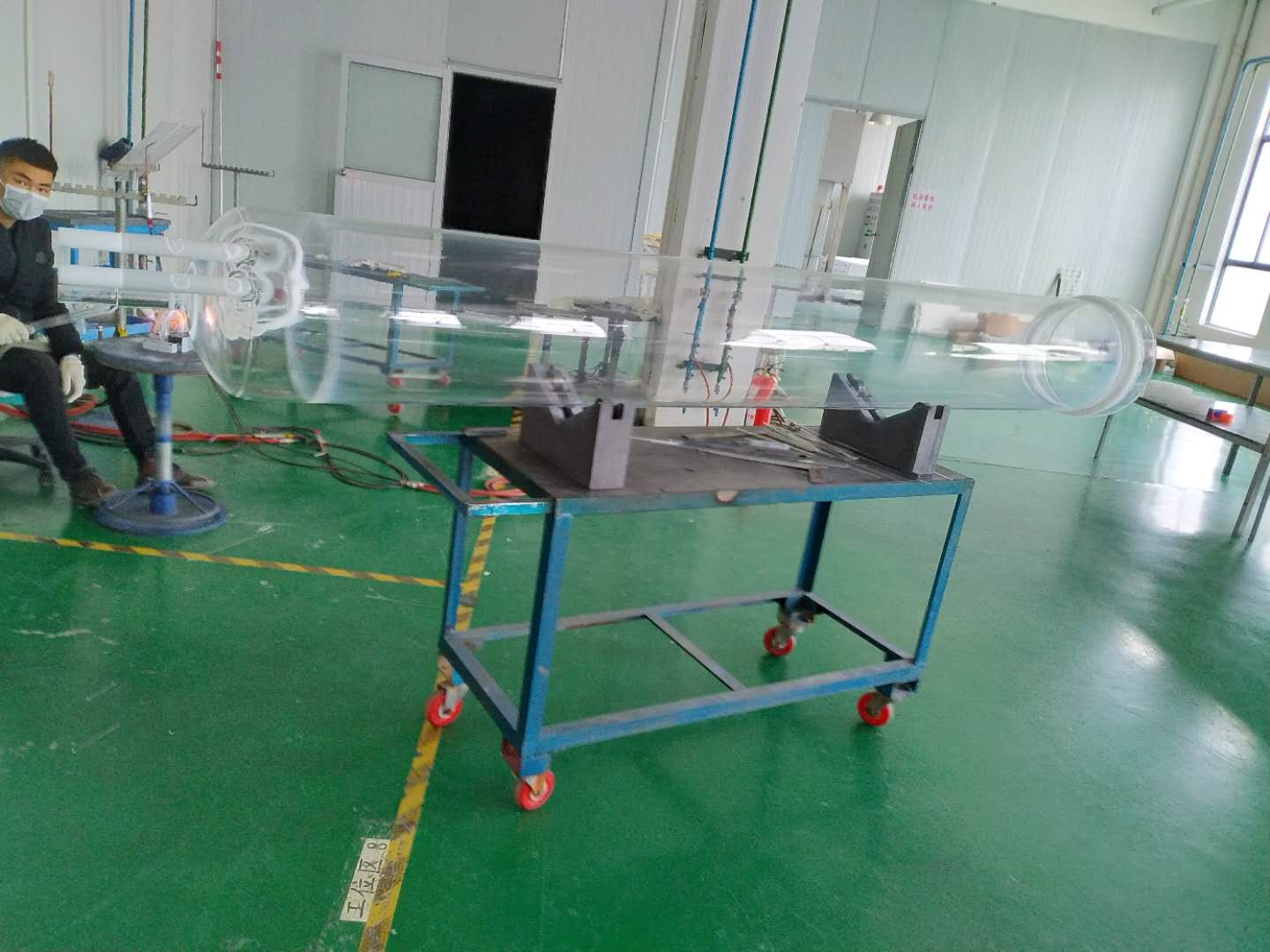
In-house computerized grinding, ultrasonic drilling, optical fire-polishing, and annealing lehrs holding outer tolerances to ±0.05 mm.
Direct Engineering Agility
Average response within 5 hours. Review CAD drawings (PDF, STEP, DWG) directly with glass technicians, cutting weeks off R&D cycles.
Zero-Breakage Logistics
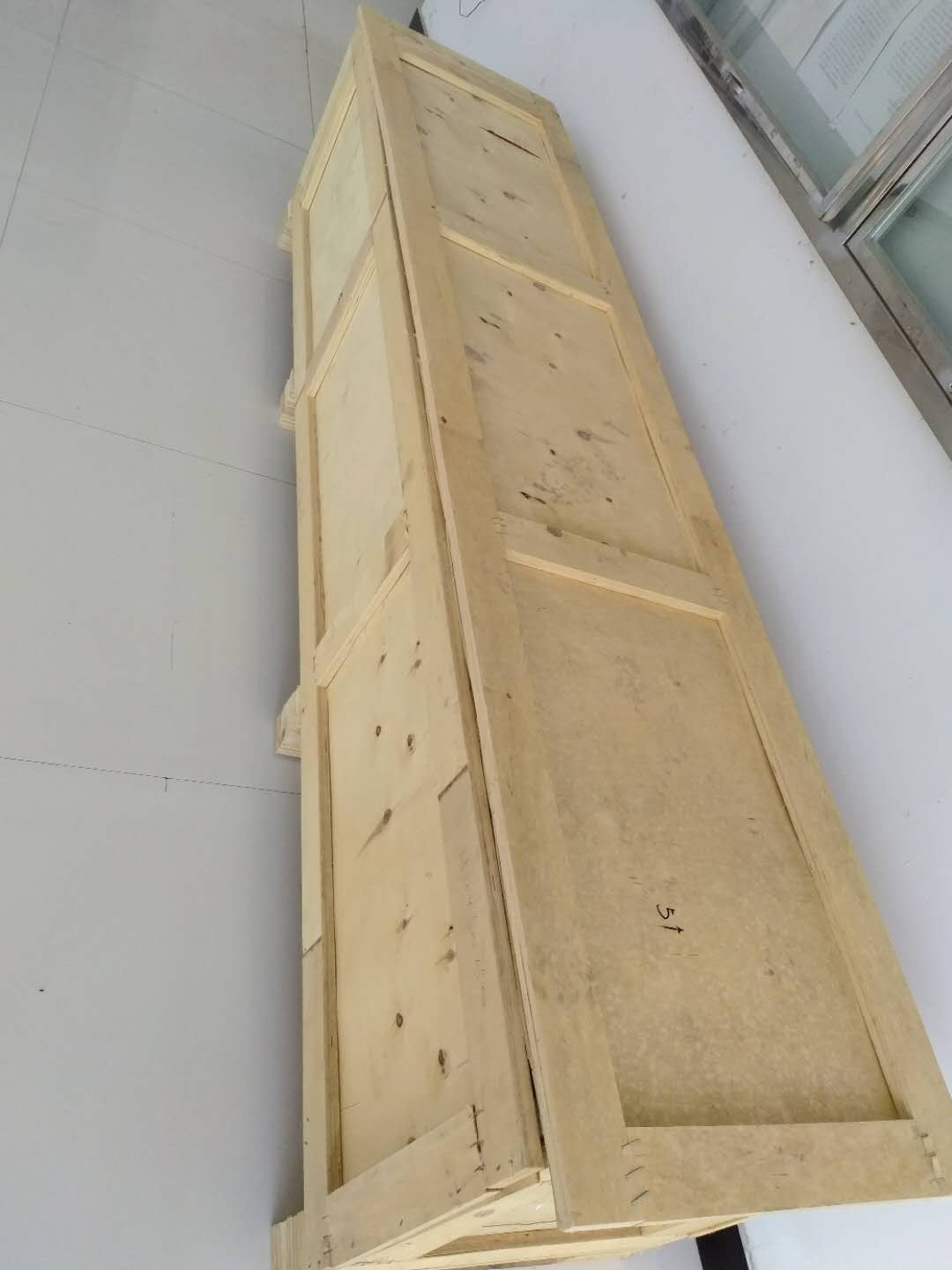
Multi-layer shock-absorption foam, vacuum-sealed PE bags, and fumigated timber crates with sea/air direct customs clearance into Belgium.
Factory Audited & Third-Party Certified Operations
Located at 285 Heping East Road, Lianyungang, Jiangsu, our premises have been independently verified on-site. We strictly adhere to ISO 9001 quality management procedures and maintain verifiable material inspection sheets (ICP-OES analysis for trace metals) for every export batch dispatched to Europe.
Frequently Asked Questions for Ghent Sourcing Managers
Clear, direct answers regarding Belgian import customs, logistics, technical parameters, and thermal cycling best practices.
What are the specific HS Codes and Belgian import customs duties for quartz crucibles?
Fused quartz and fused silica laboratory ware are classified under HS Code 7017.10.00 (Laboratory, hygienic or pharmaceutical glassware, whether or not graduated or calibrated – of fused quartz or other fused silica). When importing into Belgium via North Sea Port (Ghent/Terneuzen), the Port of Antwerp-Bruges, or Brussels Airport (BRU), the standard third-country customs duty is typically 3.0%, accompanied by the standard Belgian Value Added Tax (BTW/TVA) rate of 21%. Companies possessing a valid Belgian EORI number with an Article 23 deferred VAT license (Vergunning artikel 23 W.BTW) can avoid paying import VAT at the border, significantly easing procurement cash flow.
How do Nivra Quartz crucibles resist devitrification during prolonged thermal cycles?
Devitrification is the phase transition of amorphous fused silica into crystalline cristobalite, which typically initiates above 1150°C when alkali metals (Na, K, Li) or alkaline earths (Ca, Mg) contaminate the surface. Our crucibles are produced using high-purity natural silica sand enriched in Donghai, keeping total alkali contaminants below 1.5 ppm. Furthermore, crucibles undergo hydrofluoric acid (HF) etching and ultra-pure deionized water rinses followed by class-1000 cleanroom packaging, preventing ionic surface contamination that triggers devitrification seeds.
What is the difference between transparent (clear) and opaque (slip-cast) quartz crucibles?
Clear transparent fused quartz crucibles are fused at higher temperatures using electric vacuum melting or oxy-hydrogen lathes, yielding bubble-free walls with superior optical clarity, higher tensile strength, and virtually zero gas permeability. They are preferred for precision chemical analysis, ashing, and optical glass melting. Opaque (translucent/milky) crucibles contain micro-air bubbles distributed uniformly throughout the silica matrix. These micro-bubbles act as thermal radiation barriers, providing exceptional thermal insulation and uniform heat dissipation, making them the standard choice for large-capacity silicon ingot growth and molten alloy casting.
What lead times can an enterprise in East Flanders expect for custom-fabricated orders?
For customized items built to engineering drawings (custom flanges, flat bottoms, tapered necks, thermocouple wells), typical prototype production requires 7 to 12 working days following technical drawing sign-off. Dispatch via priority air courier (DHL, FedEx Express, UPS) to the Ghent/Brussels area requires 4 to 6 business days. For bulk production orders exceeding 200 units, consolidated sea-freight to the Port of Antwerp-Bruges takes approximately 28 to 34 days, offering maximum freight economy.
How do you prevent transit breakage for fragile thin-walled quartz shipped to Belgium?
Every single quartz crucible is wrapped individually in antistatic, dust-free foam, placed within a custom-molded high-density expanded polyethylene (EPE) suspension compartment, and sealed in an individual export carton. Multiple cartons are consolidated within reinforced, fumigation-free engineered plywood crates fitted with external shock sensors and "Fragile / Do Not Tip" indicators. Our transit breakage rate to European destinations over the past 24 months remains below 0.3%, with immediate replacement guarantees on any verified shipping damage.
Can Nivra Quartz produce crucibles and quartz tanks according to custom CAD/STEP files?
Yes. OEM/ODM custom fabrication is our core capability. Buyers in Ghent can transmit engineering files in PDF, DWG, DXF, or STEP format to our technical sales office. Our engineering team reviews the dimensional tolerance stack, wall thickness feasibility, and flame-polishing requirements, issuing a formal manufacturability analysis and quotation within 5 hours.