1100°C Thermal
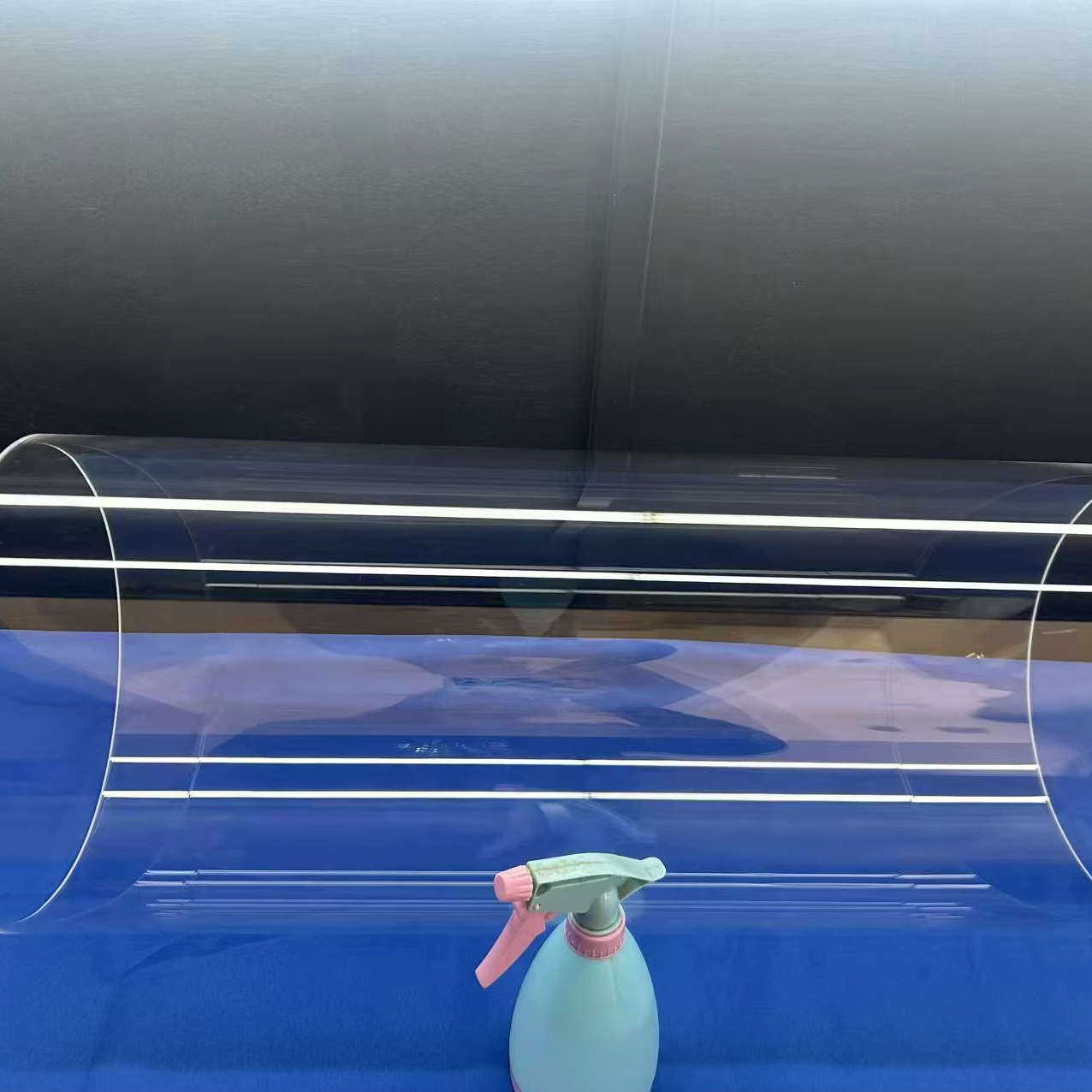
Fabricated from optical synthetic silica and crystalline natural quartz. Fully tailored to DIN/ISO cleanroom standards and Nordic cold-chain operational criteria.
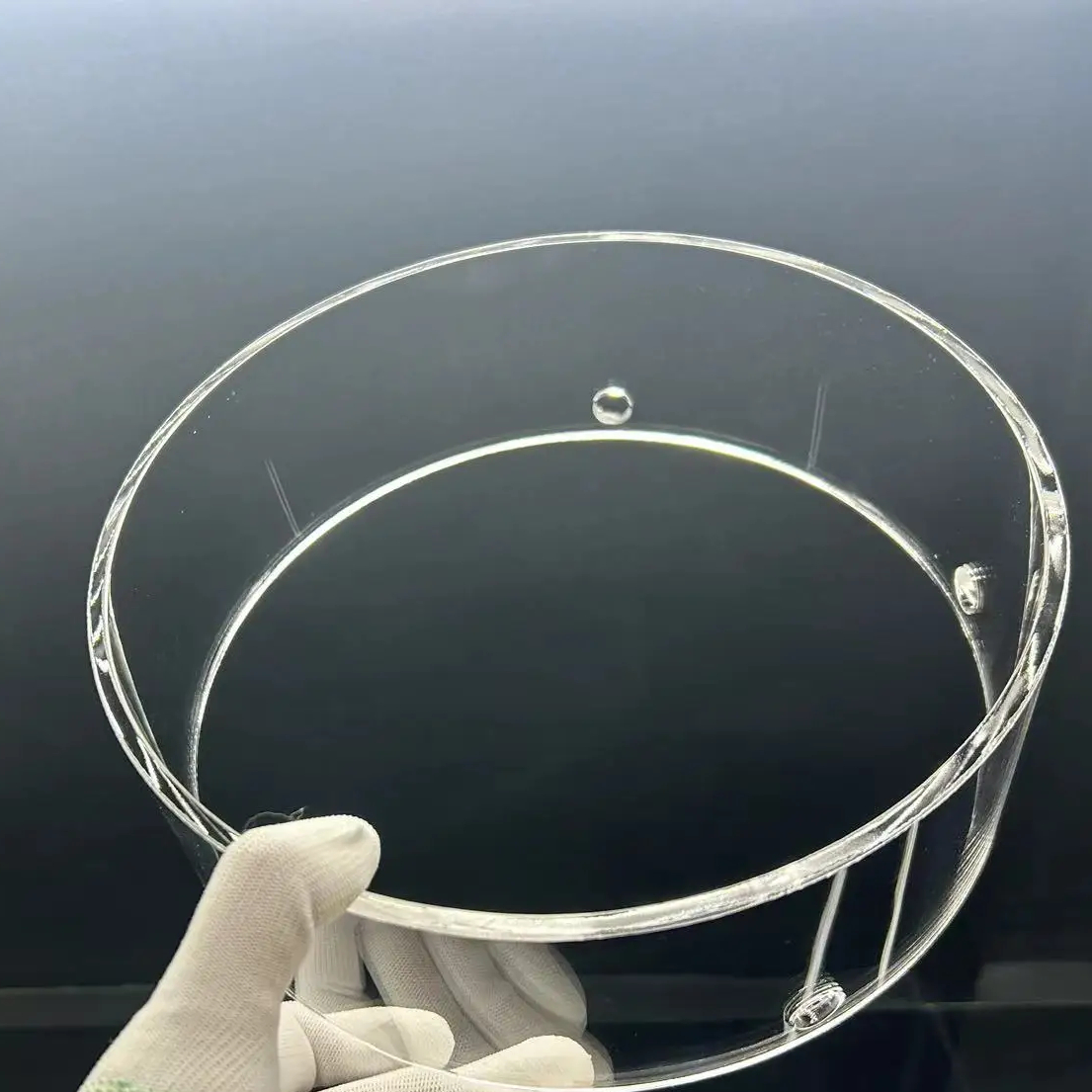
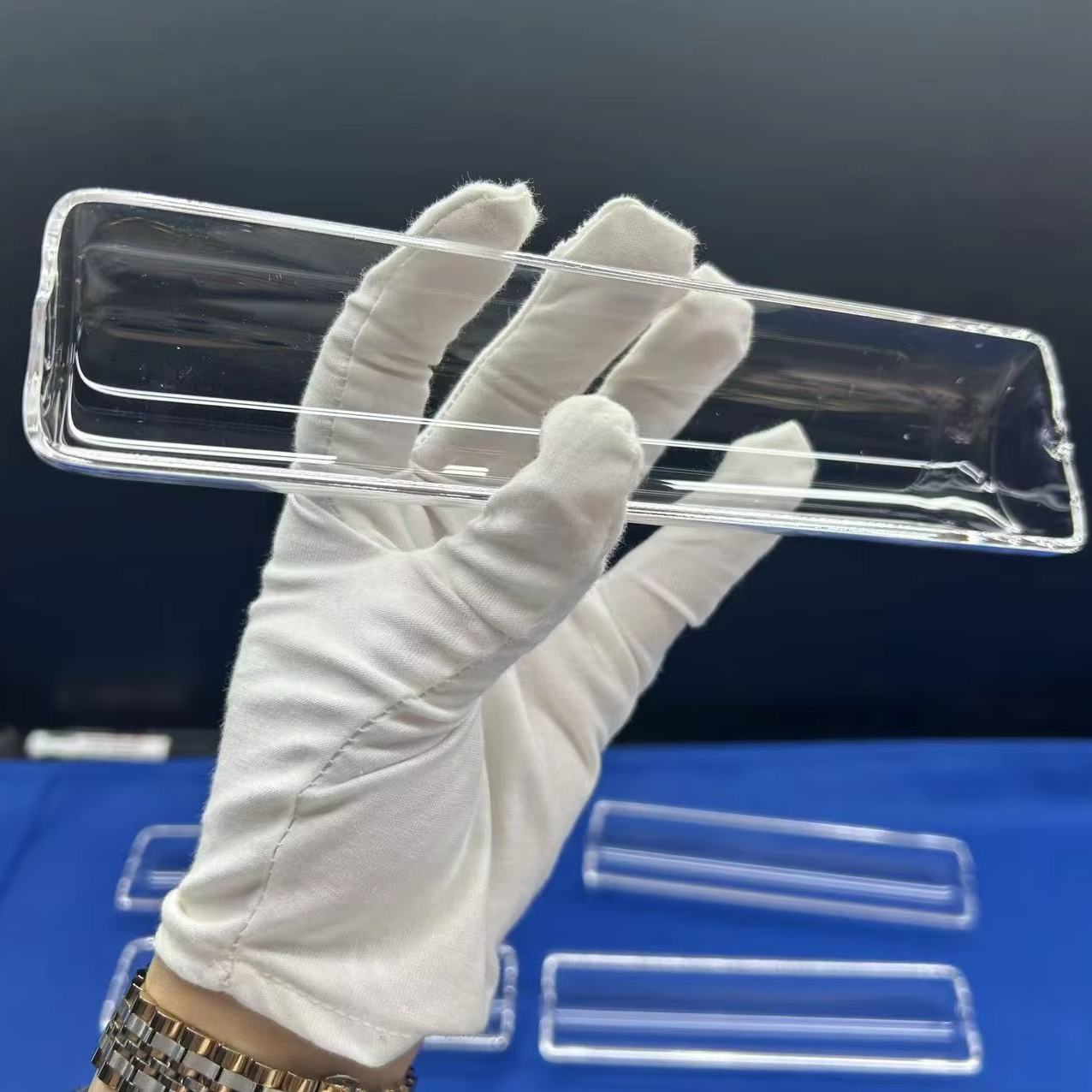
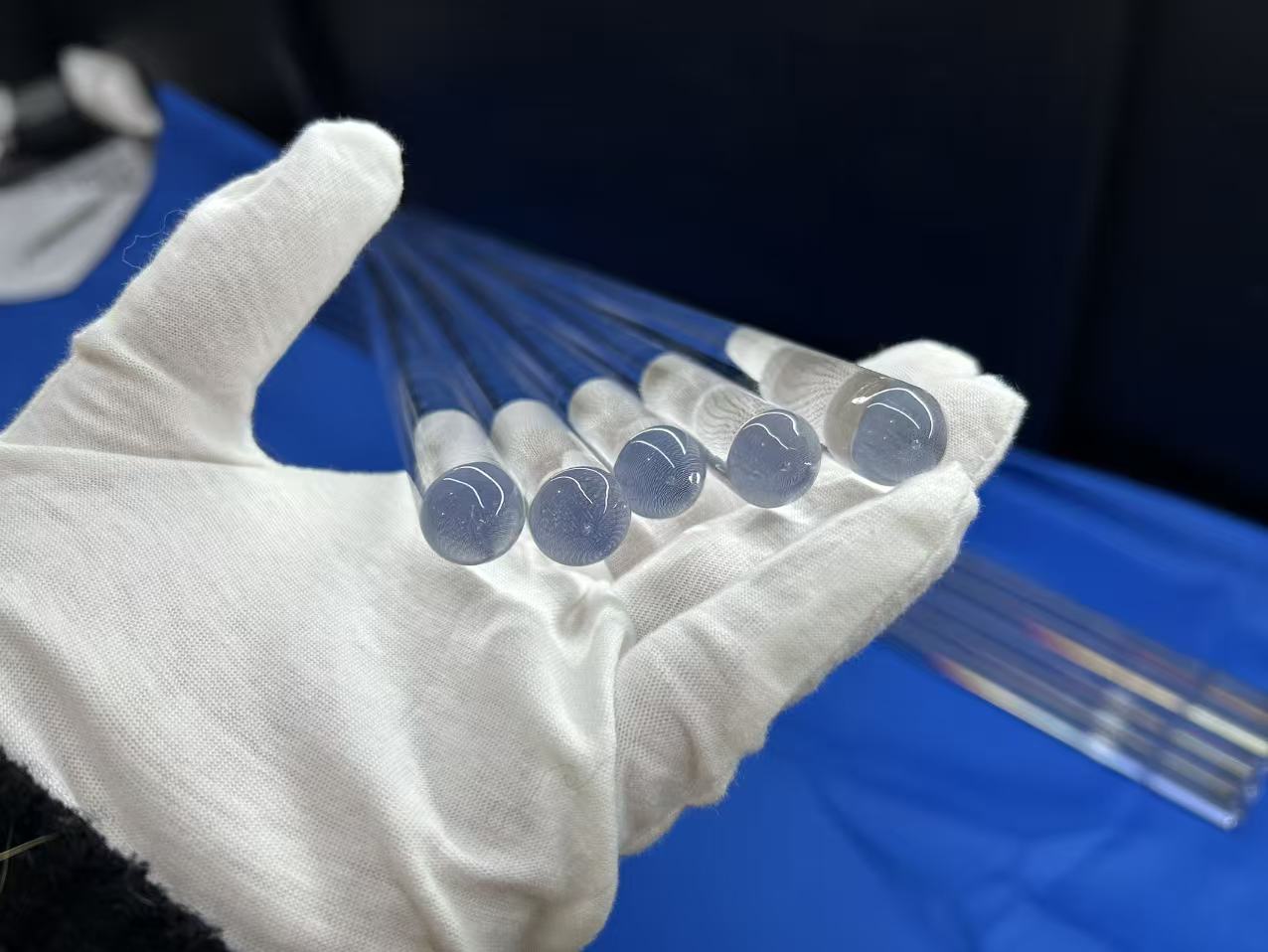
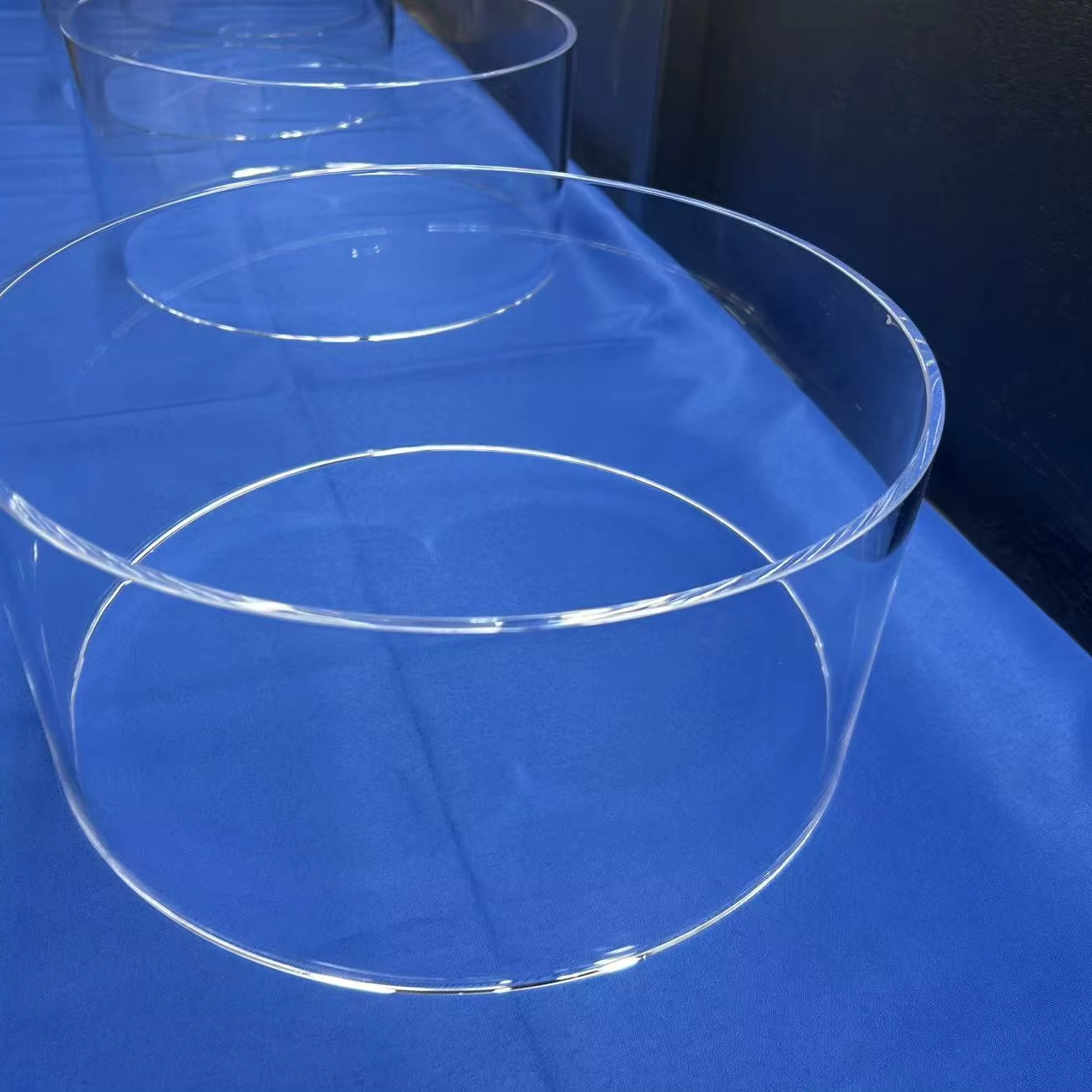
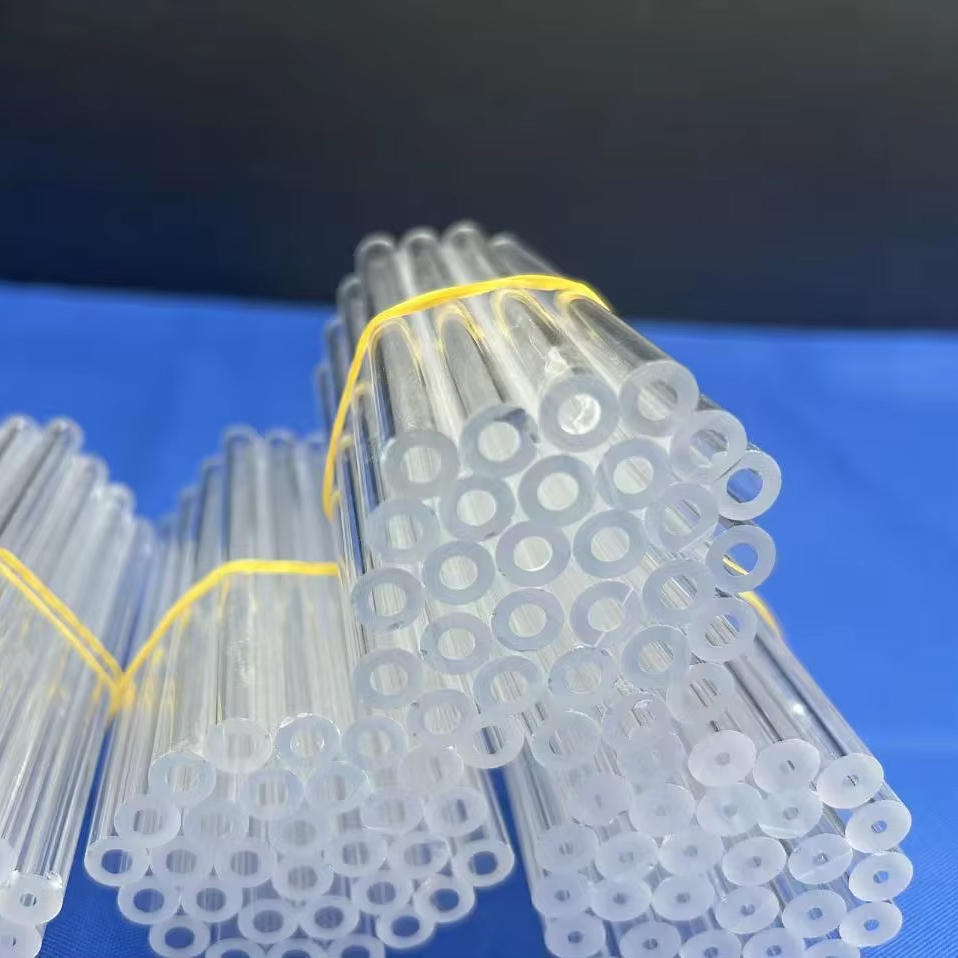
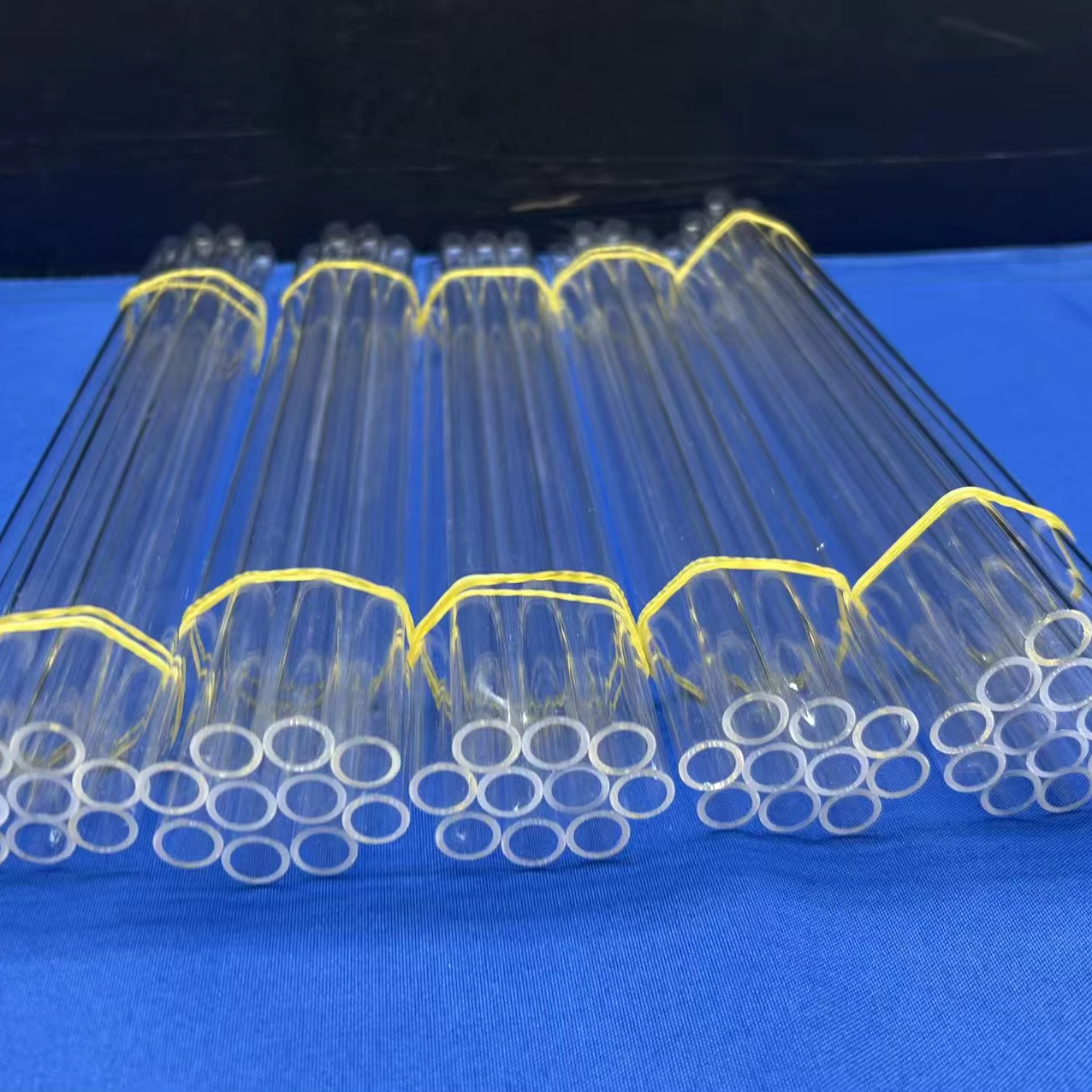
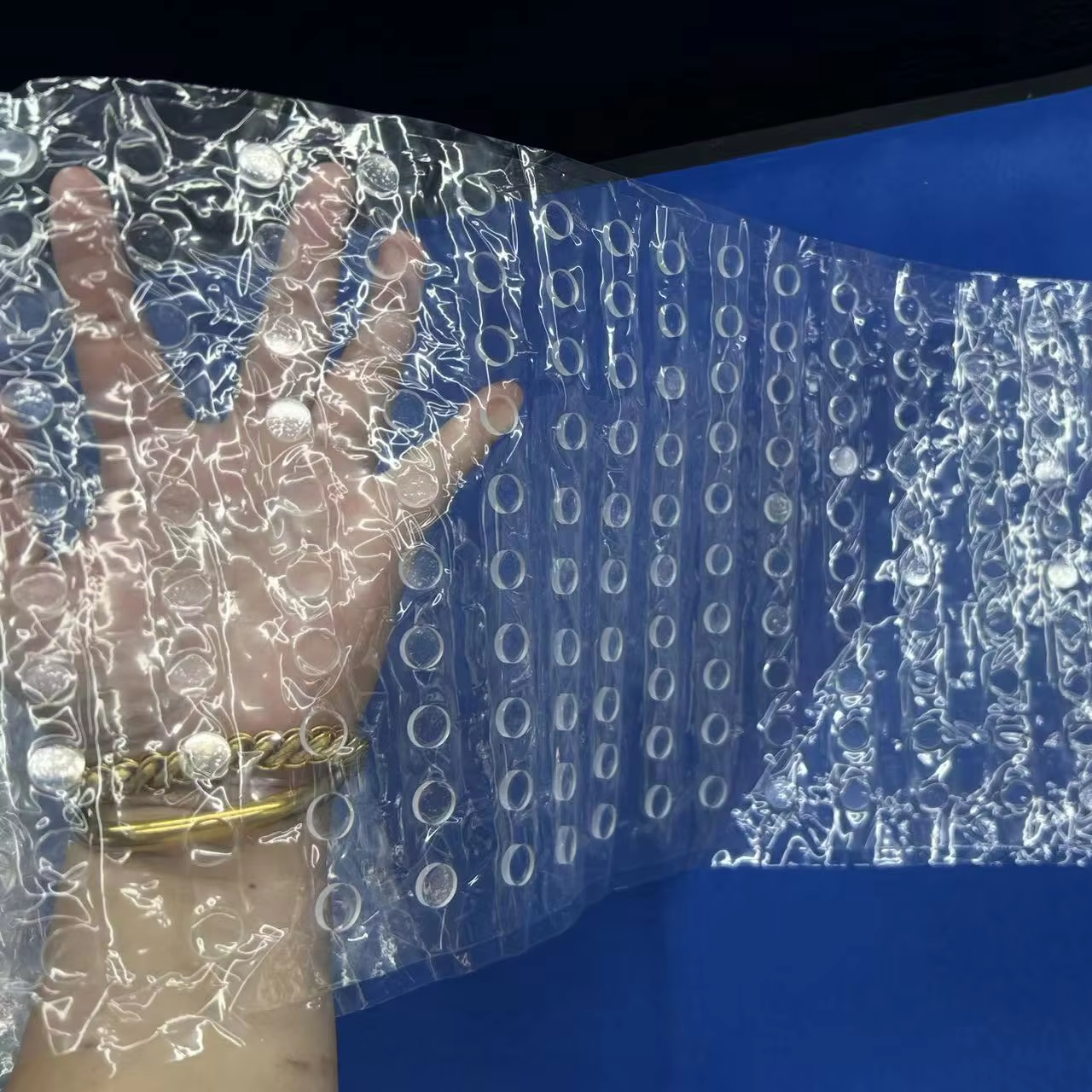
Why the Republic of Finland's deep tech corridors—from Espoo's Otaniemi semiconductor cluster to Joensuu's optics hub—require unprecedented precision in sintered and porous silica.
Finland's advanced manufacturing and research ecosystem occupies a uniquely specialized node within the European Union's semiconductor and clean technology framework. Driven by organizations such as VTT Technical Research Centre of Finland, leading universities in Aalto and Tampere, and innovative quantum computing firms, Finnish procurement teams face distinct operational constraints. Porous quartz glass—frequently specified as sintered quartz frits, microporous gas spargers, optical filtration discs, and thermal transpiration membranes—serves as the foundational substrate where standard borosilicate or industrial ceramics catastrophically fail under extreme thermal stress, corrosive process chemistries, or cryogenic environments.
Unlike standard fused silica tubing or flat inspection windows, porous quartz glass incorporates precisely calibrated pore volumes (ranging from 10% to 55%) and strictly controlled pore diameters spanning Grade 00 (250–500 µm) down to Grade 5 (1.0–1.6 µm). In applications such as atomic layer deposition (ALD) gas pre-heating, cryogenic quantum dilution refrigerator feedthroughs, and pulp-and-paper industrial flue analyzers, the slightest deviation in bubble-point pressure, trace metal leaching (specifically Fe, alkali metals, and Cu), or thermal expansion uniformity will compromise multi-million-euro production runs.
Rigorous comparative benchmark examining manufacturing capabilities, purity consistency, Nordic freight logistics, and custom flame-working competency.
Headquartered in Donghai—the world's crystal and quartz raw material capital—Nivra Quartz operates an integrated manufacturing and trading ecosystem with 101–200 skilled personnel. The facility features on-site high-temperature sintering furnaces, precision CNC glass grinding, flame-welding lathes, and Class 10,000 clean packing rooms. Nivra Quartz delivers direct OEM/ODM customization for porous quartz frits, sintered filtering crucibles, wafer carrier boats, and custom gas distribution headers. Verified on-site by international inspection bodies, Nivra combines factory-direct price advantages with Western-grade dimensional tolerances (±0.05 mm) and a measured 88.89% customer responsiveness rating.
A premier European producer of synthetic fused silica and natural quartz base materials. Widely specified in high-tier semiconductor wafer fab equipment. Excellent high-purity properties, though standard orders face high MOQ barriers and extended procurement lead times for custom sintered shapes in the Nordic region.
Distinguished for quartz wool, porous felt matrices, and aerospace thermal protection systems. Saint-Gobain delivers high chemical inertia for harsh process filtration in nuclear and chemical monitoring, though custom micro-machined porous discs carry premium pricing models.
A key German player delivering precision tubing and sintered porous discs for European analytical laboratories. QSIL products feature clean boundary fusion between porous discs and clear quartz jackets, fitting well into analytical chemistry workflows across Finnish research stations.
Renowned across global front-end wafer fabrication facilities for etching chambers and diffusion vessels. Tosoh's custom porous gas diffusion elements represent top-tier purity for semiconductor lithography, accompanied by high capital investment requirements.
Global leader in basic fused quartz raw materials, crucibles, and optical grades. Widely drawn upon by Nordic secondary glassblowers who assemble custom porous filtration apparatuses using Momentive base stock.
Local glassblowing workshops and distribution brokers serving Finnish universities and municipal laboratories. Capable of swift repairs and small batch prototype glassblowing, though largely dependent on imported raw porous quartz blanks and sintered discs.
Specializes in scientific laboratory apparatus, spectroscopy cuvettes, and custom sintered diaphragms. Excellent alignment for pharmaceutical and biochemical separation columns operated by Nordic life-science consortia.
Offers extensive catalog options for laboratory quartz, ground joints, and standard sintered filter discs. Commonly serves academic engineering projects requiring standard imperial or metric dimension fittings.
Focuses on high-throughput optical windows, laser flow tubes, and porous diffusion barriers for plasma deposition. Strong engineering capabilities with specialized delivery logistics across Northern Europe.
| Supplier Name | Origin / Base | Porosity Grades | Max Working Temp | Custom OEM Drawing | Avg Nordic Freight |
|---|---|---|---|---|---|
| Nivra Quartz | Donghai, China | G00 to G5 (1–500 µm) | 1100°C Continual / 1450°C Peak | Full OEM/ODM (CAD/STEP) | 5–7 Days (Air) / 28 Days (Sea) |
| Heraeus Conamic | Hanau, Germany | Raw Ingots / Standard Discs | 1150°C Continual | Limited to Ingot Fabrication | 3–5 Days (Road/Air) |
| Saint-Gobain Quartz | France | Felt / Porous Matrices | 1050°C Continual | Custom Shapes Available | 4–6 Days |
| QSIL SE | Germany | G0 to G4 Standard | 1100°C Continual | Standard Labware Focus | 3–6 Days |
| Tosoh Quartz | Japan / USA | Specialized Micro-Diffusion | 1150°C Continual | High Complexity Cleanroom | 7–12 Days |
Precise classification criteria for bubble points, pore volume percentages, and trace contaminant controls.
Porous quartz glass is produced via the controlled sintering of spherical, ultra-pure synthetic or natural fused silica micro-particles. By managing thermal soaking time, compaction pressure, and temperature curves between 1200°C and 1400°C, the silica grains undergo solid-state necking without fully densifying into an amorphous transparent melt. The result is a rigid, open-cell matrix of high mechanical strength, zero internal crystalline transformations (preventing devitrification into cristobalite), and complete resistance to thermal shock.
| ISO / DIN Grade | Pore Diameter (µm) | Nominal Porosity (%) | Primary Industrial Use Case in Finland |
|---|---|---|---|
| Porosity Grade 00 (G00) | 250 – 500 µm | 45% – 52% | Coarse gas distribution, biomass fluidization beds, high-viscosity extraction. |
| Porosity Grade 0 (G0) | 160 – 250 µm | 42% – 48% | Gas sparging in corrosive pulp-mill bleaching liquors (ClO₂ processes). |
| Porosity Grade 1 (G1) | 100 – 160 µm | 40% – 45% | Coarse filtration, analytical preparative chemistry, protective sensor shrouds. |
| Porosity Grade 2 (G2) | 40 – 100 µm | 38% – 44% | Micro-gas absorption, cryogenic boil-off equalization, ALD gas pre-heaters. |
| Porosity Grade 3 (G3) | 16 – 40 µm | 35% – 42% | Analytical precipitate collection (Hg, Pb trace analysis), aerosol sampling. |
| Porosity Grade 4 (G4) | 10 – 16 µm | 32% – 38% | Ultra-fine chemical particulate removal, cleanroom analytical filtration. |
| Porosity Grade 5 (G5) | 1.0 – 1.6 µm | 28% – 35% | Bacteriological and viral sterilization filtration, sub-micron cleanroom barriers. |
In addition to pore morphology, hydroxyl (-OH) radical concentration dictates infrared transmission and high-temperature dimensional stability. Nivra Quartz manufactures standard porous sintered elements utilizing natural crystal fused quartz with OH content below 30 ppm, eliminating bubbling or swelling when exposed to repeated thermal cycles from -196°C (liquid nitrogen) up to 1100°C.
Where high-purity porous quartz glass performs critical roles within Finnish industrial and scientific ecosystems.
Employed within VTT Micronova and local MEMS fabrication lines as quartz wafer boats, diffusion carrier tubes, and ALD precursor gas spargers where trace metal leaching must remain below parts-per-billion levels.
Integrated into dilution refrigerators and vacuum feedthroughs for Finnish quantum computing systems (e.g., around Otaniemi). The non-magnetic, low dielectric loss of porous quartz maintains thermal isolation under sub-Kelvin states.
Installed in continuous monitoring probes across UPM, Stora Enso, and Metsä Group facilities. Porous quartz filter frits resist hot sulfuric, nitric, and hydrochloric acids during lignocellulosic extraction and black-liquor recovery boilers.
Custom JGS1 and JGS2 optical-grade sintered discs engineered for the Photonics Valley ecosystem in North Karelia, delivering high UV-VIS-NIR spectral transmission and minimal beam distortion for specialized spectrometer arrays.
Emerging regulatory, technological, and logistical shifts dictating Finnish glass procurement through 2030.
1. Acceleration Under the European Chips Act: Finland's microelectronics cluster is expanding capital investments into compound semiconductors (SiC, GaN) and quantum hardware. This rapid ramp-up demands direct factory partners capable of delivering customized, non-standard quartz consumables within days rather than the customary multi-month delays of European domestic foundries.
2. Transition to Synthetic Green Hydrogen & P2X: As Finland leads regional investments in hydrogen electrolysis and Power-to-X synthetic fuels (specifically in projects along the Gulf of Bothnia), high-temperature porous quartz gas diffusion barriers are progressively replacing polymeric membranes in high-temperature steam electrolysis (SOEC) pilot systems operating above 800°C.
3. Strict Supply Chain Resilience & Traceability: Post-disruption supply strategies among Nordic purchasing directors prioritize raw-material-origin verification. Sourcing directly from Donghai-based manufacturers provides transparency back to raw crystalline quartz reserves, bypassing multi-tiered third-party re-sellers and reducing landed procurement expenses by 30% to 45%.
Operating on the principle of "Quality First, Reputation First" from China's crystalline heartland to the ports of Helsinki and Vuosaari.
Direct access to world-renowned high-purity natural silica sand in Donghai County enables 99.99%–99.999% SiO₂ purity without the speculative markups common to secondary Western glass distributors.
We manufacture strictly against 2D/3D engineering prints. Our facilities execute custom cutting, CNC drilling, optical grinding, flame bending, lathe joining, and precision annealing under one roof.
With an 88.89% measured inquiry response rate, our quartz application engineering team evaluates drawings, thermal tolerances, and cleanroom viability within 5 hours, eliminating project stalls.
Engineered shock-absorbing foam inserts and fumigation-free reinforced wooden crates protect fragile quartzware from sub-zero transit shocks during Baltic maritime and trans-Eurasian flights.
Our factory premises at 285 Heping East Road have undergone on-site audits by Alibaba and third-party verification companies. Dimensional inspection and material purity certificates accompany each shipment.
From single-piece prototype orders (MOQ 1) for university research teams to batch runs exceeding 10,000 units for OEM instrument manufacturers, we offer scalable production without punitive low-volume surcharges.
Clear, direct answers regarding customs clearance, European standards, delivery timelines, and thermal specifications.
Discuss your technical tolerances, porosity requirements, and delivery schedules directly with our quartz glass manufacturing engineers in Donghai. Rapid technical quotes delivered within 5 hours.
Get Catalog