High-Purity Quartz Glass & Labware Solutions
Engineered for high continuous operating temperatures (1100°C), superior UV-IR transmission, and aggressive chemical resistance. Available for fast dispatch to Siem Reap.
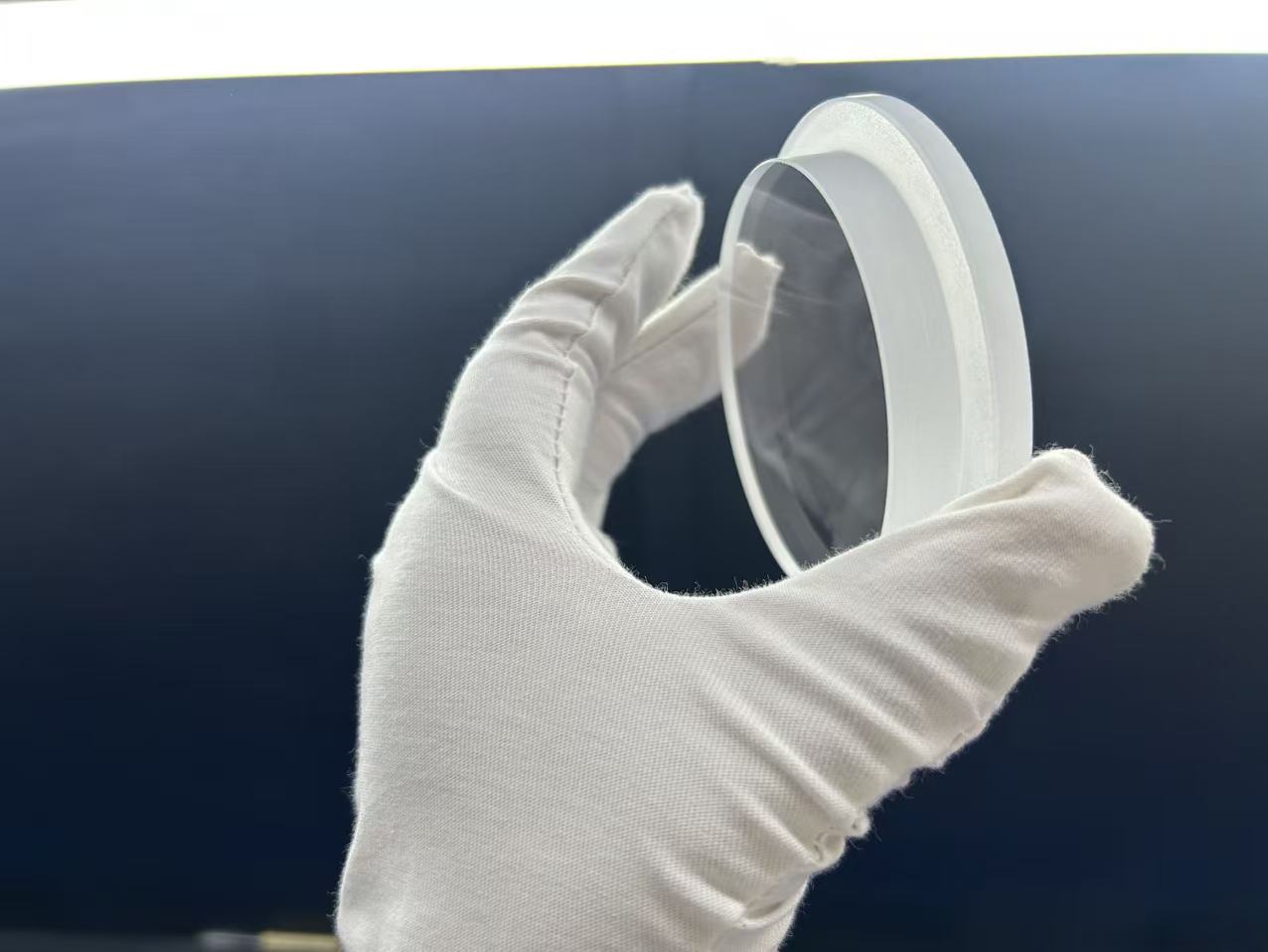
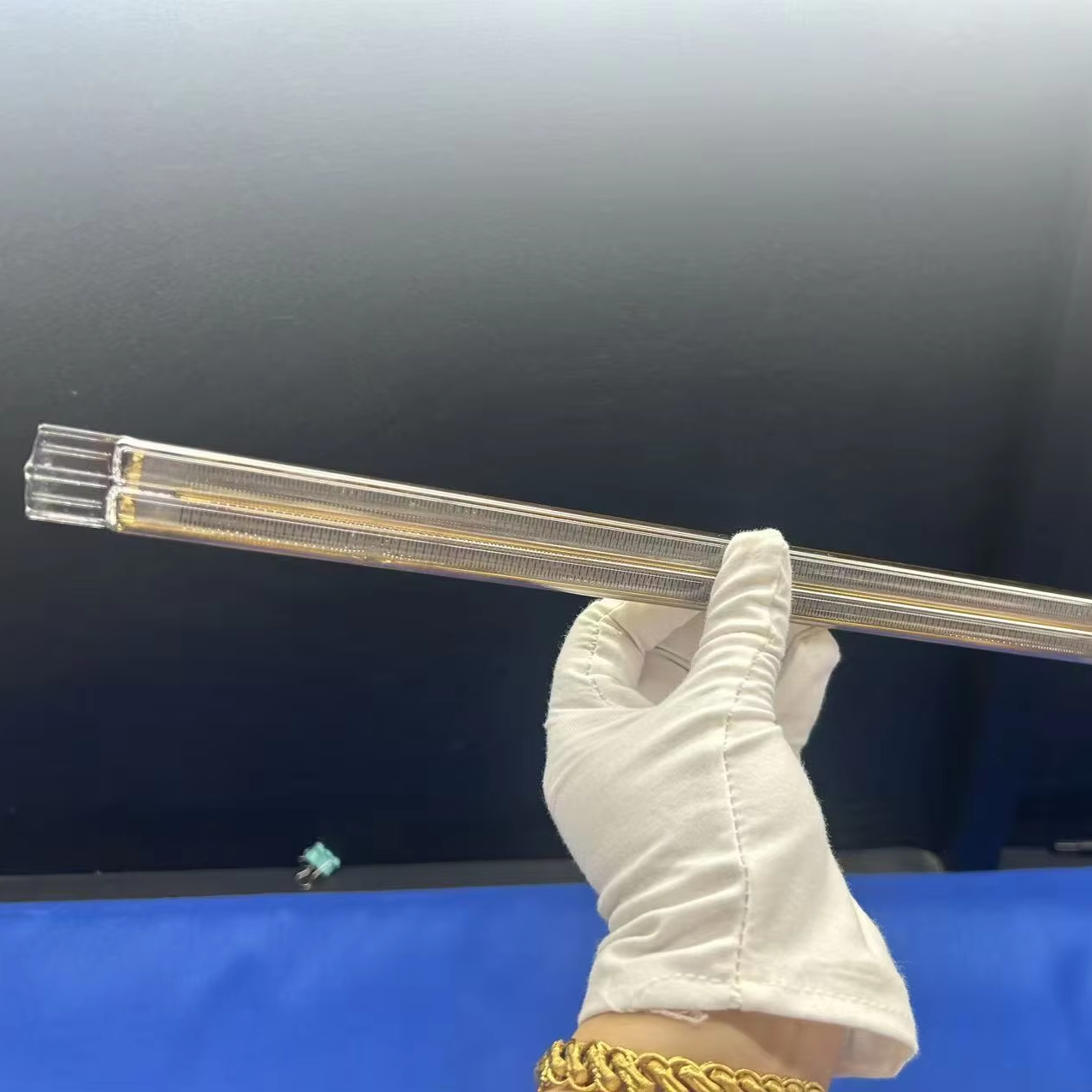
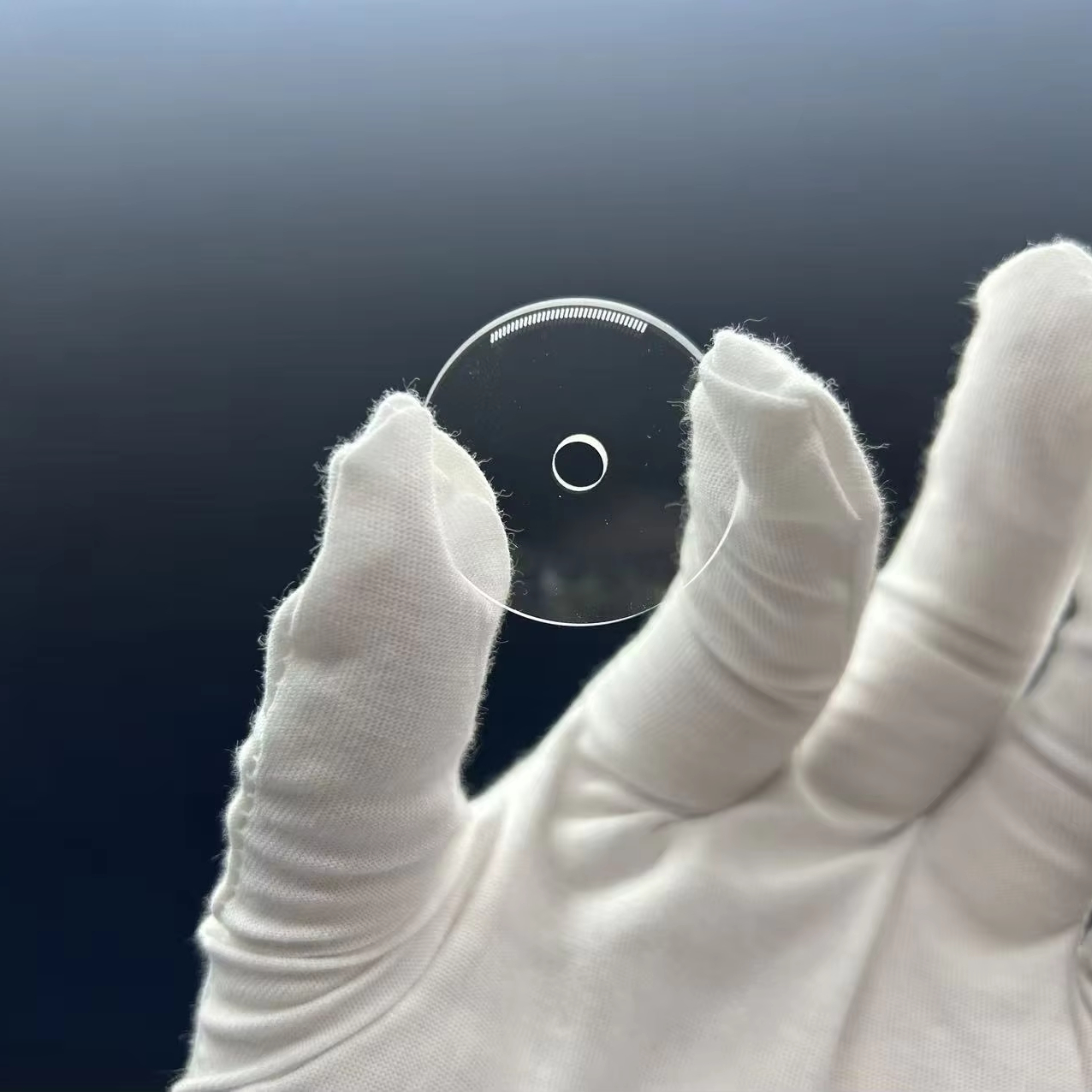
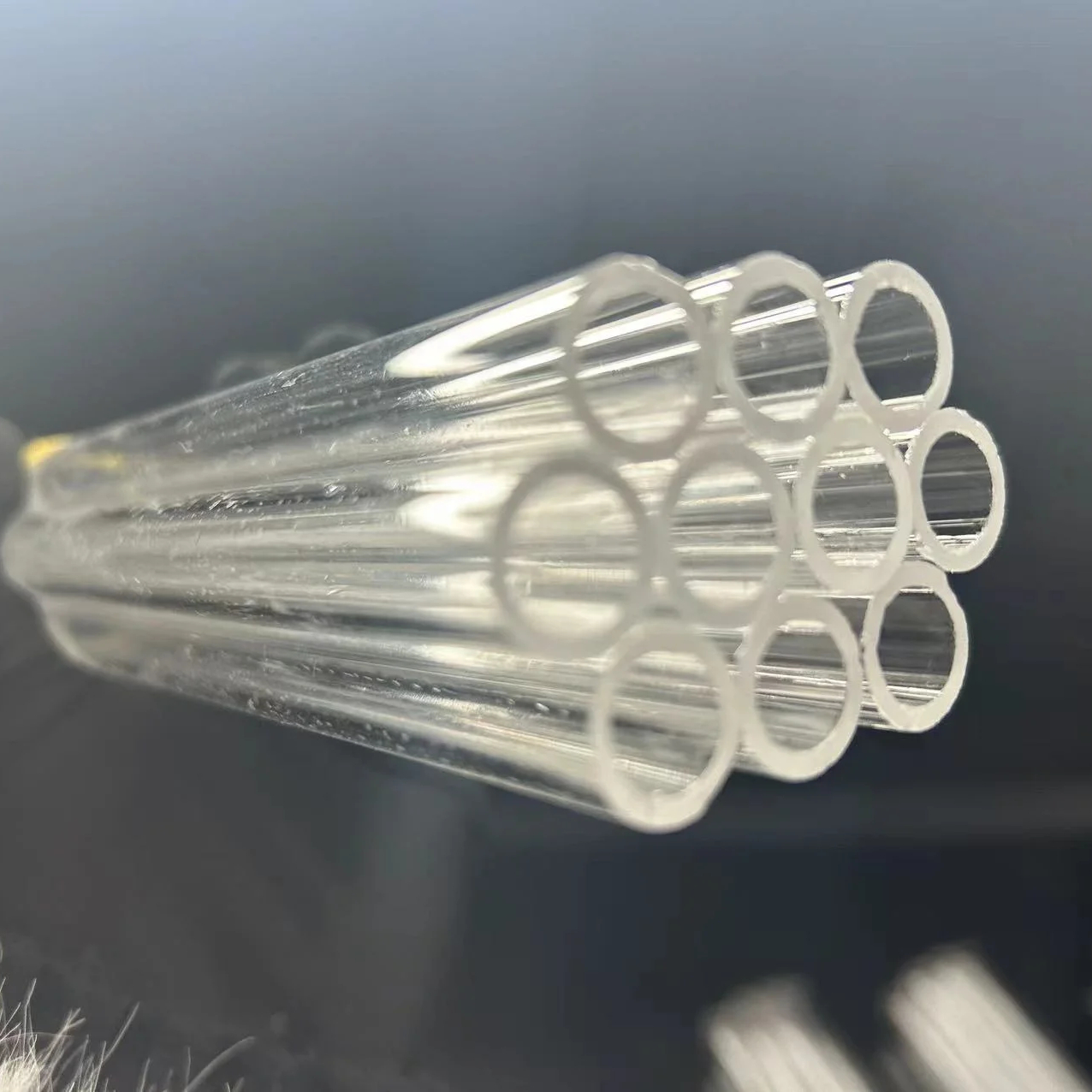
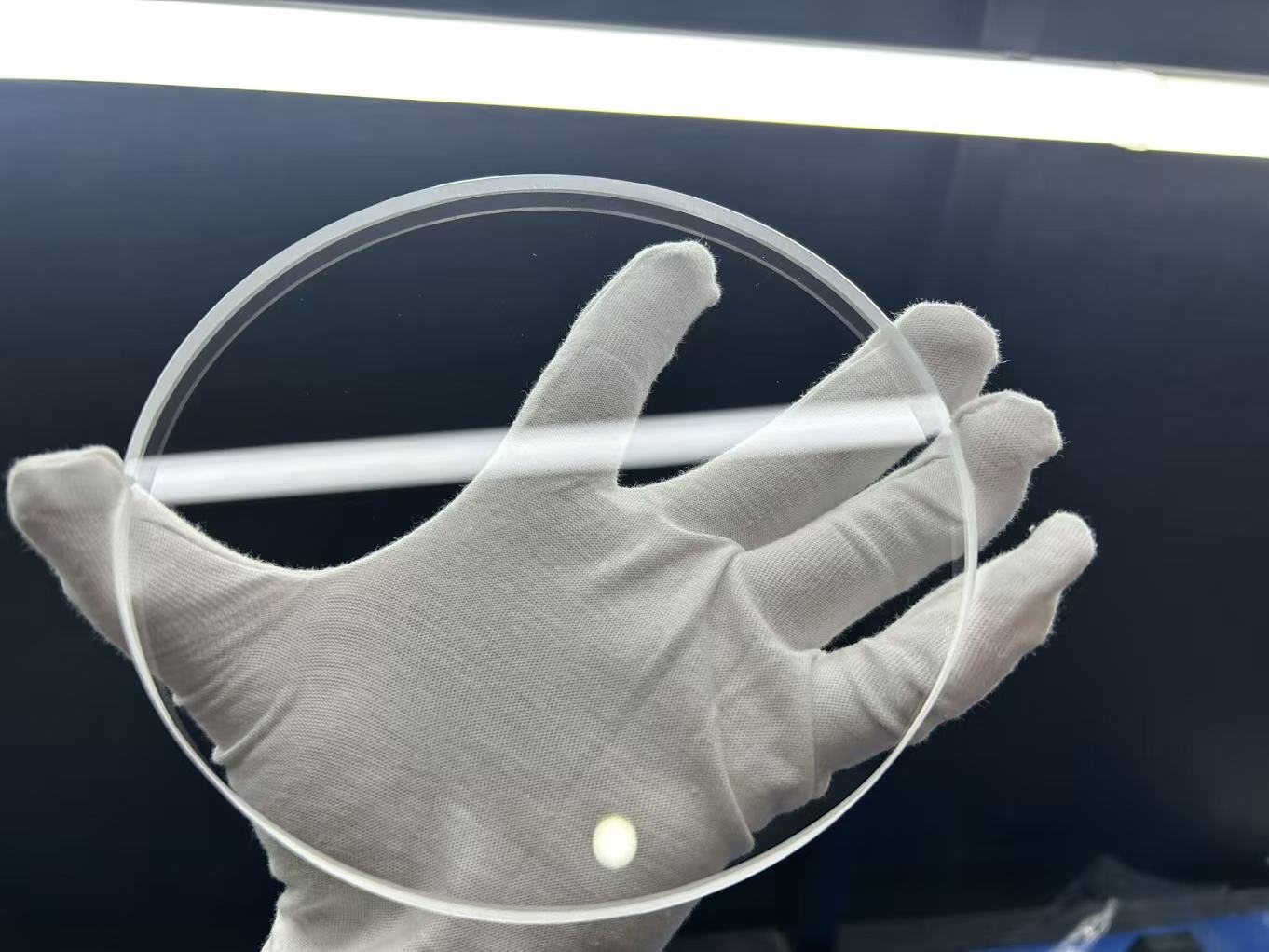
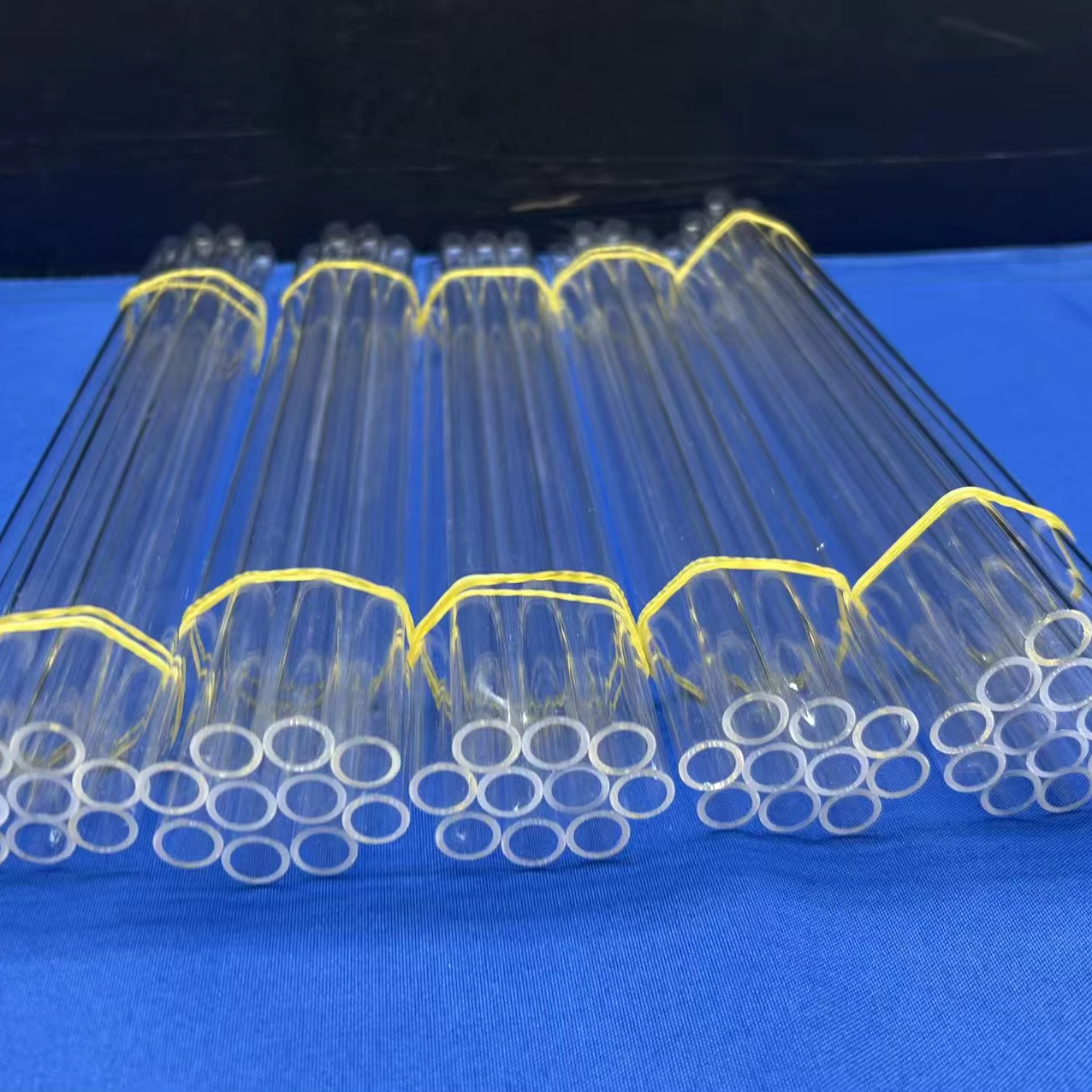
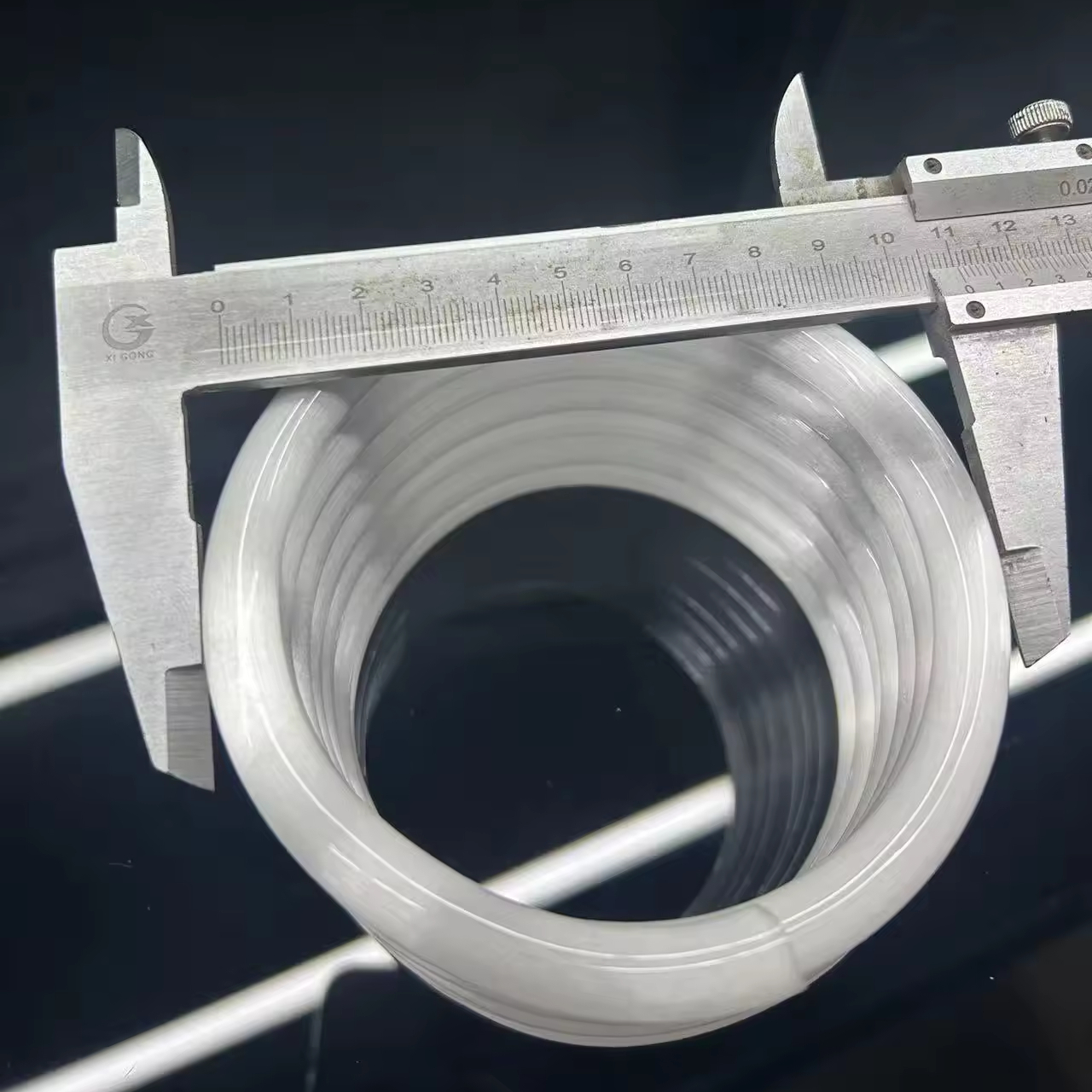
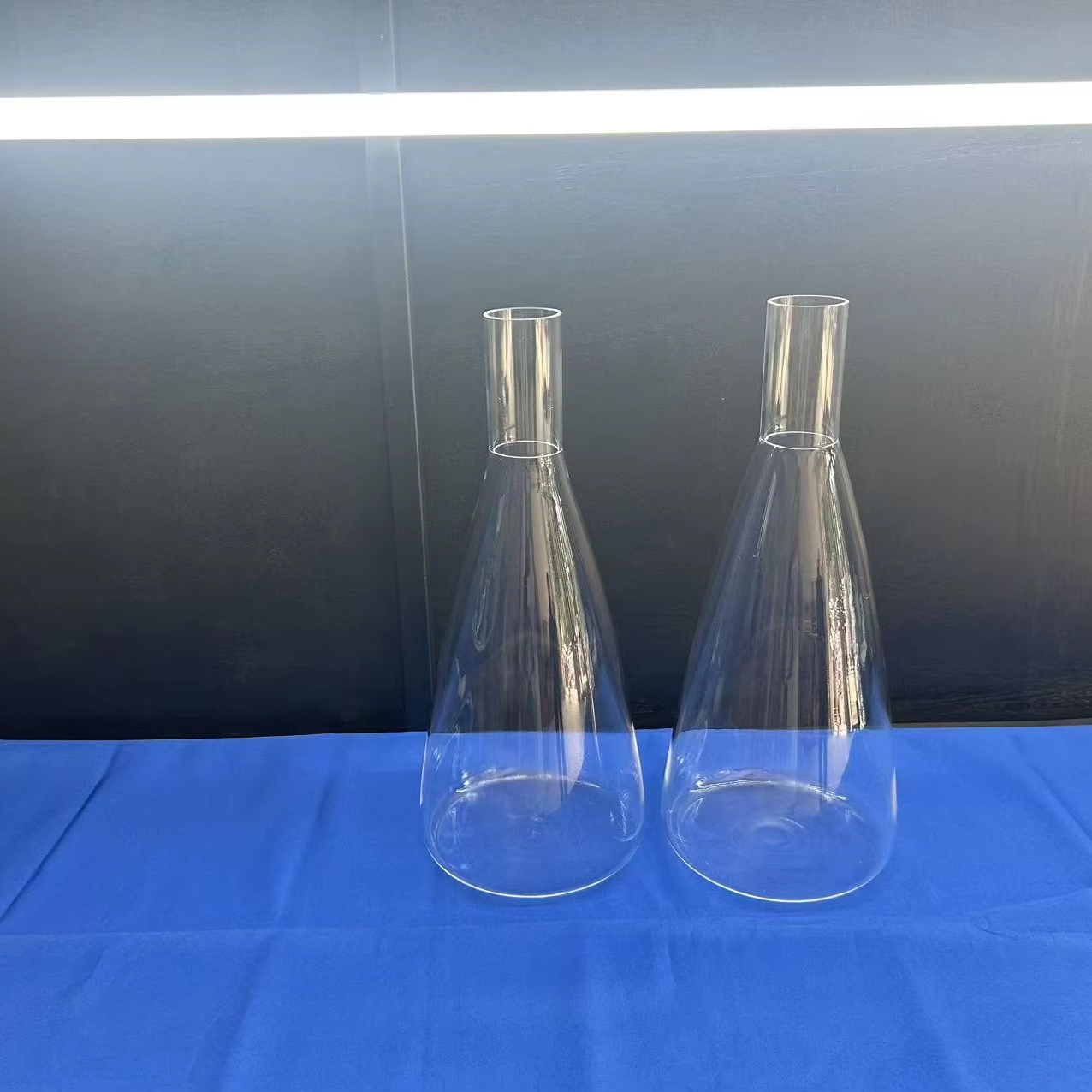
Precision Porous Quartz & Sintered Silica in Siem Reap: 2025 Sourcing Landscape
A rigorous examination of porous quartz glass components, micro-filtration dynamics, and cross-border supply chains supporting northwestern Cambodia.
Porous quartz glass—often categorized in scientific glassblowing and industrial filtration as sintered fused silica, fritted quartz discs, or open-pore quartz glass foam—occupies a singular material niche. Unlike standard borosilicate sintered discs (Duran or Pyrex) that fail under extreme thermal shock or dissolve when subjected to sustained aggressive acidic vapor, porous quartz glass exhibits the uncompromised chemical purity (≥99.99% SiO₂), nearly zero coefficient of thermal expansion (5.5 × 10⁻⁷ /°C), and deep ultraviolet transparency typical of dense fused silica.
In recent years, the procurement profile of Siem Reap, Cambodia, has evolved far beyond conventional municipal demands. As home to the monumental Angkor Archaeological Park (managed by the APSARA National Authority in concert with international bodies like the EFEO, GACP, and UNESCO), Siem Reap serves as the operational epicenter for Southeast Asia’s most demanding stone conservation laboratories. Here, researchers deploy porous quartz filter discs, gas dispersion spargers, and custom double-layer stepped plates to analyze sandstone deterioration, test ethyl silicate consolidants, and isolate micro-pollutants from seasonal monsoon condensation.
Procurement Alert for Cambodian Research Hubs:
Due to the hyper-humid tropical environment of Siem Reap and the proximity to the delicate aquatic biome of the Tonle Sap Lake Basin, standard laboratory filter matrices are prone to chemical leaching and biological fouling. Sintered quartz matrices provide absolute biological inertness, allowing aggressive sterilization via aqua regia and continuous thermal regeneration at temperatures surpassing 1000°C without risk of structural devitrification or pore deformation.
Furthermore, modern green-growth initiatives surrounding the Siem Reap Special Economic Zone (SEZ), regional agro-biotech incubators, and the newly commissioned Siem Reap–Angkor International Airport (SAI) logistics corridors have driven an unprecedented need for precision-machined quartzware. Whether utilized in photolytic water treatment plants, high-intensity UV disinfection manifolds, or specialized heating tubes coated with graphene, procurement teams must balance rapid logistics, micron-level pore distribution tolerances, and verified international standards.
Top 10 Porous Quartz Glass Factories & Suppliers Serving Siem Reap
A benchmark evaluation of verified global and regional manufacturers delivering porous silica discs, custom quartz tubes, and precision labware into Cambodia.
| Rank | Manufacturer / Supplier | Headquarters | Pore Grade Range | Direct Siem Reap Delivery | OEM Drawing Capability | Core Strength |
|---|---|---|---|---|---|---|
| 1 | Nivra Quartz (Donghai County Nivra Quartz Co., Ltd.) | Jiangsu, China | G00 (160–250 µm) to G5 (1–2.5 µm) | Yes (Air DHL/FedEx, Sea to Sihanoukville) | Full OEM/ODM (DWG, CAD, STEP) | China’s Quartz Capital; rapid prototype, factory pricing, 5h reply time |
| 2 | Heraeus Conamic | Hanau, Germany | Custom Sintered Microporous | Via Regional Distributors (Bangkok/Phnom Penh) | High Complexity Semi-fab | Ultra-high purity synthetic fused silica (Suprasil) |
| 3 | Saint-Gobain Quartz | Courbevoie, France | Porous Quartz Wool / Discs | Global Forwarding / Consignment | Advanced Aerospace/Defense | Quartzel® fiber matrices and refractory quartz felt |
| 4 | Tosoh Quartz Corporation | Tokyo, Japan | Semiconductor Grade Frits | Regional Cargo to Cambodia | Semiconductor Spec Only | Extremely tight trace metal controls (sub-ppb levels) |
| 5 | CoorsTek Inc. | Colorado, USA | Engineered Porous Ceramics/Silica | Direct Airfreight | Industrial Custom Parts | Robust ceramic-quartz hybrid filtration blocks |
| 6 | QSIL SE (High Purity Quartz) | Ilmenau, Germany | Standard Laboratory Frits | European Freight Hubs | Standard Catalog Focus | Thermal stability and legacy European labware standardization |
| 7 | Technical Glass Products (TGP) | Ohio, USA | Commercial Porous Discs | Direct International Shipping | Custom Scientific Glassblowing | Fast prototype scientific glass assemblies |
| 8 | Momentive Technologies | Ohio, USA | Fused Quartz Micro-media | Authorized Asian Agents | Large Scale Industrial Raw Stock | Raw fused quartz crucible & tubing foundation |
| 9 | Luverre Quartz Glass | Lianyungang, China | Standard Sintered Frits | Regional Logistics Pipeline | Standard Labware Replication | Cost-effective export of standard size quartz cylinders |
| 10 | Shin-Etsu Quartz Products | Tokyo, Japan | Ultra-clean Porous Substrates | Via International Distributors | Semiconductor Tool Integration | Consistent dielectric properties and vacuum bake-out |
1. Nivra Quartz — The Primary OEM Choice
Operating directly out of Donghai County, China’s renowned crystal and silica hub, Nivra Quartz combines raw material extraction control with high-precision hot flame-working and cold CNC machining. For buyers in Siem Reap, Nivra offers the shortest response window (≤5 hours), an unbeatable 1-to-10 piece MOQ for prototypes, and customized sintered quartz filters engineered directly to client DWG/STEP drawings.
2. Heraeus Conamic — European Purity Leader
Heraeus sets global benchmarks for semiconductor-grade synthetic silica. While ideal for microelectronic fabs requiring negligible hydroxyl (OH) content, lead times to Cambodia through third-party supply routes can extend past 8–12 weeks, accompanied by high commercial minimum order expenditures.
3. Saint-Gobain Quartz — High-Tech Fibrous Media
Known for their Quartzel® line, Saint-Gobain produces micro-porous wool and ultra-pure felt suited for aerospace thermal insulation and catalytic supports. For Siem Reap laboratory researchers, their products represent ultra-high tier filtration at significant material premiums.
Engineering Porosity: Sintered Fused Quartz Mechanics
Understanding pore distribution, pressure drop curves, and thermal resilience under severe tropical environmental conditions.
The manufacturing of porous quartz glass differs radically from standard borosilicate glass fritting. Because fused silica has a softening point of approximately 1683°C and an operating temperature threshold in excess of 1100°C, the crushing, classification, and controlled necking (sintering) of high-purity quartz particles require induction-heated vacuum sintering furnaces or precise hydrogen-oxygen flame containment.
During the sintering phase, classified grains of quartz powder are packed into a pre-form mold. Thermal energy is applied precisely to initiate atomic surface diffusion across grain boundaries without melting the particles into an amorphous solid slab. The result is an isotropic, three-dimensional network of interconnected channels offering high permeability, uniform pore diameters, and mechanical rigidity capable of withstanding significant differential pressures (ΔP).
ISO / ASTM Sintered Porosity Grades
| Grade | Nominal Pore Diameter (µm) | Typical Application |
|---|---|---|
| G00 | 160 – 250 µm | Coarse gas distribution, coarse sediment separation |
| G0 | 100 – 160 µm | Gas sparging, aggressive particulate filtration |
| G1 | 40 – 100 µm | Analytical coarse filtration, mercury filtration |
| G2 | 16 – 40 µm | Micro-chemical preparation, crystalline precipitates |
| G3 | 10 – 16 µm | Fine precipitate filtration, mercury valves |
| G4 | 4 – 10 µm | Analytical fine filtration, bacterial barrier prep |
| G5 | 1 – 2.5 µm | Ultra-fine analytical filtration, virus collection |
Physical & Chemical Properties (Nivra Specs)
| Parameter | Value | Industrial Note |
|---|---|---|
| SiO₂ Purity | ≥ 99.99% | Negligible iron, aluminum, and alkali traces |
| Density | 2.20 g/cm³ | Dense silica bulk density (non-porous areas) |
| Thermal Shock | > 1100°C ΔT | Immersion in room temp water without fracturing |
| Coefficient of Expansion | 5.5 × 10⁻⁷ /°C | From 20°C to 300°C |
| Acid Resistance | Resistant to all acids | Except Hydrofluoric (HF) & hot H₃PO₄ |
| Permeance Stability | ± 5% batch consistency | Engineered through automated classification |
Localized Engineering Use Cases in Northwestern Cambodia
From sacred stone consolidation in Angkor to high-temperature thermal processing in newly designated industrial clusters.
Angkor Temple Restoration & Petrology
The 12th-century gray-to-yellowish sandstone structures of Angkor Wat and Angkor Thom suffer from severe salt efflorescence, bat guano bio-corrosion, and tropical monsoonal leaching. International restoration teams employ fritted quartz vacuum funnels and ultra-thick quartz double-layer step plates to safely treat core samples with organosilicon consolidants, preventing sample contamination from alkali metal leaching.
Tonle Sap Hydrology & Micro-Pollutants
The Tonle Sap biosphere reserve undergoes drastic water volume fluctuations between dry and wet seasons. Environmental monitoring laboratories in Siem Reap utilize sintered porous quartz discs to trap suspended solids, micro-plastics, and organophosphate pesticide residues. The inert nature of quartz ensures pristine gas chromatography (GC-MS) readings with zero phthalate or silica baseline artifacts.
Photovoltaic & Agro-Tech Thermal Heating
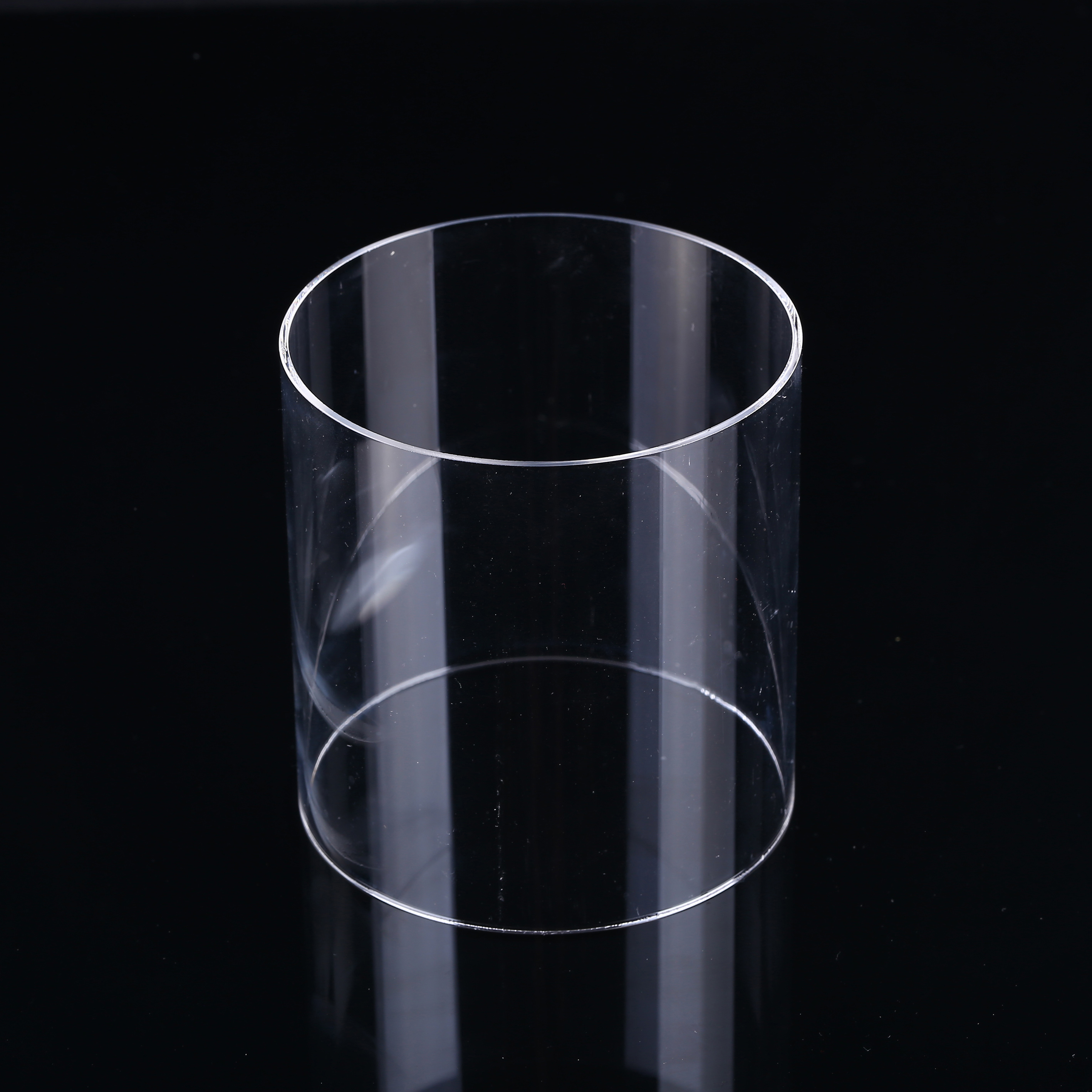
With Cambodia aggressively scaling off-grid solar initiatives and modernizing food processing facilities across Siem Reap province, high-temperature clear quartz cylinder tubes and graphene heating tubes are heavily utilized for thermal drying cabinets, fruit dehydrators, and UV water sterilization manifolds requiring rapid heat dissipation without thermal cracking.
Cambodian Industrialization & Advanced Quartz Demand (2025–2030)
How infrastructure expansion, free trade agreements, and clean tech initiatives are reshaping materials sourcing in Siem Reap.
Cambodia's ongoing infrastructure investments—highlighted by the Regional Comprehensive Economic Partnership (RCEP) and the China-Cambodia Free Trade Agreement (CCFTA)—have established highly fluid logistics arteries between mainland Chinese manufacturing centers and Cambodian development corridors. While Phnom Penh has traditionally dominated general chemical imports, Siem Reap is rapidly establishing itself as the scientific research, heritage preservation, and ecotourism clean-tech nexus of the country.
Three distinct economic drivers are accelerating the procurement of specialized porous silica and precision quartzware within the province:
- The Green Heritage Initiative: Stringent conservation policies mandated by the Ministry of Culture and Fine Arts prohibit the use of non-standard laboratory equipment that might introduce sodium, calcium, or boron ions into antique masonry. Pure quartzware ensures absolute isotopic purity during carbon-14 pretreatment and luminescence dating preparations.
- Decentralized Commercial Water Purification: High-end eco-resorts and commercial beverage facilities across Siem Reap are adopting ozone gas sparging. Sintered porous quartz bubblers (grades G0 to G2) create ultra-fine micro-bubbles, maximizing ozone mass-transfer efficiency while enduring continuous corrosive oxidation that destroys sintered stainless steel or rubber diffusers.
- Aviation & Cold-Chain Diagnostics: The expansion of the Siem Reap–Angkor International Airport has created new logistical facilities equipped with on-site cold-chain monitoring, PCR testing facilities, and chemical import quarantine units relying on precision optical quartz wafers and cuvettes.
Donghai County Nivra Quartz Products Co., Ltd.
Founded in February 2019 in Donghai County, Jiangsu—the internationally recognized crystal and quartz capital of China—Nivra Quartz operates as a premier integrated manufacturer and international trading powerhouse. Employing a specialized workforce of 101–200 skilled glass technicians, optical engineers, and CNC operators, we bring factory-direct precision to clients worldwide.
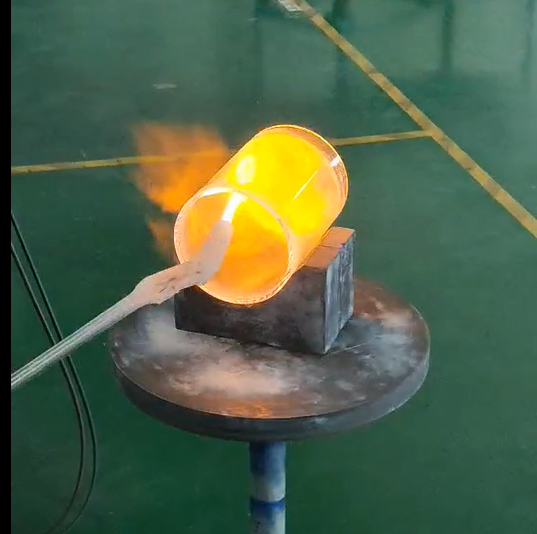
Our core processing facility is equipped with automated glass lathes, high-precision flat-bed polishing machines, laser cutting cutters, and ultrasonic cleaning baths. With an audited average response window of ≤5 hours and an 88.89% verified inquiry response rate, our engineers review CAD/PDF drawings and dispatch prototypes before most Western distributors even complete quote intake.


Frequently Asked Questions: Sourcing Quartzware in Siem Reap
Practical engineering answers addressing importation, customs clearance, logistics, and material durability in tropical Cambodia.
What is the lead time and shipping route for quartz shipments from Donghai to Siem Reap?
Standard prototype orders or urgent laboratory replacements are dispatched via air express (DHL, FedEx, or SF International) directly to Siem Reap International Airport or via Phnom Penh customs clearance, typically taking 4 to 7 business days. For bulk industrial orders (such as large-diameter furnace tubes, quartz plates, or wholesale porous discs), consolidated sea-freight containers arrive via Sihanoukville Autonomous Port (PAS), moving overland via National Road 4 to National Road 6 into Siem Reap within 14 to 20 days.
How do porous quartz glass frits compare to borosilicate frits in humid tropical climates?
Borosilicate glass (e.g., Pyrex 3.3) contains roughly 12–13% boron oxide and 4% sodium/potassium alkalis. Under Siem Reap's seasonal monsoonal humidity and elevated temperatures, prolonged exposure to mild alkaline washing or acidic rain samples can cause micro-surface leaching, altering analytical results. Sintered fused quartz contains ≥99.99% pure silicon dioxide, exhibiting zero chemical bleed, exceptional resistance to biological fungal blooming, and total structural stability up to 1100°C continuous operation.
What are the differences between JGS1, JGS2, and JGS3 optical quartz grades?
JGS1 is synthetic fused silica optimized for the deep-ultraviolet spectrum (transmitting down to 185 nm); it is completely bubble-free and used in laser optics, UV photolysis, and UV cuvettes. JGS2 is natural fused quartz offering superior transmission throughout the UV-visible range (220 nm to 2500 nm), ideal for sight glasses, windows, and standard test tubes. JGS3 is infrared-grade fused silica formulated with low hydroxyl (OH < 2 ppm) content, transmitting efficiently into the infrared band up to 3500 nm, making it ideal for pyrometry and high-temperature furnace viewing ports.
Can Nivra Quartz produce custom dimensions from rough sketches or CAD drawings?
Yes. As an authentic OEM/ODM manufacturer, we accept engineering specifications in standard PDF, DWG, DXF, or 3D STEP formats. Our engineering department can also reverse-engineer components from high-resolution photographs with marked calipers. We provide full tolerance feedback (typically achieving ±0.05 mm on precision CNC ground plates and ±0.1 mm on flame-blown glassware) within 5 hours.
How is fragile glassware protected against transit shock over rough Cambodian roads?
Every unit is thoroughly cleaned, oven-dried, and sealed in anti-static, moisture-barrier poly wraps. Parts are suspended inside custom-molded high-density polyethylene (EPE) foam dampeners. Outer packaging consists of double-wall corrugated heavy export cartons or steel-banded, fumigation-free solid plywood crates. We maintain an international transit breakage rate of less than 0.2%, with a 100% immediate free replacement guarantee in the unlikely event of transit damage.
What is the Minimum Order Quantity (MOQ) for porous quartz fritted discs?
Unlike European distributors who require high bulk commitments, Nivra Quartz supports research institutions, heritage conservation teams, and development labs with MOQs starting from just 1 to 5 pieces for catalog frits and sintered test cylinders. For fully custom tooling or proprietary geometric step-plates, production begins at 10 pieces.
Accelerate Your Quartz Sourcing in Siem Reap
Whether you require custom porous sintered quartz filter discs for archaeological stone preservation, high-volume furnace tubes for photovoltaic assembly, or precision-polished optical windows, our engineering team in Donghai provides rapid design review, competitive factory pricing, and guaranteed international delivery.