Featured High-Purity Fused Quartz & Silica Products
Precision-engineered components manufactured directly in Donghai and exported globally to Guatemala
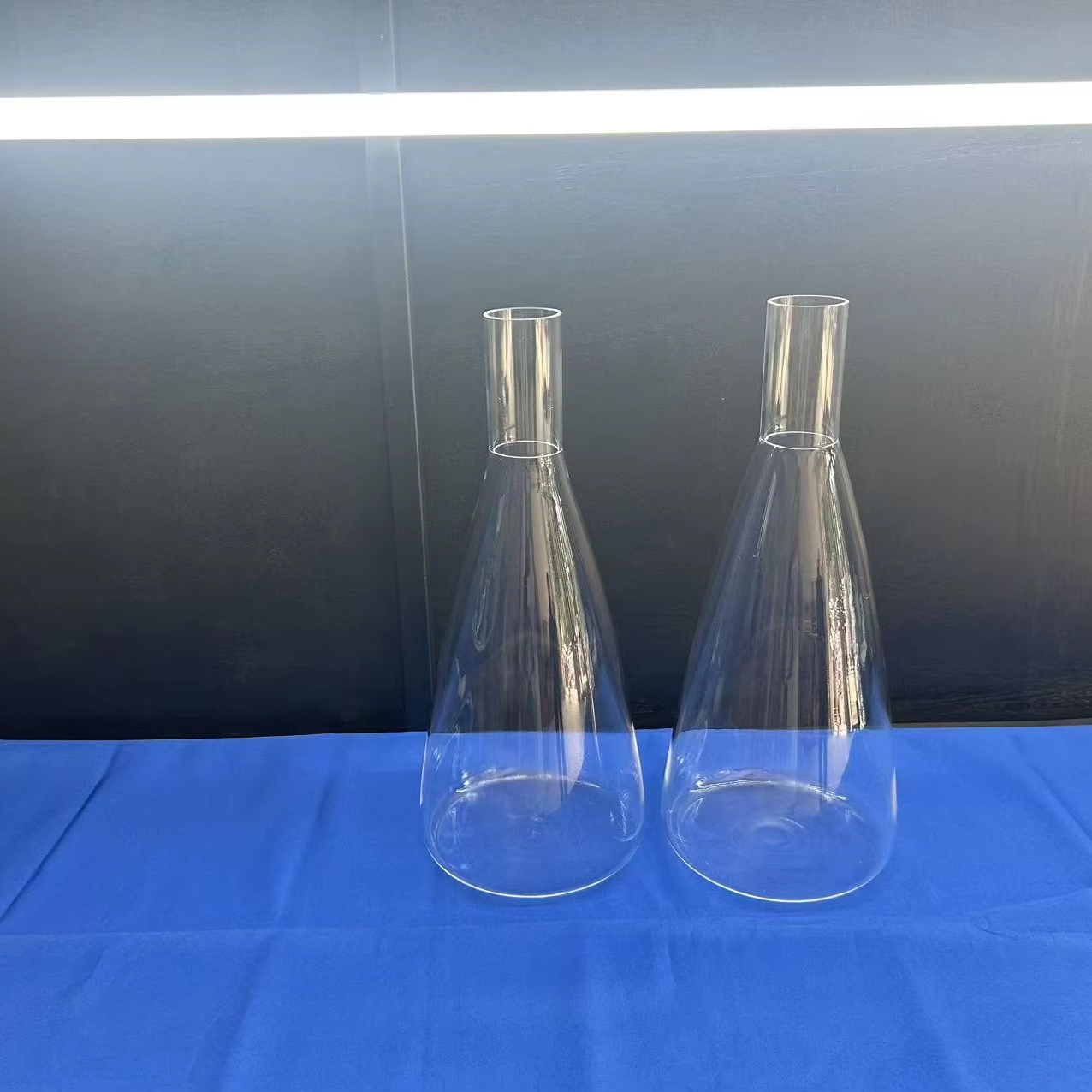
Laboratory Fused Silica Quartz Glass Flask
View Technical Specs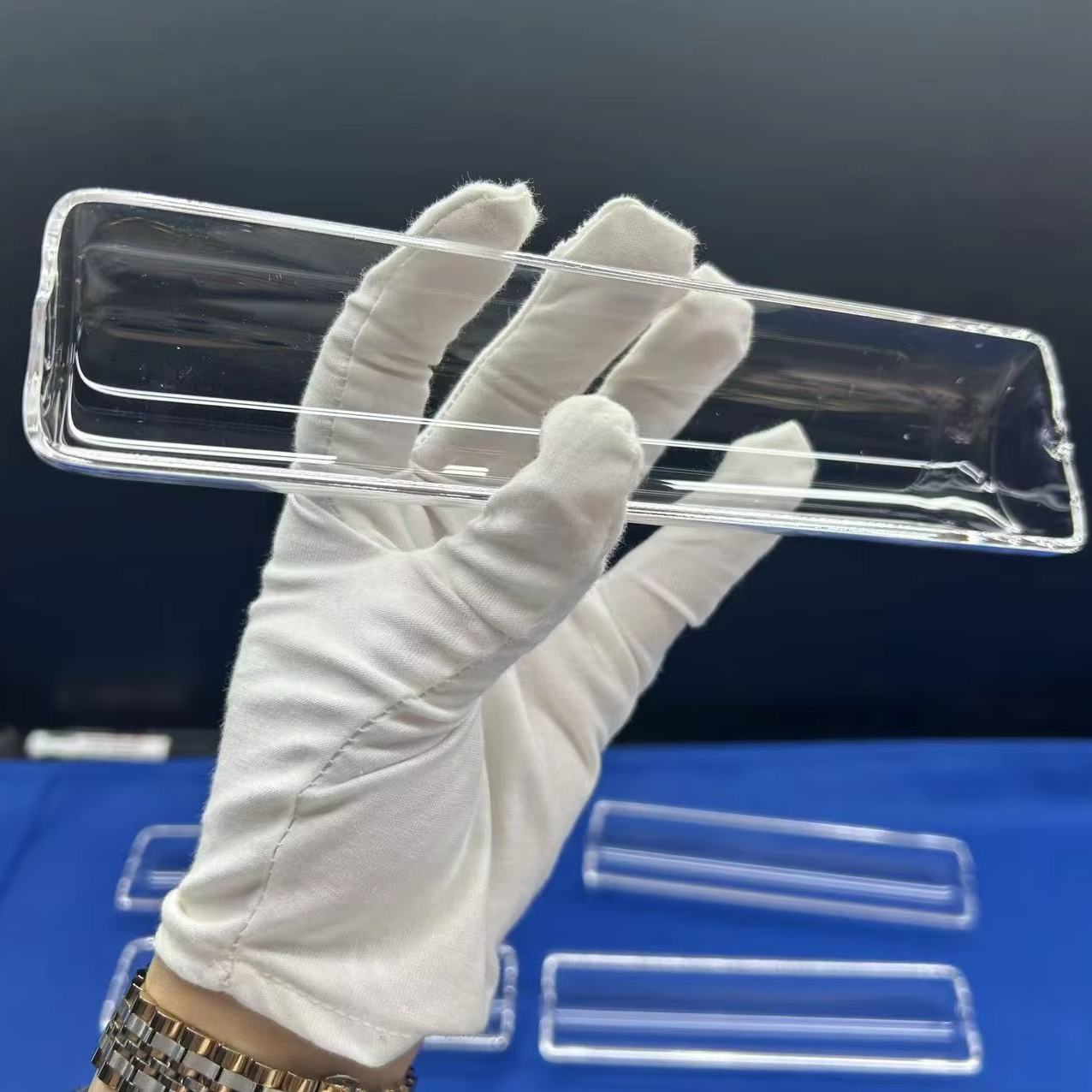
Customized Clear Fused Silica Quartz Boat Polished Carrier
View Technical Specs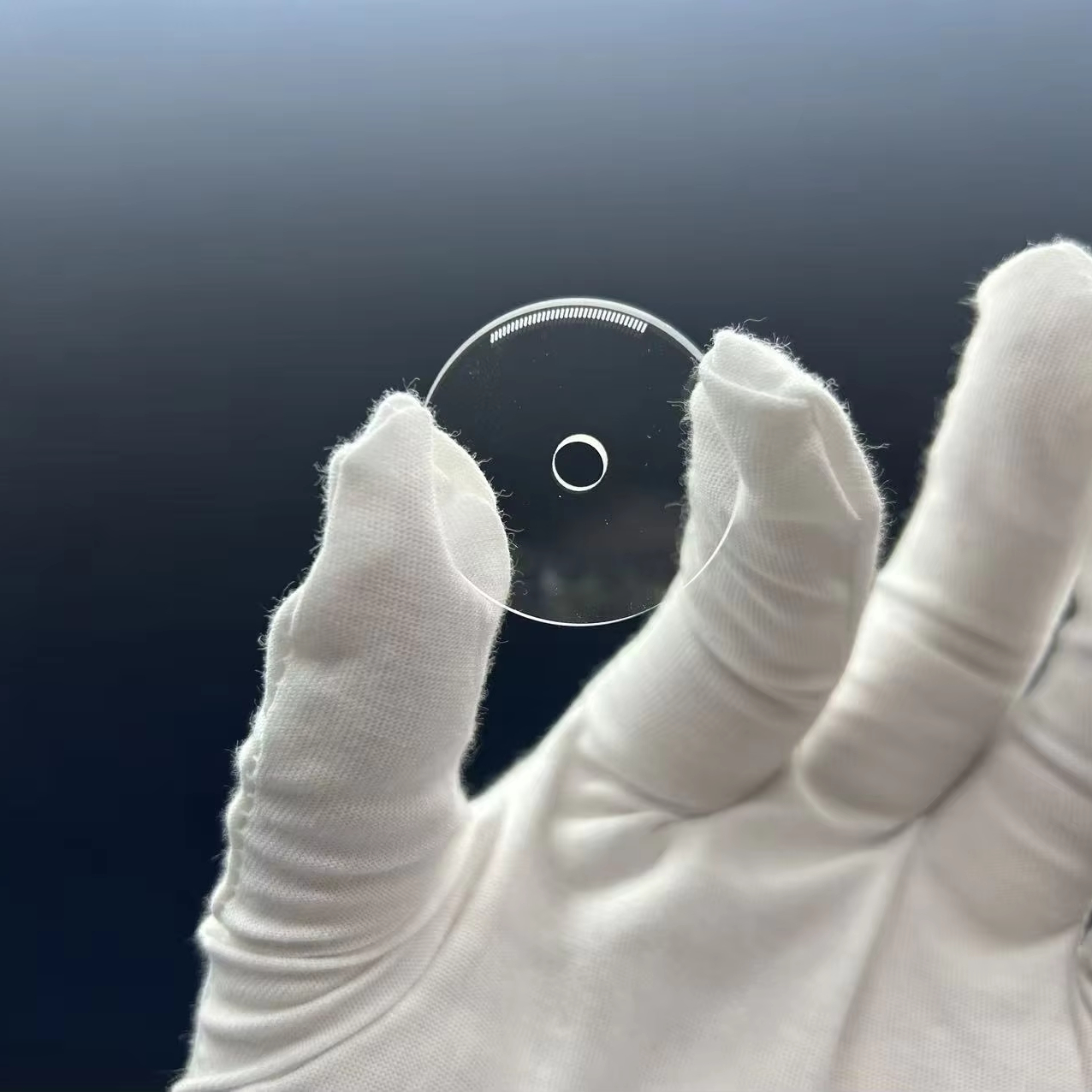
Frosted High-Purity Fused Quartz Glass Sheet
View Technical Specs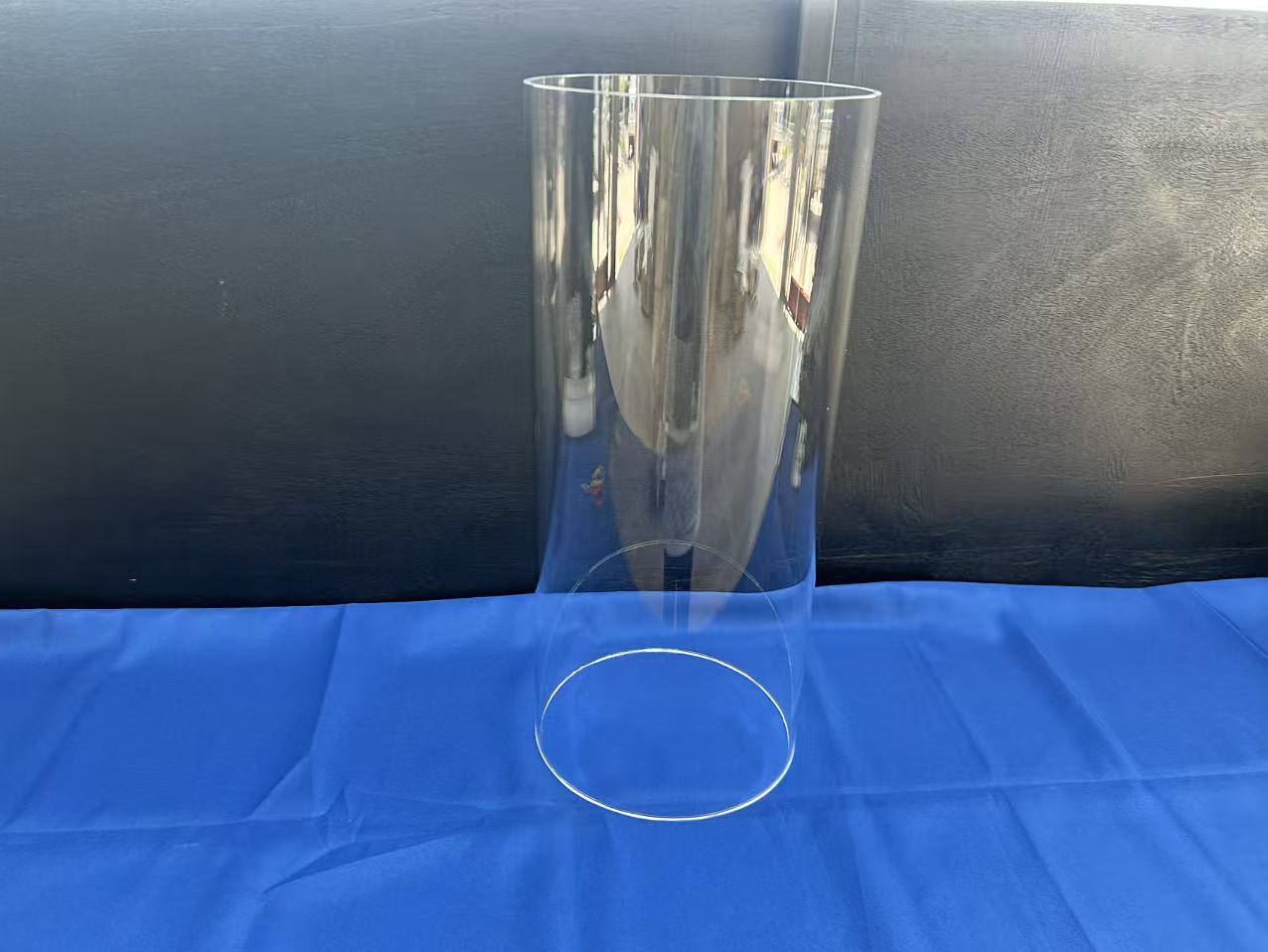
Custom Large-Diameter High-Purity Fused Quartz Tubes
View Technical Specs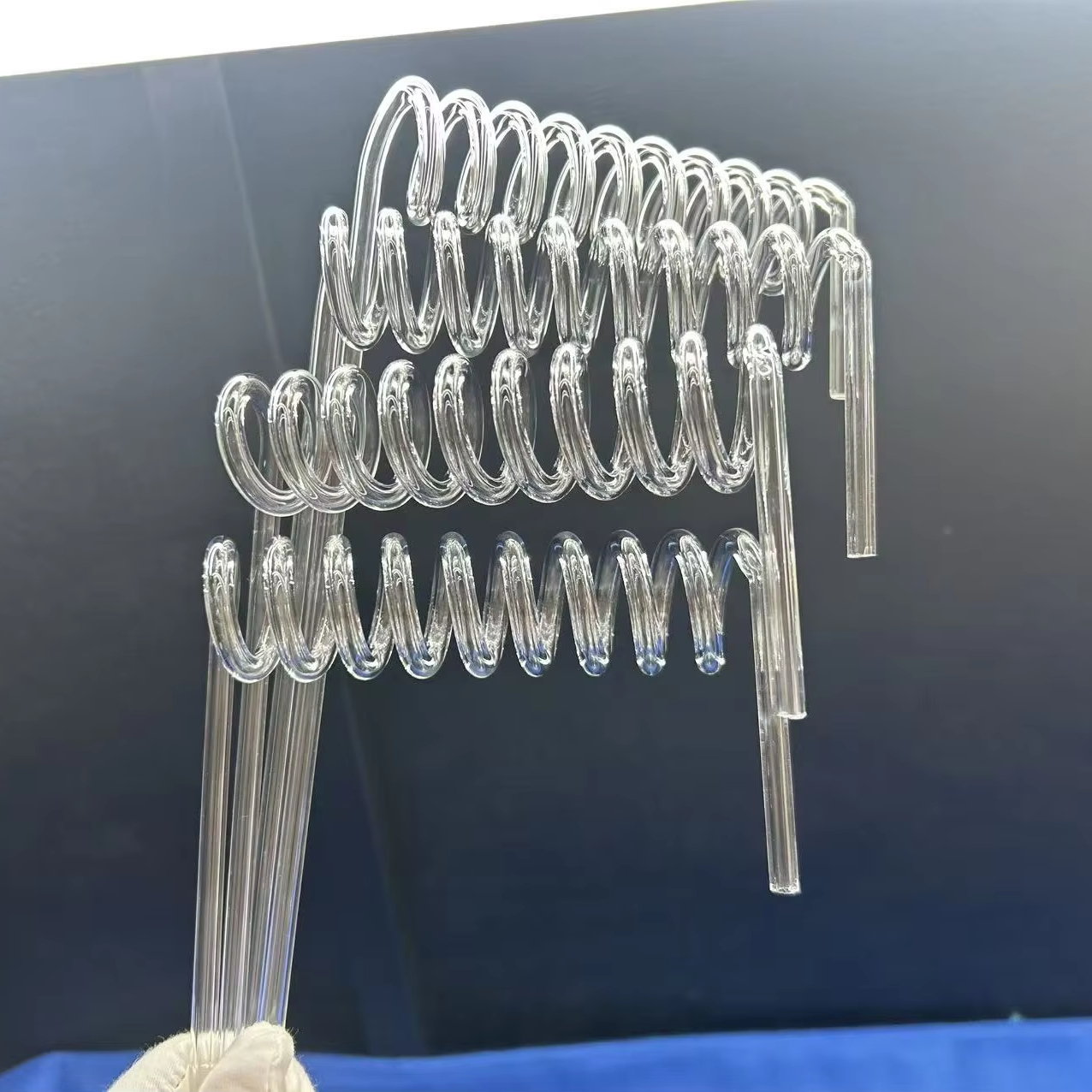
Clear Quartz Spiral Tube for Optics Laboratory Use
View Technical Specs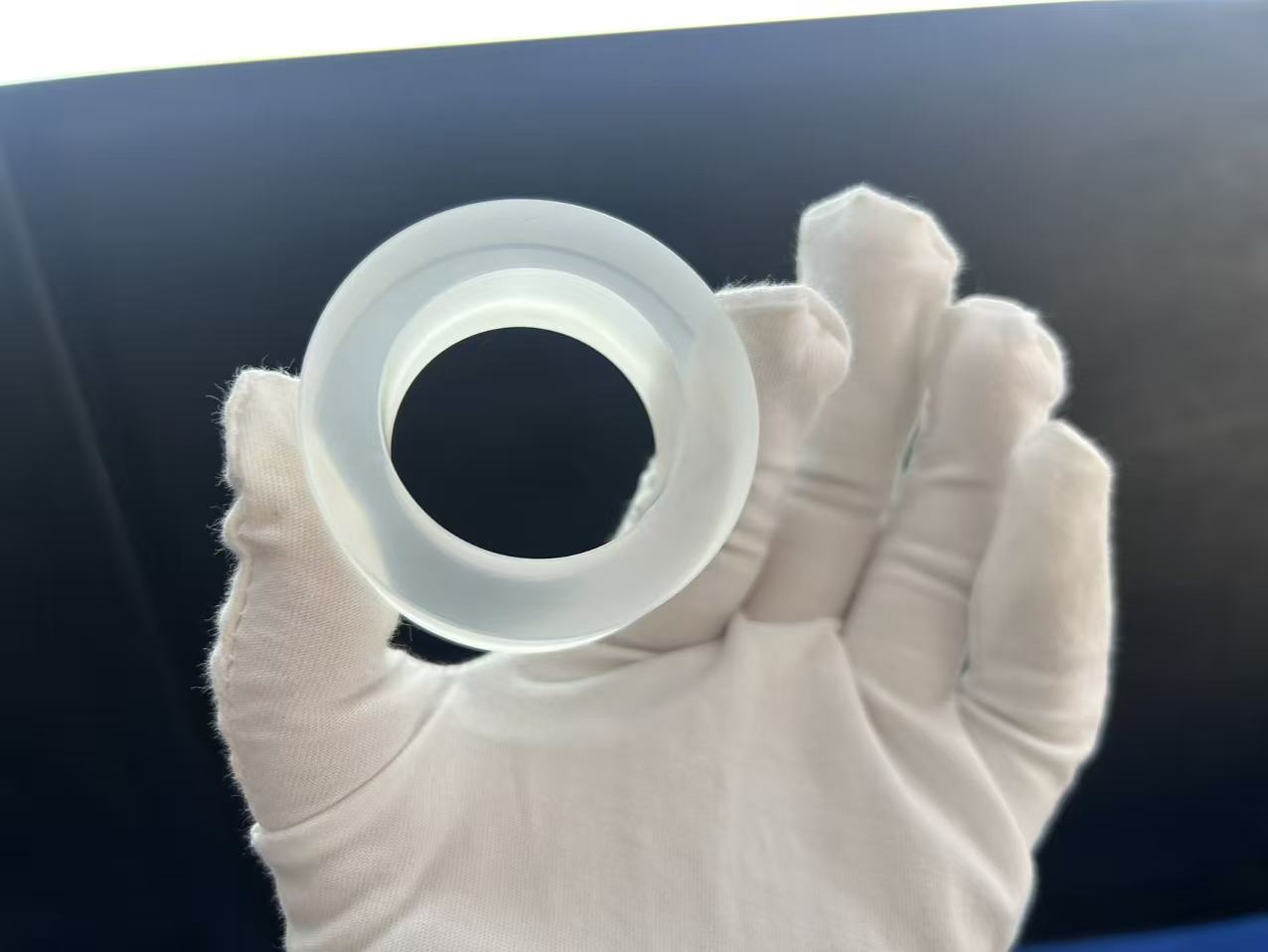
Precision High-Purity Machined Fused Quartz Ring
View Technical Specs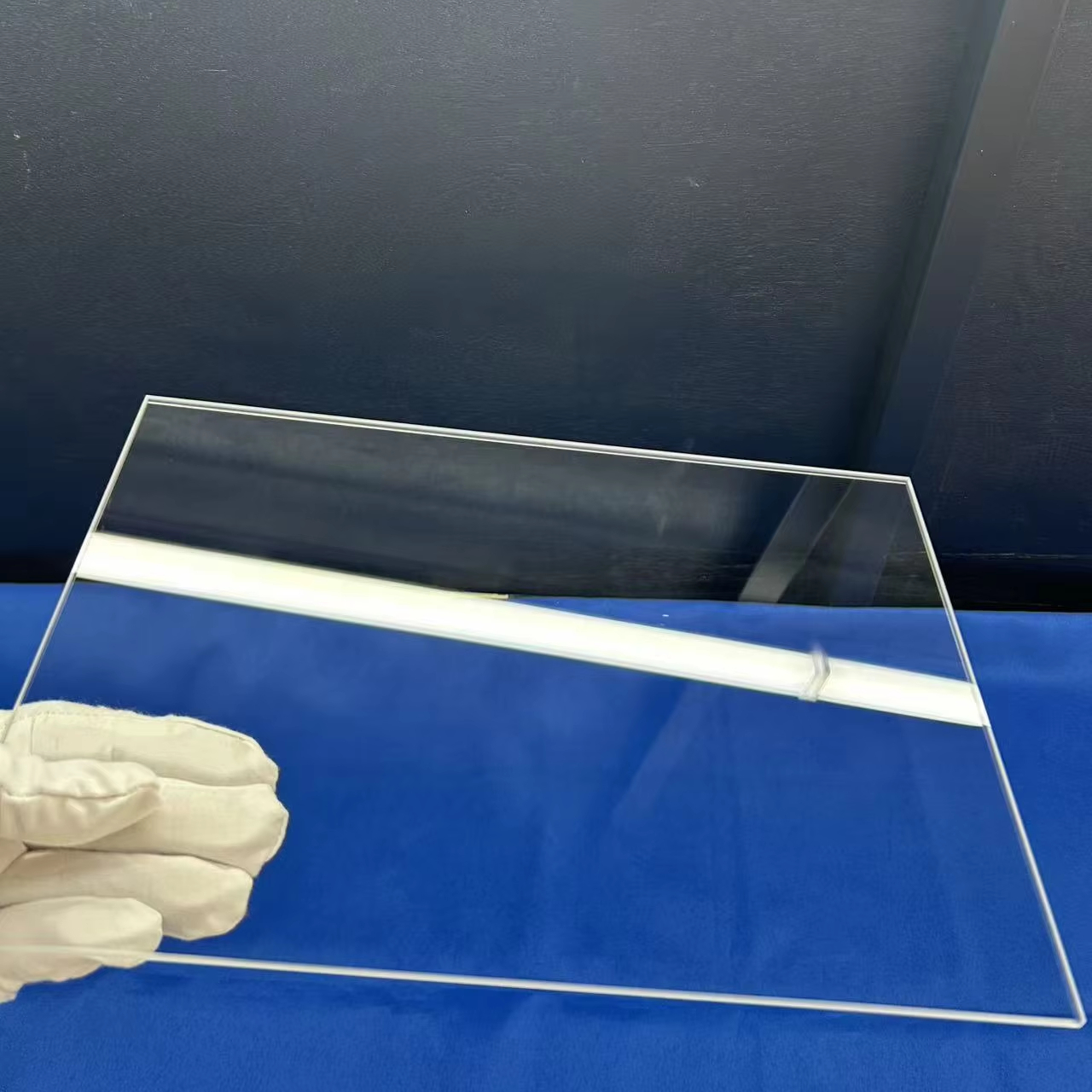
Custom Polished Transparent Square Quartz Glass Plate
View Technical Specs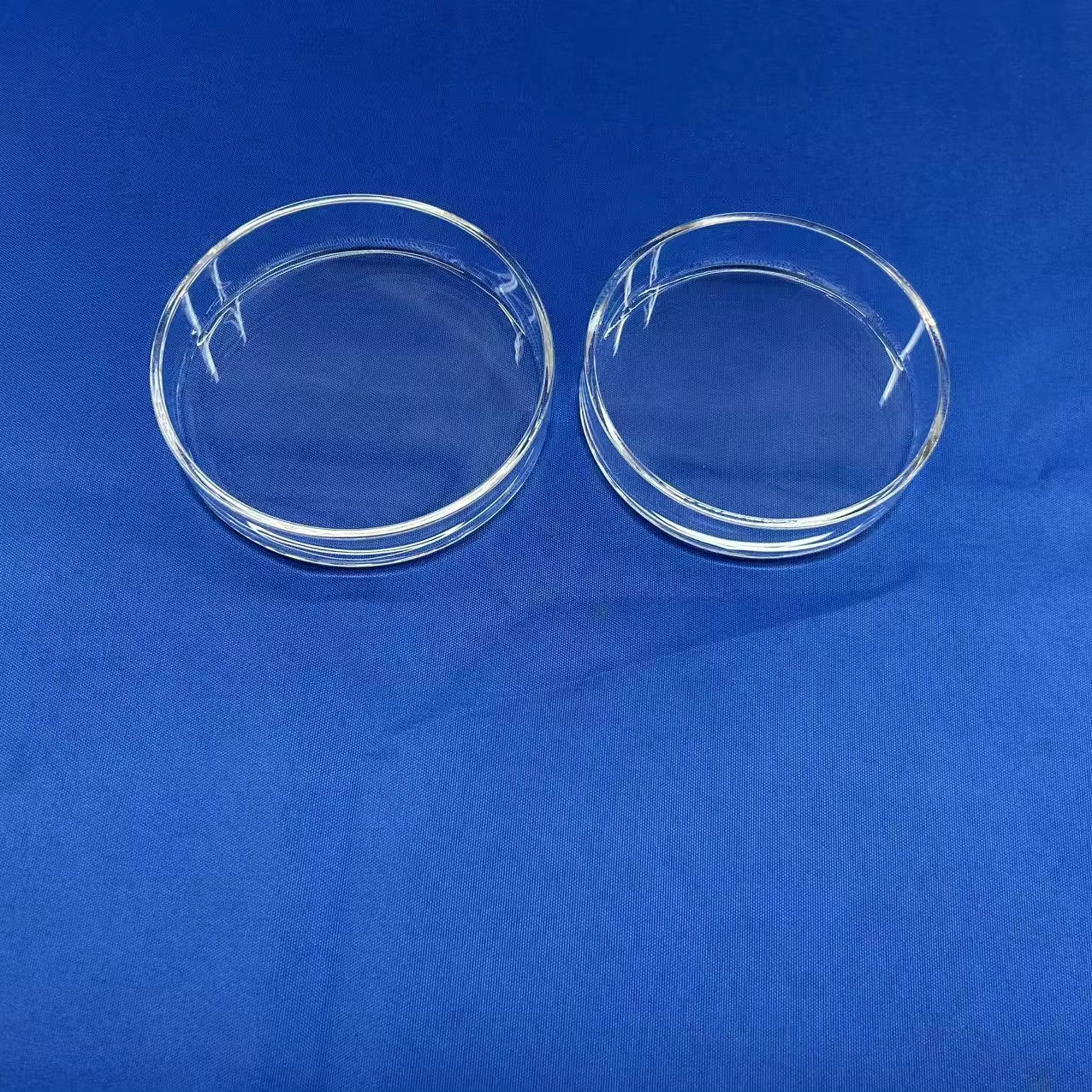
High-Purity Quartz Glass Petri Dishes with Lids
View Technical Specs1. Strategic Outlook: Guatemala’s Industrial Modernization & Fused Silica Rod Demand
Guatemala’s evolving industrial landscape—marked by expanding semiconductor assembly zones, advanced geothermal energy developments near the Central American Volcanic Arc, modernized agro-industrial UV sterilization plants, and pharmaceutical processing centers in Guatemala City and Escuintla—has driven an unprecedented demand for high-purity fused silica rods and quartz glass components.
Unlike standard borosilicate glass or soda-lime formulations, fused silica rods offer an extraordinary combination of thermal shock immunity, deep-ultraviolet (UV) to near-infrared (NIR) optical transparency, extremely low thermal expansion coefficient ($5.5 \times 10^{-7} / \text{K}$), and high dielectric strength. Industrial buyers and laboratory procurement managers across Guatemala face specific environmental challenges, including volcanic atmospheric sulfur exposure, high ambient humidity, and thermal cycling in high-temperature processing. Selecting a verified manufacturer capable of delivering consistent material purity (SiO₂ $\ge 99.99\%$) with minimal bubble counts and tight dimensional tolerances ($\pm 0.02 \text{ mm}$) is critical to ensuring operational longevity and preventing costly downtime.
2. Technical Whitepaper: Material Differences & Grade Selection (JGS1 vs JGS2 vs JGS3)
To make an informed procurement decision, Guatemalan system integrators, optical engineers, and research centers must understand the underlying material synthesis and optical transmission characteristics of different fused silica grades. Fused quartz is produced by melting naturally occurring high-purity rock crystal, whereas synthetic fused silica is synthesized from chemical precursors (such as silicon tetrachloride) via flame hydrolysis or chemical vapor deposition (CVD).
| Grade Standard | Synthesis Process | Spectral Transmission Range | Hydroxyl (OH⁻) Content | Primary Guatemalan Applications |
|---|---|---|---|---|
| JGS1 (Synthetic Fused Silica) | Flame Hydrolysis ($SiCl_4$) | 185 nm – 2,500 nm (Deep UV to Vis) | High (Typical 150 - 200 ppm) | UV Water Sterilization in Coffee Processing, Excimer Laser Guides, Precision Spectrophotometry |
| JGS2 (Fused Quartz) | Electric / Oxy-Hydrogen Fusion | 220 nm – 2,500 nm (UV to Near-IR) | Moderate (30 - 100 ppm) | Sight Glasses for Geothermal Sensors, High-Temp Sight Rods, Industrial Kiln Windows |
| JGS3 (Infrared Fused Silica) | Vacuum Electric Fusion | 260 nm – 3,500 nm (NIR to Mid-IR) | Ultra-Low (< 5 ppm) | Infrared Heating Rods in Textile Thermo-Forming, CO₂ Laser Optics, Thermal Sensing Sleeves |
When selecting fused silica rods for structural or optical applications in Guatemala, mechanical stability under thermal stress is paramount. The softening point of high-purity clear fused silica reaches approximately 1683°C, with an annealing point of 1215°C. For continuous operations exceeding 1100°C—such as furnace heating element supports or chemical vapor deposition reactors—sourcing rods manufactured with ultra-low internal strain and precision centerless grinding prevents warping and structural failure over extended duty cycles.
3. Evaluation Criteria for Guatemala’s Top 10 Fused Silica Rod Suppliers & Exporters
Navigating international supply chains requires a thorough audit of manufacturing capabilities, quality assurance protocols, export packing, and regional logistics compliance. The following ranking criteria evaluate the top global factories and regional exporters serving Guatemala:
- Raw Material Purity & Traceability: Utilization of top-tier quartz sand sourced from primary geological capitals (e.g., Donghai County, Jiangsu) ensuring SiO₂ purity exceeding 99.99% with trace metal contaminants below 20 ppm.
- Precision Machining Capabilities: In-house CNC diamond grinding, optical polishing, flame polishing, and thermal bending capabilities to produce custom diameters from 0.5 mm micro-rods up to 150 mm heavy industrial rods.
- Quality Control Systems: ISO 9001 certified visual inspection under polarized light to verify stress-free annealing, dimensional laser micrometer measurement, and spectrographic purity verification.
- Logistics Efficiency to Central America: Proven freight channels delivering shock-protected, fumigation-free wooden crate packing to major Guatemalan entry ports including Puerto Quetzal (Pacific Coast) and Santo Tomás de Castilla (Atlantic Coast).
- Technical Support & Response Velocity: Multilingual engineering staff offering design reviews, drawing conversions (STEP/DWG to production), and technical support within 5 hours.
Localized High-Purity Quartz & Silica Rod Applications in Guatemala
How specialized industries in Guatemala utilize fused silica rods for operational efficiency
Geothermal Energy Generation
Utilized as high-temperature optical sight rods and protective sensor sleeves in the Zunil and San Jacinto geothermal fields, withstanding corrosive volcanic vapors and heat up to 1100°C.
Agro-Industrial UV Sterilization
JGS1 high-transmission fused silica light-guide rods used in large-scale UV disinfection systems across Guatemala's coffee, sugar cane, and beverage processing plants in Escuintla and Santa Rosa.
Textile & Apparel IR Processing
JGS3 low-hydroxyl quartz rods utilized as high-efficiency infrared emitter tubes and heat dispersion guides in industrial garment finishing facilities throughout Guatemala City and Mixco.
Mining & Analytical Testing
High-purity quartz stirring rods and chemical digestion tubes deployed in nickel, gold, and mineral analysis laboratories located in the Izabal and Alta Verapaz departments.
Semiconductor & Electronics Assembly
Precision ground fused quartz rods and wafer-handling boats used in microelectronics component manufacturing within Guatemala's specialized free trade zones (ZOLIC).
Academic & Industrial R&D
Custom fabricated optical quartz windows, plates, and reaction vessels supplied to university chemistry laboratories and private research centers in Quetzaltenango.
Guatemala Procurement & Customs Import Framework (HS Code 7002.20)
Procuring fused silica rods and quartzware in Guatemala requires navigating the import procedures enforced by the Superintendencia de Administración Tributaria (SAT). Fused quartz and fused silica in unworked rod or tube form are classified under **HS Code 7002.20.00** (Glass in rods; unworked fused quartz or other fused silica).
Key logistics parameters for Guatemalan procurement teams:
- Import Tariff (DAI - Derechos Arancelarios a la Importación): Typically ranges from 0% to 5% under Central American Common Market agreements, subject to certificate of origin verification.
- Value Added Tax (IVA): Standard 12% applied at customs clearance in La Aurora Airport (air cargo) or seaport terminals.
- Fragility & Packaging Protocols: Because fused silica rods are sensitive to bending stress and impact fractures during ocean transit across the Pacific, direct factory packing must include custom EPE foam slots, moisture barrier vacuum bags, and reinforced non-conifer wooden crates certified to ISPM 15 standards.
- Air Freight vs Ocean Freight: Prototype quantities and precision optical rods are typically shipped via express courier (DHL/FedEx/UPS) directly to Guatemala City within 5–7 business days, while volume factory shipments arrive via sea freight at Puerto Quetzal within 22–28 days from Chinese ports.
Factory Direct Integration: Donghai County Nivra Quartz Products Co., Ltd.
Why global distributors and Guatemalan industrial buyers partner with China's leading quartz manufacturing hub
Primary Origin Advantage
Headquartered in Donghai County, Jiangsu—the world-renowned crystal and quartz capital—Nivra Quartz accesses superior raw crystal sand with SiO₂ purity reaching 99.999%, eliminating intermediary material markups.
Comprehensive OEM/ODM
Over 101–200 skilled glass technicians operating precision CNC milling, centerless rod grinding, flame lathe bending, and optical surface polishing equipment to meet tight drawing tolerances.
Rapid Quote & Support
Guaranteed initial technical review and quote response within 5 hours (measured 88.89% inquiry response rate), assisting Guatemalan engineers from prototype phase to mass export.
Frequently Asked Questions (Guatemala Procurement FAQ)
Expert answers addressing technical specs, custom manufacturing, logistics, and quality control
What are the standard tolerances available for custom fused silica rods?
Our standard precision centerless grinding achieves outer diameter tolerances of $\pm 0.05 \text{ mm}$. For high-precision optical, laser, or semiconductor guide rods, we can supply fine-polished tolerances down to $\pm 0.01 \text{ mm}$ with surface quality of 60/40 or 40/20 Scratch/Dig upon request.
How do fused silica rods perform under sudden thermal shock in industrial processing?
Clear fused silica features an exceptionally low coefficient of thermal expansion ($5.5 \times 10^{-7} / \text{K}$ from 20°C to 320°C). This allows a red-hot rod heated to 1100°C to be quenched directly in cold water without cracking or thermal shock fracture, making it ideal for high-stress geothermal and furnace environments in Guatemala.
Can I order low-quantity custom prototypes before committing to mass production?
Yes. We welcome prototype and low-volume sample orders. Depending on the complexity and dimensions, minimum order quantities for custom rods start from as low as 1 to 10 pieces. Send your PDF, DWG, or STEP drawings to our engineering team for immediate evaluation.
How is fragile quartz glass protected during ocean shipping to Puerto Quetzal?
Each rod or quartz piece is individually cleaned, wrapped in protective protective film, and encapsulated in shock-absorbing custom-cut EPE foam. Products are packed inside heavy-duty multi-layer export cartons and secured within ISPM 15 compliant fumigation-free wooden crates or reinforced plywood cases engineered to withstand maritime vibrations.
What is the difference between JGS1 optical rods and standard clear quartz rods?
JGS1 is synthetic fused silica optimized for deep-UV applications down to 185 nm, offering high purity without bubble or inclusion defects. Standard clear fused quartz rods (JGS2/JGS3 equivalents) are ideal for high-temperature thermal insulation, sight glass applications, and infrared illumination, providing higher cost efficiency for non-UV optical projects.
What documentation is provided with international shipments to Guatemala?
Every shipment includes a detailed Commercial Invoice, Packing List, Bill of Lading / Air Waybill, Certificate of Origin (CoA), and Material Purity Test Report. Additional third-party inspection certificates can be arranged prior to dispatch.
Ready to Request a Custom Technical Quote?
Submit your engineered drawings, required dimensions, or quartz bill-of-materials today. Our engineering staff will review your specifications and reply with a competitive factory-direct quote within 5 hours.
Get a Quote