High-Purity Fused Quartz Rods & Precision Components
Standard and bespoke optical fused quartz cylinders, precision ground rods, and specialized thermal glass hardware engineered for critical manufacturing and scientific instrumentation.
Engineering Fundamentals: Fused Quartz Glass Rod Metallurgy and Physical Optics
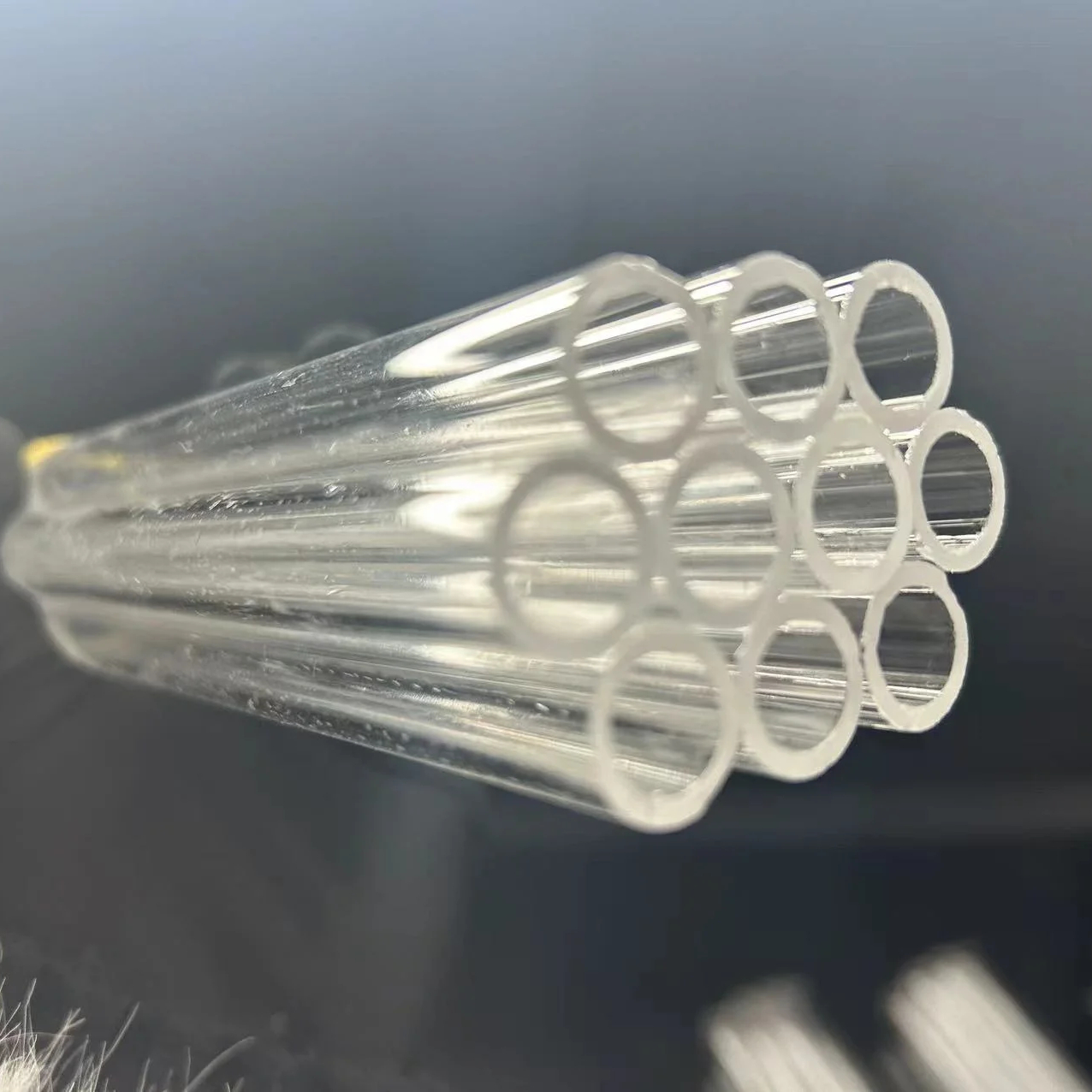
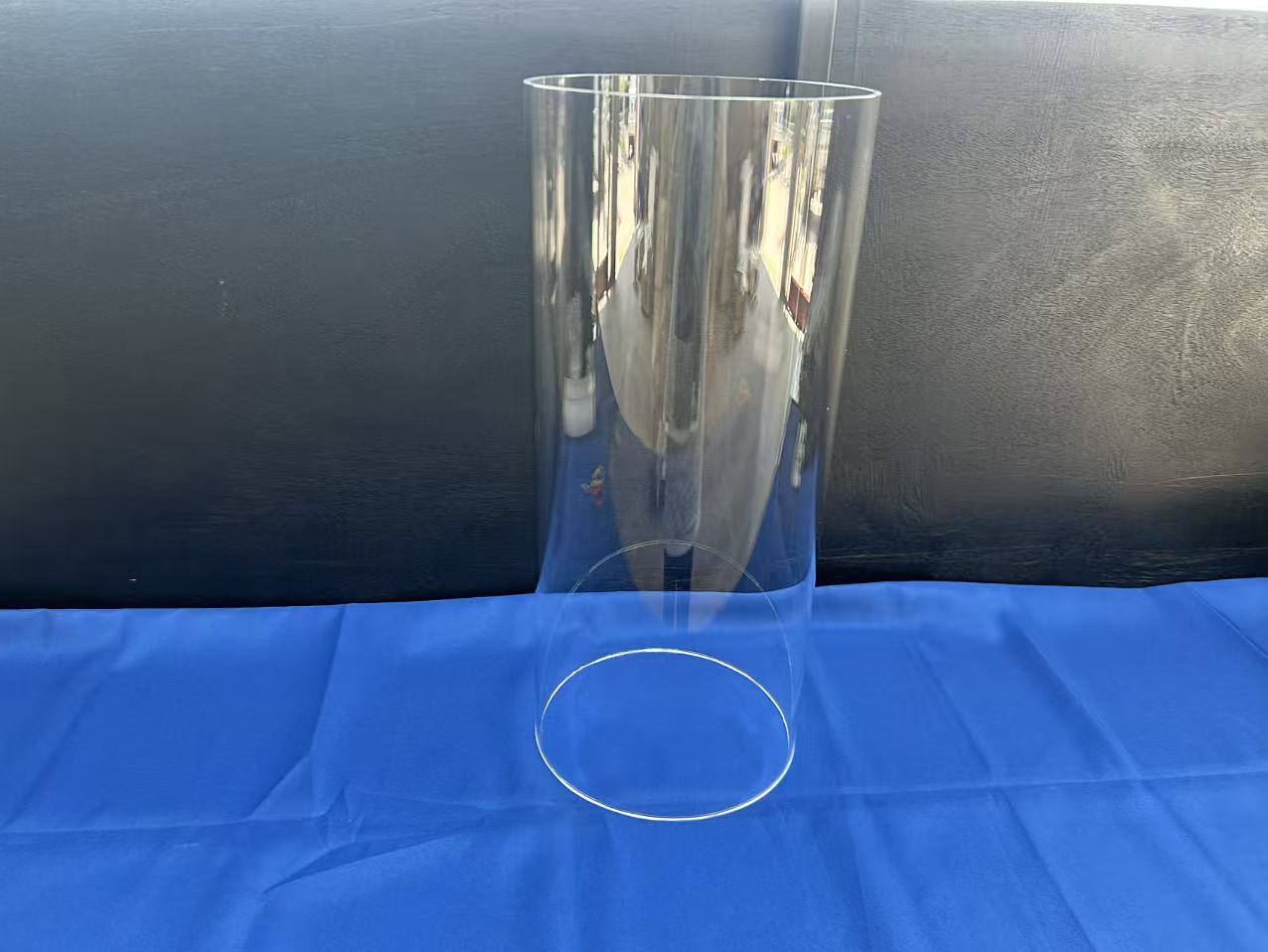
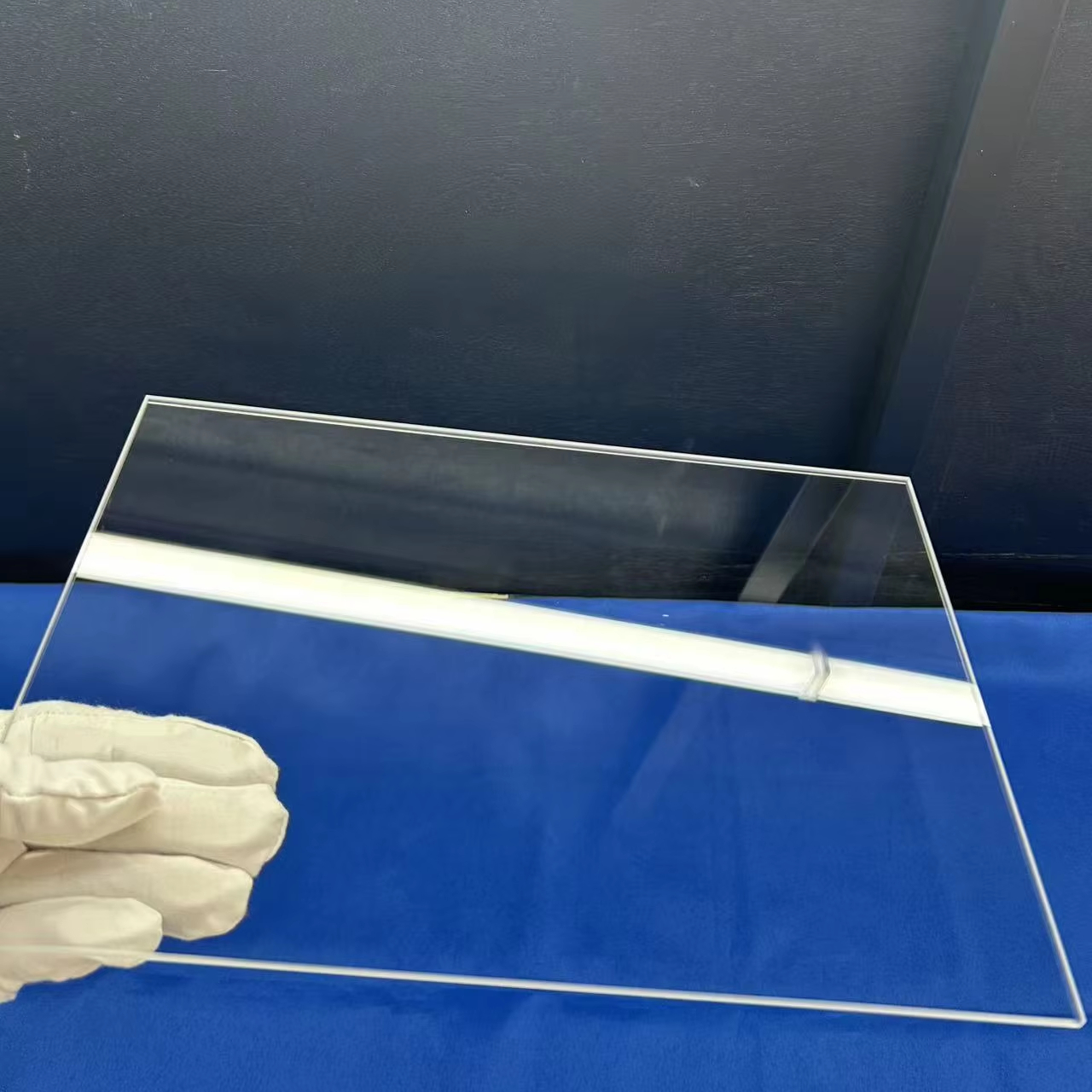
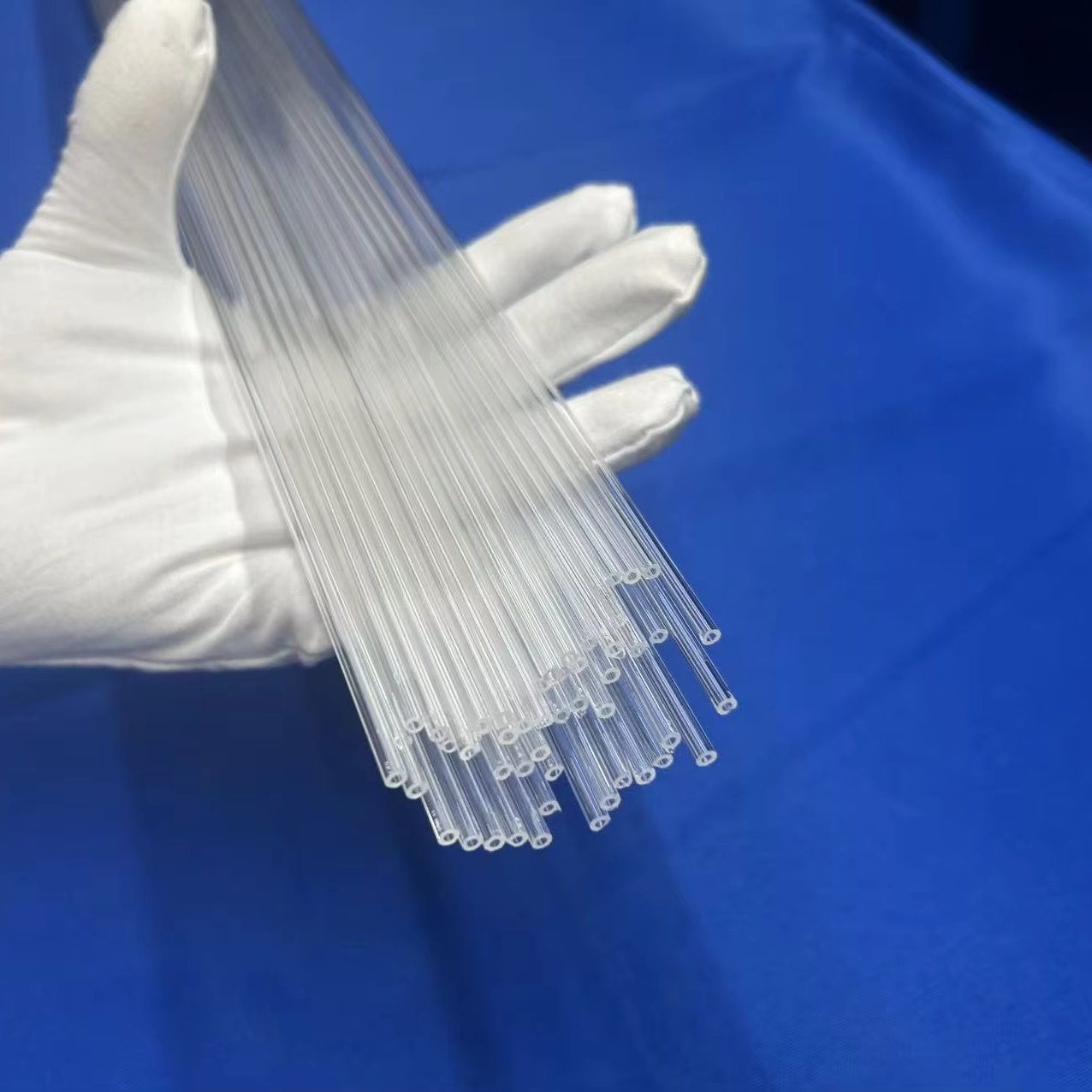
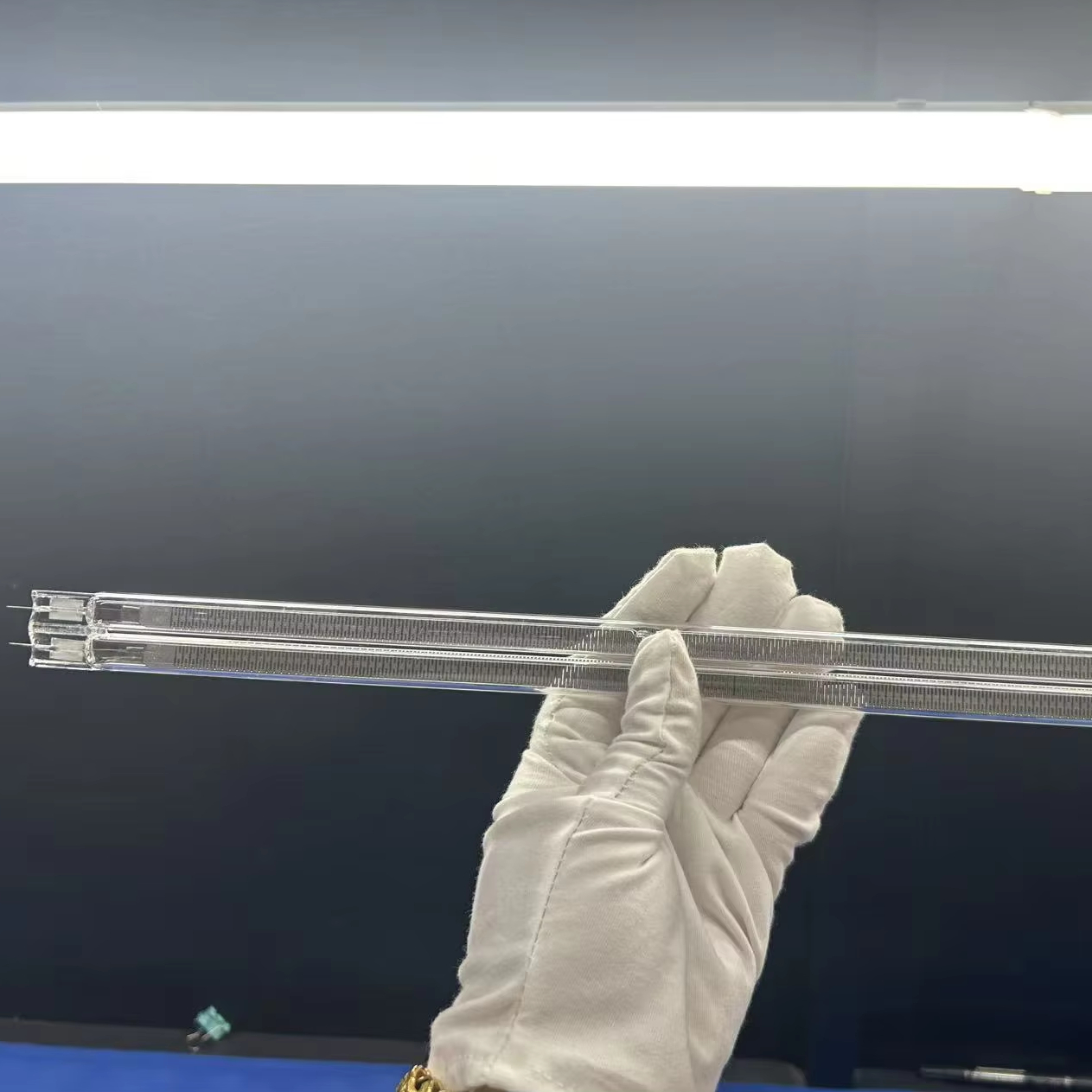
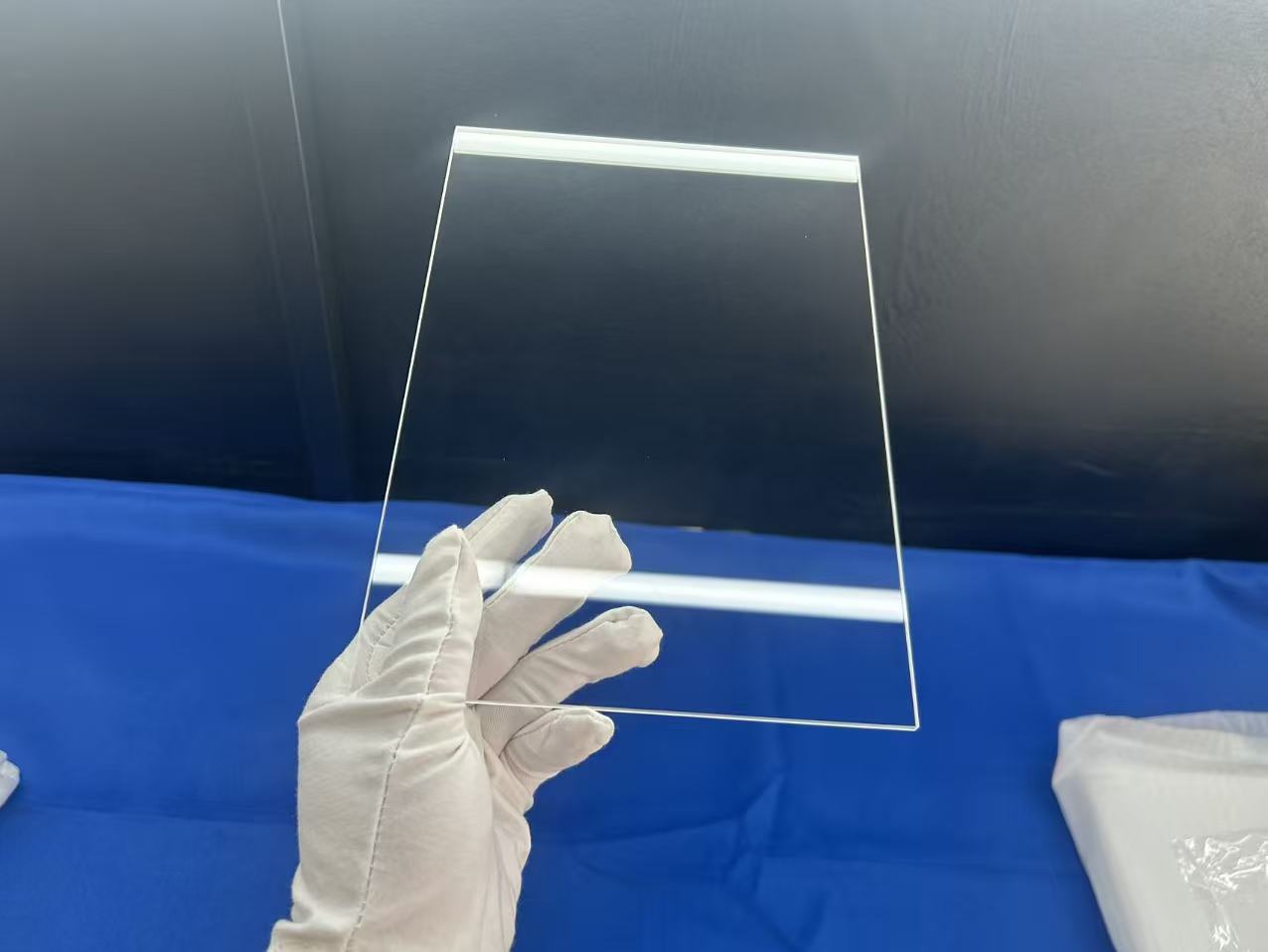
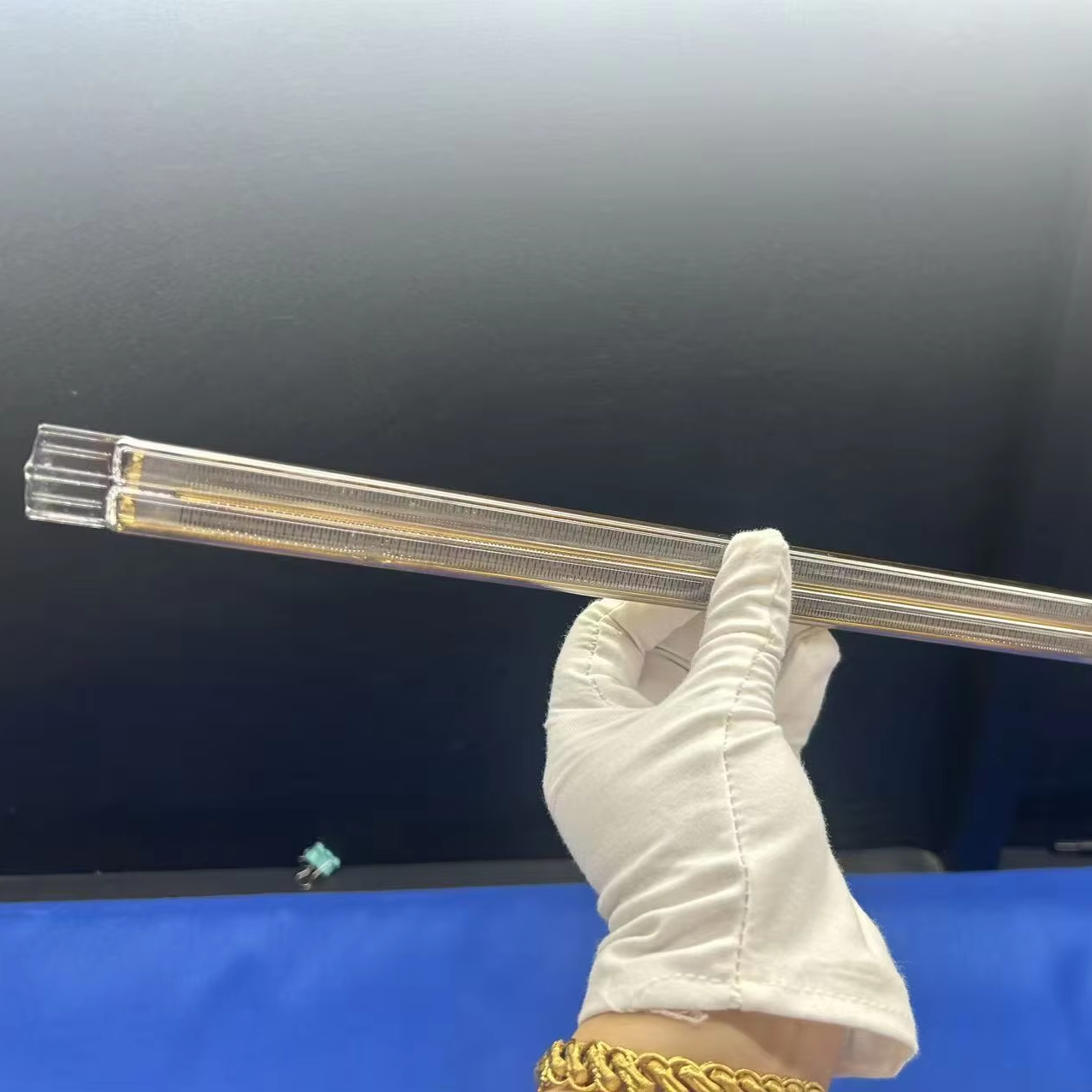
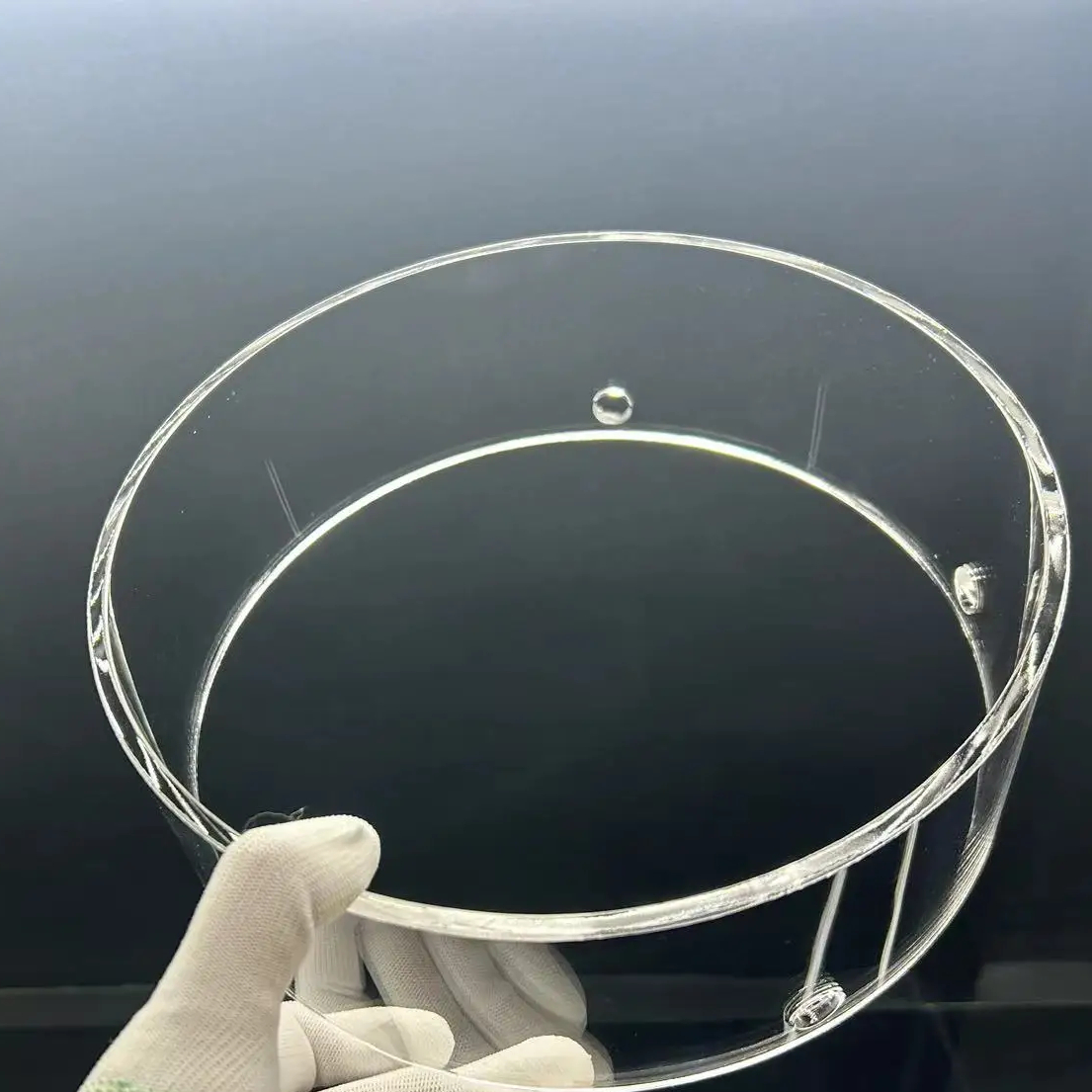
Fused quartz glass rods (vitreous silica, SiO₂) represent one of the most critical structural and optical materials utilized across advanced European high-technology hubs. Unlike standard borosilicate or soda-lime glass formulations, vitreous silica consists of amorphous silicon dioxide in exceptional chemical purity (typically greater than 99.99% SiO₂ by mass). When manufactured into solid circular cross-section rods or bars, the resulting substrate exhibits an ultra-low coefficient of linear thermal expansion (CTE ≈ 5.5 × 10⁻⁷ /°C from 20°C to 320°C), making it virtually immune to catastrophic thermal shock. A red-hot fused quartz rod heated to 1150°C can be directly quenched into ice-cold water without micro-fracturing or dimensional loss.
The manufacturing topology of quartz rods involves electric arc fusion or high-temperature oxyhydrogen flame fusion of naturally occurring pegmatitic crystalline quartz grains (found abundantly in regions like Donghai, China). The raw quartz is refined through chemical digestion, acid leaching, and thermal chlorination before being drawn into precision solid rods or ground on multi-axis centerless diamond grinders. Mechanical tolerances can be controlled down to ±0.01 mm on outside diameter (OD), with surface finishes ranging from standard commercial cutting to diamond ground (Ra 0.4–0.8 µm) or fire-polished optical transmission finish (Ra < 0.05 µm). For laser optics, UV transmission extends down to 185 nm, resisting optical solarization and radiation darkening under long-term Baltic industrial deployment.
Industrial & Research Application Scenarios in Gdańsk
How technical enterprises, marine research facilities, and advanced manufacturers across the Tricity (Gdańsk-Gdynia-Sopot) metropolitan area exploit fused quartz rods.
Baltic Offshore Marine Sensors
In subsea sensor housings deployed in the Bay of Gdańsk and offshore Baltic wind parks, quartz rods serve as high-pressure optical feedthroughs and light guides, resisting saline galvanic corrosion and hydrostatic pressures exceeding 50 bar.
Refinery Petrochemical Loops
At the PKN Orlen Gdańsk Refinery complex along the Martwa Wisła, quartz rods act as level gauge sight rods and pyrometric inspection windows, enduring continuous acidic gas environments (H₂SO₄, HCl) up to 1050°C without chemical leaching.
Politechnika Gdańska R&D
Laboratories at Gdańsk Tech (Politechnika Gdańska) and the International Centre for Cancer Vaccine Science utilize micro-capillary and centerless ground quartz rods for UV spectroscopy, optical fiber drawing preforms, and specialized laser excitation cells.
Semiconductor & PV Cell Line
Electronics manufacturers in the Pomeranian Special Economic Zone (PSEZ) incorporate high-purity quartz support rods inside high-vacuum chemical vapor deposition (CVD) and thermal annealing chambers to prevent heavy metal wafer contamination.
Top 10 Fused Quartz Glass Rod Suppliers Serving Gdańsk
A comparative structural assessment of direct manufacturers and specialized technical glass distributors fulfilling industrial orders across Northern Poland.
Nivra Quartz Products Co.
Premier source for direct factory manufacturing. Comprehensive processing of high-purity quartz rods (JGS1/2/3) from 1mm to 120mm OD with bespoke CNC cutting, optical polishing, and flame forming.
- Direct Donghai Pegmatite Purity (≥99.99%)
- Custom Tolerance up to ±0.01 mm
- Direct Logistics to Port of Gdańsk (Baltic Hub)
Heraeus Conamic
Renowned for synthetic fused silica (Suprasil) and natural fused quartz (Spectrosil). Exceptional homogeneity for deep-UV laser optical systems and specialized semiconductor carriers.
- High-end excimer laser optics
- Stringent bubble class zero compliance
- Established European distribution network
Momentive Technologies
Former GE Quartz division. Premium manufacturer of fused quartz tubing and solid rods engineered for semiconductor diffusion, chemical vapor deposition, and plasma containment.
- Type 214 high purity semiconductor grade
- Low alkali concentration (Na < 0.5 ppm)
- Specialized high-temperature resistance
QSIL SE (High Purity)
Specialized Central European manufacturer supplying hollow cylinders and solid fused silica rods. Highly active across Poland's solar technology and analytical testing labs.
- Ilmasil natural fused quartz grades
- High geometric circularity and straightness
- Direct truck overland transit to Gdańsk
Tosoh Quartz Corp.
Global leader in ultra-precision quartz glassware fabrication for microelectronics, flat panel displays, and solar cell production, supporting wafer fab lines in Northern Europe.
- OP-1 and OP-3 precision optical rods
- High thermal stability up to 1250°C
- Extensive ISO 14001 / 9001 compliance
Saint-Gobain Quartz
Produces Quartzel fibers and specialty high-purity fused silica components for aerospace, military sensing, and high-temperature filtration systems operating across Europe.
- Extreme dielectric performance
- Aerospace radar window rods
- High-purity chemistry for critical applications
Shin-Etsu Quartz Products
Joint venture specialist with Heraeus, focusing on synthetic quartz ingots, high-purity preform rods for telecommunication optical fibers, and extreme purity masking rods.
- Low metallic impurity (< 0.1 ppm)
- Zero OH synthetic silica grades
- Extreme consistency in laser optics
Corning Advanced Optics
Famous for HPFS 7980 synthetic silica. Provides solid raw rods and optical blanks utilized across Polish university labs and precision telescope assemblies.
- Refractive index homogeneity 1x10⁻⁶
- Extreme UV transmission (193nm)
- Substantial operational logistics in Poland
TechGlass Poland Sp. z o.o.
Domestic Polish distributor stocking standard diameter quartz bars, capillary tubes, and sight glasses with 48-hour road dispatch to Gdańsk, Gdynia, and Słupsk industrial zones.
- Local PLN invoice and tax handling
- Immediate warehouse availability for standard sizes
- Custom mechanical cutting services
Baltic Scientific Glassware
Local specialist providing bespoke quartz lamp glass working, analytical cuvettes, and custom repair of scientific apparatus for clinical, university, and biotech institutes in Gdańsk.
- Rapid local benchtop glassblowing
- Direct collaboration with Politechnika Gdańska
- Specialized low-batch custom fabrication
Fused Quartz Material Properties & Grade Benchmark
Consult this reference matrix to ensure precise optical transmission and thermal match for your Baltic industrial specifications.
| Property Parameter | JGS1 (Synthetic Silica) | JGS2 (Optical Quartz) | JGS3 (Infrared Quartz) | Standard Clear Quartz |
|---|---|---|---|---|
| SiO₂ Purity Level | ≥ 99.999% (5N) | ≥ 99.99% (4N) | ≥ 99.99% (4N) | ≥ 99.95% |
| Spectral Transmission Range | 185 nm – 2,500 nm (Deep UV) | 220 nm – 2,500 nm (UV-Vis) | 260 nm – 3,500 nm (Near-to-Mid IR) | 300 nm – 2,200 nm (Industrial) |
| Hydroxyl (OH⁻) Concentration | High (≈ 800 - 1200 ppm) | Standard (≈ 150 - 200 ppm) | Water-Free (< 5 - 10 ppm) | Variable (≈ 100 - 250 ppm) |
| Coefficient of Thermal Expansion | 5.5 × 10⁻⁷ /°C (20–320°C) | 5.5 × 10⁻⁷ /°C (20–320°C) | 5.5 × 10⁻⁷ /°C (20–320°C) | 5.7 × 10⁻⁷ /°C |
| Max Continuous Temperature | 1050 °C | 1100 °C | 1100 °C | 1050 °C |
| Softening Point (η = 10^7.6 dPa·s) | 1650 °C | 1683 °C | 1680 °C | 1660 °C |
| Primary Gdańsk Application | Laser Optics, UV Water Reactors | Petrochemical Sight Rods, Windows | Infrared Thermal Sensors, Pyrometers | Furnace Supports, Heating Elements |
Emerging Industrial Sourcing Trends in Northern Poland
Key economic and technological factors influencing fused quartz procurement across the Baltic industrial corridor.
Offshore Wind Transition
The acceleration of Baltic offshore wind projects (e.g., Baltic Power, Baltica) has catalyzed demand for high-durability sensor housings and marine-grade optical components capable of resisting mechanical cavitation and continuous salt-mist corrosion without degradation.
Green Hydrogen & CCUS Hubs
Industrial initiatives in the Pomeranian Voivodeship targeting green hydrogen generation and carbon capture require high-temperature reaction tubes and solid quartz support rods capable of handling dry hydrogen embrittlement and elevated gas pressure up to 1000°C.
Reshoring to Baltic Logistics Hubs
Procurement directors at electronics and instrumentation OEMs in Tricity are actively mitigating supply chain vulnerabilities by contracting directly with high-capacity origin manufacturers like Nivra Quartz, utilizing direct sea-freight consolidation at the Baltic Hub (Port of Gdańsk).
Why Gdańsk Engineers Partner with Nivra Quartz
Leveraging the raw mineral wealth of Donghai combined with precision CNC machining and proven international delivery.
Factory-Direct Origin
Headquartered in Donghai County—the crystal capital of China. Direct mineral sourcing allows uncompromised 99.99% SiO₂ purity without distributor markups.
Extreme Tolerances
Equipped with advanced centerless grinding and optical polishing lines delivering rod OD tolerances within ±0.01 mm and total indicator runout (TIR) < 0.1 mm/m.
Baltic Hub Shipping
Custom wooden crating strictly compliant with ISPM 15 heat treatment standards, vacuum sealing, and high-impact shock detection indicators for 100% zero-breakage arrival.
Rapid Engineering Turnaround
Average technical quotation response under 5 hours. Verified drawing review in STEP/DWG formats with custom prototypes shipped within 7 business days.
Frequently Asked Questions by Polish Technical Buyers
Direct technical and logistical guidance for procurement managers operating across Gdańsk and Northern Poland.
Fused quartz and vitreous silica rods imported into Poland are categorized under TARIC code 7002.20.90 (Glass in rods, unworked/worked). Third-country tariffs typically range between 0% and 3%, subject to Polish standard VAT (23%). Full commercial documentation, Certificate of Origin, and customs declaration forms are systematically supplied with Nivra Quartz export shipments.
Devitrification represents the phase transition of amorphous silica into crystalline cristobalite, which occurs at temperatures above 1150°C in the presence of surface alkali contaminants (Na, K, Ca). To guarantee extended operational longevity in high-temperature Polish furnaces, our rods undergo extensive hydrofluoric acid etching and ultra-pure deionized water cleaning to ensure absolute surface purity.
Yes. In addition to standard fire-drawn rods, Nivra Quartz maintains in-house diamond grinding and multi-stage pitch polishing capabilities. We reliably achieve dimensional outer diameter tolerances within ±0.01 mm, circularity < 0.005 mm, and optical grade surface finishes of Ra < 0.1 µm for precision light-guide assemblies.
Slender quartz rods (OD 2mm–15mm, length up to 2000mm) are uniquely vulnerable to resonance deflection and shear stress. We pack rods in rigid plastic sleeves, isolate bundles with high-density closed-cell EPE foam, and seal them inside heavy-gauge, plywood export crates reinforced with longitudinal steel corner braces.
Request a Formal Technical Quote for Fused Quartz Rods
Consult with our quartz fabrication engineers. Send your CAD drawings (PDF, DWG, STEP) or dimension parameters to receive complete pricing, tolerance confirmations, and Baltic delivery timelines within 5 hours.
Contact Us