Industry Whitepaper & SEO Growth Report
1. Fused Silica Capillaries in West Java's Evolving Industrial Landscape
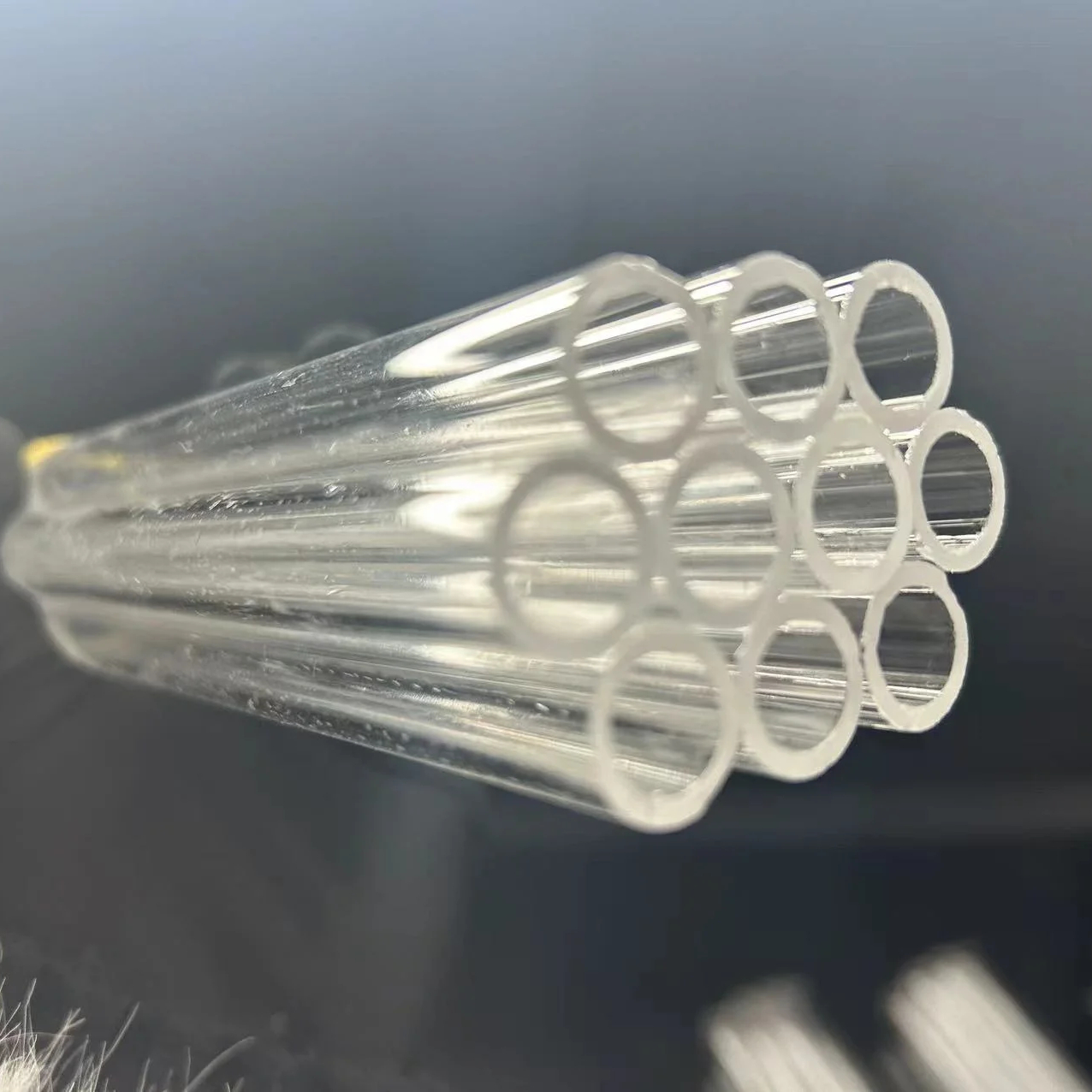
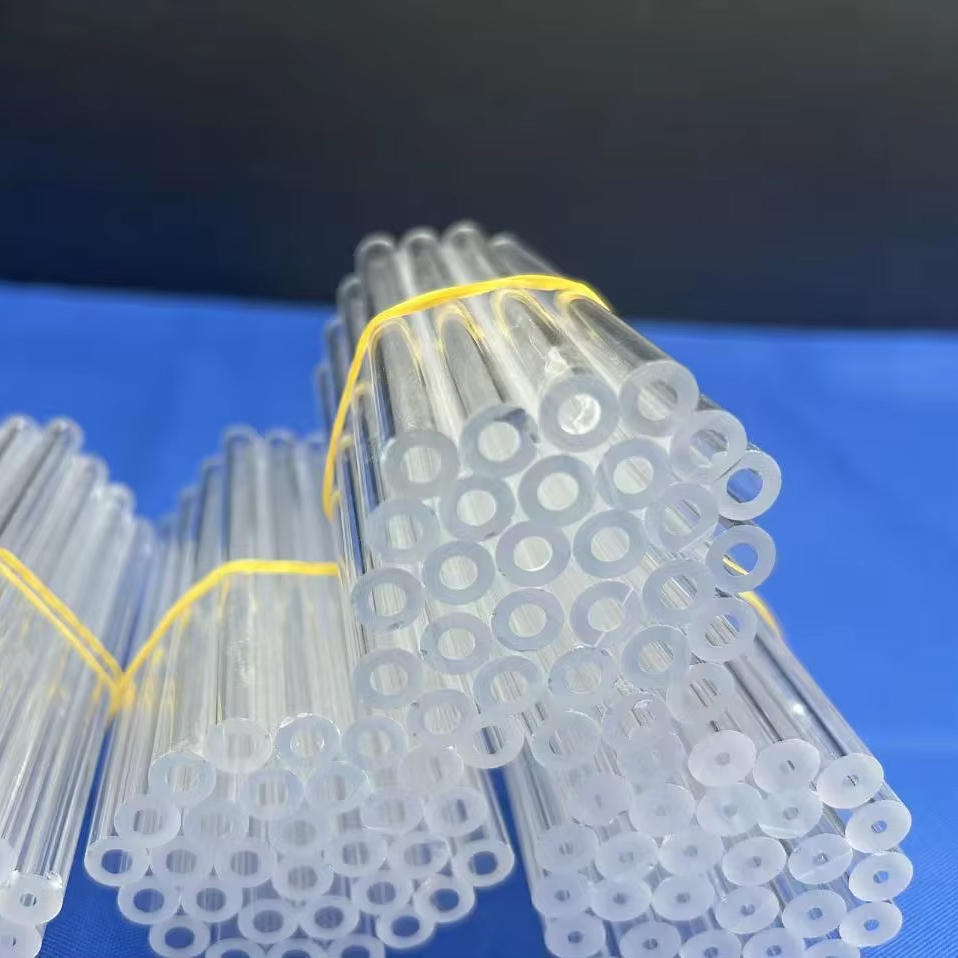
The Greater Bandung metropolitan area—spanning Dayeuhkolot, Rancaekek, Cimahi, and the Bandung Techno Park—has swiftly transformed from a classical textile manufacturing heartland into Indonesia’s primary hub for high-tech research, pharmaceutical biotechnology, optical sensing, and microelectronics prototyping. At the core of this technological transition lies the demand for ultra-high purity, dimensionally precise capillary quartz tubes (inner diameters ranging from 0.05 mm to 2.0 mm, with wall tolerances held under ±0.005 mm).
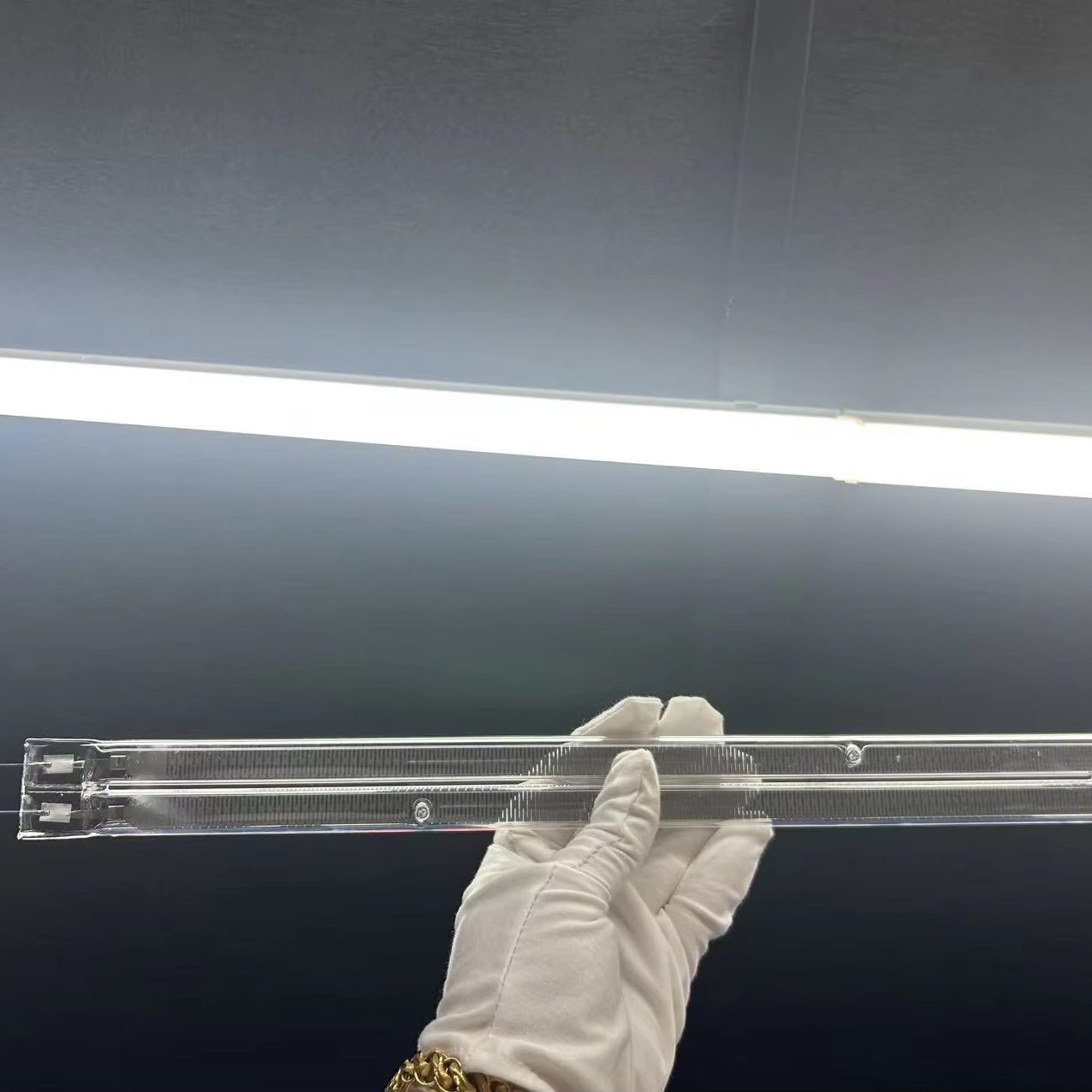
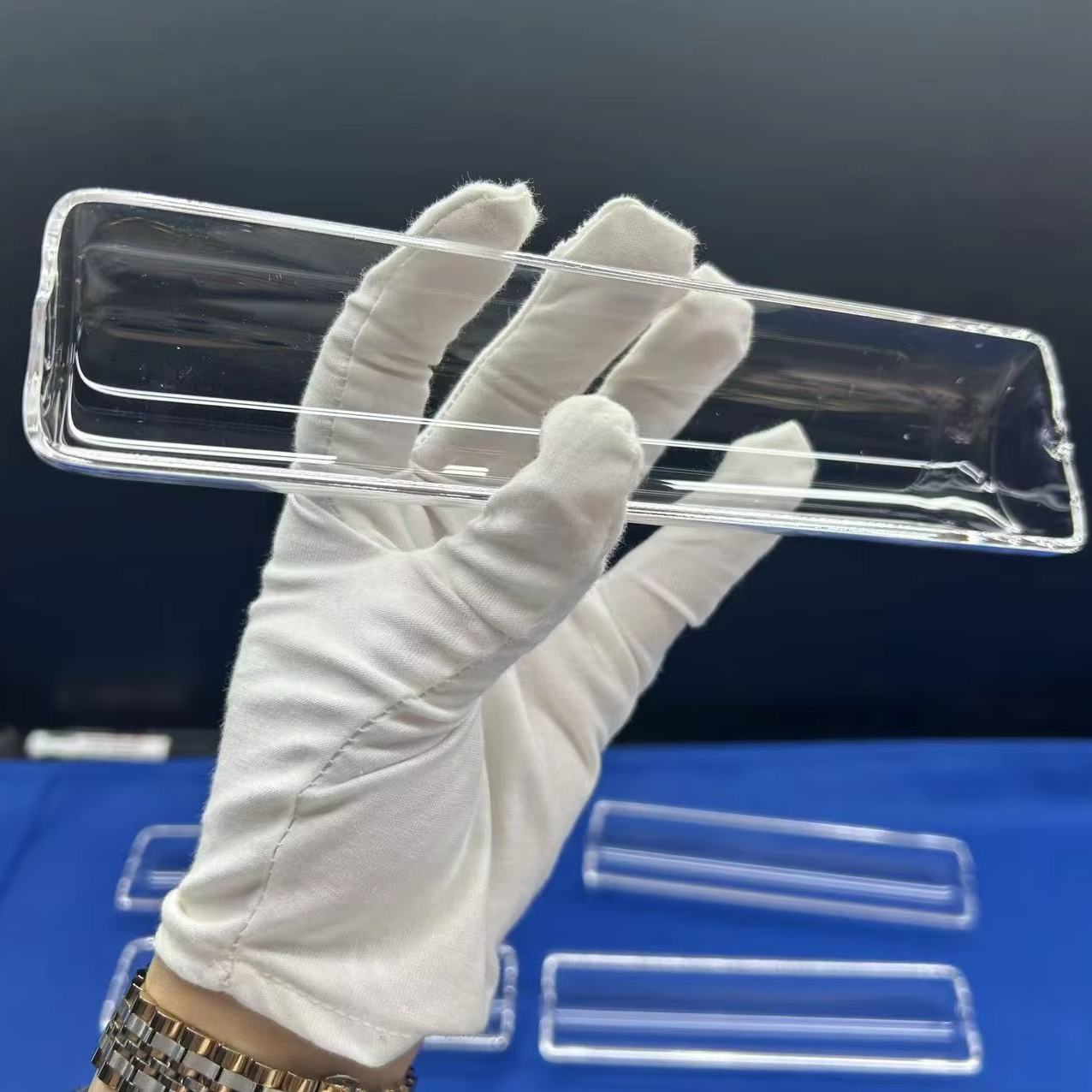
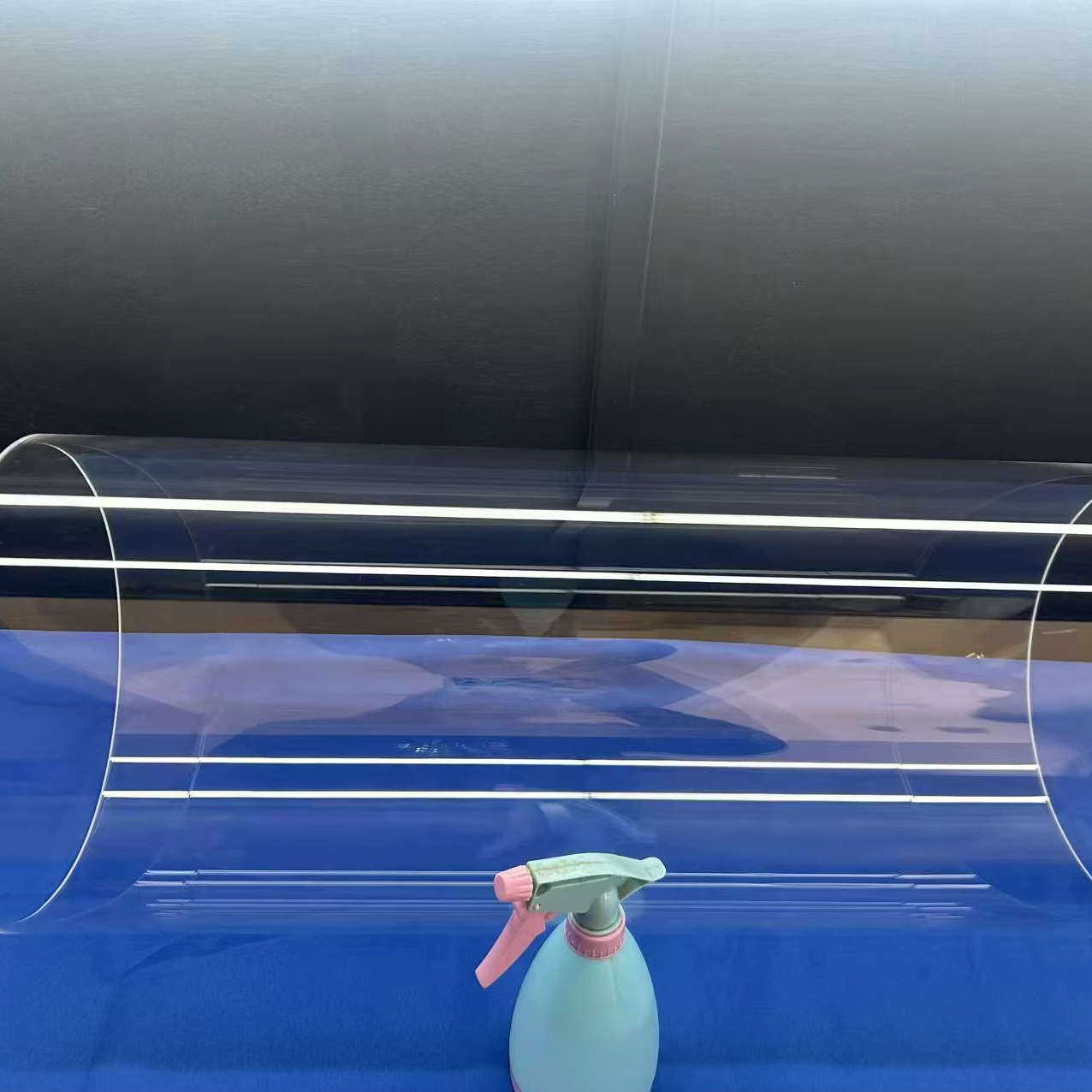
Unlike standard borosilicate or soda-lime glass, capillary quartz tubes manufactured from fused silica (SiO₂ ≥ 99.99%) deliver a unique set of physical attributes: exceptional deep-ultraviolet to near-infrared optical transmission (>90% at 185–2500 nm), total immunity to thermal shock (near-zero coefficient of thermal expansion at 5.5 × 10⁻⁷ /°C), and unyielding chemical inertness against harsh acidic or organic solvent environments. These characteristics make capillary quartz tubes irreplaceable for microfluidic liquid chromatography, automated dye spectrometry in textile quality control, UV-sterilization liquid conduits, and high-precision gas sampling in West Java’s demanding manufacturing sectors.
1100°C
Continuous Working Temp
±0.005mm
Capillary Micro-Tolerance
< 5 Hours
Bandung Technical Reply
Information Gain Insights for Bandung Procurement Teams: Sourcing direct from primary optical-grade quartz manufacturing centers like Donghai County eliminates multi-tiered distributor markups while securing verified material batch certification (JGS1 synthetic UV quartz vs JGS2 thermal clear fused quartz), ensuring microbore capillary dimensional stability across intense thermal cycles.
2. Technical Benchmark & Optical Material Grade Selection Matrix
Selecting the precise capillary quartz tube specification requires evaluating the exact spectral requirements, fluidic pressures, and operating thermal profiles. In Bandung’s competitive research and industrial labs—such as those at Institut Teknologi Bandung (ITB), Universitas Padjadjaran (UNPAD), and regional chemical manufacturing facilities—improper grade selection often leads to spectral signal attenuation, thermal fractures, or background ionic contamination.
Donghai County Nivra Quartz Products Co., Ltd. processes raw crystalline quartz through precision thermal drawing and laser-guided microbore extrusion. Below is the structural material specification matrix comparing primary fused quartz capillary grades utilized across West Java:
| Optical / Material Grade |
Purity (SiO₂) |
Spectral Transmission Range |
OH Content (Hydroxyl) |
Primary Application in Bandung |
| JGS1 (Synthetic Fused Silica) |
≥ 99.999% |
185 nm – 2500 nm (Deep UV-Vis) |
< 5 ppm to 1000 ppm (Opt.) |
Micro-HPLC absorption cells, fluorometers, UV-Vis spectrophotometry at ITB lab facilities. |
| JGS2 (Fused Quartz from Natural Crystal) |
≥ 99.99% |
220 nm – 2500 nm (UV-Visible) |
< 30 ppm |
Textile dye optical flow-through tubes, micro-fluidic dosing lines, gas delivery microbore. |
| JGS3 (Infrared Optical Quartz) |
≥ 99.99% |
260 nm – 3500 nm (Near to Far IR) |
< 5 ppm (Water-Free) |
Infrared gas detection sensors, thermal imaging micro-conduits, high-temperature pyrometry tubes. |
| Redundant Heavy-Wall Capillary Quartz |
≥ 99.95% |
Visible to Near-IR |
< 50 ppm |
High-pressure hydraulic sight gages, micro-discharge lamps, severe fluid injection. |
Pressure & Mechanical Tolerance Calculations for Microbore Tubes
When engineering capillary quartz tubes for liquid flow under pressure (e.g., in liquid chromatography or pressure-driven microfluidic chips), calculating the maximum allowable internal working pressure ($P_{allowable}$) is vital. Using the Barlow’s Formula modified for thick-walled ceramic glass capillary geometries:
$$P = \frac{2 \cdot \sigma_t \cdot (OD - ID)}{OD \cdot SF}$$
Where $\sigma_t$ is the design tensile strength of fused quartz (~48 MPa / 7,000 PSI), $OD$ is outer diameter, $ID$ is inner capillary bore diameter, and $SF$ is the safety factor (recommended minimum $SF = 5$ for glass under pneumatic stress).
3. Localized Application Scenarios Across Bandung's Primary Sectors
Understanding user intent in the Bandung purchasing ecosystem reveals that localized buyers require capillary quartz tubes for specialized application clusters. Below are four key industrial scenarios where our precision micro-tubing provides immediate competitive information gain and performance improvements:
Location Focus: Rancaekek & Cimahi Industrial Zones
Modern textile processing units in West Java utilize automated online color measurement systems. Precision JGS2 quartz capillary flow cells allow continuous, real-time spectrophotometric evaluation of dye baths under high temperatures without clouding or staining.
Location Focus: Cimahi & Bandung Science Park
Bio-pharmaceutical companies manufacturing sterile injectable solutions require non-leaching, pyrogen-free capillary quartz delivery nozzles. Fused quartz ensures zero sodium or heavy-metal ion leaching into ultra-pure liquid formulations.
Location Focus: ITB, UNPAD & Research Institutes
Advanced optics research groups at Institut Teknologi Bandung utilize microbore silica capillary sleeves for fiber optic splicing, capillary electrophoresis, and customized laser beam alignment channels.
4. Key Sourcing Trends & Supply Chain Dynamics in West Java
Over recent years, procurement strategies in West Java have shifted drastically from buying off-the-shelf standard glass tubing to requesting custom OEM micro-machined capillary solutions directly from Asian manufacturing epicenters. Key trends driving the market include:
- Sub-Millimeter Inner Bore Precision: High demand for microbore capillaries with inner diameters under 100 micrometers (μm) for high-sensitivity chemical sampling.
- Integrated End-Processing Capabilities: Sourcing requirements have grown to include end-flaring, conical funnels, flame-polished micro-tips, and specialized precision grinding.
- Direct Air-Cargo Express Routes: Expedited supply routes connecting Donghai production hubs directly through Jakarta Soekarno-Hatta (CGK) or Kertajati International Airport (KTI) to ensure rapid lead times under 7–10 days.
- Enhanced Quality Verification: Mandatory 100% optical dimension checks using non-contact dual-axis laser micrometers to guarantee zero axial twist or inner bore ellipticity.
5. Supplier Evaluation Framework: Selecting a Top Capillary Quartz Exporter
To assist procurement managers and lead research engineers in Bandung, we have established a strict supplier qualification rubric. Evaluating suppliers based on this framework prevents project delays, premature glass fracture, and high scrap rates:
1. Raw Material Origin & Traceability
Ensure the supplier processes 99.99%+ purity raw quartz sourced directly from primary mining and refining zones (such as Donghai County, China) to guarantee low metallic impurity levels (Fe < 0.2 ppm, Na < 1.0 ppm).
2. Precision Hot-Working & Micro-Machining
Verify whether the manufacturer operates CNC diamond grinding, high-precision lathe flame molding, automated micro-drawing, and controlled annealing ovens to relieve internal residual strain.
3. Specialized Export Packaging Standard
Ultra-thin capillary tubes require specialized multi-layer shock isolation. Look for customized foam inserts, vacuum-sealed dust-free sleeves, and fumigation-free wooden crates for international shipping.
6. Corporate Advantage: Why Donghai County Nivra Quartz Products Co., Ltd. leads the Market
Founded in February 2019 in Donghai County, Lianyungang, Jiangsu—widely celebrated as China’s crystal and quartz capital—Donghai County Nivra Quartz Products Co., Ltd. operates as an integrated manufacturing and trading enterprise powered by 101 to 200 dedicated specialists.
Our core operating philosophy is straightforward: Quality First, Reputation First. Every capillary quartz tube order shipped to Bandung and the wider Indonesian market undergoes rigorous dimensional dimensional verification, flame-end finishing, and strain-gauge optical inspection.
Key Enterprise Strengths for Bandung Buyers:
Geographical Hub Advantage
Situated directly at the world's premier quartz processing center, giving us direct access to high-purity quartz raw materials at competitive factory-direct pricing.
Rapid Engineering Response
Our technical sales engineers maintain an average response time of under 5 hours, with an 88.89% verified response rate for technical drawing reviews (DWG, STEP, PDF).
Custom Prototyping & Low MOQ
Whether you require a trial batch of 10 customized micro-capillaries for a thesis at ITB or 50,000 units for mass industrial assembly, we support flexible order volumes.
7. Frequently Asked Questions (FAQ) for Sourcing Quartz Capillaries in Bandung
What is the smallest inner diameter (ID) capillary quartz tube you can manufacture for West Java buyers?
We routinely produce microbore fused silica capillaries with inner diameters as small as 0.05 mm (50 micrometers) up to 2.0 mm, with outer diameters (OD) customized according to your mechanical drawing. Bore concentricity and wall thickness uniformities are strictly verified via optical microscopic measurements.
What is the difference between JGS1, JGS2, and JGS3 quartz capillary tubes?
JGS1 is synthetic optical silica optimized for deep-UV applications down to 185 nm (ideal for analytical UV spectroscopy flow cells). JGS2 is standard clear fused quartz designed for UV-visible optics and high-temperature fluidics from 220 nm. JGS3 is infrared-grade fused quartz with ultra-low hydroxyl (OH < 5 ppm) content, transmitting light up to 3500 nm in the IR spectrum.
How are ultra-delicate capillary quartz tubes protected during air freight to Bandung?
Fragile capillary tubes are first sealed in anti-static, dust-free plastic sleeves, then individually cushioned inside high-density pre-cut EVA shock-absorbing foam blocks. These blocks are packed into reinforced export cartons or fumigation-free wooden crates to completely absorb transport vibration and shock.
What thermal limit can fused quartz capillaries tolerate during continuous furnace operation?
Clear fused quartz capillaries can operate continuously at temperatures up to 1100 °C and can withstand short-term exposure up to 1450 °C. The thermal softening point is approximately 1683 °C, with an exceptionally low coefficient of thermal expansion preventing thermal shock failure.
What customs documentation and HS Code apply for importing quartz capillaries into Indonesia?
Fused quartz tubes are typically classified under HS Code 7002.31 (Tubes of fused quartz or other fused silica). We provide full commercial invoices, packing lists, Certificate of Origin (Form E or General COO), and mill test certificates to ensure rapid Indonesian customs clearance at Soekarno-Hatta (CGK) or Tanjung Priok port.
Can you execute custom end-processing like flaring, bending, or micro-nozzle drawing?
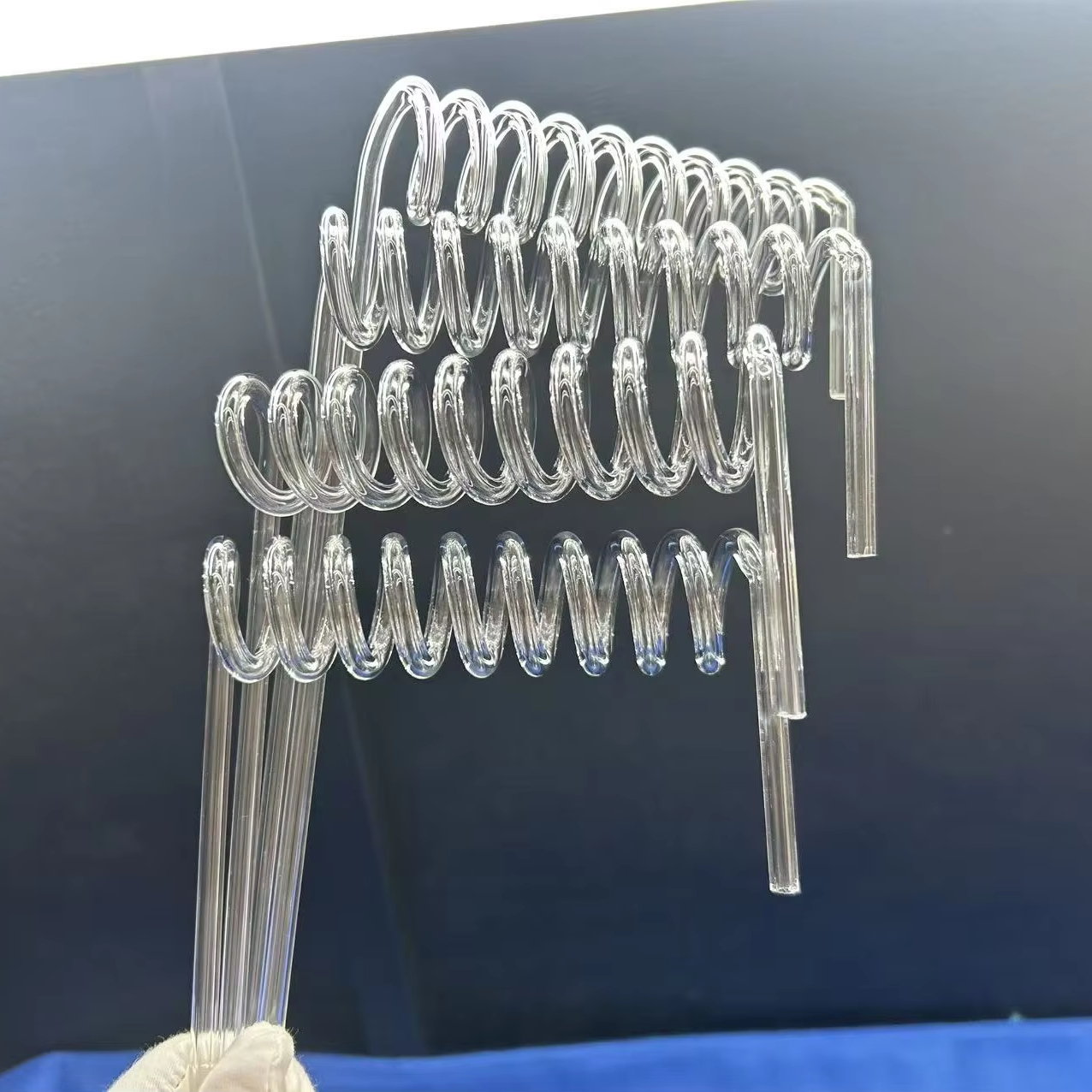
Yes, our facility offers complete hot-working and cold-machining capabilities, including funnel flaring, precision angle bending, tip tapering, fire polishing, and multi-capillary array fusion based on your CAD or STEP drawings.
Request a Custom Technical Quote for Bandung Delivery
Send your CAD drawings, required inner/outer dimensions, tolerance requirements, and estimated order quantities directly to our engineering team. We deliver rapid technical review and direct factory quotes within 5 hours.