Precision Synthetic & Fused Quartz Components
Direct factory supply of certified optical-grade sheets, high-temperature furnace tubes, customized labware, and heating elements tailored for Da Nang’s manufacturing ecosystem.
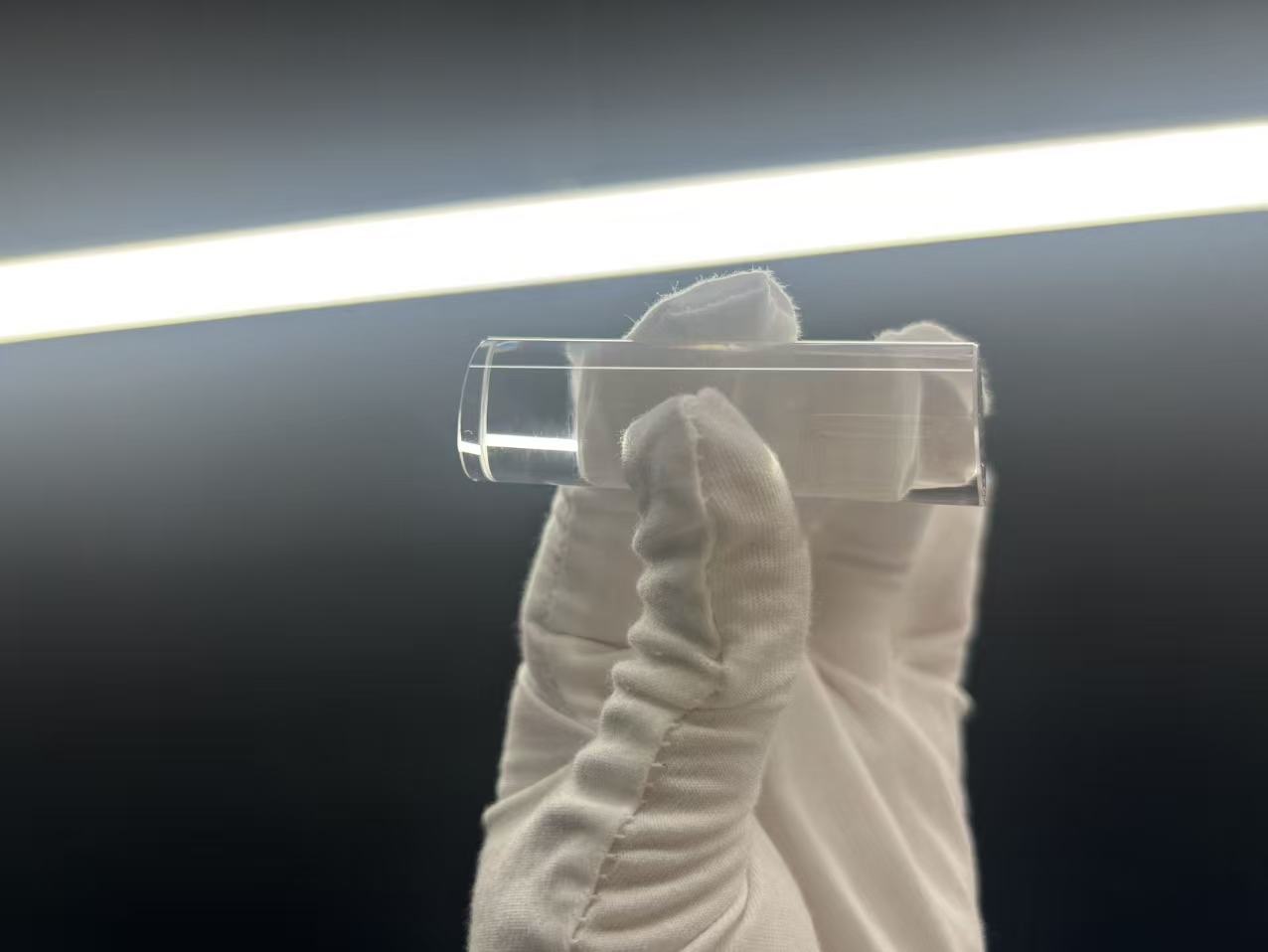
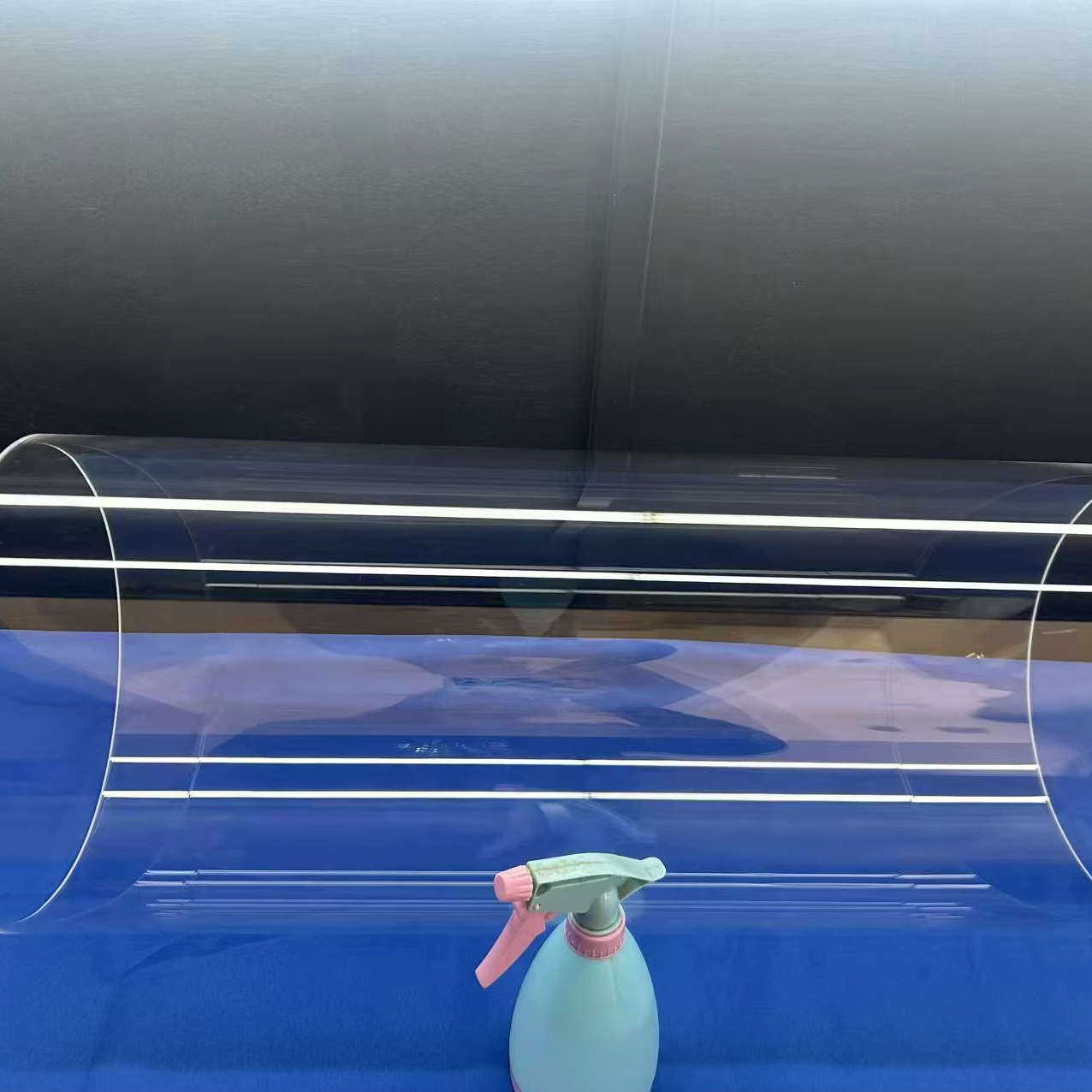
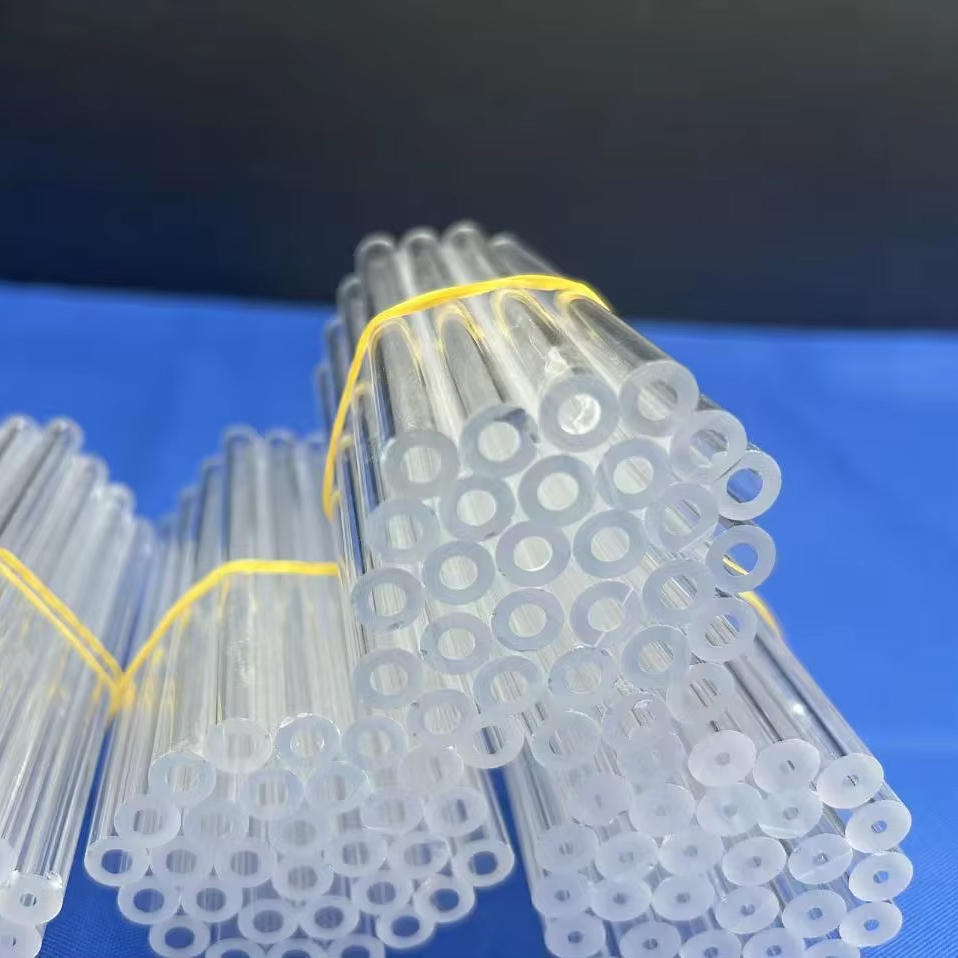
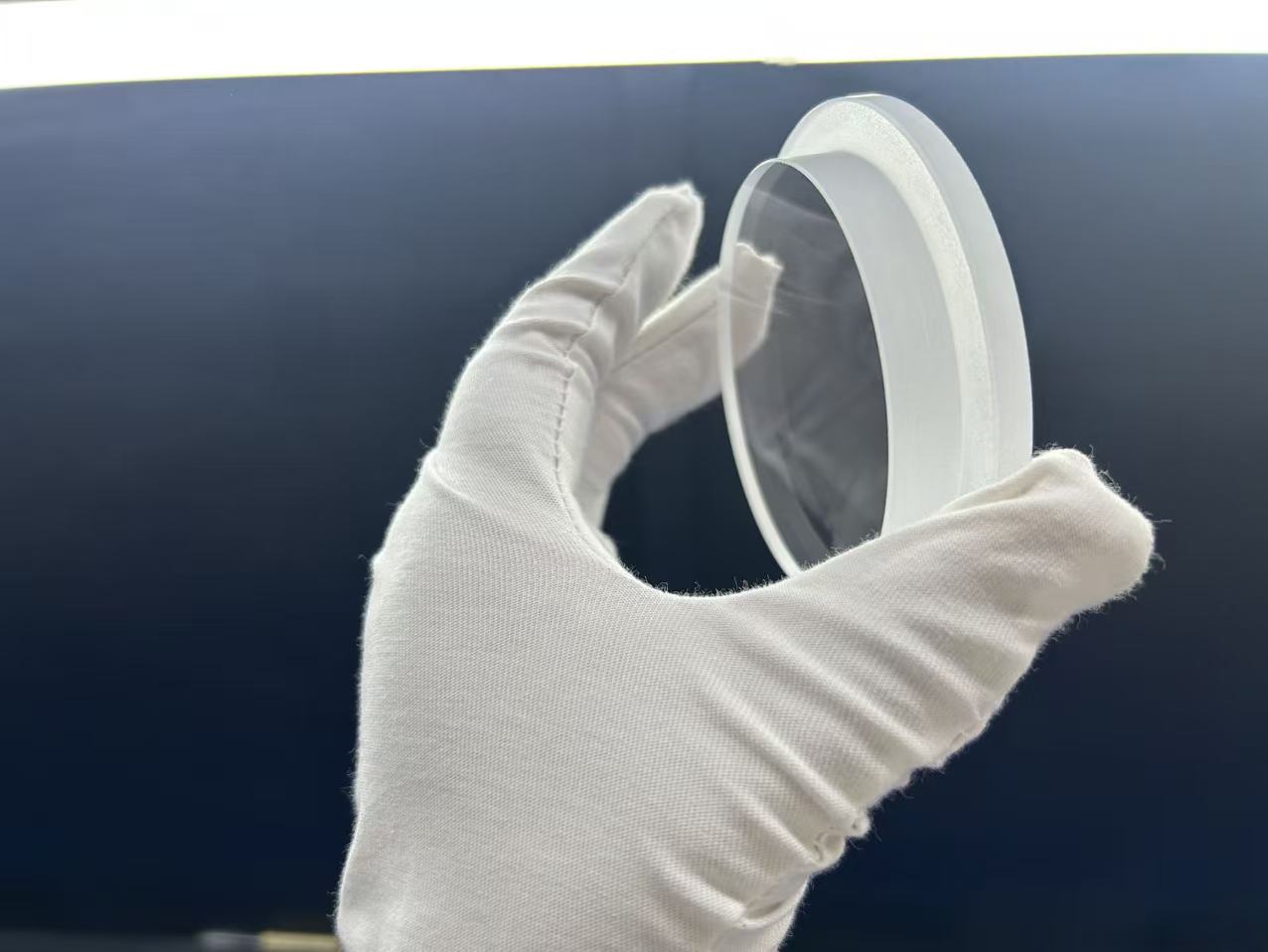
1. Comprehensive Technical Overview: Synthetic Quartz vs. Fused Silica
When engineering high-reliability components for ultra-clean industrial environments, selecting the correct glass grade is critical. Synthetic quartz glass (often classified under optical standards such as JGS1) differs fundamentally from standard fused natural quartz (JGS2/JGS3) in its chemical synthesis and atomic structure.
Synthetic quartz is synthesized using high-purity silicon tetrachloride ($\text{SiCl}_4$) vaporized inside an oxygen-hydrogen flame or plasma chemical vapor deposition (CVD) reactor. This vapor-phase oxidation ensures that metallic impurities—such as Iron ($\text{Fe}$), Aluminum ($\text{Al}$), Sodium ($\text{Na}$), and Titanium ($\text{Ti}$)—are maintained at concentrations below 0.1 parts per million (ppm). In contrast, natural fused quartz is produced by melting natural rock crystals, which, despite heavy refinement, retains trace metallic elements that can cause unwanted absorption bands or micro-devitrification under extreme UV irradiation and thermal stress.
| Material Parameter | Synthetic Quartz (JGS1 Grade) | Fused Natural Quartz (JGS2 Grade) | Infrared Fused Quartz (JGS3 Grade) |
|---|---|---|---|
| Raw Material Source | Chemical Vapor Deposition ($\text{SiCl}_4$) | Refined Natural Quartz Crystal | Electrically Fused Natural Quartz |
| Spectral Transmission Range | 185 nm – 2,500 nm (Deep UV to Near IR) | 220 nm – 2,500 nm (UV to Near IR) | 260 nm – 3,500 nm (Deep IR Optimized) |
| Hydroxyl ($\text{OH}^-$) Content | High (500-1200 ppm) or Low (<5 ppm) | Typically 150 - 300 ppm | Ultra-Low (<1 ppm or <5 ppm) |
| Bubble / Inclusions Class | Class 0 (Bubble-Free Optical Quality) | Class 1 - Class 2 (Micro-bubbles allowed) | Class 1 - Class 2 |
| Thermal Shock Resistance | Extremely High ($\Delta T = 1000^\circ\text{C}$ quench) | High ($\Delta T = 800^\circ\text{C}$ quench) | High ($\Delta T = 800^\circ\text{C}$ quench) |
| Primary Application in Da Nang | Photolithography, UV Lasers, Semiconductor OSAT | Furnace Diffusion Tubes, Process Chambers | IR Heating Elements, Optical Windows |
For precision manufacturers operating in the Da Nang market, understanding these distinctions prevents costly operational failures. High hydroxyl ($\text{OH}^-$) synthetic silica provides superior transmittance down to 185 nm, preventing solarization (darkening) when exposed to intense deep-ultraviolet (DUV) light. Conversely, low-$\text{OH}^-$ synthetic grades eliminate the absorption peak at 2.73 $\mu\text{m}$, making them the gold standard for high-power fiber laser windows and infrared pyrometry equipment.
2. Strategic Integration in Da Nang's High-Tech Industrial Ecosystem
Da Nang has rapidly transformed into Central Vietnam’s primary hub for high-tech manufacturing, semiconductor packaging, and precision green energy production. With major industrial zones including Da Nang Hi-Tech Park (DHTP), Hoa Khanh Industrial Zone, Lien Chieu Industrial Zone, and Hoa Cam Industrial Zone, local operational demands for specialized quartz glassware have expanded significantly.
Semiconductor Packaging & OSAT
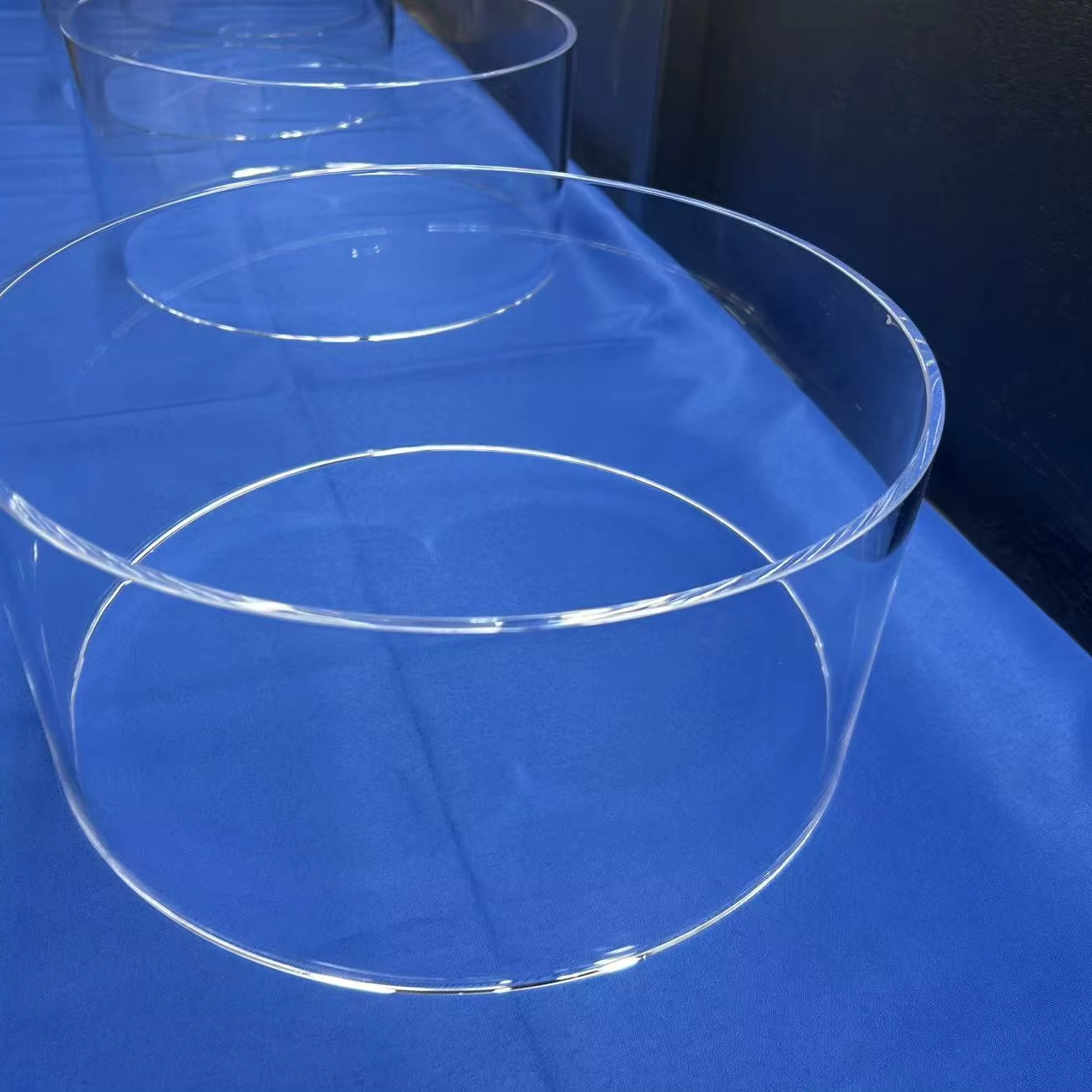
In assembly and testing facilities across Da Nang Hi-Tech Park, high-purity synthetic quartz wafer carriers, boats, gas distribution rings, and bell jars are vital to avoid alkali metal contamination during thermal annealing, etching, and chemical vapor deposition (CVD).
Photovoltaic & Solar Cell Assembly
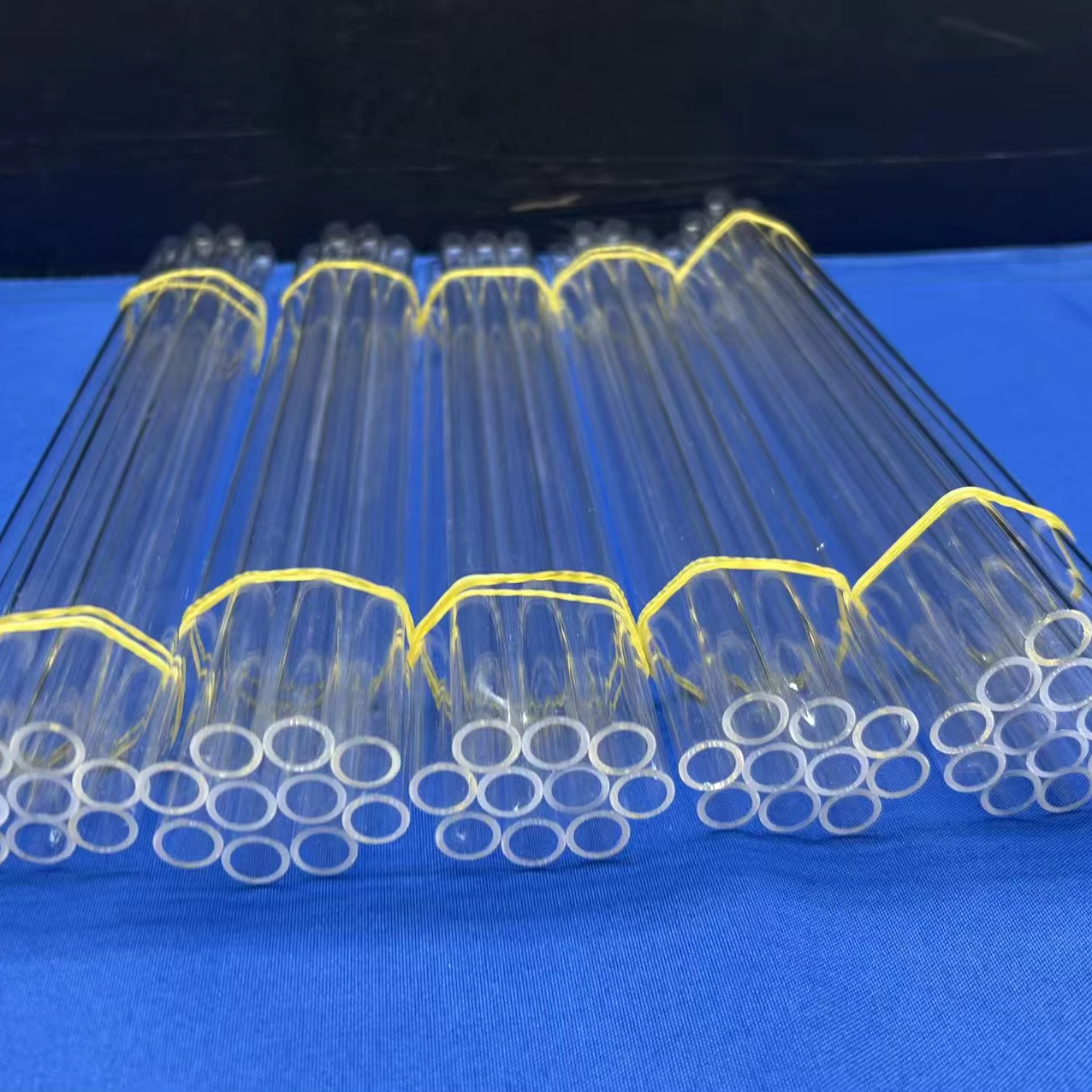
Da Nang’s growing renewable manufacturing sector relies on large-diameter synthetic quartz tubes and heavy-wall crucibles capable of enduring continuous $1150^\circ\text{C}$ process temperatures without deformation or lattice structural breakdown.
Precision Marine & Environmental Optics
Given Da Nang’s coastal geography and expanding marine electronics research, optical synthetic quartz windows provide unparalleled corrosion resistance to salt spray alongside a low thermal expansion coefficient ($5.5 \times 10^{-7}/\text{K}$), ensuring environmental sensors remain uncompromised.
3. Emerging Technological Trends in Central Vietnam (2025–2030)
The industrial landscape in Central Vietnam is experiencing a structural pivot toward higher-value manufacturing activities. Driven by regional government incentives and global supply chain diversification, several critical trends dictate the procurement of synthetic quartz products in Da Nang:
- Transition to Sub-10nm Semiconductor Support Infrastructure: Local packaging units are upgrading thermal processing lines to handle higher cleanliness standards. Raw material requirements have shifted from standard $99.99\%$ natural quartz to $99.999\%$ synthetic silica to eliminate trace lithium and sodium migration during high-temperature cycles.
- Localized Rapid Turnaround Customization: Industrial plants in Da Nang can no longer afford weeks of downtime waiting for standard quartz components. Suppliers must offer precision CNC micro-machining, fire-polishing, and step-plate cutting from raw stock with rapid regional dispatch via Tien Sa Port and Da Nang International Airport.
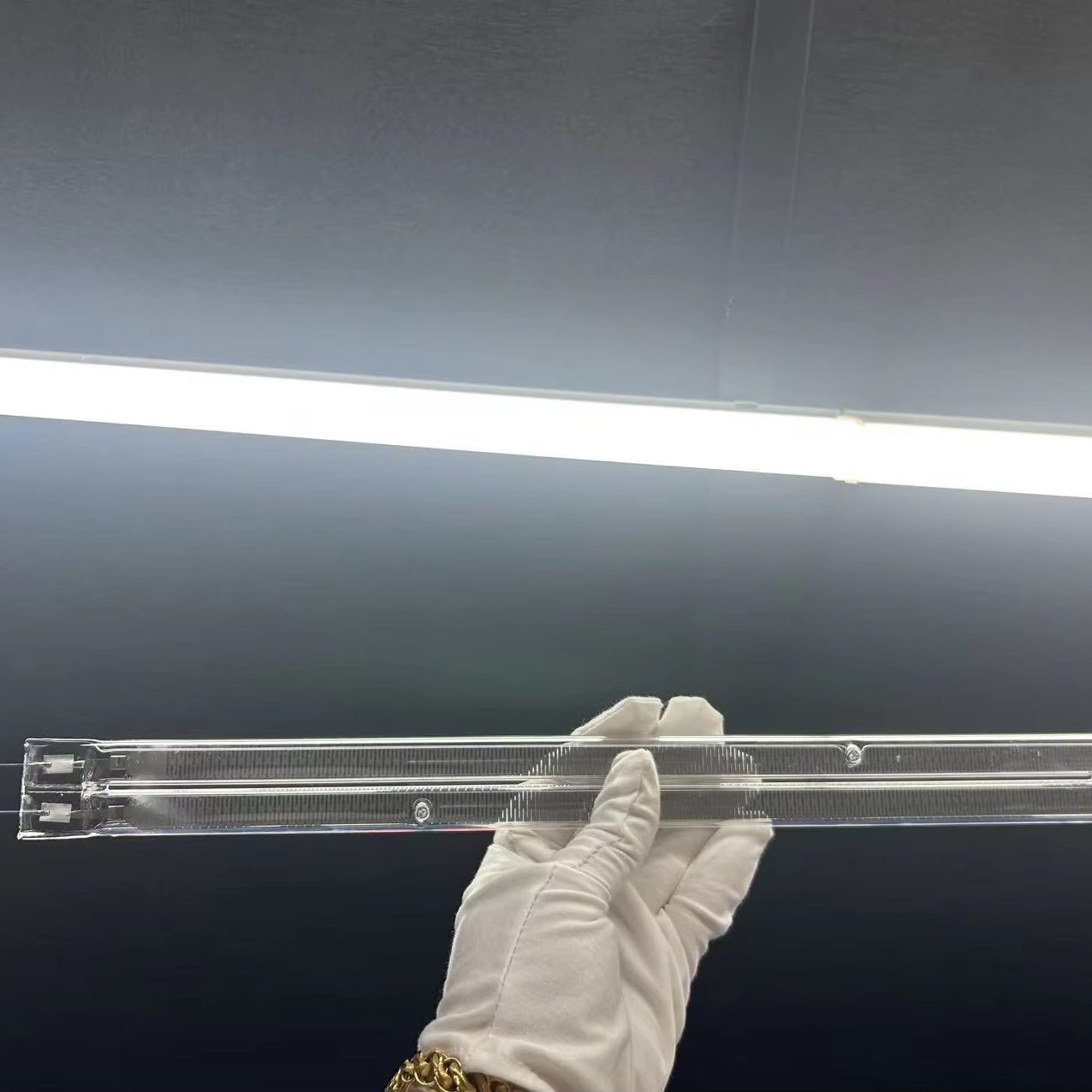
- Adoption of High-Efficiency Infrared Heating: Energy-intensive drying, curing, and thermal treatment lines in Hoa Khanh Industrial Zone are increasingly swapping metallic coils for twin-tube carbon fiber and graphene infrared heating tubes wrapped in protective, heat-resistant quartz sleeves. This cuts power consumption by up to 35%.
4. Deep Material Science & Quality Engineering Standards
To withstand extreme operating conditions, Donghai County Nivra Quartz Products Co., Ltd. implements rigorous processing standards throughout the fabrication cycle:
A. Micro-Machining & Ultrasonic Drilling
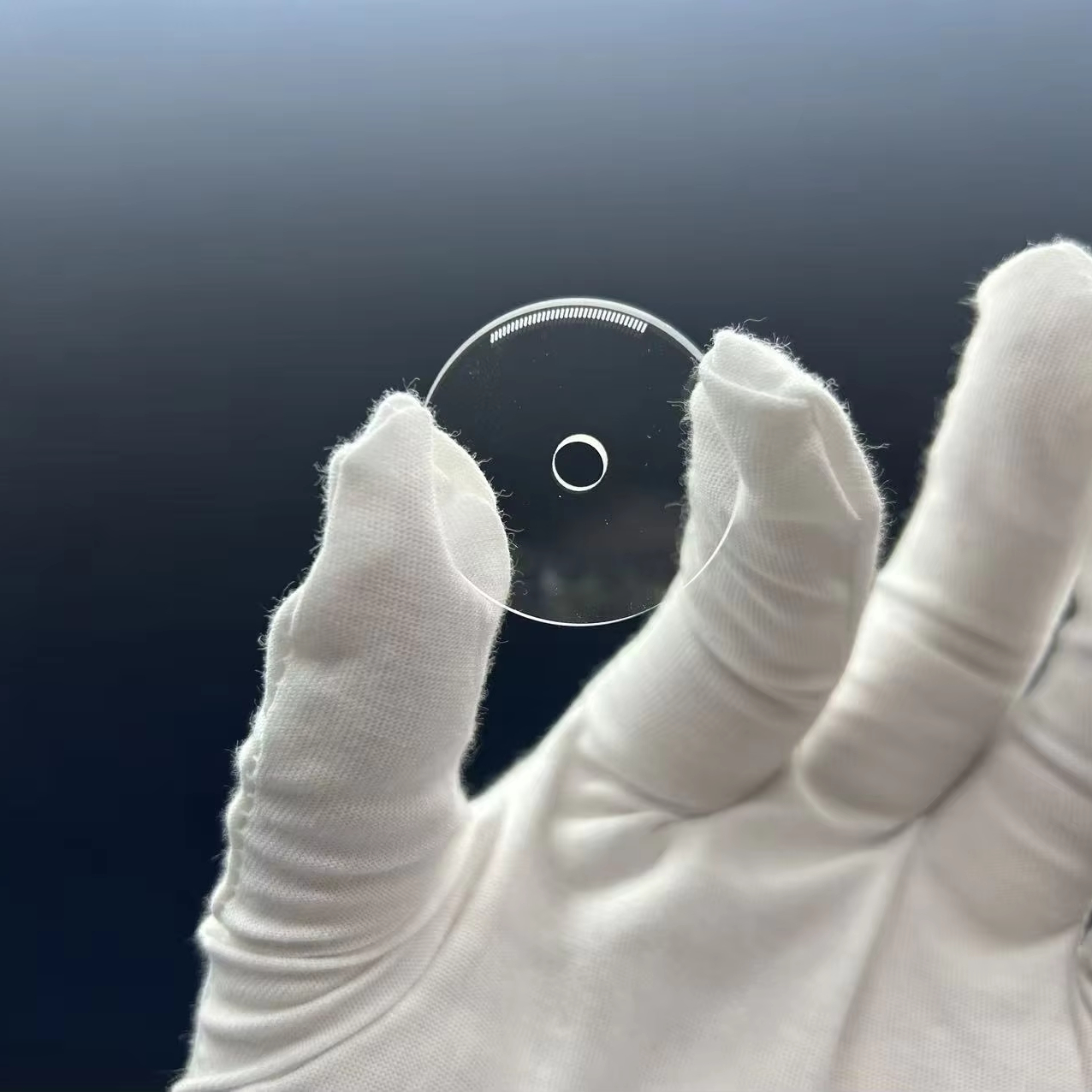
Using 5-axis ultrasonic CNC grinding equipment, complex geometric features—such as step plates, perforated holes, ground joints, and precision flange grooves—are machined into raw synthetic quartz blanks with dimensional tolerances as tight as $\pm0.005\text{ mm}$. Ultrasonic tooling prevents subsurface micro-cracks that could otherwise propagate under thermal fatigue.
B. Thermal Stress Relief Annealing
Machining introduces localized mechanical strain within the glass matrix. All custom parts undergo a controlled 24-hour thermal annealing cycle in computerized electric kilns, reaching the strain point ($1070^\circ\text{C}$) before controlled slow cooling. This process reduces residual internal stress to below $2\text{ MPa}$, ensuring maximum fracture resistance during thermal shocking.
C. Surface Finishing & Flame Polishing
Depending on application requirements, components are finished with optical pitch polishing (achieving surface roughness $Ra < 0.5\text{ nm}$ for laser windows) or localized oxy-hydrogen flame polishing to smooth ground edges and seal micro-pores on tube ends and flanges.
Why Partner with Donghai County Nivra Quartz Products Co., Ltd.?
Headquartered in Donghai County, Jiangsu Province—the world-renowned capital of quartz crystal processing—Donghai County Nivra Quartz Products Co., Ltd. operates a vertically integrated manufacturing and exporting facility employing 101–200 skilled engineers and technicians.
Direct Source Advantage
By controlling raw synthetic material synthesis through to finished CNC machining, we eliminate intermediary markups, delivering premium optical and semiconductor glass to Da Nang buyers at direct factory prices.
Strict ISO & Third-Party Verification
Our facility holds full legal registration and verified manufacturing status. Every batch is subjected to spectral transmission testing, dimensional inspection, and chemical purity certification prior to dispatch.
Optimized Export Logistics
We specialize in heavy-duty export packaging, including custom-cut shock-absorbent foam inserts and sealed wooden crates to guarantee zero-breakage transit to Da Nang Port (Tiên Sa) or directly to factory gates.
Frequently Asked Questions by Da Nang Buyers
Direct answers regarding shipping, custom engineering, import tariffs, and material specifications for procurement managers in Vietnam.
Request a Custom Quote for Your Da Nang Facility
Connect directly with our senior quartz application engineers. Send us your technical drawings, material specifications, or RFQ requirements for rapid engineering review and factory-direct pricing.