Engineered Synthetic & Fused Quartz Components
Supplying industrial manufacturers, universities, environmental analytics centers, and cleanroom facilities in Paphos and the wider Mediterranean basin with certified tolerance glassware, custom step plates, and heating apparatus.
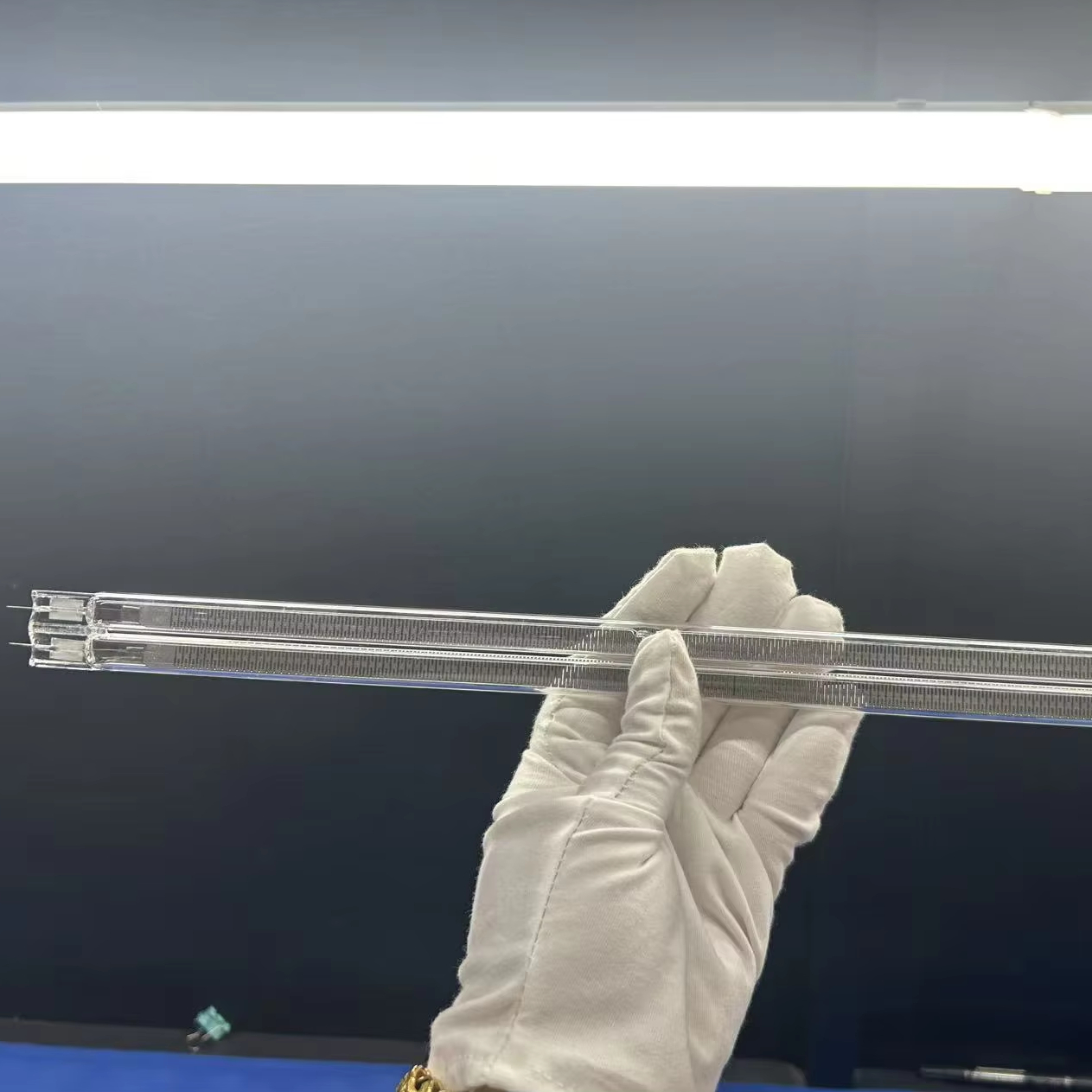
High-efficiency 400mm quartz heating elements (15–33mm diameter) built for industrial thermoforming, PET blowing, drying ovens, and localized agricultural heat exchangers.
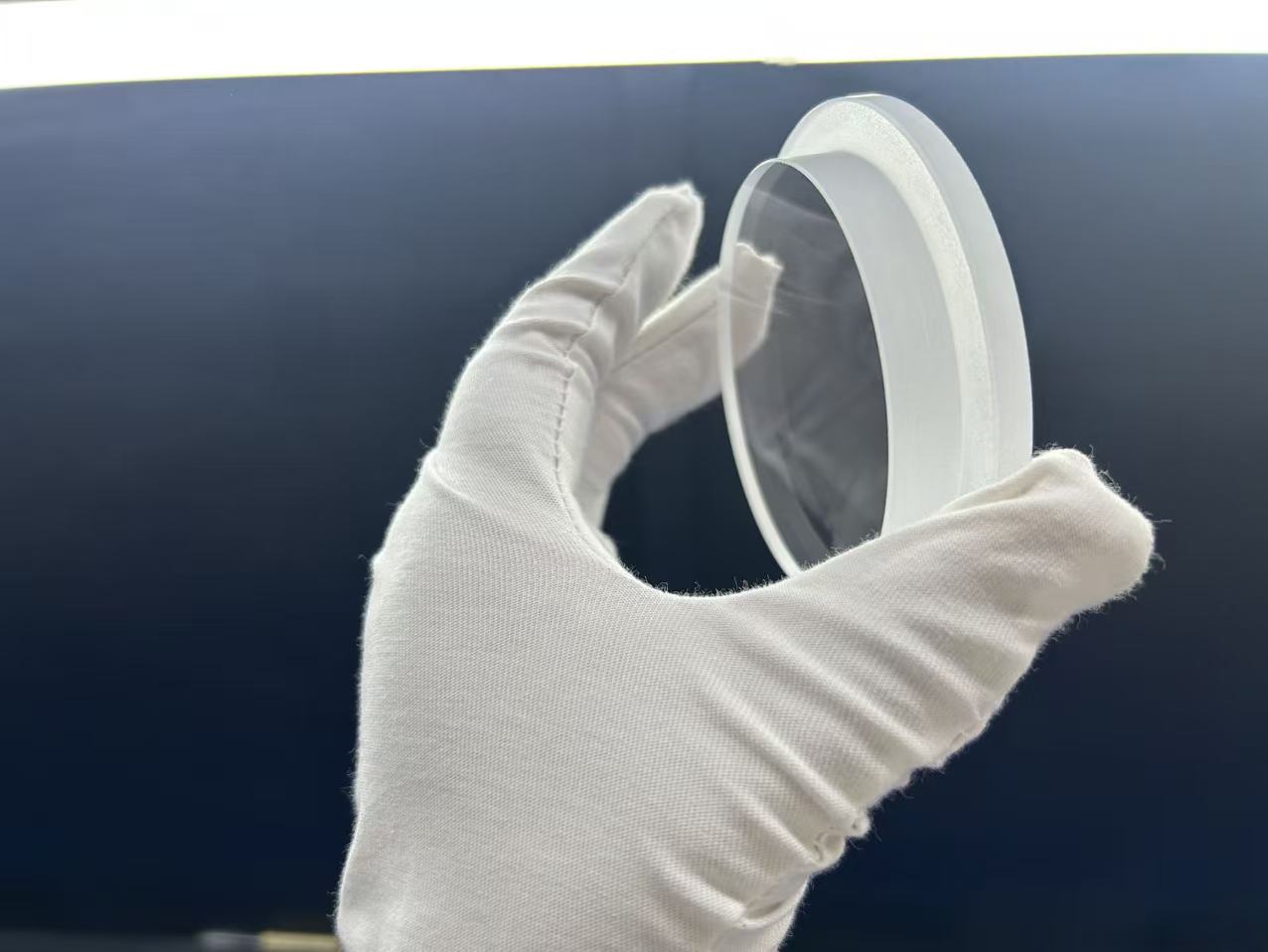
Custom fire-polished and CNC-machined stepped sight glasses engineered for deep-sea submersibles, high-pressure desalination cells, and high-temperature vacuum viewports.
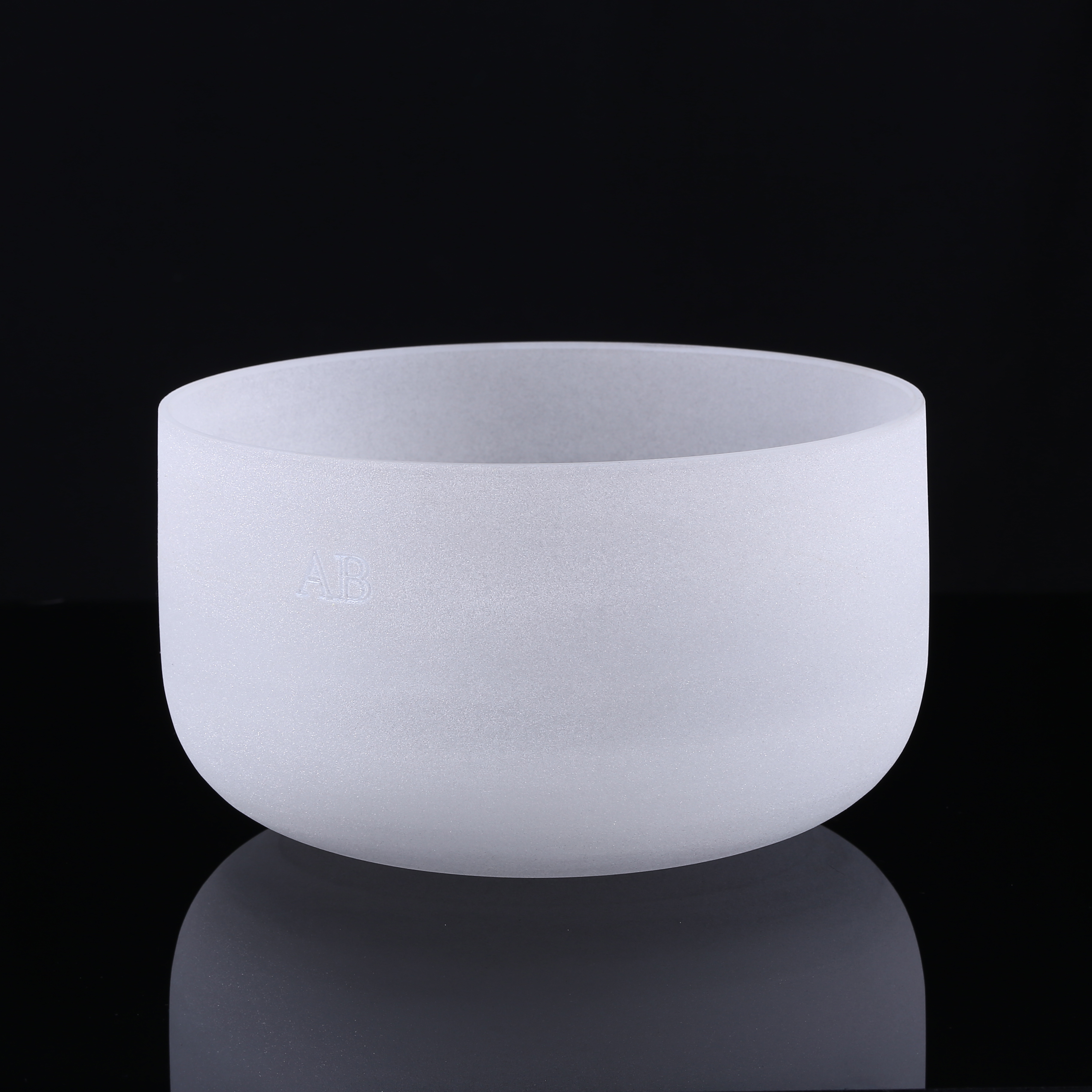
Sintered opaque and transparent fused silica crucibles designed for metallurgy, precious metal refining, solar silicon casting, and analytical ash-testing protocols.
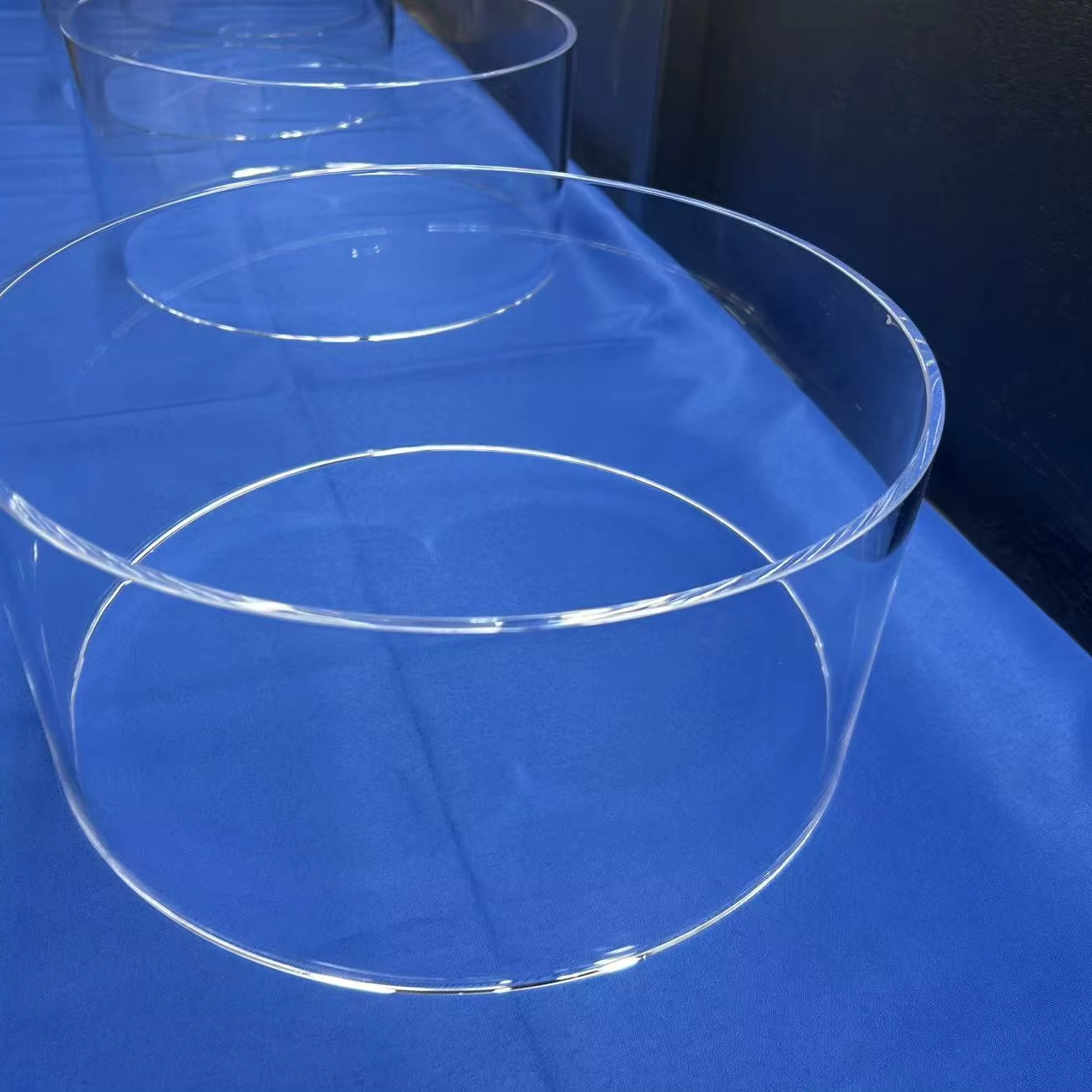
Heavy-gauge synthetic and fused silica rods providing optical light conduction, dielectric barrier discharge (DBD) supports, and structural furnace supports.
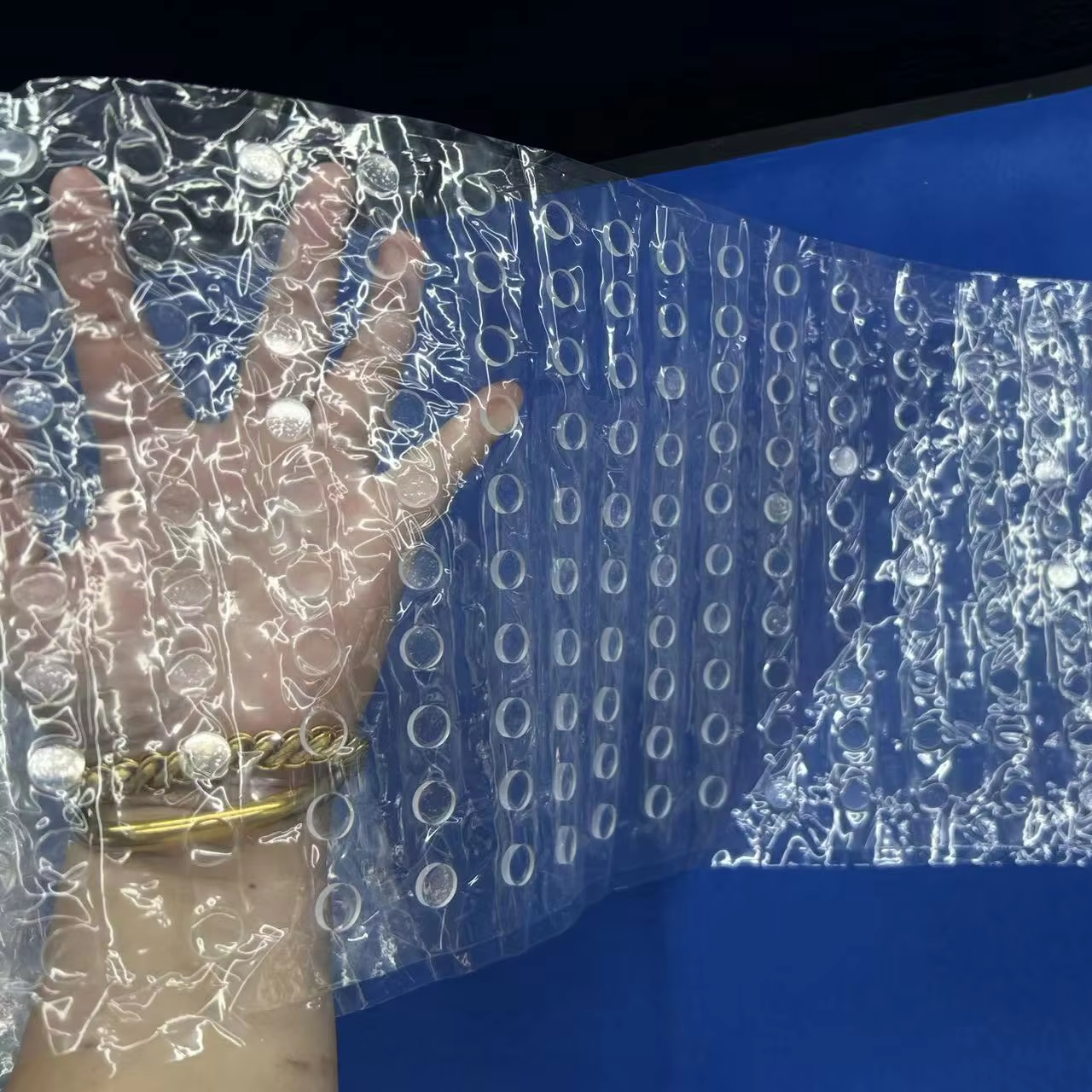
Sub-nanometer Ra polished wafers for MEMS, semiconductor lithography, microfluidic chip fabrication, and dielectric spectroscopy experiments.
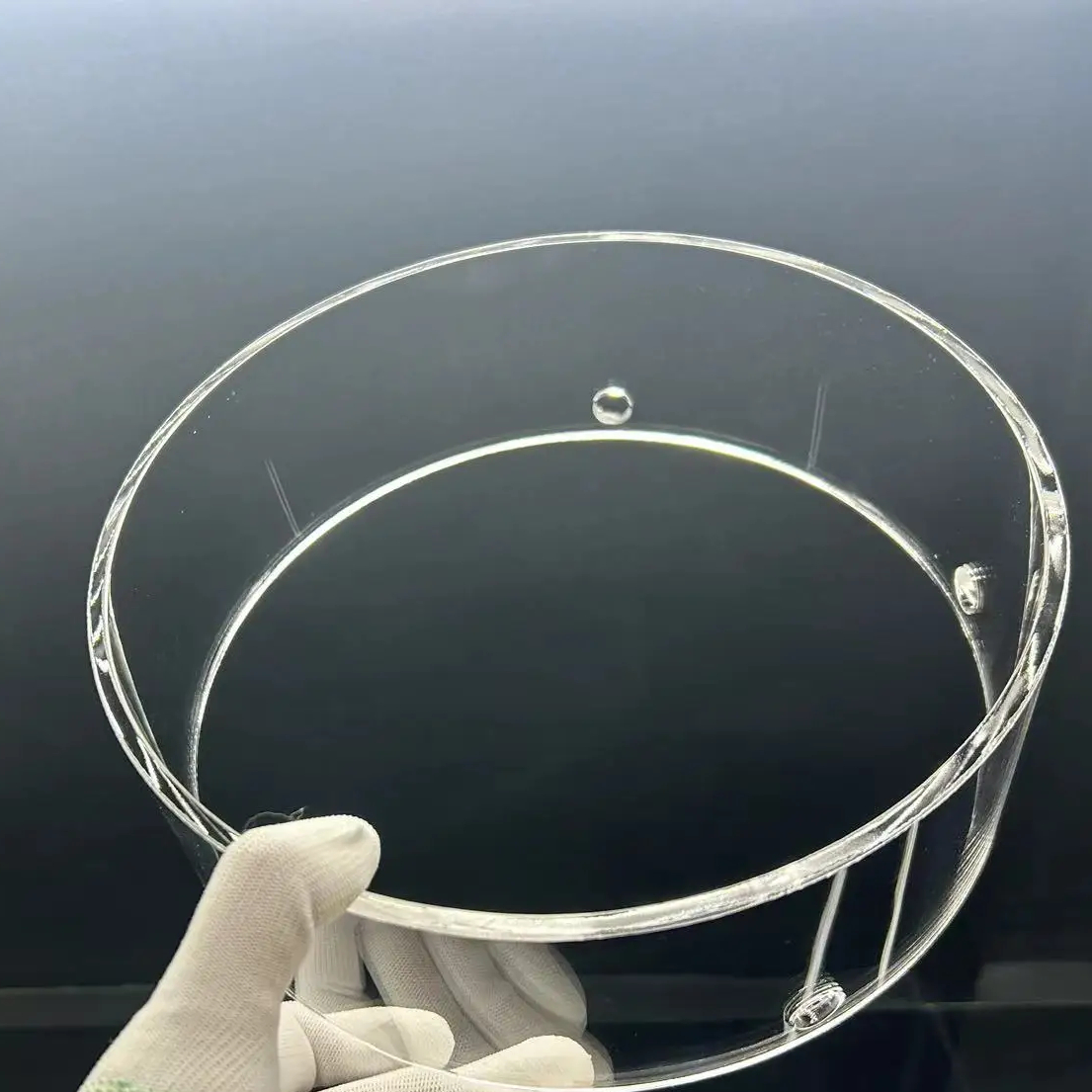
Precision bore tubes with continuous thermal resistance up to 1100°C. Ideal for UV germicidal sleeving, chemical vapor deposition (CVD), and ozone generation chambers.
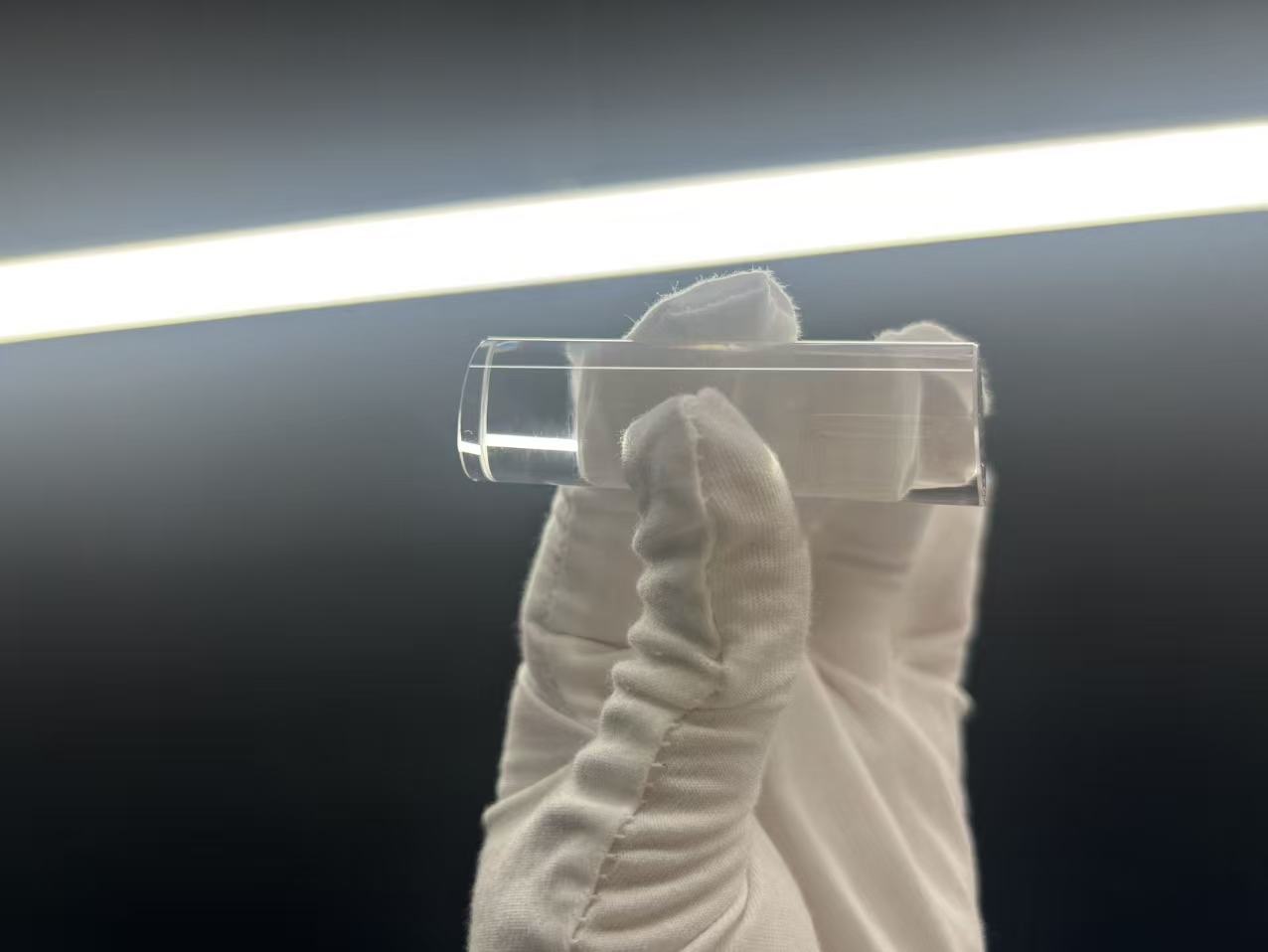
Domed and chemically inert glass apparatus suited for aggressive acid dissolution, catalytic bubbling tubes, and high-frequency plasma immersion rods.
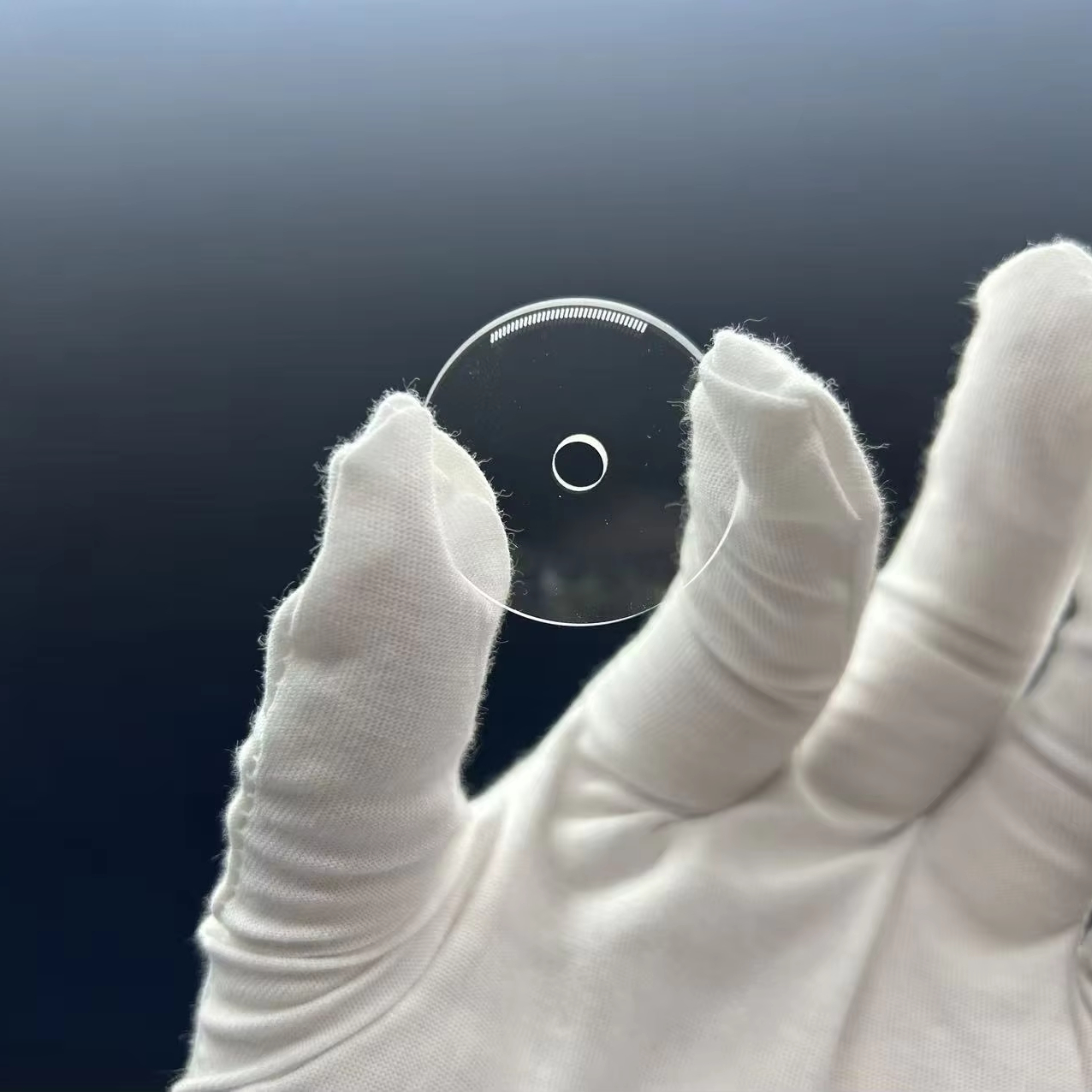
Uniform surface-etched plates delivering light homogenization, anti-glare sight protection, and high-temperature thermal barrier diffusion for laser target alignment.
Engineering Whitepaper: Synthetic Fused Silica vs. Natural Fused Quartz
A comparative materials breakdown for procurement specialists, optical engineers, and laboratory directors seeking zero-defect vitreous silica in Paphos, Cyprus, and the Eastern Mediterranean.
Procurement decisions in high-technology sectors—ranging from renewable energy conversion to photochemical water treatment—increasingly depend on understanding the critical metallurgical distinctions between Synthetic Fused Silica (JGS1 class) and Natural Fused Quartz (JGS2 and JGS3 classes). While both materials boast a chemical purity dominated by silicon dioxide ($SiO_2$), their crystallization origin, internal bubble structure, hydroxyl ($OH^-$) ion concentration, and deep-ultraviolet (DUV) photon absorption rates govern their operational boundaries.
1. Synthesis Mechanism & Chemical Purity Grades
Synthetic quartz glass is synthetically generated via the chemical vapor deposition (CVD) or flame hydrolysis of high-purity silicon tetrachloride ($SiCl_4$) in an oxygen-hydrogen burner flame. Because the raw chemical feedstock is purified through multi-stage fractional distillation, metallic impurities (including Iron, Aluminum, Titanium, Sodium, and Potassium) are depressed below 0.1 parts per million (ppm). This guarantees that synthetic fused silica displays virtually zero micro-striae, no inclusions, and near-zero fluorescence when stimulated by coherent ultraviolet excimer beams (193 nm ArF and 248 nm KrF).
Conversely, natural fused quartz is processed by fusing refined natural rock crystals from geological deposits—principally mined and refined in renowned industrial clusters like Donghai County. While achieving an admirable $SiO_2$ purity of $\ge 99.99\%$, natural fused quartz retains trace elemental aluminum (typically 8–20 ppm) and lithium, which act as subtle crystallization nucleators under prolonged exposure to temperatures surpassing 1150°C. For industrial thermal processing, halogen infrared heating, and standard photochemical digestion, natural fused quartz delivers superior mechanical rigidity at lower capital expenditure.
2. Optical Transmittance & Hydroxyl (OH) Content Management
The optical window of fused silica components is bifurcated by the presence of bonded hydroxyl ($OH^-$) groups introduced during synthesis:
- JGS1 (Synthetic Fused Silica): High $OH^-$ content (typically 800 to 1200 ppm), optimized for exceptional transmission across the deep ultraviolet (DUV) and visible spectrum (185 nm to 2500 nm). Free from vacuum ultraviolet absorption dip at 240 nm, making it the foundational material for analytical spectrophotometer cuvettes, wafer stepper optics, and excimer laser viewports.
- JGS2 (Optical Grade Fused Quartz): Fused from selected natural crystals under hydrogen-oxygen flame. Transmits effectively from 220 nm to 2600 nm. Serves as the industry benchmark for optical sight glasses, observation tubes, and intermediate lithography stages.
- JGS3 (Infrared Optical Quartz): Synthesized via electric vacuum fusion or plasma melting to strip out hydroxyl ions, driving residual $OH^-$ content below 5 ppm. By eliminating the prominent water absorption bands at 1380 nm, 2220 nm, and 2730 nm, JGS3 achieves flat transmission extending out to 3500 nm, proving mandatory for mid-infrared thermal detectors, gas analysis cells, and CO₂ laser delivery optics.
| Physical & Chemical Parameter | Synthetic Fused Silica (JGS1) | Standard Clear Fused Quartz (JGS2) | Infrared Fused Silica (JGS3 / Low-OH) |
|---|---|---|---|
| Total Metallic Impurity | < 0.5 ppm (High Purity) | < 15 – 30 ppm | < 20 ppm |
| Hydroxyl ($OH^-$) Content | 800 – 1200 ppm | 150 – 200 ppm | < 5 ppm ("Water-Free") |
| Optical Transmission Range | 185 nm – 2500 nm (Deep-UV) | 220 nm – 2500 nm (UV-Vis) | 260 nm – 3500 nm (IR Extended) |
| Softening Point (°C) | ≈ 1600 °C | ≈ 1683 °C | ≈ 1720 °C |
| Continuous Max Working Temp | 1000 °C | 1100 °C | 1150 °C |
| Thermal Expansion (20–320°C) | $5.4 \times 10^{-7} \text{ K}^{-1}$ | $5.5 \times 10^{-7} \text{ K}^{-1}$ | $5.5 \times 10^{-7} \text{ K}^{-1}$ |
| Dielectric Strength (20°C, 1MHz) | $2.5 – 3.0 \times 10^7 \text{ V/m}$ | $2.5 – 3.0 \times 10^7 \text{ V/m}$ | $3.0 \times 10^7 \text{ V/m}$ |
3. Thermodynamics, Thermal Shock Resistance, and Devitrification Kinetics
One of the paramount engineering characteristics of both synthetic and fused quartz glass is its exceptionally small coefficient of thermal expansion ($\alpha \approx 5.5 \times 10^{-7} \text{ K}^{-1}$). In contrast to standard borosilicate glass ($\alpha \approx 33 \times 10^{-7} \text{ K}^{-1}$) or soda-lime glass ($\alpha \approx 90 \times 10^{-7} \text{ K}^{-1}$), a quartz component heated to 1100°C can be plunged into room-temperature water without incurring catastrophic mechanical fracture.
However, high-temperature system designers in Paphos must account for devitrification (cristobalite crystal growth). Cristobalite phase transformation occurs when non-bridging oxygen atoms coordinate with alkali surface contaminants (fingerprint oils, saline vapor, dust particles containing sodium or potassium) at operating temperatures exceeding 1000°C. To mitigate devitrification in continuous industrial operations, our processing facility in Donghai employs ultrasonic hydrofluoric acid etching followed by high-vacuum annealing and cleanroom shrink-wrapping, ensuring surface purity that delays devitrification kinetics by several thousand operating hours.
Paphos & Eastern Mediterranean Regional Applications
Addressing regional operational environments: high ambient UV irradiance, maritime atmospheric salinity, intensive seawater desalination, and regional clean energy transition.
Concentrated Solar Power & Molten Salt Research
Cyprus experiences over 3,200 annual sunlight hours, making Paphos and the Limassol hinterland key nodes for solar thermal innovation. Our high-temperature fused silica tubes, quartz bell jars, and synthetic reaction crucibles serve as central receivers and molten salt containment vessels capable of withstanding thermal cycling up to 1200°C without mechanical sagging.
Seawater Desalination (SWRO) & UV Photolysis
With major SWRO plants supplying municipal water across coastal Cyprus, synthetic quartz glass sleeves and step plates provide pressure-rated, chemical-resistant housings for continuous ultraviolet-C (254 nm) disinfection and advanced oxidation processes (AOP), destroying aquatic pathogens and micro-contaminants without leaching trace elements into treated streams.
Offshore Maritime Sensors & Subsea Viewports
The expansion of offshore energy extraction and oceanographic monitoring in the Levantine Basin requires deep-sea optical viewports. Our ultra-thick, precision-polished step plates and custom sapphire windows withstand hydrostatic pressures in excess of 150 bar while maintaining uncompromised optical clarity against saline encrustation.
University Laboratories & Horizon Europe R&D
Supporting engineering departments and research institutes in Paphos, Nicosia, and Limassol. We supply custom quartzware—spectrophotometer cuvettes, micro-reactors, vacuum diffusion manifolds, and quartz boats—built directly from CAD/STEP files with complete compliance documentation for EU-funded consortia.
Industrial Infrared Curing & Packaging
Manufacturing plants and packing lines in the Tremithousa and Mesogi industrial estates rely on our 220V/380V carbon fiber and halogen infrared heating tubes. These emitters supply instant, focused thermal radiation with minimal warm-up loss, optimizing drying times for plastics, labels, and protective coatings.
Environmental Air & Soil Spectrometry
Regional environmental testing bureaus monitoring mineral content, pesticide residues, and ambient maritime aerosol distributions use our JGS1 polished quartz wafers and digestion crucibles, ensuring analytical baselines free from sodium or boron contamination.
Paphos Regional Tech Trends: Clean Transitions & Photon Infrastructure
Strategic insights into the accelerating demand for high-grade synthetic fused silica across the Republic of Cyprus through 2030.
1. The Cyprus Green Transition & High-Temperature Solar Hydrogen
In alignment with the European Green Deal and the National Energy and Climate Plan (NECP) of Cyprus, substantial public and private capital is flowing into high-efficiency solar conversion systems. Beyond conventional silicon photovoltaics, localized research in the Paphos district is pivoting toward solar thermochemical hydrogen generation and micro-gas turbine solar hybridization. These reactors require synthetic quartz window materials capable of passing concentrated solar fluxes exceeding $2000 \text{ kW/m}^2$ while containing internal reactive atmospheres up to 1300°C. Synthetic fused silica's near-zero solarization and high thermal conductivity under high heat flux make it an irreplaceable material for these pilot systems.
2. Regional Maritime Security & Marine Analytics
Positioned at the maritime crossroads of Europe, Asia, and Africa, Paphos is seeing increased investment in ocean monitoring, subsea acoustic/optical cables, and autonomous surface vessels (ASVs). Environmental monitoring sensors mounted along coastal waters demand optical windows resilient against bio-fouling, high salinity, and solar UV embrittlement. Standard acrylic or polycarbonate sight glasses degrade within months under Mediterranean summer solar loads; optical grade JGS2 quartz and monocrystalline sapphire plates offer decades of stable optical transmittance without surface crazing or yellowing.
3. Precision Greenhouse Agriculture & Controlled Environment Farming
Water scarcity and climate variability across the Ezousa and Diarizos river valleys are fueling a transition to closed-loop hydroponics and precision aeroponic facilities. These high-tech agricultural installations employ short-wavelength infrared (SWIR) quartz emitters for localized heating during winter months and in-line ultraviolet sterilizers for recycled irrigation water. By utilizing synthetic quartz sheaths that resist scaling and mineral encrustation, commercial growers in Western Cyprus significantly reduce downtime and eliminate the need for chemical water fungicides.
Direct Manufacturer Strength: From Donghai Origin to Cyprus Delivery
Donghai County Nivra Quartz Products Co., Ltd. delivers direct factory engineering capabilities, rapid prototyping, and audited production standards to our European client base.
01. Raw Material Provenance
Headquartered at 285 Heping East Road, Donghai County—the global center of silica crystal processing. We secure Tier-1 natural crystal sands and high-purity $SiCl_4$ feedstocks, eliminating intermediaries to ensure batch-to-batch chemical purity and price competitiveness.
02. Complete Machining Capabilities
From diamond-wire sawing, CNC ultrasonic milling, core drilling, double-sided chemical mechanical polishing (CMP), to traditional hand torch benchwork and automated glass-lathe forming. Every part is manufactured under one roof.
03. ISO 9001 & Optical Metrology
Each delivery includes comprehensive quality documentation: dimensional coordinate reports, spectrophotometer transmittance traces (190 nm to 3200 nm), and polarization stress birefringence verification.
04. Zero-Breakage Export Crating
Fragile quartz tubes, step plates, and thin optical wafers are packed using custom shock-absorbing closed-cell EPE foam, multi-layer vacuum bagging, and ISPM-15 compliant fumigated plywood crates engineered for intercontinental air and sea transit.
05. Flexible Prototype & Production MOQs
We accommodate R&D prototype projects with MOQs as low as 1 to 10 pieces for custom labware or sight glasses, while scaling up to high-volume recurring shipments for equipment manufacturers across Europe.
06. Dedicated Technical Support
With an average response time within 5 hours and an 88.89% inquiry response rate, our engineering department reviews your drawings (CAD, DWG, STEP, or PDF) to provide manufacturability feedback, thermal load assessments, and competitive quotations.
Procurement FAQ: Sourcing Quartz Glass in Paphos, Cyprus
Practical information for procurement directors, researchers, and project managers importing specialized quartz components into Cyprus.
Q What are the standard shipping timelines and ports of entry for Paphos?
For urgent engineering orders and prototypes, express air cargo lands directly at Paphos International Airport (PFO) or Larnaca International Airport (LCA) within 5 to 8 business days following factory dispatch. For bulk industrial shipments (such as long furnace tubes, heavy crucibles, or crate orders), containerized ocean freight clears through the Port of Limassol (Lemessos), typically taking 22 to 28 days transit from Lianyungang/Shanghai port, followed by bonded direct trucking to Paphos.
Q How do we address EU customs clearance, CE conformity, and RoHS in Cyprus?
Because the Republic of Cyprus is an EU member state, imported quartz glass components classify under TARIC code headings 7002.31.00 (Tubes of fused quartz) and 7006.00.00 (Glass plates and sheets). Nivra Quartz provides full commercial invoices, packing lists with net/gross weights, EUR-compliant Certificates of Origin, and chemical declarations confirming compliance with EU Directive 2011/65/EU (RoHS) and REACH chemical regulations.
Q How does coastal Mediterranean humidity and salinity affect quartz viewports?
Unlike soda-lime or borosilicate glasses, pure silicon dioxide ($SiO_2$) possesses near-total chemical inertness to sodium chloride ($NaCl$), magnesium chloride, and ambient coastal humidity. It will not leach alkaline elements or form surface bloom. For high-temperature equipment operated outdoors near the Paphos coastline, we recommend specifying fire-polished edges to eliminate micro-flaws where marine salt crystals could otherwise concentrate during cooling cycles.
Q Can Nivra Quartz manufacture custom laboratory and industrial parts from sketches?
Yes. Our glassblowing and CNC machining workshops routinely produce custom components from standard 2D PDFs, dimensional hand sketches, or 3D STEP/IGES files. Our engineering review checks wall thickness consistency, thermal relief radiuses, ground-joint tapers (e.g., standard NS 14/23, 29/32, or high-vacuum spherical joints), and optical clear apertures before initiating production.
Q What tolerances can your CNC cutting and optical polishing hold?
For precision optical discs, step plates, and semiconductor wafers, we achieve outer diameter tolerances down to ±0.05 mm, thickness tolerances down to ±0.02 mm, surface roughness Ra < 0.5 nm (super-polished), and parallelism better than < 10 arcseconds. Commercial furnace tubes and labware are fabricated to standard industry tolerances of ±0.2 mm to ±0.5 mm, depending on diameter.
Q What guarantee is provided against transit breakage for Cyprus orders?
Every consignment is insured against transit damage under CIF / DAP delivery terms. We utilize specialized multi-layer suspension packaging that isolates the glass from external impact. In the rare event of transit breakage, documented photographic evidence provided within 48 hours of cargo arrival triggers immediate free-of-charge replacement remanufacturing with expedited priority air freight.
Submit Your Project Specifications to Our Engineering Team
Whether you need a prototype synthetic quartz step plate for Mediterranean subsea testing, replacement heating tubes for a Paphos manufacturing facility, or custom quartz labware for university research, Nivra Quartz delivers factory-direct expertise and rapid turnaround.