USNorth America 40%DEGermanyFRFranceITItalyESSpainNLWestern Europe 20%RUEastern Europe 14%BRSouth America 11.4%SENorthern Europe 10%AUOceania 3.1%ZAAfrica 1.5%KRKoreaJPJapanUSNorth America 40%DEGermanyFRFranceITItalyESSpainNLWestern Europe 20%RUEastern Europe 14%BRSouth America 11.4%SENorthern Europe 10%AUOceania 3.1%ZAAfrica 1.5%KRKoreaJPJapan
B2B Technical Procurement & Whitepaper
Solar Quartz Crucible Supplier & Suppliers for Saint Lucia
Engineered Ultra-High Purity Fused Silica Vessels, Continuous Czochralski (Cz) Pulling Components & Precision Thermal Glassware Tailored for the Eastern Caribbean Clean Energy Transition
Engineered from raw quartz sourced in Donghai—China’s crystalline quartz capital—our product line delivers high structural stability up to 1450°C, near-zero thermal expansion, and non-contaminating chemical purity for solar photovoltaic crystal growth, optical fabrication, and laboratory analysis.
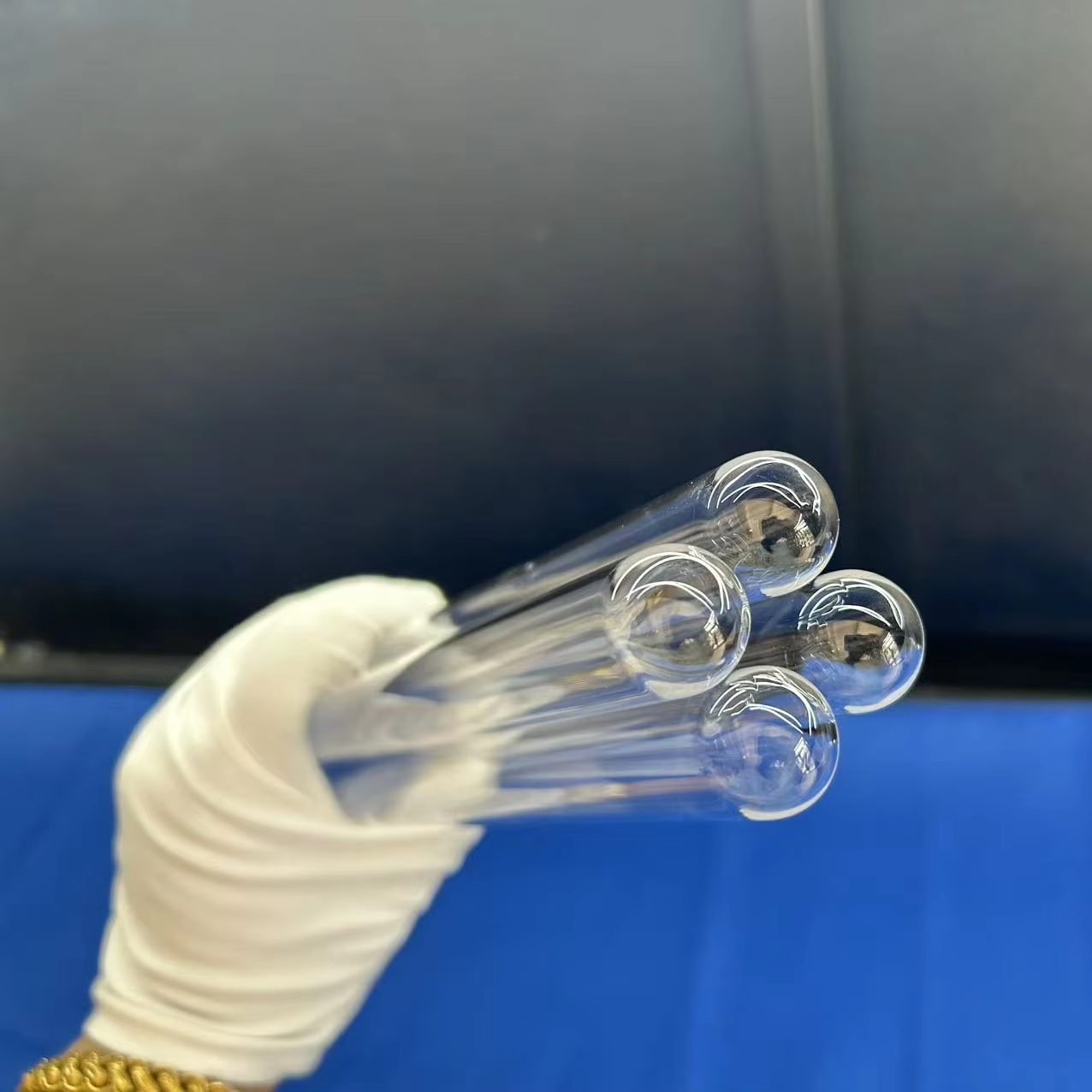
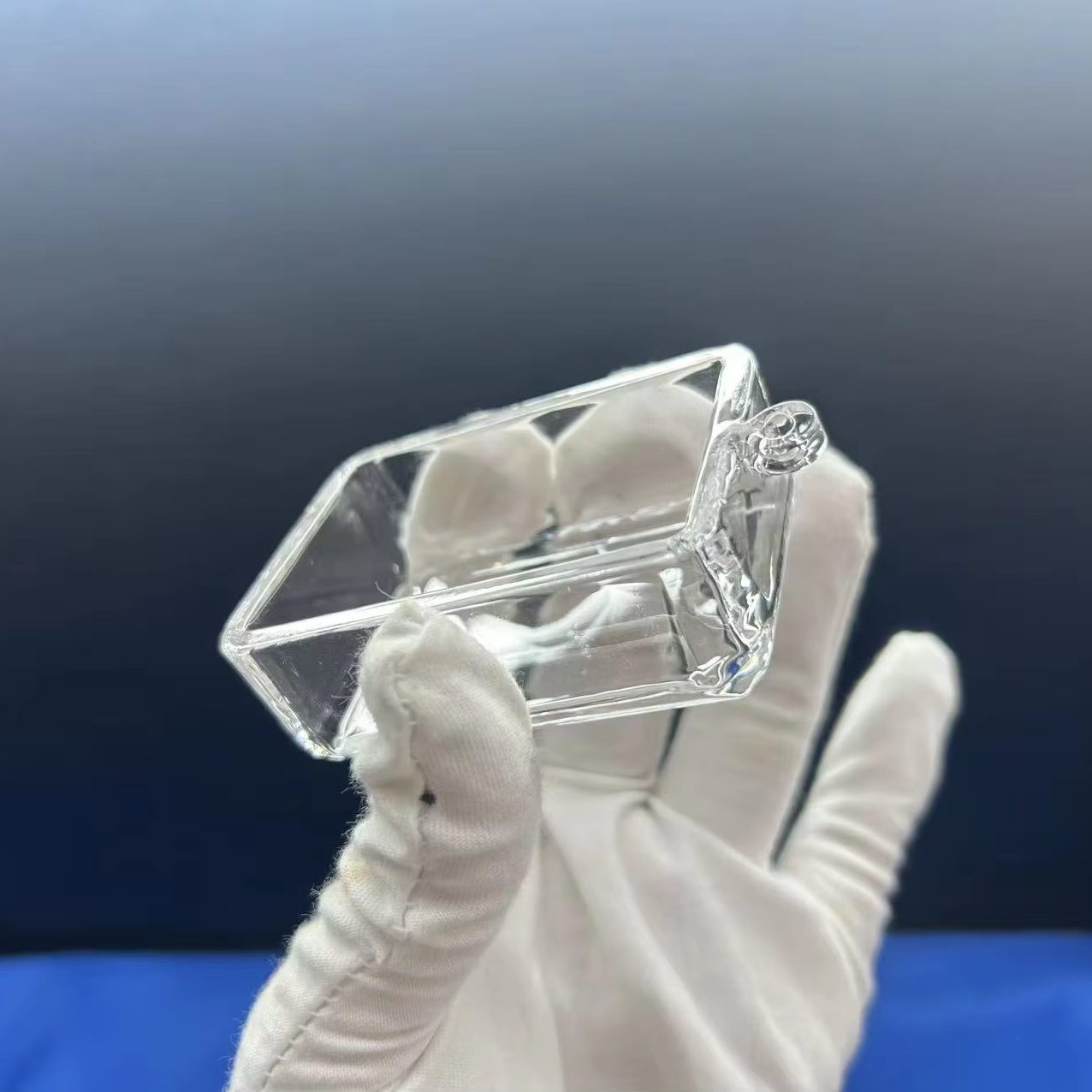
Precision cutting, micro-welding, and fire-sealed bottom geometries designed for controlled atmosphere synthesis, high-temperature thermal annealing, and crucible gas purge fixtures.
Uniform surface roughness engineered for even IR/UV radiation dispersion, high-temperature furnace baffle shielding, and thermal homogenization in solar wafer baking chambers.
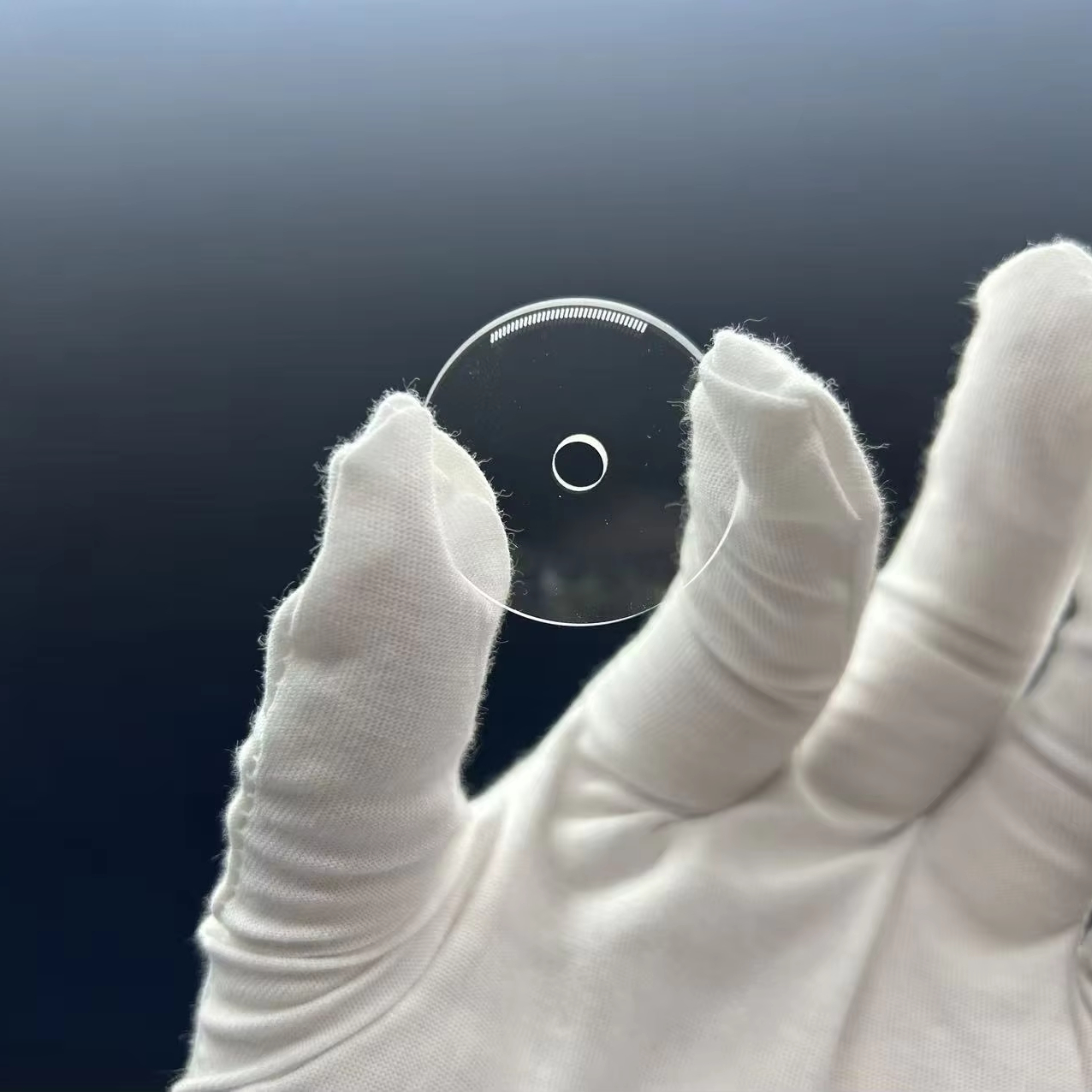
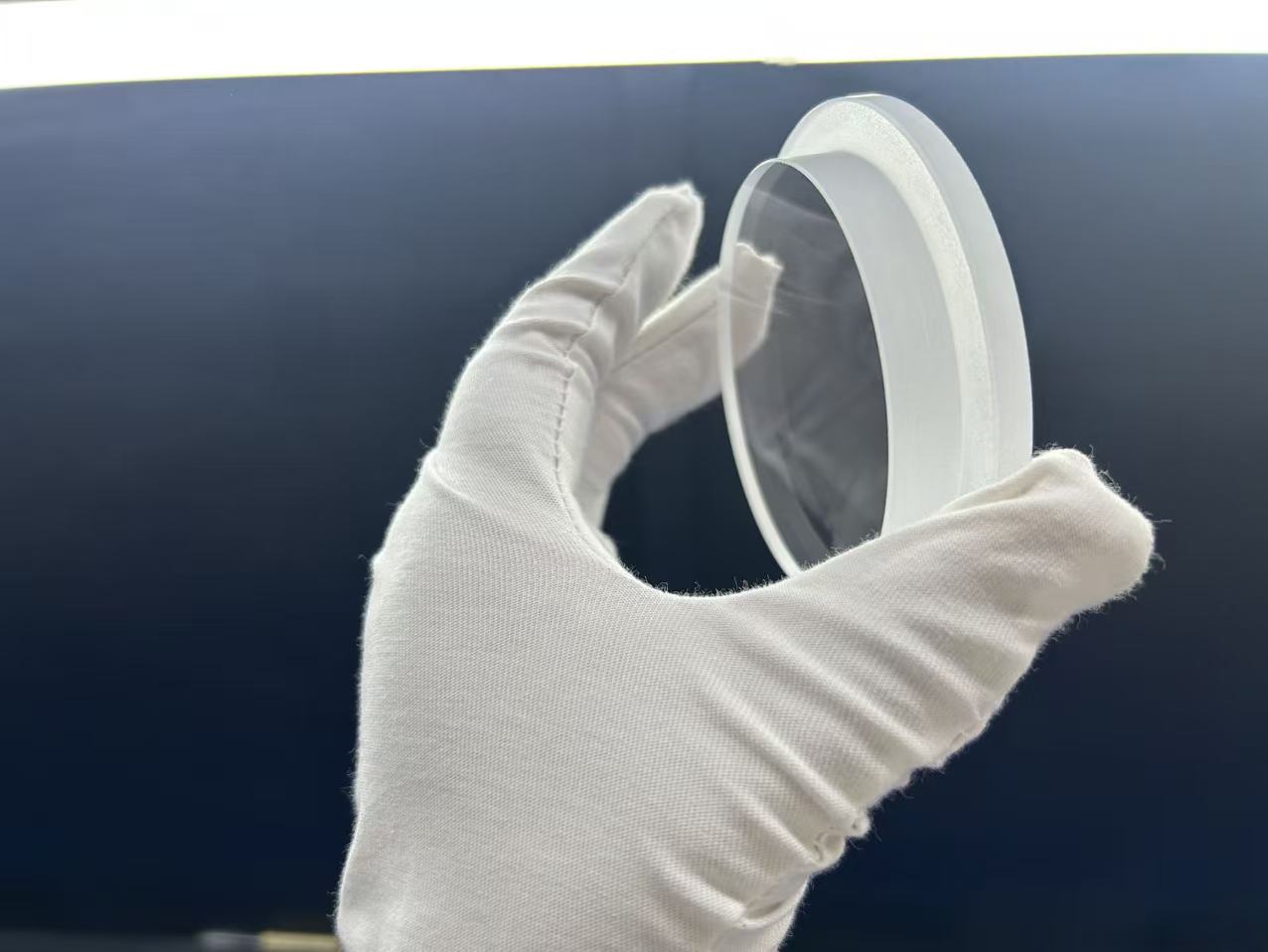
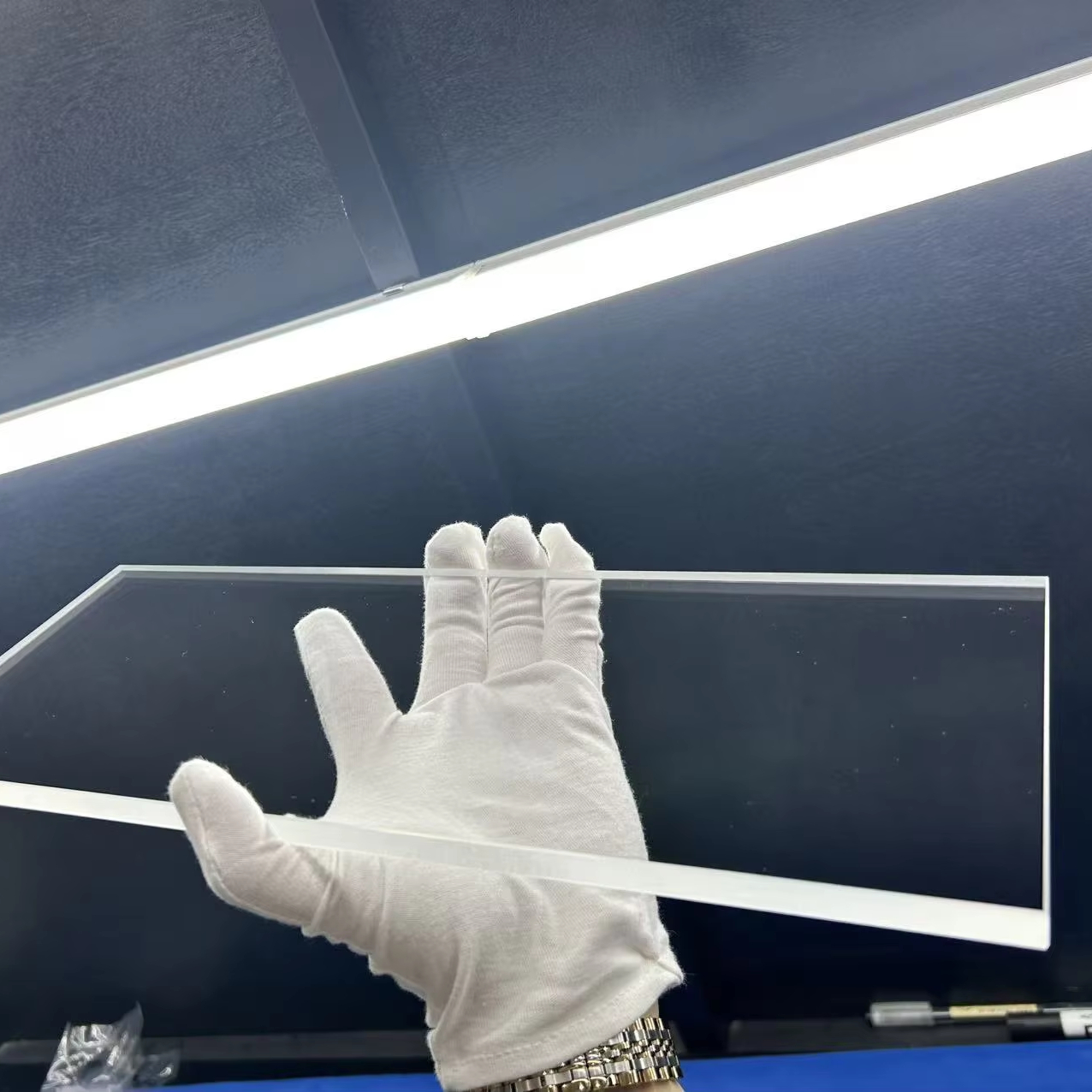
Custom multi-stepped vacuum chamber viewports and base plates, polished to optical flatness (λ/4) with edge beveling to prevent mechanical stress concentration under vacuum pressure.
Seamless fusion-welded quartz baths for hot hydrofluoric, hydrochloric, and piranha clean acid treatments of photovoltaic silicon ingots and silicon wafers without silica leaching.
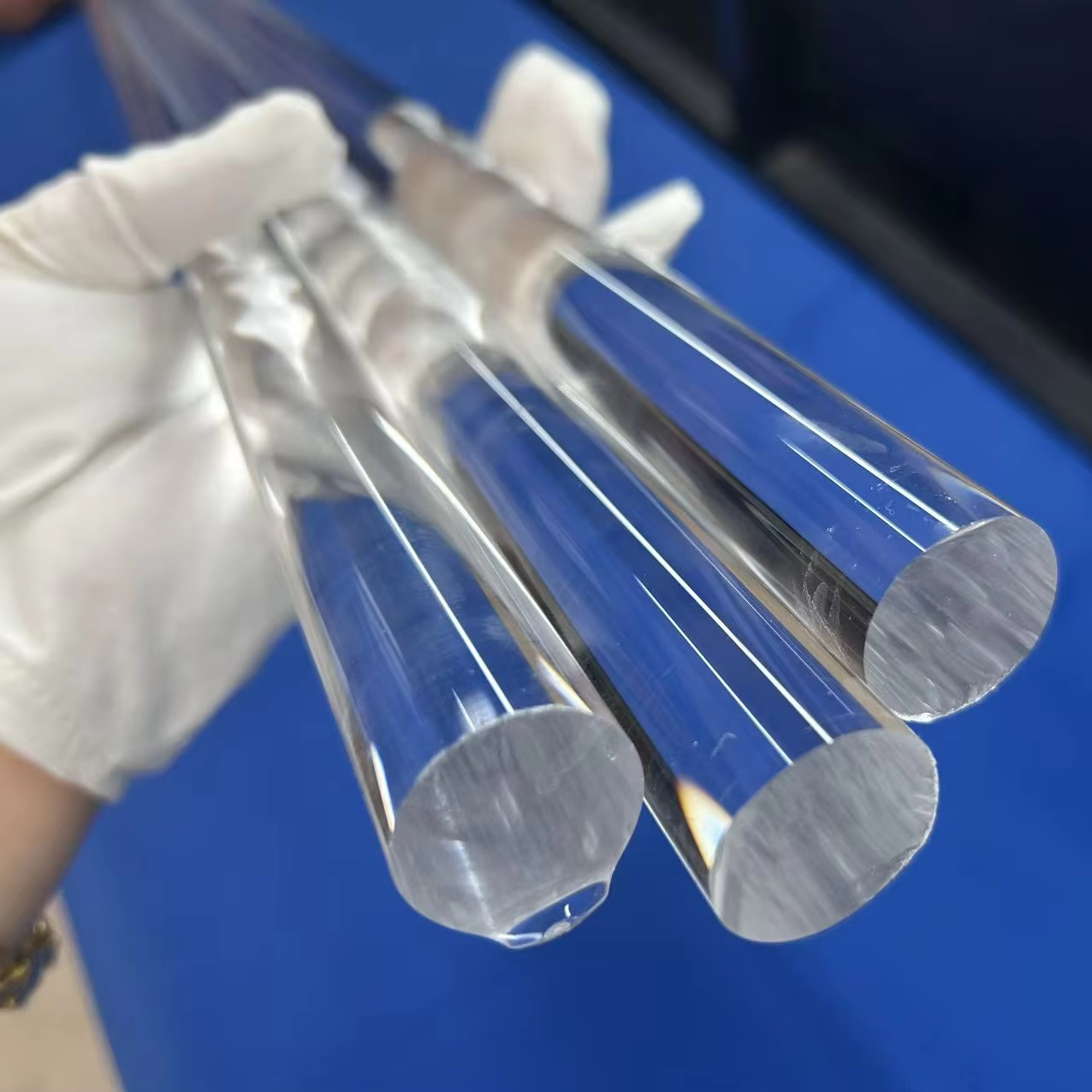
Exceptional transmission across deep ultraviolet to near infrared (185nm–2500nm). High laser damage threshold, bubble-class 0, ideal for solar simulator pyrometry and photovoltaic testing.
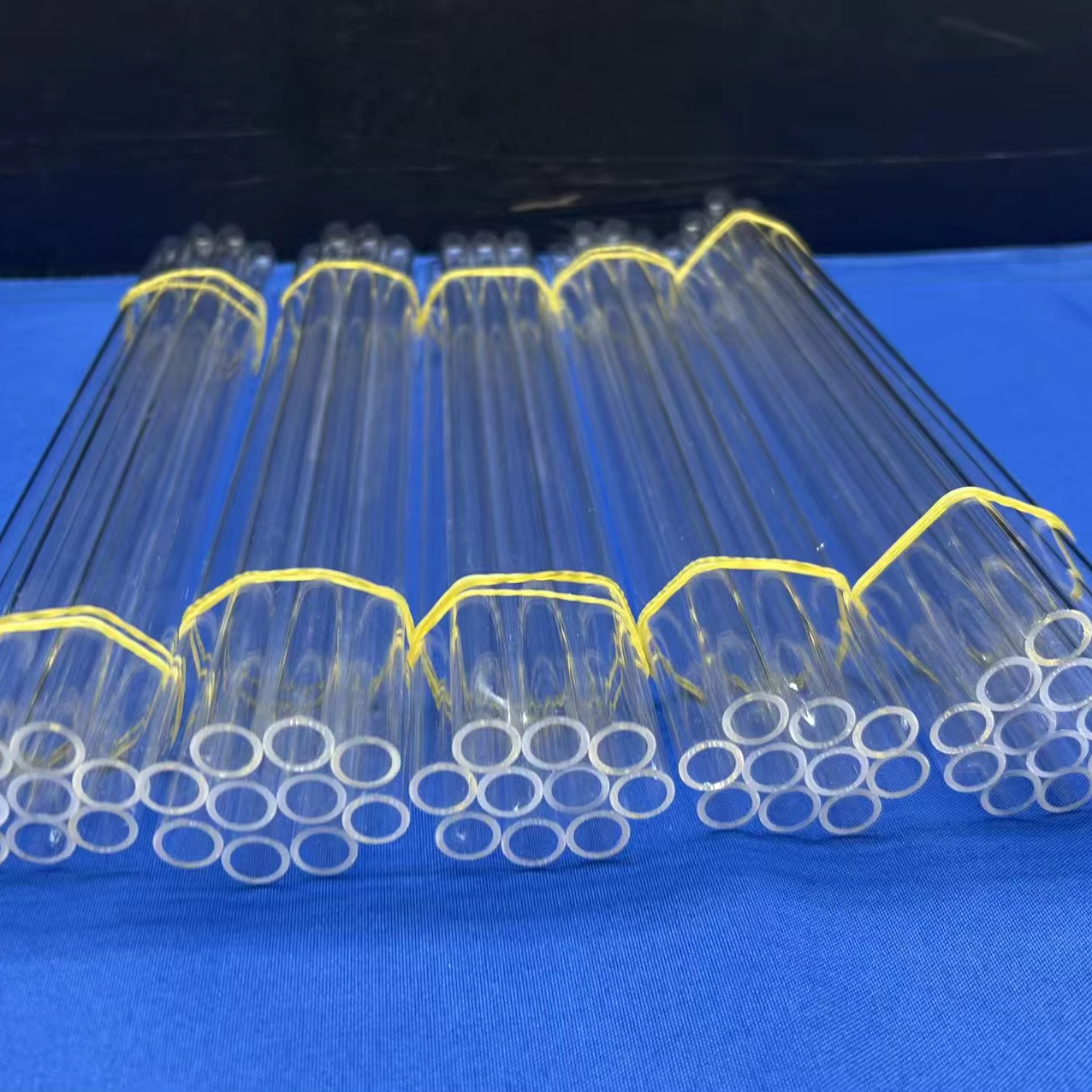
Heavy-wall fused silica test tubes resistant to rapid thermal quenching (1100°C directly into cold water) for mineral digestion, metallurgical sampling, and solar material quality control assays.
Metallurgical Dynamics of Solar Quartz Crucibles in Silicon Ingot Pulling
In crystalline silicon manufacturing—which underpins both terrestrial photovoltaic (PV) modules and next-generation N-type TOPCon/heterojunction (HJT) solar panels—the solar quartz crucible serves as the sacrificial heart of the thermal crystallization engine. Operating within continuous or semi-continuous Czochralski (Cz) pulling furnaces at temperatures exceeding 1425°C to 1550°C, the crucible must sustain structural integrity under hydrostatic liquid silicon pressures while remaining inert to molten silicon corrosion.
Multi-Layer Architecture: Synthetic Liner vs. Natural Fused Matrix
State-of-the-art solar crucibles supplied by Nivra Quartz utilize an advanced dual-layer or triple-layer co-arc fusion process. The exterior matrix is constructed from ultra-refined natural high-purity quartz (HPQ) sand, providing thermal creep resistance, bulk mechanical density (2.20 g/cm³), and controlled bubble-formation dynamics that impede thermal shock fractures during rapid heat-up ramps.
Conversely, the inner contact layer—measuring between 0.8 mm and 2.5 mm in thickness—features synthetic silica deposition that is virtually bubble-free and devoid of micro-inclusions. This inner boundary layer exhibits an overall metal impurity profile under 0.5 ppm total trace contaminants (Al, Fe, Ti, Ca, Mg, Na, K, Li). Suppressing aluminum (Al) and iron (Fe) is critical: uncoordinated iron atoms act as severe minority carrier lifetime killers in P-type and N-type solar silicon, directly degrading converted solar panel wattage.
Cristobalite Kinetics & Devitrification Control
During the protracted 80 to 140-hour thermal dwell periods typical of large-charge Cz ingoting (e.g., 28-inch to 36-inch crucibles holding up to 400 kg of molten silicon), amorphous SiO₂ undergoes nucleation and transforms into α-cristobalite and β-cristobalite. If devitrification occurs unevenly, macro-crystallization causes surface spalling, releasing microscopic silica particulate debris into the molten silicon melt. These particles drift into the growth meniscus, provoking catastrophic crystal dislocations and turning a single-crystal ingot into poly-crystalline scrap.
Nivra Quartz counters this degradation pathway by micro-doping specific inner-wall stabilizing elements and utilizing controlled electro-fusion arcs. This engineered interface induces a dense, uniform, and self-passivating devitrification film that stays anchored to the crucible wall, ensuring multi-pull longevity, reduced dislocation rates, and exceptional crystal pulling yields.
Performance Characteristic
Standard Solar Grade (Multicrystalline)
High-Efficiency Solar Cz (N-Type / TOPCon)
Semiconductor Ultra-Pure Cz Grade
Inner Layer SiO₂ Purity
≥ 99.99%
≥ 99.998% (Synthetic Infused)
≥ 99.9995% (Fully Synthetic)
Iron (Fe) Content
< 0.20 ppm
< 0.05 ppm
< 0.01 ppm
Aluminum (Al) Content
< 14.0 ppm
< 5.0 ppm
< 1.0 ppm
Alkali Metals (Na, K, Li)
< 1.50 ppm
< 0.30 ppm
< 0.08 ppm
Hydroxyl (OH⁻) Concentration
< 30 ppm
< 15 ppm
< 5 ppm
Operating Softening Limit
1680 °C
1710 °C
1730 °C
Thermal Expansion (20-300°C)
5.5 × 10⁻⁷ /°C
5.4 × 10⁻⁷ /°C
5.2 × 10⁻⁷ /°C
Regional Integration
Deploying Advanced Quartz Technology in Saint Lucia & the Caribbean
As the Government of Saint Lucia accelerates its National Energy Transition Strategy (NETS) to reduce dependence on heavy fuel oil (HFO), the demand for high-purity thermal quartz components is moving beyond classical mega-factories into specialized decentralized clean-tech ecosystems, island research hubs, and marine-resilient solar infrastructure.
LUCELEC Solar PV Integration & Testing
Saint Lucia Electricity Services Limited (LUCELEC) operates utility-scale PV assets, such as the 3 MW solar farm at La Tourney, Vieux Fort. Maintaining and expanding these installations demands rigorous field testing. High-purity quartz optical sheets and transparent tubes serve in specialized pyranometer viewports, solar simulator flash lamps, and photothermal analyzers to benchmark solar degradation in high-salinity maritime microclimates.
Geothermal-Solar Hybrid Thermal Storage
With ongoing exploration of the Soufrière volcanic geothermal field, Saint Lucia is positioned for hybrid thermal-electric generation. Nivra Quartz fused silica crucibles and thick-wall sealing tubes provide chemical inertness and extreme thermal shock tolerance (up to 1200°C) during molten salt heat-transfer pilot tests, high-temperature brine metallurgy evaluations, and corrosion-resistant sensor housings.
Tertiary Education & Technical Labs
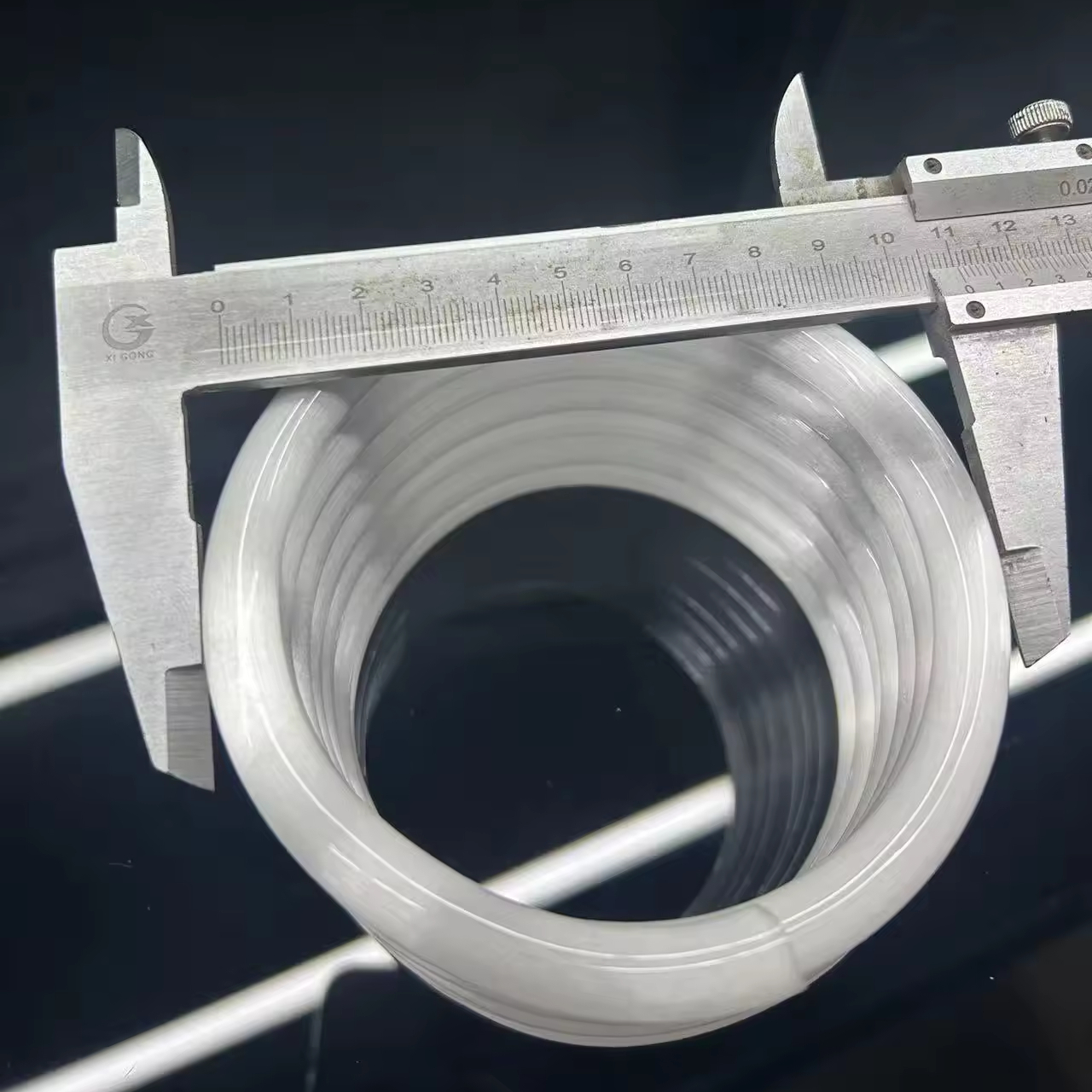
Institutions like the Sir Arthur Lewis Community College (SALCC) and regional research consortia affiliated with the University of the West Indies (UWI) utilize precision quartzware—including quartz test tubes, optical step plates, and diffusion coils—for advanced renewable materials physics, chemical engineering coursework, and local environmental spectrometry assays.
Macro Market Drivers
Trends Shaping Clean Energy Materials Procurement in the OECS
The Caribbean Community (CARICOM) and the Organisation of Eastern Caribbean States (OECS) are experiencing an unprecedented structural transition. High electricity generation tariffs, driven by imported diesel and bunker-C fuel, have created an economic imperative for accelerated solarization. Three dominant procurement trends define the quartz and silicon supply ecosystem for Saint Lucia:
1. Distributed Microgrids and Tropicalization of Photovoltaic Glass
Tropical island environments present unique degradation stressors for photovoltaic modules: continuous relative humidity above 80%, high ambient temperatures, high ultraviolet indexes (UV Index 11+), and airborne ocean salt aerosols. Manufacturers supplying solar hardware to Castries, Gros Islet, and Soufrière are relying on quartz diffusion tubes and fused silica reaction chambers during manufacturing to apply advanced anti-reflective, hydrophobic, and anti-soiling chemical vapor deposition (CVD) coatings to solar cover glass.
2. Direct Factory Sourcing to Bypass Multi-Tier Distributor Markups
Historically, Caribbean engineering teams and utility contractors procured quartz testing labware and furnace components via third-party distributors in North America or Western Europe, incurring 40% to 70% logistics markups and extended lead times. Direct-to-factory engagement with Chinese OEM manufacturers like Nivra Quartz enables Saint Lucian entities to specify customized dimensional tolerances, receive certified raw material test reports (ICP-MS impurity analyses), and reduce overall capital expenditure.
3. Regional Self-Sufficiency and Circular Maintenance Frameworks
Across the OECS, supply chain resilience is now treated as national security. Instead of disposing of failed quartz furnace tubes or broken optical disc apparatuses, regional engineers are turning to OEM suppliers who provide specialized cutting, flame-polishing, and micro-welding customization. Nivra Quartz supplies semi-finished blanks and rapid replacement tubes configured to fit directly into existing thermal processing rigs throughout the Eastern Caribbean.
Enterprise Authority
Why Global & Caribbean Buyers Choose Nivra Quartz
Founded in February 2019 in Donghai County, Jiangsu—the premier epicenter of quartz crystal refining—Donghai County Nivra Quartz Products Co., Ltd. combines raw mineral cost advantages with rigorous precision engineering.
Integrated Mineral Advantage
Situated in Donghai County, we secure prime selection of natural crystal and silica reserves. This proximity ensures traceable material provenance, rock-bottom material costs, and uniform grain-size distributions across every crucible melt.
≤5h Rapid Technical Response
Our engineering desk operates with an 88.89% inquiry response rate, delivering CAD/drawing feedback, tolerance verification, and thermal feasibility reviews within five hours to accommodate Caribbean and Atlantic time zones.
Zero-Breakage Export Packaging
Fragile quartzware is packed in multi-layered, shock-absorbing polyurethane foam, vacuum-sealed against ocean air humidity, and crated in fumigation-free reinforced plywood cases built for transoceanic maritime container transit to Port Castries.
Verified 5.0/5 Trust Rating
With an on-site verified facility (101–200 employees), certified export trade credentials, and 40% export distribution to North America and Western Europe, we deliver repeatable, tier-one manufacturing compliance on every purchase order.
Procurement Clarity
Frequently Asked Questions for Saint Lucia Importers
Crucial logistical, engineering, and customs information for procurement directors, university lab supervisors, and energy technicians in Saint Lucia.
How are high-purity quartz crucibles and tubes shipped safely to Saint Lucia?
Exporting high-precision quartz to the Caribbean requires specialized maritime packaging protocols. Every crucible, tube, and plate is meticulously cleaned in an ultrasonic bath, sealed in anti-static dust-free polyethylene film, and enveloped inside custom-cut high-density expanded polyethylene (EPE) foam cushioning.
Consignments are packed into heavy-duty, fumigation-free wooden crates reinforced with steel corner brackets. Shipments to Saint Lucia typically transit via ocean freight to Port Castries or Port of Vieux Fort, or via expedited air freight (DHL/FedEx/Air Cargo) directly to Hewanorra International Airport (UVF) for time-sensitive laboratory schedules. Each container carries tilt-and-shock monitoring indicators to guarantee shipment integrity.
What are the customs and duty considerations for importing quartz glass into Saint Lucia?
Under the CARICOM Common External Tariff (CET) enforced by the Saint Lucia Customs and Excise Department, laboratory quartzware and industrial glass components fall under HS Codes 7017.10 (Laboratory, hygienic or pharmaceutical glassware of fused quartz or other fused silica) and 7020.00 (Other articles of glass). Equipment imported directly for renewable energy projects, educational research, or statutory utility operations (such as LUCELEC development initiatives) may qualify for duty-free concessions or reduced Value Added Tax (VAT) under Saint Lucia’s Fiscal Incentives Act. Nivra Quartz furnishes complete commercial invoices, packing lists, and Certificates of Origin (COO) to facilitate smooth customs processing.
What is the difference between JGS1, JGS2, and JGS3 quartz in solar and optical setups?
The distinction lies primarily in optical transmission bandwidth and chemical trace composition:
JGS1 (Synthetic Fused Silica): Optimized for deep ultraviolet (UV) spectroscopy, transmitting down to 185 nm. It has negligible bubble content and virtually no metallic contaminants, making it ideal for UV curing, laser optics, and micro-photovoltaic wafer inspection.
JGS2 (Fused Natural Quartz): Transmits efficiently across 220 nm to 2500 nm. It is the premier, cost-effective standard for furnace sight glasses, diffusion reaction tubes, and solar simulator viewports.
JGS3 (Infrared Fused Quartz): Characterized by ultra-low hydroxyl (OH⁻ < 5 ppm) content, eliminating the deep 2.73 µm water absorption band. JGS3 provides superior transmission into the mid-infrared range (up to 3500 nm), making it perfect for pyrometric temperature monitoring and high-efficiency thermal heaters.
Can Nivra Quartz produce custom dimensions from CAD drawings or sample pieces?
Yes. OEM and ODM bespoke fabrication constitutes over 65% of our daily production throughput. Buyers can transmit engineering drawings in PDF, DWG, DXF, or 3D STEP formats. Our CNC machining center handles OD tolerances down to ±0.05 mm, precision step milling, multi-axis tube bending, hole perforations, and optical surface polishing down to 80/50 or 60/40 scratch-dig standards.
What is the Minimum Order Quantity (MOQ) for Saint Lucian orders?
To support prototyping, research institutions, and small-scale solar pilot operations, standard catalog items such as spiral tubes, fused quartz test tubes, and crucibles feature low MOQs—often starting at just 1 to 10 pieces. Precision quartz wafers and custom-machined step plates generally start at 10 to 50 pieces depending on geometry and stock thickness.
How does fused quartz perform under Saint Lucia’s tropical island climatic conditions?
Fused silica boasts extraordinary chemical inertness. Unlike standard borosilicate or soda-lime glass, it is completely impervious to salt mist weathering (NaCl exposure), high ambient tropical humidity, and solar UV solarization discoloration. With an exceptionally low thermal expansion coefficient (5.5 × 10⁻⁷ /°C), our quartz components can be heated to 1100°C and plunged directly into cold water without cracking, making them virtually immune to tropical thermal shock conditions.
Accelerate Your High-Purity Quartz Procurement Today
Whether you require high-temperature solar quartz crucibles, bespoke fused silica diffusion tubes, or precision optical plates for clean energy initiatives in Saint Lucia, our engineering team in Donghai is ready to review your specifications and supply factory-direct quotations.