Engineered Fused Quartz Portfolio
Certified 99.99% SiO₂ fused silica, custom-machined, flame-polished, and vacuum-annealed to survive extreme thermal shock (up to 1450°C) and corrosive microelectronics processing environments.
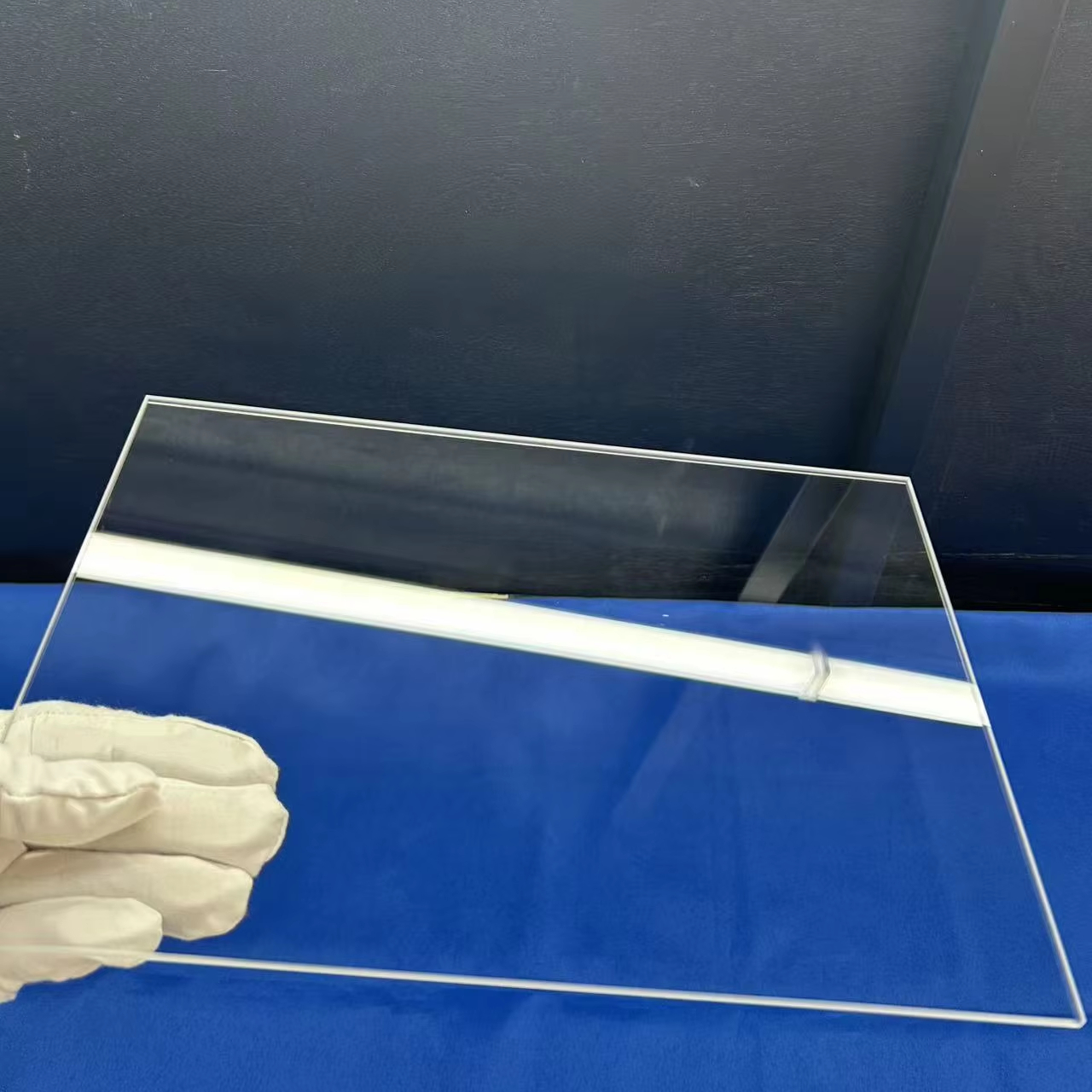
Custom Polished Purity Transparent Square Quartz Glass Clear Plate 4mm
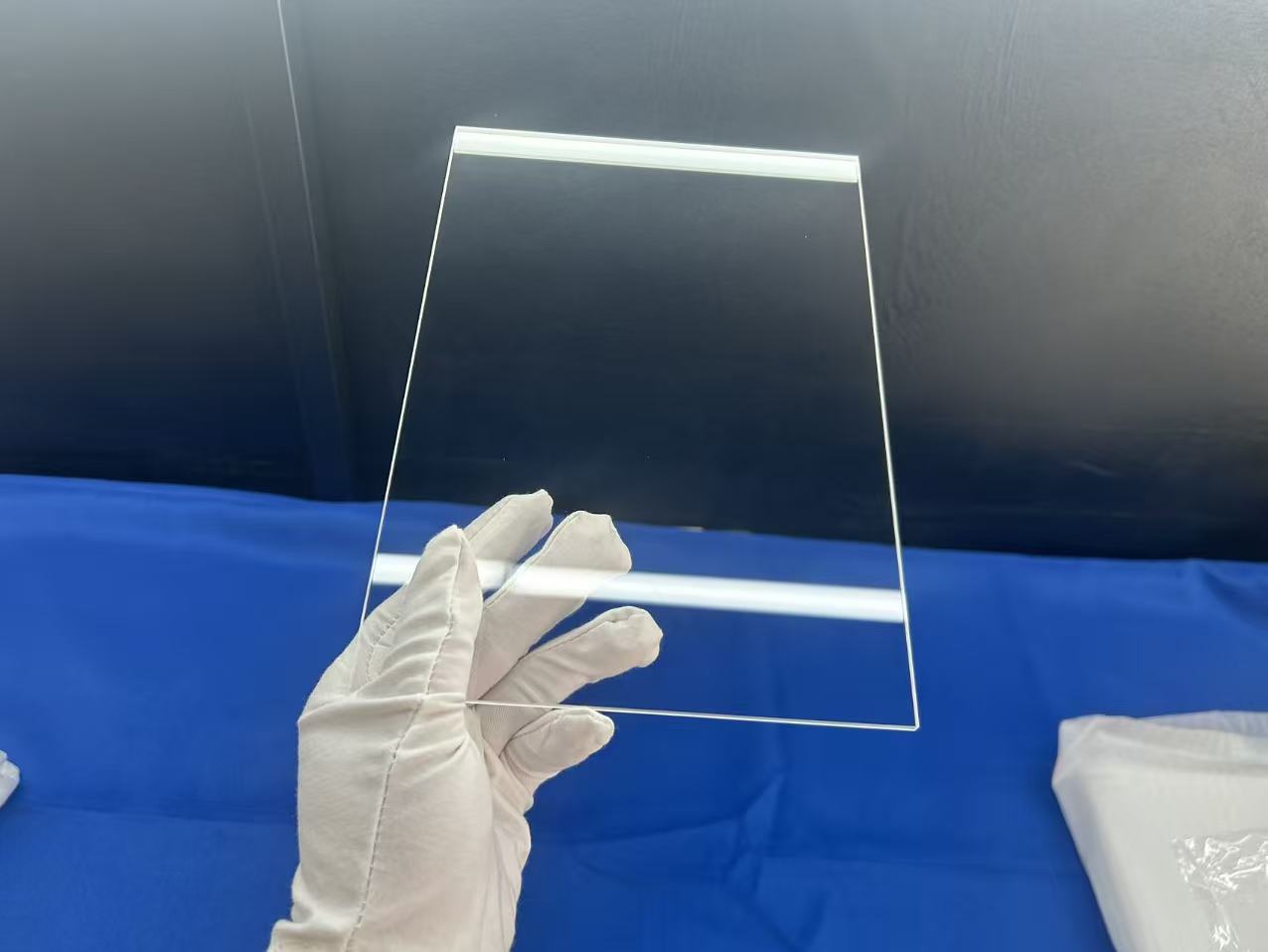
Custom Polished Purity Transparent Square Quartz Glass Plate 3mm
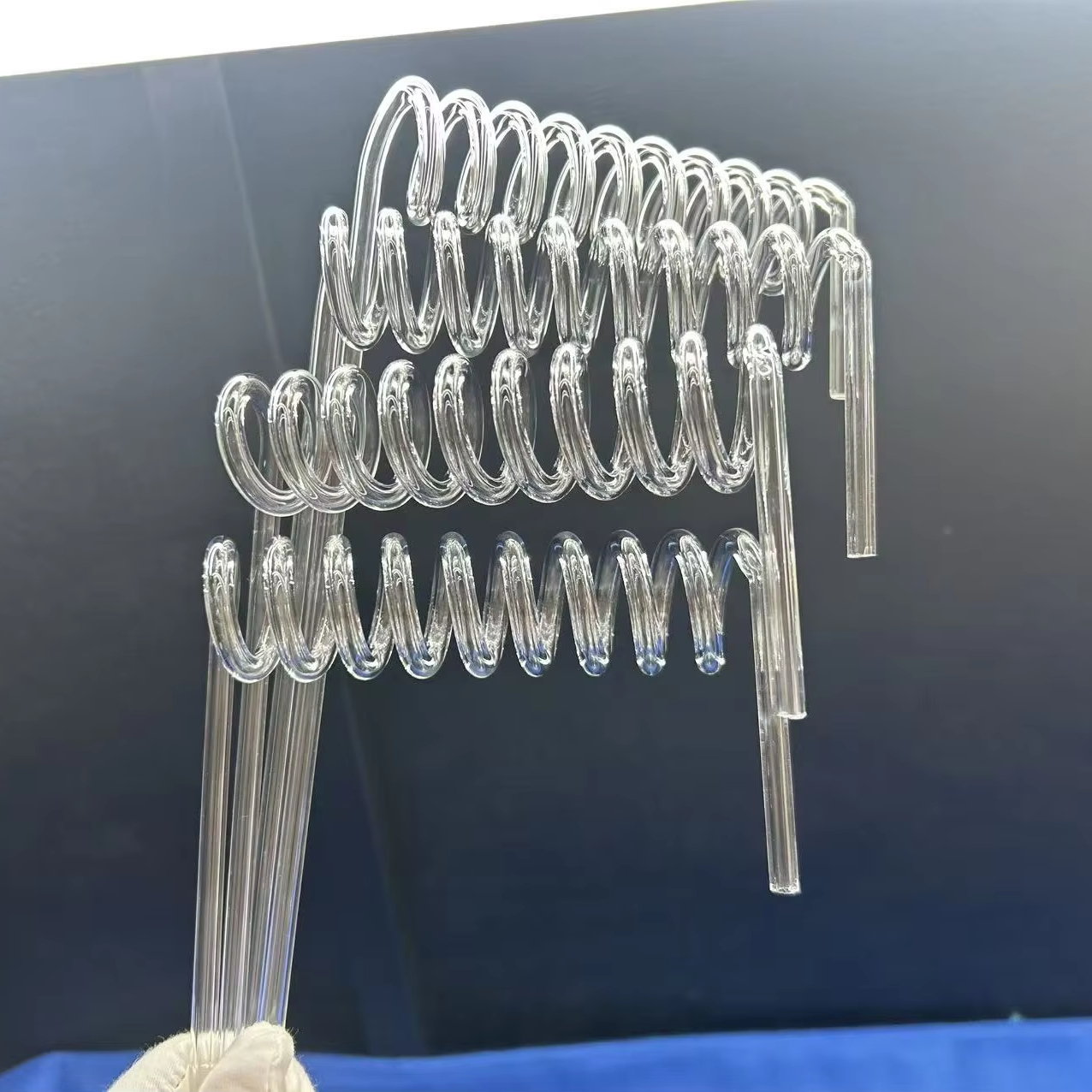
Clear Quartz Spiral Tube for Optics Laboratory & Thermal Reactions
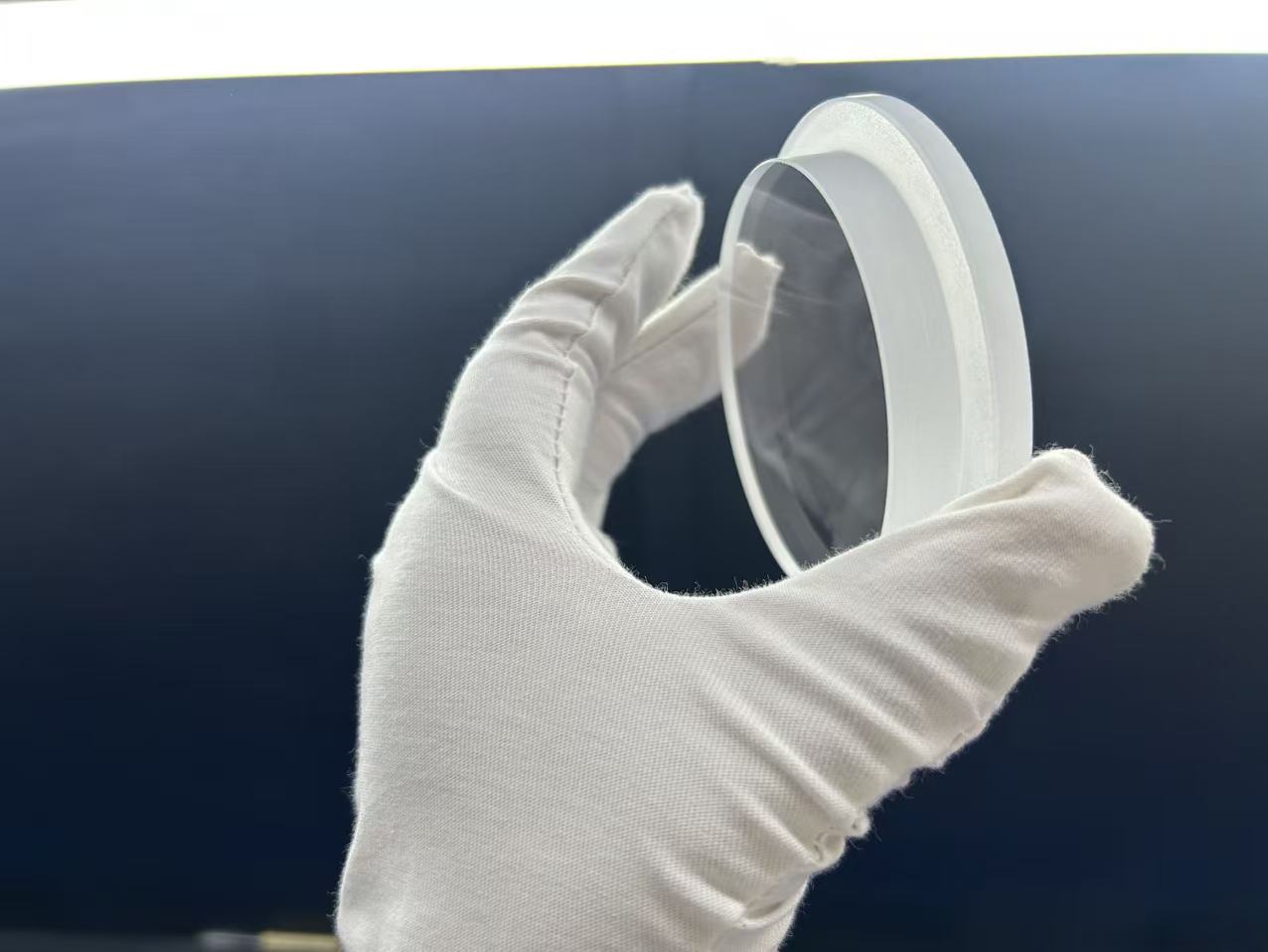
High-Purity Ultra-Thick Quartz Double-Layer Step Plate Services
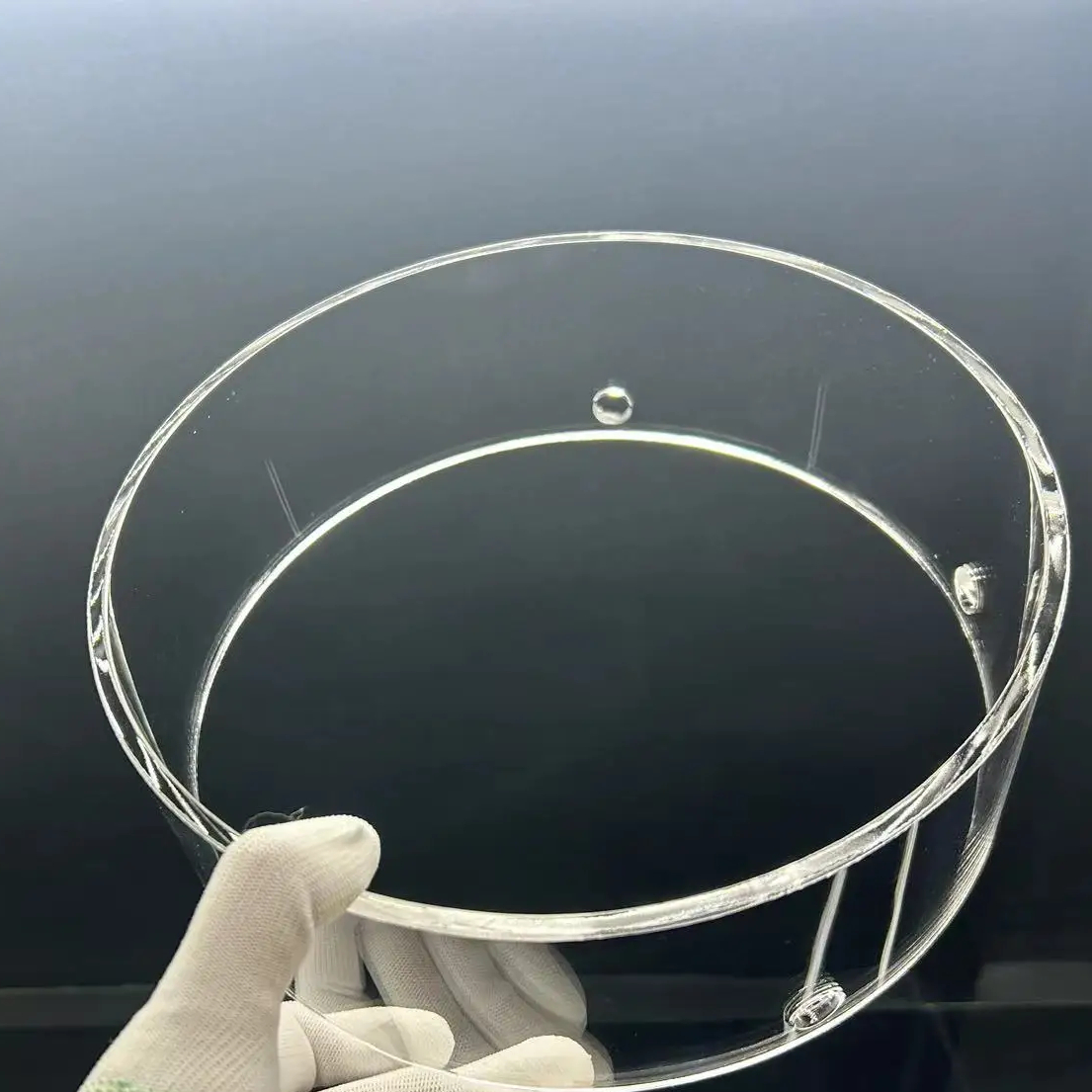
Fused Transparent Quartz Tube for Furnace & Semiconductor Chambers
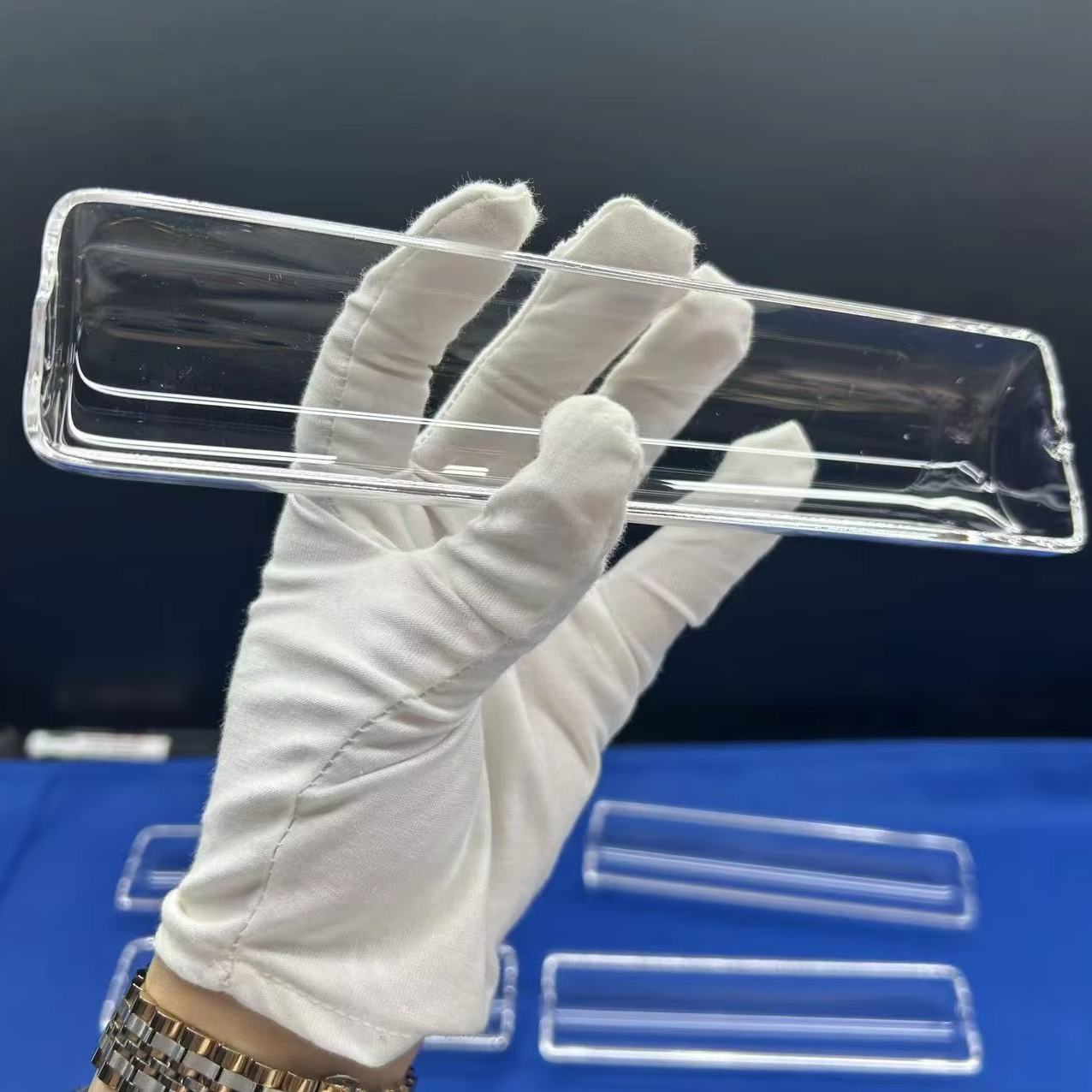
Custom Fused Silica Quartz Boat & Wafer Carrier for Etch/Diffusion
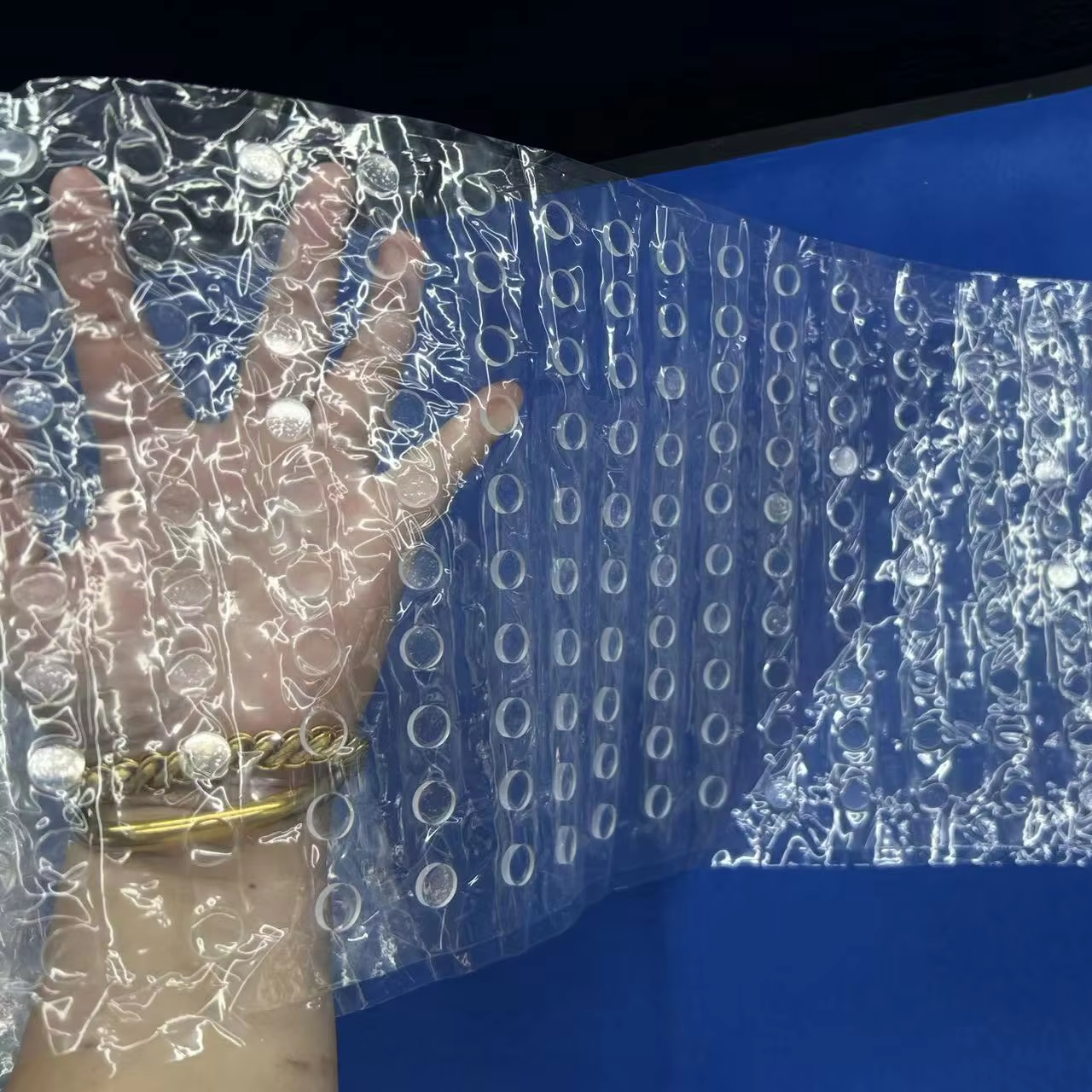
Factory-Made High-Purity Small Size Quartz Wafers & Window Discs
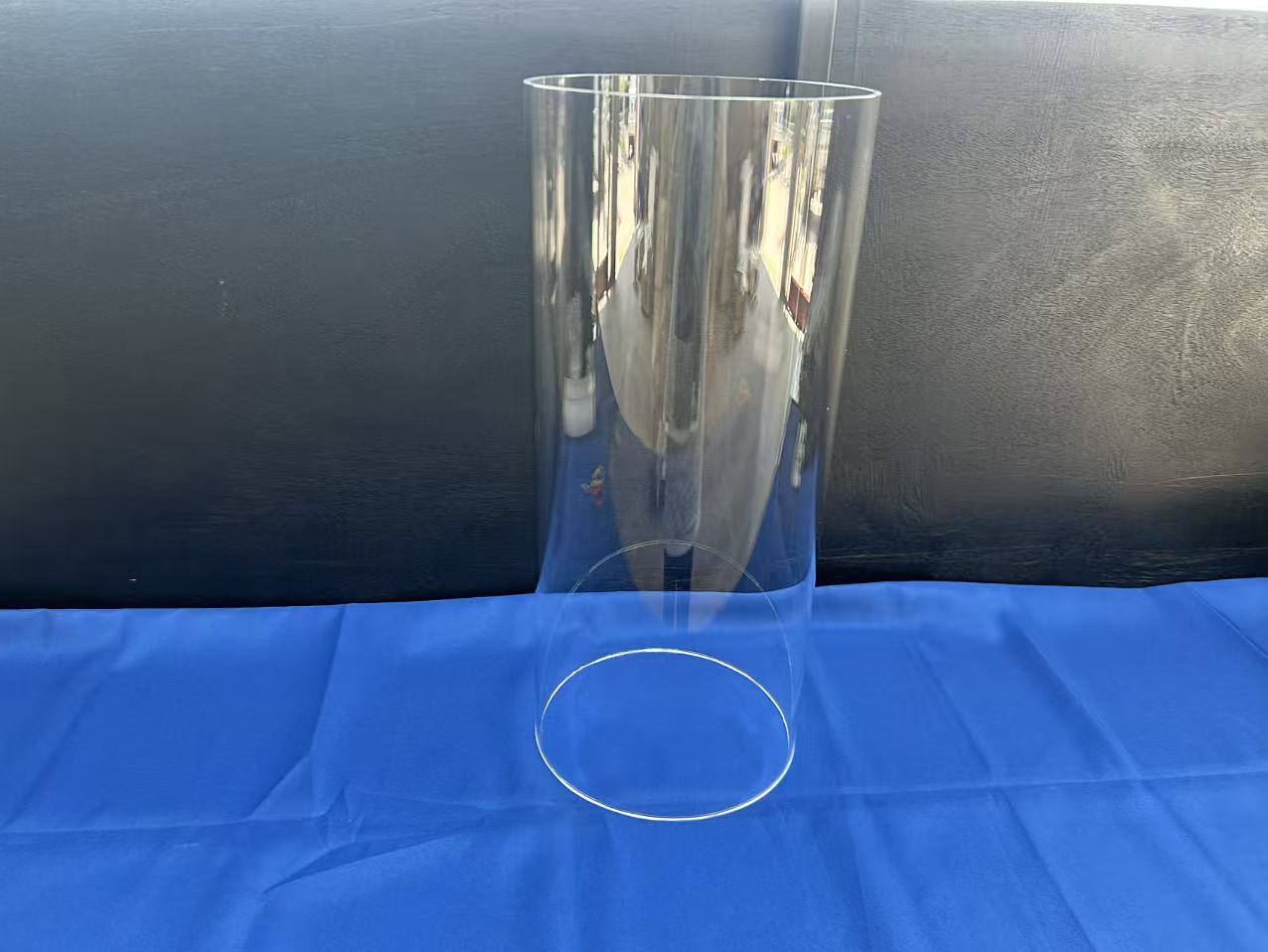
Custom Large-Diameter High-Purity Fused Quartz Transparent Tubes
Semiconductor-Grade Quartz Glass Engineering for Emerging High-Tech Hubs in Naypyidaw
Donghai County Nivra Quartz Products Co., Ltd., based in Donghai, Jiangsu—China’s global quartz raw-material heartland—bridges the geographical and technical gap to the Naypyidaw market. We provide comprehensive original equipment manufacturing (OEM) and custom design manufacturing (ODM) covering high-temperature fused silica tubes, polished optical windows, semiconductor quartz boats, and specialized wafer carriers. Our production lines maintain rigorous chemical purity levels exceeding 99.99% SiO₂, strictly suppressing transitional metallic contaminants such as iron (Fe < 0.2 ppm), copper (Cu < 0.05 ppm), and alkali ions (Na, K, Li < 1.0 ppm aggregate) that cause destructive devitrification or substrate doping failures during high-temperature semiconductor processing.
Modern microfabrication facilities, academic institutes under the Ministry of Science and Technology (MOST) in Myanmar, and infrastructure testing labs in the Naypyidaw Council Area require components that endure prolonged operations inside oxidation furnaces, rapid thermal annealing (RTA) units, and chemical vapor deposition (CVD) tools. When quartz glassware contains unrefined internal hydroxyl radicals ([OH⁻]), structural stability collapses at sustained temperatures above 1000°C, leading to premature sag, optical hazing, and bubble propagation. Nivra Quartz integrates high-temperature electric arc vacuum fusing and vacuum bake-out processes, keeping hydroxyl concentrations well below 20 ppm for our low-OH infrared (JGS3) products, while delivering maximum deep-UV transmissive synthetics (JGS1) operating down to 185 nm for excimer laser and photolithography optics.
Fused Quartz Mechanical & Thermal Properties
| Property Parameter | Standard Metric Value | Test Standard |
|---|---|---|
| Density (at 20°C) | 2.20 ± 0.02 g/cm³ | ASTM C693 |
| Thermal Expansion Coeff. (20-320°C) | 5.5 × 10⁻⁷ cm/cm·°C | ASTM E228 |
| Strain Point | 1075 °C | ASTM C336 |
| Annealing Point | 1215 °C | ASTM C336 |
| Softening Point | 1683 °C | ASTM C338 |
| Continuous Operating Temp. | 1100 °C | DIN 52324 |
| Short-Term Operating Temp. | 1450 °C | DIN 52324 |
| Dielectric Strength (20°C, 1MHz) | 25 – 40 kV/mm | IEC 60243 |
Optical Glass Grade Selection Matrix
| Quartz Grade | Transmission Band | Key Process Application |
|---|---|---|
| JGS1 (Synthetic Fused Silica) | 185 nm – 2500 nm | Deep-UV Laser Windows, Photolithography Mask Substrates, UV Spectroscopy |
| JGS2 (Fused Natural Quartz) | 220 nm – 2500 nm | Industrial Sight Glasses, Standard Optical Substrates, Furnace Windows |
| JGS3 (Infrared Fused Quartz) | 260 nm – 3500 nm | IR Sensors, Pyrometer Sight Ports, Moisture Analysis, CO₂ Laser Optics |
| Semiconductor Clear Tubing | Broad Optical Clear | Diffusion Tubes, LPCVD Chambers, Thermocouple Protection Sheaths |
| Sapphire (Al₂O₃ Single Crystal) | 200 nm – 5000 nm | Ultra-Hard Extreme Scratch Windows, High Pressure Plasma Viewports |
Localized Engineering Applications in Naypyidaw & Myanmar
Addressing the specific demands of governmental pilot facilities, technological polytechnics, agricultural sensor testing stations, and emerging micro-electronics supply chains across the Naypyidaw capital territory.
Government & Defense Metrology
Naypyidaw hosts state-level standardization laboratories and material testing authorities requiring certified JGS1 optical reference plates and quartz cuvettes to calibrate spectrophotometers, optical emission spectrometers, and environmental sensing gear without spectral contamination.
Solar PV & Clean Energy Cells
With Myanmar accelerating regional solar farms and off-grid mini-grids around Mandalay and Naypyidaw, our ultra-clear quartz sheets, step plates, and high-temperature crucibles provide thermal durability for polysilicon synthesis, ingot casting, and photovoltaic cell quality inspections.
Mineralogy & Rare Earth Refining
Myanmar’s critical raw materials economy utilizes high-purity fused quartz beakers, cleaning tanks, and transparent spiral tubes for hot acid digestion. Our labware withstands boiling aqua regia, nitric acid, and sulfuric acid during quantitative trace metal extractions.
Semiconductor Thermal Processing
Educational institutes like Naypyidaw State Polytechnic and regional technological universities rely on Nivra Quartz furnace tubes, flanged end caps, and custom-slotted quartz boats for thermal diffusion experiments, thin-film CVD, and experimental silicon carbide (SiC) epitaxy.
Naypyidaw Industrial Development Trends
Key growth trajectories shaping the consumption of specialized fused silica products across Central Myanmar’s economic corridors over the coming five years.
Expansion of Centralized Institutional R&D
Naypyidaw continues to consolidate administrative testing, national agricultural chemistry screening, and industrial validation facilities. The shift from outdated borosilicate labware to synthetic fused silica and quartz glassware is accelerating due to quartz's zero leaching characteristics, essential for ICP-MS and chromatography baseline stability.
Cross-Border CMEC Corridor Logistics Integration
Under the China-Myanmar Economic Corridor (CMEC), direct logistics lanes connecting Yunnan/Kunming via Muse and Mandalay down to Naypyidaw provide expedited overland freight channels. Specialized shock-cushioned shipments of fragile quartz process tubes avoid prolonged sea freight delays, cutting procurement lead times down to 7–12 days.
Rise of Decentralized Clean Energy Assembly
Government initiatives targeting 100% rural electrification across Myanmar are encouraging domestic assembly and testing of photovoltaic modules and high-intensity UV water purifiers. Nivra Quartz supplies ozone-generating and ozone-free clear quartz burner sleeves directly compatible with municipal and remote water purification arrays.
Core Engineering Strengths & Factory Capabilities
Founded in February 2019 in Donghai County—China’s crystal capital—we combine localized mineral advantages with cutting-edge multi-axis CNC machining, ultrasonic drilling, and computerized annealing.
Donghai Mineral Heritage
Located at the epicentre of China's silica refining zone, we secure direct access to ultra-low impurity raw quartz crystal aggregates, minimizing raw material volatility and maximizing economic value for overseas buyers.
Rapid Engineering Turnaround
With an average technical inquiry response time under 5 hours and an 88.89% inquiry response rate, our dedicated engineering desk analyzes STEP, DWG, and PDF technical prints to confirm manufacturability on the same business day.
Multi-Tier Precision Inspection
Every single batch undergoes dimensional micrometric profiling, laser surface interferometer inspections for wavefront distortion, polariscope strain analysis, and spectrophotometer UV-Vis-NIR transmission audits before dispatch.
Breakage-Proof Export Crates
Exporting to over 30 countries across North America, Europe, and Southeast Asia, we utilize multi-layered EPE shock absorption foams, vacuum-sealed PE moisture barrier wrapping, and reinforced plywood crates built for overland transport.
Frequently Asked Questions for Sourcing Quartz in Naypyidaw
Technical clarity on standards, cross-border customs handling, mechanical tolerances, and maintenance protocols for buyers in Myanmar.
What are the typical customs tariffs, HS codes, and documentation required for importing quartz glass into Naypyidaw?
For industrial and scientific buyers in Naypyidaw, fused quartz glass products are commonly categorized under standard Harmonized System (HS) codes:
- HS 7002.31.00: Tubes of fused quartz or other fused silica.
- HS 7002.39.00: Other unworked glass tubes and rods.
- HS 7017.10.00: Laboratory, hygienic or pharmaceutical glassware of fused quartz or other fused silica.
We supply complete commercial invoices, packing lists with net/gross weights, fumigation-free packaging declarations, and Certificates of Origin (Form E for ASEAN-China Free Trade Area agreements where applicable) to assist your clearance agents in Naypyidaw or Yangon Port in securing preferential duty treatments.
How does Nivra Quartz ensure zero breakage during freight transit to Central Myanmar?
Fragile quartz parts such as large-diameter diffusion tubes and wafer boats require multi-stage protection. First, components are ultrasonically cleaned and sealed in cleanroom polyethylene bags. They are then surrounded by customized high-density closed-cell EPE (expanded polyethylene) foam blocks shaped precisely to the part's contours.
Finally, parts are packed into heavy-duty international-standard multi-ply wooden crates reinforced with steel edge banding. Fragility warnings and shock-indicator labels are affixed externally. Over hundreds of international shipments, our verified damage claim rate remains virtually zero.
What is the practical difference between JGS1, JGS2, and JGS3 when specifying optical plates?
The core differences lie in transmission spectrum windows and trace raw material origins:
JGS1 (Synthetic Fused Silica): Produced from silicon chemical precursors (SiCl₄). Free of bubbles and inclusions, it provides high transmission in the deep ultraviolet range (185 nm – 2500 nm) with zero solarization under UV radiation.
JGS2 (Fused Natural Quartz): Melted from premium natural crystal sands. It transmits efficiently in the UV-visible range (220 nm – 2500 nm), making it cost-effective for standard optical sight windows, lamp envelopes, and furnace viewports.
JGS3 (Infrared Fused Quartz): Processed using special vacuum-assisted melting techniques to eliminate hydroxyl (OH) ions. It is specifically designed to eliminate the deep water absorption absorption dip at 2.73 µm, delivering high transmission throughout the infrared spectrum (260 nm – 3500 nm).
Can you manufacture non-standard quartz components based on custom CAD or STEP drawings?
Yes. OEM and ODM bespoke manufacturing is our primary specialization. We accept engineering files in .STEP, .IGES, .DWG, .DXF, and vectorized high-resolution PDF formats. Our CNC workshop handles complex multi-axis milling, internal thread tapping, step profiling, high-precision slotting (down to 0.2 mm slot width for wafer carriers), and flame fusion of complex spiral condenser glassware.
What maintenance and cleaning methods prevent devitrification of quartz tubes operating above 1000°C?
Devitrification is the phase transformation of amorphous fused silica into crystalline cristobalite, which manifests as cloudy white spots that cause structural fracture during cooling. It is accelerated by alkali metal contamination (sodium, potassium, lithium), even from human fingerprints.
To maximize service life in Naypyidaw high-temperature furnaces: always handle quartz with clean cotton or nitrile gloves. Before firing, clean parts in a 5% to 10% hydrofluoric (HF) acid bath for 3 to 5 minutes, rinse thoroughly with high-purity deionized water, and dry in a dust-free oven. Ensure operating atmospheres remain dry and free of particulate dust.
What are your standard Minimum Order Quantities (MOQ) and lead times for Naypyidaw institutional orders?
We accommodate both small prototype research quantities and large container industrial runs. For standard quartz tubes, step plates, and crucibles, our MOQ is as low as 1 to 10 pieces. Precision-polished optical discs or custom-cut wafers typically start at 10 to 50 pieces. Production lead time for custom items is usually 10 to 18 business days following engineering drawing sign-off, with air express freight taking an additional 4 to 7 business days to reach Myanmar.
Have a Specific Fused Quartz Requirement in Naypyidaw?
Submit your CAD blueprints, operational temperatures, chemical conditions, and required quantities. Our senior optical and glass engineers review all submissions within 5 hours to deliver optimized DFM (Design for Manufacturability) advice and direct factory pricing.