Factory-Engineered Quartzware for Thermal & Chemical Processing
Manufactured from high-purity natural silica and synthetic fused quartz (SiO₂ ≥ 99.99%). Each batch satisfies stringent semiconductor dimensional tolerances and minimal thermal deflection limits.
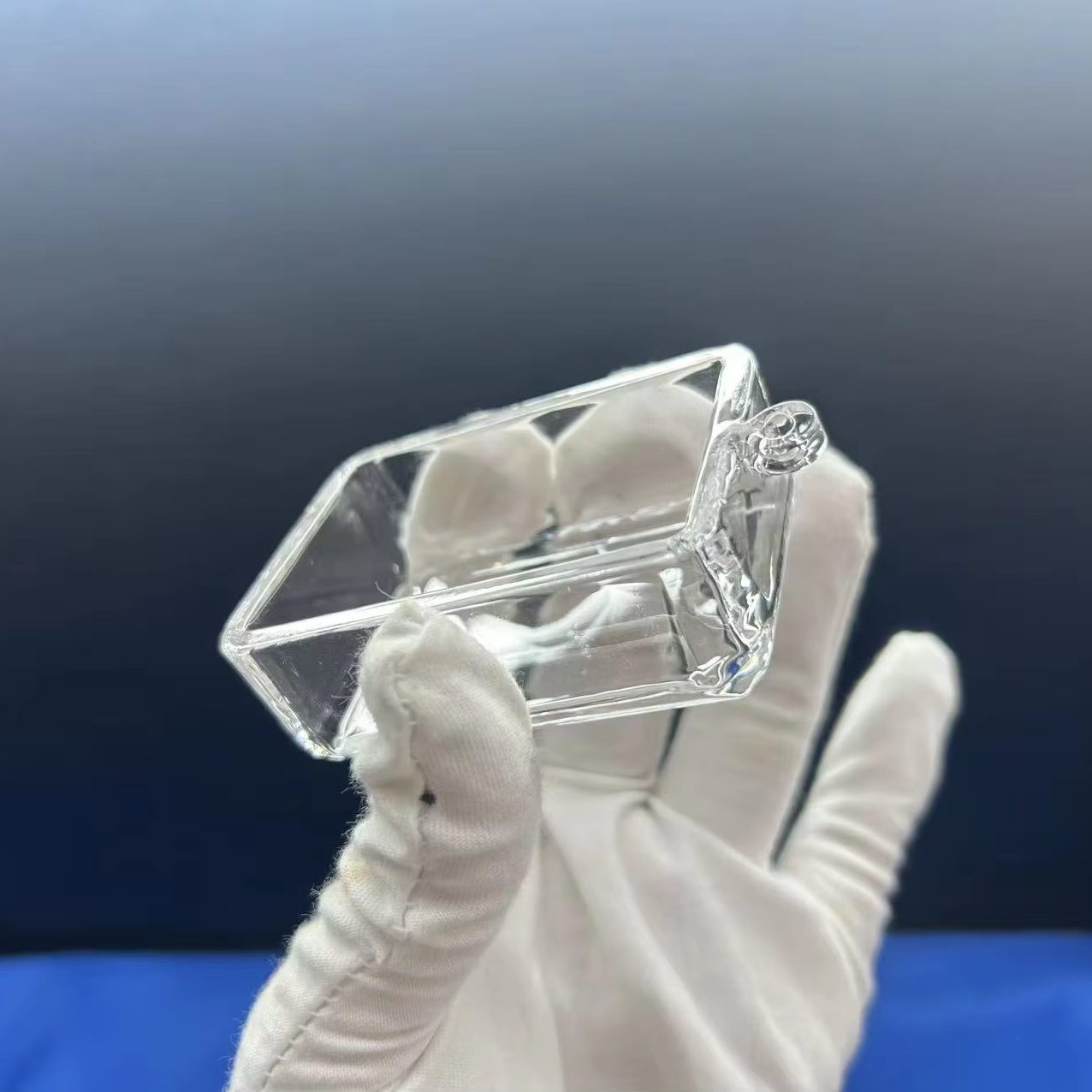
Quartz Tank for Etching & Chemical Cleaning
Explore Specifications →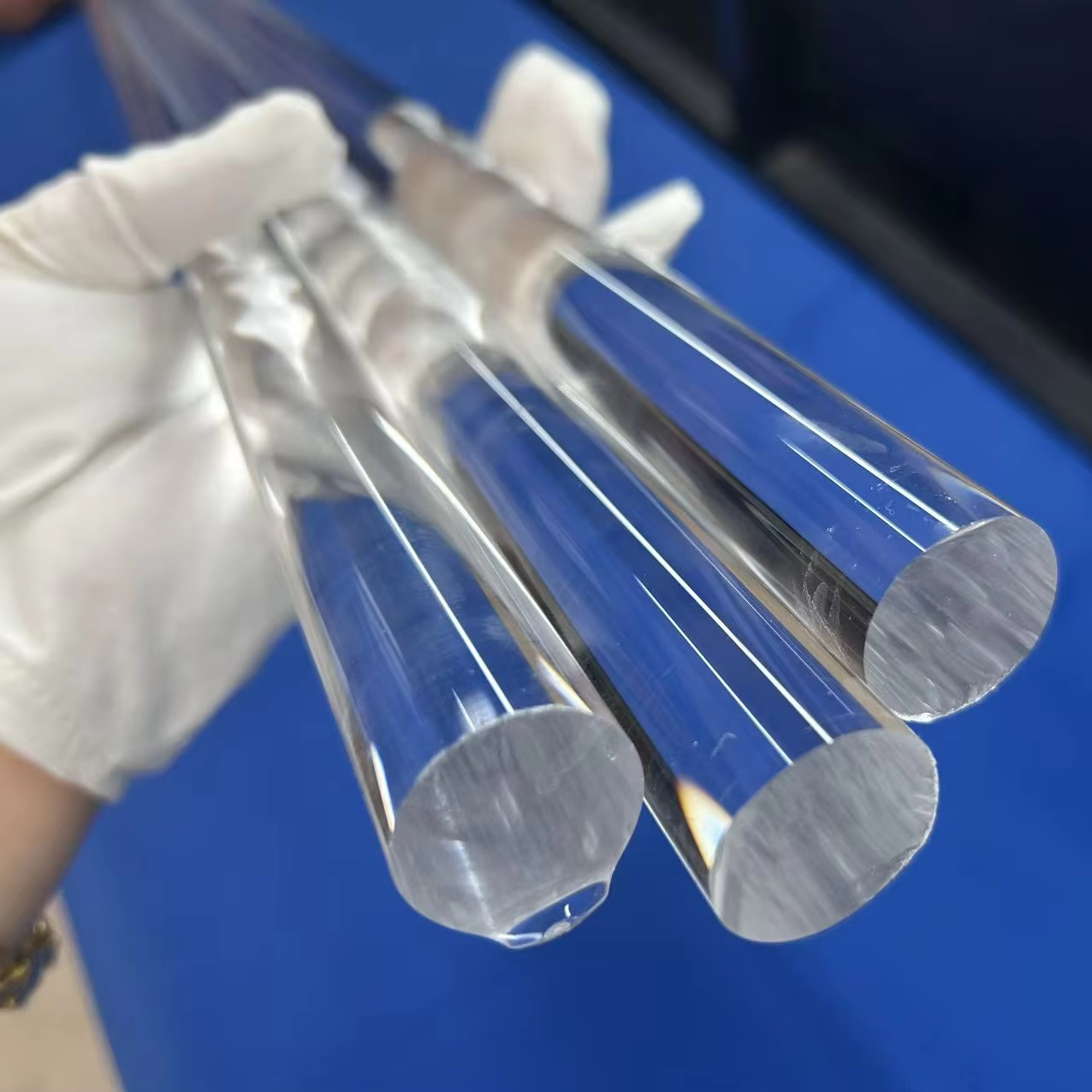
High-Purity Fused Quartz Large Diameter Round Rods
Explore Specifications →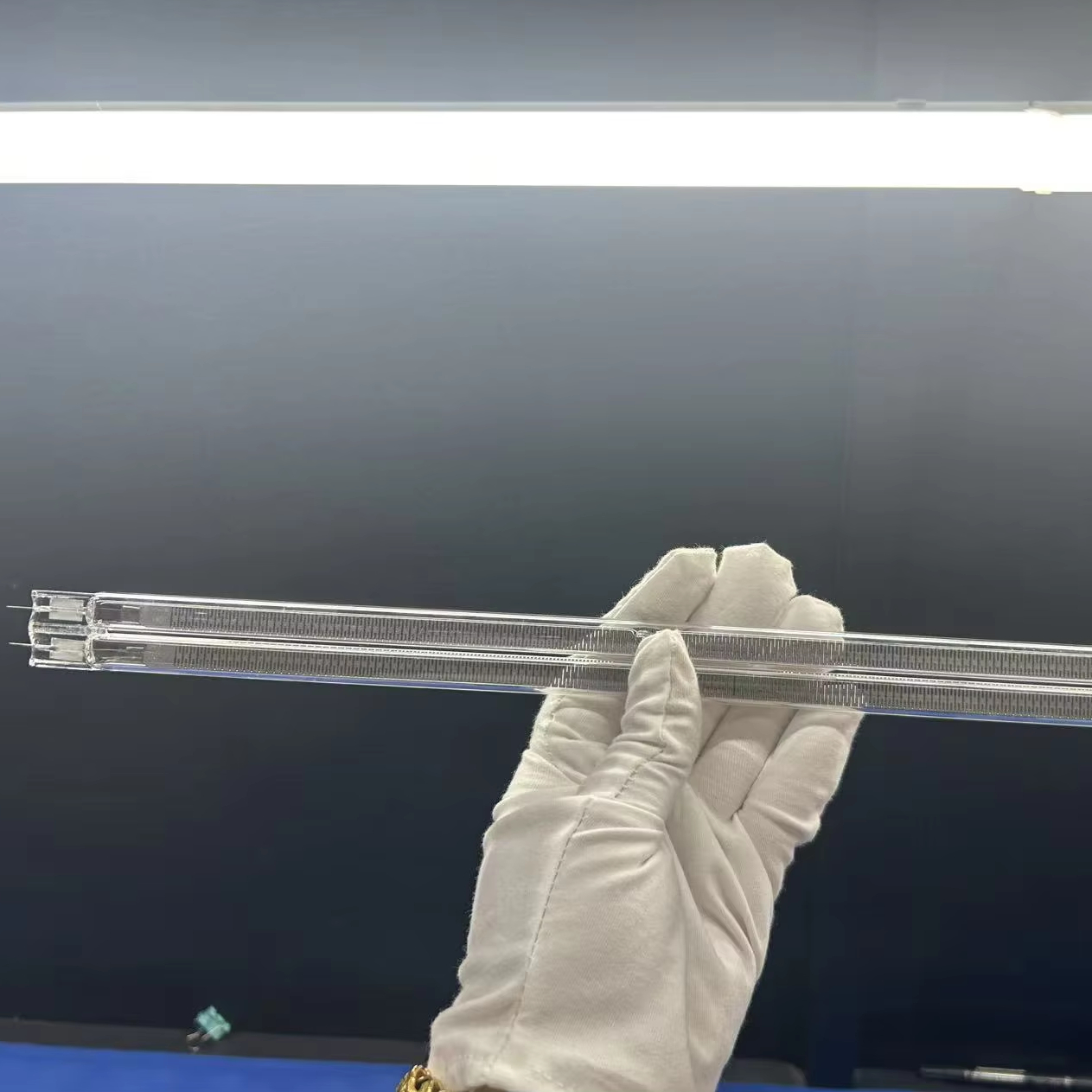
220V/380V Infrared Heating Quartz Halogen Tube
Explore Specifications →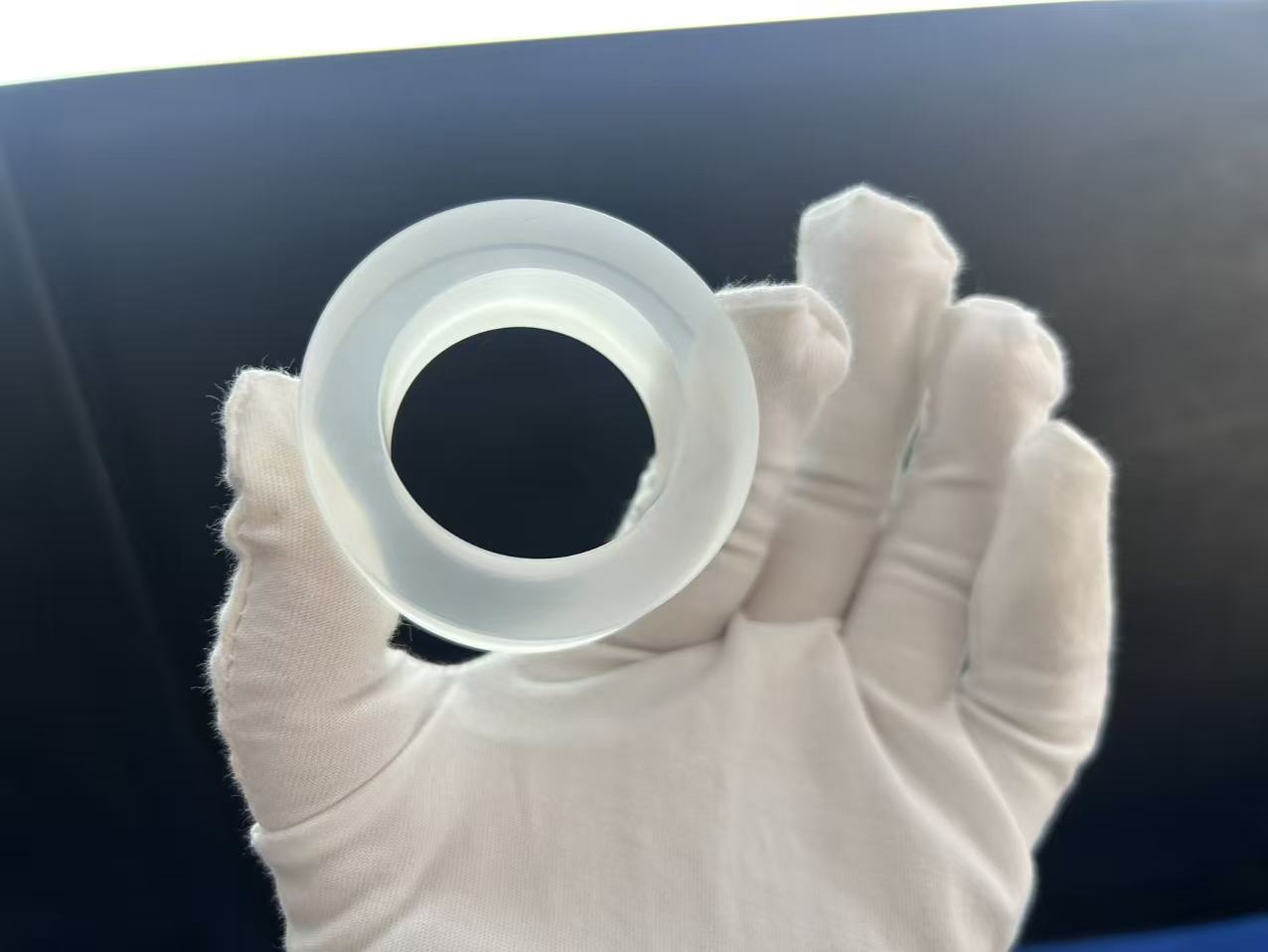
Precision Machined Semiconductor Quartz Ring
Explore Specifications →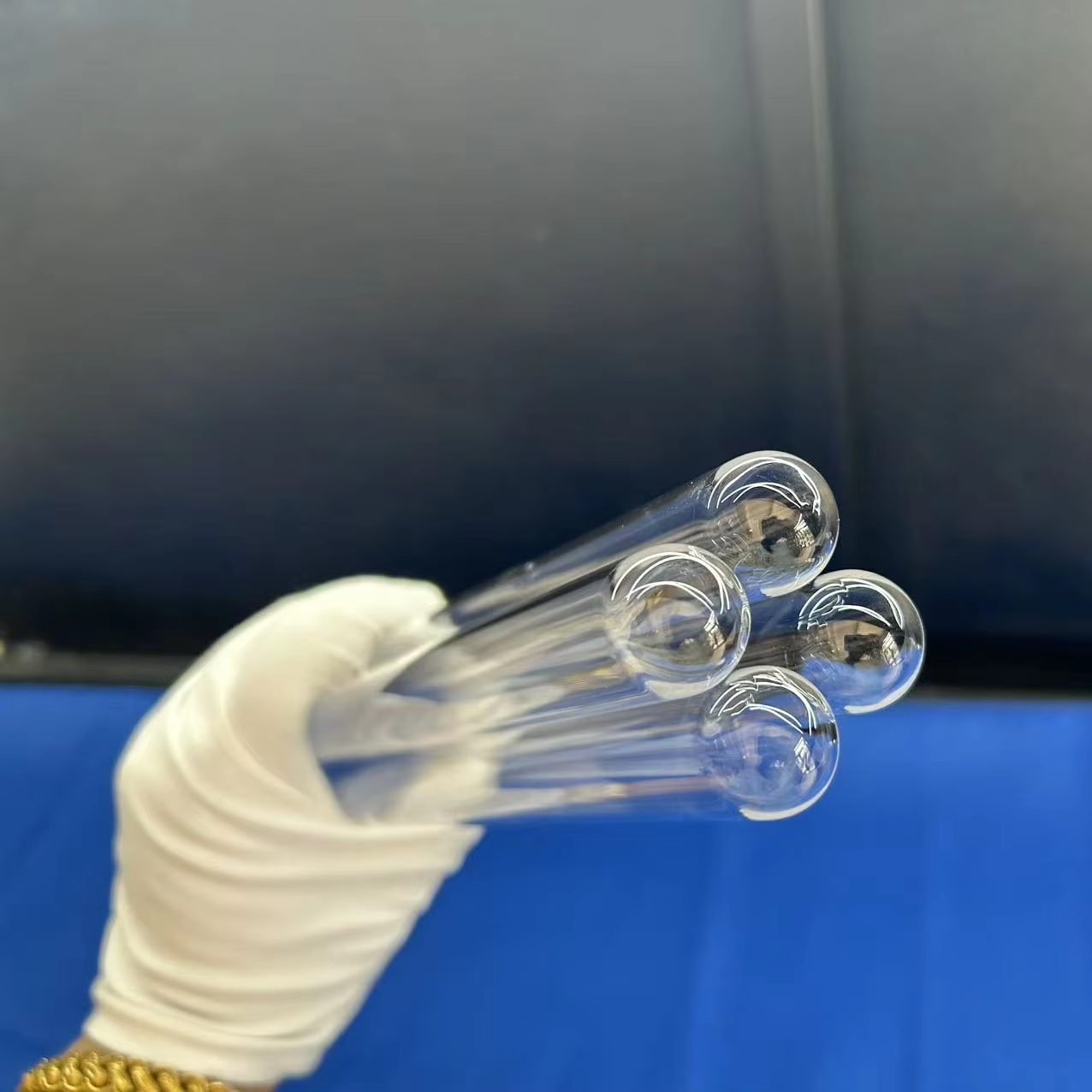
Fused Silica Bottom Sealing Process Tubes
Explore Specifications →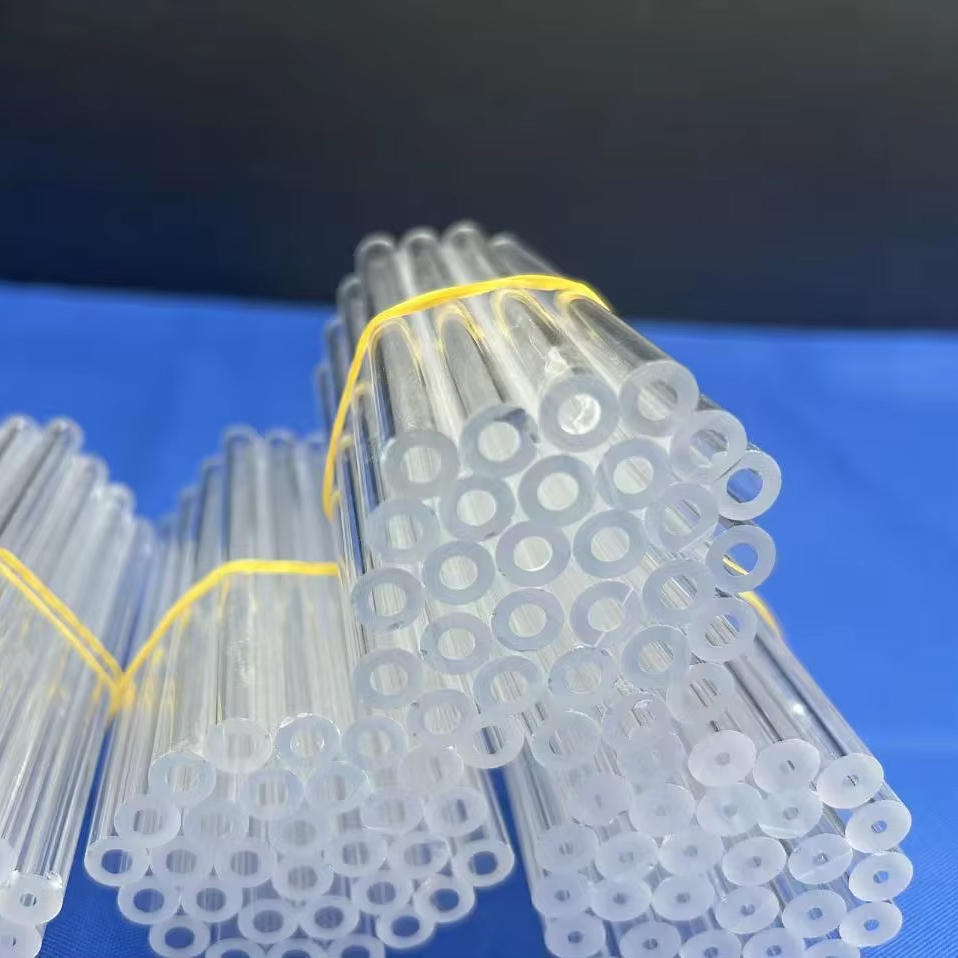
Custom Clear Quartz BET Reactor & Test Tubes
Explore Specifications →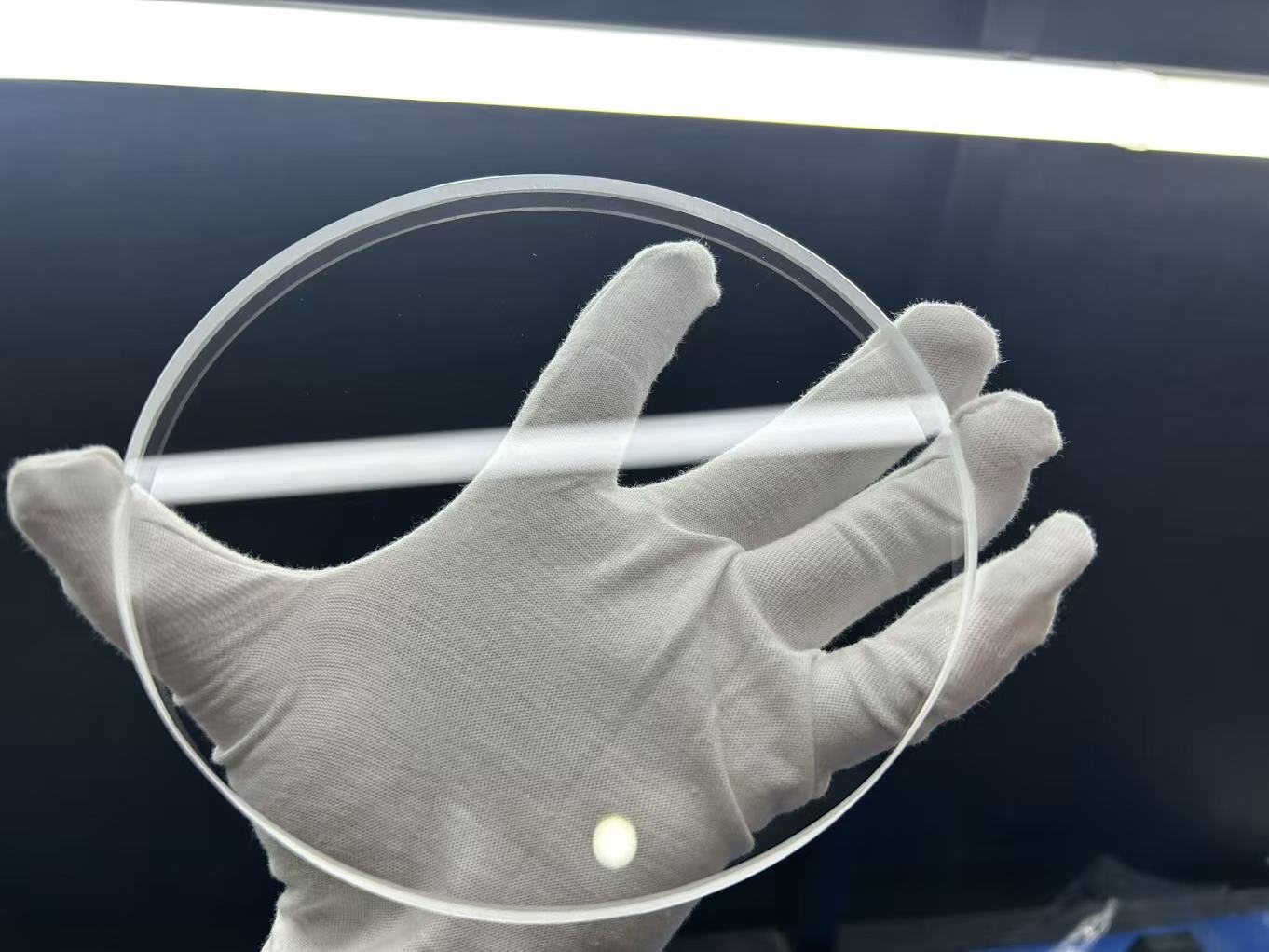
High Optical Transmission Fused Quartz Glass Sheet
Explore Specifications →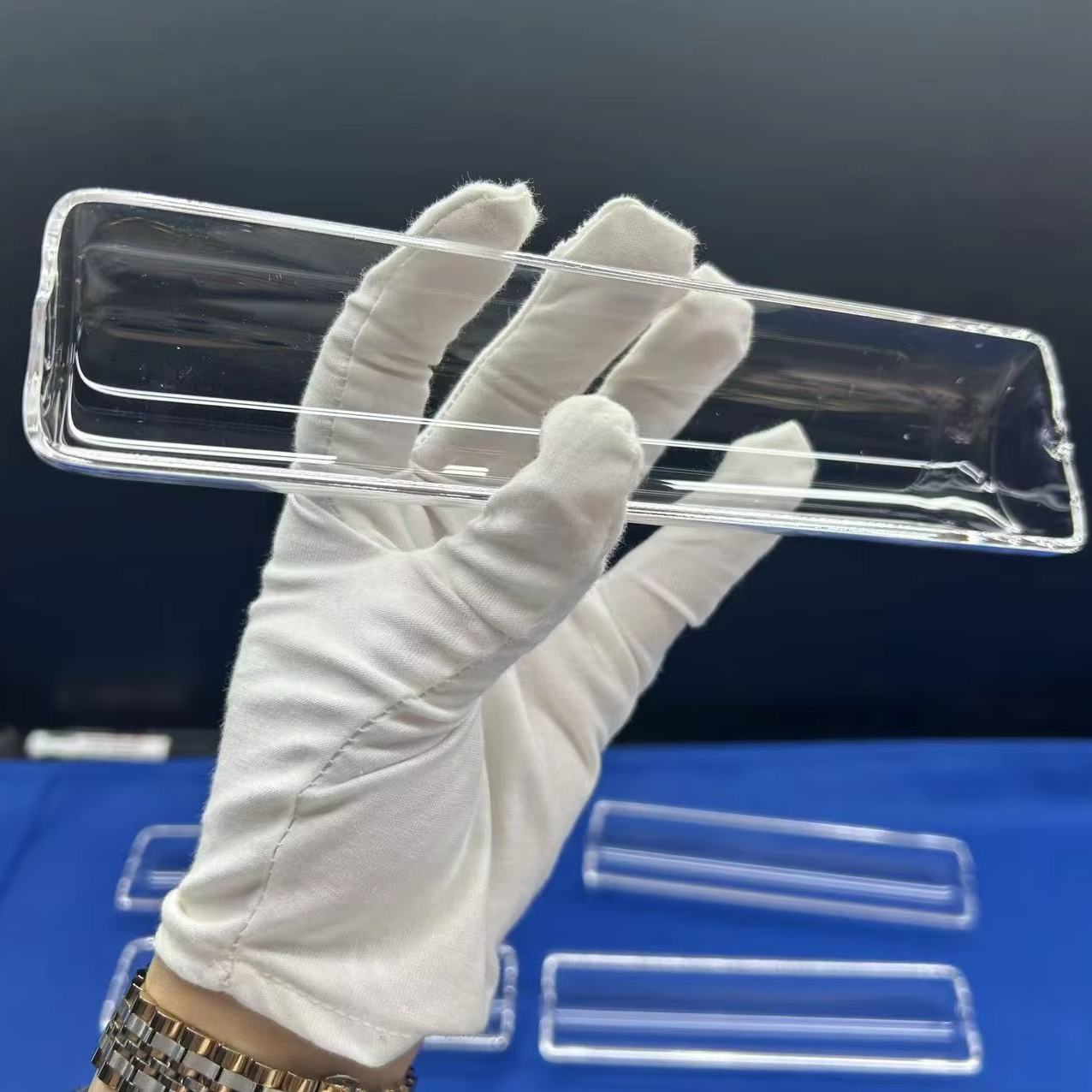
Custom Clear Fused Silica Quartz Boat Carrier
Explore Specifications →Semiconductor-Grade Quartz Boats: Material Science & Thermal Structural Integrity
An in-depth technical analysis of amorphous silicon dioxide performance under continuous high-temperature diffusion, chemical vapor deposition (CVD), and atomic layer deposition (ALD).
High-Temperature Viscosity & Creep Suppression
In thermal diffusion furnaces operating between 1050°C and 1250°C, structural quartz carriers experience viscous shear stresses. Standard laboratory glassware fails rapidly under prolonged wafer payload weights due to gravitational sag and thermal creep.
Our semiconductor quartz boats are engineered from high-viscosity fused silica with an annealing point of 1180°C and a softening point of 1683°C. By strictly controlling internal residual stresses through programmed multi-stage electric annealing cycles, our quartz boats retain their structural geometry across hundreds of heating and cooling cycles.
- Strain Point: 1070°C
- Annealing Point: 1180°C
- Continuous Operating Limit: 1150°C
- Short-Cycle Limit: 1450°C
Cristobalite Devitrification Prevention
Devitrification—the phase transformation of amorphous fused quartz into crystalline cristobalite—initiates at surface micro-defects above 1150°C, exacerbated by trace alkaline impurities (Na, K, Li). This phase shift induces micro-fracturing during cooling because cristobalite exhibits an abrupt volumetric contraction at 250°C.
By enforcing an ultra-pure chemical envelope (total alkali content < 1.5 ppm) and utilizing automated CNC fire-polishing to eliminate micro-abrasions, our quartz boats inhibit crystal nucleation sites, extending maintenance intervals for European fabs.
- Hydroxyl (OH⁻) content selectable: < 5 ppm to 30 ppm
- Total Alkali (Na+K+Li): < 1.2 ppm
- Fire-polished slot roots with zero micro-fissures
- Low thermal expansion: 5.5 × 10⁻⁷ /°C
Micron-Tolerance Slot Machining
Automated wafer loading end-effectors require stringent mechanical repeatability. Pitch errors or slot tilt angles cause robotic cassette loading errors, wafer edge chipping, or catastrophic wafer drops during push-pull sequences inside quartz process tubes.
Our dedicated 5-axis ultrasonic CNC grinding centers execute pitch spacings with ±0.02 mm accuracy. Slot profiles—including U-slot, V-slot, and asymmetric tapered geometries—are laser-profiled to minimize contact surface area while stabilizing wafers against process gas turbulence.
- Slot Pitch Accuracy: ±0.02 mm
- Slot Width Tolerance: ±0.03 mm
- Cross-Rod Parallelism: ≤ 0.05 mm across 600 mm
- Compatibility: 2-inch, 3-inch, 4-inch, 100mm, 150mm, 200mm, 300mm wafers
Typical Trace Impurity Distribution (ICP-MS Analysis, Units: ppm)
| Element | Aluminum (Al) | Iron (Fe) | Calcium (Ca) | Sodium (Na) | Potassium (K) | Lithium (Li) | Copper (Cu) | Titanium (Ti) |
|---|---|---|---|---|---|---|---|---|
| High-Purity Natural Fused Quartz | 12.0 – 16.0 | 0.15 – 0.30 | 0.40 – 0.60 | 0.30 – 0.50 | 0.30 – 0.60 | 0.10 – 0.25 | < 0.01 | 1.10 – 1.40 |
| Ultra-Pure Synthetic Fused Silica (JGS1) | < 0.05 | < 0.02 | < 0.03 | < 0.01 | < 0.01 | < 0.01 | < 0.005 | < 0.01 |
| Low-OH Thermal Process Grade | 10.0 – 14.0 | 0.10 – 0.20 | 0.30 – 0.50 | 0.20 – 0.40 | 0.20 – 0.40 | 0.08 – 0.15 | < 0.01 | 0.80 – 1.20 |
Precision Quartz Applications Across the Innsbruck High-Tech Ecosystem
From University of Innsbruck quantum physics laboratories to industrial microelectronics clusters in the Tyrol region, our quartz components power mission-critical cleanroom workflows.
Quantum Photonics & Trapped-Ion Optics
Innsbruck is recognized globally as an epicenter of quantum computing, driven by the University of Innsbruck and the Institute for Quantum Optics and Quantum Information (IQOQI). These advanced setups demand optical quartz cells, vacuum viewports, and custom wafer carriers engineered with virtually non-existent background fluorescence and zero magnetic susceptibility.
Our synthetic fused silica boats and cuvettes deliver 92% transmission across the deep-UV and visible spectra (185–2500 nm), allowing laser trap beams to address quantum registers without optical aberration or thermal focal shift.
High-Temperature SiC & GaN Power Epitaxy
As Austria transitions into a premier European semiconductor hub, regional institutes and industrial spin-offs in Tyrol actively research Wide Bandgap (WBG) power devices such as Silicon Carbide (SiC) and Gallium Nitride (GaN). Epitaxial deposition and post-implantation annealing occur at extreme temperatures up to 1350°C.
We supply reinforced heavy-wall quartz boats and bottom-sealing reactor tubes that withstand continuous high-temperature cycles without devitrifying, preventing catastrophic tube buckling and protecting multi-thousand-euro wafer runs.
Wet Chemical Etching & RCA Cleaning Lines
Before wafers undergo furnace runs, surface organics and metallic particles must be stripped in aggressive piranha baths (H₂SO₄ + H₂O₂) and RCA standard clean suites (NH₄OH + H₂O₂ + HCl). Metal containers or inferior glasses dissolve and introduce devastating mobile ionic contaminants.
Our welded quartz cleaning tanks and acid-resistant slotted quartz dunking boats maintain zero etching degradation across all mineral acids (with the deliberate exception of HF), ensuring pure surface passivation for Innsbruck micro-fabrication lines.
Semiconductor & Cleanroom Manufacturing Trends in Innsbruck (2025–2030)
How the European Chips Act, Western Austria’s innovation triangle, and cryogenic photonics are reshaping quartz consumable specifications.
Alpine Semiconductor Cluster Alignment
Western Austria, anchoring a technical corridor extending from Innsbruck to Carinthia and Graz (home to Silicon Austria Labs), is rapidly modernizing cleanroom equipment to meet the goals of the European Chips Act. Rather than relying on rigid catalog parts, fabs increasingly require rapid custom prototyping for non-standard wafer sizes (including specialized 100 mm and 150 mm compound semiconductor substrates).
Direct OEM quartz fabrication enables Innsbruck researchers to procure tailor-made diffusion boats within 2 to 3 weeks, bypassing multi-tiered distribution markups and lengthy lead times common across Central European resellers.
Cryogenic to High-Temperature Thermal Cycling
Emerging research in Innsbruck’s academic and industrial physics laboratories involves bridging cryogenic quantum computing environments (operating below 4 Kelvin) with high-temperature thermal deposition chambers. Thermal quartzware must demonstrate near-zero coefficient of thermal expansion (CTE) to avoid micro-cleaving under severe thermal shocks.
Our flame-annealed fused quartz components exhibit superior thermal shock endurance, allowing rapid transfer from room ambient to 1100°C furnace tubes without thermal fracture, guaranteeing operational continuity.
Direct Factory Manufacturing Advantages: Nivra Quartz
Donghai County Nivra Quartz Products Co., Ltd. combines raw source material integration with precision CNC micro-machining and rigorous export-grade cleanroom packaging.
Silicon Capital Origin
Located in Donghai County, Jiangsu—the world-renowned hub of high-purity natural silica and crystal refining. Factory-direct raw material selection ensures rock-bottom material costs, uncompromised purity, and complete lot traceability from ingot to final boat assembly.
101–200 Skilled Specialists
Operating with certified glassblowers, CNC machinists, and cleanroom quality inspectors. Our in-house technical team manages the entire fabrication pipeline: lathe forming, ultrasonic slotting, optical polishing, flame welding, and 1200°C electric annealing.
≤5-Hour Engineering Response
Our rapid technical review desk maintains an 88.89% response rate and an average response time of under 5 hours. Send your CAD drawings (PDF, DWG, DXF, or STEP) and receive a comprehensive manufacturability review and formal quotation on the same business day.
5.0 / 5 Verified Buyer Rating
A proven international export track record serving Western Europe and North America. Every quartz boat undergoes laser dimensional verification, polarization stress testing, ultrasonic deionized water cleaning, and double-layer vacuum sealed packing before export dispatch.
Frequently Asked Questions: Ordering Quartz Boats for Innsbruck Fabs
Direct answers covering trade regulations, cleanroom specifications, customs, and logistics for Austrian research institutes and semiconductor manufacturers.
Q1: How do you package fragile quartz boats to prevent transit damage to Innsbruck?
All semiconductor quartz boats undergo three-stage safety packing. First, components undergo Class 100 ultrasonic cleaning and are hermetically sealed in anti-static PE vacuum bags. Second, they are suspended in custom-molded, high-density polyethylene (EPE) shock-absorbing foam nests. Finally, shipments are packed into international fumigation-free plywood crates reinforced with impact indicators and tilt watches. Breakage rates across European air freight routes remain below 0.1%.
Q2: What are the import logistics options and transit times from your factory to Innsbruck?
For urgent university or R&D prototype deadlines, express air couriers (DHL Express, FedEx, UPS) deliver directly to Innsbruck Airport (INN) or Munich International Airport (MUC) hubs within 4 to 6 business days. For volume wafer boat batch replenishment, consolidated air cargo or express rail/sea freight is arranged under DAP (Delivered at Place) or DDP (Delivered Duty Paid) Incoterms, simplifying customs clearance through Austrian customs authorities.
Q3: Can you fabricate quartz wafer boats according to custom European CAD drawings?
Yes. Over 75% of our semiconductor output is custom engineered (OEM/ODM). We work directly with standard engineering files, including STEP, IGES, DWG, and high-resolution dimensional PDFs. Whether you require vertical furnace boats, horizontal 25-wafer diffusion carriers, contiguous slotted cages, or lift-pin quartz cassettes, our technical team confirms tolerances, wall thicknesses, and flame-polishing details before production starts.
Q4: How do your quartz boats comply with EU chemical and safety standards (REACH & RoHS)?
Our fused quartz components consist of high-purity amorphous silicon dioxide (SiO₂ ≥ 99.99%) without chemical plasticizers, binders, or hazardous heavy metal dopants. They fully comply with EU Regulation (EC) No 1907/2006 (REACH) and RoHS Directives. Material compliance certificates and raw quartz chemical composition assay sheets are supplied with every dispatch batch.
Q5: What is the typical slot tolerance and pitch repeatability for robotic wafer loaders?
For robotic cleanroom handlers (such as ASML, TEL, or custom automated transfer mechanisms), we guarantee slot pitch repeatability of ±0.02 mm and slot width tolerances of ±0.03 mm. Slot profiles are machined with precision chamfered edges and laser flame-polished to eliminate sharp burrs that could scrape backside wafer films or generate particulate contamination.
Q6: What is the Minimum Order Quantity (MOQ) for custom prototypes destined for Innsbruck?
We actively support academic and exploratory pilot projects at the University of Innsbruck and regional spin-offs by offering an MOQ of just 1 piece for custom quartz boats and chambers. Once prototypes are verified inside your furnace tubes, we provide smooth transition pricing into pilot runs of 10 to 50 units and mass-production batches exceeding 500 units.
Q7: How does fused quartz compare against silicon carbide (SiC) or alumina for wafer boats?
Fused quartz offers an unbeatable combination of high optical transparency, extreme chemical resistance to mineral acids (allowing easy cleaning in piranha/aqua regia), and an ultra-low coefficient of thermal expansion ($5.5 \times 10^{-7}/\text{K}$). Compared to expensive CVD-coated SiC boats, high-purity quartz boats provide a significantly more cost-effective total cost of ownership (TCO) for silicon and III-V processes operating under 1200°C.
Q8: What pre-treatment or furnace bake-out do you recommend before initial cleanroom loading?
Although our products ship cleanroom-packed, best practice in semiconductor fabs involves an initial ultrasonic rinse in 5% high-purity hydrofluoric acid (HF) for 30–60 seconds, followed by extensive megasonic DI water rinsing (18.2 MΩ·cm) until resistivity stabilizes. Finally, pre-bake the boat in an ambient or nitrogen furnace at 1050°C for 2 hours to dehydrate surface silanol groups prior to running active production wafers.
Request a Custom Quartz Boat Proposal for Your Innsbruck Facility
Submit your CAD blueprints, process temperatures, and wafer specifications. Our quartz glassblowers and precision CNC machining engineers will provide detailed feedback, dimensional verification, and factory-direct pricing within 5 hours.