Standard & Custom Semiconductor Quartz Consumables
Direct from our Donghai specialized manufacturing facilities to Turin’s advanced thermal diffusion, epitaxial deposition, and wafer inspection production lines.
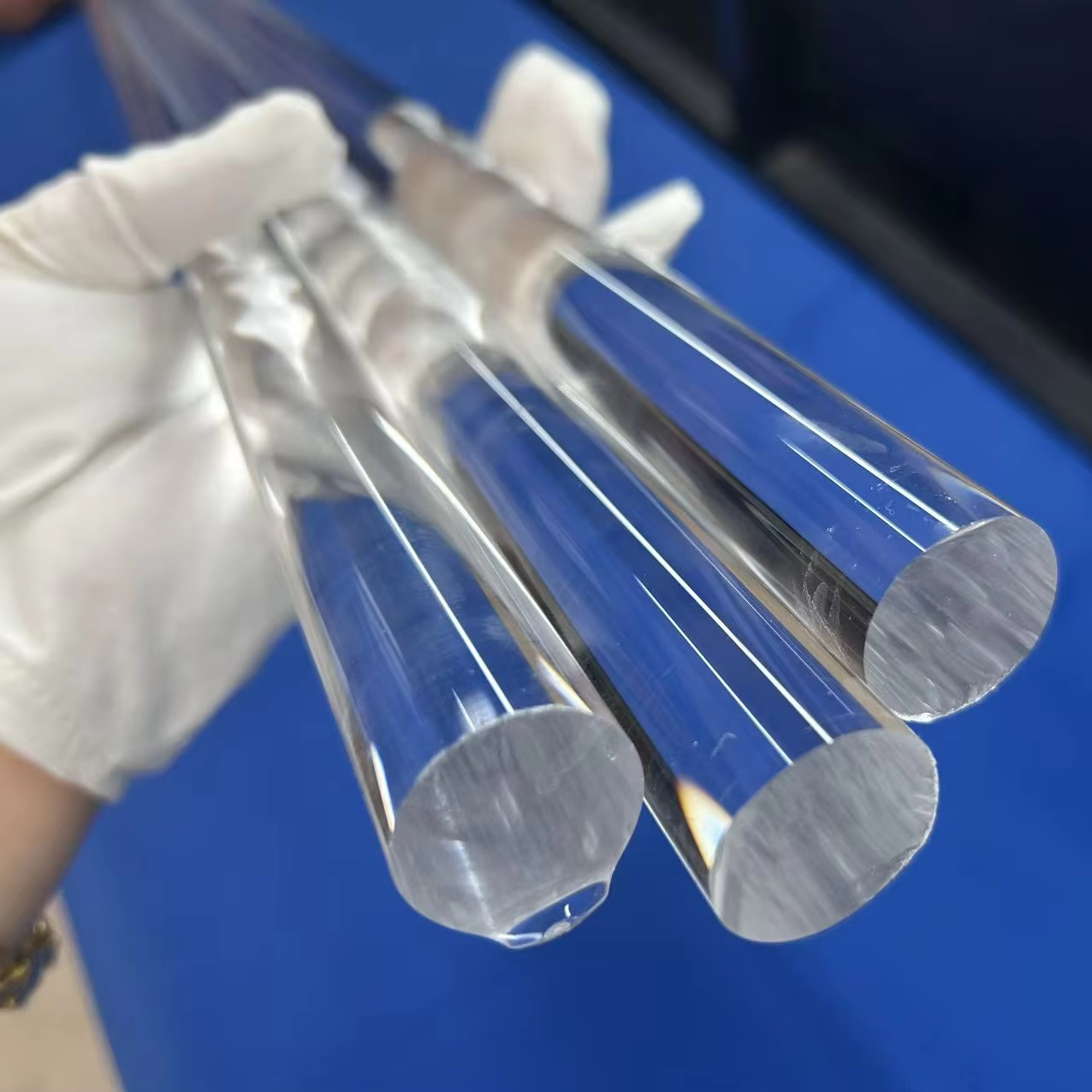 Raw Stock & OEM
High-Purity Fused Quartz Large Diameter Round Rods
Solid quartz support rods fabricated for heavy-load horizontal wafer carriers, structural cantilever rods, and furnace baffles with custom cutting, welding, and bending services.
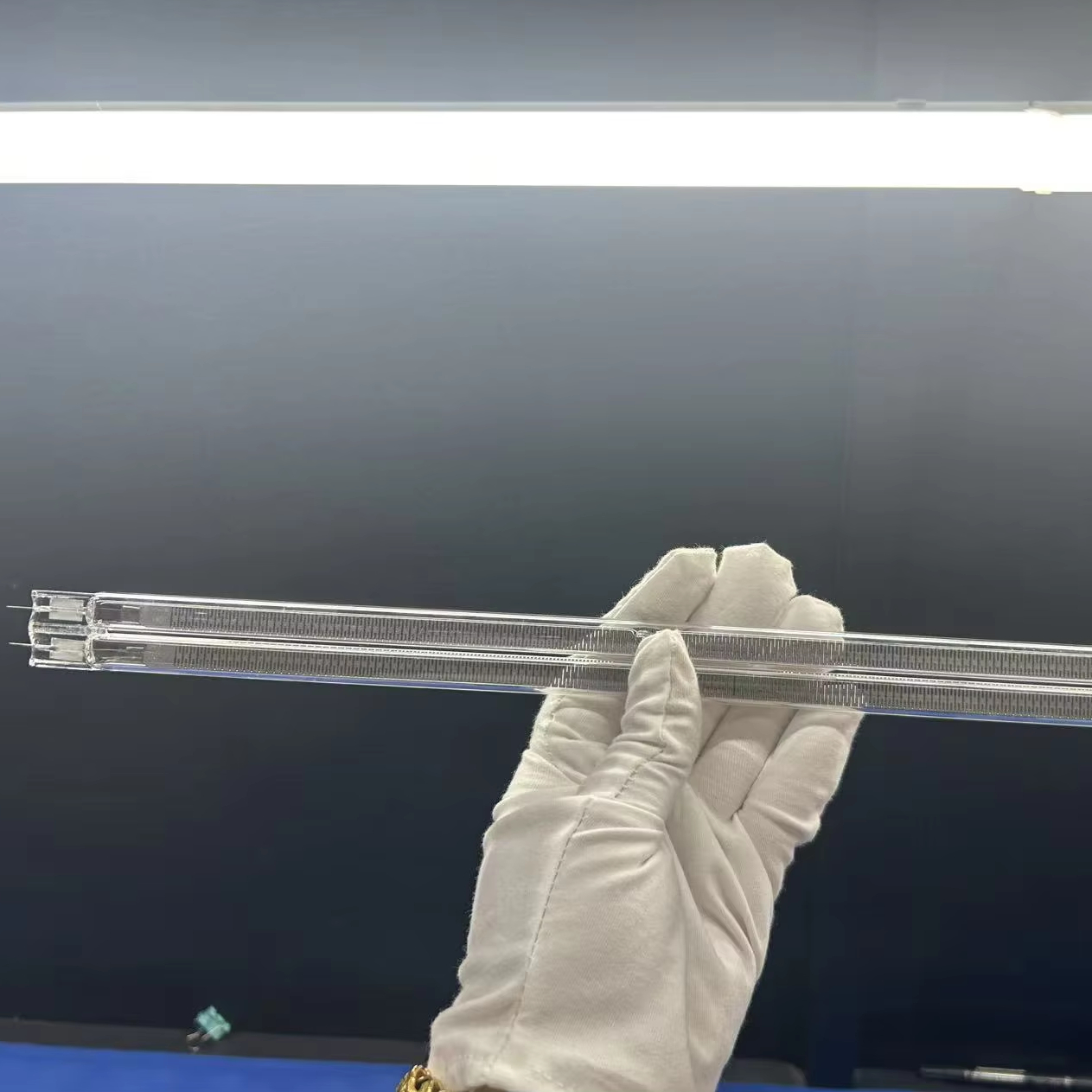 Thermal Heating
220V/380V 400mm Infrared Heating Quartz Tube
Engineered for Rapid Thermal Processing (RTP) and epitaxial baking stations, utilizing carbon fiber, halogen, and graphite filaments inside clear quartz sheaths.
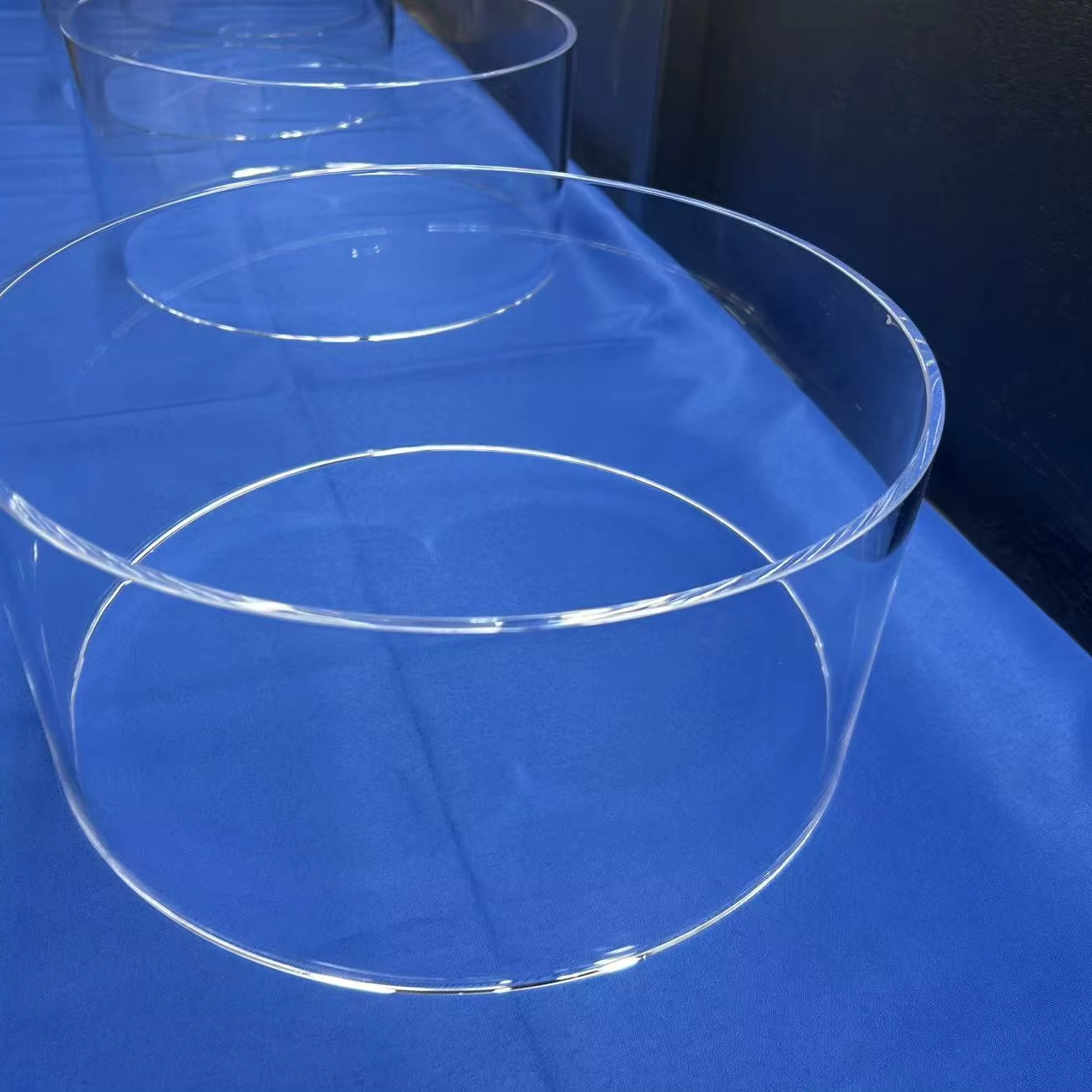 Custom Machining
Large Diameter Quartz Rods with Bending & Welding
Specialized mechanical quartz arms, cross-beams, and structural quartz boat rails welded under cleanroom oxyhydrogen flames for zero-particulate wafer handling.
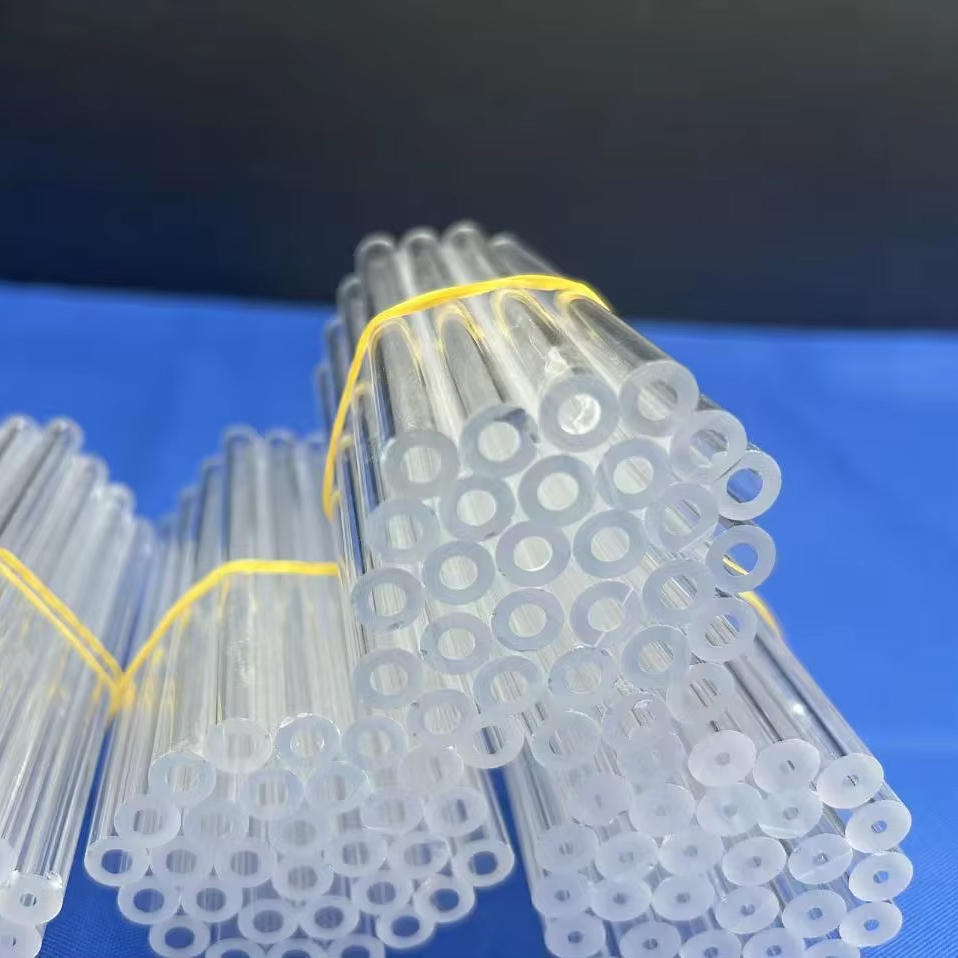 Furnace Process
Customized Clear Quartz Glass Furnace Tube & Liner
LPCVD and oxidation diffusion furnace chambers fabricated to tight diametrical tolerances, resisting longitudinal sag and devitrification under cycling above 1150°C.
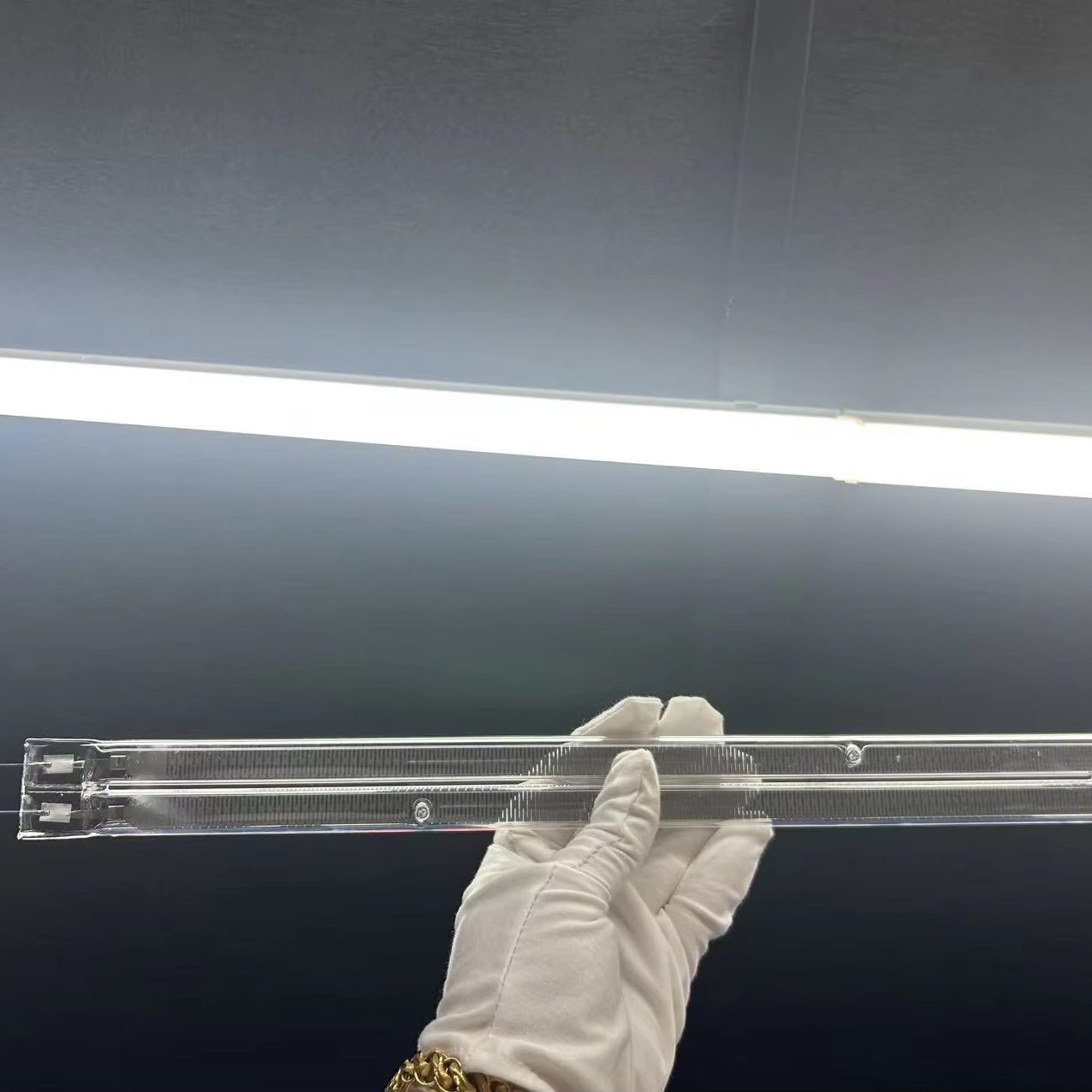 Rapid Thermal
220V 700W 300mm Infrared Heating Quartz Tube
High-emission graphene and halogen infrared emitter tubes for cleanroom photoresist soft-bake, annealing ovens, and precision thermal gradient control equipment.
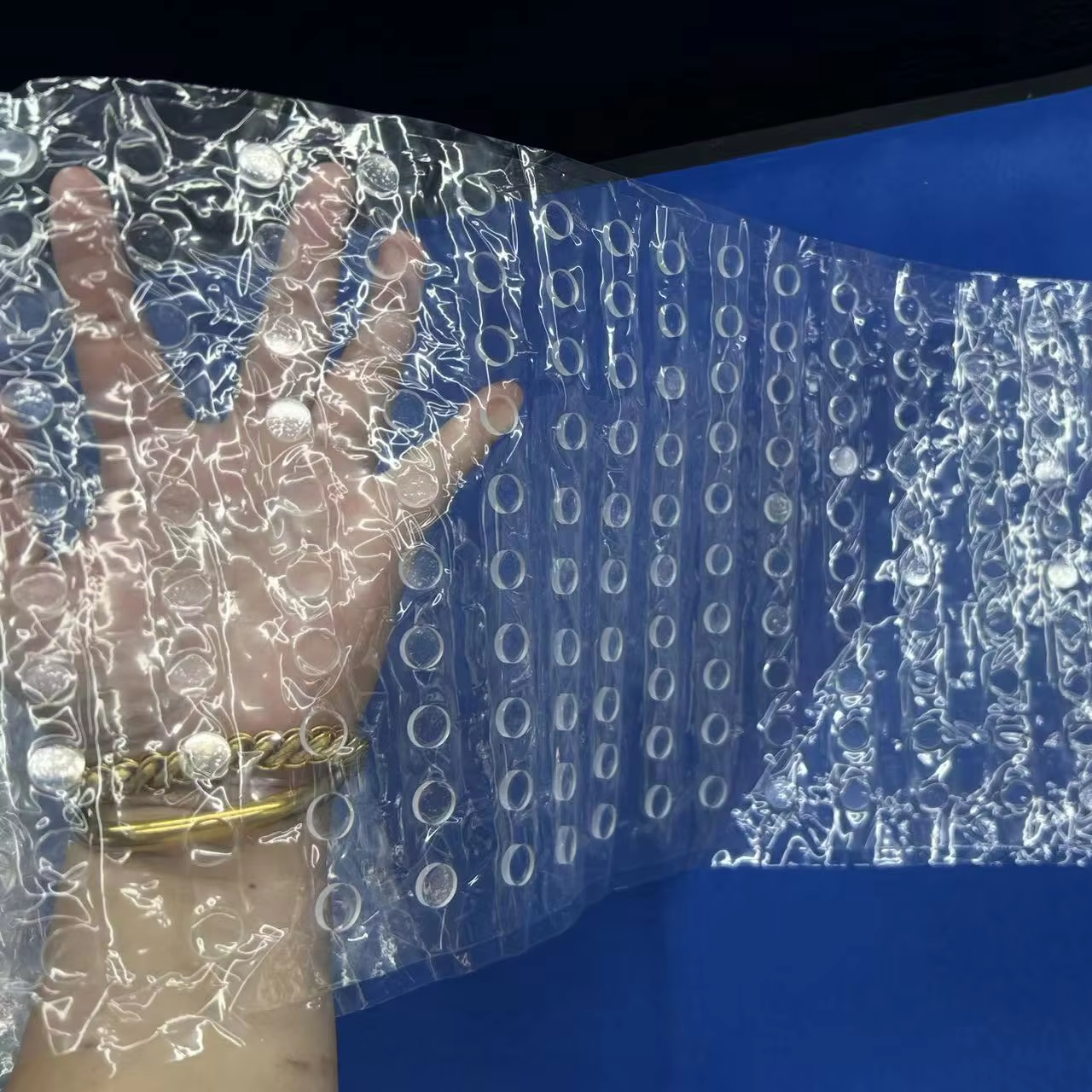 Substrates & Dummy
High-Purity Quartz Wafers & Carrier Substrates
Double-side optical polished fused silica dummy wafers, sensor carrier discs, and lithography monitor substrates with chemical scratch-free surfaces (Ra < 0.5 nm).
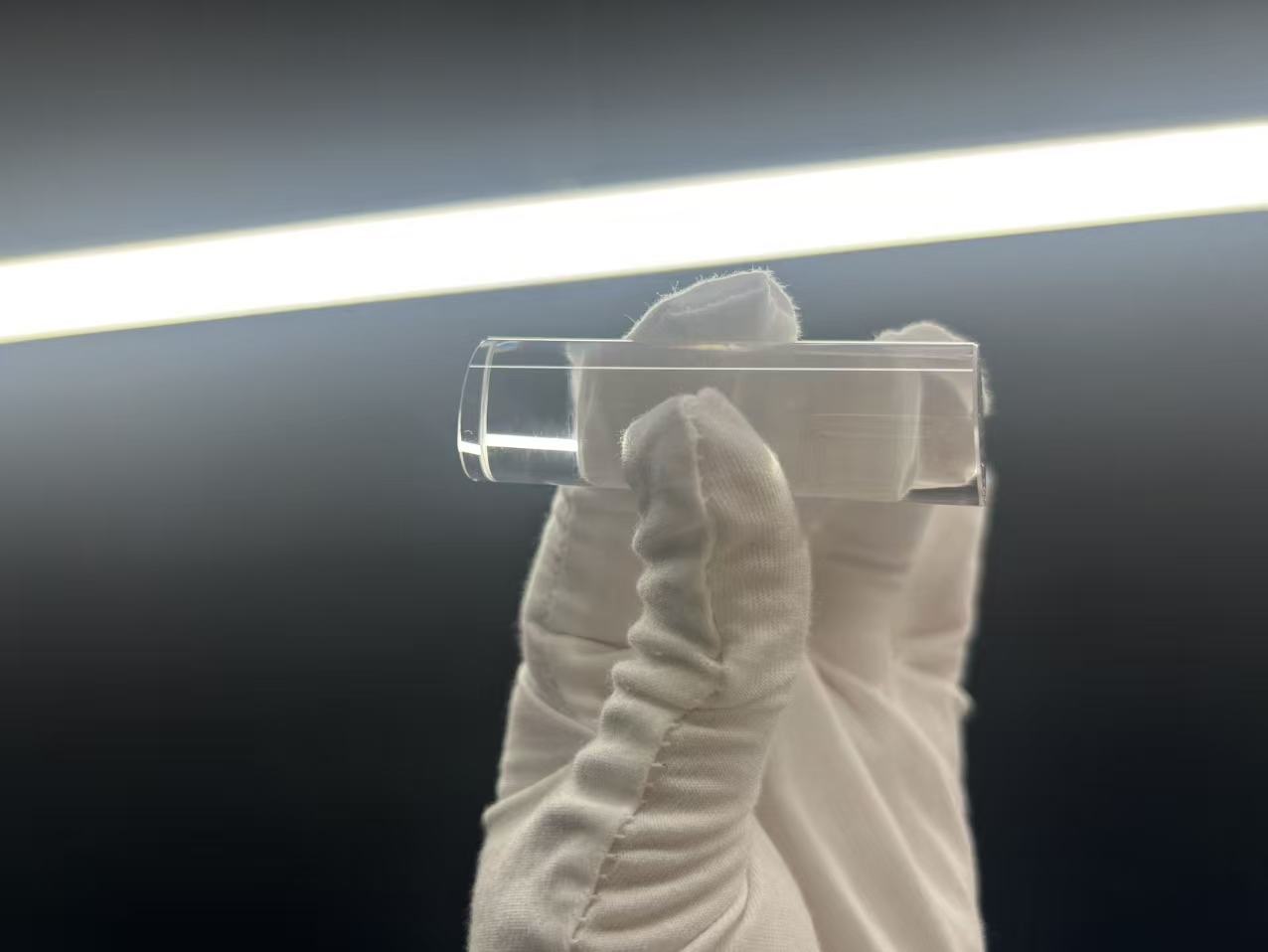 Handling Consumables
Round Head Quartz Push-Pull & Thermocouple Rod
Fire-polished rounded quartz rods used for manual wafer boat insertion, cleanroom push-pull manipulation, and thermal sensor protective sheaths in oxidation tubes.
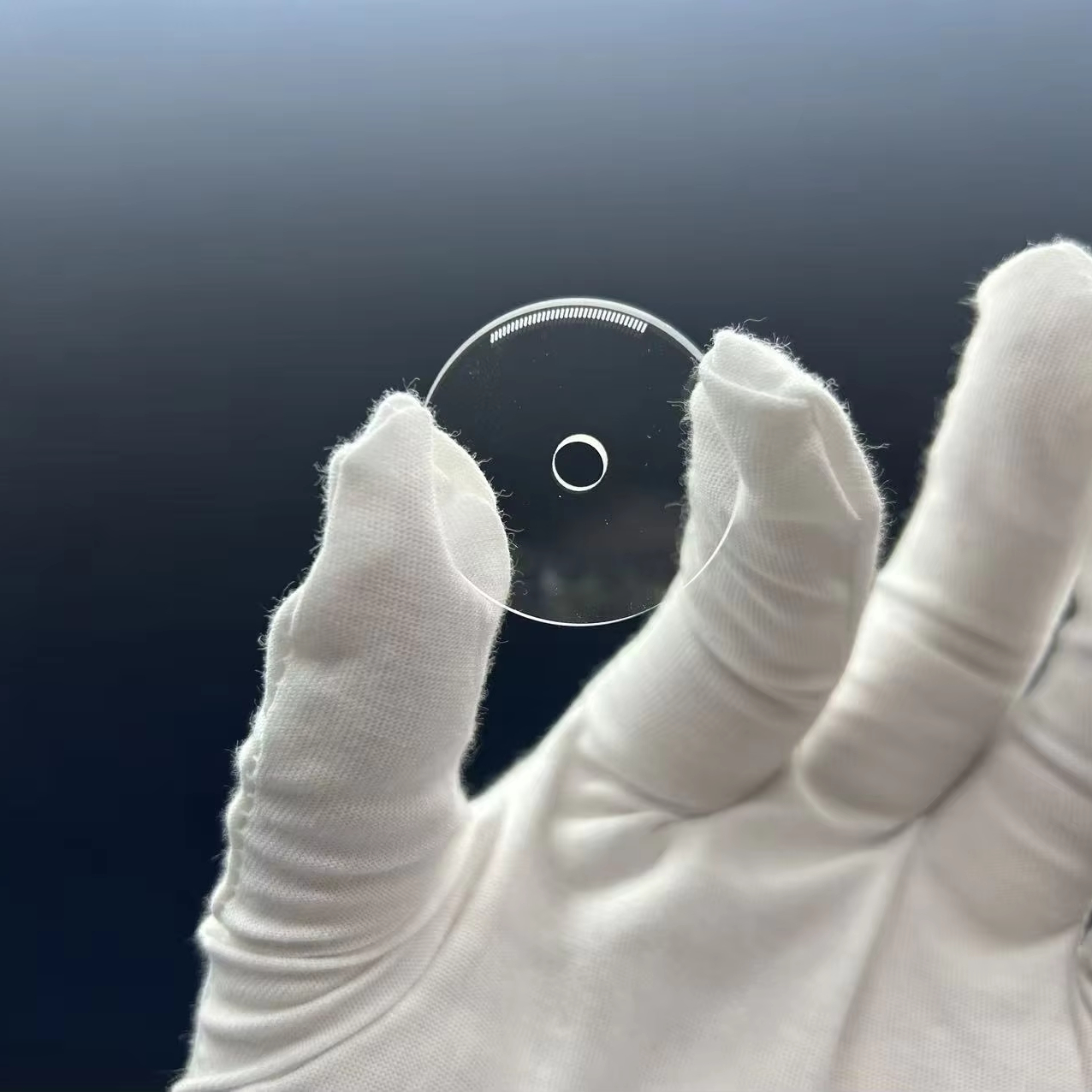 Diffusers & Plates
Sandblasted Frosted Quartz Optical & Thermal Sheet
Uniformly sandblasted or acid-frosted quartz plates for thermal radiation attenuation, uniform gas diffusion distribution, and cleanroom furnace door thermal shields.
High-Purity Quartz Metallurgy & Thermal Processing in the Piedmont Industrial Ecosystem
A rigorous examination of quartz boat thermodynamics, slot micro-machining, and atomic contamination mitigation for automotive microelectronics and advanced sensor manufacturing.
In modern semiconductor front-end manufacturing, the thermal processing cell represents one of the most chemically and thermodynamically aggressive environments. Wafer carriers—commonly designated as semiconductor quartz boats—are subjected to sustained operational temperatures ranging from 900°C to over 1250°C during wet/dry thermal oxidation, solid-source boron and phosphorus diffusion, low-pressure chemical vapor deposition (LPCVD), and high-vacuum annealing cycles. Within the Greater Turin metropolitan region and the broader Piedmont industrial basin, an aggressive technological transformation is underway. Driven by the convergence of legacy automotive tier-1 engineering and next-generation electric vehicle (EV) powertrain architecture, local fabs and advanced prototyping cleanrooms are pushing beyond standard silicon boundaries into wide bandgap (WBG) semiconductors, notably Silicon Carbide (SiC) and Gallium Nitride (GaN).
At these elevated thermal plateaus, standard borosilicate or low-grade vitreous silica fixtures fail rapidly due to structural sagging, high thermal creep, and catastrophic devitrification. Furthermore, ionic migration of alkali species (such as Na⁺, K⁺, and Li⁺) or heavy transition metals (Fe, Cu, Ni) from the quartz substrate into the wafer lattice causes deep-level trap formation, leading to catastrophic gate dielectric breakdown and diminished minority carrier lifetimes. As a premier manufacturer rooted in Donghai County—the global epicenter of high-purity quartz crystal processing—Nivra Quartz engineers every semiconductor boat, ladder carrier, and furnace baffle with an absolute impurity envelope below 15 ppm total metallic content, and an SiO₂ purity matrix reaching ≥99.999% (5N grade).
Cleanroom Yield Directive: In high-temperature automotive power module fabrication (e.g., IGBT, SiC MOSFETs in Turin-based automotive skunkworks), a single part-per-billion contamination of sodium (Na) or copper (Cu) in the furnace carrier causes severe wafer cross-contamination. Direct-from-source synthetic and ultra-pure fused quartz carriers represent an indispensable barrier against parasitic yield loss.
Morphology & Kinematics: Horizontal vs. Vertical Slotted Boats
The structural geometry of a semiconductor quartz boat is intrinsically linked to furnace mechanics. Horizontal quartz boats, configured with three to four precision-slotted longitudinal rods supported by flame-welded cross-discs and end-plates, are engineered for cantilever loading systems in legacy and specialty horizontal diffusion tubes. Slot geometry is critical: each slot must possess a microscopic radius to eliminate sharp stress concentrations that promote wafer chipping or mechanical slip lines during high-ramp thermal transitions. Nivra Quartz deploys five-axis CNC diamond ultrasonic grinding accompanied by precise fire-polishing to achieve a mirror-finish surface (Ra < 0.2 μm) within every slot, guaranteeing uniform thermal contact without mechanical micro-abrasion.
Conversely, vertical quartz boats—demanded by next-generation 150mm and 200mm automated vertical furnaces—require superior axial rigidity and micro-flatness. Vertical boats eliminate the gravity-induced wafer warping often observed in horizontal systems. Our manufacturing protocol utilizes matched raw quartz tubes with tightly controlled wall thicknesses and strict thermal annealing cycles. This process relieves residual strain birefringence, ensuring that dimensional perpendicularity remains within ±0.05 mm over an 800 mm structural span, even under continuous 1150°C cycling.
Devitrification Dynamics: Overcoming Cristobalite Phase Transitions
A primary operational failure mode of quartz boats in industrial diffusion furnaces is devitrification—the phase transformation of metastable amorphous fused silica into crystalline α-cristobalite. This polymorphic inversion is accompanied by an abrupt ~4.9% volumetric shrinkage around 220°C during cooling phases, resulting in micro-cracking, particulate flaking, and ultimate mechanical fracture of the boat structure. Devitrification is accelerated by two primary catalysts: trace surface impurities (especially alkaline earth elements) and hydroxyl (-OH) radical concentrations.
By implementing a closed-loop dehydroxylation process during thermal vacuum fusion, Nivra Quartz maintains the hydroxyl (-OH) content of its premium furnace-grade fused quartz boats at or below 20 ppm (and <5 ppm for JGS3 infrared grades). This exceptionally dry quartz matrix drastically elevates the onset temperature of cristobalite crystallization beyond 1250°C, extending the service life of quartz boats in rigorous oxidation, POCl₃ diffusion, and LPCVD silicon nitride (Si₃N₄) deposition environments by up to 40% compared to conventional fused quartz ware.
High-Purity Quartz Integration in Turin's Key Industrial Hubs
Tailored quartz ware architectures servicing specialized cleanroom fabs, R&D pilot lines, and industrial clusters across the Turin-Novara-Ivrea technology axis.
Automotive Power Electronics & SiC/GaN
Supplying extreme-temperature slotted wafer boats (150mm & 200mm) for SiC activation annealing and high-voltage IGBT epitaxy in Turin’s electrified mobility and inverter powertrain prototyping clusters.
MEMS & Aerospace Microsensors
Providing micro-tolerance quartz disc cassettes and ultra-flat quartz carrier plates for inertial measurement units (IMUs), aerospace pressure transducers, and defense sensors fabricated in the Ivrea-Turin corridor.
Academic & Nanotech Research Hubs
Custom, small-batch quartz hardware engineered for research cleanrooms and advanced material labs at Politecnico di Torino, supporting thin-film optical synthesis and atomic-scale wafer experimentation.
Photovoltaic & Green Energy Cells
High-capacity 156mm to 210mm quartz diffusion boats and heavy-duty quartz paddle systems deployed in high-throughput clean energy cell manufacturing across Piedmont's sustainable industrial sectors.
High-Purity Quartz Boat Engineering & Purity Matrix
Comprehensive physical, thermal, and chemical benchmark data comparing Nivra Quartz standard semiconductor grades against international industry benchmarks.
| Physical / Chemical Parameter | Semiconductor Standard (Fused Quartz) | Optical Ultra-Pure (JGS1 Synthetic) | Infrared / Low-OH (JGS3 Thermal) | Test Standard |
|---|---|---|---|---|
| SiO₂ Purity Grade | ≥ 99.995% (4N5) | ≥ 99.9999% (6N) | ≥ 99.998% (4N8) | ICP-MS Spectrometry |
| Continuous Operating Temp | 1100°C | 1150°C | 1200°C | ASTM C385 Thermal Cycling |
| Peak Transformation Temp | 1450°C (Short excursion) | 1500°C (Short excursion) | 1500°C (Short excursion) | Dilatometric Expansion |
| Hydroxyl (-OH) Concentration | < 30 ppm | < 1200 ppm (UV optimized) | < 5 ppm (Dry Grade) | FTIR Infrared Absorption |
| Trace Alkali Impurities (Na + K + Li) | < 1.5 ppm total | < 0.05 ppm total | < 0.8 ppm total | GDMS Glow Discharge |
| Transition Metals (Fe + Cu + Ni) | < 1.0 ppm total | < 0.02 ppm total | < 0.5 ppm total | Atomic Absorption (AAS) |
| Coefficient of Thermal Expansion (CTE) | 5.5 × 10⁻⁷ / °C (20°C–320°C) | 5.4 × 10⁻⁷ / °C | 5.5 × 10⁻⁷ / °C | Interferometric Dilatometry |
| Slot Pitch Tolerance | ±0.02 mm (Standard) | ±0.01 mm (Custom Optic) | ±0.02 mm (Standard) | Non-Contact CMM Laser |
Turin & Northern Italy Semiconductor Industry Dynamics
Navigating the tectonic supply chain transitions shaped by the European Chips Act, Italian national sovereignty incentives, and local supply chain realignments.
European Chips Act & Dual Sourcing
With massive public and private capital infusing European microelectronics, Turin procurement managers are aggressively qualifying dual-source, factory-direct quartz component manufacturers to insulate furnace operations against geopolitical supply disruption.
Transition to 150mm/200mm SiC Fabs
Piedmont’s automotive electrification initiatives demand larger wafer diameters and hotter diffusion profiles. This transition renders standard quartz boats obsolete, driving rapid demand for heavy-wall, reinforced ladder carriers capable of resisting creep up to 1350°C.
Total Cost of Ownership (TCO) Rationalization
Cleanroom operators in Turin are moving away from multi-tiered European distributors with 100%+ markups. Sourcing direct from Nivra Quartz's Donghai facility yields identical or superior mechanical tolerances at a fraction of the component acquisition cost.
Frequently Asked Questions: Sourcing Quartz Boats for Turin Cleanrooms
Detailed technical answers addressing wafer geometry, material certifications, customs clearance into Italy, and thermal cleaning protocols.
We machine all semiconductor boat slots using multi-axis CNC diamond grinding heads with live laser interferometry feedback. Slot pitch is held within ±0.02 mm across the entire length of the boat, and slot tilt angles are restricted within 0°±15'. This guarantees zero mispicks or optical wafer sensor faults with automated cleanroom wafer handling robotics deployed in modern Italian fab facilities.
Every boat leaves our plant chemically decontaminated and vacuum-sealed in a Class 1000 cleanroom. Prior to furnace insertion in your Turin facility, we recommend a standard cleanroom wash: a 5-minute immersion in a 5% to 10% ultra-pure Hydrofluoric acid (HF) bath to strip any atmospheric silica hydrate layer, followed by a 18.2 MΩ·cm deionized water cascade rinse, and an initial thermal pre-bake at 1000°C in pure N₂.
Yes. We specialize in build-to-print OEM and ODM services. We accept native DWG, DXF, STEP, or PDF engineering drawings. Our optical engineering team conducts a thorough manufacturability and thermal expansion review within 5 hours, providing DFM feedback regarding wall thickness, weld fillets, and support rod placements.
All Nivra Quartz fused silica and fused quartz products are fully compliant with EU Regulation (EC) No 1907/2006 (REACH) and Directive 2011/65/EU (RoHS). Because our products consist exclusively of 99.999% amorphous silicon dioxide, they contain zero Substances of Very High Concern (SVHC). Full certificates of conformity (CoC) and batch-specific ICP-MS purity analysis sheets are supplied with every commercial invoice.
Our export packaging utilizes a three-tier shock-isolation system: individual parts are wrapped in anti-static, lint-free cleanroom film, suspended within custom CNC-cut high-density EPE shock-absorbent foam inserts, and secured inside reinforced, fumigation-free wooden export crates. Our global zero-breakage transit record exceeds 99.4% for delicate precision quartzware.
Under standard thermal ramping profiles (≤5°C/min ramp-up, ≤3°C/min cool-down) and strict cleanroom cleaning schedules (avoiding prolonged HF exposure exceeding 10 minutes), our low-hydroxyl fused quartz boats routinely deliver operational lifespans between 18 and 36 months before requiring surface re-etching or flame rework.
We maintain an agile prototyping department to support Italian microelectronics research and pilot lines. For custom semiconductor quartz boats, our minimum order quantity starts at just 1 to 2 pieces, allowing R&D groups at institutions like Politecnico di Torino to validate specialized wafer geometries without excessive initial capital expenditure.
Standard prototype boats are typically manufactured within 10 to 14 business days following CAD drawing sign-off. Air express transit to Turin (via DHL/FedEx Express or direct air freight to MXP/TRN) requires approximately 4 to 6 business days, enabling delivery well ahead of typical domestic European 12-to-16-week lead times.
Why Cleanroom Engineers Choose Nivra Quartz
Combining Donghai’s unparalleled raw silica mineral purity with aerospace-grade CNC machining and transparent factory-direct pricing.
Integrated Mineral Origin
Situated in Donghai County, China’s quartz and crystal capital, our facility leverages direct access to superior natural and synthetic silica raw stock, keeping material consistency high and supply bottlenecks low.
101–200 Specialized Craftsmen
Our workforce unites master flame-working artisans with precision CNC glass technicians, guaranteeing pristine welding fillets, uniform wall thicknesses, and strict dimensional verification across all components.
Sub-5-Hour Technical Response
With an 88.89% first-contact resolution index, our dedicated bilingual engineering desk provides fast, technically grounded evaluations of customer CAD files and thermal load specifications.
Full Cleanroom Processing Chain
From initial core extraction, slicing, and annealing to five-axis slotting, fire polishing, and Class 1000 ultrasonic bath packing, every production phase remains in-house under strict quality surveillance.
Accelerate Your Semiconductor Thermal Yields Today
Whether you require standard 100mm–200mm horizontal ladder boats, complex LPCVD vertical cage carriers, or high-purity replacement furnace tubes for your Turin cleanroom, our engineering team is ready to review your project tolerances.