Featured Optical & Sapphire Component Series
Engineered for extreme thermal, mechanical, and optical environments. Fully customizable to custom engineering drawings for Bulgarian OEM buyers.
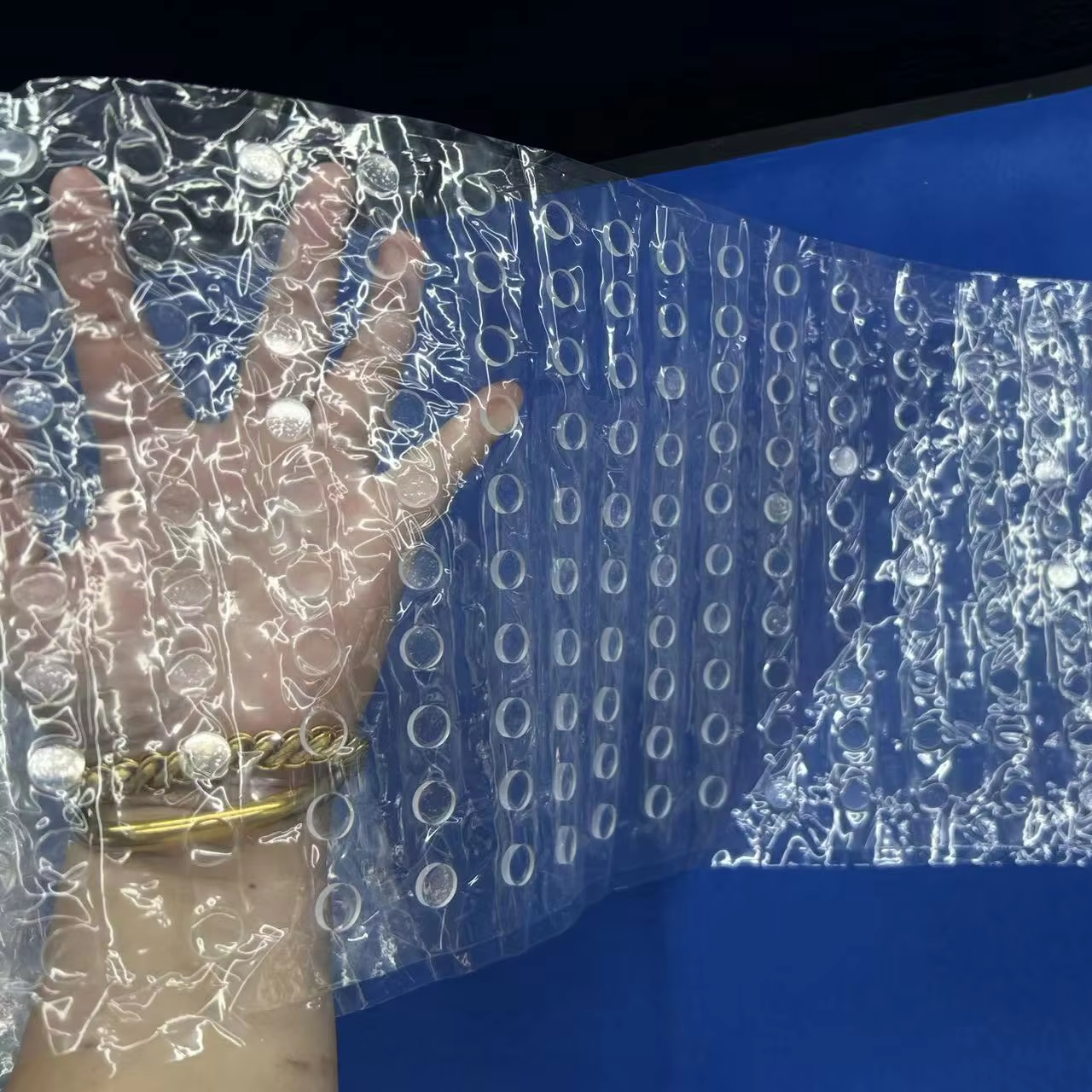
High-Purity Quartz & Sapphire Micro Wafers
View Product Details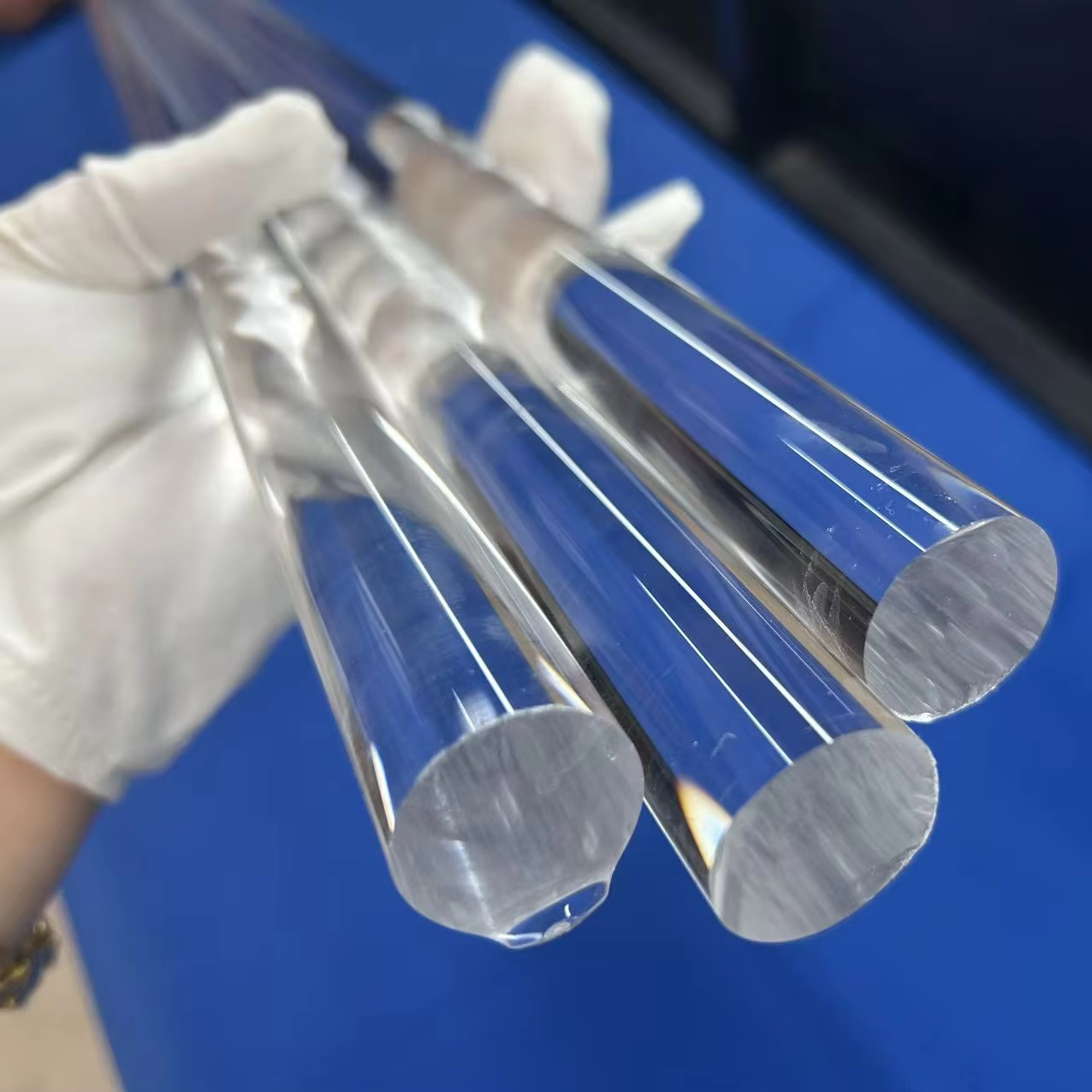
Large Diameter Precision Sapphire & Quartz Rods
View Product Details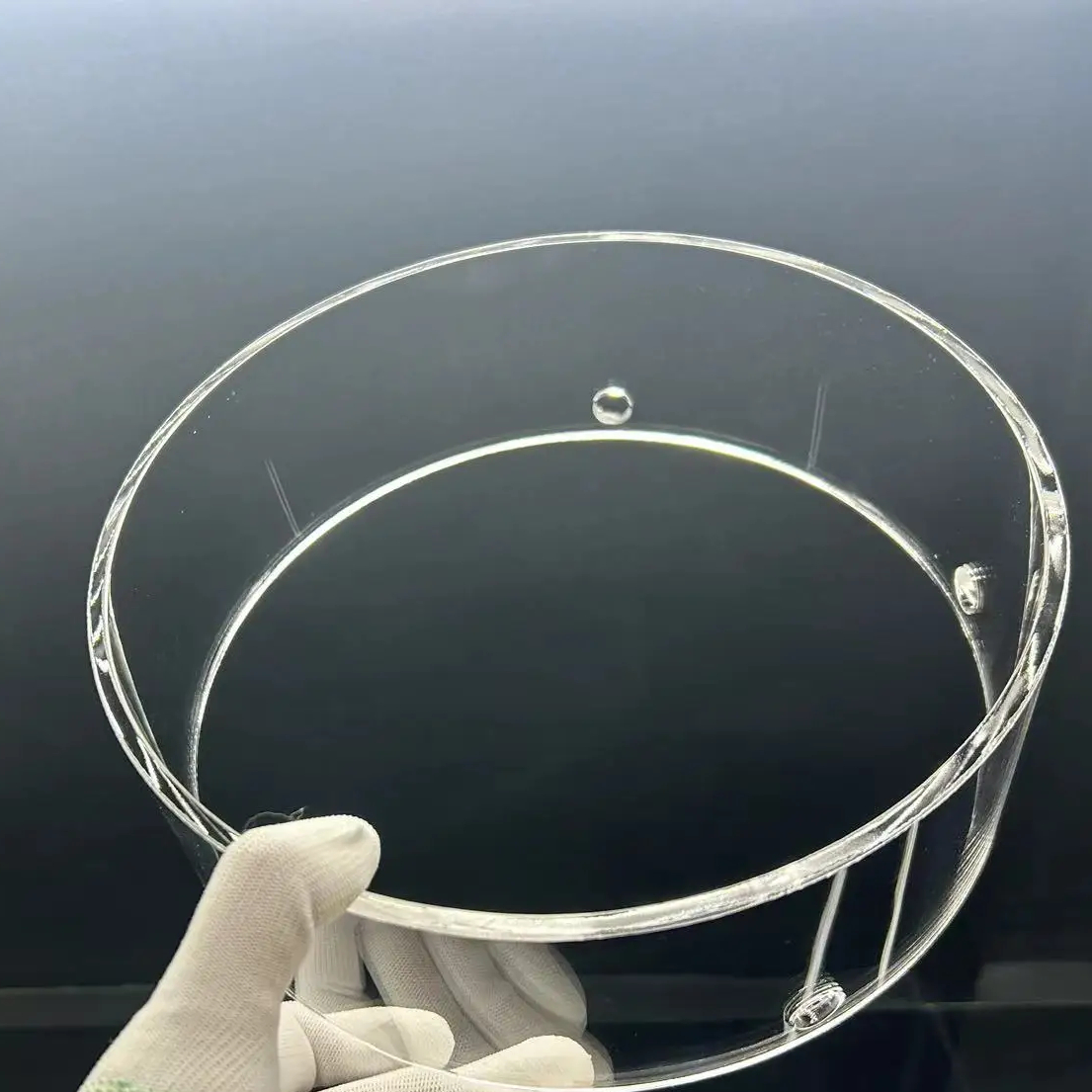
Transparent Optical Observation Tubes & Windows
View Product Details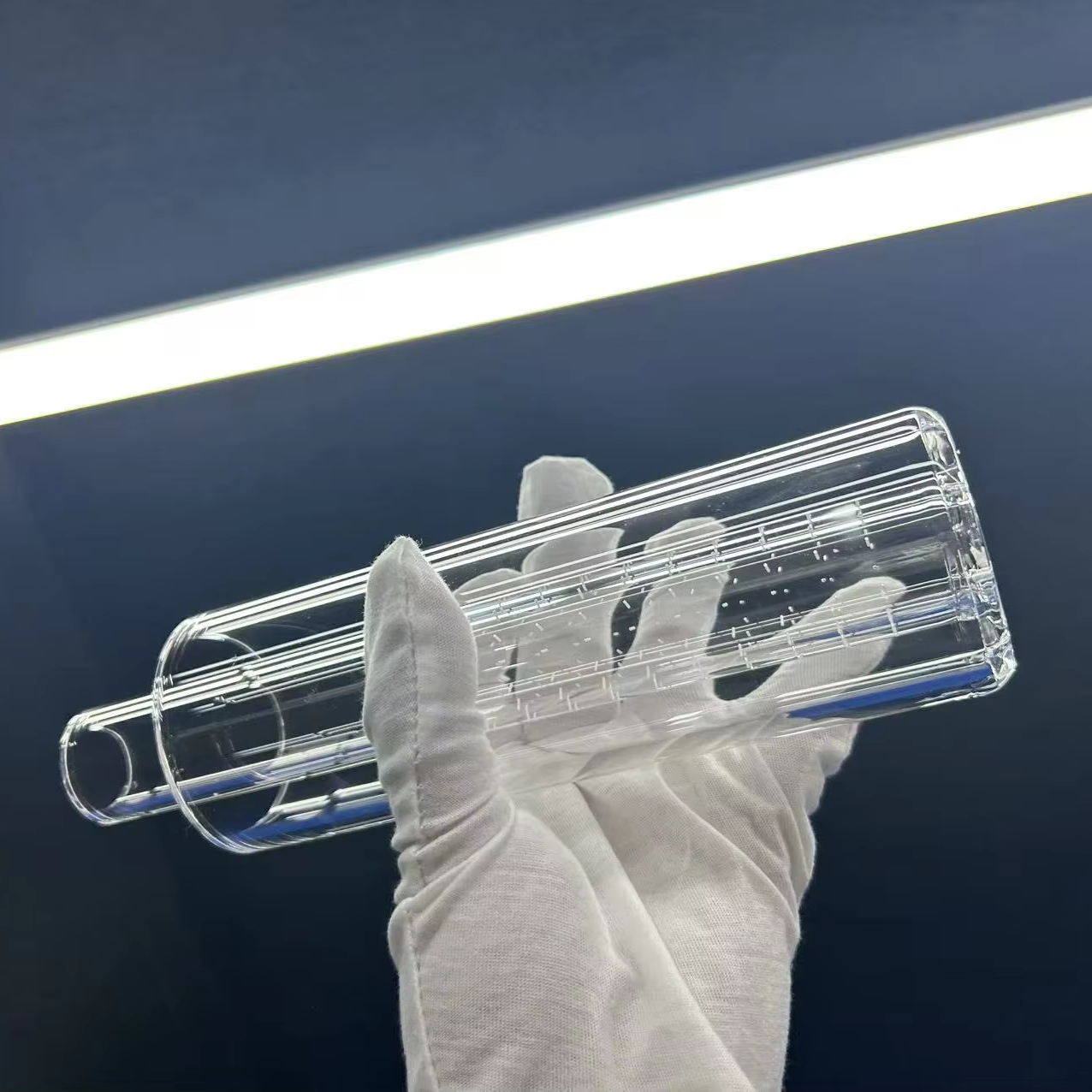
Customized Perforated Sapphire & Quartz Structures
View Product Details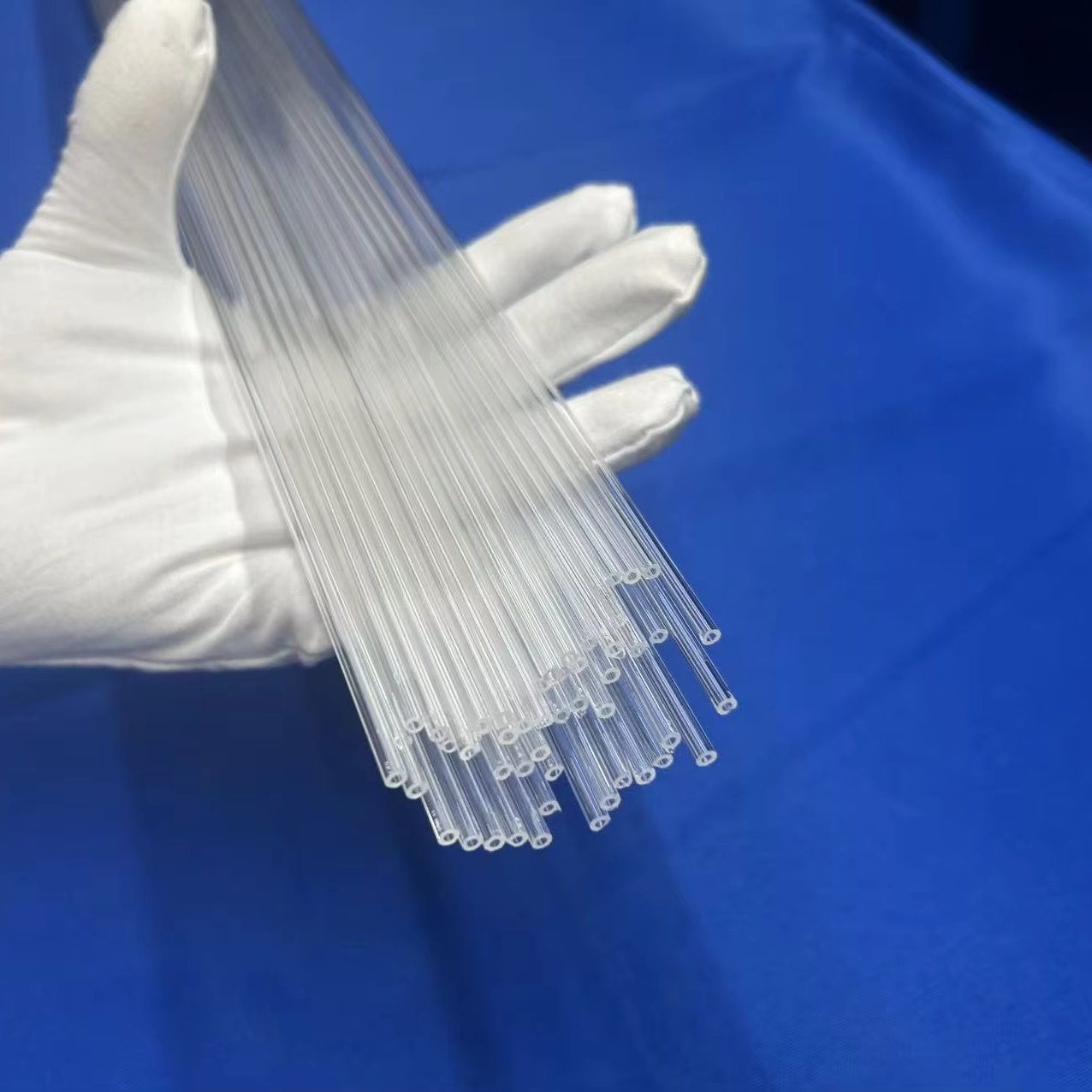
Precision Capillary Sight Glasses & Micro-Optics
View Product Details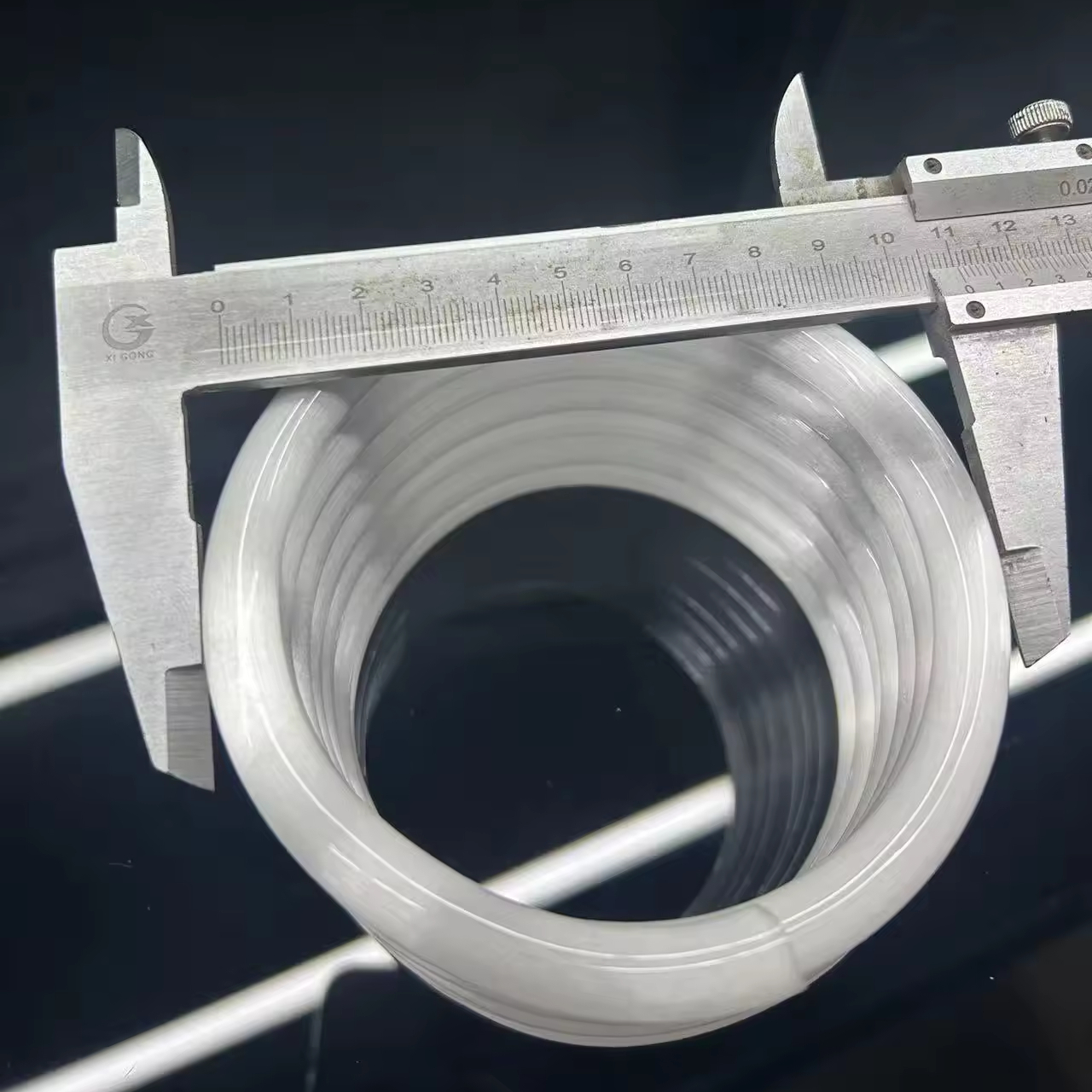
Helical Coils & High-Pressure Sapphire Assemblies
View Product Details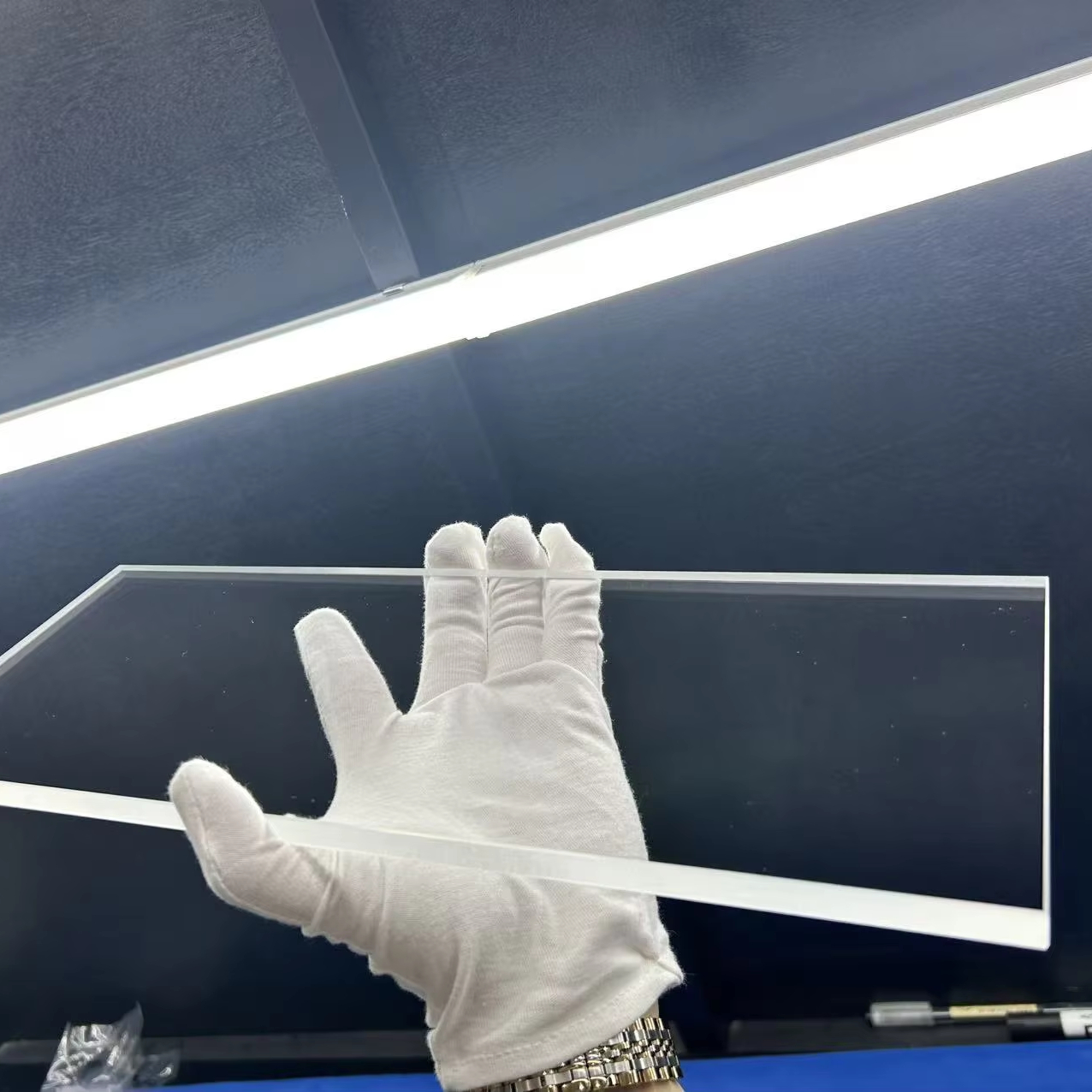
Ultra-Clear High-Purity Sapphire Window Plates
View Product Details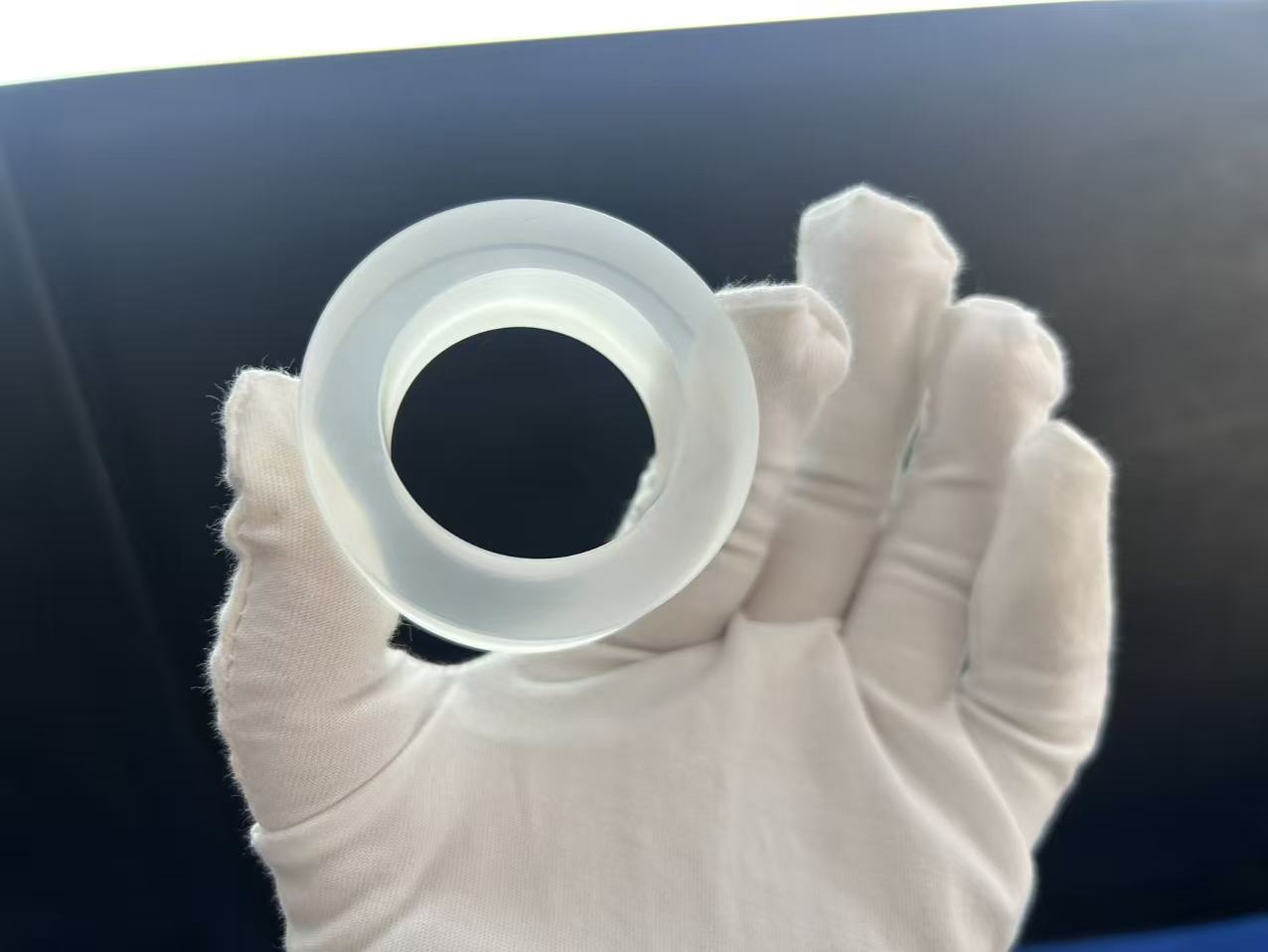
Precision Optical Sapphire & Quartz Sealing Rings
View Product DetailsSynthetic Single-Crystal Sapphire Optics: Technical Architecture & Performance Standards
An authoritative whitepaper report on physical characteristics, optical transmission, and precision surface finishing for industrial applications.
Single-crystal sapphire (α-Al2O3) represents the pinnacle of material science for optical window applications operating under extreme mechanical, thermal, and corrosive stress. Synthesized primarily through the Kyropoulos or Heat Exchanger Method (HEM), synthetic sapphire plate glass exhibits exceptional structural integrity, making it indispensable for advanced optoelectronic, industrial laser, aerospace, and deep-sea sensing equipment imported into the Bulgarian market.
Information Gain Insight: Why Choose Sapphire over Fused Silica or Borosilicate?
With a Mohs hardness of 9 (second only to diamond), sapphire offers a compressive strength of 2,000 MPa and a thermal conductivity of 35 W/(m·K) at 20°C. It transmits light continuously from 190 nm in the deep ultraviolet (DUV) to 5.5 μm in the mid-infrared (MIR) spectrum, completely eliminating optical clouding, scratching, and thermal distortion in high-energy or aggressive chemical environments.
1. Crystallographic Orientations & Anisotropic Properties
When specifying sapphire plate glass windows for precision optical instruments in Bulgaria, crystal orientation is paramount due to sapphire's hexagonal crystal structure (rhombohedral system):
- C-Plane (0001) Sapphire: Cut perpendicular to the optical c-axis. C-plane windows exhibit zero birefringence along the normal axis of incidence, making them ideal for polarization-sensitive optical sensors, waveplates, and high-precision laser viewports.
- A-Plane (11−20) Sapphire: Offers uniform mechanical strength along the plane. Widely selected for high-pressure sight glasses, wear-resistant watch crystals, and mechanical armor plates where birefringence is non-critical.
- R-Plane (1−102) Sapphire: Preferred for heteroepitaxial deposition, serving as the primary substrate crystal structure for Micro-LED, silicon-on-sapphire (SOS) integrated circuits, and specialized RF micro-components.
2. Surface Quality & Precision Wavefront Tolerances
At Donghai County Nivra Quartz Products Co., Ltd., our sapphire plate glass windows undergo automated Chemical-Mechanical Polishing (CMP) and double-sided planetary lapping. We achieve exacting international quality tolerances:
| Technical Metric | Standard Industrial Grade | Precision Optical Grade | Ultra-Precision Sub-Nanometer Grade |
|---|---|---|---|
| Surface Roughness (Ra) | ≤ 1.0 nm | ≤ 0.5 nm | ≤ 0.2 nm (Atomic Surface Smoothness) |
| Scratch-Dig (MIL-PRF-13830B) | 60-40 | 20-10 | 10-5 / 0-0 Laser Grade |
| Flatness / Surface Wavefront | 1 λ per 25mm @ 632.8nm | λ/4 per 25mm | λ/10 per 25mm |
| Parallelism / Wedge Angle | ≤ 3 arc minutes | ≤ 30 arc seconds | ≤ 5 arc seconds |
| Clear Aperture | > 85% | > 90% | > 95% |
3. Broadband Optical Transmission & Thin-Film Coating Options
Uncoated sapphire windows naturally deliver a high transmission rate of approximately 85% to 88% across the 300 nm to 4.5 μm wavelength range. Fresnel reflection losses (approx. 7.5% per surface due to sapphire's high refractive index of n ≈ 1.76 at 632.8 nm) can be virtually eliminated through state-of-the-art Magnetron Sputtering or Ion-Assisted Deposition (IAD) thin-film coatings:
- Single/Dual-Band Anti-Reflective (AR) Coatings: Boost optical transmission to > 98.5% for specific laser wavelengths (e.g., 532 nm, 1064 nm, 2940 nm Er:YAG, or 3-5 μm MWIR imaging).
- Diamond-Like Carbon (DLC) Hard Coatings: Applied to exterior-facing marine or military viewports to deliver ultimate erosion resistance against airborne sand, salt spray, and abrasive particles.
- Hydrophobic & Oleophobic Thin Films: Ensure clear vision for outdoor surveillance cameras and subsea optical sensors operating along Bulgaria's Black Sea coast.
Localized Application Scenarios across Bulgarian Industrial Hubs
Matching sapphire plate glass window specifications to Bulgaria's rapidly expanding advanced manufacturing, photonics, and defense sectors.
1. Industrial Laser Cutting & Optoelectronics (Sofia & Plovdiv)
Plovdiv's Trakia Economic Zone and the Sofia high-tech corridor represent Eastern Europe's key hubs for laser system assembly, automated manufacturing, and optoelectronic instrumentation.
- Laser Protective Windows: High-damage-threshold sapphire debris shields protecting fiber laser cutting heads (> 10 J/cm² @ 1064nm, 10ns pulse).
- Optoelectronic Sensor Covers: Scratch-proof windows for high-speed automated optical inspection (AOI) lines.
- Pyroelectric Sight Glasses: Heat-resistant sapphire ports in thermal processing and metal additive manufacturing.
2. Maritime, Naval Optics & Subsea Exploration (Varna & Burgas)
Bulgaria's maritime logistics, naval defense systems, and Black Sea marine research facilities demand optics capable of enduring deep-sea pressures and salt erosion.
- Deep-Sea Pressure Viewports: Custom-thick sapphire disc windows rated for extreme hydrostatic pressure (> 300 bar).
- Naval LiDAR & Surveillance Windows: Anti-reflective, DLC-coated sapphire viewports for marine radar, electro-optical camera balls, and coastal defense sensors.
- Subsea Spectrographic Cells: High-clarity sapphire fluidic windows resisting biofouling and saline corrosion.
3. Heavy Machinery, Hydraulics & Chemical Processing (Gabrovo & Ruse)
Bulgaria's traditional mechatronics clusters in Gabrovo and chemical complexes along the Danube River require rugged sight glass solutions that will not fracture or corrode.
- High-Pressure Hydraulic Sight Glasses: Ultra-hard sapphire level gauges withstanding turbulent oil streams and particulate slurry.
- Acid-Resistant Reactor Windows: Chemically inert sight ports for severe acid, alkali, and hydrofluoric gas environment monitoring.
- Plasma & Furnace Inspection Ports: Thermal shock resistant viewports withstand rapid thermal cycles up to 1200°C.
4. Medical Devices, Analytical Instruments & R&D (BAS Sofia)
Research institutes under the Bulgarian Academy of Sciences (BAS) and medical equipment assemblers require certified bio-compatible optical components.
- Endoscopic Optics & Surgical Lasers: Micro-diameter sapphire windows with high biocompatibility for medical diagnostic tools.
- UV-VIS Spectroscopy Cuvettes & Windows: Deep UV transmitting sapphire plates for biochemical spectro-photometry.
- Quantum Optics Substrates: Atomically flat sapphire wafers used in photonics research labs.
Strategic Market Trends: Bulgaria's Emergence in the EU Photonics Value Chain
Analyzing supply chain localization, EU regulatory compliance, and industrial upgrade drivers across Southeastern Europe.
Bulgaria has steadily established itself as a dynamic engineering and manufacturing node within the European Union. Supported by a skilled engineering workforce, competitive operational costs, and key strategic initiatives such as the EU Green Deal and Industry 4.0 Transformation, the nation is transitioning rapidly toward high-value optoelectronics, automotive sensors, defense technology, and photonics manufacturing.
1. The Shift Toward High-Power Fiber Lasers & Precision Automation
Bulgarian metal fabrication and industrial automation sectors are undergoing sweeping upgrades, moving from traditional mechanical milling to high-power fiber laser cutting and welding systems. Fiber lasers operating at 1064 nm and high-power CO2/diode lasers demand protective optical windows that exhibit minimal thermal lensing and absorption. Sapphire plate glass has become the gold-standard optical replacement material, replacing conventional quartz glass due to its vastly superior mechanical durability and 5x higher thermal conductivity.
2. Growth in Defense, Security & Aerospace Engineering Exports
With major military electronics production and aerospace research taking place across Southeastern Europe, Bulgarian defense contractors require ITAR-compliant or export-ready precision optics. Sapphire viewports used in infrared target acquisition, missile dome covers, and armored vehicle night-vision systems must withstand severe ballistic vibration, thermal shock, and scratch threats. Donghai County Nivra Quartz Products Co., Ltd. provides direct custom export of certified sapphire plate glass built to strict international defense specifications.
3. EU Environmental Directives & Supply Chain Resilience
As part of the European Single Market, Bulgarian procurement directors face strict regulatory mandates including EU Directive 2011/65/EU (RoHS 3), REACH (EC 1907/2006), and CE Certification. Sourcing optical components directly from high-capacity manufacturers with full material traceability ensures smooth customs clearance at Sofia Airport (SOF) or the Port of Varna, eliminating supply chain friction and regulatory compliance risks.
Why European Buyers Partner with Nivra Quartz
Direct-factory capability, rigorous quality assurance, and streamlined export logistics to Bulgaria and Western Europe.
Donghai Crystal Hub Advantage
Located in Donghai County, Jiangsu—the premier global quartz and raw crystal hub. Direct raw material access enables competitive factory pricing without compromising purity.
Fast Engineering Response (≤ 5 Hours)
Our average response time for technical quote requests and drawing reviews is under 5 hours, achieving an 88.89% measured inquiry response rate for seamless communication.
Comprehensive QC & Metrology
Every sapphire window is checked via Zygo interferometers, spectrophotometers, and mechanical micrometer tools. Surface quality and transmission curves are guaranteed before dispatch.
Breakage-Proof Export Packaging
Parts are cleaned in ultrasonic baths, vacuum sealed, and secured inside customized shock-absorbing foam within fumigation-free wooden cases for safe transit to Sofia, Plovdiv, or Varna.
Flexible OEM & ODM Capabilities
Whether you require a low-volume prototype (1-10 pcs) or high-volume mass production (10,000+ pcs), we process STEP, DWG, and PDF technical drawings with strict tolerance control.
5.0 / 5 Verified Buyer Rating
Trusted globally across North America, Western Europe, and Eastern Europe. Over 23% repeat order rate from long-term industrial equipment and laboratory instrument manufacturers.
Frequently Asked Questions for Bulgarian Procurement Managers
Technical, commercial, and logistical guidance for importing sapphire plate glass windows into Bulgaria and the wider EU.
What is the difference between synthetic sapphire plate glass and fused quartz glass?
Synthetic sapphire (α-Al2O3) is a single-crystal material offering a Mohs hardness of 9, extreme scratch resistance, higher thermal conductivity (35 W/m·K), and mechanical strength nearly 5 times greater than fused quartz. Fused quartz is an amorphous silica glass suitable for ultra-large dimensions and lower cost applications. Sapphire is selected when mechanical wear, high pressure, extreme scratch environments, or broadband transmission up to 5.5 μm is mandatory.
How do you ship fragile optical sapphire windows to Bulgaria, and what are transit times?
All items undergo multi-stage ultrasonic cleaning and are individually sealed in dust-free optical bags, packed in high-density customized EVA foam slots, and encased in reinforced export cartons or fumigation-free wooden crates. We ship via express air courier (DHL, FedEx, UPS) directly to Sofia, Plovdiv, or Varna within 5–8 business days, or via air/sea freight for bulk industrial orders.
Can you supply custom dimensions, shapes, and edge bevels according to our CAD drawings?
Yes. We specialize in custom OEM manufacturing. We accept STEP, IGES, DWG, DXF, and PDF CAD drawings. Our factory capabilities include CNC core drilling, wire sawing, stepped beveling, custom notch cutting, optical holes, and double-sided polishing down to sub-nanometer surface roughness (Ra < 0.2 nm).
Are your sapphire plate glass products compliant with EU RoHS and REACH regulations?
Yes. All synthetic sapphire crystals and custom optical thin-film coatings supplied by Donghai County Nivra Quartz Products Co., Ltd. are 100% compliant with EU Directives including RoHS 3 (2015/863/EU) and REACH (EC 1907/2006). Material compliance declarations and certificate of conformance (CoC) documents are provided with every shipment.
What anti-reflective (AR) or protective coatings can be applied to sapphire windows?
We provide full-spectrum thin-film optical coatings applied via Ion-Assisted Deposition (IAD). Options include UV-AR, VIS-AR (400-700 nm), NIR-AR (1064 nm), MWIR-AR (3-5 μm), dual-band AR coatings, hydrophobic/oleophobic topcoats, and Diamond-Like Carbon (DLC) erosion-resistant coatings for harsh marine and military viewports.
What is your Minimum Order Quantity (MOQ) for custom prototypes?
We support engineering R&D and initial testing cycles with low Minimum Order Quantities. Standard prototype runs start from 1 to 10 pieces for custom sapphire windows. Mass production orders receive tiered volume discounts.
How do I calculate the required thickness for a high-pressure sapphire sight window?
Window thickness depends on clear aperture, maximum operating hydrostatic pressure, safety factor (typically 4:1 to 6:1), and mounting design. Our engineering team can compute exact stress distributions and recommend minimum safe thickness specs according to your pressure requirements upon reviewing your RFQ.
Request Your Custom Sapphire Window Quote for Bulgaria
Send us your dimensional drawings, technical specifications, or sample requirements. Our engineering team will review manufacturability and deliver a competitive factory-direct quote within 5 hours.
Contact Us