Engineering Monocrystalline Sapphire Windows for Suai’s Extreme Marine & Energy Applications
As industrial infrastructure expands along the southern coast of Timor-Leste, procurement directors and marine engineers in Suai require optical sight glasses and pressure windows that resist deep-sea hydrostatic pressure, severe saltwater scouring, and petrochemical volatility.
1. Physical Metallurgy & Crystallographic Orientations of Sapphire ($\alpha\text{-Al}_2\text{O}_3$)
Synthetic monocrystalline sapphire (single-crystal aluminum oxide, $\alpha\text{-Al}_2\text{O}_3$) represents the apex of structural optical media. Grown via the advanced Kyropoulos (KY) or Heat Exchanger Method (HEM), raw sapphire boules are oriented along specific crystallographic planes to achieve tailored mechanical and optical properties. In demanding subsea and industrial processing applications, such as those situated at the Suai Supply Base (SSB) and offshore petroleum rigs across the Timor Sea, window orientation dictates structural safety:
C-Plane Sapphire (Orientation [0001]): Grown normal to the optical axis (c-axis), C-plane sapphire exhibits zero birefringence along normal light incidence. This orientation delivers uniform compressive strength (over 2,000 MPa) and is universally selected for deep-sea optical viewports, high-pressure liquid level gauges, and subsea autonomous vehicles (AUVs) operating at water depths exceeding 3,000 meters.
A-Plane Sapphire (Orientation [11-20]) & R-Plane ([1-102]): A-plane materials offer superior uniform thermal expansion in plane-parallel configurations, rendering them optimal for infrared pyrometry windows, downhole measurement-while-drilling (MWD) logging tools, and petrochemical catalytic cracking sight ports where cross-sectional mechanical stresses are asymmetric.
2. Comparative Material Matrix: Sapphire vs. Fused Silica vs. Borosilicate
Selecting optical viewport substrates requires balancing thermal shock threshold, fracture toughness, and refractive stability. In maritime and chemical refining environments like Suai, failure of a sight glass leads to catastrophic blowout or saltwater ingress. The quantitative performance matrix below demonstrates why precision single-crystal sapphire decisively outperforms amorphous quartz and standard borosilicate glasses:
| Engineering Property | Monocrystalline Sapphire (Al₂O₃) | High-Purity Fused Silica (JGS1) | Optical Fused Quartz (JGS2) | Standard Borosilicate (DIN 7080) |
|---|---|---|---|---|
| Crystal / Atomic Structure | Hexagonal (Trigonal Single Crystal) | Amorphous Synthetic SiO₂ | Amorphous Natural Fused SiO₂ | Alkali-Borosilicate Glass System |
| Mohs Hardness / Sand Abrasion | 9.0 (Virtually Scratch-Immune to Sand) | 5.5 – 6.5 (Scratch Prone in Marine Slurry) | 5.5 – 6.5 (Requires Protective Shield) | 5.0 (Easily Scratched by Silt/Debris) |
| Flexural Strength (Modulus of Rupture) | 650 – 1,000 MPa | 50 – 70 MPa | 48 – 65 MPa | 25 – 35 MPa |
| Hydrostatic Burst Resistance | Extreme (Depth rating > 6,000 meters) | Moderate (Thick sections mandatory) | Moderate (Subject to surface micro-cracks) | Low (Surface flaws reduce safety factor) |
| Young's Modulus of Elasticity | 345 – 400 GPa | 72 GPa | 70 GPa | 64 GPa |
| Continuous Service Temperature | Up to 1,600 °C (Melting at 2,040 °C) | 1,100 °C (Softening point 1,683 °C) | 1,050 °C (Devitrification above 1,150 °C) | 450 °C (Thermal degradation at 500 °C) |
| Chemical Inertness (Saline / Crude H₂S) | Zero etching by seawater, sour gas, or acids | Inert to sea salt; etched by strong alkalis | Resistant to acids; vulnerable to hot bases | Subject to surface clouding in saline mist |
| Optical Spectral Window | 190 nm (DUV) through 5,200 nm (MWIR) | 185 nm – 2,500 nm (Deep UV optimized) | 220 nm – 2,500 nm (UV-Visible band) | 320 nm – 2,000 nm (Visible spectrum only) |
Localized Application Scenarios in Suai & the Greater Timor Basin
Strategically positioned in southwestern Timor-Leste facing the Timor Sea, Suai serves as the crucial shore base hub for maritime logistics, offshore hydrocarbons, and deep-water oceanographic infrastructure.
Subsea ROV & AUV Optical Imaging
Deep-water operations originating from the Suai Supply Base (SSB) inspect underwater pipelines, subsea Christmas trees, and wellheads at extreme hydro-static pressures. C-plane sapphire domes and thick-disc viewports withstand dynamic wave hammer, sand suspension scouring, and hydrostatic loads up to 600 bar without optical distortion or micro-fracturing.
Offshore Separator Sight Glasses
Crude oil and gas processing modules operating in the Timor Trough encounter severe sour gas containing hydrogen sulfide ($H_2S$), carbon dioxide ($CO_2$), and hyper-saline produced water. Our custom-machined sapphire sight glasses provide high-integrity visual level monitoring, resisting both chemical etching and extreme thermal cycling during emergency blowdown events.
Marine Spectroscopy & Turbidity Logging
Environmental baseline monitoring around Suai’s coastal shelves requires non-fouling, scratch-immune sensor windows. Sapphire’s flat transmission profile between 200 nm and 4,500 nm allows multi-channel spectrometers and fluorometers to log oceanic chlorophyll, dissolved organic matter, and hydrocarbon sheen with zero optical baseline drift.
Downhole Geophysical Logging Instruments
Drilling exploration campaigns targeting reservoirs adjacent to the Timor Sea corridor utilize wireline and LWD acoustic and optical sensors. Sapphire pressure windows shield high-speed camera sensors and gamma detectors from crushing subsurface lithostatic pressures and bottom-hole temperatures exceeding 260 °C.
Coastal LNG Terminal Pyrometry Ports
The industrial road map linked with the Tasi Mane downstream petroleum project incorporates storage, refining, and gas liquefaction viewports. Nivra’s optically polished sapphire windows allow shortwave (SWIR) and midwave infrared (MWIR) thermal cameras to detect cryogenic leaks, flange flare temperatures, and refractory vessel conditions in real time.
Market Drivers & Industrial Trends Shaping Suai’s High-Spec Glass Demand
The industrialization of the southern coast of Timor-Leste introduces unique supply chain, material engineering, and structural integrity requirements over the next decade.
1. The Tasi Mane Project Acceleration and Heavy Logistics Infrastructure
The comprehensive development of Timor-Leste’s petroleum sector—centered upon the Suai Supply Base (SSB), the Betano refinery hub, and the Beaço LNG plant—has transformed Suai into a critical operational nexus. The SSB includes a 3.3-kilometer breakwater, commercial container berths, and dedicated support facilities for offshore drilling operations across the Joint Petroleum Development Area (JPDA) and Greater Sunrise gas fields.
This unprecedented concentration of maritime and energy logistics demands engineering materials capable of surviving prolonged immersion in hyper-tropical sea air. Standard quartz and tempered sodalime sight glasses suffer from micro-pitting caused by salt spray and airborne quartz sand. Consequently, EPC contractors and procurement authorities in Suai are proactively substituting conventional sight glasses with chemical-vapor-deposition (CVD) coated monocrystalline sapphire windows that offer indefinite operational lifespans with zero optical degradation.
2. Rapid Expansion of Subsea Autonomous Robotics (AUVs/ROVs) in the Timor Trough
The tectonic complexity of the Timor Trough—featuring oceanic depths plummeting rapidly beyond 1,500 to 3,000 meters—presents formidable engineering challenges for underwater pipeline stability and seismic fault line monitoring. Unmanned subsea inspection drones launched from Suai marine vessels require specialized pressure-containment camera housings.
Engineers are specifying custom step-profiled sapphire windows with thickness-to-diameter ratios calculated under stringent Barlow hydrostatic hoop equations. Single-crystal sapphire boasts a compressive yield strength exceeding 2 GPa—allowing viewports to remain ultra-thin and lightweight compared to cumbersome multi-layer quartz stacks, directly augmenting drone battery endurance and camera clarity.
3. Environmental Monitoring, Renewable Microgrids, and Solar Radiation Metrology
Beyond hydrocarbons, Timor-Leste's national strategic electrification goals emphasize coastal solar PV arrays and high-capacity battery storage across Cova Lima district. In these tropical installations, ultra-violet solar irradiance and humidity degrade standard optical pyranometers and radiometer domes. Sapphire's superior transmission stability across deep-UV and near-infrared bands guarantees drift-free solar resource monitoring, enabling localized microgrids in Suai to maintain precise generation forecasting.
Nivra Quartz: World-Class Precision from China’s Optical Capital
Headquartered in Donghai County, Jiangsu—the premier epicenter of quartz and high-purity crystalline optics—Donghai County Nivra Quartz Products Co., Ltd. combines raw material sovereignty with sub-micron CNC precision engineering.
Integrated Processing Chain: Boule to Polished Component
Operating as an integrated manufacturer and international engineering supplier with 101–200 skilled personnel, Nivra manages every manufacturing phase internally. We eliminate intermediary trading markups, ensuring that maritime and oilfield clients in Suai receive direct factory pricing coupled with absolute metallurgical traceability.
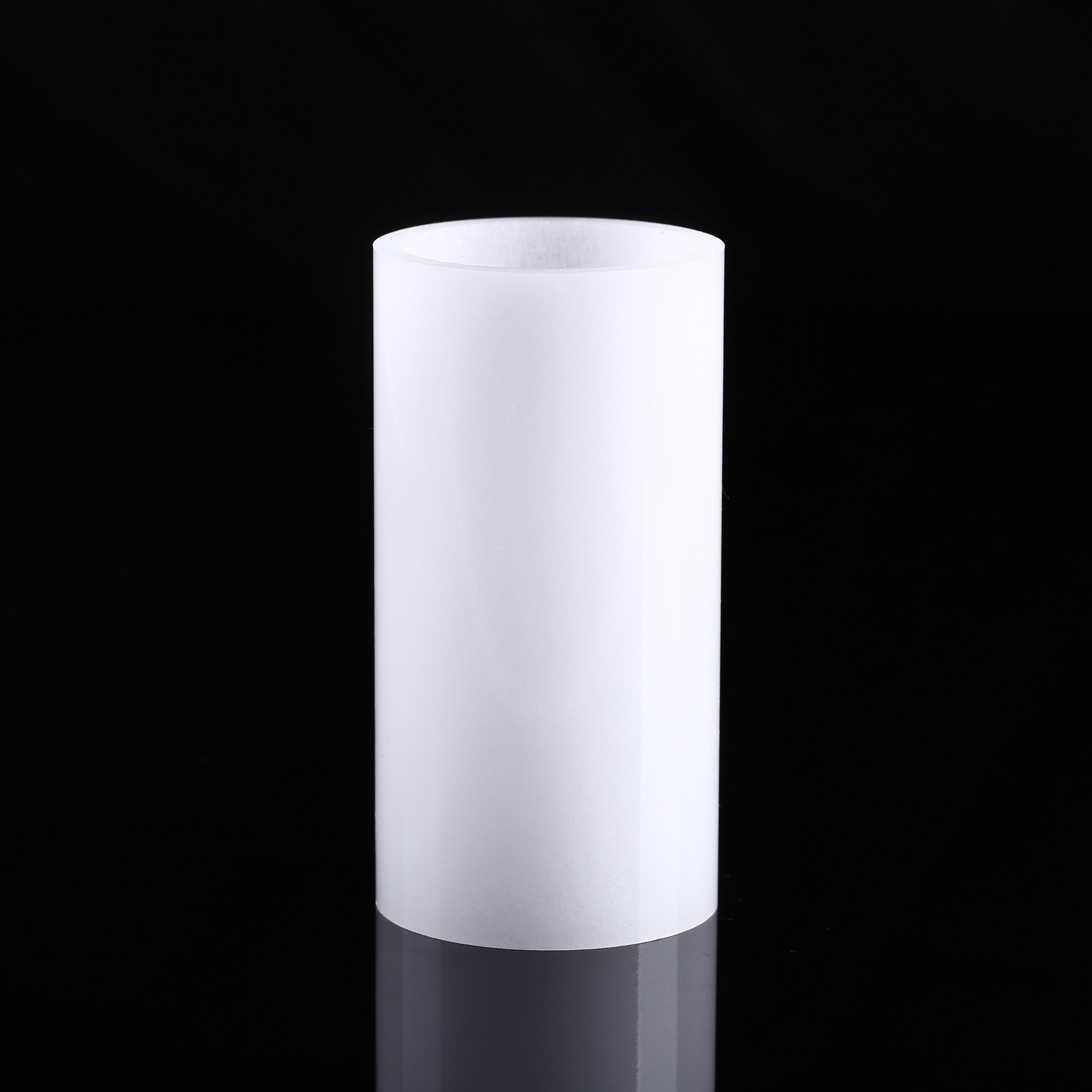
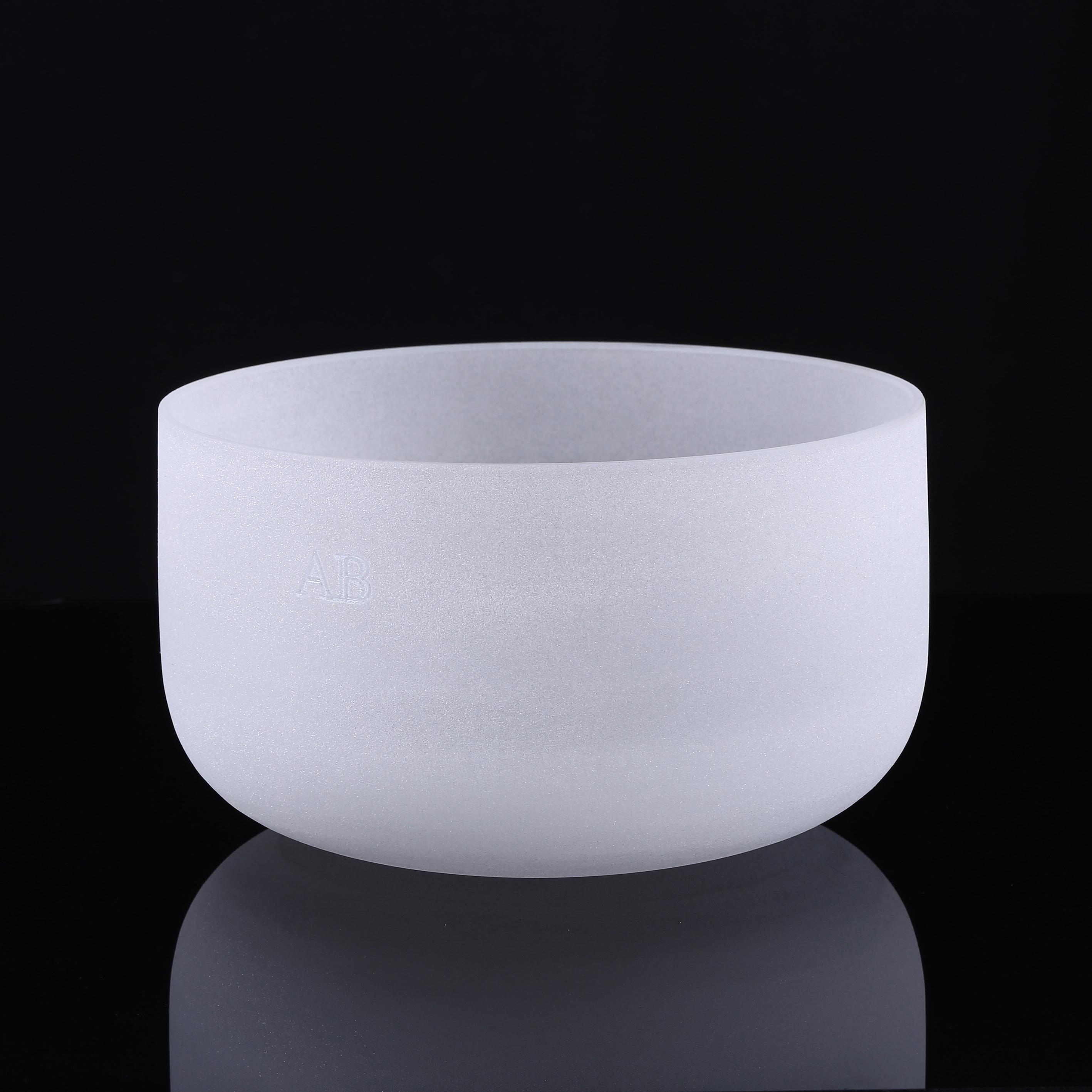
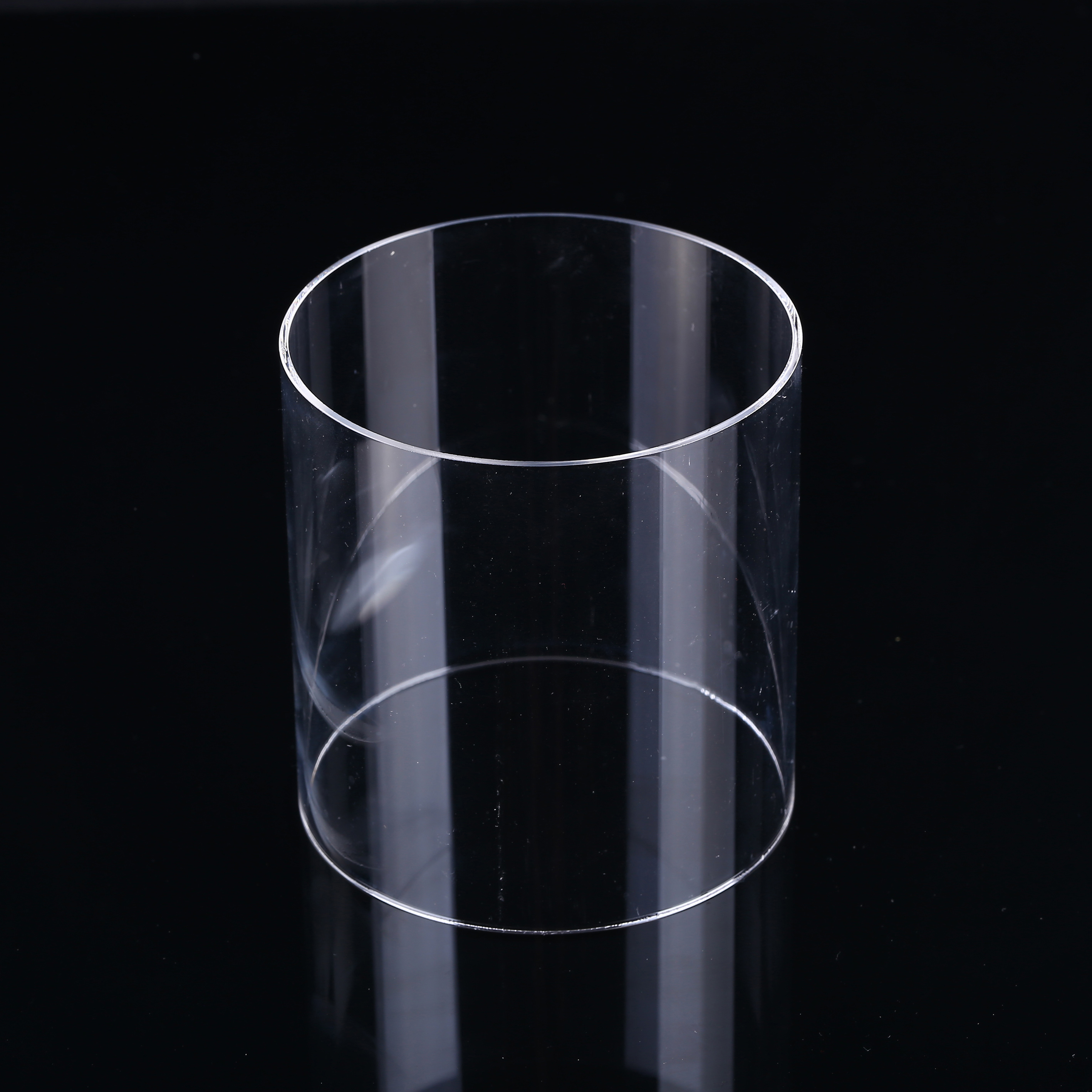
Our CNC machining centers utilize diamond-impregnated ultrasonic tooling to profile, step, bevel, and drill complex single-crystal sapphire blanks and high-purity fused silica without introducing sub-surface micro-fractures. For sight glass viewports subject to high cyclical pressure, all perimeter edges undergo mechanical chamfering and flame polishing to relieve edge stress concentrations.
Surface Roughness: Ra < 0.2 nm
Double-sided chemical-mechanical planarization (CMP) achieves ultra-smooth atomic finishes. Surface roughness Ra down to 0.2 nanometers minimizes laser scatter and eliminates microscopic nucleation sites for marine biofouling and scale buildup.
Optical Flatness: λ/10 per Inch
Verified via Zygo laser interferometry. Our flatness parameters guarantee zero transmitted wavefront distortion for critical deep-sea imaging, laser bathymetry, and high-resolution digital telemetry viewports.
Hermetic Metallization & Brazing
Direct metal brazing of sapphire to Titanium Grade 5, Hastelloy C-276, and 316L Stainless Steel flanges using multilayer Ti/Ni/Au physical vapor deposition. Leak-tested to < 1×10⁻⁹ mbar·L/s He for extreme vacuum-to-hyperbaric transitions.
Stringent Quality Verification
Full compliance with ISO 9001 quality management protocols. Every production lot destined for international markets receives 100% CMM dimensional verification, spectrophotometer transmission reports, and scratch-dig inspection per MIL-PRF-13830B.
5-Step Engineering Lifecycle: From Blueprint to Suai Deployment
Structured quality assurance, finite element stress modeling, and specialized export packaging engineered specifically for international marine procurement teams.
Drawing & FEA Stress Review
Submit DWG, STEP, or PDF engineering files. Our optical and mechanical engineers model hydrostatic burst pressures, clamping gasket shear, and temperature gradient envelopes.
Boule Slicing & Orientation
Single-crystal sapphire ingots are oriented via X-ray diffraction to precise crystallographic axes (C-plane, A-plane, or R-plane within ±0.5°) prior to precision multi-wire diamond slicing.
CNC Machining & Lapping
Automated CNC edge-profiling, step-drilling, and planetary double-sided coarse/fine lapping to eliminate subsurface damage and attain tight dimensional tolerances (±0.01 mm).
Optical Polishing & Thin-Film
CMP polishing to 20/10 Scratch-Dig, followed by optional magnetron-sputtered broadband Anti-Reflective (BBAR) or Hydrophobic Diamond-Like Carbon (DLC) coating applications.
Mil-Spec Export Packaging
Ultrasonic cleaning in Class 100 cleanrooms, vacuum-sealed barrier pouches, high-density shock-absorbing EPE custom trays, and crating for direct air/ocean freight into Dili/Suai.
Frequently Asked Questions for Suai Procurement Teams
Expert answers regarding hydrostatic calculations, maritime logistics into Timor-Leste, and material compatibility in harsh marine environments.
How do we calculate the necessary thickness for a sapphire viewport installed on a subsea vessel in the Timor Trough?
t = (d / 2) × √((k × P × SF) / σ)
Where d is unsupported clear aperture diameter, k is the edge clamping factor (typically 0.75 for clamped gaskets and 1.125 for simply supported seals), P is maximum operational hydrostatic pressure (including 1.5× surge factor), SF is the engineering design safety factor (typically 4.0 for subsea unmanned viewports, ≥ 8.0 for manned viewports), and σ is the flexural tensile strength of C-plane sapphire (typically 650 to 800 MPa depending on surface finish). Because sapphire’s modulus of rupture is over 10 times higher than borosilicate, sapphire viewports typically require only 30% to 40% of the thickness of traditional glass, dramatically reducing assembly mass and seal footprint.
Can sapphire windows withstand the corrosive sour gas and saline environment common to Timor Sea extraction wells?
What is the typical shipping lead time and customs transit process from China to Suai, Timor-Leste?
How does Nivra ensure fragile precision sapphire and quartz glass survive long-haul international freight?
Can Nivra provide custom metallization or pre-brazed flange assemblies ready for field bolt-on installation?
What are the minimum order quantities (MOQ) and tolerance capabilities for customized sapphire components?
Deploy Precision Engineered Sapphire Windows in Suai
Whether you are engineering next-generation deep-water ROV imaging enclosures, replacing corroded sight glasses on offshore separators, or procuring specialized high-purity quartzware for coastal laboratory facilities, Nivra Quartz delivers verified optical excellence with full traceability.