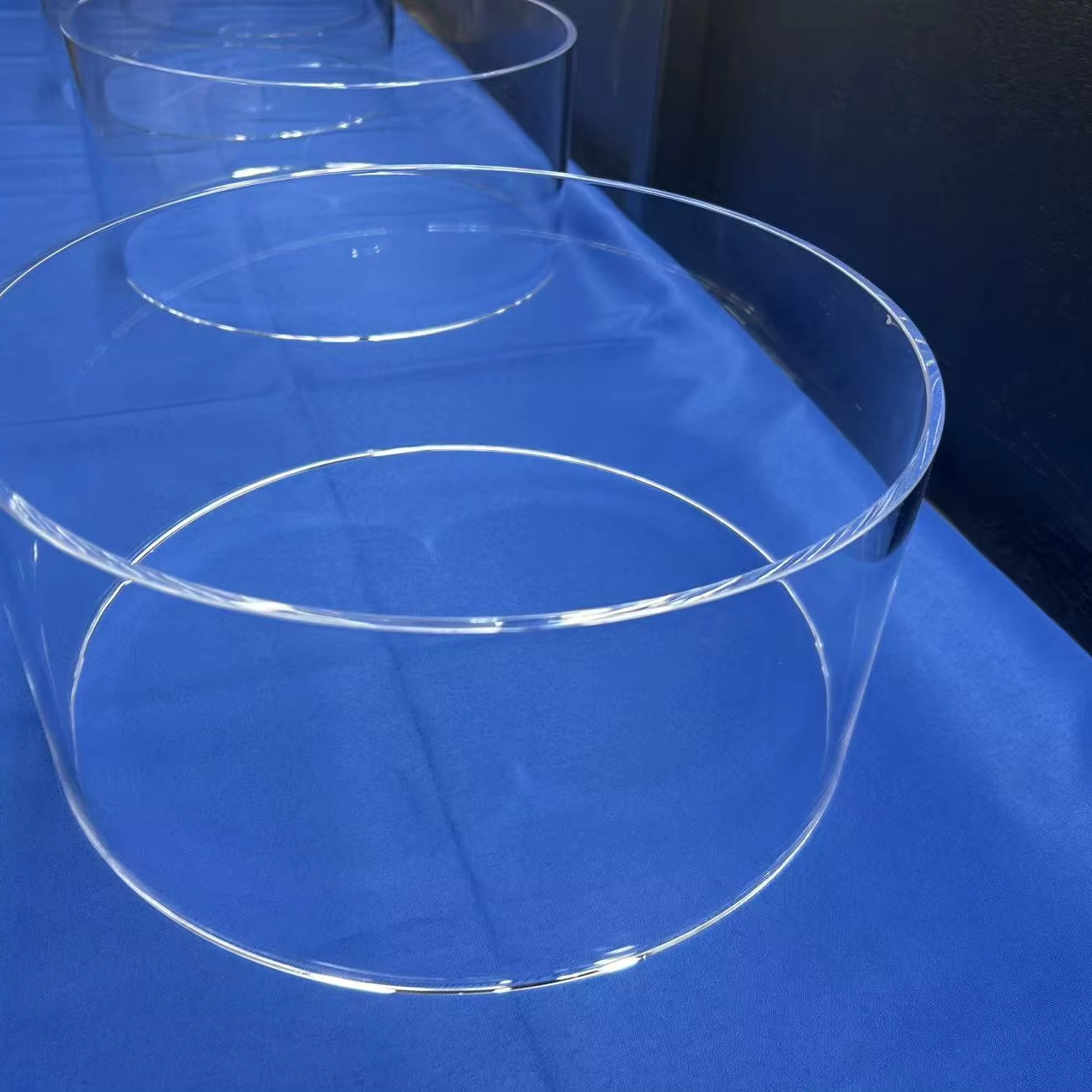
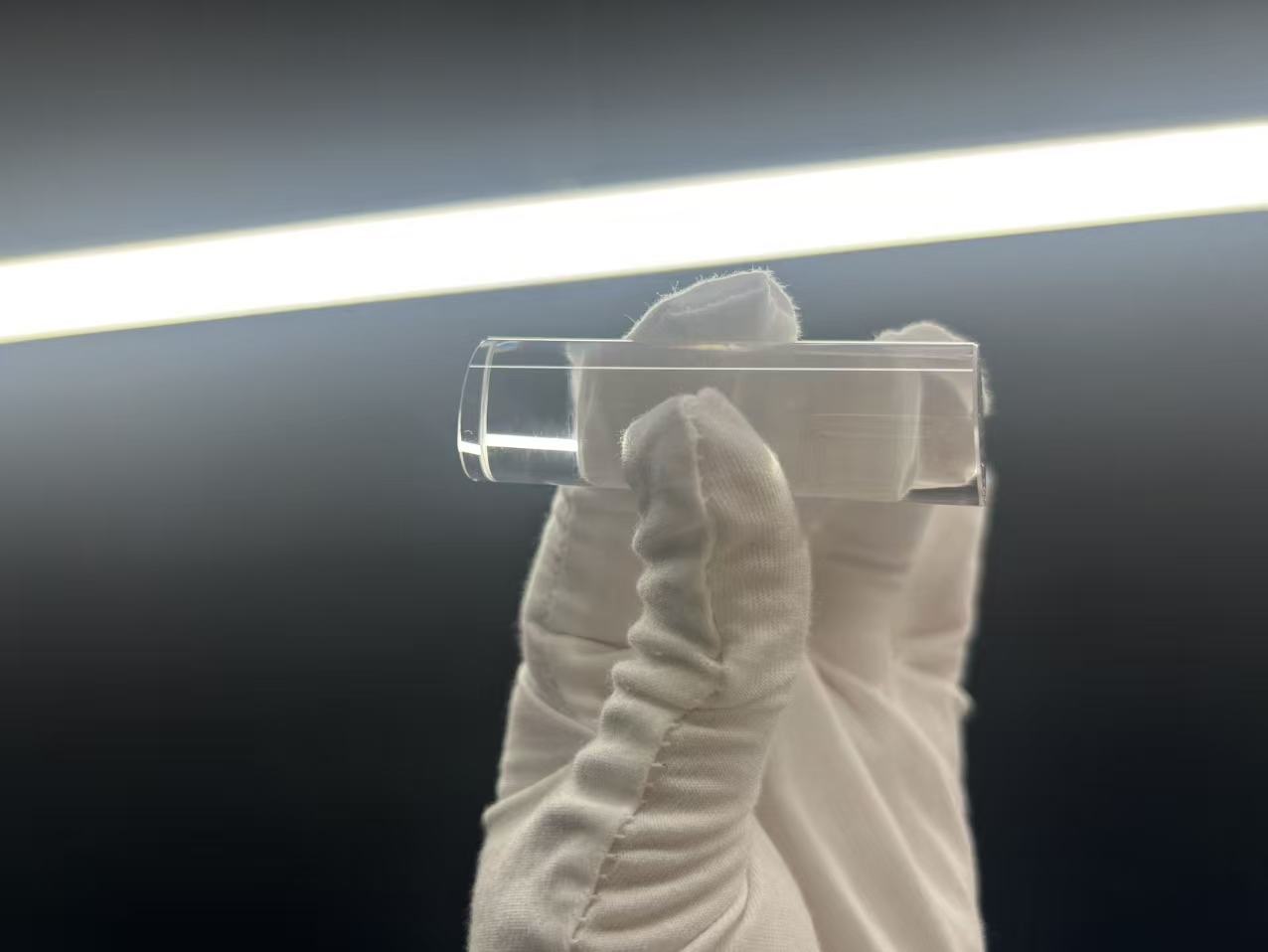
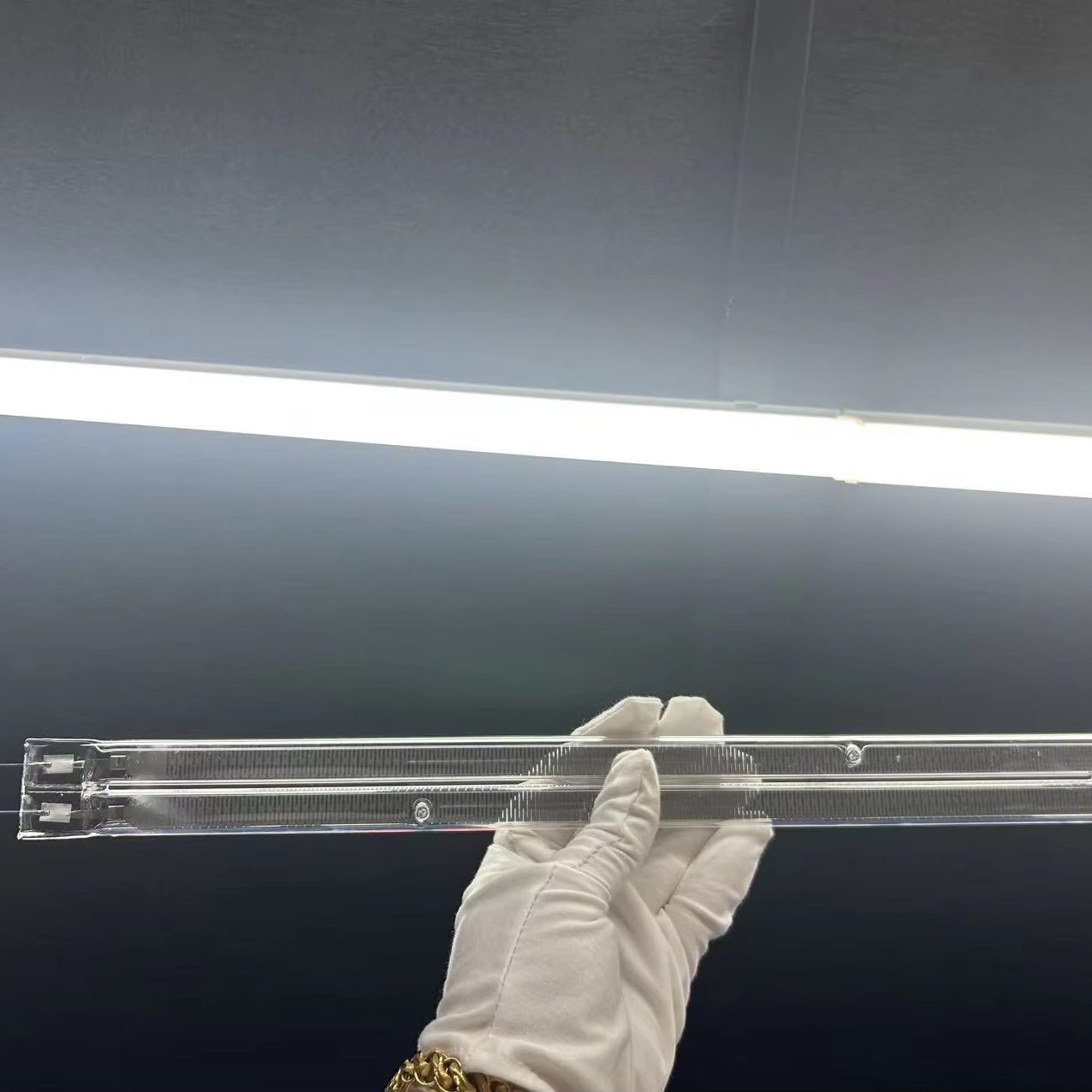
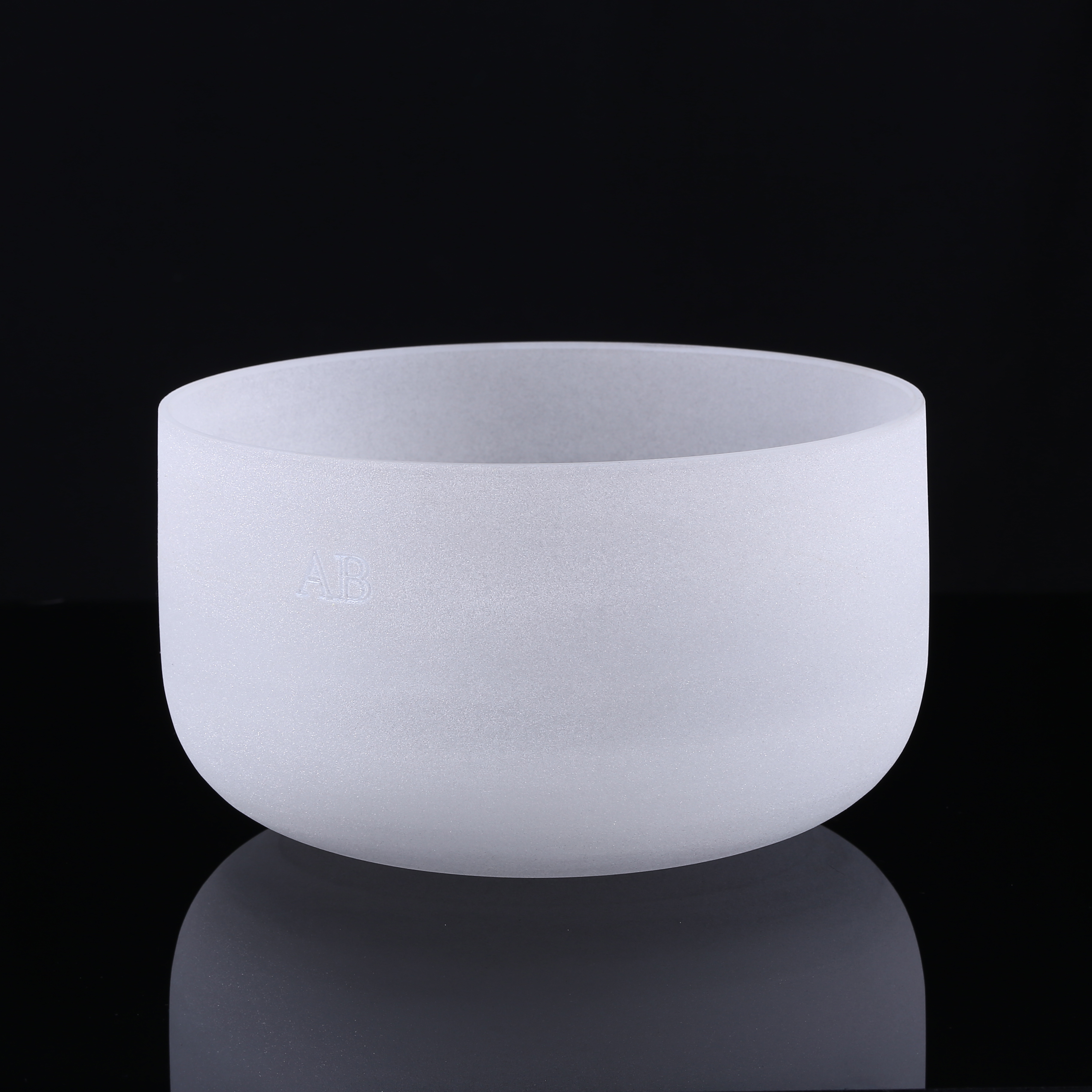
Precision High-Purity Fused Quartz Components
Engineered to eliminate particulate defects and withstand prolonged thermal stress up to 1450°C. Fully customizable to DIN/JIS/ASTM semiconductor specifications for immediate dispatch to Port of Tanjung Perak, Surabaya.
High-Purity Fused Quartz in Semiconductor Thermal Processing
A rigorous examination of crystal purity, devitrification kinetics, thermal shock dynamics, and precision slotting geometry for advanced wafer handling.
1. The Chemical Imperative: Trace Elemental Profiles and Contamination Control
In thermal diffusion (such as POCl3 doping for solar wafers or boron drive-in for microelectronics), the quartz wafer carrier represents the immediate physical boundary surrounding the active silicon substrate. At process temperatures exceeding 1000°C, any heavy metal or alkali element contaminants locked within the amorphous silica matrix undergo rapid solid-state thermal diffusion. Alkali ions—specifically Sodium (Na), Potassium (K), and Lithium (Li)—exhibit high mobility within amorphous SiO2. When liberated into the furnace tube ambient, these mobile ions migrate into the gate oxide dielectric, inducing threshold voltage shifting, charge breakdown, and catastrophic yield losses.
Nivra Quartz utilizes refined natural quartz crystal concentrates from Donghai, Jiangsu—globally recognized for its pristine pegmatitic quartz vein deposits. Our chemical purification protocols reduce total metallic impurities to sub-ppm levels (Fe < 0.2 ppm, Al < 14 ppm, Ti < 1.0 ppm, Cu < 0.05 ppm). This structural purity ensures that our quartz wafer boats remain thermally and chemically inert throughout hundreds of thermal exposure cycles.
Engineering Rule of Thumb: Every incremental 1 ppm of alkali metal (Na/K) present in a quartz wafer carrier lowers its devitrification threshold by up to 50°C, accelerating the nucleation of opaque white β-cristobalite and causing premature structural embrittlement during furnace cooling ramps.
2. Devitrification Kinetics and Viscosity at Elevated Temperatures
Fused silica is thermodynamically metastable at standard operating temperatures. Above 1150°C, surface-bound nucleation centers initiate the phase transition from non-crystalline vitreous silica to crystalline cristobalite. Cristobalite undergoes a displacive α-to-β phase transition near 220°C to 270°C accompanied by an abrupt ~5% volumetric contraction. If a quartz carrier exhibits uncontrolled surface devitrification, the mechanical stress generated during cool-down induces severe micro-fracturing, flaking of glass particles onto silicon wafers, and ultimate carrier collapse.
To resist devitrification under intense East Java fab operating conditions, Nivra Quartz implements hydrogen-oxygen flame torch glazing and ultra-smooth mechanical chemical polishing. By removing micro-abrasions, micro-cracks, and particulate seeding sites on the carrier slots and crossbars, the devitrification incubation time is extended by more than 300% compared to unglazed standard labware.
3. Comprehensive Technical Comparison: Nivra Quartz Wafer Boats vs. Generic Commercial Grade
| Physical / Chemical Property | Testing Standard / Metric | Nivra Quartz Semiconductor Grade | Generic Commercial Quartz | Impact on Wafer Processing |
|---|---|---|---|---|
| Silicon Dioxide (SiO2) Content | ICP-OES / GDMS Analysis | ≥ 99.995% | 99.90% - 99.95% | Eliminates batch cross-contamination & wafer haze. |
| Total Hydroxyl (-OH) Content | FTIR Spectrometry | < 20 ppm (Low-OH Synthetic / Electrically Fused) | 150 - 300 ppm | Low-OH increases carrier structural viscosity at >1100°C. |
| Continuous Operating Temp | Atmospheric Furnace | 1100°C (Short peak to 1450°C) | 950°C - 1050°C | Prevents slot sagging, ladder distortion, and wafer pinching. |
| Slot Pitch & Width Tolerance | Optical CMM Measurement | ± 0.05 mm (High Precision CNC) | ± 0.20 mm - 0.35 mm | Essential for robotic cassette-to-boat end-effector alignment. |
| Thermal Expansion (CTE) | Dilatometry (20°C - 300°C) | 5.5 × 10¯&sup7; / °C | 5.8 × 10¯&sup7; / °C | Near-zero expansion eliminates thermal fatigue fractures. |
| Surface Roughness (Ra) of Slots | Contact Profilometry | Ra ≤ 0.2 μm (Fire Polished) | Ra > 1.6 μm (As-cut) | Prevents wafer edge chipping, scratching, and stress lines. |
4. Critical Structural Geometry: Horizontal vs. Vertical Wafer Carriers
In wafer fab architectures across Southeast Asia, carriers are categorized into horizontal diffusion boats and vertical process boats:
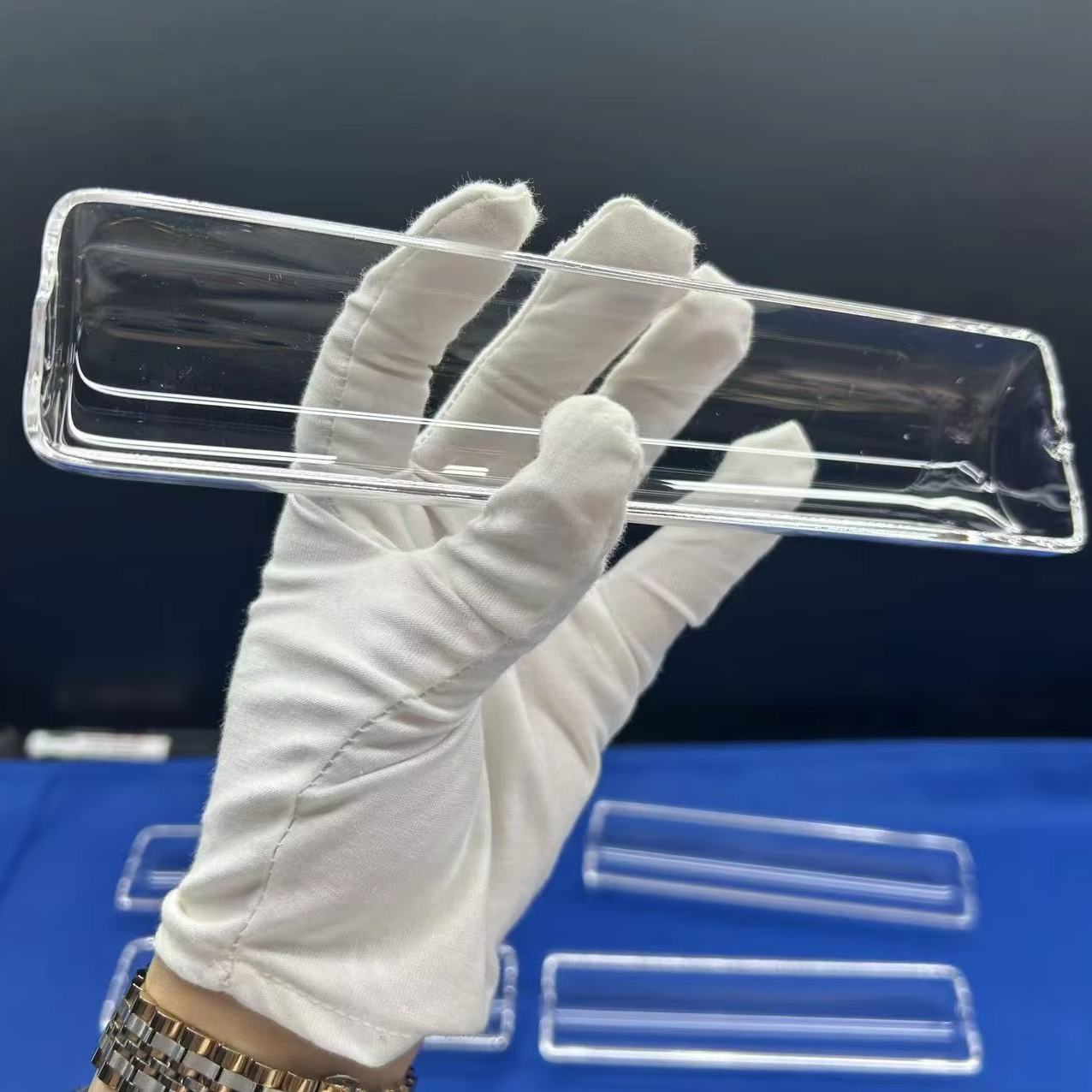
Horizontal Quartz Boats: Typically constructed with three or four slotted rails (rods) precision welded to endplates and handle loops. The slot geometry (slot depth, angle, and tooth contour) must be cut with diamond-plated wheels to ensure wafer tilt angles do not exceed 1° to 2°. In horizontal tube furnaces, improper spacing or loose pitch tolerances cause non-uniform laminar gas flow, creating uneven dopant concentrations across the wafer radius.
Vertical Quartz Boats: Designed for modern 150mm (6-inch), 200mm (8-inch), and 300mm (12-inch) low-pressure chemical vapor deposition (LPCVD) and ALD systems. Vertical carriers feature precision-ground monolithic quartz ladders mounted on massive bottom flanges. Nivra Quartz manufactures vertical boats with slot coplanarity verified within 30 microns, ensuring automated wafer-handling robot (WTR) forks enter and retract without physical resistance.
Tailored for Surabaya & East Java Industrial Ecosystems
From the industrial corridors of SIER Rungkut to the mega-complexes of JIIPE Gresik and PIER Pasuruan, our high-purity quartz carriers fulfill specialized operational demands.
Photovoltaic & Solar Cell Manufacturing in JIIPE Gresik
The Java Integrated Industrial and Port Estate (JIIPE) in Manyar, Gresik is becoming Indonesia’s green tech manufacturing core. Solar wafer manufacturers in this zone rely on our high-capacity 156mm and 182mm M10/G12 quartz diffusion boats for high-throughput POCl3 emitter diffusion and oxidation, where exceptional resistance to thermal cycling reduces line downtime.
Semiconductor Packaging & Assembly in SIER & PIER
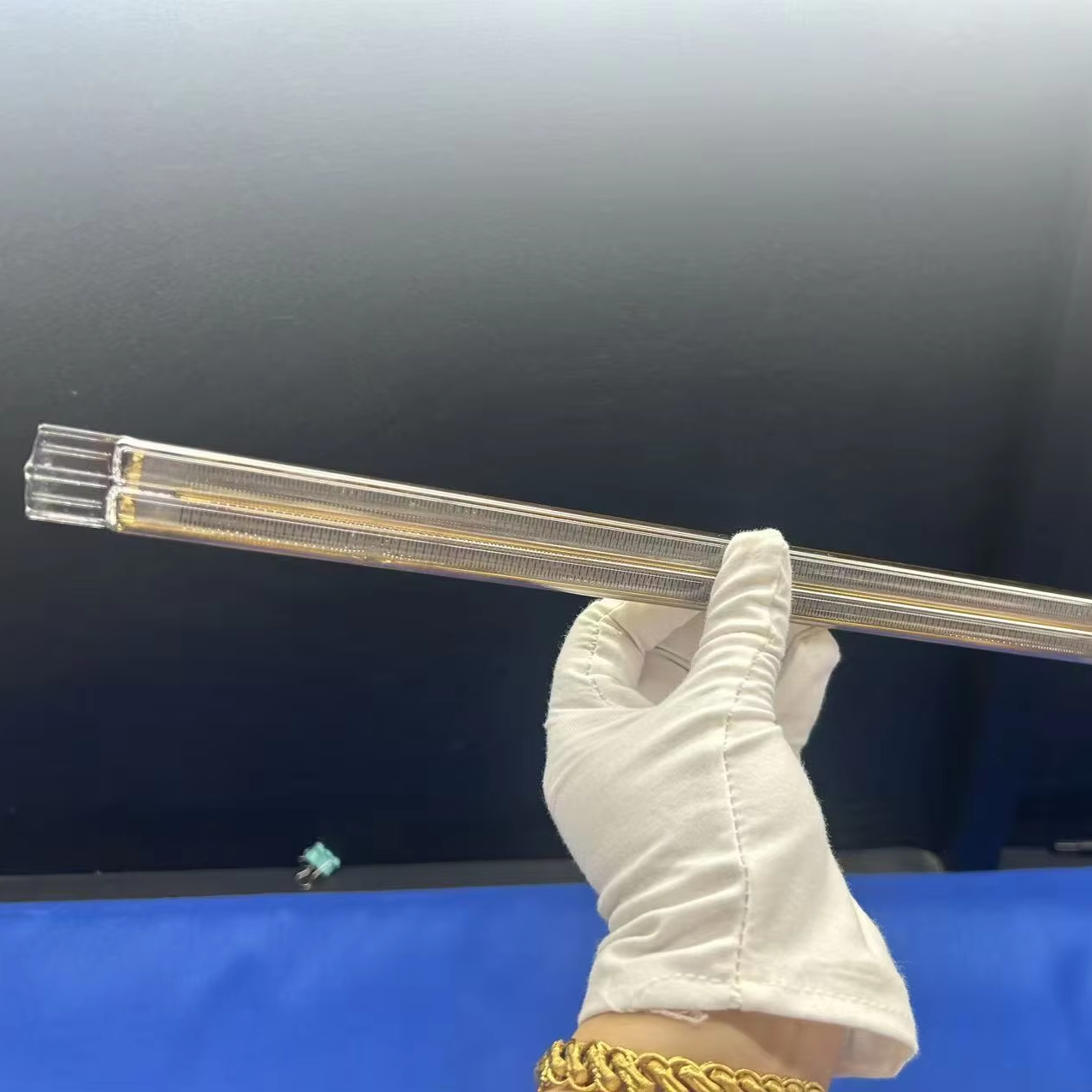
Facilities across Surabaya Industrial Estate Rungkut (SIER) and Pasuruan Industrial Estate Rembang (PIER) conducting discrete semiconductor assembly, diode fabrication, and leadframe annealing require our custom low-profile quartz boats and quartz heating jackets to protect delicate substrates from metal-ion poisoning during thermal curing stages.
Academic & State Nanotechnology Labs (ITS & UNAIR)
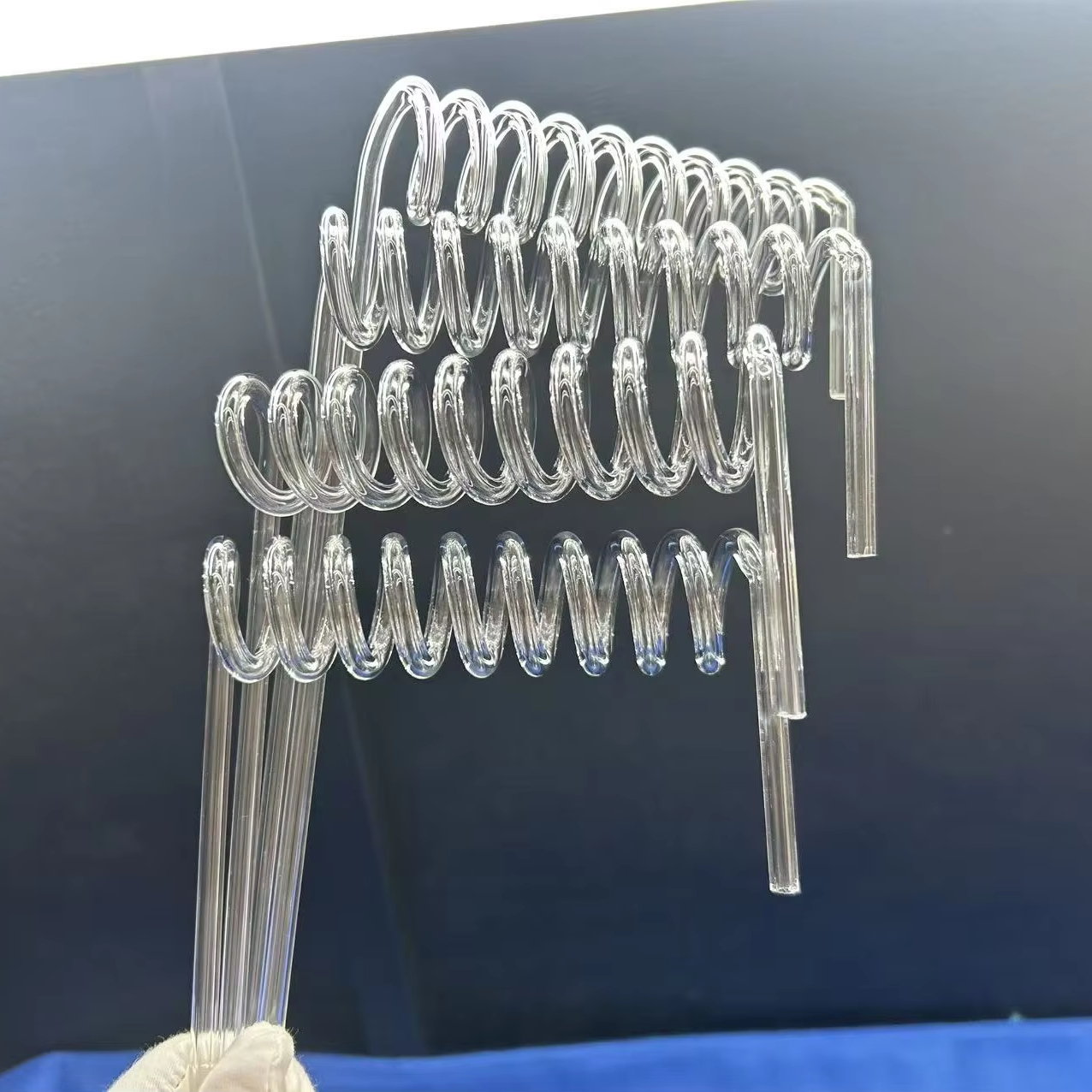
Research centers including Institut Teknologi Sepuluh Nopember (ITS Surabaya) and Universitas Airlangga (UNAIR) utilize our custom clear fused quartz labware, quartz spiral coils, and customized 2-inch to 4-inch experimental wafer boats for thin-film material deposition, 2D graphene synthesis, and spectroscopic optical analyses.
Acid Cleaning & Chemical Etching Stations (Rungkut)
East Java precision electroplating, wafer stripping, and wet cleaning operations require chemical wet benches fitted with Nivra Quartz welded tanks. Our quartz boats withstand concentrated HF/HNO3 acid baths and RCA cleans without surface pitting, micro-cracking, or slot dimension changes over extended service periods.
Corrosive Coastal Logistics: Tanjung Perak Maritime Route
Operating adjacent to the Madura Strait exposes incoming shipments to high relative humidity (>80%) and chloride-laden coastal air. Nivra Quartz guarantees specialized multi-layer hermetic vacuum-sealed packing with desiccants, ensuring that every wafer carrier arrives at Tanjung Perak Port pristine, cleanroom-ready, and entirely free of moisture crystallization.
Advanced Battery Material & Anode Thermal Sintering
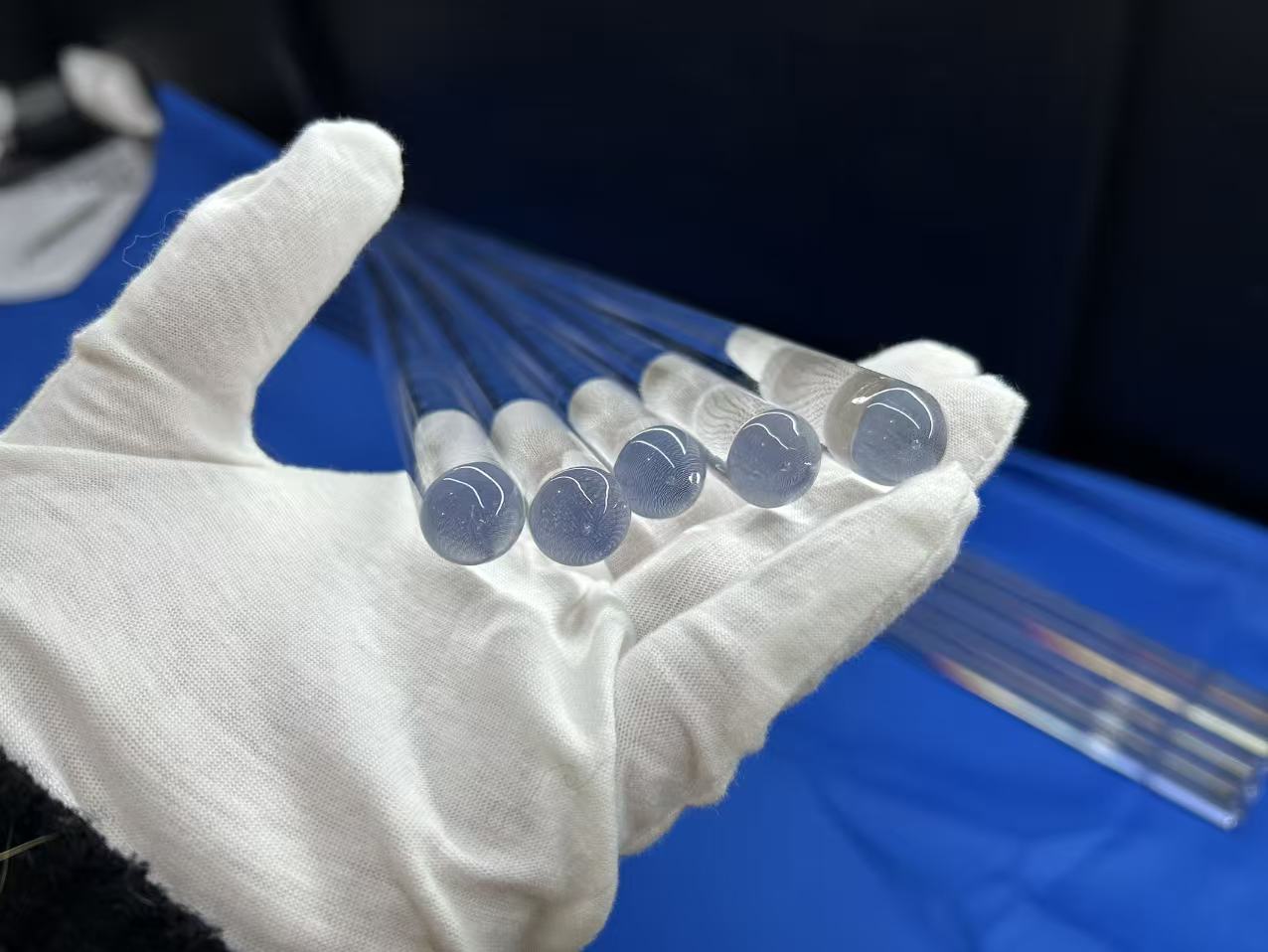
With Indonesia's aggressive expansion into the electric vehicle battery supply chain, East Java's specialty chemical processors use our large-diameter fused quartz crucibles and custom quartz boats for calcining nickel-cobalt-manganese precursors under pure oxygen and controlled gas atmospheres.
Development Trends Accelerating Surabaya's High-Tech Supply Chain
Key economic and industrial shifts driving quartz glass demand across East Java's manufacturing corridors over the next decade.
"Making Indonesia 4.0" & Downstream Solar Silicon Valorization
The Indonesian government's priority roadmap explicitly mandates the domestic expansion of downstream polysilicon refining, ingoting, and solar wafer production. As East Java consolidates energy infrastructure around Gresik and Probolinggo, local solar cell manufacturers are actively shifting procurement toward factory-direct quartz hardware fabricators capable of providing high-durability wafer carriers with documented origin traceability.
Direct Maritime Feeder Integration: Port of Tanjung Perak
The rapid expansion of Terminal Teluk Lamong at Port of Tanjung Perak has cut direct transit times from China's East Coast ports (such as Lianyungang and Shanghai) to Surabaya down to 10–14 days. This direct logistical channel eliminates transshipment markups via Singapore or Jakarta, allowing Surabaya fab operators to maintain leaner quartz spare-part inventories without risking production stops.
Migration Toward Automated Cassette-to-Boat Transfer
Manual wafer loading is rapidly giving way to automated robotic pick-and-place end-effectors across Indonesian electronics sub-assembly plants. This transition places unprecedented demands on quartz fabrication tolerances: wafer carriers with even minor pitch inaccuracies or rail warping cause catastrophic robotic drop errors, driving local plant engineers to source high-precision CNC-slotted quartz carriers.
Frequently Asked Questions for Surabaya Buyers
Addressing common technical, customs, handling, and logistics inquiries from procurement teams and fab engineers across East Java.
What are the standard shipping timelines and customs procedures for delivery to Surabaya via Tanjung Perak?
From our manufacturing hub in Donghai County (Lianyungang, Jiangsu), direct sea-freight consignments are routed via Shanghai Port or Lianyungang Port directly to the Port of Tanjung Perak (Surabaya), typically arriving in 10 to 14 days. For critical emergency shutdowns or rapid prototype testing, air-cargo freight routes directly to Juanda International Airport (SUB) in Surabaya within 3 to 5 business days.
We provide full export documentation for Indonesian customs clearance under HS Code 7017.10 (Laboratory, hygienic, or pharmaceutical glassware of fused quartz) and HS Code 7020.00 (Other articles of glass for industrial use). Each shipment includes a Certificate of Origin (Form E available for tariff minimization under ASEAN-China FTA), packing lists, commercial invoices, and batch-specific Material Test Reports (MTRs).
How does high relative humidity and coastal air in East Java impact quartz wafer carriers?
Surabaya experiences high tropical ambient humidity (frequently exceeding 80% RH) coupled with airborne coastal halides (NaCl) near the Madura Strait. Vitreous fused silica is chemically resistant to moisture; however, atmospheric moisture and airborne salts can adsorb onto unsealed quartz surfaces. When introduced into a 1000°C+ diffusion furnace without prior dehydration, this surface moisture hydrolyzes the Si-O-Si bonds, creating silanol (Si-OH) groups that accelerate surface devitrification and haze formation.
Nivra Quartz packs all finished wafer carriers inside Class 10,000 cleanroom facilities into double-layered vacuum heat-sealed anti-static polyethylene bags loaded with active silica-gel desiccants. Before installing in your furnace, we recommend a standard bake-out cycle at 120°C for 2 hours in a dry nitrogen purge.
Can you reverse-engineer or fabricate quartz wafer boats from physical samples or broken units?
Yes. If you operate legacy diffusion furnaces (e.g., ASM, Kokusai, Bruce Technologies, or customized local platforms) without original manufacturing blueprints, you can send us a physical sample or dimensioned technical sketch (PDF, DWG, DXF, or STEP). Our optical metrology team reverse-engineers the critical wafer pitch, slot angle, overall carrier camber, and rod spacing.
Our engineering team delivers a verified 2D/3D manufacturing drawing within 24 to 48 hours for your approval prior to flame welding and final production.
What are the minimum order quantities (MOQ) and lead times for custom-slotted quartz boats?
Standard quartz wafer boats, quartz crucibles, and plain quartz spiral tubes have an MOQ of only 1 to 5 pieces, allowing Surabaya plants and research centers to conduct pilot evaluations without high inventory overhead. For fully customized multi-slotted wafer carriers or complex vertical boats, sample orders of 1 to 2 pieces are readily supported.
Standard custom fabrication lead time ranges from 10 to 18 working days depending on slot quantity and flame-polishing requirements, followed by swift dispatch to Surabaya.
How do you eliminate breakage risk during transoceanic shipping to East Java?
Fragile quartz wafer carriers demand specialized protective packaging. Every individual boat is nested inside a precision-cut high-density shock-absorbing EPE (Expanded Polyethylene) foam cavity that fully supports the carrier's slotted rails and prevents transverse bending stress. This is encased in a reinforced inner box, which is then suspended within an outer heavy-duty, fumigation-free export wooden crate lined with waterproof membranes.
All crates feature external shockwatch and tilt-watch indicator labels. We maintain a verified transoceanic safe arrival record exceeding 99.6% across international shipments.
What cleaning and chemical etching regimes are recommended for maintaining carrier longevity?
To eliminate dopant accumulation (such as phosphorus silicate glass - PSG) without degrading the quartz slots, we advise short immersion cycles in a 5% to 10% high-purity Hydrofluoric (HF) acid solution or Buffered Oxide Etch (BOE) at ambient room temperature, not exceeding 10 to 15 minutes per cleaning cycle. Avoid using hot concentrated phosphoric acid (H3PO4) or strong alkaline solutions (such as KOH or NaOH at >80°C), as caustic alkalis rapidly dissolve vitreous silica networks.
Following acid etching, rinse with 18 MΩ·cm deionized (DI) water until rinse conductivity stabilizes, followed by an immediate filtered dry nitrogen blow-off and cleanroom dehydration bake.
Why East Java Industrial Leaders Partner with Nivra Quartz
Combining primary Donghai quartz raw material access with advanced CNC machining, precision torch welding, and verified international trade reliability.
Donghai Raw Material Advantage
Situated in Donghai County, China's crystal and quartz capital, we possess direct upstream access to ultra-pure natural quartz and synthetic silica precursor feeds, ensuring unbeatable cost performance and uninterrupted raw material availability for our Surabaya customers.
Rapid Technical Response (≤ 5h)
Our average response time for technical inquiries, engineering drawings, and quote verifications is under 5 hours, with an independently verified response rate of 88.89%. Surabaya plant engineers communicate directly with experienced quartz fabrication specialists.
Complete In-House Processing Chain
From high-speed CNC diamond slotting, multi-axis waterjet cutting, and chemical polishing to Class 1,000 hydrogen-oxygen lathe welding and annealing ovens—every critical process is kept in-house at our 101–200 employee facility for strict quality control.
5.0 / 5 Verified Buyer Satisfaction
With a 23% repeat reorder rate and perfect 5.0/5 ratings across verified international trade audits, our commercial integrity and product quality standards protect buyers from procurement risk, project delays, and unexpected downtime.
Accelerate Your Semiconductor & Solar Thermal Processing
Send your wafer carrier drawings, CAD files, or technical specifications to our engineering team today for an accurate manufacturability review, pricing breakdown, and priority delivery timeline to Surabaya.
Get a Quote