Featured Industrial Fused Quartz Portfolio
Standard and custom-fabricated fused silica tubes, machined bars, optical plates, and wafer carriers engineered for extreme thermal shock resistance and chemical inertness in heavy manufacturing.
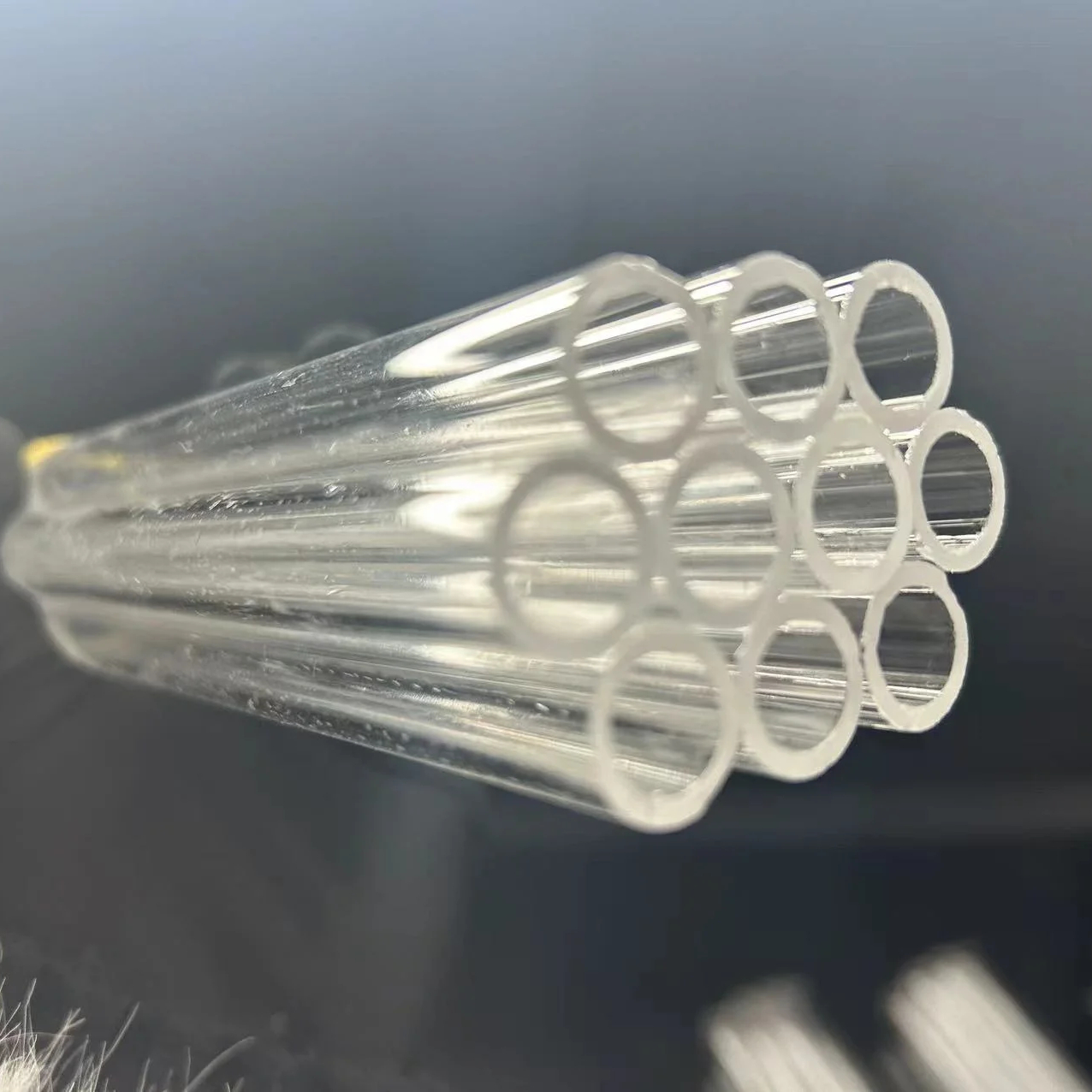
High Temperature Transparent Quartz Cylinder Tube Clear Quartz Tube Glass
Explore Specifications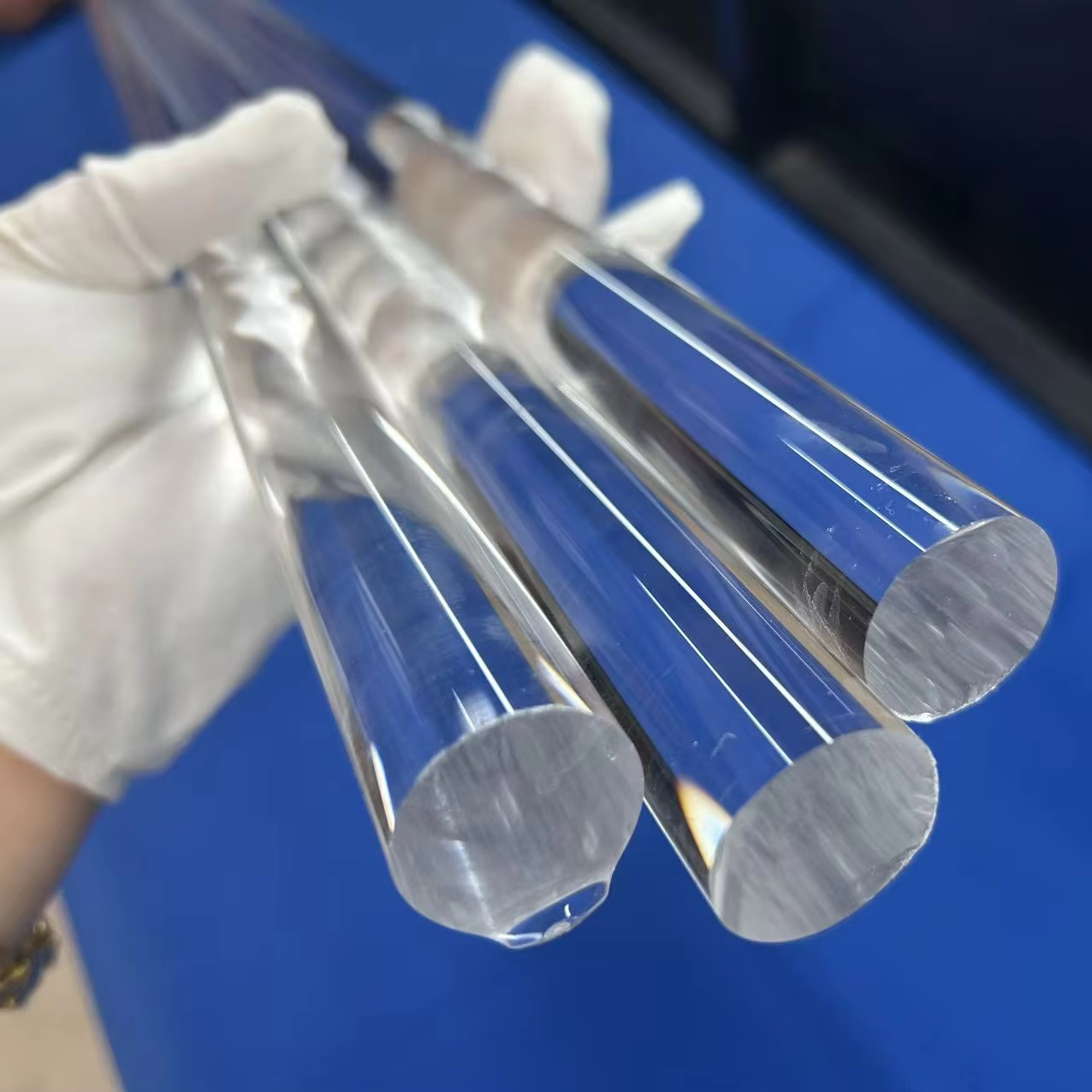
High-Purity Fused Quartz Large Diameter Round Rods (Cutting, Welding, Bending)
Explore Specifications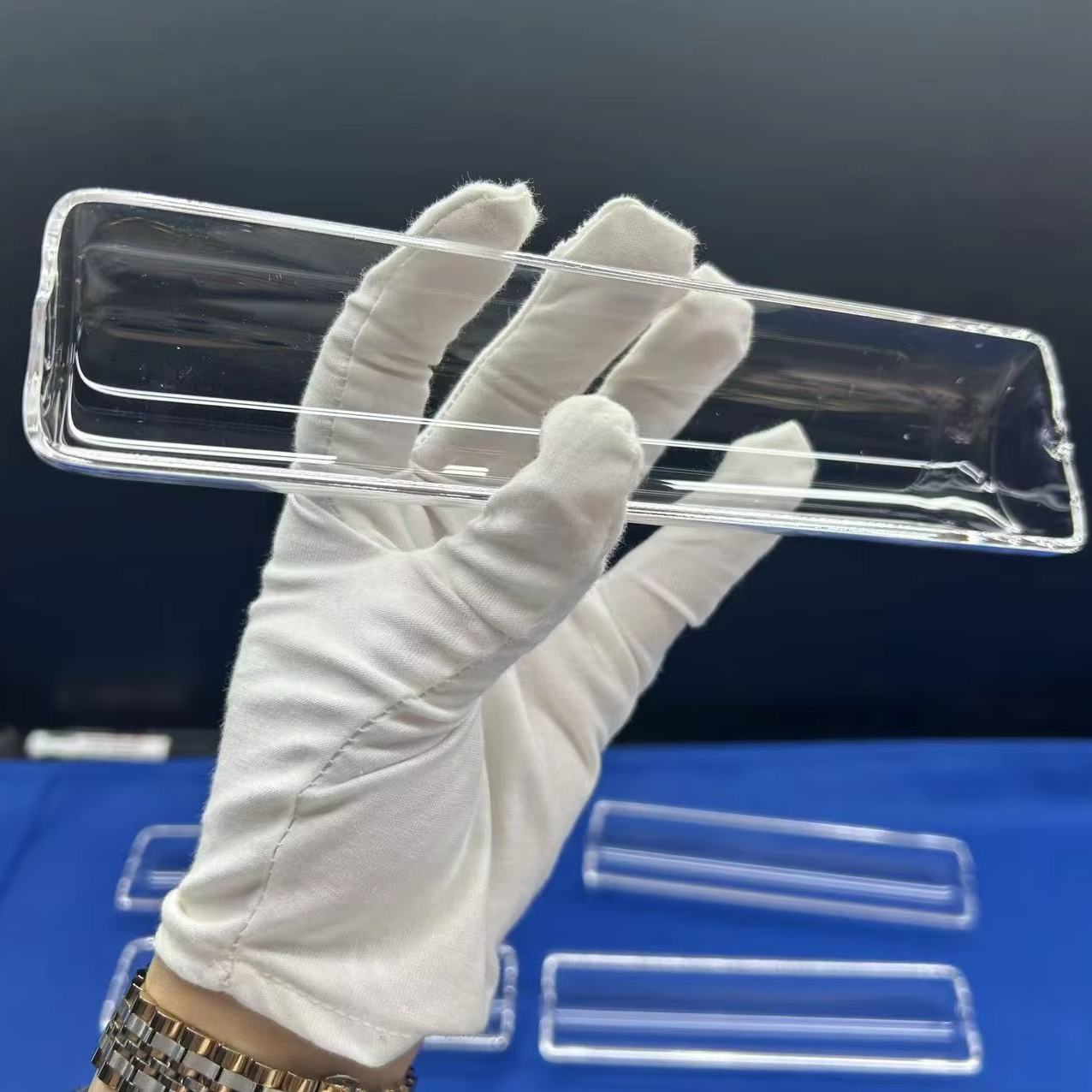
Customized Clear Fused Silica Quartz Boat Polished Wafer Carrier
Explore Specifications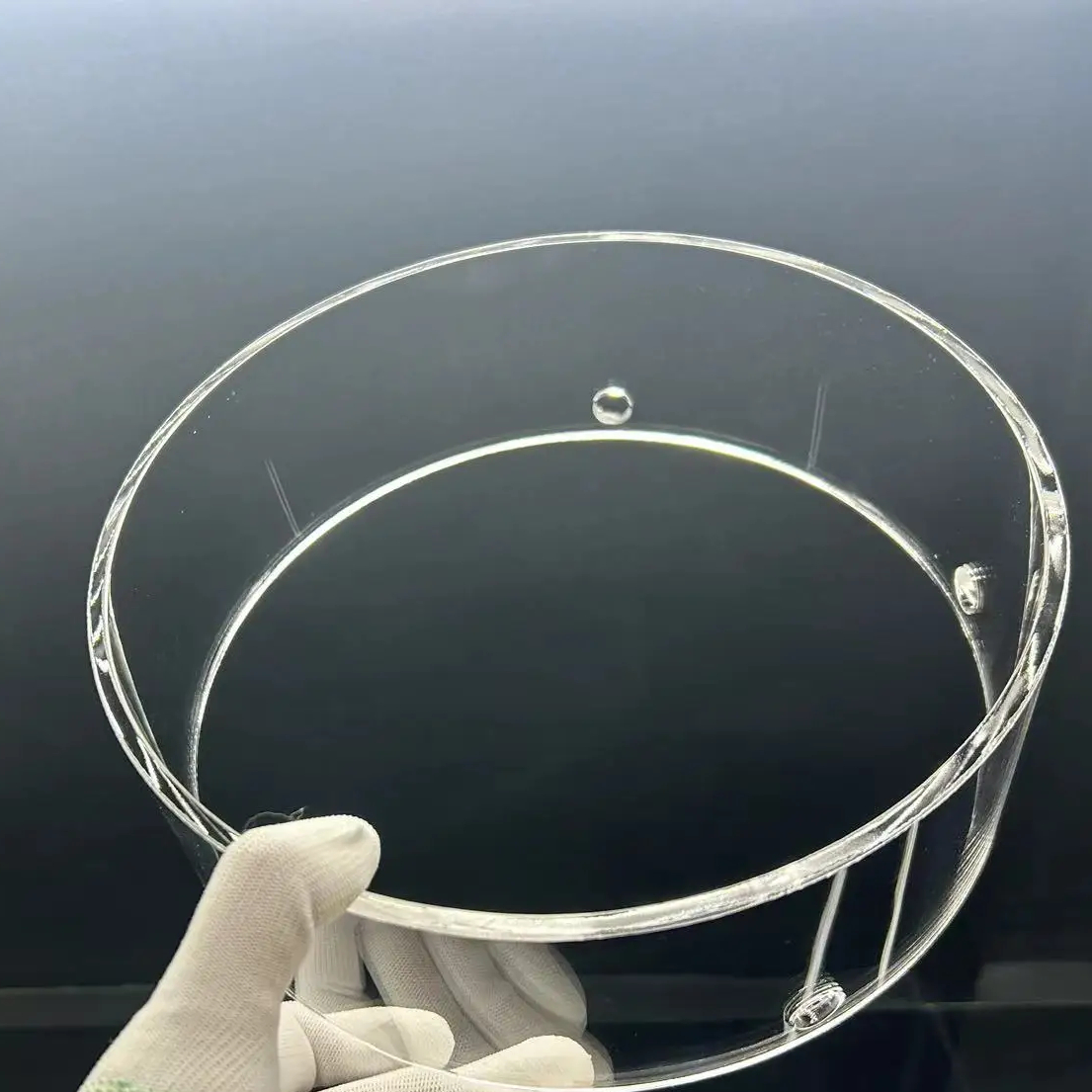
Fused Transparent Quartz Tube for Furnace & Sight Glass Installations
Explore Specifications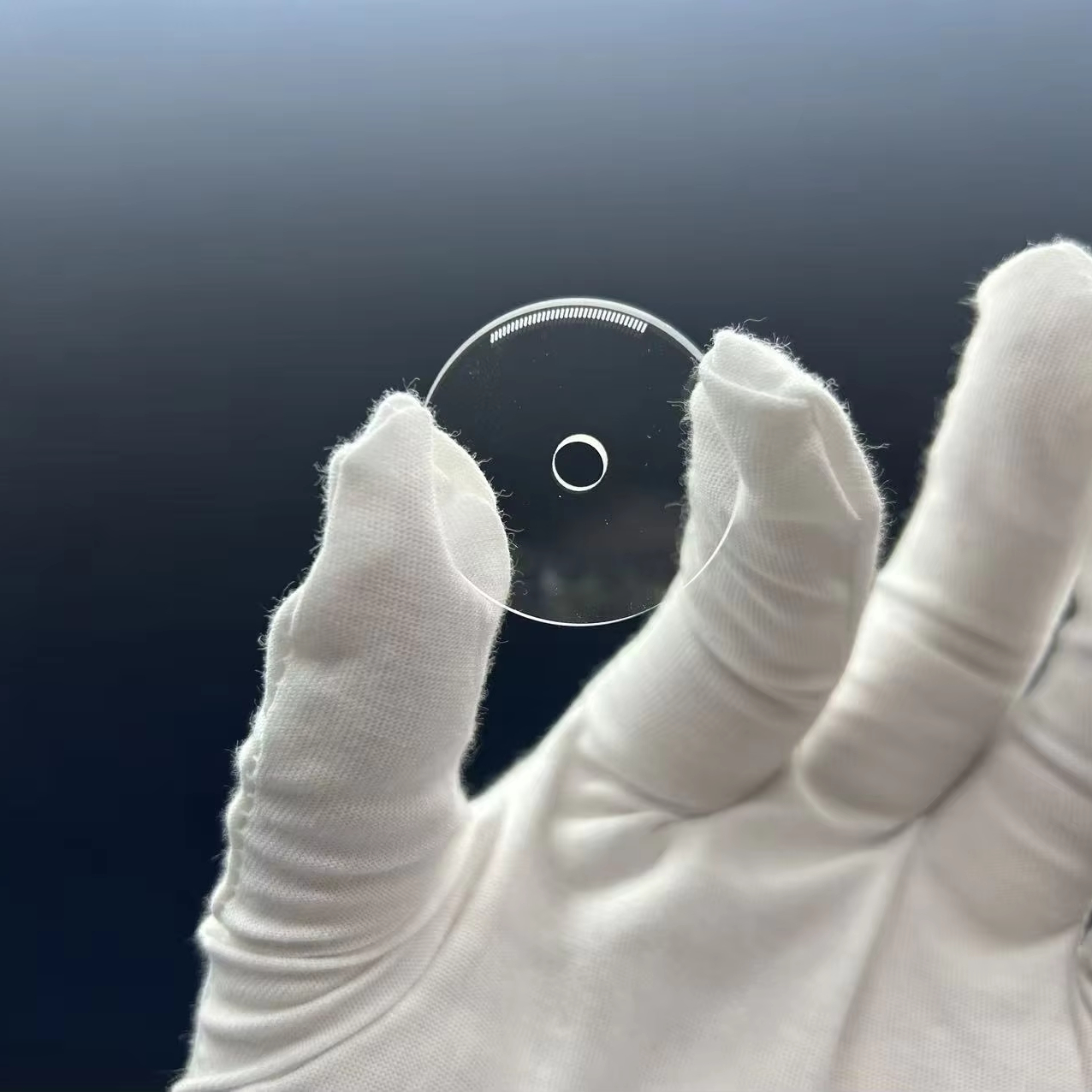
Frosted Quartz Sheet for Thermal Insulation & Uniform Light Diffusion
Explore Specifications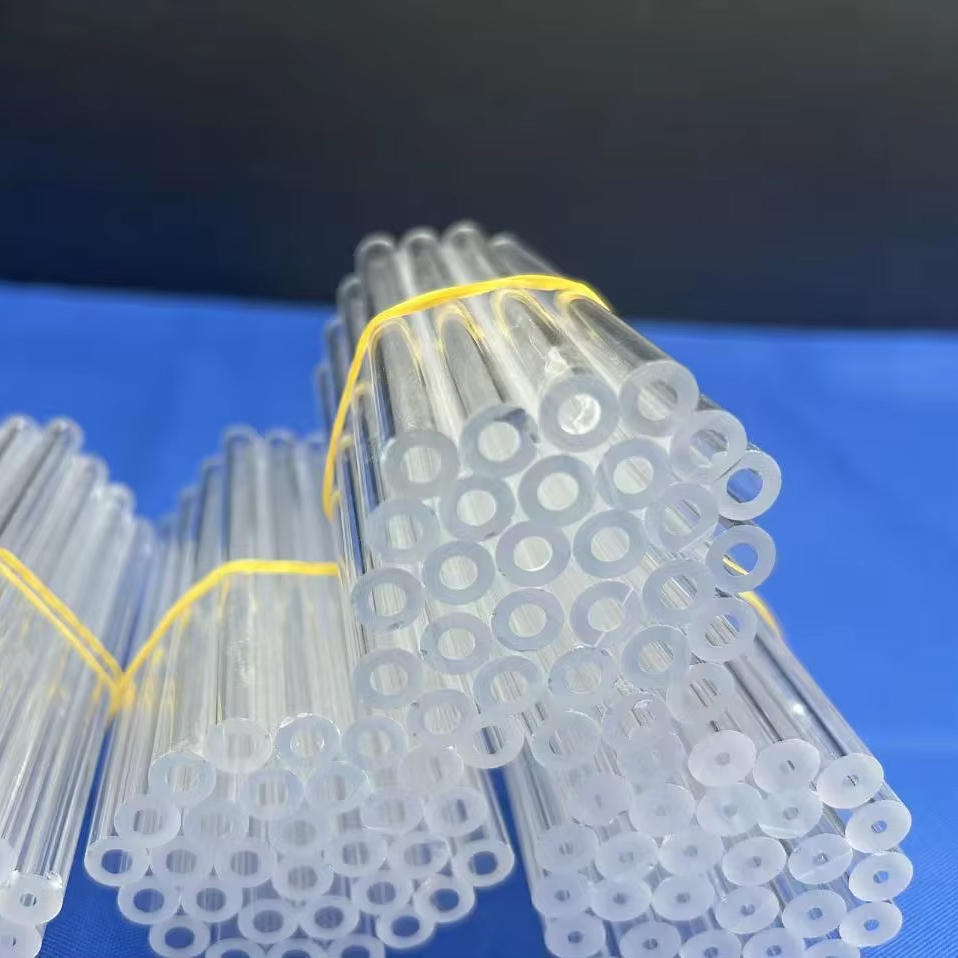
Customized Clear Quartz Glass BET Analysis Test Tube & Reaction Vessel
Explore Specifications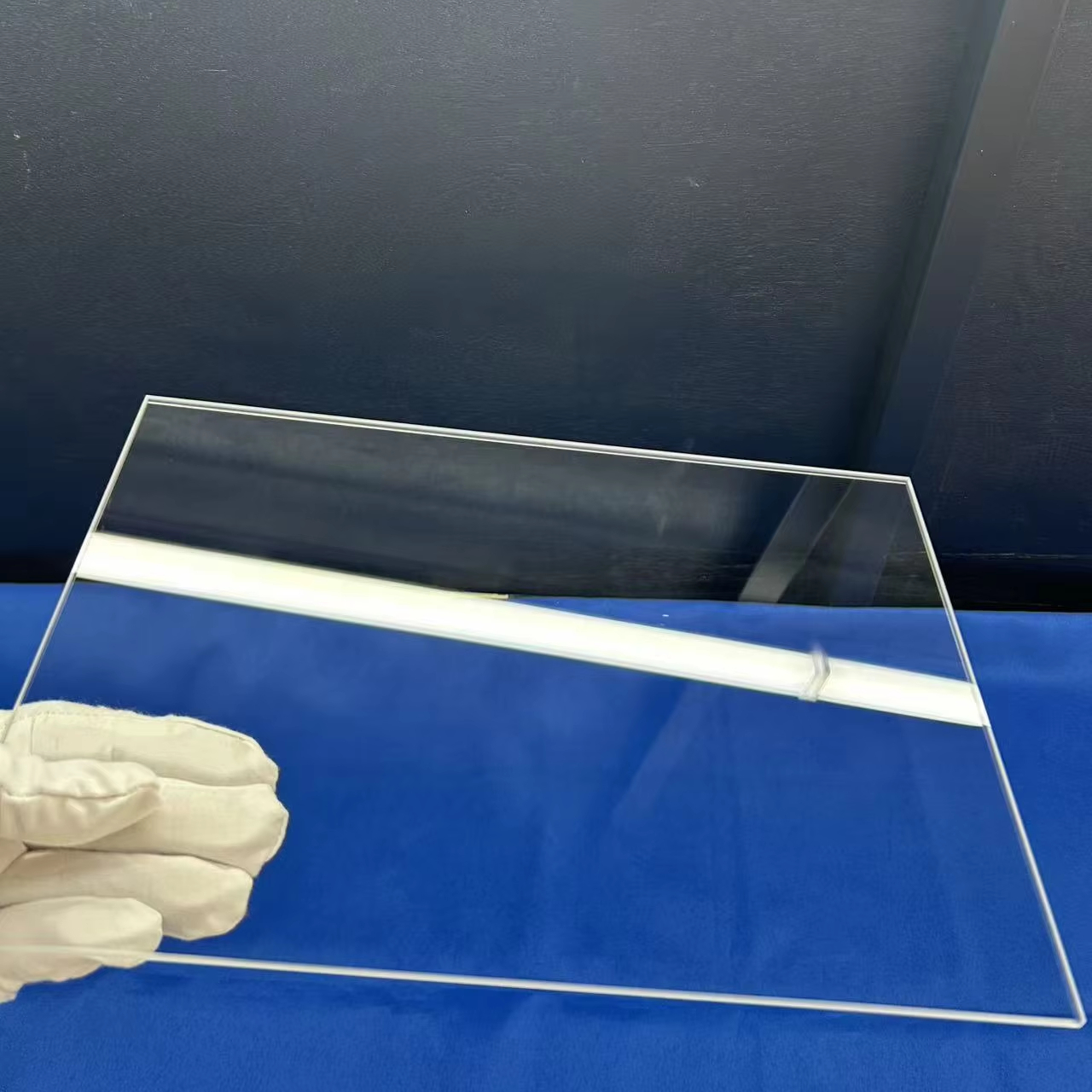
Custom Polished High Purity Transparent Square Quartz Glass Plate (4mm Thick)
Explore Specifications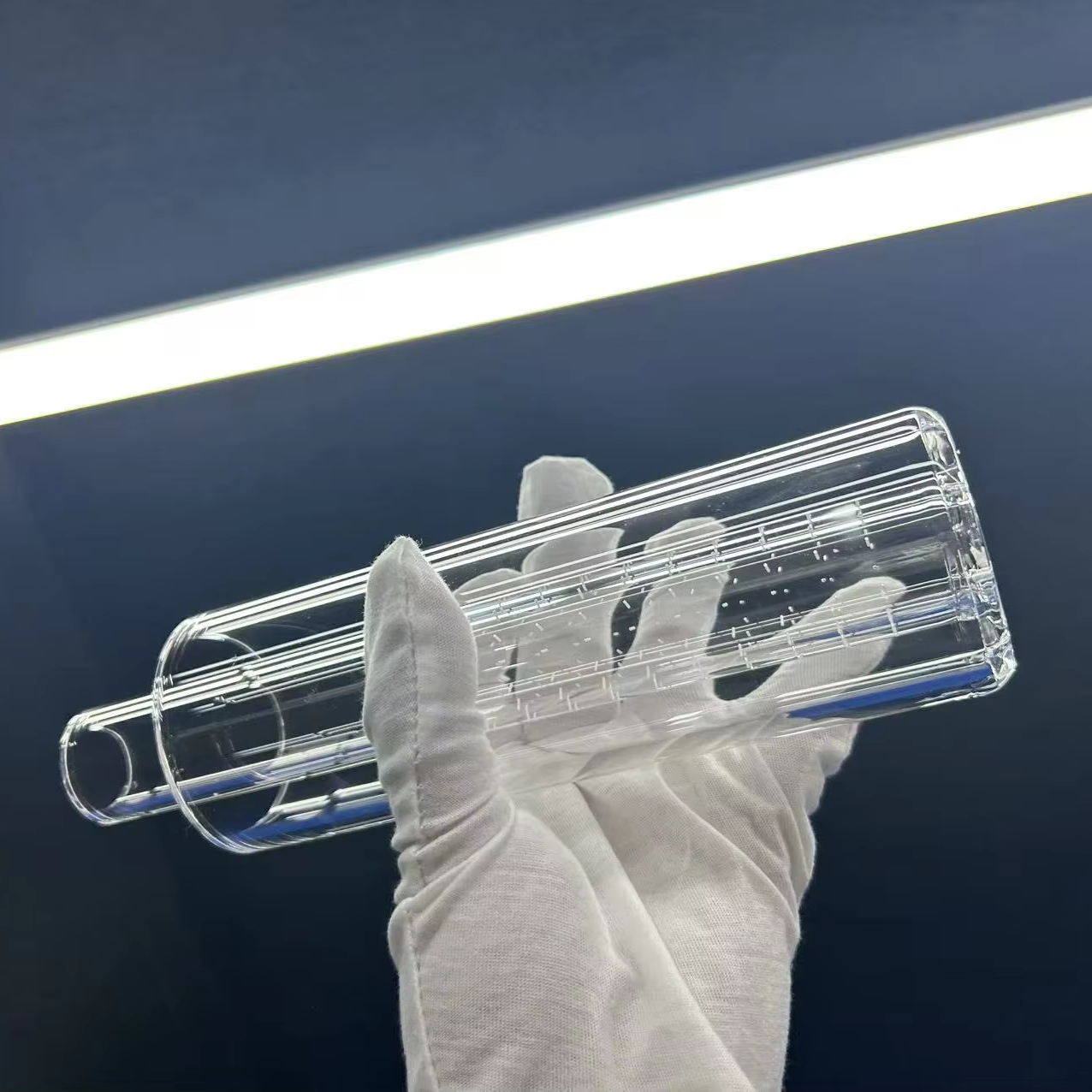
Customized Perforated Quartz Tube for Micro-Gas Sparging & Thermal Distribution
Explore SpecificationsEngineering Principles of Fused Quartz Spiral Tubes
A deep metallurgical analysis of fluid mechanics, secondary Dean vortex flows, and thermal-stress management in coiled fused silica architectures.
Centrifugal Fluidics & Dean Flow
In conventional straight quartz tubing, boundary-layer buildup insulates core fluids from heat transfer walls. Coiling quartz into a precise helical spiral introduces a radial centrifugal force gradient, generating Dean vortices (secondary circulation cells).
These counter-rotating fluid patterns disrupt parabolic velocity profiles, dramatically elevating the Nusselt number ($Nu$) without requiring mechanical impellers. In heavy condensations and pyrochemical reactors, quartz spiral tubes deliver 220% to 340% higher heat exchange rates per linear meter compared to equivalent linear pipe runs.
Thermal Shock Immunity & CTE
Clear fused quartz engineered from naturally occurring high-purity silica sand ($\ge 99.99\%\text{ SiO}_2$) possesses an extraordinarily low coefficient of thermal expansion ($\alpha \approx 5.5 \times 10^{-7}/\text{°C}$ from 20°C to 1000°C).
This ultra-low expansion ensures that rapid cyclical quenching—such as passing cold acidic distillates through an element surrounded by 900°C furnace gases—will not trigger thermal stress fractures. Unlike borosilicate glass which shatters above a 150°C thermal differential, Nivra fused quartz safely endures instantaneous shock differentials exceeding 1000°C.
Viscosity, Annealing & Strain Relief
Forming tight quartz spirals requires micro-flame shaping at temperatures exceeding 1750°C. However, bending introduces severe tangential wall stress and optical birefringence.
Nivra Quartz subjects every completed spiral assembly to programmed secondary annealing in electric vacuum furnaces at the annealing point (1150°C to 1215°C), held isothermally to eliminate internal shear stress, followed by controlled cooling to the strain point (1070°C). This completely prevents spontaneous structural relaxation or micro-fissuring during multi-year industrial campaigns.
| Material / Grade Parameter | JGS1 (Synthetic Silica) | JGS2 (Optical Fused Quartz) | JGS3 (Infrared Fused Quartz) | Borosilicate 3.3 (Standard) |
|---|---|---|---|---|
| SiO₂ Purity Level | ≥ 99.999% (Electronic Grade) | ≥ 99.99% (Industrial Standard) | ≥ 99.99% (Low OH Content) | ≈ 81% (Contains B₂O₃, Na₂O, Al₂O₃) |
| Hydroxyl (OH⁻) Concentration | < 1200 ppm (Hydrated Synthesis) | < 150 - 200 ppm | < 5 ppm (Vacuum Dehydroxylated) | N/A (Complex Alkali Network) |
| Spectral Transmission Range | 185 nm – 2500 nm (Deep UV) | 220 nm – 2500 nm (UV-Visible) | 260 nm – 3600 nm (Extended IR) | 320 nm – 2200 nm (Cutoff at UV) |
| Softening Point (Log η = 7.6) | 1730 °C | 1683 °C | 1710 °C | 820 °C |
| Continuous Working Temp | 1150 °C | 1100 °C | 1150 °C | 450 °C (Peak 500 °C) |
| Acid Resistance (Except HF/Hot H₃PO₄) | Total Corrosion Immunity | Total Corrosion Immunity | Total Corrosion Immunity | Moderate; Degrades with Strong Bases |
Localized Application Scenarios Across North Hamgyong
How Chongjin's heavy industrial complexes, metallurgy mills, and chemical refining facilities deploy high-purity quartz spiral systems to maintain high yields in extreme working environments.
Blast Furnace Flue Gas Analysis
Chongjin, historically termed North Korea's "City of Iron," is the operational base for major metallurgical installations including the Kim Chaek Iron and Steel Complex and the Chongjin Steel Mill. Smelting operations demand round-the-clock extractive gas monitoring for carbon monoxide, sulfur dioxide, and nitrogen oxide ratios.
Fused quartz spiral tubes act as high-efficiency gas conditioning coils. Positioned directly in the sample extraction loop, their helical configuration forces hot, particulate-laden furnace exhaust (exceeding 850°C) through an accelerated cooling curve, precipitating condensable moisture without absorbing acid gases or reacting with active catalyst compounds.
Chongjin Chemical Fiber & Acid Recovery
At facilities such as the Chongjin Chemical Fiber Complex and neighboring specialty inorganic chemical processors, highly aggressive reagents such as concentrated nitric acid, fuming sulfuric acid, and hydrochloric vapor are synthesized and recovered.
Standard metallic alloy condensers (including Hastelloy and high-nickel steels) undergo fatal pitting corrosion or leach heavy metal impurities into the process chemistry. Quartz spiral heat-exchange tubes provide an absolute, non-porous silica matrix with zero catalytic contamination, guaranteeing ultra-pure chemical distillate streams under continuous corrosive reflux.
High-Frequency Induction Furnace Sheaths
With North Hamgyong Province serving as a major hub for refractory research, specialized steel casting, and non-ferrous alloying, radio-frequency (RF) and medium-frequency induction furnaces require electrical insulation materials that withstand elevated temperatures.
Nivra quartz spiral tubes are custom-fabricated to wrap precisely around induction melting crucibles, acting as dielectric cooling jackets. With an electrical resistivity of $10^{18}\ \Omega\cdot\text{cm}$ at 20°C and $10^{10}\ \Omega\cdot\text{cm}$ even at 500°C, our quartz spirals eliminate RF arcing while continually circulating dielectric coolants.
Industrial Modernization & Material Transition in Chongjin
Macro-economic shifts and engineering upgrades driving heavy industrial plants to substitute standard laboratory glass with high-end Donghai fused quartz.
The Shift from Borosilicate to Fused Silica
Historically, many industrial processes in Chongjin relied on standard Pyrex-type borosilicate 3.3 glass for condenser coils and sight tubes. However, as local metallurgical operations pushed blast furnace output and oxygen-enriched blast temperatures higher, standard glass failed frequently from devitrification, stress fatigue, and temperature spikes.
The transition to 99.99% pure fused quartz spiral tubes has dramatically reduced unplanned furnace shutdowns. Maintenance cycles for sampling cooling columns have extended from 30 days to over 24 months, providing immediate economic return despite higher initial raw-material capital investment.
Compact Heat Recovery Architecture
Energy efficiency initiatives across Chongjin's power stations and smelting works have mandated waste heat capture from corrosive flue streams. Space constraints in historic plant designs make massive shell-and-tube heat exchangers impractical.
Engineers increasingly specify nested dual-helix and triple-helix quartz spiral tubes. By nesting helical diameters (e.g., an outer 120mm coil encasing an inner 60mm coil), thermal exchange surface area is tripled within the exact same horizontal duct footprint, enabling aggressive heat recapture without costly architectural restructuring.
Direct Regional Supply Corridor Reliability
Sourcing specialized glass equipment through lengthy international brokers often leads to shipping delays and catastrophic transit breakage. Industrial buyers in Chongjin and the wider Rason/Chongjin economic strip prioritize regional suppliers in coastal China.
Operating directly out of Donghai County, Jiangsu—the premier global manufacturing hub for quartz raw materials—Nivra Quartz utilizes robust packaging pipelines with reinforced wooden crating routed via Northern logistics gateways, cutting lead times down to standard dispatch timetables with zero vibration micro-fractures.
Why Chongjin Procurement Teams Partner with Nivra Quartz
Direct factory manufacturing from China’s crystal capital: Donghai County Nivra Quartz Products Co., Ltd. combines raw mineral advantages with high-precision optical bench fabrication.
Donghai Capital Advantage & Raw Purity
Located at 285 Heping East Road, Lianyungang, Jiangsu, Nivra Quartz operates at the epicenter of China’s silicon mining and refinement basin. Our immediate access to Tier-1 silica feedstocks guarantees that all quartz spiral tubes, crucibles, and boats maintain purity levels of 99.99% to 99.999% SiO₂.
Contaminant elements such as Iron (Fe < 0.2 ppm), Aluminum (Al < 14 ppm), and alkali metals (Na, K, Li < 1 ppm total) are strictly controlled, ensuring zero crystallization nucleation points when subjected to 1100°C furnace continuous operations.
Precision Glassblowing & CNC Tolerances
Unlike commodity glass shops that manually twist hot tubes around carbon rods without dimensional control, our facility employs programmable glassblowing lathes with multi-axis synchronized oxy-hydrogen burners.
We maintain outer diameter tolerances down to ±0.15 mm, spiral pitch pitch-to-pitch consistency within ±0.5 mm, and wall thickness uniformity above 92%. Every spiral end can be fire-polished, ground flat, or welded to precision ground ball-and-socket joints, GL-threaded glass fittings, or CF/ISO high-vacuum flanges.
Verified Quality & Breakage-Proof Crating
Each quartz spiral tube undergoes hydrostatic pressure testing up to 1.5 MPa and polarimetric residual stress verification prior to clearance. We recognize the rigorous challenges of heavy freight transit into Northeast Asian industrial terminals.
Our components are enveloped in multi-layer expanding polyurethane foam molds, isolated inside shock-absorbing inner boxes, and secured inside reinforced fumigation-free plywood shipping cases engineered to withstand drop impacts, damp marine environments, and transshipment vibration.
Streamlined OEM/ODM Process: From Drawing to Chongjin Plant
A dependable technical procedure ensuring custom spiral geometries conform exactly to plant drawings and operational parameters.
Drawing Submission
Supply engineering blueprints (PDF, CAD DWG, STEP) including coil OD, tube ID/OD, pitch, coil length, and end terminal specs.
Engineering Review
Our masters review quartz flow thermodynamics, flame-working feasibility, wall expansion tolerances, and material grade (JGS1/2/3).
Lathe Fabrication
Precision winding on quartz lathes with automated flame control, forming exact helical curvature without wall thinning.
Furnace Annealing
Controlled thermal cycle at 1150°C in electric annealing furnaces relieves internal stresses, verified via polarized shadowgraphs.
Protected Export
Individual custom foam-injection boxing and heavy wooden crating delivered swiftly via direct Northeast Asia logistics corridors.
Chongjin Buyer Frequently Asked Questions
Direct technical answers addressing engineering constraints, chemical limits, logistics routing, and custom batch prototyping.
What is the maximum operating pressure for quartz spiral tubes?
Allowable burst pressure depends on the tube's wall ratio ($OD/ID$) and coil curvature radius. For standard spiral tubes (e.g., 10mm OD × 1.5mm wall), safe internal fluid working pressure is rated up to 0.6 to 0.8 MPa (6 to 8 bar) at 20°C, and 0.35 MPa at 800°C. For vacuum extraction condenser loops, our heavy-wall spiral configurations easily maintain continuous ultra-high vacuum pressures below $1 \times 10^{-5}\text{ Pa}$ without structural implosion risk.
How does high-temperature flue gas from Chongjin steelworks affect quartz devitrification?
Pure fused quartz remains completely amorphous up to 1100°C. Devitrification (the transition from vitreous silica to crystalline cristobalite) occurs rapidly above 1150°C only if the outer surface is contaminated with alkali metals (sodium, potassium, calcium) present in coal or coke dust. For furnace gas monitoring in metallurgical complexes like Kim Chaek, we recommend periodic acid surface washings or specifying our fire-glazed high-temperature quartz grades that resist surface nucleation.
Can you provide custom joint connections (flanges, ground joints, threads)?
Yes. Quartz spiral coils rarely operate in isolation; they must couple securely to plant piping. We routinely fabricate spiral ends equipped with standard ground ball/socket joints (18/9, 28/15, 35/20), flat polished quartz flanges with bolt holes, GL threaded connectors with PTFE caps, or fused graded-seal transitions allowing direct glass-to-Kovar or glass-to-stainless steel welding.
What is the minimum order quantity (MOQ) for non-standard spiral designs?
For prototype engineering and pilot plant setups in North Hamgyong, our MOQ starts at just 1 piece for custom spiral tubes, large diameter rods, and specialized cleaning tanks. For mass furnace rebuild projects and standard test tubes, production lots typically range from 10 to 100 units. We accommodate trial orders to verify drawing compliance prior to multi-unit manufacturing.
What chemicals can damage or etch fused quartz spiral tubes?
Fused quartz demonstrates near-total chemical passivity against virtually all acids (concentrated nitric, fuming sulfuric, hydrochloric, aqua regia) and organic solvents even at boiling temperatures. The only chemical exceptions that actively etch SiO₂ are Hydrofluoric Acid (HF), phosphoric acid ($H_3PO_4$) at temperatures exceeding 150°C, and concentrated caustic alkali solutions ($NaOH, KOH$) at elevated temperatures.
How does Nivra Quartz guarantee zero transit damage into Chongjin?
Quartz spirals are susceptible to harmonic vibration during long rail and sea transit. We isolate every coil inside custom-injected poly-foam cradles that support each individual turn of the helix, preventing inner-coil resonance. The cushioned cartons are then packed inside heavy-duty, perimeter-reinforced export wooden crates fitted with tilt-and-shock indicators. Our transit loss rate remains under 0.2% across international destinations.
Request a Direct Engineering Quote for Quartz Spiral Tubes
Send your CAD drawings, dimensional specifications, or operational thermal parameters to our engineering team. We provide comprehensive DFM feedback and competitive factory-direct pricing within 5 hours.
Get a Quote