High Purity
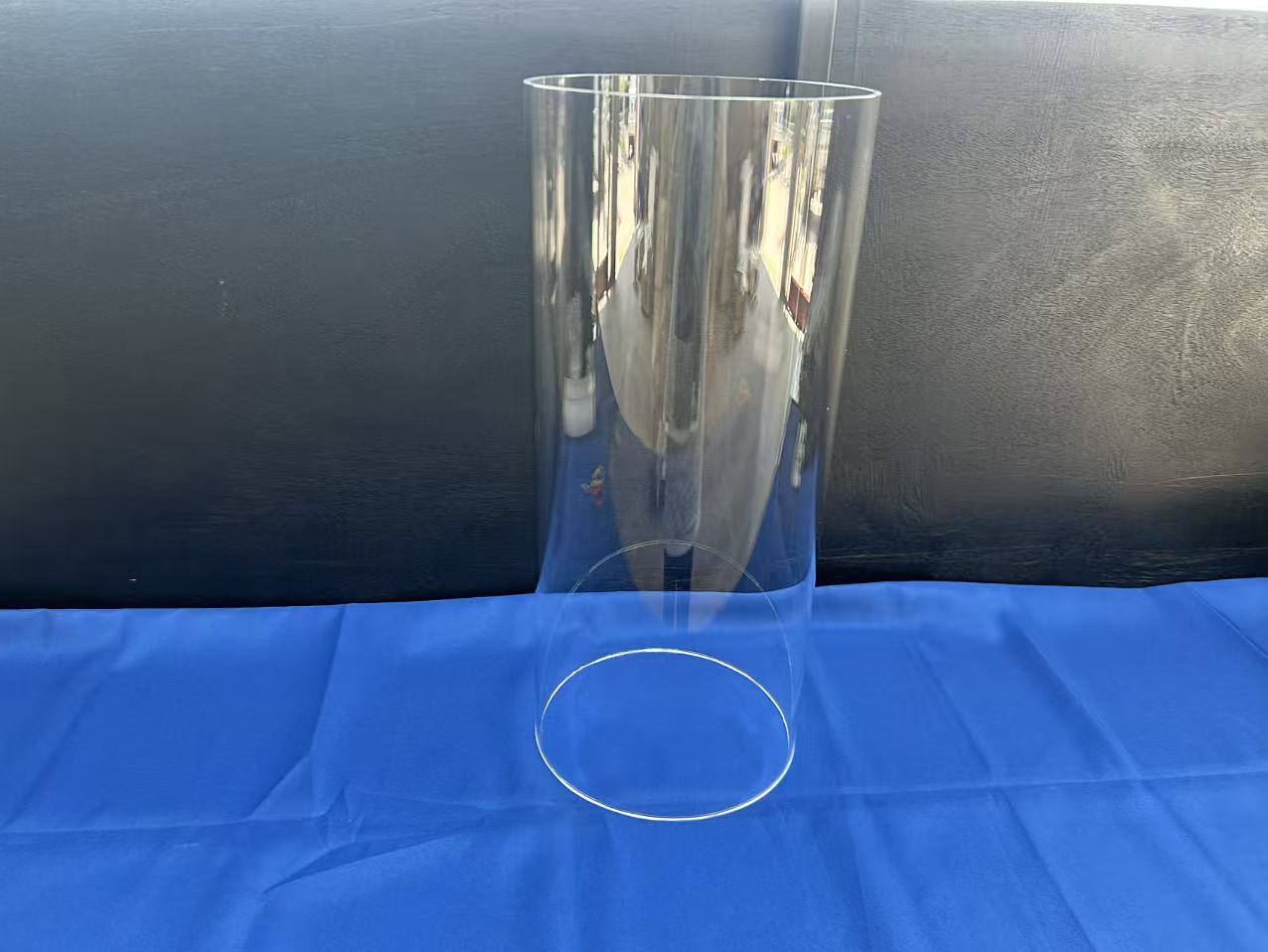
Custom Large-diameter High-purity Fused Quartz Glass Tubes
Tolerance: ±0.05 mm
Working Temp: 1100°C Cont.
Explore our high-performance fused quartz tubes, optical step plates, high-temperature combustion vessels, and wafer carriers. Built with raw crystalline silicon dioxide (≥99.99%) for advanced cleanroom and laboratory operations.
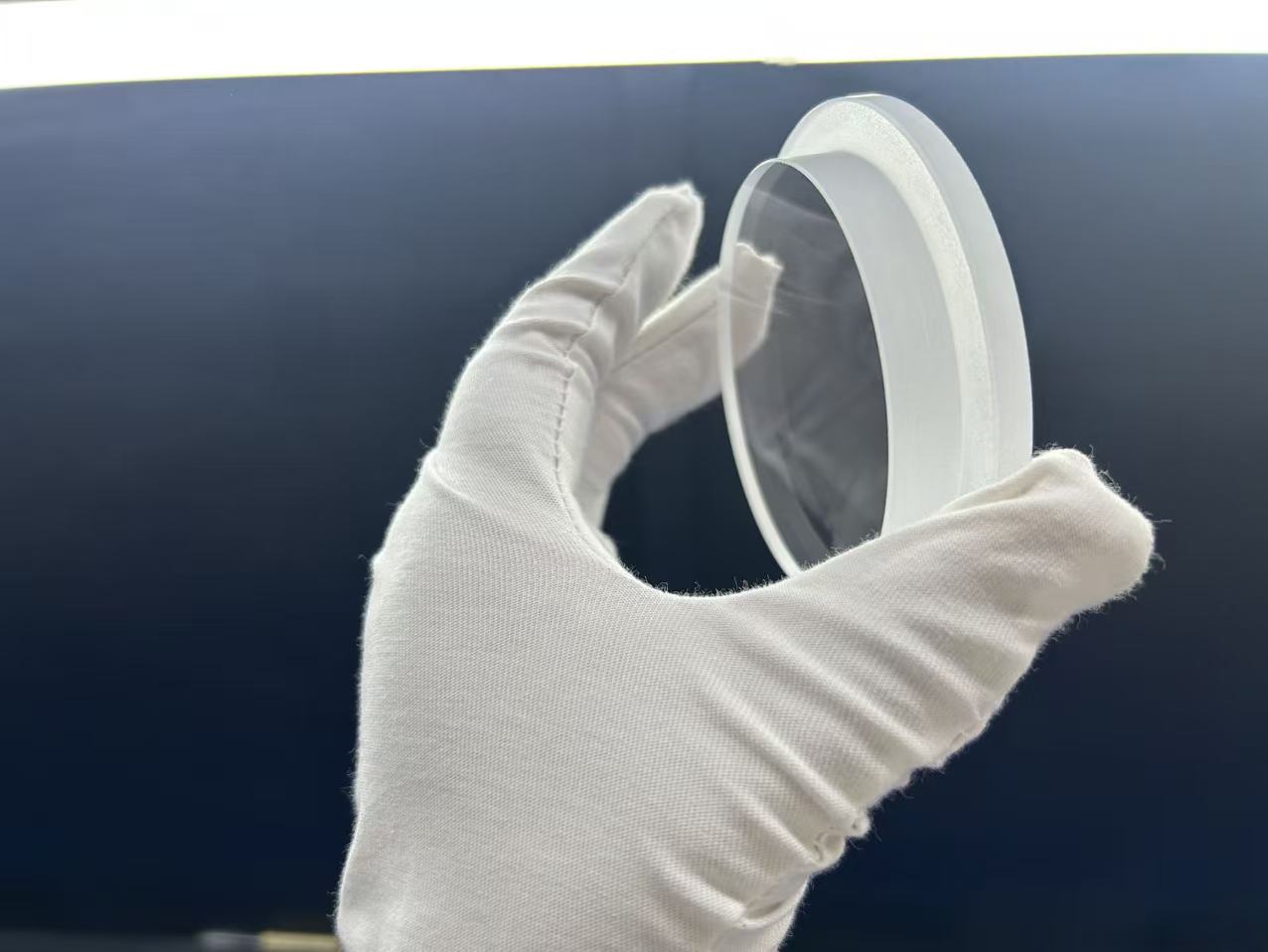
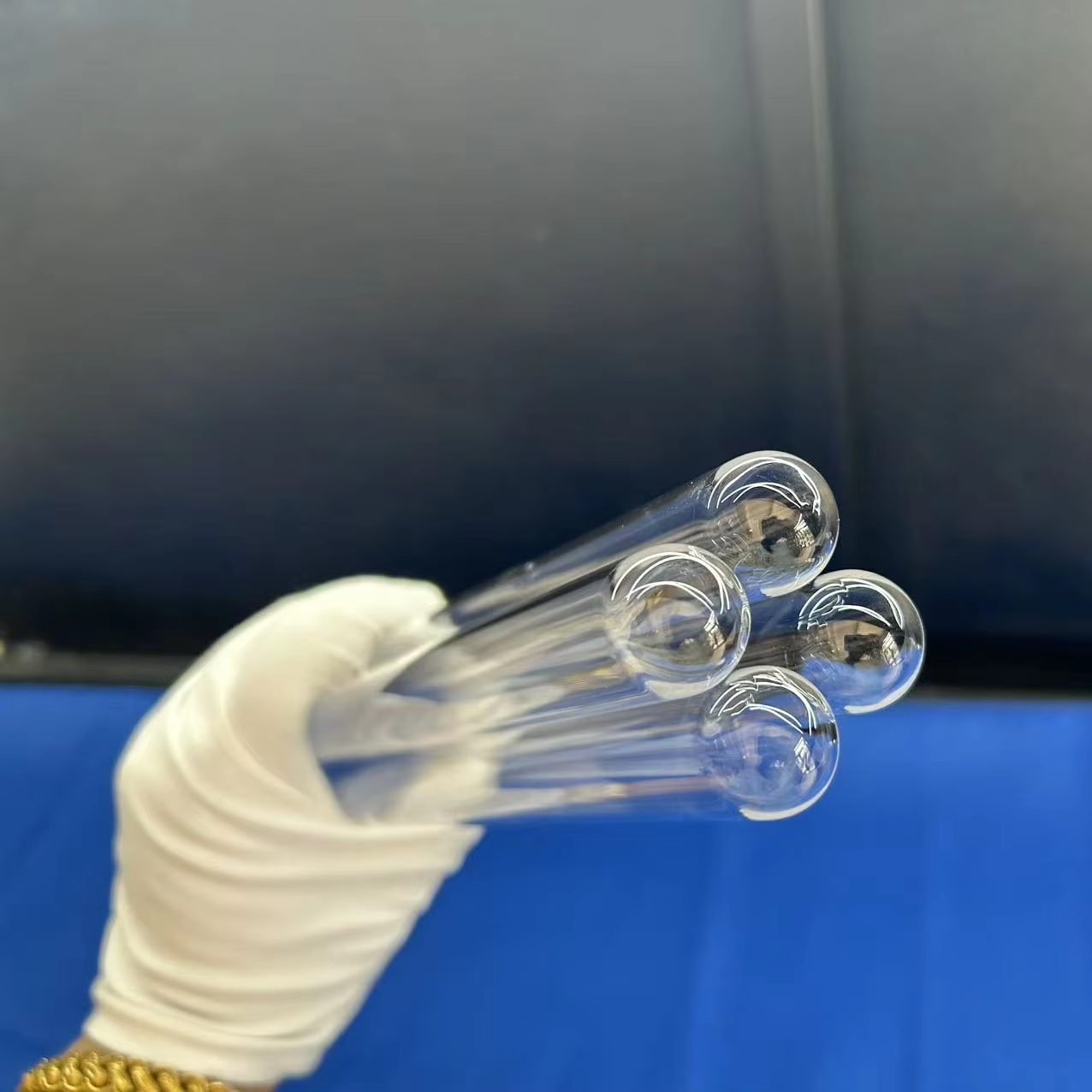
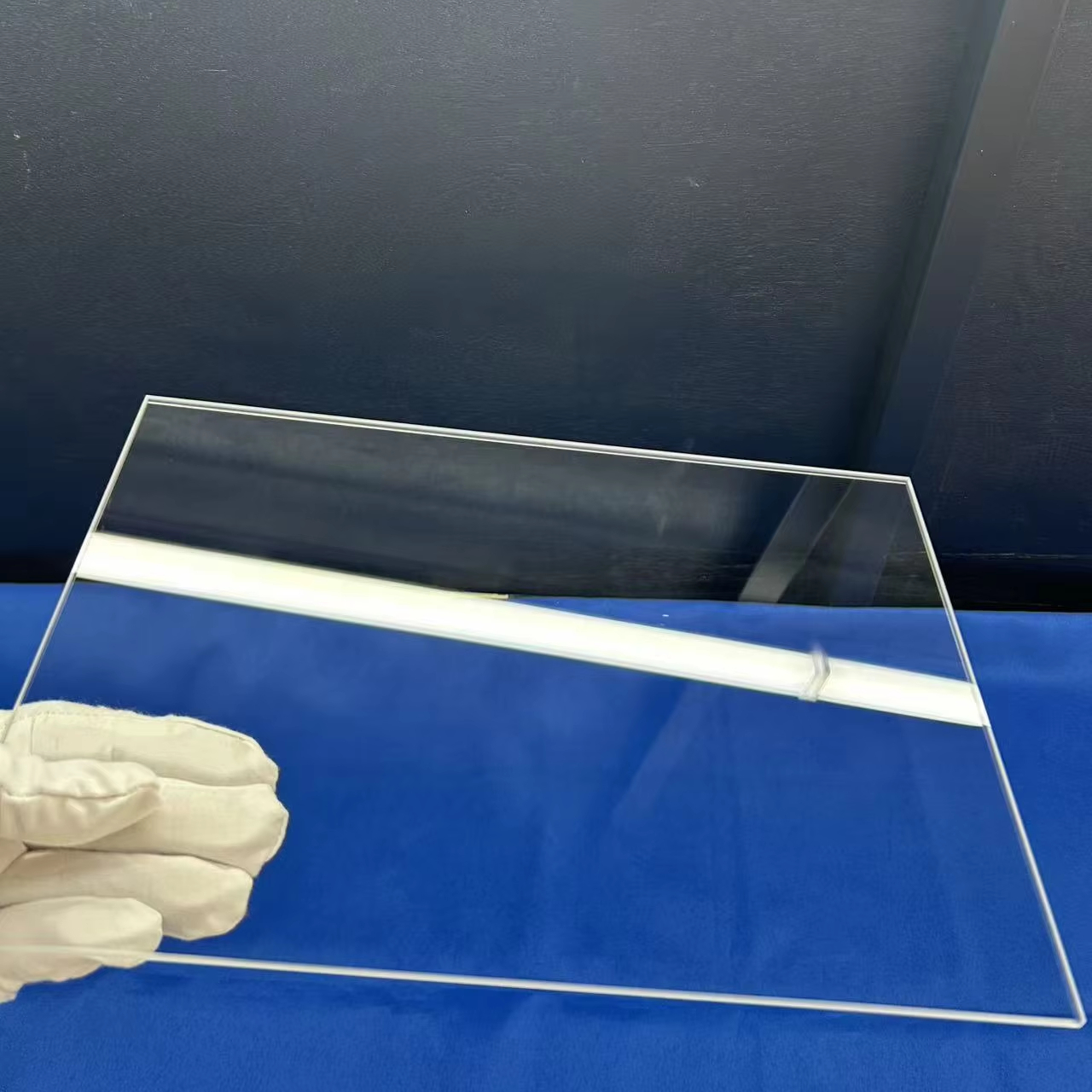
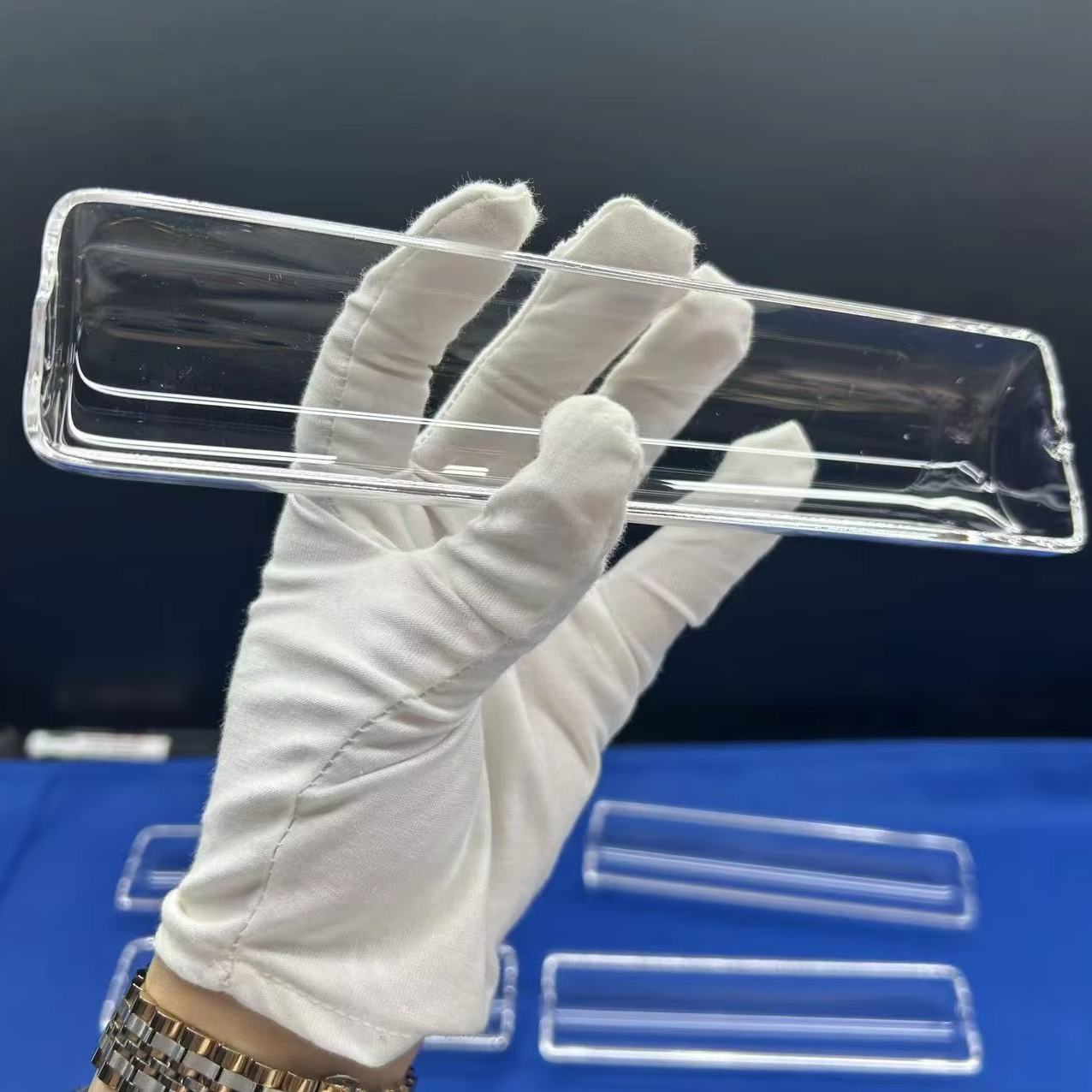
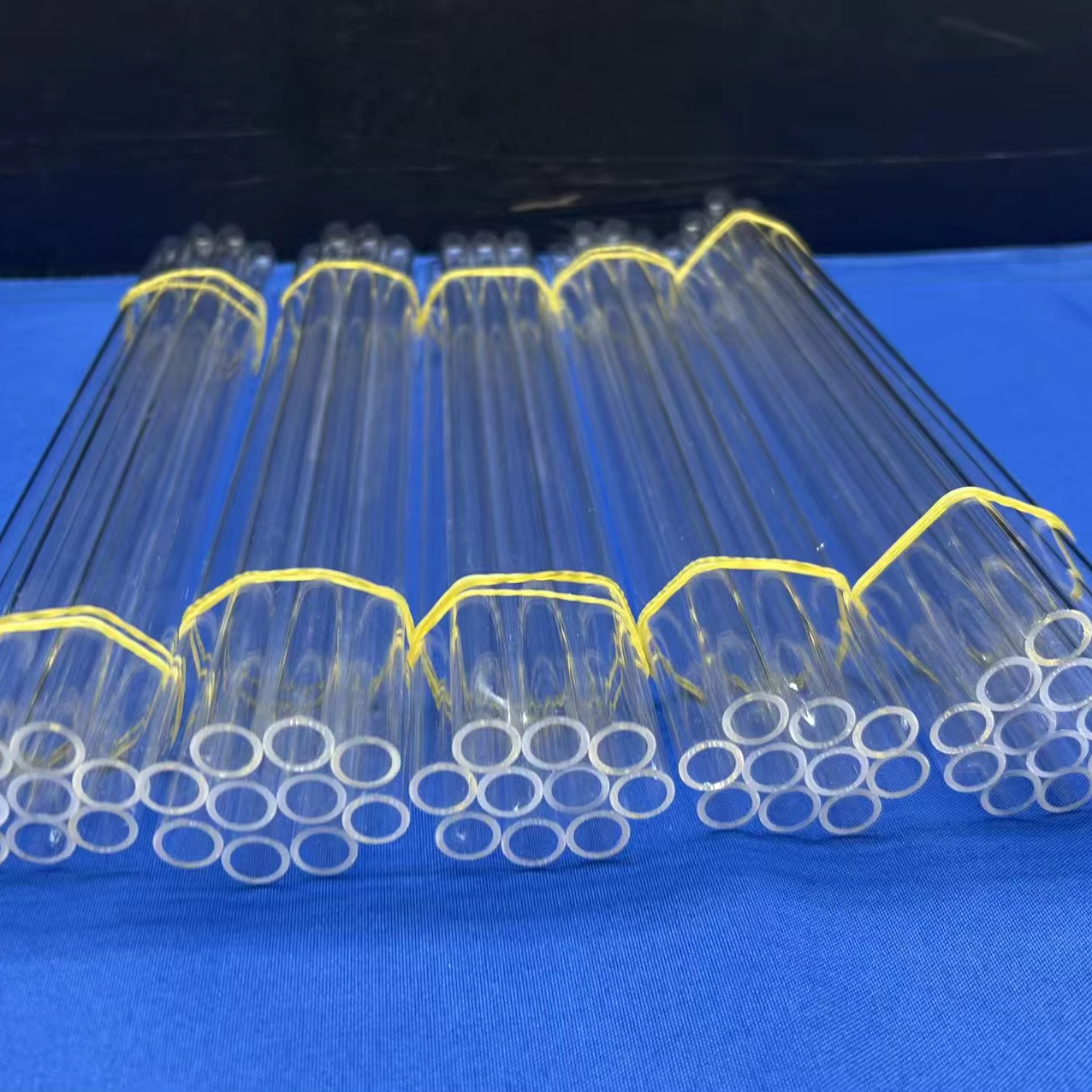
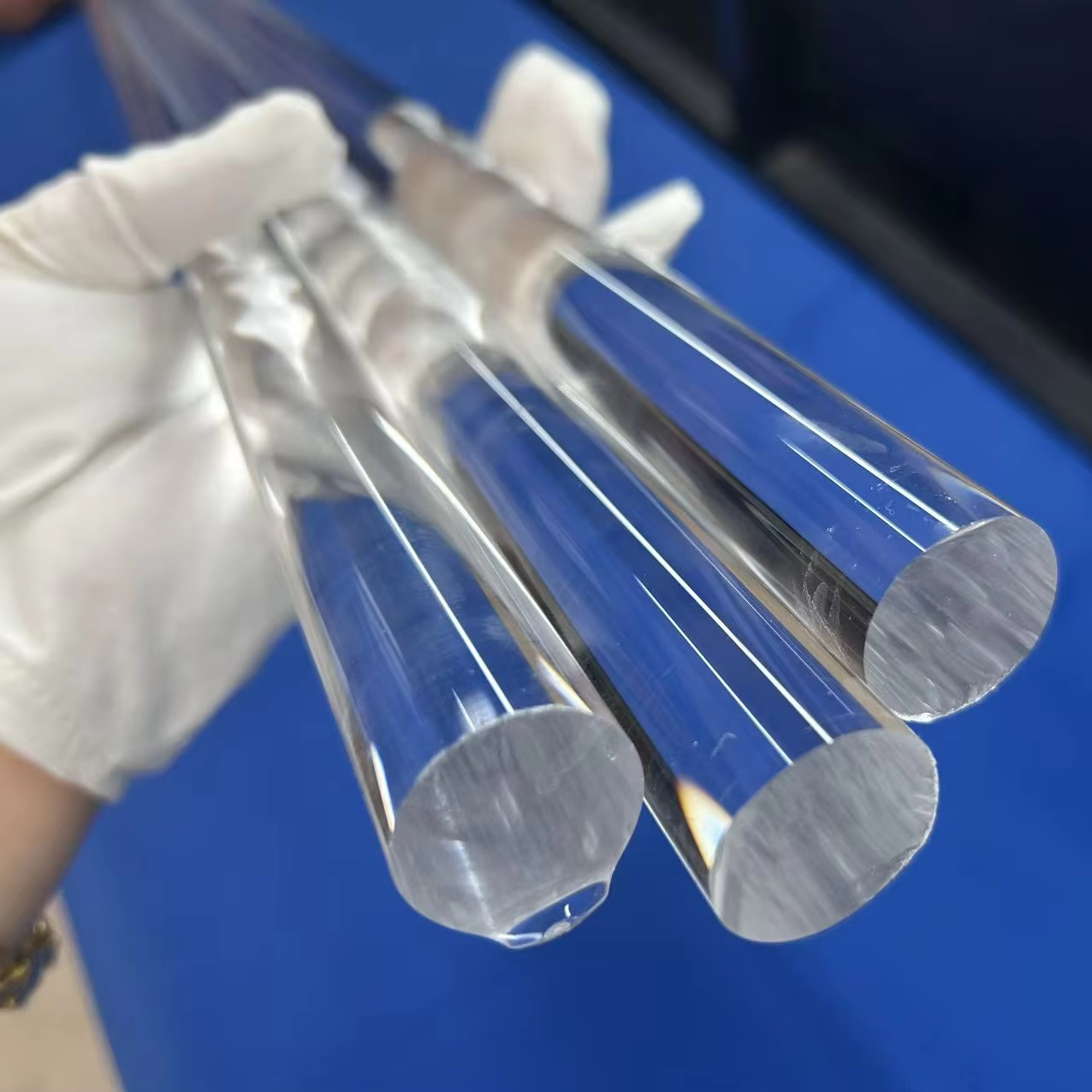
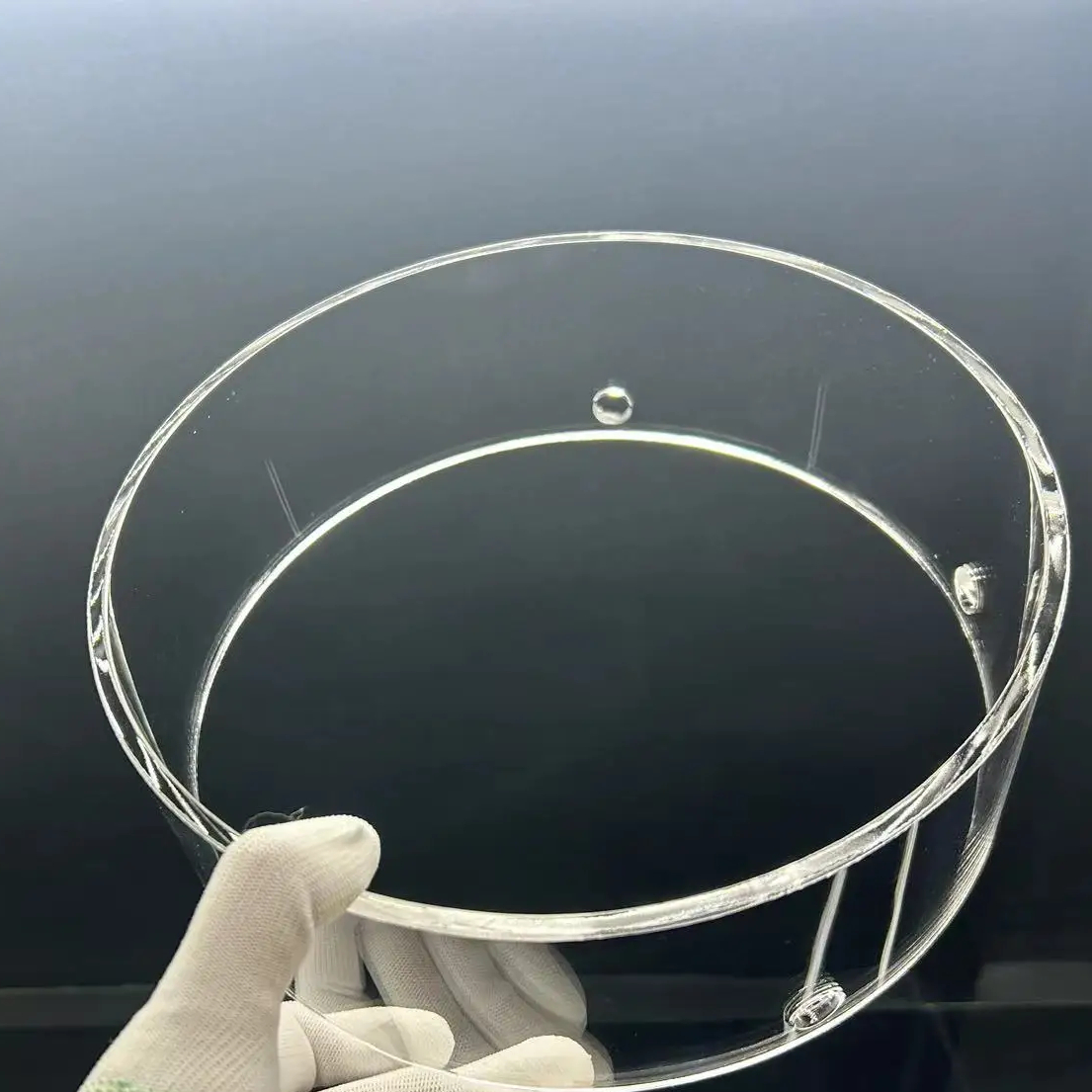
In analytical laboratories across Riga, standard borosilicate glass (Pyrex 3.3) and plastic polymers (polystyrene, polycarbonate) introduce thermal deformation, optical distortion, and ionic leaching. Precision quartz petri dishes manufactured from synthesized SiO2 provide absolute dimensional stability under severe processing regimes.
With an extremely low coefficient of thermal expansion (α = 5.5 × 10⁻⁷ /°C), our quartz petri dishes survive immediate thermal quenching from 1100°C directly into icy water without micro-fracturing or volumetric expansion. Ideal for high-temperature calcination and crystal growth protocols in Latvian material labs.
Standard borosilicate exhibits complete UV cutoff at approximately 310 nm. Our synthetic JGS1 grade quartz petri dishes maintain optical transmittance >90% down to 185 nm deep-UV wavelengths. This transparency enables direct in-situ spectrophotometry, fluorescence analysis, and non-destructive UV laser irradiation.
Exceptional chemical resistance against boiling inorganic acids including concentrated HNO3, H2SO4, and aqua regia. It resists elemental leaching (zero boron, sodium, or potassium ion release into cultured cell substrates), preserving critical purity during demanding pharmaceutical syntheses and analytical biological screenings.
| Material Metric | JGS1 Synthetic Silica | JGS2 Clear Fused Quartz | Borosilicate 3.3 (Pyrex) | Polystyrene (Disposable) |
|---|---|---|---|---|
| SiO2 Chemical Purity | ≥ 99.999% (< 1 ppm trace) | ≥ 99.99% (< 20 ppm trace) | ~ 81.0% (high B, Na, Al) | 0% (Polymer matrix) |
| Continuous Max Temperature | 1150°C | 1100°C | 450°C | 75°C |
| Softening Point | 1730°C | 1683°C | 820°C | ~ 95°C (Glass Transition) |
| Linear Thermal Expansion (α) | 5.5 × 10⁻⁷ /°C | 5.5 × 10⁻⁷ /°C | 33 × 10-7 /°C | 700 × 10-7 /°C |
| Deep-UV Transmission Range | 185 nm – 2500 nm | 220 nm – 2500 nm | 310 nm – 2200 nm | Opaque below 320 nm |
| Autoclave / Dry Sterilization | Unlimited (Up to 1000°C) | Unlimited (Up to 1000°C) | Prone to stress cracking | Single-use / gamma only |
Unlike blown pressed glass petri dishes that possess concavity and surface ripples exceeding 50 μm, Nivra's precision quartz dishes feature double-sided chemically-mechanically polished (CMP) planar bottom discs with total thickness variation (TTV) ≤ 10 μm. This flat surface prevents focal drift and spherical aberration in high-numerical-aperture immersion oil microscopy.
Riga has established itself as the Baltic region's technological capital for pharmaceutical organic synthesis, solid-state physics, and biomedical engineering. Our quartz petri dishes are tailored to meet the strict protocols of regional research clusters.
Latvian drug manufacturing centers like Olainfarm, Grindeks, and the Latvian Institute of Organic Synthesis (OSI) rely on quartz petri dishes for high-temperature active pharmaceutical ingredient (API) evaporative crystallization, catalytic sublimation, and solvent evaporation using aggressive organic reagents where plasticizers or borosilicate alkali leaching could compromise purity.
At the Institute of Solid State Physics, University of Latvia (ISSP UL), our quartz dishes serve as ultra-clean substrates and annealing trays for inorganic thin-film coatings, transparent conducting oxides, and laser-assisted chemical vapor deposition (LCVD). Their resistance to 1200°C furnace temperatures ensures non-contaminating thermal runs.
Advanced biomedical labs and RTU (Riga Technical University) biomedical photonics clusters utilize our optically polished quartz bottom petri dishes for live-cell ultraviolet laser scanning, two-photon fluorescence, and Raman spectroscopy. High optical purity ensures zero background autofluorescence across visible and near-infrared spectra.
Baltic micro-sensor and fiber-optic device developers require quartz dishes as specialized acid-etching baths for wafer stripping, aqua regia cleaning, and piranha solution digestion. The dishes' high structural density and uniform walls safeguard against exothermic shock during rapid sulfuric acid-peroxide mixing.
Understanding shifting regulatory frameworks, sustainability initiatives, and precision standards across Latvia and the European Union single market.
Horizon Europe and Baltic environmental standards are pushing procurement teams away from single-use virgin polystyrene dishes. Fused quartz dishes provide an eco-efficient alternative that can be autoclaved, piranha-cleaned, and reused for years, drastically lowering biohazardous laboratory solid waste.
Latvian research leaders are transitioning from multi-tiered third-party resellers in Western Europe directly to specialized primary manufacturers in Donghai. Direct factory procurement cuts overhead by 35-50% while securing custom dimensions, custom lid tolerances, and direct batch spectrographic certificates.
With Riga emerging as a key microelectronics and photonics corridor, specifications for quartzware have tightened. Tolerances are shifting from coarse glass tolerances (±0.5 mm) to precision optical tolerances (±0.02 mm) with flat polished bases designed for cleanroom vacuum chuck handling.
Headquartered at 285 Heping East Road, Donghai County — the world-renowned capital of crystal and quartz — Donghai County Nivra Quartz Products Co., Ltd. combines localized mineral sourcing with precision CNC glass processing.
By sourcing raw crystal quartz directly from Donghai's world-class deposits, we guarantee mineral purity ≥ 99.99% SiO2, keeping pricing factory-direct without sacrificing micro-structural clarity.
We operate 5-axis CNC ultrasonic milling, diamond-wheel edge beveling, and double-sided chemical polishing machinery. Custom quartz petri dish wall thicknesses, pouring spouts, and partitioned wells are manufactured directly from CAD/STEP files.
Every single quartz petri dish undergoes laser dimensional verification, spectrophotometric transmission validation, and darkfield polariscope stress analysis to guarantee zero residual annealing stress.
Specialized export packaging featuring static-neutral dustproof wrap, tailored EPE high-density shock-absorbing nests, and vacuum-sealed plywood cases. We maintain a 0.00% transit damage record on European and Baltic air-cargo consignments.
Detailed technical, logistical, and commercial answers for purchasing managers, laboratory technicians, and supply officers across Latvia.
Accelerate your project with factory-direct pricing, guaranteed purity standards, and swift dispatch. Download our complete engineering catalog and optical quartzware specifications today.