Featured High-Purity Fused Quartz & Thermal Processing Components
Direct manufacturing support for universities, bio-incubators, analytical laboratories, and microelectronics facilities in Milan and the wider Lombardy region. Every component is inspected to stringent DIN and ISO precision tolerances.
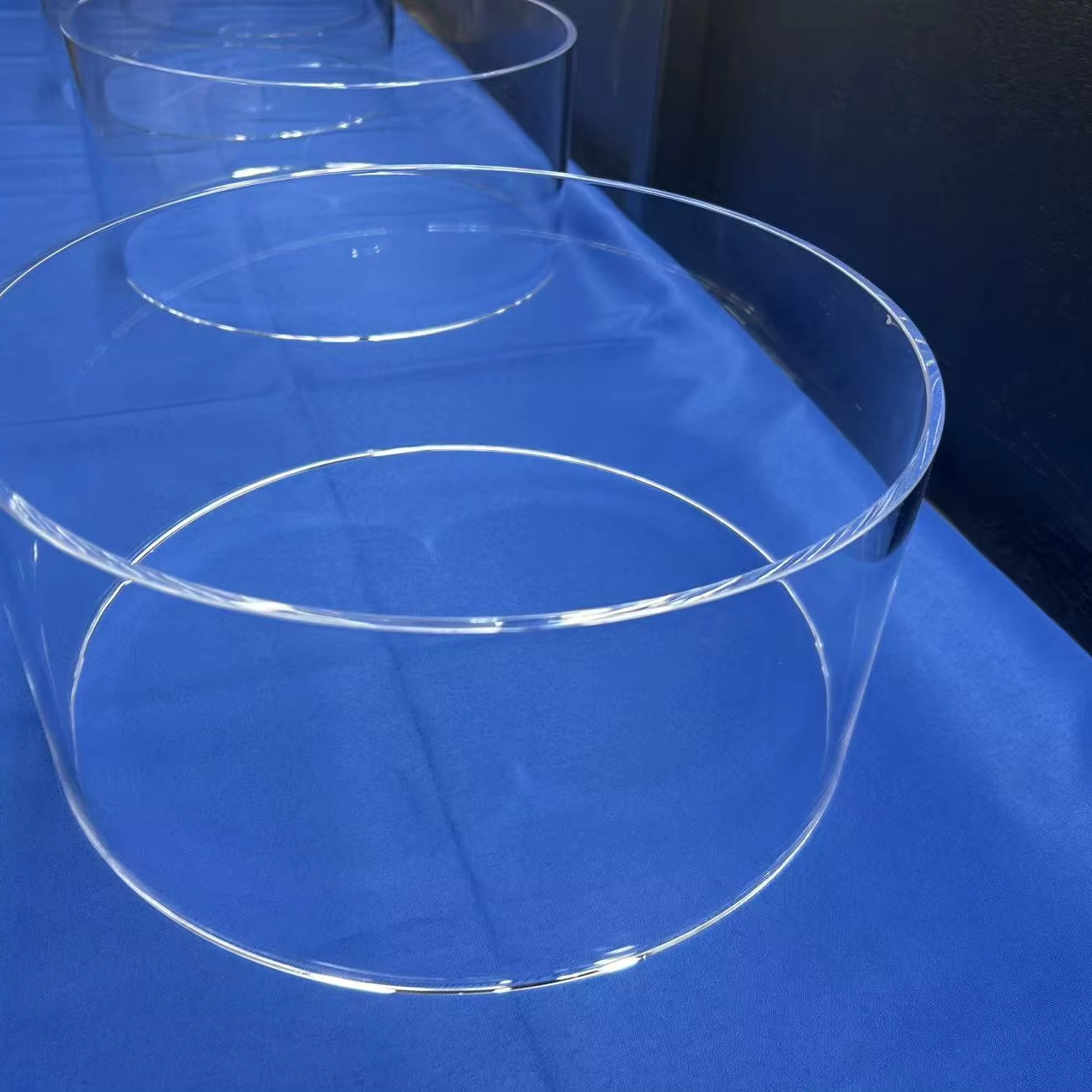
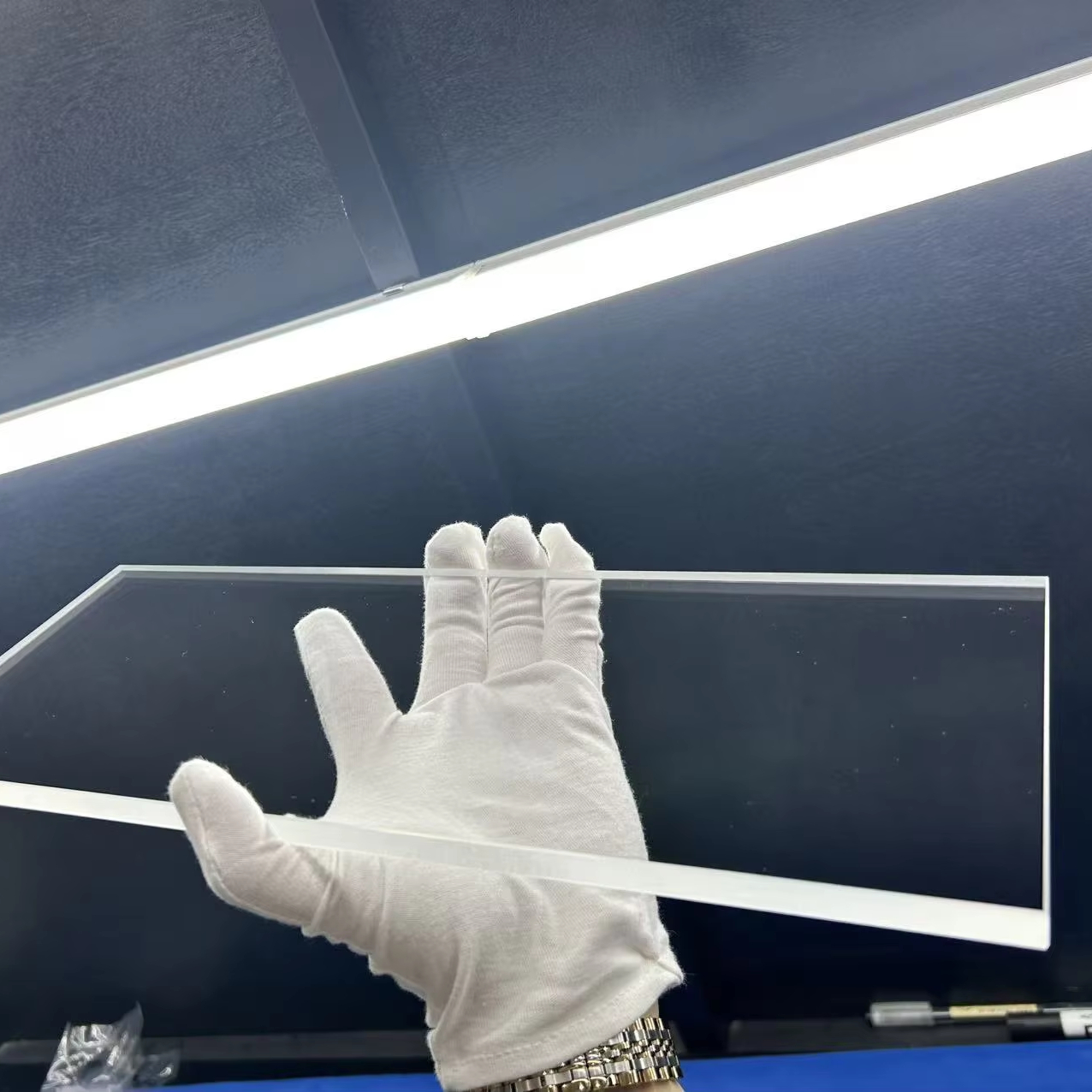
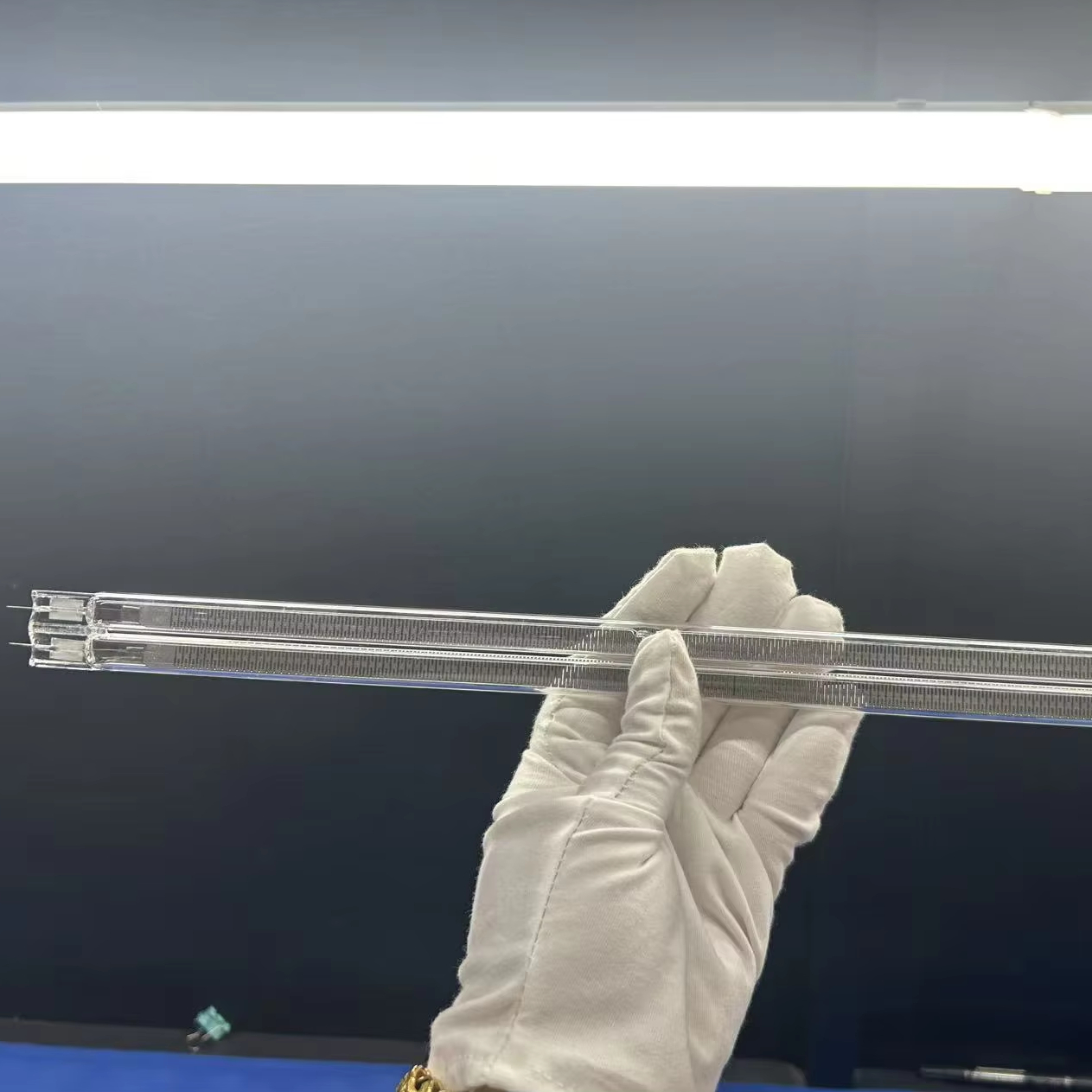
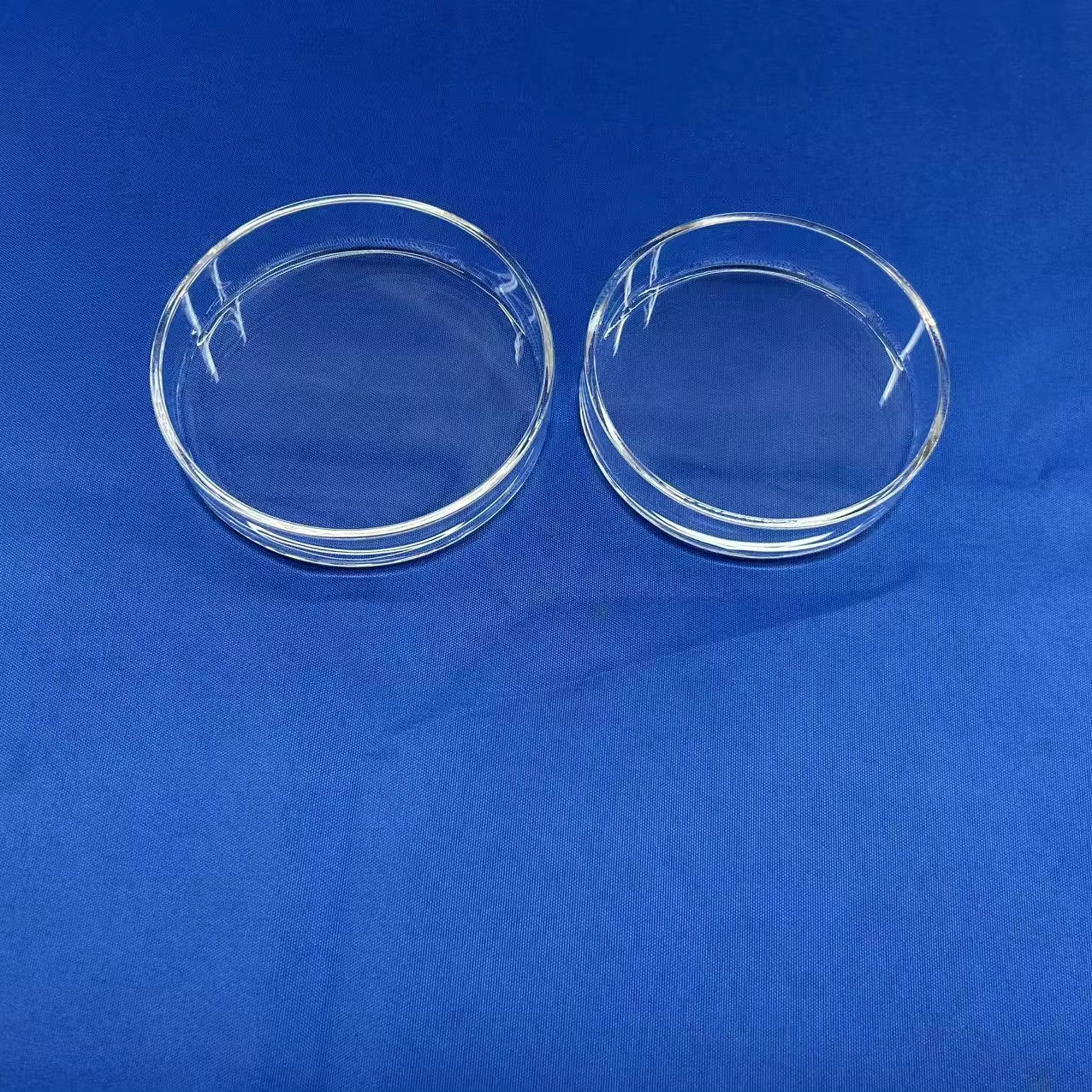
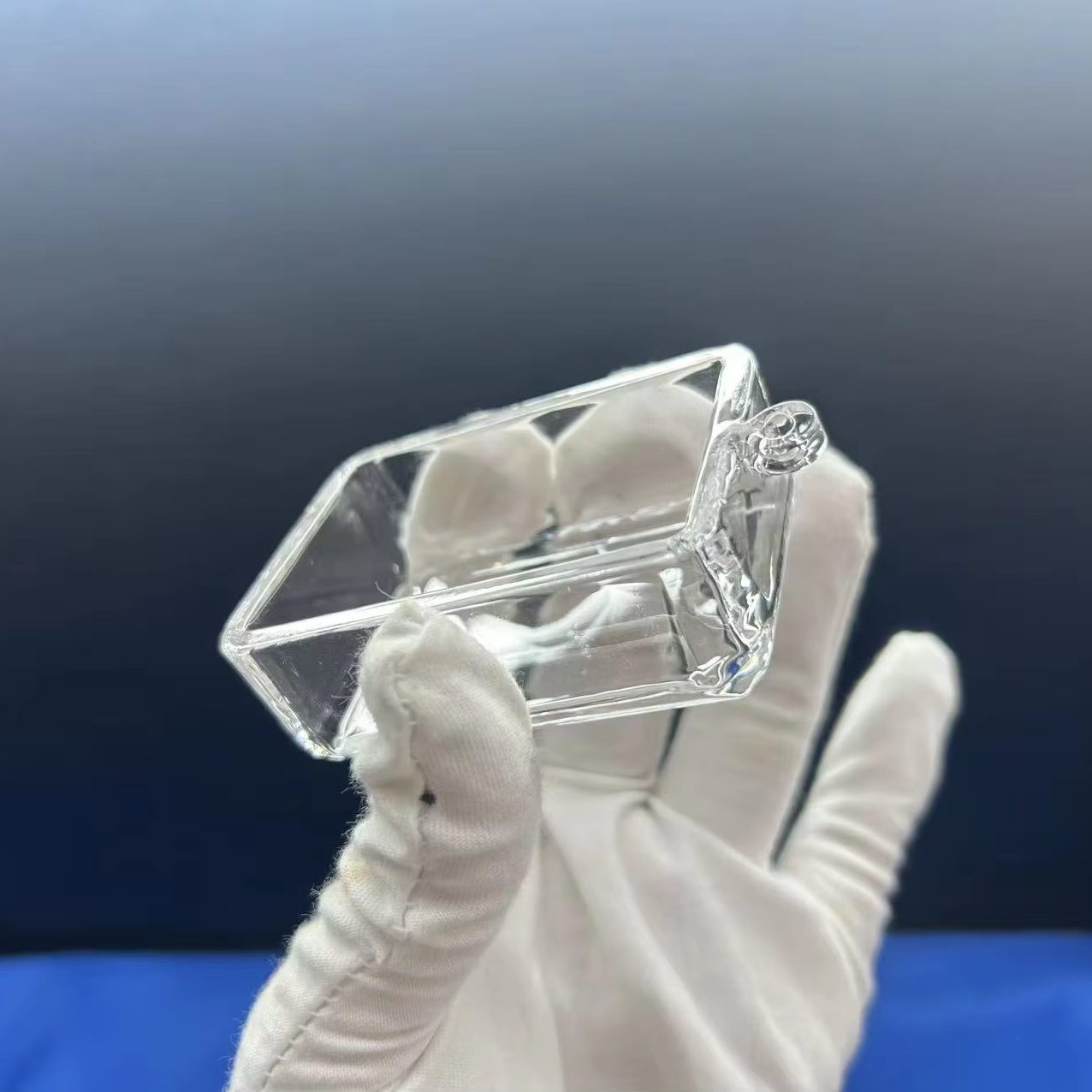
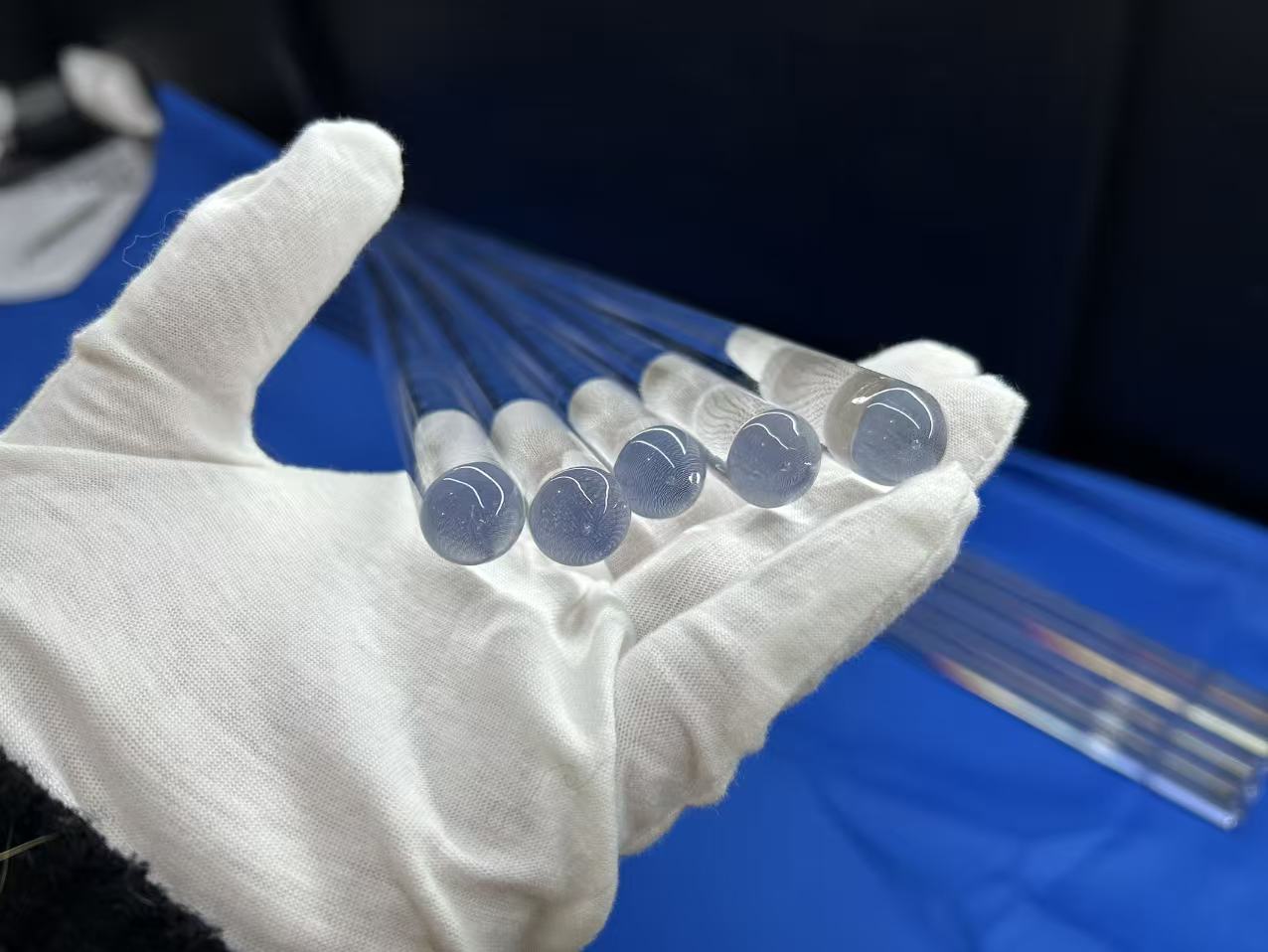
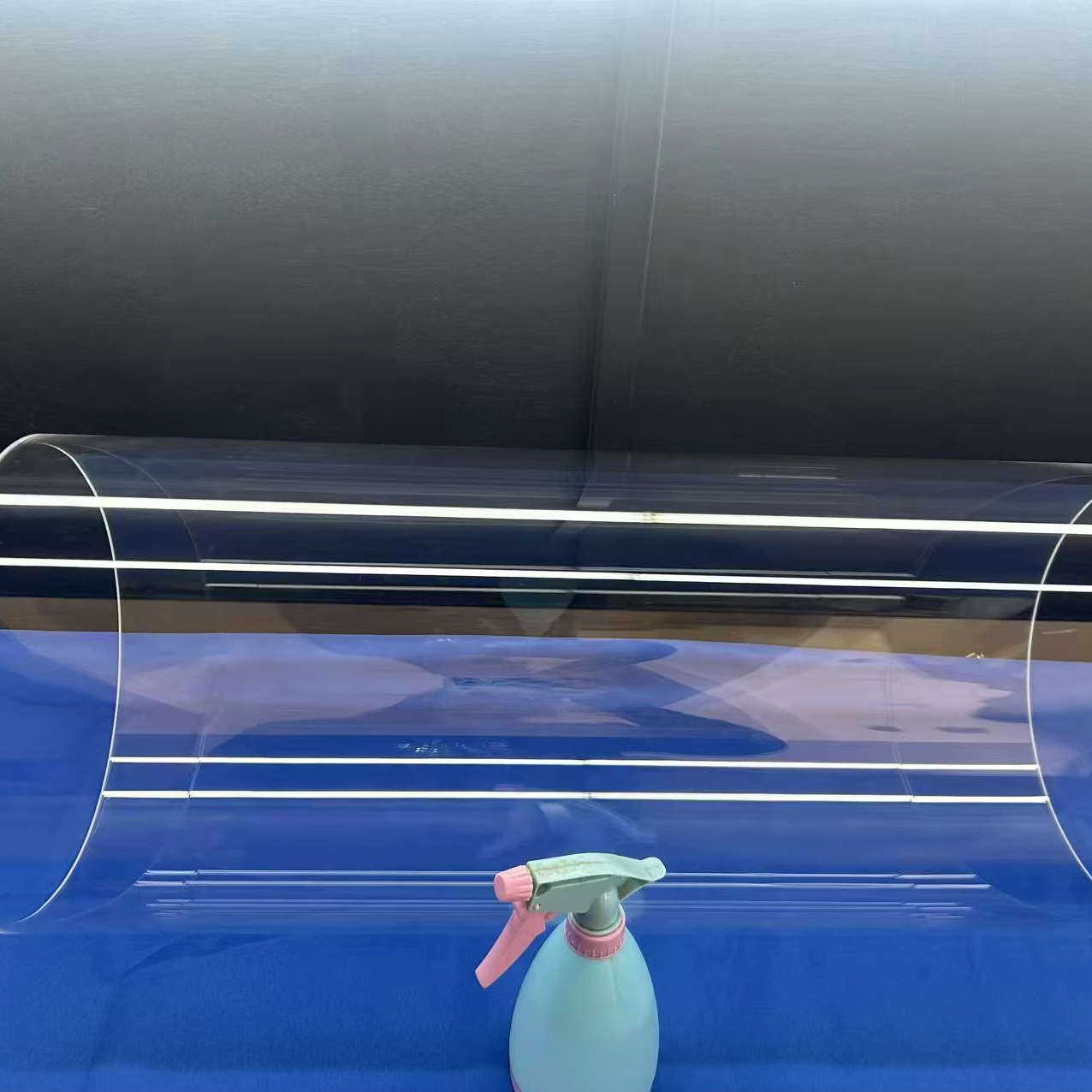
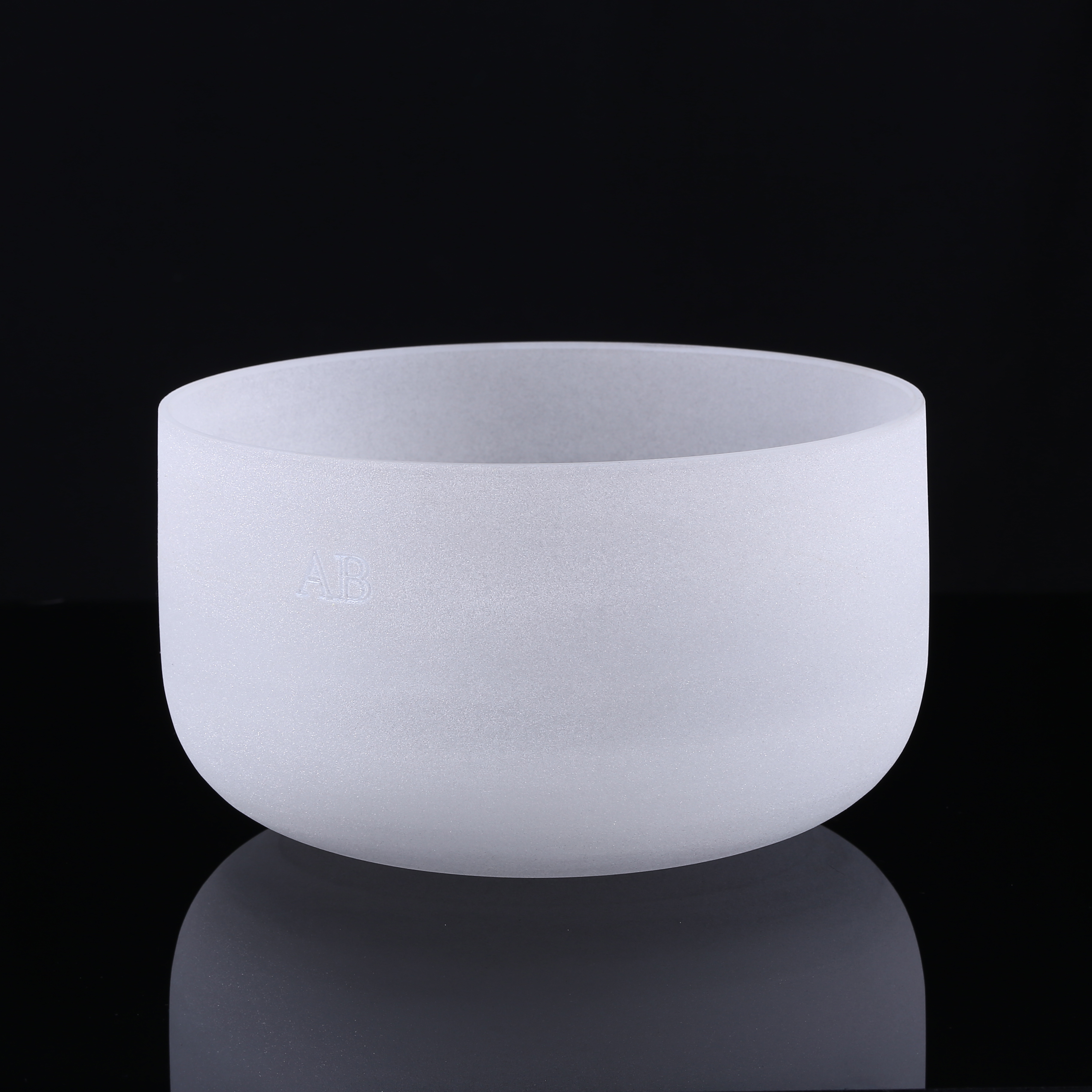
Physicochemical Superiority of High-Purity Fused Quartz Petri Dishes
An exhaustive engineering evaluation of synthetic fused silica (JGS1) and clear electrically fused quartz (JGS2) for advanced cellular observation, high-energy laser excitation, and cleanroom biomedical culture.
In standard laboratory environments, borosilicate 3.3 glass and disposable polystyrene (PS) dishes fulfill routine cell culturing requirements. However, as scientific protocols in Milan's life sciences and nanotechnology clusters advance toward single-molecule fluorescence, multi-photon inverted confocal microscopy, and deep-ultraviolet (UV) laser ablation, traditional substrates present unacceptable physical limitations. Borosilicate glass demonstrates significant autofluorescence under UV wavelengths (<360 nm) and leaches sodium (Na), calcium (Ca), and boron (B) ions into sensitive cell matrices. Polystyrene deteriorates under thermal stress above 80°C and cannot withstand aggressive decontamination reagents such as boiling Piranha solution (H₂SO₄ + H₂O₂) or concentrated Aqua Regia.
Manufactured by Donghai County Nivra Quartz Products Co., Ltd., our fused quartz petri dishes are synthesized from natural crystalline quartz sand of exceptional geological purity and synthetic silica precursors. Through computer-controlled oxy-hydrogen flame fusion and precision planetary lapping, we manufacture cell culture containers with optical flatness, extreme dimensional stability, and trace elemental impurities controlled down to parts-per-million (ppm) thresholds.
1. Optical Transmission and Deep-UV Transmittance Profiles
The transmission spectra of our petri dish optical bottoms distinguish Nivra quartz labware from conventional borosilicate:
- JGS1 (Synthetic Fused Silica): Features an absorption edge extending into the vacuum ultraviolet region. With zero bubble inclusions and high internal homogeneity, JGS1 dishes provide greater than 90% optical transmission at 200 nm, making them essential for 254 nm germicidal irradiation experiments, UV spectrophotometric cell analysis, and deep-UV laser micro-dissection.
- JGS2 (Fused Natural Quartz): Engineered for applications bridging the ultraviolet through the visible spectrum (220 nm to 2500 nm). JGS2 petri dishes combine optical clarity with economical production economics, ideal for thermal crystallization studies and fluorescence microscopy without optical distortion.
- JGS3 (Infrared Grade Fused Quartz): Characterized by an ultra-low hydroxyl content ([OH] < 5 ppm). This structural property eliminates the 2.73 μm water absorption band, providing unobstructed transmission across the short-wave and mid-wave infrared spectrum up to 3500 nm.
2. Trace Heavy Metal Impurities via ICP-MS Analysis
Biomedical researchers investigating enzymatic kinetics, metalloprotein folding, or semiconductor wafer spin-coating contamination require absolute substrate neutrality. Below is the typical Inductively Coupled Plasma Mass Spectrometry (ICP-MS) trace impurity breakdown of our high-purity fused quartz raw stock:
| Trace Element | Element Symbol | Typical Nivra Fused Quartz (PPM) | High-Purity Optical Grade (PPM) | Standard Borosilicate 3.3 Reference |
|---|---|---|---|---|
| Aluminum | Al | 12.0 – 16.0 | < 0.05 | 20,000 – 40,000 (Major constituent) |
| Iron | Fe | 0.15 – 0.40 | < 0.02 | 200 – 600 (Causes UV absorption) |
| Sodium | Na | 0.30 – 0.80 | < 0.01 | 30,000 – 50,000 (Rapid ion leacher) |
| Potassium | K | 0.20 – 0.60 | < 0.01 | 5,000 – 15,000 |
| Calcium | Ca | 0.40 – 0.70 | < 0.02 | 5,000 – 10,000 |
| Titanium | Ti | 1.00 – 1.40 | < 0.01 | 100 – 300 |
| Total Impurity Sum | Σ | < 20.0 PPM (≥99.998% Purity) | < 0.2 PPM (Synthetic JGS1) | > 150,000 PPM (Glass network formers) |
3. Thermal Dynamics and Mechanical Resilience Under Autoclave Sterilization
Fused quartz exhibits an exceptionally low linear coefficient of thermal expansion ($\alpha = 5.5 \times 10^{-7} \text{ K}^{-1}$ across the 20°C to 300°C range). This equates to approximately one-sixth the thermal expansion of borosilicate 3.3 glass and one-twentieth that of soda-lime glass. Consequently, Nivra quartz petri dishes survive sudden thermal shocks that instantly shatter ordinary labware. Dishes can be transferred directly from a 1000°C sintering furnace into an ice-water bath ($\Delta T \approx 1000\text{°C}$) without micro-fracturing or structural failure.
This thermal resilience enables thorough decontamination procedures:
- Dry-Heat Depyrogenation: Dishes can be baked at 250°C to 350°C for dry destruction of bacterial endotoxins without altering base flatness or causing thermal warping.
- Autoclaving Without Leaching: Repeated saturated steam autoclave cycles (121°C or 134°C) do not induce the surface alkali corrosion or surface clouding common to multicomponent silicate glasses.
- Flame Sterilization: Rapid direct-flame sterilization across Bunsen burners does not generate localized stress concentrations or surface crazing.
Engineering Benchmark: Quartz vs. Borosilicate vs. Polystyrene
Evaluate critical physical, optical, and operational parameters before finalizing labware procurement for biomedical and industrial applications.
| Evaluation Parameter | High-Purity Fused Quartz (Nivra) | Borosilicate 3.3 Glass (Duran/Pyrex) | Polystyrene (Disposables) |
|---|---|---|---|
| Primary Composition | SiO₂ ≥ 99.99% | SiO₂ 81%, B₂O₃ 13%, Na₂O/Al₂O₃ 6% | [C₈H₈]ₙ Polymer |
| Continuous Operating Temp | 1100°C (Short peak 1450°C) | 450°C – 500°C | 70°C – 80°C Max |
| Thermal Expansion (20-300°C) | 5.5 × 10⁻⁷ /°C | 33 × 10⁻⁷ /°C | 600–800 × 10⁻⁷ /°C |
| UV Cutoff Wavelength | 185 nm (JGS1) / 220 nm (JGS2) | ~ 310 nm | ~ 290 nm (Strong autofluorescence) |
| Autofluorescence Level | Undetectable / Zero | Moderate (Interferes below 380nm) | Extremely High (Obscures imaging) |
| Chemical Acid Resistance | Hydrofluoric (HF) & Hot H₃PO₄ only | Degraded by alkaline solutions & acids | Degraded by organic solvents, esters |
| Reusability & Longevity | Permanent / Thousands of cycles | Limited by surface etching & scratching | Single-use (Significant plastic waste) |
| Depyrogenation Capability | Fully compatible at 250°C–350°C | Compatible with strict temperature caps | Impossible (Melts/deforms) |
Targeted Applications Across Milan's Research & Industrial Corridors
From the cutting-edge research institutes at the Milano Innovation District (MIND) to high-precision microfabrication labs in Agrate Brianza, our quartz labware fulfills demanding experimental and production standards.
MIND & Oncology Research
Facilities such as the Human Technopole, San Raffaele Scientific Institute, and the European Institute of Oncology (IEO) deploy our JGS1 quartz petri dishes for live-cell UV irradiation, photodynamic therapy (PDT) testing, and inverted confocal fluorescence imaging free of background autofluorescence.
Pharmaceutical Synthesis & Bio-reactors
Across pharmaceutical plants in Monza, Cinisello Balsamo, and San Donato Milanese, our quartz petri dishes and reaction vessels handle hot mineral acids, active pharmaceutical ingredient (API) crystallization, and clean pyrogen-free cell growth without boron or alkali leaching.
Microelectronics & Thin-Film Etching
Supporting the semiconductor and microfluidics corridor around Agrate Brianza and the Politecnico di Milano cleanrooms, Nivra dishes act as chemical etch basins for concentrated hydrofluoric/nitric acid mixes and high-temperature wafer drying carriers.
Lombardy Sourcing Trends: Sustainability & Precision Compliance
The biomedical supply chain in Northern Italy is undergoing a structural shift driven by European regulatory updates and environmental mandates. Procurement managers at major Milanese hospitals, research clusters, and industrial testing hubs increasingly prioritize the following performance parameters:
1. Transition from Single-Use Plastics to Circular Quartzware: In accordance with the EU Corporate Sustainability Due Diligence Directive (CSDDD) and Italian environmental decrees restricting single-use biomedical plastic waste, laboratories in Milan are replacing disposable polystyrene petri dishes with durable, autoclave-sterilizable fused quartzware. While polymer dishes represent a persistent incineration or microplastic disposal cost, a single Nivra quartz petri dish survives thousands of autoclave and dry-heat cycles, reducing life-cycle lab waste and carbon footprint.
2. Higher Numerical Aperture (NA) Imaging Demands: As super-resolution microscopy methods (such as STED, STORM, and SIM) expand throughout University of Milan laboratories, traditional culture dish bottoms introduce spherical aberrations. Nivra supplies custom petri dishes with thin optical window bottoms (0.17 mm ± 0.01 mm, equivalent to No. 1.5 cover glass standards), enabling high-magnification oil immersion objectives to focus with sub-micron resolving precision.
3. Stricter Contamination Auditing (ISO 14644 & GMP Annex 1): In advanced sterile pharmaceutical processing, trace ion transfer from container glass into therapeutic solutions is heavily scrutinized. Nivra provides batch-specific ICP-MS purity certifications and Certificate of Analysis (CoA) documentation detailing trace impurities, assisting QA managers in passing regulatory audits from AIFA (Agenzia Italiana del Farmaco) and international regulatory bodies.
Why European Buyers Partner with Nivra Quartz
Headquartered in Donghai County—the global center of crystal and quartz synthesis—Donghai County Nivra Quartz Products Co., Ltd. combines raw material access with high-precision fabrication.
Direct Factory Infrastructure
Over 101–200 skilled operators operating CNC horizontal glass-drilling centers, automated optical edge polishers, and high-temp glass lathes at 285 Heping East Road, Lianyungang.
Rigid Quality Assurance
100% polarimetric stress analysis, optical interferometer flatness verification, and laser micrometer wall-thickness checks ensure zero shipping defects.
≤5h Rapid Engineering SLA
Our engineering desk responds to technical drawings (CAD / DWG / STEP / PDF) in under 5 hours, achieving an 88.89% customer response rate.
Customs-Cleared Italian Logistics
Multi-layered shock-absorbing pearl foam packaging, customized export wooden cases, and integrated DDP freight forwarding to Milan Malpensa (MXP) Airport and Milan logistics hubs.
From Specification to Milan Delivery in 5 Disciplined Steps
A dependable B2B procurement workflow optimized for engineering teams, university researchers, and OEM instrument builders.
Specification Review
Submit dimensional drawings, outer diameter (OD), rim height, base thickness, surface polish grade, and intended operating environment.
Engineering DFM
Our technicians optimize tolerances (DIN ISO 2768-m), select optical grade (JGS1/JGS2), and deliver formal quotation with lead times within 5 hours.
Prototyping & Sign-off
Pilot batch or sample pieces are hot-drawn or CNC polished, inspected, and dispatched with inspection sheets for technical evaluation.
Volume Fabrication & QC
Precision cutting, flame fire-polishing, annealing to relieve internal mechanical stress, and cleanroom vacuum packaging.
Door-to-Door Delivery
Fragile-cargo crating, transit tracking, full insurance coverage, and expedited customs clearance straight to your Lombardy facility.
Frequently Asked Questions by Milanese Laboratory Buyers
Clear, technically detailed answers regarding material grades, chemical resilience, shipping safeguards, customs procedures, and custom fabrication.
1. What optical and chemical advantages do Nivra quartz petri dishes offer over standard borosilicate glass dishes?
While borosilicate (e.g., Duran or Pyrex) is appropriate for basic wet chemistry, it absorbs heavily in the ultraviolet spectrum below 310 nm and displays significant autofluorescence under laser excitation. Nivra's fused quartz petri dishes provide optical clarity extending down to 185 nm (JGS1 grade) and 220 nm (JGS2 grade) with zero background fluorescence, which is essential for multi-photon confocal microscopy and UV spectroscopy. Chemically, quartz is pure crystalline silicon dioxide (≥99.99% SiO₂), eliminating the risk of boron, sodium, or arsenic leaching into nutrient solutions during prolonged cellular incubation or thermal depyrogenation.
2. Can you manufacture dishes with specific bottom thicknesses for inverted high-resolution confocal microscopy?
Yes. Inverted confocal microscopy and total internal reflection fluorescence (TIRF) require ultra-thin, planoparallel bottoms to eliminate spherical aberration under high numerical aperture (NA) objectives. We produce custom quartz dishes with precision-lapped base windows down to 0.17 mm ± 0.01 mm (matching standard No. 1.5 coverglass dimensions), as well as heavier 1.0 mm, 1.5 mm, and 2.0 mm bases designed for mechanical stability and high-pressure applications.
3. What documentation and compliance certifications accompany shipments to Italian research institutions?
Every industrial and laboratory shipment includes a Certificate of Analysis (CoA) confirming raw material purity, spectral transmission data, and dimensional inspection reports against client drawings. Our materials comply with EU REACH (EC 1907/2006) and RoHS environmental directives. Where required for cleanroom and pharmaceutical qualification under Italian GMP guidelines, batch trace element ICP-MS profiles are provided.
4. How do Nivra quartz petri dishes handle rapid thermal shock and aggressive chemical washing cycles?
With an extremely low thermal expansion coefficient ($5.5 \times 10^{-7} \text{ K}^{-1}$), our quartz dishes withstand immediate thermal transitions of over 1000°C without cracking—for example, removing a dish from a 1100°C furnace and quenching it directly in cold water. In terms of chemical resistance, they withstand boiling Aqua Regia, Piranha solution, nitric acid, and organic solvents. Only hydrofluoric acid (HF) and concentrated phosphoric acid at temperatures exceeding 300°C will chemically attack quartz.
5. What are the typical air-freight and sea-freight transit times to Milan, Italy?
For urgent laboratory prototypes and small-to-medium batches, we deploy expedited courier and direct air-cargo services to Milan Malpensa Airport (MXP) or Milan Linate (LIN), with door-to-door transit averaging 5 to 8 working days. For bulk production orders and large-diameter components, maritime shipping via the Port of Genoa followed by bonded transit to Lombardy logistics centers requires approximately 28 to 35 calendar days.
6. How does your packaging prevent mechanical breakage during international transit to Italy?
Fragile quartzware demands specialized, multi-layered protective crating. Each quartz petri dish and lid is cleaned, placed in anti-static polybags, and encapsulated in custom-molded high-density Polyethylene (EPE) foam cradles that absorb mechanical vibrations and impact spikes. These cradles are housed within reinforced five-layer corrugated cartons and packed inside international fumigation-free plywood export crates equipped with tip-and-tell shock indicator sensors.
7. What customization options are available for specialized petri dish designs?
We provide comprehensive OEM/ODM custom processing:
- Precision diameters from miniature 20 mm micro-dishes up to 300 mm industrial evaporation basins.
- Multi-compartment internal fused quartz dividing walls (2-quadrant, 3-quadrant, or 4-quadrant configurations).
- Laser-etched coordinate grids, alphanumeric reference markers, and measurement scales resistant to acid cleaning.
- Internal and external optical polishing (80/50, 60/40, or 40/20 scratch-dig) or frosted matte exterior walls for anti-glare operation.
- Custom matching quartz cover lids with venting notches or hermetic ground-joint seals.
8. What is the Minimum Order Quantity (MOQ) for custom fabricated vs. standard catalog items?
Standard diameter dishes (e.g., 60 mm, 90 mm, 100 mm, 120 mm) feature a low MOQ starting from 1 to 5 pieces to support university academic research, pilot trials, and proof-of-concept testing. Custom CNC-machined, partitioned, or non-standard thin-bottom dishes typically start at 10 to 50 pieces, with scalable unit discounts for annual OEM blanket orders.
9. What are the payment terms and Incoterms available for registered Italian companies?
We work under standard international commercial terms including EXW, FOB, CIF, and DDP (Delivered Duty Paid). Under DDP terms, Nivra handles all Chinese export clearances, international freight, Italian import customs clearance, and duty payments, delivering directly to your facility in Lombardy without unexpected tariffs or customs delays. Accepted payment methods include Wire Transfer (T/T), Letter of Credit (L/C), and secure commercial escrow.
10. Can you reverse-engineer obsolete or broken quartz laboratory glassware from physical samples?
Yes. If engineering CAD files are unavailable for legacy equipment, our technical department can reconstruct manufacturing drawings using 3D optical coordinate measuring machines (CMM) and laser profile scanners from a physical sample or detailed dimensional sketches. Once the drawing is verified by your technical team, we manufacture exact functional replacements.
Accelerate Your Project with Precision Nivra Quartzware
Whether you require standard deep-UV optical petri dishes for cancer research or custom fused quartz components for high-temperature semiconductor furnaces, our engineering team is prepared to review your specifications and supply a comprehensive technical quotation.