High-Purity Fused Quartz Components for Industrial & Analytical Infrastructure
Direct manufacturer export supply chain serving municipal research laboratories, metallurgical processing centers, and chemical testing facilities throughout Tiraspol and the wider Dniester Valley basin.
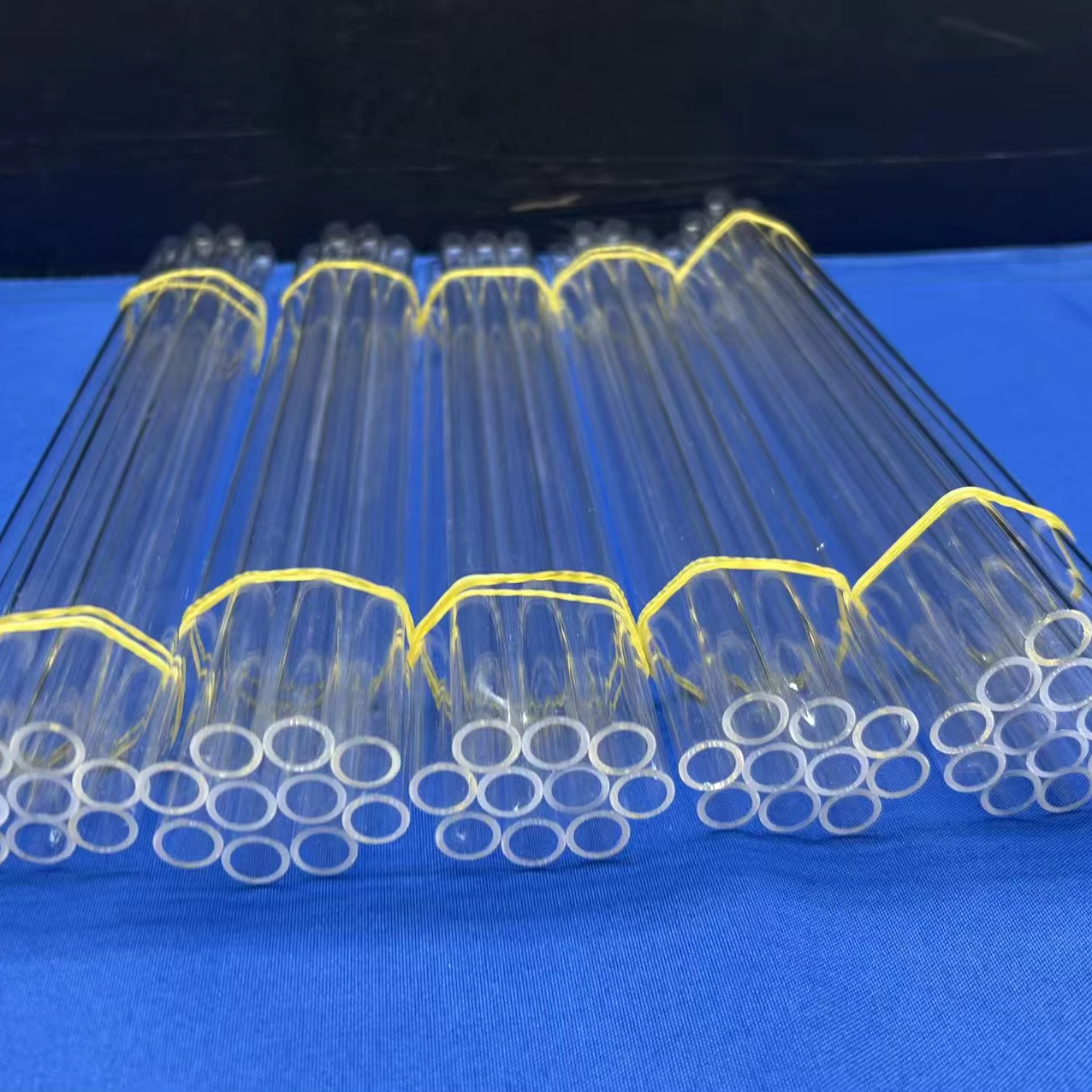
Quartz Test Tube
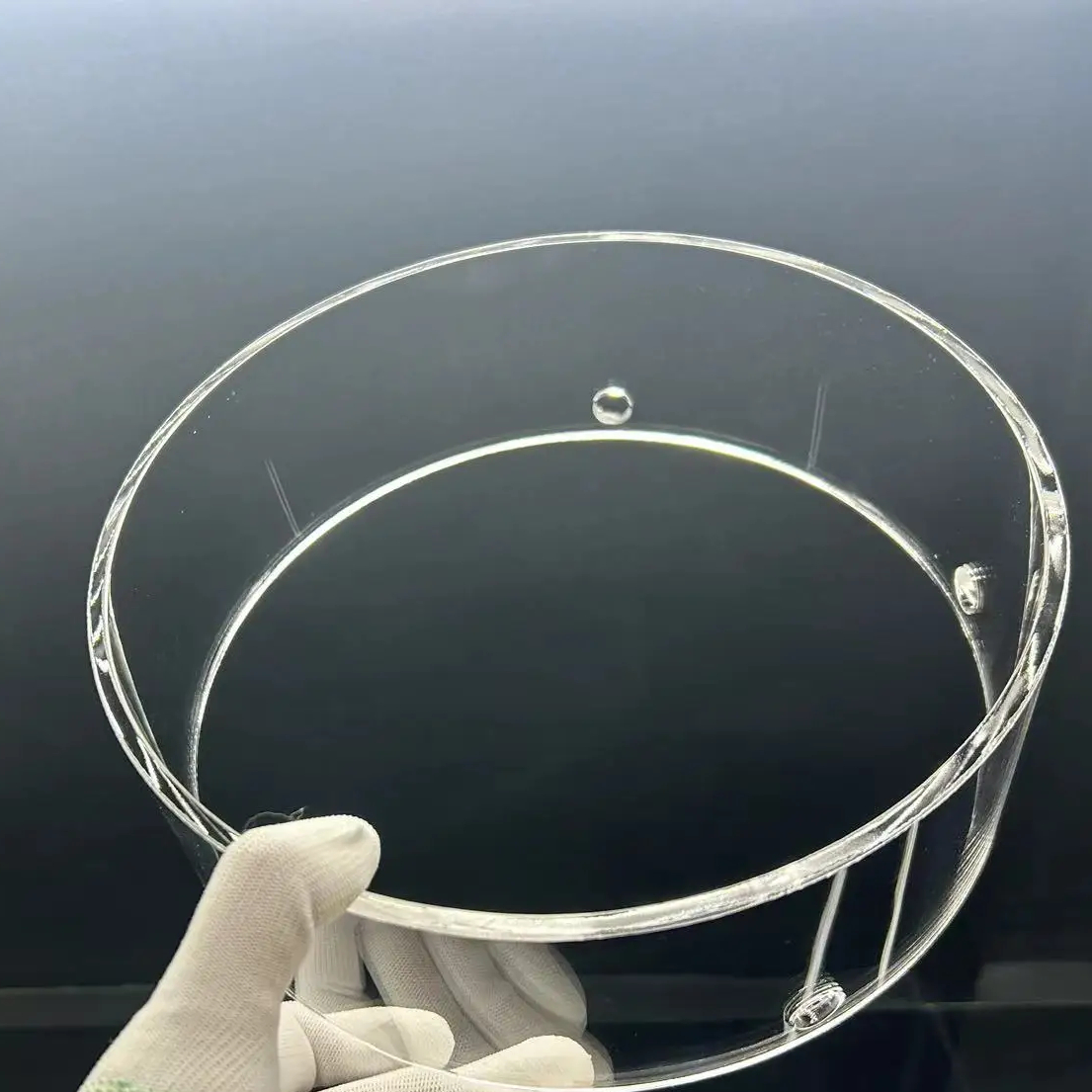
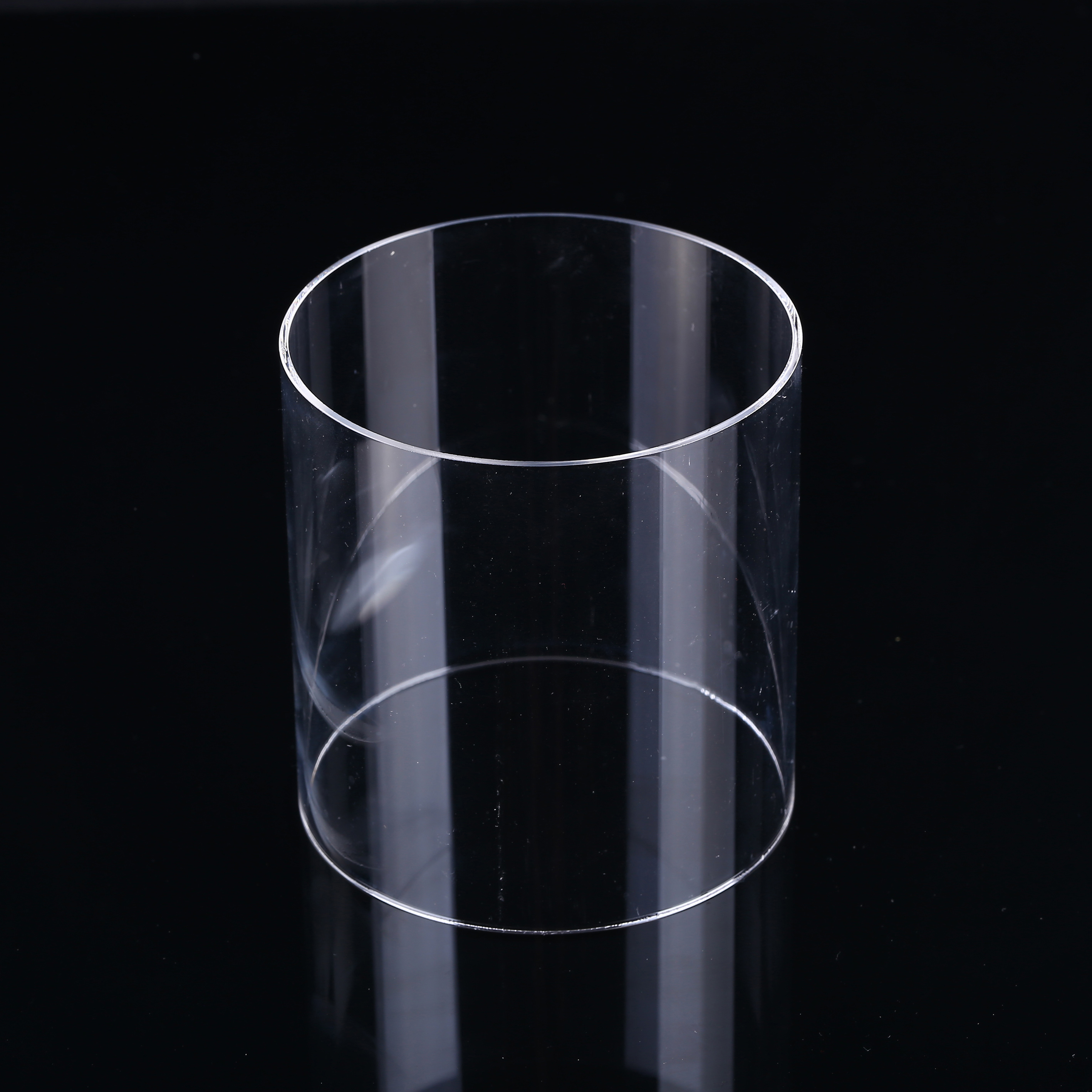
Fused Transparent Quartz Tube
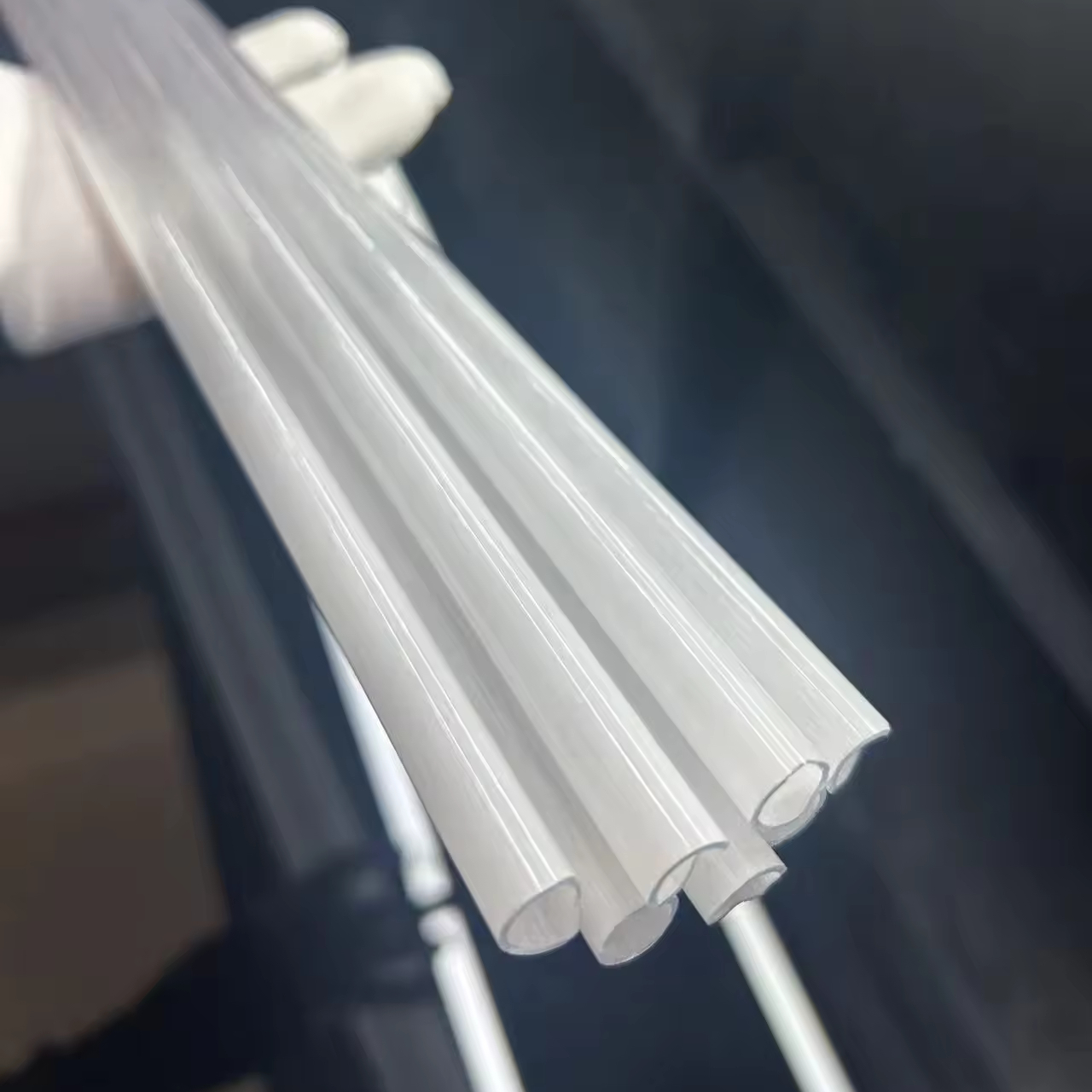
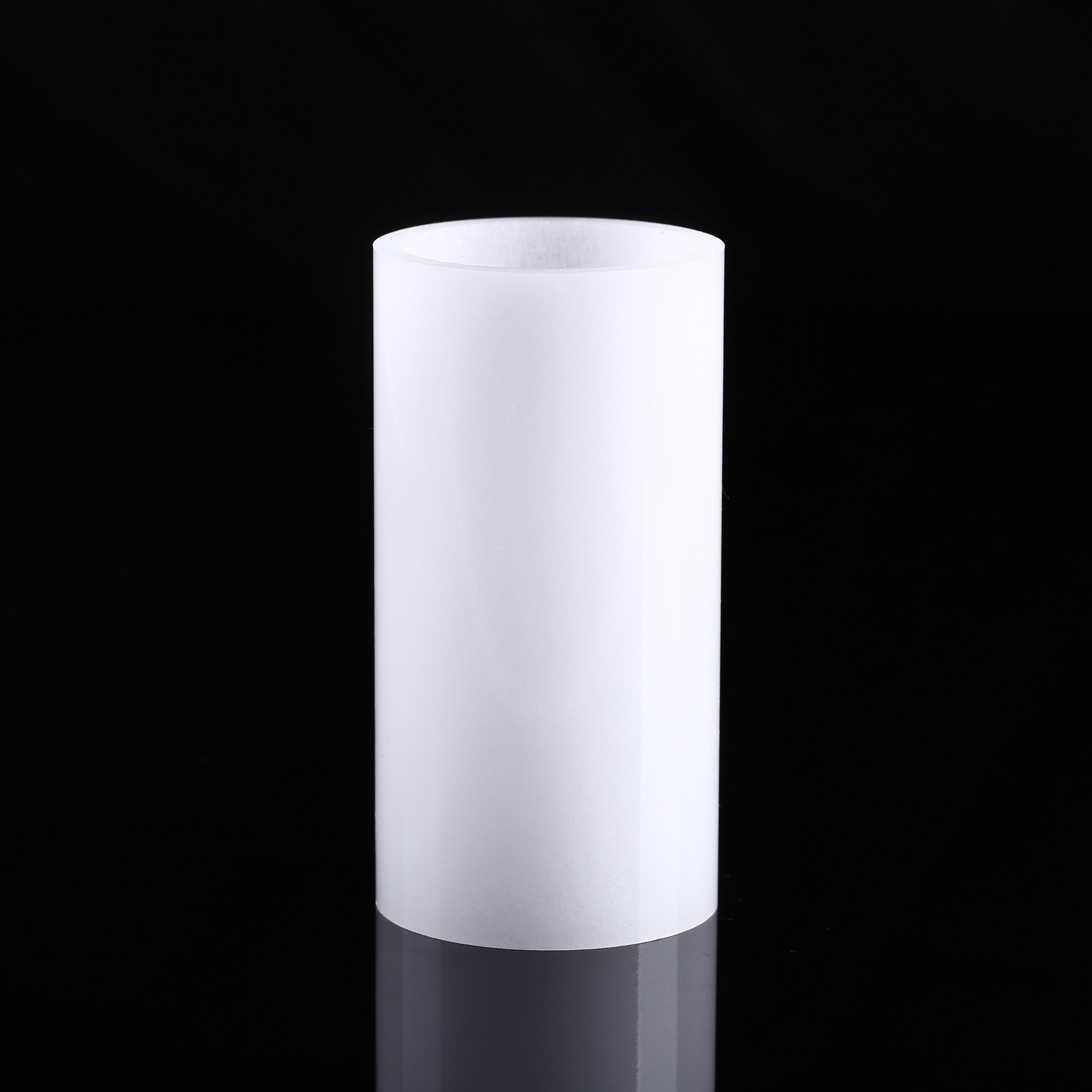
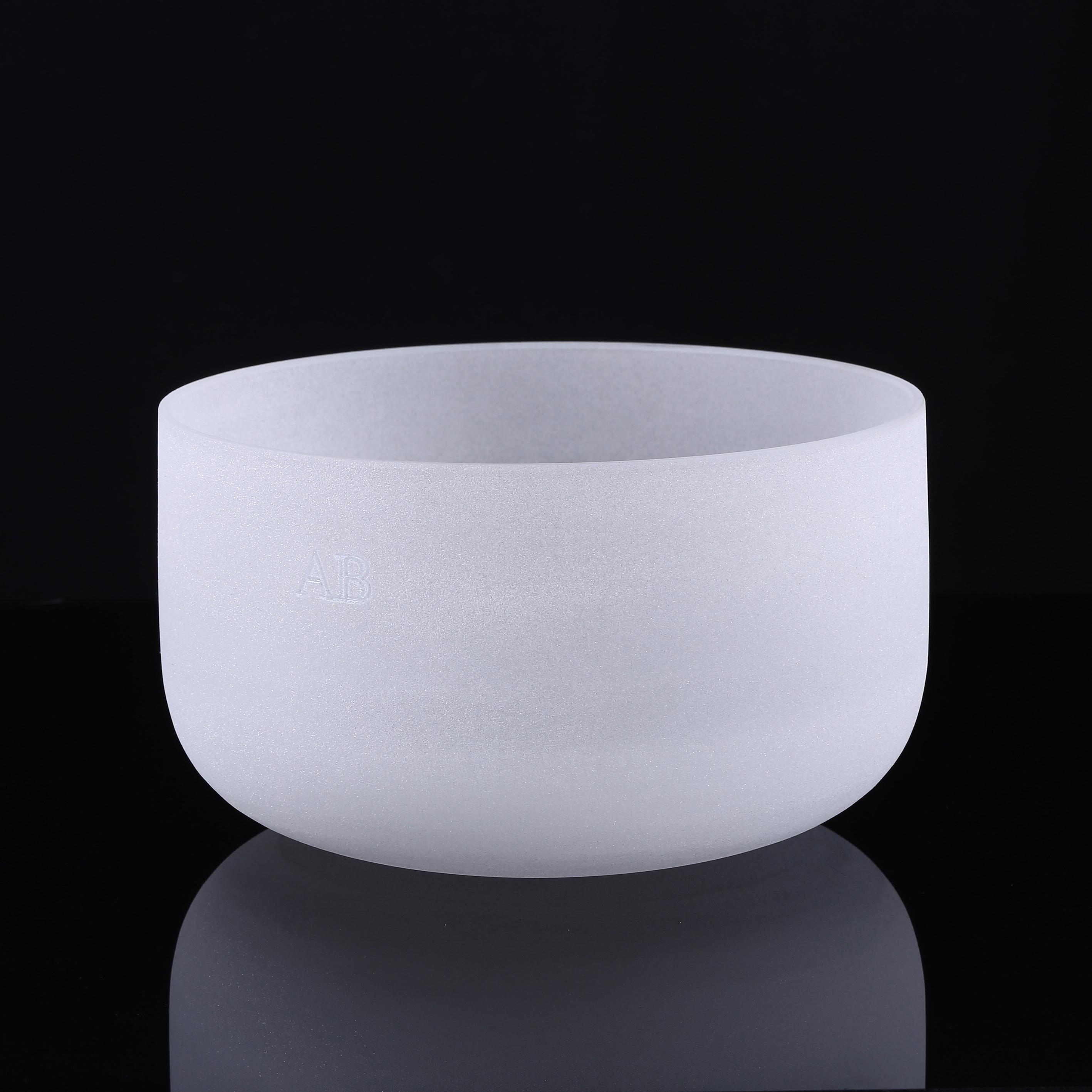
Translucent Quartz Glass Pipe & Milky White Sleeves
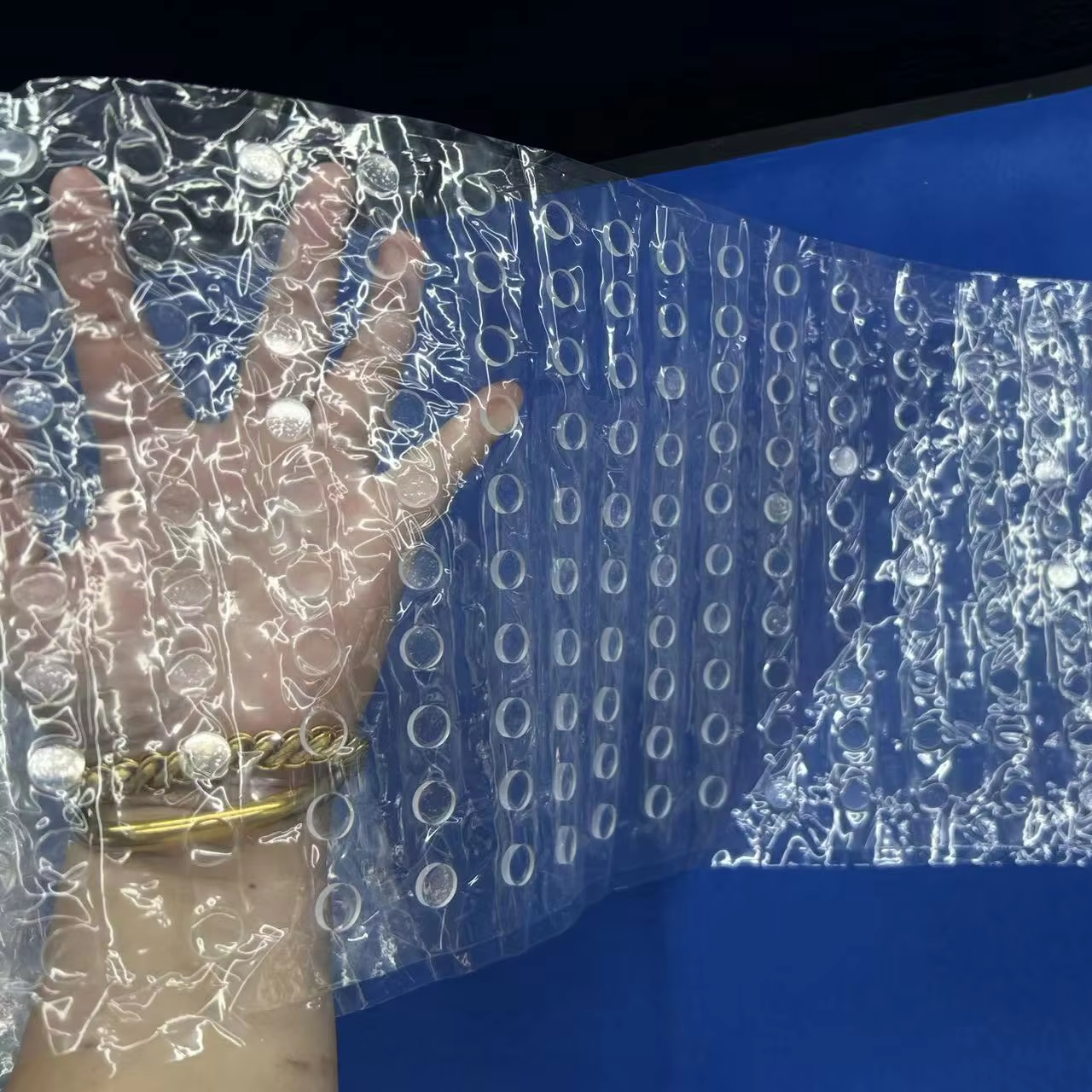
High-Purity Small Size Quartz Wafers & Discs
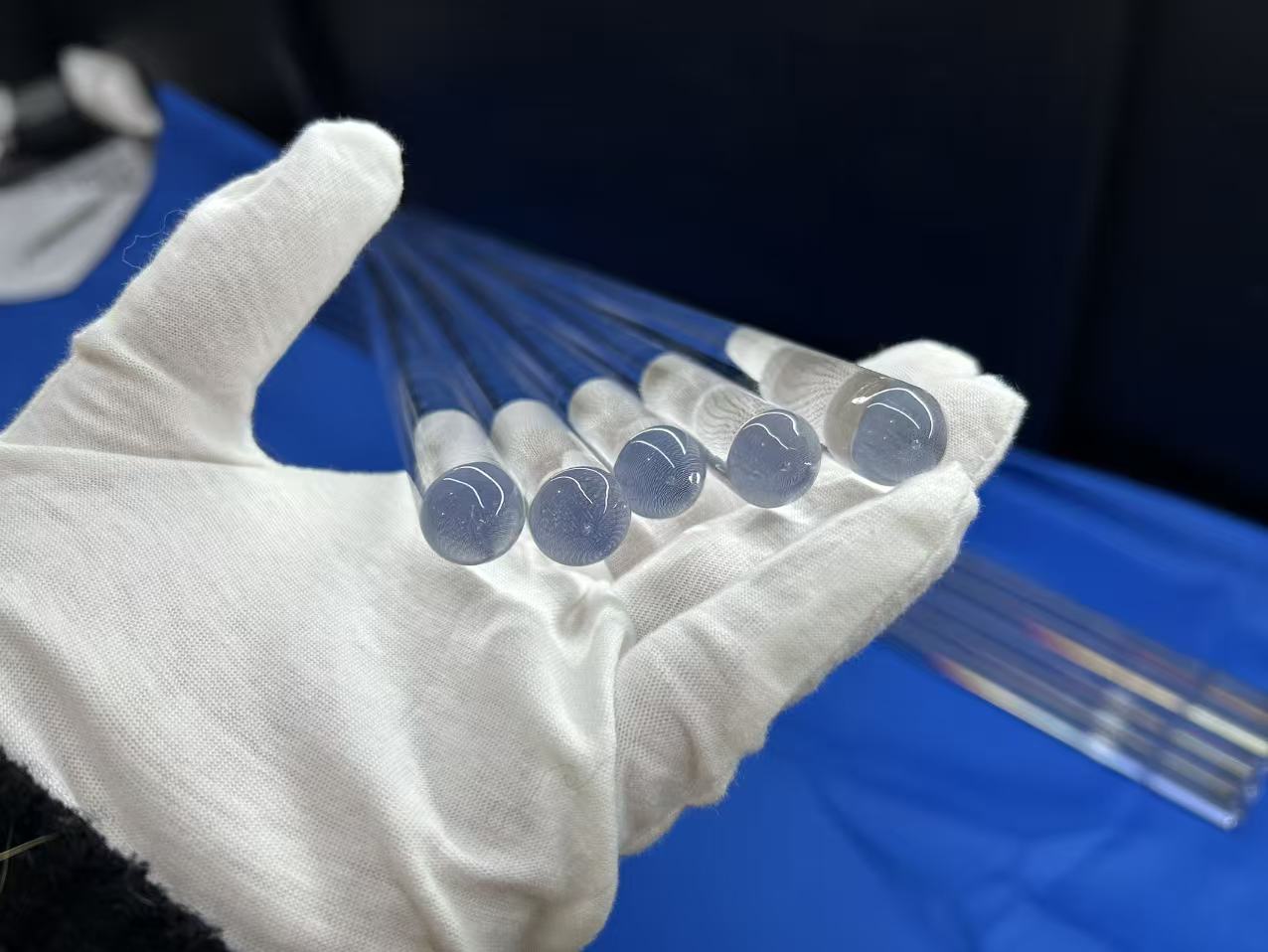
High-Purity Fused Quartz Round Rods & Bent Stirs
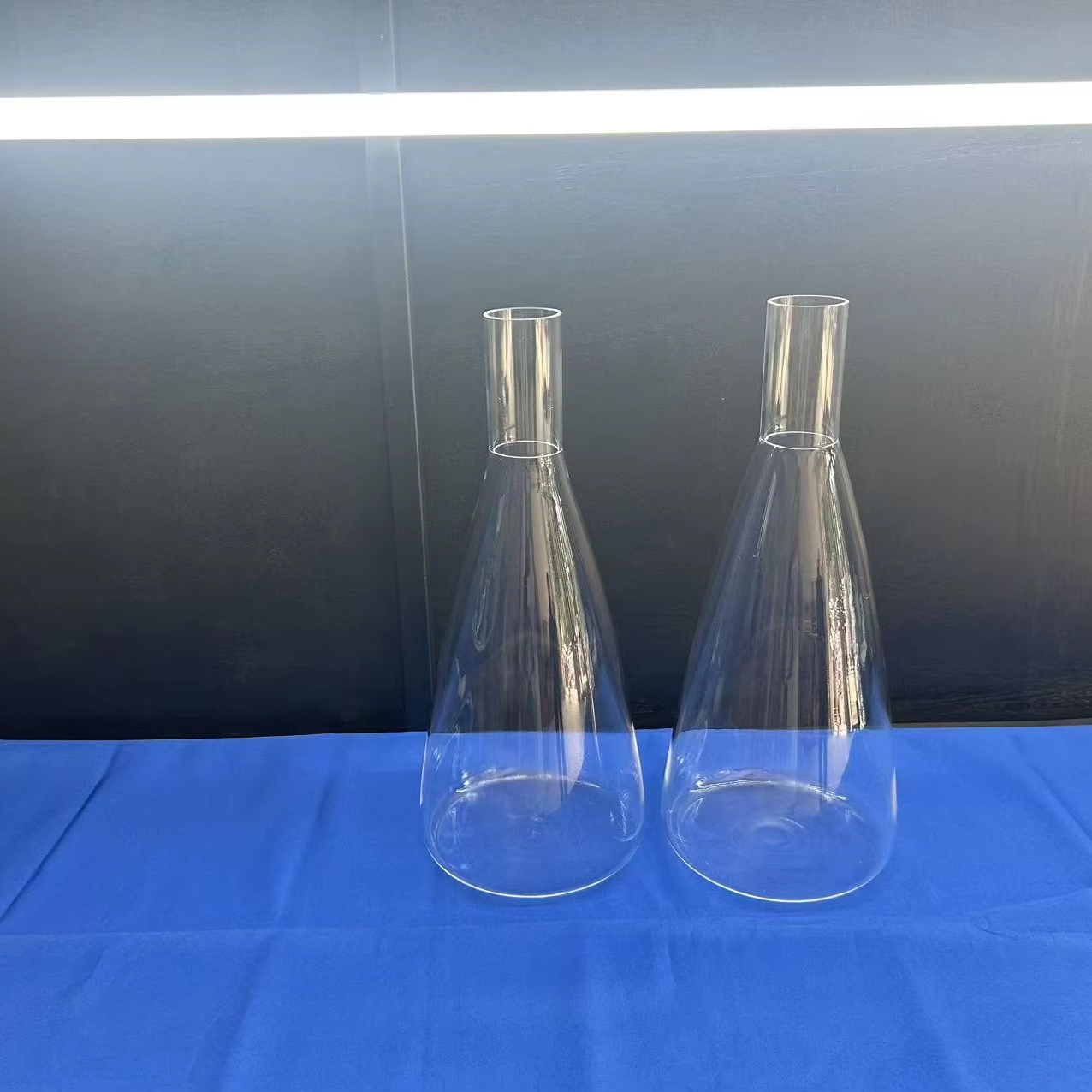
Laboratory Fused Silica Quartz Glass Flask
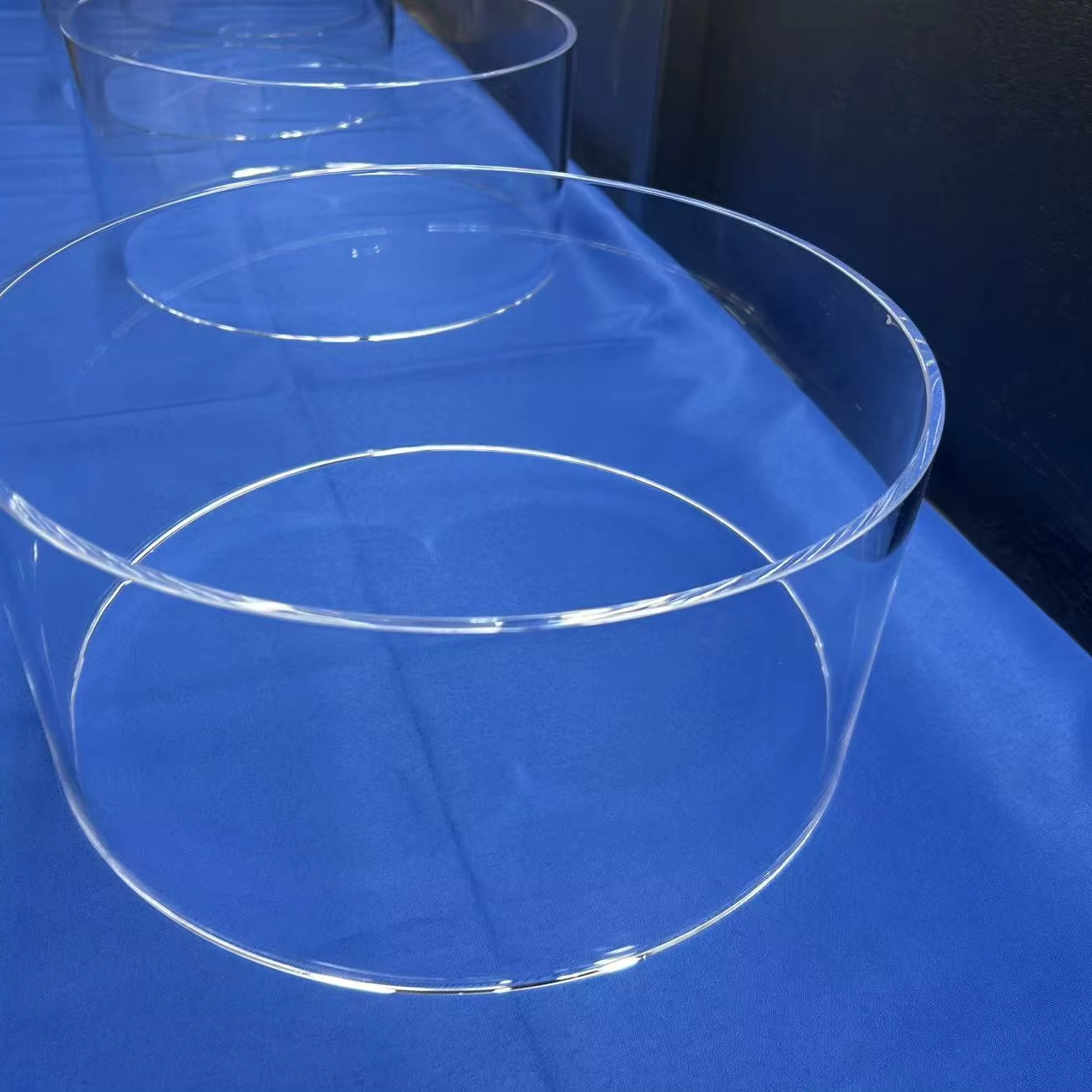
Large Diameter Quartz Rods for Industrial Production
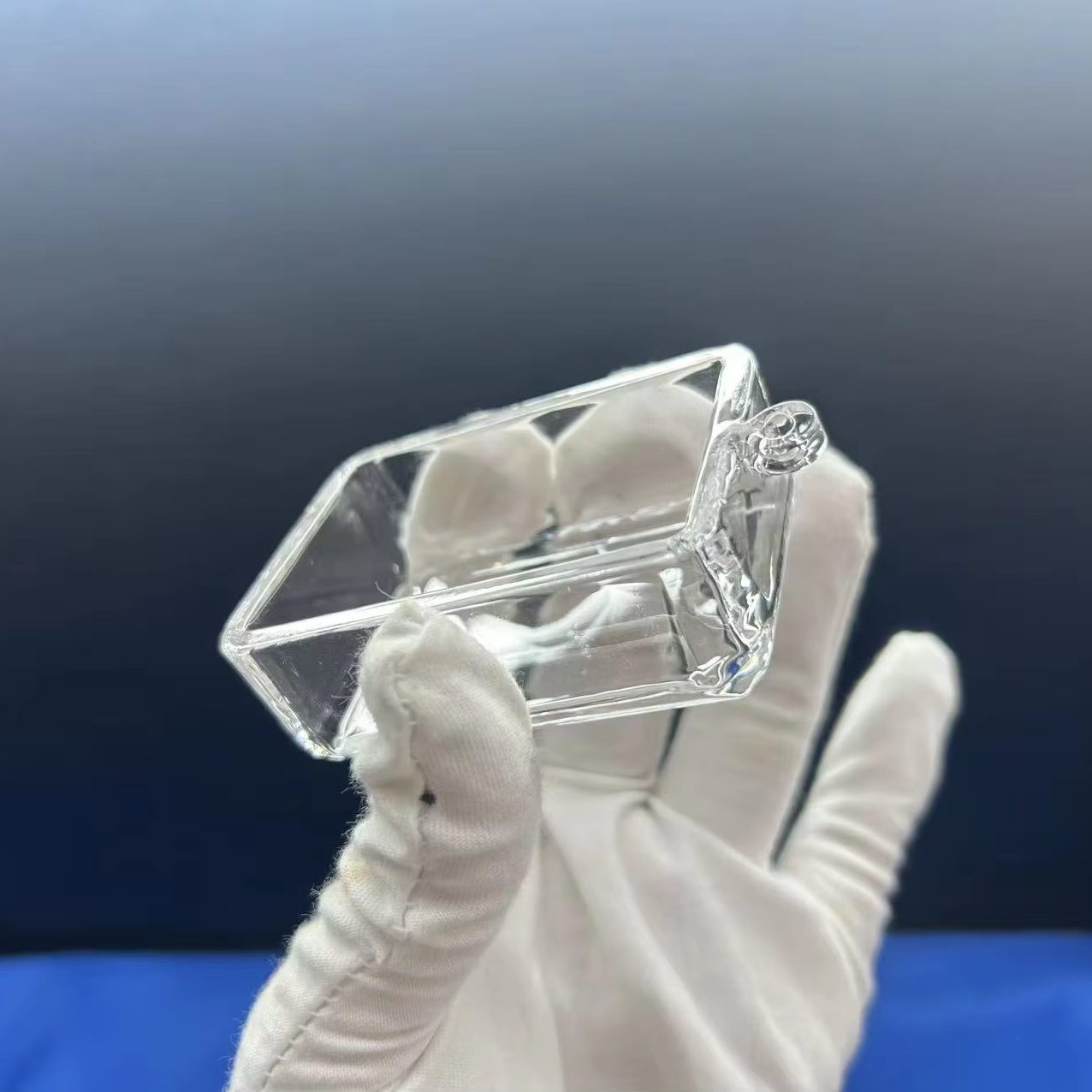
Welded High-Purity Quartz Chemical Tank
High-Precision Optical & Thermal Fused Quartz Petri Dishes
Unlike standard borosilicate glass dishes (DURAN or Pyrex) that soften near 500°C and suffer chemical leaching in aggressive acid digesters, our fused quartz petri dishes are synthesized from natural high-purity crystalline quartz sand in Donghai County. Designed specifically for extreme laboratory scenarios, our dishes withstand continuous thermal operation at 1100°C, brief excursions to 1450°C, and provide unrivaled optical transmission exceeding 92% across the deep ultraviolet (DUV 190–260 nm) spectrum.
Fused Silica (Quartz) vs. Borosilicate 3.3 for Tiraspol Sourcing Directors
A rigorous comparative analysis to substantiate procurement decisions across pharmaceutical microbiology, metallurgical slag analysis, and agrochemical verification centers.
| Performance Characteristic | JGS1 Synthetic Fused Silica | JGS2 Clear Fused Quartz | Standard Borosilicate 3.3 | Operational Impact in Lab Workflows |
|---|---|---|---|---|
| SiO₂ Chemical Purity | ≥ 99.999% (5N) | ≥ 99.99% (4N) | Approx. 80.6% (+B₂O₃, Na₂O, Al₂O₃) | Prevents sodium/boron trace leaching during aggressive acid boilings. |
| Continuous Working Temp | 1150 °C | 1100 °C | 490 °C – 520 °C | Allows direct sample dry-ashing and high-heat calcination inside muffle furnaces. |
| Softening Point | 1730 °C | 1683 °C | 825 °C | Zero structural deformation during sustained high-temperature metallurgical procedures. |
| Thermal Shock Tolerance | Drop from 1100°C into 20°C water: No crack | Drop from 1050°C into 20°C water: No crack | ΔT = 150 °C max | Eliminates catastrophic shatter during rapid cooling cycles or thermal cycling assays. |
| UV Cut-Off & Transmittance | Transmits from 185 nm (>90% at 254 nm) | Transmits from 220 nm (>88% at 254 nm) | Complete cut-off below 310 nm | Crucial for direct in-dish UV sterilization, UV-visible spectrophotometric assays, and DNA analysis. |
| Hydrolytic Resistance (ISO 719) | Class HGB 1 (Insoluble) | Class HGB 1 (Insoluble) | Class HGB 1 | Maximum resistance to deionized water vapor, preserving trace chemical integrity. |
| Available Diameters (OD) | 30 mm, 50 mm, 75 mm, 90 mm, 120 mm | 30 mm up to 300 mm Custom | Standard mass molds only | Precision CNC fabrication allows non-standard heights, ground flanged covers, and wells. |
Field Applications: Where Nivra Quartz Operates in Tiraspol & Regional Hubs
From the industrial heavy manufacturing districts of the Transnistria corridor to municipal agrochemical centers and university analytical clusters, high-purity quartz solves mission-critical material challenges.
Agrochemical & Viticulture Quality Control
Surrounding Tiraspol and the wider Dniester agricultural zone, viticulture estates (such as the historical KVINT production complexes) and agro-testing labs require rigorous soil mineral digestion and fungal spore monitoring. Nivra’s quartz petri dishes enable dry-ashing of grape must and organic foliage at 800°C without risk of boron contamination that skews micro-elemental spectrophotometric evaluations.
Pharmaceutical Cleanroom Autoclaving & Assays
Regional medicine synthesis facilities operating within strict pharmacological standards use fused quartz dishes for crystallization studies and aggressive bio-solvents evaporation. Because quartz does not degrade under high-pressure moist steam or prolonged 250°C hot-air sterilization, local laboratories achieve continuous cycle reuse without surface hazing or pitting.
Metallurgical Slag & Coking Testing
In proximity to major steel, casting, and metallurgical operations along the Rybnitsa-Tiraspol axis (including industrial partners of Moldova Steel Works / MMZ), laboratory specialists conduct rapid carbon, sulfur, and high-temp slag ignition tests. Fused quartz dishes endure immediate insertion into 1100°C ovens followed by quick quenching on cooling slabs without micro-fracturing.
Academic & Materials Research (PSU Lab Facilities)
At institutions such as Pridnestrovian State University (Tiraspol), modern physics and chemistry research chairs explore thin-film coating, photochemical reactions, and crystallographic synthesis. Optical-grade JGS1 flat dishes double as deep-UV transparent substrate vessels for laser excitation experiments without background fluorescence.
Semiconductor & Discrete Electronics Testing
Specialty electronics workshops producing piezoceramics, sensors, and micro-electromechanical components rely on quartz culture dishes and shallow vessels for chemical acid etching (using concentrated nitric, hydrochloric, and sulfuric acids) without risking reaction with the container walls.
Environmental Monitoring of Dniester Water Basin
Municipal ecology stations monitoring water purity, industrial effluents, and river sediment deposits employ fused silica petri dishes for evaporative residue collection and heavy metal trace quantifications, ensuring zero background interference in inductively coupled plasma (ICP-MS) preparation.
Emerging Procurement Trends in Transnistrian Scientific Infrastructure (2025–2030)
How macroeconomic realignment, laboratory modernization, and technological autonomy are reshaping how Tiraspol-based enterprises source specialized glassware.
Phase-Out of Soviet-Era Glass Stocks (GOST Legacy)
For decades, Eastern European testing facilities relied on legacy Soviet GOST borosilicate stocks. As these stockpiles deplete and modern testing demands tighter elemental tolerances, municipal and private laboratories in Tiraspol are standardizing on ultra-pure 99.99% fused silica to prevent trace boron and sodium leaching during acid digestion.
Direct-to-Manufacturer Sourcing Models
Due to complex intermediate logistics via Western European resellers, buyers in the region face 200–300% distributor markups and protracted lead times. Sourcing directly from Donghai Nivra Quartz Products Co., Ltd. provides factory-direct wholesale pricing, guaranteed material certification, and customized dimensional drawings without intermediary delays.
Integration of Multi-Spectrum Analytical Systems
Modern analytical equipment deployed across pharmaceutical and agro-processing centers utilizes combined UV-Vis spectrophotometry and laser-induced breakdown spectroscopy. Quartz petri dishes with polished optical bases eliminate the need to transfer samples between vessels, streamlining testing and reducing contamination risks.
Why Tiraspol Buyers Trust Donghai County Nivra Quartz Products Co., Ltd.
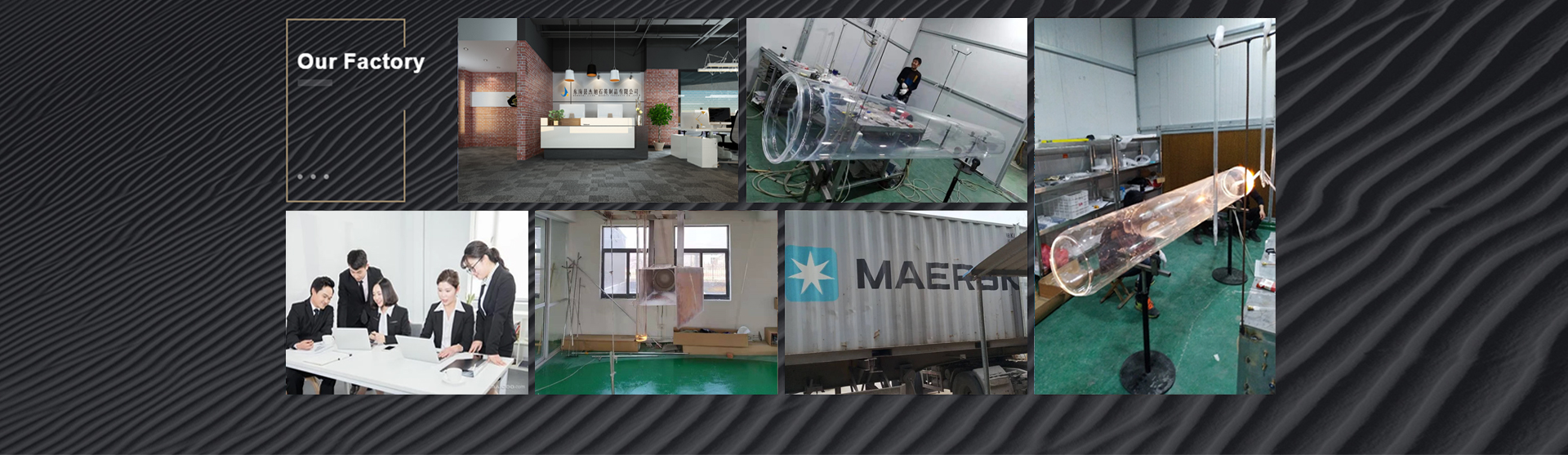
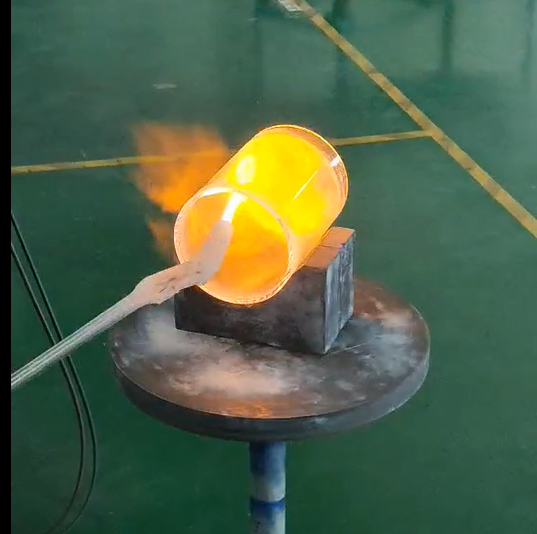
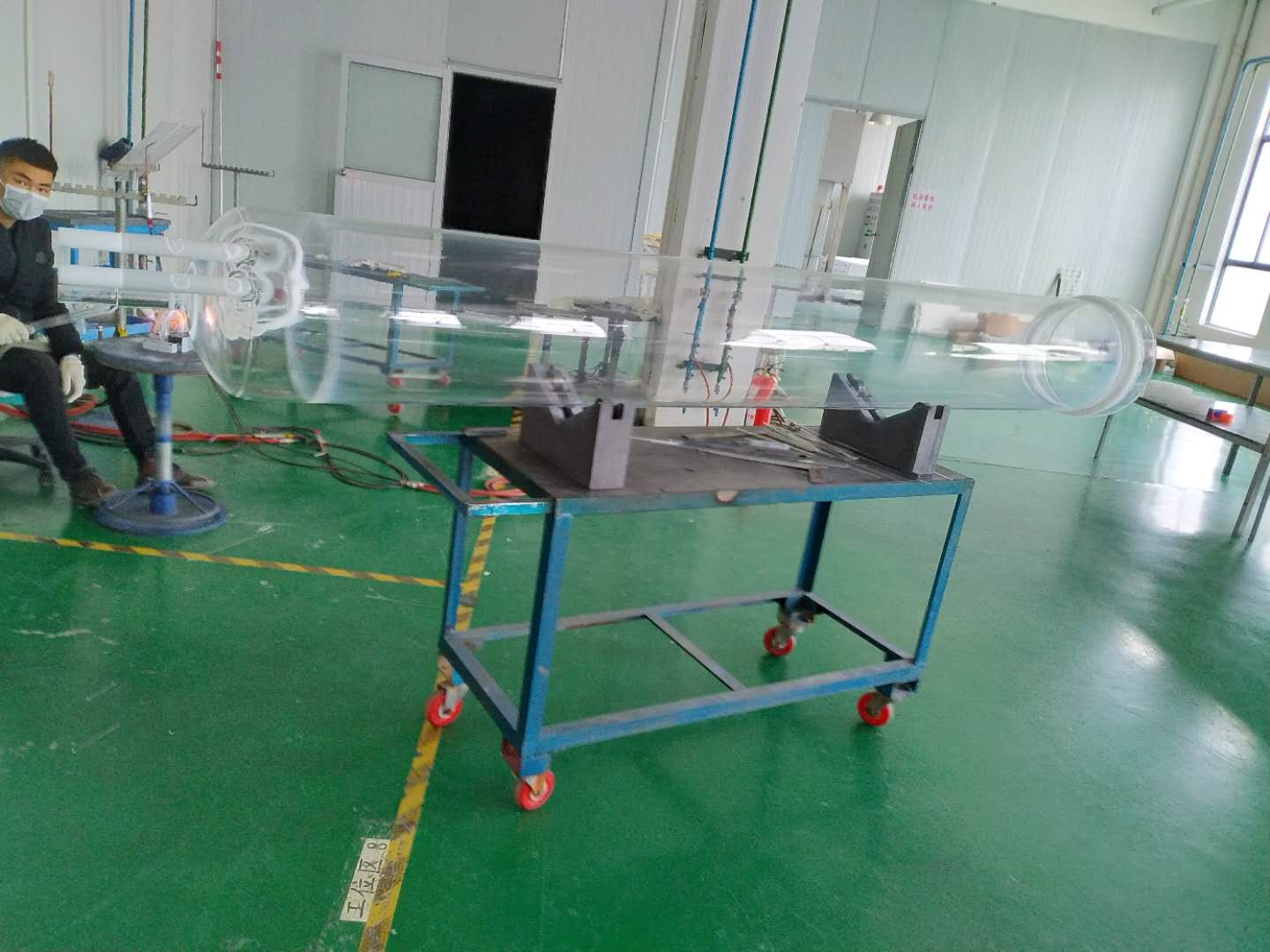
Established in February 2019 at 285 Heping East Road, Lianyungang, Jiangsu, our facility operates in the recognized quartz capital of China, maintaining end-to-end control from raw mineral refining to CNC optical polishing.
On-site checked by international testing bodies, verified business qualifications for seamless customs clearance.
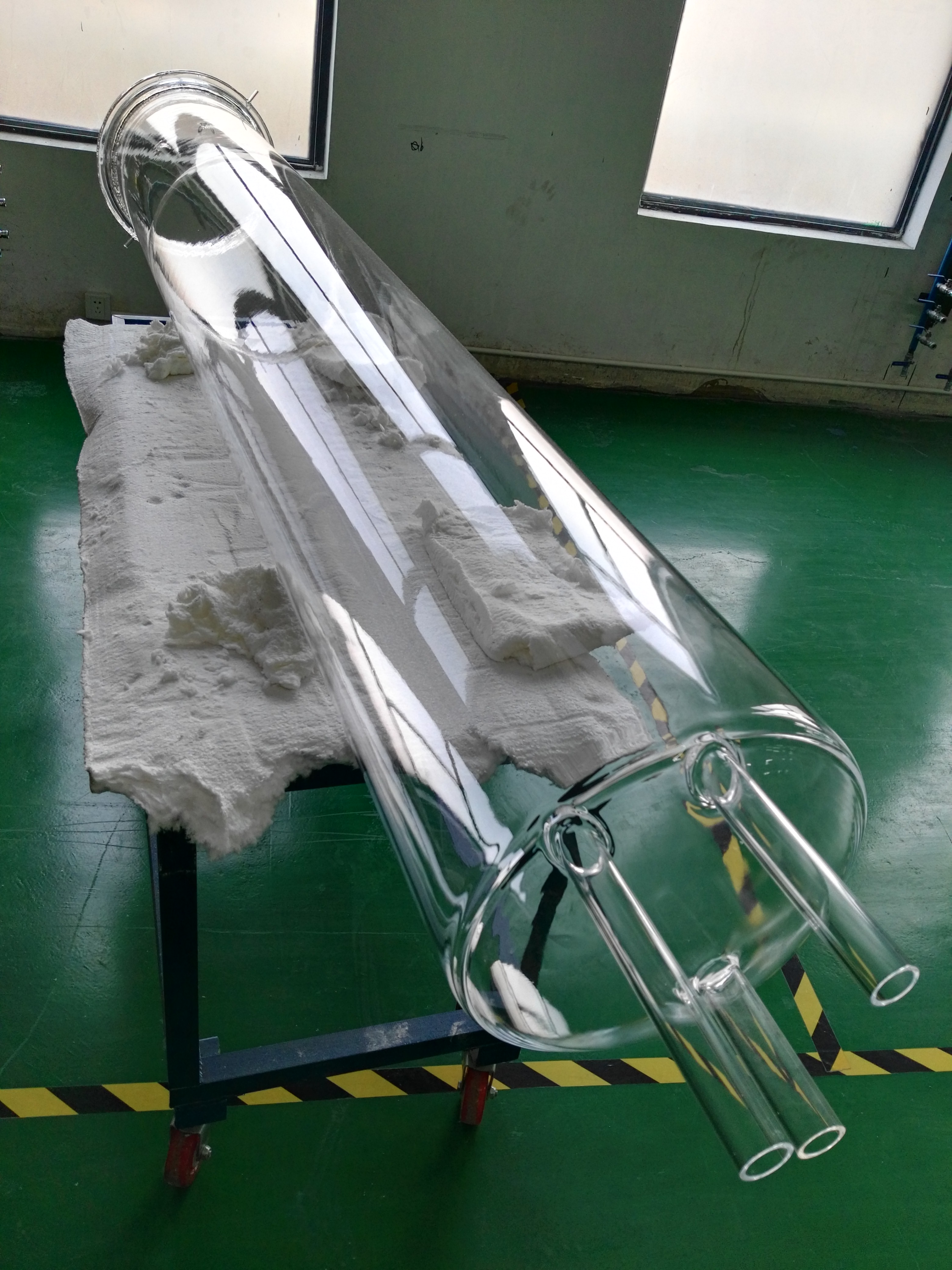
Frequently Asked Questions: Sourcing Quartzware for the Tiraspol Region
Everything procurement officers, logistics handlers, and chief chemists need to know regarding shipping routes, customs compliance, material grades, and breakage guarantees.
How are fragile quartz petri dishes packed to prevent transit breakage to Tiraspol?
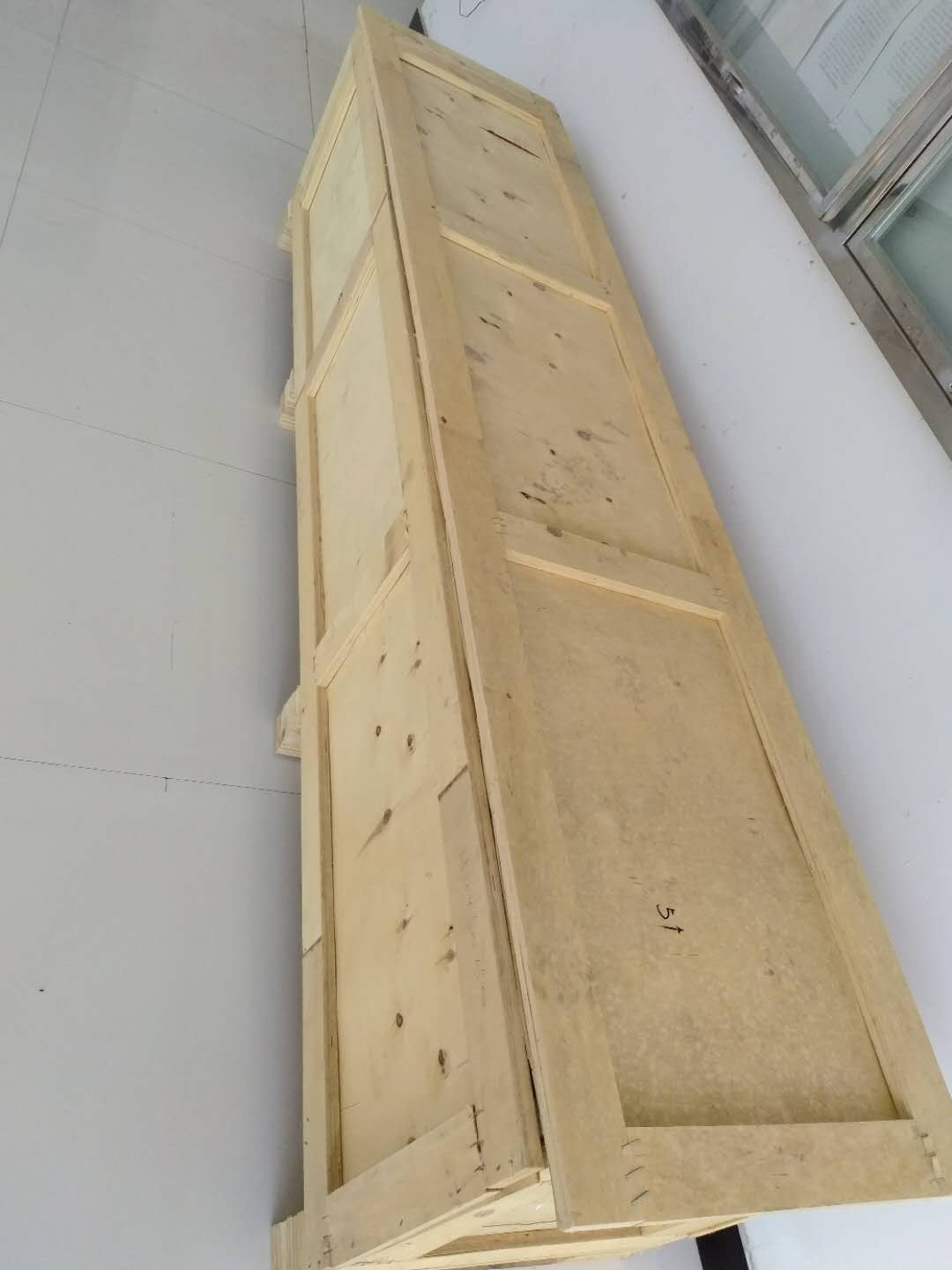
Every quartz petri dish is subjected to ultrasonic cleaning, individually sealed in an anti-static dust-free polyethylene sleeve, and wrapped in form-fitted high-density expanded polyethylene (EPE) shock-absorbing foam cells. The interior sets are encased in reinforced double-wall corrugated cartons, which are then placed into export-standard, heat-treated, fumigation-free plywood crates with internal edge shock dampers. In the unlikely event of transit damage, our 100% Free Replacement Guarantee covers any broken items reported with unboxing photographic verification.
What routing and import documentation are provided for deliveries to Transnistrian facilities?
Shipments destined for Tiraspol typically transit via air freight to Chișinău International Airport (KIV) or land container corridors via standard European freight corridors. We provide complete documentation for regional customs clearance: commercial invoices with accurate HS Codes (7017.10.00 for fused quartz laboratory glassware), packing lists, Certificate of Origin (CO), material inspection reports verifying purity (≥ 99.99% SiO₂), and airway bills with designated consignee protocols for Transnistrian commercial entities.
Should our laboratory order JGS1 or JGS2 grade fused quartz for petri dishes?
Selection depends directly on your optical parameters. Choose JGS1 (synthetic silica) if your procedures involve deep-ultraviolet spectroscopy, germicidal UV-C transmission at 254 nm, fluorescence microscopies, or DNA/RNA photo-assays below 220 nm. Choose JGS2 (clear fused quartz) if the dishes are primarily used for high-temperature muffle furnace ashing (up to 1100°C), acid digestion, general microbiological culture, or metallurgical sample preparation, delivering identical thermal characteristics at a more economical price point.
Can you fabricate custom dish sizes with ground lids or compartmentalized wells?
Yes. As a direct manufacturer with CNC cutting, ultrasonic drilling, and glass lathe capabilities, we produce quartz petri dishes to custom CAD/PDF drawings. We regularly manufacture non-standard diameters (from micro 20 mm dishes up to large 300 mm evaporation pans), low-profile or extra-deep sidewalls, ground frosted hermetic mating rims, optical window base insets, and partitioned multi-compartment dishes for comparative microbial cultures.
What is the minimum order quantity (MOQ) and lead time for shipments to Tiraspol?
For standard dimension petri dishes (OD 60 mm, 90 mm, 100 mm, 120 mm), our MOQ starts at just 10 pieces to support evaluation trials and localized pilot research. Custom-machined configurations typically require 20 to 50 pieces depending on complexity. Standard stock orders are dispatched within 3 to 7 business days, while customized production runs require 10 to 15 business days prior to dispatch.
How does thermal shock resistance perform when cycling between furnaces and room temperature?
Fused quartz possesses an exceptionally low thermal expansion coefficient of 5.5 × 10⁻⁷ /°C—roughly one-sixth that of standard borosilicate glass. As a result, our quartz petri dishes can be removed directly from a 1050°C furnace and plunged into room temperature water without thermal fracture or structural deformation. This makes them ideal for high-throughput gravimetric analysis and rapid ashing protocols.