Engineered Silicon Dioxide Consumables
Precision Quartzware & Analytical Lab Essentials
Standard and bespoke optical components fabricated by Donghai County Nivra Quartz Products Co., Ltd. for extreme thermal, optical, and chemical resistance.
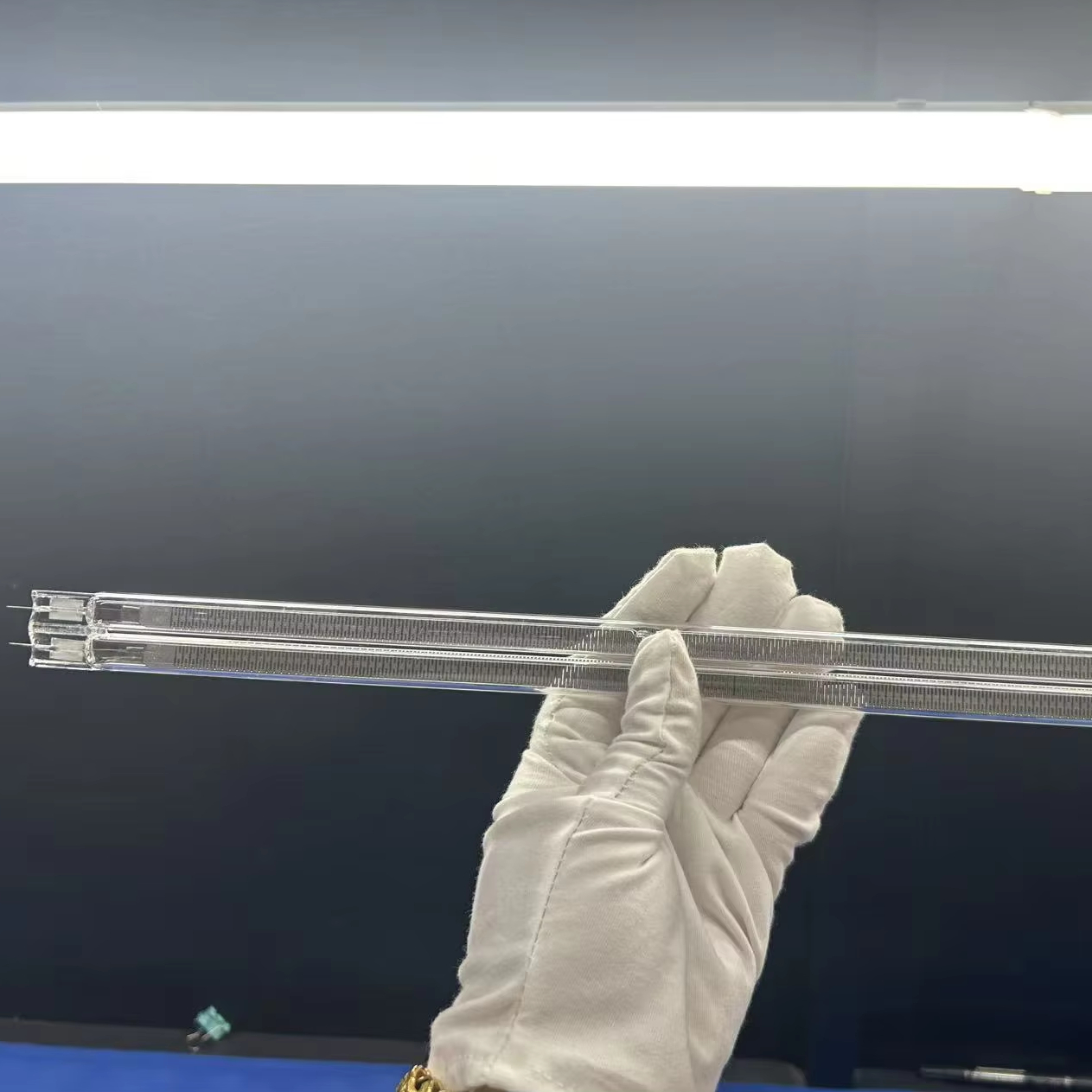
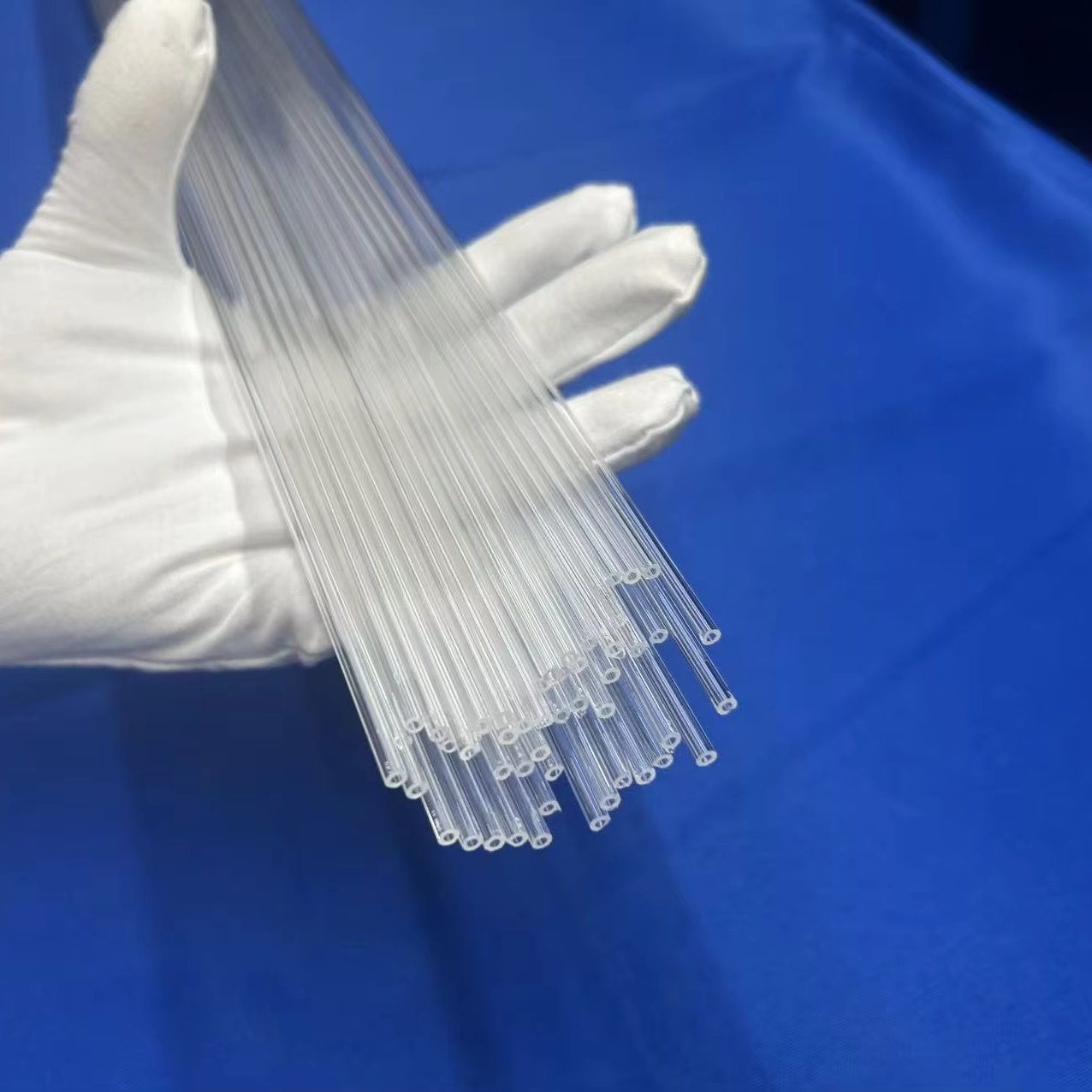
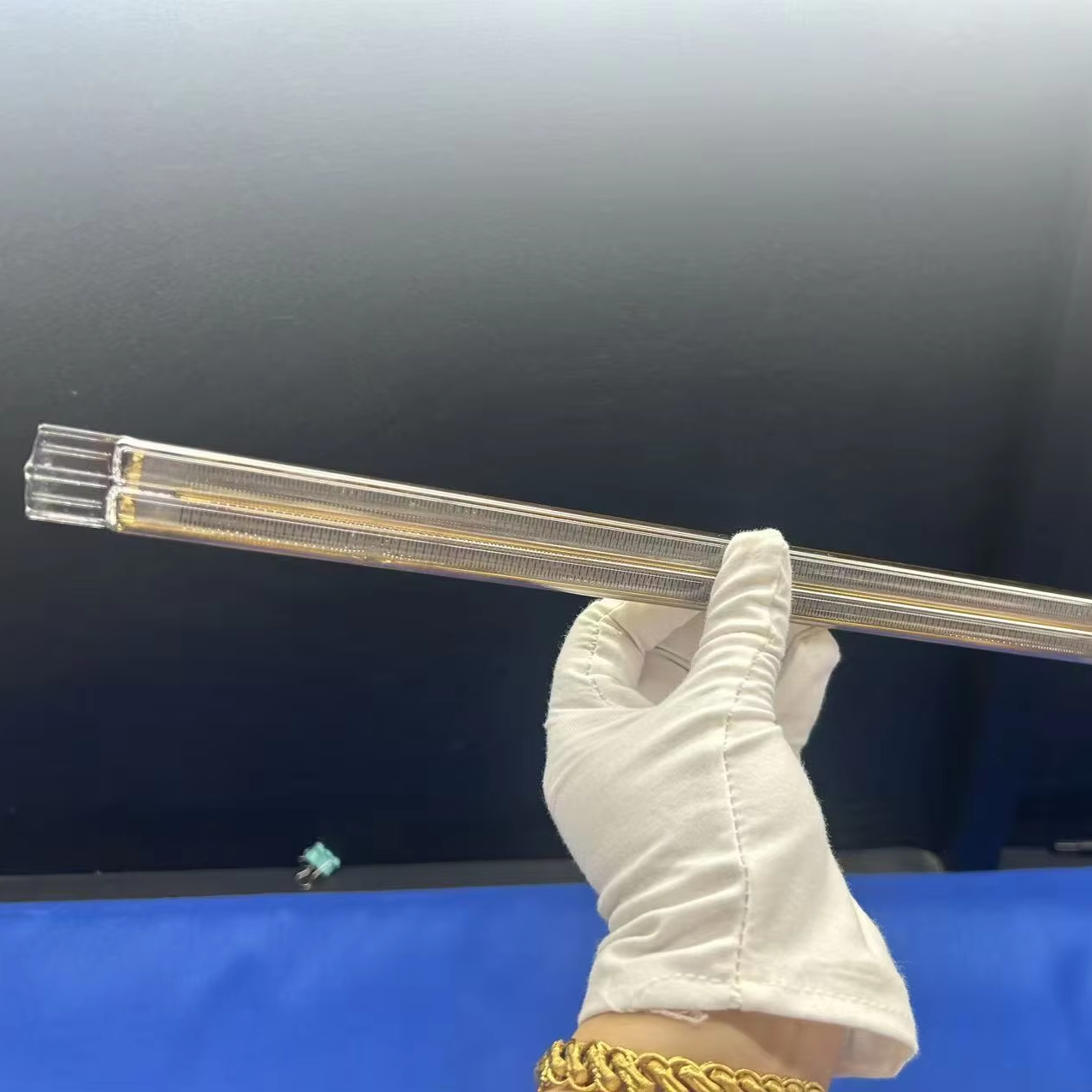
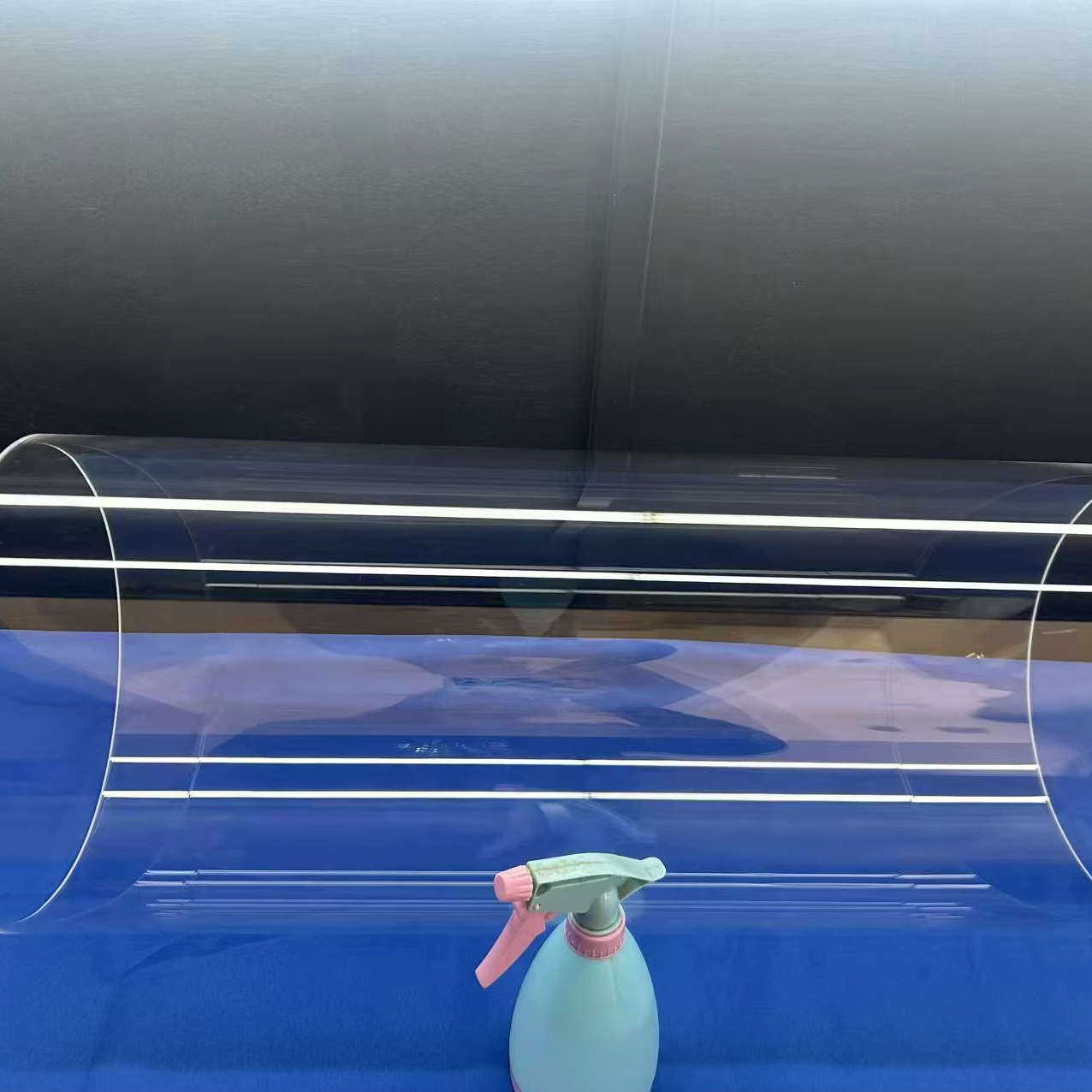
Comprehensive Engineering Monograph
Optical Metrology & Fused Silica Material Science
A rigorous examination of transmission windows, pathlength tolerances, and molecular fusion techniques governing laboratory cuvettes supplied to Northern Iceland.
In analytical spectrophotometry, fluorometry, and circular dichroism, the sample holder is not merely a passive vessel; it is an active optical component situated directly within the electromagnetic interrogating beam. When quantitative measurements are conducted according to the Beer-Lambert Law (A = ε · c · l), any uncertainty in the internal pathlength (l) or non-uniform transmission across the optical windows directly compounds into concentration errors. For research laboratories and monitoring stations operating in Akureyri, Iceland, where extreme ambient contrasts, geothermal trace compounds, and delicate marine proteomic matrices dominate analytical workflows, selecting the correct optical quartz substrate is paramount.
Nivra Quartz manufactures precision laboratory cuvettes using three fundamental grades of silica glass: Synthetic Fused Silica (Far UV / JGS1), Optical Fused Quartz (Standard UV-Vis / JGS2), and Infrared Fused Silica (Low-OH / JGS3). Standard borosilicate glass and optical crown glass (such as BK7) exhibit an abrupt transmission cutoff between 320 nm and 340 nm due to intrinsic iron impurities and band-gap absorption. Consequently, analysis of nucleic acids at 260 nm, protein peptide bonds at 205–214 nm, or aromatic amino acids (tryptophan, tyrosine) at 280 nm is physically impossible without high-purity synthetic fused quartz.
| Optical Substrate Grade | Usable Spectral Range | Transmission @ 200 nm | Typical Hydroxyl [OH⁻] Content | Primary Laboratory Utility |
|---|---|---|---|---|
| JGS1 (Synthetic Fused Silica) | 190 nm – 2500 nm | > 80% (10 mm path) | < 50 ppm to 1200 ppm (Grade dep.) | Deep-UV, DNA/RNA quantification, HPLC UV-detectors |
| JGS2 (Optical Fused Quartz) | 220 nm – 2500 nm | Cut-off below 215 nm | ≈ 150 – 200 ppm | General UV-Vis, enzymology, water turbidity |
| JGS3 (Infrared Grade Silica) | 260 nm – 3500 nm | Non-transmissive deep UV | < 5 ppm (Water-free) | NIR spectrophotometry, geothermal organic solvent testing |
| Optical Glass (Borosilicate/Crown) | 340 nm – 2500 nm | 0% (Completely opaque) | Not applicable | Visible colorimetry only (380–780 nm) |
Molecular Sintering vs. Thermal/Epoxy Bonding
A critical determinant of laboratory cuvette longevity and optical precision is the window assembly technique. Low-cost cuvettes frequently employ organic adhesives (epoxy resins) or low-temperature flux soldering to bond the four plates. While economically viable for non-critical visible colorimetry, adhesive bonding represents a catastrophic point of failure in advanced laboratories. Solvents such as acetone, hexane, dimethyl sulfoxide (DMSO), and strong geothermal acids dissolve or swell epoxy joints, introducing severe hydrocarbon background absorption in the UV spectrum.
At our Donghai County manufacturing facility, Nivra Quartz employs high-temperature molecular fusion (fire fusion) without any chemical flux. The mating surfaces of the optically polished windows are machined to sub-micron optical flatness (λ/4 at 632.8 nm) and brought into direct atomic contact before being subjected to controlled annealing temperatures above 1150°C. The silicon and oxygen atoms cross-migrate across the boundary interfaces, converting the joined parts into a single monolithic quartz structure. This eliminates spectral distortion, prevents leakage when handling harsh geothermal condensates, and allows rigorous cleaning protocols involving concentrated nitric acid or aqua regia.
Targeted Laboratory Inventory
Analytical Cuvette Typologies for Icelandic Research
Every cell is dimensioned according to international DIN and ISO standards, guaranteeing plug-and-play mechanical compatibility with Shimadzu, Thermo Fisher Evolution, PerkinElmer Lambda, and Agilent Cary spectrophotometers.
Standard Macro Absorption Cells (10mm)
The universal baseline for UV-Vis spectrophotometric screening across educational, clinical, and quality assurance stations.
- Optical Pathlength: 10 mm ± 0.01 mm
- Nominal Volume: 3.5 mL
- Polished Faces: 2 windows clear, 2 walls frosted
- Lid Options: Non-reactive PTFE stopper or slip lid
Semi-Micro & Micro Volume Quartz Cells
Designed specifically for precious marine biological isolates, enzymatic purification fractions, and DNA/RNA assays where sample conservation is vital.
- Chamber Width: Reduced 2 mm – 4 mm aperture
- Working Volume: 350 µL to 1.4 mL
- Aperture Walls: Black quartz masking to eliminate internal optical scattering and baseline drift
- Substrate: JGS1 Deep-UV Synthetic Silica
Four-Sided Polished Fluorescence Cells
Engineered for steady-state fluorometry, photoluminescence, and right-angle scatter measurement without parasitic stray luminescence.
- Optical Window Polish: All 4 sides optically planar
- Surface Quality: Scratch-Dig 20/10
- Transmittance: Unmatched deep-UV excitation from 195 nm
- Ideal For: Marine chlorophyll-a, peptide conformation, tracer dyes
Regional Ecosystem Alignment
Localized Applications Across Northern Iceland
Akureyri serves as the capital of North Iceland and the focal nexus for academic discovery, sub-arctic fisheries innovation, and volcanic geothermal development.
Marine Biotechnology & Aquaculture
Researchers at the University of Akureyri (Háskólinn á Akureyri) and regional marine labs extract high-value bioactives from cold-water fisheries by-products. Our JGS1 cuvettes support UV protein assays (Bradford/BCA at 562/595 nm and direct A280), astaxanthin carotenoid profiles from wild crustaceans, and enzyme stability kinetics from Arctic marine bacteria.
Geothermal Fluid & Mineral Assays
Surrounding the Eyjafjörður volcanic zone, district heating utilities and energy research consortia analyze superheated geothermal brines. Our chemically inert fused silica cells resist etching when determining dissolved reactive monomeric silica (silicomolybdate yellow/heteropoly blue method at 815 nm), trace boron, sulfide speciation, and chloride precipitates.
Sub-Arctic Environmental Monitoring
Long-term hydrological studies of glacial rivers (such as Fnjóská and Eyjafjarðará) and marine coastal water quality rely on regular spectrophotometric evaluation. Our cuvettes allow baseline recording of dissolved organic carbon (DOC at 254 nm), nitrate/nitrite nitrogen species, and suspended sediment attenuation in sub-polar conditions.
Seafood Processing Quality Verification
Akureyri’s industrialized seafood export sector utilizes spectrophotometry to confirm strict European freshness indices. Routine testing includes measuring Total Volatile Basic Nitrogen (TVB-N), lipid hydroperoxides (conjugated dienes at 234 nm), and trimethylamine (TMA) degradation products to guarantee product integrity before global dispatch.
Strategic Horizon 2025–2030
Emerging Analytical & Industrial Trends in Akureyri
How Northern Iceland’s commitment to carbon neutrality, circular bioeconomy, and high-tech aquaculture is redefining precision lab procurement.
Circular Blue Bio-Refineries
Iceland's fishing industry is rapidly moving toward 100% utilization of every marine organism. High-tech facilities in North Iceland are converting fish skins into medical collagen matrices and extracting bioactive peptides. This transition demands high-throughput micro-volume quartz cells to handle automated screening arrays without consumable plastic leaching.
Algal Photobioreactor Innovation
Leveraging continuous geothermal heat, pure freshwater, and renewable electricity, microalgae production (such as Haematococcus pluvialis for natural astaxanthin) is scaling in the region. Monitoring optical density (OD680/OD720) and pigment accumulation necessitates matched quartz cell pairs with identical baseline pathlengths to eliminate operator bias.
Geothermal Hydrogen & CCUS Integration
Carbon capture and mineralization initiatives alongside clean hydrogen pilots are expanding across North Iceland. Real-time aqueous monitoring of bicarbonate equilibrium, dissolved catalyst kinetics, and scrubbing efficiency requires specialized quartz flow-through cells that endure dynamic pressures and thermal flux.
Procurement Due Diligence
Frequently Asked Questions by Laboratory Buyers in Iceland
Practical technical, logistics, and material verification details for scientific procurement teams, university researchers, and lab supply managers.
How do you differentiate JGS1 Synthetic Silica from Standard JGS2 in testing?
While visually indistinguishable to the naked eye, JGS1 maintains greater than 80% internal transmission at the deep UV wavelength of 200 nm, whereas JGS2 cuts off steeply below 220 nm. Every batch of Nivra Quartz JGS1 cuvettes is verified using certified deuterium lamp scans, and individual calibration transmission certificates are available upon request.
What packing protocols protect fragile quartz during sub-zero Arctic air cargo?
Shipments to Akureyri face multi-leg air transit (via Keflavík KEF or Akureyri Airport AEY) and severe sub-zero thermal drops during North Atlantic winter transport. Our cuvettes are individually encased in shock-absorbing high-density polyethylene cases, vacuum-sealed with desiccant to prevent condensation icing, and packed in multi-wall corrugated outer cartons or reinforced export wooden cases.
Can your quartz cuvettes withstand ultrasonic bath cleaning and aqua regia?
Yes. Because our cuvettes utilize high-temperature flame molecular fusion rather than organic glues or ceramic frits, they are completely immune to degradation from aqua regia, concentrated nitric acid (HNO₃), hydrochloric acid (HCl), and ethanol. Low-power ultrasonic cleaning (under 40 kHz for under 3 minutes) is safe, provided cuvettes do not contact metal baskets directly.
What optical pathlength tolerance is maintained across production lots?
Our standard manufacturing tolerance for optical pathlength is strictly held to 10 mm ± 0.01 mm. For matched pairs and micro-volume fluorescence cells, we offer precision sorted sets matched to within ± 0.005 mm, eliminating cell-to-cell variance during baseline subtractions.
Are custom-dimension flow cells available for automated continuous monitoring?
Yes. We provide complete OEM/ODM fabrication from customer CAD/STEP drawings. Whether you require micro-fluidic quartz flow cells with threaded PEEK fittings for geothermal condensate lines, or extended pathlength 50 mm / 100 mm cylindrical cells for low-concentration marine nitrate traces, our engineering team can fabricate custom parts with low minimum order quantities.
What are the typical shipping lead times to Akureyri, Iceland?
Standard catalog models are held in stock and dispatched within 48 to 72 hours. Transit via international express couriers (DHL Express, FedEx, UPS) directly to Akureyri postal codes (600–603) typically requires 4 to 7 business days door-to-door, complete with customs declarations and tariff-ready documentation (HS Code: 7017.10).
Enterprise Manufacturing Capabilities
Why Institutional Buyers Trust Nivra Quartz
Operating from Donghai County, Jiangsu—the premier epicenter of China’s quartz processing industry—we supply dependable precision glass to leading global enterprises.
Founded in February 2019, Donghai County Nivra Quartz Products Co., Ltd. combines raw material provenance with cutting-edge optical processing technology. Situated at 285 Heping East Road, Lianyungang, our enterprise spans a dedicated workforce of 101 to 200 skilled glassblowers, optical engineers, and quality assurance inspectors. We manage an integrated supply chain: from high-purity natural silica sand refinement (≥99.99% SiO₂) and continuous vacuum fusion to computer-numerical-controlled (CNC) ultrasonic drilling, optical lapping, laser dimensioning, and flame forming.
Our commitment to "Quality First, Reputation First" is backed by verified commercial achievements: our export operations serve demanding scientific and industrial buyers across North America (40%), Western Europe (20%), Eastern Europe (14%), and Northern Europe (10%). We maintain an average quotation and technical inquiry response time of under 5 hours with an 88.89% responsive resolution rate, earning a verified 5.0 / 5.0 client satisfaction rating and a repeat procurement rate exceeding 23% among global instrumentation makers.
2019
Year Established
101-200
Skilled Specialists
≤ 5h
Engineering Response Time
5.0 / 5
Verified Buyer Feedback
Equip Your Akureyri Laboratory with Precision Quartz
Whether you require standard 10 mm UV absorption cells, custom demountable flow-through cells, or high-temperature furnace tubes, our technical engineers will review your drawings and specifications within 5 hours.
Send an Inquiry