Direct OEM / ODM Engineering Excellence

Quartz Heating Tube Manufacturer & Suppliers for Serbia

Precision Fused Silica, Custom Halogen & Carbon Fiber Infrared Heating Elements Engineered for Serbian Heavy Industry, Metallurgy, Thermoforming and Manufacturing Automation.

Industrial Inventory

Precision Quartz Components for Serbian Processing Lines

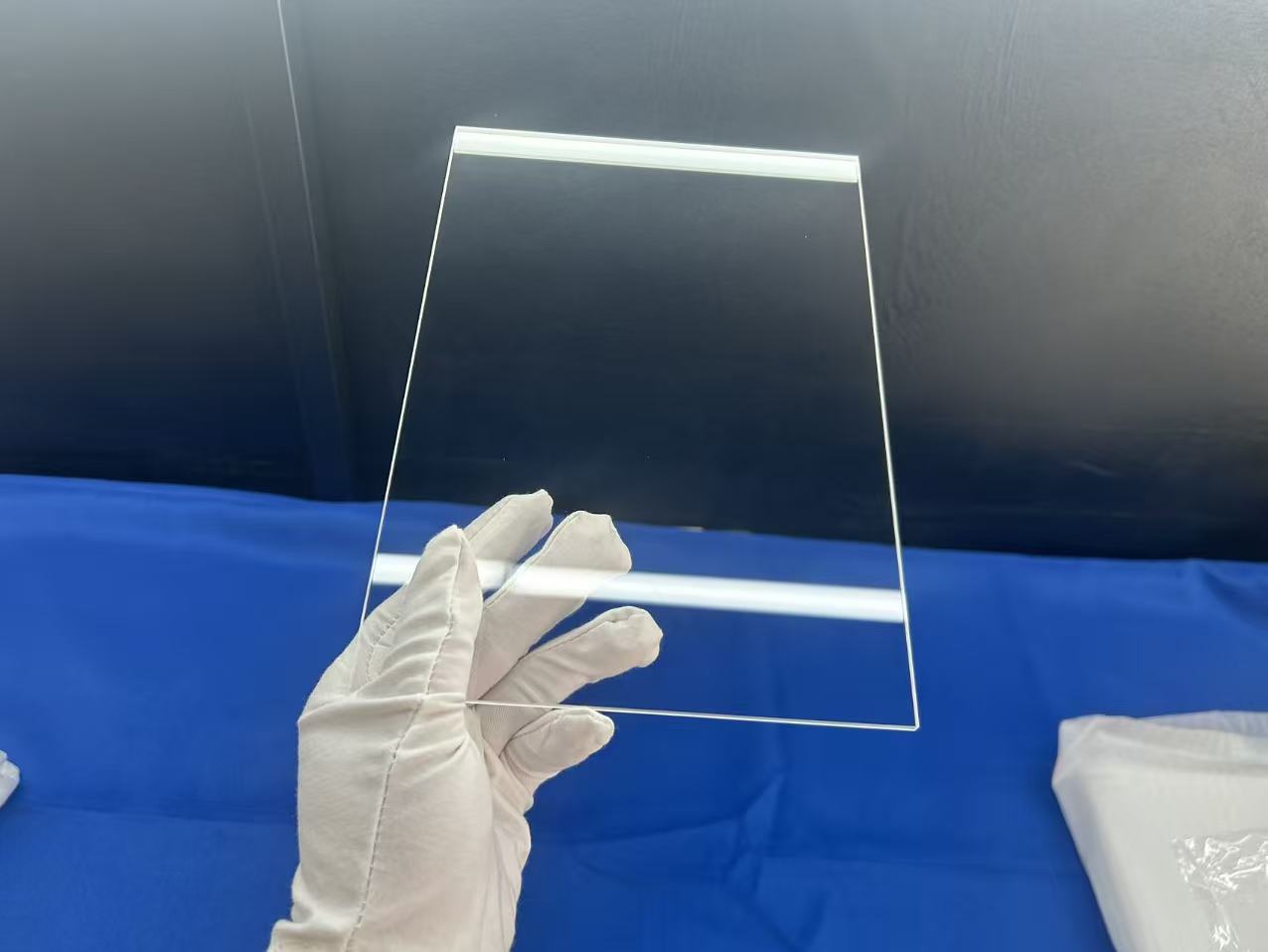
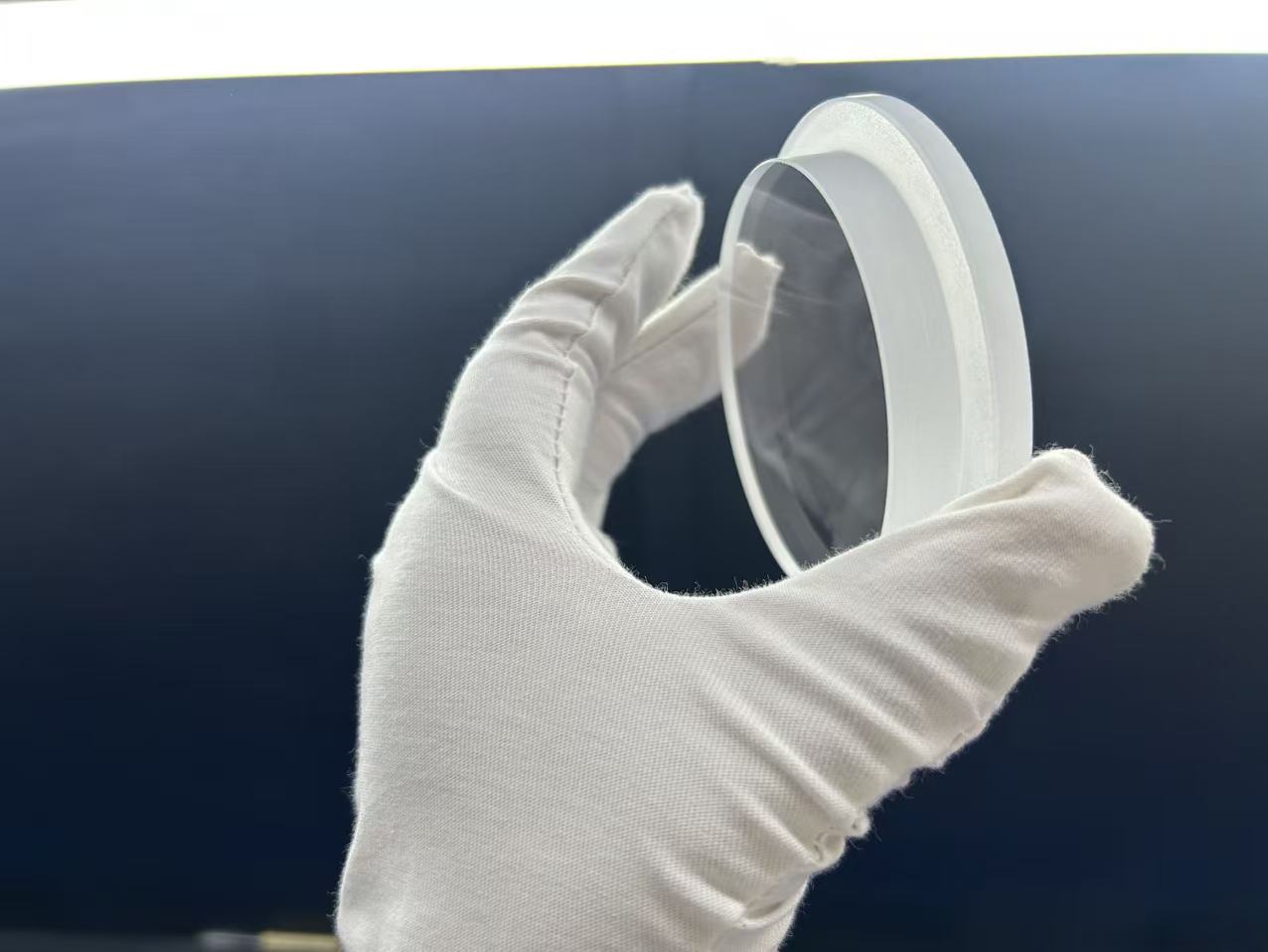
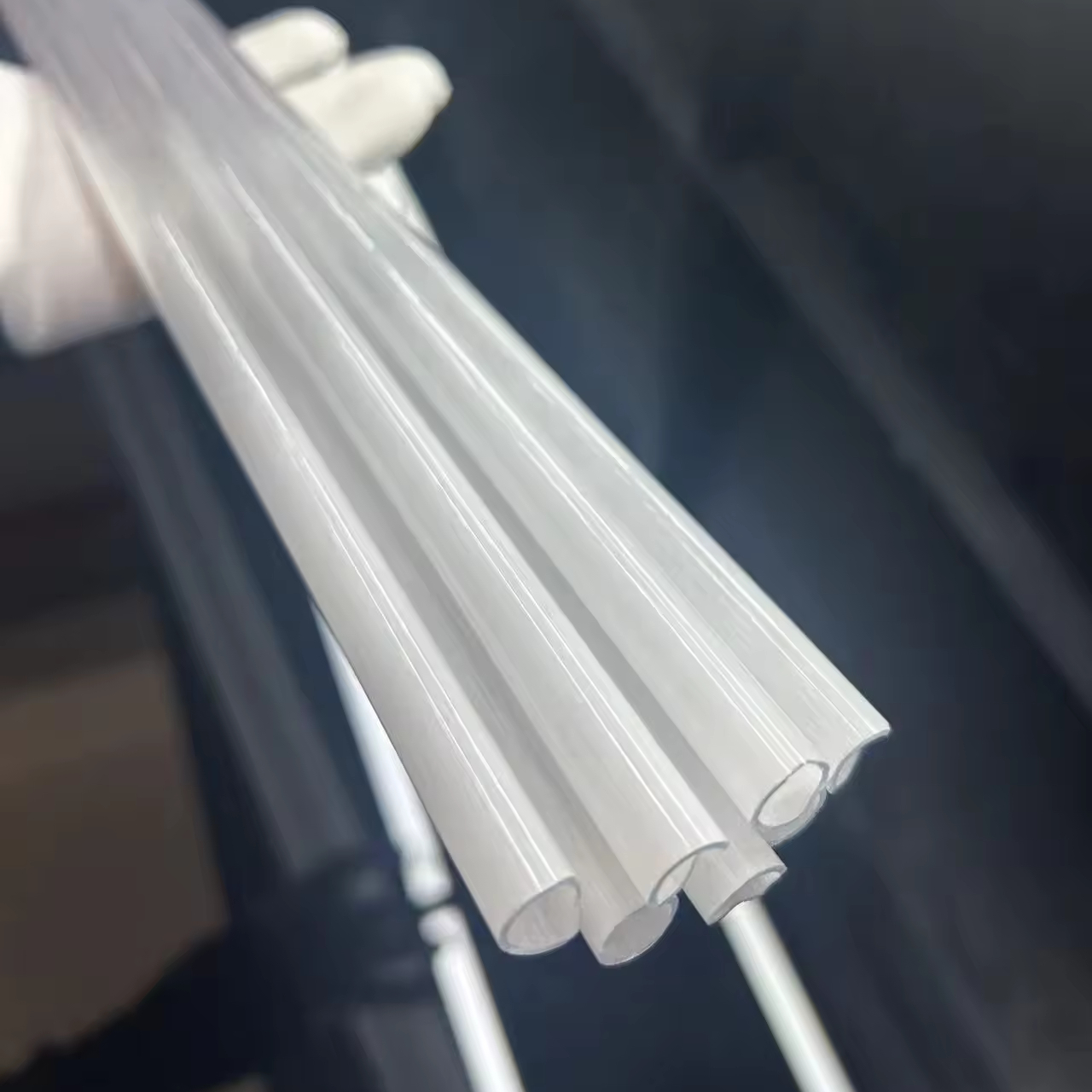
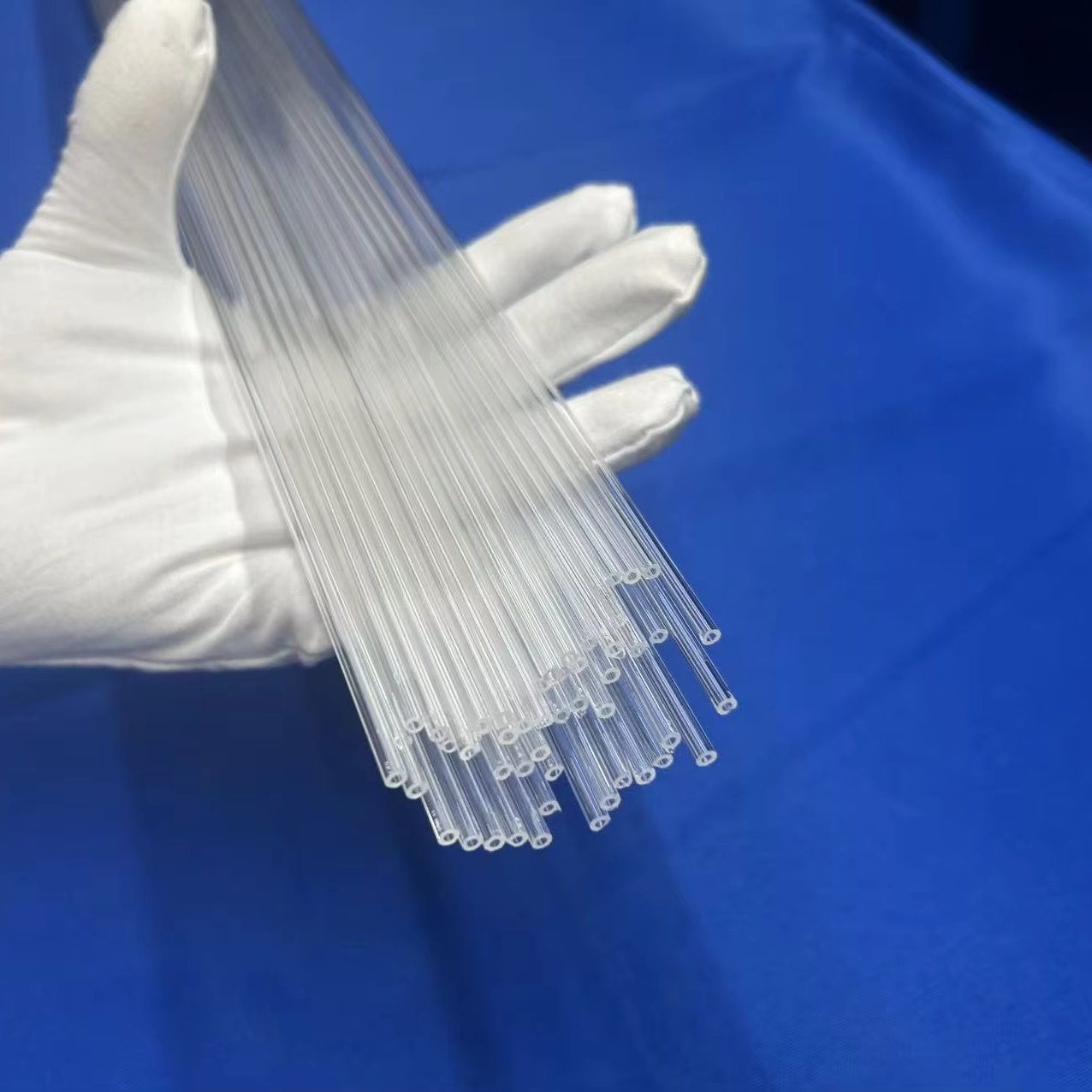
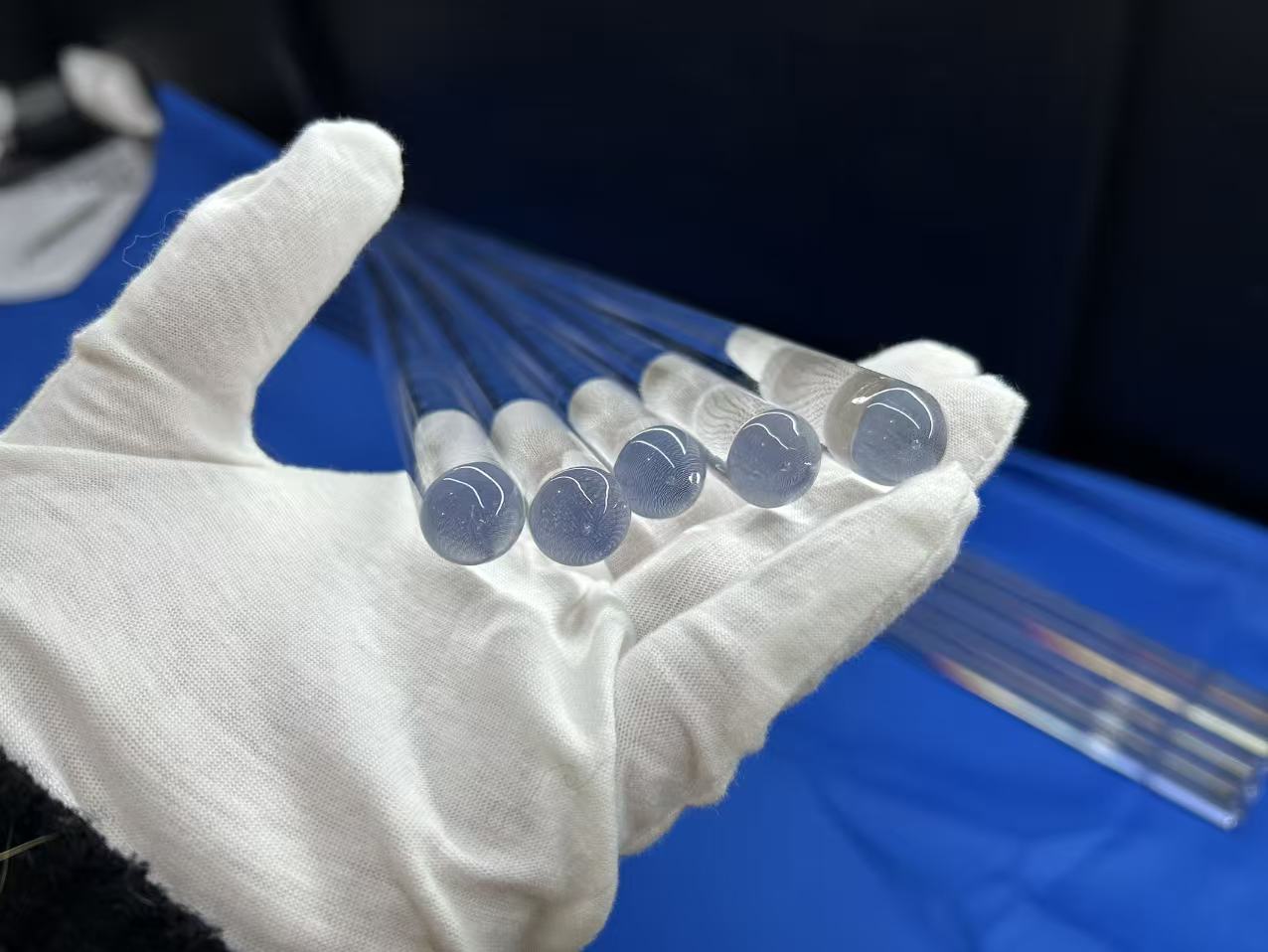
Explore our core product lines manufactured from ultra-pure SiO₂ (≥99.99%) featuring exceptional thermal stability, extreme shock resistance, and certified optical clarity.

≥99.99%
SiO₂ Chemical Purity
1100°C
Continuous Working Temp
≤ 5 Hours
Engineering Reply Time
5.0 / 5.0
Verified Buyer Satisfaction
Engineering White Paper

Thermodynamic Dynamics of High-Purity Fused Quartz in Radiant Infrared Systems

Industrial thermal processing across Southeastern Europe is experiencing a fundamental transition toward high-density electro-thermal radiation. In industrial applications where convective heat transfer fails to meet strict energy conservation standards, fused silica infrared quartz heating tubes provide non-contact, instantaneous, and wavelength-matched radiant energy. Donghai County Nivra Quartz Products Co., Ltd. engineers engineered quartz sleeves and heating elements that solve critical degradation issues commonly experienced in Serbian metallurgy, plastics thermoforming, automotive paint curing, and grain dehydration.

1. Spectral Emission Mechanics: Matching Wavelengths to Process Substrates

The efficiency of an infrared heating system is governed by the Planckian distribution and Wien's displacement law (λmax × T = 2898 μm·K). Selecting an industrial heating tube requires precise optical matching between the quartz glass envelope's transmission curve and the absorption characteristics of the process material:

Short-Wave Halogen (0.8 – 1.4 μm)

Operates at filament temperatures between 1800°C and 2400°C. Characterized by high power density (>80 kW/m²) and penetration depth. Perfect for powder coating curing in Serbian automotive plants and high-speed metal sheet preheating where instantaneous on/off response (<1 second) is mandatory to prevent scorching during line stops.

Fast Response Medium-Wave (1.4 – 2.0 μm)

Utilizes tungsten or specialized nickel-chromium coils operating around 1400°C. Delivers an ideal compromise between deep penetration and surface drying. Highly effective for curing liquid primers, water-based paints on commercial vehicle assemblies, and thermoforming plastic sheets in modern packaging lines.

Carbon Fiber Medium-Wave (2.0 – 3.5 μm)

Incorporates woven carbon fiber filaments operating at 950°C to 1200°C. The spectral radiation coincides perfectly with the fundamental molecular absorption bands of water, organic polymers, and grain moisture (C-H, O-H, and C-O molecular bonds), reducing total power consumption by 30% to 50% compared to traditional ceramic heaters.

2. Thermal Shock Resilience and Structural Quartz Integrity

The primary vulnerability of standard borosilicate or ceramic elements in demanding industrial environments is mechanical stress induced by severe thermal cycling. Nivra Quartz tubes are formed from natural and synthetic silica crystals harvested and processed in Donghai County, China. The resulting glass displays an exceptionally low coefficient of thermal expansion (α ≈ 5.5 × 10⁻⁷ /°C between 20°C and 300°C).

This minimal thermal expansion permits quartz tubes to be heated to 1100°C and immediately quenched in cold water without structural fracturing or micro-crack propagation. This thermodynamic property is indispensable in Serbian metal processing facilities in Smederevo and Bor, where periodic cooling splashes, ambient thermal draughts, and continuous thermal cycling would otherwise cause catastrophic failure in lower-grade glass.

Engineering Comparison: Industrial Fused Quartz Material Grades

Grade / Material Purity (SiO₂) Spectral Range Hydroxyl (OH⁻) Content Continuous Max Temp Primary Serbian Application
JGS1 (Synthetic Fused Silica) ≥ 99.999% 185 nm – 2500 nm < 1 ppm (Dry) / ~1200 ppm 1150°C Optics, UV disinfection, semiconductor sensor windows
JGS2 (Optical Quartz Glass) ≥ 99.99% 220 nm – 2500 nm ≤ 30 ppm 1100°C Sight glasses, pyrometry tubes, halogen heating envelopes
JGS3 (Infrared Quartz Glass) ≥ 99.99% 260 nm – 3500 nm ≤ 5 ppm (Water-free) 1100°C High-efficiency IR radiators, carbon fiber heating jackets
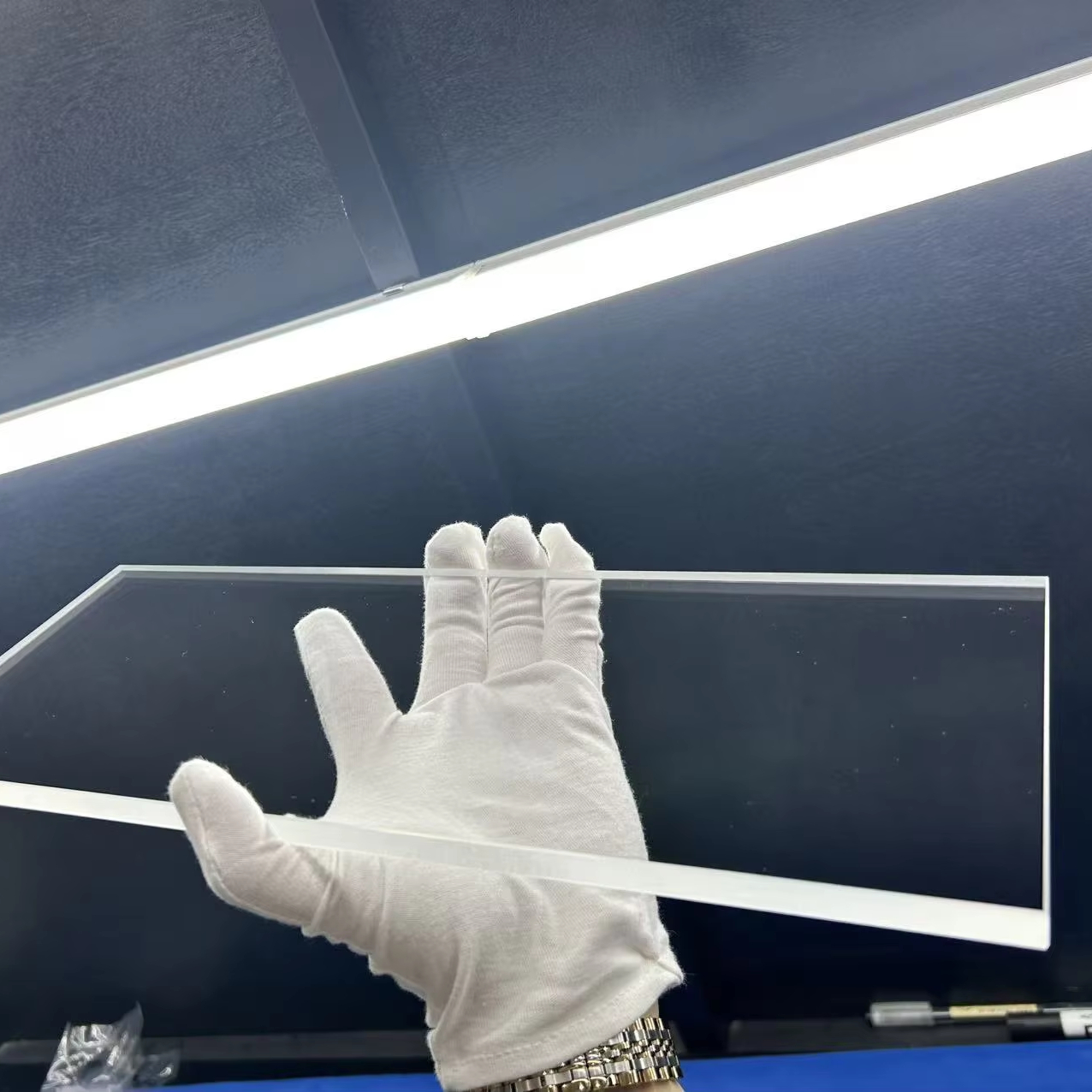
Milky Opaque Fused Silica ≥ 99.8% Diffuse scattering ≤ 50 ppm 1050°C Thermal shielding, furnace thermocouple insulation sleeves

3. Protective Coatings and Directional Reflectors

Standard cylindrical emitters radiate thermal energy omnidirectionally (360 degrees). To optimize heat delivery onto target processing zones, Nivra Quartz applies micro-thin, high-adhesion directional reflectors directly to the outer surface of the quartz envelope:

  • Pure 24K Gold Reflector: Reflects up to 95% of infrared radiation back toward the product surface. Because gold is applied via thermal vapor deposition and annealed to the fused quartz substrate, it withstands tube operating temperatures up to 800°C without peeling or oxidizing.
  • High-Temperature White Ceramic Reflector: A diffuse scattering coating composed of inert oxides capable of withstanding operating conditions up to 1000°C. It is unaffected by aggressive atmospheric volatiles, making it the preferred choice for paint baking, industrial ovens, and food dehydration lines.
Regional Sourcing Impact

Targeted Industrial Applications Across Serbia

Serbia has emerged as an advanced manufacturing crossroads in Southeastern Europe. Our custom fused quartz solutions integrate seamlessly into regional manufacturing and process engineering ecosystems.

Automotive Tier-1 & Tier-2 Clusters

Operating across Kragujevac, Šabac, Niš, and Novi Sad, automotive component fabricators utilize fast-response short-wave and carbon infrared quartz tubes for plastic dashboard thermoforming, interior trim lamination, headlamp hard-coating drying, and spot welding preheat stages. Precise thermal ramping guarantees zero blister defects and eliminates line scrap.

• Hubs: Kragujevac, Niš, Novi Sad

Metallurgical & Smelting Operations

In the heavy industrial complexes of Smederevo and Bor, high-temperature quartz tubes, step plates, and protective sleeves serve as critical observation windows, optical pyrometer protection tubes, and molten metal dip sensors. High mechanical resistance to acid fumes (HF and hot phosphoric acid excepted) guarantees continuous furnace integrity.

• Hubs: Smederevo, Bor, Majdanpek

Agri-Food, Grain & Tobacco Processing

Across the fertile agricultural processing belts of Vojvodina (Zrenjanin, Sombor, Subotica), infrared quartz tube banks are deployed for low-temperature grain dehydration, seed drying, fruit dehydration, and tobacco curing. Non-contact quartz radiant heat eliminates particulate contamination, delivering hygienic food-grade operation conforming to EU standards.

• Hubs: Zrenjanin, Subotica, Vrbas

Plastics, PET & Packaging Conversion

Facilities in Inđija and Stara Pazova rely on dual-tube and single-tube quartz elements in high-speed rotary PET blow molding machines. Uniform radiant distribution throughout the preform wall thickness ensures uniform bottle walls while shortening machine warm-up cycles from 30 minutes down to under 120 seconds.

• Hubs: Inđija, Stara Pazova, Belgrade

Electronics & Photovoltaic R&D

Rooted in the historical technical legacy of the Electronic Industry Niš (EI Niš) and advancing research institutions in Belgrade, clean-room grade quartz crucibles, diffusion tubes, and capillary pipes provide high-purity environments for thermal vacuum evaporation, thin-film deposition, and semiconductor sensor prototyping.

• Hubs: Niš, Belgrade Science Parks

Glass, Ceramic & Enamel Annealing

Artisanal and industrial glassmaking facilities in Paraæin and Pančevo require gradual annealing lehrs driven by quartz radiant sleeves. The linear thermal distribution prevents stress concentrations across annealed glasswares, guaranteeing compliance with European structural tolerances.

• Hubs: Paraæin, Pančevo, Valjevo
Strategic Market Evolution

Macro Trends Transforming Serbian Industrial Thermal Sourcing

Understanding the intersection between European carbon integration, regional nearshoring investments, and modern manufacturing technology.

Industrial Modernization & Electrification: The Departure from Gas Convection

Historically, Serbian manufacturing operations leaned heavily on fossil-fueled convective hot-air ovens for curing, drying, and preheating. Rising energy volatility and Serbia's alignment with European Union environmental standards have catalyzed a swift transition toward electric infrared radiant systems. Infrared quartz heating directly transfers thermal energy via electromagnetic radiation without heating the intermediate ambient air mass. Industrial facilities report thermal efficiency gains from 35% in traditional convective chambers to over 85% in targeted quartz heating tunnels.

Foreign Direct Investment (FDI) and Nearshoring Momentum

The influx of European, Japanese, and international industrial investments into Serbian free trade zones (such as Subotica, Zrenjanin, Šabac, and Vranje) requires exact-fit replacement parts for high-speed automated equipment. Sourcing directly from certified Chinese manufacturers like Nivra Quartz bridges the gap between high OEM replacement costs in Western Europe and standard delivery requirements. With custom CAD/step-file fabrication, local plant managers receive drop-in heating elements configured to original machine tolerances at direct factory pricing.

Decarbonization and Compliance with EU CBAM Regulations

As Serbian export manufacturing firms prepare for full enforcement of the EU Carbon Border Adjustment Mechanism (CBAM), plant carbon intensity per finished unit is heavily audited. By replacing inefficient heating chambers with fast-cycle infrared quartz heating modules, export-oriented companies in Smederevo, Kragujevac, and Novi Sad substantially lower direct Scope 1 emissions, safeguarding competitive access into the European single market.

Manufacturing Heritage

Why Serbian Industrial Buyers Source from Nivra Quartz

Based in Donghai County, China's world-renowned quartz capital, Donghai County Nivra Quartz Products Co., Ltd. combines raw material mastery with precision machining and export quality controls.

Donghai Direct Advantage

Situated in the heart of China's crystal and quartz cluster, we command raw silica material purity (≥99.99%), reducing procurement lead time and overhead costs.

Full-Spectrum Machining

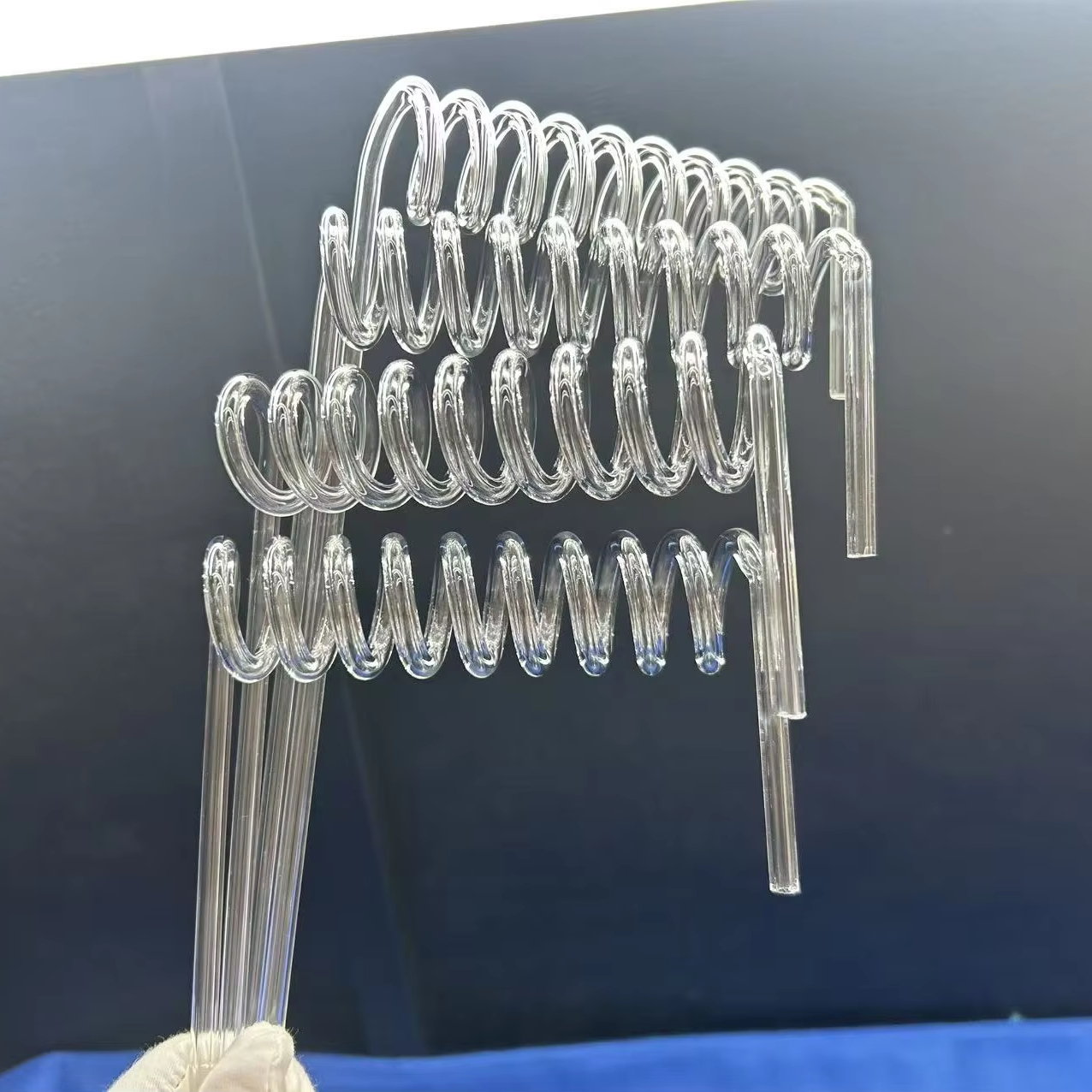
Our workshop houses CNC diamond core drills, optical surface grinding and planar polishing laps, hydrogen-oxygen lathes, and automated glass blowing equipment.

Strict Metrology & QA

Every tube is inspected for internal bubble density, wall concentricity, outer diameter tolerance (±0.05mm achievable), and polariscope stress relief.

Engineered Export Packaging

High-fragility quartz products are packed in custom multi-density EPE foam cradles and reinforced plywood cases certified for Eurasian air and maritime corridors.

Procurement Clarity

Frequently Asked Questions: Sourcing Quartz Heating Tubes from Serbia

Direct technical and operational answers to address importing, engineering, customs compliance, and equipment integration.

What are the typical customs tariffs and HS codes for importing quartz heating tubes into Serbia?

Industrial quartz heating tubes and quartz glass components imported into the Republic of Serbia generally fall under two Harmonized System (HS) classifications:

  • HS Code 8516.80: Electric heating resistors (mounted elements, halogen/carbon infrared lamps equipped with leads or ceramic caps).
  • HS Code 7002.31: Tubes of unworked fused quartz or other fused silica, or 7002.39 / 7017.10 for quartz labware and industrial sight glass.

Under Serbia's Free Trade Agreement policies and standard customs procedures through the Customs Administration of Serbia (Uprava Carina), commercial invoices, Packing Lists, Certificates of Origin (CO), and CE declarations must match precisely to avoid customs clearance delays at Belgrade Nikola Tesla Airport (BEG) or regional dry ports in Novi Sad and Niš.

What is the typical shipping transit time and preferred logistics route to Serbia?

Depending on order urgency and volume, we support three primary logistics pathways to Serbia:

  • Express Air Freight (DHL / FedEx / UPS / Air Cargo): 5 to 8 working days door-to-door to Belgrade, Kragujevac, or Novi Sad. Recommended for prototyping, critical spare parts, or high-value optical quartz wafers.
  • Air Freight to Belgrade Nikola Tesla Airport (BEG): 7 to 10 days airport-to-airport for crated shipments between 50 kg and 500 kg.
  • Combined Sea-Rail / Sea-Road Freight: Ocean container transit from Qingdao/Shanghai to the Port of Piraeus (Greece), Port of Rijeka (Croatia), or Port of Bar (Montenegro), followed by scheduled rail or road freight into Serbian customs terminals. Total transit time averages 30 to 40 days for bulk containerized projects.
Can you manufacture quartz heating elements according to our custom OEM machine drawings?

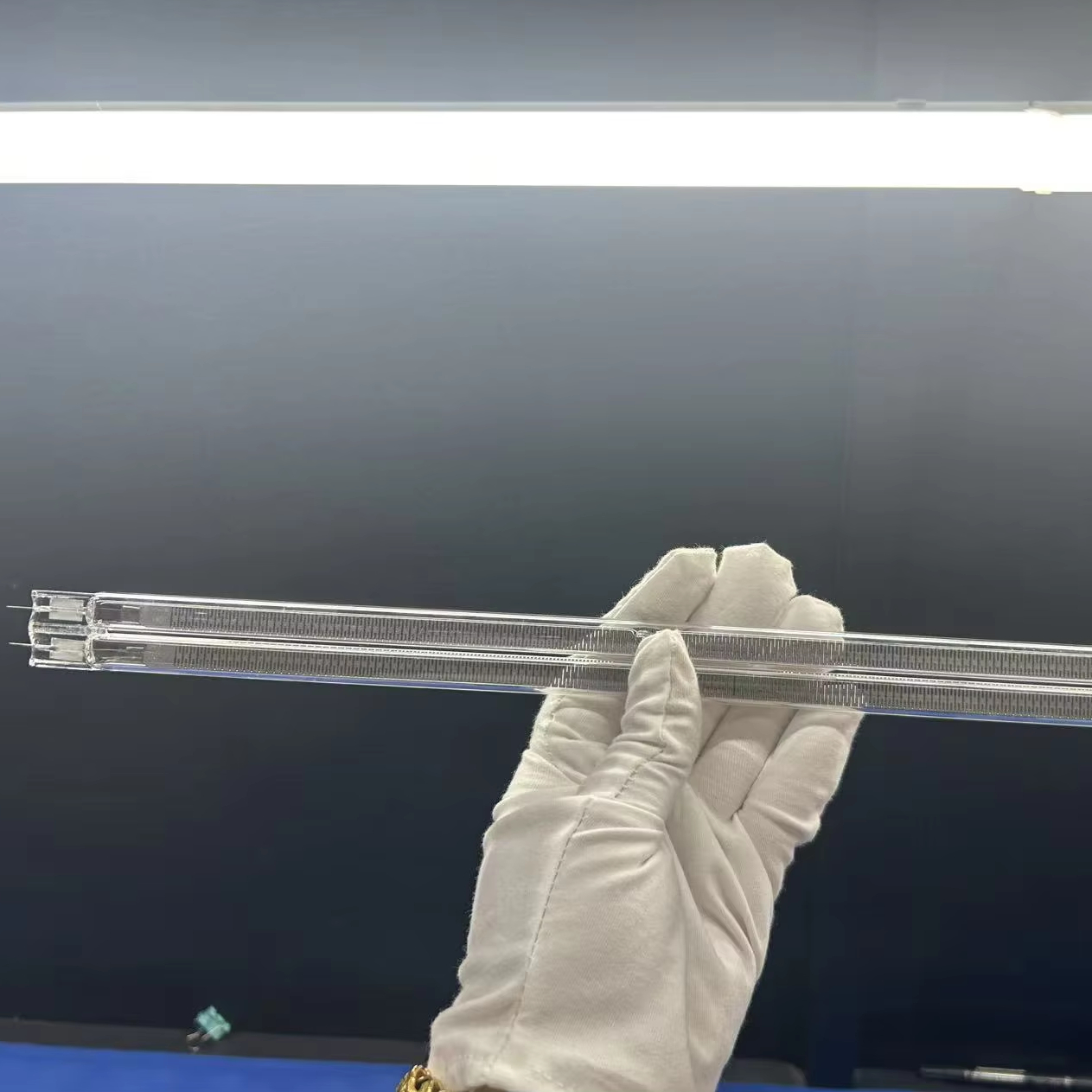
Yes. Over 70% of our production consists of customized OEM/ODM components. You can submit your mechanical specifications as PDF, CAD (.DWG, .DXF), or 3D STEP/IGES files. We fabricate to exact specifications, including overall length (OAL), heated length, tube diameter (e.g., standard Ø10mm, Ø12mm, Ø15mm, Ø18mm, or custom twin-tube profiles 11×23mm / 15×33mm), filament type, lead termination (R7s, ceramic end blocks, metal tabs, or insulated PTFE wires), and voltage (110V, 220V, 230V, 380V, 400V, or 480V).

How does Nivra Quartz guarantee zero breakage during long-distance transit?

Fused quartz is a rigid, brittle material that requires specialized packaging engineering for international transit. Each tube is isolated inside high-elasticity expanded polyethylene (EPE) foam sleeves, packed into shock-absorbing honeycomb interior partitions, and secured within export-grade, fumigation-free solid plywood crates. For tubes exceeding 1000mm in length, internal stiffening battens prevent transverse flexing. Each crate is equipped with "Fragile" handling indicators and tip-n-tell tilt sensors.

What is the operating lifespan of your quartz infrared heating tubes?

Lifespan depends on internal filament metallurgy, sealing technique, and operating environment:

  • Halogen Short-Wave Quartz Tubes (Tungsten filament in inert halogen gas): Approximately 5,000 hours of continuous operation when installed within recommended horizontal orientations and kept free of surface oil contamination.
  • Carbon Fiber Medium-Wave Quartz Tubes: Typically 8,000 to 10,000+ hours. Carbon fiber does not suffer from tungsten filament evaporation or grain boundary embrittlement, delivering exceptional operational longevity in thermoforming and continuous drying environments.
What is the Minimum Order Quantity (MOQ) for custom quartz tubes and components?

For standard dimensions and common heating tube configurations, our MOQ starts at 1 to 10 pieces, making it practical for Serbian plant engineers to validate trial prototypes or maintain emergency maintenance stock. For complex precision-ground optical wafers, capillary items, or custom-molded step plates, MOQs generally start between 20 and 50 pieces.

How does fused quartz compare with standard borosilicate glass in industrial heating ovens?

Borosilicate glass softens around 820°C with a continuous thermal limit of only 450°C to 500°C. Its thermal expansion coefficient is approximately 33 × 10-7 /°C — six times higher than fused quartz. Operating borosilicate glass near heated filaments creates risk of thermal shattering, tube bowing, and devitrification. Fused quartz withstands continuous temperatures up to 1100°C (and short-term peaks to 1450°C) with virtually zero thermal shock susceptibility.

What quality verification documentation is provided with every shipment?

Every commercial production batch undergoes rigorous QA testing before crate sealing. Upon request, we provide Factory Inspection Certificates covering dimensional inspection data, spectrometer transmission graphs (UV-Vis-IR), silica purity chemical analysis (ICP-MS testing data verifying ≥99.99% SiO₂ content), and CE conformity documentation.

Initiate Your Custom Production

Upgrade Your Industrial Thermal Systems with Certified Quartz Solutions

Consult with our engineering department to configure custom tube diameters, electrical terminations, gold or ceramic reflectors, and precision quartz glassware tailored to your production equipment.

Inquire Now