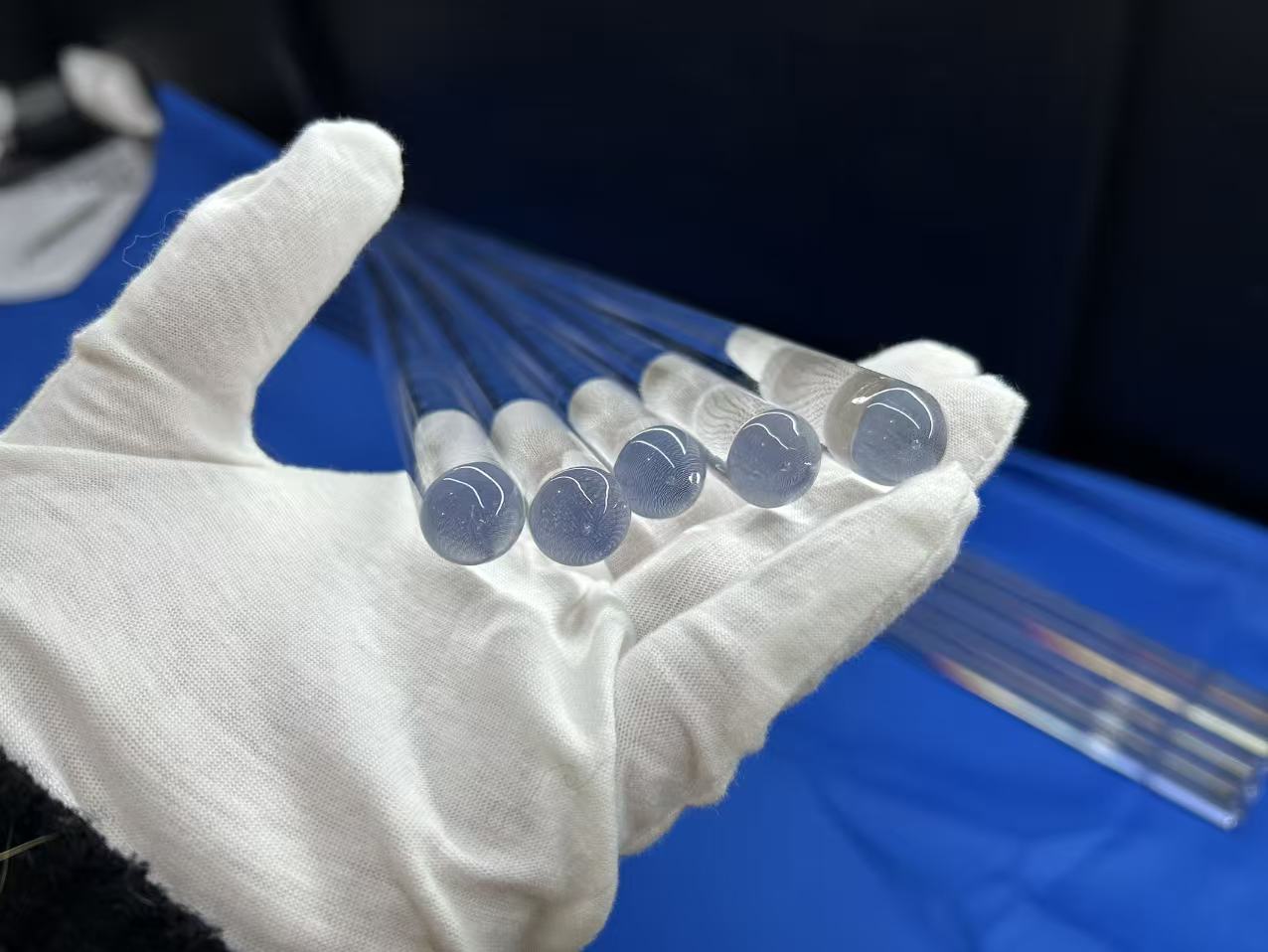
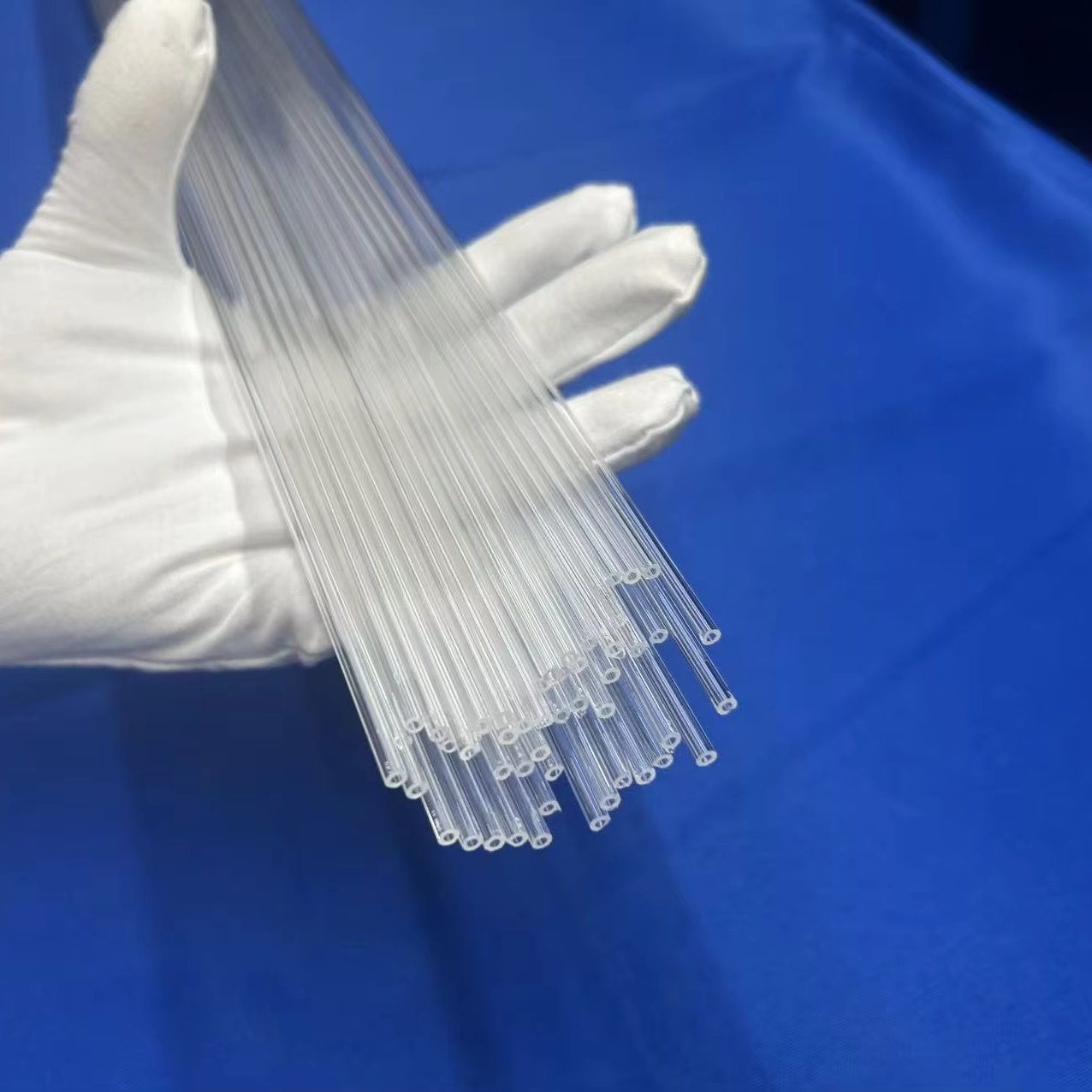
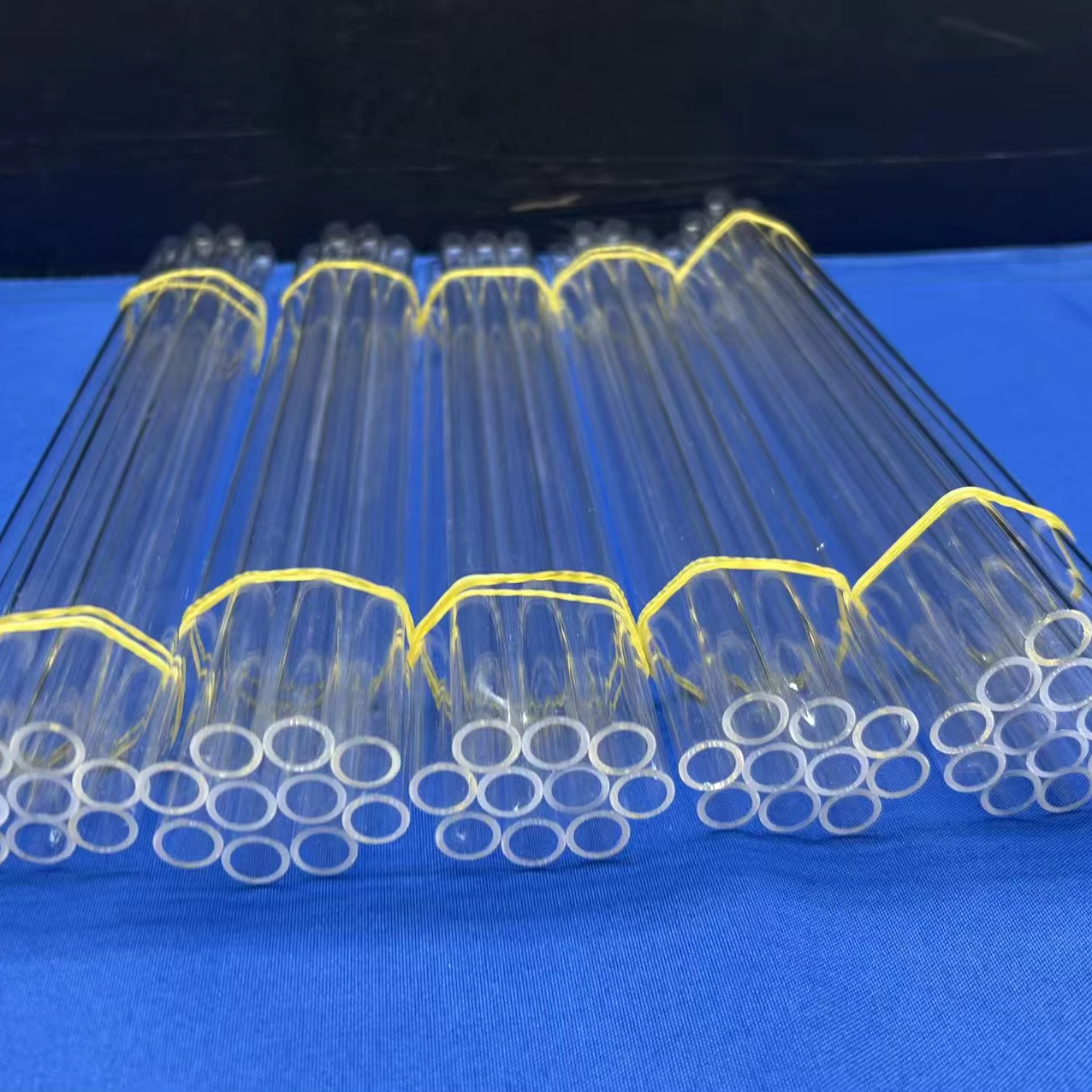
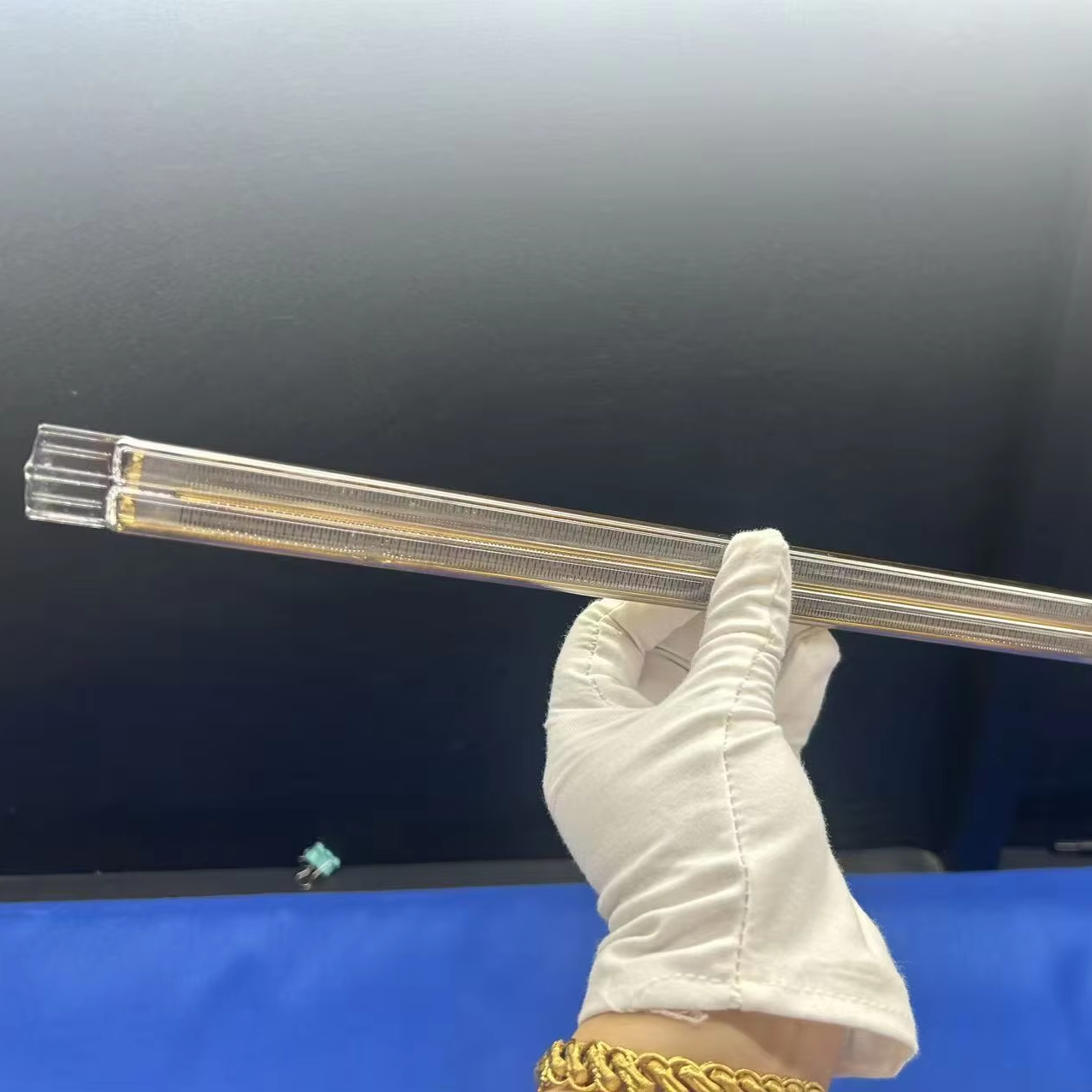
Featured Precision Quartz Glass & Fused Silica Components
Engineered for high-thermal durability, extreme chemical inertness, and precise optical performance. Directly exported from Donghai’s manufacturing hub to Quetzaltenango and across Central America.
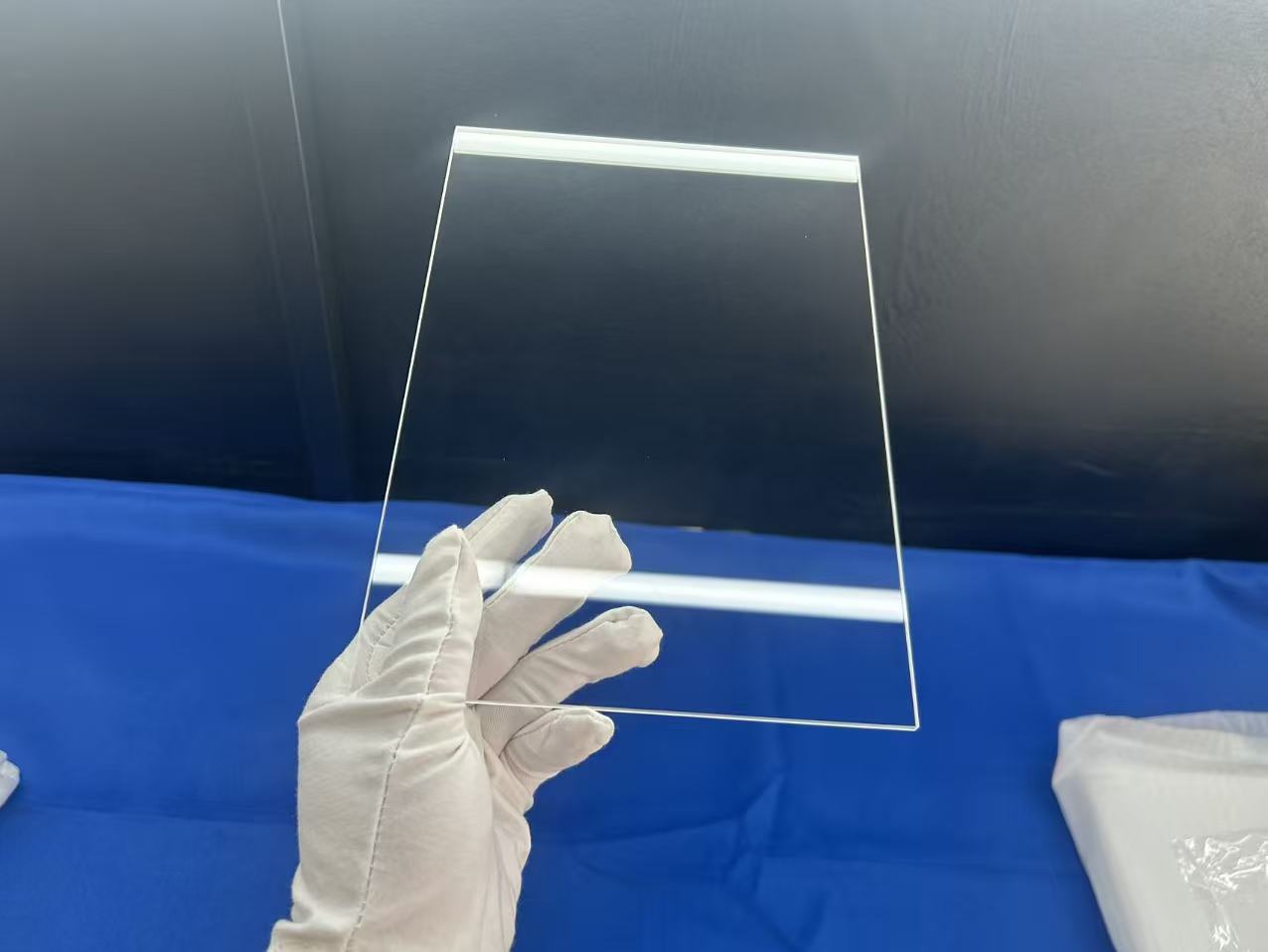
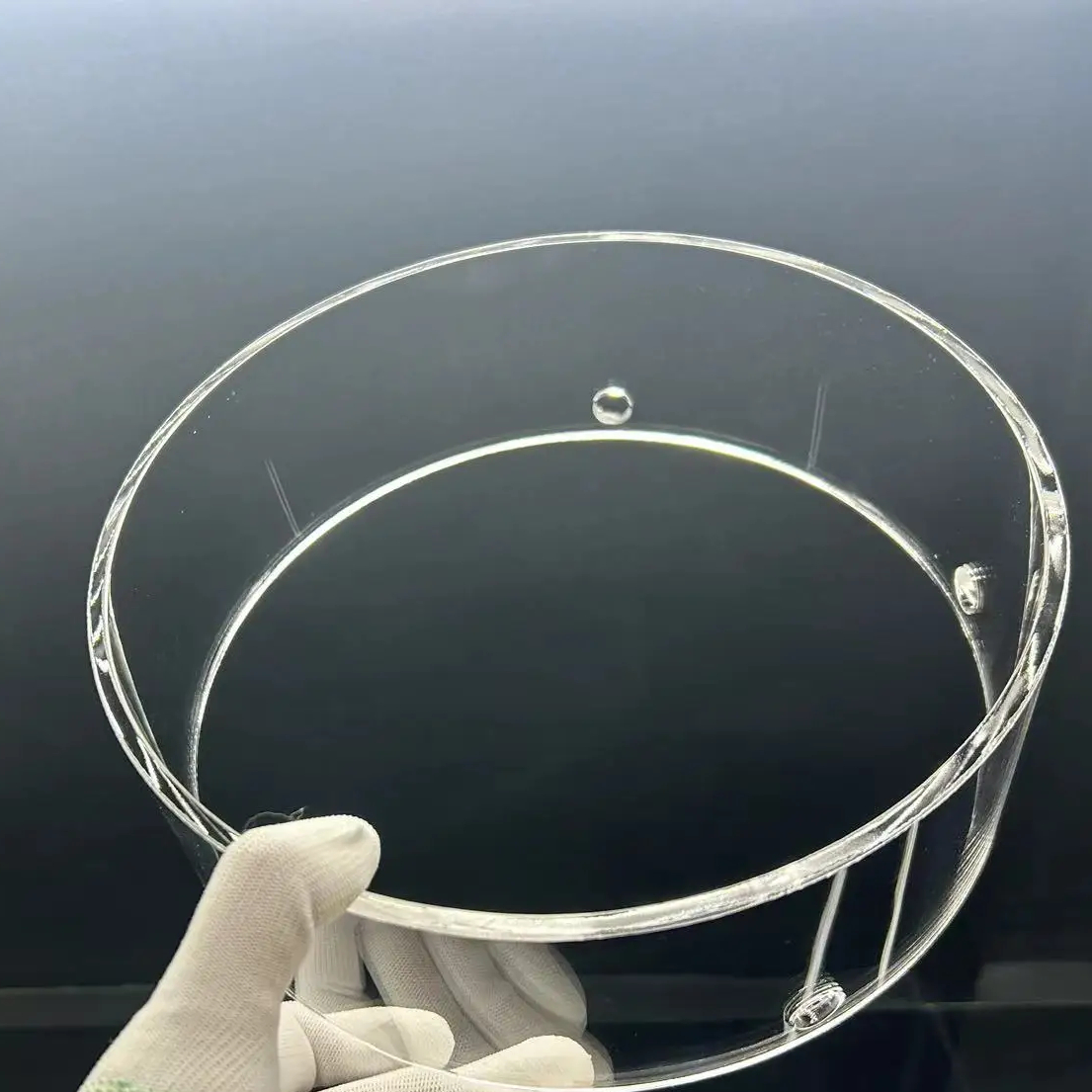
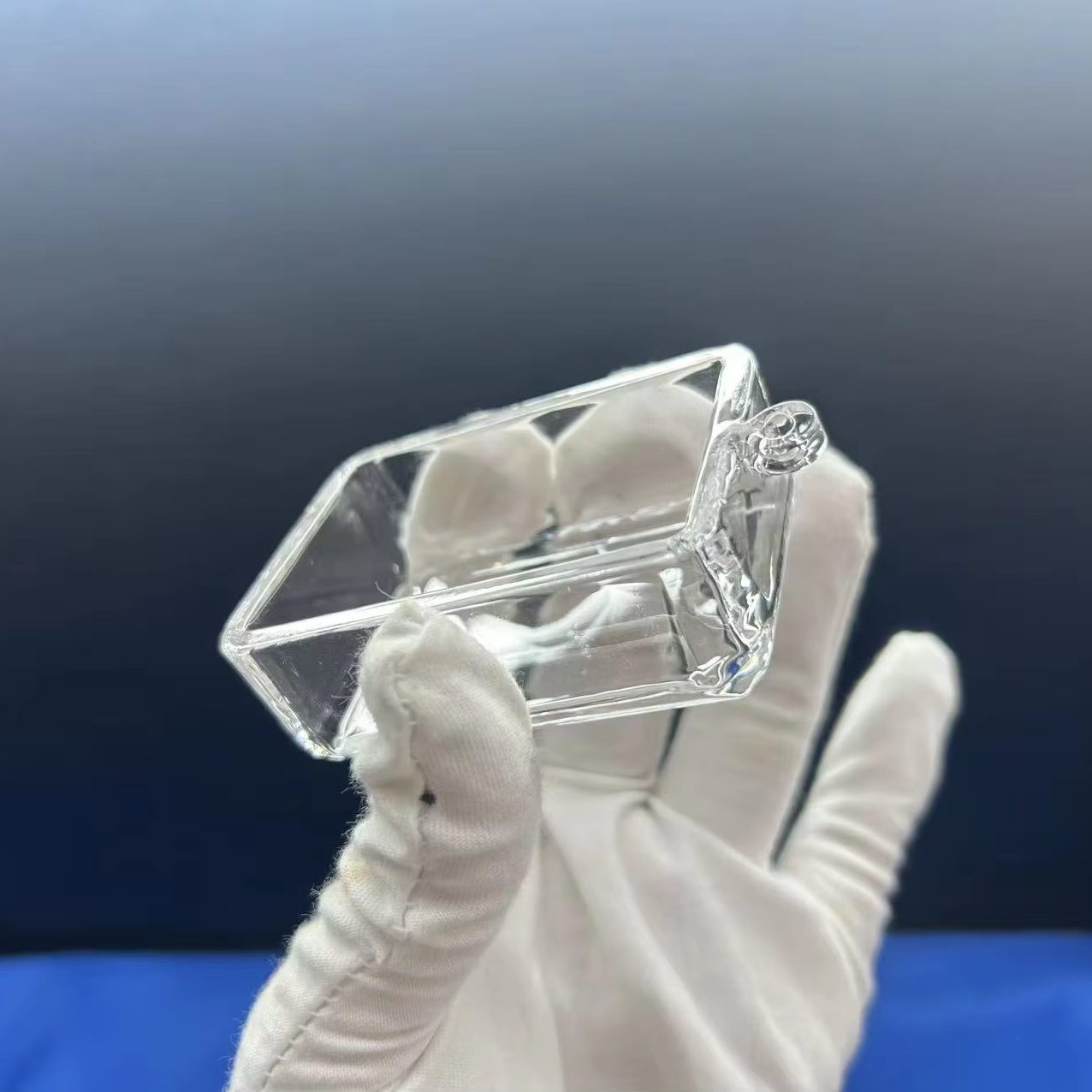
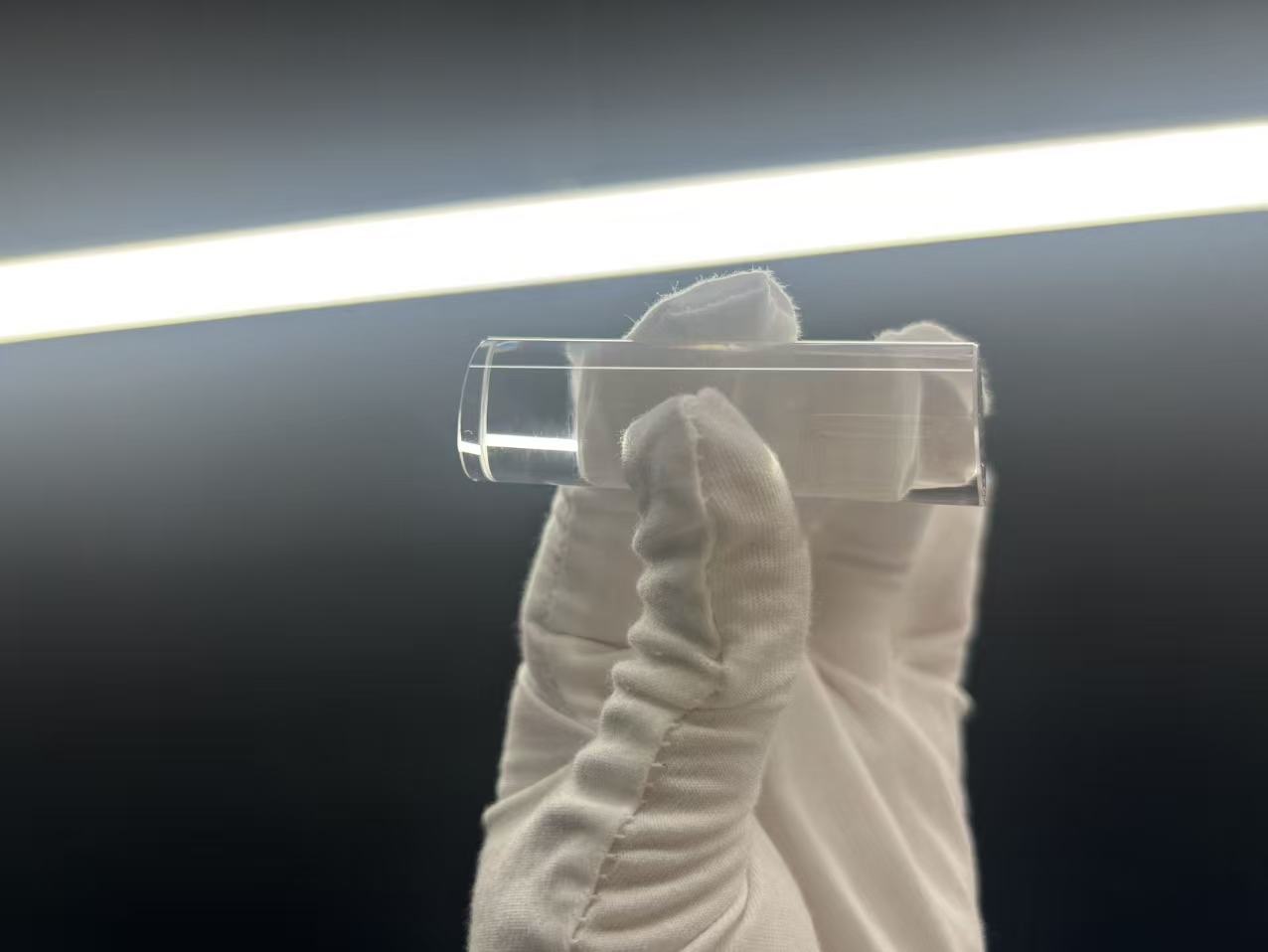
Whitepaper: Quartz Glass Wool & High-Purity Fused Silica Engineering
In modern industrial thermo-processing and high-temperature filtration, Quartz Glass Wool (also categorized as high-purity fused silica fiber) represents the pinnacle of thermal management materials. Unlike standard borosilicate glass fiber or slag-based rock wool, quartz wool is manufactured from 100% natural quartz crystals or synthetic silicon tetrachloride ($SiO_2 \ge 99.99\%$). This extreme purity gives quartz wool exceptional chemical resistance, minimal trace-metal contamination, and outstanding mechanical strength under severe thermal stress.
When procurement managers and plant engineers in Quetzaltenango evaluate thermal insulation and filtration media for industrial kilns, geothermal sampling probes, and chemical reactors, understanding the molecular differences between standard insulation and fused quartz fibers is vital for long-term operational cost reduction.
Material Science & Microstructural Breakdown
Quartz glass wool consists of fine, amorphous micro-fibers with diameters typically ranging from 1 to 12 microns. The absence of fluxing additives such as sodium ($Na_2O$), potassium ($K_2O$), or boron ($B_2O_3$) ensures that the material does not undergo devitrifcation or sintering at continuous operating temperatures of up to 1050°C, with short-term thermal resistance reaching 1250°C to 1300°C.
| Material Metric / Feature | High-Purity Quartz Wool | E-Glass / Borosilicate Wool | Ceramic Alumina Fiber |
|---|---|---|---|
| Chemical Purity (SiO2 Content) | ≥ 99.99% | 52% – 65% | 45% – 55% (Al2O3 / SiO2 mixed) |
| Max Continuous Temperature | 1050°C – 1100°C | 550°C – 600°C | 1260°C – 1400°C |
| Thermal Shock Resistance | Extremely High (0.55 × 10⁻⁶/K) | Moderate | Moderate to Low |
| Acid Resistance (except HF) | Impervious (Boiling HCl, HNO3) | Degrades rapidly in acid | Moderate chemical reactivity |
| Trace Alkali Contamination | < 10 ppm (Ideal for Semiconductor) | High (> 1% Na/K content) | Moderate |
| Dielectric Constant (at 1 MHz) | 3.75 (Ultra-low RF loss) | 6.2 | 5.5 – 6.8 |
The structural rigidity of quartz fiber wool guarantees that it will not collapse or form preferential channels during hot gas filtration. In catalysis and gas chromatography applications, this ensures uniform gas flow distribution without introducing metallic impurities into high-purity chemical streams.
Localized Application Scenarios in Quetzaltenango & Western Guatemala
Quetzaltenango (Xela), as the economic hub of Western Guatemala, maintains a thriving industrial ecosystem spanning textile finishing, food and beverage processing, geothermal power infrastructure, and regional academic testing centers. Each of these industrial verticals exhibits specific operational requirements where high-purity fused silica and quartz glass wool deliver undeniable efficiency gains.
Geothermal Energy Steam Sampling
Western Guatemala’s volcanic corridors (such as the Zunil and Almolonga geothermal fields) rely on deep high-temperature steam extraction. Quartz wool acts as a non-reactive filtration plug in steam-sampling condensor tubes, capturing particulate matter while resisting acidic condensate ($H_2S$ and $SO_2$) at temperatures above 300°C.
Textile Dyeing & High-Temp Chemical Filtration
Quetzaltenango’s historical textile manufacturing centers utilize aggressive acid dyes and high-temperature fluid baths. Quartz tanks, fused quartz heating tubes, and quartz glass wool filters allow plant chemists to operate continuous purification lines without risk of thermal cracking or glass leaching.
Agro-Industrial Testing & Coffee Processing
Soil quality testing, pesticide residue analysis, and moisture determination in Guatemala’s agricultural export sector require analytical laboratory equipment. Custom quartz test tubes, capillaries, and quartz wool combustion plugs ensure accurate results without background silica baseline distortions.
Volcanic Environmental Monitoring
Local research institutions deploying ambient air monitors near Santa María and Santiaguito volcanoes use quartz fiber filters and quartz wool packed columns to capture corrosive volcanic gas particles and atmospheric sulfur without filter breakdown.
Local Development Trends: Modernizing Western Guatemala’s Industrial Infrastructure
Over the past decade, Central America has experienced a distinct industrial shift toward cleaner energy adoption, nearshoring manufacturing, and stringent environmental compliance. In Quetzaltenango, regional companies are actively replacing legacy equipment containing asbestos or low-grade glass fibers with environmentally stable, hazardous-substance-free Fused Silica and Quartz Wool Solutions.
1. Decarbonization and Energy Recovery
With industrial electricity tariffs being a significant operational cost in the Guatemalan highlands, factories are upgrading boiler insulation and thermal exhaust flues. Installing high-purity quartz glass wool as a thermal barrier minimizes heat loss in high-temperature infrared processing systems while dramatically reducing carbon emissions.
2. Transition to Advanced Analytical Infrastructure
As Guatemalan agricultural exports (coffee, vegetables, sugar cane derivatives) face strict regulatory scrutiny from the FDA (USA) and EFSA (European Union), local testing facilities are expanding their GC-MS (Gas Chromatography-Mass Spectrometry) and AAS (Atomic Absorption Spectroscopy) capabilities. These precision testing instruments mandate the use of zero-impurity silica quartz wool sample liners and quartz combustion tubes.
3. Strategic Direct Import & B2B Purchasing Efficiency
Historically, procurement managers in Quetzaltenango relied on indirect regional intermediaries in Guatemala City or Miami, inflating costs by 30% to 50%. The modern trend favors direct OEM/ODM factory sourcing from primary quartz hubs such as Donghai County, China. Direct factory partnerships provide access to custom engineered drawings, tailored wall thicknesses, and verified material certificates (COA) prior to dispatch.
Factory Expertise: Donghai County Nivra Quartz Products Co., Ltd.
Located in Donghai County—globally recognized as China’s central silica crystal processing base—Donghai County Nivra Quartz Products Co., Ltd. operates as a fully integrated manufacturer and global exporter of clear fused quartz tubing, plates, crucibles, labware, and customized quartz wool fibers.
Manufacturing Scalability
Employing between 101 to 200 skilled glass technicians, engineers, and quality assurance personnel, our production facility features automated CNC glass cutting, high-precision lathe flame welding, optical polishing lines, and ultrasonic cleaning baths.
Strict Optical & Thermal Auditing
Every lot of fused quartz tubing, plate, or quartz wool undergoes rigorous inspection: dimensional tolerances are checked with digital micrometers, surface defects evaluated under polarized light inspection, and chemical purity verified to guarantee $SiO_2 \ge 99.99\%$.
Global Logistics & Secure Export Packaging
Exporting fragile precision glassware to Central America requires specialized export packaging. Each order is packed using custom-molded shock-absorbing EPE foam, moisture-sealed barrier bags, and fumigation-free reinforced plywood cases to eliminate transit damage.
Frequently Asked Questions for Quetzaltenango & Guatemalan Buyers
Everything you need to know about technical specifications, ordering procedures, custom fabrication, and international shipping to Western Guatemala.
What is the primary technical advantage of Quartz Wool over Standard Glass Wool?
Quartz wool is manufactured from high-purity silica ($SiO_2 \ge 99.99\%$), whereas standard glass wool contains binder resins and alkali metal oxides ($Na_2O, CaO$). Quartz wool can withstand continuous temperatures up to 1100°C without devitrifying, melting, or outgassing organic vapors. It is also completely resistant to strong acid corrosion (except hydrofluoric acid), making it indispensable for analytical chemistry and high-temperature gas filtration.
How long does shipping take from your factory to Quetzaltenango, Guatemala?
For urgent laboratory supplies or spare parts, express air freight (DHL/FedEx/UPS) delivers to Quetzaltenango in 7 to 10 business days. For bulk industrial orders or large quartz tubes and tanks, sea freight to Puerto Quetzal or Puerto Barrios takes approximately 28 to 35 days, followed by inland trucking to Quetzaltenango.
Can you fabricate custom quartz components according to our technical drawings?
Yes. Our engineering department accepts CAD, DWG, STEP, and PDF drawings. We offer specialized CNC machining, micro-hole drilling, optical polishing, flame bending, and hermetic quartz-to-quartz welding. We also produce small prototype batches starting from 1 to 10 pieces prior to full-scale production.
What tariff codes (HS Codes) apply when importing Quartz Wool and Glassware to Guatemala?
Standard quartz fiber and quartz glass wool products typically ship under HS Code 7019.90 (Glass fibers and articles thereof). Fused quartz tubing and rods fall under HS Code 7002.31, while laboratory quartz glassware falls under HS Code 7017.10. We provide complete commercial invoices, packing lists, and Certificates of Origin (CO) to facilitate smooth customs clearance at Guatemalan ports.
How do you prevent breakage during international transit to Central America?
We utilize multi-layer protective packaging engineered specifically for international export. Individual glass components are wrapped in protective film, embedded within thick high-density EPE foam cutouts, and secured in heavy-duty corrugated cartons or fumigated wooden crates. Long quartz rods and tubes are packed in reinforced PVC outer cylinders to prevent flex cracking.
What optical silica grades do you supply (JGS1, JGS2, JGS3)?
We process three core optical grades: JGS1 (Synthetic Fused Silica, optimal UV transmission from 185nm to 2500nm, ideal for deep-UV lasers); JGS2 (Fused Quartz for visible light applications from 220nm to 2500nm); and JGS3 (Infrared Grade Fused Silica with low hydroxyl content, transmitting up to 3500nm for IR optics and thermal sensors).