Direct Factory Product Solutions Available for Vaduz OEM & Research Buyers
Engineered from synthetic fused silica (JGS1) and high-temperature natural fused quartz (JGS2/JGS3). Every item supports precision custom CNC machining, fire polishing, and dimensional verification.
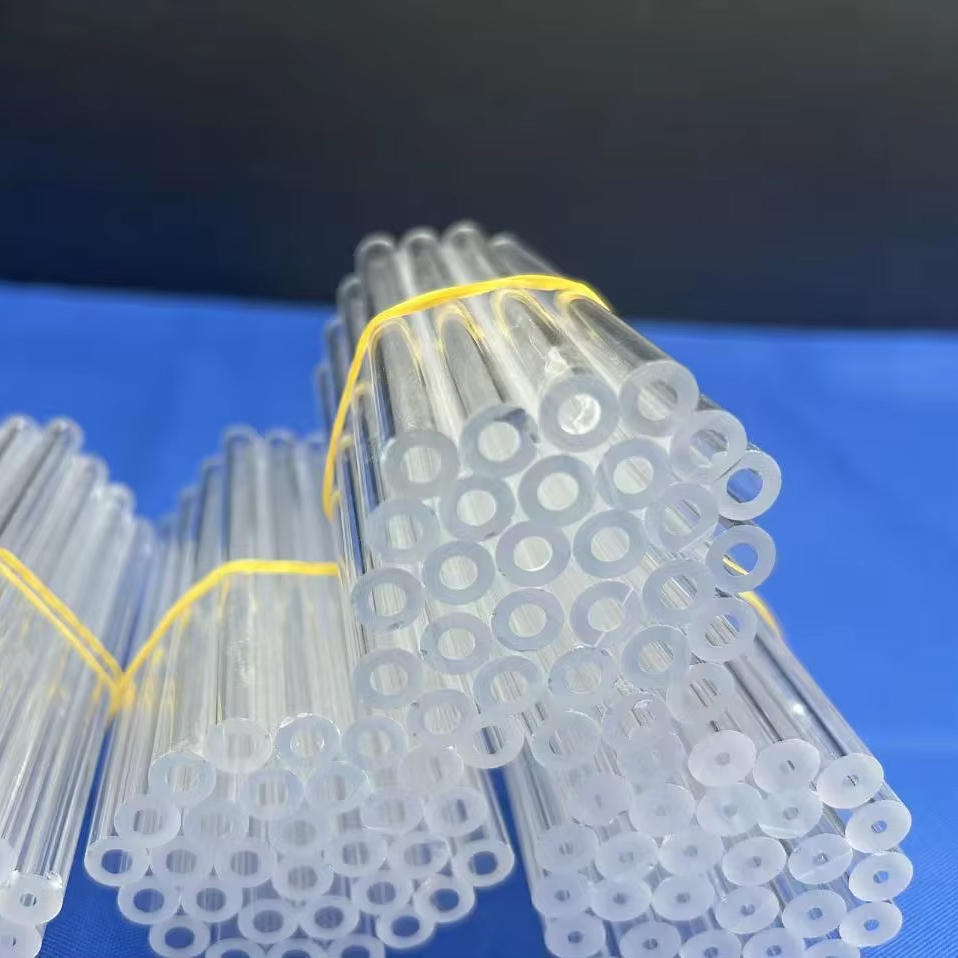
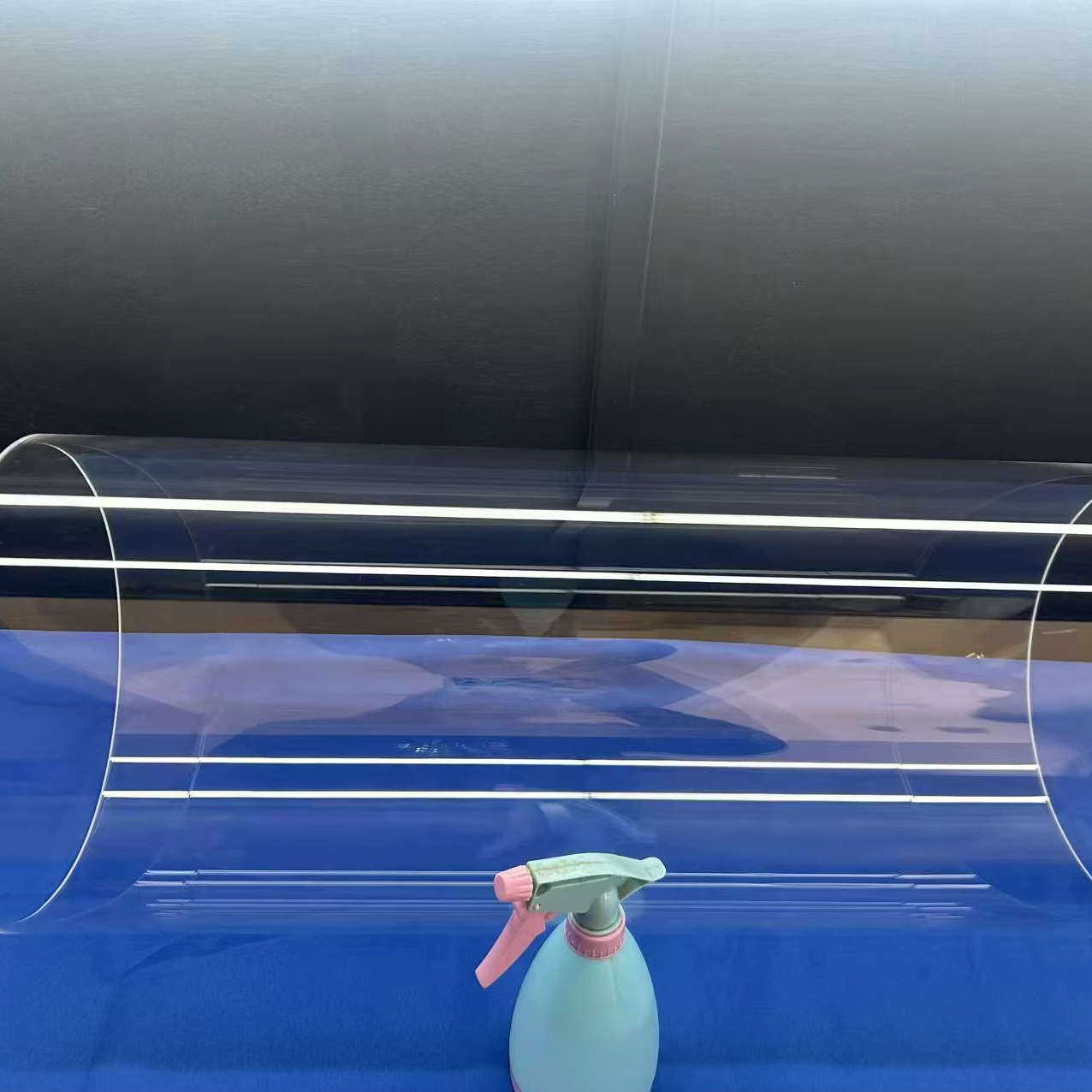
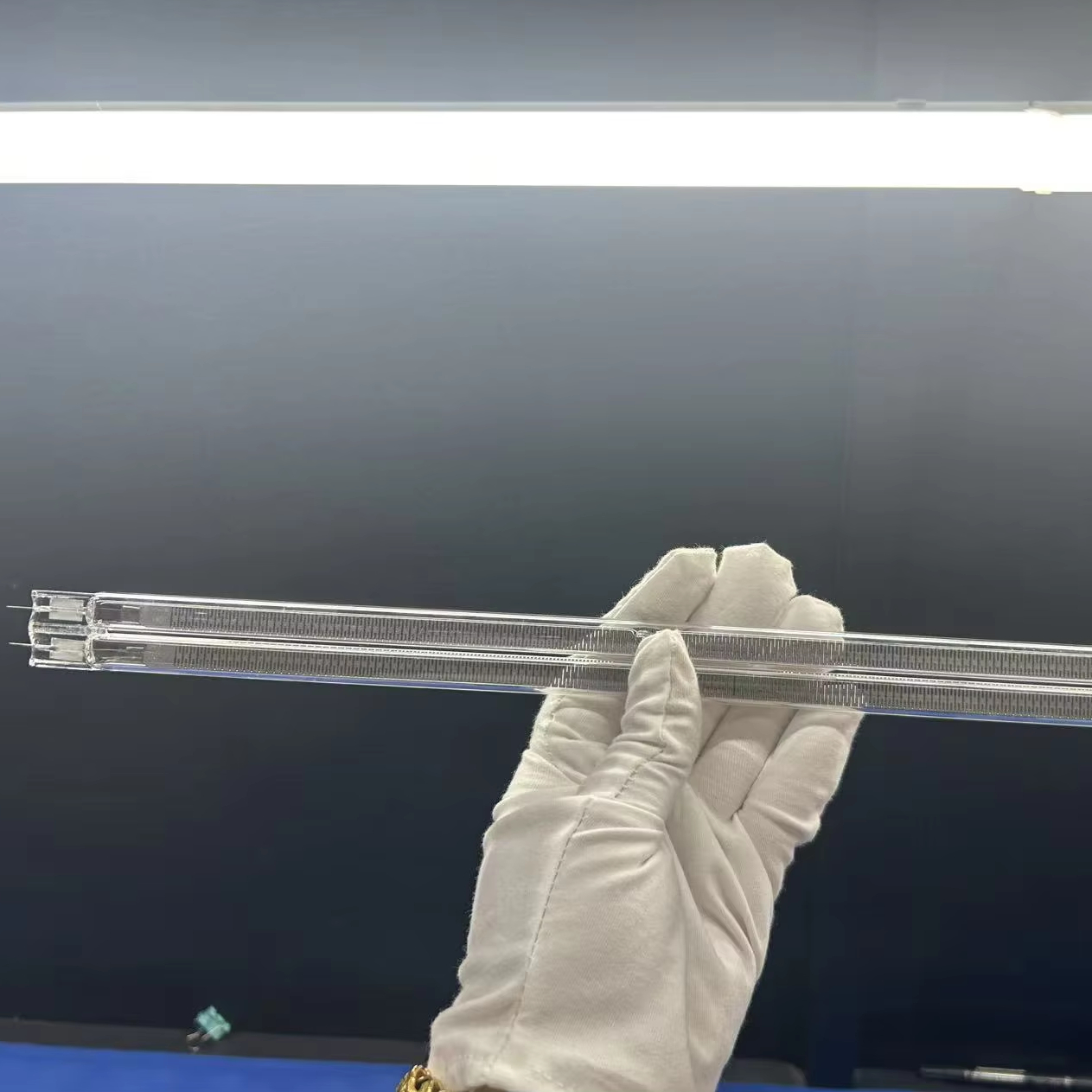
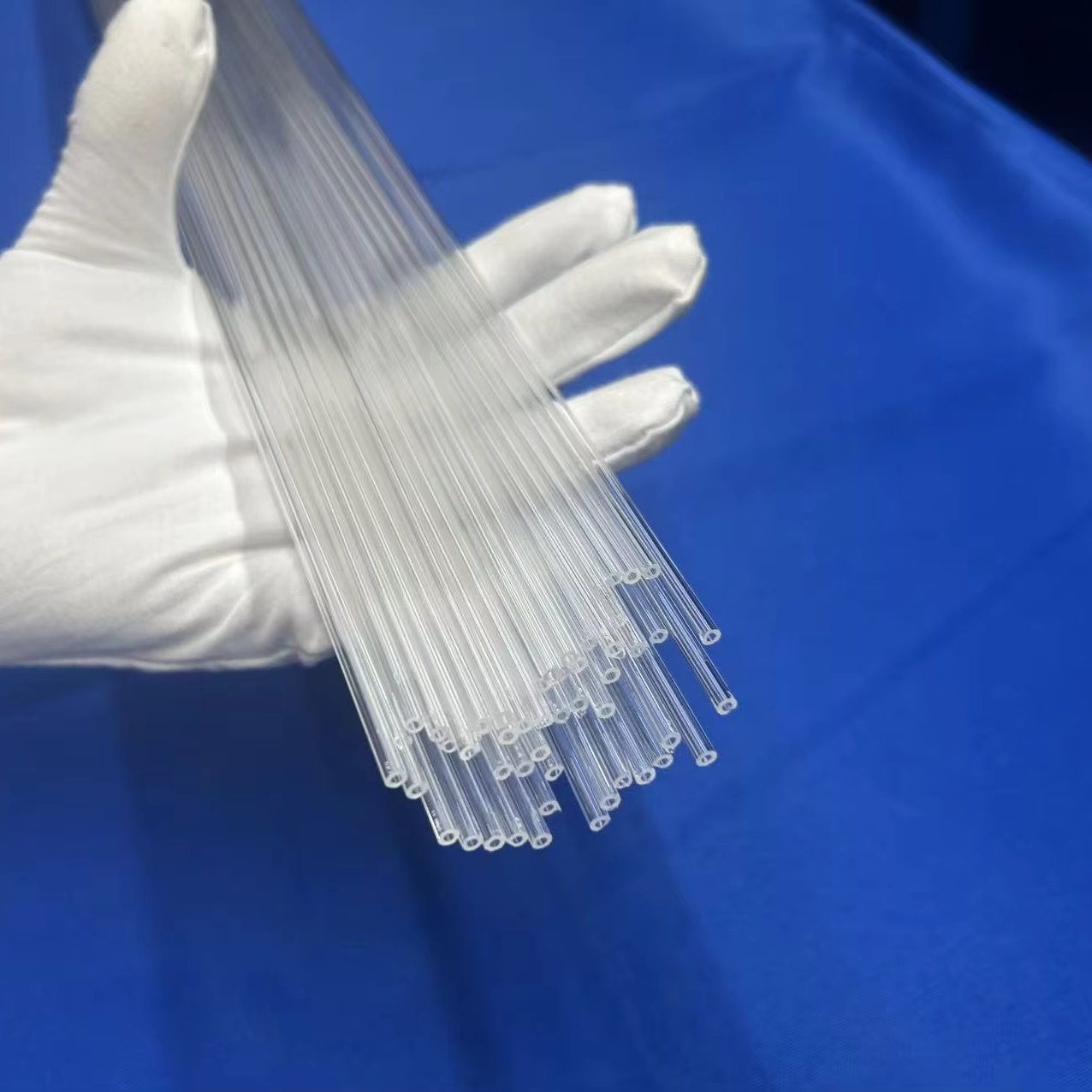
High-Purity Fused Quartz Windows in the Vaduz Precision Ecosystem
A technical guide on substrate purity, transmission bands, and thermal boundaries for mechanical engineers and cleanroom procurement specialists in the Principality of Liechtenstein.
The industrial corridor of the Principality of Liechtenstein, centered around the capital city of Vaduz and neighboring manufacturing hubs such as Balzers, Schaan, and Triesen, represents one of the most dense concentrations of high-vacuum surface engineering, advanced dental biomaterials, and optical sensor technologies in Central Europe. While Vaduz is celebrated globally as a financial capital, its real economic backbone is rooted in high-margin, ultra-specialized manufacturing. High-vacuum deposition systems (PVD, PECVD, reactive sputtering), dental prosthetic sintering chambers, and optoelectronic inspection rigs deployed in this region require optical sight glasses and transparent thermal windows capable of enduring aggressive plasma, extreme thermal gradients (ΔT > 1000 °C), and chemically corrosive reactive gases.
Standard borosilicate or soda-lime glass substrates cannot survive the continuous operating pressures and laser power densities demanded by Alpine instrumentation facilities. Fused quartz and synthetic fused silica (SiO₂ ≥ 99.99%) serve as the foundation of modern process observation. With a linear thermal expansion coefficient of approximately 5.5 × 10⁻⁷ /°C (virtually one-twentieth that of standard soda-lime glass), quartz windows eliminate optical distortion and catastrophic shattering induced by rapid cycling from cryogenic temperatures up to 1100 °C. As export partners to the DACH region, our mission is to deliver directly fabricated, custom-milled, and certified optical quartz windows directly to testing benches and manufacturing lines across the Vaduz postal zone (FL-9490) without European intermediary inflation.
| Optical Quartz Grade | Synthesizing / Fusion Process | Working Spectral Band | Hydroxyl Content ([OH⁻]) | Vaduz Industrial Application |
|---|---|---|---|---|
| JGS1 (Synthetic Fused Silica) | Chemical vapor deposition of silicon halides (SiCl₄) | 185 nm – 2500 nm (Deep UV) | < 5 ppm to 1200 ppm (Grade dep.) | Excimer laser optics, semiconductor lithography, spectrophotometer cuvettes, UV-C fluid sterilization channels. |
| JGS2 (Fused Quartz Plate) | High-temperature oxy-hydrogen fusion of natural rock quartz crystal | 220 nm – 2500 nm (UV-VIS) | < 30 ppm | Vacuum deposition sight glasses, high-vacuum viewports, high-temperature furnace inspection windows. |
| JGS3 (Optical Infrared Quartz) | Vacuum electric arc melting of ultra-pure silica granules | 260 nm – 3500 nm (NIR / SWIR) | < 2 ppm (OH-Free) | Infrared pyrometry viewports, thermal imaging sight glasses, CO₂ / Nd:YAG laser process observation ports. |
| Optical Sapphire (Al₂O₃) | Kyropoulos / Verneuil monocrystalline growth | 200 nm – 5000 nm (Broadband) | Zero OH | Extreme wear watchmaker windows, severe abrasive slurry monitoring, high-pressure sight windows (> 100 bar). |
Precision Applications Across Liechtenstein's Industrial Clusters
Engineered quartz glass windows customized to meet the rigorous DIN, ISO, and cleanroom requirements of Vaduz, Balzers, and Schaan manufacturing lines.
Thin-Film Vacuum Coating & PVD Viewports
The Rhine Valley is globally famous for vacuum thin-film surface engineering. Plasma sputter coating, arc evaporation, and e-beam deposition chambers require clear quartz sight glasses that resist high plasma fluxes and fluorine/chlorine etchants.
- CF/KF flanged viewport assemblies
- Helium leak rates < 1×10⁻⁹ mbar·l/s
- Anti-reflective (AR) coating availability
Dental Biomaterial & Ceramic Sintering Furnaces
Liechtenstein leads Europe in dental restorative prosthetics. Sintering ovens for zirconia and lithium disilicate require quartz inspection windows and furnace tubes capable of operating at 1150 °C without devitrification or discoloration.
- Devitrification resistant up to 1450 °C
- High mechanical shock resilience
- Zero chemical leaching or outgassing
Optoelectronic & Laser Alignment Windows
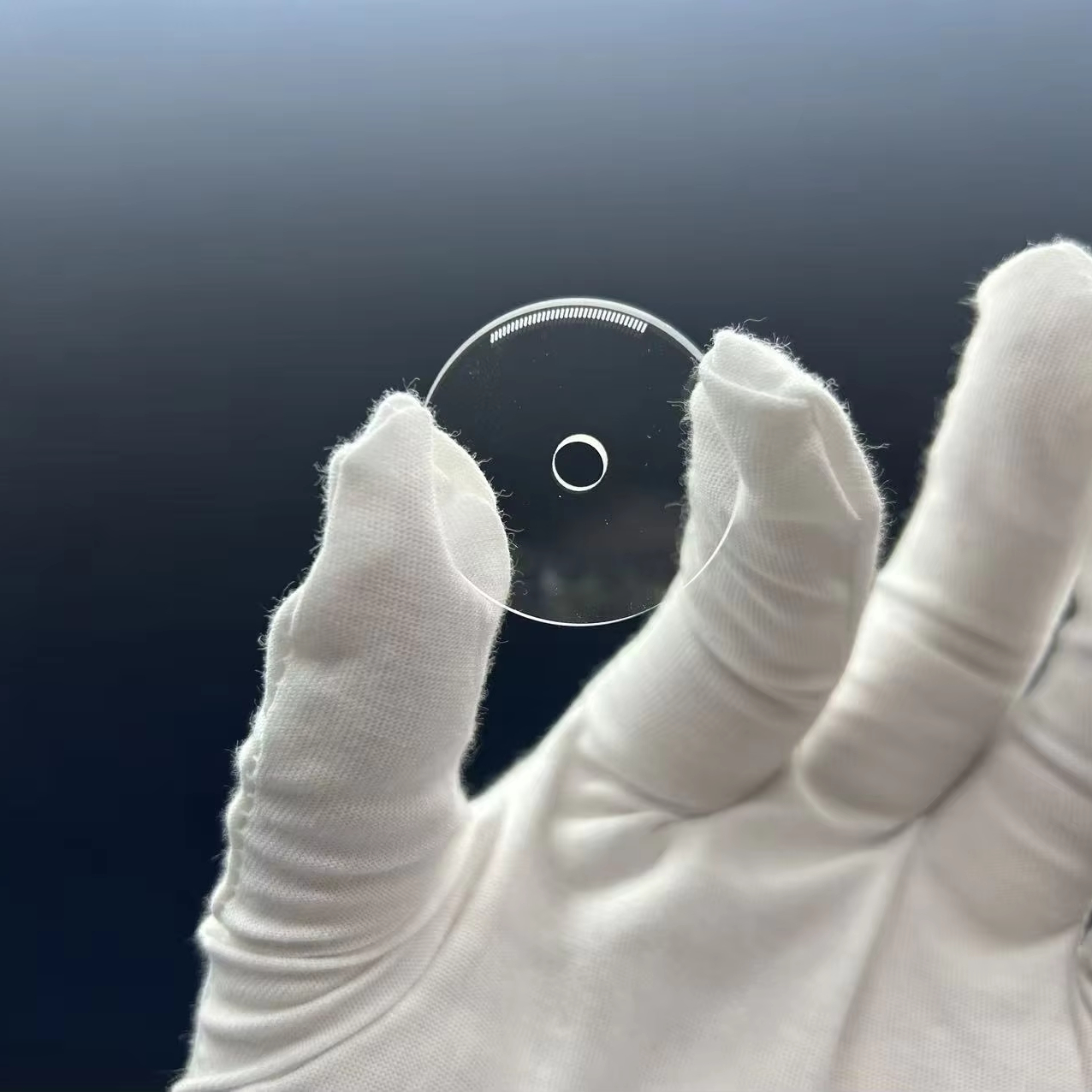
Laser machining, micro-drilling, and optical sensor calibration in Liechtenstein's high-tech labs utilize precision polished JGS1/JGS2 disc windows with scratch-dig metrics of 20/10 and laser-induced damage thresholds (LIDT).
- Surface flatness λ/10 @ 632.8 nm
- Parallelism < 30 arcsec
- Optical bubble class: DIN ISO 10110-3
Emerging Market Trajectories: Liechtenstein Sourcing Shifts
How engineering firms in the Swiss-Liechtenstein economic union are restructuring quartz glass supply lines to optimize quality, cost, and lead times.
Dual-Sourcing & Direct Mill Procurement
To mitigate rising overheads from Swiss and German distributors, procurement directors in Vaduz are establishing direct factory relationships with primary processing hubs like Donghai, achieving 30–45% material cost savings.
Deep-UV Laser Sintering & 3D Photolithography
The acceleration of micro-additive manufacturing and sub-micron UV curing requires fused silica windows with near-zero bubble content and superior internal transmittance (> 92% at 193 nm and 248 nm wavelengths).
Ultra-High Vacuum (UHV) Metallization
Demand for quartz windows integrated directly with Kovar, Invar, or SS316 flanges using glass-to-metal hermetic seals is rapidly increasing, eliminating elastomer O-ring degradation in high-temperature vacuum furnaces.
Strict Swiss-EEA Environmental Compliance
Liechtenstein operations adhere to the highest environmental norms. Raw quartz supplies must verify zero cadmium, lead, or toxic dopants, guaranteeing total compliance with EU RoHS, REACH, and Swiss chemRRV standards.
Why Alpine Engineers Partner with Nivra Quartz
Bridging Donghai's world-capital raw quartz resources with the rigorous precision standards demanded by European instrument manufacturers.
Raw Material Capital Origin
Situated in Donghai County, China's quartz capital, we possess primary access to crystal reserves yielding SiO₂ purity of 99.99%–99.999%. This eliminates supply chain volatility and ensures uniform batch melt properties.
Rapid Alpine Response (≤ 5 Hours)
We respect the exacting pace of Liechtenstein R&D. Technical inquiries, CAD prints (.DWG, .STEP, .PDF), and customized quotation requests are analyzed by seasoned quartz engineers within an average response window of under 5 hours.
Full-Chain In-House Fabrication
Our workshop houses CNC waterjet slicing, laser core drilling, precision spherical/planar double-sided polishing, hot flame-lathe manipulation, and automated annealing furnaces to remove structural residual stress completely.
Zero-Breakage Crating Protocol
Fragile optical windows require specialized transit engineering. Every item is ultrasonically decontaminated, vacuum-bagged against atmospheric haze, encased in shock-absorbent EPE foam, and bolted into fumigation-free wooden cases.
5.0 / 5.0 Global Buyer Track Record
Operating with 101–200 skilled specialists since 2019, our verified export transactions exceed 40,000+ USD semi-annually across Western Europe and North America, backed by an exceptional 23% repeat reorder metric.
Flexible Prototype to High-Volume Batches
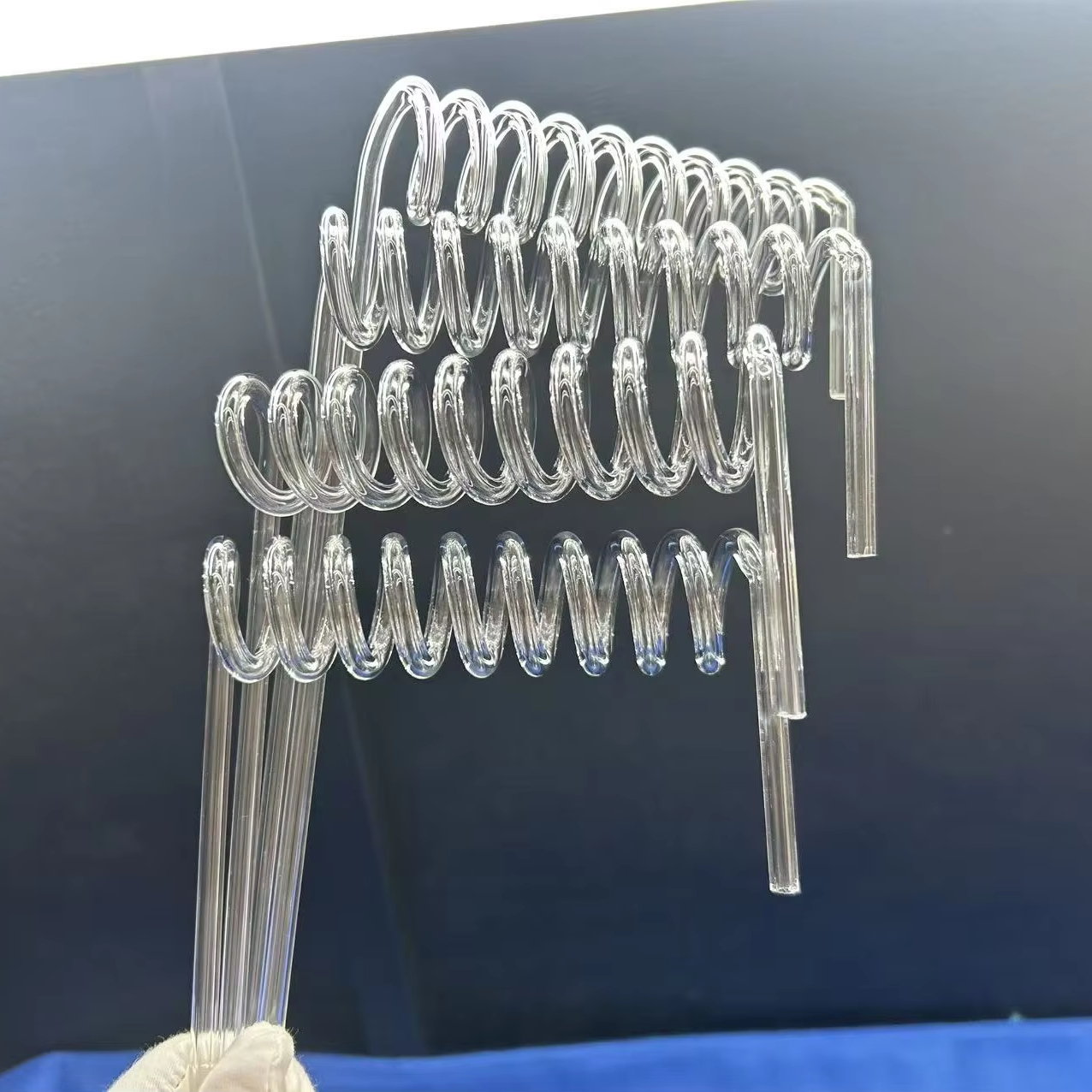
Whether your laboratory requires a single custom quartz spiral or your production floor demands thousands of polished wafers monthly, our scalable manufacturing lines deliver consistent dimensional tolerances without minimum order friction.

Verified Production Facility in Donghai, Jiangsu
Located at 285 Heping East Road, our 101–200 employee facility operates state-of-the-art quartz cutting, edge beveling, thermal flame annealing, and laser interferometry cleanroom inspection stages. All business licensures and export credentials have been audited and verified on-site by international third-party inspection firms.
Frequently Asked Questions: Vaduz & Alpine Orders
Clarifications on customs, international shipping, optical tolerances, and drawing specifications for buyers in Liechtenstein.
How are customs clearance and Swiss VAT (MWST) handled when shipping quartz windows to Vaduz? +
Liechtenstein participates in a complete customs and currency union with Switzerland. All consignments sent to Vaduz (Postal Code FL-9490) pass through Swiss Customs (Eidgenössische Zollverwaltung - BAZG). We routinely ship via air express (DHL Express, FedEx, UPS) and door-to-door air freight with proper HS code classifications (typically HS 7002.31 or HS 7017.10).
We supply accurate commercial invoices, certificates of origin, and packed packing lists indicating CHF or EUR valuations. Local buyers clear Swiss customs seamlessly using their standard Swiss VAT identification number, ensuring zero administrative friction.
What is the key technical difference between JGS1, JGS2, and JGS3 quartz window materials? +
JGS1 is synthetic fused silica synthesized from high-purity SiCl₄ gas. It offers supreme UV transmittance down to 185 nm, making it the premier choice for excimer lasers, UV curing, and optical lithography where bubble-free performance is mandatory.
JGS2 is fabricated by melting high-grade natural quartz crystals. It has an operational range of 220 nm to 2500 nm, serving as the cost-effective standard for vacuum sight windows, furnace viewports, and chemical observation plates.
JGS3 is an electrically melted, anhydrous quartz grade characterized by an extremely low hydroxyl ([OH⁻]) content (< 2 ppm). It eliminates the water absorption band at 2.73 μm, extending optical clarity well into the infrared range up to 3500 nm.
Can you manufacture custom-dimension quartz viewports from 3D CAD or 2D technical drawings? +
Yes. Over 70% of our production consists of customized OEM/ODM components. You can submit engineering drawings in PDF, DWG, DXF, or STEP format. Our machining precision includes CNC waterjet slicing, laser drilling of micro-holes, precision step-beveling, optical double-sided polishing, and laser engraving for batch traceability.
Our standard manufacturing tolerances achieve ±0.05 mm on dimensions, with specialized fine-ground optical windows reaching ±0.01 mm when requested.
What surface roughness and optical flatness tolerances can you guarantee for laser-grade windows? +
For high-precision optoelectronic and laser viewports, we utilize planetary pitch polishing systems to attain surface roughness values down to Ra ≤ 0.5 nm (RMS ≤ 1 nm). Optical flatness is measured via Zygo interferometry to achieve λ/4 to λ/10 per 25 mm diameter at 632.8 nm.
Surface quality adheres strictly to DIN ISO 10110 standards, providing scratch-dig specifications of 40/20, 20/10, or customized cleanroom laser tolerances.
How do you safeguard fragile, large-diameter quartz viewports against damage during transit to Vaduz? +
Every polished optical window undergoes multi-stage ultrasonic cleaning and is vacuum-sealed in cleanroom barrier wrapping with desiccant to prevent moisture hazing. Individual units are embedded within multi-density EPE shock absorption molds, fitted into inner reinforced cartons, and anchored inside heavy-duty, fumigation-free plywood crates.
Every overseas shipment is fully insured with door-to-door courier tracking. In the improbable event of transit damage, we provide immediate, prioritized batch replacement upon photo verification.
What are your typical minimum order quantities (MOQ) and production lead times for Alpine clients? +
We accommodate both experimental R&D prototyping and high-volume scheduled delivery contracts. Standard optical windows and custom test pieces can be ordered with an MOQ as low as 1 to 5 pieces. Small batch precision discs typically start at 10–50 pieces.
Sample fabrication turnaround is typically 5 to 8 working days. Batch manufacturing ranges from 12 to 18 days depending on polishing geometry and flanging requirements. Direct air express to Vaduz or Zurich Airport takes just 3 to 5 business days.
Submit Your Quartz Window Drawing or Specification
Whether you require standard JGS2 vacuum viewports, synthetic JGS1 laser flats, or custom CNC-shaped heating plates, our engineering staff will provide a comprehensive quotation and feasibility review within 5 hours.