Precision Quartz Components for Austin's Tech Sector
Engineered to exact micron tolerances, our fused quartz and synthetic fused silica components provide industry-leading thermal shock resistance, extreme chemical inertness, and deep UV-to-NIR optical transmission for Central Texas cleanroom environments.
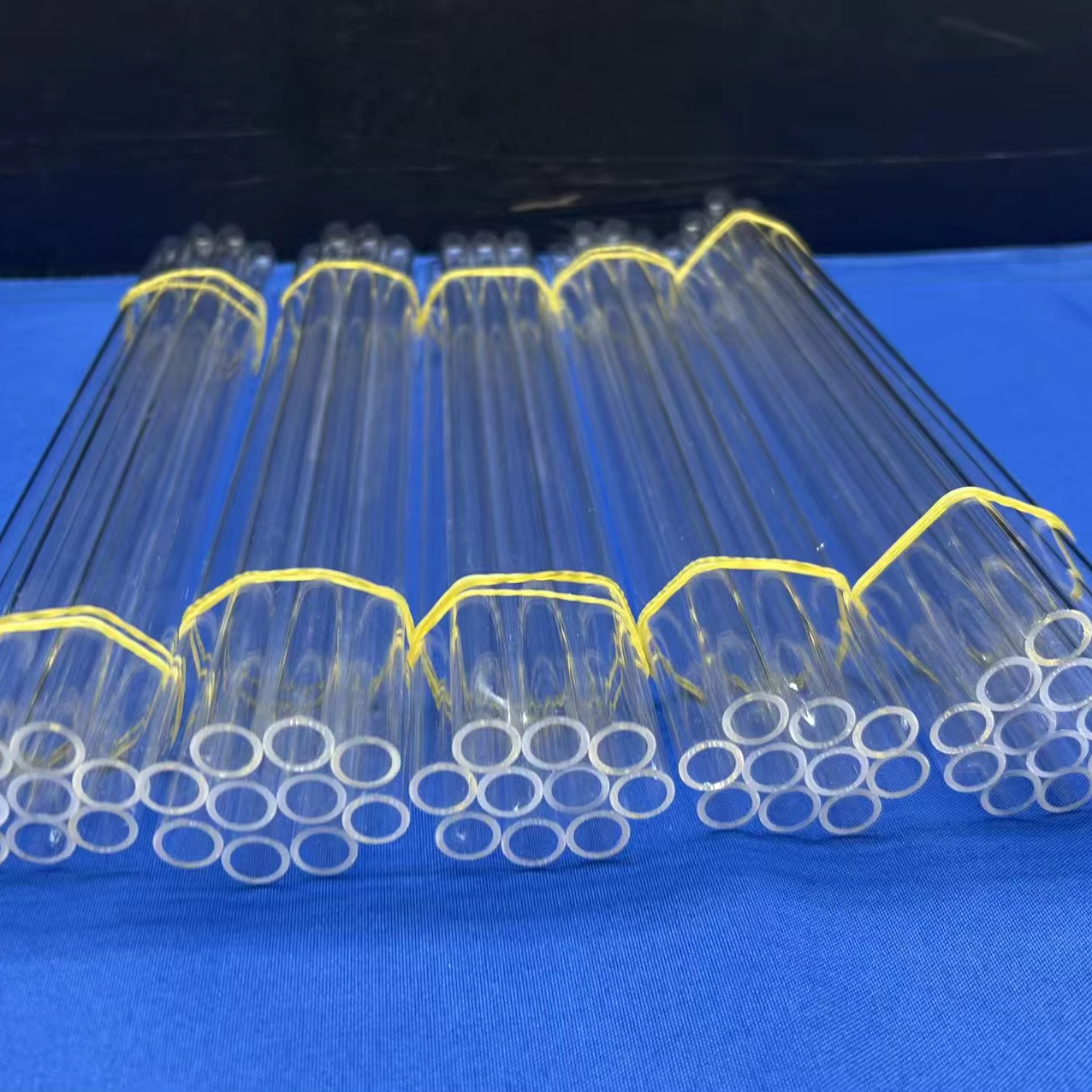
Quartz test Tube
High-purity clear fused quartz test tubes for analytical chemistry and extreme thermal testing up to 1200°C. Resists devitrification and aggressive acid digestion.
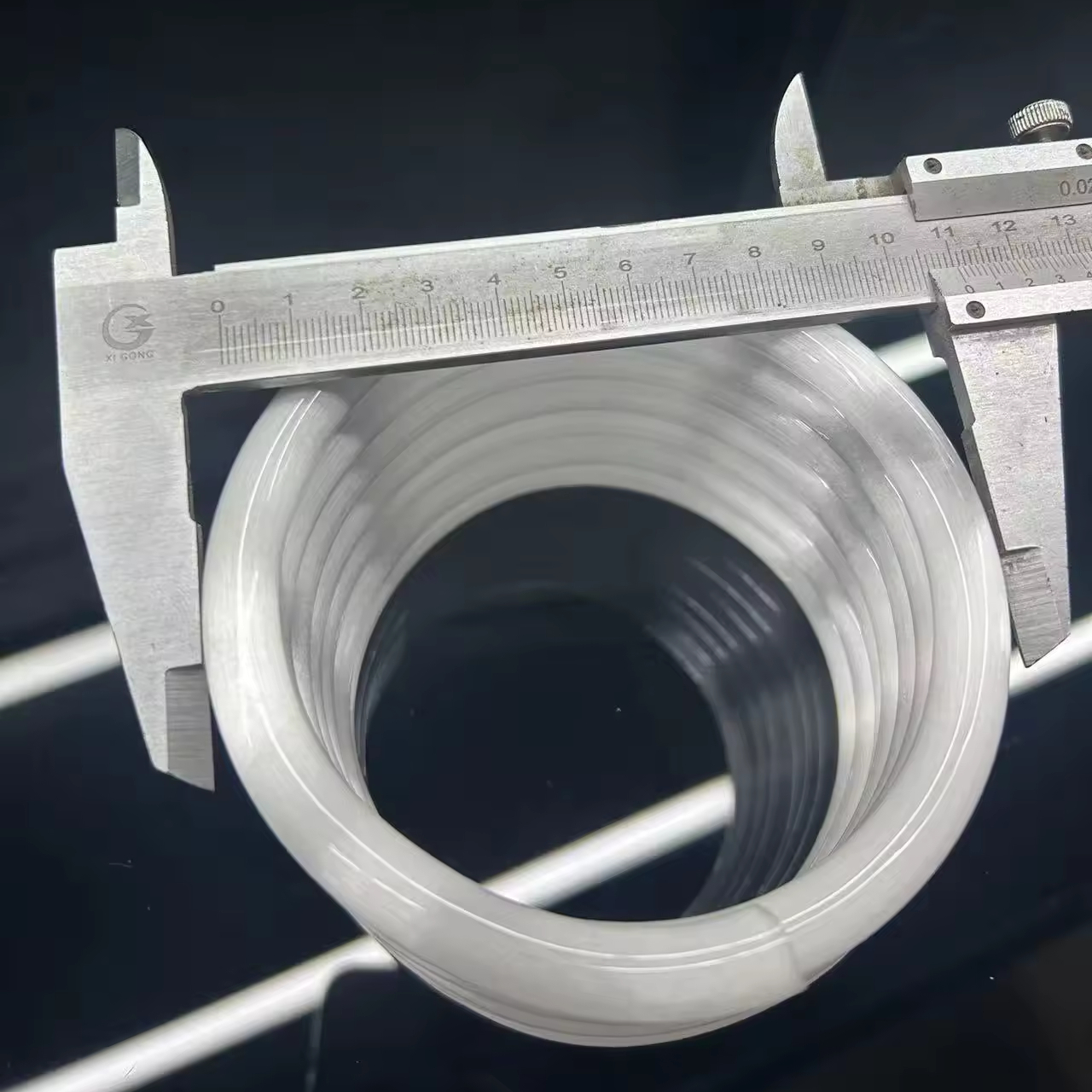
Helical Clear Quartz Glass Coil t Tube
Precision wound quartz condenser spirals providing maximum heat-exchange surface area for corrosive fluid chilling and high-purity chemical processing.
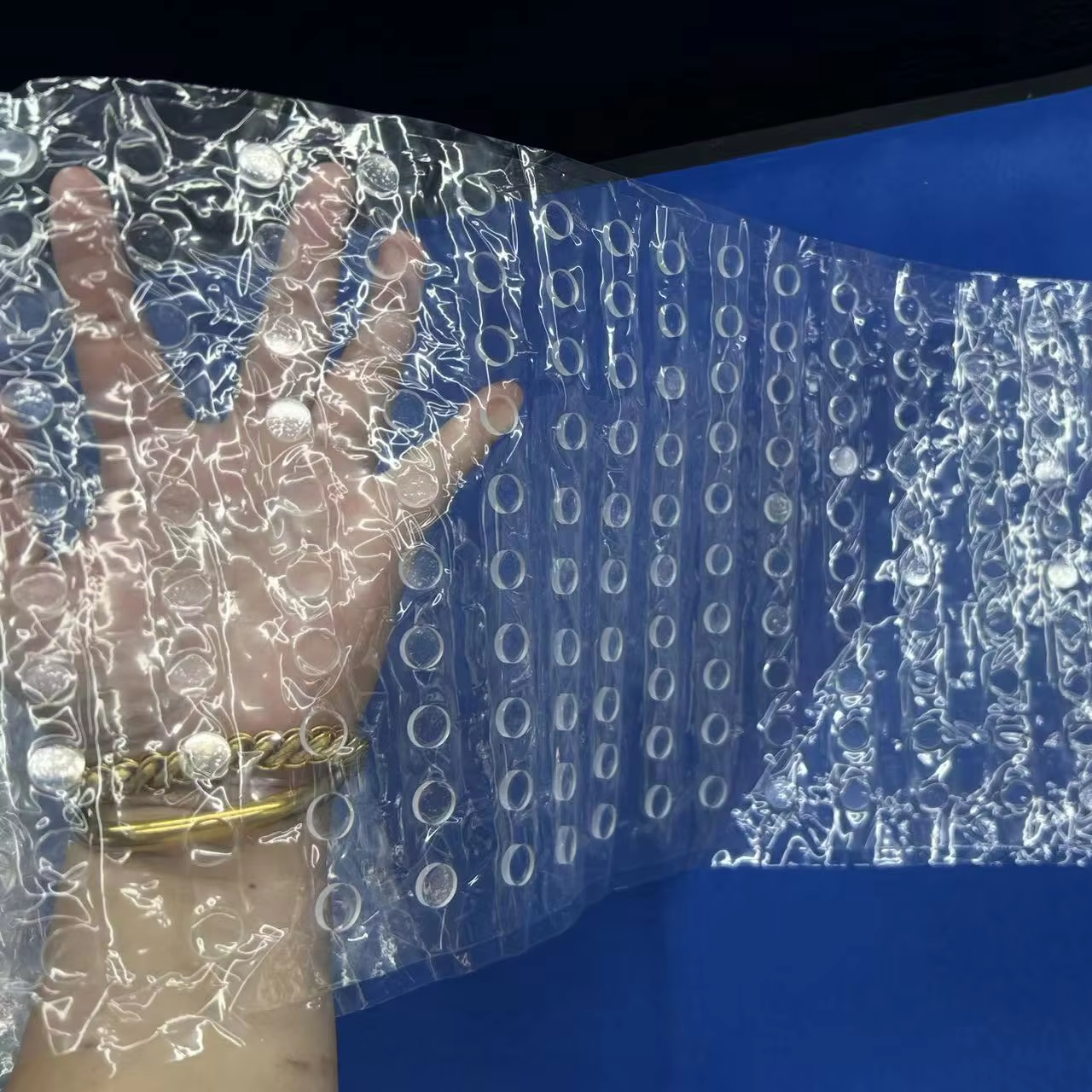
Factory-Made High-purity Small Size Quartz Wafer,Provide Cutting and Polishing Services
Sub-nanometer surface roughness (Ra < 0.5nm) fused silica substrates for photolithography, wafer carrier applications, and Austin microelectronics research.
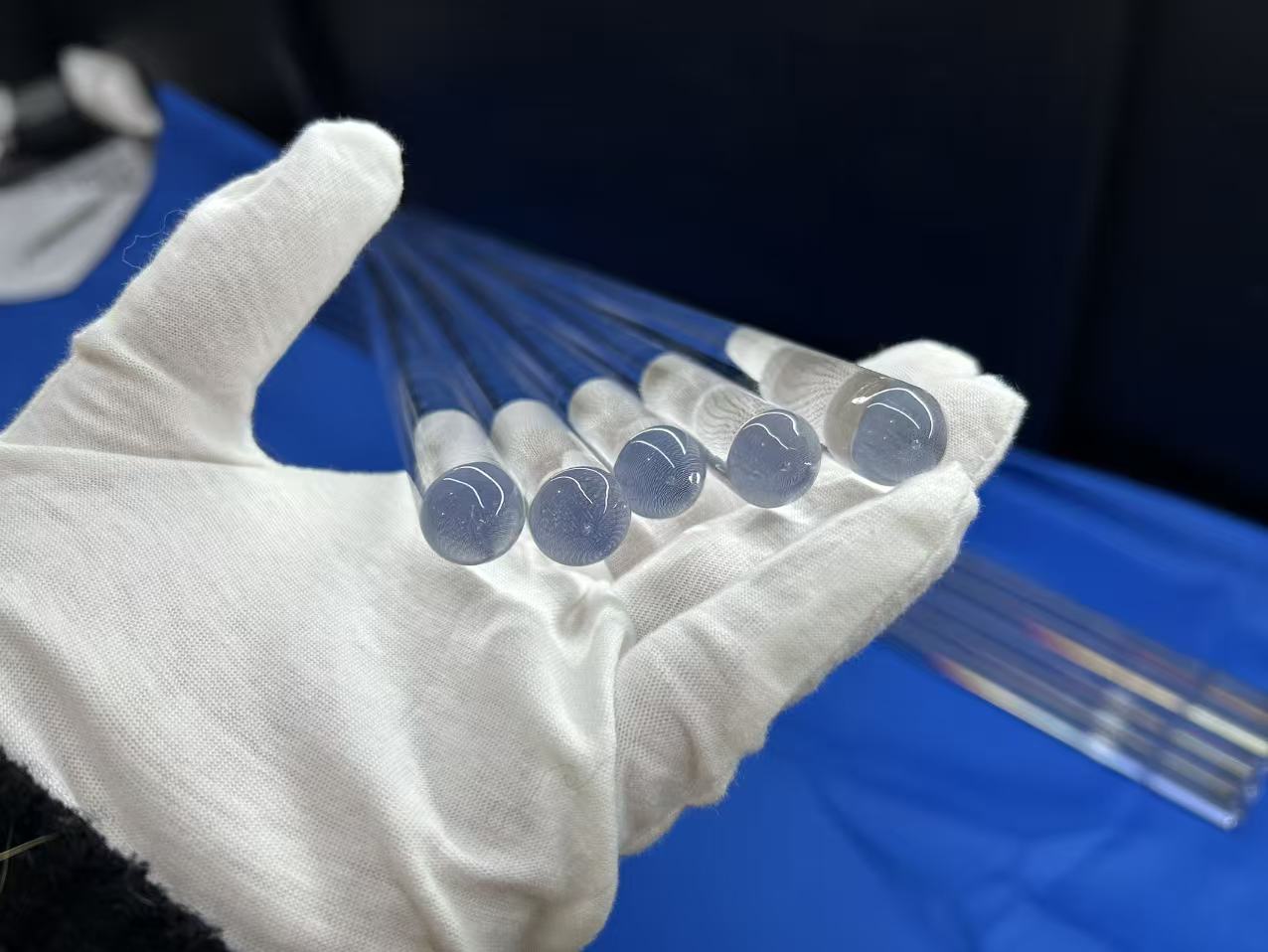
The Factory Produces High-purity Fused Quartz Round Rods, Offering Cutting, Welding, and Bending Services
Solid optical-grade quartz ingots and rods customized via CNC slicing, fire polishing, and hot flame forming for optomechanical guides and support structures.
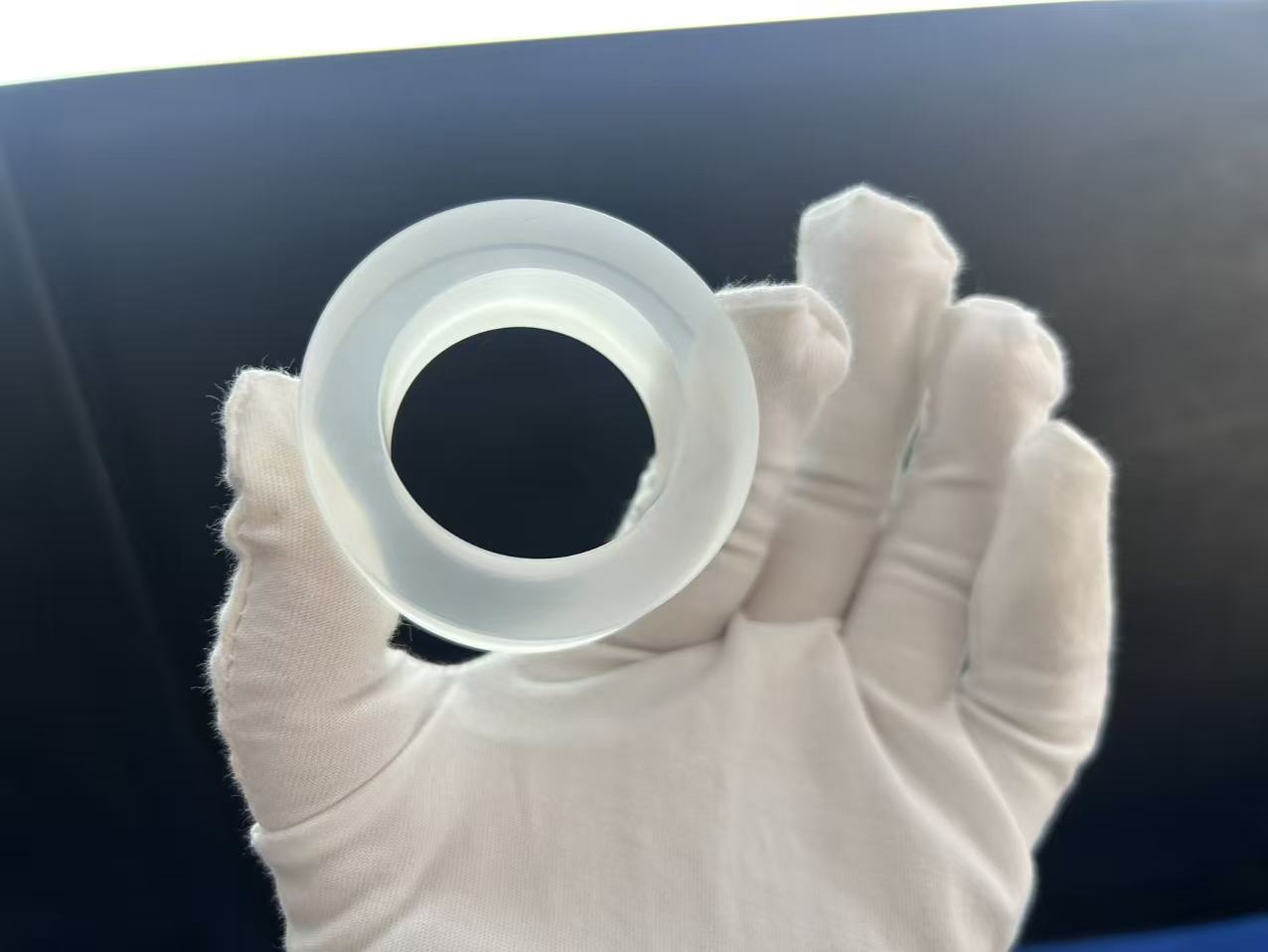
Quartz Ring
Plasma-resistant edge rings, shield rings, and clamping flanges engineered for dry etch, ion implantation, and CVD processing chambers in wafer fabs.
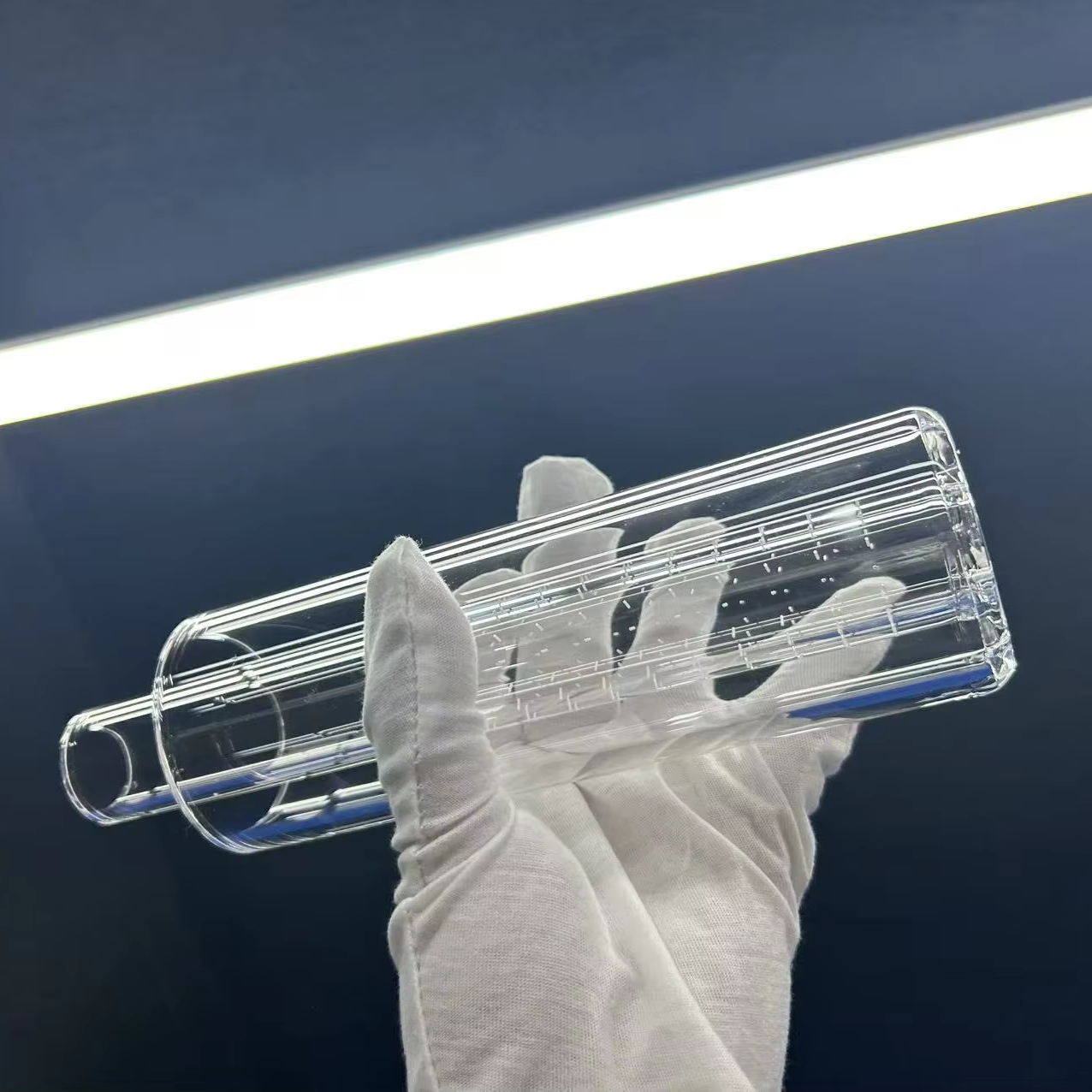
Customized Perforated Quartz Tube
Laser-microdrilled gas dispersion quartz showerheads and injector tubes ensuring laminar purge flow and uniform reactant delivery in epitaxial reactors.
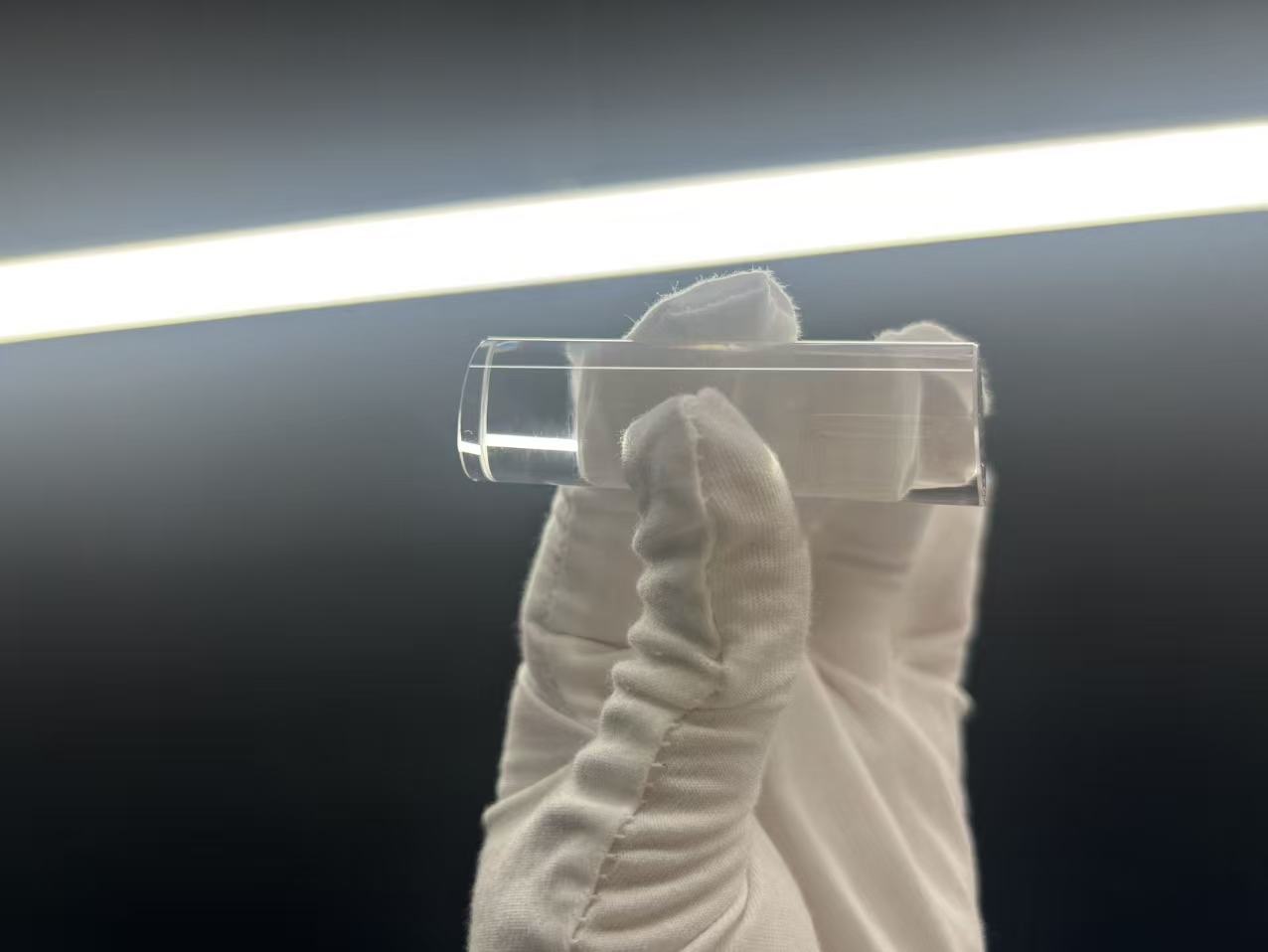
Round Head Quartz Rod
Spherical domed and lens-tipped quartz light guides designed for high-efficiency UV laser coupling, pyrometric monitoring, and optical sensor probes.
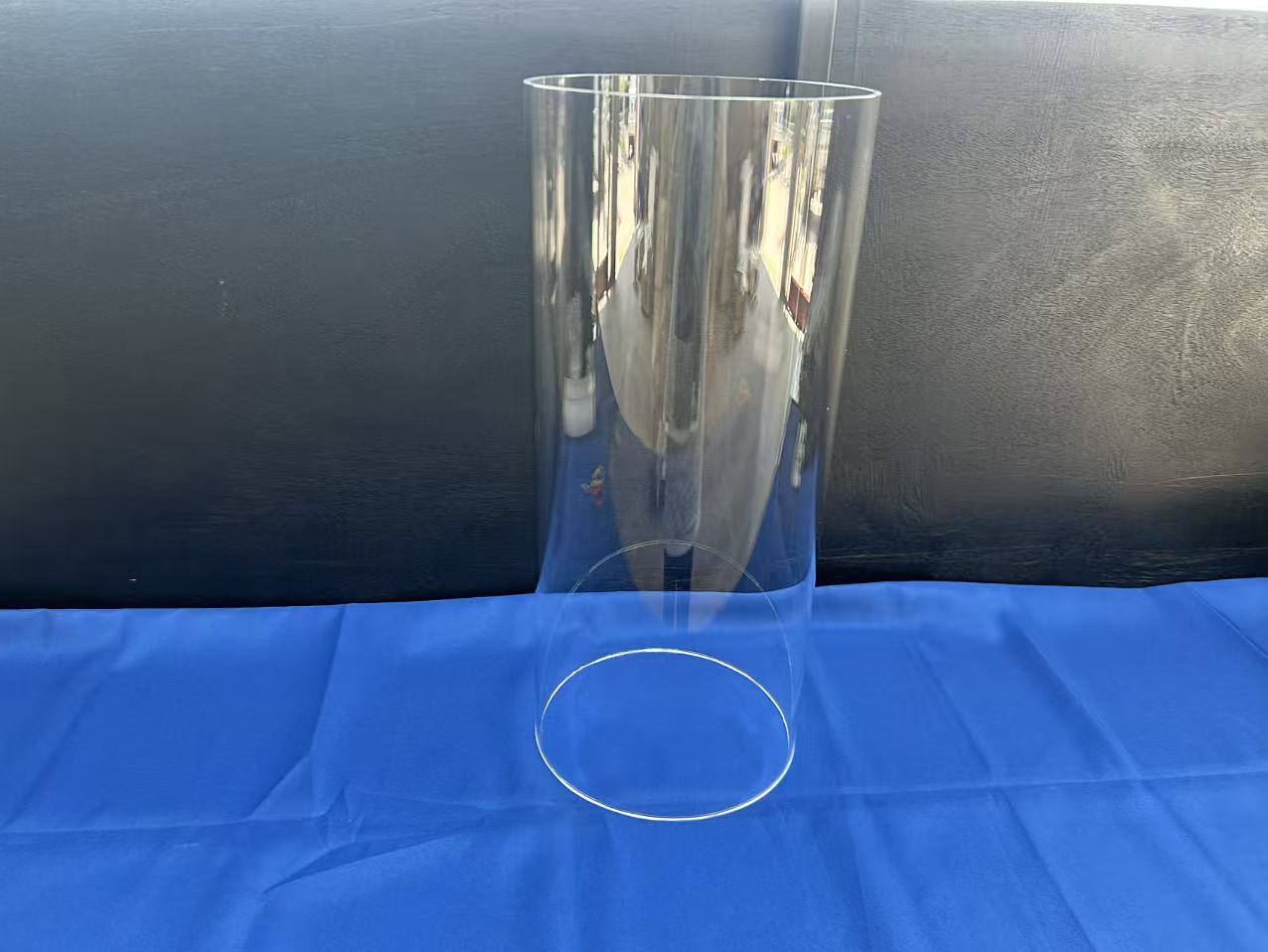
Custom Large-diameter High-purity Fused Quartz Transparent Glass Tubes, Providing Cutting and Welding Services
Heavy-wall diffusion furnace process tubes up to 450mm diameter. Precision flame-welded with vacuum ball-joints, flanged ends, and inlet ports.
Engineering Grade Classifications: Fused Silica vs. Natural Quartz
In high-stakes manufacturing environments across Travis and Williamson Counties, selecting the proper optical transmission grade and hydroxyl (OH¯) concentration is imperative to prevent solarization, thermal distortion, and premature window failure.
Quartz windows serve as the critical hermetic and optical barrier in vacuum process chambers, high-intensity plasma reactors, and precision laser metrology systems. Austin optical engineers frequently choose between Synthetic Fused Silica (JGS1) and Electric Arc/Gas Fused Natural Quartz (JGS2 and JGS3). Understanding the micro-structural differences directly impacts system uptime, UV damage thresholds, and laser-induced deflection.
| Optical / Thermal Parameter | Synthetic Fused Silica (JGS1) | Optical Fused Quartz (JGS2) | Infrared Fused Quartz (JGS3) |
|---|---|---|---|
| Primary Spectral Range | 185 nm – 2500 nm (Deep UV & Visible) | 220 nm – 2500 nm (Standard Optical) | 260 nm – 3500 nm (Near-to-Mid IR) |
| Hydroxyl (OH¯) Content | ≤ 1200 ppm (Standard) / ≤ 5 ppm (Water-free) | ≤ 30 ppm – 50 ppm | ≤ 5 ppm (Zero absorption dip at 2.73 μm) |
| Total Metallic Impurities | < 0.1 ppm (Semiconductor Grade 99.9999%) | < 15 – 20 ppm (Electronic Grade 99.99%) | < 20 ppm (Standard Industrial Purity) |
| Refractive Index (nd @ 589.3nm) | 1.4585 | 1.4584 | 1.4584 |
| Thermal Expansion (0–300°C) | 5.5 × 10⁻⁷ / °C | 5.4 × 10⁻⁷ / °C | 5.5 × 10⁻⁷ / °C |
| Laser Damage Threshold (LIDT) | > 15 J/cm² @ 355nm, 10ns pulse | > 7.5 J/cm² @ 532nm, 10ns pulse | > 10 J/cm² @ 1064nm, 10ns pulse |
| Recommended Local Applications | Austin EUV/DUV Litho, Metrology Wafers | Furnace Observation Viewports, Etch Flanges | Thermal IR Pyrometry, Laser Annealing |
Thermo-Mechanical Integrity: Fused quartz possesses a remarkably low coefficient of thermal expansion (α ≈ 5.5 × 10⁻⁷/K), which is roughly 1/20th that of soda-lime silicate glass. This gives our quartz viewports the ability to withstand instantaneous thermal shock delta-T exceeding 1000°C. An engineer can heat a Nivra quartz window to 1150°C in an atmospheric diffusion tube and directly quench it in 20°C deionized water without experiencing micro-fracture propagation.
Homogeneity & Inclusions: For beam path delivery in laser ablation systems, internal bubble inclusions and striae can cause severe beam defocusing. We manufacture to ISO 10110 standards, maintaining bubble classes of 1/1×0.10 and stress birefringence levels below 4 nm/cm across the clear aperture.
High-Purity Quartz Windows in the "Silicon Hills" Corridor
From commercial wafer fabrication giants in North Austin and Taylor to photonics startups along Highway 183 and university labs, our export-grade quartz products serve the demanding microelectronics cluster of Central Texas.
Front-End Wafer Fabs (Austin & Taylor, TX)
Installed as critical viewport windows on 300mm load-lock chambers, dry plasma etch tools (ICP/RIE), and thermal diffusion furnaces. Ultra-low metallic contamination (<0.1 ppm sodium, potassium, iron) prevents wafer yield loss during high-temperature oxidation cycles.
Laser Optics & Optical Metrology Hubs
High-transmittance JGS1 fused silica double-side polished windows for deep-UV (193nm and 248nm) optical inspection instruments, beam splitters, and spectroscopic reflectometers developed in Northwest Austin and Round Rock optics cleanrooms.
Lithium Battery & EV Megafactory Corridor
High-temperature sight glasses and quartz reaction tubes supporting gigafactory battery cathode calcination, laser welding observation viewports, and automated thermal imaging ports along the Southeast Austin industrial district.
Academic & Research Defense Labs
Custom quartz apparatus, specialized optical cuvettes, and ultra-flat quartz disc substrates for materials research, quantum computing optical traps, and plasma physics experiments conducted at UT Austin and local incubator consortia.
Shifting Sourcing Trends in the Texas Semiconductor Corridor
With billions invested in mega-fab construction and optical assembly across Central Texas, OEM equipment builders and facility engineers are restructuring their quartz procurement pipelines.
Aggressive Lead Time Mitigation
Domestic U.S. quartz machine shops in 2024–2026 face chronic backlogs, with lead times for custom CNC flanged windows frequently stretching past 16 to 22 weeks. Austin engineering teams are bypassing local distributors by partnering directly with dedicated manufacturers who provide expedited 10-day prototyping and express air-cargo routing into Austin-Bergstrom International Airport (AUS).
Transition to Sub-Nanometer Ra Surfaces
As Austin fabs transition to sub-3nm and 2nm process technology, legacy mechanical polishing techniques with high subsurface damage (SSD) are being phased out. Buyers now require chemical mechanical polishing (CMP) on synthetic fused silica windows, achieving surface roughness (Ra) below 0.3 nm to prevent laser scatter and particle entrapment in corrosive vacuum environments.
Supply Chain Resilience & Direct OEM Savings
With soaring operational costs in Central Texas, fab facilities directors are targeting consumable replacement budgets. By eliminating domestic multi-tier distributors and sourcing direct from ISO-verified manufacturers in China's quartz hub (Donghai), Austin companies achieve a 30% to 45% reduction in consumable spend on quartz rings, viewport discs, and furnace boats without sacrificing certified purity standards.
Why Austin Procurement Teams Choose Nivra Quartz
Founded in February 2019 and headquartered at 285 Heping East Road, Lianyungang, Jiangsu — China's historic crystal and quartz capital — Donghai County Nivra Quartz Products Co., Ltd. operates as a verified manufacturer and exporter with 101–200 skilled personnel.
Donghai Raw Material Purity
Situated directly at the epicenter of high-purity natural silica deposits. We select raw quartz containing ≥99.99% SiO&sub2;, controlling trace aluminum, iron, and boron to single-digit ppb levels for sensitive wafer fab components.
Full In-House Machining
Equipped with ultrasonic CNC milling, diamond wheel beveling, continuous double-side lapping, and hydrogen-oxygen glassblowing lathes. Custom viewports are crafted directly from CAD, STEP, or PDF engineering prints.
Rigorous Metrology & Cleanroom QC
Each optical window undergoes spectrophotometer transmission testing, Zygo laser interferometry for wavefront error (≤λ/4), and cleanroom particulate inspection before hermetic sealing.
Zero-Breakage Export Packaging
Every piece is individually ultrasonic-cleaned, vacuum packed in ESD-safe cleanroom polyethylene, embedded in high-density customized shock-absorbing foam, and crated in export-grade fumigated wooden cases.
Frequently Asked Questions: Austin Quartz Procurement
Technical guidance covering material selection, laser damage thresholds, customs clearance, and tolerances for Central Texas engineering teams.
Q1 How do I determine whether my Austin fab chamber needs JGS1 or JGS2?
The choice hinges on spectral transmission requirements and chemical environment. If your system involves deep UV laser optics (≤248 nm, such as excimer laser inspection or photolithography), synthetic fused silica JGS1 is strictly mandatory to prevent solarization. If the window serves as an observation sight glass on a 1000°C oxidation furnace, LPCVD tube, or standard visible monitoring port, JGS2 fused quartz delivers identical mechanical and thermal endurance at approximately 30–40% lower material cost.
Q2 What dimensional tolerances and surface finishes can your factory maintain?
Our CNC machining centers routinely maintain outside diameter and linear tolerances down to ±0.05 mm, with precision ground thicknesses to ±0.02 mm. For optical windows, we achieve surface figures of λ/4 to λ/10 per inch @ 632.8 nm, parallelism < 10 arcseconds, and optical scratch-dig specifications of 20/10, 40/20, or 60/40 meeting military MIL-PRF-13830B standards.
Q3 How are international quartz shipments delivered into the Austin metro area?
We routinely ship to tech customers across Austin, Round Rock, Cedar Park, and Taylor via air express (DHL Express, FedEx International Priority, UPS Worldwide) with door-to-door delivery typically arriving within 4 to 6 business days after dispatch. For bulk production orders, air-cargo is routed directly into Austin-Bergstrom International Airport (AUS) or DFW International with customs clearance handled seamlessly via your designated customs broker.
Q4 Can you supply customized quartz flanges such as ConFlat (CF), ISO-KF, or ANSI?
Yes. We manufacture both solid full-quartz flanges and fused silica viewports brazed or elastomer-bonded to 304L / 316L stainless steel flanges. Standard sizes include KF16, KF25, KF40, KF50, and CF 1.33", 2.75", 4.5", and 6.0" flange viewports. All units are 100% helium mass-spectrometer leak tested to < 1 × 10⁻⁹ mbar·l/s for ultra-high vacuum (UHV) compatibility.
Q5 What is your Minimum Order Quantity (MOQ) for custom prototypes?
We maintain an agile, engineer-friendly procurement model. Standard optical discs and custom prototype windows can be ordered in quantities as low as 1 to 5 pieces for R&D proof-of-concept testing. For high-volume production runs (wafers, rings, and quartz reaction tubes), our scale accommodates scheduled blanket orders with staged releases to meet your fab maintenance calendar.
Q6 How do you prevent micro-fracturing and damage during long-haul transit?
Fragile quartz glass requires specialized packing physics. Each part is degreased in an ultrasonic bath, sealed in anti-static cleanroom pouches, and nestled inside customized multi-density high-recovery polyethylene foam cutouts. The inner cartons are suspended within heavy-duty, moisture-sealed corrugated boxes or custom wooden export crates engineered to absorb high g-force shock during flight and transit.
Accelerate Your Austin Quartz Sourcing Project
Send your CAD drawing, PDF blueprint, or technical specifications. Our senior engineering team in Donghai will review your design, calculate tolerances, and provide a competitive factory-direct quote within 5 business hours.