Engineered Fused Quartz & Silica Components Ready for Deployment
Manufactured to optical tolerances with ≥99.99% SiO₂ purity, delivering exceptional thermal shock resistance, hydrostatic pressure tolerance, and broad-spectrum UV-NIR optical transmission.
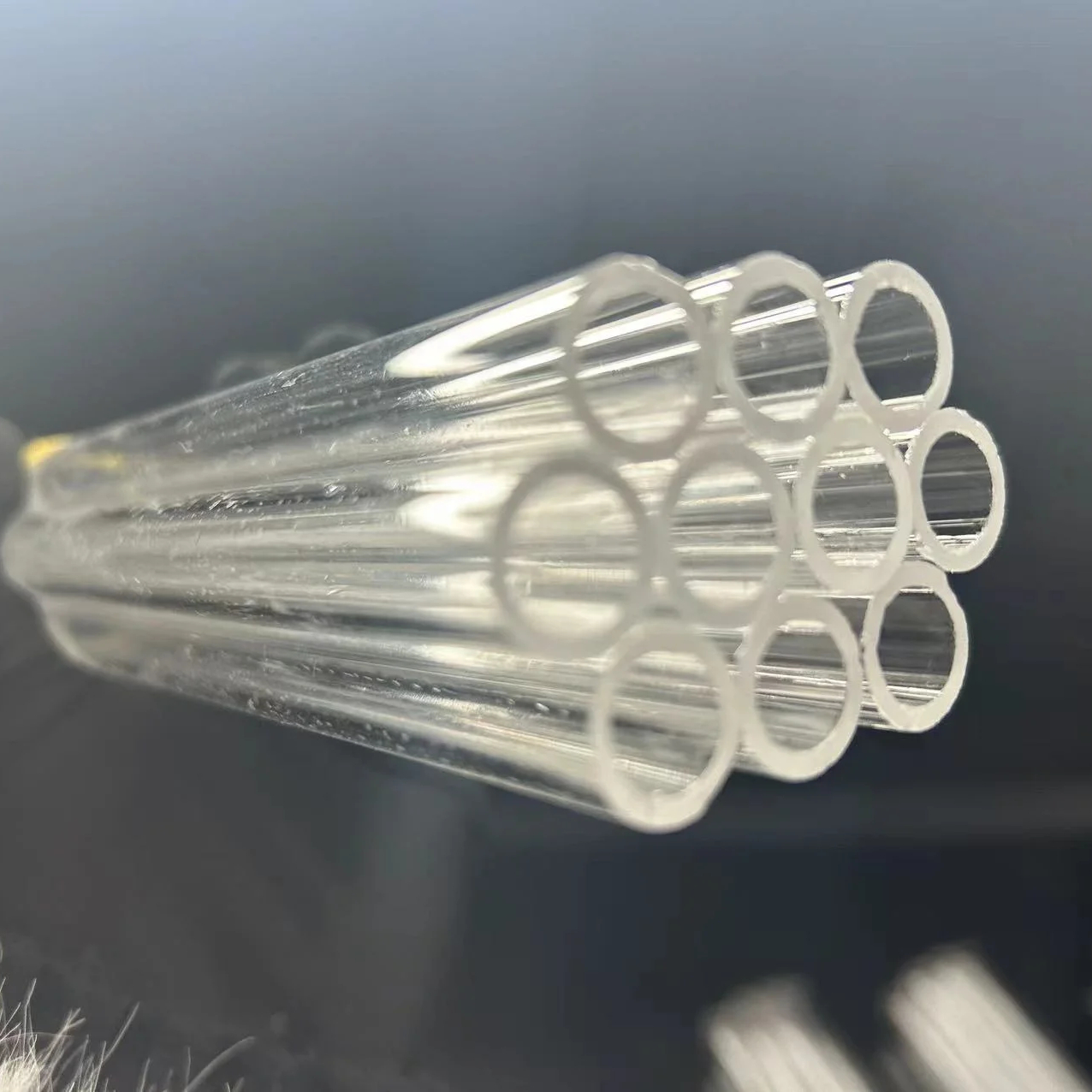
High Temperature Transparent Quartz Cylinder Tube
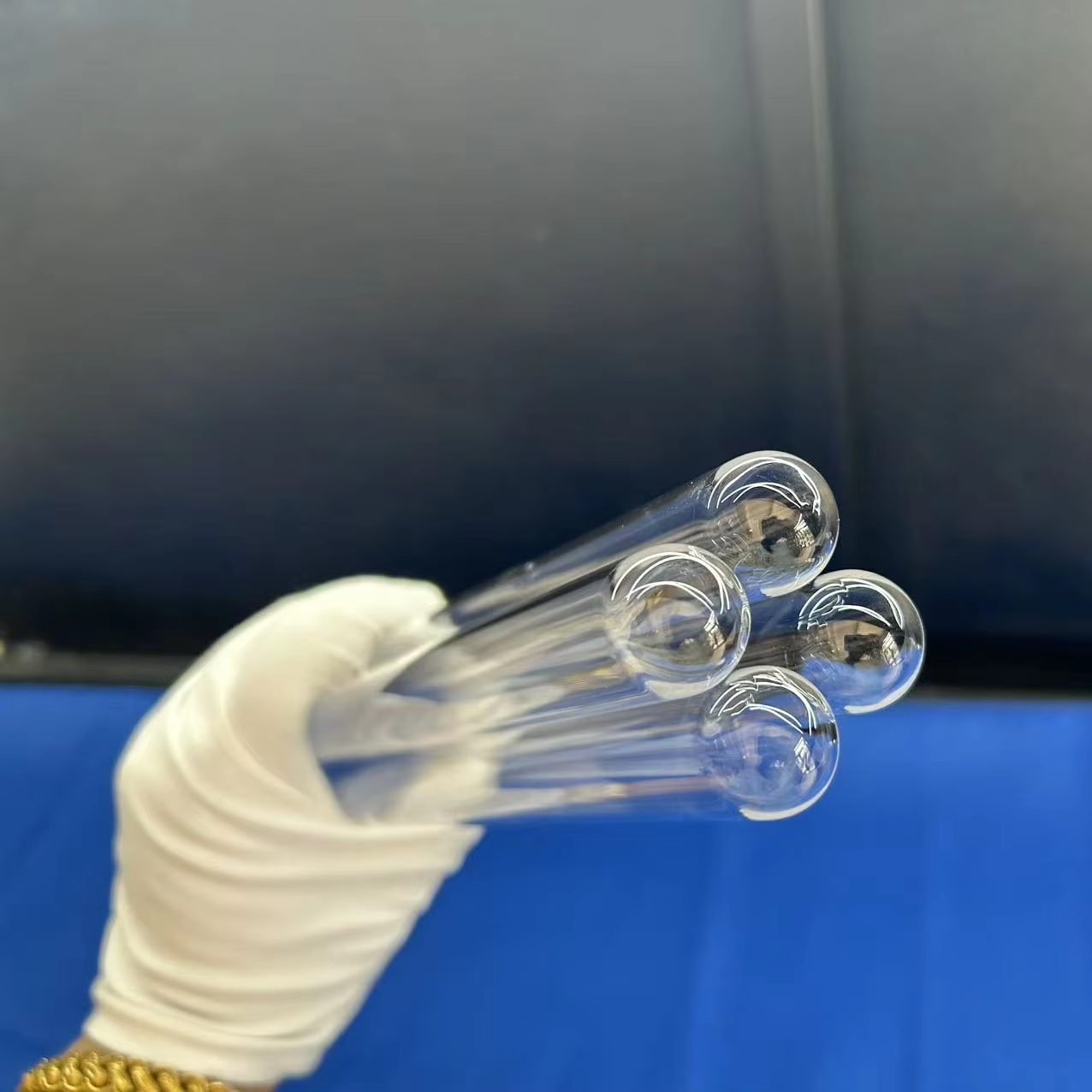
High-Purity Fused Silica Bottom Sealing Tubes (Ø 20-25mm)
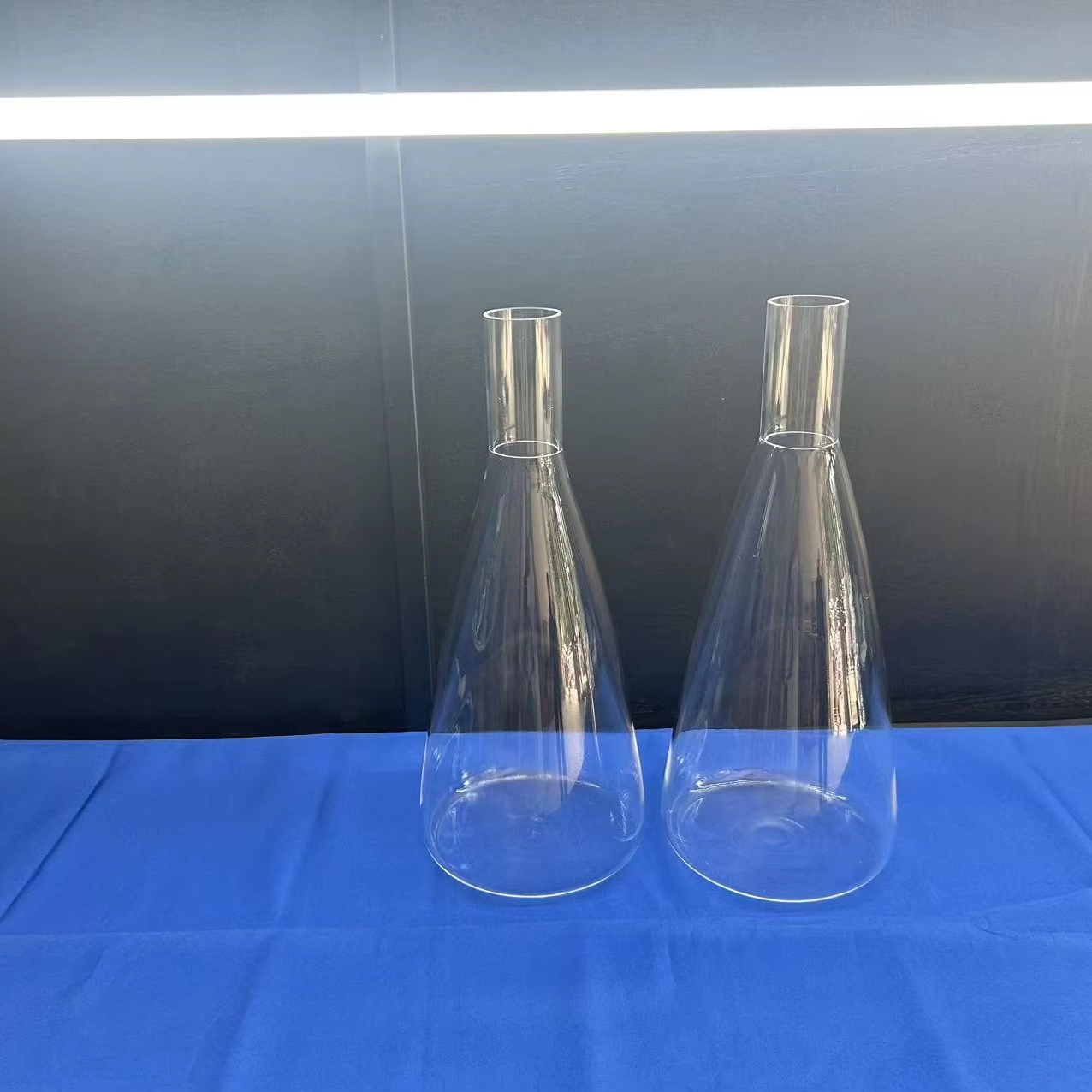
Laboratory Fused Silica Quartz Glass Flask
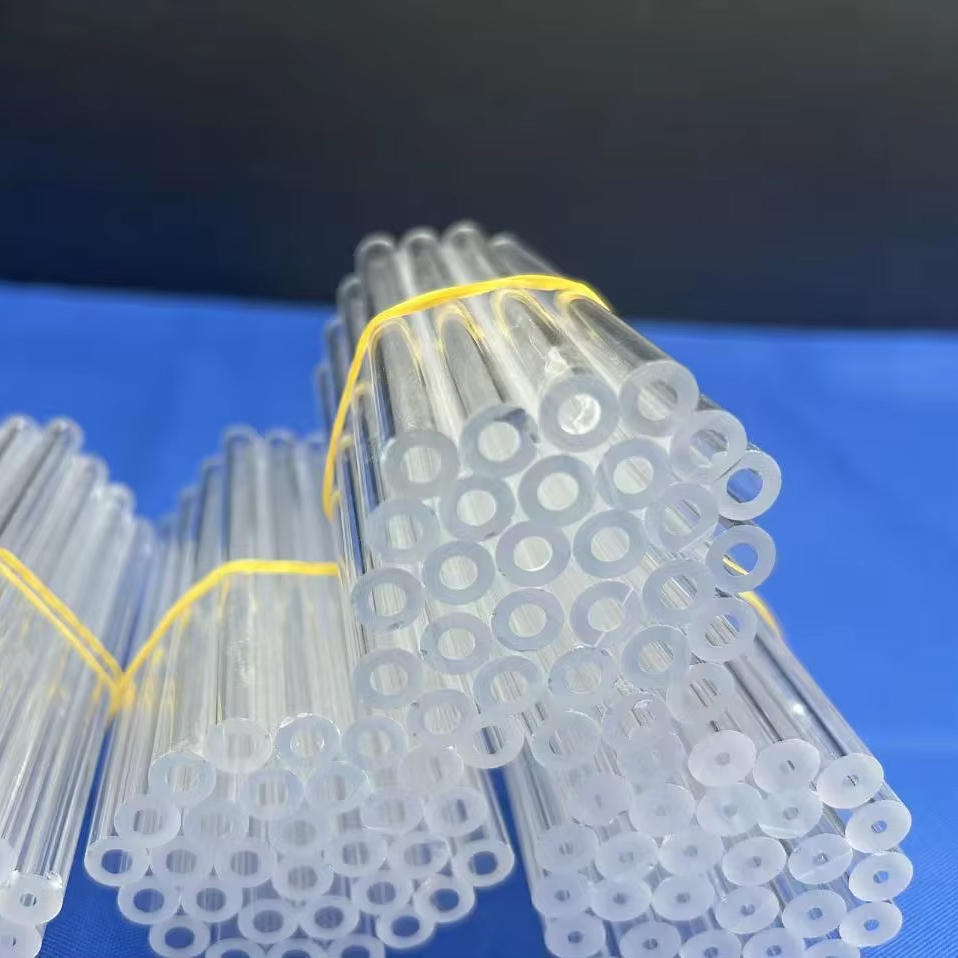
Customized Size Clear Quartz Glass Tube BET Analyzer
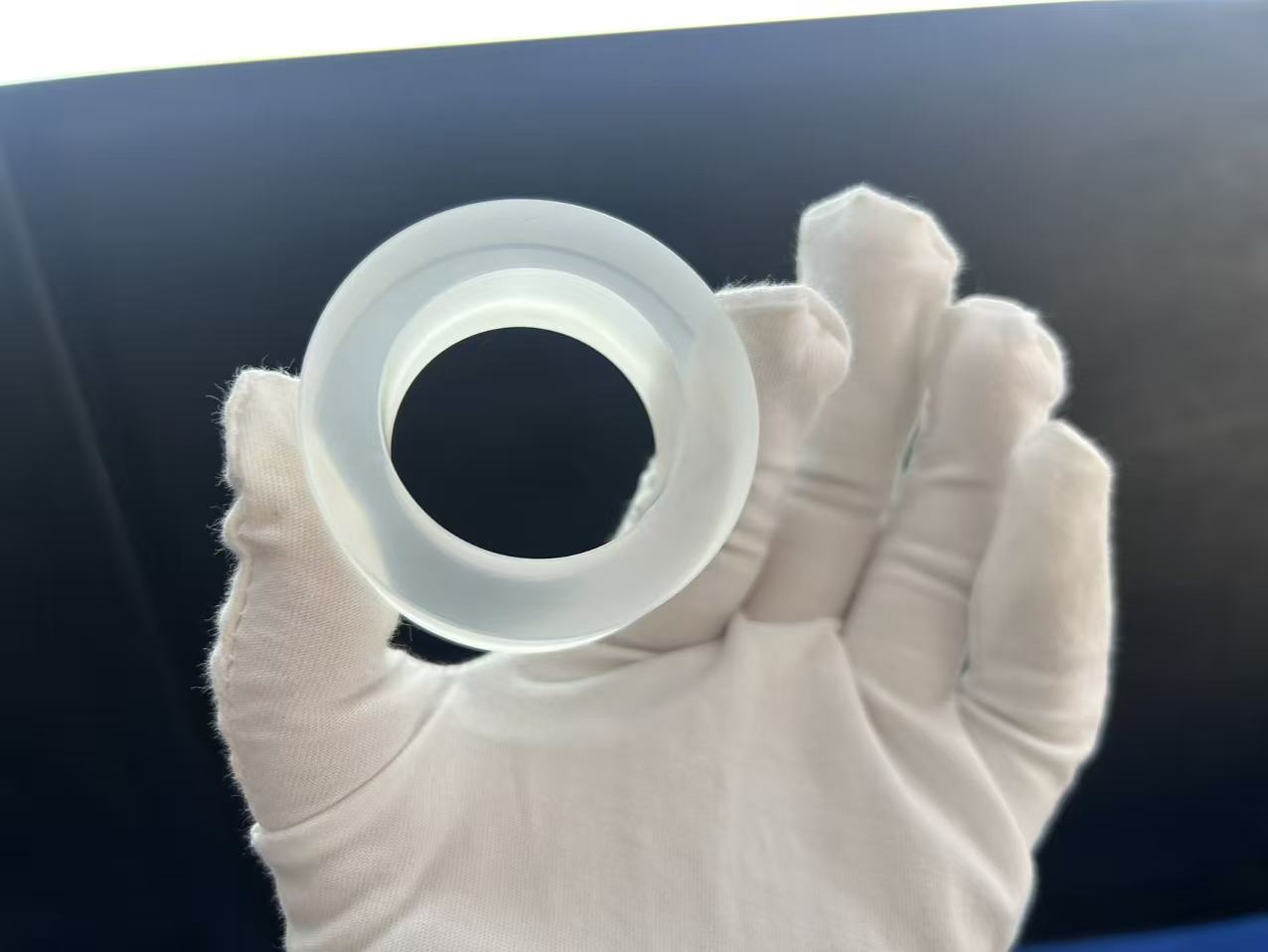
Precision CNC Machined Industrial Quartz Ring
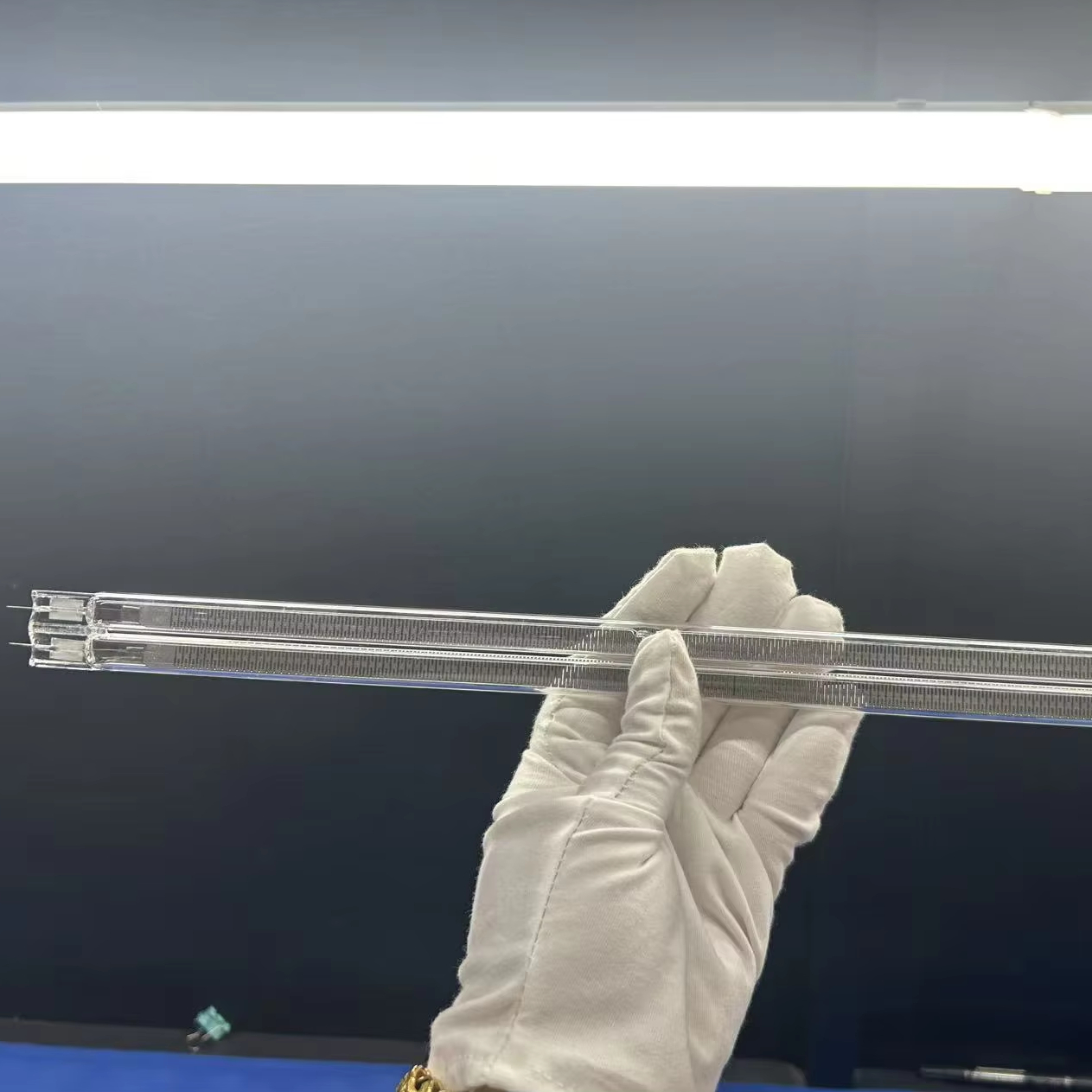
Halogen & Carbon Fiber Infrared Quartz Heating Tube
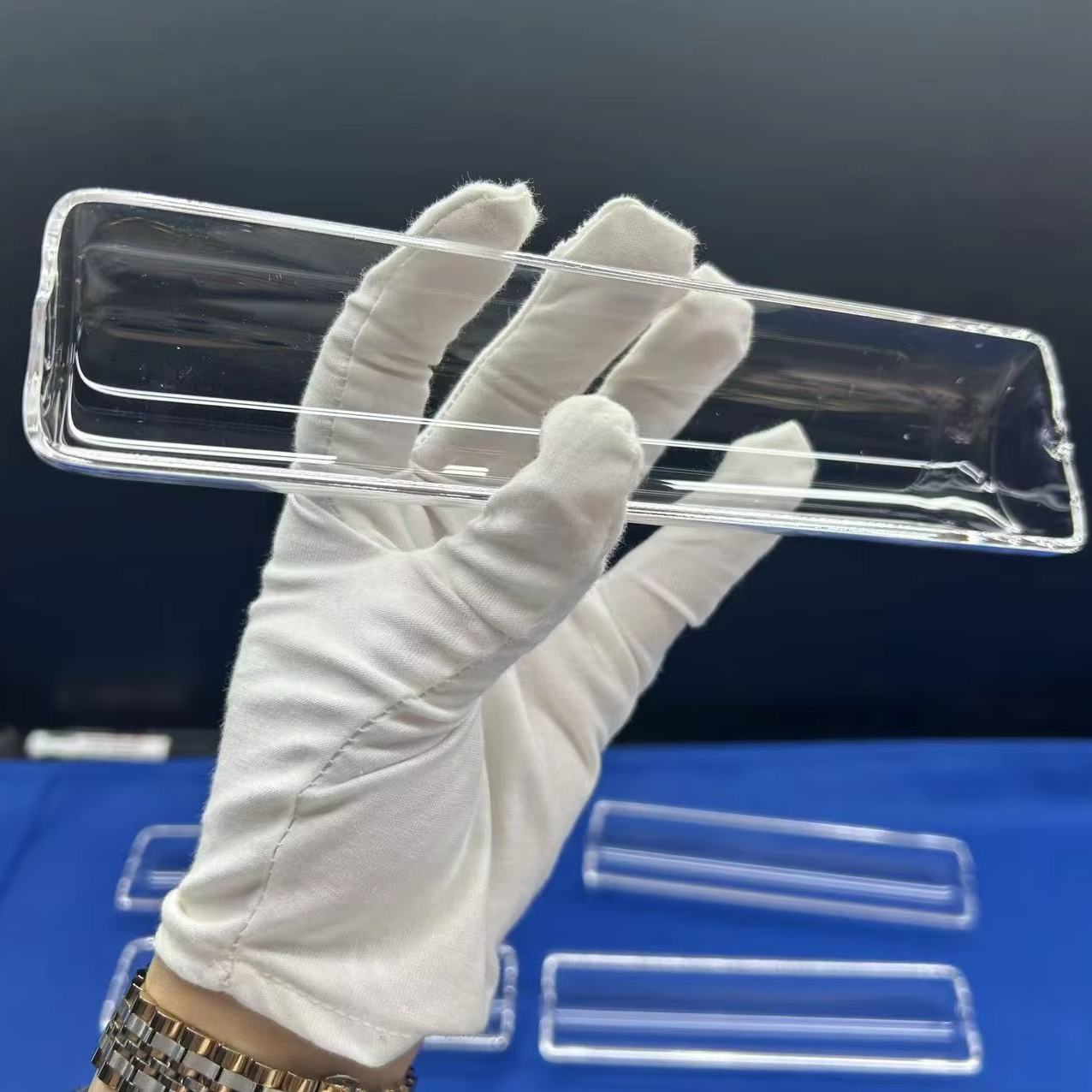
Custom Polished Fused Quartz Boat & Wafer Carrier
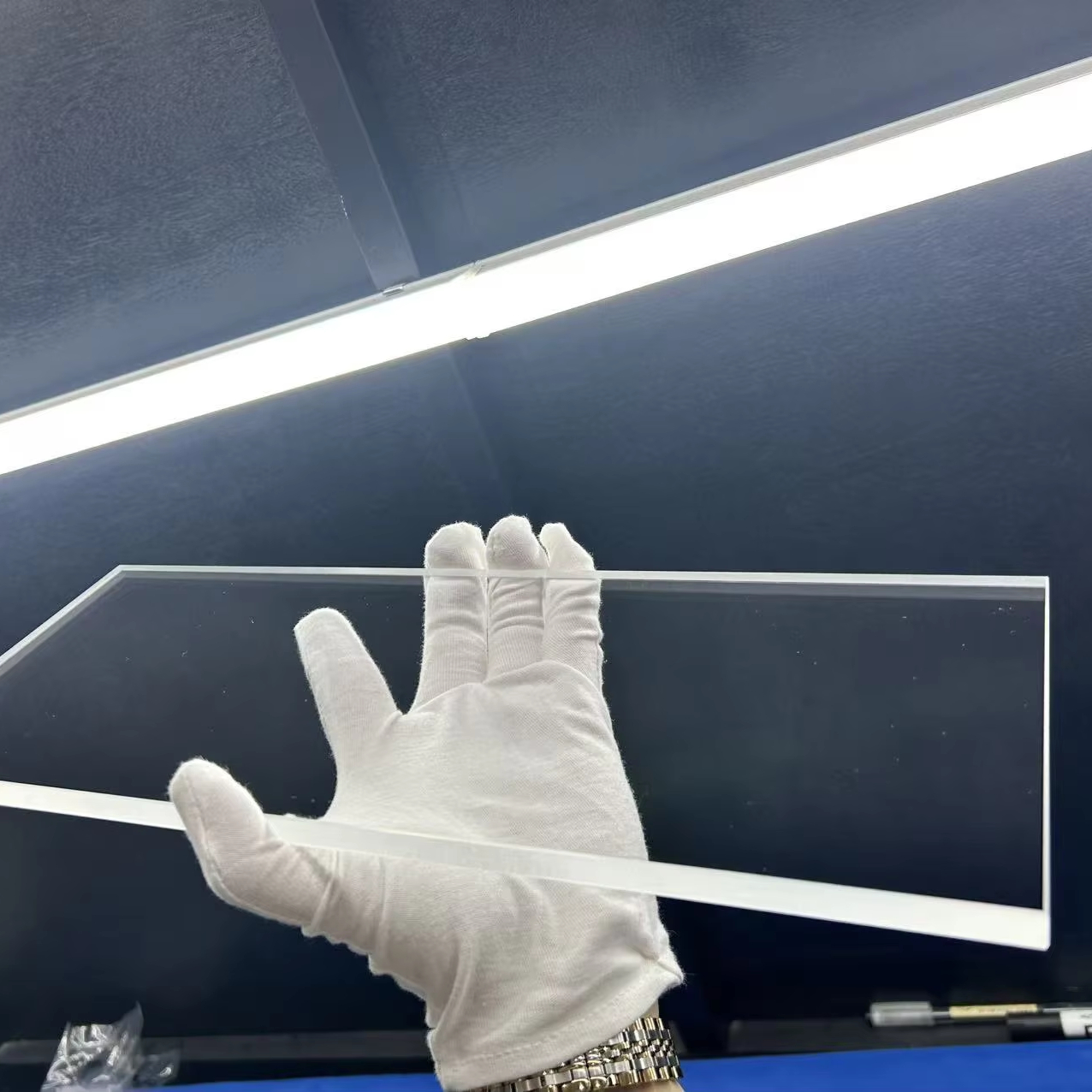
Ultra-Clear High-Purity Quartz Substrate Sheet
Precision Quartz Substrates in Extreme Subsea & Energy Environments
In the challenging offshore ecosystem of the Norwegian Continental Shelf (NCS), subsea instrumentation operates under some of the most aggressive environmental stressors in modern engineering. From deep-sea hydrostatic pressures exceeding 30 MPa to cyclically fluctuating subsea temperatures and saline corrosion, conventional borosilicate and optical soda-lime glasses suffer from micro-fracturing, mechanical fatigue, and chemical degradation. Donghai County Nivra Quartz Products Co., Ltd. produces structural and optical fused quartz substrates engineered specifically to withstand these punishing marine operational thresholds.
1. Molecular Purity and Mechanical Integrity
The operational resilience of our quartz glass substrates stems directly from our raw crystalline silica feedstocks sourced and refined in Donghai County—the global epicenter of high-purity quartz processing. By refining natural quartz crystals and synthesizing high-purity silicon tetrachloride (SiCl₄) through continuous plasma fusion, we achieve an amorphous silicon dioxide (SiO₂) matrix exhibiting purity levels of 99.99% to 99.999% (4N to 5N).
This molecular purity suppresses interstitial defects, microscopic air inclusions, and metallic trace impurities (such as Fe, Al, Ti, and Na) to levels below 15 ppm combined. In high-pressure subsea sight-glasses and deep-water sensor penetrators, the absence of inclusion-induced stress concentrators guarantees high compressive strength (>1100 MPa), ensuring that substrates remain mechanically sound under hyperbaric loads where ordinary glasses experience brittle catastrophic failure.
2. Broadband Spectral Performance: JGS1, JGS2, and JGS3 Classifications
For scientific observation, spectroscopic hydrocarbon characterization, and downhole Raman gas analysis, optical transmission across distinct spectral windows is paramount. Nivra Quartz processes three distinct optical-grade fused silica/quartz tiers to address specific Scandinavian instrumentation criteria:
- ■ Synthetic Fused Silica (JGS1 / Suprasil Equivalent): Synthesized from volatile silicon compounds. Free from bubble inclusions and metallic traces, offering transmission across the deep ultraviolet (DUV) and visible spectra (185 nm to 2500 nm) with an exceptionally low absorption coefficient in the UV spectrum. Optimized for marine laser-induced fluorescence (LIF) and fluorometric sensor heads.
- ■ Optical Fused Quartz (JGS2 / Herasil Equivalent): Produced by gas-oxygen or electric fusion of high-purity natural quartz crystal sand. Delivers high transmittance from 220 nm to 2500 nm. Highly cost-effective for subsea camera observation viewports, hyperbaric camera domes, and optical pyrometry shields in offshore testing rigs.
- ■ Infrared-Grade Fused Quartz (JGS3 / Infrasil Equivalent): Vacuum-fused with vacuum degasification protocols to lower hydroxyl (OH⁻) content below 5 ppm. Eliminates the deep OH absorption valleys typically present at 1.38 µm, 2.22 µm, and 2.73 µm, unlocking sustained infrared transmission from 260 nm to 3500 nm. Engineered specifically for near-IR subsea gas chromatography and methane/carbon dioxide leak monitoring in CCUS networks.
| Material Property | High-Purity Fused Quartz (Nivra) | Synthetic Fused Silica (JGS1) | Borosilicate Glass 3.3 | Optical Sapphire (Al₂O₃) |
|---|---|---|---|---|
| SiO₂ / Material Purity | ≥ 99.99% | ≥ 99.999% | ≈ 81% SiO₂, 13% B₂O₃ | ≥ 99.99% Al₂O₃ |
| Usable Transmission Range | 220 nm – 2500 nm | 185 nm – 2500 nm | 320 nm – 2000 nm | 190 nm – 5000 nm |
| Coefficient of Thermal Expansion | 5.5 × 10⁻⁷ /°C | 5.2 × 10⁻⁷ /°C | 33 × 10⁻⁷ /°C | 58 × 10⁻⁷ /°C |
| Continuous Max Operating Temp | 1100°C | 1150°C | 450°C | 1800°C |
| Softening Point | ≈ 1683°C | ≈ 1730°C | ≈ 820°C | ≈ 2040°C |
| Compressive Strength (MPa) | > 1100 MPa | > 1150 MPa | ≈ 700 MPa | ≈ 2000 MPa |
| Dielectric Strength (20°C, 1MHz) | 25 - 40 kV/mm | 30 - 45 kV/mm | 15 - 20 kV/mm | 40 kV/mm |
Specialized Applications Across Stavanger & Rogaland Hubs
From the corporate energy engineering headquarters in Forus to testing facilities in Risavika and subsea deployment zones in the North Sea basin, our quartz substrates solve mission-critical material challenges.
Subsea Spectroscopy & Multiphase Flowmeters
Subsea trees and manifolds off the Stavanger coast require real-time water-cut and gas-oil-water fraction monitoring. Precision quartz substrate flow plates and optical cuvette windows provide abrasion resistance against high-velocity sand particles and allow uninterrupted laser transmission for UV/NIR absorption spectroscopy without fluorescence interference.
Carbon Capture & Storage (Northern Lights CCS)
As Stavanger solidifies its role as the administrative hub for Norway’s Longship CCS project, monitoring supercritical CO₂ phase behavior under extreme pressures (7.39 MPa, 31.1°C critical point) demands robust hyperbaric visual observation cells. Our optical quartz discs and viewports maintain optical clarity under dense-phase carbon dioxide without micro-fissuring or embrittlement.
Deep-Water AUVs & Marine Environmental Lidar
Autonomous Underwater Vehicles (AUVs) deployed from Tananger and Risavika utilize optical bathymetric Lidar and ocean fluorometers for seabed environmental baseline assessments. Our flat and spherical optical quartz substrates resist biological fouling while providing high transmission efficiency across green (532 nm) and UV (365 nm) wavelengths.
Hydrogen Electrolysis & Pyrolysis R&D
Institutes such as NORCE and the University of Stavanger (UiS) pioneer high-temperature methane pyrolysis and clean hydrogen generation. Our custom-welded fused silica reactor tubes, reaction flasks, and infrared quartz heating assemblies maintain thermal and mechanical stability under concentrated hydrogen flow at temperatures exceeding 1000°C.
Industrial Trends Driving Quartz Demand across Rogaland
Strategic shifts in the Nordic energy cluster create stringent material requirements for next-generation optical and thermal quartz hardware.
1. Subsea Electrification & Fiber-Optic Sensing
The ongoing electrification of subsea production systems to reduce operational carbon intensity has spurred widespread adoption of all-electric control pods and distributed temperature/acoustic fiber-optic sensing (DTS/DAS). Quartz glass substrates, optical penetrator lenses, and hermetic quartz isolation rings provide the necessary dielectric breakdown resistance (>30 kV/mm) and environmental isolation required for high-reliability subsea electronics enclosures.
2. Decarbonization and The "Grønt Skifte"
Stavanger’s industrial roadmap pivots rapidly toward clean energy export models, including blue and green ammonia, offshore floating wind monitoring (METCentre), and hydrogen distribution. Quartz components play a central role as neutral, non-reactive catalyst carrier boats, quartz combustion vessels, and ultra-high-vacuum viewports where base metal contaminants would otherwise poison sensitive catalytic conversion processes.
3. Subsea Digital Twins & Microfluidic Tracers
Modern reservoir characterization relies on specialized chemical micro-tracers and downhole lab-on-a-chip (LOC) diagnostic devices. Synthetic quartz (JGS1) substrates enable photolithographic etching of micron-scale microfluidic channels, allowing offshore petroleum engineers to analyze oil-water partition coefficients in situ without sending fluid samples ashore, dramatically shortening turnaround times.
Why Norwegian Engineers & Buyers Partner with Nivra Quartz
Combining Donghai County’s raw material leadership with export compliance, precision processing, and direct Scandinavian air & sea logistical channels.
End-to-End Processing Integration
From laser slicing, CNC multi-axis drilling, edge chamfering, and double-sided planetary optical polishing to flame lathe forming, glassblowing, and cleanroom annealing. In-house fabrication ensures tight tolerance controls (±0.02 mm on dimensions, λ/4 flatness) without multi-tier subcontractor markups.
Direct Geological Proximity
Situated at 285 Heping East Road, Lianyungang, Jiangsu, our facility operates in China's quartz capital. This provides privileged access to ultra-pure crystalline quartz sand and direct partnerships with leading state-inspected raw material processors, ensuring high supply security and price stability.
Rapid Global Export Readiness
Over 40% of our production supports North American clients, with Western and Northern European shipments expanding swiftly. We maintain rapid express logistics directly into Stavanger Airport, Sola (SVG) for urgent prototypes, and maritime consolidation into Risavika Havn for production volumes.
Frequently Asked Questions by Stavanger Procurement Teams
Detailed engineering, compliance, and logistics guidance for sourcing quartz glass from our manufacturing plant to Rogaland.