High-Purity Fused Quartz Components Ready for Export
Manufactured by Donghai County Nivra Quartz Products Co., Ltd. in the heart of China’s crystal capital. Every component meets rigorous optical clarity, extreme thermal resistance, and verified purity benchmarks required by modern Columbus advanced fabrication facilities.
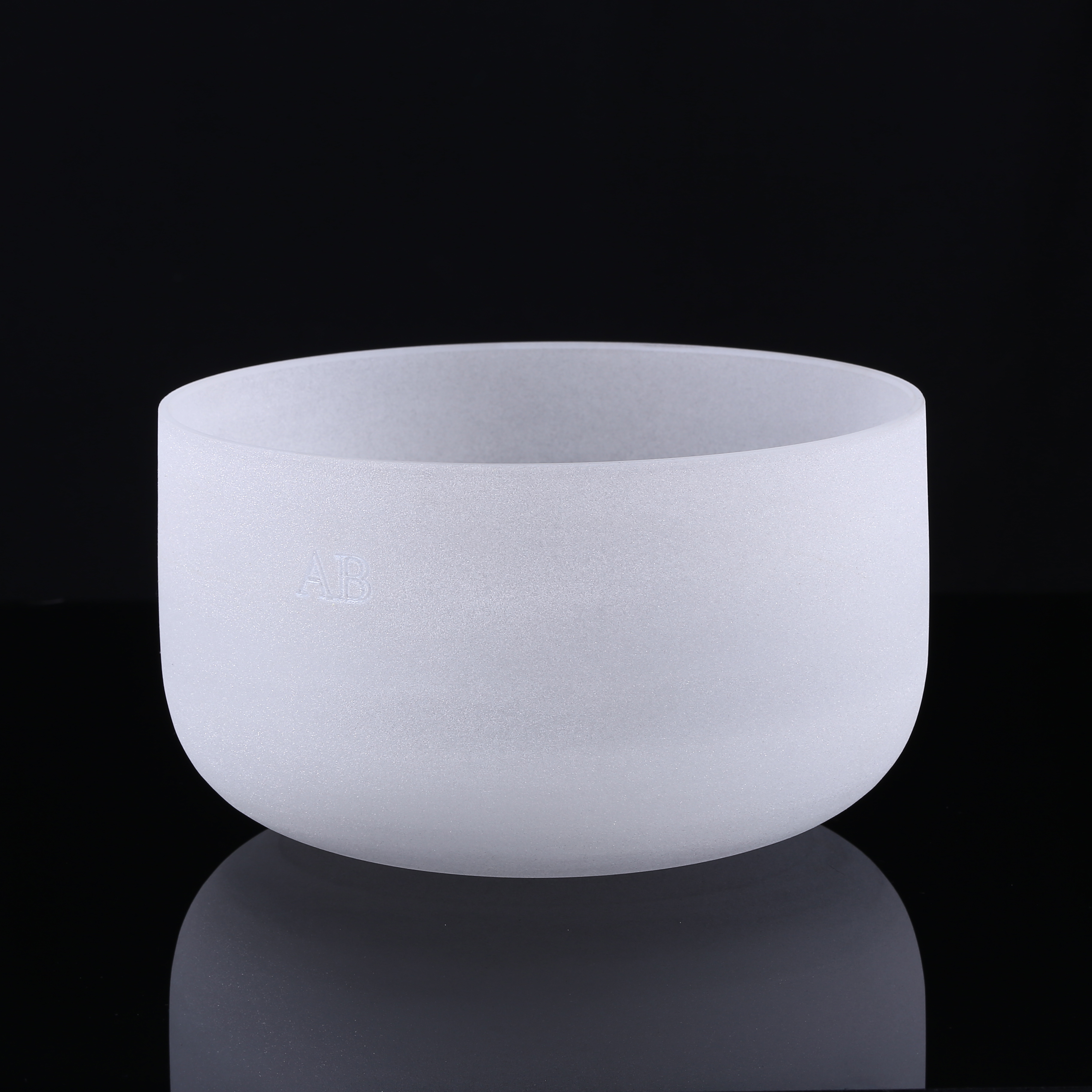
High Temperature Fused Silica Quartz Crucible
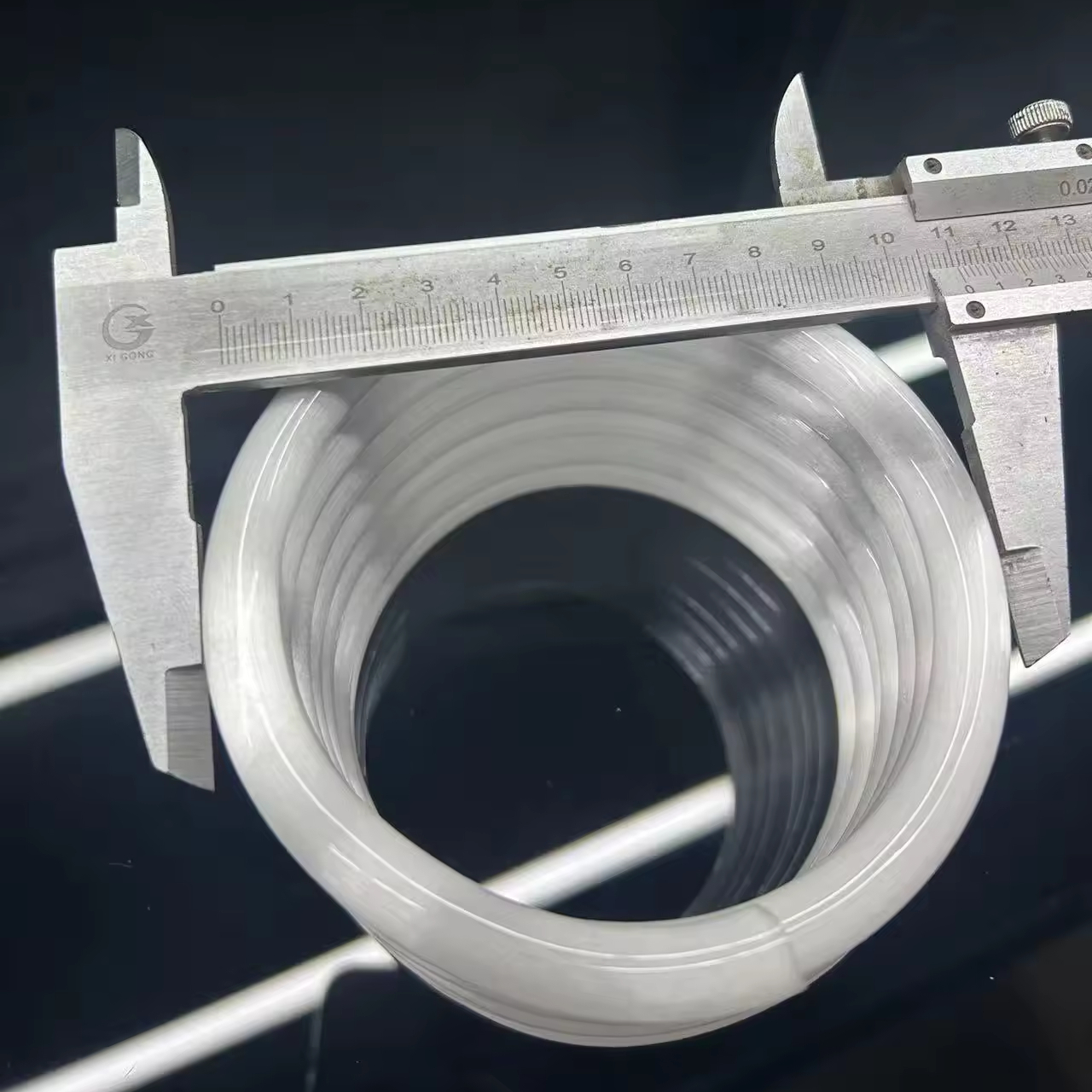
Helical Clear Quartz Glass Coil t Tube
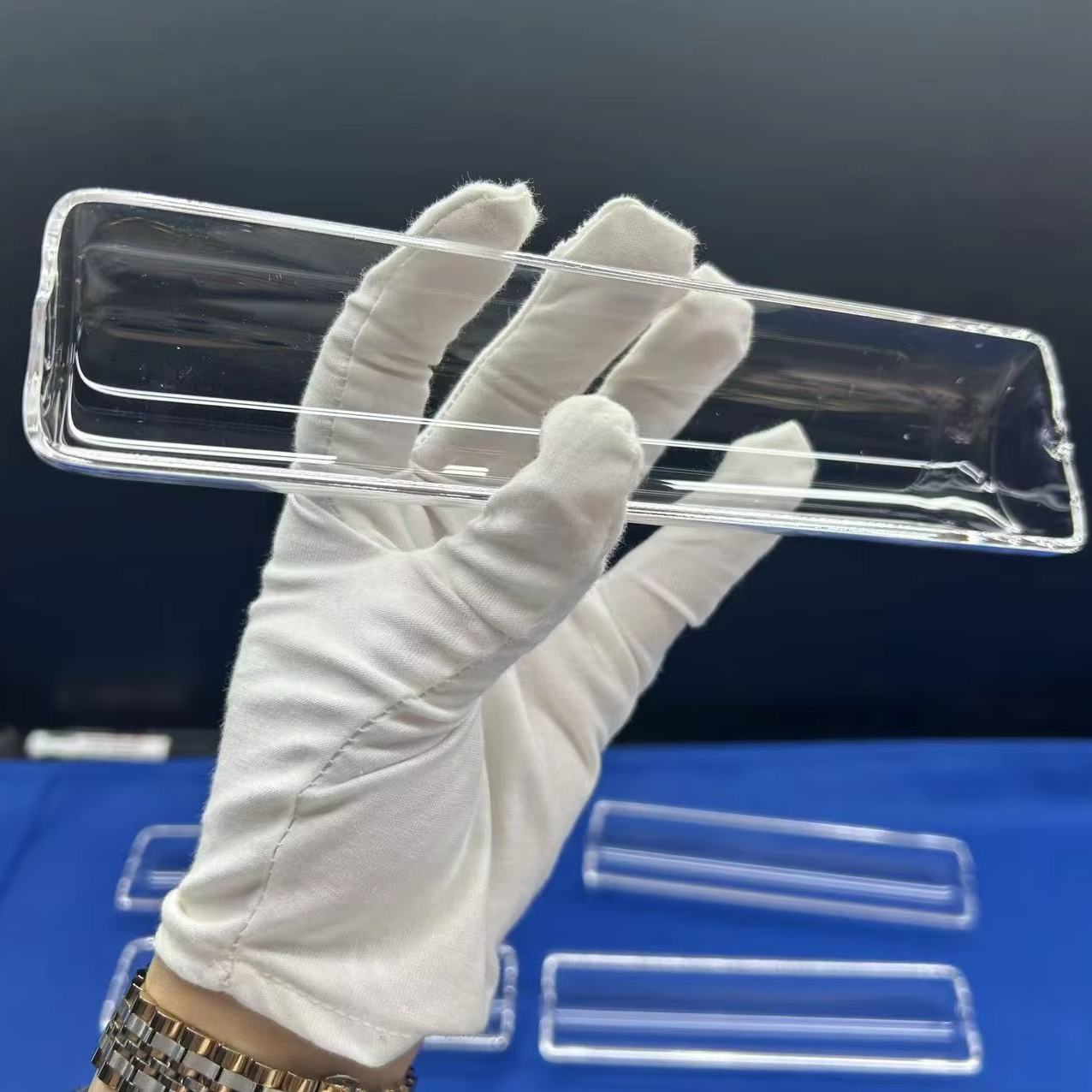
Customized Clear Fused Silica Quartz Boat Polished Clear Quartz Wafer Carrier
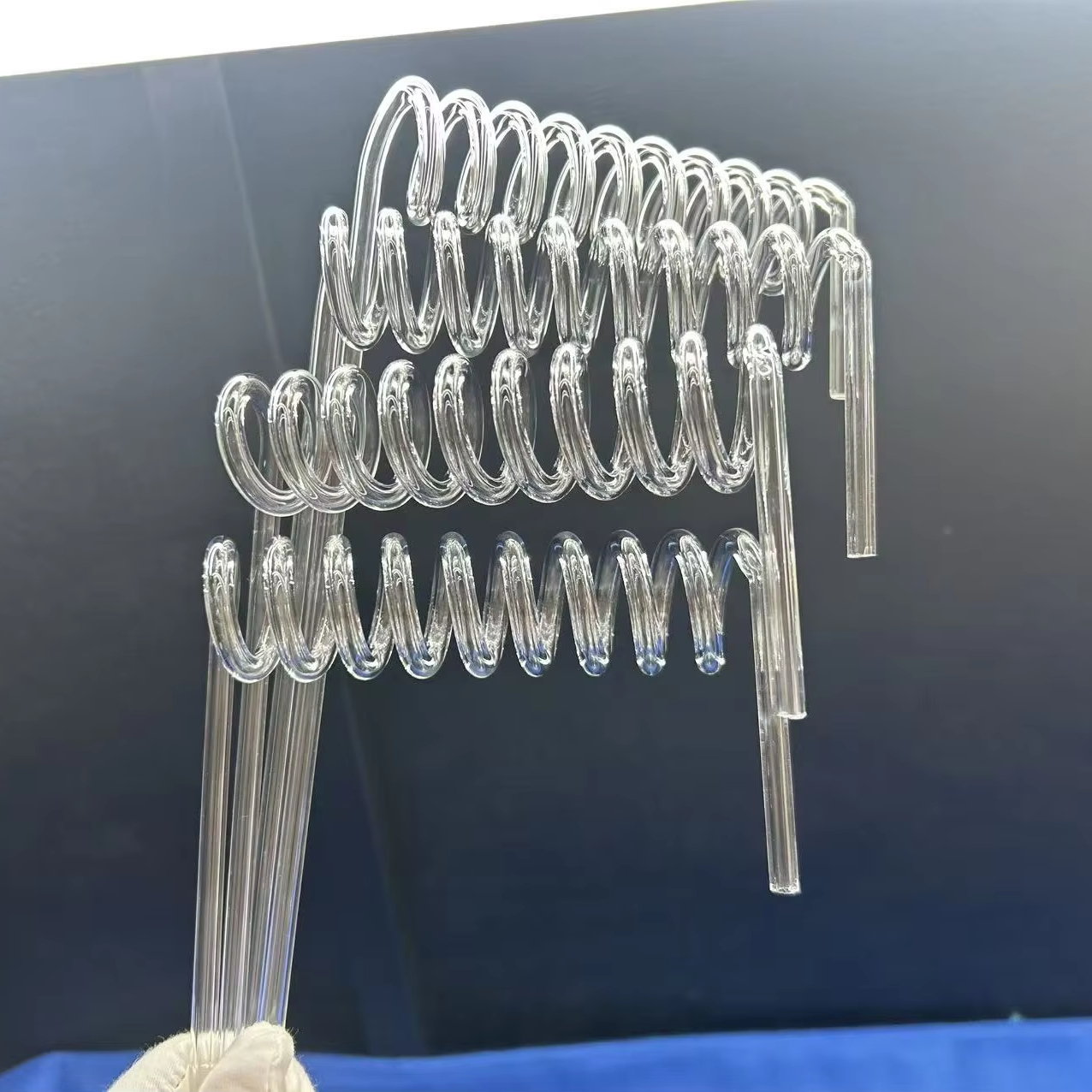
Clear Quartz Spiral Tube for Optics Laboratory Use with Moulding and Bending Services
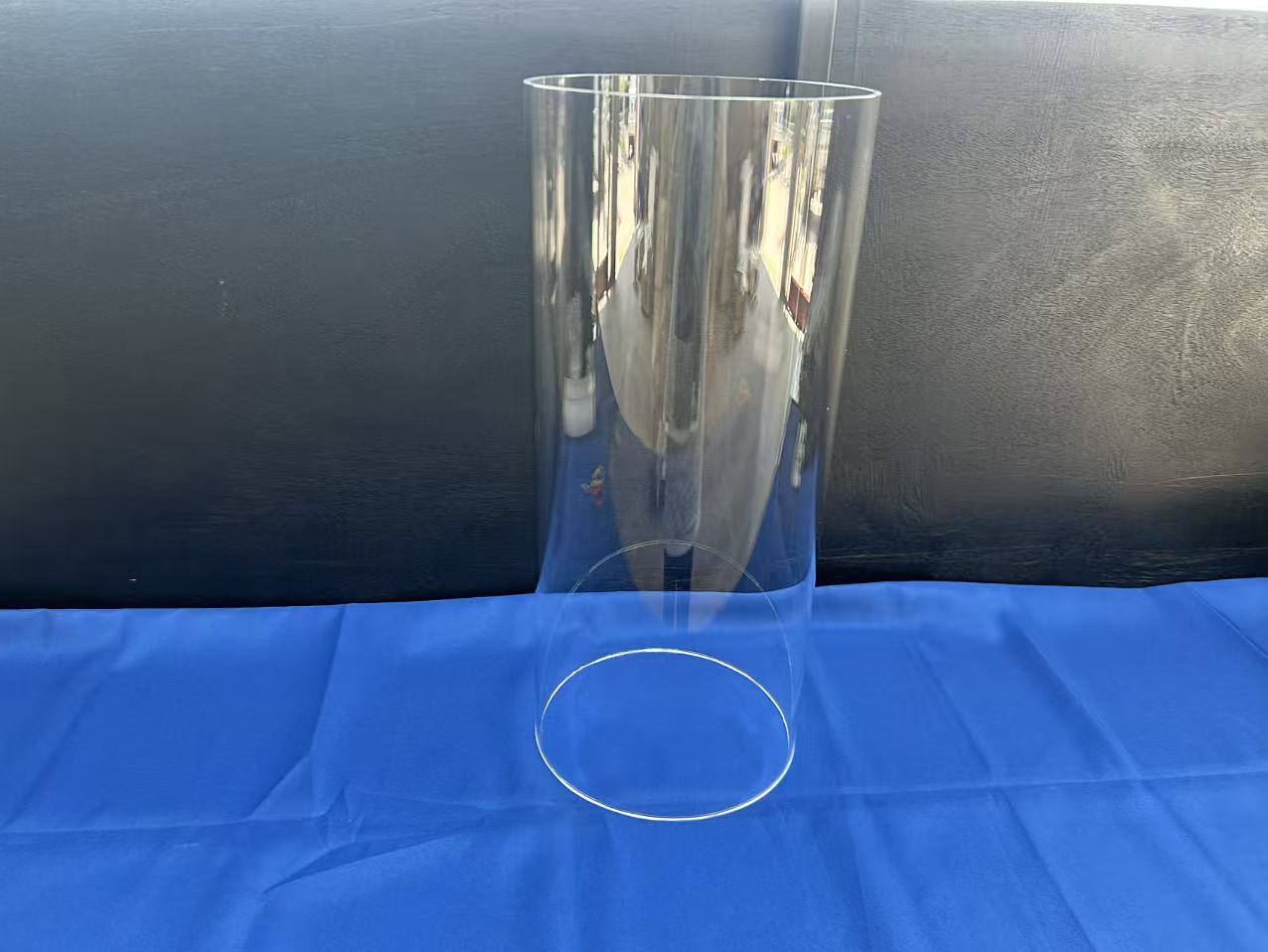
Custom Large-diameter High-purity Fused Quartz Transparent Glass Tubes
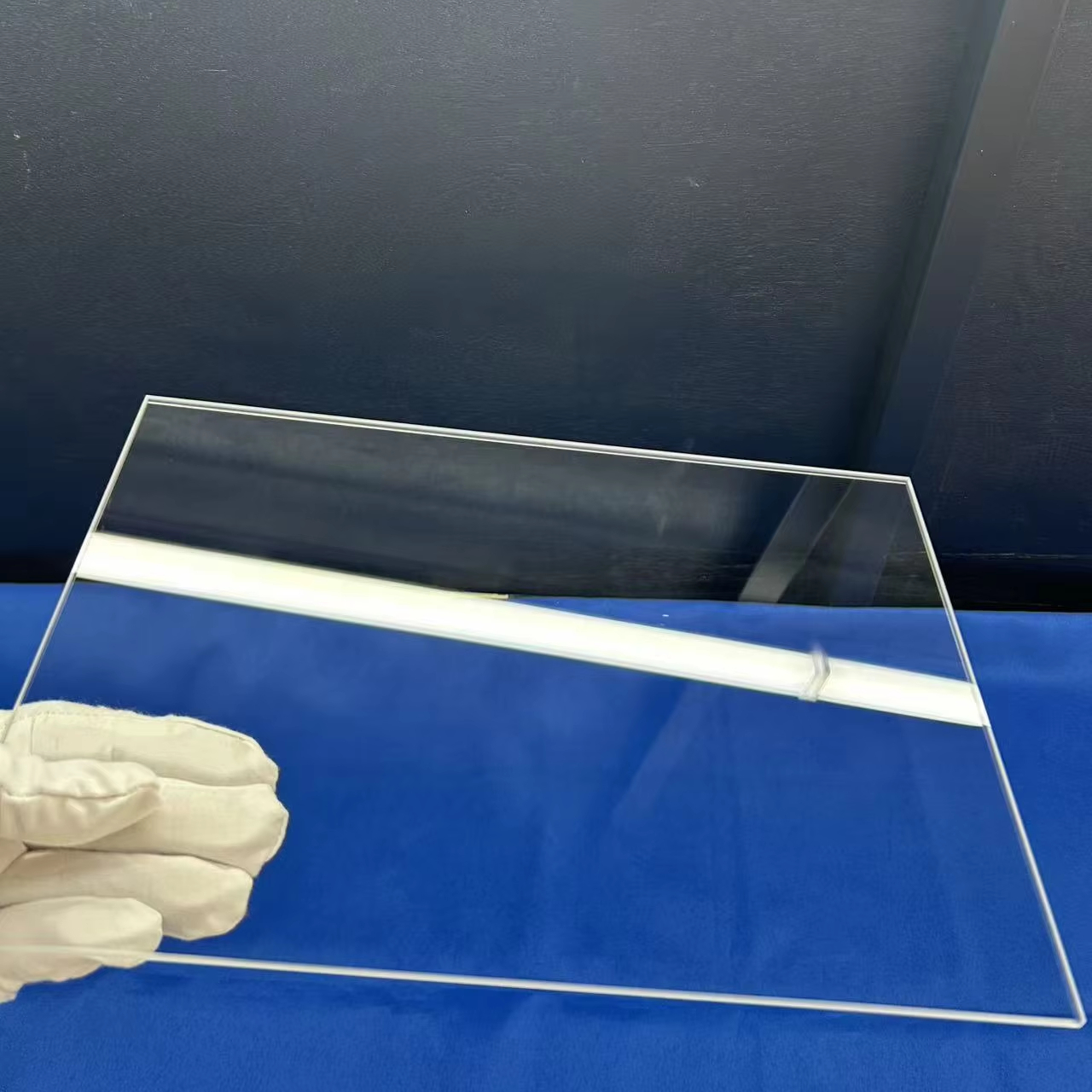
Custom Polished Purity Transparent Square Quartz Glass Clear Plate 4mm Thick
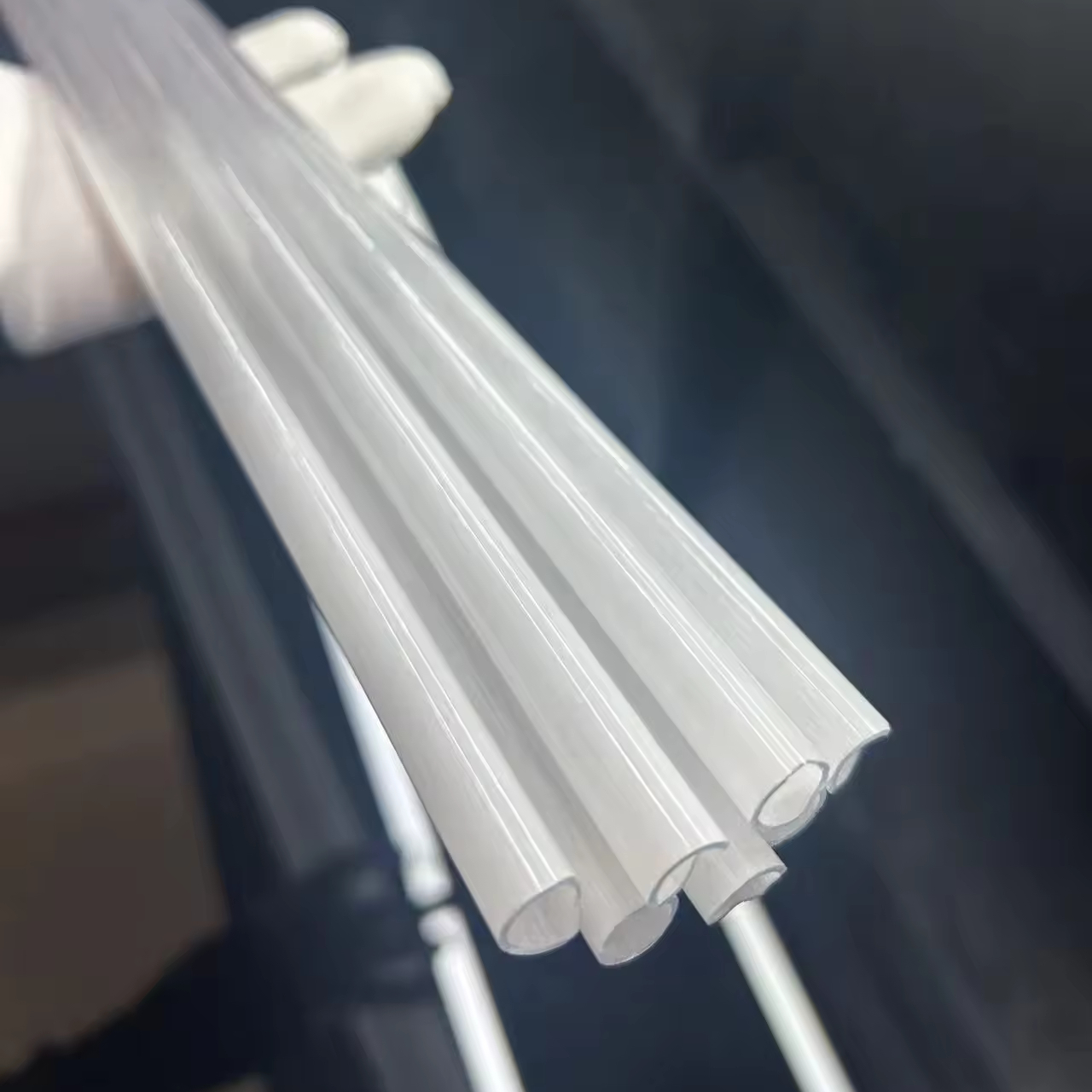
Translucent Quartz Glass Pipe Quartz Glass Sleeve Opaque Milky White Tube
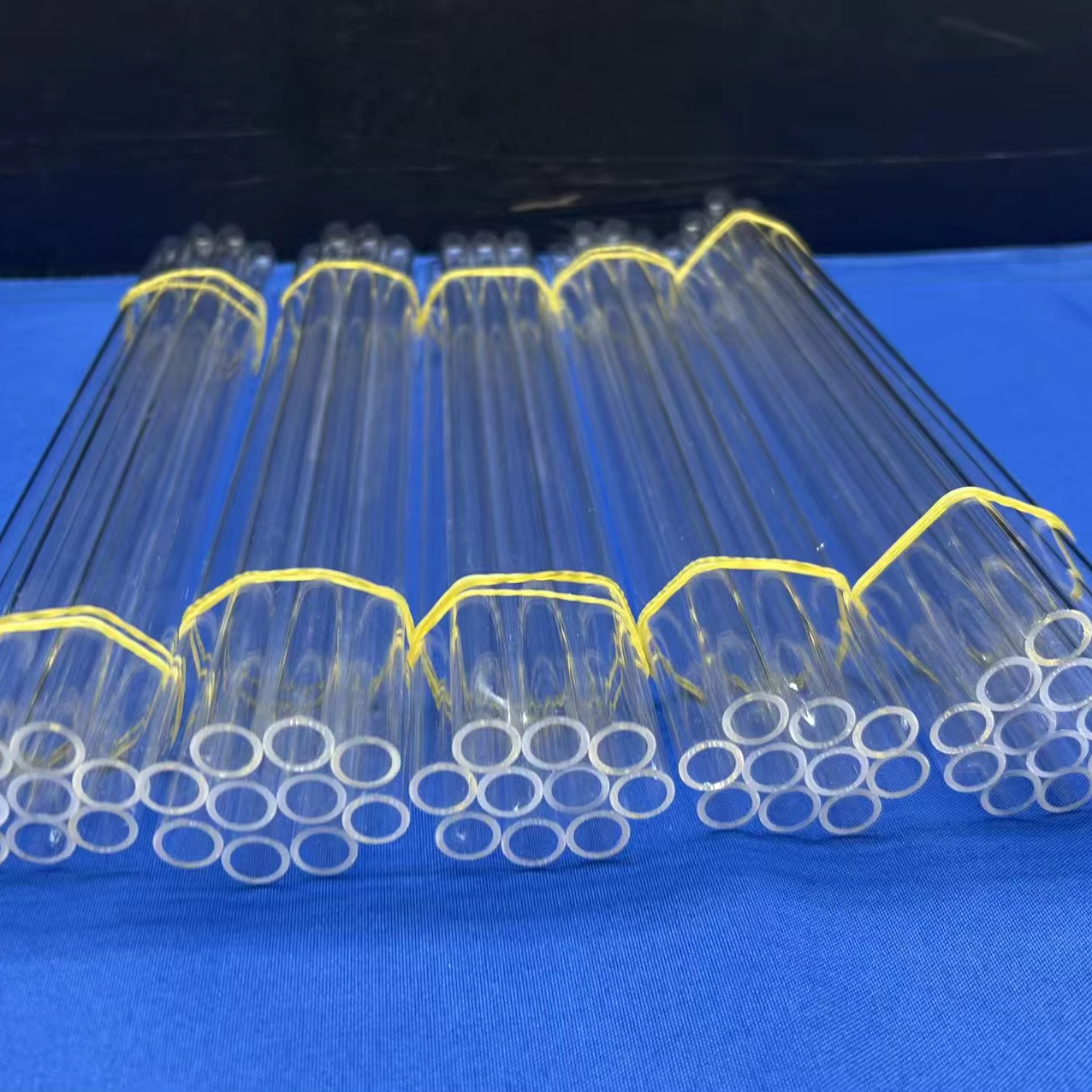
Quartz test Tube
High-Purity Quartz Glass Rod Fabrication for Demanding Industrial Applications
As Central Ohio accelerates its position as the Midwest's premier epicenter for advanced semiconductors, photonic instrumentation, and materials science research, the demand for precision-grade fused quartz glass rods and cane materials has transformed from standard procurement into mission-critical supply chain integration.
Synthetic Fused Silica Rods (JGS1)
Formed via synthetic chemical vapor deposition (CVD) using silicon tetrachloride (SiCl&sub4;), our JGS1 quartz rods represent the benchmark for deep-ultraviolet (DUV) applications. Completely free from bubbles and crystalline inclusions, these rods exhibit superior transmission down to 185 nm, making them essential for photolithography illumination optics, excimer laser delivery, and semiconductor mask aligners.
- Spectral Band: 185 nm – 2500 nm
- Hydroxyl Content ([OH]): ≤ 5 ppm (or high-OH 1200 ppm)
- Refractive Index Uniformity: Δn ≤ 2 × 10−&sup6;
- Inclusion Class: DIN 58927 Class 0 Bubble-Free
Natural Fused Quartz Rods (JGS2)
Refined from premium-grade natural crystalline quartz veins sourced directly through our Donghai refining network. Melded through proprietary electric resistance vacuum fusion, JGS2 rods balance exceptional structural resilience, outstanding thermal stability up to 1100°C continuous operation, and balanced transmission spanning visible to near-infrared spectra.
- Spectral Band: 220 nm – 2800 nm
- Softening Temperature: 1683°C ± 15°C
- Coefficient of Expansion: 5.5 × 10−&sup7; / °C
- Primary Columbus Use: Furnace Carriers & Structural Stems
Low-Hydroxyl Infrared Rods (JGS3)
Engineered using plasma fusion techniques under controlled anhydrous atmospheric chambers, JGS3 quartz rods systematically eliminate the distinctive hydroxyl ([OH]) absorption bands normally observed at 1.38 μm, 2.22 μm, and especially 2.73 μm. Ideal for high-energy Nd:YAG laser delivery systems, thermal sensing probes, and mid-IR analytical spectrometry.
- Spectral Band: 260 nm – 3600 nm
- Residual OH Content: ≤ 2 ppm to < 1 ppm
- Mechanical Density: 2.201 g/cm³
- Thermal Shock Threshold: ΔT = 1000°C Water Quench
Precision Quartz Applications Across the Columbus Industrial Corridor
From the multi-billion-dollar semiconductor mega-site in New Albany (Licking County) to the research labs along Olentangy River Road and the precision fabrication hubs in Dublin, Grove City, and Delaware, our fused silica rods fulfill demanding processing criteria across Central Ohio.
Semiconductor Diffusion & Wet-Bench Tooling
High-purity quartz rods serve as structural load-bearing ribs, spacer canes, and robotic wafer handling pins in vertical low-pressure chemical vapor deposition (LPCVD) and atomic layer deposition (ALD) furnace towers. With total metallic trace impurity levels controlled to < 15 ppm, our rods protect sub-nanometer wafer nodes against ionic copper, iron, and sodium contamination.
Applied Materials & Defense Photonics
Columbus research institutes such as the Battelle Memorial Institute and academic facilities at The Ohio State University (including the Center for Emergent Materials and Nanotech West Lab) require precision fire-polished fused quartz rods as optical wave-guiding cores, low-loss high-power beam splitters, and laser diagnostics probes.
Biomedical Spectrometry & Flow Analysis
Central Ohio’s thriving biomedical diagnostics manufacturers rely on micro-diameter precision quartz rods (Ø 0.8 mm – 3.0 mm) with optical end-face polishing for capillary flow-cell internal guides, UV fluorescence diagnostic light collectors, and biocompatible microfluidic thermal isolators.
Clean Energy & Thin-Film PV Automation
The expansion of photovoltaic and solar energy pilot plants across Central Ohio utilizes robust Ø 12 mm – 50 mm fused silica rods as support pedestals in high-temperature roller-hearth furnaces, thermocouple well protection tubes, and radiant heater core supports capable of enduring 24/7 continuous operation at 1150°C.
Specialty Pyrometry & Thermal Processing
Automotive and aerospace tier suppliers along Route 33 utilize custom flame-bent quartz rods and sight windows inside induction hardening coils and plasma sintering chambers, maintaining accurate infrared pyrometric observation without optical transmission loss or thermal stress cracking.
Precision Laboratory Glassblowing & OEM Systems
Local bespoke scientific glassblowers and OEM laboratory equipment fabricators use Nivra Quartz solid canes as high-strength connecting joints, valve stems, distillation column packing elements, and acid-resistant chemical stirring rods.
Comprehensive Fused Quartz Rod Physical & Optical Metrology
Material performance is dictated by atomic stoichiometry and trace element control. Review our verified engineering parameters before finalizing your mechanical engineering drawings.
| Physical / Chemical Property | Natural Fused Quartz (JGS2) | Synthetic Fused Silica (JGS1) | Anhydrous Low-OH Silica (JGS3) | ASTM / ISO Test Method |
|---|---|---|---|---|
| SiO&sub2; Purity (wt%) | ≥ 99.995% | ≥ 99.999% | ≥ 99.998% | ICP-MS / GDMS Spectroscopy |
| Density (20°C) | 2.20 g/cm³ | 2.201 g/cm³ | 2.203 g/cm³ | ASTM C693 Archimedes |
| Softening Point (107.6 poise) | 1683 °C | 1600 °C | 1710 °C | ASTM C338 Fiber Elongation |
| Annealing Point (1013 poise) | 1215 °C | 1140 °C | 1220 °C | ASTM C336 Beam Bending |
| Strain Point (1014.5 poise) | 1120 °C | 1030 °C | 1125 °C | ASTM C336 Viscosity |
| Coefficient of Thermal Expansion (CTE) | 5.5 × 10⁻⁷ / °C | 5.2 × 10⁻⁷ / °C | 5.4 × 10⁻⁷ / °C | Dilatometry (20°C – 320°C) |
| Refractive Index (nd @ 587.6 nm) | 1.4585 | 1.4584 | 1.4586 | Abbe Refractometer / V-Block |
| Dielectric Strength (20°C, 1 MHz) | 25 – 40 kV/mm | 35 – 50 kV/mm | 30 – 45 kV/mm | ASTM D149 Short-Time |
| Knoop Hardness (100g load) | 580 kg/mm² | 520 kg/mm² | 610 kg/mm² | ASTM C730 Indentation |
Typical Trace Impurity Spectrum (Parts Per Million / ppm by weight): Al: 14.0 | Fe: 0.15 | Ti: 1.10 | Ca: 0.40 | Mg: 0.05 | Na: 0.30 | K: 0.40 | Li: 0.20 | Cu: < 0.01 | Cr: < 0.01. Full lot-specific Certificate of Analysis (CoA) provided with every export shipment.
Get CatalogCold Machining, Centerless Grinding, and Thermal Finishing
Our Donghai County facility integrates advanced CNC machining centers with hydrogen-oxygen thermal lathe forming. Every quartz rod shipped to the Columbus market undergoes stringent processing cycles.
Centerless Precision Grinding
For applications requiring strict robotic gripper concentricity or airtight bushing fitment, our automated centerless grinding lines achieve outer diameter tolerances of ± 0.01 mm with total roundness deviation ≤ 0.005 mm across lengths up to 2000 mm.
Optical Fire-Polishing & Annealing
Thermal stress created during cutting or grinding is systematically relieved through a multi-stage electric annealing profile holding at 1150°C, followed by hydrogen-flame polishing that seals micro-fissures, delivering surface roughness values down to Ra < 0.005 μm.
Custom End-Face Processing
Rod ends can be customized with 45° precision chamfers, spherical convex/concave focusing lenses, stepped ground spigots, drilled axial pinholes, or high-vacuum optical flat polishes (λ/4 wave accuracy, 20/10 scratch-dig specification) for direct laser coupling.
Reliable Transpacific Air & Ocean Logistics to Central Ohio
High-purity quartz requires flawless freight preservation. We bridge our manufacturing base in Jiangsu directly to Columbus through specialized packaging and direct logistics pathways.
Rickenbacker (LCK) Air Cargo Streamlining
For urgent semiconductor maintenance prototypes and rapid wafer line expansions, we route priority shipments via Rickenbacker International Airport (LCK)—one of the world's premier dedicated cargo hubs. Transit from our factory floor to local Columbus dockside typically completes within 4 to 6 business days.
Shock-Absorbing Cleanroom Packaging
Every single quartz rod is ultra-pure DI water cleansed, sealed inside anti-static Class 100 cleanroom PE bagging, and encapsulated inside shock-dampening expanded polyethylene (EPE) custom-profile foam within reinforced, moisture-resistant fumigation-free timber crates.
Zero-Defect Customs & Tariffs Documentation
Our dedicated export division prepares comprehensive commercial documentation, including HTS code precision classification (Heading 7002.20 for quartz rods and canes), certified mill test sheets, REACH/RoHS compliance declarations, and verified bills of lading for seamless US Customs and Border Protection clearance.
Why Engineers and Sourcing Directors Choose Nivra Quartz
Founded in February 2019 in Donghai County—the crystal center of China—Nivra Quartz combines raw mineral supply advantages with advanced European machining standards.
101–200 Skilled Specialists
Our specialized workforce includes veteran master glassblowers and precision optical grinding technicians operating CNC multi-axis machines, quartz annealing towers, and laser interferometers.
Rapid Engineering Turnaround
We maintain an average technical response time of ≤ 5 hours with an inquiry response rate of 88.89%. Send your CAD (.dwg, .step) or PDF drawings for rapid design-for-manufacture (DFM) analysis.
5.0 / 5.0 Buyer Satisfaction
With 40% of our export volume serving North American industrial clients and a 23% repeat reorder rate, our quality management system guarantees that every shipment matches physical specifications.
Comprehensive Quartz Portfolio
Beyond solid rods, we supply clear quartz tubes, micro-bore capillary tubing, semiconductor wafer boats, polished quartz discs, and custom sapphire windows in unified shipments.
Frequently Asked Questions: Sourcing Quartz Rods for Columbus Operations
Answers to technical, commercial, and logistics inquiries commonly raised by procurement managers and design engineers across the Central Ohio industrial corridor.
What is the maximum diameter and continuous length you manufacture?
We draw and finish solid quartz glass rods ranging from Ø 0.5 mm micro-canes up to Ø 150 mm heavy-duty cylindrical ingots. Standard continuous lengths range up to 2000 mm (2.0 meters). Larger diameters or specialized lengths up to 3000 mm can be supplied upon custom engineering review.
How do you guarantee thermal shock survival when heating to over 1000°C?
Due to fused quartz's low coefficient of thermal expansion (5.5 × 10−&sup7; / °C), our rods undergo zero plastic deformation up to their strain point (~1120°C). In standardized testing, an annealed rod heated to 1100°C in a muffle furnace and instantly plunged into 20°C ambient water exhibits zero spalling, cracking, or catastrophic fracture.
Can you provide custom flame-bent quartz rods or complex welded weldments?
Yes. Our master glassblowers specialize in hydrogen-oxygen lathe flame manipulation. We fabricate complex helical coils, multi-axis bent support rods, welded structural quartz cage assemblies, and custom furnace boats based directly on your 3D CAD files (.STEP, .IGES) or detailed engineering PDF drawings.
What is the standard lead time for delivery into the Columbus, Ohio region?
Standard sizes and raw canes are kept in stock and ready to ship within 3–5 business days. Custom CNC machining, tight centerless grinding, and optical end polishing typically require a 10–15 day manufacturing cycle. We utilize priority air freight (4–7 transit days into Columbus/LCK) or cost-effective ocean shipping (25–30 days via West Coast intermodal rail).
How does JGS1 compare against JGS2 for UV laser delivery?
JGS1 is a synthetic material produced from chemical precursors, offering optical transmission > 90% down to 185 nm with negligible bubble content. JGS2 is refined from natural quartz crystals; while it transmits well in the UV-A and visible spectrum (above 260 nm), it exhibits minor absorption bands in the deep UV. For 193 nm or 248 nm excimer laser applications, JGS1 is strongly recommended.
What Minimum Order Quantities (MOQ) apply to pilot projects?
We support Central Ohio startups, research institutes, and OEM pilot development lines. Standard catalog rods have an MOQ of only 1 to 5 pieces. Custom CNC-ground micro-components or specialized tight-tolerance optical canes typically start from 10 to 50 pieces, with prototype sample approvals fully supported prior to batch manufacturing.
Accelerate Your Project with Tier-1 Quartz Glass Rods
Whether you are engineering next-generation furnace tooling for the New Albany semiconductor cluster, building laser wave-guides for Columbus defense optics labs, or setting up analytical chromatography systems, Nivra Quartz provides the purity, precision, and reliable logistics your team requires.