Precision Bore
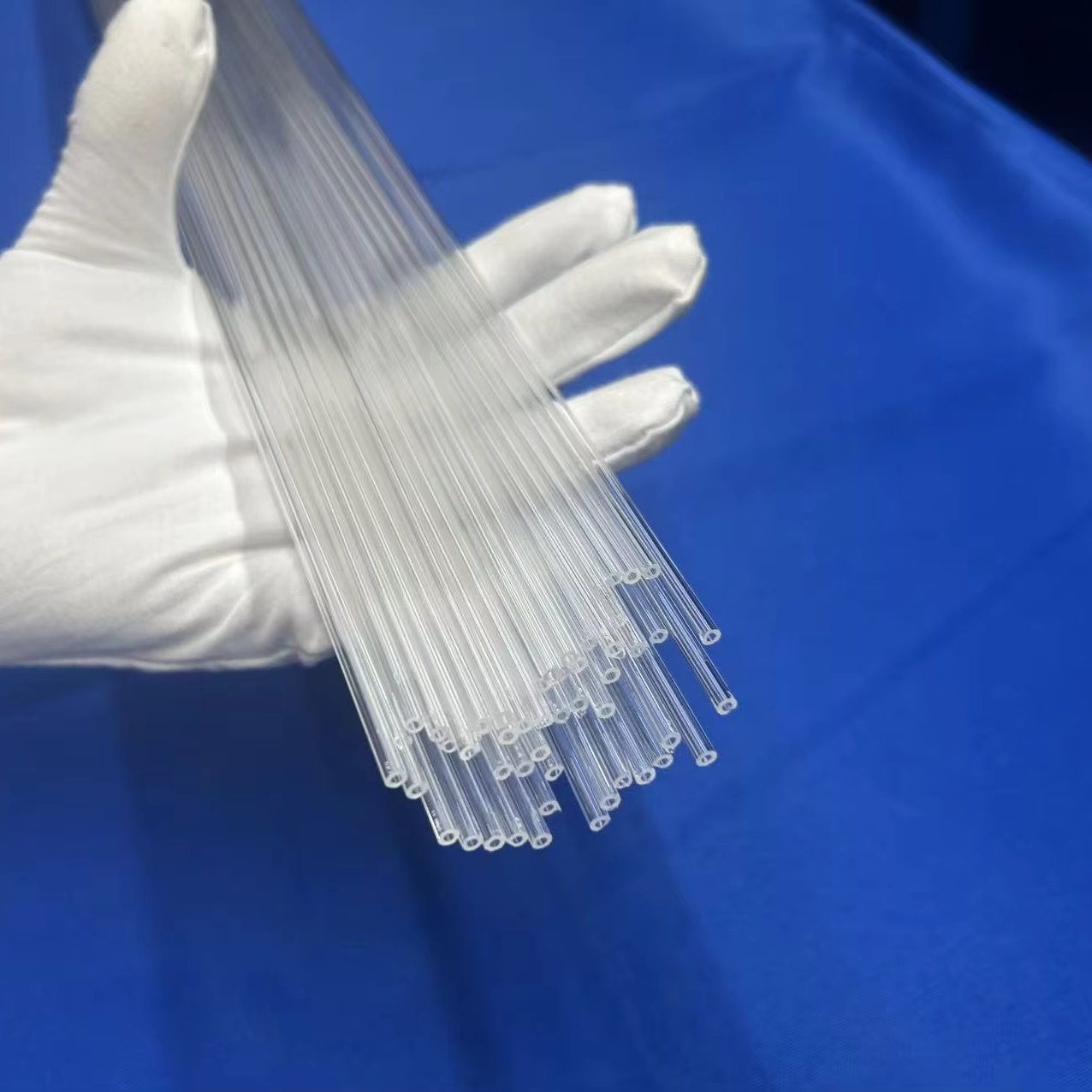
Capillary Quartz Tube
Ultra-fine inner diameter fused silica capillaries for analytical mining chromatography, gas chromatography sampling, and optical thermal sensors.
From furnace observation sight rings to extreme-temperature digestion vessels, our Donghai manufacturing hub supplies certified 99.99% SiO₂ precision glasswork tailored for cold-climate industrial robustness.
Ultra-fine inner diameter fused silica capillaries for analytical mining chromatography, gas chromatography sampling, and optical thermal sensors.
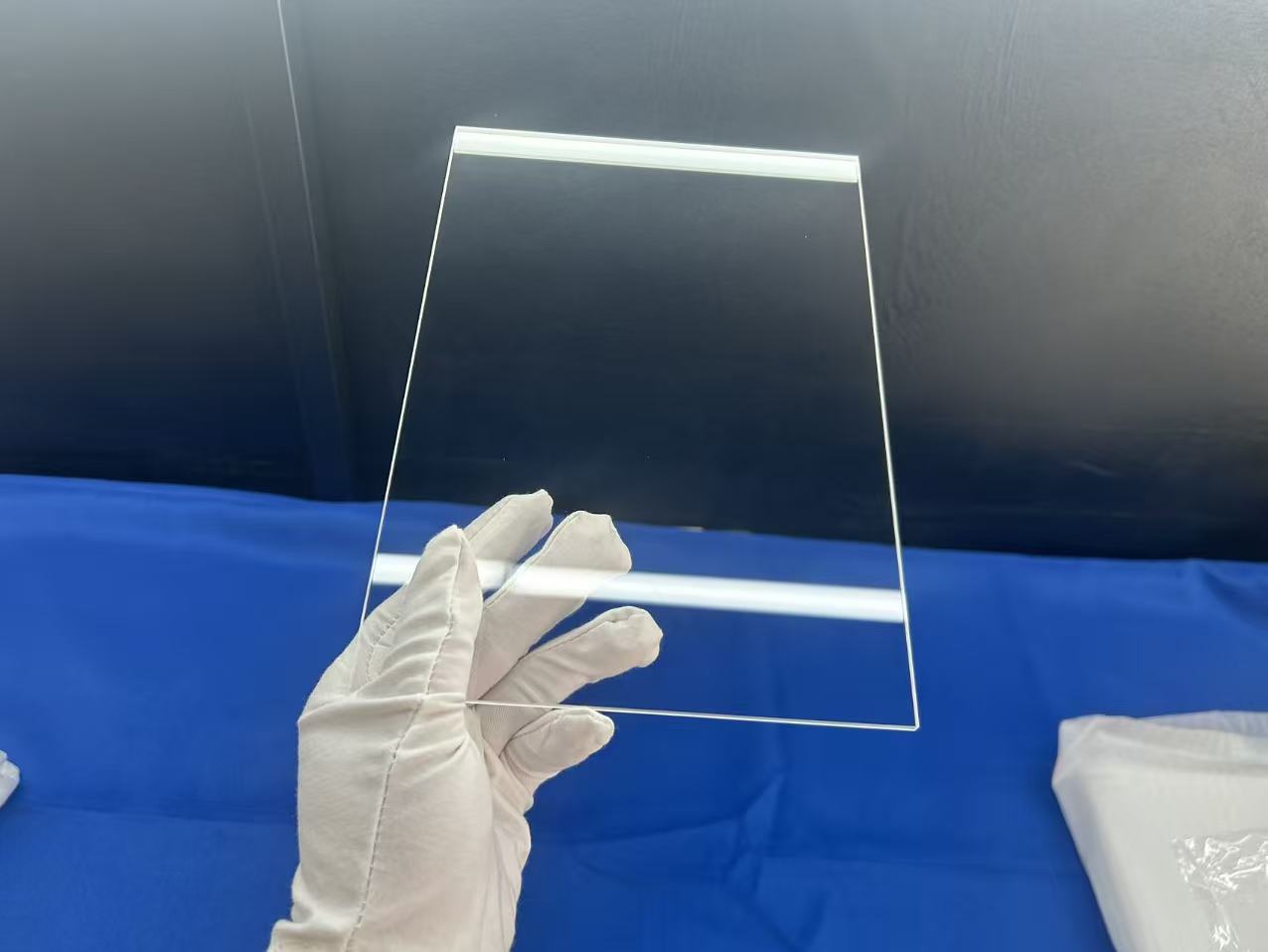
Double-side polished JGS1/JGS2 protective windows for laser cutters, furnace ports, and mineral spectroscopic analysis with 92% light transmittance.
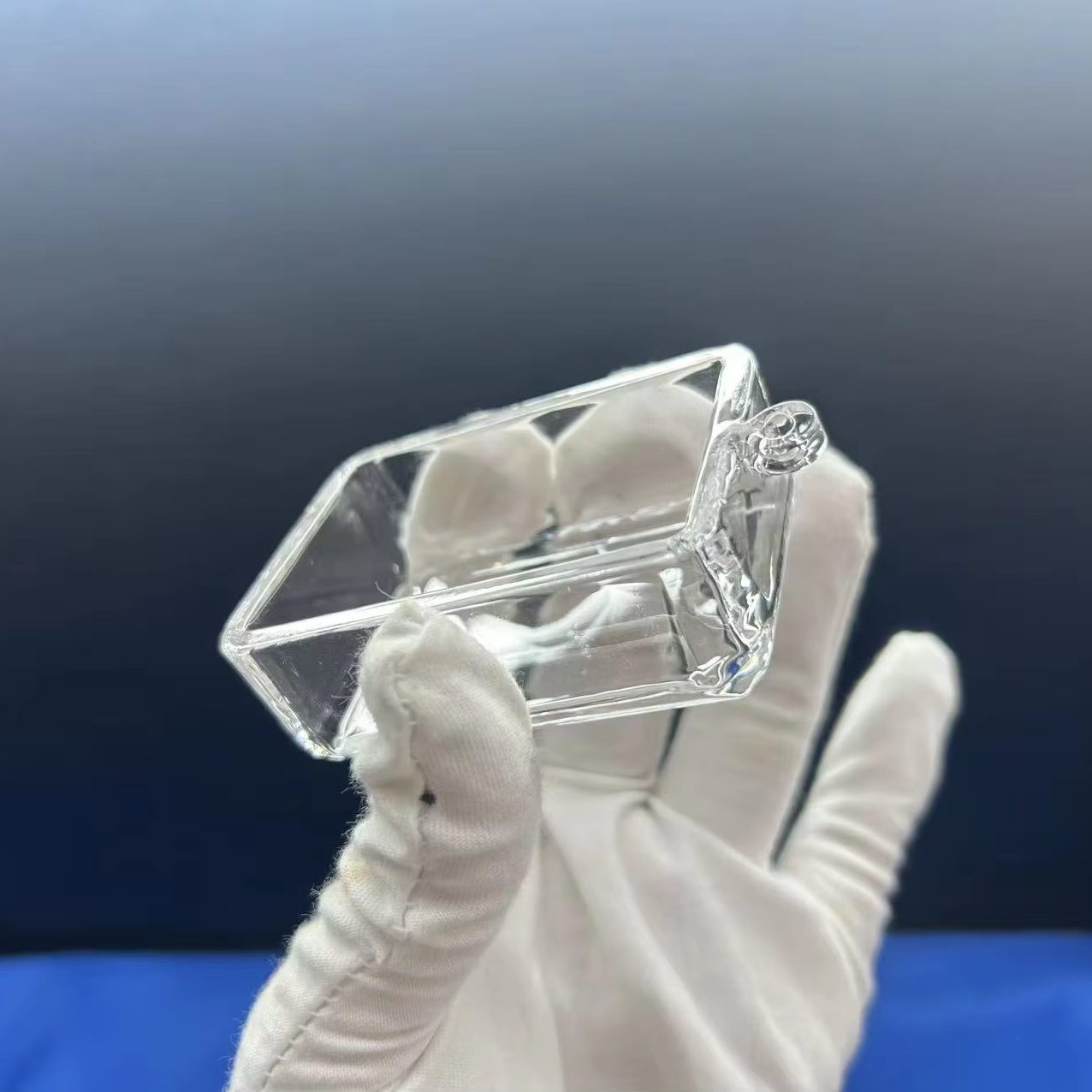
Seamless welded quartz bath for aggressive mineral acid etching, metallurgical leaching, ultrasonic ore cleaning, and electrolytic battery research.
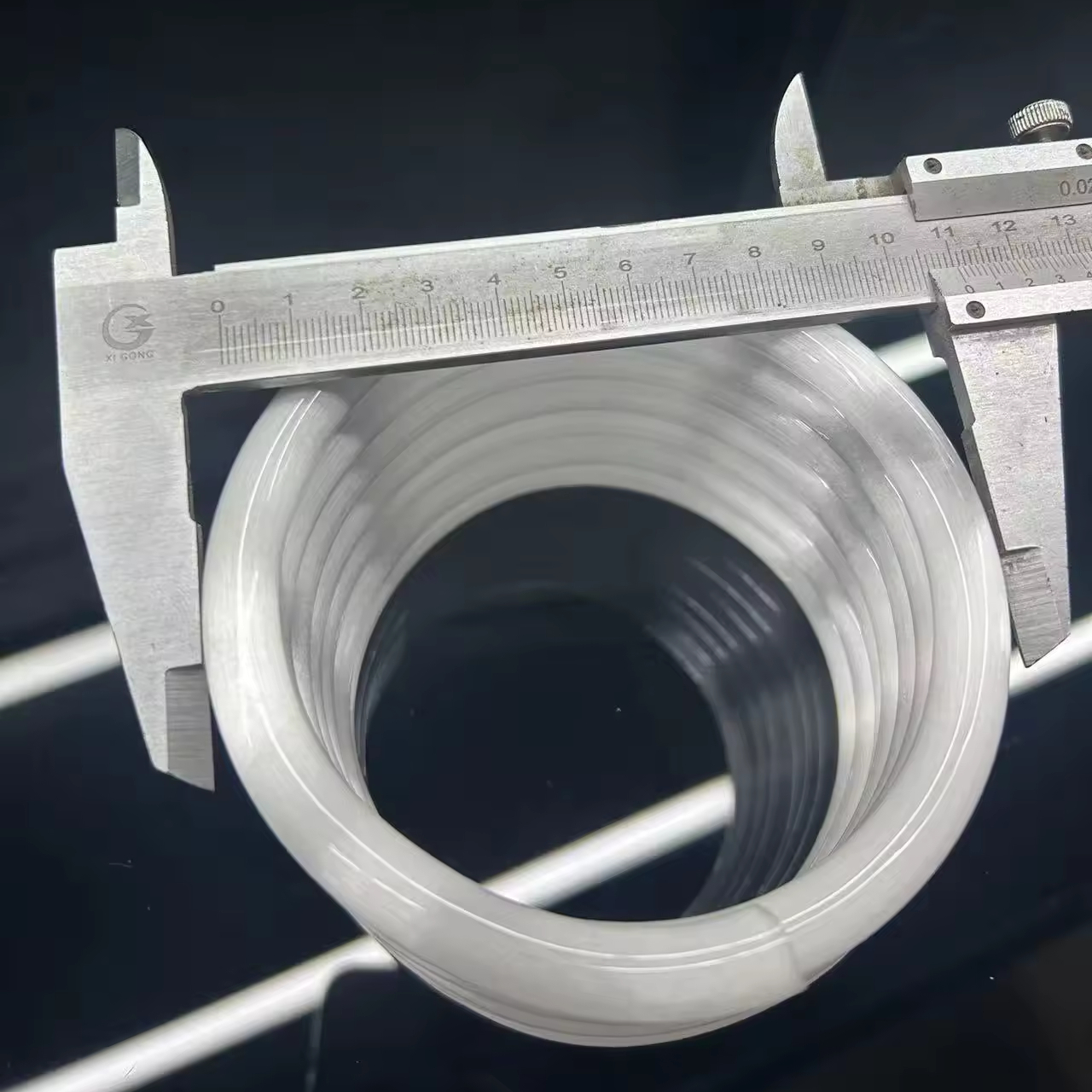
Precision bent helical quartz heat exchangers for high-temperature reflux reactions, condensation in harsh mining flues, and chemical refining.
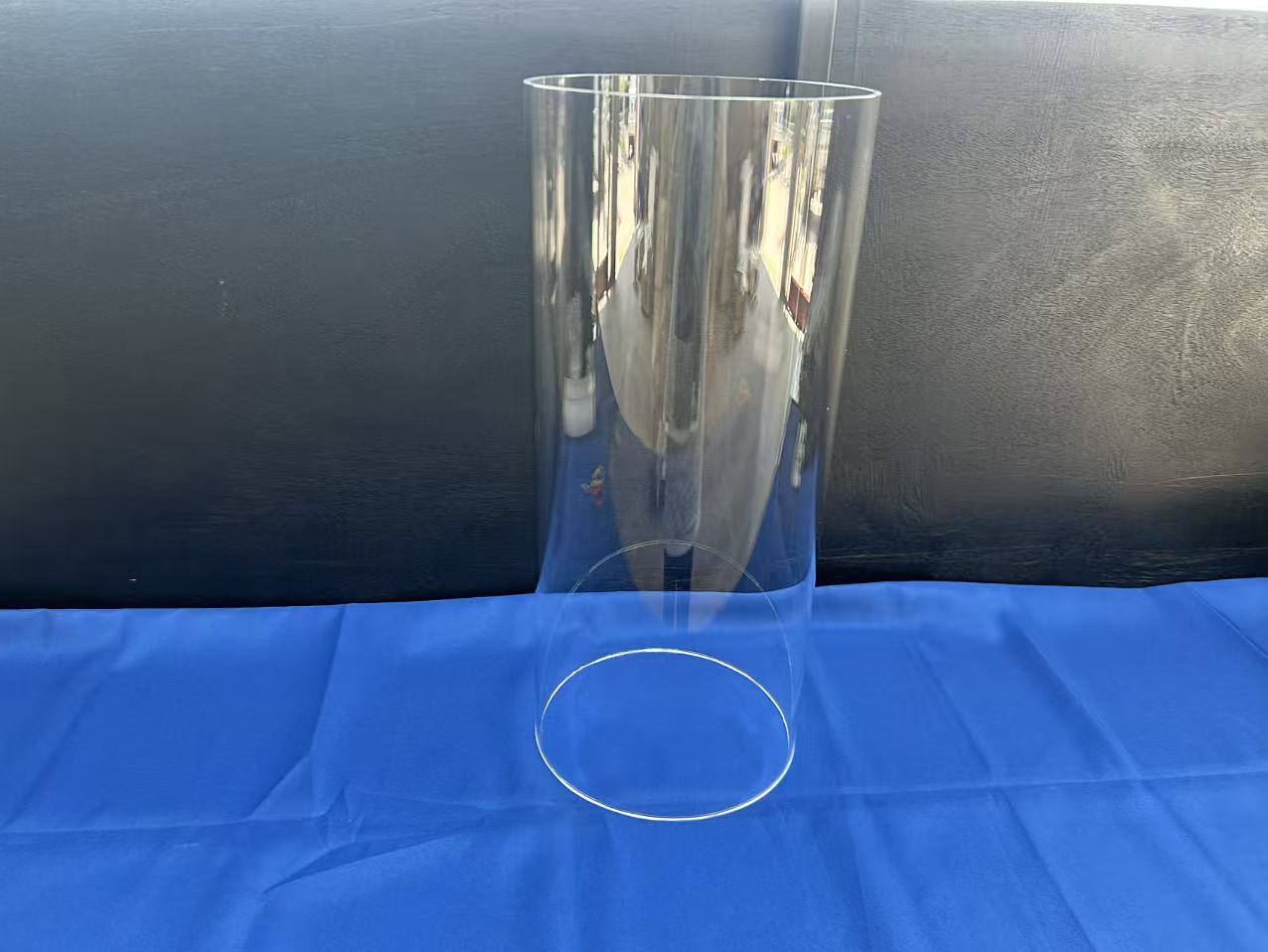
Heavy-wall quartz cylinders up to 450 mm diameter for metallurgy muffle furnaces, metallurgical vacuum distillation, and smelting chambers.
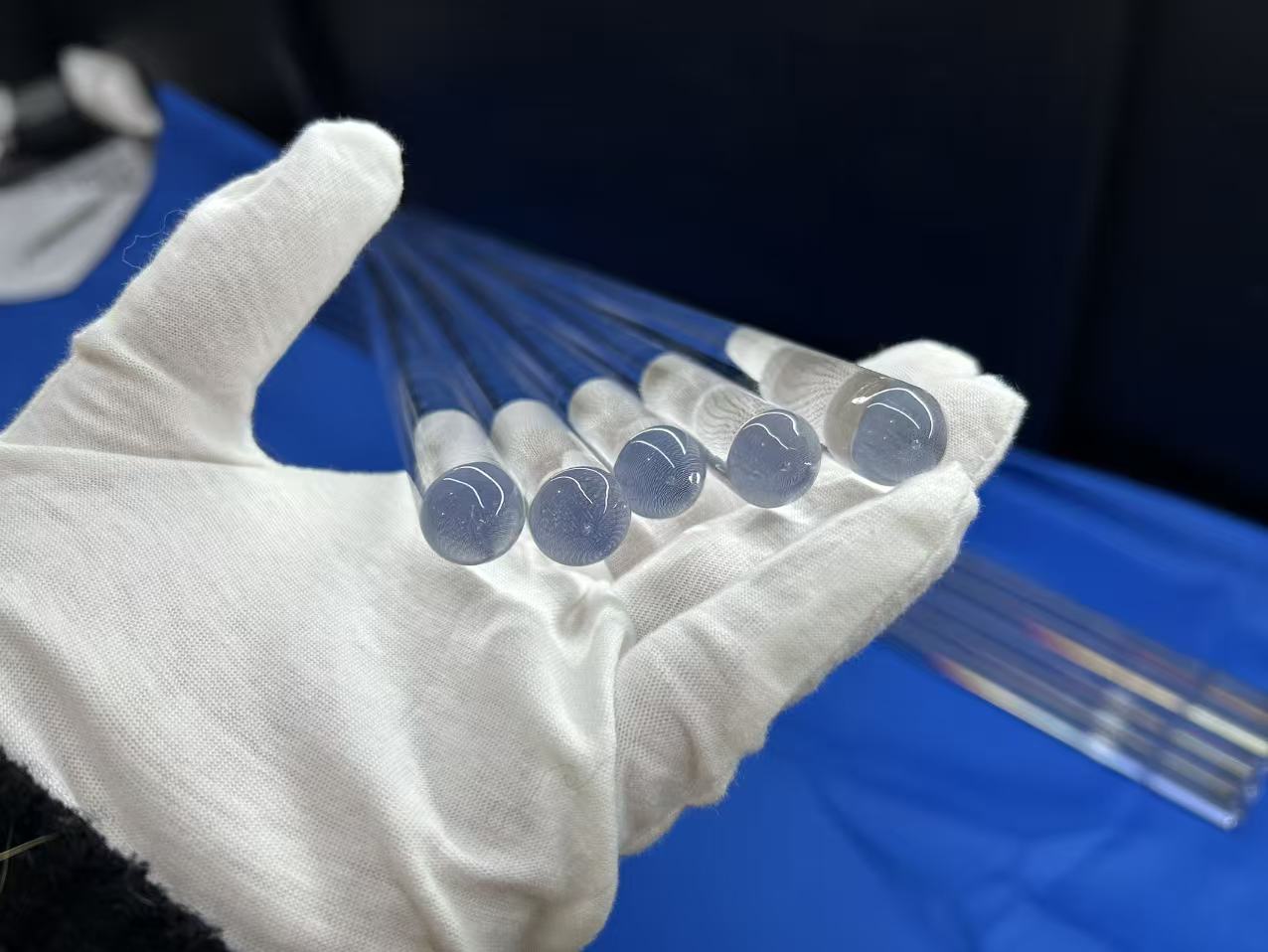
Dense fused quartz bars and rods machined for high-voltage electrode insulators, molten metal stirring, and optical light guides in extreme operations.
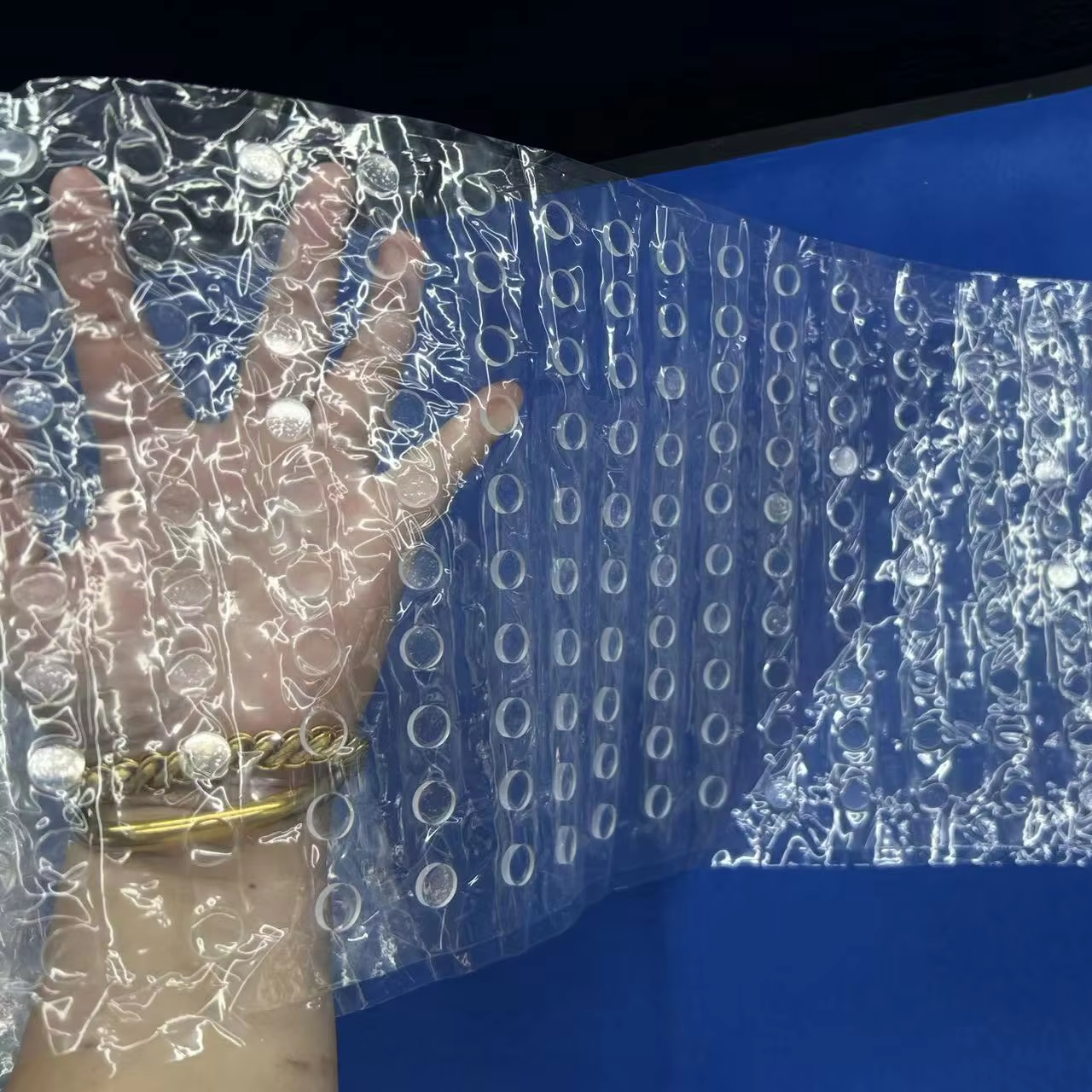
High-flatness quartz substrate discs (λ/4 surface accuracy) for precision optical sensors, spectroscopy sensors, and thermal imaging systems.
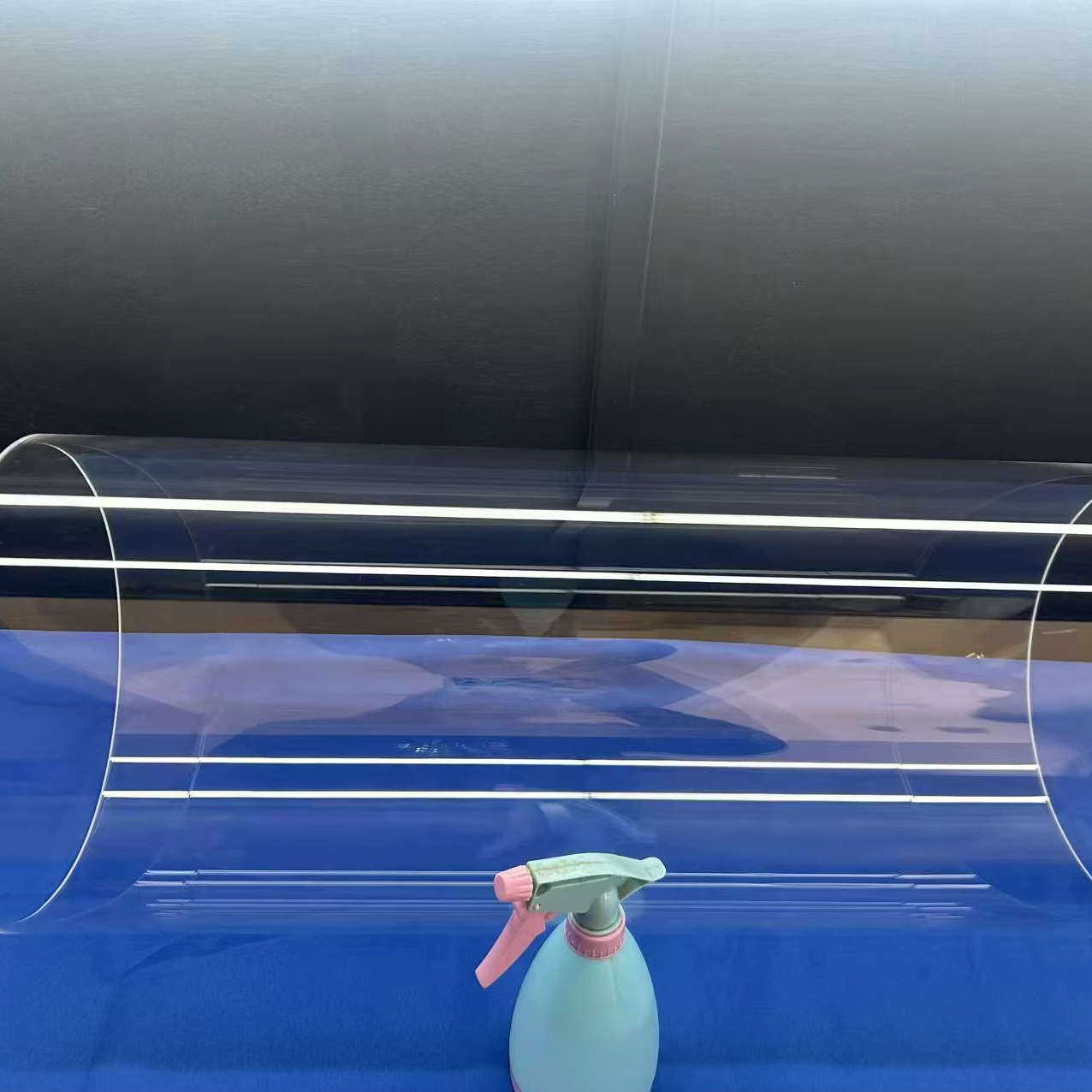
Standard and oversized thermal reactor tubes designed for continuous operation at 1100°C, offering ultra-low expansion and supreme chemical immunity.
Quartz glass rings—including sight glass retainer washers, annular dielectric spacers, high-vacuum furnace gaskets, and optical inspection flanges—are critical structural and observational components. Understanding material physics and machining thresholds prevents catastrophic failures in heavy field applications.
Unlike standard borosilicate glass containing sodium and boron fluxes, industrial fused quartz rings manufactured by Nivra Quartz consist of ≥99.99% silicon dioxide (SiO₂). Vitrified at temperatures exceeding 2000°C, this single-component amorphous silica possesses zero porosity and minimal interstitial hydroxyl (OH⁻) content.
Fabricating annular quartz rings demands specialized diamond-tooled CNC grinding and water-cooled ultrasonic edging. Rings serve as pressure barriers where non-parallel faces cause localized stress concentrations, leading to mechanical implosion under operational load.
With an extraordinarily low linear thermal expansion coefficient of 5.5 × 10⁻⁷ /°C (from 20°C to 320°C), a quartz ring can be heated to 1100°C and instantaneously quenched in ice water without catastrophic failure—an essential property for high-gradient monitoring ports.
| Performance Parameter | High-Purity Fused Quartz Ring | Borosilicate Glass Ring (3.3) | Soda-Lime Industrial Glass Ring |
|---|---|---|---|
| SiO₂ Content | ≥ 99.99% | ~ 81% | ~ 72% |
| Thermal Expansion (20–300°C) | 0.55 × 10⁻⁶ K⁻¹ | 3.3 × 10⁻⁶ K⁻¹ | 9.0 × 10⁻⁶ K⁻¹ |
| Max Continuous Temperature | 1100 °C | 450 °C | 150 °C |
| Thermal Shock Resistance (ΔT) | > 1000 °C (Quench Safe) | ~ 150 °C | ~ 60 °C |
| Acid Resistance (Except HF/H₃PO₄) | Class 1 (Superior) | Class 1 | Class 2–3 |
| UV-C & IR Optical Transmission | 85% – 93% (185–3500 nm) | Opaque below 310 nm | Opaque below 360 nm |
Mongolia's unique economic geography—combining world-scale open-pit and underground mining complexes with sub-arctic continental climate extremes—places rigorous demands on industrial quartzware.
In high-pressure acid leaching (HPAL) and copper/gold extraction units across the South Gobi (Oyu Tolgoi) and Erdenet Mining Corporation, quartz sight rings serve as high-pressure visual observation ports. They resist hot sulfuric acid slurries up to 260°C and pressures above 4.5 MPa where synthetic borosilicates haze and etch within hours.
Copper concentrate flash furnaces and ferroalloy roasting facilities rely on quartz observation rings for optical pyrometry and thermal burner imaging. The extreme transmission in the near-infrared spectrum (JGS3 / JGS2) allows infrared thermometer sensors to continuously read melt temperatures (1150°C–1350°C) without thermal distortion.
Ulaanbaatar's combined heat and power plants (CHP-3, CHP-4) and provincial heating infrastructure operate under brutal winter duty where ambient outdoor temperatures plunge to -40°C while boiler sight glasses hold superheated steam at 300°C. Quartz rings provide the zero-thermal-shock reliability required to prevent catastrophic winter boiler shutdowns.
Commercial assay laboratories in Mongolia (SGS, ALS, Bureau Veritas Ulaanbaatar branches) require ultra-pure quartz torch rings, injector collars, and dissolution vessel rings for spectral analysis of copper, gold, molybdenum, and rare earth elements.
Emerging silicon refinement and specialty metal refining projects in Darkhan and Sainshand use fused quartz rings as non-conductive dielectric isolation rings inside vacuum induction melting (VIM) furnaces and vacuum arc degassing assemblies.
Strategic economic initiatives in Mongolia are shifting the demand profile for precision quartzware from generic glass replacements to high-specification, custom-engineered components.
Mongolian state policies (Minerals Law updates and the "New Recovery Policy") incentivize domestic value-addition rather than raw ore export. New concentrators, copper smelters, and coal washing plants require localized supply lines for high-temperature furnace optics and fluid monitoring rings.
Environmental oversight around the Gobi region has intensified. Tailings processing, sulfur dioxide flue gas scrubbers, and water reclamation systems utilize ultraviolet (UV) photochemical breakdown systems, driving demand for high-transmittance JGS1 quartz sleeves and sealing rings.
Mongolian industrial buyers are actively mitigating high air-freight costs and European logistics backlogs by sourcing directly from Donghai County (Jiangsu Province)—the global quartz manufacturing epicenter. Direct overland rail freight via Erenhot to Zamyn-Üüd and Ulaanbaatar cuts logistics lead time to 5–9 business days.
Founded in 2019 in Donghai County—China's Crystal and Quartz Capital—Nivra Quartz operates an integrated manufacturing facility combining raw silica refining with precision glass fabrication.
Direct supply from Donghai quartz capital eliminates trading middleman margins, delivering 30–45% procurement savings for mine and plant operators.
Equipped with 4-axis ultrasonic CNC milling centers, diamond wire slicers, and laser interferometers, ensuring tolerances down to ±0.01 mm.
With an average engineering inquiry reply time of ≤5 hours and an 88.89% verified response rate, we ensure zero project delays.
Every shipment is packaged in military-grade shock-absorbent multi-layer EVA foam and reinforced plywood crates, guaranteed for rough terrain transit.
Quartz performance is directly governed by elemental purity and OH⁻ absorption band management. Below is our standard certified spectroscopic data for international procurement due diligence.
| Quartz Grade | Primary Transmission Band | OH Content (PPM) | Primary Industrial Application in Mongolia |
|---|---|---|---|
| JGS1 (Synthetic Fused Silica) | 185 nm – 2500 nm (Deep UV to Vis) | ≤ 5 – 20 ppm | Laser cutting optics, spectrometry analysis, UV sterilization reactors |
| JGS2 (Fused Quartz from Crystal) | 220 nm – 2500 nm (UV to Near-IR) | ≤ 30 – 150 ppm | Smelter sight glasses, furnace windows, chemical tank observation ports |
| JGS3 (Infrared Fused Quartz) | 260 nm – 3500 nm (Vis to Mid-IR) | ≤ 5 ppm | Pyrometric IR temperature monitoring, thermal imaging, heater envelopes |
| Opaque Silica Glass (OSG) | Diffuse / Thermal Insulation | Variable | Muffle furnace collars, heat shields, metallurgical crucible rings |
| Trace Impurity Element | Aluminum (Al) | Iron (Fe) | Titanium (Ti) | Calcium (Ca) | Magnesium (Mg) | Sodium (Na) | Potassium (K) | Lithium (Li) |
|---|---|---|---|---|---|---|---|---|
| Typical Content (PPM) | 14.0 – 18.0 | 0.15 – 0.30 | 1.0 – 1.2 | 0.4 – 0.6 | 0.1 – 0.2 | 0.3 – 0.5 | 0.3 – 0.5 | 0.2 – 0.4 |
| Impact on Ring Integrity | Viscosity enhancer | UV attenuation | Color stability | Crystallization | Mechanical loss | Devitrification risk | Electrical leak | Alkali defect |
Key technical, logistical, and commercial answers for plant engineers, procurement directors, and laboratory supervisors operating in Mongolia.
Borosilicate glass (e.g., Pyrex or standard 3.3 glass) softens at around 500°C and undergoes structural micro-cracking when subjected to thermal differentials (ΔT) greater than 150°C. In Mongolian mining refineries, autoclave flash tanks, and thermal smelters, sudden air chilling from opening furnace ports or sub-zero drafts causes catastrophic shattering of borosilicate glass. Fused quartz withstands thermal shocks exceeding 1000°C and operates continuously at 1100°C without weakening, providing unmatched personnel safety and preventing plant shutdowns.
Thermal cracking in glass occurs because uneven expansion or contraction generates internal tensile stresses exceeding the material's yield strength. Nivra Quartz rings boast a near-zero linear thermal expansion coefficient (5.5 × 10⁻⁷ /°C). When outdoor winter air at -40°C meets an inner boiler steam temperature of +350°C, the resulting internal stress within our quartz rings is less than 5% of its compressive fracture limit. Our rings are routinely deployed in open-atmosphere industrial monitoring stations across Siberia and northern Mongolia.
We provide two primary shipping corridors from our Donghai County factory:
1. Overland Rail Freight (Recommended): Factory → Erenhot (Inner Mongolia) → Zamyn-Üüd → Ulaanbaatar Central Freight Terminal. Average transit time: 5 to 9 business days.
2. Direct Air Express: Zhengzhou/Beijing → Chinggis Khaan International Airport (UBN) via DHL/FedEx/Air Cargo for urgent maintenance shutdowns (transit: 2 to 4 business days). We provide full packing lists, commercial invoices, and Certificates of Origin (Form E or General) to streamline Mongolian Customs Agency clearance.
Yes. Many legacy Mongolian power plants and smelting facilities operate processing equipment constructed under Soviet-era GOST technical norms (e.g., GOST 9424 for boiler sight glasses). Our CNC machining center can cut, grind, step-bore, bevel, and polish quartz rings directly from your PDF, CAD (DWG/DXF), or STEP 3D models. We maintain standard tolerances of ±0.05 mm and precision tolerances down to ±0.01 mm upon request.
Cross-border rail and unpaved steppe roads toward remote mines can expose cargo to intense vibrations. We utilize a multi-tier protective packaging system:
1. Ultrasonic bath cleaning and dust-free vacuum polyethylene sealing.
2. High-density custom-cut EVA memory foam surrounding each individual ring.
3. Five-layer heavy-duty corrugated internal cartons.
4. Reinforced, fumigation-free export plywood cases equipped with exterior corner braces, banding, and impact-tilt indicator labels. Our documented export breakage rate to Central and Northern Asia is less than 0.05%.
For standard ring dimensions and prototyping runs, our MOQ is as low as 1 to 5 pieces. For custom CNC-ground or specialized JGS1 optical sight rings, sample manufacturing typically takes 3 to 7 working days. Bulk production cycles range between 10 and 20 days depending on raw material stock and edge-finishing complexity.
Submit your technical drawings, operational temperature parameters, and dimensional tolerances. Our senior quartz processing engineers will review your application and provide a competitive factory-direct quote within 5 hours.