Technical Whitepaper: Engineering High-Purity Quartz Piping Systems for Modern Industry
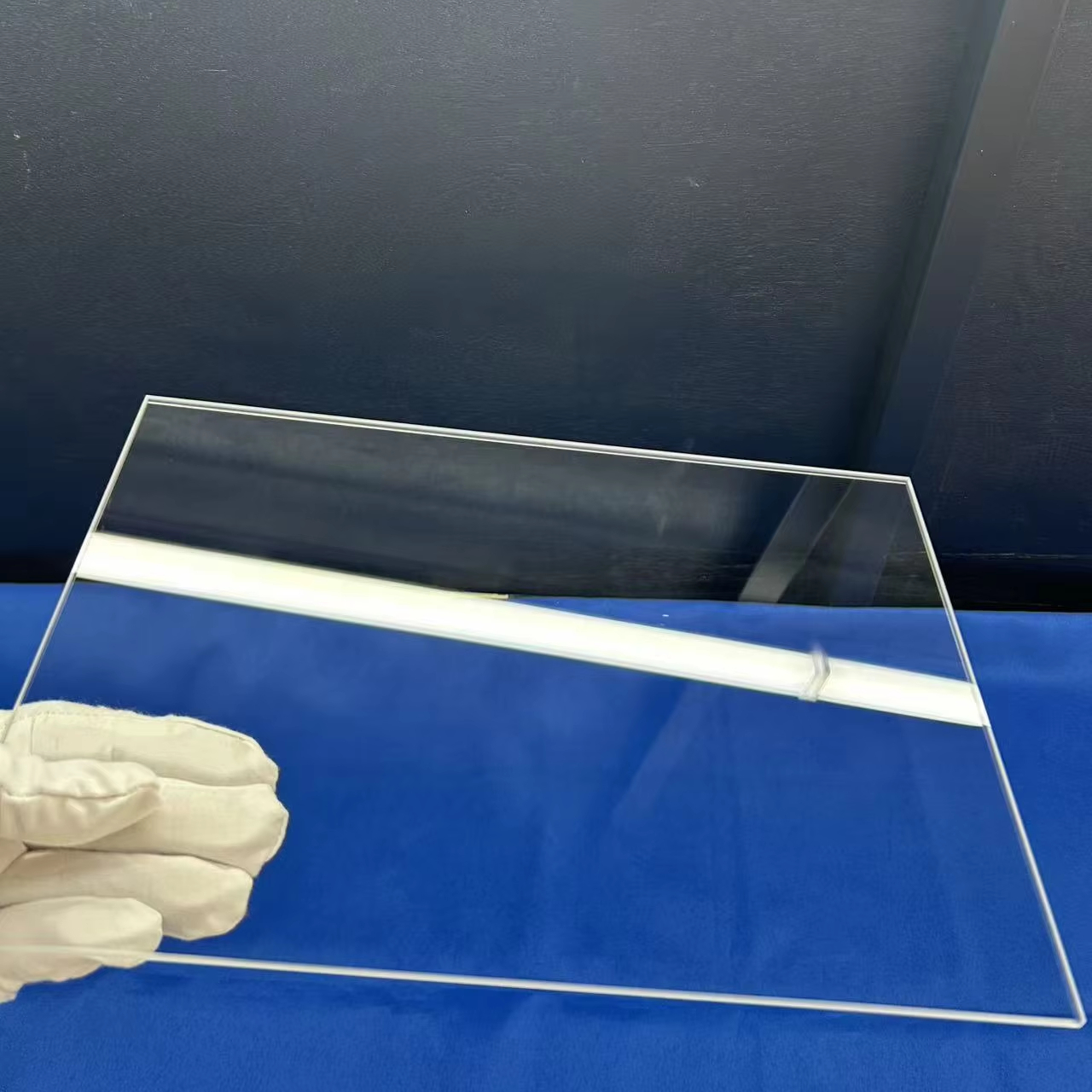
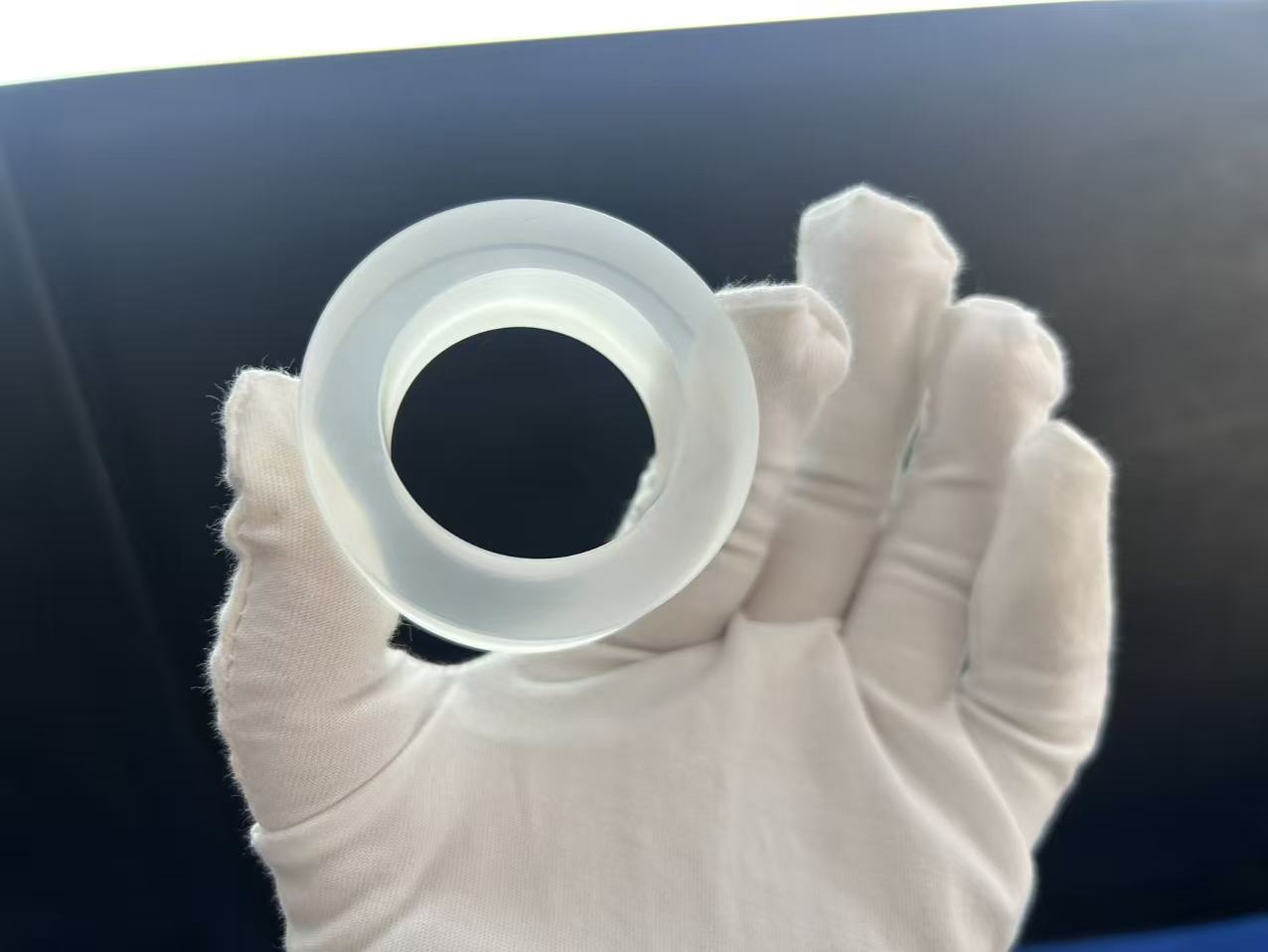
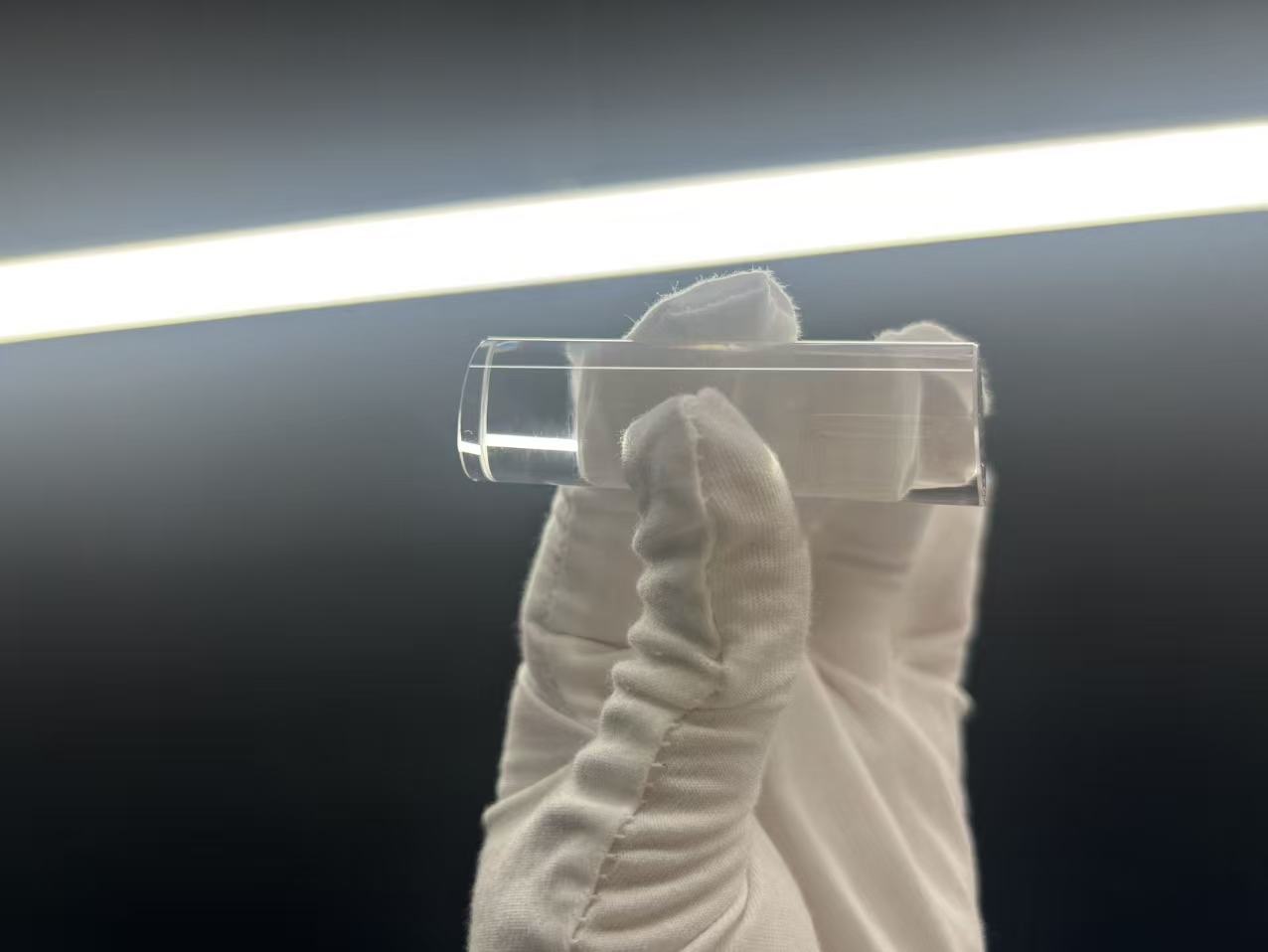
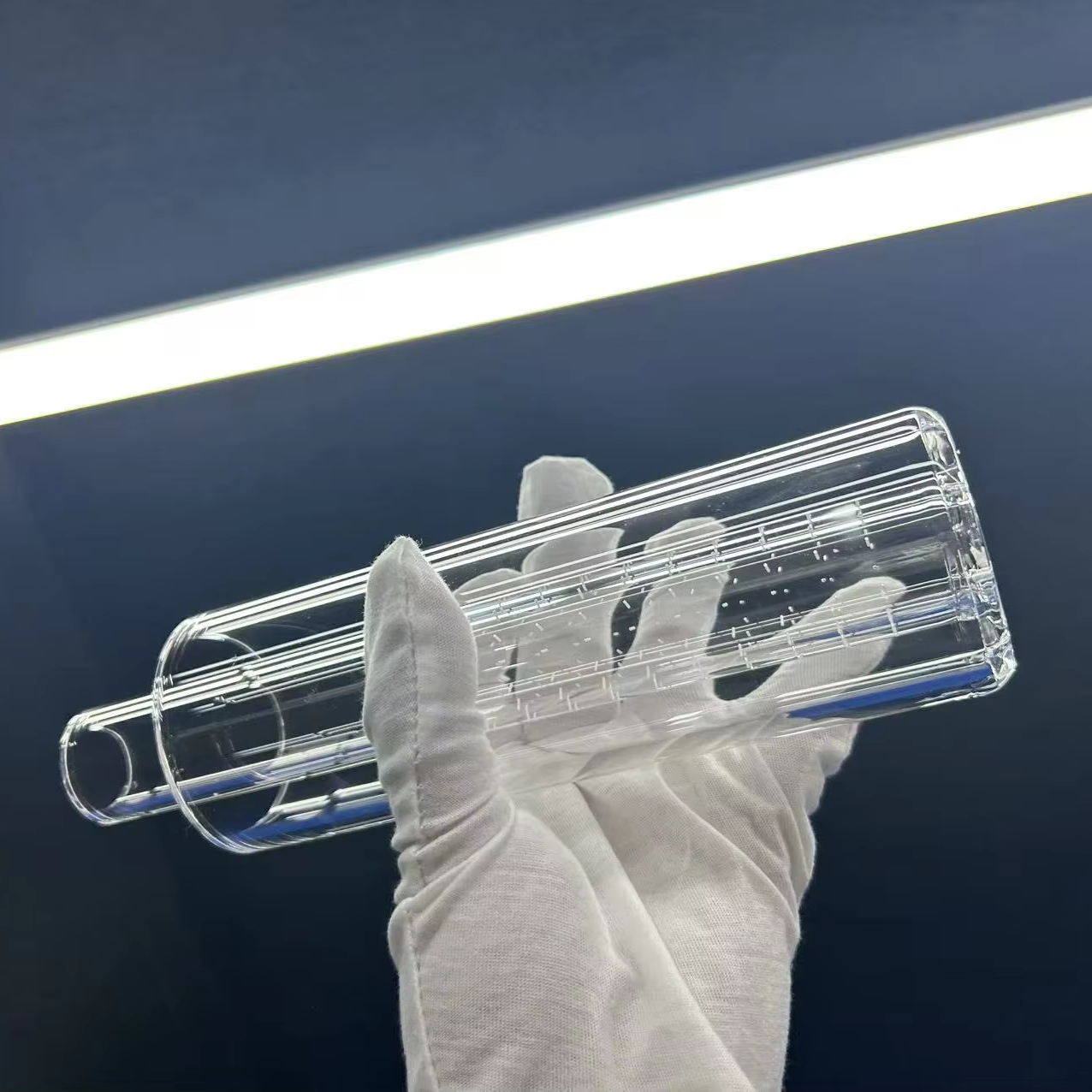
High-purity fused quartz glass (amorphous silicon dioxide, SiO2) represents an indispensable class of engineering materials utilized across advanced industries, including semiconductor manufacturing, photovoltaic cell production, biopharmaceutical synthesis, and optical photonics. Unlike standard borosilicate or soda-lime glass formulations, fused quartz is produced through the extreme temperature fusion of naturally occurring high-purity quartz crystal grains or synthetic silicon tetrachloride precursor materials. This manufacturing process produces a glass matrix with exceptional chemical inertness, near-zero thermal expansion coefficient, remarkable dielectric properties, and unparalleled spectral transmission ranging from the deep ultraviolet (185 nm) to the mid-infrared spectrum (3500 nm).
Material Grade Classification & Optical Transmittance Dynamics
When selecting quartz glass piping and componentry for demanding regional applications across the West End industrial and research sectors, specifying the appropriate quartz material grade is crucial for preventing system failure under thermal shock or optical degradation. Fused quartz is generally classified into three optical-grade categories:
| Quartz Grade | Manufacturing Source | Spectral Transmission Range | Hydroxyl (OH⁻) Concentration | Primary Industrial Application |
|---|---|---|---|---|
| JGS1 | Synthetic Fused Silica (SiCl4) | 185 nm – 2,500 nm (Deep UV) | < 5 ppm to 10 ppm | UV Photolithography, Excimer Laser Optics, Deep-UV Cuvettes |
| JGS2 | Fused Natural Quartz Crystal | 220 nm – 2,500 nm (UV-Visible) | < 30 ppm to 150 ppm | Sight Glass Windows, Process Piping, Furnace Tube Shields |
| JGS3 | Infrared Fused Quartz (Electrically Fused) | 260 nm – 3,500 nm (Near-IR) | < 5 ppm (Water-Free) | Infrared Thermal Lamps, CO2 Laser Optics, High-Temp Pyrometry |
Thermal Stability and Devitrification Behavior
The operational ceiling for continuous thermal loading of clear fused quartz piping is approximately 1100°C, with short-term exposure limits reaching up to 1450°C. Above 1150°C, clean fused quartz undergoes a slow phase transformation known as devitrification, converting from its metastable amorphous structure into crystalline cristobalite. The rate of devitrification accelerates significantly in the presence of surface contaminants such as alkali metals (sodium, potassium, lithium) or surface moisture.
Because fused quartz possesses an extraordinarily low coefficient of thermal expansion (α ≈ 5.5 × 10⁻⁷ /°C between 20°C and 300°C), a thick-walled quartz glass pipe can be heated to over 1000°C and immediately quenched in cold water without catastrophic mechanical failure. This thermal shock resilience makes quartz piping superior to borosilicate piping in furnace tubes, rapid thermal processing (RTP) chambers, and high-energy UV curing systems.
Chemical Corrosion Resistance Profile
Fused quartz exhibits supreme chemical inertness against almost all organic and inorganic acids, halogen atmospheres, and neutral aqueous solutions. It remains entirely unaffected by concentrated nitric acid, sulfuric acid, hydrochloric acid, and aqua regia even at elevated temperatures. The primary exceptions to its chemical stability are Hydrofluoric Acid (HF) and Phosphoric Acid (H3PO4) at temperatures exceeding 150°C. Alkalis and alkaline earth hydroxides will attack the quartz matrix at elevated temperatures, promoting surface devitrification.