High-Purity Quartz Tubes, Wafers & Thermal Components
Direct supply from Donghai's crystal corridor to industrial operations across Pattaya, Chonburi, Rayong, and international destinations. Engineered to sub-millimeter tolerances with continuous thermal thresholds reaching 1100°C.
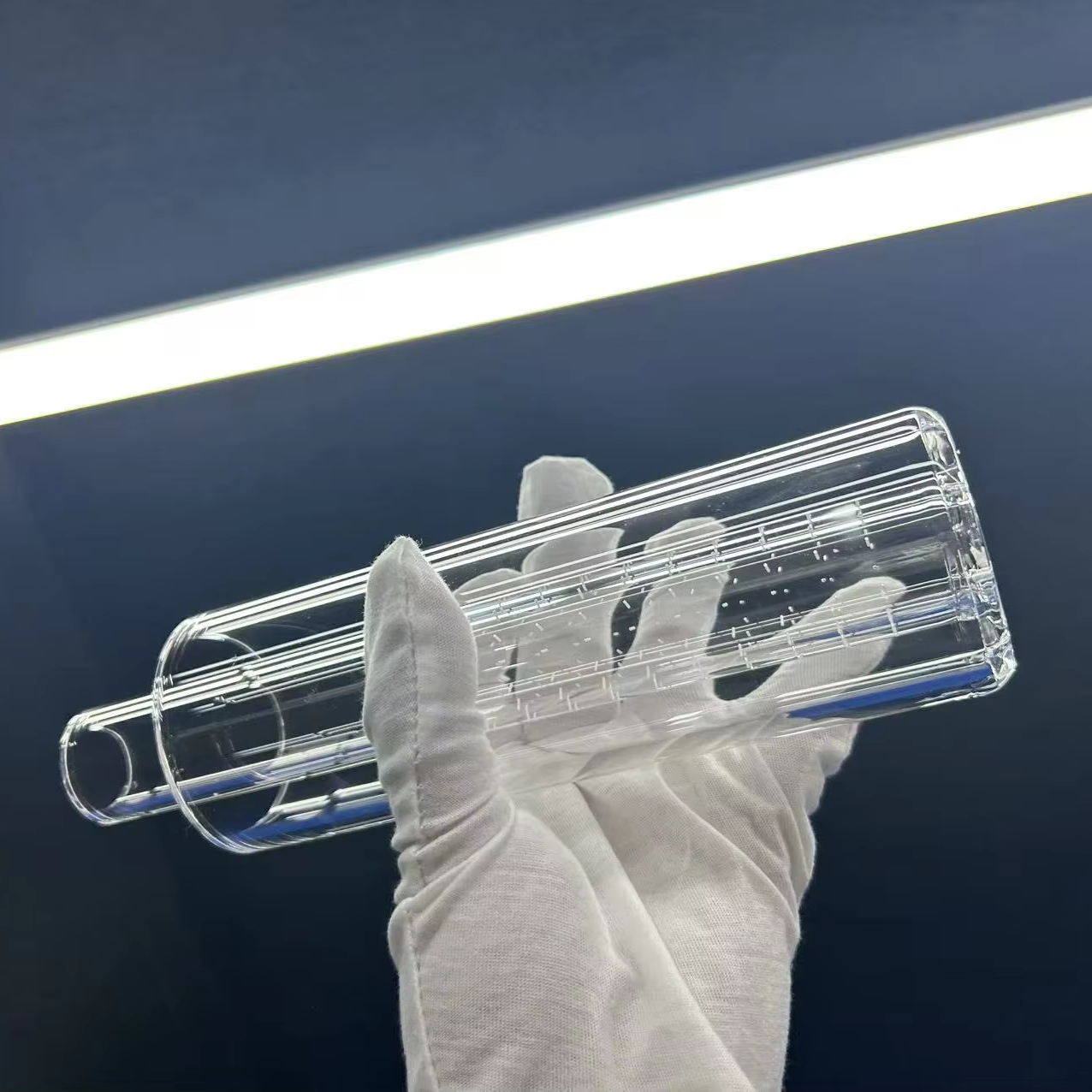
Customized Perforated Quartz Tube
CNC laser-drilled gas diffuser and sparger tubes. Resists high-corrosion acid bubbling and thermal shocks in chemical processing.
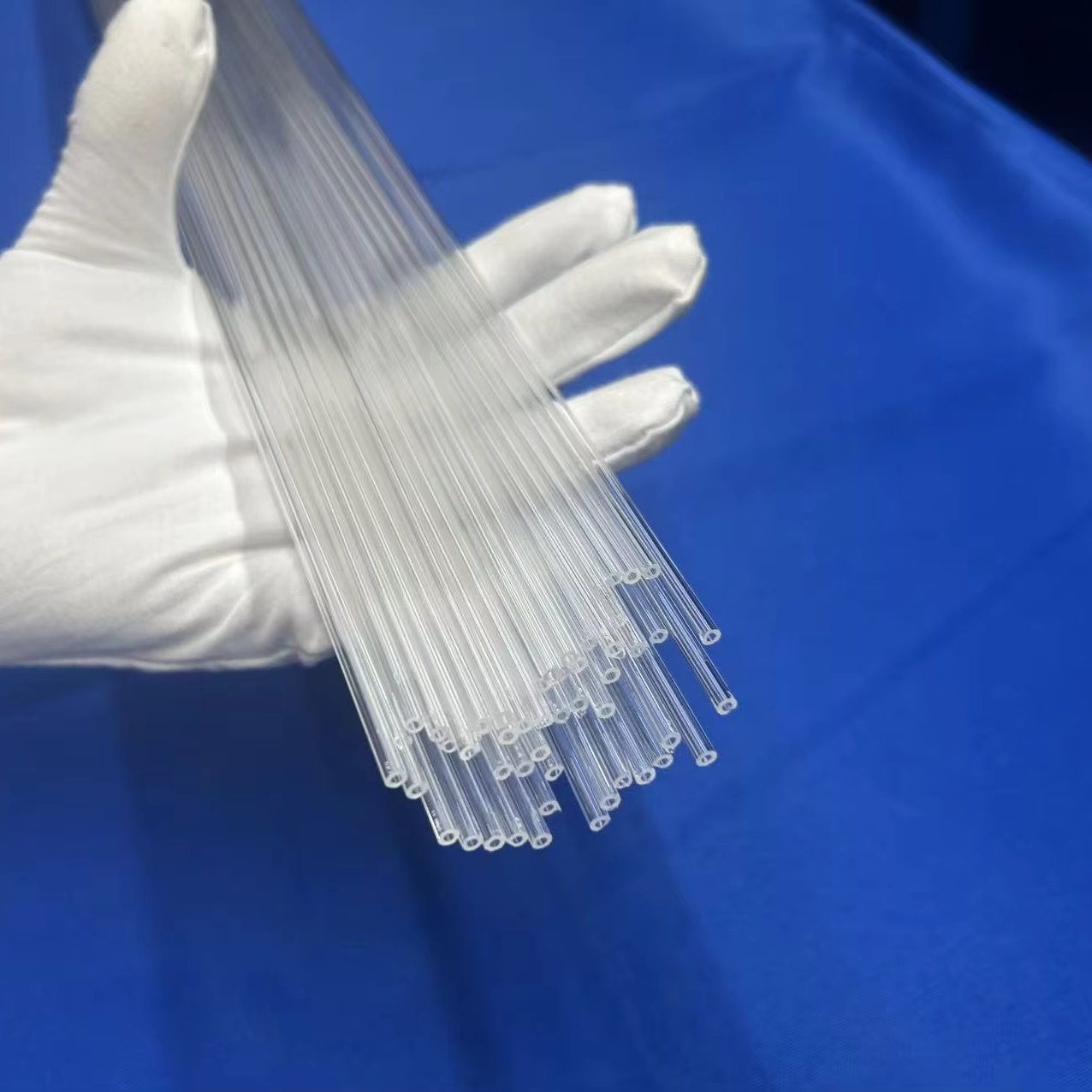
Capillary Quartz Tube
Ultra-narrow bore fused quartz capillary channels for chromatography, fiber optic ferrules, and microfluidic instrumentation.
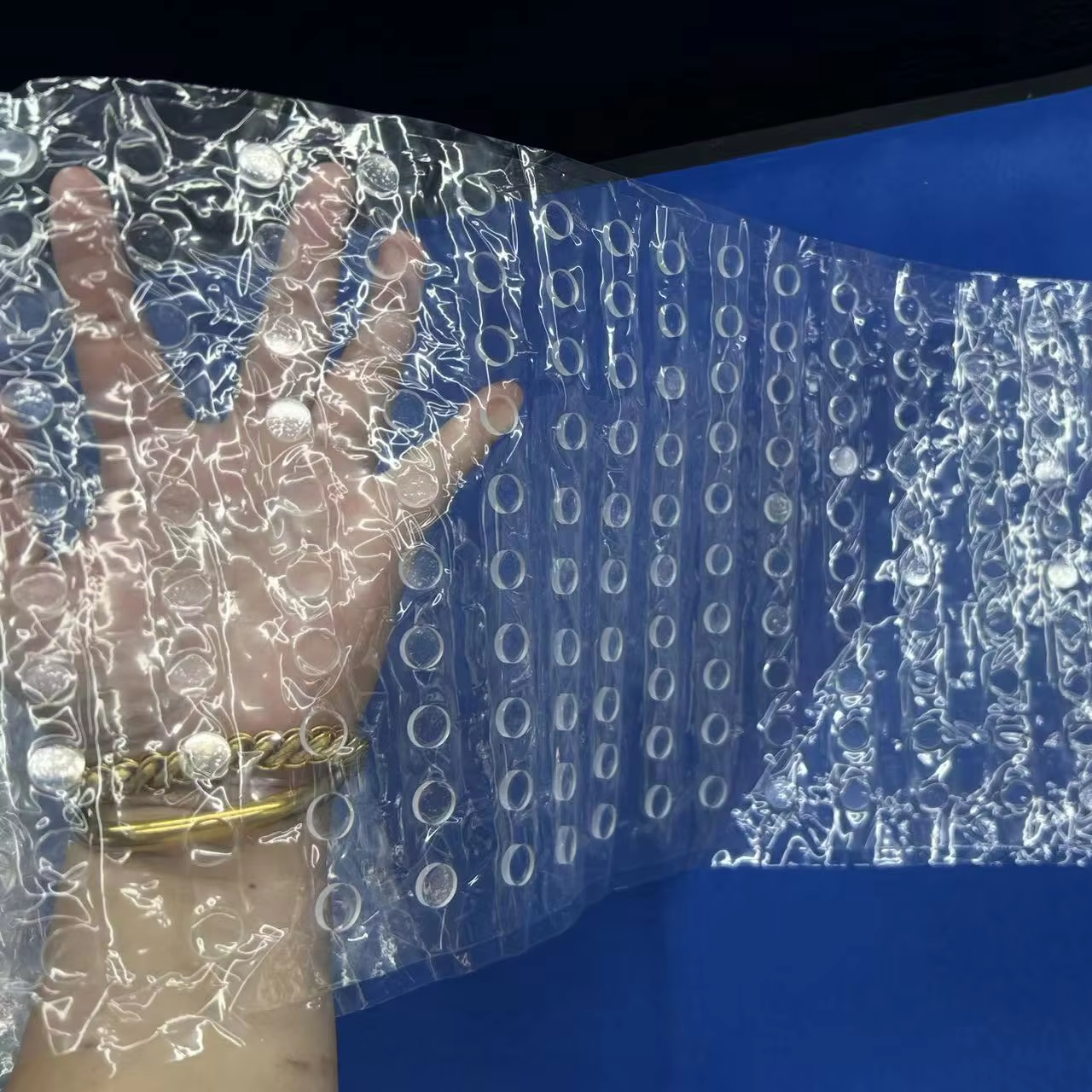
Factory-Made High-Purity Small Size Quartz Wafer
Provides precision dicing, double-sided optical polishing (Ra < 0.5nm), and low-roughness substrate finishing for MEMS and optoelectronics.
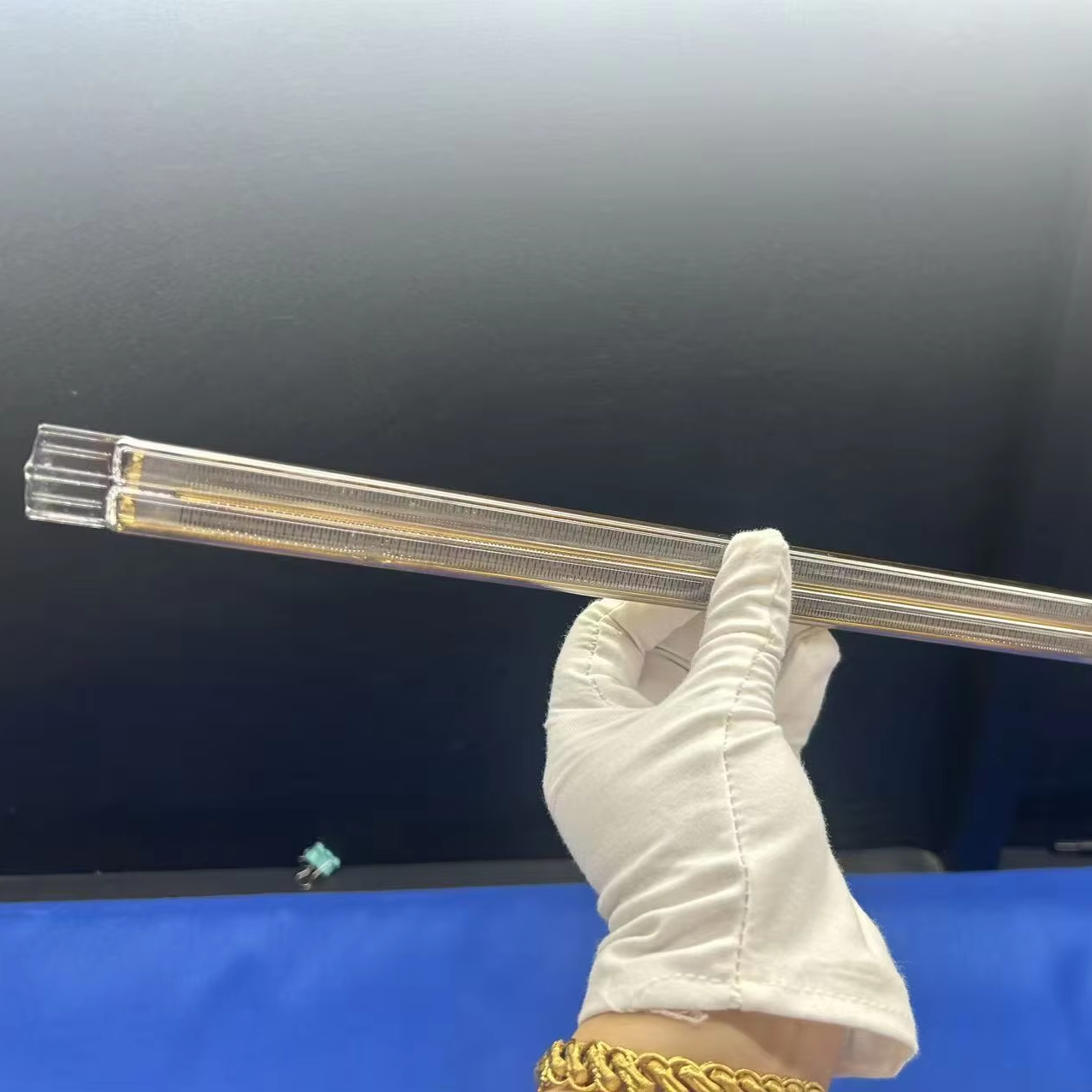
Graphene Quartz Heating Tube
High-efficiency infrared thermal emitter tube. Rapid electro-thermal conversion, uniform radial heat, and extended operating lifetime.
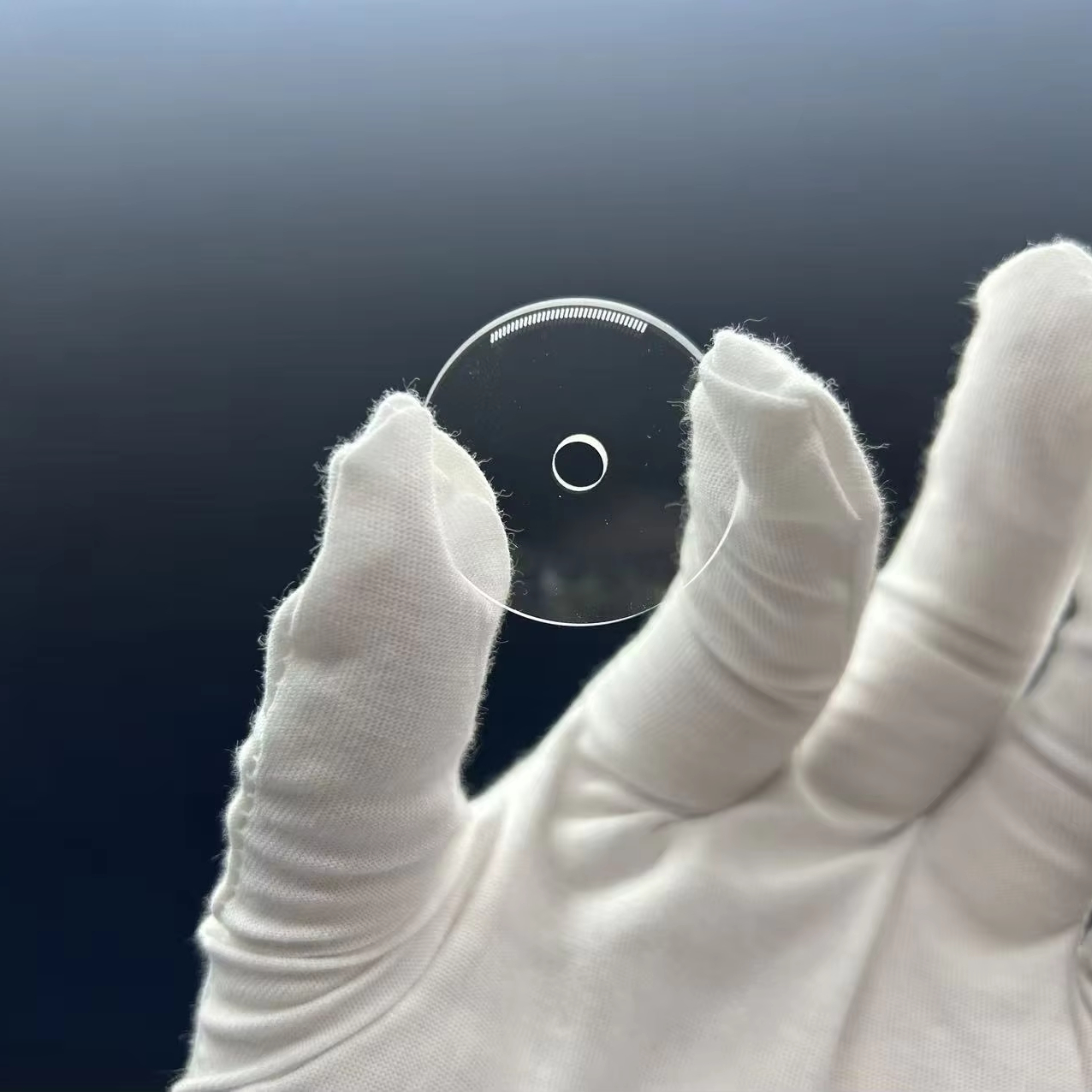
Frosted Quartz Sheet
Uniform sandblasted or chemically etched matte surfaces. Eliminates specular glare and produces diffuse light scattering for furnace windows.
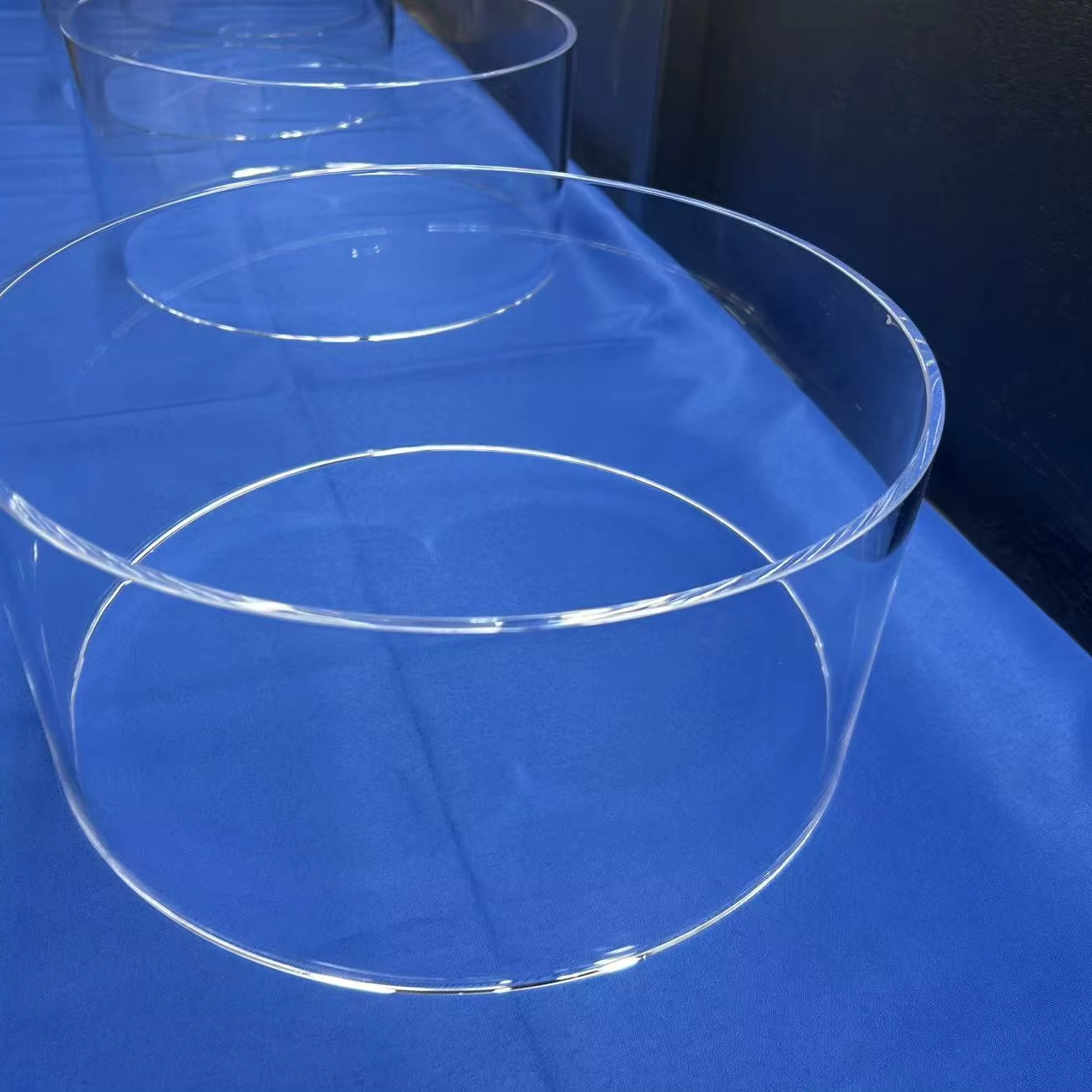
High-Purity Fused Quartz Large Diameter Round Rods
Comprehensive cutting, hydrogen-oxygen flame welding, and lathe-bending services for heavy industrial furnace structural supports.
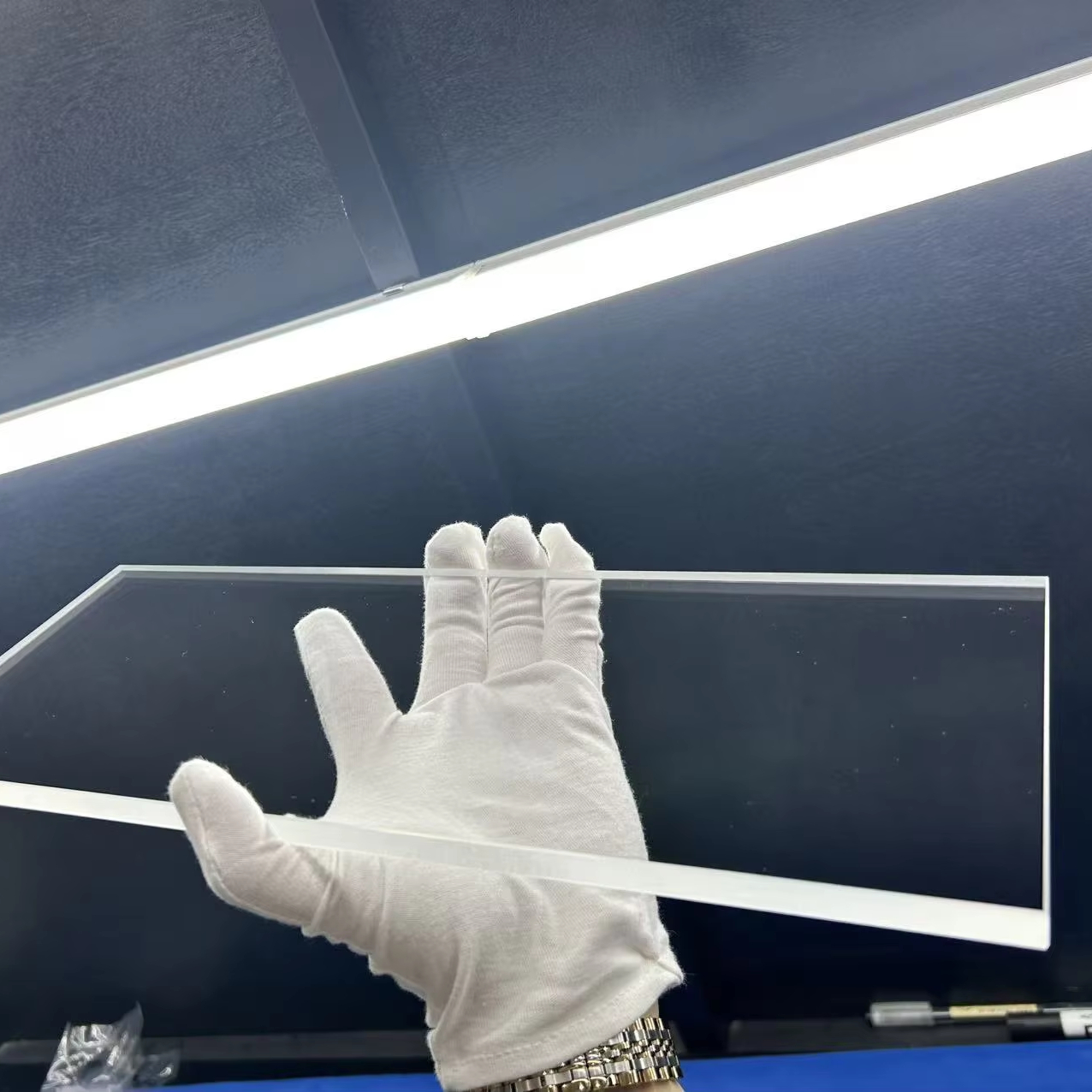
Ultra Clear High Purity Quartz Sheet
High spectral transmission across DUV-Vis-NIR bands. Zero bubble inclusions, high parallel flatness for laser viewing sight glasses.
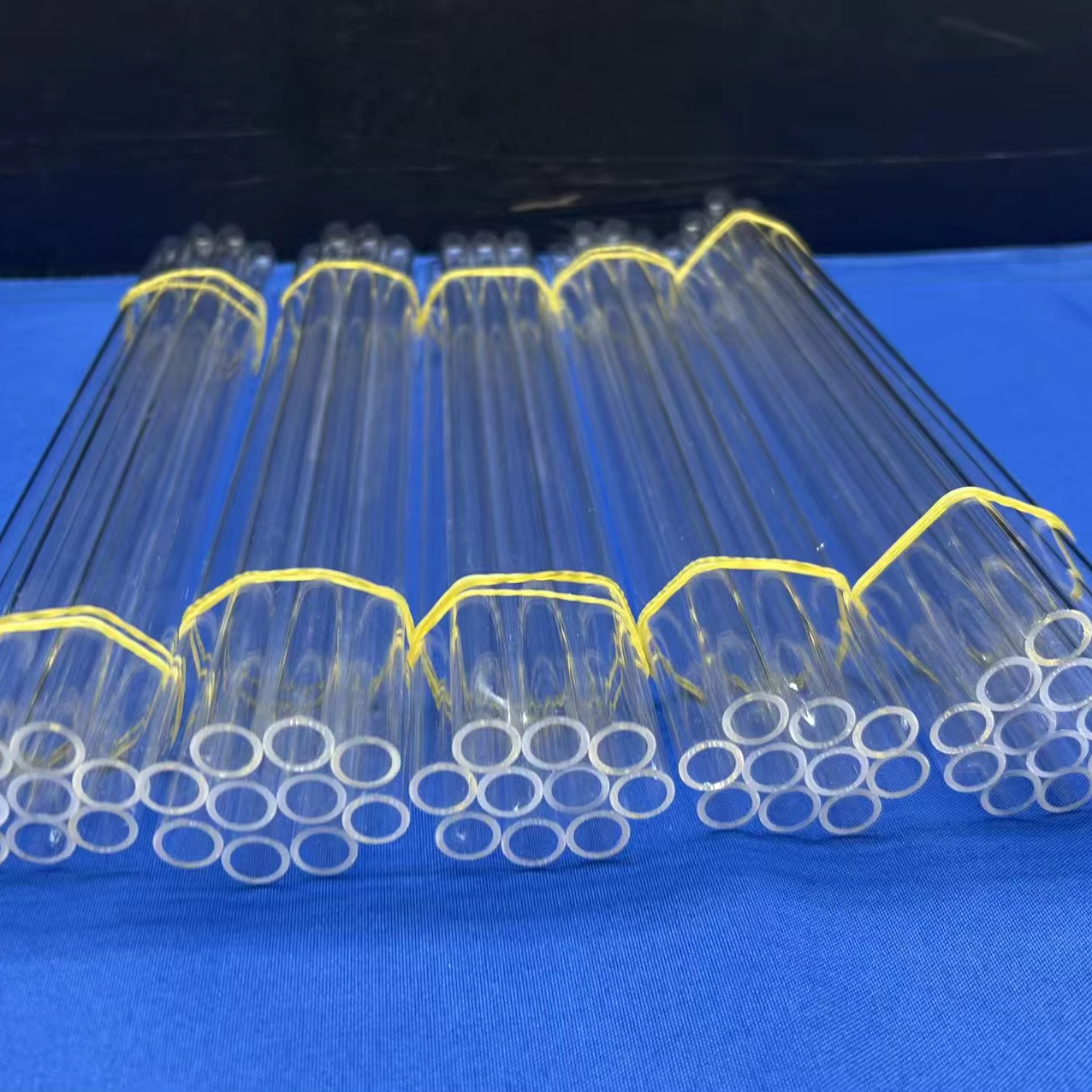
Fused Silica Quartz Test Tube
Calibrated lab-grade reaction vessels. Impervious to acid boil, trace element contamination-free for high-accuracy spectrometry.
Thermodynamic & Optical Foundations of Industrial Fused Quartz Glass
Understanding the molecular purity, devitrification thresholds, and refractive stability of synthetic and natural vitreous silica in advanced fabrication.
Extreme Thermal Pyrometry
Unlike borosilicate or soda-lime glass, fused quartz consists of pure amorphous silicon dioxide ($\text{SiO}_2 > 99.99\%$). This delivers an exceptionally low coefficient of thermal expansion ($\alpha = 5.5 \times 10^{-7}/\text{K}$ between 20°C and 300°C), allowing a red-hot 1100°C pipe to be plunged directly into ice water without micro-cracking or structural shattering.
- Softening Point: ~1683°C
- Annealing Point: ~1180°C
- Strain Point: ~1070°C
Spectrophotometric Windows (JGS1/2/3)
Optical transparency spans from the deep ultraviolet to the mid-infrared spectrum. NIVRA Quartz classifies output by hydroxyl ($\text{OH}^-$) radical concentrations and crystal raw materials to guarantee zero absorption bands across specific process wavelengths:
- JGS1 (Synthetic Silica): 185nm–2500nm (DUV Optics)
- JGS2 (Optical Fused Quartz): 220nm–2500nm (Vis-UV Sight)
- JGS3 (Infrared Grade): 260nm–3500nm ($\text{OH}^- < 5\text{ ppm}$)
Dielectric & Chemical Inertness
Possessing an electrical resistivity of $10^{18}\ \Omega\cdot\text{cm}$ at room temperature, fused silica pipes remain a premier dielectric insulator in high-voltage plasma chambers and RF induction systems. Chemically inert to virtually all acids (nitric, sulfuric, hydrochloric) except hydrofluoric and hot phosphoric acids.
- Dielectric Strength: 25–40 kV/mm
- Mohs Hardness Rating: 5.5 – 6.5
- Zero heavy metal leaching in ultra-pure assays
Quartz Glass Pipe Utilization Across Pattaya & the Eastern Economic Corridor
How the industrial perimeter of Pattaya—spanning Laem Chabang, Sri Racha, Map Ta Phut, and Amata City—deploys precision fused silica components to power Thailand 4.0 automation and chemical manufacturing.
Semiconductor & Electronics
Within Chonburi's smart electronics clusters, high-purity quartz furnace tubes serve as diffusion reactors, LPCVD chambers, and carrier boats, preventing alkali metal cross-contamination during thermal oxidation cycles.
Petrochemical & Refining
Situated in the Map Ta Phut and Sri Racha refinery corridors, our heavy-wall quartz sight glass columns, level gauge pipes, and pyrolysis sampling tubes endure violent acid washes and rapid thermal fluctuations up to 1000°C.
Photovoltaic Cell Production
Renewable solar ingot and wafer fabricators in Pinthong and WHA Industrial Estates rely on our ultra-clear quartz flanges, bell jars, and crucibles for low defect density and high structural yield in monocrystalline pullers.
Water Disinfection & Marine
Pattaya's coastal infrastructure, desalination plants, and advanced wastewater plants utilize our synthetic quartz sleeves for UV-C germicidal sterilization, maximizing 253.7nm ultraviolet radiation penetration.
Fused Quartz Physical, Mechanical & Impurity Benchmarks
Comprehensive metallurgical and material specifications validating our export-grade quartz products against international DIN ISO and ASTM manufacturing standards.
| Characteristic / Parameter | Testing Standard | High-Purity Clear Grade | Semiconductor Optical Grade (JGS1) | Industrial Heating Grade |
|---|---|---|---|---|
| $\text{SiO}_2$ Purity Content | ICP-OES Spectrometry | ≥ 99.99% | ≥ 99.999% | ≥ 99.95% |
| Hydroxyl ($\text{OH}^-$) Content | FTIR Spectrometry | ≤ 30 ppm (Flame Fused) | ≤ 5 ppm (Vacuum Dehydroxylated) | 100 – 180 ppm (Electric Fused) |
| Density ($\rho$) at 20°C | ASTM C693 | 2.20 × 10³ kg/m³ | 2.201 × 10³ kg/m³ | 2.18 – 2.20 × 10³ kg/m³ |
| Linear Expansion (20–300°C) | Dilatometric Analysis | 5.5 × 10¯&sup7; / °C | 5.4 × 10¯&sup7; / °C | 5.6 × 10¯&sup7; / °C |
| Continuous Max Working Temp | DIN 52328 | 1100 °C | 1150 °C | 1050 °C |
| Peak Working Temp (Short-Term) | DIN 52328 | 1450 °C | 1450 °C | 1350 °C |
| Tensile / Compressive Strength | Mechanical Proofing | 48 MPa / 1150 MPa | 50 MPa / 1180 MPa | 45 MPa / 1100 MPa |
| Trace Impurities: Al / Fe / Cu / Na | GDMS Analysis | Al < 14, Fe < 0.2, Cu < 0.05, Na < 0.7 ppm | Al < 1.0, Fe < 0.05, Cu < 0.01, Na < 0.1 ppm | Al < 25, Fe < 1.5, Cu < 0.2, Na < 2.0 ppm |
Direct Sourcing from Donghai's Primary Fused Silica Processing Core
Headquartered at 285 Heping East Road, Lianyungang, Jiangsu, Donghai County Nivra Quartz Products Co., Ltd. anchors its production directly at the crystalline capital of China. Operating as a unified manufacturer and exporter with 101–200 specialized glassblowers, cold-processing machinists, and optical engineers, we eliminate trading layer margins, ensuring high consistency, factory-level quality guarantees, and rapid delivery schedules directly to Pattaya through Laem Chabang Deep Sea Port.
On-Site Verified Fabrication Infrastructure
Audited on-site by international inspection bodies. Explore our manufacturing lines encompassing cutting, centerless precision grinding, multi-axis CNC drilling, and automated flame-working furnaces.

Precision Cutting & Flame Forming
High-torque diamond wire sawing and high-temperature hydrogen-oxygen lathe torches shaping complex tube flanging and spiral geometries.

Surface Grinding & Optical Polishing
Double-sided planetary chemical-mechanical polishing achieving optical wafer surface roughness of Ra < 0.5nm and wavefront flatness under 1λ.
Cleanroom Inspection & Export Crating
Every single pipe undergoes laser micrometer wall-thickness verification, polariscope strain analysis, and vacuum-sealed EPE impact packaging.
Why Pattaya & Eastern Seaboard Engineers Source Directly with Us
Combining primary crystal quarry access with streamlined maritime shipping routes into Chonburi to mitigate industrial supply risks.
Quarry-Direct Cost Efficiency
Sourcing directly from Donghai crystal reserves eliminates multiple trading broker markups, reducing unit costs by 25–40% on bulk tubing orders compared to European distributors.
Laem Chabang Port Proximity
Our direct maritime container routes from Lianyungang/Shanghai Port dock right at Laem Chabang Deep Sea Port (less than 35 km from central Pattaya), shortening customs transit to under 7 days.
Custom OEM/ODM Drawing Support
Accepting CAD, SolidWorks, DWG, and STEP formats, our engineering staff translates blueprint tolerances down to ±0.05 mm, accommodating complex ground joints, ball sockets, and spigots.
Zero-Breakage Packaging Guarantee
Each glass pipe is encased in custom-molded high-density shock-absorbent EPE foam and secured within IPPC-certified fumigation-free wooden crates reinforced with steel corner framing.
Frequently Asked Questions: Sourcing Quartz Glass Pipes in Pattaya
Addressing common technical specifications, import clearances, customs duties, and logistical parameters for procurement teams operating in Thailand.
Q1: What are the standard shipping timelines and ports of entry for Pattaya consignments?
Most industrial consignments designated for Pattaya, Bang Lamung, and Chonburi industrial zones enter through Laem Chabang Deep Sea Port (Port Code: THLCH), which is approximately 30–40 minutes from central Pattaya. Typical maritime transit from Lianyungang or Shanghai Port takes 6 to 10 days. For urgent prototyping or low-volume custom tubes, air express shipping directly into U-Tapao–Rayong–Pattaya International Airport (UTP) or Bangkok Suvarnabhumi (BKK) takes only 3 to 5 business days.
Q2: Which HS codes apply to imported quartz pipes, and what import duties should we anticipate in Thailand?
Fused quartz tubes and pipes are typically classified under HS Code 7002.31.00 (Tubes of fused quartz or other fused silica) or HS Code 7017.10.00 (Laboratory, hygienic or pharmaceutical glassware of fused quartz). In Thailand, under the ASEAN-China Free Trade Agreement (ACFTA / Form E), eligible shipments benefit from reduced or 0% preferential customs duty rates, subject to standard domestic Value Added Tax (VAT 7%). We routinely provide compliant Form E origin documentation.
Q3: Can you fabricate high-precision quartz furnace pipes matching European OEM specifications?
Yes. We regularly supply replacement process tubes, CVD reactor shells, and quartz diffusion liners compatible with European, Japanese, and American manufacturing equipment. Send your technical PDF or STEP drawings indicating outer diameter (OD), inner diameter (ID), wall thickness uniformity, and tolerance requirements. We routinely hold dimensional tolerances to ±0.1mm, with optical ground surfaces within ±0.05mm.
Q4: How does your manufacturing process address thermal devitrification at temperatures over 1000°C?
Devitrification (transformation of amorphous vitreous silica into crystalline cristobalite) occurs when quartz is exposed to temperatures above 1150°C in the presence of surface alkali contaminants (Na, K, Li, Ca). We minimize trace alkali elements to < 1.5 ppm and execute high-temperature dehydroxylation and ultrasonic acid-cleaning cycles before packaging. This ensures extended structural longevity in continuous heating runs at 1100°C without premature surface hazing or structural embrittlement.
Q5: What is the Minimum Order Quantity (MOQ) for custom-welded quartz pipes?
Unlike large conglomerate glass houses that demand massive tonnage commitments, our flexible fabrication line accommodates small pilot runs. Standard straight quartz tubes have an MOQ as low as 1 to 10 pieces. Highly complex custom assemblies—such as quartz pipes featuring welded flanges, side ports, ground joints, or perforated walls—can be prototyped from a single piece (MOQ = 1) for initial customer qualification.
Q6: How do you prevent breakage and mechanical shock damage during trans-oceanic shipping?
With an export record of zero-breakage insurance claims across 40+ countries, every pipe is wrapped with protective surface film, isolated inside form-fitting EPE cellular foam blocks, and encased inside heavy-duty multi-layer cartons or fumigation-free solid plywood export cases. Long rods and heavy industrial tubes exceeding 1.5 meters are stabilized on wooden pallets with internal vibration dampers to absorb maritime swell acceleration.
Q7: What documentation and quality inspection certificates are included with commercial orders?
Each production run is accompanied by a formal Certificate of Conformance (CoC), material spectrometer purity assay reports (confirming $\text{SiO}_2 \ge 99.99\%$), dimensional laser measurement inspection logs, and polariscope stress test records. Third-party testing certifications (SGS, RoHS) can also be supplied upon request before vessel departure.
Q8: Can your technical team assist in selecting between JGS1, JGS2, and JGS3 fused quartz grades?
Yes. If your application involves UV light transmission (e.g., photochemical reactors, UV-C sterilizers), JGS1 or JGS2 is required to prevent solarization and internal UV absorption. If your process involves high-temperature infrared heating (such as graphene heating or thermal pyrometry), low-hydroxyl JGS3 is required to eliminate deep IR absorption dips around 2.73μm. Our technical engineers evaluate your operating temperature, chemistry, and optical requirements within 5 hours of inquiry.